
Oil leaks are one of the most common mechanical issues truck owners face, regardless of the vehicle’s make, model, or age. While some leaks can be minor annoyances, others may signal deeper problems that could lead to expensive repairs if left unattended.
Truck owners, especially those who rely on their vehicles for daily work, long-distance travel, or heavy-duty use, know the importance of engine reliability.
Oil is the lifeblood of any internal combustion engine. Without proper lubrication, heat builds up, metal parts grind, and wear occurs rapidly. When oil starts leaking, it’s more than just an oily driveway; it’s often a red flag about potential future damage.
Different trucks perform differently when it comes to long-term oil retention. Some manufacturers engineer their engines and seals with tighter tolerances and more durable materials, leading to far fewer oil-related issues over time.
Others, even among well-known brands, have struggled with faulty gaskets, poorly designed valve covers, or engine layouts that promote leaks as the miles pile up. For consumers, knowing which models are dependable in this area can save thousands in repairs and countless hours of frustration.
This comparison is not about the newest or most powerful trucks on the market. It’s focused on a practical and often overlooked aspect of long-term vehicle ownership: how often you’ll be dealing with oil stains on your garage floor or parking space.
On the flip side, we also look at five trucks that have developed a reputation, deserved or not, for having frequent oil leak issues. Whether due to poor gasket design, crankcase ventilation flaws, or just generally troublesome engineering, these models often make their way into repair shops for oil-related repairs.
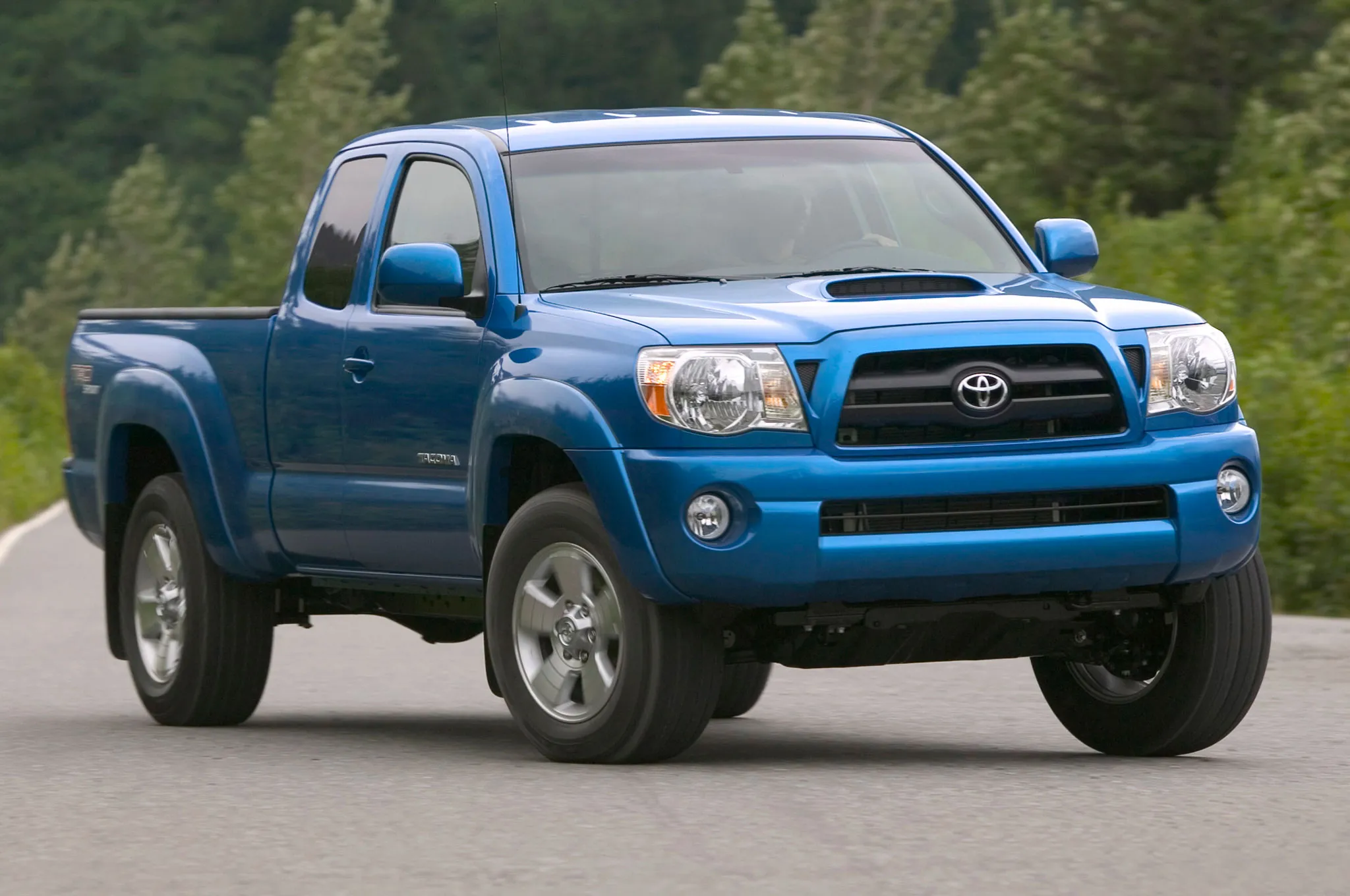
1. Toyota Tacoma
The Toyota Tacoma is widely respected for its off-road performance and midsize truck capabilities, but its reputation for oil leak resistance is just as important. Over the years, Toyota has refined the Tacoma’s engines with a strong focus on longevity and minimal maintenance headaches.
Both the older 4.0L V6 and the more modern 3.5L V6 engines feature well-designed sealing systems and superior gasket materials that withstand thermal cycling and engine vibrations.
Toyota’s manufacturing process consistently prioritizes tight machining tolerances and quality control, which results in fewer imperfections where leaks can begin. These engines are built to last, and it shows when even high-mileage examples still hold their oil with minimal seepage.
Many long-term Tacoma owners report clean engine bays and dry undercarriages even past 150,000 miles. Part of this durability comes from Toyota’s use of high-quality rubber compounds in gaskets and seals, especially around the valve covers and oil pans.
Additionally, Toyota avoids over-complicating the oil system, which can be a major reason why leaks are rare. Unlike some modern engines that integrate variable oil pressure controls or complex turbocharged oil feed lines, the Tacoma keeps things simple and robust.
Oil pressure remains steady without the wild fluctuations that often degrade seals. Even the oil filter placement, which may seem minor, contributes to the leak resistance by minimizing oil spillage during service. By keeping oil off sensitive rubber and electronic components, Toyota further protects the engine bay from wear-and-tear over time.
The Tacoma also benefits from an incredibly strong user community and consistent maintenance practices. Owners are typically aware of the vehicle’s needs and service intervals.
Because this model is so popular among tradespeople, adventurers, and long-distance commuters, the trucks are usually maintained well, and Toyota’s conservative oil change intervals and reliable fluid specs make it easy to follow the right routine.
In the end, the Tacoma offers peace of mind not just for its driving performance, but also for its dependable mechanical health under the hood.
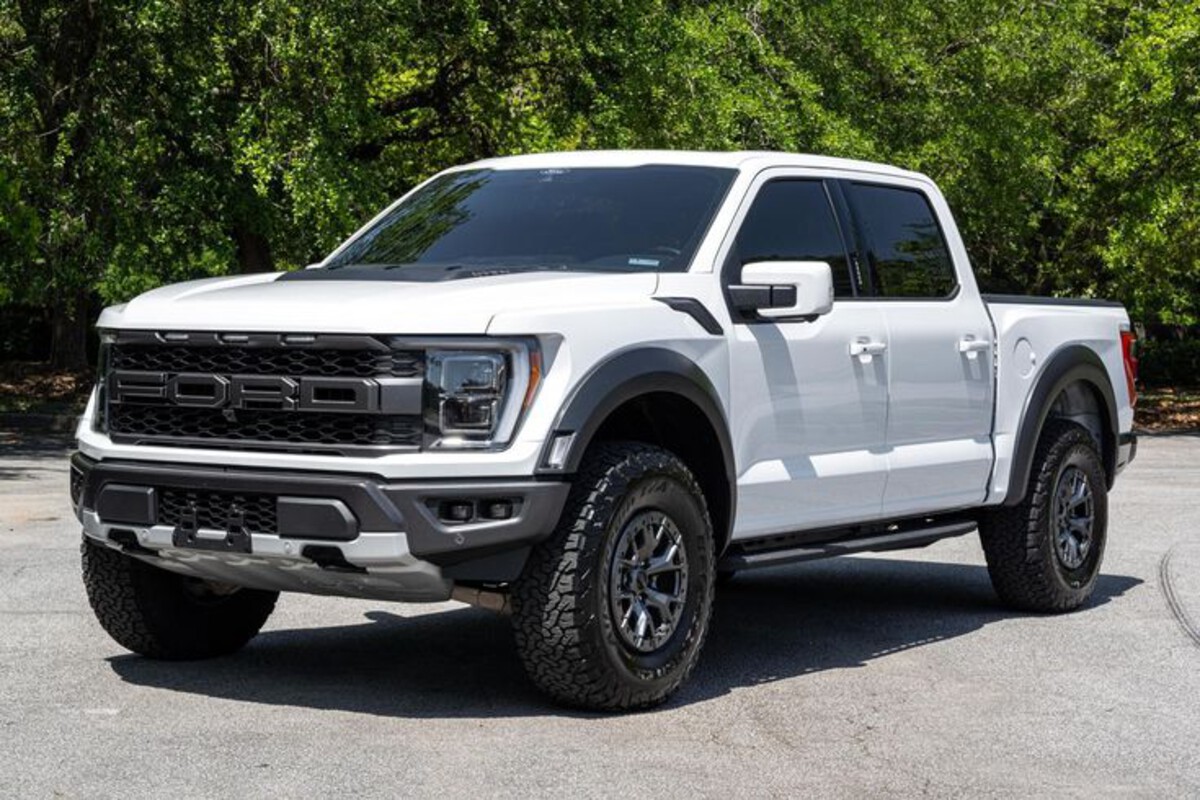
2. Ford F-150 (Coyote 5.0L V8)
Among Ford’s many engine options, the 5.0L “Coyote” V8 in the F-150 is widely recognized for its solid reliability and low incidence of oil leakage. This engine balances modern performance with classic durability, and over several generations, Ford has steadily refined its construction.
The block and heads are built with precision-machined aluminum, and the engine incorporates advanced sealing technologies that help prevent leaks even after years of hard use.
Early design flaws seen in Ford’s modular V8s, such as valve cover and timing chain gasket issues, have been largely resolved in the Coyote series. This means that owners of modern F-150s with this engine can usually expect years of operation without oil on the driveway.
One key advantage of the 5.0L V8 is its use of multi-layer steel (MLS) gaskets, which offer superior durability compared to traditional composite gaskets. These MLS gaskets compress evenly and resist degradation from heat and oil exposure, giving the engine a longer seal life.
Another element that helps the 5.0L V8 stay leak-free is the way it manages internal pressure. Ford improved the crankcase ventilation system in later Coyote engines, which helps relieve pressure without overwhelming seals.
When a crankcase builds up pressure due to poor ventilation, it forces oil past gaskets, leading to leaks. By addressing this with a more effective PCV system, Ford helps the engine maintain steady pressure inside, reducing gasket wear. Combine this with a strong oil pump and well-routed oil channels, and the entire system is built for endurance.
Finally, Ford’s massive dealer network and aftermarket support ensure that any potential issues that do occur are easy and affordable to fix. Because of the F-150’s popularity, mechanics are extremely familiar with this engine, which decreases the risk of improper service that could cause leaks later.
Many owners also report that their trucks hit 200,000 miles or more without needing any major engine repairs, let alone oil-related ones. For buyers who want power without the mess, the 5.0L V8 in the F-150 remains one of the best-balanced and most dependable options in the full-size truck market.
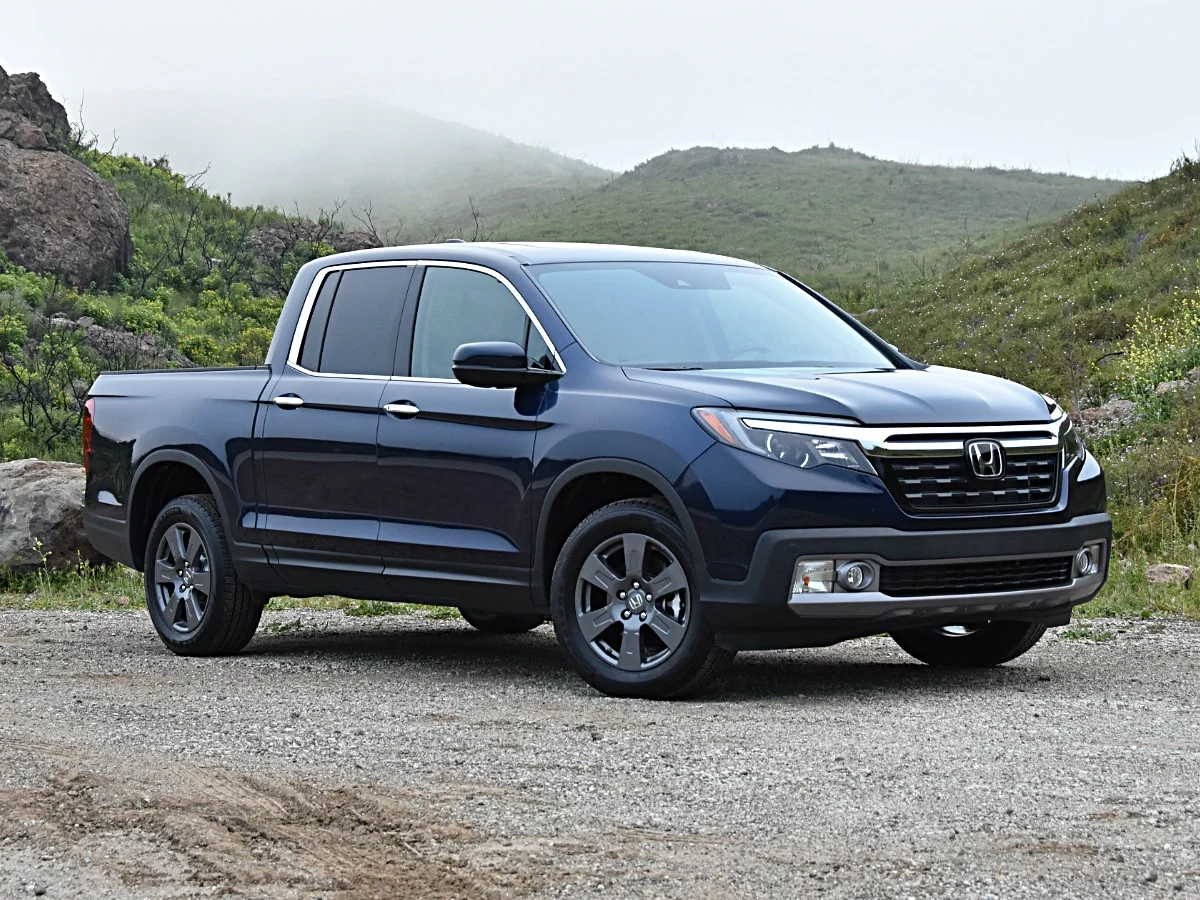
3. Honda Ridgeline
The Honda Ridgeline is not the first truck that comes to mind when people talk about rugged reliability, but it quietly delivers some of the cleanest, most leak-resistant performance in the segment.
Built on a unibody platform derived from Honda’s SUV lineup, the Ridgeline features a transverse-mounted 3.5L V6 engine that has been proven in millions of vehicles across the brand’s product range.
Honda’s manufacturing consistency and focus on clean-burning, low-maintenance engines directly benefit Ridgeline owners, who often enjoy a leak-free experience even well past the 150,000-mile mark. It’s not flashy, but it works.
Honda’s engine design has always emphasized minimal oil contact with external surfaces. The V6 engine used in the Ridgeline utilizes integrated components that reduce the number of sealing surfaces where oil could escape. With fewer external oil lines and gasketed joints, the engine simply has fewer places where leaks can start.
This integrated approach also reduces vibration at sealing points, which further minimizes long-term wear on gaskets and seals. Honda’s use of top-quality rubber and composite gasket materials, refined over years of use in both cars and trucks, adds another layer of durability.
Unlike turbocharged or high-performance trucks that push their oil systems to the limit, the Ridgeline’s naturally aspirated V6 operates at a moderate oil pressure and temperature range. This reduces thermal expansion and contraction around the gaskets, one of the leading causes of leaks in high-strain engines.
Because of this, the seals in the Ridgeline last longer and perform better over time. There’s also no complex oil cooling or high-pressure turbo oil feed system to worry about, which simplifies maintenance and reduces stress on the lubrication system.
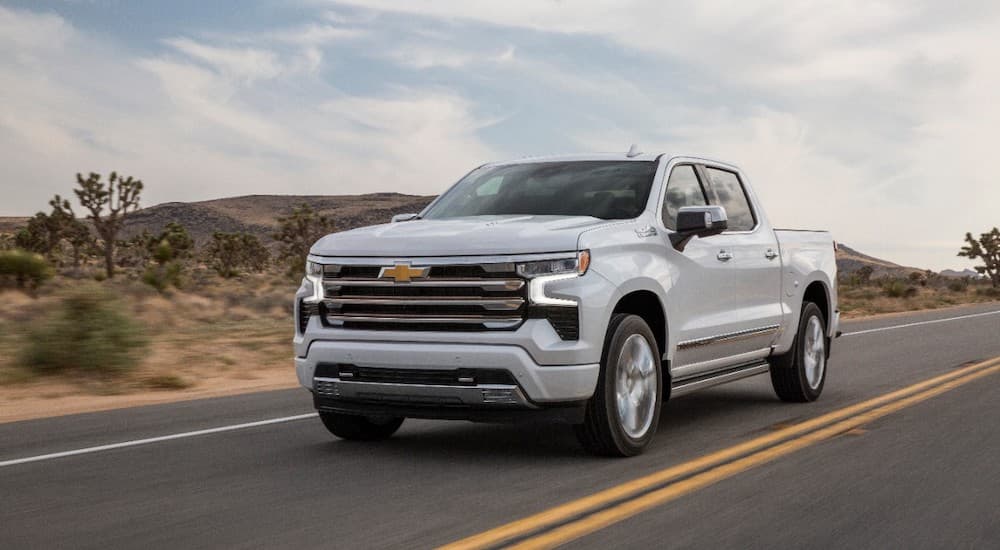
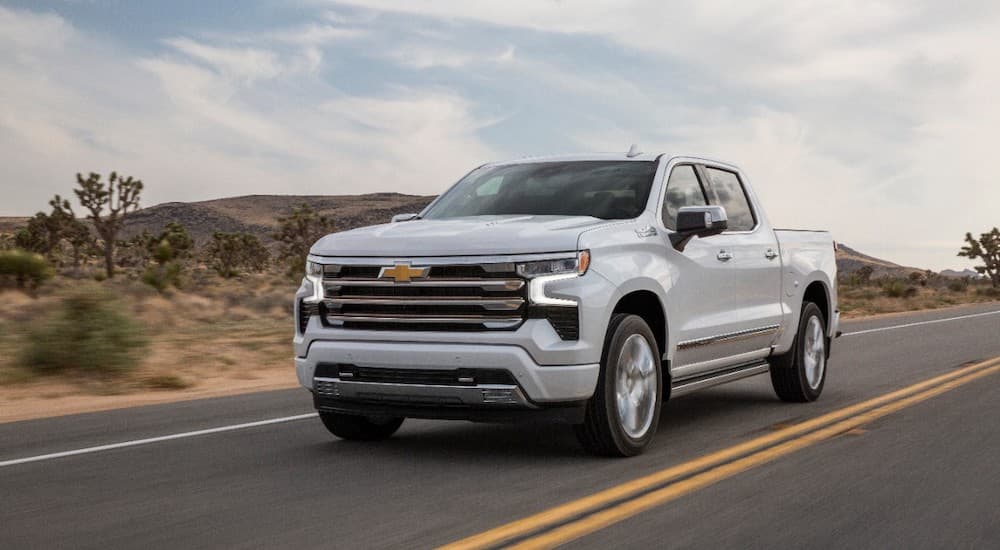
4. Chevrolet Silverado 1500 (5.3L V8)
The Chevrolet Silverado 1500 with the 5.3L V8 has quietly become one of the most reliable full-size trucks on the market, and its strong oil retention performance is part of the reason. Over multiple design generations, General Motors has refined the LS and later EcoTec3 versions of the 5.3L engine to eliminate many of the issues that plagued earlier designs.
Improvements in casting quality, sealing surface machining, and gasket materials have made the modern Silverado a truck that rarely leaves oil spots on the garage floor. This is particularly impressive given the engine’s popularity and use in both light-duty and work-focused applications.
A big improvement came when GM redesigned the oil pan, timing cover, and valve cover areas. Older models had poorly sealed oil pans and brittle gasket materials, which often led to leaks after 100,000 miles.
But with the introduction of newer sealing methods, including rubber over-molded gaskets and aluminum components with tighter tolerances, these leak points were largely eliminated.
The 5.3L also features an updated rear main seal that resists the breakdown commonly seen in earlier V8 designs. These design updates weren’t just cosmetic; they translated to real-world reliability improvements that owners notice every time they inspect their engine bay.
Another factor that contributes to the Silverado’s low oil leak rate is the durability of its PCV system. GM’s improved ventilation setup in the EcoTec3 engines allows internal pressures to remain well-regulated, avoiding the pressurization that often blows out seals in older designs.
In addition, GM reworked how oil returns to the pan, improving flow and reducing oil pooling that can degrade seals over time. With better oil management and smoother operation, these engines run cleaner and leak far less often than older models or competitors with more complex turbocharged layouts.
Silverado owners often report that even after a decade of driving and 150,000+ miles on the odometer, their trucks remain free of serious oil-related issues. It’s not uncommon to find Silverados from the mid-2010s still running on original gaskets with no signs of oil leakage.
Combine that with widespread parts availability, clear service procedures, and a large community of mechanics who know this engine inside and out, and you have one of the most worry-free trucks when it comes to oil retention.
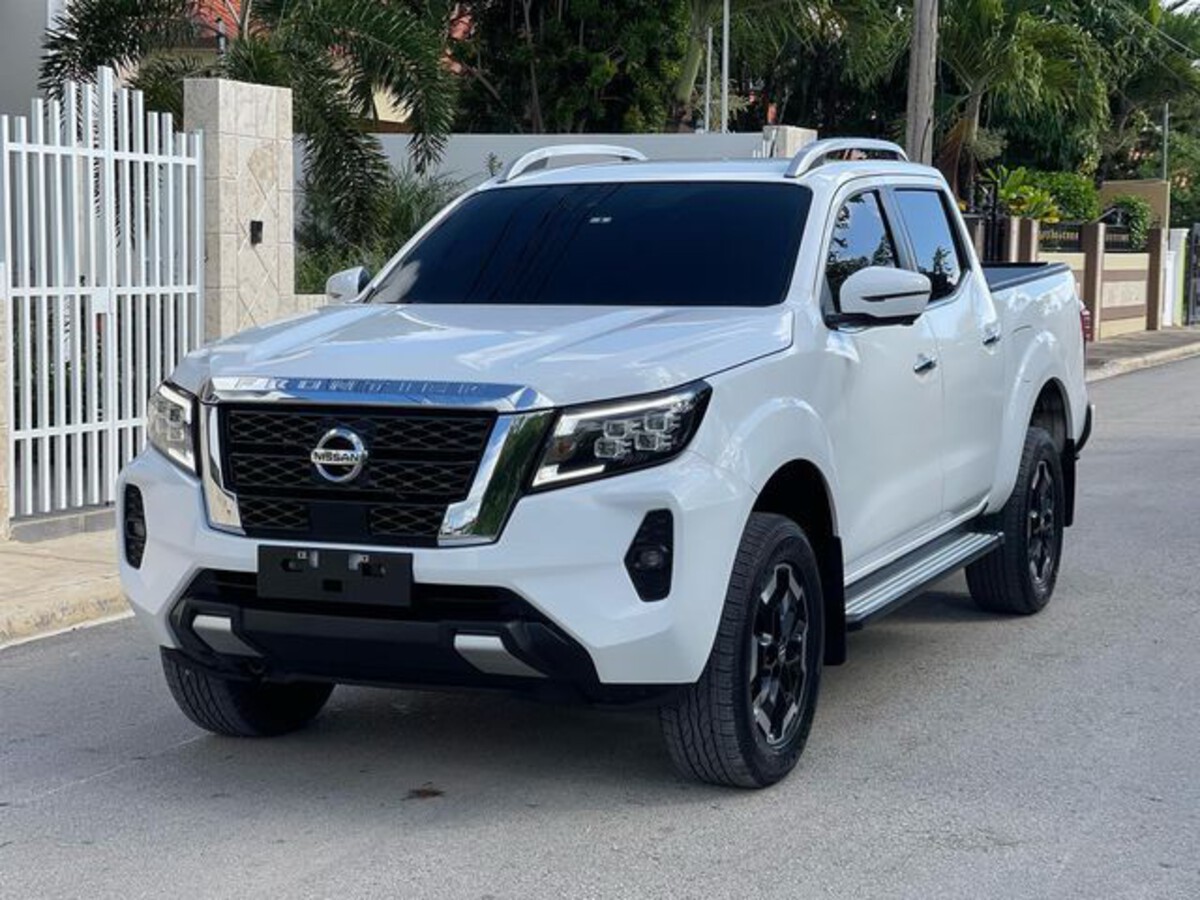
5. Nissan Frontier (4.0L V6)
The Nissan Frontier, particularly those models equipped with the 4.0L V6 engine (known as the VQ40DE), has built a strong reputation for mechanical toughness and leak-free reliability. This engine, shared across several Nissan vehicles, is well-known for its durable construction, and one of its standout features is how well it holds up against oil leaks over long-term use.
The VQ40DE was designed with longevity in mind, featuring robust seals, minimal external oil lines, and conservative internal pressures that reduce stress on gaskets. Many owners have driven their Frontiers well past the 200,000-mile mark with no signs of dripping or seeping oil, which is a testament to Nissan’s conservative and time-tested engine design philosophy.
What makes the Frontier especially resistant to oil leaks is the straightforwardness of its engine layout. The design minimizes the number of weak points where oil might escape, such as complex valve train covers or multiple sealing surfaces.
The valve cover gasket, a common failure point in many vehicles, is constructed from high-quality materials and placed in a way that limits exposure to extreme heat or vibration.
Additionally, the oil pan gasket and timing chain cover are built with thick, molded rubber that maintains its shape and flexibility over time. Nissan chose reliability over trendiness, and it shows in the Frontier’s performance under the hood.
Another key factor is how Nissan tunes this engine. The VQ40DE does not use forced induction or complicated variable oil pressure systems, both of which can contribute to gasket wear over time. It runs at moderate temperatures and pressures, which greatly extends the life of internal and external seals.
The engine block and head are made of aluminum, which helps with thermal management and reduces warping that could compromise gasket integrity. This careful thermal engineering contributes directly to the truck’s oil-sealing performance, especially in high-mileage or hot-climate conditions.
Serviceability also plays a role in the Frontier’s oil reliability. Many components are accessible and easy to maintain, which encourages timely oil changes and proper care. DIY owners or budget-conscious drivers appreciate the ease of reaching key components like the oil filter and drain plug, which reduces the chance of improper service leading to future leaks.
5 Trucks That Constantly Leak Oil
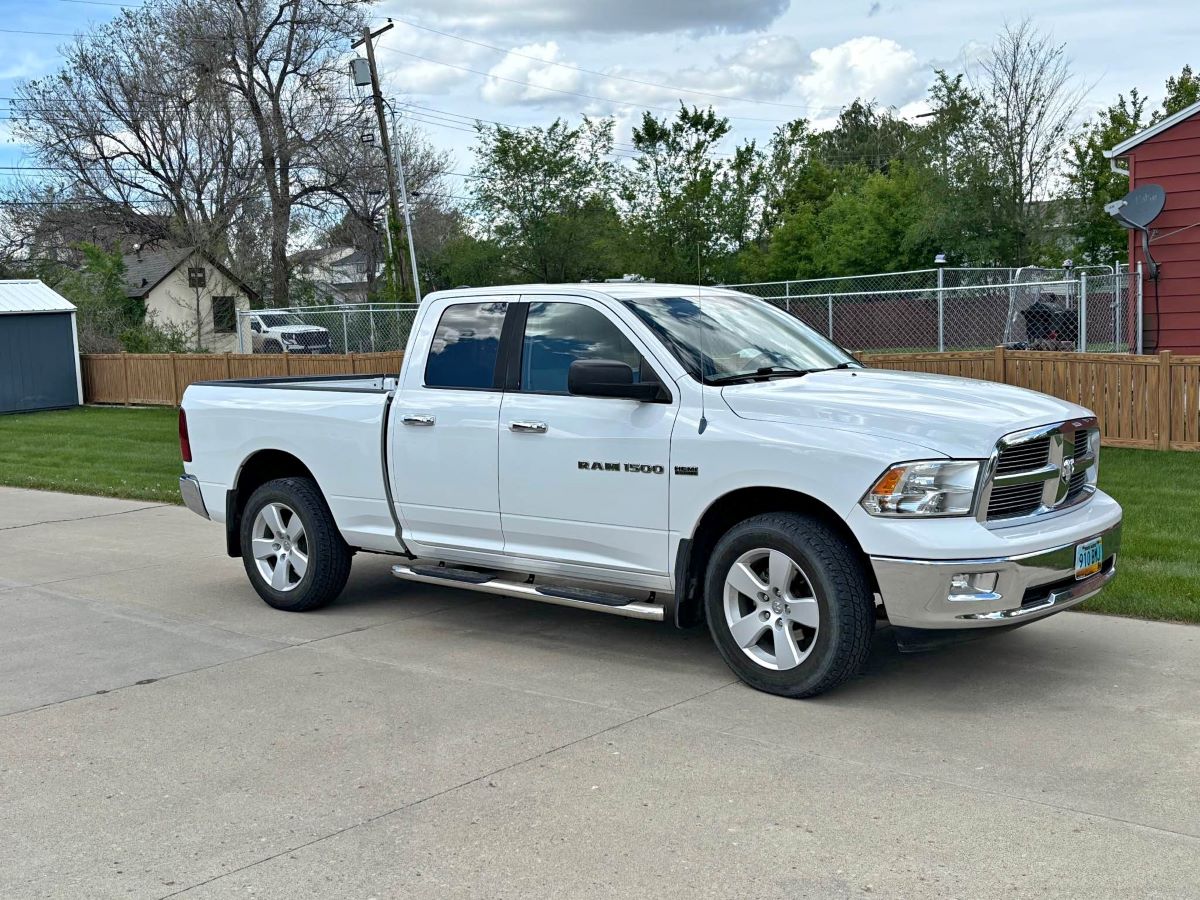
1. Dodge Ram 1500 (5.7L HEMI V8 – Older Models)
The Dodge Ram 1500 with the 5.7L HEMI V8 engine, particularly in models from the early to mid-2000s, is often cited by owners and mechanics as being prone to oil leaks. While the HEMI engine delivers impressive power and torque, it has historically struggled with oil retention due to design and material flaws in several critical areas.
Valve cover gaskets, oil pan gaskets, timing cover seals, and rear main seals are all known trouble spots. Over time, these seals tend to harden, crack, or compress unevenly, leading to leaks that can vary from slow seeps to full-on drips that stain the driveway.
The engine’s layout also makes it more difficult to access and repair these components, turning a minor leak into an expensive and time-consuming repair job.
A particularly frustrating issue for many Ram owners involves the valve cover gaskets. The design of the cylinder heads and the HEMI’s tendency to run hot create a hostile environment for rubber gaskets. The valve covers are made of lightweight materials that can warp slightly under thermal stress, which compromises the seal even further.
Once oil begins to seep out from the valve covers, it can drip onto hot exhaust components, leading to burning smells and even smoke under the hood. The leak may start small, but left unchecked, it can lead to oil loss significant enough to cause low oil pressure or engine damage over time.
Another recurring complaint is the rear main seal, a crucial barrier located between the engine and transmission. This seal tends to wear out prematurely in older HEMI engines, particularly those subjected to heavy towing or high-mileage driving.
Replacing the rear main seal is a labor-intensive process that requires removing the transmission, often a costly service. Worse still, some trucks develop leaks in this area even after replacement if aftermarket parts or improper installation methods are used. It becomes a persistent source of frustration for those who just want their truck to stay dry and reliable.
Further complicating things is the PCV system on many HEMI-equipped Rams, which can become clogged or malfunction over time. A failed PCV valve allows excessive pressure to build inside the crankcase, essentially forcing oil past even healthy seals.
It’s worth noting that not all Rams with the 5.7L HEMI will leak from day one. But once the truck crosses the 80,000 to 100,000-mile range, leaks often begin to appear, especially if the engine wasn’t meticulously maintained.
While some of these issues have been improved in later models, the early Ram 1500 trucks with this engine suffer enough from oil-related problems to land firmly on this list. Their performance may be strong, but their oil reliability leaves much to be desired.
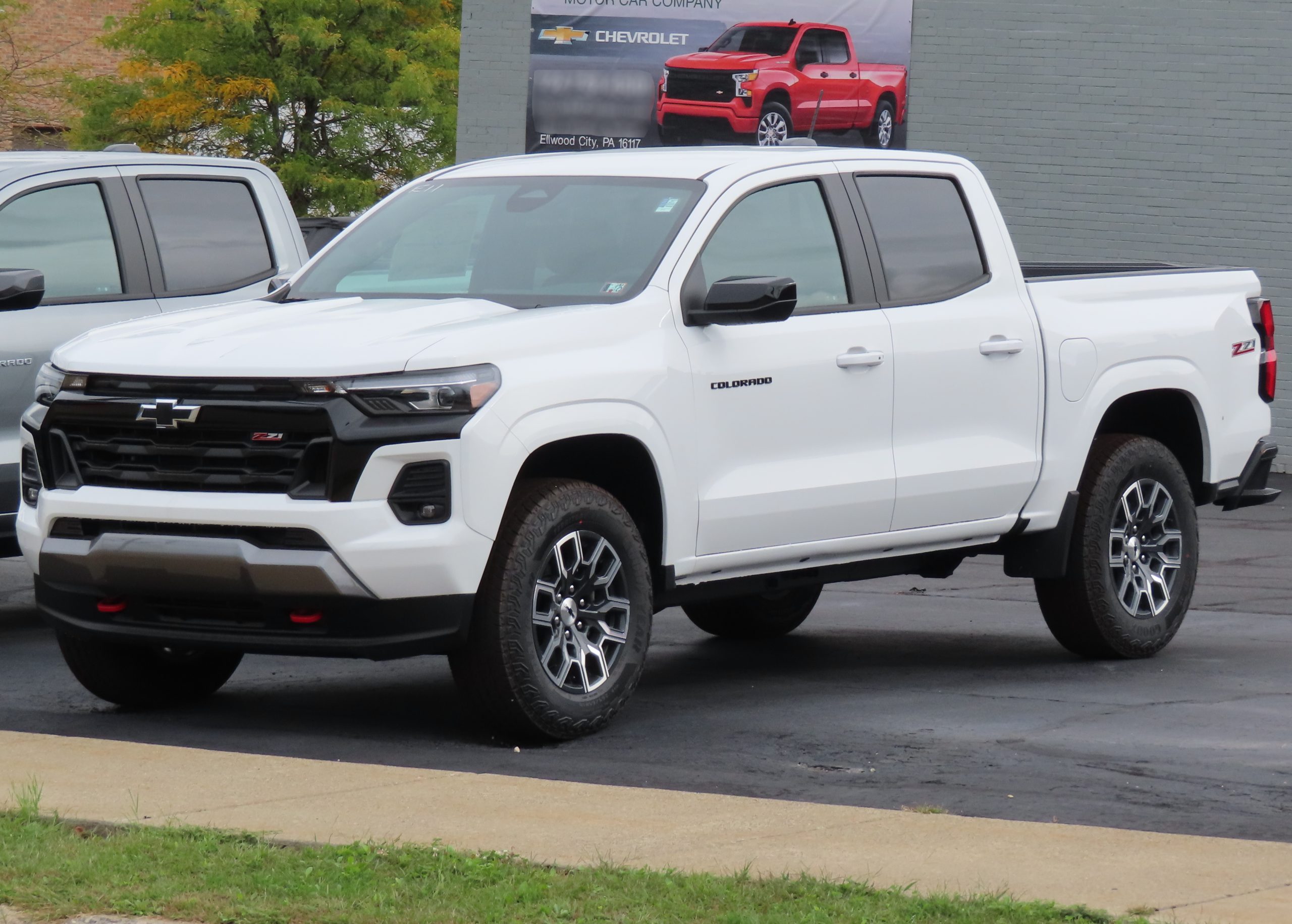
2. Chevrolet Colorado (3.6L V6 – Early Generations)
The Chevrolet Colorado, particularly early models with the 3.6L V6 engine, has long struggled with oil leaks that frustrate owners and mechanics alike. While newer versions have improved significantly, the first-generation and early second-generation trucks (especially from around 2004 to 2012) are known for persistent oil leak issues that start earlier than expected.
The problem areas include the timing cover, valve covers, and oil cooler lines, all of which are prone to developing slow leaks that gradually worsen. Even well-maintained trucks are not immune, and the leaks tend to emerge between 60,000 and 100,000 miles, much earlier than what most would consider acceptable for a modern vehicle.
The design of the valve cover and timing chain system in these engines is a significant factor. The gaskets used in these areas tend to harden and crack over time due to high operating temperatures and engine vibration.
Compounding the problem is the fact that the engine bay in the Colorado is relatively tight, which makes heat management more challenging. Poor airflow means higher average temperatures, which accelerate the breakdown of rubber components.
Once the gasket starts leaking, oil can spread across the engine block and surrounding components, often making it difficult to identify the exact source of the leak without detailed inspection.
Another issue arises from the oil cooler and its associated lines. The oil cooler in early Colorado models is mounted in a location that experiences regular heat soak and vibration, which puts strain on the seals connecting the cooler to the engine. These lines can begin to leak slowly, allowing oil to drip onto the frame or lower suspension components.
While not always visible from the top of the engine bay, these leaks can accumulate underneath the truck and leave noticeable spots wherever it’s parked. Replacing these components isn’t overly complicated, but it’s an annoyance many owners didn’t expect to deal with so early in their truck’s life.
In many cases, these leaks aren’t catastrophic, but they’re persistent. Owners report having to top off their oil regularly because of slow losses that add up over time. What makes the problem more frustrating is that even after replacing a leaking gasket or seal, another one often starts leaking shortly after.
This pattern has led to complaints in owner forums and lowered confidence in the long-term dependability of early Colorados. While some fixes are available, such as upgraded gasket materials and aftermarket sealants, these are more like patches than permanent solutions.
Fortunately, later versions of the Colorado with improved gasket designs and better thermal management have reduced these issues. However, if you’re looking at a used Colorado from the first or early second generation, be aware that oil leaks are not just common, they’re almost expected as the miles add up.
For budget-conscious buyers or DIY owners who don’t mind chasing leaks, it might be manageable. But for those who value long-term mechanical cleanliness, the early Colorado can be a constant source of frustration.
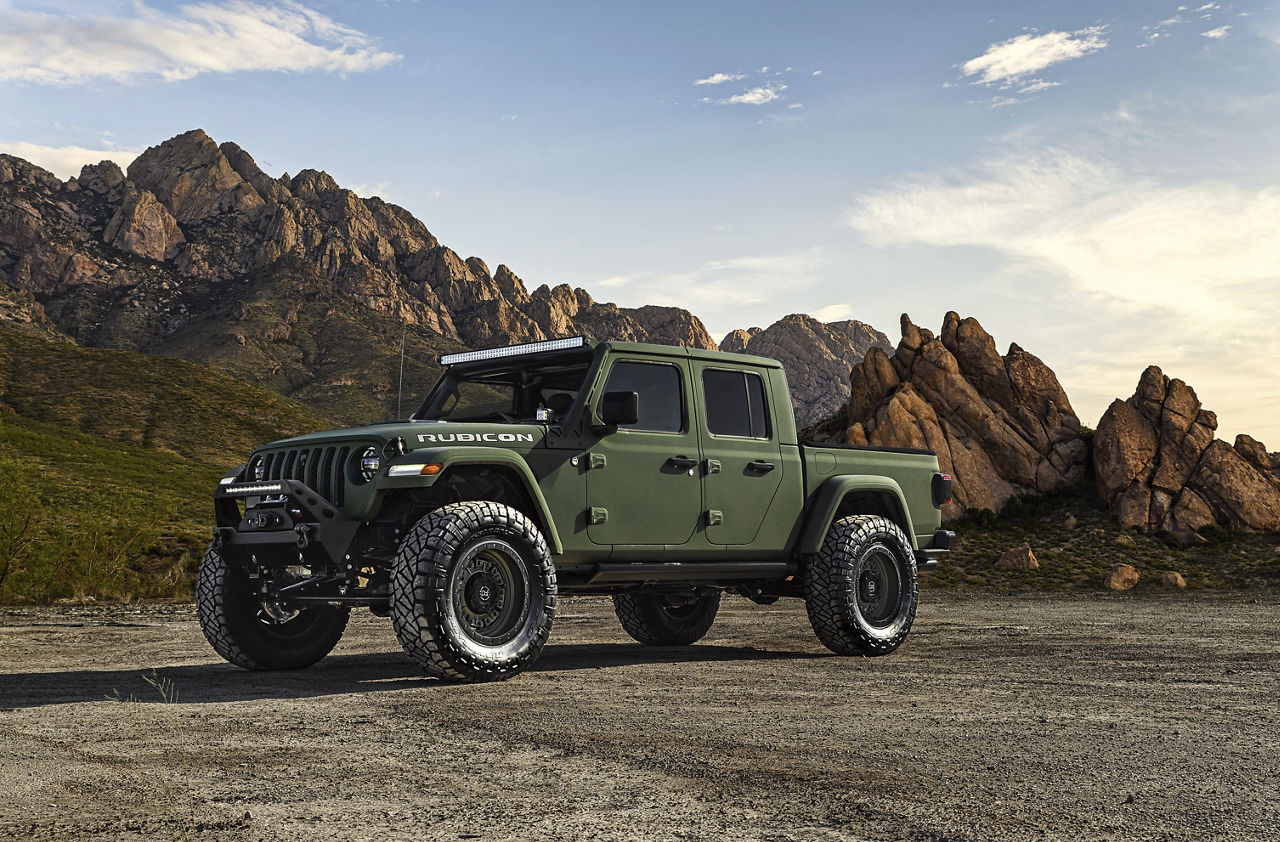
3. Jeep Gladiator (3.6L Pentastar V6)
The Jeep Gladiator is a relatively new entry in the truck market, but it shares many components with the Wrangler, including the 3.6L Pentastar V6 engine, which has a long history of oil leak complaints. While the Pentastar is generally known for its mechanical durability and decent power, its oil sealing performance has left many owners disappointed.
Valve cover gaskets, oil filter housing assemblies, and timing chain covers are the most common trouble spots, often developing leaks as early as 50,000 miles. Given the Gladiator’s higher-than-average price and rugged branding, this issue feels especially disappointing to buyers who expect better.
One of the most notorious problems lies with the oil filter housing assembly, which in many early Pentastar engines was made of plastic. This component sits between the engine and the oil filter and is responsible for routing oil through the filter and back into the engine.
Over time, heat cycling causes the plastic to become brittle and crack, leading to significant oil leaks that can be difficult to diagnose. Replacing the housing is not cheap, as it requires the removal of the intake manifold and other components. Jeep eventually revised this part to a more durable aluminum unit in later models, but many Gladiators on the road still have the older design.
Another problem area is the valve cover gasket, which starts to leak oil onto hot surfaces, creating a burning smell and occasional smoke from under the hood. The problem is not necessarily catastrophic, but it’s messy, unsightly, and can become worse if left unaddressed.
The gasket design and materials used in earlier Pentastar engines haven’t aged well, and even with regular maintenance, they tend to fail faster than those in competing engines. This issue tends to show up earlier in off-road-focused vehicles like the Gladiator due to the higher engine strain and vibration from trail use.
The PCV system in the Pentastar engine also has some quirks that can lead to pressure build-up in the crankcase. If not functioning properly, it will force oil out past the weakest gasket or seal, leading to surprise leaks even if the system was previously dry.
Because the Gladiator is marketed as a go-anywhere adventure vehicle, many owners put it through extreme use, which further strains the engine components and can trigger leaks sooner. While some of these issues are manageable with upgraded parts or dealer support, it’s still a burden for those who expect their truck to be bulletproof right out of the gate.

4. Ford Ranger (2.3L EcoBoost – Recent Models)
The return of the Ford Ranger to the North American market brought high hopes for a midsize truck that could offer modern performance without sacrificing reliability. While the 2.3L EcoBoost engine delivers good fuel economy and strong torque, especially for a four-cylinder, it unfortunately brings along a recurring issue that plagues many EcoBoost engines: oil leaks.
The complexity of the engine’s turbocharging system, combined with its relatively high internal pressures, puts a lot of strain on gaskets and seals, especially once the vehicle crosses 50,000 to 70,000 miles. For many owners, what begins as a minor seep quickly turns into a noticeable oil spot under the truck.
One of the most common leak points in the 2.3L EcoBoost is the oil pan gasket. In several production years, Ford used a plastic composite oil pan sealed with RTV silicone rather than a traditional rubber gasket. Over time, thermal cycling and engine vibrations cause the sealant to break down, especially if oil change intervals weren’t followed carefully.
Once degraded, the seal begins to weep oil, which often accumulates around the lower engine area and may even cause oil to drip onto suspension components or the exhaust system. While not usually catastrophic, it creates a mess, smell, and long-term reliability concerns that frustrate owners who expected better.
Another problem area is the front timing cover. The EcoBoost engine uses variable valve timing and direct injection, both of which increase oil circulation and pressure in key parts of the engine. The timing cover seal is often the first to fail under this pressure, especially in trucks used for frequent towing or off-road conditions.
A failed timing cover seal can lead to oil running down the front of the engine block, creating visible wet spots and a risk of further seal deterioration in neighboring components. The fix requires significant labor, adding cost and downtime.
Even the turbocharger system itself can be a source of oil seepage. Turbochargers are lubricated by engine oil, and the high-speed spinning of the turbo shaft generates heat that breaks down nearby seals over time. In some Rangers, the oil feed and return lines to the turbo can start leaking, especially near connection points.
This often results in small oil spots that appear intermittently, making the source difficult to diagnose. These turbo-related leaks are especially frustrating because they tend to require the disassembly of engine components, and the leaks can return even after being addressed once.
While the Ranger remains a solid performer in terms of powertrain responsiveness and interior comfort, its oil leak issues make it a more demanding truck to own over the long term. For buyers who do regular short trips or keep the truck lightly loaded, the problem may take longer to show up.
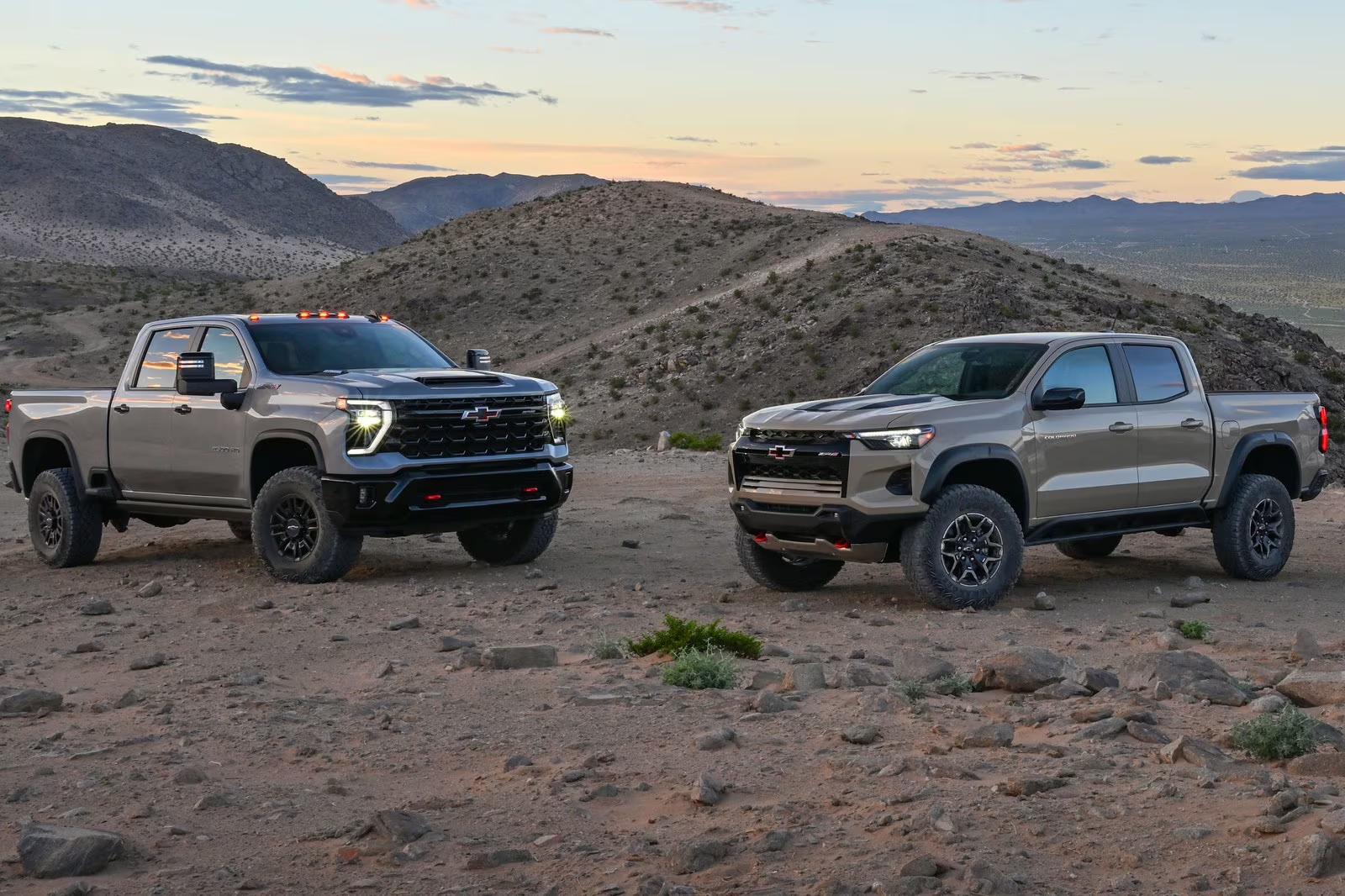
5. Chevy Silverado 2500HD (6.0L Vortec V8 – Older Models)
The Chevy Silverado 2500HD with the 6.0L Vortec V8 has long been a staple in the heavy-duty truck world. Known for its hauling strength and mechanical simplicity, this engine continues to power many older work trucks on the road today. However, despite its legendary toughness, the Vortec 6000 engine has a clear weakness when it comes to oil leaks.
The oil pressure sensor issue is a common starting point for leaks in this engine. It’s located at the top rear of the block, just behind the intake manifold, and is prone to failure from heat and vibration.
When it starts leaking, oil can pool on top of the engine and slowly run down the transmission bell housing, making it appear like a rear main seal leak. This confusion leads many owners to pursue costly and unnecessary repairs when, in reality, a $30 sensor is to blame. It’s a frustrating experience that speaks to the truck’s aging design and its vulnerability to hidden leaks.
Another major trouble area is the oil pan gasket. On the 6.0L Vortec engine, the oil pan is large and made from stamped steel or aluminum, and the gasket used is often a thin rubber strip that degrades over time. As the vehicle ages and components flex under stress, the seal begins to loosen, allowing oil to seep from the bottom of the engine.
Replacing this gasket is labor-intensive, especially on four-wheel-drive models, because it may require dropping the front axle or crossmember. For fleet owners and daily drivers alike, this becomes an expensive and time-consuming issue to fix, and it’s one that often reoccurs even after replacement.
The rear main seal, another notorious weak point, becomes a problem as these trucks reach high mileage, which most of them do. These trucks were built for work, and many have logged hundreds of thousands of miles in harsh conditions.
Unfortunately, the rear main seal is not particularly long-lasting in the Vortec engine, and when it fails, oil leaks between the engine and transmission.
Because the fix requires removing the transmission, most shops charge well over a thousand dollars for the repair. Some owners choose to live with the leak, topping off oil regularly rather than paying for an invasive fix, but that comes with its own risks.
Despite the truck’s reputation for hauling and reliability in general, the 6.0L Vortec V8 falls short in its oil sealing longevity. In high-mileage trucks, leaks often come from more than one place, creating a puzzle of oily residue that can be hard to track and even harder to resolve completely.
