
Off-roading is a passion for many automotive enthusiasts and outdoor adventurers. The ability to take a vehicle beyond paved roads and onto rough trails, rocky paths, muddy tracks, and steep inclines tests both driver skill and the mechanical robustness of the vehicle itself.
While some SUVs are built with serious off-road capabilities that rarely let their owners down, others struggle to perform in these demanding conditions, despite sometimes being marketed as off-road ready.
Choosing the right SUV can mean the difference between conquering a challenging trail or getting stuck in the middle of nowhere.
This article compares five SUVs known for their reliable off-road performance with five models that tend to struggle in rough terrain. The goal is to provide a balanced view of what works well and what often falls short, based on mechanical design, traction, ground clearance, and other critical factors.
The SUVs that excel off-road tend to have several key features in common. They usually come with durable four-wheel-drive systems designed for low-speed crawling and challenging surfaces.
These vehicles often include locking differentials, skid plates, and high ground clearance that protect the undercarriage from rocks and debris.
Their suspension systems are built to handle uneven terrain, and they often have specialized off-road tires. On the other hand, SUVs that struggle often lack these features or have them only as optional add-ons, which can affect their performance.
Many are tuned more for comfort and road handling, which compromises their ability to manage off-road obstacles. Sometimes these SUVs simply have insufficient power delivery to all four wheels, or they suffer from poor approach and departure angles, making steep climbs and descents hazardous.
When evaluating SUVs for off-road use, factors like torque, weight distribution, and chassis design come into play. Some vehicles are heavier or have more body roll, which can impact stability on rugged trails.
Others might have electronic aids that are more focused on on-road traction control rather than genuine off-road utility.
While modern SUVs often have multiple driving modes, the effectiveness of these modes varies widely, especially in deep mud, sand, or rocky terrain.
As such, real-world performance often tells a different story than the brochures. By looking at vehicles that consistently succeed and those that tend to falter, this article will help anyone interested in off-roading or purchasing a capable SUV make a more informed decision.
5 SUVs That Rarely Fail Off-Road
Jeep Wrangler
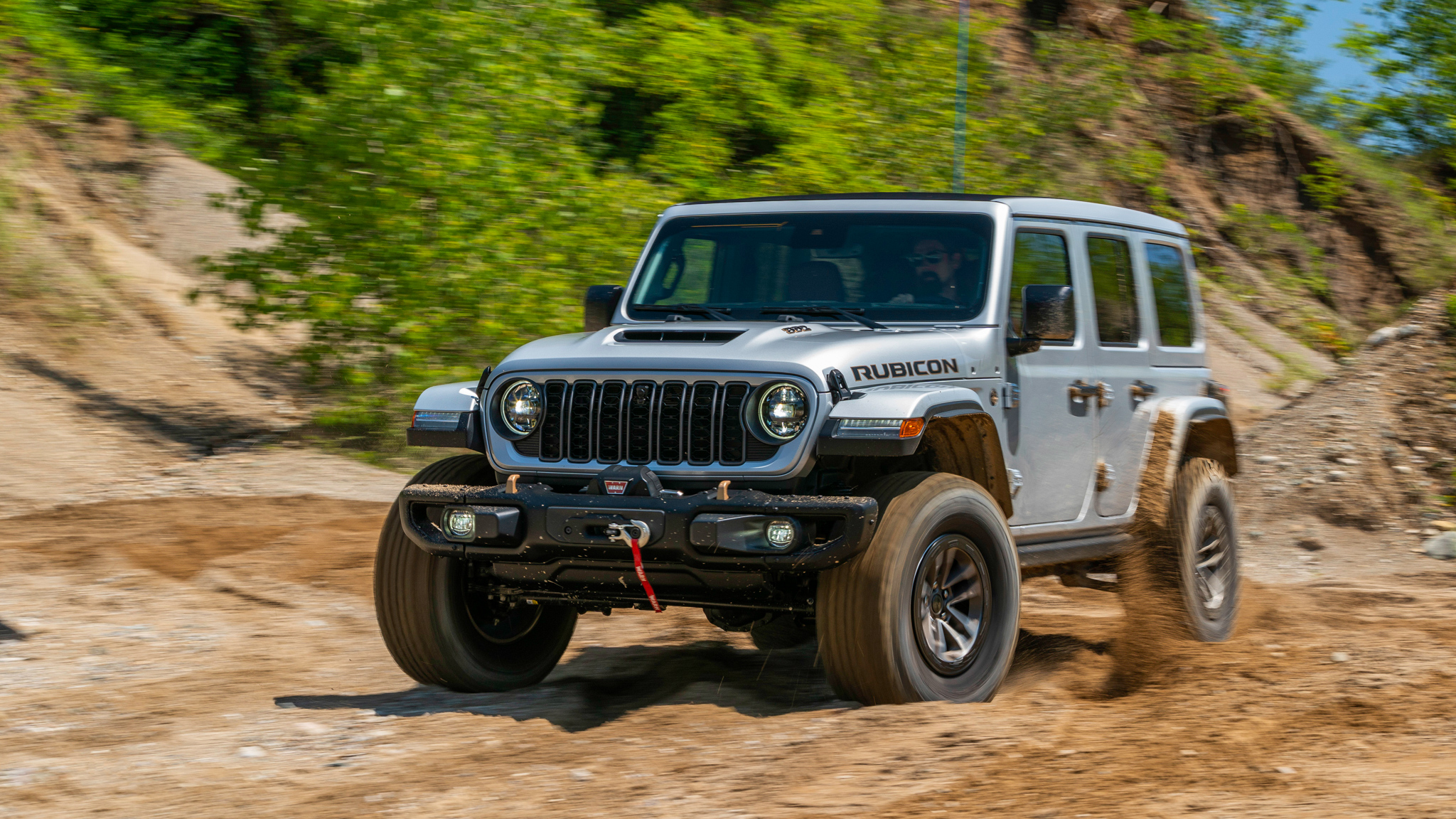
The Jeep Wrangler has long been regarded as the epitome of off-road vehicles, earning a reputation that few others can match. Its design philosophy is rooted in utility and ruggedness, which is evident in every aspect of the vehicle.
Unlike many SUVs that have moved toward unibody construction and softer suspensions for road comfort, the Wrangler sticks to a sturdy body-on-frame setup with solid axles both front and rear.
This configuration provides superior durability and allows for greater wheel articulation, meaning the tires can maintain contact with the ground even when the terrain is wildly uneven.
This is essential when navigating rocky trails, deep ruts, or steep inclines, where traction can easily be lost. Additionally, the Wrangler’s short wheelbase and high ground clearance minimize the risk of undercarriage damage or getting hung up on obstacles.
One of the key factors contributing to the Wrangler’s success off-road is its advanced four-wheel-drive system options. The Rock-Trac and Command-Trac systems offer a combination of low-range gearing and locking differentials that distribute torque efficiently to wheels with the most grip.
This means the vehicle can crawl over boulders and through mud with ease, where less capable SUVs would spin their wheels uselessly.
The electronic sway bar disconnect feature is another boon for off-roaders, allowing the suspension to flex more freely and keep all tires planted firmly, which improves traction and stability on uneven surfaces.
Moreover, the Wrangler’s approach, breakover, and departure angles are some of the most aggressive in the SUV world. This ensures that the vehicle can approach steep obstacles without damaging the front bumper, avoid getting stuck on the chassis, and descend sharp slopes safely.
In terms of durability, the Wrangler is designed to endure punishment. Its frame is heavily reinforced, and its skid plates protect critical components like the fuel tank, transfer case, and oil pan from rocks and debris.
The rugged construction extends to the interior as well, where materials are chosen for easy cleaning and resistance to wear and tear from exposure to the elements.
The removable doors and roof aren’t just aesthetic choices but practical features that allow drivers to better assess their surroundings on tight trails.
In addition, the Wrangler’s vast aftermarket community means owners can customize and upgrade their vehicles with ease, from beefier tires and lift kits to snorkels and winches, tailoring the Wrangler to their specific off-road needs.
The Jeep Wrangler’s combination of heritage, engineering, and practical features makes it one of the most reliable off-road SUVs available. It rarely fails because it was built from the ground up to handle tough terrain.
For those who truly want an SUV that can tackle rocky trails, deep mud, steep climbs, and river crossings, the Wrangler remains a top choice. Its reputation is not just hype; it is earned through decades of proven performance in the roughest environments.
Toyota 4Runner
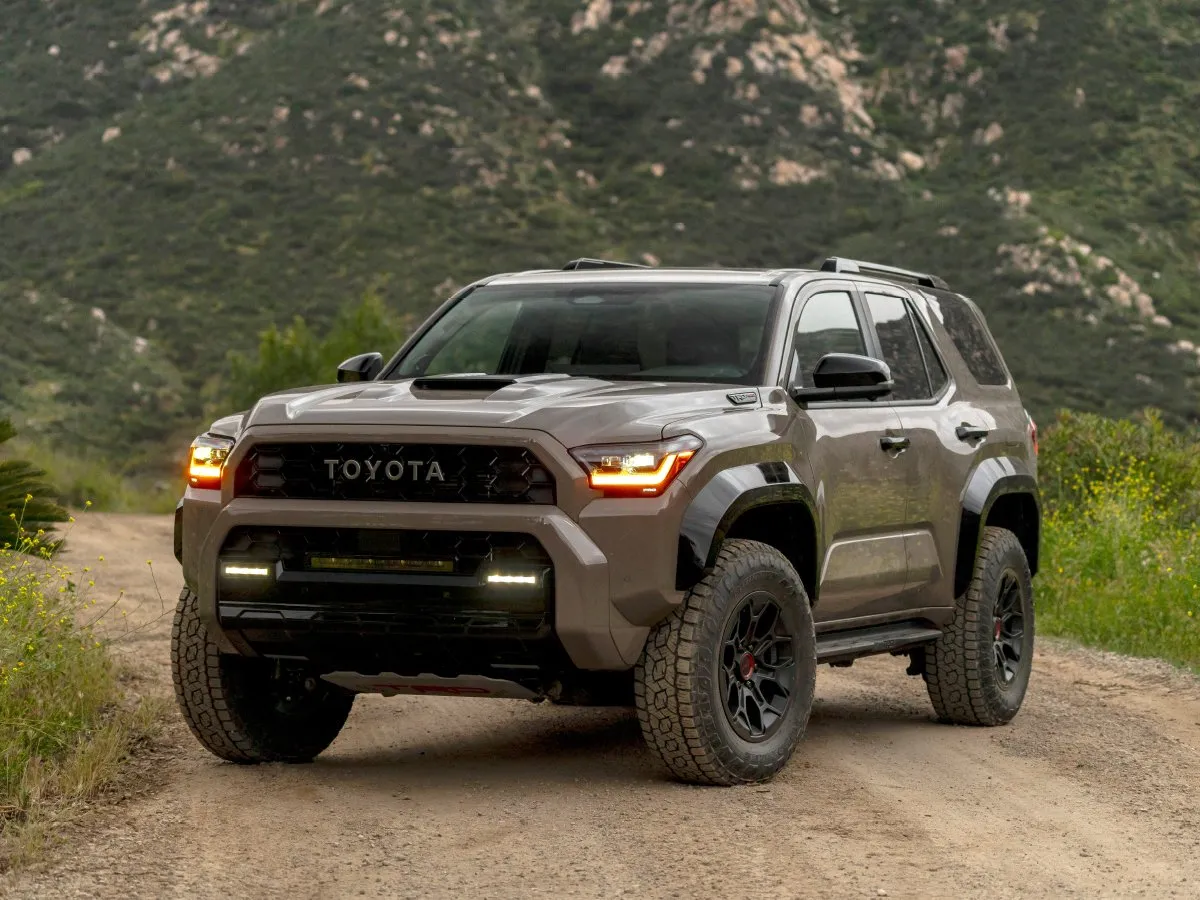
The Toyota 4Runner is a model that balances rugged off-road capability with everyday usability better than most SUVs. It has a loyal following among outdoor enthusiasts, largely because it offers solid body-on-frame construction, which adds to its durability and strength when driving on tough terrain.
The 4Runner’s design allows it to absorb impacts and flex over obstacles without compromising structural integrity. Its off-road trims, particularly the TRD Off-Road and TRD Pro versions, come equipped with features that are aimed directly at improving performance on dirt, rocks, and uneven surfaces.
These include locking rear differentials, which ensure power is evenly distributed to the wheels with traction, and crawl control, a system that manages throttle and braking to maintain a steady speed over rough ground.
Ground clearance is another standout feature of the 4Runner. With a substantial distance between the chassis and the ground, the SUV can easily navigate over rocks and ruts that might cause other vehicles to scrape or become stuck.
Approach and departure angles are also carefully designed to help the vehicle climb steep obstacles without damaging the bumpers. The 4Runner’s four-wheel-drive system is well-tuned, offering active traction control that can shift torque quickly and smoothly between wheels to avoid slippage.
The engine delivers a decent amount of low-end torque, which is critical when crawling slowly over rough terrain where precision and power delivery matter more than outright speed.
Inside, the 4Runner maintains a focus on functionality and durability. The cabin is spacious and straightforward, with materials that can handle dirt and moisture. This is important because off-road drivers frequently enter the vehicle with mud on their boots or wet gear.
Toyota’s reputation for reliability also means that the 4Runner tends to require fewer repairs even after extended off-road use. Many owners report driving their 4Runners in extreme conditions for years without major issues, highlighting the SUV’s longevity and dependability.
It’s a vehicle that has proven itself not only through design but also through years of real-world use, earning its place among the most trusted off-road SUVs.
The Toyota 4Runner’s combination of rugged design, reliable powertrain, and off-road-specific features makes it a vehicle that rarely fails when taken off-road.
It is capable of handling a wide range of terrain, from rocky trails to forest paths, with confidence and durability. For drivers seeking a proven SUV that balances comfort and toughness, the 4Runner remains a consistent performer.
Land Rover Defender
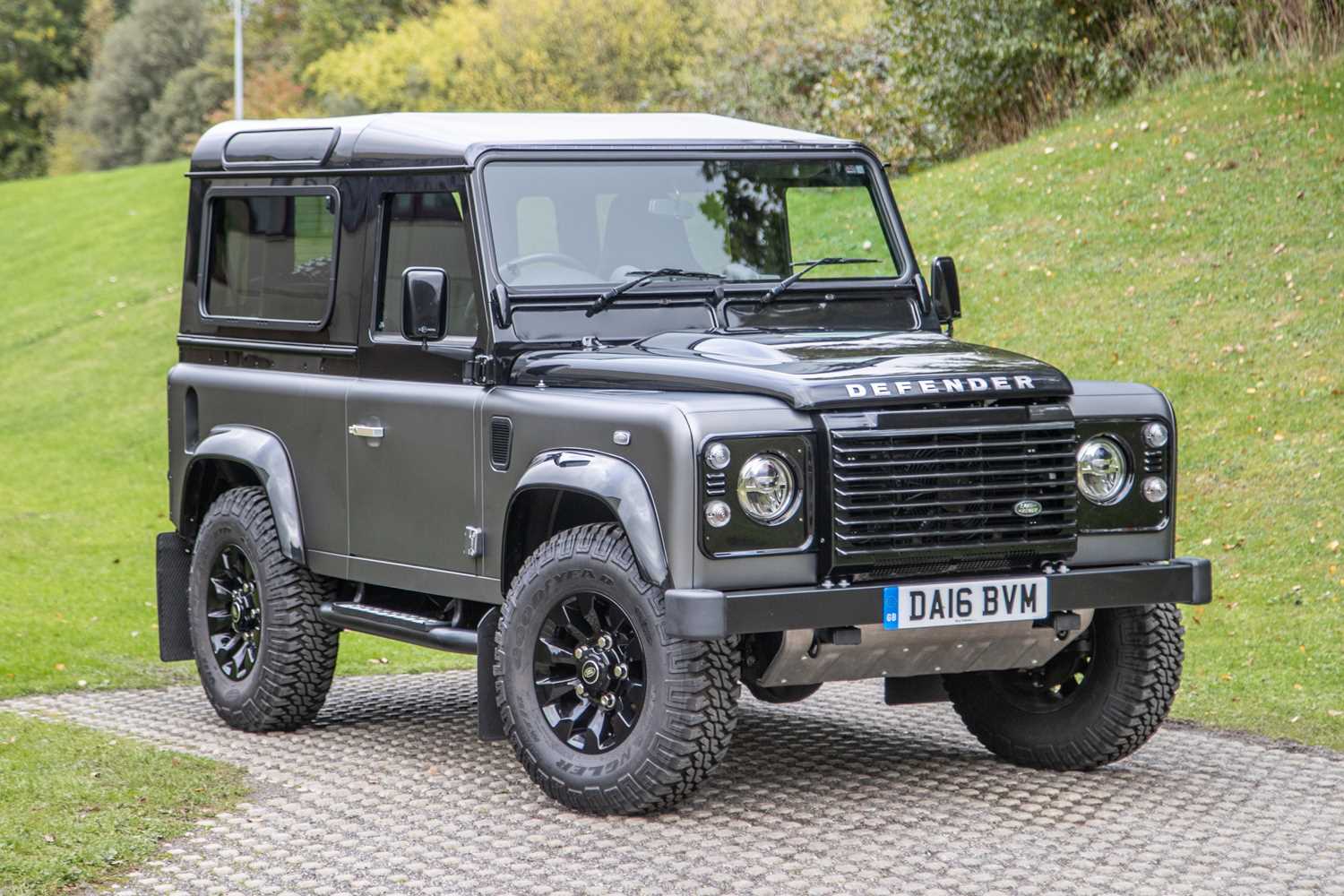
The Land Rover Defender holds a unique position as an off-road vehicle that successfully blends modern technology with traditional ruggedness. While earlier models were simple and utilitarian, the latest Defender incorporates advanced engineering without compromising its ability to conquer challenging environments.
Its aluminum monocoque chassis is both lightweight and strong, allowing for improved handling and fuel efficiency while maintaining the structural integrity needed to endure harsh off-road conditions.
The Defender’s adjustable air suspension is a significant asset, enabling drivers to raise the vehicle for greater ground clearance when navigating obstacles or lower it for improved aerodynamics and comfort on the highway.
The Defender’s four-wheel-drive system is sophisticated, featuring multiple locking differentials and terrain response modes that automatically adjust throttle, traction control, and suspension settings based on the surface being driven on.
Also Read: 8 Trucks That Collectors Are Paying Top Dollar For
This means the vehicle can shift from rock crawling to sand driving with relative ease, providing optimal traction in each scenario.
Approach, breakover, and departure angles are carefully engineered to prevent damage when climbing or descending steep or uneven surfaces. Skid plates and underbody protection safeguard vital mechanical components from rocks and debris, allowing the Defender to traverse rough trails with confidence.
Inside the cabin, the Defender offers a level of comfort and technology that few true off-road vehicles match. Despite its rugged exterior, the interior is designed to be durable and easy to clean but also incorporates luxury touches like touchscreen controls, premium materials, and advanced driver assistance systems.
This combination of comfort and capability appeals to those who want an off-road vehicle that can double as a daily driver or family hauler.
The Defender is also equipped with features such as hill descent control and Wade Sensing, which alerts drivers to water depth during river crossings, further enhancing its off-road usability.
The Land Rover Defender’s blend of advanced engineering, robust mechanical systems, and thoughtful design features ensures it rarely fails when taken off the toughest trails.
Its long history of exploration and off-road excellence backs up its modern capabilities. This SUV stands out for those who need a vehicle that can handle technical off-road challenges without sacrificing modern comforts and technology.
Toyota Land Cruiser
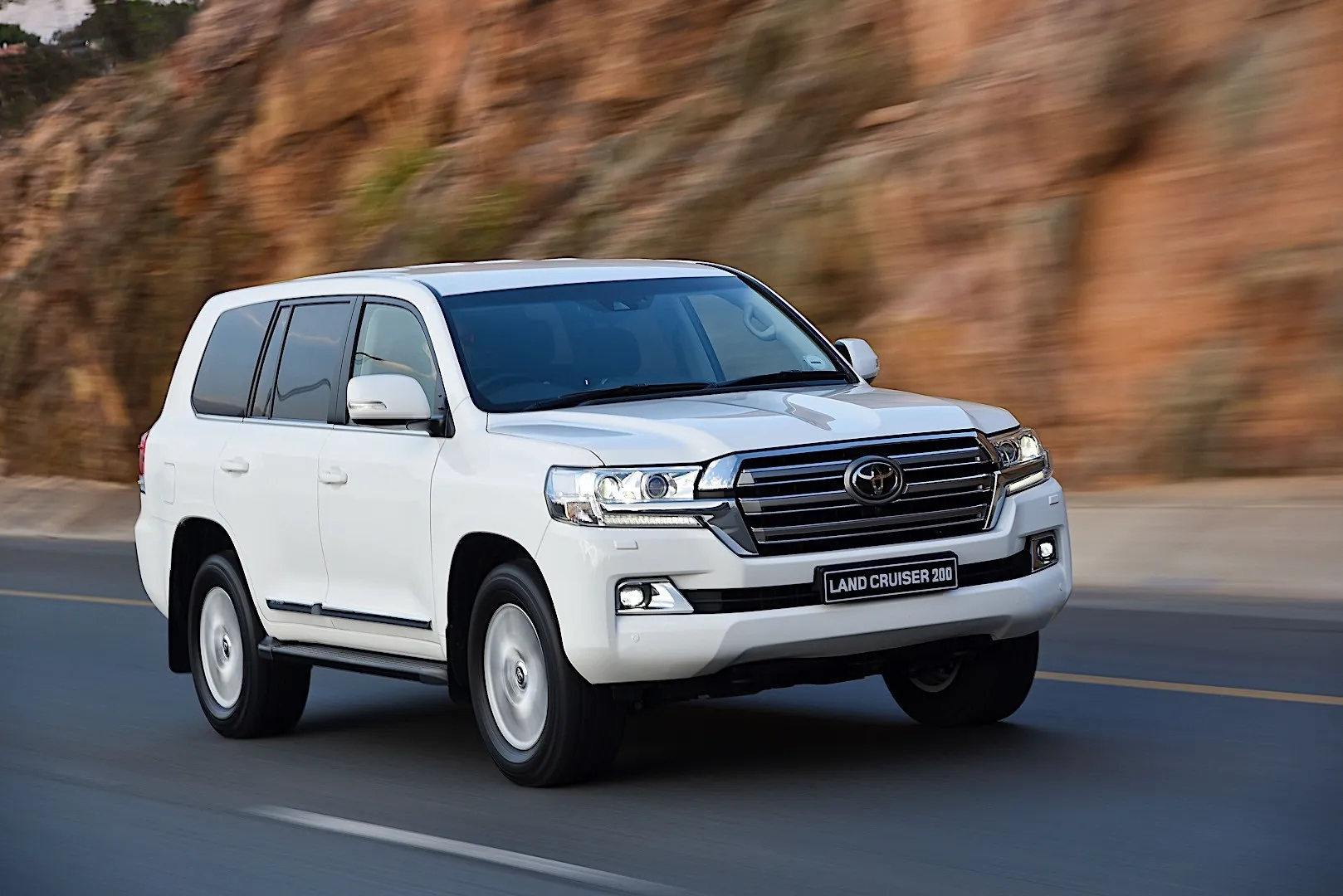
The Toyota Land Cruiser is often regarded as the symbol of off-road reliability and endurance. It is a vehicle built to handle the most extreme environments and has earned its reputation through decades of service in some of the world’s toughest regions.
The Land Cruiser’s body-on-frame construction provides exceptional strength and rigidity, allowing it to take on rough trails, deep ruts, and harsh terrain without twisting or breaking.
Its full-time four-wheel-drive system ensures power is always available to all wheels, providing consistent traction and stability on slippery or uneven ground. The inclusion of a locking center differential further enhances its ability to distribute torque evenly, preventing wheel spin and improving grip on difficult surfaces.
The Land Cruiser’s suspension is designed to balance off-road articulation with on-road comfort. This means it can flex over obstacles to keep the tires in contact with the ground, but also provide a smooth ride when driving on highways or rough backroads.
Its ground clearance is generous, and its approach and departure angles are well-suited for tackling steep slopes or climbing over rocks. The V8 engine powering the Land Cruiser offers strong low-end torque, which is essential for controlled, slow-speed maneuvers in challenging conditions like mud, sand, or rocky paths.
What sets the Land Cruiser apart is its legendary reliability. Owners have reported driving these SUVs for hundreds of thousands of miles in remote areas with minimal mechanical issues.
This durability is a major reason why the Land Cruiser is favored by overlanders, expedition teams, and those who require a vehicle that will not break down far from assistance.
Its interior, while comfortable and equipped with modern amenities, is also designed to be practical and durable. The materials used resist wear and tear from exposure to dirt, water, and rough use.
For those seeking an SUV that rarely fails off-road, the Toyota Land Cruiser remains a top contender. Its combination of rugged engineering, powerful drivetrain, and proven reliability make it ideal for serious off-road adventures and long-distance travel through challenging environments.
Ford Bronco
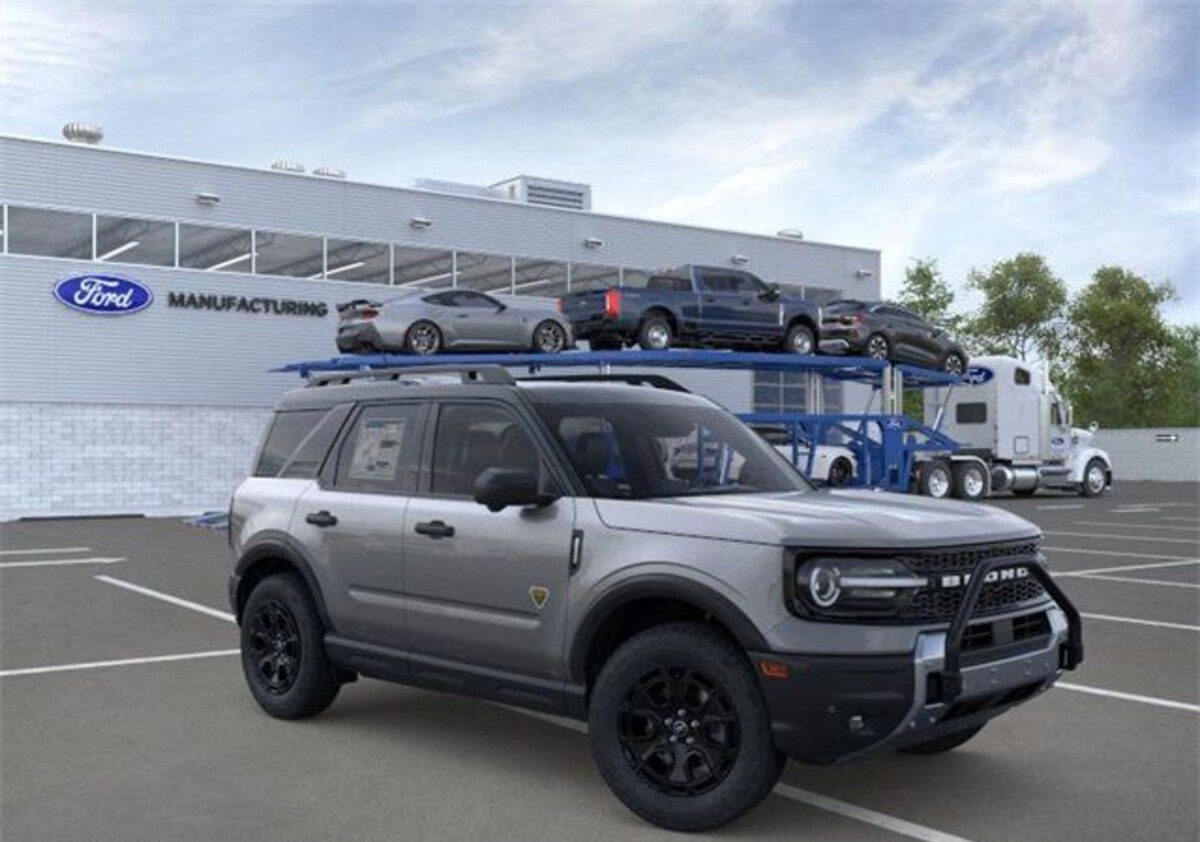
The Ford Bronco, revived in recent years, has quickly re-established itself as a serious player in the off-road SUV market. Drawing inspiration from the original Bronco’s rugged heritage, the modern Bronco is built with capability at its core while incorporating modern technology and comfort.
It features a durable body-on-frame construction and solid axles on some models, providing the foundation needed for serious off-road performance. The Bronco’s design includes removable doors and roof panels, which not only provide a fun open-air experience but also reduce weight and enhance driver visibility on difficult trails.
The Bronco’s four-wheel-drive system is highly advanced, offering multiple terrain modes, electronic locking differentials, and an available disconnecting front sway bar to maximize wheel articulation. This means the Bronco can tackle various off-road challenges, from loose sand to deep mud to rocky hillsides.
The vehicle’s ground clearance is adjustable thanks to its available advanced suspension setup, which allows it to raise the chassis for greater obstacle clearance and lower it for better fuel efficiency and stability on smooth surfaces.
Its relatively short wheelbase and sharp approach and departure angles make it agile on narrow and steep trails, a significant advantage in technical off-roading.
Durability is enhanced with skid plates, heavy-duty bumpers, and reinforced chassis components designed to withstand impacts from rocks and debris. The Bronco’s engines provide ample torque, including turbocharged four-cylinder and V6 options that offer strong low-end power for crawling and climbing.
Its interior balances ruggedness with modern features like touchscreen infotainment, smartphone integration, and driver assistance technologies, making it comfortable and practical for daily use while remaining focused on off-road functionality.
The Ford Bronco’s rapid rise in popularity among off-road enthusiasts is a testament to its capability and reliability. It is a vehicle that rarely fails when pushed to its limits and offers a versatile package for anyone looking to explore challenging terrain with confidence.
Also Read: 5 SUVs That Rarely Have Electrical Problems vs 5 That Always Do
5 SUVs That Constantly Struggle Off-Road
Honda CR-V
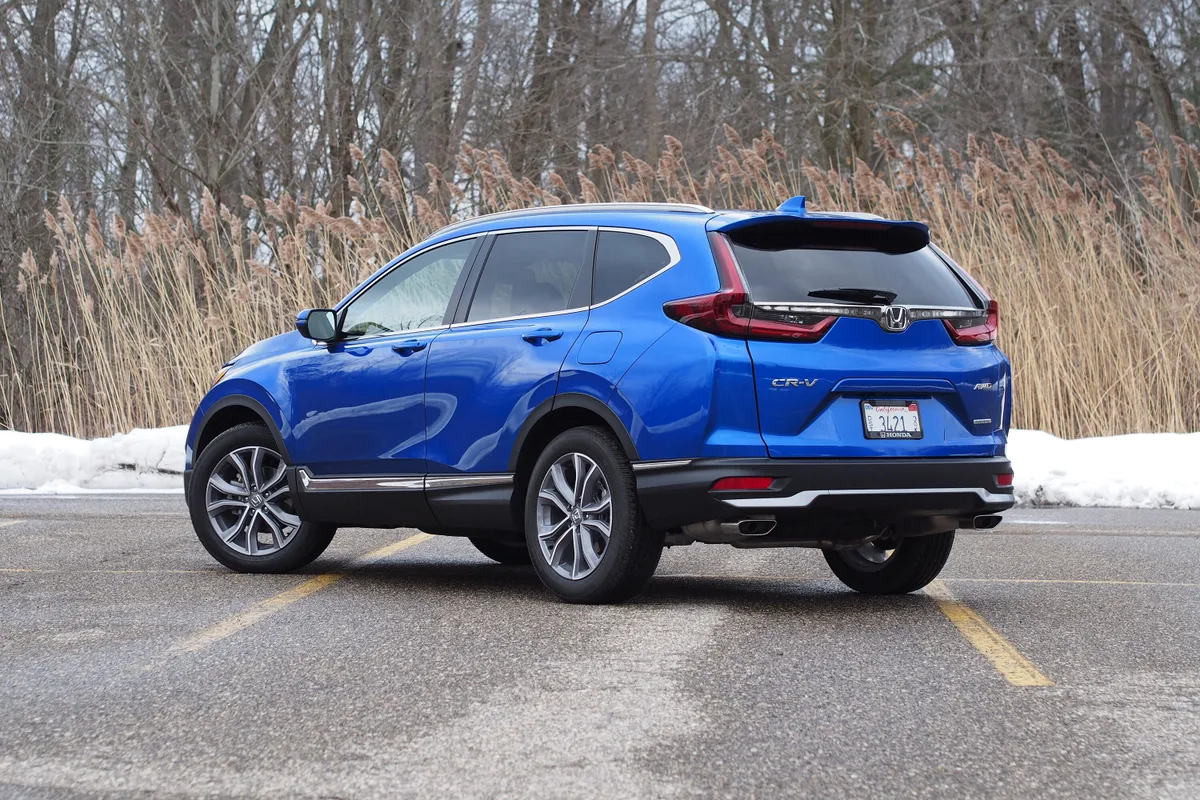
The Honda CR-V is a highly popular compact SUV known for its practicality, fuel efficiency, and smooth ride in urban and suburban environments. However, when it comes to serious off-road use, the CR-V’s capabilities fall well short of what many enthusiasts would expect from a vehicle marketed as an SUV.
Its all-wheel-drive system is designed primarily for improved traction on paved roads or light snow rather than for handling rugged terrain. The system operates mostly as a front-wheel-drive vehicle, sending power to the rear wheels only when slippage is detected, which can cause a delayed response in challenging conditions.
This setup, while beneficial for fuel economy and everyday driving, severely limits the CR-V’s ability to maintain momentum on slippery or uneven surfaces commonly encountered off-road.
Ground clearance is another major limiting factor for the CR-V. With a relatively low ride height compared to more capable SUVs, the CR-V struggles to clear obstacles like rocks, tree roots, and deep ruts. This often leads to scraping the undercarriage or getting stuck when attempting more technical trails.
The suspension is tuned for comfort and smooth handling on asphalt rather than for absorbing impacts or articulating over obstacles.
Consequently, the tires may lose contact with the ground more easily, reducing traction and stability in rough terrain. The lack of locking differentials or low-range gearing means the CR-V cannot distribute power effectively to wheels that have traction, further hindering its off-road performance.
Additionally, the CR-V’s weight distribution and chassis design are optimized for on-road driving, making it prone to body roll and instability on uneven surfaces. This can make the vehicle less predictable and harder to control when off-road.
Drivers often find themselves limited to light gravel roads or mild dirt trails, with serious off-road excursions proving frustrating or impossible. While the CR-V excels in everyday commuting and light-duty activities, it is not a reliable choice for those looking to venture far off the beaten path.
Nissan Rogue
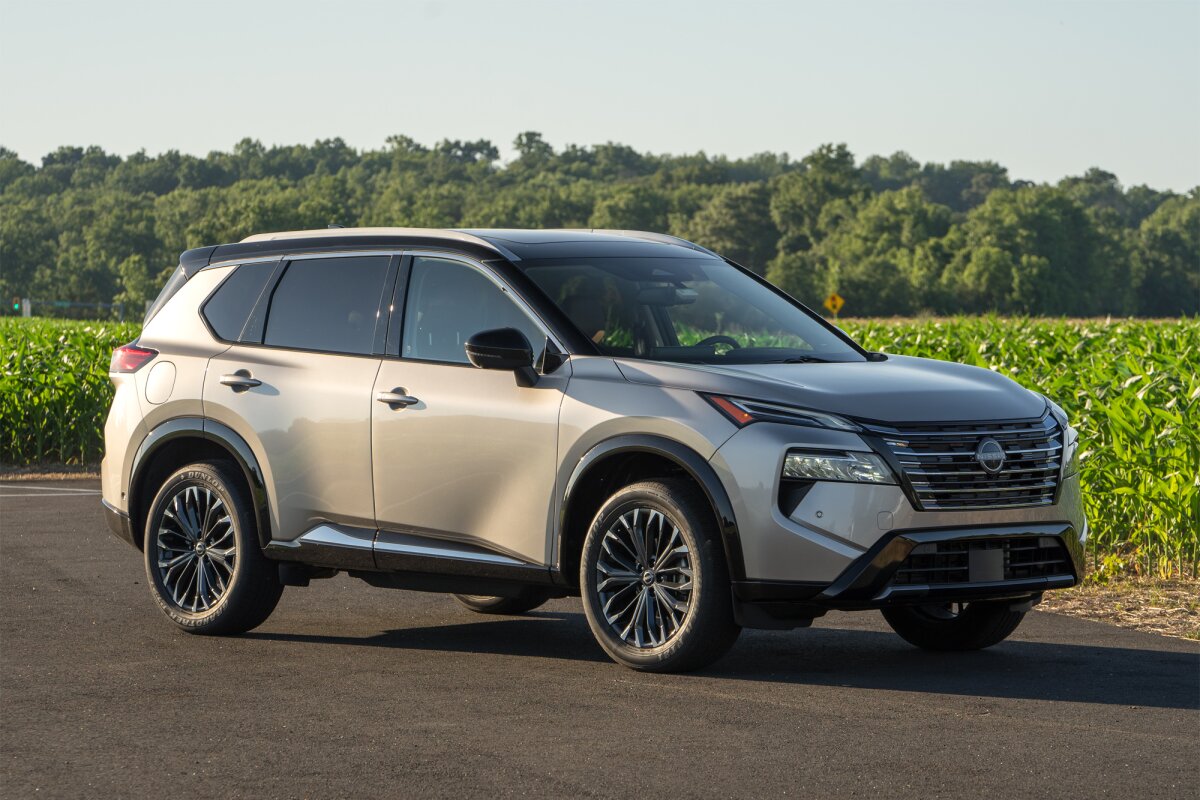
The Nissan Rogue is another compact SUV that prioritizes comfort and fuel efficiency over off-road capability. Its all-wheel-drive system is primarily designed to assist in inclement weather conditions on paved roads rather than for true off-road performance.
The system is reactive, meaning it only sends power to the rear wheels when slippage is detected in the front wheels, which can cause hesitation and reduced traction in rapidly changing off-road scenarios.
This limits the Rogue’s ability to maintain steady progress through mud, sand, or rocky terrain where consistent four-wheel traction is essential.
The Rogue’s ground clearance is relatively low, making it difficult to clear obstacles commonly encountered off-road. Drivers frequently report issues with scraping the undercarriage or bumpers when attempting to navigate uneven trails.
Its suspension prioritizes smoothness and comfort over articulation, meaning the vehicle struggles to keep all four tires firmly planted on the ground when traversing rough terrain.
Without locking differentials or low-range gearing, the Rogue lacks the mechanical tools needed for serious crawling or negotiating steep inclines safely.
The interior and ride quality of the Rogue are well-regarded for daily use, with a quiet cabin and comfortable seats, but these features do not translate to off-road prowess.
Its chassis and drivetrain are not engineered to handle the stresses of rough trails, leading to frequent difficulties in maintaining traction and control. Many Rogue drivers find themselves limited to light gravel roads or well-maintained dirt paths and often need to avoid more technical off-road challenges altogether.
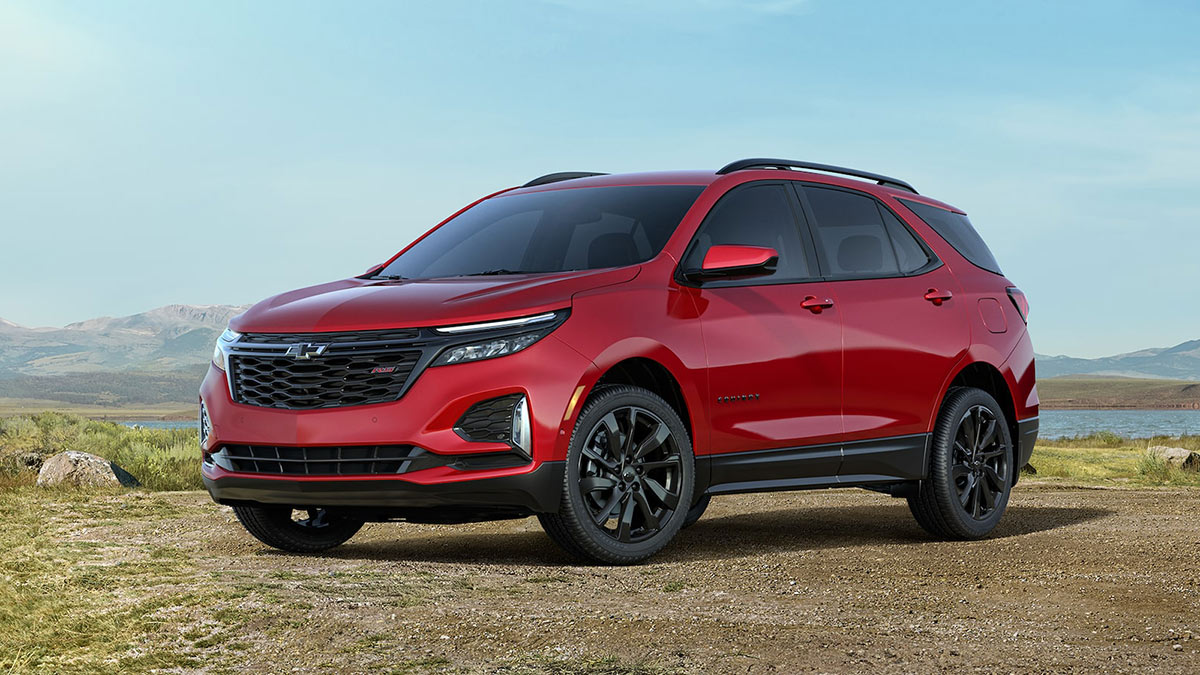
Chevrolet Equinox
The Chevrolet Equinox is a popular midsize SUV known for its comfortable ride and fuel efficiency. However, off-road enthusiasts quickly discover its limitations when the terrain becomes more demanding. The Equinox’s all-wheel-drive system is designed with safety and road traction in mind rather than off-road performance.
It lacks low-range gearing, locking differentials, and other features that enable true off-road vehicles to maintain traction in slippery or uneven conditions. Its ground clearance is modest, which reduces its ability to clear rocks, deep ruts, or other trail obstacles without getting stuck or causing damage.
The Equinox’s suspension system is tuned primarily for on-road comfort and handling, leading to reduced wheel articulation off-road. This can result in uneven tire contact and traction loss on rough terrain.
The vehicle’s chassis and weight distribution are not optimized for stability on uneven surfaces, making it prone to understeer or loss of control when attempting technical off-road maneuvers.
Drivers frequently report struggling to maintain momentum in mud, sand, or snow, which limits the Equinox’s usability on rough trails.
Despite its many strengths as a family vehicle and commuter SUV, the Equinox’s off-road capabilities are minimal. It is best suited for paved roads, light gravel, and gentle dirt roads. Attempting more demanding off-road trails often results in getting stuck or having to turn back, highlighting the Equinox’s limitations in this regard.
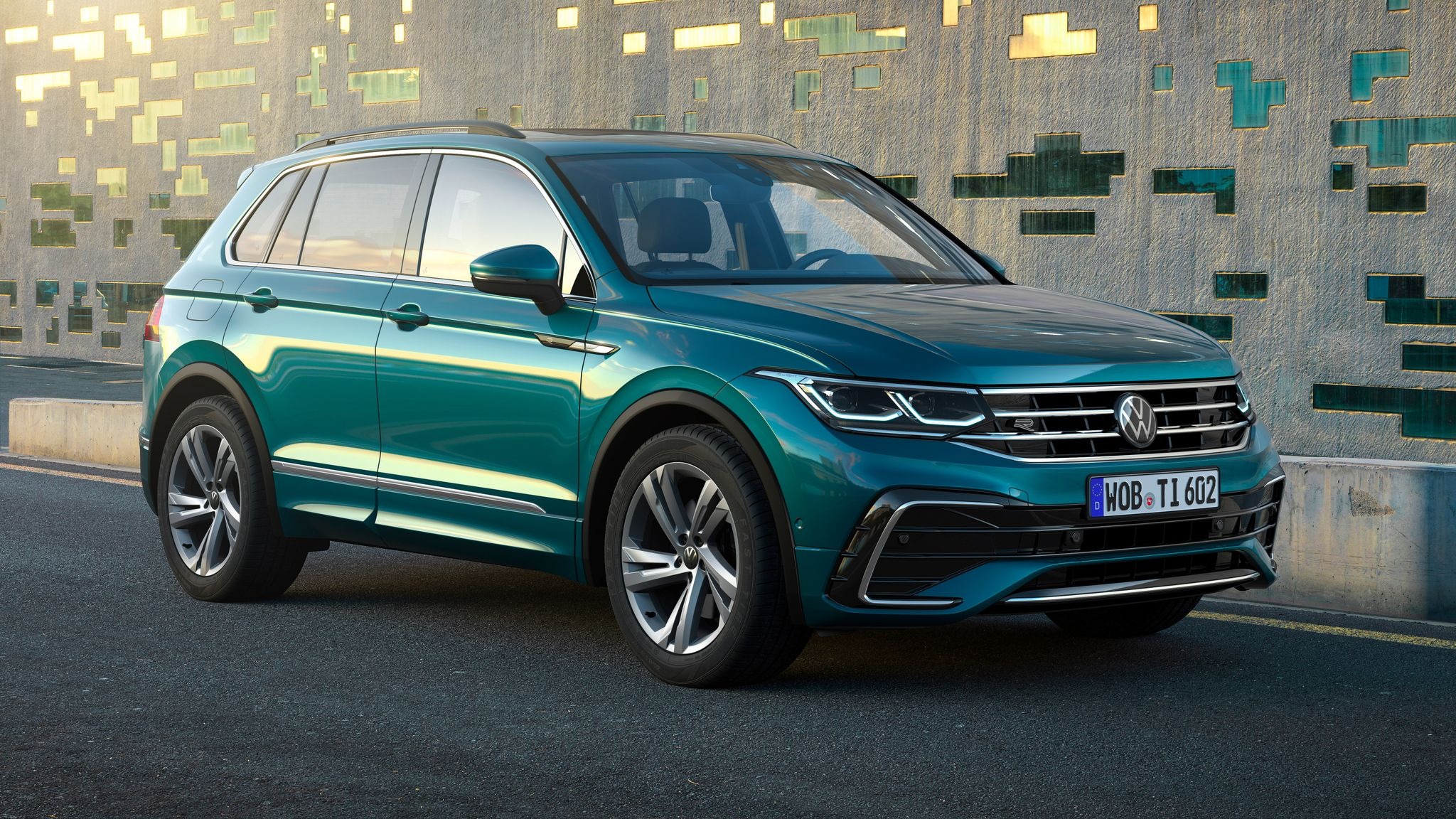
Volkswagen Tiguan
The Volkswagen Tiguan is a compact SUV that offers a smooth and comfortable ride, with a well-designed interior and modern technology features. However, when taken off the beaten path, the Tiguan reveals weaknesses that limit its effectiveness in challenging off-road conditions.
Its all-wheel-drive system, known as 4Motion, is more suited for enhanced traction on wet or slippery pavement rather than rugged terrain. The system is reactive, engaging the rear wheels only when front-wheel slip is detected, which can cause delays and reduced control in difficult off-road situations.
Ground clearance on the Tiguan is relatively low, making it prone to scraping and damage when crossing rocks, logs, or deep ruts. Unlike dedicated off-road SUVs, the Tiguan lacks locking differentials and low-range gearing, which are critical for maintaining traction and control in difficult terrain.
The suspension is tuned for comfort and road handling, not for maximizing wheel articulation or durability under harsh off-road stresses. This means that the Tiguan often loses traction and stability on uneven surfaces.
Many drivers also find that the Tiguan’s electronic stability and traction control systems can be overly aggressive off-road, limiting momentum and making it difficult to maintain steady progress on loose surfaces like gravel or mud.
The vehicle’s relatively long wheelbase and weight distribution further reduce its agility on narrow trails or steep inclines. While the Tiguan excels as a city and highway vehicle, it is not a reliable or capable choice for serious off-road adventures.
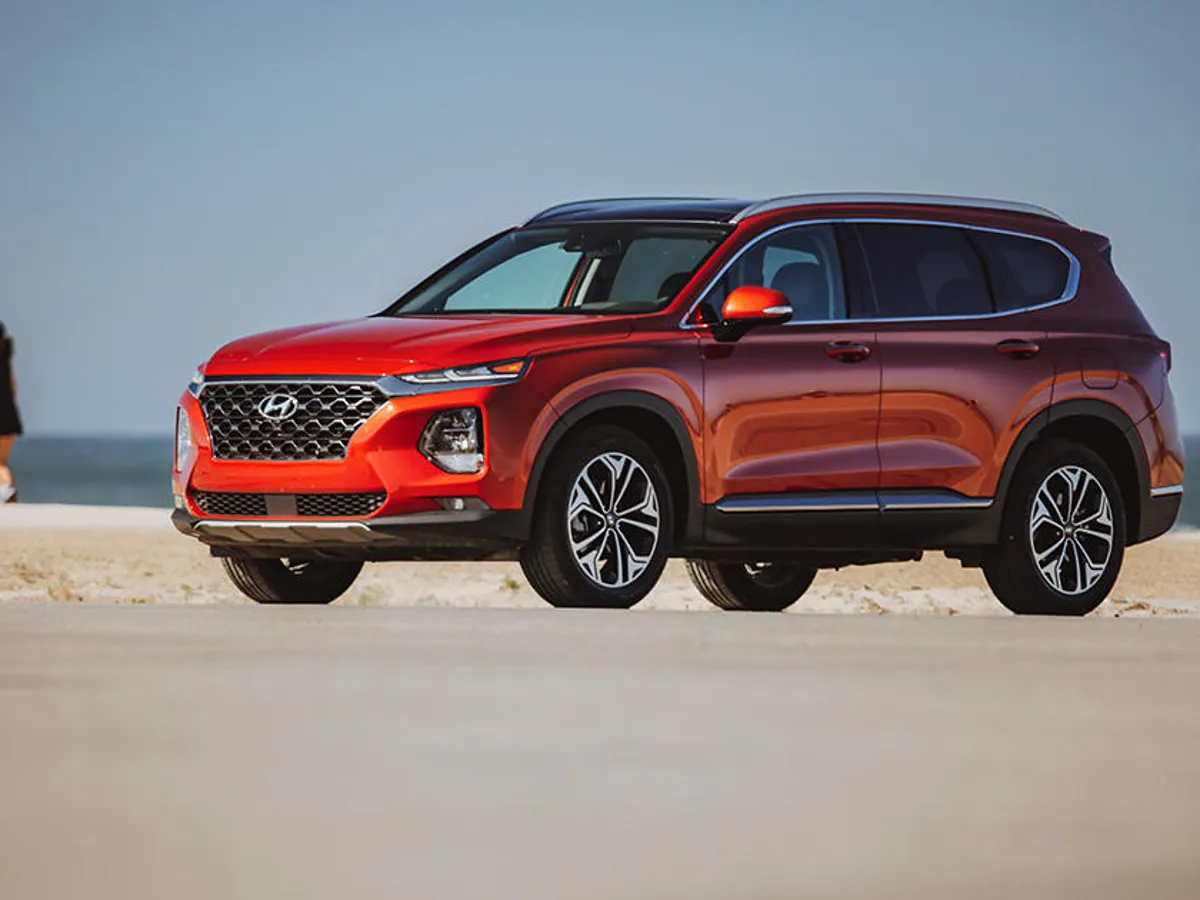
Hyundai Santa Fe
The Hyundai Santa Fe is designed with a focus on family comfort, style, and everyday usability rather than off-road performance.
Its all-wheel-drive system is intended to provide added safety and traction on paved roads during rain or light snow, but it lacks the low-range transfer case, locking differentials, and other mechanical features needed for serious off-road driving.
The Santa Fe’s ground clearance is on the lower side for an SUV, which makes it difficult to clear obstacles such as rocks, deep ruts, or uneven terrain without risking damage.
The suspension system is tuned to absorb road imperfections and provide a smooth ride on highways and city streets. This focus on comfort comes at the expense of wheel articulation and off-road durability, resulting in reduced traction and stability on rough trails.
Many drivers report that the Santa Fe struggles to maintain momentum on slippery or uneven surfaces, often losing grip or getting stuck in mud or loose dirt. The vehicle’s chassis and weight distribution are optimized for on-road handling, which can cause instability or body roll on uneven terrain.
While the Hyundai Santa Fe is a reliable and practical SUV for everyday driving, it is not suited for demanding off-road conditions. Its design choices prioritize comfort, fuel efficiency, and safety features that appeal to families and commuters but fail to deliver the toughness needed for serious trail driving.
