
Cars are more than just a means of transportation; they are an extension of personal style, engineering marvels, and often an emotional investment. When people buy a car, they usually expect it to last for many years, maintaining reliability, comfort, and performance.
However, not all vehicles age equally. Some cars continue to deliver a fresh driving experience even after more than a decade, while others begin to feel outdated, uncomfortable, or unreliable within just a few years. Understanding why some vehicles stand the test of time and others don’t can be eye-opening.
Factors such as build quality, engineering, materials used, and design philosophy play significant roles in how a car ages. Some manufacturers focus heavily on durability and timelessness, ensuring their models feel as good on the road after 15 years as they did on day one.
Others may prioritize trends, cost-cutting, or short-term appeal, resulting in cars that lose their charm and functionality very quickly.
The result is a clear divide in the automotive world between cars that feel fresh and exciting for many years and those that feel outdated or worn out long before their expected lifespan.
There is also a difference in how the driving experience itself evolves. Modern vehicles tend to come with a variety of electronic aids and comfort features that, if poorly designed or cheap, might become sources of frustration or break easily.
Conversely, some older cars use simpler technology that remains functional or can be repaired more easily, helping them stay reliable over the years.
Furthermore, the subjective feeling of a car’s “newness” isn’t always tied only to mechanical health. It can be linked to design appeal, seating comfort, steering feel, suspension tuning, and how engaging or effortless the car feels to drive.
The cars that age well are often those where these elements were well-balanced and designed with longevity in mind.
In contrast, cars that feel old quickly often suffer from outdated design, uncomfortable ergonomics, or components that degrade rapidly.
This article compares five cars known for still driving like new after 15 years to five that feel old and worn out in as little as three years. This comparison highlights the qualities that help cars age gracefully and those that cause them to lose their luster prematurely.
5 Cars That Drive Like New After 15 Years
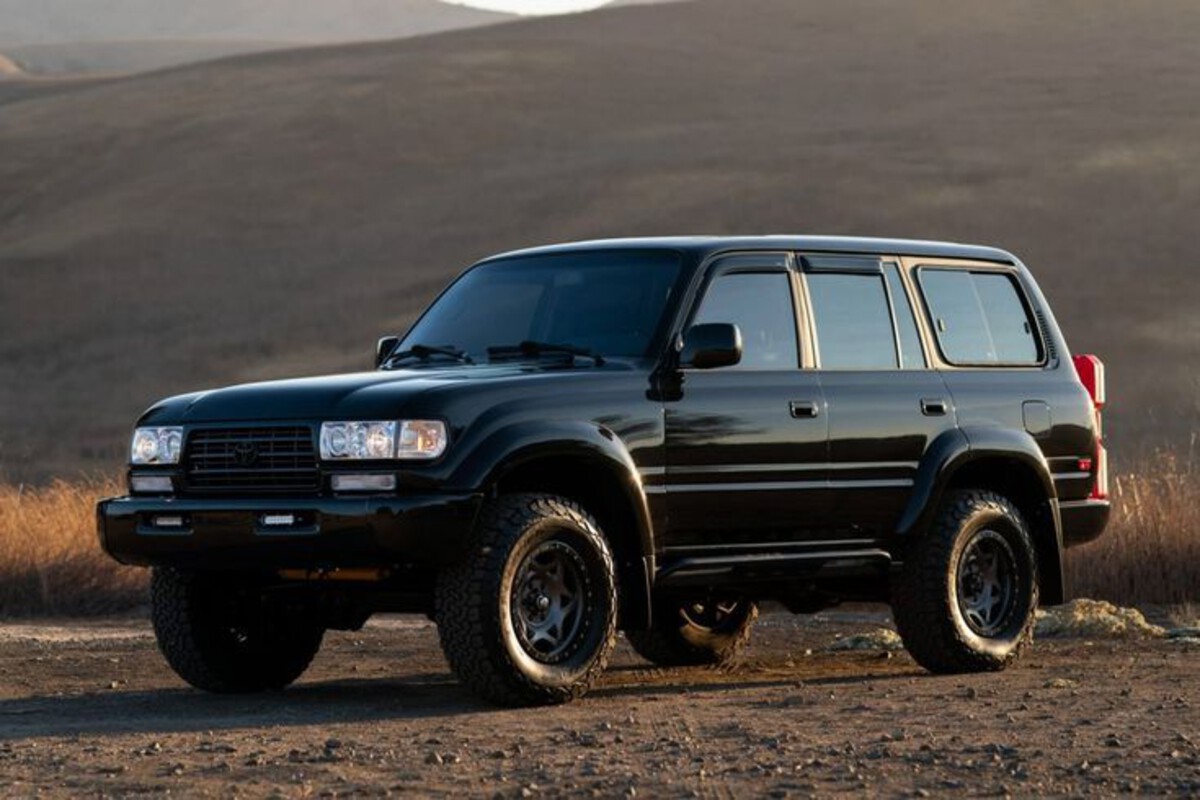
1. Toyota Land Cruiser
The Toyota Land Cruiser has long been regarded as a symbol of rugged reliability and long-term durability. This vehicle was engineered with the idea that it would need to perform consistently in some of the harshest environments on Earth, from deserts to jungles to mountainous terrain.
That level of expectation demanded a build quality that is second to none. The chassis is constructed from heavy-duty materials, and the drivetrain is designed to withstand constant strain without failure.
Unlike many modern SUVs that prioritize luxury or fuel efficiency, the Land Cruiser focuses on robustness and mechanical simplicity.
This approach means fewer electronic components that can malfunction and a drivetrain engineered to endure high mileage with minimal wear. Many owners report that their Land Cruisers have surpassed the 300,000-mile mark without major issues, a testament to Toyota’s dedication to long-term reliability.
Beyond the mechanical aspect, the Land Cruiser maintains its ride comfort and driving confidence over many years. The suspension system, while designed for off-road durability, remains compliant on paved roads, offering a smooth experience that doesn’t deteriorate rapidly with age.
This ability to handle rough terrain without sacrificing on-road comfort is rare in vehicles of this class. Additionally, the steering retains a solid and direct feel, which helps drivers stay connected to the road. In a vehicle designed primarily for utility, these driving dynamics provide a sense of timelessness.
Even after more than a decade, the Land Cruiser doesn’t feel like an old SUV but rather a capable and dependable companion on any journey. Its continued use as a workhorse in many parts of the world also shows its lasting appeal and functional excellence.
Inside, the Land Cruiser’s cabin has a utilitarian charm that also contributes to its longevity. The materials are selected for durability rather than flashiness, with tough plastics, comfortable cloth or leather seating, and straightforward controls.
Unlike many modern vehicles that focus on trendy designs and expensive trim pieces that can wear or break easily, the Land Cruiser’s interior holds up to years of use with minimal cosmetic damage. This practical interior ensures that owners don’t feel like they are driving a worn-out vehicle even after thousands of miles.
Furthermore, the ergonomics and seating positions remain comfortable and supportive, reducing fatigue during long trips and keeping the car feeling fresh. The simplicity and practicality of the interior have made it less vulnerable to the rapid aging seen in more complex, luxury-focused vehicles.
This reliability translates into ownership satisfaction, as drivers don’t face unexpected breakdowns or expensive repairs that plague many aging vehicles. The Land Cruiser’s reputation for reliability and ease of maintenance explains why so many remain on the road, still feeling new despite their age.
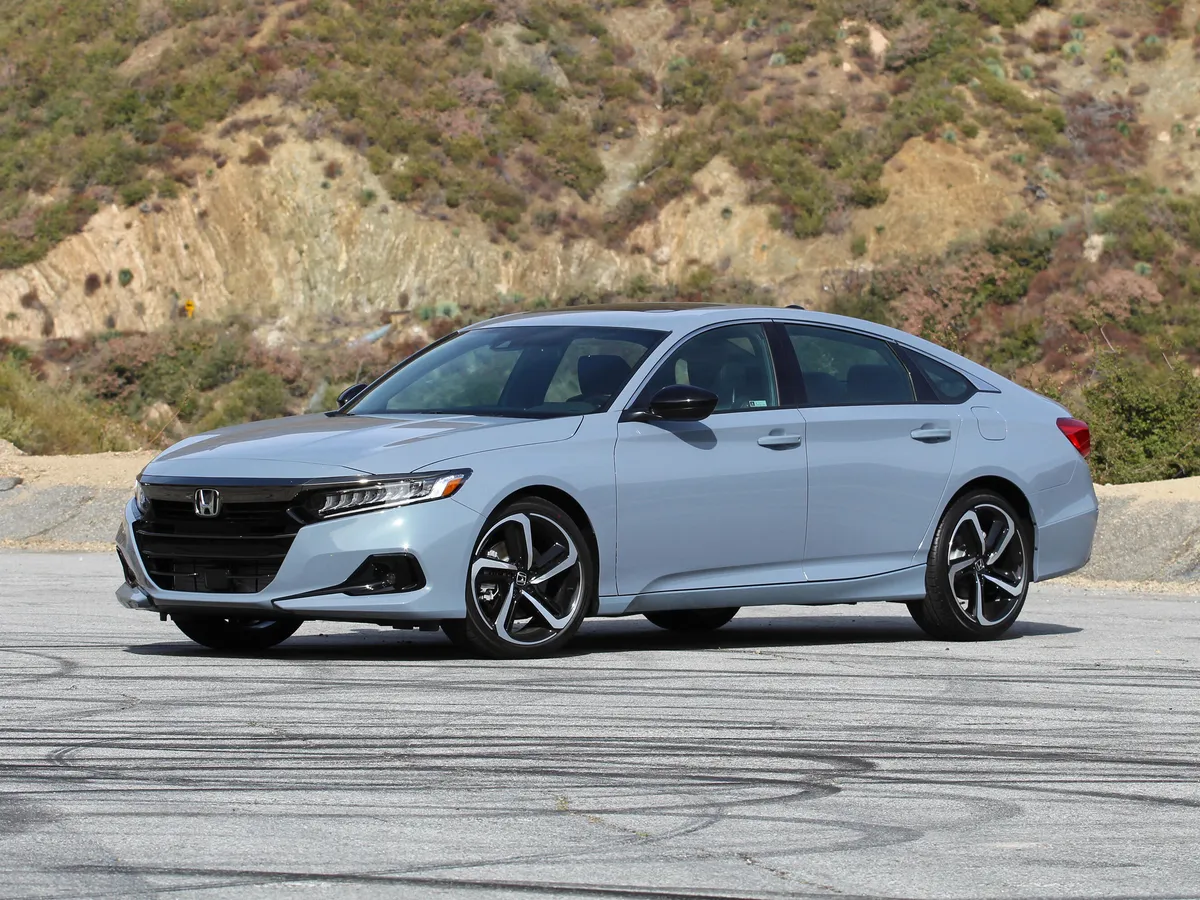
2. Honda Accord
The Honda Accord has been a consistent benchmark for midsize sedans for decades, and its ability to age gracefully is a key part of its enduring appeal. The Accord’s success comes from a balanced approach to design, engineering, and material quality that prioritizes both driving enjoyment and long-term reliability.
Under the hood, the engines are designed to be both efficient and durable, often running smoothly well past 200,000 miles with routine maintenance.
Honda’s focus on mechanical simplicity and proven technology helps the Accord avoid many of the common issues that cause cars to feel old and unreliable.
The transmissions, whether manual or automatic, are built to last and maintain smooth operation over time, contributing to a driving experience that remains engaging even as the car ages.
The suspension and chassis tuning of the Accord also play a critical role in maintaining a fresh driving feel. Honda engineers have carefully balanced ride comfort and handling responsiveness to create a sedan that feels planted and controlled without being harsh.
Over the years, the suspension components in well-maintained Accords tend to wear evenly, which prevents the car from developing excessive body roll or noise that often makes aging vehicles feel unstable or creaky.
Steering feedback remains direct and communicative, providing a level of confidence often lost in older cars. This focus on driving dynamics ensures that the Accord stays enjoyable and comfortable, even after a decade or more on the road.
Inside the cabin, the Accord’s materials and ergonomic design withstand the test of time remarkably well. The quality of plastics, cloth, or leather upholstery is high enough to resist cracking, fading, or sagging that plagues cheaper interiors.
Honda also pays attention to the placement of controls, making sure they remain intuitive and easy to use without feeling dated.
The combination of quality, durability, and enjoyable driving dynamics helps explain why the Honda Accord is often viewed as one of the best cars to own for the long haul. Its ability to maintain a fresh and reliable feel long after the warranty expires cements its place among vehicles that truly drive like new after 15 years.
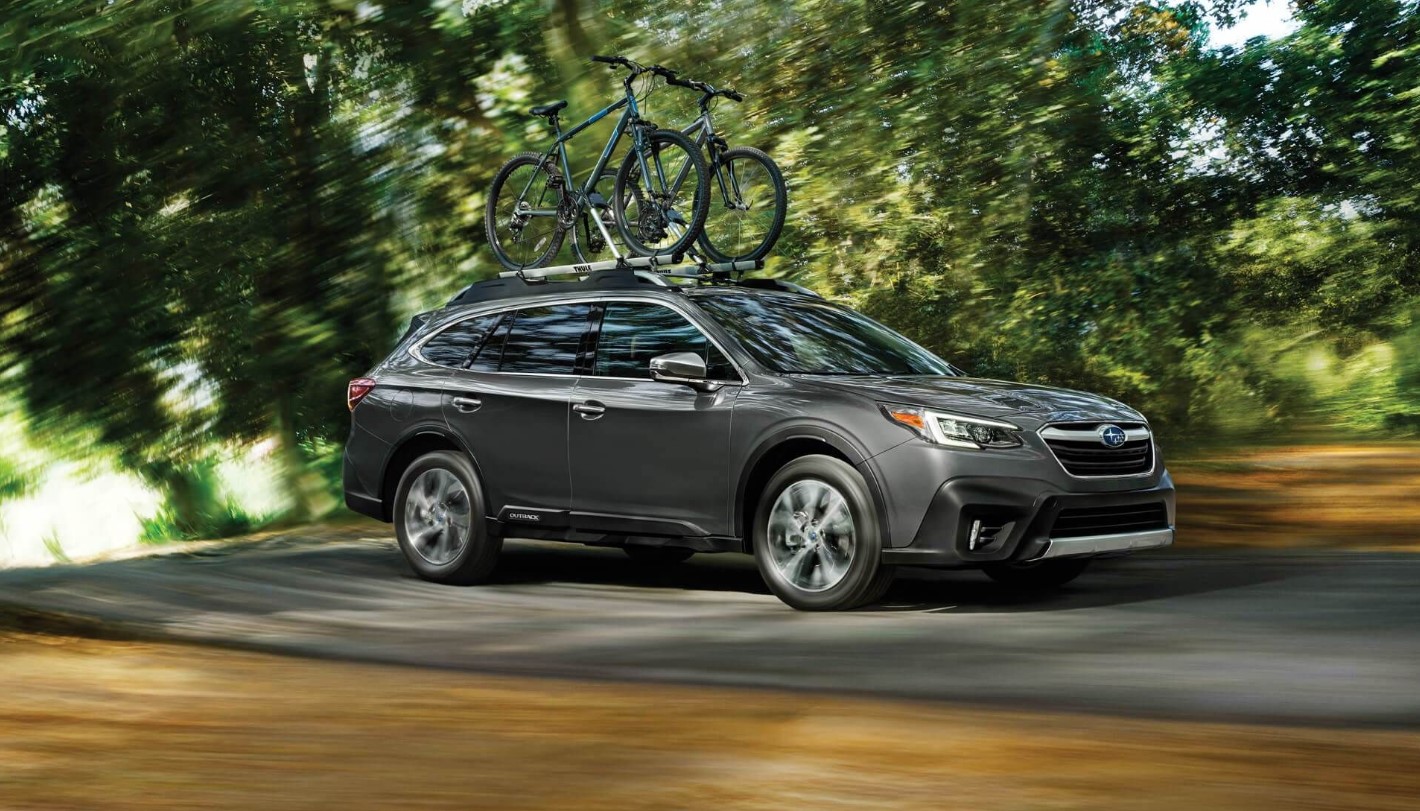
3. Subaru Outback
The Subaru Outback is a unique vehicle that combines the practicality of a wagon with the capability of an SUV, and this combination plays a role in its impressive longevity.
One of the key factors in the Outback’s ability to age well is its symmetrical all-wheel-drive system, which provides reliable traction and stability in various driving conditions.
This drivetrain is robust and built to last, with many owners reporting trouble-free operation after well over 150,000 miles. The Outback’s suspension is tuned to handle a wide range of road surfaces, and its components typically maintain a supple, composed ride quality even as the vehicle ages.
This resilience in handling ensures that the driving experience does not degrade quickly and that the car remains comfortable for daily use or extended trips.
The interior of the Outback is designed with practicality and durability in mind. The materials used in the cabin resist wear and tear, including high-quality plastics, supportive seats, and durable upholstery options.
The layout is ergonomic and user-friendly, helping the vehicle avoid the “dated” feeling many cars develop when controls become confusing or materials start to show their age.
Spaciousness and visibility also contribute to driver and passenger comfort, which remains consistent over the years. Owners praise the Outback for maintaining a welcoming and functional interior environment, even after many years of use. Subaru’s emphasis on safety features and build quality also adds to the car’s lasting appeal.
Mechanically, Subaru’s boxer engines are well-known for their smooth operation and longevity. These horizontally opposed engines distribute weight evenly and run efficiently, which reduces stress on components and prolongs their life.
This support network helps owners keep their cars in good working order, further extending the vehicle’s lifespan. The Outback’s ability to combine durability, comfort, and versatility makes it a standout choice for those looking for a car that will continue to perform well and feel fresh on the road for 15 years or more.
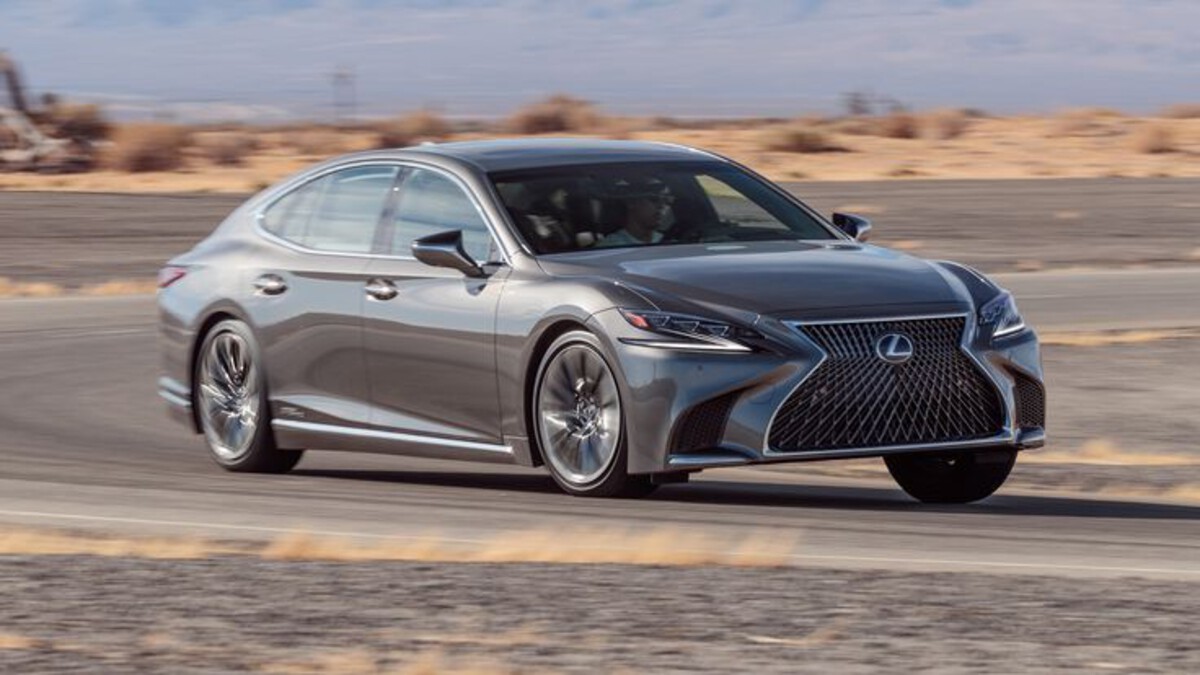
4. Lexus LS
The Lexus LS represents the pinnacle of Toyota’s luxury and engineering expertise, and this is reflected in its remarkable ability to age gracefully. From its inception, the LS was designed to provide an exceptionally smooth and refined driving experience that lasts.
The engineers focused on precision, reliability, and comfort, creating a vehicle that remains capable and luxurious many years after purchase.
The suspension system in the LS is carefully tuned to isolate passengers from road imperfections, maintaining a supple and quiet ride that feels as impressive at 150,000 miles as it did when new.
The steering is accurate and responsive, enhancing the driver’s connection to the road, while the engine and transmission work seamlessly to deliver smooth and powerful acceleration over the long term.
The interior of the Lexus LS is another area where the car excels in maintaining a “new” feel. High-quality materials such as fine leather, polished wood trim, and brushed metal accents are chosen not only for their appearance but also for their durability.
These materials resist fading, cracking, or wearing down, which is common in less well-built luxury cars. Additionally, the transmission systems, whether automatic or hybrid, are built to operate flawlessly even after many years of heavy use.
This combination of mechanical excellence and refinement is rare in luxury vehicles, many of which suffer from complex systems that degrade quickly. The LS’s engineering philosophy emphasizes longevity and consistent performance, allowing owners to enjoy the vehicle’s full capabilities well beyond the typical lifespan.
Lexus also supports the LS with excellent customer service, a wide parts network, and extended warranties, which make maintaining the vehicle easier and more cost-effective.
Many owners report that their LS continues to drive and feel like a luxury flagship many years after its initial purchase. The vehicle’s ability to combine timeless luxury, reliable performance, and low maintenance headaches is why it is often regarded as one of the best cars to drive like new after 15 years.
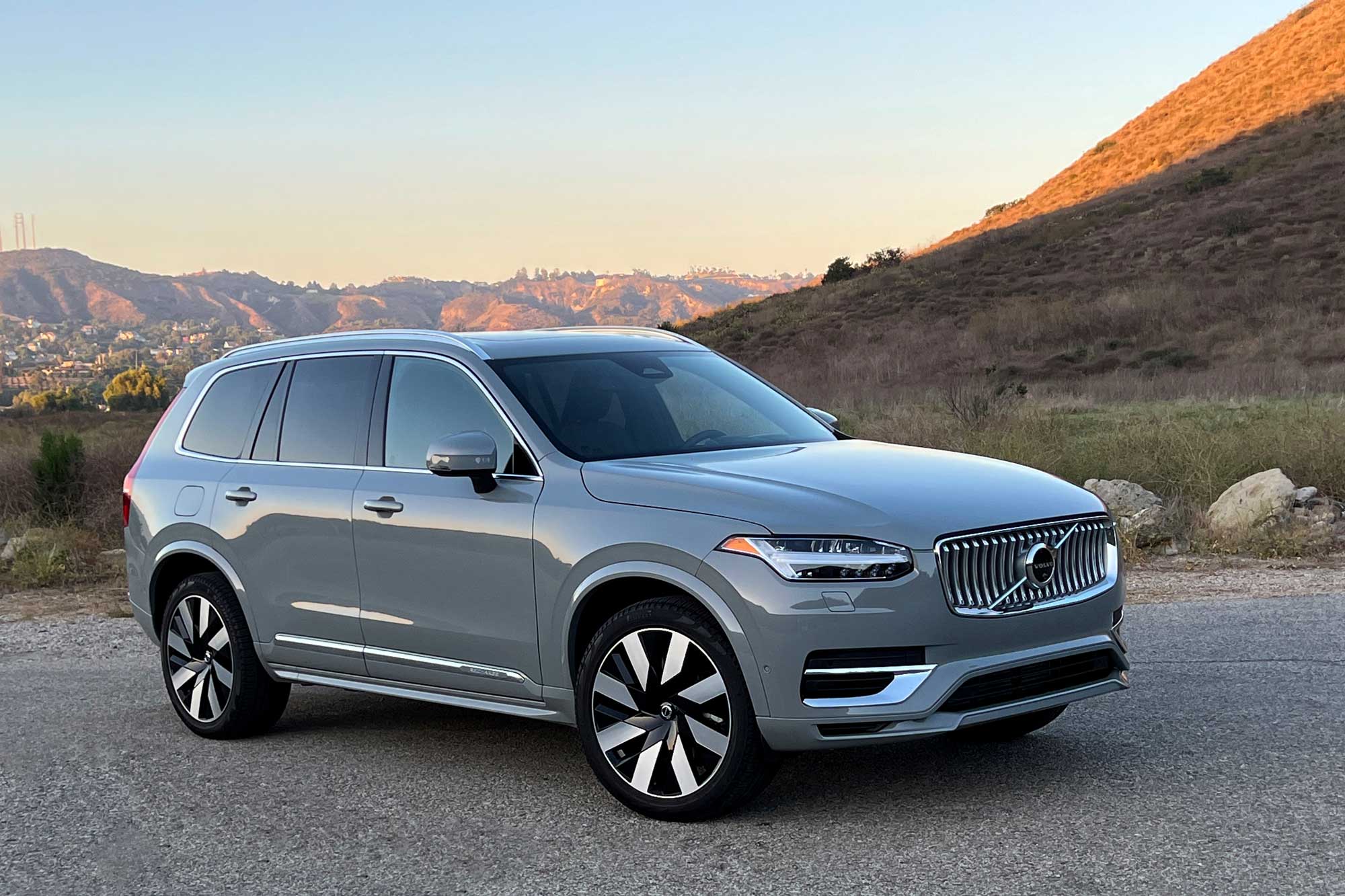
5. Volvo XC90
The Volvo XC90 is widely recognized for its combination of Scandinavian design, safety innovation, and enduring build quality, all of which contribute to its ability to drive like new even after 15 years. From its introduction, Volvo designed the XC90 to be a premium SUV that balances comfort, utility, and reliability.
One of the standout features is its chassis and suspension setup, which offer a refined ride quality and composed handling that remain stable and comfortable with age. The materials used in the suspension are durable and resist wear, helping the vehicle maintain a smooth and confident ride over time.
This durability extends beyond the mechanics to the driving experience, with many owners noting that their XC90s feel poised and capable, never giving the sense of sluggishness or looseness common in aging SUVs.
Inside the cabin, the XC90 emphasizes quality and simplicity. Volvo’s choice of premium materials such as soft-touch plastics, genuine wood, and leather upholstery, not only creates a luxurious atmosphere but also age exceptionally well.
Unlike many vehicles where interiors become faded, cracked, or brittle, the XC90’s interior remains inviting and fresh. Regular maintenance ensures these engines continue to operate quietly and efficiently, retaining their responsiveness even after many miles.
The drivetrain, including the all-wheel-drive system, remains robust and reliable, providing consistent traction and stability in varying road conditions. This mechanical steadfastness is a major reason why so many XC90s remain on the road, performing well and driving smoothly well beyond a decade of use.
Volvo’s commitment to safety and innovation further enhances the XC90’s long-term appeal. The SUV was among the first to incorporate advanced safety technologies, many of which continue to operate reliably over time.
Features like advanced braking systems, stability control, and multiple airbags not only provide peace of mind but also add to the sense of a well-maintained, modern vehicle even as it ages.
Maintenance and repair of the XC90, while sometimes more expensive than non-luxury vehicles, benefit from Volvo’s strong dealer support and quality replacement parts.
This accessibility helps owners keep their vehicles in excellent condition, preserving the XC90’s “like new” feel and contributing to its reputation as one of the SUVs that truly stands the test of time.
5 Cars That Feel Old in 3 Years
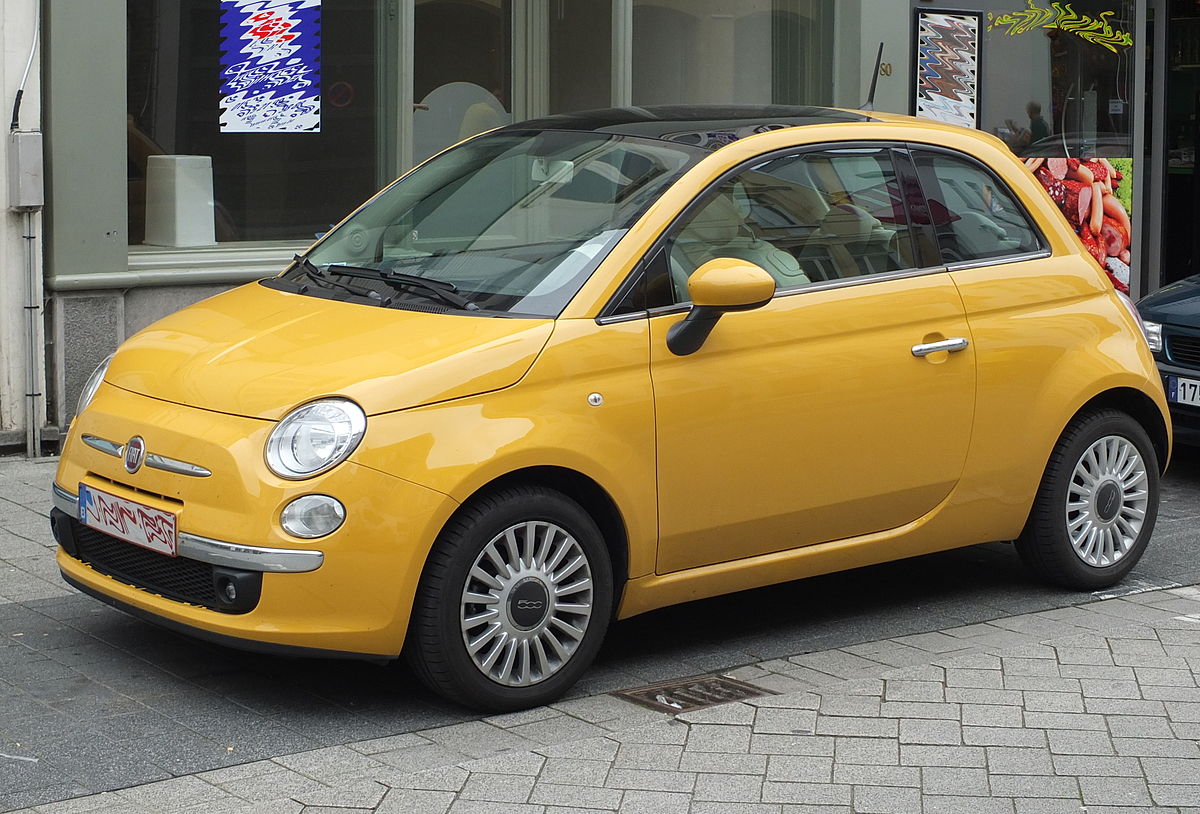
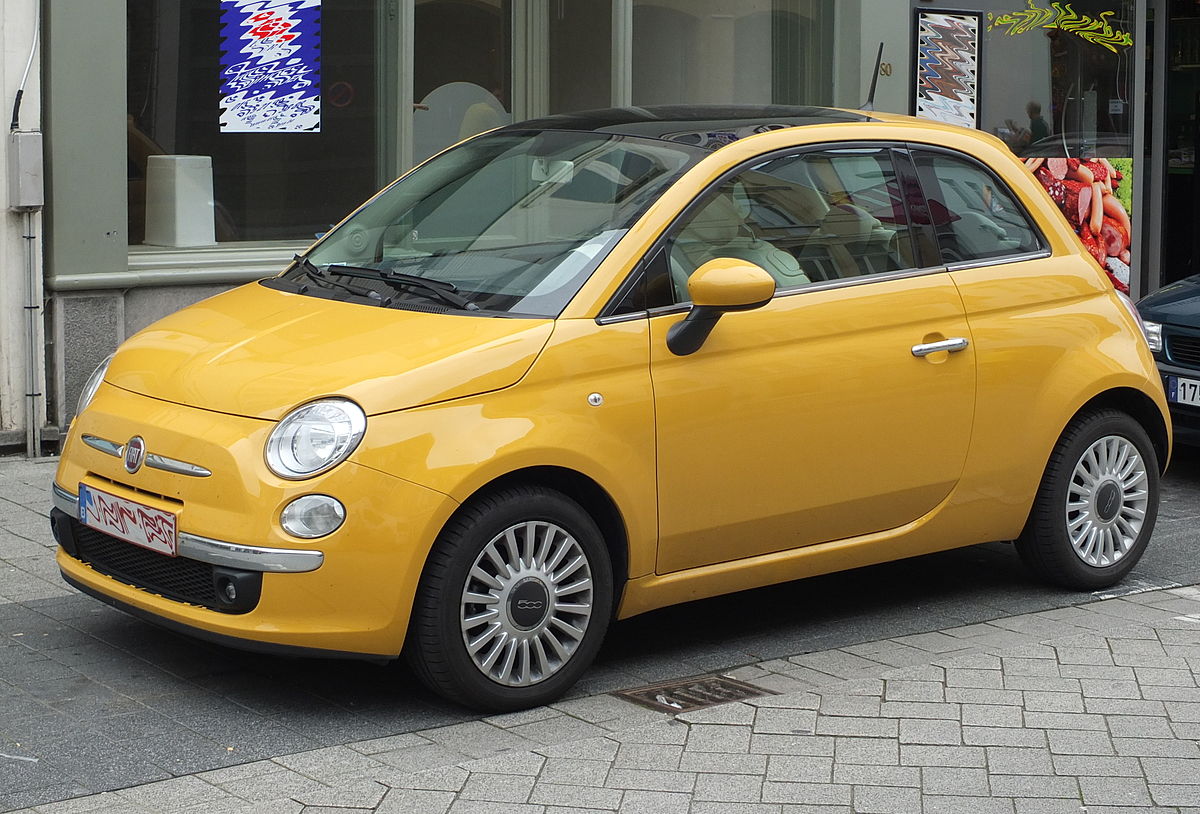
1. Fiat 500
The Fiat 500 is a car that, at first glance, catches attention with its retro-inspired styling and compact charm. However, despite its initial appeal, many owners and reviewers report that it starts to feel outdated and less enjoyable within just a few years. One of the main reasons for this rapid aging is the interior quality.
While the Fiat 500 aims to be fun and quirky, it often sacrifices material durability for style. Cheap plastics, rattling panels, and seats that quickly lose their firmness contribute to a cabin environment that wears out fast.
What might have felt fresh and stylish on day one begins to feel cheap and uninspiring after only a short period of ownership. This contrast between initial excitement and rapid interior deterioration causes a disconnect for many drivers, making the car feel older than its actual age.
Mechanically, the Fiat 500 also struggles with longevity in terms of driving dynamics. The suspension is tuned more for city driving than comfort or sportiness, resulting in a firm and sometimes harsh ride over uneven roads.
After a few years, worn suspension components tend to increase road noise and vibrations inside the cabin, further degrading the driving experience. The steering, which initially feels light and nimble, can become vague and disconnected as the car ages, reducing driver confidence.
Additionally, the engines, especially the smaller turbocharged variants, can feel strained during highway driving or when fully loaded, which exacerbates the perception that the car is struggling and out of its depth. These mechanical weaknesses contribute to the feeling that the Fiat 500 has aged quickly.
Finally, the Fiat 500’s reliability and maintenance record are factors that lead to a sense of premature aging. Owners often report frequent repairs related to electrical issues, minor engine troubles, or suspension components wearing out prematurely. These issues not only impact ownership costs but also erode the satisfaction with the car.
When a vehicle requires frequent visits to the shop within just a few years, it wears on the driver’s patience and enthusiasm, making the car feel old and troublesome rather than youthful and fun.
This combination of interior wear, mechanical shortcomings, outdated technology, and reliability problems contributes to why the Fiat 500 often feels old after only three years on the road.

2. Jeep Renegade
The Jeep Renegade was introduced as a compact SUV that could offer the Jeep brand’s iconic off-road capability and rugged styling in a smaller package. While it certainly looks the part, many drivers find that the Renegade begins to lose its appeal and feel dated very quickly after purchase.
One of the main issues is the interior quality. The Renegade’s cabin uses a mix of hard plastics and budget materials that tend to rattle and show wear early. The fit and finish can be inconsistent, which contributes to a perception of a cheaply made interior that quickly loses its luster.
Although the design tries to evoke adventure and fun, the tactile experience is often underwhelming and tiresome after only a few years. This contributes to the vehicle feeling older than it actually is.
From a driving perspective, the Renegade struggles to provide the smooth and responsive experience that many competitors offer in this segment. The suspension is somewhat stiff and does not absorb bumps gracefully, resulting in a choppy and unsettled ride.
The steering lacks precision and feels disconnected, making the car less enjoyable to drive on winding roads or highways. Additionally, the base engines tend to feel underpowered, especially when carrying passengers or cargo, which adds to a feeling of being outdated or inadequate
Over time, worn suspension components and tires amplify these issues, making the Renegade’s driving dynamics deteriorate faster than expected. This mechanical aging affects how fresh the car feels on the road.
Technology and infotainment in the Renegade also fall behind the curve quickly. Early models feature dated touchscreen systems with slow response times and limited connectivity options.
Compared to newer vehicles that integrate seamlessly with smartphones and offer advanced driver assistance features, the Renegade’s systems feel clunky and obsolete after only a short time.
Additionally, software glitches and a lack of consistent updates reduce user satisfaction and contribute to the car feeling less modern. This technological gap widens quickly as automotive tech advances rapidly, making the Renegade feel stuck in the past just a few years after its release.
Reliability is another area where the Jeep Renegade often disappoints owners. Common issues include electrical gremlins, premature wear on suspension components, and occasional transmission problems. These issues lead to frequent trips to the mechanic, increasing ownership costs and reducing confidence in the vehicle’s longevity.
The combination of mechanical challenges, aging interior materials, and outdated technology causes many Renegade owners to feel their cars have aged poorly and lost appeal within just three years. For a vehicle marketed on ruggedness and longevity, this rapid decline in freshness is a drawback.
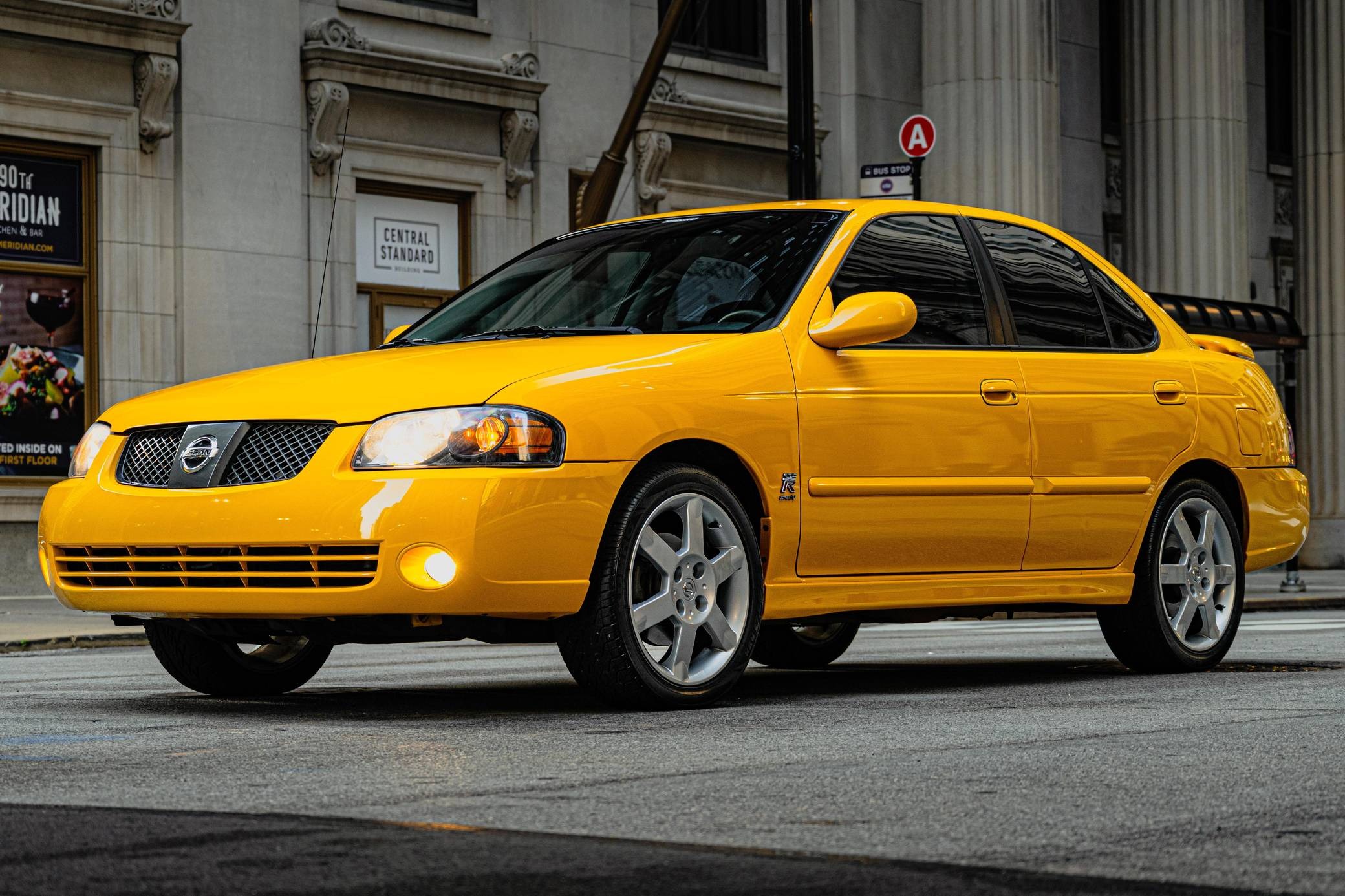
3. Nissan Sentra
The Nissan Sentra is a compact sedan that has often been praised for its affordability and practicality. However, despite these strengths, it tends to feel worn and outdated far sooner than many competitors. One of the reasons the Sentra ages poorly is the quality of its interior materials and design choices.
The cabin is dominated by hard plastics and fabrics that stain and scratch easily, giving the car a cheap and tired feel after only a short time. The seats tend to lose their shape and cushioning, leading to discomfort on longer drives and reinforcing the impression of an aging vehicle.
The design itself can also feel bland and uninspired, which doesn’t help the Sentra maintain a fresh image over time. These factors combine to make the interior less inviting and more prone to showing wear quickly.
On the road, the Sentra’s driving dynamics also contribute to its feeling of premature aging. The suspension setup prioritizes comfort over agility, but it tends to become mushy and imprecise as the components age. This results in a floaty and unengaged driving experience that can grow tiresome within a few years.
These shortcomings become more glaring as other manufacturers continue to advance technology at a rapid pace. For tech-savvy buyers or those accustomed to modern conveniences, the Sentra quickly feels outdated and less enjoyable to use.
This technological lag exacerbates the feeling that the car is old, especially compared to newer vehicles in the segment. Reliability concerns add to the Sentra’s struggle to maintain a fresh feel.
Some owners report issues with the continuously variable transmission (CVT), including hesitation or shuddering under acceleration. Additionally, electrical glitches and premature wear of suspension and interior components can lead to costly repairs.
These problems detract from the ownership experience and make the Sentra feel less dependable over time. Frequent maintenance and repair needs erode confidence and make the vehicle feel like it is aging faster than expected. Together, these factors explain why the Nissan Sentra often feels old after just three years on the road.
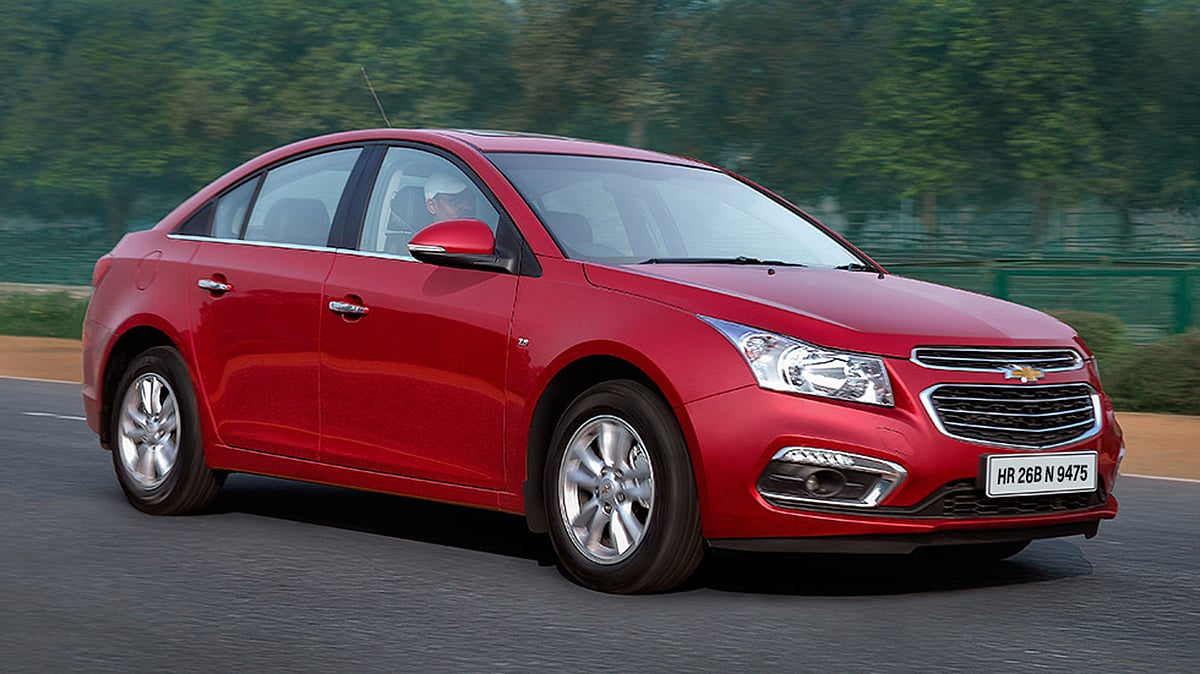
4. Chevrolet Cruze
The Chevrolet Cruze is a compact car that has been popular for its value and efficiency, but it also suffers from rapid aging issues. One of the main reasons is the interior quality. While initially modern-looking, the Cruze’s cabin materials can quickly show signs of wear.
Scratches on the plastic surfaces, faded upholstery, and rattles begin to appear after only a couple of years, making the interior feel tired and neglected.
The design, although contemporary at launch, tends to feel generic and uninspiring after a short period. This lack of lasting appeal inside the cabin contributes heavily to the impression that the Cruze ages prematurely, especially when compared to more refined competitors.
Driving dynamics also play a role in how quickly the Cruze feels dated. The suspension is tuned for comfort but can feel floaty and less controlled as wear sets in. Over time, drivers may notice increased body roll and less precise handling, which detracts from confidence on the road.
The steering is light but lacks feedback, making the driving experience less engaging. Engine options, particularly the turbocharged four-cylinder, can feel adequate but not particularly lively or refined, especially as the vehicle accumulates mileage.
Combined with the less-than-stellar ride quality, these factors lead to a driving experience that loses freshness rapidly and feels less satisfying with age.
Technology and infotainment systems in the Cruze also contribute to its fast aging. Earlier models feature slower touchscreen responses and less intuitive menus, which become frustrating as users get accustomed to faster and more streamlined interfaces in newer vehicles.
As mechanical problems arise, the vehicle’s driving performance and comfort degrade more quickly, reinforcing the feeling that the car has aged prematurely.
The combination of interior wear, uninspiring driving dynamics, outdated technology, and reliability concerns explains why the Chevrolet Cruze often feels old after just a few years of ownership.
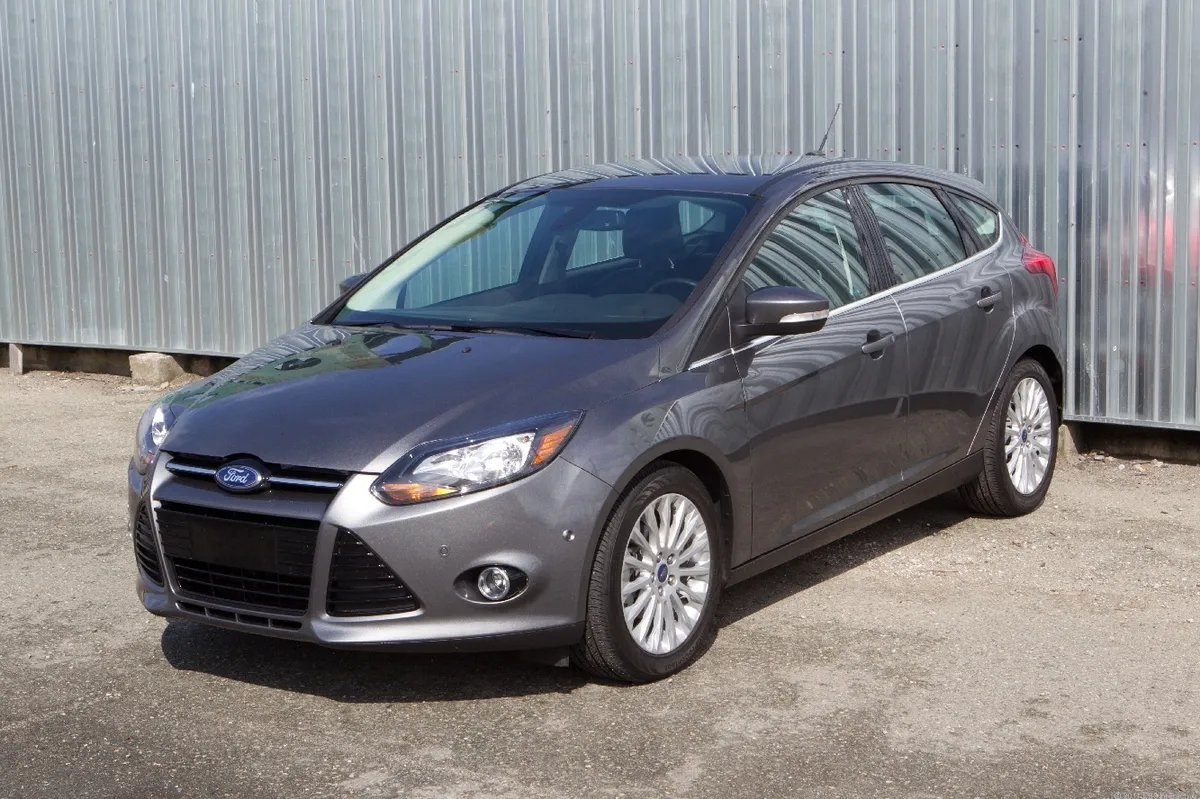
5. Ford Focus
The Ford Focus is a compact car that has been widely sold across the globe, known for its sporty handling and competitive pricing. However, despite its initial promise, the Focus has a reputation for feeling outdated much sooner than expected.
A major factor is the interior quality, which, although functional, often includes cheap plastics and fabrics that wear rapidly. Seats lose their cushioning and support, and the dashboard and trim pieces can develop rattles or creaks with age.
This diminishes the sense of quality and comfort, making the car feel older and less inviting within a few years. The interior design, which was once considered modern, tends to look dated quickly, adding to the sensation of driving an older vehicle.
The driving experience also deteriorates over time. The Focus’s suspension setup, originally praised for balancing comfort and agility, can become noisy and harsh as bushings, shocks, and springs wear out. This leads to a less composed ride and more road noise entering the cabin.
Additionally, the availability of advanced safety features and connectivity options was limited in older models, making the Focus feel less modern as other cars added these as standard.
The rapid evolution of automotive technology makes the Focus’s systems seem obsolete after only a few years, which is a major factor in the car feeling old. Owners often find themselves wanting features that their vehicle lacks, reinforcing a sense of premature aging.
Lastly, reliability concerns further damage the Ford Focus’s reputation. Particularly the Powershift transmission has been a frequent source of problems, leading to costly repairs and frequent dealer visits.
Other issues include electrical glitches, premature wear on suspension components, and interior trim pieces breaking or rattling.
These problems not only increase ownership costs but also reduce driver confidence and satisfaction. When a car requires frequent maintenance and repairs early in its life, it loses the sense of freshness and dependability that many buyers expect.
