
The automobile industry has always been shaped by a mixture of engineering innovation, marketing strategy, and public perception.
But sometimes, a car becomes more than just a machine, it turns into a cultural symbol. In some cases, this happens because of iconic design, breakthrough performance, or game-changing technology.
But occasionally, a car captures public attention for all the wrong reasons. Whether due to odd looks, questionable reliability, or outdated technology, some cars became the punchline of jokes, the subject of internet memes, and the target of widespread ridicule.
Sometimes, a car is bought in droves simply because it gets the job done, no matter how many jokes are made about it online. Others ride the wave of brand loyalty, fleet contracts, or sheer ubiquity. Many of these cars even went on to become bestsellers for their manufacturers.
The cars on this list fall into that strange gray area where a meme doesn’t stop momentum. They became infamous in pop culture circles but still found success in dealership showrooms.
Whether it’s because of a viral TikTok sound, a satirical YouTube review, or decades of jokes on forums, these vehicles have become recognizable for reasons far beyond their engineering specs.
Yet, when the sales numbers are revealed, they tell a very different story. Somehow, in the midst of all the laughter, consumers continued to choose them, over and over again.
From oddly designed compacts to misunderstood hybrids, these 12 cars might have been the butt of online jokes, but their presence on the road is undeniable. They’ve filled driveways, parking lots, and traffic jams all over the world. They might be memes, but they’re million-sellers all the same.
1. Toyota Prius
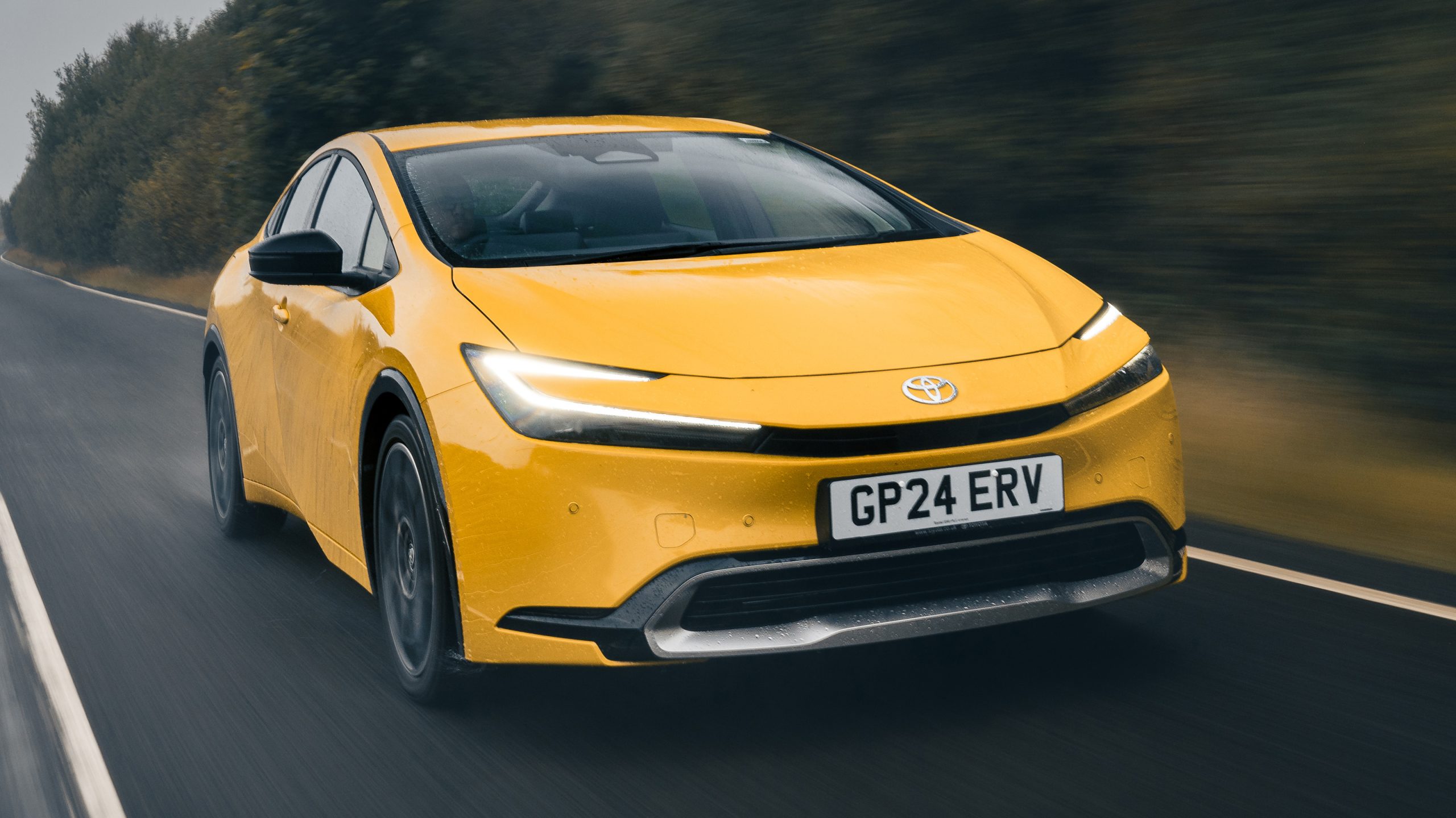
The Toyota Prius is perhaps the most famous example of a car that was mocked relentlessly while quietly dominating its segment in sales. From late-night comedians to online memes, the Prius was often presented as the symbol of self-righteous environmentalism.
Its unique wedge-shaped design and early hybrid tech made it a target for criticism, especially from car enthusiasts who saw it as anti-performance. It became common to hear people joking about Prius drivers being slow, smug, or clueless in traffic.
Despite all the ridicule, the Prius was a trailblazer. It was the first mass-produced hybrid vehicle and helped usher in a new era of environmentally conscious driving. What started as a niche experiment turned into a global phenomenon.
Toyota’s engineering team focused on fuel economy, reliability, and efficiency, rather than speed or style. That decision paid off massively. Millions of drivers were more interested in saving money at the pump than winning a race.
The Prius also found success through a combination of timing and legislation. Governments around the world began offering tax breaks and incentives for hybrid vehicles, making the Prius even more appealing to cost-conscious consumers.
Environmental awareness was also growing, and the Prius was marketed as the right choice for a planet-conscious generation. It became a favorite of celebrities, city dwellers, and suburban families alike.
Sales figures prove that public mockery did nothing to slow it down. Over six million units of the Prius have been sold worldwide.
It’s been a constant presence in taxi fleets, rental car lots, and households looking to reduce their fuel bills. Even as it became the face of hybrid mockery, it also became one of the most successful hybrids in automotive history.
2. Pontiac Aztek
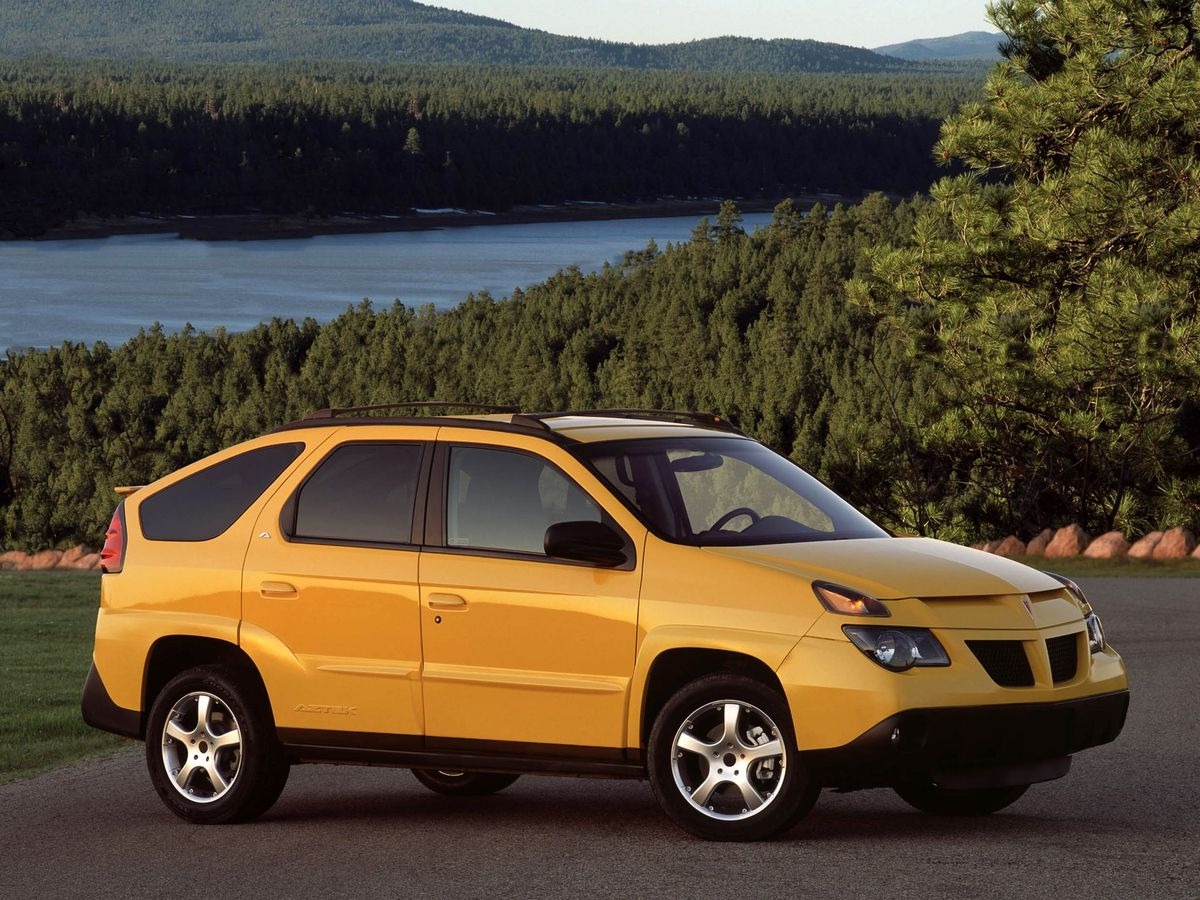
The Pontiac Aztek is widely remembered as one of the strangest-looking vehicles ever produced. Its angular, jumbled styling and awkward proportions made it an immediate target for criticism.
Memes about its looks exploded online, with some comparing it to a melted Transformer or an angry refrigerator. It became a symbol of poor design choices, and for years was mocked in nearly every discussion of bad car aesthetics.
Yet, in spite of the mockery, the Aztek wasn’t a total flop. While it didn’t meet GM’s initial sales expectations, it still sold nearly 120,000 units over its production run.
That number is hardly impressive when compared to bestsellers, but it’s significant for a car that many now remember as a punchline. Much of its initial success came from its positioning as a versatile crossover before crossovers became mainstream.
The Aztek had a lot of features that were ahead of its time. It offered a built-in camping package, a cooler in the center console, and a tailgate designed for outdoor fun. In a way, it was a precursor to the lifestyle-oriented crossovers that now dominate the market.
Consumers who looked past the looks found a vehicle that was surprisingly functional and forward-thinking. It was one of the first GM cars built using their new modular platform strategy, which later became a corporate standard.
Years later, the Aztek got an unexpected boost in popularity thanks to the TV show Breaking Bad, where the main character, Walter White, drove one.
This reintroduced the Aztek to a new audience, some of whom developed an ironic appreciation for it. It may never live down its meme status, but the Aztek’s story is a reminder that innovation can sometimes be misjudged in its own time.
3. Hummer H2
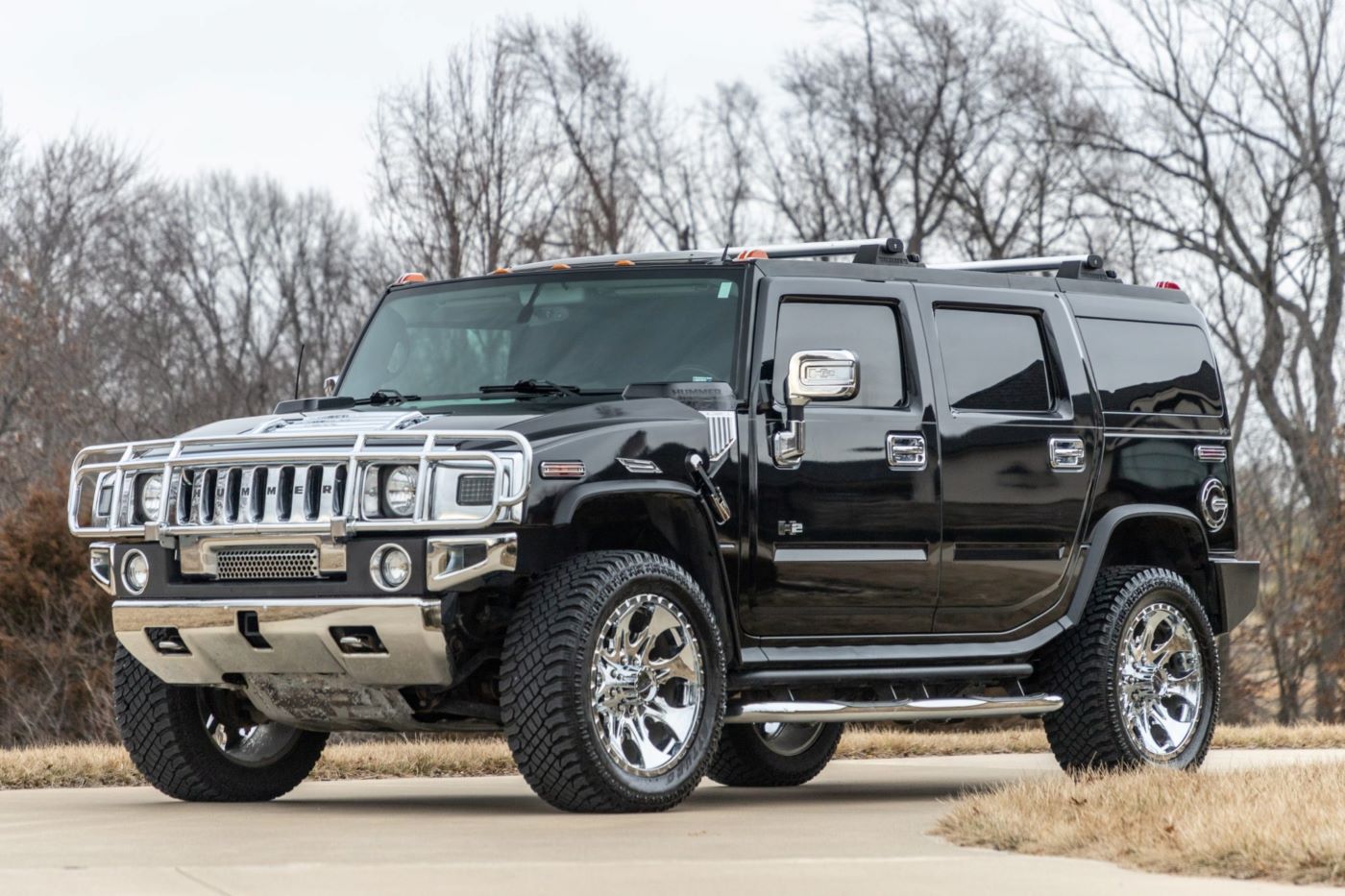
The Hummer H2 became an instant symbol of excess. Its massive size, poor fuel economy, and militaristic design made it one of the most controversial vehicles of the early 2000s.
Environmentalists hated it, comedians lampooned it, and it became a meme representing everything wrong with gas-guzzling American cars. Online jokes often portrayed H2 owners as arrogant, wasteful, and out of touch.
Despite the ridicule, the Hummer H2 was a commercial success. GM sold over 150,000 units in its first three years of production. For a niche luxury SUV, those numbers were strong.
The H2 appealed to a specific demographic: those who wanted to stand out, make a statement, or simply loved the aggressive design. In a post-9/11 America, vehicles that looked rugged and patriotic had strong appeal.
The H2 also benefited from brand cachet. The original military-style Hummer H1 had a certain mystique, and the H2 carried some of that aura into the mainstream.
It offered a unique driving experience, towering over other vehicles on the road and delivering a sense of command and presence. For buyers who valued image over efficiency, the H2 hit the mark.
Eventually, rising gas prices and growing environmental concerns helped bring the Hummer brand to an end. But even as it faded from showrooms, the H2 remained in pop culture.
It’s still joked about on social media and continues to show up in music videos and nostalgic lists. Despite all the flak, the Hummer H2 found enough fans to leave a lasting mark.
4. Fiat Multipla
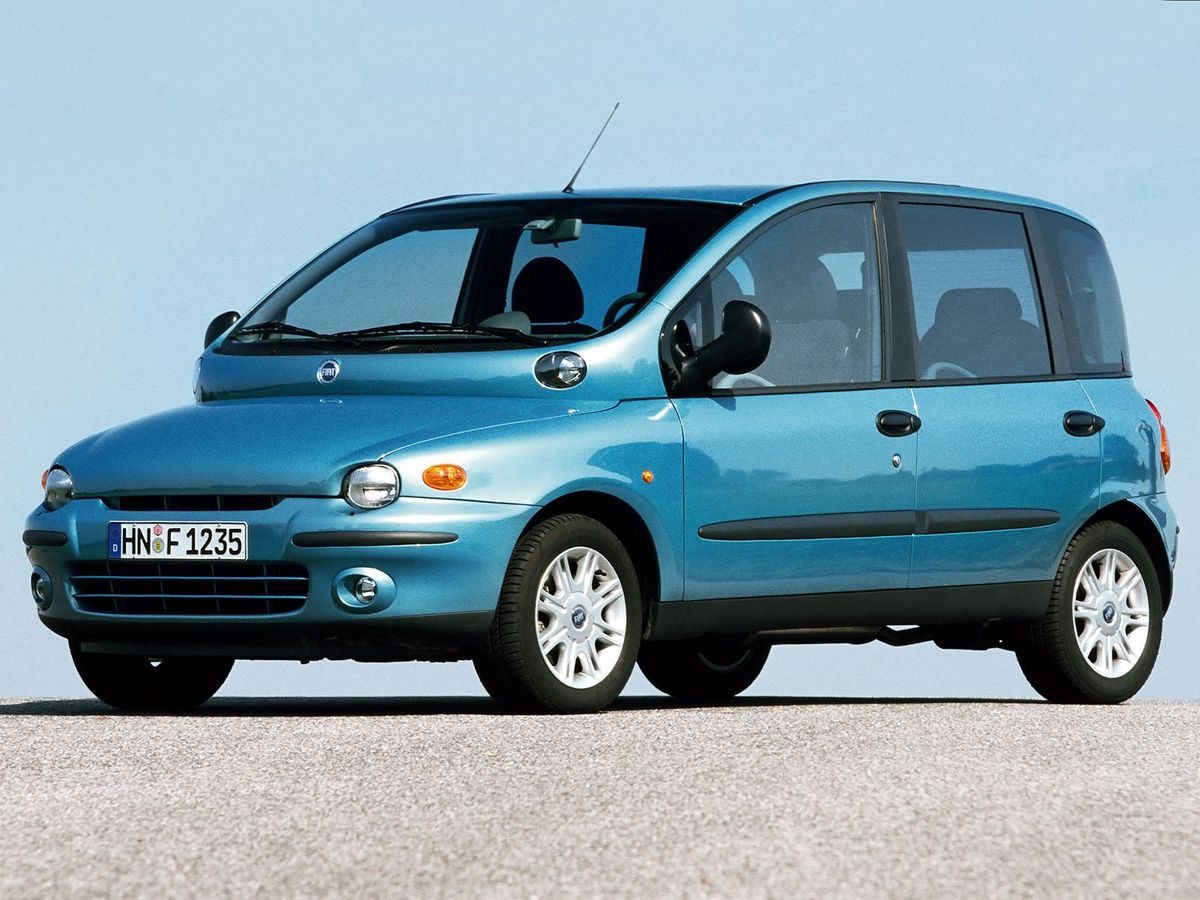
The Fiat Multipla was a car that challenged conventional design norms, and paid the price in reputation. Its bug-eyed headlights, bulbous upper cabin, and stubby proportions made it an easy target for ridicule.
Auto journalists and internet forums regularly ranked it among the ugliest cars ever made. The Multipla became the poster child for “what were they thinking?” design.
Yet the Multipla had one thing going for it that most of its critics overlooked: practicality. Inside, it featured a six-seat layout (three in front, three in back), which was rare for a compact car.
It also had plenty of storage space, upright visibility, and efficient fuel use. In Europe, especially among families, this made it a sensible option.
Fiat managed to sell hundreds of thousands of Multiplas over its lifespan. While it never became a global bestseller, it was successful in regions where space and functionality mattered more than looks.
Taxi services, large families, and even delivery drivers saw it as a tool that delivered value, not vanity. In Italy, its home country, the Multipla had a surprisingly loyal following.
The irony is that the very features that made the Multipla practical contributed to its odd appearance. The elevated cabin improved headroom, and the wide stance allowed for the unusual three-seat front row. While it looked strange, it was built with purpose.
Years later, some automotive enthusiasts even began to appreciate it as a kind of misunderstood design experiment. Still, the memes remain stronger than the praise.
5. Smart Fortwo
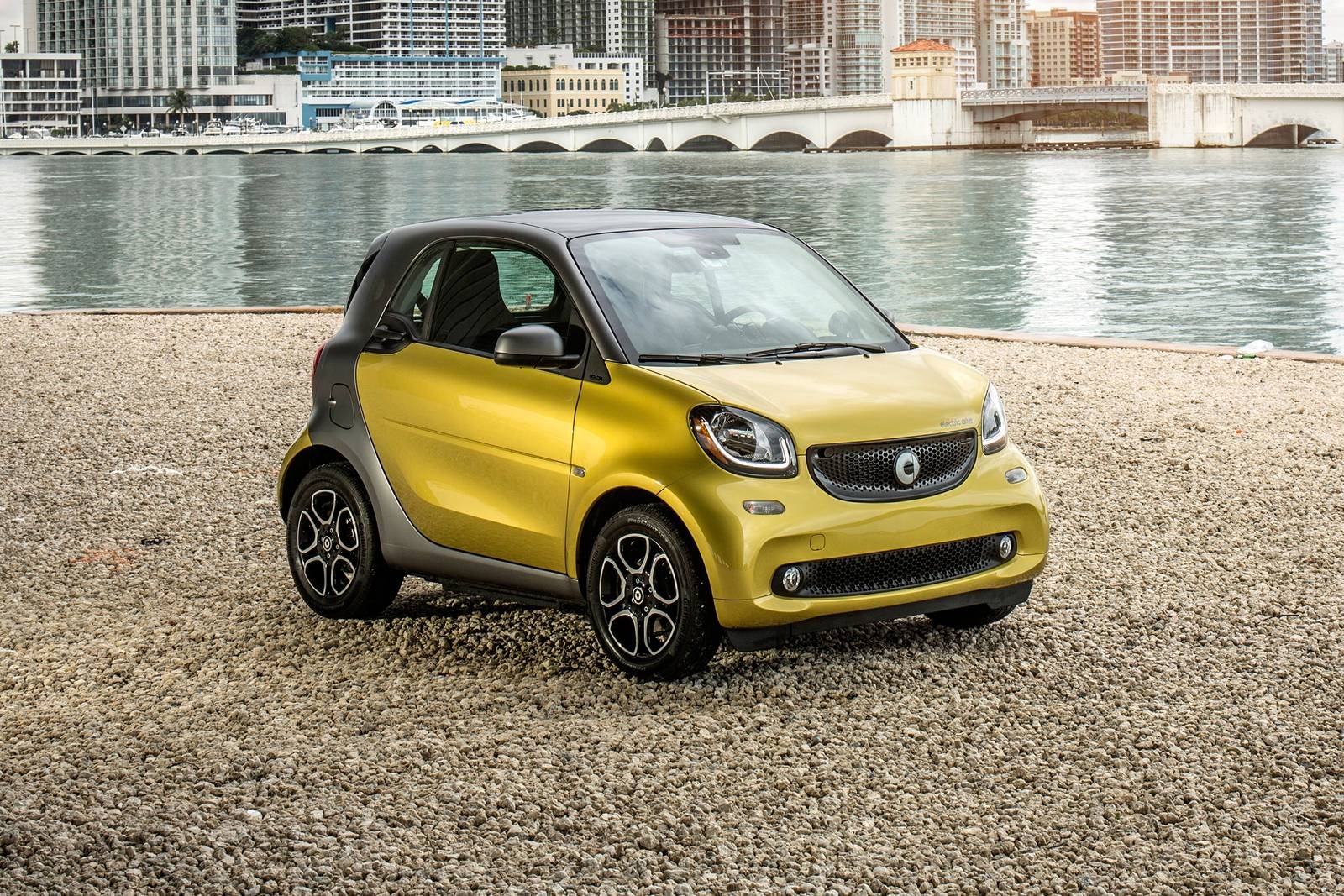
The Smart Fortwo is one of those vehicles that instantly draws reactions, often unflattering ones. With its tiny dimensions, two-seat layout, and toy-like appearance, the Fortwo became a magnet for jokes the moment it hit roads outside of Europe.
In the U.S., where bigger is often seen as better, it was especially mocked. People joked that it looked like half a car, or that you could pick one up and carry it.
There were memes showing the Fortwo parked inside of shopping carts, or sandwiched between motorcycles. In online circles, it became the very image of impracticality, often criticized for being too small to be safe or useful.
Despite the mockery, the Smart Fortwo sold remarkably well, particularly in urban markets. Its appeal was laser-focused on city dwellers dealing with traffic congestion, narrow streets, and tight parking spaces. In cities like Paris, Berlin, and Tokyo, the Fortwo made perfect sense.
It could squeeze into parking spots that would be impossible for traditional cars, and its short turning radius made it ideal for maneuvering in crowded environments. Daimler, the parent company of Smart, capitalized on this niche by marketing the Fortwo as a stylish, eco-conscious alternative to bulkier vehicles.
Fuel economy was another advantage. In its gasoline and later electric forms, the Fortwo was incredibly efficient, making it popular among those looking to save money and reduce their carbon footprint.
It also found success in car-sharing programs, especially in Europe and Canada, where short-distance trips and quick access were the priorities.
For companies running urban fleets, the Fortwo’s low operating costs and ease of parking made it a practical solution, even if the car was constantly ridiculed by enthusiasts and internet comedians alike.
While it never became a household staple like the Civic or Corolla, the Smart Fortwo still racked up well over 1.5 million units sold worldwide.
It held on for years and spawned multiple generations, even expanding into electric-only models in its later years. The Fortwo might be a meme in suburban Facebook groups or among truck-loving forums, but in the environment it was designed for, it was smart in more ways than one.
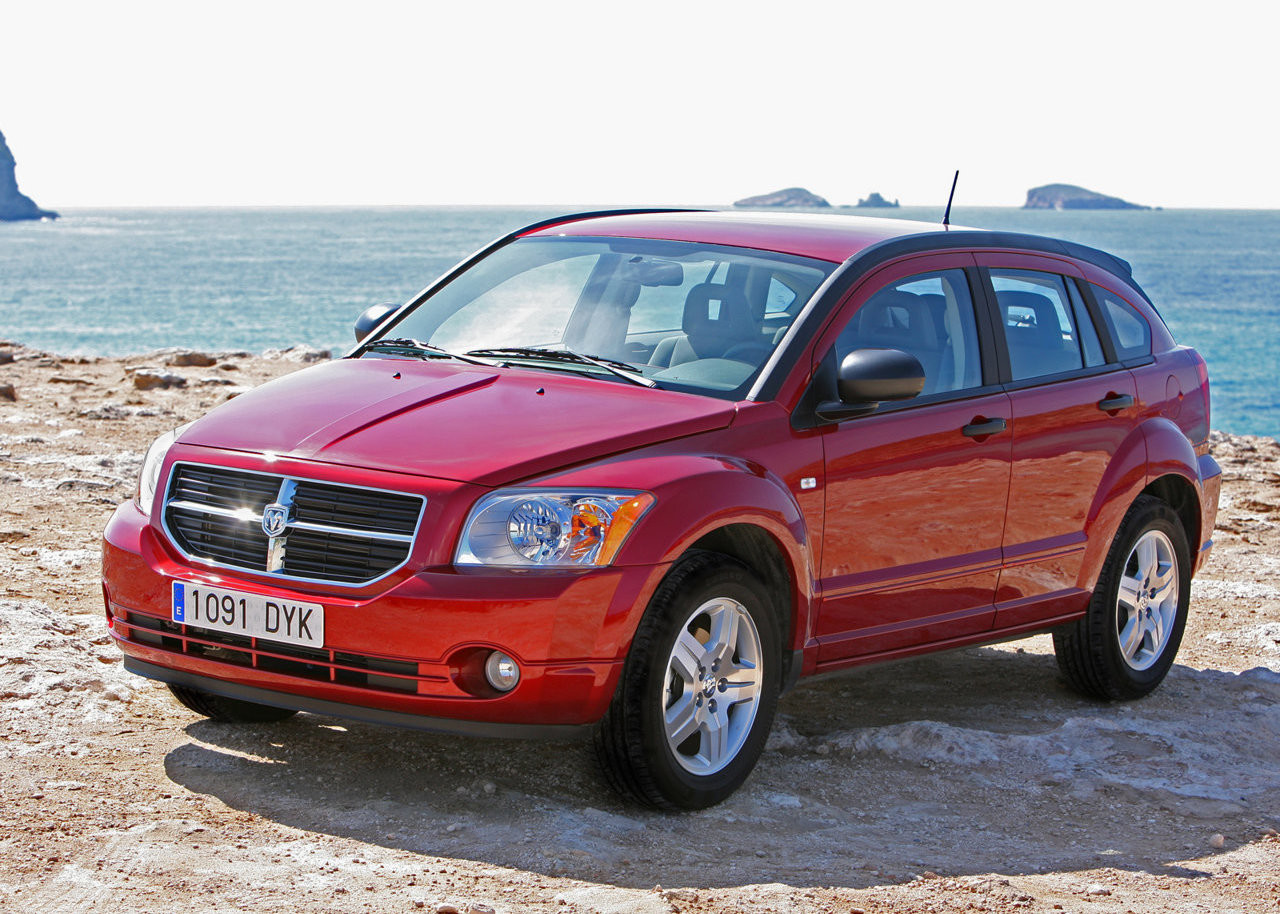
6. Dodge Caliber
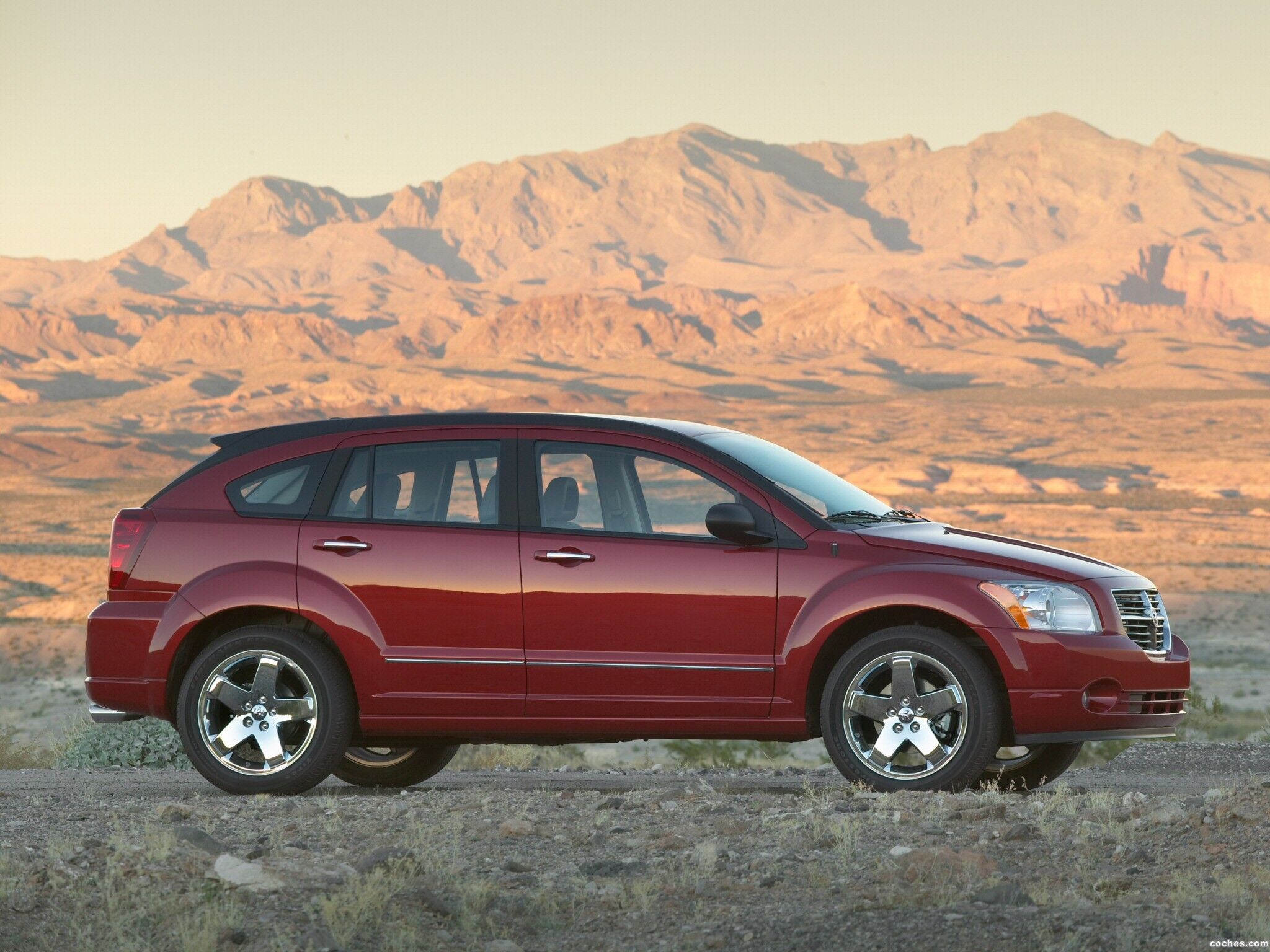
The Dodge Caliber arrived during a strange period in American automotive design, and it quickly became the subject of criticism. Its proportions were awkward, its interior was filled with cheap materials, and its driving dynamics left much to be desired.
Car reviewers were quick to call it one of the worst compact cars of its era, and it soon gained a reputation online as a “rental car special.” Memes circulated about the Caliber’s odd design choices, such as its SUV-like front end on a compact hatchback body, or the fact that it looked like it couldn’t decide what it wanted to be.
But despite all of that, Dodge managed to sell over 400,000 Calibers in the United States alone during its production run from 2007 to 2012. Globally, sales were even higher. Part of the reason was timing.
When the Caliber launched, Dodge had recently pulled the plug on the popular Neon, and the Caliber was marketed as its replacement. It promised affordability, roominess, and a bold new look.
For budget-conscious buyers and first-time car owners, that was often enough. Even if the driving experience wasn’t particularly engaging, the Caliber checked a lot of boxes on paper.
Another factor in the Caliber’s commercial success was its use in fleets. Rental companies, government agencies, and other institutional buyers picked it up in large numbers, bolstering its sales figures.
The vehicle’s low production cost made it appealing to these buyers, and Dodge didn’t hesitate to fill those orders.
As a result, even people who never intended to buy a Caliber likely drove one at some point during a vacation or business trip. That exposure, ironically, helped its brand recognition, even if it wasn’t for the best reasons.
In hindsight, the Caliber is a car that probably didn’t deserve as much ridicule as it received, nor as much success as it achieved.
It sits in a strange place in Dodge’s history, neither a true failure nor a true success story. It was a product of its time, and while the memes haven’t been kind to it, the sales numbers tell a more complex story. People may have laughed at it, but they still bought it.
7. Nissan Juke
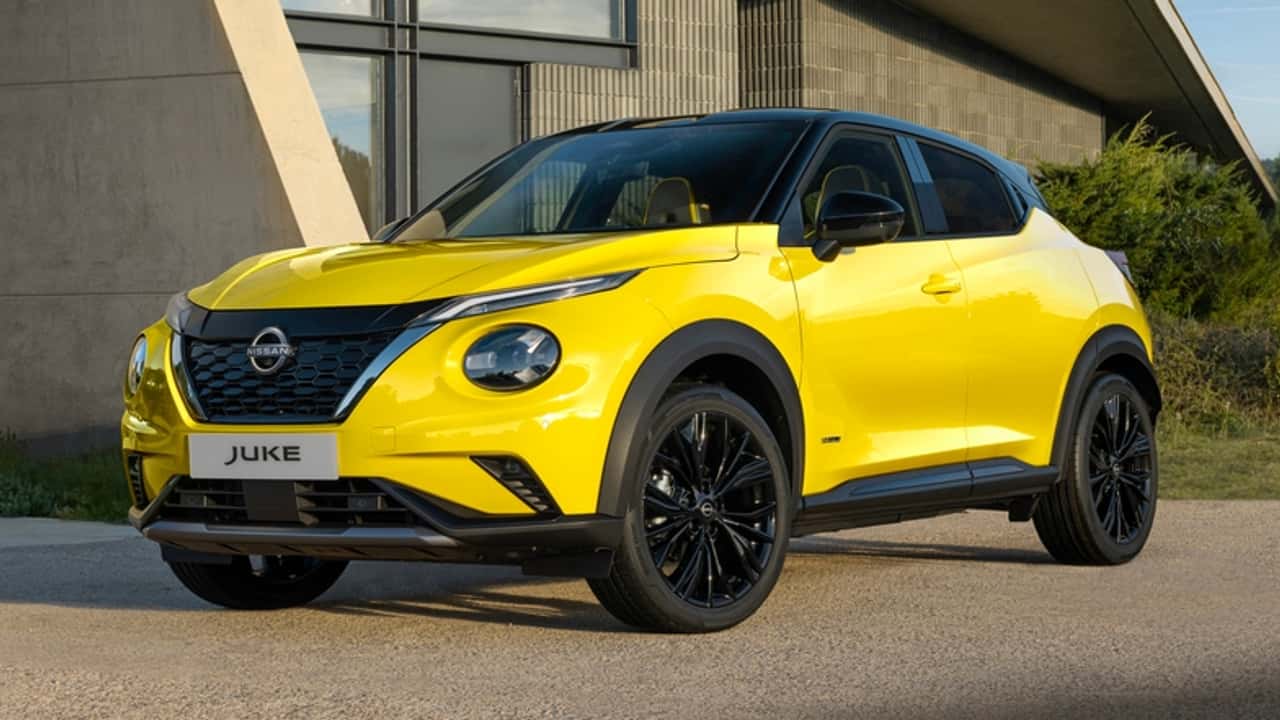
Few cars have split public opinion like the Nissan Juke. When it debuted in 2010, its design raised eyebrows everywhere. The strange headlight placement, frog-like front fascia, and insectoid appearance made it one of the most polarizing cars in recent memory.
Memes and jokes came quickly, likening it to everything from a squinting alien to a squashed SUV. Car fans argued over whether it was innovative or hideous, but few could deny that it got people talking.
And yet, the Juke proved to be a runaway success. Nissan sold over one million units globally within just a few years. It was especially popular in Europe and Japan, where drivers are often more open to unconventional design choices.
Even in markets like the U.S., where buyers tend to be more conservative, the Juke found a niche. It offered something that most subcompact crossovers at the time didn’t, character. Whether people loved it or hated it, the Juke stood out in a sea of bland, similar-looking rivals.
The Juke also offered surprisingly good performance in its higher trims. The Juke Nismo, in particular, was well-regarded for its sporty handling and turbocharged engine, giving it more personality than most of its competitors.
Its compact size, optional all-wheel drive, and unique styling gave it a certain charm for buyers looking for something different. For younger consumers, the Juke felt fresh, edgy, and distinct from the traditional “family” image of other crossovers.
Looking back, the Juke’s success shows how a risky design can sometimes pay off. Nissan gambled on a radical look, and while the memes might suggest otherwise, they came out on top in terms of sales.
The car’s quirks didn’t prevent people from buying it, they may have even helped. It remains a striking example of how polarizing design can turn into profit.
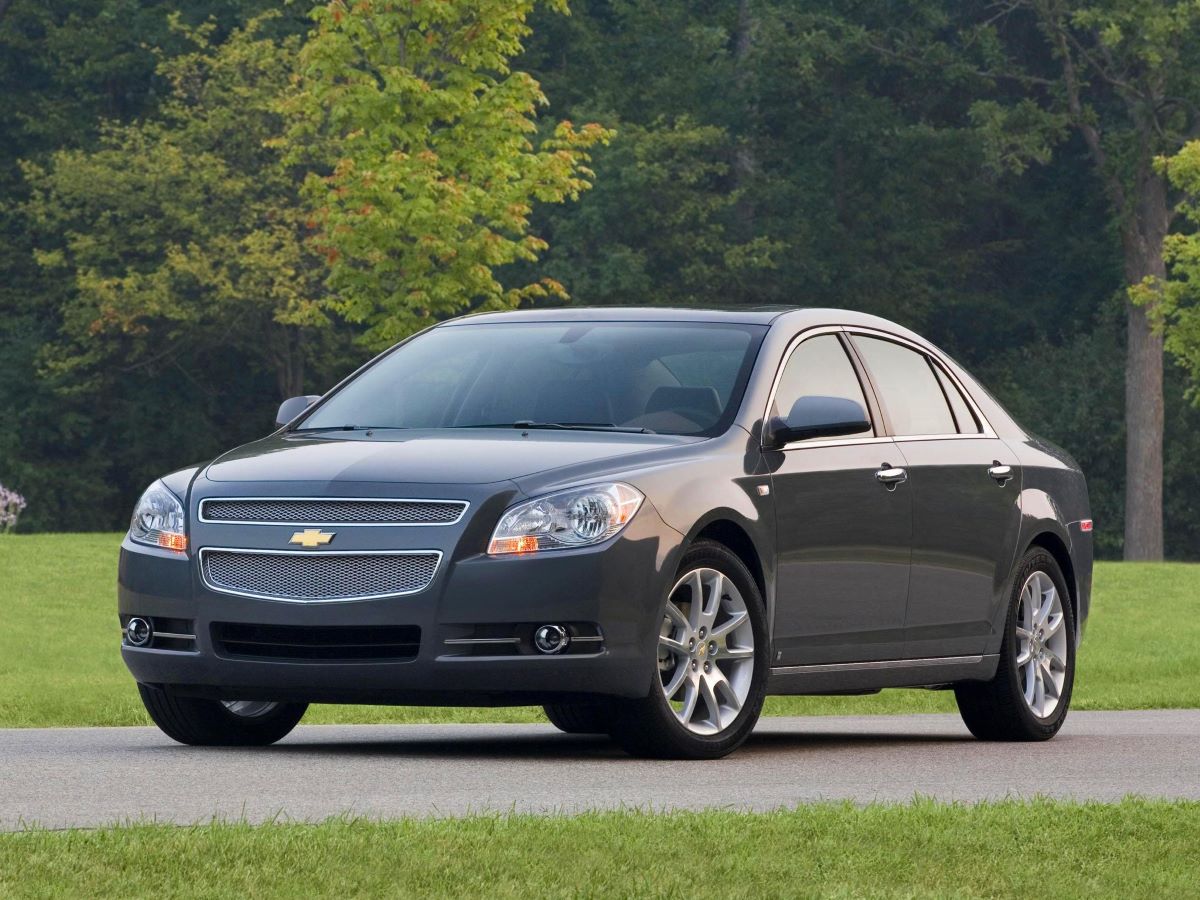
8. Chevrolet Malibu (Rental Spec)
The Chevrolet Malibu has long been a staple of the midsize sedan market, but in recent years, it became a running joke for one particular reason: its near-total domination of rental car fleets. The “rental spec Malibu” became a meme unto itself, known for its base-level trim, bland design, and forgettable driving experience.
Online, it was frequently mocked as the car you end up in, not the car you choose. Memes would show a Malibu sitting in an airport parking lot under the caption, “Your chariot awaits.”
Despite that reputation, the Malibu has sold in the millions since its modern reintroduction in the late 1990s and early 2000s. Fleet sales made up a significant portion of those numbers, but private buyers also kept it in demand.
For many families, commuters, and budget-conscious buyers, the Malibu represented a safe, roomy, and affordable choice. While it lacked flair, it checked all the practical boxes, which is often all it takes to move units in large numbers.
Another factor that helped the Malibu thrive was its continuous improvement cycle. While earlier models were mocked for cheap interiors and lackluster engines, later generations became more refined.
Improved fuel economy, better safety features, and upgraded infotainment systems helped the Malibu stay competitive even as sedans started to fall out of favor in the SUV era. GM continued to invest in the nameplate, understanding that even a meme car can be a breadwinner.
The Malibu’s case is a clear example of a car being mocked not because it failed, but because it was everywhere. Its ubiquity in fleets made it an easy target.
But that very presence is a sign of success, not failure. Companies don’t order thousands of a model unless it offers reliability, low costs, and mass appeal. So while the internet may never let the “rental spec Malibu” joke die, the reality is that it earned its place through sheer volume.
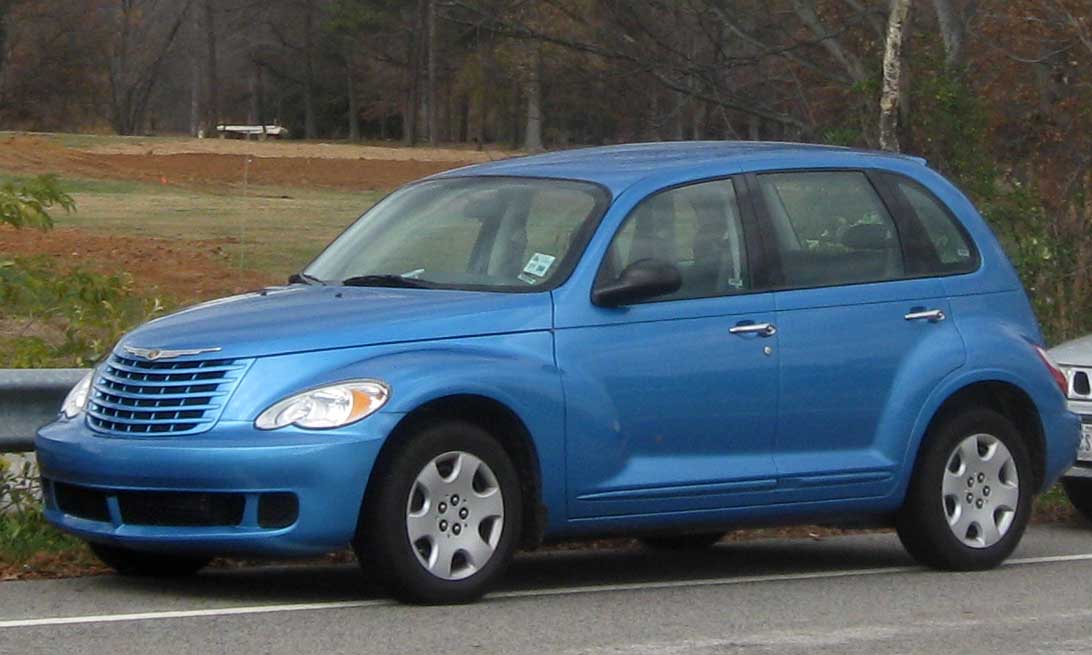
9. Chrysler PT Cruiser
When the Chrysler PT Cruiser launched in 2000, it was hard to ignore. Its retro-inspired design took cues from 1930s American sedans, giving it a rounded roofline, exaggerated fenders, and vertical grille slats that looked more at home on a hot rod than a grocery-getter.
At the time, Chrysler was banking on nostalgia and uniqueness to set the PT Cruiser apart in a saturated compact market. But the same styling that drew initial attention quickly became a point of ridicule.
Memes called it the car for people who missed the 1930s but wanted modern fuel economy. Others compared it to hearses, clown cars, or vehicles from video games with low rendering quality.
Despite all the memes and mockery, the PT Cruiser was a hit, especially in its early years. It sold over 1.3 million units globally before it was discontinued in 2010. Part of that success was due to its practicality. The tall cabin offered surprising interior room, and the flexible cargo space made it more functional than other compact cars.
The rear seats could fold flat or be removed entirely, giving it minivan-like versatility in a smaller footprint. For families on a budget or older buyers who valued ease of access and visibility, it was a solid option, looks aside.
Another reason for its strong early sales was its pricing strategy. Chrysler marketed the PT Cruiser as offering a lot of car for the money. It came reasonably well-equipped even in base form, and its unique appearance gave buyers a sense of owning something special.
At a time when most compact cars were still fairly conservative in design, the PT Cruiser at least stood out. That distinctiveness helped it gain traction among consumers looking for personality on a budget, even if that personality was later mocked by the internet.
By the mid-2000s, the PT Cruiser had become a joke in many circles, but its sales record told a different story. It sold more than many more “respectable” cars of its era.
Today, while it’s easy to find a PT Cruiser in a junkyard meme or a Craigslist post riddled with sarcasm, it’s harder to deny that it once had a moment of real popularity. For all the internet has done to turn it into a symbol of “what not to buy,” the numbers don’t lie.
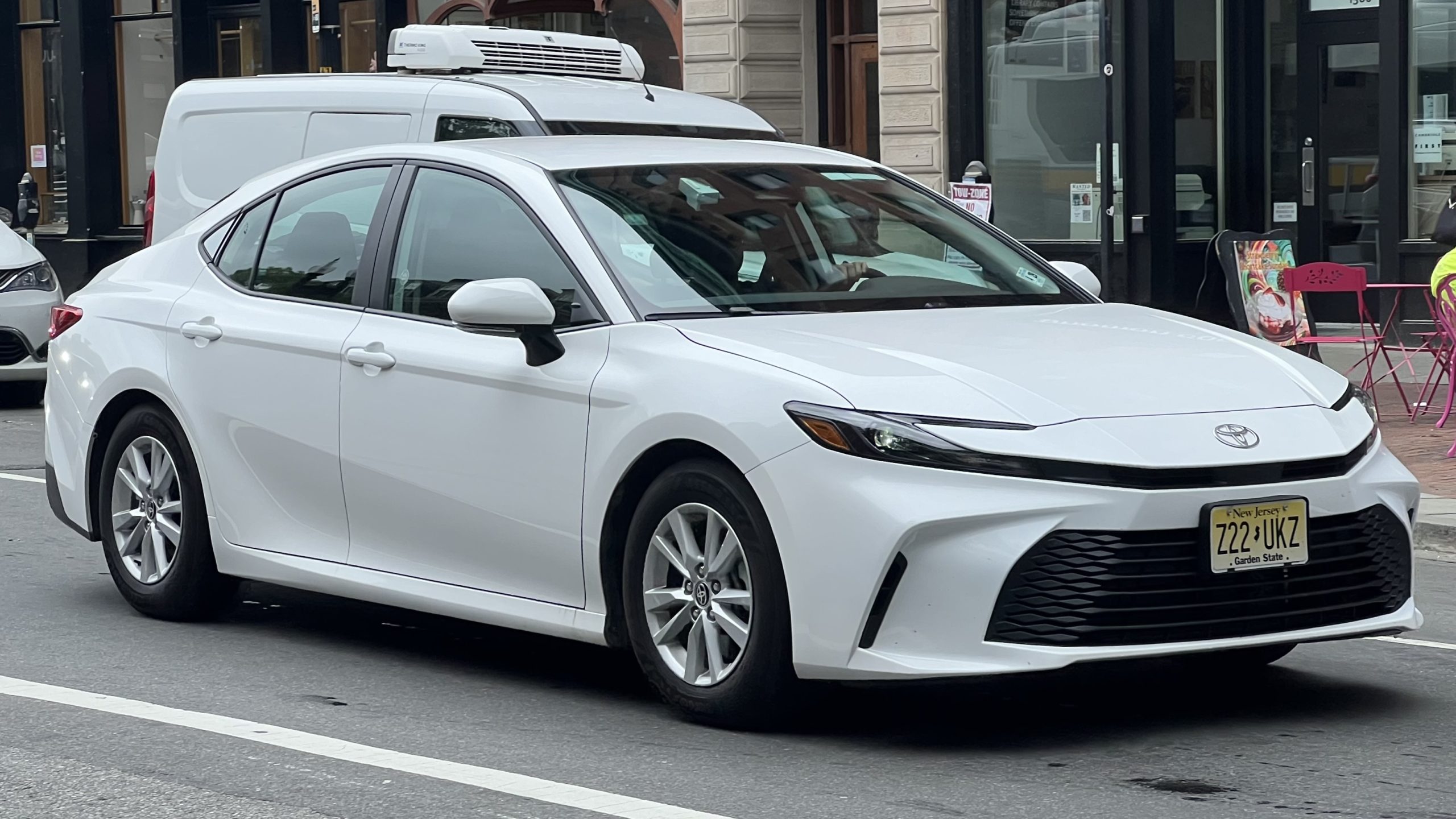
10. Toyota Camry
It might seem strange to see the Toyota Camry on a list of meme cars, given its reputation for reliability and its status as a longtime best-seller. But over the years, the Camry has earned a different kind of internet fame, not for being bad, but for being aggressively average.
It became the go-to example for a car with no personality. Memes and jokes portrayed it as the default car for people who don’t care about cars. In the automotive world, “Camry driver” became shorthand for someone uninterested in performance, design, or innovation. Its reliability was respected, but its blandness was mocked.
Yet ironically, that exact lack of flair is what made the Camry so incredibly successful. It’s one of the best-selling sedans of all time, with over 20 million units sold globally.
Toyota mastered the formula for mass-market success: a comfortable ride, decent performance, strong resale value, and unmatched reliability.
Year after year, even while the internet poked fun at the Camry for being “soulless,” millions of people kept buying it. For the average driver looking for dependable transportation without surprises, the Camry was the clear choice.
What’s more, Toyota didn’t sit still. Over time, the Camry evolved. Later generations began to incorporate more stylish design elements, better infotainment systems, and improved engines. The most recent versions even offer hybrid models and performance-oriented trims like the Camry TRD.
Toyota was clearly aware of the meme status and began leaning into a more aggressive image without losing the features that made it a staple in the first place. It was a subtle rebranding that helped the Camry maintain relevance as the sedan market shrank.
The Camry stands as a perfect example of a car that can be mocked and still dominate. Jokes about it being “the car equivalent of white bread” didn’t hurt its sales.
If anything, they reinforced its identity as a no-nonsense vehicle that gets the job done. The Camry isn’t flashy, but that’s the point, and in a world full of overcomplication, sometimes simplicity sells better than style.
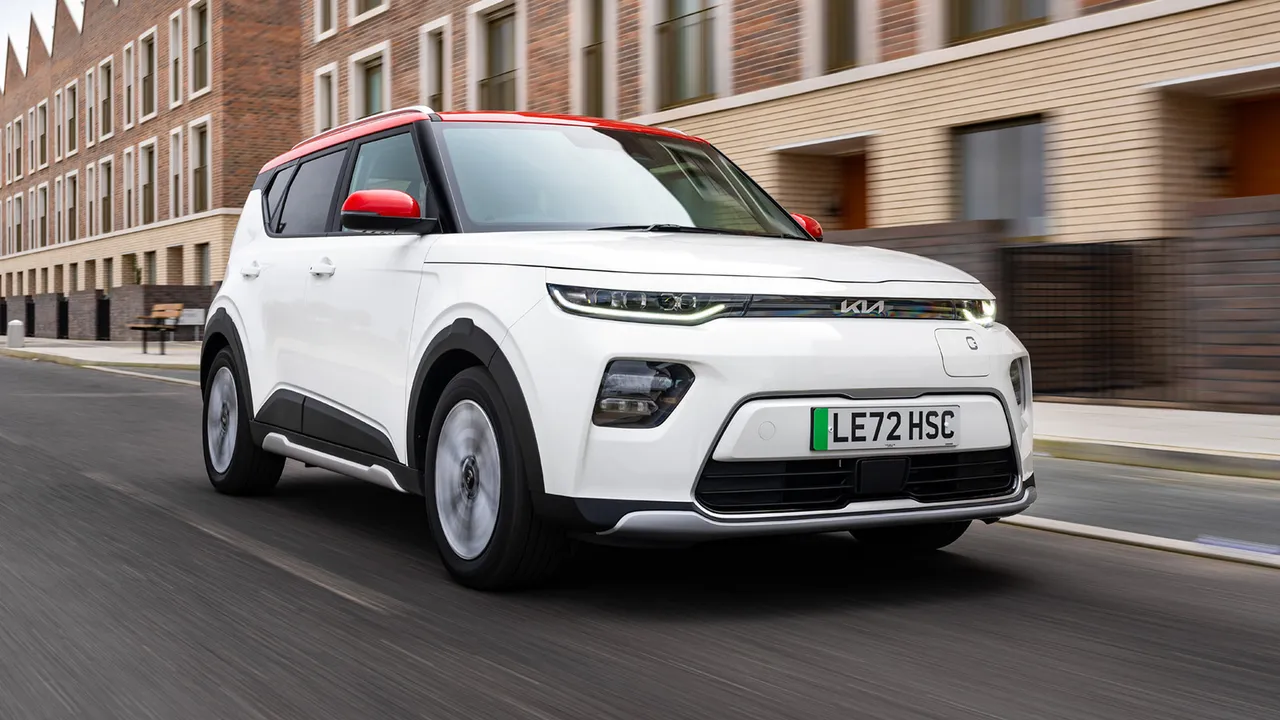
11. Kia Soul
When the Kia Soul was first introduced, it didn’t take long for the internet to latch onto its quirky shape. With its boxy design, upright stance, and brightly colored marketing campaigns, it looked more like a toaster on wheels than a traditional hatchback or SUV.
Memes made fun of it relentlessly, comparing it to household appliances or LEGO vehicles. And of course, the infamous dancing hamster commercials, while successful in creating brand awareness, only added to its image as a “joke car” for the youth.
But behind the jokes was a surprisingly well-executed product. The Soul was affordable, practical, and packed with features that younger buyers actually wanted.
It had ample interior space for passengers and cargo, good fuel economy, and later models even came with strong tech integration and infotainment systems. Kia also improved build quality year over year, transforming the Soul from a gimmick into a legitimate contender in the compact crossover segment.
The proof of its success is in the numbers. The Soul became one of Kia’s best-selling models in North America, with U.S. sales alone surpassing 1 million units in under a decade.
While it didn’t achieve global dominance on the scale of a Corolla or Civic, it succeeded in markets that appreciated its value proposition. It became especially popular among first-time car buyers, students, and urban dwellers looking for an affordable car with personality.
The Kia Soul continues to be both mocked and loved, and that strange combination may be its greatest strength. While the internet jokes persist, especially about its design, it’s hard to argue with its sustained popularity.
The hamsters may have faded from commercials, but the Soul remains a familiar sight on the road. It embraced the meme and found a way to turn that attention into long-term success.
