
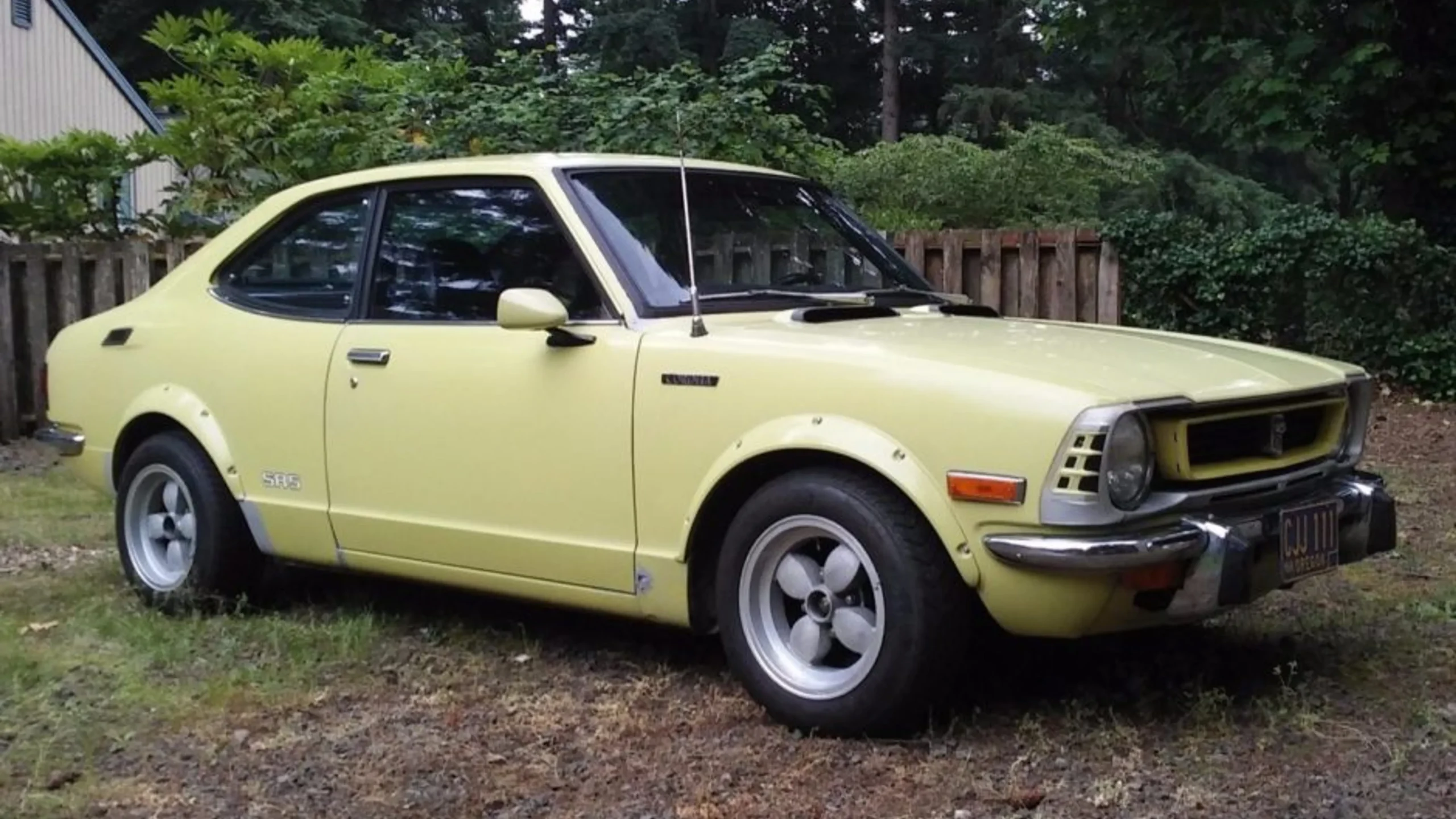
Owning a classic car doesn’t have to mean keeping it in the garage under a cover, taking it out only for Sunday drives or car shows. There’s a growing appreciation for classic vehicles that not only look good and carry nostalgic charm but are also reliable and practical enough to be driven daily.
Some cars from the ’70s, ’80s, and ’90s were built with such solid engineering and simplicity that they’ve aged remarkably well. These models often feature analog controls, mechanical reliability, and a driving experience that is increasingly rare today. Best of all, some of these older vehicles are surprisingly affordable and easy to maintain, especially for those willing to put in some DIY effort or maintain a regular upkeep schedule.
Daily driving a classic car can bring a lot more enjoyment to the routine commute. Modern cars are often quieter and more comfortable, but they also isolate drivers from the road and driving feel. Classic cars, on the other hand, offer more feedback and engagement.
With fewer electronics and more mechanical control, they offer a tactile driving experience that appeals to those who enjoy the process of driving, not just the result of arriving. Of course, using a classic as a daily means giving up some modern comforts like automatic climate control, lane assist, and massive infotainment systems, but for many people, that’s a worthwhile trade-off.
The ideal daily-drivable classic blends reliability, availability of spare parts, decent fuel economy, and general comfort. It should also be simple enough for most local mechanics to work on or for the owner to maintain on their own. Rust resistance, decent safety features for its era, and reasonable insurance rates are also important factors.
Many of the vehicles listed here fit all these requirements and are still available on the used market for under $10,000, depending on condition and location. The great part is that these cars are old enough to be interesting, but not so rare or exotic that maintenance becomes a nightmare.
With that in mind, here are 10 affordable classic cars you can confidently use as your daily driver. These cars have stood the test of time and continue to provide joy behind the wheel without draining your wallet.
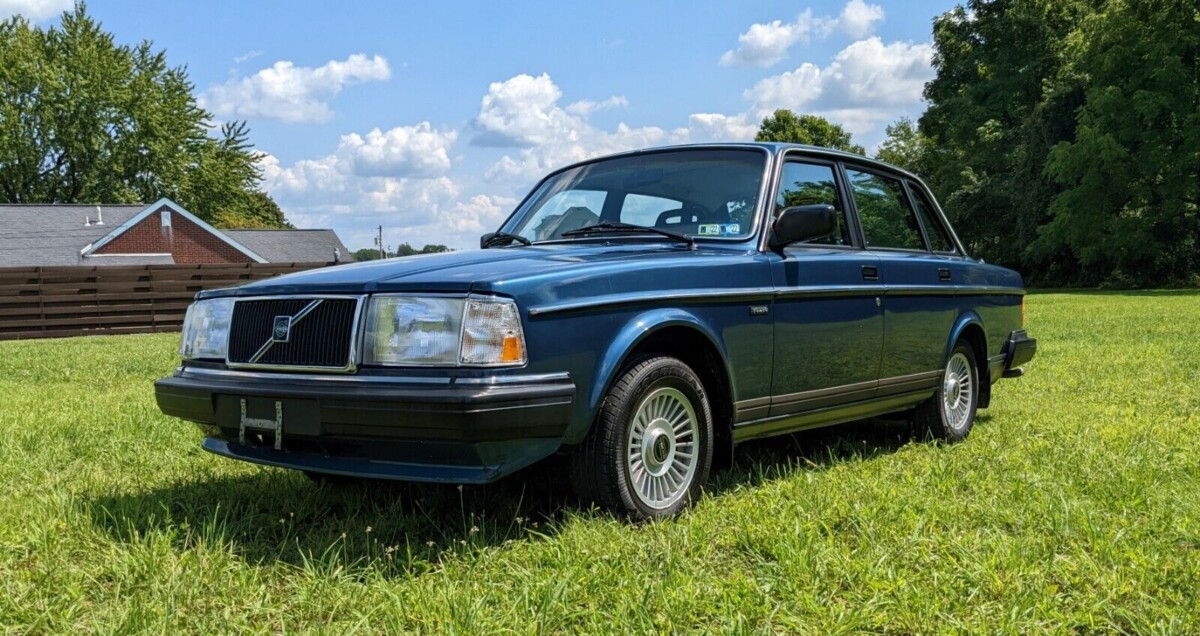
1. Volvo 240 (1974–1993)
The Volvo 240 is often seen as the poster child for safe, sensible driving from a different era. Known for its tank-like build quality, this Swedish sedan (or wagon) has a reputation for durability that few cars can match. Its boxy design is instantly recognizable and has aged into a kind of retro cool. One of the biggest reasons it works as a daily driver is its utter simplicity. There’s no complicated tech under the hood, and even basic maintenance can be done with minimal tools.
Mechanically, the 240 is as straightforward as it gets. The inline-four engines, especially the B21 and B230 variants, are known to go well past 300,000 miles with regular oil changes and timing belt replacements. The drivetrain is simple, often paired with either a bulletproof manual or automatic transmission.
These cars were built during a time when durability was a selling point, and the end result is a vehicle that can withstand abuse and still start every morning. Brakes, suspension components, and other consumables are widely available and relatively inexpensive.
Another advantage is the excellent parts support. Volvo produced these cars in large numbers, and there’s still an active community of enthusiasts who drive and restore them. OEM and aftermarket parts are easy to find, and the car’s design makes it easy to work on. Interiors are spacious and functional, with controls placed exactly where you’d expect them.
While not fast by any measure, the car offers a stable and comfortable ride. The wagon version also has immense cargo space, making it a perfect daily driver for those who haul equipment or do road trips.
If you’re looking for a car with character that also delivers dependability, the Volvo 240 should be high on the list. It’s not flashy, but its no-nonsense design, excellent safety record, and sheer longevity make it one of the most practical classic cars for everyday use.
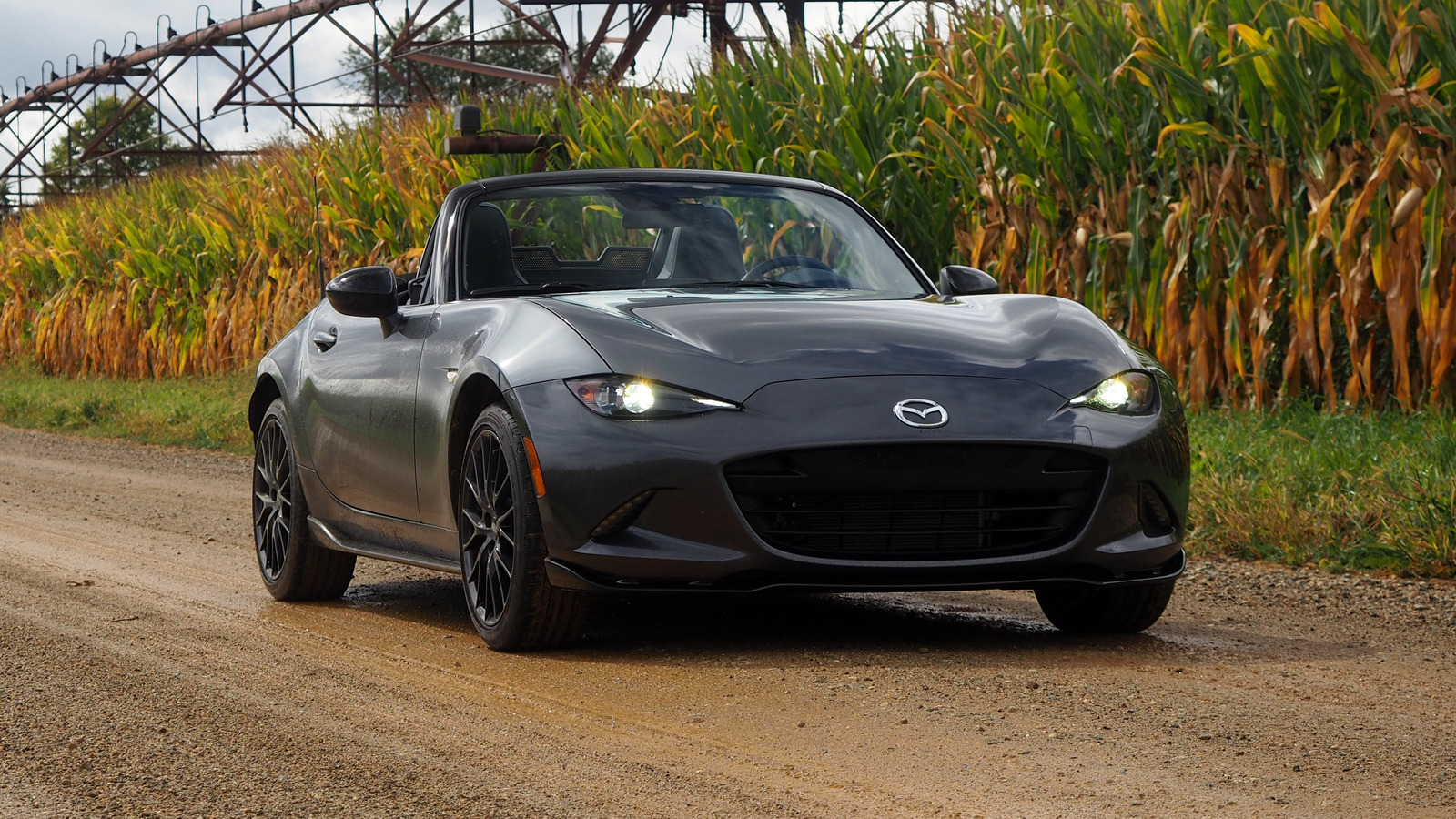
2. Mazda MX-5 Miata (NA, 1989–1997)
The original Miata, known as the NA, is often called the most fun you can have behind the wheel for under ten grand. It was built with simplicity and joy in mind, inspired by the lightweight British roadsters of the 1960s but without their notorious unreliability. It’s light, agile, and incredibly easy to maintain, which makes it a fantastic candidate for a daily classic, especially for those who prioritize driving pleasure.
Under the hood, the Miata came with a 1.6L or later a 1.8L inline-four engine that’s easy to work on and very dependable. Timing belts, water pumps, and clutches are straightforward replacements, and with the huge enthusiast support, you’ll find tutorials and how-to guides for just about every repair imaginable.
Fuel economy is respectable, and insurance costs tend to be lower than for other two-seaters. The five-speed manual is crisp and light, adding to the fun without being a burden in traffic.
The interior is basic but functional, with no unnecessary electronics. Everything is analog and mechanical, which means fewer things to break. While it’s a small car, the Miata is cleverly packaged to provide enough room for average-sized drivers. The soft top is easy to operate and makes even the most routine drive feel like an event. That said, storage space is minimal, so it might not work as your only car if you regularly haul gear or passengers.
Where the Miata shines is in the way it drives. With rear-wheel drive, near-perfect weight distribution, and a light curb weight, it’s one of the most engaging cars at any price point.
Even newer sports cars struggle to match its steering feel and balance. As a daily, it turns commutes into a bit of fun, and the reliability record means you won’t spend every weekend in the garage unless you want to. Just keep an eye out for rust, especially in salt-prone areas.
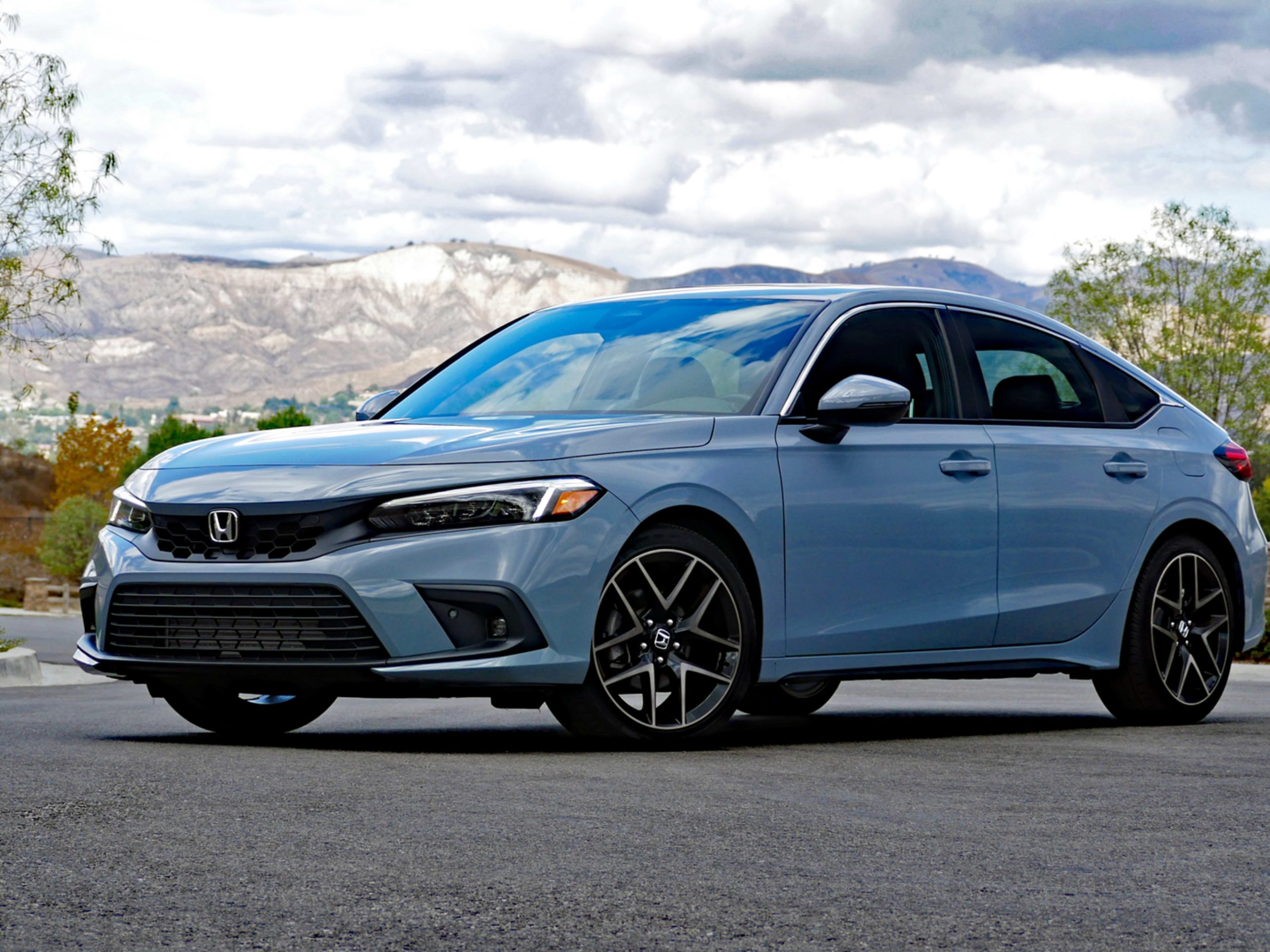
3. Honda Civic (EF/EG, 1988–1995)
The late ’80s and early ’90s Honda Civics are small, efficient, and wonderfully engineered. They also happen to be incredibly durable and easy to keep on the road. Whether it’s the EF (1988–1991) or EG (1992–1995) generation, these Civics are smart choices for anyone who wants a cheap-to-run classic that can still handle daily driving without any fuss. Many examples are still seen commuting daily, which is a testament to their staying power.
These Civics were powered by a range of inline-four engines, from the basic D-series to the more performance-oriented VTEC B-series in higher trims. The engines are known for their longevity, often hitting 200,000 miles or more with basic maintenance.
Manuals are more common and more enjoyable to drive, but the automatics of the era are decently reliable too. Fuel economy is another strong suit, with many models returning over 30 mpg regularly. These cars are light, nimble, and surprisingly fun to toss around in city driving.
What makes the Civic so practical as a daily driver is its low cost of ownership. Parts are cheap, plentiful, and easy to swap. These cars are among the most supported platforms in the world when it comes to aftermarket and used parts. From brake calipers to interior trim, nearly everything can still be sourced. There’s also a huge DIY community that makes diagnosing and fixing problems much less intimidating for a first-time classic owner.
The interior layout is simple and functional, with large windows for great visibility and ergonomically placed controls. Hatchback versions offer surprisingly good cargo space for such a small footprint, making them practical for urban environments.
With proper rustproofing and regular care, these Civics can last decades. Their no-frills nature also makes them ideal for anyone looking to escape overcomplicated modern cars.
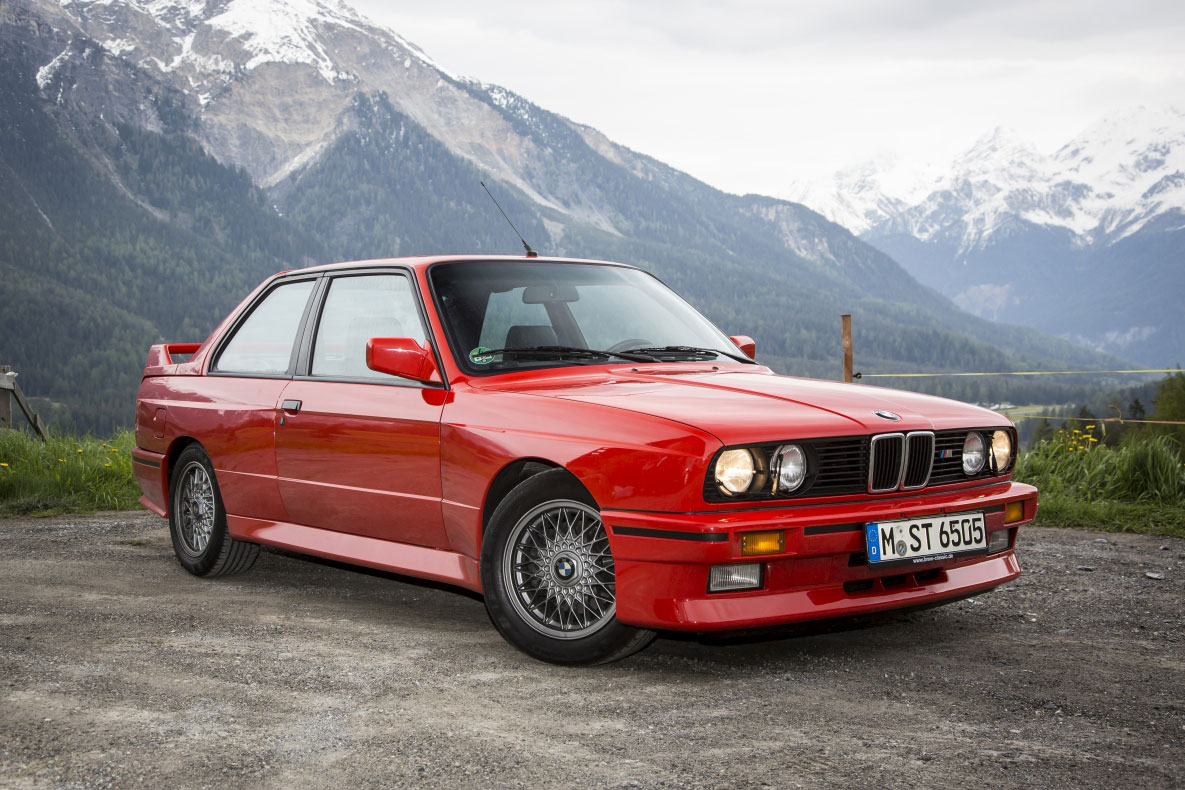
4. BMW E30 (1982–1994)
The BMW E30 3 Series is one of the most celebrated classics of the past few decades. Known for its balanced chassis, clean styling, and solid build quality, the E30 manages to blend classic European luxury with a rewarding driving experience. It’s more refined than many Japanese cars of its time, yet still simple enough to be maintained at home. As long as you’re okay with a bit more attention to upkeep, an E30 can be a fantastic daily.
Mechanically, the E30 came with a variety of engines ranging from small four-cylinders to the famous straight-sixes. The 318i is a good entry-level option for daily use, offering better fuel economy and easier maintenance.
The 325i brings more performance without sacrificing much in terms of dependability. The manual transmissions are robust, and even the automatics are durable when properly maintained. Timing belts on the four-cylinders need to be changed regularly, but otherwise, the engines are strong and long-lasting.
What sets the E30 apart is its solid German engineering. Doors shut with a reassuring thud, the interior holds up surprisingly well to age, and the suspension offers a mix of comfort and engagement that many modern cars struggle to replicate.
Parts availability remains strong thanks to the E30’s popularity worldwide. OEM, aftermarket, and used parts are still widely circulated, and there’s a large knowledge base available through enthusiast forums and clubs.
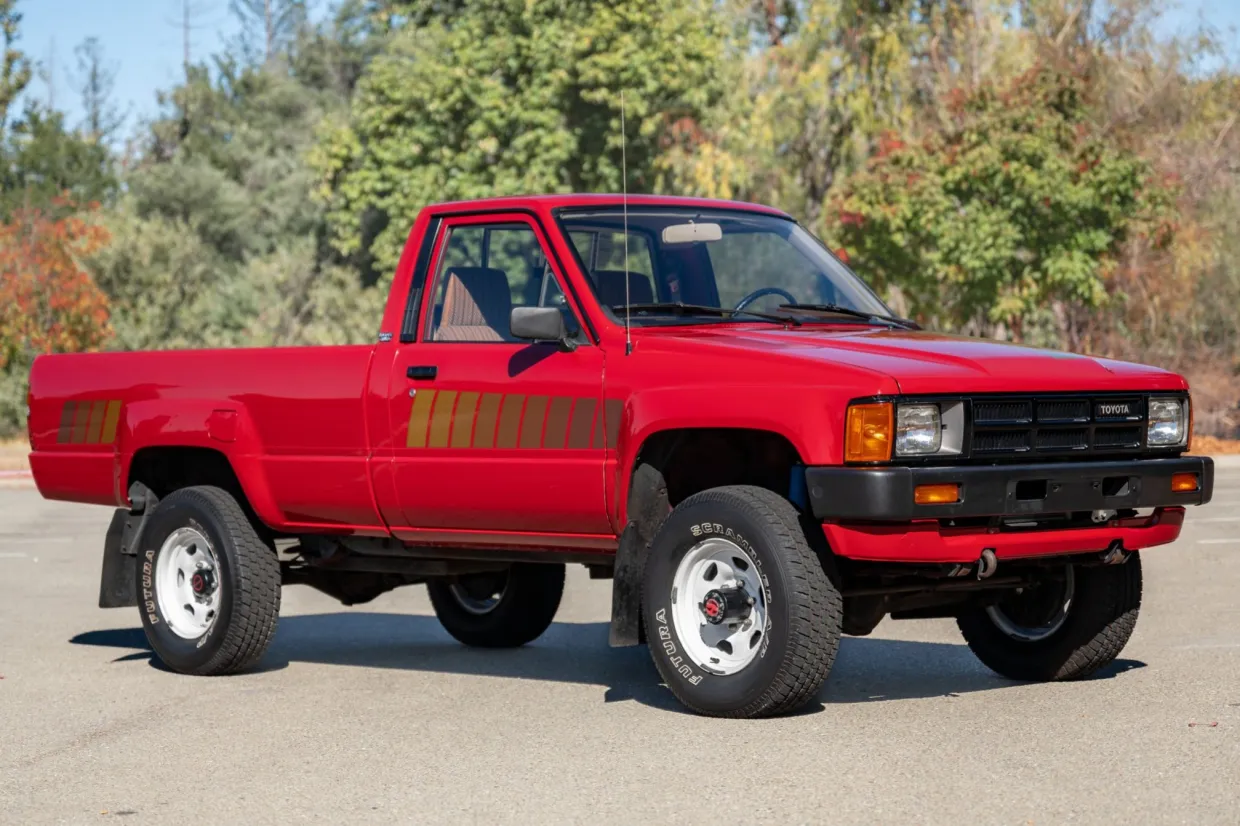
5. Toyota Pickup (Hilux, 1979–1995)
The old-school Toyota Pickup, often referred to internationally as the Hilux, has built a reputation as one of the most indestructible vehicles ever made. From desert trails to farm roads to city streets, this compact truck has proven itself time and time again.
For someone looking for a classic that can double as a reliable workhorse, this truck delivers without compromise. It’s not just a capable hauler, it’s also simple to maintain and surprisingly comfortable for day-to-day use, especially in the later models.
The Hilux was available with a variety of engines depending on the region, but the most common in North America are the 22R and 22RE inline-four engines. These motors are the definition of reliable. They are non-interference designs, simple to work on, and will often run for hundreds of thousands of miles with little more than basic maintenance.
The 22RE introduced fuel injection to the platform and improved drivability and fuel efficiency without sacrificing the bulletproof reputation. Manual transmissions are common and long-lasting, and while the automatics are fewer in number, they are solid if properly serviced.
Despite being a truck, the Toyota Pickup has a surprisingly car-like driving feel. It’s small by modern truck standards, which means it’s easy to maneuver and park. The suspension is firm but not punishing, and the steering offers decent feedback.
Later models introduced more comfortable interiors with better seats, climate control, and sound insulation, making them more suitable for daily driving. The simplicity of the dashboard and the lack of electronic distractions actually make the truck a pleasant place to spend time, particularly if you’re used to modern cars filled with touchscreens and alerts.
For utility, there’s hardly a more useful classic vehicle. The bed is perfectly sized for daily hauling needs, and the payload capacity is more than enough for home improvement materials, bicycles, motorcycles, or camping gear.
4WD models are highly sought after for their off-road ability and winter traction, but even 2WD versions offer great reliability and lower maintenance costs. There’s also strong aftermarket support for both restoration and upgrades, including lift kits, bumpers, lighting, and drivetrain enhancements. As a daily driver, this classic balances dependability with utility in a way few others can.
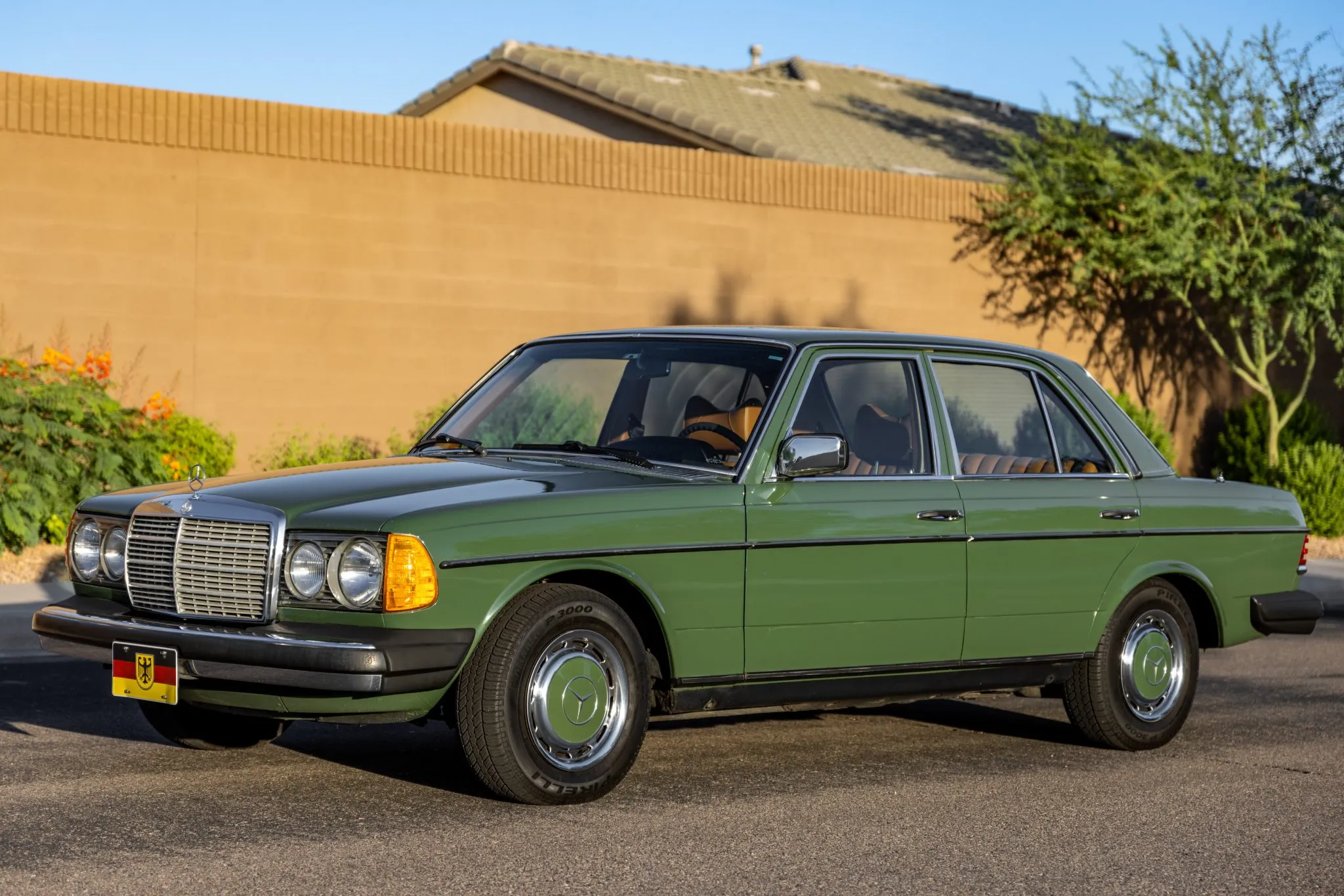
6. Mercedes-Benz W123 (1976–1985)
The Mercedes-Benz W123 is a classic that embodies quality and longevity. Built during a time when Mercedes engineering was focused on overbuilding rather than cost-cutting, the W123 is a prime example of a vehicle that was designed to last for decades.
With its solid construction, comfortable ride, and refined interior, it continues to attract buyers who want a touch of old-world craftsmanship in their daily commute. Although not particularly quick, the W123 offers one of the most relaxing driving experiences among classic sedans.
One of the most popular variants is the 300D, a diesel-powered model that has developed a cult following for its dependability. The inline-five diesel engine is famously slow but nearly unkillable. Many of these engines are still on the road with over 500,000 miles, a feat few other cars can claim.
Maintenance is straightforward, with oil changes, fuel filters, and valve adjustments being the main concerns. The non-turbo models are slower but simpler, while the later turbocharged versions add some much-needed performance without sacrificing reliability.
Comfort is one of the W123’s strongest suits. The seats are firm but supportive, with enough space for five adults. The suspension is tuned for a smooth, floaty ride that absorbs rough roads with ease. The cabin materials, wood trim, chrome accents, and soft-touch plastics, have aged well, especially in well-kept examples.
Sound insulation is excellent for its time, and the car feels surprisingly serene on the highway. Even in stop-and-go traffic, it’s a car that keeps the driver relaxed rather than annoyed.
While some people might be intimidated by the Mercedes badge and the idea of owning a “luxury” car, the W123 is surprisingly affordable to maintain, especially the diesel variants. Parts are still available from various suppliers, and many components are shared with other models of the era.
There’s also a robust enthusiast community that can help with troubleshooting and sourcing rare parts. As long as you avoid heavily rusted or poorly maintained examples, the W123 is a timeless classic that you can drive to work, the grocery store, or even across the country with confidence.
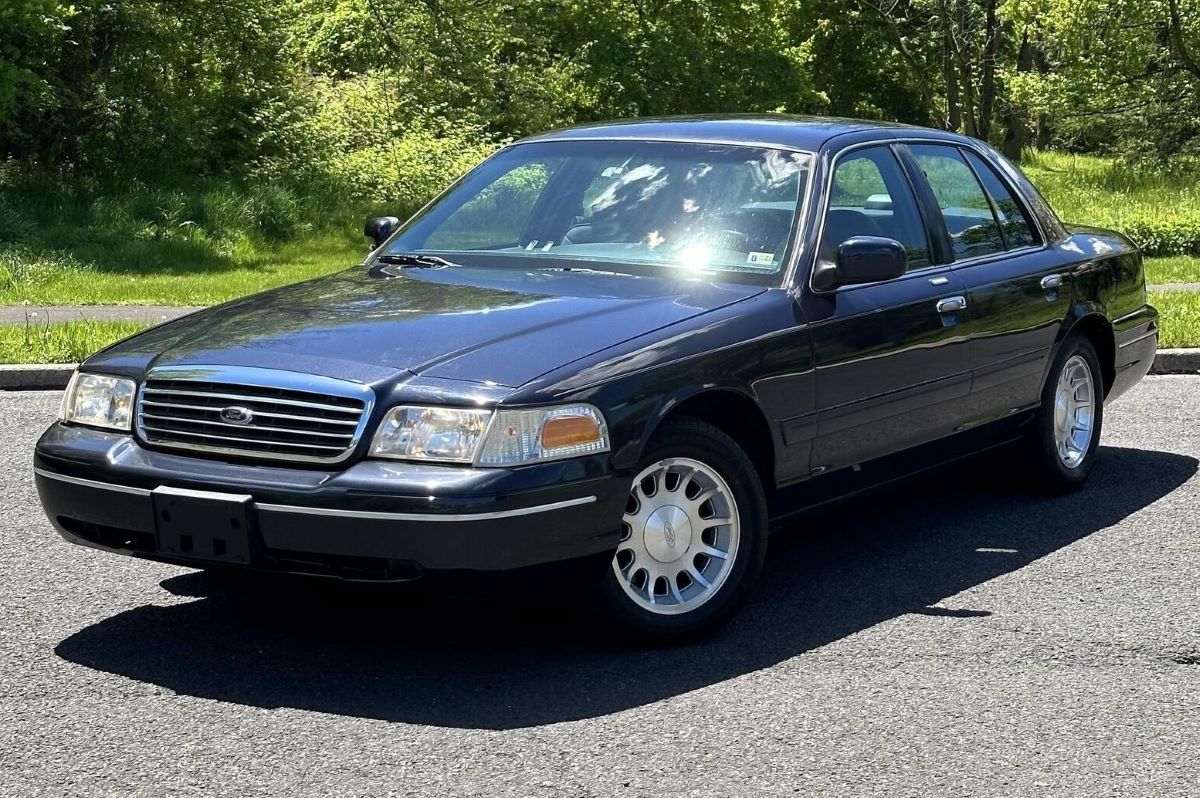
7. Ford Crown Victoria (1992–2011)
If you’re looking for durability, comfort, and cheap running costs, the Ford Crown Victoria checks all the boxes. Once the go-to vehicle for police departments, taxis, and government fleets, the Crown Vic was built to take abuse and keep rolling.
It’s a full-size, body-on-frame sedan with a smooth V8, a soft ride, and one of the best reputations for reliability in the domestic market. As a daily driver, it brings a level of comfort and toughness that few other classics can match.
Under the hood is the venerable 4.6L modular V8 engine, a motor that was designed for longevity and low maintenance. Paired with the 4-speed automatic transmission, the drivetrain is known for smooth operation and high-mileage durability.
Routine maintenance is straightforward and cheap, with oil changes, spark plugs, and fluids being the main concerns. Even though the engine doesn’t make massive horsepower, it offers plenty of torque for city and highway driving, and it’s more than capable of cruising long distances in comfort.
The Crown Vic is also surprisingly comfortable inside. The seats are wide and cushy, offering a lounge-like experience compared to modern sedans with bolstered, narrow designs. There’s ample legroom in both rows, and the trunk is massive, making it an excellent road trip or commuter car.
It also has excellent visibility thanks to its large windows and upright seating position. Many late-model versions came with power options, working air conditioning, and even CD players, enough to keep most drivers satisfied without dealing with modern infotainment complexity.
What makes the Crown Vic so appealing as a daily driver is its robustness. Suspension components, brakes, and drivetrain parts are easy to find and inexpensive. Because of its shared parts with other Panther platform vehicles (like the Mercury Grand Marquis and Lincoln Town Car), parts availability is excellent.
You can find these cars for very low prices, especially former fleet vehicles, and with regular maintenance, they’ll keep running for hundreds of thousands of miles. It’s not flashy, but if you want a daily classic that just works, the Crown Vic delivers.
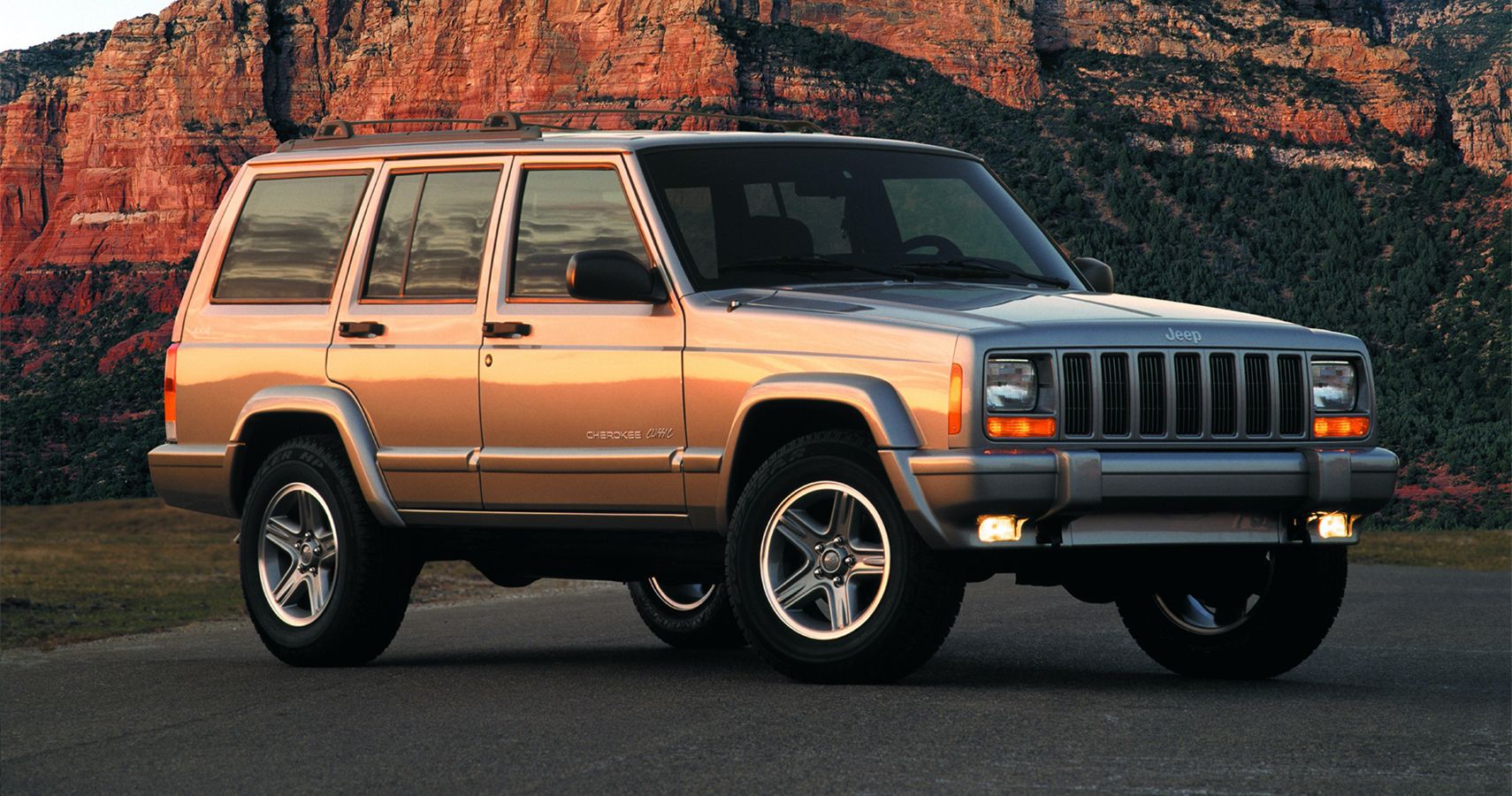
8. Jeep Cherokee XJ (1984–2001)
The Jeep Cherokee XJ is one of those rare vehicles that managed to achieve cult status while also being widely used as a daily driver for decades. Its boxy design has aged into a kind of rugged charm, and its blend of practicality, durability, and off-road capability makes it a solid choice for someone looking for a daily drivable classic with some personality. The XJ was one of the first compact SUVs and helped define the segment with its unibody construction and versatile interior.
The most sought-after engine is the 4.0-liter inline-six, which Jeep enthusiasts regard as one of the toughest engines ever made. Known for its torque, simplicity, and long lifespan, the 4.0L can regularly exceed 250,000 miles with routine maintenance.
The engine is mated to either a manual or a 4-speed automatic, both of which are decently reliable and easily rebuildable if needed. Early models had vacuum-actuated 4WD systems, while later ones improved this setup for better reliability. Fuel economy isn’t outstanding, but it’s acceptable for a small SUV, especially considering the capability it offers.
The Cherokee’s interior is straightforward and functional, with plenty of space for passengers and cargo. The upright seating position gives excellent visibility, and the large windows keep the cabin feeling open and airy. While the materials used inside were utilitarian, many held up well over time, especially if the vehicle was cared for.
There’s enough room in the back for adults, and the rear seats fold flat, turning the Cherokee into a capable hauler for larger items. Whether you’re loading up for a camping trip or just heading to work, it’s easy to appreciate the flexibility of this design.
One of the best things about the XJ is its community and parts support. There are thousands of guides, forums, and suppliers dedicated to keeping these vehicles on the road. Parts are cheap and available almost anywhere, and working on the XJ is simple for even novice mechanics.
It also has strong aftermarket support, meaning you can modify it for off-roading, overlanding, or just improved comfort and reliability. If you want a daily driver that can also handle snowstorms, dirt trails, or hardware store runs without breaking a sweat, the Cherokee XJ is still one of the most solid options available.
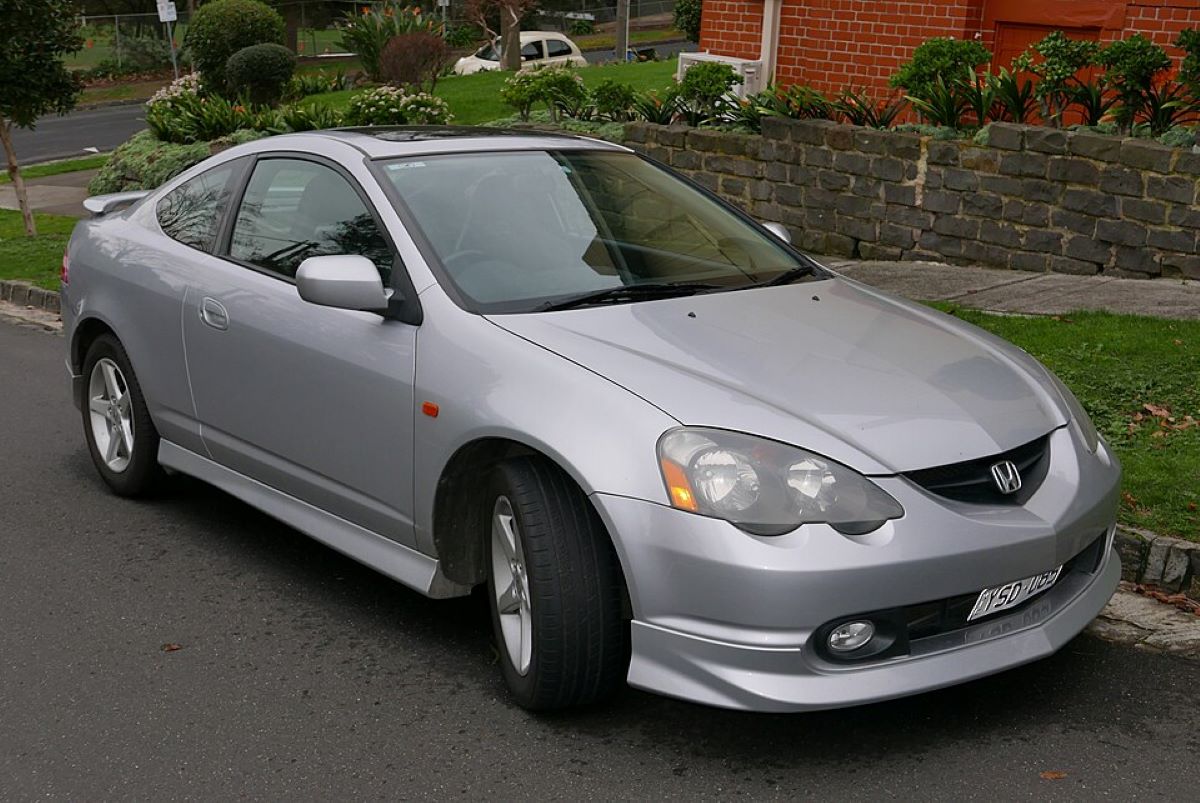
9. Acura Integra (DA/DB/DC, 1990–2001)
The Acura Integra is one of those rare vehicles that blends performance, reliability, and style in a way that remains compelling decades after it was introduced. Whether you’re looking at the second-generation DA or the third-generation DC models, the Integra stands out as a smart and affordable choice for a daily classic.
It has a strong reputation for reliability thanks to Honda engineering, but it also offers sporty handling and rev-happy engines that make every drive a bit more fun.
Most Integra models came equipped with DOHC four-cylinder engines, particularly the famous B18 series. These engines are known for their ability to rev, their mechanical reliability, and how easy they are to work on. VTEC-equipped versions provide a nice bump in performance and still manage to return respectable fuel economy.
Whether you’re driving a base LS model or a GS-R, these engines are incredibly responsive and long-lasting with basic maintenance. Timing belts, valve adjustments, and fluid changes are straightforward, and the aftermarket is massive for both OEM and performance parts.
The driving dynamics are what really set the Integra apart from other compact cars of its time. The chassis is well balanced, steering is sharp, and the suspension manages to feel sporty without being punishing.
This makes it an ideal commuter for people who enjoy being behind the wheel. The manual transmissions are particularly good, offering short, precise shifts that make the most of the engine’s powerband. While automatic versions exist, the manual really helps the Integra shine as a driver’s car.
Inside, the Integra offers a simple but well-thought-out layout. The seats are supportive, the gauges are clear and well-lit, and there’s a surprising amount of cargo room, especially in the hatchback models. The rear seats fold flat, offering excellent versatility for a small car.
While interior plastics may wear over time, replacements are easy to find. The car’s reliability, good fuel economy, and engaging performance make it a great choice for someone who wants more than just a basic commuter car. With good rust prevention and regular care, the Integra makes a dependable and rewarding daily driver.
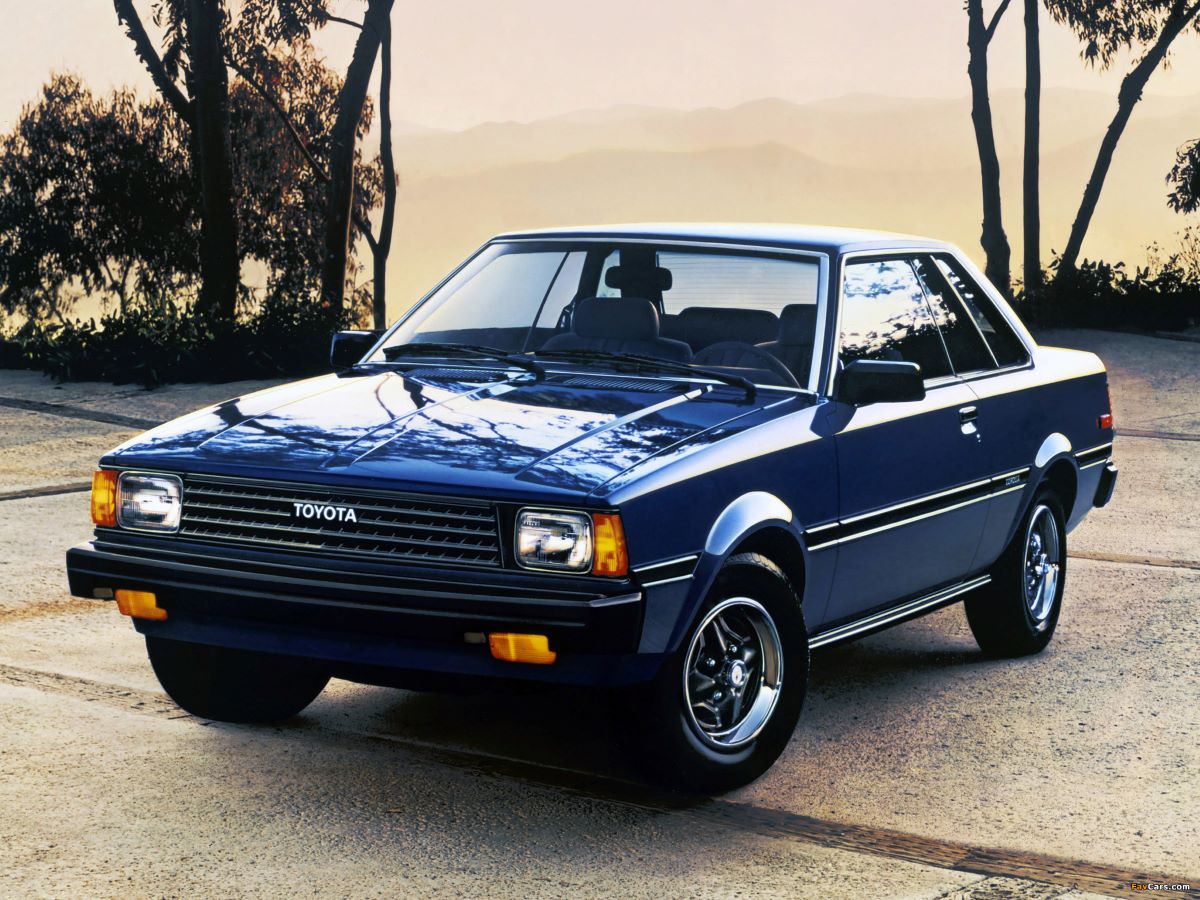
10. Toyota Corolla (E90/E100, 1988–1997)
The Toyota Corolla has long been known for its reliability and practicality, and the E90 and E100 generations offer those traits in a package that’s now old enough to be considered a classic. These models were built during a period when Toyota was focused on over-engineering their vehicles rather than cutting corners.
The result is a small sedan or wagon that, even today, can serve reliably as a daily driver with little fuss and minimal cost. It’s not flashy, but it’s dependable, efficient, and easy to maintain.
Most of these Corollas were powered by small-displacement inline-four engines like the 4A-FE, which are known for their simplicity and long life. The engines are non-interference designs, meaning that even if a timing belt snaps, the valves are typically safe.
Fuel injection makes cold starts and daily commuting easy, and fuel economy often exceeds 30 mpg. These cars aren’t quick, but they’re incredibly consistent, and with routine oil changes and fluid checks, they just keep going. Manuals are fun and durable, and the automatics of this era are surprisingly smooth and long-lasting.
The interior is built with a kind of minimalism that ages well. The seats are comfortable enough for long commutes, and there’s a decent amount of headroom and legroom, especially in the later E100 models.
The climate controls are easy to use, and visibility is excellent. Even base models came with features like rear defrosters, intermittent wipers, and in some cases, air conditioning and power windows. Everything is intuitive, and because there’s not much that can break, most of the interior functions will keep working for decades.
Where the Corolla shines is in ownership cost. Insurance is low, parts are plentiful and inexpensive, and nearly any mechanic can work on it without issue. These cars also tend to be relatively rust-resistant compared to their peers, especially in drier climates.
Because Toyota sold so many, it’s still easy to find well-kept examples that haven’t been abused. If you’re looking for a no-nonsense, dead-reliable classic that will start every morning and never ask much in return, the E90 or E100 Corolla is about as close to perfect as it gets.
