
The American automotive industry is undergoing a significant transformation. What was once a market dominated by gas-guzzling trucks and sedans has turned into a testing ground for cutting-edge technology, cleaner propulsion methods, and intelligent design.
Cars are no longer just modes of transportation; they are becoming digital hubs, mobile workspaces, and even extensions of personal identity. As climate concerns grow, regulations tighten, and consumer tastes evolve, automakers are responding with innovation that once seemed decades away.
From fully electric drivetrains to vehicles capable of self-driving on highways, the future of American roads is being shaped not only by environmental urgency but also by technological ambition.
The shift is not confined to niche segments either. Automakers are pushing forward with electric pickups, autonomous features in affordable sedans, and software-driven interiors that redefine the in-car experience.
While global brands play a role, American manufacturers are leading much of the change with bold investments in research and development.
Tesla, Ford, General Motors, and several startups are all competing to define what the next generation of vehicles should be.
The future is not singular in form; it includes clean energy, advanced connectivity, sustainable materials, and increasingly, an emphasis on artificial intelligence to assist or even replace human drivers in certain situations.
This list of 10 cars is not simply about popularity or luxury. Each one represents a pivotal piece in the larger puzzle of where the American road is headed.
Whether it’s a pioneering electric SUV, a hyper-efficient truck, or a family car packed with driver-assist technology, these vehicles give us a glimpse of what we can expect more of in the years to come.
The following sections detail each vehicle not just as a product, but as a sign of broader trends shaping how Americans will drive, commute, and experience mobility in the near future.
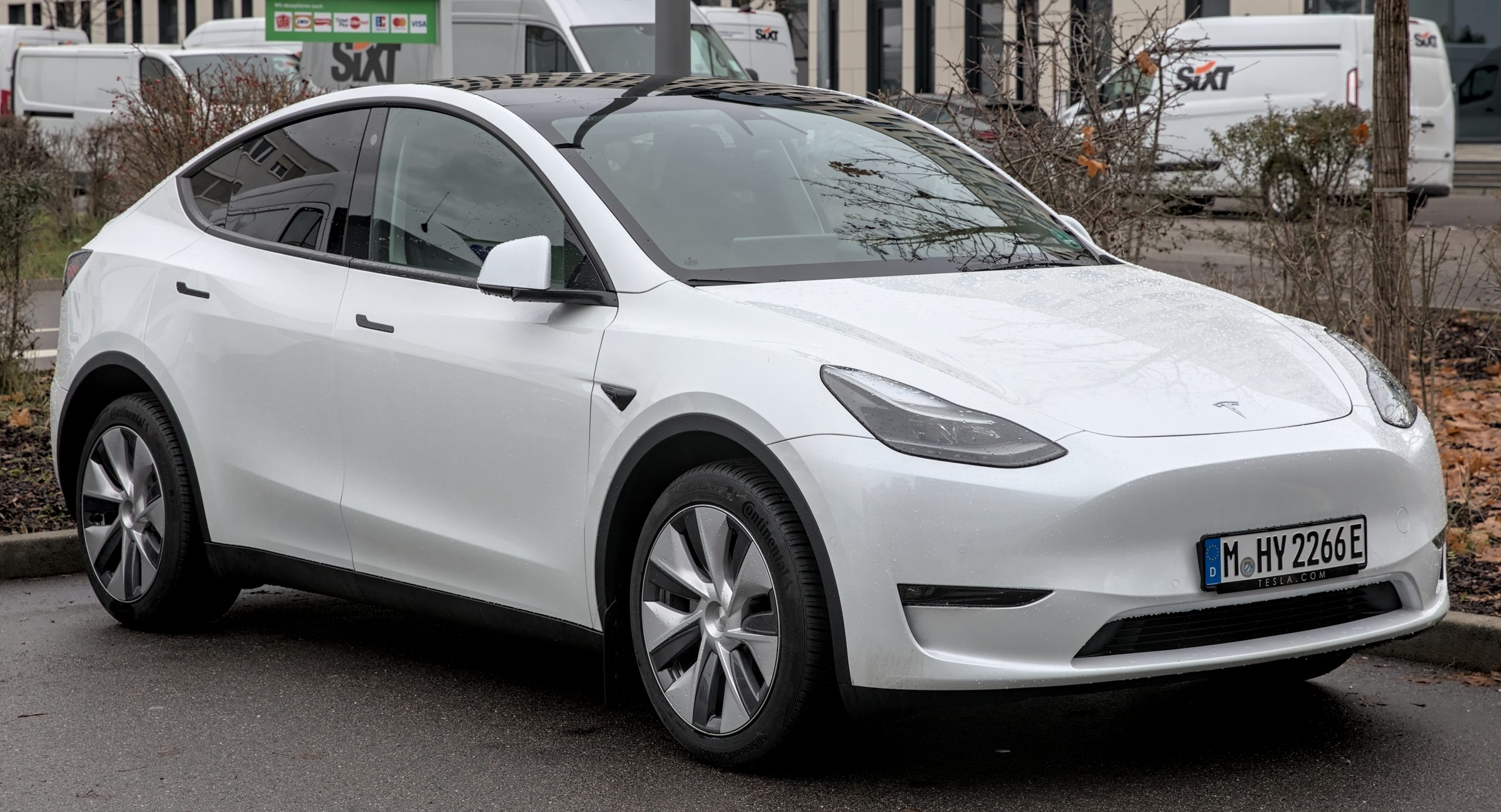
1. Tesla Model Y
The Tesla Model Y is currently one of the most influential electric vehicles on American roads. Built on the same platform as the Model 3, this compact crossover combines functionality with a minimalist approach to design and technology.
The car’s dominance in the electric SUV category is very good as it offers a combination of performance, range, and advanced driver-assistance features that appeal to a broad audience.
The Model Y has shown that electric cars can be practical for families, efficient for long-distance travel, and attractive in terms of total ownership cost when compared to gas-powered alternatives.
What sets the Model Y apart is its deep integration with Tesla’s software ecosystem. Frequent over-the-air updates allow the vehicle to improve after purchase, a concept that traditional automakers have struggled to fully implement. These updates affect everything from the infotainment system to the car’s performance and safety features.
This kind of software-based evolution is setting new expectations among drivers who are beginning to see their cars as dynamic platforms rather than static machines. Tesla’s proprietary self-driving features, while still under regulatory scrutiny, also push the boundaries of how Americans perceive driver responsibility.
From a design perspective, the Model Y breaks from the aggressive stylings of traditional American SUVs. It embraces simplicity both outside and in. The interior is largely dominated by a single touchscreen, removing the clutter of physical buttons and knobs.
While this minimalism isn’t for everyone, it represents a new design philosophy that younger drivers especially seem to favor. As tastes shift toward digital-first experiences, the Model Y’s interior is becoming a model for others to follow.
Finally, the Model Y has played a crucial role in normalizing EVs in suburban and urban environments alike.
It’s no longer surprising to see multiple units in a single neighborhood. With expanding charging infrastructure and increasing performance capabilities, the Model Y isn’t just a car, it’s a blueprint for how electric vehicles can reach mass adoption.
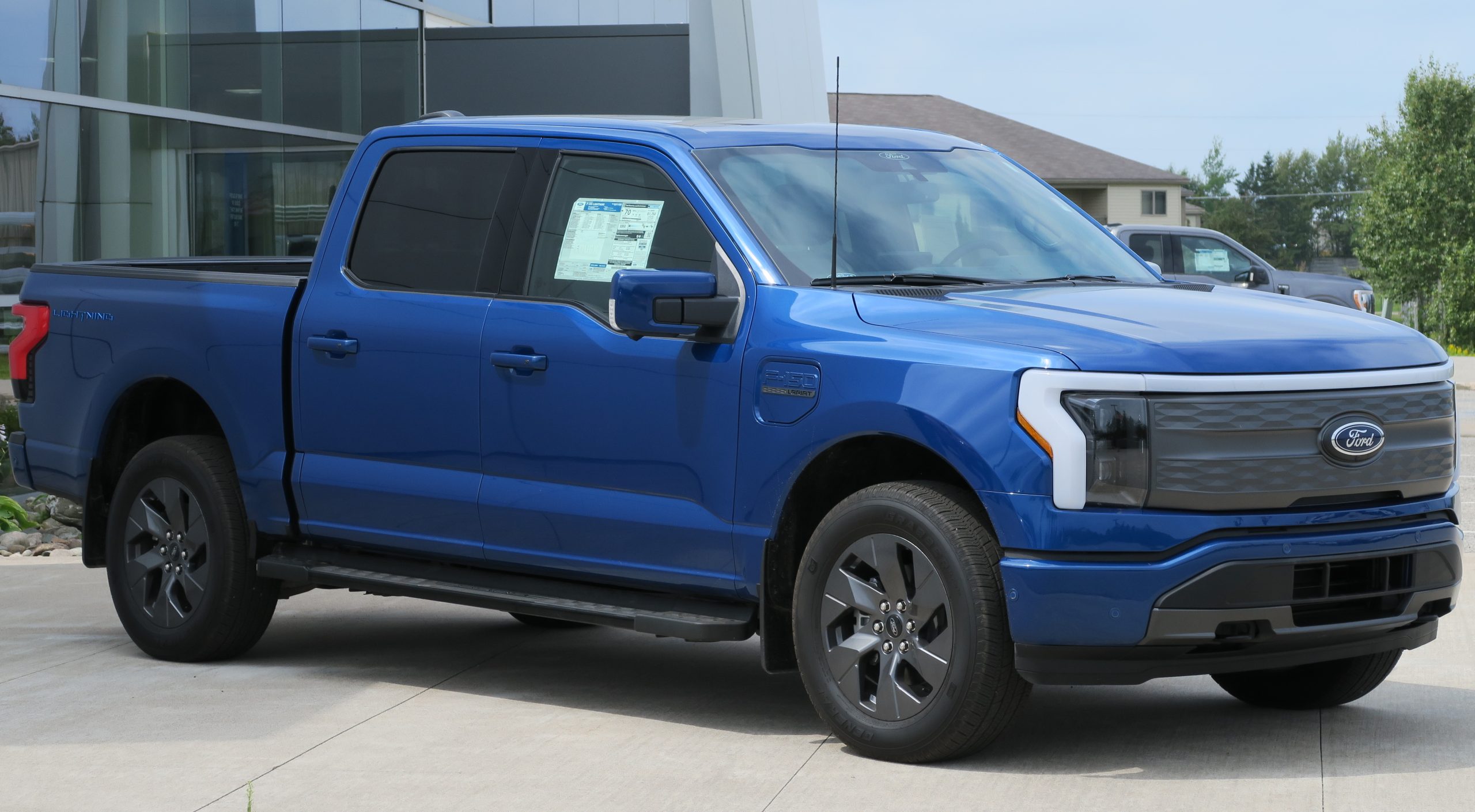
2. Ford F-150 Lightning
The F-150 Lightning marks a significant milestone in American automotive history. It’s the electric version of the best-selling vehicle in the United States, the Ford F-150. For decades, the F-150 has been associated with ruggedness, work ethic, and a distinctly American idea of freedom.
The introduction of the Lightning version doesn’t throw that legacy away, it adapts it for a new era. The move toward an electric drivetrain in such a traditionally conservative segment speaks volumes about the industry’s direction and Ford’s willingness to innovate within its most critical product line.
One of the biggest advantages of the F-150 Lightning is how it maintains functionality while offering new forms of utility. With no internal combustion engine, the front trunk (or frunk) adds storage that was never available before.
The truck also acts as a mobile generator, capable of powering homes or job sites in emergencies. These features go beyond just environmental appeal, they offer practical benefits that can enhance productivity, making electric trucks more than just an eco-conscious choice.
The performance of the Lightning is another indicator of future trends. Despite being a full-sized pickup, it offers impressive acceleration and towing capacity.
Early concerns about whether electric trucks could handle the same workloads as their gas-powered counterparts are being addressed through models like this. The driving experience is also significantly improved, with smooth power delivery, reduced cabin noise, and advanced suspension systems that make long drives more comfortable.
Charging infrastructure remains a challenge, especially for trucks that may travel off the beaten path. However, Ford’s partnerships and investments in expanding fast-charging networks are beginning to pay off.
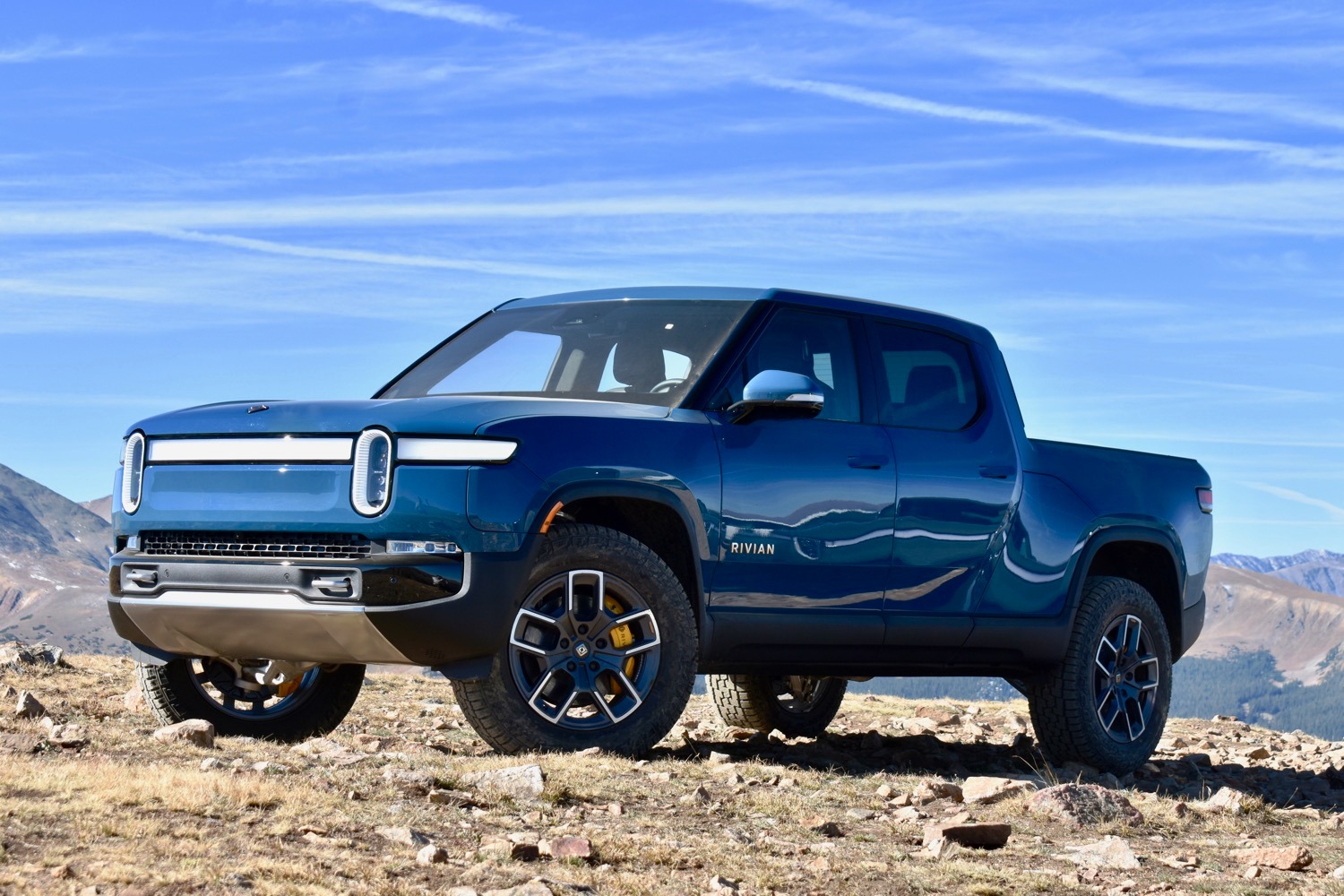
3. Rivian R1T
The Rivian R1T is one of the most exciting new entries into the American vehicle market in recent years. As an all-electric pickup from a startup, it had a lot to prove, and it has done just that.
This vehicle showcases how electric mobility can be adventurous, premium, and environmentally friendly all at once. Unlike other trucks that slowly evolve, the R1T was designed from scratch with future-oriented thinking. It reimagines what a pickup can be in terms of form, function, and user experience.
What distinguishes the R1T is its blend of luxury and utility. The interior feels more like a high-end SUV than a traditional truck. It features sustainable materials, cutting-edge software interfaces, and clever design touches like a built-in flashlight and air compressor.
Storage is also innovatively handled, with a gear tunnel that provides secure space running through the body of the truck. These aren’t gimmicks, they solve real problems for people who use their vehicles for both work and leisure.
Performance-wise, the R1T competes with or exceeds traditional trucks in key areas. It offers quick acceleration, adjustable air suspension, and the ability to handle off-road terrain with ease.
Its electric range is competitive, and its quad-motor setup gives each wheel its own motor for better control. These features matter not only to off-road enthusiasts but also to future vehicle buyers who expect advanced capabilities without sacrificing comfort or style.
Perhaps most importantly, the R1T demonstrates that innovation isn’t limited to the legacy automakers. Rivian’s success shows that new companies can challenge the old guard by focusing on forward-looking design and customer experience.
With more startups entering the space, the automotive industry is becoming more dynamic. The R1T serves as a powerful reminder that the future of driving in America will be shaped not only by established brands but also by bold newcomers.
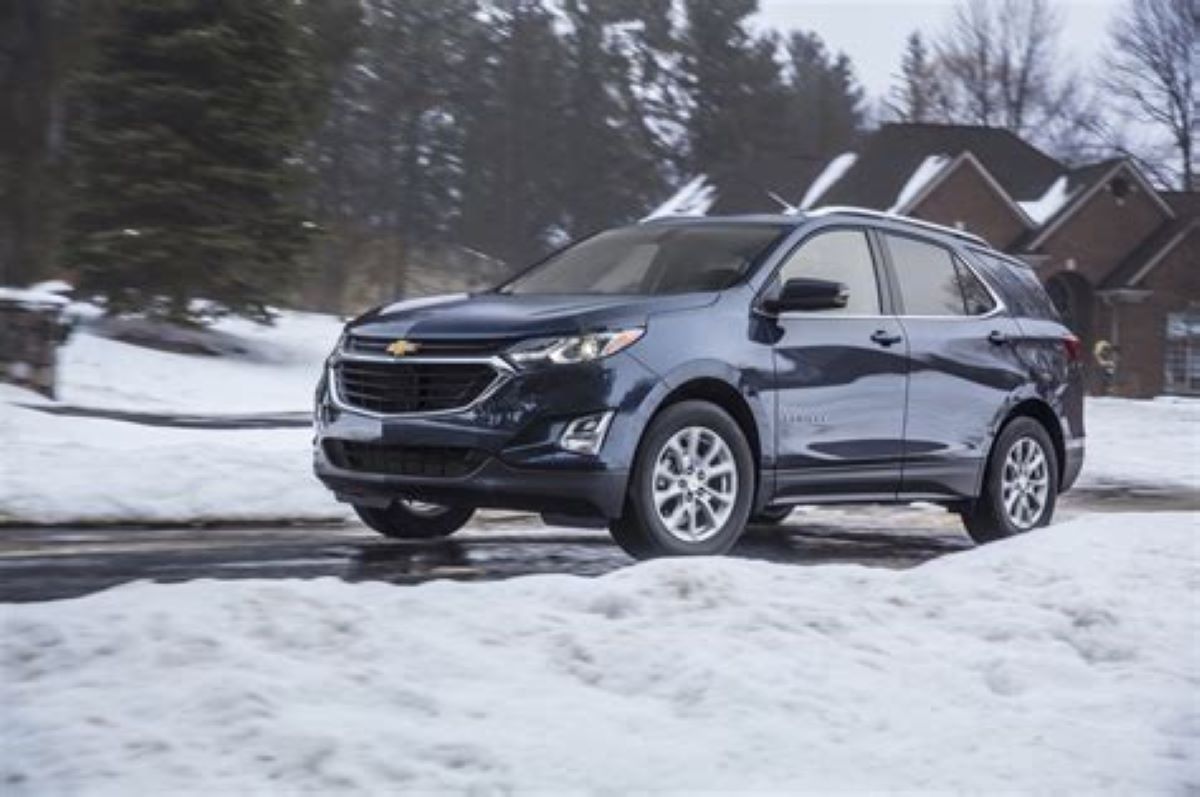
4. Chevrolet Equinox EV
The Chevrolet Equinox EV represents a major move toward making electric vehicles accessible to mainstream American buyers. While high-end EVs have generated excitement, there’s been a significant need for affordable options that don’t compromise on range or functionality.
The Equinox EV is GM’s attempt to fill that gap, offering a compact SUV with a price point that’s within reach for average families. It combines familiar design elements with modern electric architecture to create something that feels both new and approachable.
One of the biggest advantages of this vehicle is its cost-to-value ratio. GM has made efforts to ensure that drivers can enjoy the benefits of an electric vehicle without paying luxury prices.
This includes competitive range estimates, advanced safety systems, and a user-friendly infotainment setup. By keeping costs down and quality up, the Equinox EV can attract buyers who might have been hesitant to consider electric vehicles due to price concerns.
The Equinox EV also benefits from GM’s Ultium battery platform, which allows for flexible configurations and improved manufacturing efficiency.
This technology supports better weight distribution and lower center of gravity, enhancing the driving experience. Charging is made easier with support for fast-charging systems, and with increasing government incentives, the total cost of ownership becomes even more appealing compared to gas vehicles.
What makes the Equinox EV particularly relevant for the future is its potential to shift consumer expectations. It shows that electric vehicles don’t have to be exotic or expensive to be worthwhile.
As more drivers experience the low maintenance costs, quiet operation, and instant torque of electric propulsion in a familiar package like the Equinox, widespread adoption becomes much more likely. This car may not be flashy, but it could be one of the most impactful in terms of getting Americans to rethink what kind of vehicles they want and need.
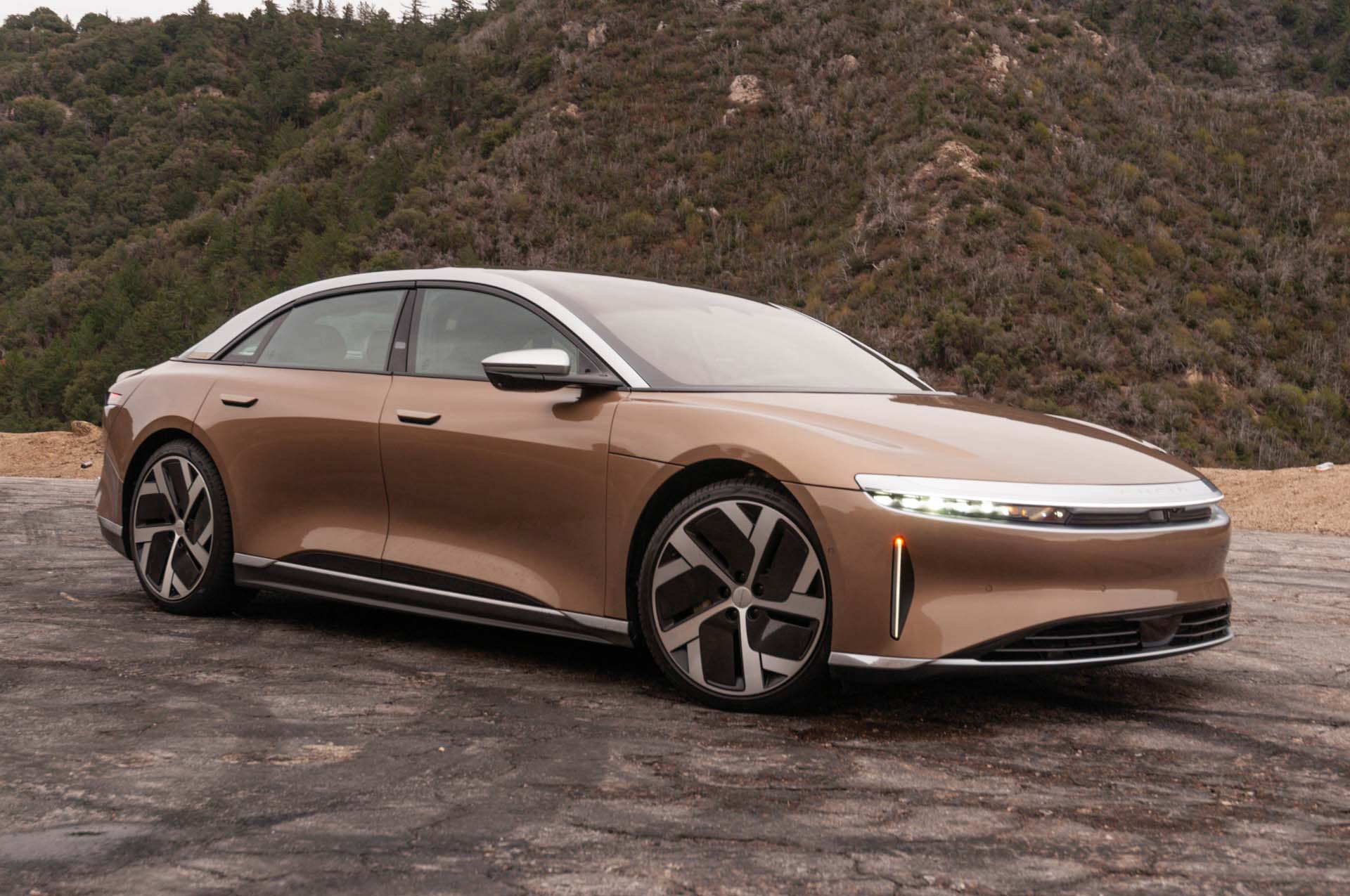
5. Lucid Air
The Lucid Air has brought a new level of luxury and performance to the electric vehicle segment. Developed by Lucid Motors, a relatively new American automaker, the Air has positioned itself as a challenger to the highest-end sedans on the market.
With record-setting range, elegant design, and a deep focus on technology, the Air demonstrates what’s possible when a car is designed from the ground up without the constraints of legacy vehicle architecture. It’s not just a showpiece, it’s a signal of what American electric luxury could look like in the next decade.
One of the standout features of the Lucid Air is its range, with some versions offering over 500 miles on a single charge. This addresses one of the main concerns that consumers still have about EVs: range anxiety.
By setting new standards for efficiency and energy density, Lucid is proving that electric vehicles can meet and exceed expectations even in the long-distance driving category. The fast-charging capabilities also make it practical for regular use, not just short commutes.
The interior of the Lucid Air pushes boundaries as well. It blends modern aesthetics with tactile comfort, using high-quality materials and intelligent layout choices. The cockpit is heavily digital, but it’s thoughtfully arranged to avoid overwhelming the driver.
Features such as a curved glass display and retractable center screen show how user experience is evolving in premium cars. While many automakers are moving toward minimalist interiors, Lucid adds refinement without sacrificing functionality.
Lucid’s engineering background, which includes experience from former Tesla and traditional auto executives, shows in the vehicle’s performance. From aerodynamics to drivetrain efficiency, every part of the Air is optimized to stand out in a crowded market.
It appeals to early adopters, tech enthusiasts, and those who want a car that feels like a glimpse into what driving might look like in ten years. The Lucid Air isn’t built for everyone, but it helps set the ceiling for where American EVs can go when luxury, range, and innovation come together.
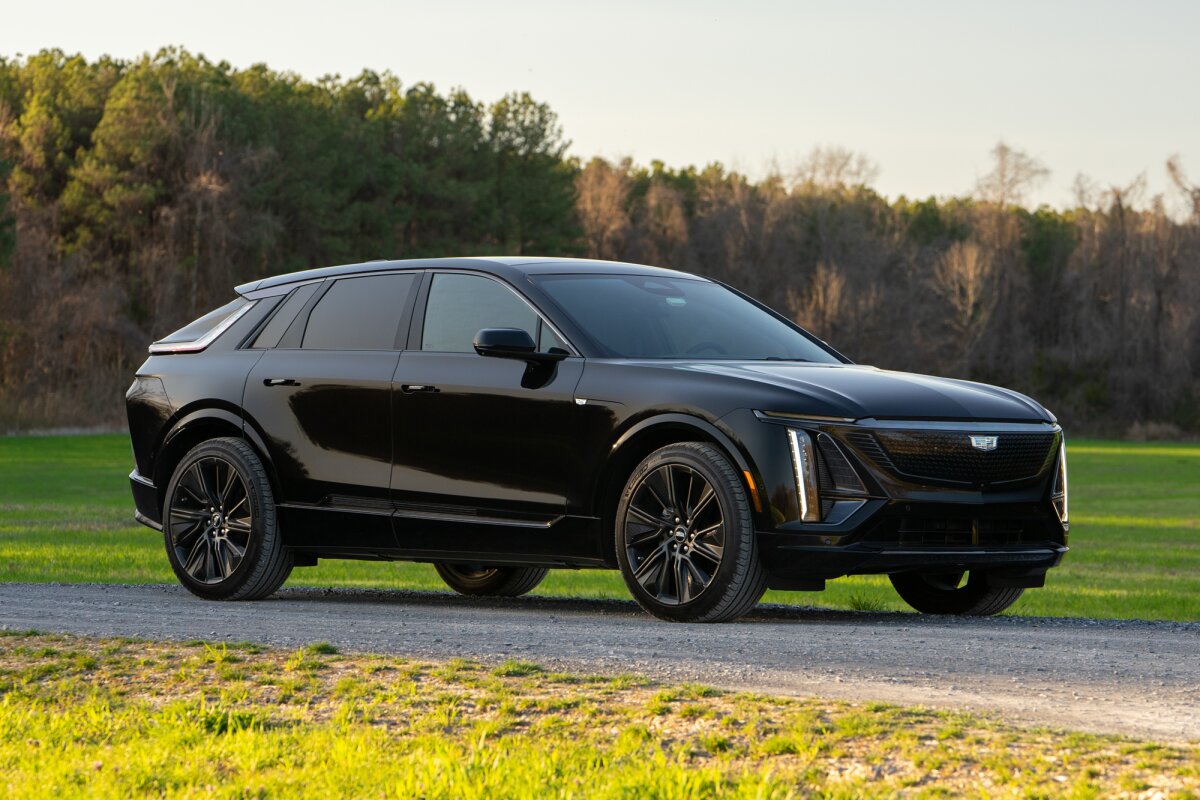
6. Cadillac Lyriq
The Cadillac Lyriq is more than just a new model, it’s a symbol of transformation for one of America’s most iconic luxury brands. Long known for its large sedans and chrome-heavy design, Cadillac is now repositioning itself as a forward-looking electric brand.
The Lyriq leads that charge by combining futuristic styling with an electric platform that delivers both performance and comfort. It represents how legacy brands can pivot toward sustainability and relevance in a changing market.
Stylistically, the Lyriq is striking. It abandons the conservative luxury template for bold shapes, sharp lines, and illuminated details. The result is a vehicle that feels intentional in its design rather than derivative.
Cadillac has put serious thought into making the car look different enough to stand out, while still retaining a sense of elegance. Inside, the design continues with a sweeping curved LED screen, rich materials, and an ambient lighting system that adds personality without being excessive.
The performance of the Lyriq is equally impressive. Built on GM’s Ultium platform, it benefits from strong torque delivery, a quiet ride, and an driving experience that balances comfort with agility.
It’s not trying to be a sports car, but it does want to prove that electric vehicles can be enjoyable to drive, not just efficient. The single- and dual-motor variants provide flexibility for buyers who want either range or performance as their top priority.
More importantly, the Lyriq is part of a broader shift at General Motors. Cadillac plans to go all-electric by the end of the decade, and the Lyriq is its starting point.
If successful, it could set the tone for the rest of the lineup and even influence other GM divisions. For luxury car buyers who have been hesitant about going electric, the Lyriq makes a compelling case. It respects Cadillac’s heritage while clearly pointing toward a future where premium cars are defined by technology, efficiency, and design.
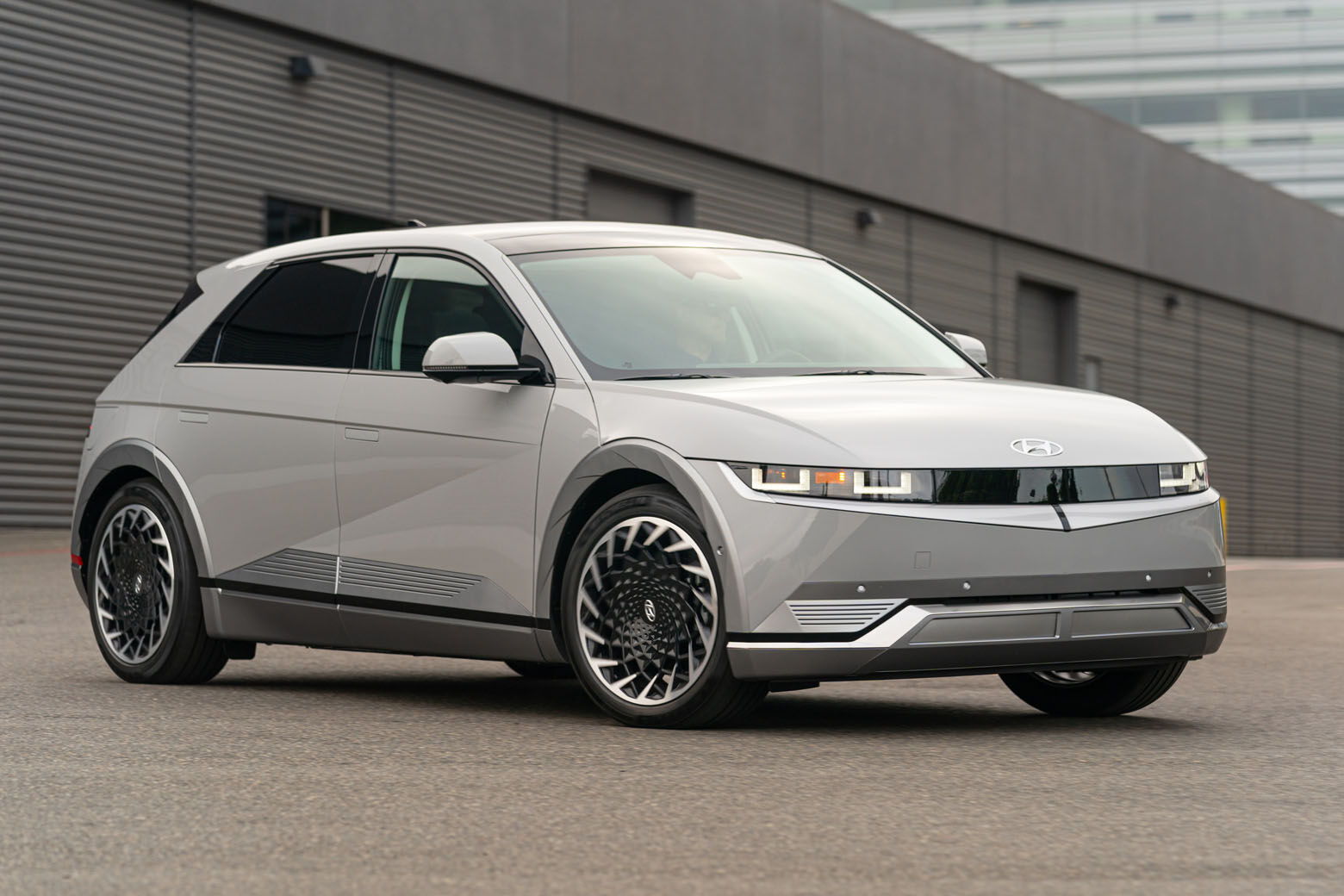
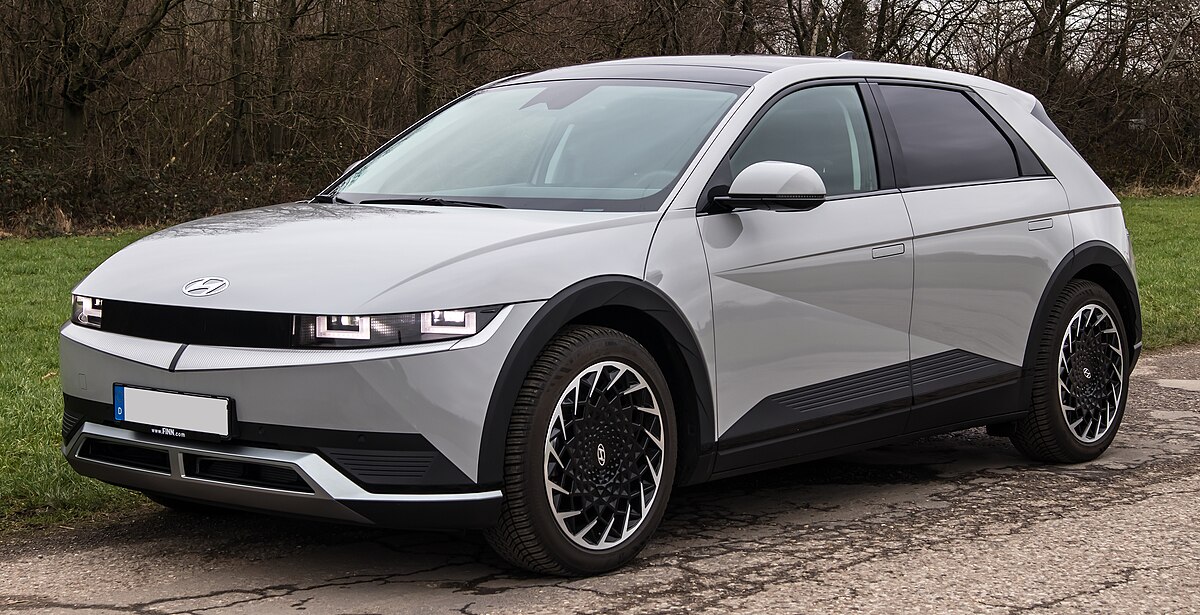
7. Hyundai Ioniq 5
While Hyundai isn’t an American brand, the Ioniq 5 is assembled and sold widely in the U.S., and its impact on American roads is undeniable. With bold styling, excellent range, and a strong focus on value, the Ioniq 5 has quickly become one of the most talked-about EVs.
It’s proof that the future of driving isn’t just being shaped by legacy American automakers but also by global brands that understand what American drivers want: space, tech, and reliability without breaking the bank.
The exterior design of the Ioniq 5 breaks from typical EV styling. It mixes retro and futuristic influences in a way that stands out in any parking lot. The angular lines, pixel-style lights, and clean surfaces make it feel like a concept car brought to life.
That aesthetic appeal helps attract drivers who want something different, not just another SUV-shaped vehicle. It appeals to a wide audience, including younger buyers who value design as much as performance.
Inside, the Ioniq 5 offers a surprisingly spacious and comfortable cabin. Thanks to its long wheelbase and flat floor, passengers enjoy generous legroom and a sense of openness. The materials are well-chosen, and the layout emphasizes ease of use without sacrificing visual interest.
Dual screens, wireless charging, and customizable ambient lighting make the interior feel like a modern lounge more than a traditional vehicle. These kinds of user-focused touches are what make the Ioniq 5 a standout in the EV crowd.
Performance-wise, the car offers both rear-wheel and all-wheel-drive options, with enough power to make highway driving feel effortless.
Fast-charging capabilities allow the battery to recover a significant amount of range in under 20 minutes, reducing downtime and making long trips more feasible.
While some competitors boast slightly higher range figures, the Ioniq 5 finds a balance between practicality and innovation. It’s affordable, smartly designed, and it reflects the direction mainstream EVs are heading. For many Americans, this car is their first real step into electric driving, and it’s a solid one.
8. GMC Hummer EV
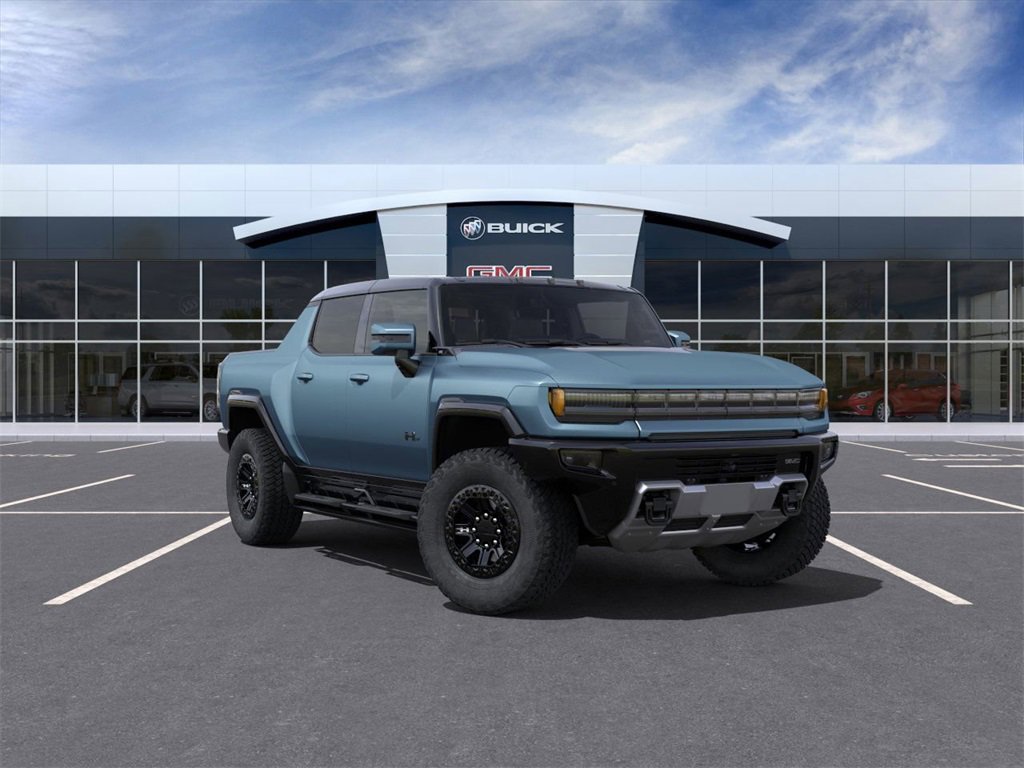
The Hummer EV is a fascinating contradiction. It’s massive, heavy, and aggressively styled, yet it’s also fully electric and equipped with some of the most advanced tech available in any American vehicle.
GMC’s decision to resurrect the Hummer name as an electric truck says a lot about how American tastes are changing. It’s no longer about rejecting electric vehicles for being too “green” or “weak.” Now, EVs can be powerful, bold, and even excessive, while still aligning with a future built around sustainability.
The Hummer EV features jaw-dropping specifications. With over 1,000 horsepower in some trims, it can go from zero to sixty in roughly three seconds, performance figures typically reserved for supercars.
It also includes unique features like CrabWalk, which allows the vehicle to move diagonally, and an adaptive suspension that can raise or lower the vehicle depending on the terrain. These features make the Hummer EV not just a truck but a piece of technological showmanship.
While the vehicle’s size and weight have drawn criticism, it’s important to see the Hummer EV in context. It’s not designed for the average commuter. Instead, it’s a halo product, designed to change perceptions and draw attention to the capabilities of electric drivetrains.
For buyers who still equate electric with compromise, this truck is a statement that EVs can do more than match gas vehicles, they can surpass them in every way.
The interior is equally bold, with design cues that celebrate the moon landing and a layout that emphasizes comfort and visibility. Massive screens, rugged materials, and digital customization options make the cabin feel like a command center. It’s not subtle, but it’s memorable.
As a symbol, the Hummer EV is one of the clearest examples of how American road culture is shifting. Power and presence are still important, but now, they come with zero emissions.
9. Toyota bZ4X
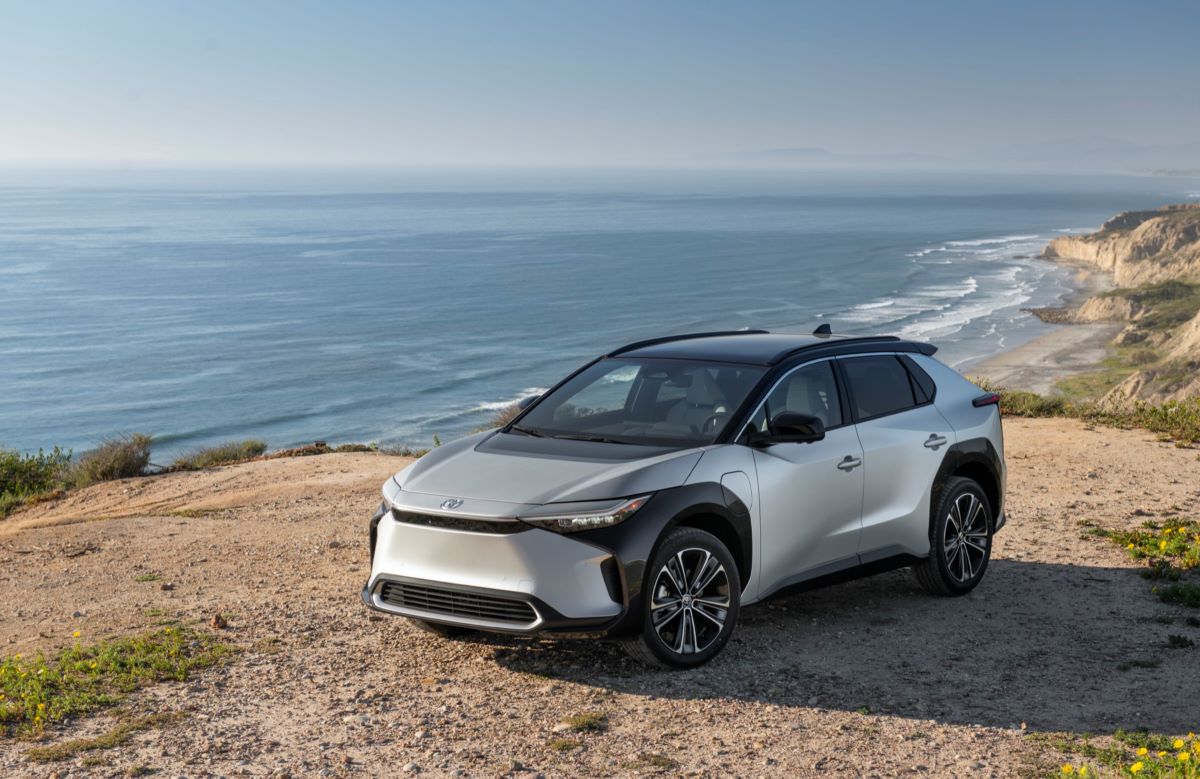
The Toyota bZ4X is Toyota’s first serious all-electric offering in the American market, and it marks a key turning point for the world’s largest automaker in the U.S.
For years, Toyota led the charge in hybrid technology with models like the Prius, but it had been relatively slow to adopt full battery-electric vehicles.
The bZ4X changes that by representing the company’s first entry under the “bZ” (Beyond Zero) electric sub-brand. While the vehicle doesn’t scream radical innovation in its styling or performance numbers, its significance lies in who’s making it and who it’s made for.
Toyota has built a reputation for reliability, practicality, and mass-market appeal, characteristics it now brings into the EV segment for everyday American drivers.
Design-wise, the bZ4X takes a balanced approach. It doesn’t try to look overly futuristic, but it avoids blending in too much either.
The front end is aerodynamic, and the body is shaped to minimize drag while maximizing cabin space. Inside, the vehicle offers a surprisingly roomy environment, benefiting from a flat floor and clever use of space.
Toyota has also introduced a new user interface that focuses on simplicity and ease of use. While it’s not flashy, it aligns with Toyota’s long-standing philosophy of making cars intuitive and functional.
This is particularly important for drivers transitioning from traditional gas-powered vehicles who may be intimidated by overly technical EV controls.
Performance is modest but adequate for the target market. The bZ4X offers front- and all-wheel-drive versions with enough torque for city and highway driving, though it’s not designed to be a performance vehicle.
Its battery size is relatively conservative compared to rivals, and while range is competitive, it’s clear the focus is on dependability and affordability rather than pushing the technological envelope.
What Toyota is betting on is that many Americans want an EV that “just works”, and the bZ4X is designed to deliver that experience without drama or surprises. Fast-charging speeds are decent, and Toyota’s warranty and service network add further peace of mind.
What makes the bZ4X critical to the future of American roads is its potential to bring first-time EV buyers into the fold.
There are millions of loyal Toyota owners across the U.S., many of whom have never considered an electric vehicle until now. If Toyota can convince even a fraction of them to switch, it would significantly boost EV adoption.
The company’s careful, measured approach might not set the internet on fire, but it aligns with a future where electric cars are normal, reliable, and available to everyone, not just early adopters or luxury buyers. The bZ4X might not be the flashiest EV on this list, but it’s one of the most practical gateways to the future.
10. Chrysler Airflow (Concept/Upcoming)
The Chrysler Airflow isn’t available yet, but its concept and eventual release speak volumes about the future of American mobility and the transformation of legacy brands. Chrysler has been relatively quiet in recent years, known primarily for its minivans and a few aging sedans.
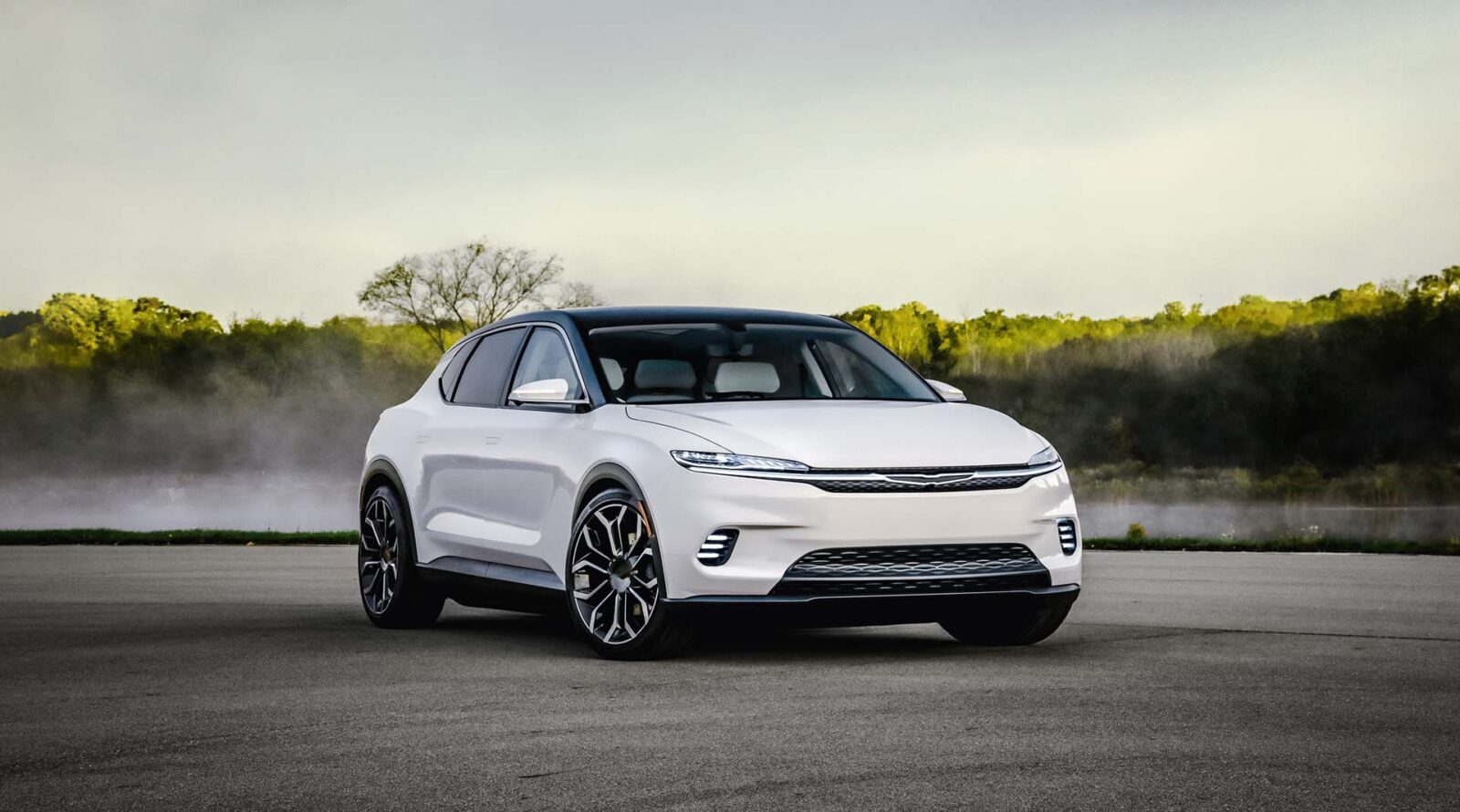
The Airflow represents a reawakening. As a sleek, all-electric SUV concept, it signals where Chrysler, and possibly Stellantis as a whole, plans to go in the next decade.
It aims to bring together elegant design, cutting-edge software, and electric propulsion in a package that could re-establish Chrysler as a serious player in the American market.
The design of the Airflow is understated but undeniably modern. It carries a premium look without leaning too heavily on aggressive styling or overused SUV tropes. The smooth body lines, clean surfaces, and integrated lighting elements reflect a new design language that emphasizes simplicity and flow.
The proportions are balanced, with a slightly elongated cabin that maximizes interior volume while maintaining a sleek exterior. If the production version remains true to the concept, it could offer a fresh alternative in a market crowded with similar-looking crossovers.
Inside, the Airflow embraces a tech-first mindset. The cabin is dominated by multiple high-resolution displays, including a screen for the front passenger. It’s clear Chrysler is aiming to create a space where technology doesn’t just assist the drive, it enhances it in meaningful ways.
The infotainment system is expected to be built on Stellantis’ new software platform, allowing for over-the-air updates and deep connectivity features.
This means the vehicle can adapt and evolve with its owner, keeping pace with changes in software, safety features, and entertainment needs. This approach brings Chrysler closer to how tech companies treat devices, rather than how traditional automakers treat cars.
Functionally, the Airflow is rumored to offer all-wheel drive and a competitive electric range, likely well above 300 miles per charge.
It’s designed not just to be efficient, but to appeal to tech-savvy families and urban professionals who want space, style, and modern features without paying a luxury-brand premium.
Its entry into the market will be critical not only for Chrysler but for American EV adoption in general. If the Airflow succeeds, it will show that even legacy brands with aging lineups can make bold comebacks by embracing the realities of modern transportation.
It’s a reminder that the future of American roads won’t be dictated by a single company or category, it will be shaped by every player willing to reinvent themselves.
