
Automotive history is filled with legendary successes, but for every Mustang or Civic, there’s a long list of cars that didn’t quite hit the mark.
These flops didn’t always fail because they were bad cars. Some were ahead of their time, others were simply misunderstood, poorly marketed, or released under the wrong conditions.
A few were designed with ambition but suffered due to market timing, pricing, reliability issues, or simply being too different. In many cases, these vehicles vanished quickly, only to be remembered in enthusiast forums or as cautionary tales in business textbooks. But not every failure deserves permanent retirement.
There’s a certain charm in cars that dared to be different. The industry today is driven largely by safe bets: crossover SUVs, EVs with minimal design personality, and badge-engineered sedans. That makes it even more compelling to look back at the misfits and underdogs that tried something unique.
While the public might not have accepted them when they first came out, the automotive industry has shifted.
Consumer tastes evolve, technology catches up, and nostalgia often opens doors that were previously shut. What didn’t work 20 or 30 years ago might have the perfect recipe for success today.
This list isn’t just a tribute to forgotten models. It’s also a statement about risk-taking and innovation. Each car listed below brought something valuable to the table, whether it was a unique powertrain, a bold design, or an alternative vision of performance or luxury.
While they may have flopped commercially, the potential they showed should not be dismissed. Some of them may even thrive if reborn today with updated engineering, better timing, or a marketing push that emphasizes their uniqueness rather than apologizing for it.
So, here are 10 cars that failed to find a proper audience during their original run, but might just deserve a second chance.
Whether they were misunderstood pioneers or simply launched at the wrong time, these vehicles all have something compelling to offer, and with the right changes, they could become unexpected hits if brought back to life.
1. Pontiac Aztek
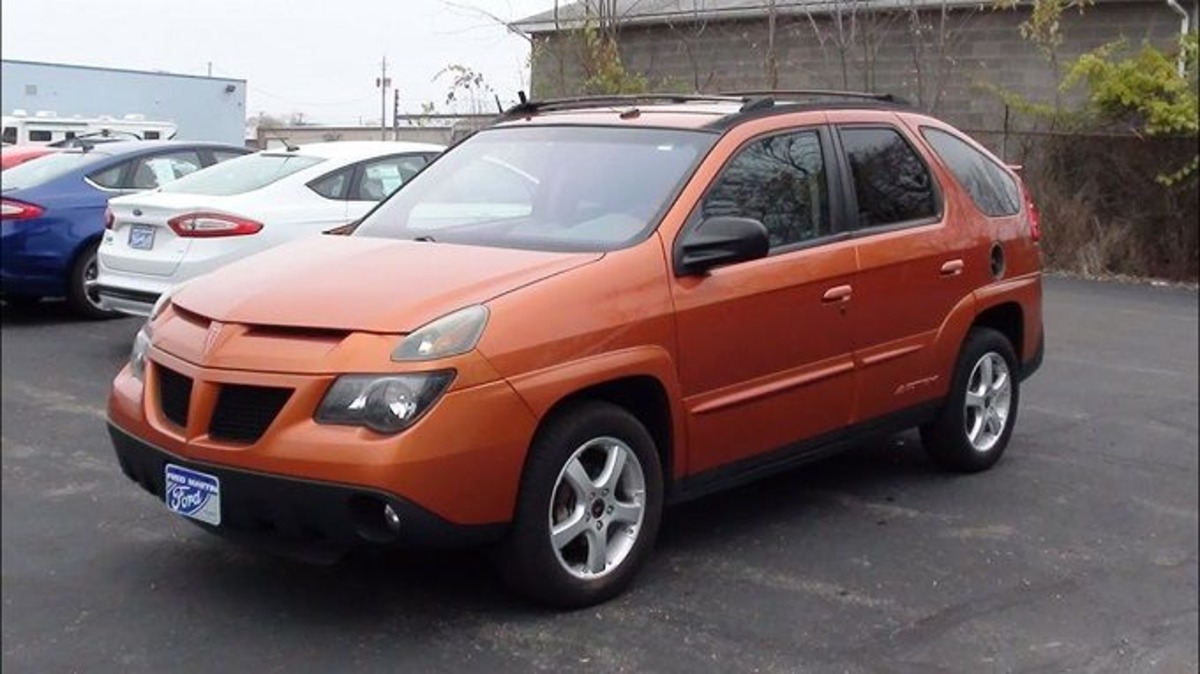
The Pontiac Aztek is often ridiculed as one of the ugliest cars ever built, and it’s not hard to see why. Its awkward proportions, strange body lines, and clunky plastic cladding left many scratching their heads. Launched in 2001, it was marketed as a versatile crossover before crossovers really hit their stride.
Unfortunately, the design choices made it difficult for buyers to take it seriously. The general public wasn’t ready for such an unconventional look, and even though the Aztek offered some genuinely clever features, they were largely overshadowed by its appearance. It became a symbol of design failure more than innovation.
Yet, behind its oddball exterior was a genuinely practical vehicle. The Aztek came with a pull-out cargo tray, optional all-wheel drive, a cooler in the center console, and even a tent attachment for camping. These features anticipated many modern crossover trends that are now seen as desirable.
Today, consumers are more accepting of quirky design when it’s paired with functionality, and outdoor adventure vehicles are more popular than ever.
If the Aztek were redesigned with a more refined aesthetic while retaining its core practicality, it could appeal to a new generation of buyers looking for an affordable, versatile SUV.
Moreover, the Aztek’s reputation has been slowly rehabilitated thanks to pop culture. Its appearance in the TV series Breaking Bad helped change some perceptions, giving it a kind of cult status.
People started viewing it less as a failure and more as a misunderstood oddity that stood out in a sea of cookie-cutter vehicles. That recognition has led to renewed interest from collectors and younger enthusiasts who value cars that break the mold.
A modern Aztek comeback could take advantage of the current demand for compact, off-road-oriented crossovers.
With cleaner lines, improved fuel economy or an electric variant, and a focus on lifestyle branding, the vehicle that once made everyone cringe could become the one everyone wants. It’s time for the Aztek to lose its status as a punchline and take its place as a forward-thinking design that was just ahead of its time.
2. DeLorean DMC-12
The DeLorean DMC-12 is arguably one of the most iconic failed cars in history. Everyone knows it from Back to the Future, yet very few people know what it was like to actually own one.
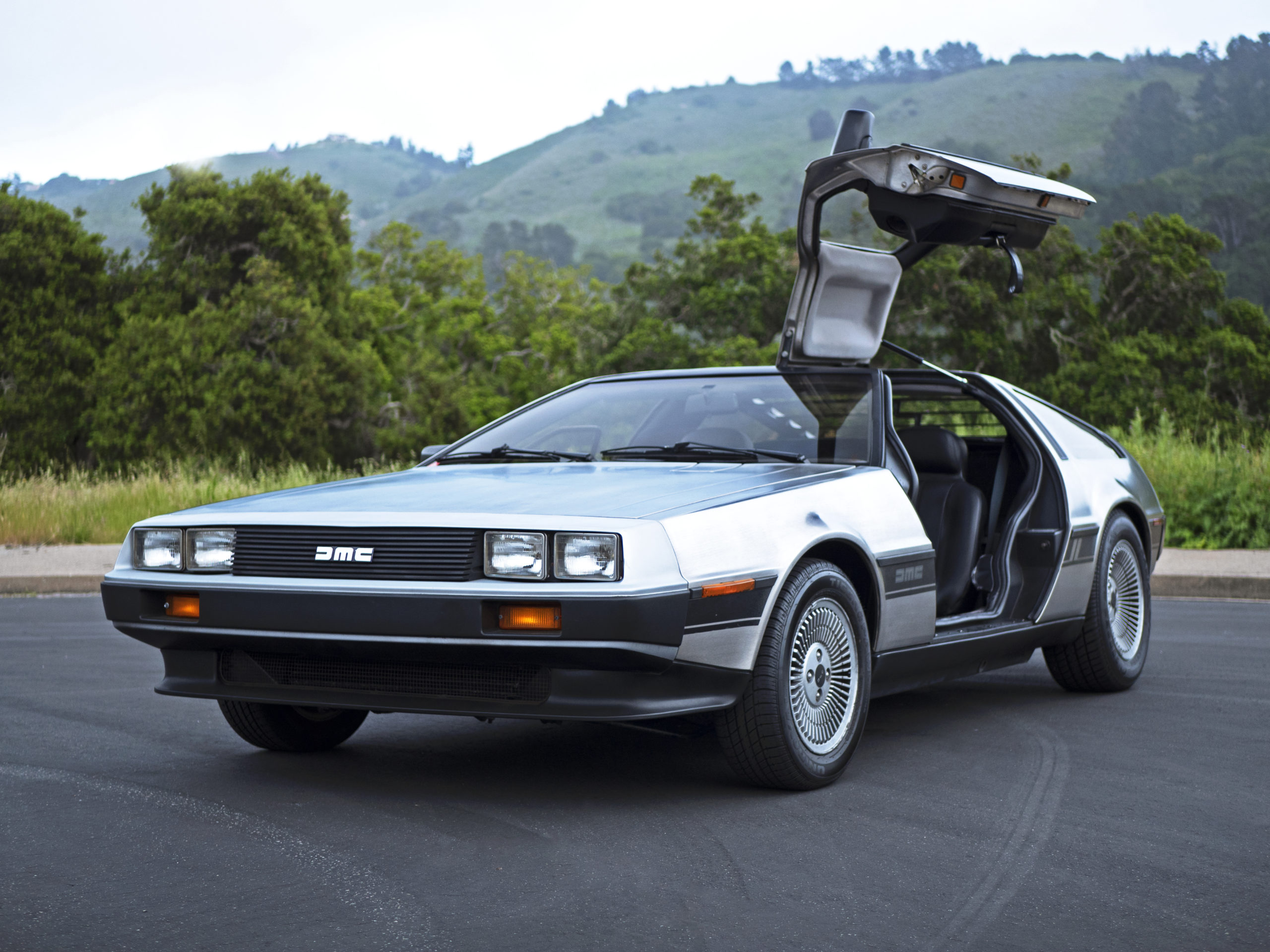
The stainless steel body, gull-wing doors, and futuristic design made it stand out from everything else on the road.
But despite its visual appeal and cult following, it was a commercial failure. The car suffered from underwhelming performance, reliability issues, and the collapse of its parent company amidst legal troubles and financial instability. Production ended in 1983 after fewer than 10,000 units were made.
What’s ironic is that the DeLorean had nearly everything going for it in terms of concept. It just needed better execution. The chassis and suspension were borrowed from Lotus, and the mid-engine layout gave it sports car potential.
However, the weak PRV V6 engine robbed it of any serious performance credibility. The car looked fast but couldn’t deliver. That disconnect between appearance and reality hurt its reputation, especially in the sports car market where performance matters as much as, if not more than, style.
Today, electric drivetrains offer a perfect opportunity to revive the DeLorean. Imagine the same stainless steel body and dramatic gull-wing doors, but with a modern electric platform underneath.
A reborn DMC-12 could pair its iconic design with the kind of torque and acceleration that its original version lacked.
Consumers today are more open to retro-futuristic aesthetics, and a zero-emissions powertrain would eliminate the reliability and emissions concerns that plagued the original.
The brand has already shown signs of revival with prototypes and concepts teased in recent years. With enough investment and the right engineering team, the DeLorean could make a legitimate comeback.
This time, it wouldn’t need a flux capacitor to get people excited, it would just need to deliver on the promise its design made over 40 years ago.
3. Saab 900
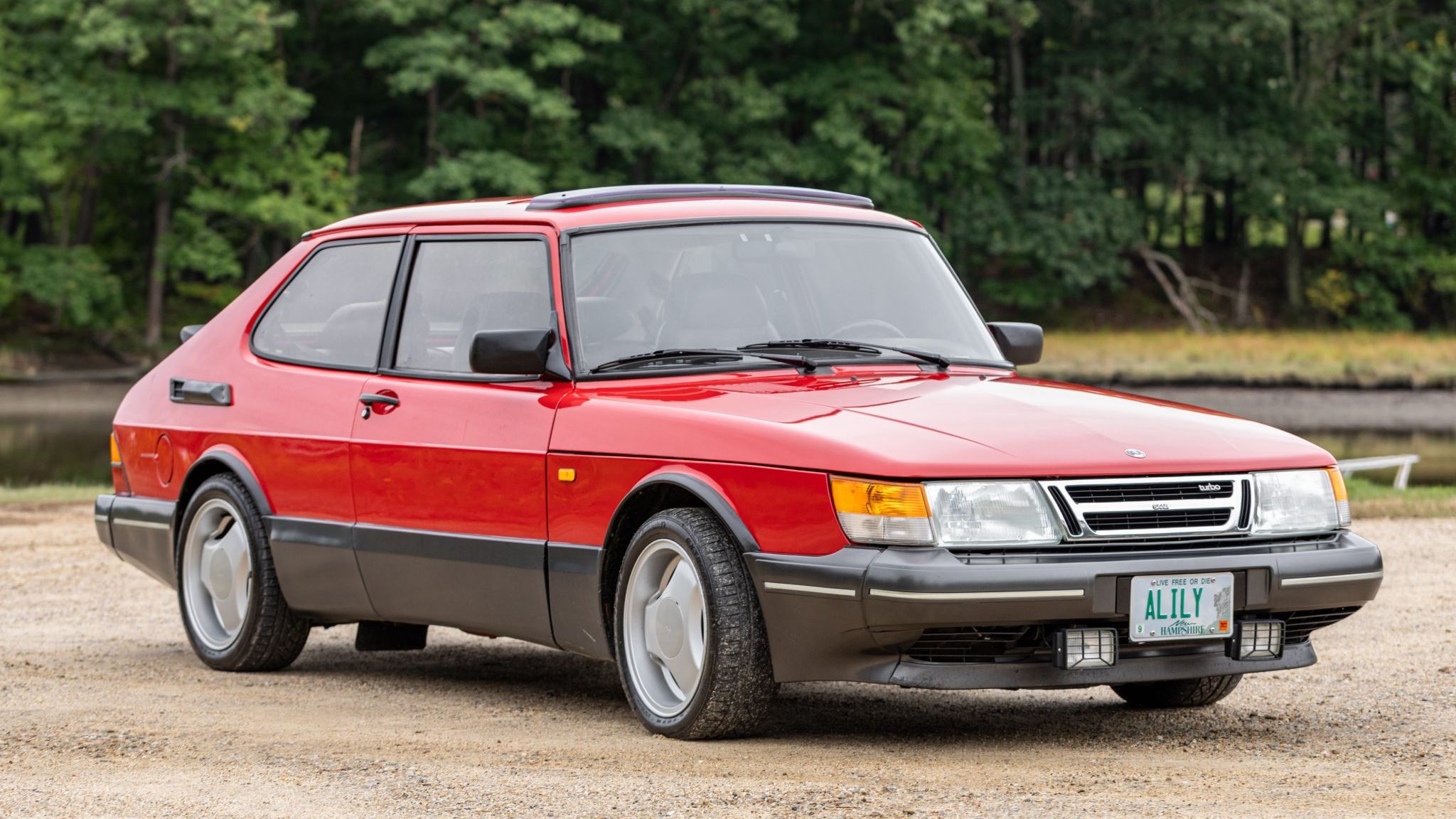
The Saab 900 wasn’t exactly a disaster in terms of sales, but it still qualifies as a flop due to its niche appeal and eventual decline. Built with unusual engineering and a fiercely independent spirit, the 900 was a car that defied conventional wisdom.
It had a longitudinally mounted engine placed backwards, a wraparound windshield, and some of the most unique dashboard layouts ever seen.
Yet despite being unlike anything else on the market, Saab struggled to sustain its momentum in the face of increasing competition and limited global presence.
What made the 900 special was how intelligently it was designed. The ergonomics were pilot-inspired, reflecting Saab’s aviation background. The turbocharged models offered performance that could rival European sports sedans of the era, while retaining practicality and safety.
However, Saab’s small size and limited marketing resources made it difficult for the brand to compete with the likes of BMW and Mercedes-Benz.
GM’s eventual acquisition of Saab diluted much of the brand’s uniqueness, leading to a slow decline that ended with its closure in 2011.
Today’s car market is filled with homogenized models that lack personality. A revived Saab 900, properly modernized but staying true to its roots, could offer an alternative to buyers seeking something distinctive. It could occupy the premium compact segment with a Scandinavian twist, clean design, functional features, and driver-focused performance.
The aviation-themed interior, once seen as a gimmick, could be reimagined using today’s digital interfaces to create a cockpit experience like no other.
With the global market more receptive to niche premium brands and the growing importance of brand identity, a Saab comeback led by a modernized 900 could work.
It would need to emphasize authenticity and engineering integrity, not just badge nostalgia. Done right, it wouldn’t just appeal to former Saab loyalists, it could create new ones.
4. Subaru SVX
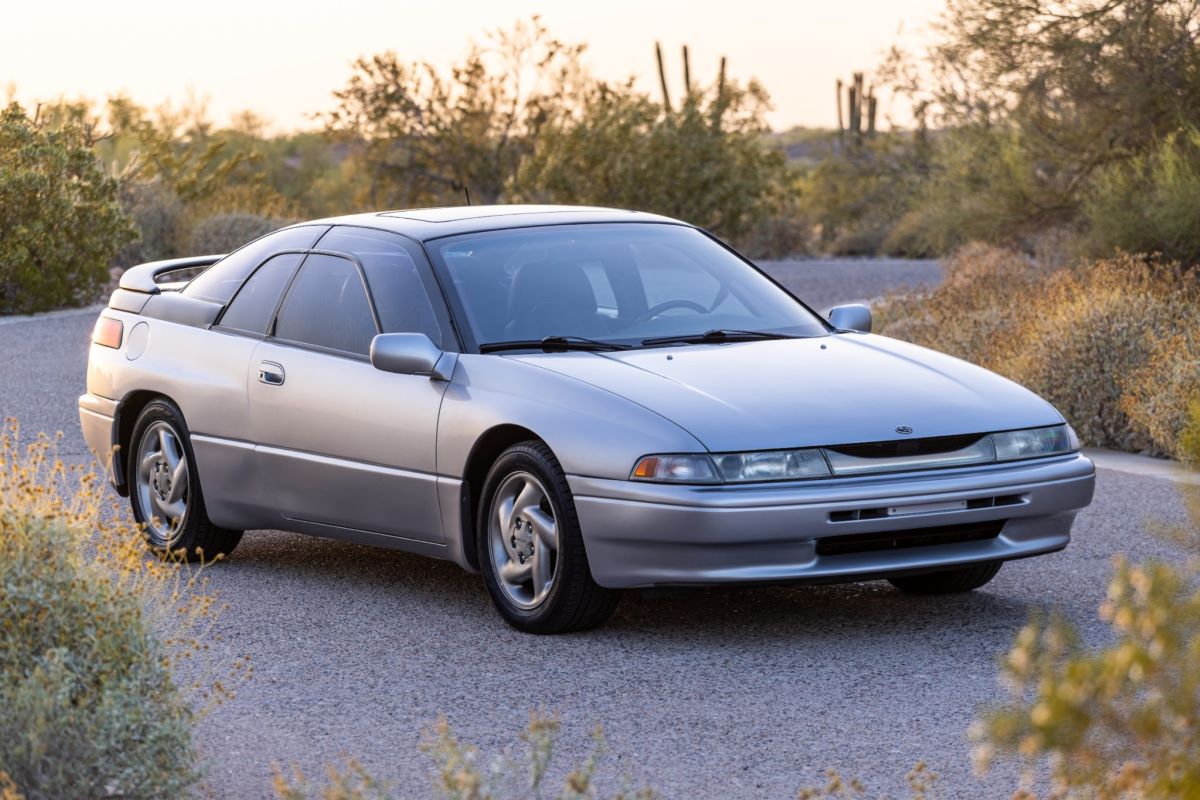
The Subaru SVX was a bold grand touring coupe introduced in the early 1990s, and it remains one of the most visually distinctive cars the company has ever made. Designed by Giorgetto Giugiaro, the SVX featured a unique “window-within-a-window” design, all-wheel drive, and a 3.3L flat-six engine.
It was a clear attempt by Subaru to break into the luxury and performance segments, but it never quite caught on with the buying public. High pricing, unclear market positioning, and limited brand recognition in that space held it back.
Performance-wise, the SVX was no slouch. It offered a smooth, comfortable ride and competent handling thanks to its symmetrical all-wheel drive. However, it was hampered by a lack of a manual transmission option and a somewhat heavy curb weight.
Buyers looking for a sporty coupe found it too tame, while those interested in luxury turned toward more established German and Japanese brands. Despite its abilities, the SVX lived in a strange middle ground that made it hard to market effectively.
Today, there is a renewed interest in grand touring coupes that combine style, comfort, and technology. Subaru, known mostly for its rugged crossovers and rally heritage, could benefit from re-entering the performance coupe market with an SVX revival.
The company has a loyal fanbase that would likely support a limited-run model, especially one that respects the uniqueness of the original while addressing its shortcomings.
A modern SVX could use a hybrid or electric powertrain to deliver both power and efficiency. Its design could retain the quirky glass features and blend them with current Subaru styling cues.
5. Mazda RX-8
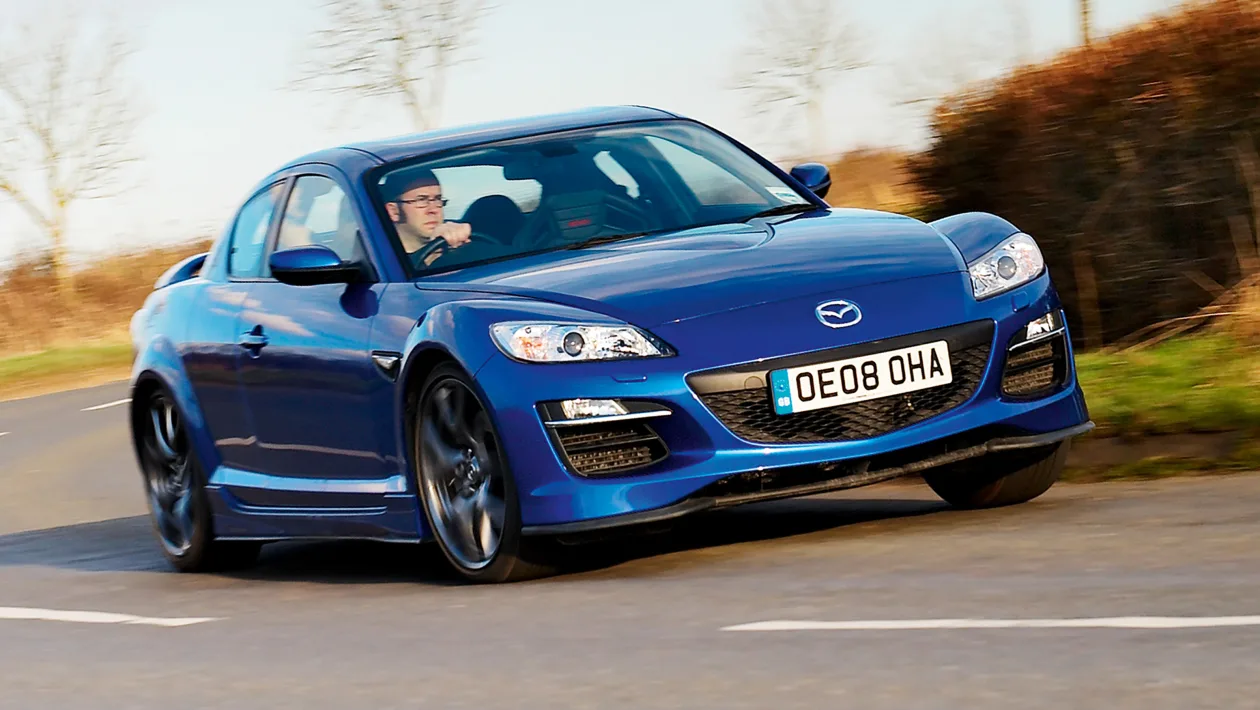
The Mazda RX-8 was introduced in 2003 as a successor to the RX-7, carrying forward Mazda’s commitment to the rotary engine.
At first glance, the RX-8 seemed like a winner. It had a distinctive look, a near-perfect 50:50 weight distribution, rear-wheel drive, and those unique rear-hinged “freestyle” doors that gave it practicality rare in sports cars.
Yet despite early excitement, the RX-8 struggled to maintain momentum in the marketplace. Critics praised its handling and responsiveness, but the rotary engine became a liability due to its thirst for fuel, oil consumption issues, and limited durability.
Many buyers were drawn in by its uniqueness but turned off by the high maintenance requirements and frequent engine rebuilds.
The RX-8’s real downfall was the rotary engine’s shortcomings in a world that was becoming increasingly emissions-conscious.
While it offered a high-revving, engaging drive that enthusiasts loved, it simply couldn’t meet tightening environmental regulations without sacrificing performance or reliability.
This led to Mazda discontinuing the RX-8 in 2012, not for lack of interest, but because it became too difficult to justify continuing production under the existing engine platform.
Ironically, Mazda’s dedication to the rotary concept, something that once made the RX line famous, was also what limited its long-term success.
Still, the RX-8 did a lot of things right. Its chassis balance, lightweight construction, and ability to deliver a genuine sports car experience without requiring supercar money earned it a loyal fan base.
With modern technologies now available, including advanced materials, hybrid systems, and tighter emission controls, there’s room to imagine what a reborn RX-8 could become.
Mazda could bring back the car with either a range-extending rotary-electric setup or a fully electric variant that pays homage to the rotary’s high-revving spirit through software-controlled torque curves and artificial rev-matching sound profiles.
A modern RX-8 wouldn’t just fill a gap in Mazda’s current lineup, it could also serve as a halo car that reinforces the company’s dedication to driver engagement and innovative engineering.
With sports coupes becoming rarer, a car like the RX-8, reimagined with 21st-century tech and reliability, could attract both returning enthusiasts and new customers hungry for a machine that doesn’t follow the status quo.
If Mazda can recapture the RX-8’s essence while solving its engineering weaknesses, they might have a new classic on their hands.
6. Volkswagen Phaeton
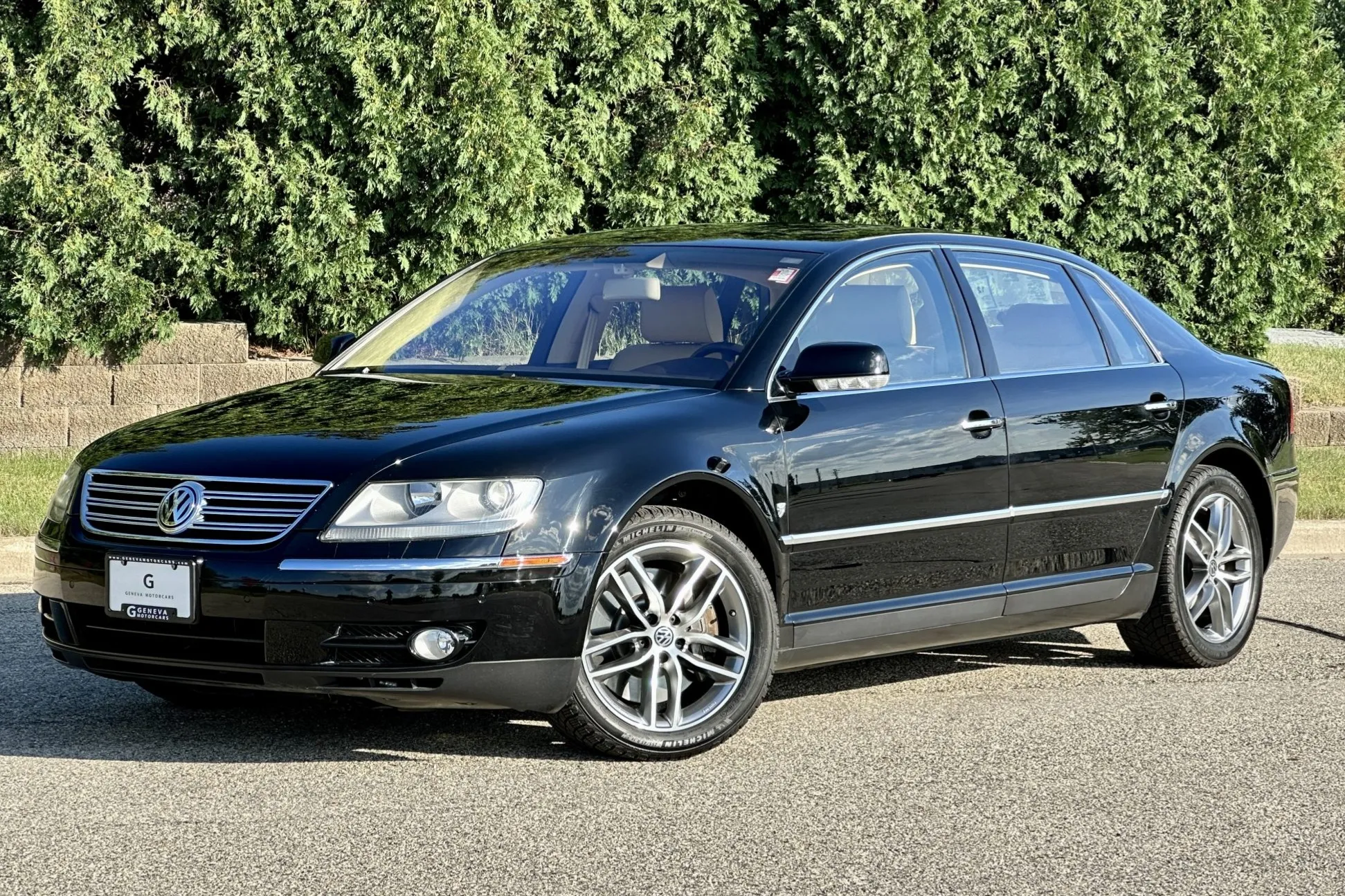
When Volkswagen introduced the Phaeton in 2002, it seemed like an illogical move. But the Phaeton wasn’t a vanity project, it was a technological showcase built to rival the very best.
Developed under Ferdinand Piëch’s ambitious vision, the Phaeton shared a platform with the Bentley Continental GT and boasted features that were years ahead of its time, including advanced climate control, a rigid chassis designed for 186 mph (despite being electronically limited to less), and incredibly refined materials inside.
Despite all that engineering prowess, the Phaeton was a sales disaster in many markets. Luxury buyers didn’t want a Volkswagen badge on their six-figure sedan, no matter how impressive it was underneath. VW loyalists, meanwhile, couldn’t justify the high price tag when more affordable models like the Passat or Audi A6 seemed like a better value.
The car was simply caught in a brand identity crisis. Its conservative design didn’t help either, it looked too similar to a large Passat to turn heads or make an impact, especially when parked next to a 7 Series or S-Class.
Under the surface, though, the Phaeton was closer to a Bentley than a VW Golf. It offered incredible comfort, serene driving dynamics, and a level of attention to detail that few buyers expected from the brand. In hindsight, its failure was not due to poor engineering but poor branding and marketing strategy.
If it had been launched under Audi or Bentley, it likely would have fared much better. The world didn’t quite understand what VW was trying to do, and the Phaeton never got the recognition it arguably deserved.
In today’s market, where badges matter less than features and quality, a reborn Phaeton could find new life, especially as a fully electric luxury sedan.
Tesla has shown that customers are willing to pay premium prices for innovation, and if VW can pair the original Phaeton’s engineering ambition with modern design and technology, they could produce a flagship that earns respect across the board. A luxury EV with heritage, substance, and understated class might be exactly what buyers are looking for next.
7. Cadillac ELR
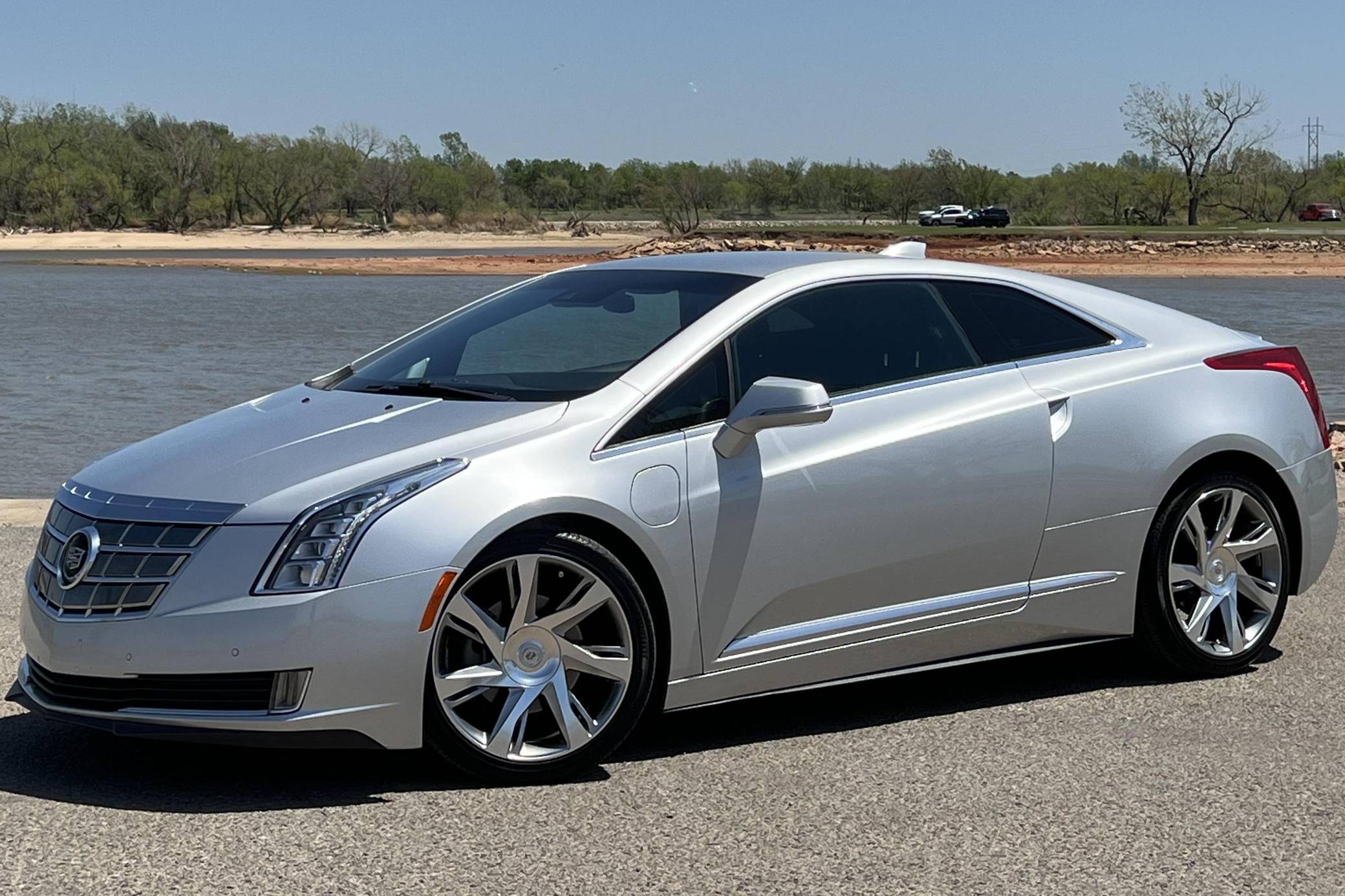
The Cadillac ELR had all the ingredients for a hit: a sleek, coupe-like design, a luxury interior, and an extended-range electric drivetrain similar to the Chevy Volt.
Released in 2013, it looked like the future of Cadillac. However, it came with a $75,000 price tag, double that of the Volt, and lacked performance to back up its bold styling.
Consumers balked at paying premium money for a car with mediocre acceleration, limited practicality, and confusing positioning. It was neither sporty nor especially efficient by luxury EV standards, and it vanished from the market just two years later.
But timing is everything. When the ELR launched, plug-in hybrids were still trying to find their footing. Tesla was just beginning to hit its stride, and the idea of a stylish, green luxury coupe was a harder sell than it would be today.
Cadillac aimed the ELR at a niche market that simply didn’t exist yet. Now, a decade later, the automotive world is far more receptive to electrified performance coupes, and Cadillac has significantly improved its brand image with models like the Lyriq and the V-Series Blackwings.
What the ELR got right was its styling and concept. The proportions were striking, and it had presence in a way few other Cadillacs did at the time.
The materials and cabin design were also on point, giving the car a premium feel that was mostly let down by underwhelming power and a lack of driving excitement.
These are fixable problems with modern EV technology, which can offer both improved performance and better range without significantly increasing cost.
A rebooted ELR could thrive today as a direct competitor to electric grand tourers like the Polestar 2 or BMW i4. With a dual-motor setup, upgraded suspension tuning, and 300+ miles of range, a new ELR could deliver the kind of performance and luxury customers expect.
By embracing its design-forward identity and doubling down on tech innovation, Cadillac could finally turn the ELR into the icon it never had the chance to be.
8. Honda CR-Z
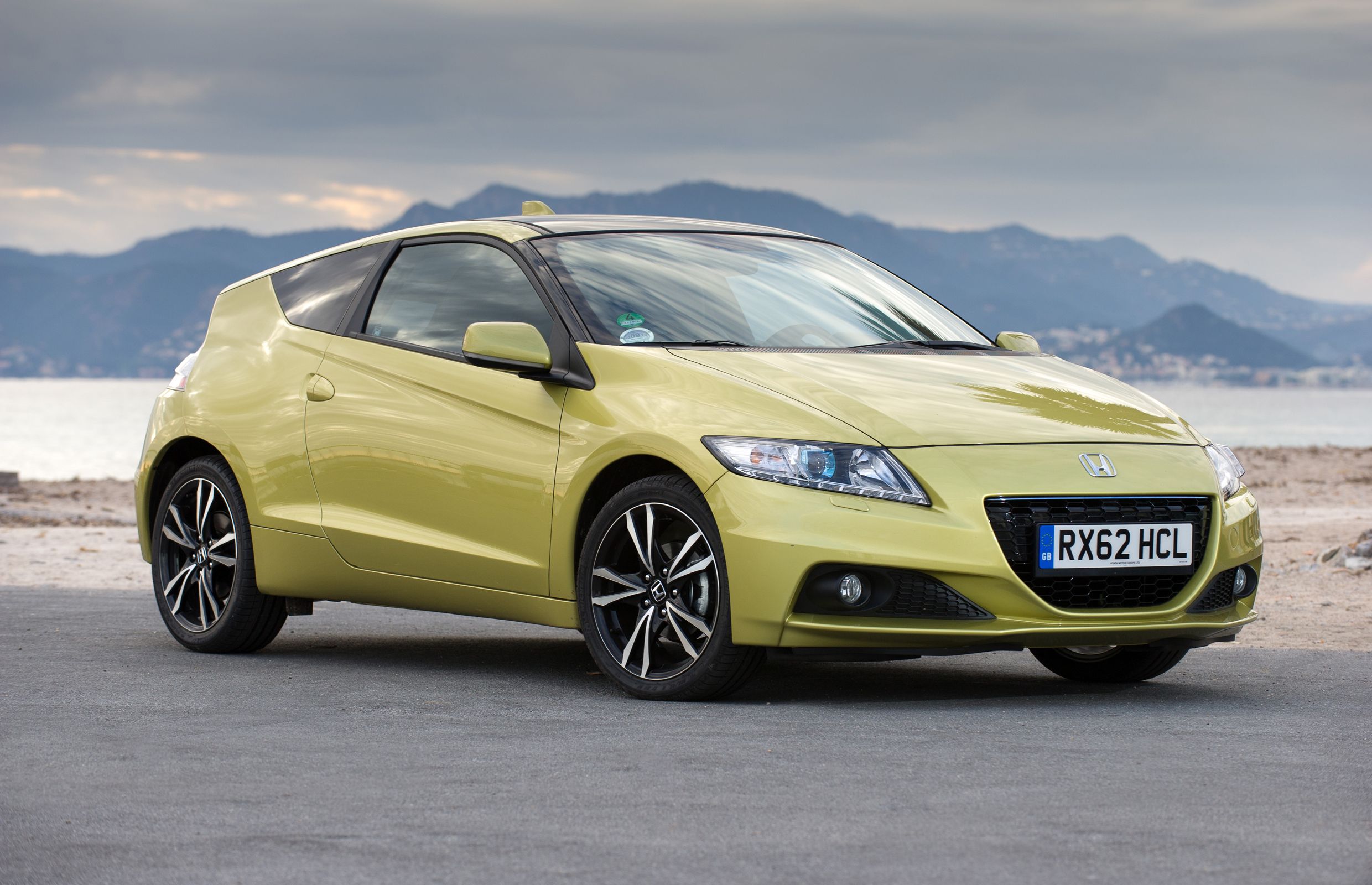
The Honda CR-Z was billed as the spiritual successor to the CR-X, a lightweight, agile hatchback from the 1980s that blended fun and efficiency. Introduced in 2010, the CR-Z aimed to bring that same philosophy into the hybrid era.
Unfortunately, it never quite lived up to expectations. Its styling was sharp, and the idea of a sporty hybrid was appealing, but in practice, it felt underpowered and too compromised to satisfy enthusiasts or eco-conscious drivers. Honda tried to appeal to both camps but ended up not fully pleasing either.
One major issue was the hybrid powertrain. While it did offer better fuel economy than a standard gas engine, it lacked the responsiveness and thrill that people remembered from the CR-X. The car felt heavier than it should have, and its modest horsepower made it feel sluggish compared to even basic economy cars.
Some models offered a manual transmission, which was a rare treat in the hybrid world, but even that wasn’t enough to overcome the performance gap. It was a car that promised a lot on paper but didn’t quite deliver behind the wheel.
The CR-Z’s failure wasn’t due to a bad concept, it was simply ahead of its time. Today, with more powerful and refined hybrid and electric powertrains available, the idea of a lightweight, efficient, sporty hatchback makes more sense than ever.
Car buyers are looking for something that combines sustainability with excitement, and few vehicles in the market really occupy that niche. A modern CR-Z could take advantage of Honda’s growing hybrid and electric expertise, using a more capable drivetrain that brings real energy to the driving experience.
If Honda reintroduces the CR-Z as a sporty hybrid coupe with around 200 horsepower, under 3,000 pounds, and high fuel efficiency, it could carve out a unique space in a market that’s currently leaning too heavily on crossovers.
By focusing on design, agility, and true driver engagement, a reborn CR-Z could succeed where the original fell short, and finally give fans the modern CR-X they’ve been asking for.
9. Chrysler Crossfire
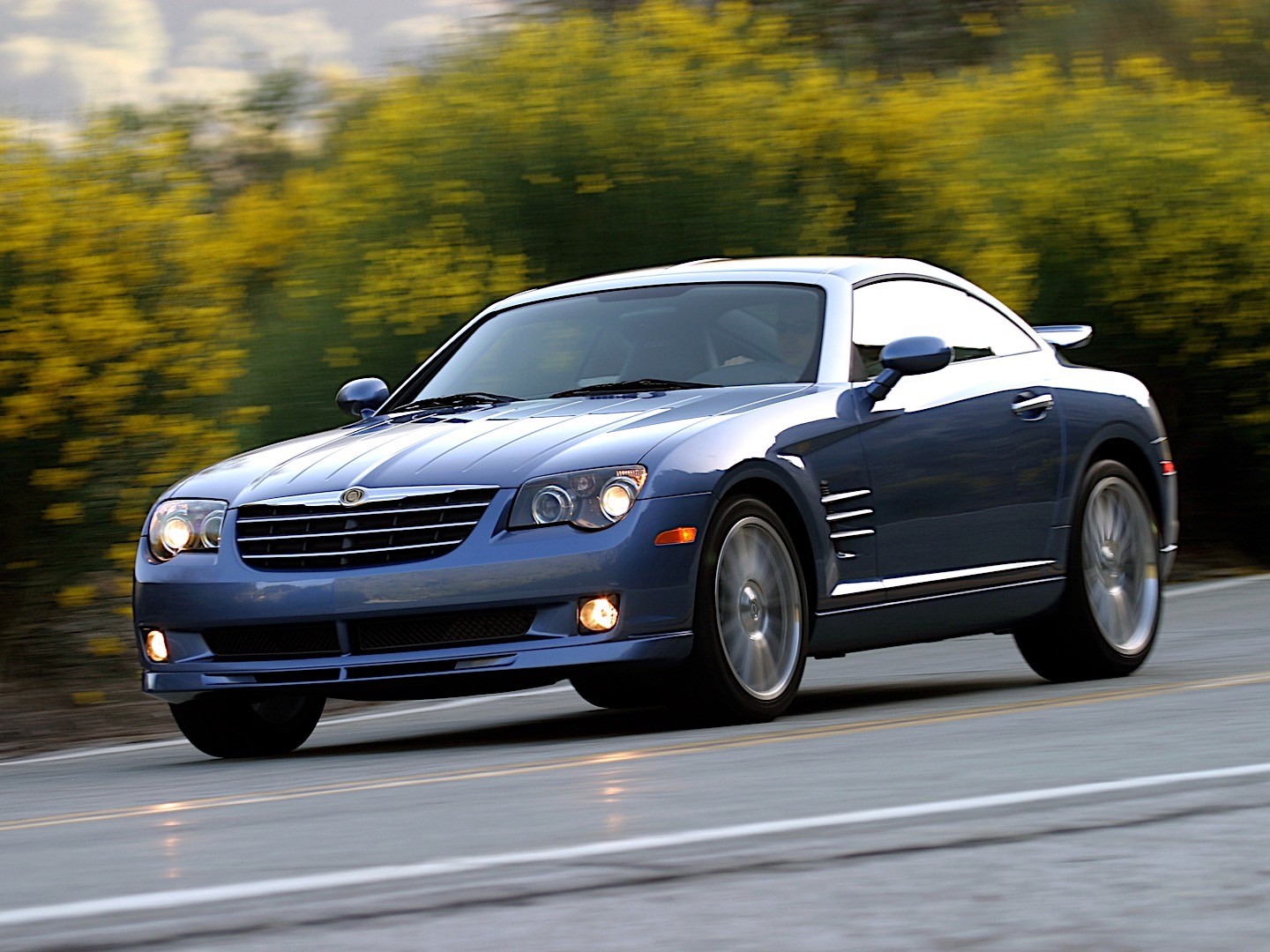
The Chrysler Crossfire was launched in the early 2000s during the DaimlerChrysler era, and it was heavily based on the Mercedes-Benz SLK. While this gave it a solid engineering foundation, it also led to confusion about its identity.
The Crossfire had polarizing styling, especially the boat-tail rear end and straked hood, and while it looked aggressive and sleek, it lacked the performance to back up its sporty appearance.
Sales started off decently, but interest quickly waned once consumers realized it didn’t quite deliver the driving experience promised by its looks.
Despite its flaws, the Crossfire had potential. The chassis was well-balanced, the interior was of decent quality for the time, and the AMG-tuned SRT-6 variant provided a legitimate performance boost.
That model came with a supercharged V6 producing over 300 horsepower and a sportier suspension setup, giving the car a much-needed dynamic edge.
Unfortunately, Chrysler never pushed the SRT-6 as hard as they could have, and the marketing for the base model Crossfire was lukewarm at best.
What should have been a fun, quirky sports coupe instead became an afterthought in Chrysler showrooms, eventually ending production in 2008 after just a few years of underwhelming sales.
One of Crossfire’s biggest challenges was its timing. It came out during a period when Chrysler was struggling with its brand identity and long-term direction.
Buyers didn’t fully understand who the Crossfire was for. Sports car enthusiasts had better options from Nissan and Mazda, while luxury buyers gravitated toward BMW and Audi.
The Crossfire was stuck in the middle, engineered by Germans, styled by Americans, but sold with neither group fully onboard. Its pricing was also out of step with its features and performance, making it a tough sell unless you were particularly drawn to its design.
Today, the idea of a Chrysler-branded sports coupe may seem far-fetched, but it could actually serve as a strong revival point for a brand in desperate need of reinvention.
With the right partnership or engineering base, perhaps leveraging Stellantis’ existing platforms or EV tech, Chrysler could bring back the Crossfire as an electric or hybrid grand tourer with distinctive style and solid performance.
The Crossfire name still carries a certain weight, and if marketed as a lifestyle-oriented, limited-run vehicle, it could attract attention in a crowded field that often feels overly serious and homogeneous.
A modern Crossfire wouldn’t need to compete with high-end performance cars directly. Instead, it could focus on offering attainable style, personality, and a fun driving experience. With a fresh design that retains some cues from the original and modern powertrains that deliver both efficiency and speed, Chrysler could turn one of its past flops into a future halo vehicle.
It would give the brand a much-needed talking point and prove that bold design and risk-taking still have a place in American automotive culture.
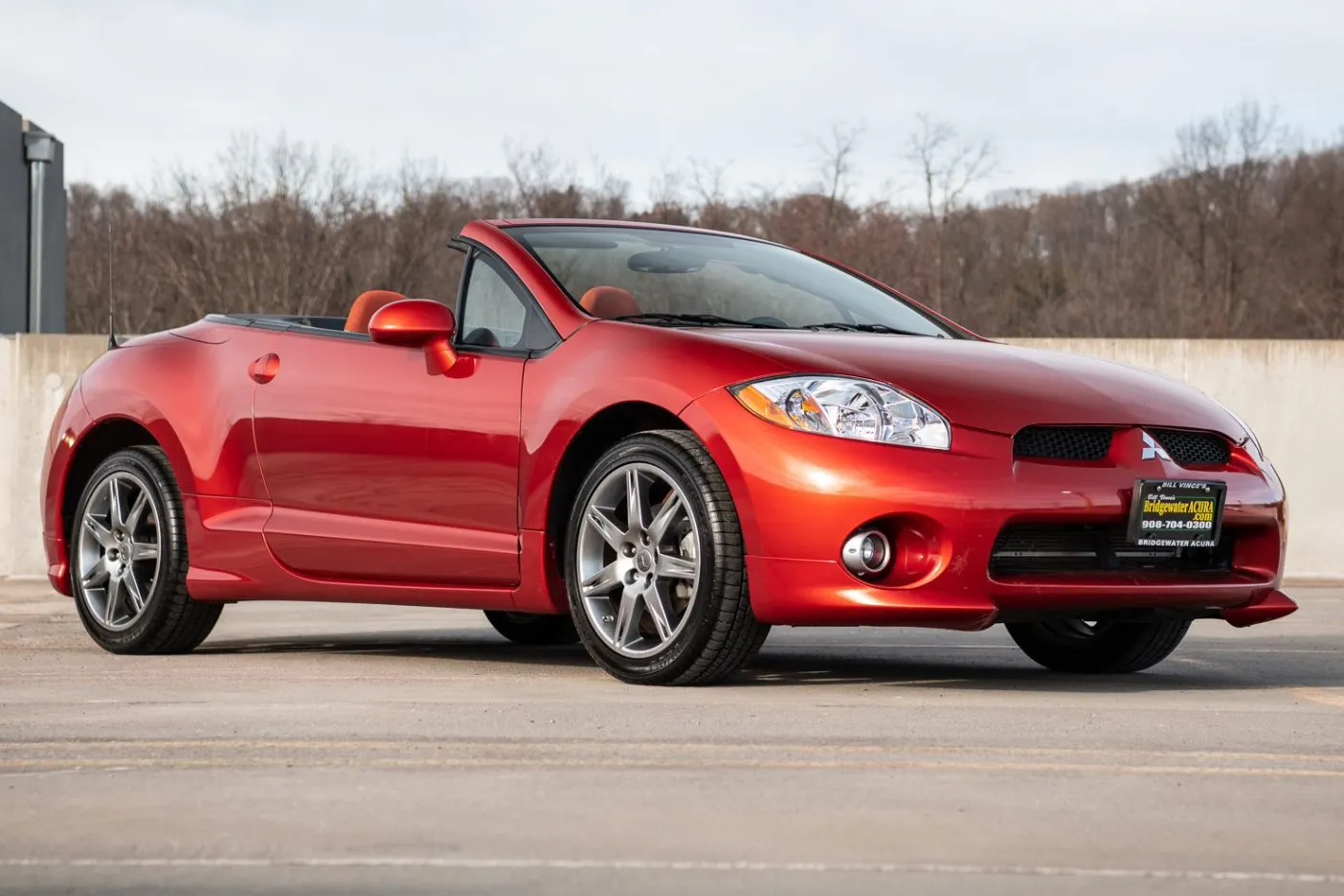
10. Mitsubishi Eclipse
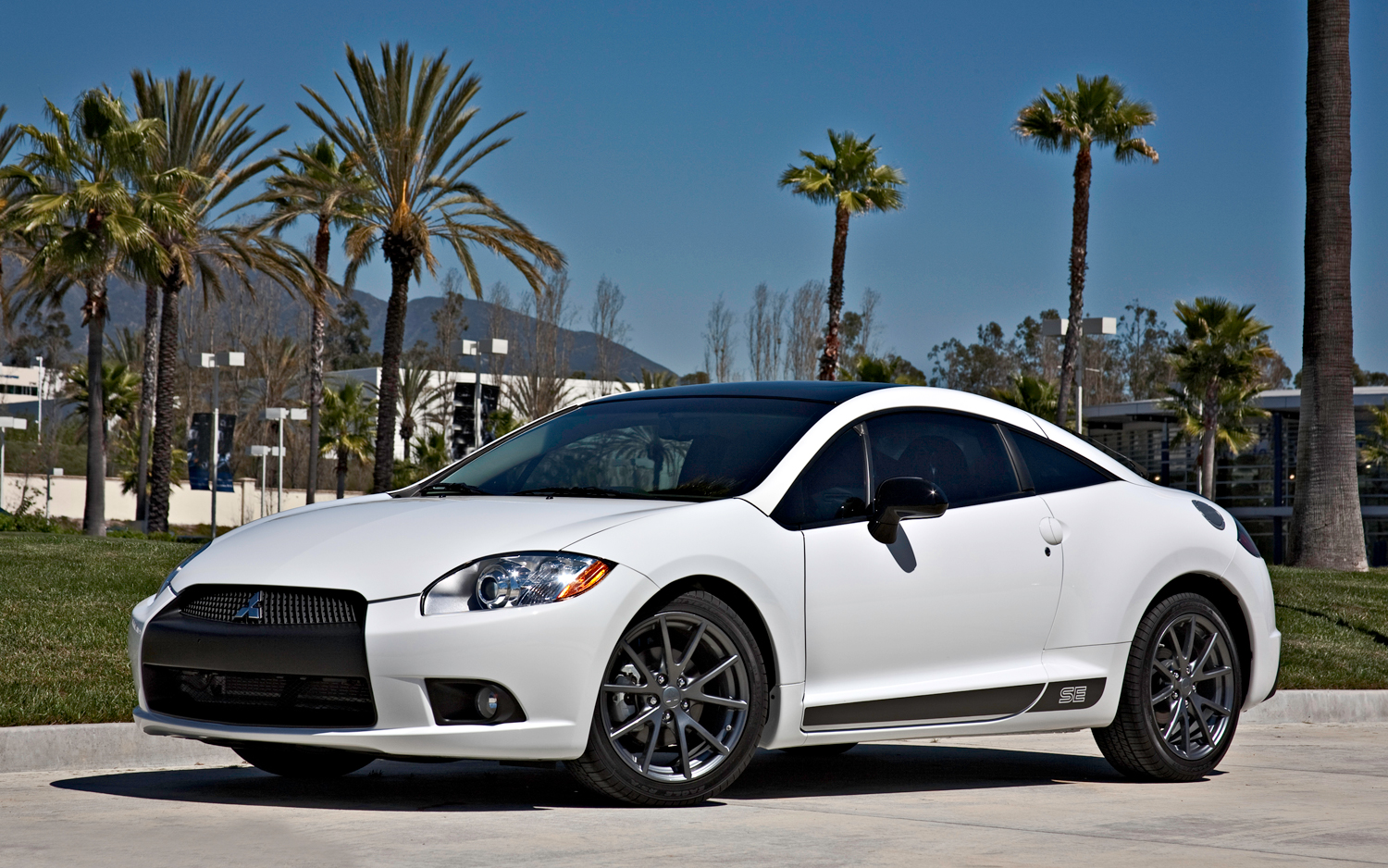
The Mitsubishi Eclipse began its life in 1989 as a sporty, compact coupe with turbocharged engines and optional all-wheel drive. It became a favorite among tuners and young enthusiasts, especially during the late ’90s when the second-generation Eclipse featured in the original Fast and Furious movie.
Early models were fast, affordable, and mod-friendly. However, the Eclipse lost its edge as it moved into its third and fourth generations.
By the mid-2000s, it had grown heavier, slower, and more focused on styling than performance. The final version, discontinued in 2012, felt more like a bloated cruiser than the agile sports car it once was.
The fall of the Eclipse was a gradual one, marked by a shift in Mitsubishi’s priorities. The company began pulling back from performance models and focused more on economy cars and crossovers, leaving the Eclipse to languish without significant upgrades or innovation.
The move toward front-wheel drive and naturally aspirated engines alienated the enthusiast base that had once embraced the car.
By the time the last Eclipse rolled off the line, it had little in common with the turbocharged, AWD monster that had defined its earlier reputation. It wasn’t just a different car, it was a different philosophy.
The Eclipse name still holds nostalgia power, even if Mitsubishi misused it recently by slapping it onto a crossover.
For many car fans, the Eclipse represents a time when Japanese automakers were unafraid to take chances with design and performance. A true Eclipse comeback would require Mitsubishi to return to those roots.
That means a coupe or hatchback with a lightweight chassis, turbocharged engine options, and either front-wheel or all-wheel drive with performance tuning. It doesn’t need to beat a Supra or Type R in a straight line, it just needs to offer a genuine, engaging experience with sharp styling and affordability.
In today’s automotive industry, where affordable fun cars are becoming rare, a reborn Eclipse could hit the sweet spot. If priced correctly and engineered with driving enjoyment as a priority, it could appeal to a new generation while reigniting passion among long-time fans.
The performance coupe segment is not dead, it’s simply waiting for a brand like Mitsubishi to take a chance again. A proper Eclipse revival wouldn’t just sell cars; it would restore some of the brand’s lost identity and credibility in the enthusiast world.
