
The car market has always gone through cycles. While trucks and SUVs have surged in popularity in recent years, sedans have quietly maintained a devoted following. Among them, a few stand out not just for their performance or comfort, but for the long-term value they are expected to hold.
Certain sedans are produced in limited numbers, tuned to perfection, or carry heritage that makes them much more than just daily drivers. These aren’t the family sedans parked at grocery stores or the entry-level models found in rental fleets.
These are machines built with a vision, often by performance divisions or in limited production runs, that carry the spirit of motoring passion and mechanical excellence.
Over time, collectors and enthusiasts have learned that the value of a car isn’t simply tied to its price tag when it’s new.
Instead, factors like rarity, unique engineering, limited production years, and cultural significance often play a larger role. Some vehicles that initially went underappreciated became goldmines for those who held onto them.
And while the car market is hard to predict, there are consistent signs that allow experienced eyes to make educated guesses. Many of the sedans that are destined for high future value are those that mark the end of an era, naturally aspirated V8s, rear-wheel drive platforms, analog performance with minimal digital interference.
This list takes a close look at twelve sedans currently on the market or recently discontinued that are poised to become prized assets over the next decade.
Whether it’s because they represent the final chapter of a performance icon, feature an engineering marvel under the hood, or are just so rare that supply will never match demand, each of these sedans has something unique that sets it apart.
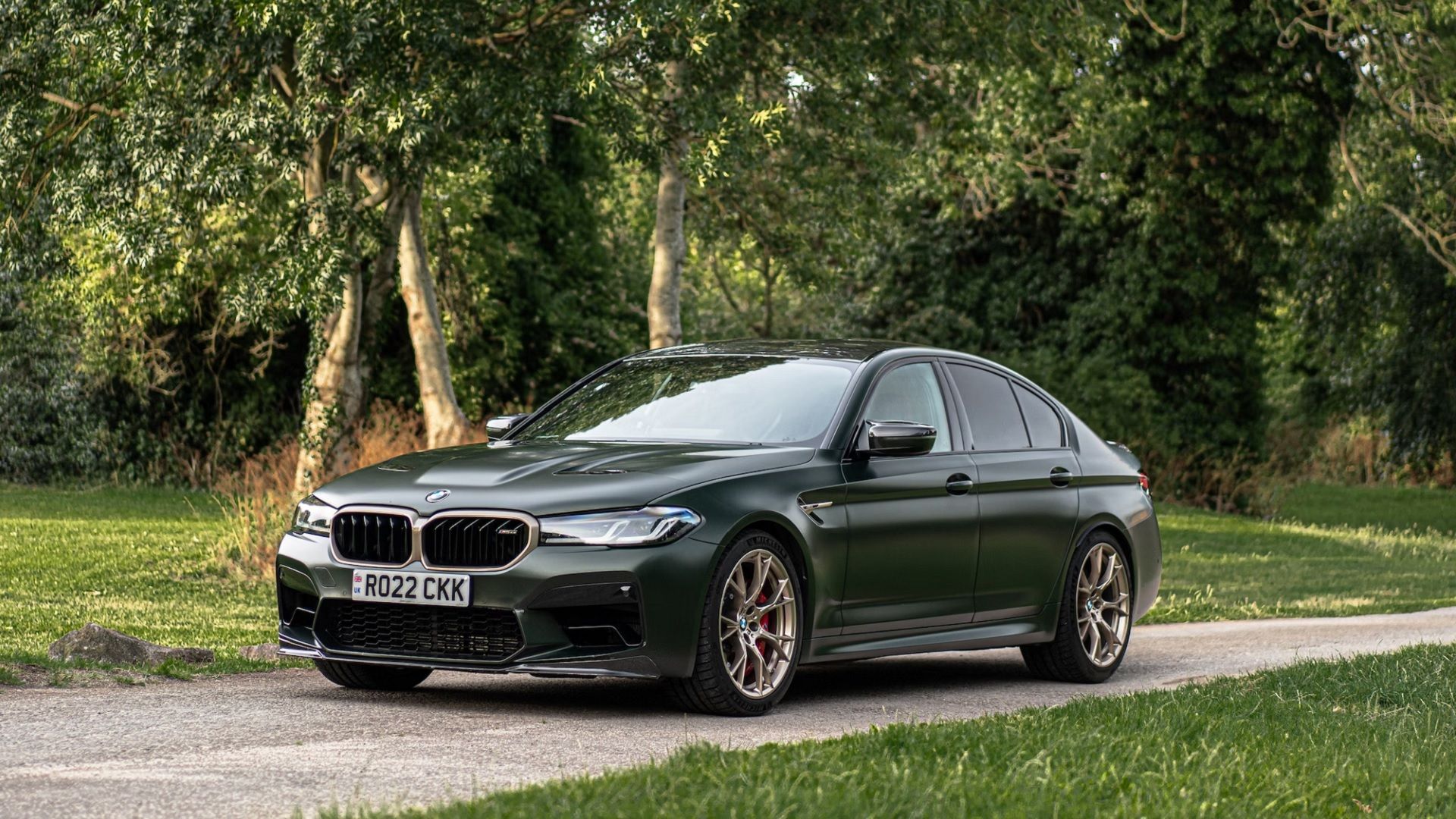
BMW M5 CS
The BMW M5 CS is not just another fast four-door; it’s the most powerful production BMW ever made. Built for a limited run, it takes everything about the already-formidable M5 and sharpens it further.
It comes with a twin-turbocharged 4.4-liter V8 producing over 620 horsepower, all-wheel drive, carbon-fiber components, and track-ready suspension. These specs put it in rare territory for a luxury performance sedan, especially one that seats four adults comfortably.
One of the standout aspects of the M5 CS is its exclusivity. BMW didn’t mass-produce this car like the standard M5. It was a special edition with a short production window and unique design cues like yellow daytime running lights and carbon bucket seats even in the rear.
These kinds of details matter a lot in collector circles because they can’t be replicated after the fact. The CS badge itself is legendary within BMW, typically reserved for the most extreme and focused models the brand makes.
With electrification and downsizing creeping into performance sedans, the M5 CS represents a high watermark. It’s unlikely BMW will produce another gasoline-powered sedan with this combination of brutality and refinement.
That makes it a solid candidate for future appreciation. The performance is already at supercar levels, and the luxury and brand heritage only strengthen its case for collectivity.
Right now, examples are still available through specialty dealers or low-mileage private sellers, but that won’t last long.
As with the E39 M5, which saw prices triple over time, the M5 CS is likely to follow the same path. Ten years from now, collectors will see it not just as a fast BMW, but as a symbol of a disappearing era.
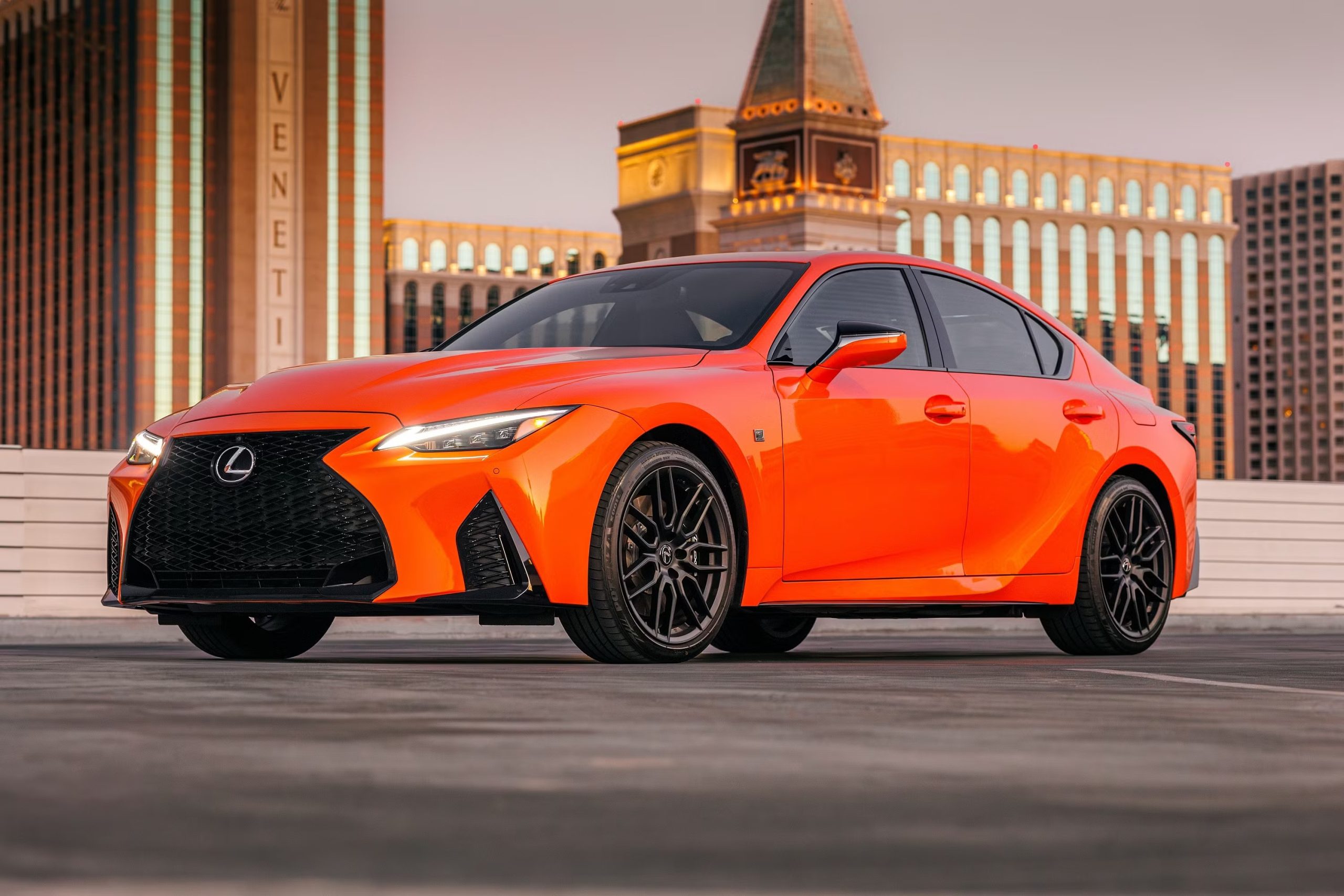
Lexus IS 500 F Sport Performance
The Lexus IS 500 F Sport Performance is something of a unicorn in today’s sedan world. It’s the only sedan in its class that offers a naturally aspirated V8 in a compact luxury platform.
While most automakers are moving toward turbocharged four-cylinders and hybrids, Lexus took a different approach with this car. It features a 5.0-liter V8 that produces over 470 horsepower and sings all the way to redline without a turbo in sight.
The IS 500 doesn’t rely on flashy tech or gimmicks. Instead, it focuses on what enthusiasts value most: linear power delivery, responsive handling, and long-term reliability. Lexus already has a solid track record with its F models, and the 5.0-liter V8 has proven itself in previous cars like the RC F and GS F.
What makes the IS 500 special is that it’s the last of its kind. With stricter emissions rules and growing pressure to electrify, this might be the final naturally aspirated V8 sedan from Lexus.
Production numbers aren’t massive either, which only helps its future value. It’s not as rare as some limited-edition European sedans, but its understated nature may make it even more desirable in the long run.
People love finding under-the-radar cars that outperform expectations, and the IS 500 fits that bill perfectly. It doesn’t scream performance, but it delivers it in a refined, reliable package that’s still fun to drive.
In a decade, many of the current turbocharged sedans will likely be forgotten, but the IS 500 will stand out as one of the last pure V8 sport sedans that didn’t compromise for efficiency or regulations.
That’s the kind of car collectors look for. Its value may not skyrocket overnight, but it’s the kind of model that quietly becomes a cult favorite and then sees demand shoot up as supply disappears.
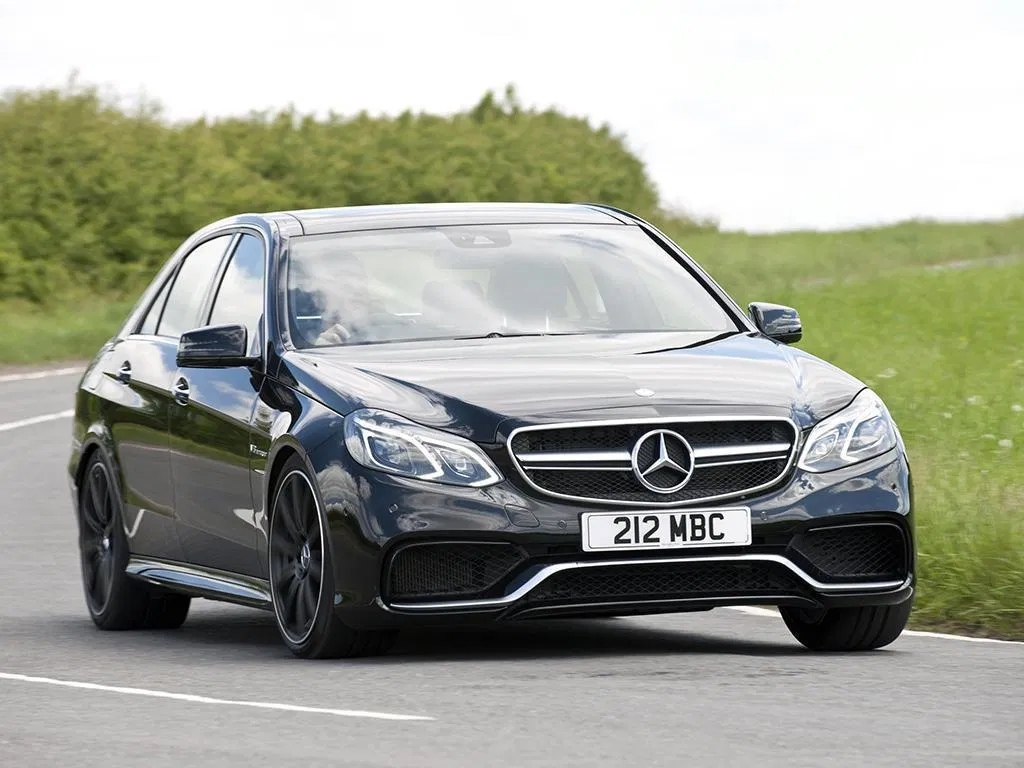
Mercedes-AMG E63 S
The Mercedes-AMG E63 S is one of the most balanced performance sedans ever made, combining raw power, everyday usability, and impeccable craftsmanship.
Under its sculpted hood lies a 4.0-liter twin-turbocharged V8 that produces over 600 horsepower, enabling the E63 S to sprint from 0 to 60 in under 3.5 seconds.
But what really sets this sedan apart is how composed and refined it feels while delivering that kind of performance. It’s not just a straight-line machine, it handles with surprising agility for its size, thanks in part to its rear-biased 4MATIC+ all-wheel-drive system and active suspension.
Beyond its powertrain, the E63 S also benefits from Mercedes’ focus on luxury and build quality. The interior is outfitted with high-grade materials, from Nappa leather to real wood and aluminum trim. The digital cockpit and ambient lighting add a futuristic touch without feeling gimmicky.
The car also includes a wide range of safety and convenience tech, which helps it maintain daily usability without ever feeling mundane.
It strikes a rare balance that few cars manage: exhilarating to drive when pushed, yet comfortable and composed when used as a commuter or long-distance cruiser.
What makes the E63 S a future collectible is not only its performance credentials but also the fact that it represents the end of an era.
Mercedes has already begun transitioning to hybrid and electric performance models, with AMG’s future powertrains looking dramatically different.
Rumors suggest that the next E63 might use a six-cylinder hybrid setup. If that happens, the V8-powered E63 S will go down as one of the last true AMG brutes. This kind of shift in philosophy often leads to increased demand for the outgoing models that enthusiasts feel did it “right.”
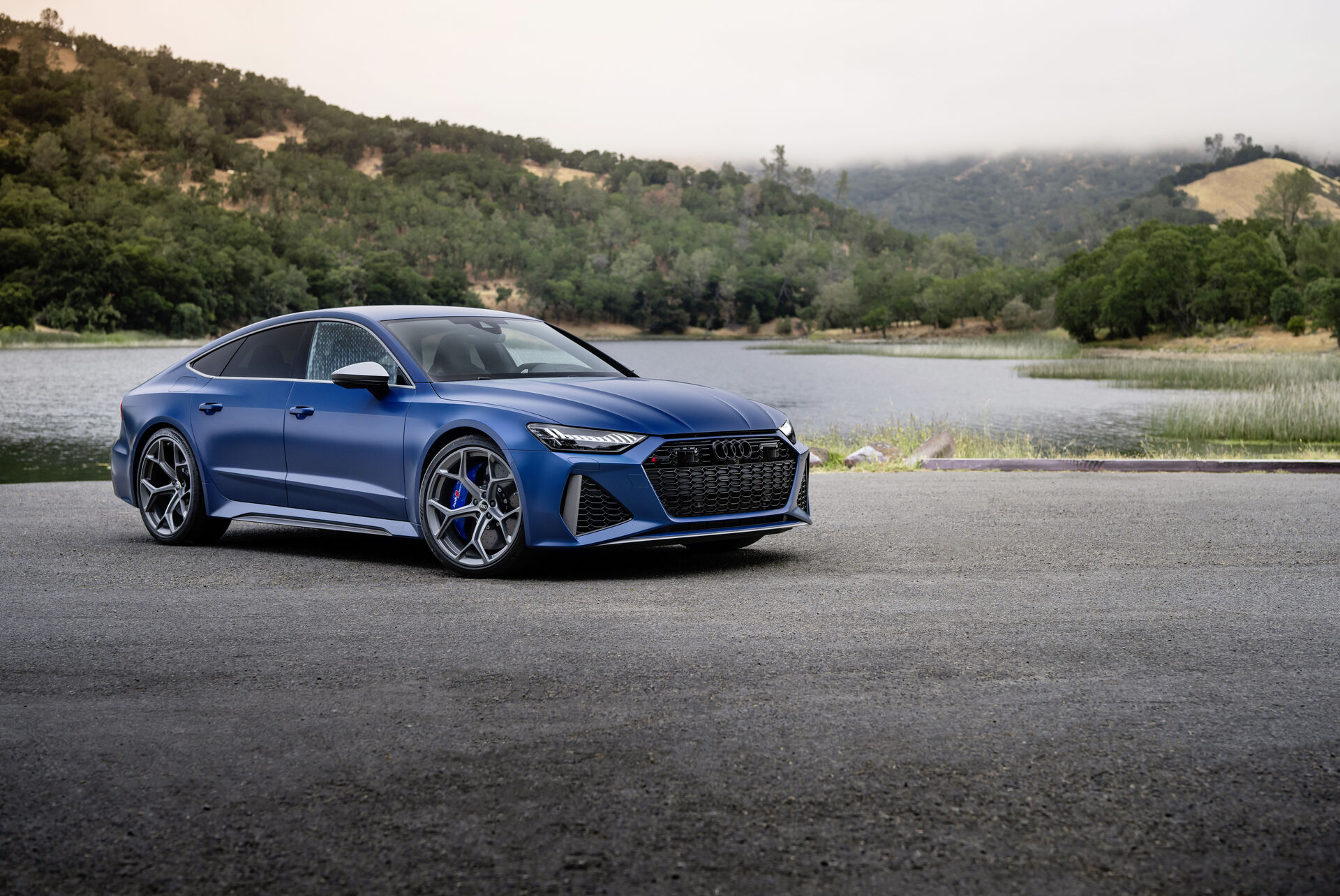
Audi RS7
The Audi RS7 blends aggression and sophistication in a package that’s already turning heads and is likely to keep appreciating in value.
It features a 4.0-liter twin-turbocharged V8 with mild-hybrid assistance, delivering over 590 horsepower and a wide torque band that makes it both explosively quick and effortlessly smooth.
The car’s Quattro all-wheel-drive system ensures grip in all conditions, making it as confident in a corner as it is on a high-speed freeway blast.
With its sleek sportback design, the RS7 manages to look both elegant and menacing, one of the few sedans that can rival the presence of a supercar while remaining practical.
Stylistically, the RS7 is one of Audi’s most striking designs. Its wide haunches, aggressive grille, and flowing lines give it a stance that’s muscular without being cartoonish. Inside, it’s pure Audi refinement. The cabin features top-tier materials and digital interfaces that are both intuitive and visually pleasing.
Whether it’s the virtual cockpit, the multi-screen infotainment system, or the massaging seats, everything in the RS7 feels like it was designed for a discerning driver who wants technology without sacrificing tactile quality. It’s the kind of car that appeals to someone who doesn’t want to shout but still wants to be heard.
From a collectibility standpoint, the RS7 has several things going for it. First, it’s not built in massive numbers, especially the higher-performance variants or those with unique option combinations.
Second, as performance cars shift away from internal combustion, a twin-turbo V8 paired with Audi’s signature design and technology becomes more desirable.
While it may not have the limited production badge of a super-exclusive model, its reputation and performance place it firmly in the category of future classics, especially for enthusiasts of the brand.
Ten years down the road, the RS7 will likely be one of the last sedans to feature this much firepower with this level of analog character.
Later models may get quieter and cleaner, but they’ll also lose some of the visceral charm that makes the current RS7 so engaging. As these models age and well-preserved examples become rarer, the market for them will become more competitive, driving up values among collectors and Audi aficionados alike.
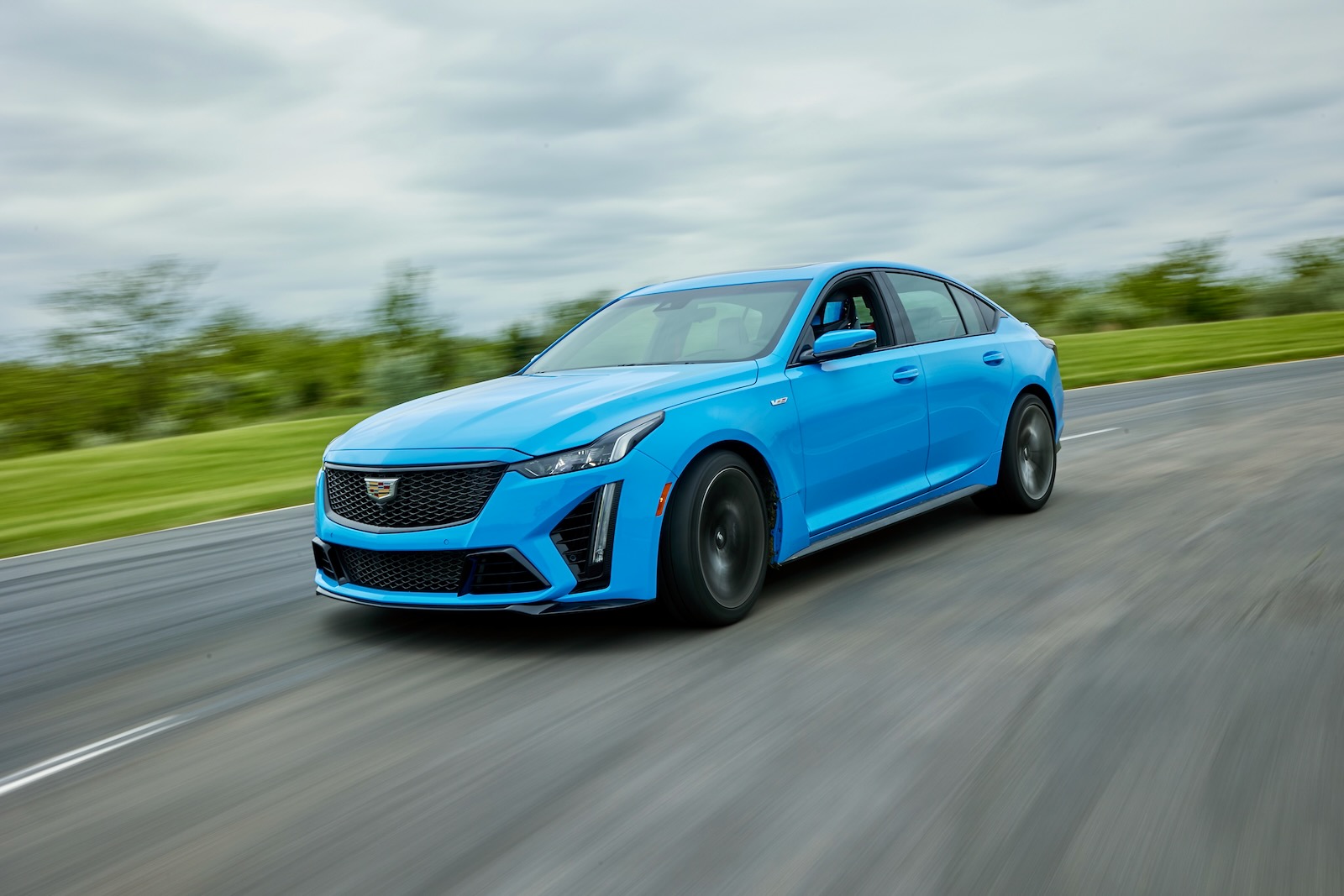
Cadillac CT5-V Blackwing
The Cadillac CT5-V Blackwing might be the most overlooked performance sedan of the decade, and that’s exactly why it’s going to be worth a fortune in the future.
With a supercharged 6.2-liter V8 making 668 horsepower and an available manual transmission, this sedan is essentially a Corvette in a tuxedo.
Cadillac didn’t just throw a big engine into the CT5 and call it a day. The entire chassis, aerodynamics, and suspension have been meticulously tuned to handle the power and deliver one of the most engaging driving experiences available in a four-door car today.
What makes the CT5-V Blackwing even more interesting is its rarity. Cadillac has openly stated that this will be one of the last gasoline-powered V models they ever produce.
That kind of finality brings an automatic bump in desirability, particularly when the car in question is as absurdly capable as this one.
Most people didn’t see this car coming, many assumed Cadillac was winding down its V-series efforts, not launching its most powerful production car ever.
This element of surprise, paired with its analog feel and monstrous performance, gives it serious future-classic potential.
The design isn’t just aggressive for show. Functional aero components, large brakes, and track-capable cooling systems make the CT5-V Blackwing as happy on a road course as it is on a boulevard. Inside, the car is far more refined than most people expect, with high-quality materials and a driver-focused layout that feels intentional rather than dressed-up.
The availability of a manual transmission is a rare and important factor. As more manufacturers move away from manual gearboxes, any sedan that still offers one instantly becomes more collectible to purists who value control and involvement over pure speed.
In a decade, the CT5-V Blackwing is going to stand out as a bold final chapter in American performance sedan history. Its value will be helped by its limited production numbers and the uniqueness of its formula.
People will look back and realize it was the last true rear-wheel-drive, manual, supercharged American sedan, and once that realization hits, prices will start to climb. Get one while you can.
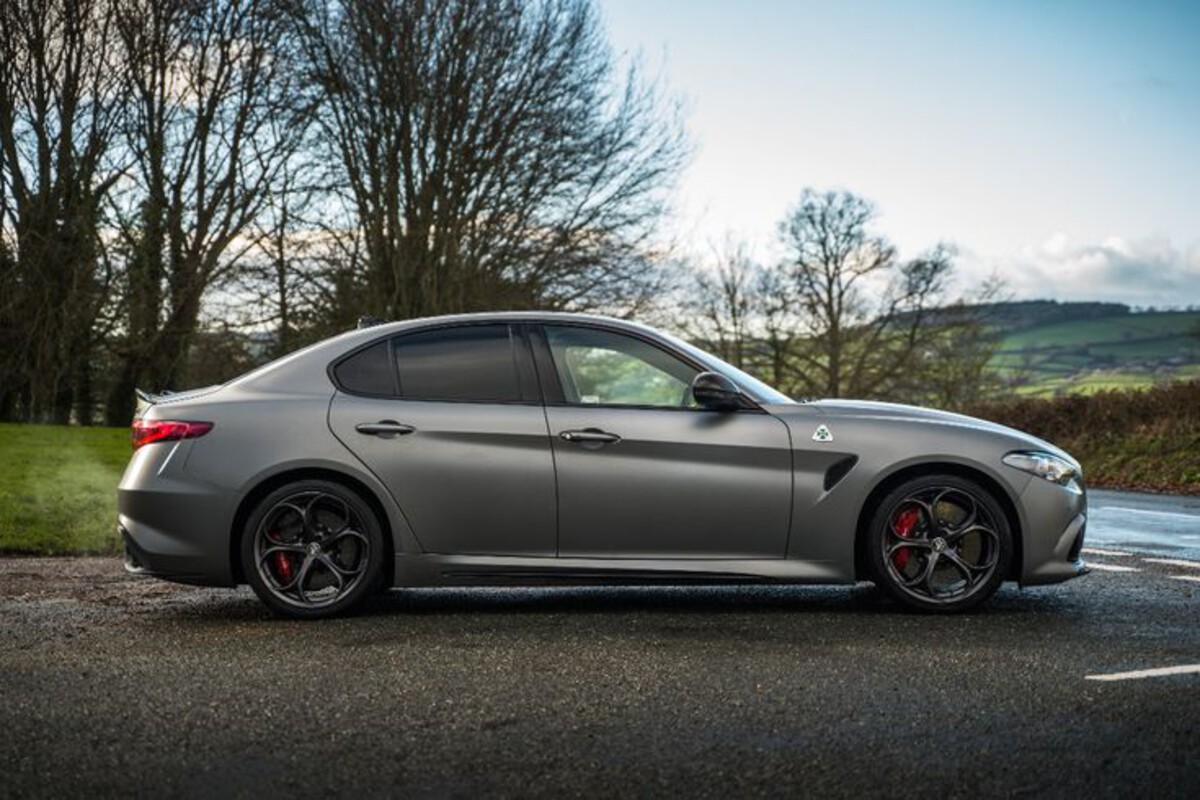
Alfa Romeo Giulia Quadrifoglio
The Alfa Romeo Giulia Quadrifoglio is a rare example of a modern sedan that wears its passion on its sleeve. Developed with input from Ferrari engineers, its 2.9-liter twin-turbo V6 delivers 505 horsepower and a driving experience that’s sharper and more engaging than nearly anything else in its class.
Unlike many performance sedans that rely on brute force, the Giulia Quadrifoglio balances power with finesse. It corners with a level of precision that rivals much more expensive sports cars, thanks to a finely tuned chassis, a near-perfect 50/50 weight distribution, and adaptive suspension that seems to read the road’s mind.
A major part of what makes this car so engaging is its character. Alfa Romeo didn’t set out to build just another fast sedan, they created something with emotion, with imperfections that somehow make it more human.
The steering is alive with feedback, and the car feels lithe and responsive in ways that most German competitors can’t match.
It rewards skilled drivers, encourages spirited use, and never feels sterile. The driving position, cabin layout, and even the distinctive engine note are all tailored toward enthusiasts who value the connection between man and machine.
While early models had some reliability issues, Alfa Romeo has made steady improvements, and recent examples show far better build quality and dependability. That means buyers today can still find well-maintained units that are likely to hold up well over time, especially if cared for properly.
Rarity is another big factor. Alfa doesn’t produce the Giulia Quadrifoglio in massive numbers, and many of the best examples are already finding their way into the hands of dedicated fans.
Limited production, European performance pedigree, and Italian styling all add up to a car that’s going to gain recognition as a modern classic.
In ten years, as most performance sedans lean into electrification or blend into corporate conformity, the Giulia Quadrifoglio will stand as a reminder of what performance used to mean: feel, involvement, and a willingness to sacrifice a bit of polish for raw driving joy.
Collectors will seek it not just for its rarity, but for its soul, and that’s something you can’t replicate with numbers alone.
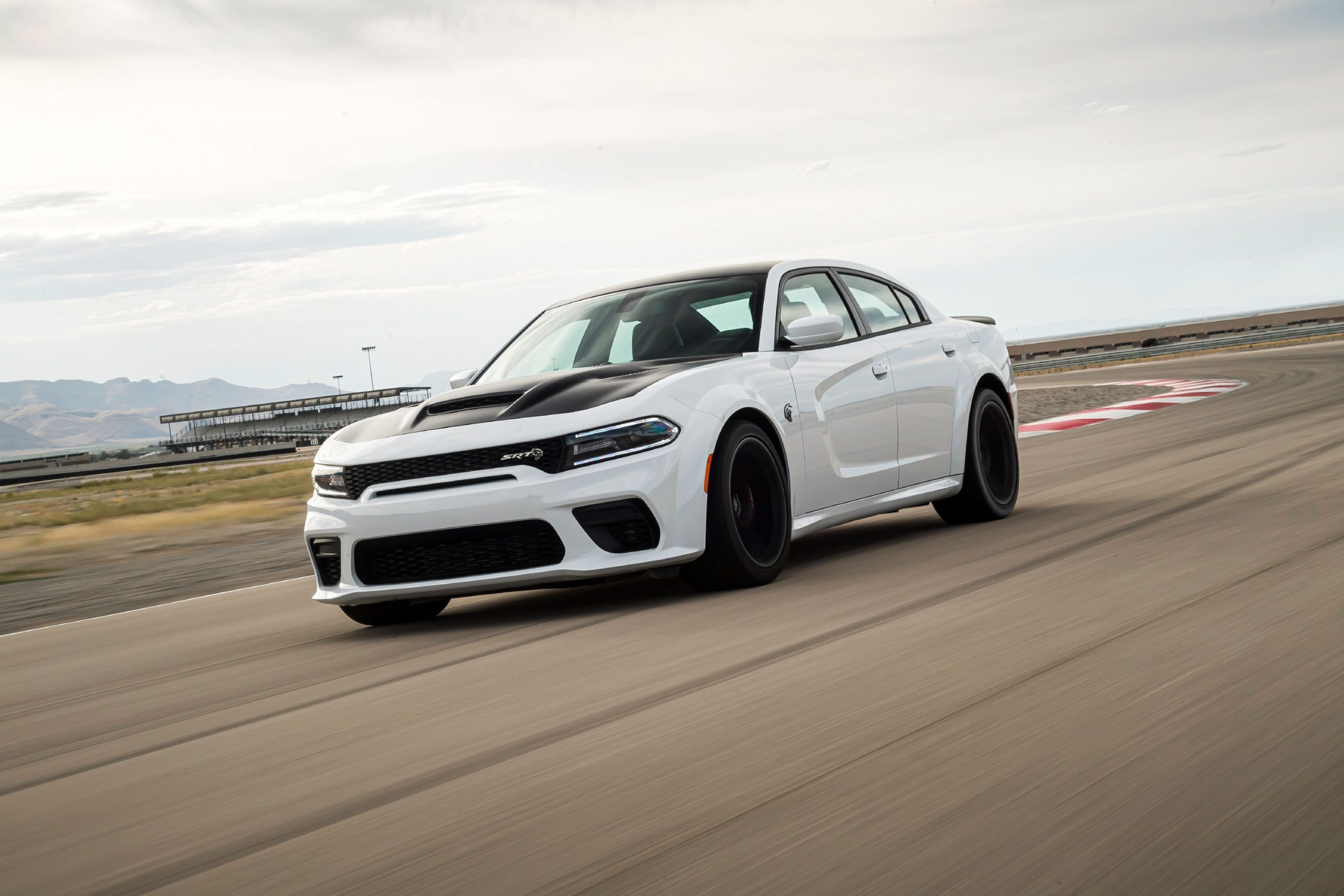
Dodge Charger SRT Hellcat (Last Generation)
The Dodge Charger SRT Hellcat is one of the most unapologetic sedans ever built. It’s powered by a supercharged 6.2-liter V8 that produces anywhere from 707 to 807 horsepower depending on the variant. That level of power in a full-sized four-door sedan is practically unheard of and unlikely to be repeated.
Dodge built the Hellcat Charger during a period when emissions regulations were tightening and the industry was rapidly shifting toward hybrids and EVs.
Against that backdrop, the Hellcat was a raised middle finger to convention, a throwback muscle car in modern form, with outrageous horsepower and no apologies.
What makes the Charger Hellcat so interesting as a future collectible is its combination of accessibility and absurdity. It was never limited to a tiny production run, but it was never truly mass-market either, especially the more powerful Redeye and Jailbreak editions.
Buyers who went for the Hellcat weren’t doing it for subtlety, they wanted the loudest, fastest, most ridiculous sedan on the road. And Dodge gave it to them. Rear-wheel drive, launch control, a massive blower on the engine, and a top speed that rivals exotic cars, there’s nothing else like it.
Now that Dodge has confirmed the end of the HEMI V8 and the shift toward electric muscle cars, the Hellcat Charger becomes something more than just a performance model. It becomes a marker in history, the last of its kind. No future Charger will ever sound or feel the same.
In ten years, a clean, unmodified Charger Hellcat will be something of a unicorn. With its unmistakable personality, enormous power, and cultural impact, it’s a car that will always stand out.
Collectors and enthusiasts will look back on it not just as a fast sedan, but as a statement piece. Its value will be driven not just by scarcity, but by the realization that nothing else quite like it will ever be built again.
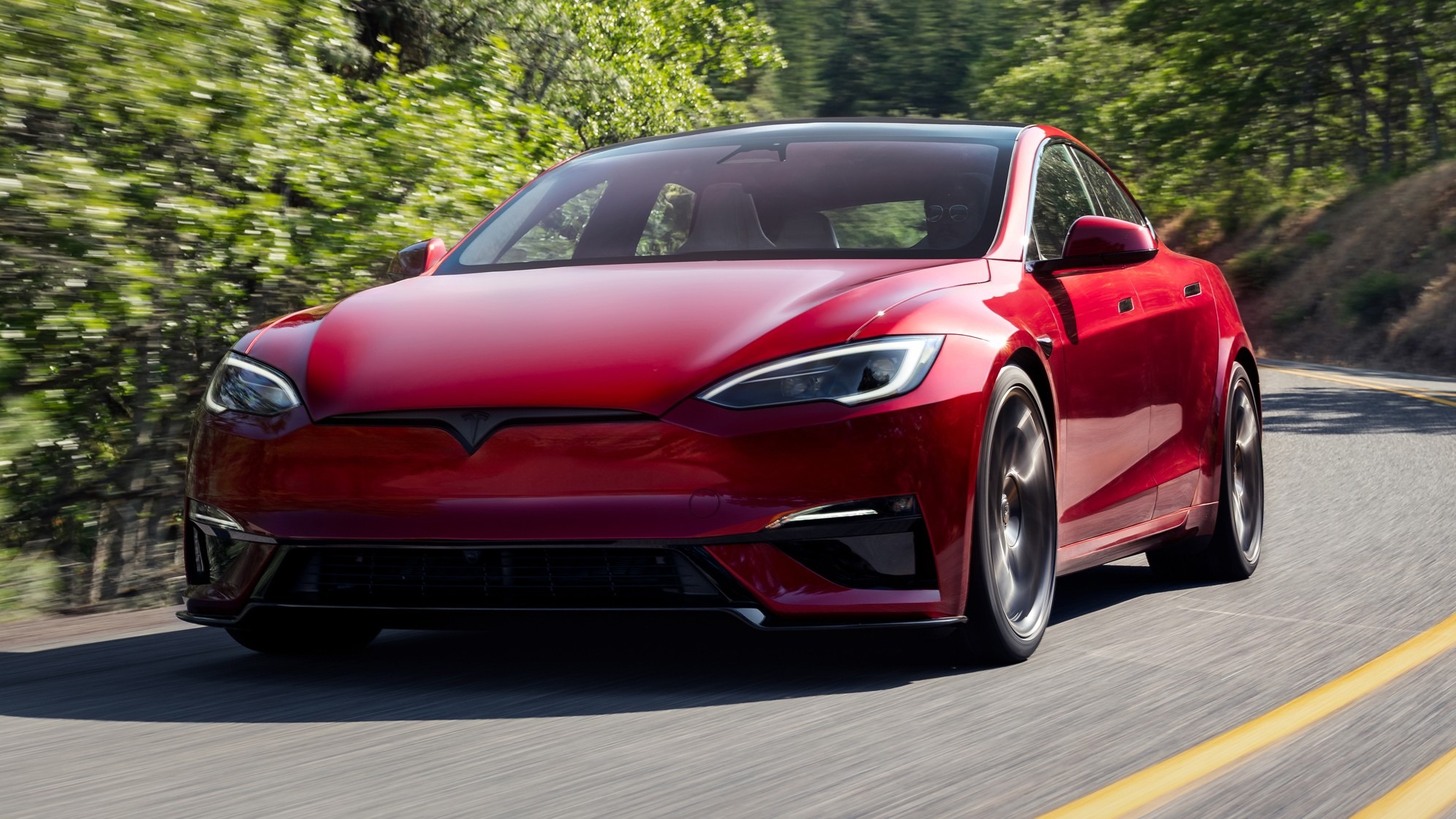
Tesla Model S Plaid
The Tesla Model S Plaid marks a major turning point not just for electric cars, but for performance sedans in general. With over 1,000 horsepower and a 0–60 time under 2 seconds, it shattered expectations of what a four-door family car could be.
While early Teslas were praised for their innovation, the Plaid variant brought something entirely different to the table: relentless, repeatable, electric speed that could out-accelerate nearly every supercar on the planet.
This wasn’t just fast for an EV, it was fast, period. In doing so, the Plaid redefined performance benchmarks across the board.
What makes the Model S Plaid a likely future collectible isn’t just its performance stats, though those are impressive enough. It’s also the fact that it represents a key moment in automotive history, the first time an electric sedan dominated everything in straight-line speed without compromise.
For better or worse, it marked the beginning of a new performance era where horsepower came from software and engineering, not displacement and combustion. The Plaid’s unique tri-motor setup and proprietary battery technology gave it abilities no other sedan could touch at the time of its release.
Styling-wise, the Model S Plaid doesn’t scream about its capabilities. In fact, to the casual observer, it looks almost identical to a regular Model S.
But that understatement is part of its appeal. It has a minimalist interior with very few physical controls, a yoke-style steering input, and software updates that allow its features to evolve over time.
That kind of digital adaptability is something collectors of the future may look upon as a novelty of the early EV era, much like early fuel injection systems are viewed in older combustion cars.
As more performance EVs flood the market, the original Plaid will hold a unique position as a pioneer. Low-mileage, well-kept models, particularly those with early production VINs or rare spec configurations, are very likely to command strong prices among both EV collectors and performance enthusiasts.
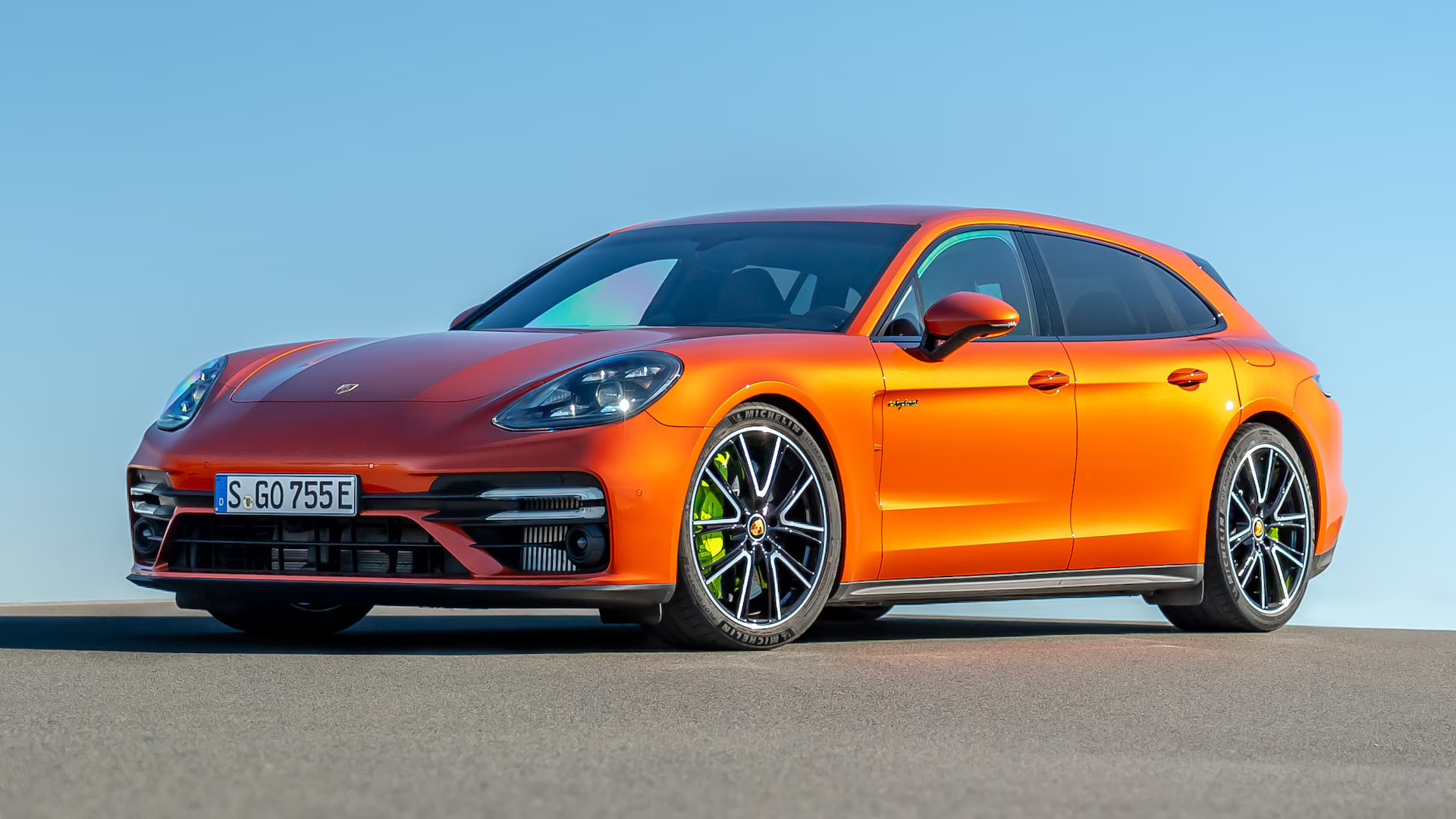
Porsche Panamera Turbo S
The Porsche Panamera Turbo S stands as a testament to how performance and luxury can coexist in perfect harmony.
While Porsche is best known for its sports cars, the Panamera proved that the brand could also produce a full-size sedan without sacrificing its DNA. The Turbo S variant, in particular, takes this concept to its peak.
With a 4.0-liter twin-turbocharged V8 pushing out around 620 horsepower, the Panamera Turbo S accelerates with authority, handles with surprising agility, and still provides the refined comfort expected from a high-end luxury car. It is not just fast, it is precise, controlled, and confidence-inspiring.
One of the Panamera’s most impressive attributes is its adaptability. With a push of a button, it transforms from a smooth, quiet cruiser into a snarling machine capable of performance that rivals many supercars.
Porsche’s advanced chassis control, rear-wheel steering, and active suspension technologies all come together to provide a driving experience that’s both engaging and sophisticated.
It’s the kind of car that can tackle a track day and then drive straight to a black-tie event, blending seamlessly into both environments. That dual personality adds to its desirability for future buyers looking for more than just speed.
Unlike many luxury sedans, which focus more on back-seat passengers, the Panamera is very much a driver’s car. That unique position in the market helps it stand out. While other brands target opulence, Porsche sticks to performance roots, and that authenticity appeals to purists.
In ten years, the Panamera Turbo S is likely to be remembered as one of the most complete sedans of its time. As Porsche transitions more of its lineup to electric powertrains, the final generation of V8-powered Panameras will become increasingly rare and sought after.
Especially valuable will be low-mileage, well-optioned Turbo S models with unique colors or special packages. The Panamera doesn’t shout for attention, but it delivers an experience so refined that collectors and driving enthusiasts will continue to chase it well into the next decade.
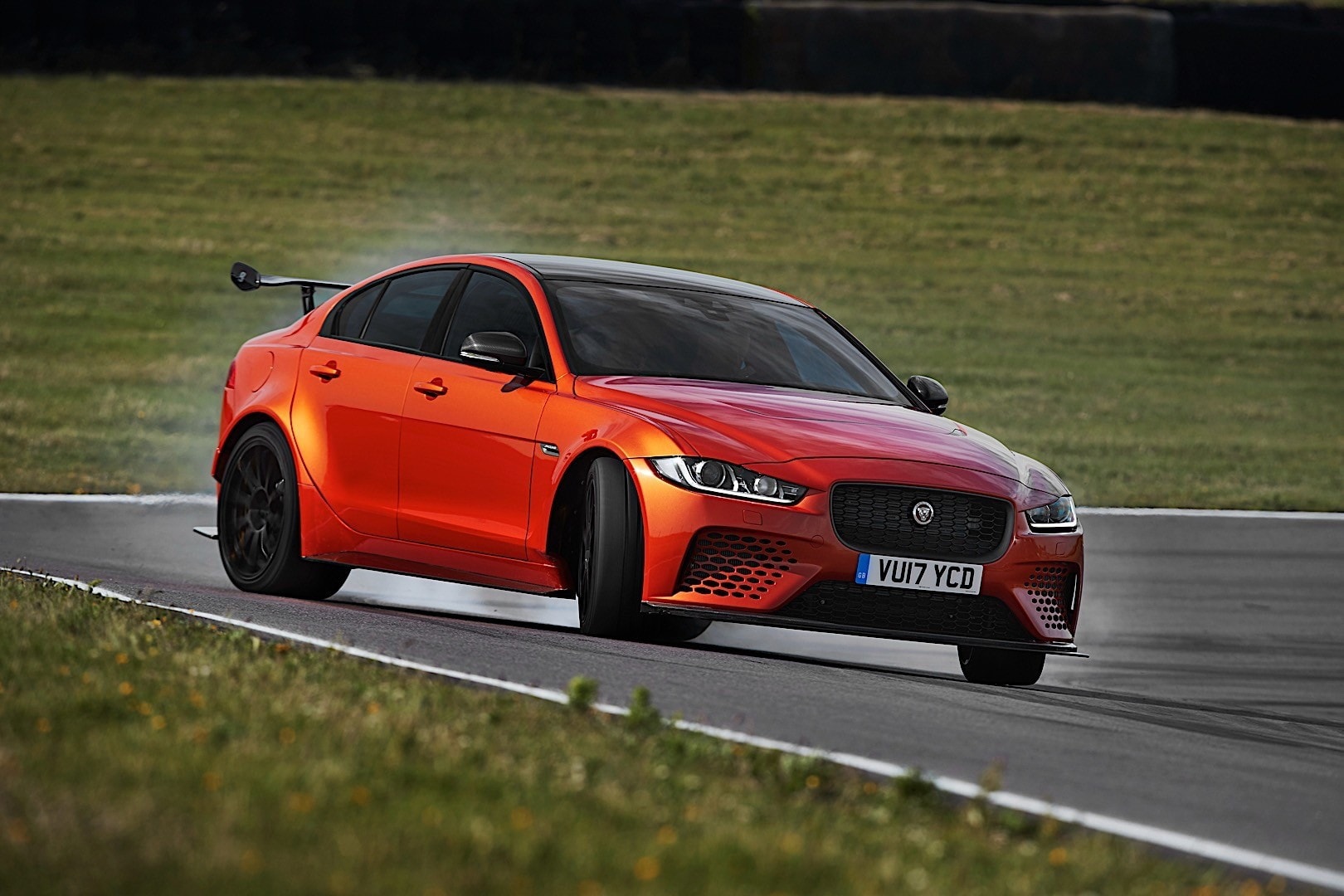
Jaguar XE SV Project 8
The Jaguar XE SV Project 8 is one of the rarest and most outrageous performance sedans ever made. Developed by Jaguar’s Special Vehicle Operations division, it was limited to just 300 units globally, all hand-assembled and built with one purpose in mind: to be the most extreme four-door Jaguar ever created.
Under the hood is a 5.0-liter supercharged V8 producing 592 horsepower. But this car isn’t just about raw numbers, it was tuned and tested extensively on the Nürburgring and set a production sedan lap record there. That performance pedigree alone ensures its place in automotive history.
Visually, the Project 8 is unlike any other Jaguar. It features aggressive aerodynamics, flared fenders, a large carbon fiber rear wing, and a carbon front splitter, all functional elements that help keep the car planted at high speeds. Inside, the car is more race car than luxury cruiser.
Some configurations even ditched the rear seats in favor of a roll cage, highlighting its track-focused intentions. It’s rare to see a mainstream automaker go this far with a sedan, and that willingness to push boundaries makes the Project 8 special.
Because of its limited production and niche appeal, the XE SV Project 8 didn’t receive as much attention during its release as it should have.
Many buyers were unaware that such a machine even existed. However, that relative obscurity is already starting to shift as collectors and Jaguar enthusiasts realize what a rare and capable machine it is.
Low production numbers combined with high performance and exotic materials mean this car checks nearly every box for future appreciation. It’s already commanding strong resale values on the secondary market.
Looking ahead, the XE SV Project 8 is a guaranteed collector car. There won’t be another like it, especially as Jaguar pivots toward electrification and more sustainable luxury.
This was a last hurrah for old-school Jaguar performance, and it went out with a roar. In ten years, these cars will be found mostly in collections, and any example with low mileage and proper documentation will be worth far more than its original MSRP. It’s a perfect storm of rarity, capability, and uniqueness, everything that defines a future classic.
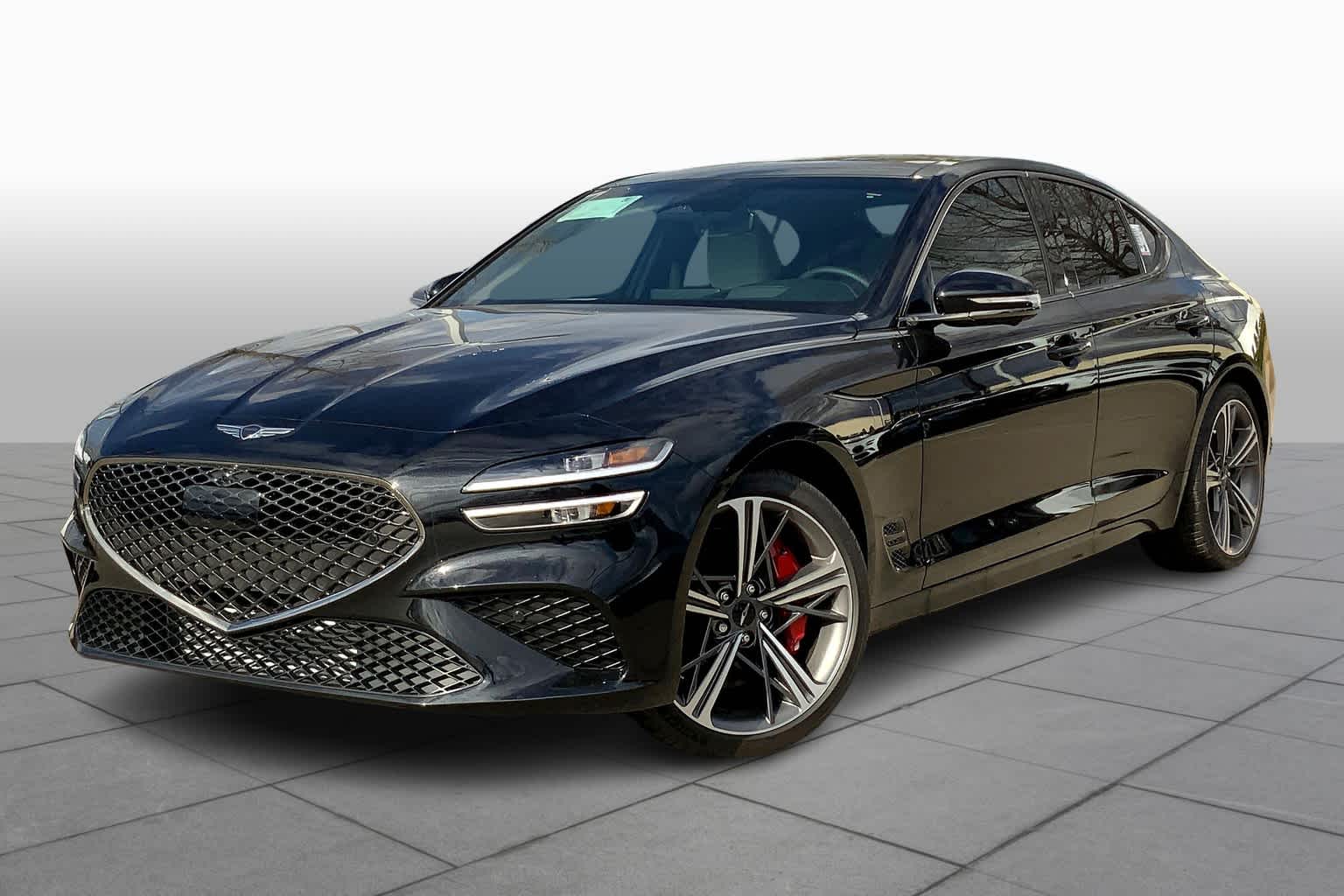
Genesis G70 3.3T Sport
The Genesis G70 3.3T Sport may seem like an underdog on this list, but that’s exactly what gives it its potential to be a sleeper collectible.
When Genesis launched as Hyundai’s luxury brand, skepticism was high. But over a short period, they proved they could create vehicles that not only matched but often exceeded the quality, design, and performance of established German rivals.
The G70 3.3T Sport is the best example of this achievement. With a twin-turbocharged V6 making 365 horsepower, rear-wheel drive, and excellent handling dynamics, it offers genuine driving fun in a well-priced and underappreciated package.
One of the most interesting aspects of the G70 is how little compromise it has. The ride quality is excellent, yet it stays composed in the corners.
The steering is direct, the brakes are strong, and the chassis balance is impressive. Genesis tuned this car for enthusiasts, and it shows.
It’s also equipped with features often found in cars that cost tens of thousands more, heated and ventilated seats, premium audio, a luxurious cabin with high-end materials, and an exterior that blends aggression with elegance. It is a sedan that punches far above its weight class in every measurable way.
Because it didn’t carry a premium German badge, the G70 3.3T Sport flew under the radar for many buyers. That means fewer were sold in enthusiast trims, and even fewer were optioned with all the performance enhancements like the limited-slip differential and sport-tuned suspension.
In the future, the Genesis G70 3.3T Sport will be remembered as the car that changed perceptions. It’s the first real signal that Korea could go toe-to-toe with the Germans in the performance sedan segment.
Much like the early Lexus models gained value once their reputation was established, the Genesis G70 will benefit from hindsight.
Collectors will look for early, clean examples of the 3.3T Sport as a symbol of a turning point in the luxury market, and its current underdog status may lead to surprisingly strong appreciation a decade from now.
