
When it comes to cars, there is often a big gap between what critics think and what owners feel.
Car reviewers typically evaluate vehicles based on a wide array of technical criteria such as handling, engine performance, design, build quality, and how the car stacks up against its competitors.
Critics often expect high standards in these areas and can be quite harsh when a car doesn’t meet those standards, even if the vehicle serves its purpose well for its owners.
On the other hand, owners tend to have a more personal connection with their vehicles. They value things like reliability, comfort, practicality, affordability, and even sentimental reasons that might not make headlines in reviews.
This divide results in some vehicles that are heavily criticized by the media but have passionate and loyal owners who swear by them.
Whether it’s a car that delivers outstanding value for money, has a quirky charm, or fits a very specific lifestyle or need, these vehicles enjoy a dedicated fan base.
Sometimes a car’s flaws that critics highlight aren’t deal-breakers for people who simply want a dependable daily driver or a fun ride with character.
In this article, we’ll look at ten cars that have been widely disliked by critics yet are beloved by many owners. These vehicles challenge the notion that critical acclaim and consumer satisfaction always go hand in hand.
From odd designs to questionable driving dynamics, these cars have characteristics that the press often bash but owners overlook or even cherish.
Their enduring popularity tells us that personal preference and real-world experience often tell a different story than professional reviews. Below, you’ll find insights into why each car is loved by owners despite its poor critical reputation.
1. Nissan Juke
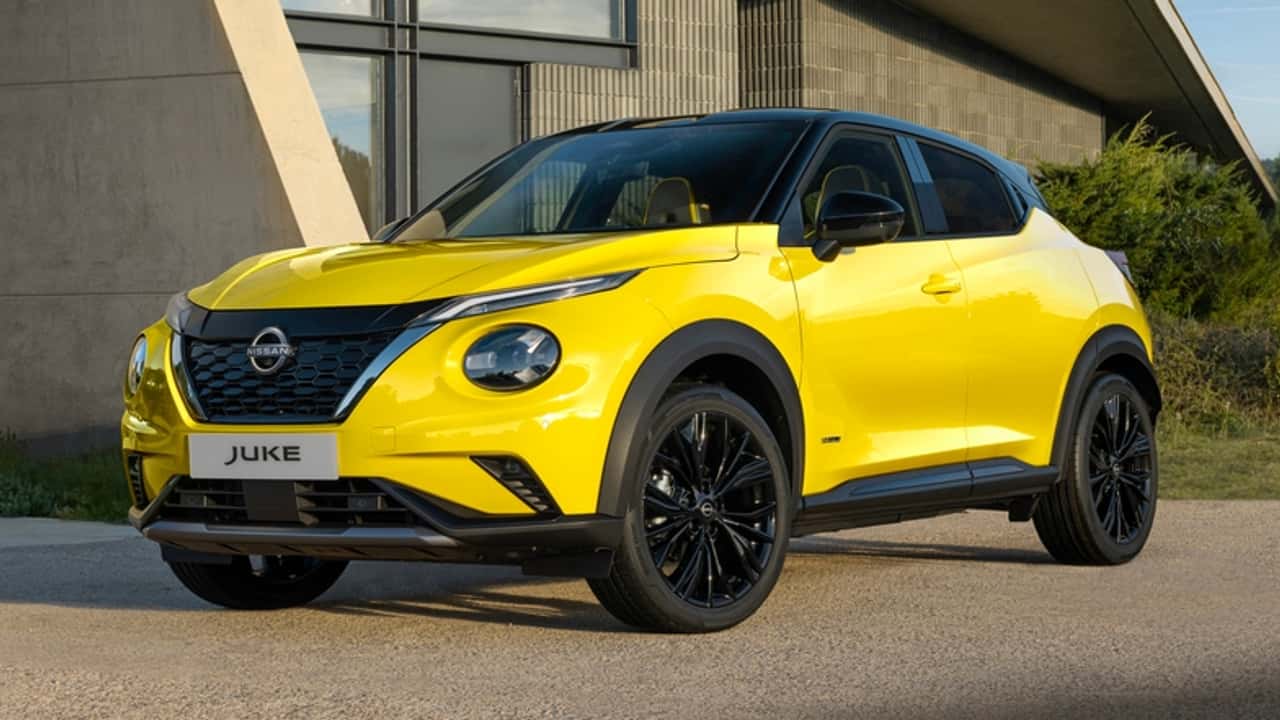
The Nissan Juke’s design broke the mold when it first appeared, with its bulbous headlights, high-riding stance, and almost cartoonish styling.
Critics often pointed out that the car’s looks were an acquired taste at best and downright off-putting at worst. Many felt the styling was a gimmick designed to attract attention but lacking in broader appeal.
However, for owners, the Juke’s appearance is a form of self-expression. It appeals to those who want their vehicle to reflect a bold personality rather than blend into the crowd. This connection to the car’s unique character creates a strong emotional attachment that critics simply don’t factor into their assessments.
Beyond its looks, the Juke offers a surprisingly engaging driving experience for a compact crossover. Owners frequently cite its agile handling and quick steering as highlights, especially in urban environments where maneuverability is key.
Its turbocharged engines, particularly in sportier trims, provide ample power that makes daily driving enjoyable. This sporty feel combined with the car’s raised driving position gives owners confidence on the road and a sense of fun that’s often absent in more conservative crossovers.
Interior space and comfort are other areas where owner opinions often differ from critical reviews. While critics complain about tight rear seats and a cramped cabin, many owners find the Juke perfectly adequate for their needs, especially those using it primarily for city driving or small families.
The unique interior design, with its circular motifs and unconventional layout, adds to the quirky charm that fans appreciate. Features like the high seating position and excellent visibility make the driving experience more comfortable, even if the space is less than some competitors.
The Juke’s practicality extends to its fuel efficiency and relatively low maintenance costs. Owners often point out that the car’s small size helps keep running expenses down, making it a smart choice for those on a budget or looking to minimize environmental impact.
The availability of manual and automatic transmissions also appeals to different driving preferences. Furthermore, the Juke’s reliability record, bolstered by Nissan’s reputation, gives owners peace of mind, even if critics emphasize more glamorous features in their reviews.
Community and culture have also played a role in the Juke’s lasting popularity. Owner clubs, social media groups, and events dedicated to the Juke celebrate its uniqueness and fun personality. This sense of belonging helps sustain enthusiasm for the vehicle long after its initial launch, reinforcing the strong bond owners feel.
The Juke’s success is a reminder that cars aren’t just machines; they are reflections of identity and lifestyle, aspects that critics often overlook in their technical evaluations.
2. Chrysler PT Cruiser
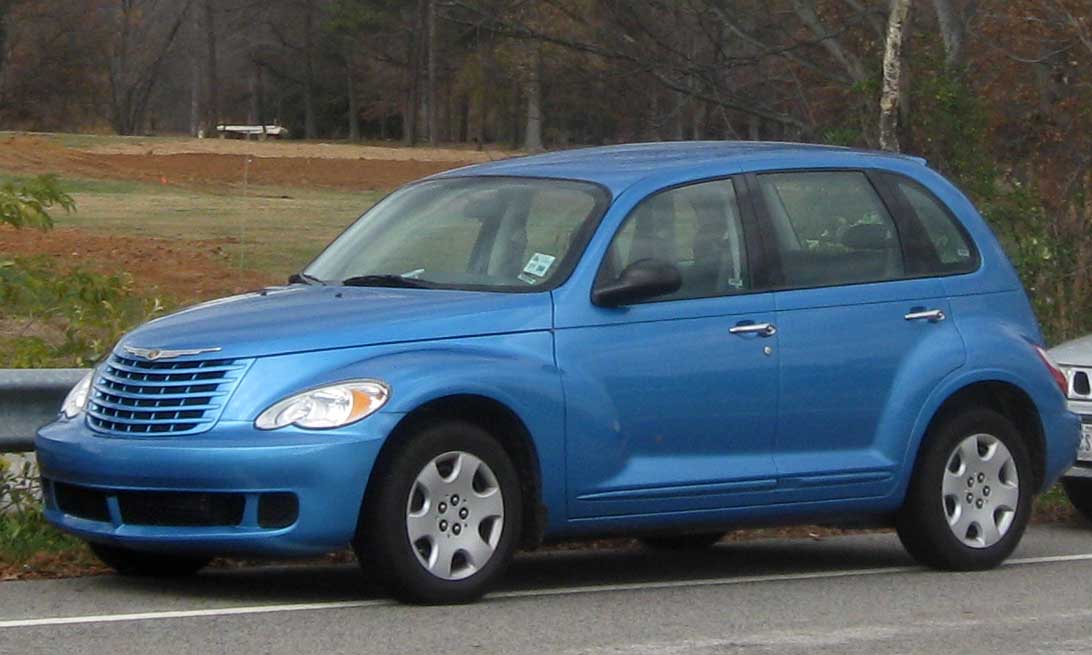
The Chrysler PT Cruiser remains one of the most controversial cars in recent history, often dismissed by critics as a styling misstep. Its retro-inspired design, with exaggerated curves and a high roofline, was a gamble that didn’t sit well with many automotive journalists.
Yet, for owners, this very design is what makes the PT Cruiser memorable and beloved. The car stands out on the road with its unique aesthetic that harkens back to classic American cars, offering a sense of nostalgia mixed with modern convenience.
Functionality is another aspect that endears the PT Cruiser to its owners. The vehicle’s tall and boxy shape results in an interior that’s surprisingly spacious for its size. This practicality often outweighs the criticism about the materials used inside.
The PT Cruiser’s rear seats fold flat, allowing for a versatile cargo area that appeals to drivers who need to transport bulky items or who simply appreciate flexible space.
This utilitarian aspect, combined with its affordability, has made it a favorite among budget-conscious buyers.
Performance-wise, the PT Cruiser doesn’t excite critics, who often describe its handling as sluggish and its engine options as underwhelming. But many owners don’t mind the lack of sportiness because the PT Cruiser excels in other areas like comfort and ease of driving.
The car’s soft suspension and elevated seating position provide a relaxed driving experience suited to urban and suburban environments, which matches the needs of most owners perfectly.
Maintenance and repair costs also contribute to the PT Cruiser’s appeal among owners. With a relatively simple mechanical setup and a wide availability of parts, many find it easy and affordable to keep the car running over the years.
This reliability, combined with a strong community of enthusiasts who share tips and modifications, helps maintain the vehicle’s appeal despite the often harsh media coverage.
The PT Cruiser’s distinctiveness has fostered a passionate owner community, with clubs and online forums celebrating everything from the car’s quirks to its custom modifications.
This camaraderie around a car that many critics dismissed adds another layer of appeal for owners. It’s not just a mode of transportation; it’s a statement and a source of pride.
This social connection to the car helps owners look past the negative reviews and embrace the PT Cruiser as an icon of personal style.
Lastly, the PT Cruiser represents a different approach to automotive design and marketing, one that prioritizes character over conformity. Its charm lies in its unapologetic uniqueness and practicality, qualities that resonate deeply with its owners.
This enduring affection highlights how personal taste and real-world needs often diverge sharply from professional automotive criticism.
3. Fiat 500
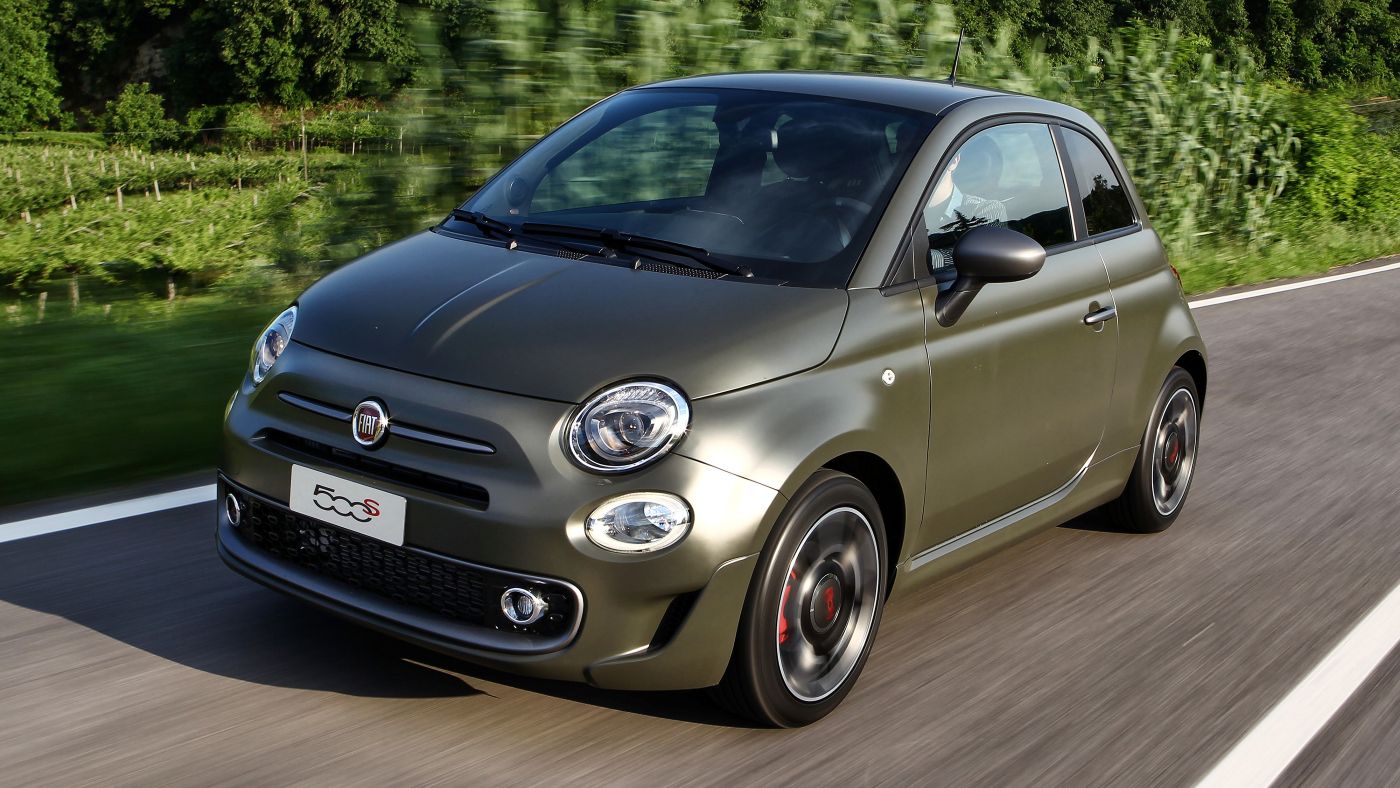
The Fiat 500 has been a polarizing car since its reintroduction, often criticized for its small size and limited power. Many critics viewed it as impractical, especially for those needing more than basic transportation.
However, owners frequently see the Fiat 500 as the perfect urban companion. Its compact footprint allows it to easily navigate narrow streets and find parking in crowded cities, a practical benefit that often trumps the complaints about limited interior space.
The car’s retro styling is a major draw for many buyers who appreciate its nostalgic yet modern look. Unlike critics who see it as mere gimmickry, owners view the design as an essential part of the car’s charm and identity.
The Fiat 500 has a playful personality that appeals to people who want their vehicle to be a reflection of their style rather than just a tool for getting from point A to point B. Its various vibrant color options and customizable features further reinforce this individuality.
Driving the Fiat 500 is often described by owners as a fun and nimble experience. Though the engine options are modest, the car’s light weight and small size make it agile in city traffic.
The steering is responsive, and the tight turning radius is perfect for urban environments. This ease of maneuvering is a significant selling point that critics sometimes overlook while focusing on outright performance numbers.
Fuel economy and cost of ownership also contribute to the Fiat 500’s appeal. Many owners appreciate its efficiency, which is especially important in stop-and-go city driving.
The car’s relatively low purchase price and affordable insurance rates make it accessible to younger buyers or those seeking a secondary vehicle.
Maintenance costs, while sometimes a concern due to European origin, are generally manageable, and many owners find the car reliable with proper care.
The Fiat 500 also holds an emotional appeal that transcends mere utility. Owners often speak about the joy and pride of owning such an iconic vehicle.
This emotional connection has helped the car maintain a devoted fan base despite critical skepticism. Social media groups, owner clubs, and enthusiast gatherings celebrate the Fiat 500 as more than a car, it’s a lifestyle choice that embodies fun, flair, and urban freedom.
Lastly, the Fiat 500’s success in various global markets speaks to its broad appeal among those looking for a small, stylish, and economical city car.
It represents a blend of fashion, function, and personality that resonates with a diverse range of drivers. This passionate ownership helps the car endure criticism and maintain a niche status that few small cars achieve.

4. Mitsubishi Outlander PHEV
The Mitsubishi Outlander PHEV has been met with skepticism by many automotive critics, who often label it as uninspired in terms of design and driving dynamics.
Some reviews point out that its interior quality falls short of competitors and that its hybrid system feels like a compromise rather than a leap forward. Nevertheless, many owners find the Outlander PHEV to be an excellent balance between eco-conscious driving and everyday usability, which is a key reason for its popularity.
One of the main reasons owners love the Outlander PHEV is its unique plug-in hybrid setup. This allows them to drive short distances purely on electric power, reducing fuel consumption and emissions significantly.
Unlike fully electric vehicles, the Outlander PHEV retains a gasoline engine, which alleviates range anxiety and extends usability for longer trips. This flexibility appeals to practical buyers who want the benefits of electric driving without worrying about charging infrastructure.
The vehicle’s spacious interior and cargo capacity are also praised by many owners. The Outlander PHEV provides ample room for passengers and gear, making it a practical choice for families and outdoor enthusiasts.
While critics focus on the quality of materials, owners tend to prioritize comfort, space, and versatility, especially for weekend getaways or daily errands.
From a cost perspective, the Outlander PHEV often represents good value in the plug-in hybrid SUV market.
Its price point is generally lower than many competitors, and many owners cite savings from reduced fuel use and government incentives as significant benefits.
The car’s warranty and Mitsubishi’s reputation for reliability provide additional peace of mind, further strengthening owner satisfaction.
Finally, the Outlander PHEV owners tend to form tight-knit communities, sharing tips on maximizing electric range, maintenance, and modifications.
This sense of belonging and shared enthusiasm helps many owners overlook criticisms and embrace the car as a smart, environmentally conscious choice.
5. Jeep Cherokee (KL generation)
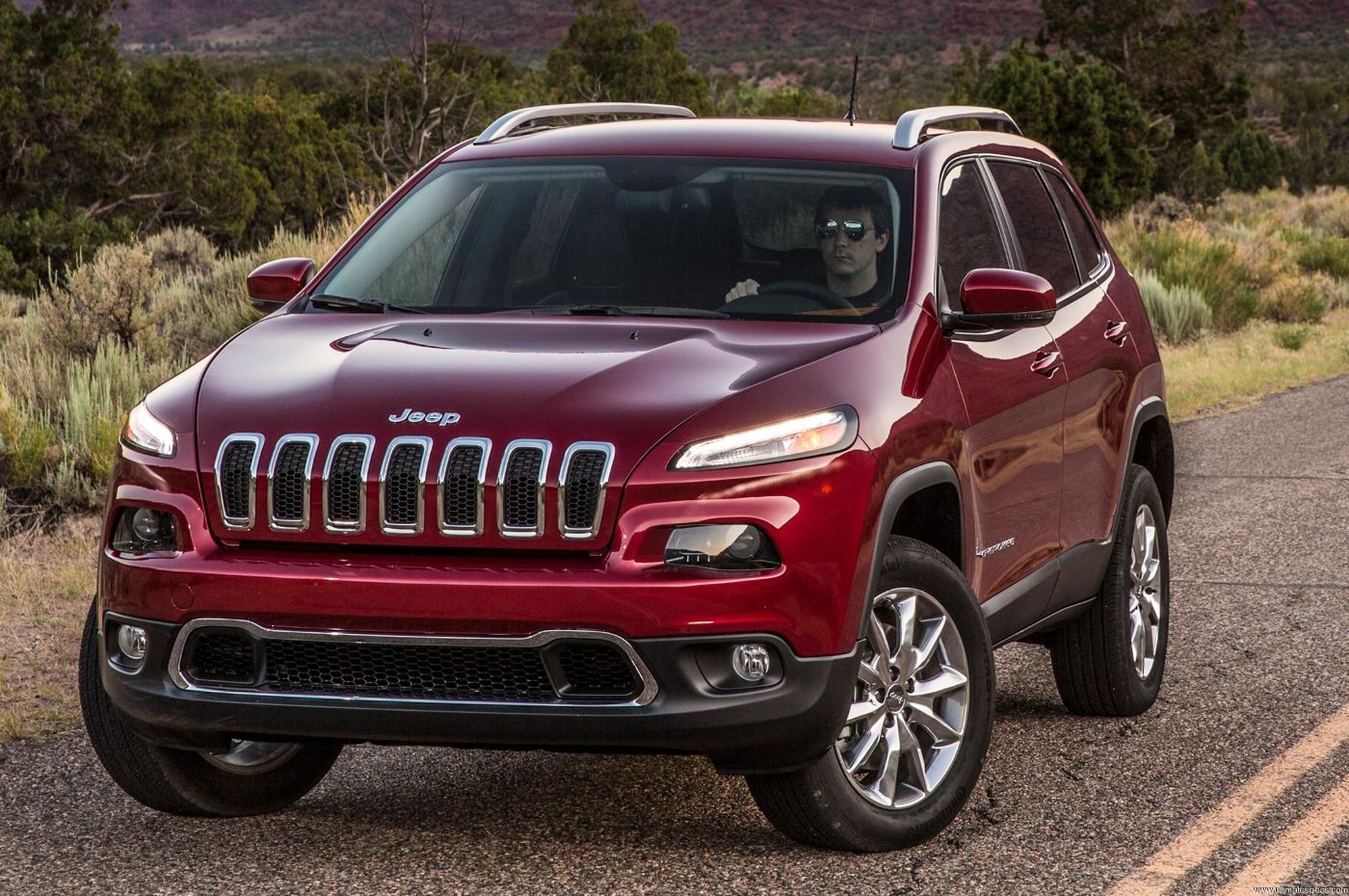
The Jeep Cherokee KL, introduced in the mid-2010s, generated mixed reactions due to its departure from traditional Jeep styling.
Critics often described the design as bland or awkward, arguing that it lacked the rugged, aggressive appearance that Jeep enthusiasts expected.
However, many owners appreciate the Cherokee KL’s more modern, refined look, which helps it blend in better in urban and suburban settings while retaining Jeep’s off-road spirit.
Off-road capability remains a key reason for the Cherokee’s devoted owner base. The KL generation features advanced 4×4 systems and terrain management modes that allow drivers to confidently tackle trails, mud, snow, and other challenging conditions.
Many owners praise the Cherokee’s ability to perform off the beaten path while maintaining comfort and safety. This dual purpose is a significant factor in the car’s popularity despite critical doubts.
The interior of the Cherokee KL offers a practical and comfortable space for drivers and passengers. While critics complain about the use of materials and some outdated tech, owners often highlight the ergonomic layout, spacious seating, and ample cargo space.
The vehicle is designed to meet the needs of families and adventurers alike, providing versatility that appeals to a wide range of drivers.
Value for money is another factor that makes the Cherokee KL attractive. Its price tends to be lower than premium SUVs while offering many features that owners appreciate, such as advanced safety systems and infotainment options. The availability of different trim levels also means that buyers can find a Cherokee that fits their budget and needs.
Owners often remark on the Cherokee’s reliability and ease of maintenance, which is a crucial consideration for an SUV that may see rugged use. This reputation helps owners feel confident in their investment, even if critics focus on imperfections.
The Cherokee KL’s blend of style, capability, and practicality ensures it continues to be a popular choice for those who prioritize real-world use over critical acclaim.
6. Smart Fortwo
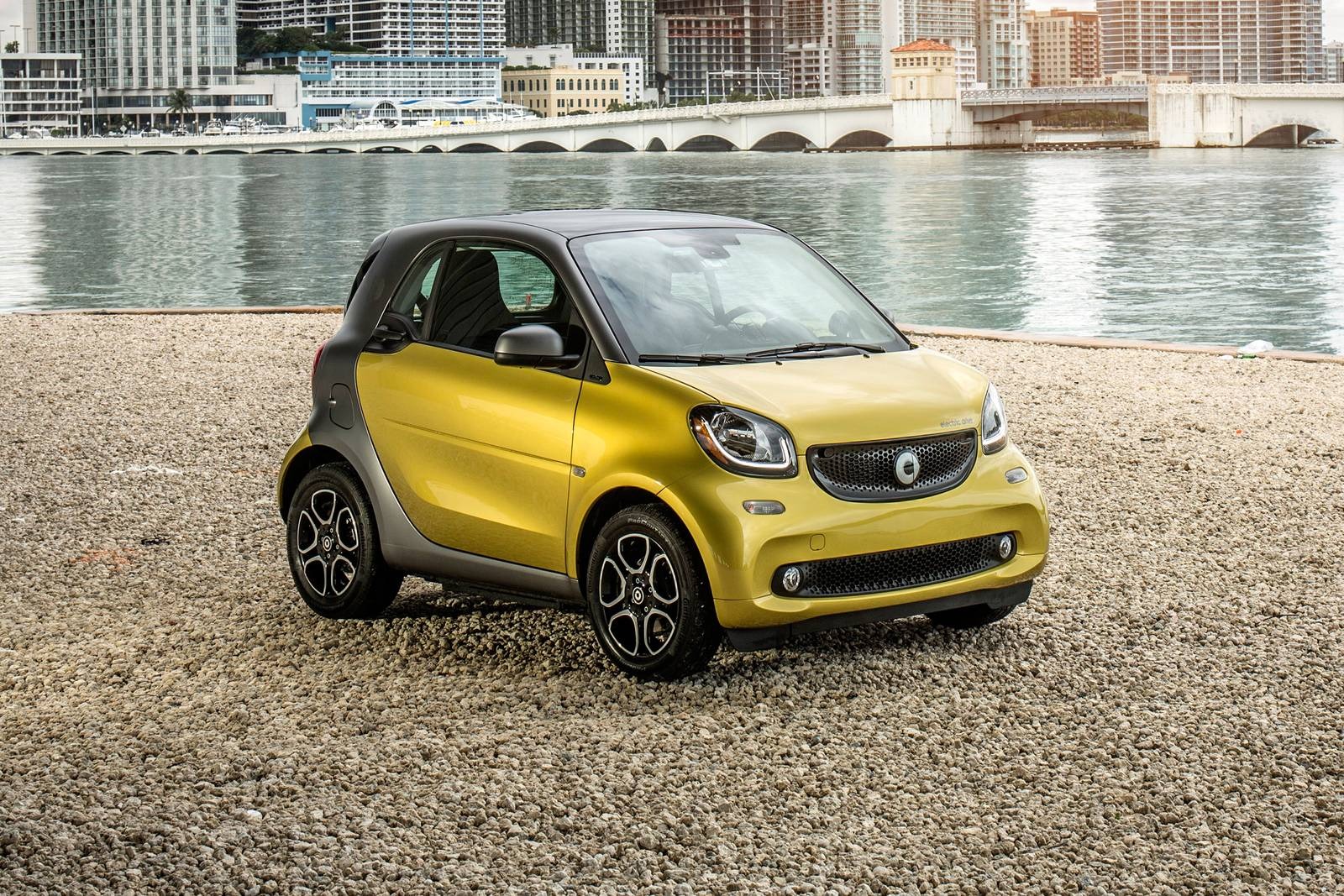
The Smart Fortwo is a car that critics often dismiss for its tiny size and limited practicality, frequently labeling it as a novelty rather than a serious vehicle. Many reviews highlight its cramped interior and lack of power, suggesting it’s only suitable as a city runabout or second car.
However, owners have a very different perspective, often praising the Fortwo for its unmatched ability to navigate tight urban environments and fit into parking spots that no other car could manage. For city dwellers struggling with limited parking and heavy traffic, the Fortwo is more than just a car, it’s a solution.
Its compact dimensions translate into incredible maneuverability, which owners find invaluable in congested city streets. The Fortwo can perform tight U-turns, squeeze into tiny spaces, and ease the daily stresses of urban driving.
This agility and convenience often outweigh the critics’ complaints about performance or interior room. Many owners find the simplicity of the vehicle refreshing, especially compared to larger, more complicated cars with many features that may never be used.
The fuel efficiency of the Fortwo is another significant benefit, appealing to owners who prioritize saving money and reducing emissions. Despite its small engine, the Fortwo manages to deliver respectable mileage, making it economical for everyday commutes.
While critics might point to the car’s lack of highway prowess, many owners accept this trade-off willingly, given the Fortwo’s primary use in city settings where speed limits are lower and stop-and-go traffic is common.
Inside, the Fortwo’s minimalist cabin is often seen as a downside by reviewers who prefer luxury touches or extensive tech. Yet owners frequently appreciate its straightforward design, easy-to-use controls, and surprisingly good visibility from the driver’s seat.
The interior space may be limited, but it’s thoughtfully arranged, with enough room for two adults and some cargo. For many, this simplicity adds to the car’s charm and practicality rather than detracting from it.
Reliability and low maintenance costs also factor into the Fortwo’s appeal. Owners report that the car is generally dependable and inexpensive to keep running, especially compared to larger, more complex vehicles.
The simplicity of its mechanics means fewer things to break or require costly repairs, which suits people who want a hassle-free driving experience. This durability often contrasts with critics’ expectations based on the car’s tiny size and niche nature.
Finally, the Smart Fortwo creates a sense of community among its owners, who often appreciate the quirky and fun nature of the vehicle. Social media groups and local meetups celebrate its uniqueness and city-friendly attributes.
This connection adds value beyond the physical aspects of the car, showing that ownership is about identity and lifestyle as much as transportation.
7. Toyota Prius
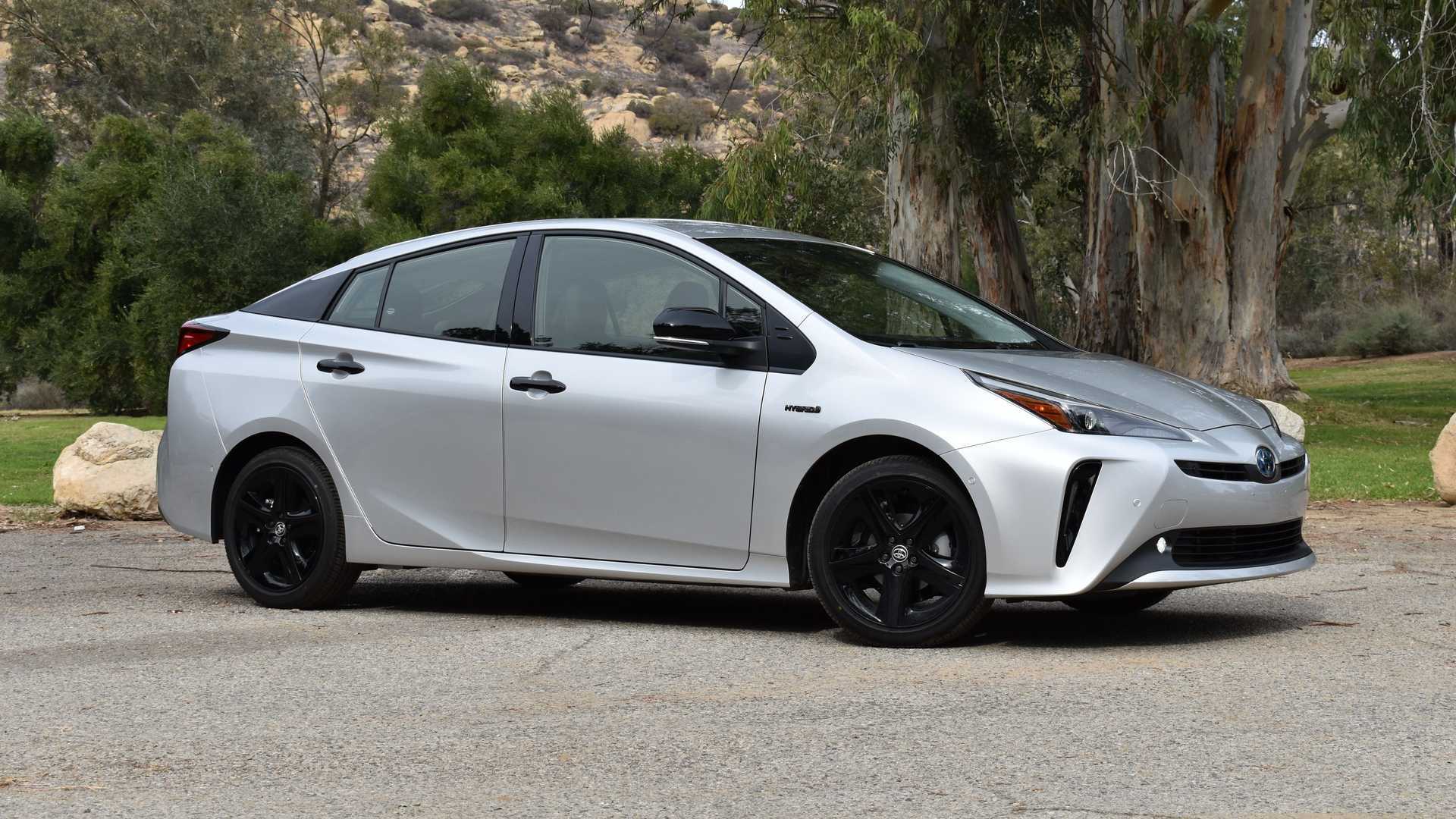
The Toyota Prius is one of the most recognizable hybrid cars globally, but it has never fully escaped critical skepticism. Many reviewers deride its styling as bland or unattractive and point to its less-than-exciting driving dynamics.
However, Prius owners tend to focus on a different set of priorities: exceptional fuel efficiency, reliability, and long-term cost savings. For many, these practical benefits far outweigh the aesthetic or performance criticisms leveled by the media.
Fuel economy is undoubtedly the Prius’s strongest selling point, and owners consistently praise it for delivering excellent mileage in both city and highway conditions.
This efficiency translates into significant savings over the life of the vehicle, especially for those who drive extensively. For environmentally conscious buyers, the Prius represents a tangible way to reduce carbon emissions without sacrificing the convenience of a gasoline-powered car.
Reliability is another area where the Prius shines. Toyota’s reputation for building dependable vehicles is well-earned, and many owners report their Priuses lasting well beyond 200,000 miles with minimal issues.
This longevity adds to the car’s appeal, particularly in markets where used vehicles are in demand. The strong resale value of the Prius also benefits owners, helping offset the initial purchase cost.
The Prius’s interior and features have often been criticized for being uninspiring, with some reviewers lamenting cheap materials and a lack of excitement. Yet many owners appreciate the car’s spacious cabin, comfortable seating, and user-friendly technology.
The practicality of the design, combined with thoughtful storage solutions and ample visibility, helps make everyday driving easier and more pleasant.
Driving enthusiasts may find the Prius dull, but most owners view it as a reliable daily driver rather than a sports car. The hybrid system’s smooth transition between electric and gasoline power contributes to a quiet and composed ride.
While it won’t win any drag races, the Prius provides a comfortable and efficient experience that meets the needs of most commuters.
The Prius also helped pioneer hybrid technology and has cultivated a loyal following of environmentally minded drivers.
Owner communities and advocates often share tips for maximizing efficiency and maintaining the vehicle, reinforcing a sense of shared purpose. Despite criticism, the Prius’s role in promoting sustainable transportation and its proven track record make it a beloved choice for many.
8. Dodge Charger (modern models)
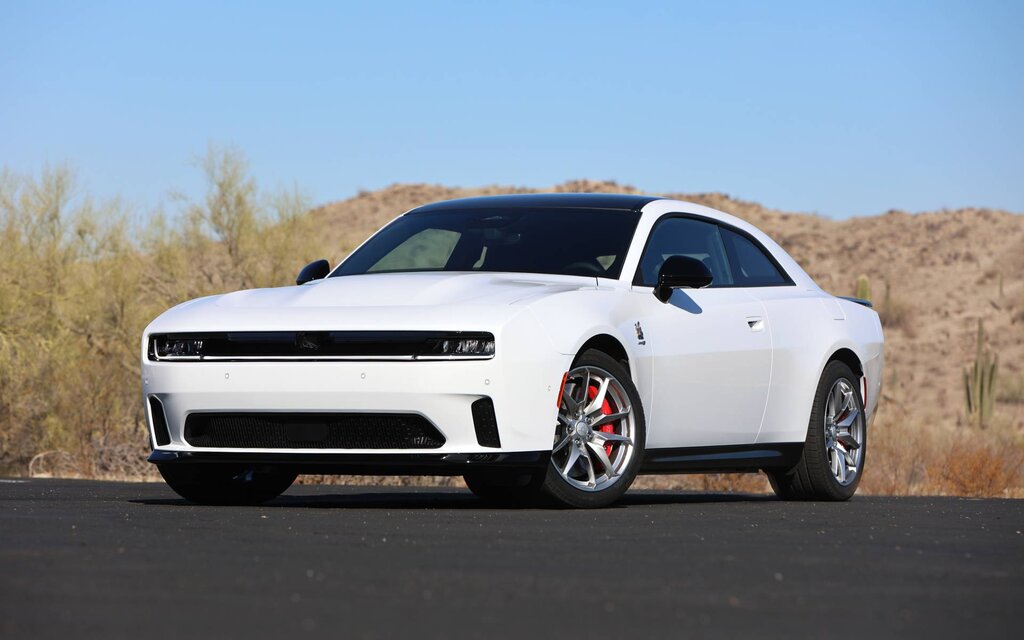
The Dodge Charger has undergone an evolution that has sparked mixed reviews from critics, especially regarding its size and fuel economy. Some reviewers argue that the modern Charger is less focused than its muscle car predecessors, trying to be a family sedan and a performance car simultaneously.
However, owners frequently appreciate the balance the Charger strikes between power, practicality, and bold styling, making it a unique offering in its segment.
Under the hood, the Charger delivers impressive engine choices ranging from a V6 to monstrous V8s, giving owners thrilling acceleration and a satisfying roar.
While critics might complain about fuel consumption and weight, many drivers relish the raw power and commanding presence the car offers. This powerful performance helps the Charger maintain its muscle car heritage while appealing to buyers who need space for passengers and cargo.
The Charger’s interior is spacious and comfortable, which differs from the cramped feeling typical of older muscle cars.
Owners highlight features such as roomy rear seats, modern infotainment systems, and various convenience technologies. This blend of performance and comfort appeals to those who want a car that can handle both spirited drives and family duties without compromise.
Handling and ride quality receive mixed critical responses, but many owners find the Charger well-balanced for daily use. The suspension setup allows for a smooth ride on highways and competent handling on curves, striking a practical balance.
The availability of all-wheel-drive versions also expands the car’s usability in various weather conditions, a feature that many owners appreciate but critics sometimes overlook.
The Charger’s aggressive design, characterized by its wide stance and bold front grille, often divides opinion. Some see it as aggressive and modern, while others view it as too bulky or dated.
Owners, however, typically love its distinctive look, which stands out in traffic and reinforces the car’s performance image. This styling is part of what makes the Charger a personal statement for its drivers.
Lastly, the Dodge Charger fosters a passionate owner community that embraces both its muscle car roots and its modern evolution.
Car meets, racing events, and online forums keep the enthusiasm alive, allowing owners to share experiences and modifications. Despite the critiques, the Charger remains a beloved choice for those seeking power, space, and style in one package.
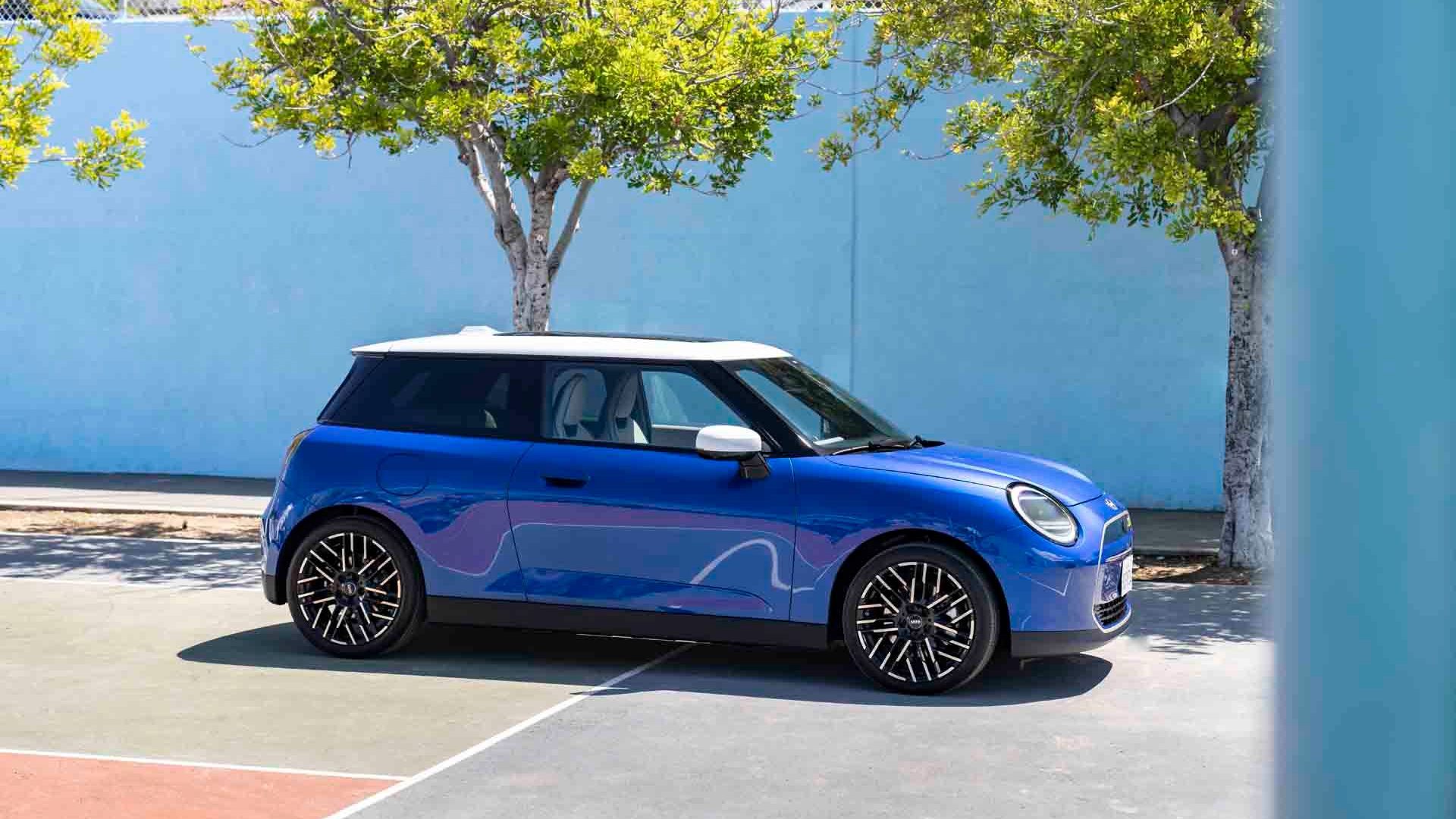
9. Mini Cooper (modern models)
Modern Mini Coopers often receive mixed reviews from critics who question their premium pricing and sometimes quirky ride characteristics. Some reviewers find the suspension overly stiff and the interior space limited for the price point.
However, owners frequently emphasize the Mini’s unique blend of retro styling, engaging driving dynamics, and customization options as key reasons for their affection.
The Mini Cooper is known for its go-kart-like handling, which owners rave about. The car’s small size, sharp steering, and nimble chassis make driving a fun and rewarding experience, especially on twisty roads or in urban settings. While critics may point out the firm suspension, many owners appreciate this as part of the car’s sporty character and charm.
Customization is a significant part of the Mini experience. Owners enjoy choosing from a wide range of exterior colors, roof designs, interior trims, and performance upgrades, allowing each car to reflect personal style.
This degree of personalization creates a strong emotional connection between owners and their Minis, something critics rarely consider in their assessments.
The Mini’s interior design combines retro elements with modern technology, resulting in a cabin that feels distinctive and inviting.
While space can be tight, especially in the rear seats, many owners accept this trade-off for the car’s personality and style. The materials and build quality have improved in recent years, helping address some of the criticisms related to the car’s premium positioning.
Fuel economy and efficiency are also often highlighted by owners, especially in the smaller engine variants. While Minis are not the most practical cars for families or long road trips, their low running costs and enjoyable driving experience make them a favorite among urban professionals and enthusiasts.
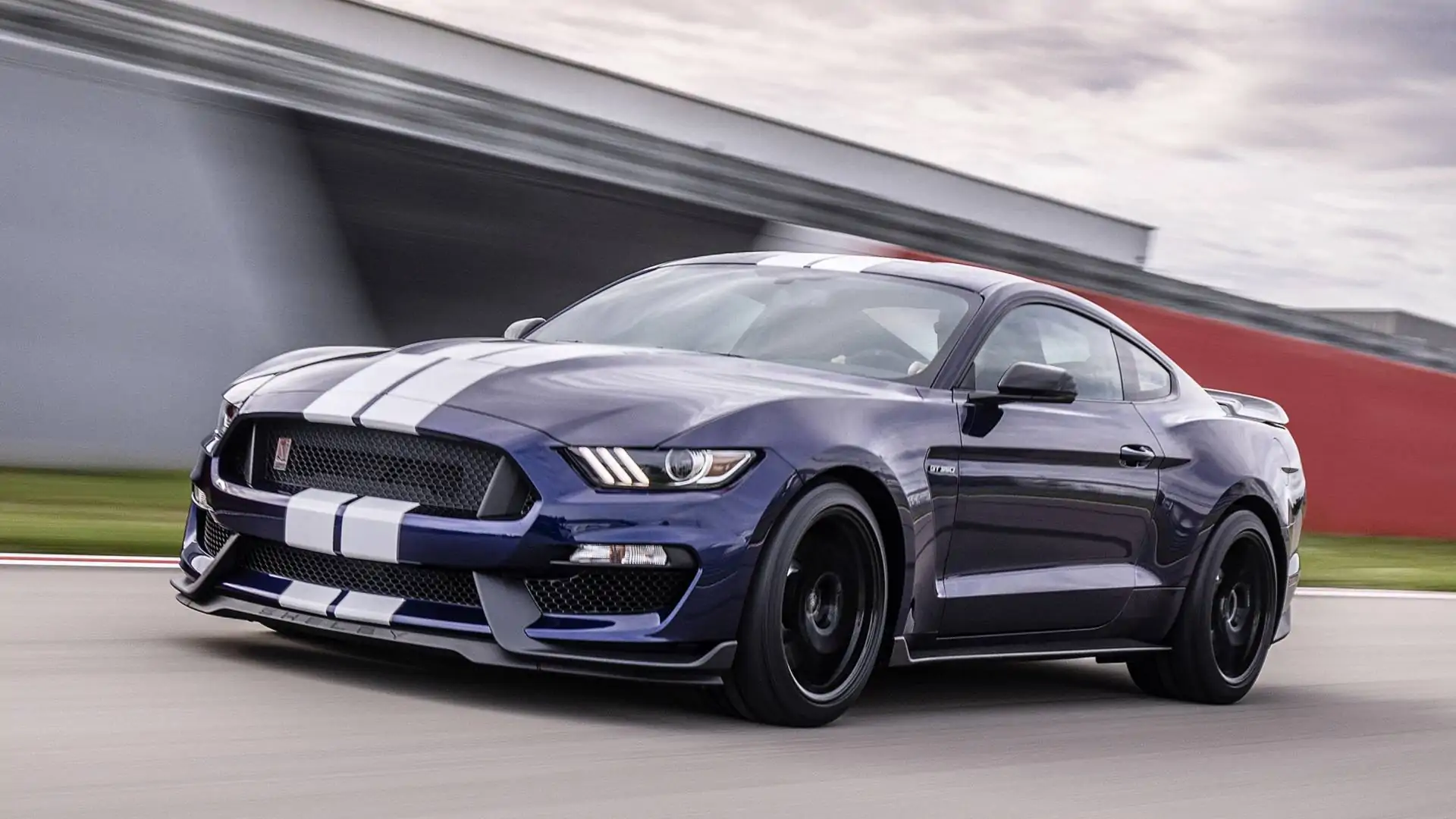
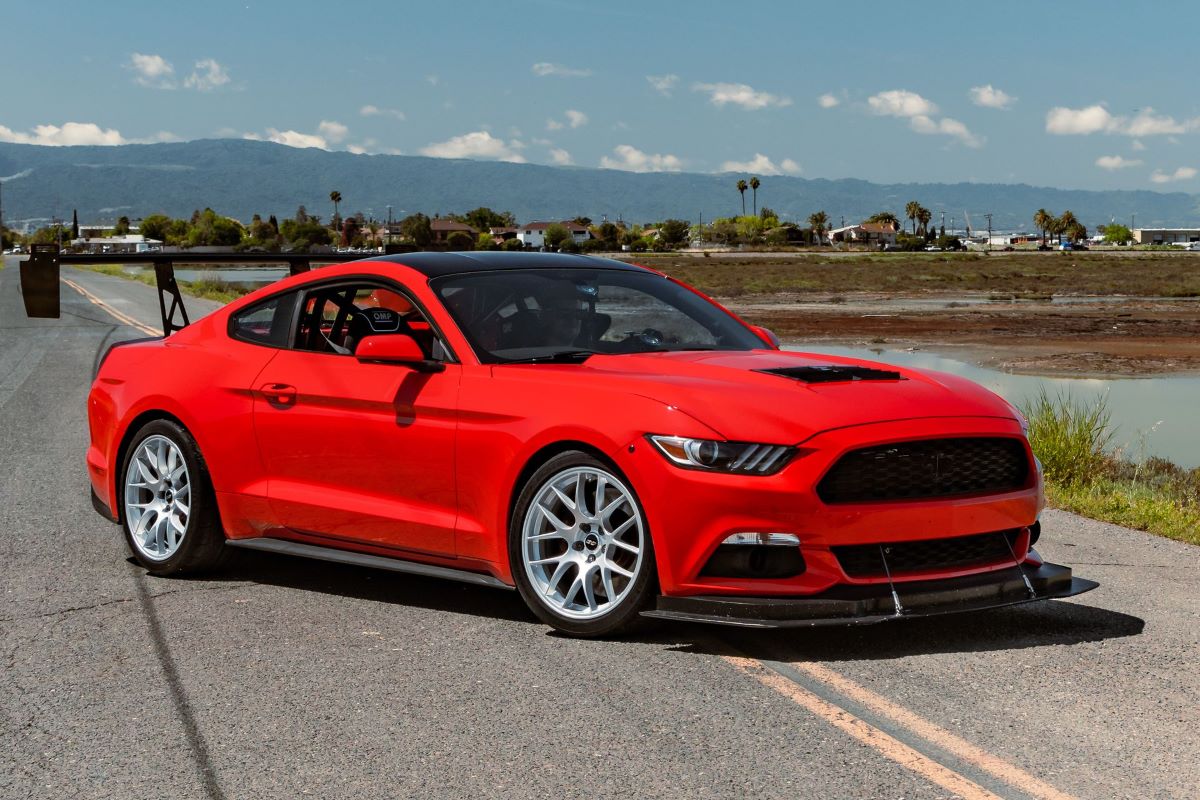
10. Ford Mustang (modern models)
The modern Ford Mustang continues to inspire debate among critics, with some praising its performance but others questioning its evolution from the original pony car ethos.
Some reviews criticize the Mustang for being larger and heavier than earlier generations, which some say detracts from its rawness. Nevertheless, Mustang owners remain fiercely loyal, often emphasizing the car’s powerful engines, iconic design, and thrilling driving experience.
Performance is at the heart of the Mustang’s appeal. With a range of engines from turbocharged four-cylinders to potent V8s, owners enjoy a car that can be tailored to a wide range of driving preferences.
The Mustang’s acceleration, exhaust note, and handling continue to deliver excitement, even if critics sometimes argue the car has become more refined and less aggressive.
The Mustang’s design is iconic and instantly recognizable, which adds to its appeal. While some critics say the styling is too retro or exaggerated, owners love the car’s aggressive stance, long hood, and muscular lines.
This design heritage is a key reason many people buy a Mustang, connecting the car to American automotive culture and history.
Inside, the Mustang offers a blend of modern technology and retro touches, with improved materials and comfort compared to earlier models.
Although some critics point out limitations in rear-seat space and visibility, most owners accept these compromises for the package. The Mustang balances daily usability with a driver-focused cockpit designed to enhance the driving experience.
Ownership of a Mustang often means joining a passionate community of enthusiasts who celebrate the car’s legacy through events, modifications, and racing.
This connection to a larger culture of Mustang fans adds value beyond the vehicle itself. Despite mixed critical opinions, Mustang owners tend to view their cars as symbols of freedom, power, and individuality.
