
Automotive history is littered with ideas that didn’t work, concepts that failed, and designs that never made it past the prototype phase. Car manufacturers have often played it safe, relying on formulas that already work to minimize risk. But every once in a while, a car comes along that completely ignores the rules.
It defies expectations, scoffs at conventional thinking, and still manages to succeed. These aren’t just vehicles that sold well or looked flashy. These are the outliers that took chances and came out ahead.
Whether it was through engineering innovation, radical design, or breaking long-standing industry norms, these cars changed perceptions and often forced competitors to rethink their own strategies. Sometimes, they were seen as ridiculous at first, mocked by critics, or even sabotaged internally by the companies that built them. And yet, they prevailed.
The idea of a “rule-breaking” car isn’t just about being different. It’s about being different and successful. That success may have come through sales, motorsport wins, cultural impact, or even long-term influence on future designs. It’s not easy to take a gamble in the car industry.
Consumers are picky, regulations are strict, and competition is ruthless. But the cars on this list did more than just survive, they thrived. Each one represents a moment when someone decided not to follow the blueprint. Instead of asking what others were doing, they asked what was possible.
Some of the vehicles here were ahead of their time. Others were last-ditch efforts that changed everything. A few were simply bizarre on paper but ended up rewriting performance benchmarks or setting new commercial standards.
What binds them together is their refusal to obey expectations and their undeniable impact on the automotive world. Let’s take a look at 12 cars that broke the rules, and won.

1. Mini (1959)
The original Mini, launched in 1959 by the British Motor Corporation, wasn’t just a compact car; it was a complete rethinking of how a car could be laid out and built. At a time when front-engine, rear-wheel drive vehicles were the standard, the Mini introduced a space-saving front-engine, front-wheel drive layout that would become the norm for most compact cars decades later.
Its transverse engine and clever packaging allowed for more passenger and cargo room in a smaller footprint, something no one else had accomplished so efficiently at that time. The car wasn’t just a product; it was a solution to the fuel shortages and economic constraints that followed the Suez Crisis.
What made the Mini’s success so unexpected was that it was designed as a utilitarian economy car, yet it became a cultural icon and a motorsport legend. Thanks to its lightweight body and nimble handling, it dominated rally racing in the 1960s, including wins at the Monte Carlo Rally.
That’s not something anyone predicted when it first rolled out. The people who engineered it were simply trying to make a practical, cheap car for the masses. They didn’t expect it to embarrass much larger, more powerful machines on the racetrack.
The Mini’s design also broke the rules by putting function far ahead of form, yet it ended up being beloved for its unique appearance. Its boxy shape, round headlights, and tiny wheels created a look that was both practical and charming.
And instead of fading out like many other economy cars of the era, the Mini stayed in production for decades, was revived by BMW in the 2000s, and remains relevant to this day. That sort of longevity is rare, especially for a car that started off as a utilitarian project.
It’s impossible to talk about rule-breaking cars without mentioning the Mini. It wasn’t fast, it wasn’t luxurious, and it wasn’t expensive. Yet it made such a mark on the industry that its layout became the default for small cars, and its identity became larger than the vehicle itself. It influenced generations of automotive design and proved that radical thinking can lead to extraordinary results.
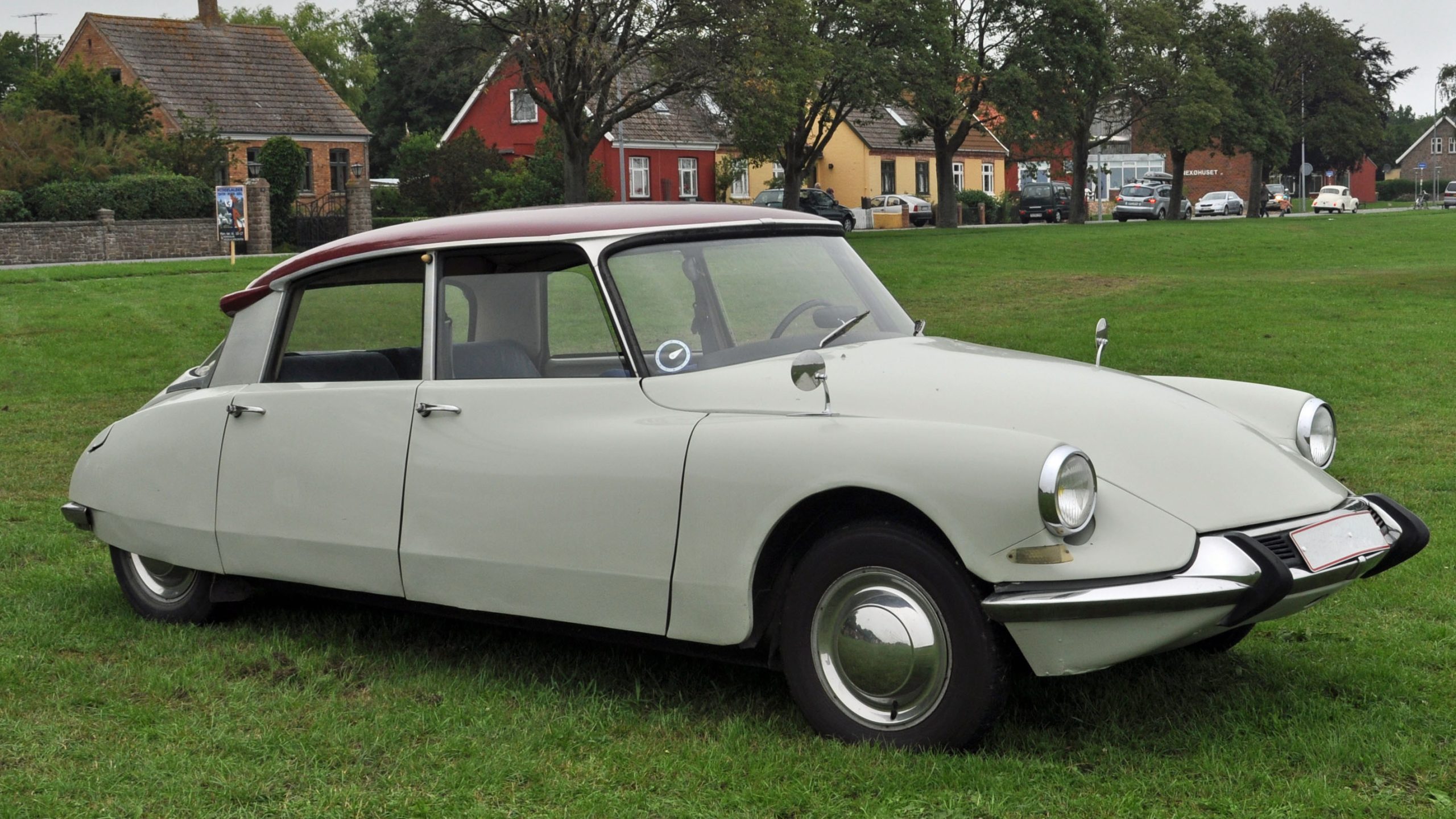
2. Citroën DS (1955)
The Citroën DS didn’t look or feel like anything else on the road when it was introduced in 1955. It was a complete departure from automotive design and engineering of its time. Its aerodynamic shape, hydropneumatic suspension system, and futuristic features made it seem like a car from another planet.
While others were still designing boxy vehicles with leaf springs and manual steering, Citroën built a car with a self-leveling suspension, power-assisted brakes, and semi-automatic transmission. It challenged every standard idea of what a car should be and how it should behave.
Critics and engineers alike were stunned by the DS’s technical sophistication. The suspension alone was revolutionary, it allowed the car to “float” over roads, automatically adjust ride height, and provide levels of comfort previously associated with luxury rail travel.
Even more impressive was how the system adjusted to loads, making the car perfectly balanced whether it was carrying one person or a full family with luggage. Citroën’s engineers ignored the status quo and created something entirely new. Their gamble was that customers would appreciate the innovation even if it looked and felt strange.
The public responded with overwhelming interest. At its debut at the Paris Motor Show, Citroën reportedly took over 12,000 orders on the first day. That kind of response is rare for any car, let alone one so unconventional. Yet the DS managed to gain acceptance because it delivered on its promises.
It wasn’t just weird, it worked, and it worked better than many of its more traditional competitors. It became a symbol of French innovation and national pride, earning a spot in history not just as a car, but as a cultural phenomenon.
Few vehicles dared to be as advanced as the DS was at launch. It ignored traditional engineering dogma and created its own path, one that influenced luxury and suspension technology for decades. Its success proved that doing something different doesn’t have to be a niche idea. If it’s done well enough, it can become a standard others try to reach.
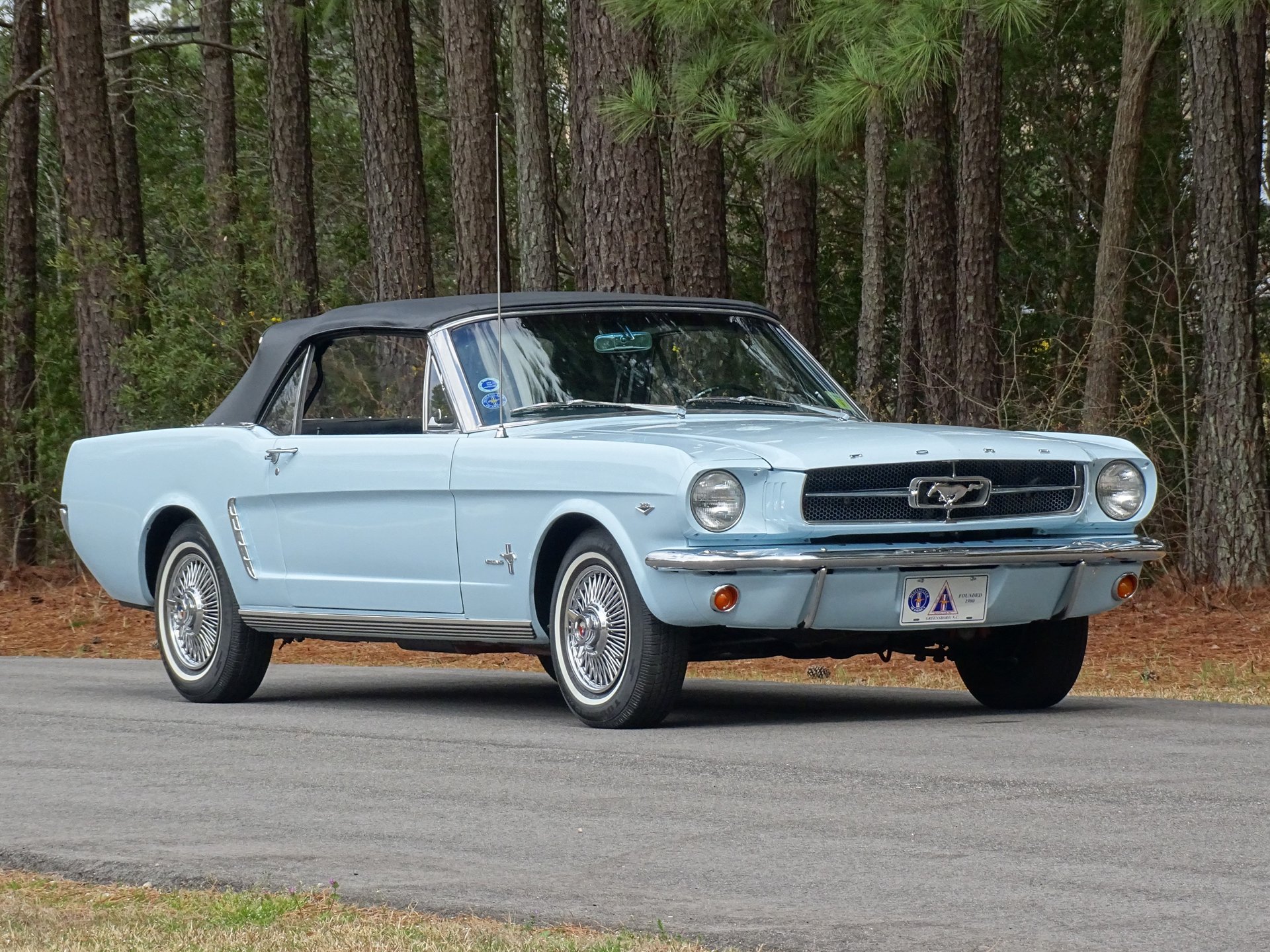
3. Ford Mustang (1964)
When Ford launched the Mustang in 1964, they weren’t following the established rules of the American car market, they were rewriting them. The formula was clear at the time: big cars for families, expensive sports cars for the wealthy, and economy cars for budget-conscious buyers.
The idea of a stylish, performance-oriented car that was affordable and aimed at young people was basically unheard of. Yet that’s exactly what the Mustang was: a bold bet that Americans, particularly baby boomers, wanted something fun, sporty, and accessible.
The Mustang broke the rules by combining a long hood, short deck styling with a low entry price. It didn’t rely on pure performance or luxury to sell, it relied on aspiration. People weren’t just buying a car; they were buying an image, a feeling.
That emotional connection turned out to be incredibly powerful. In its first year, the Mustang sold over 400,000 units, a number that shocked the industry. No one expected a car with such unconventional market positioning to become such a massive success so quickly.
The ripple effect was huge. The Mustang didn’t just sell well; it created an entirely new segment, the pony car. Soon after, competitors like the Chevrolet Camaro and Dodge Challenger were launched to try to capture the same magic. But it was Ford that took the initial risk, ignored market expectations, and walked away with one of the most iconic and enduring success stories in automotive history.
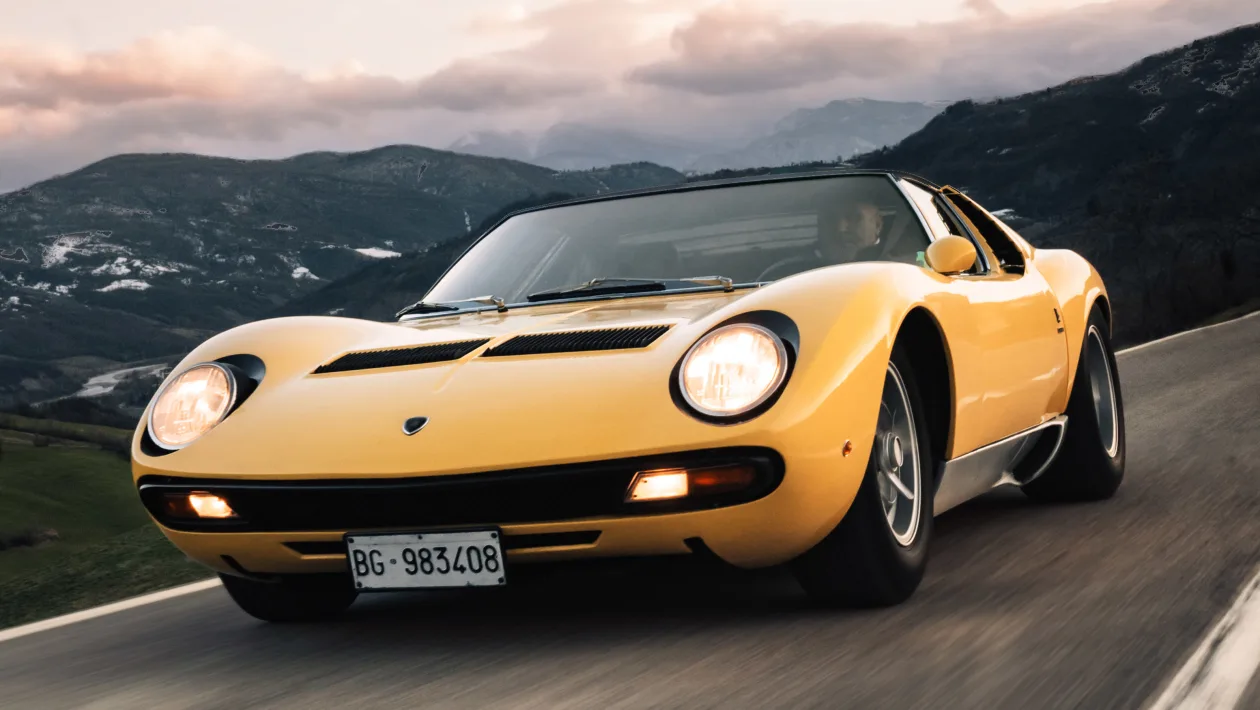
4. Lamborghini Miura (1966)
Before the Lamborghini Miura came along, high-performance sports cars followed a specific template: engine in the front, driven wheels in the back, and styling that emphasized function over flair. Lamborghini decided to ignore that approach entirely. Instead, they built a car with a transversely-mounted mid-engine layout, something previously only seen in race cars.
At a time when Ferrari and others were still committed to front-engine road cars, the Miura’s design was radical and controversial. It wasn’t just a technical shift; it was a visual and cultural shock to the system. The Miura looked like nothing else. With its low stance, sweeping curves, and dramatic proportions, it appeared futuristic in a way that made everything else on the road look dated.
This car wasn’t born from a boardroom decision or a market research report. It was developed largely in secret by Lamborghini’s young engineering team, who pushed the limits of what their company would allow. When the project finally gained support from company founder Ferruccio Lamborghini, it became a symbol of creative rebellion.
The Miura was incredibly fast, boasting a top speed of over 170 mph, but more importantly, it handled like a race car yet could be driven on regular roads. Its V12 engine sat directly behind the driver’s seat, giving it exceptional balance and a completely different driving experience than what customers were used to.
The Miura broke the rules not just in layout, but in what it represented. It was flamboyant and unapologetic in its design, marking a shift from cars being simply performance tools to becoming rolling art pieces. Lamborghini wasn’t interested in understatement, they wanted shock and awe, and they got it.
The Miura made every other sports car at the time seem conservative. It changed consumer expectations about what a high-performance car could look like and how it could be enjoyed. It set a precedent that other exotic manufacturers would eventually follow, even those who initially criticized the concept.
Its influence can’t be overstated. The Miura didn’t just succeed, it redefined the modern supercar. Today, nearly all high-end performance cars follow the mid-engine formula introduced by this car. It was a rule-breaker in every sense, and the industry never looked the same afterward. The Miura took a risk by doing everything differently, and the reward was a place in automotive history that will never be forgotten.

5. Jeep Cherokee XJ (1984)
When the Jeep Cherokee XJ launched in 1984, it didn’t follow the expected path for off-road vehicles or family transport. Most SUVs at the time were massive, truck-based, and designed primarily for utility rather than comfort. Jeep decided to compress all the capability of a traditional 4×4 into a compact, unibody frame, an idea that seemed risky and counterintuitive.
Unibody construction was usually reserved for cars, not rugged off-road vehicles. Critics were skeptical. They questioned whether such a vehicle could handle serious terrain or hold up to abuse. But the XJ proved them wrong by being both durable and surprisingly refined.
The XJ’s unibody chassis made it lighter and more fuel-efficient than its body-on-frame rivals, which gave it an edge during a time when consumers were increasingly conscious of gas mileage. Yet it retained genuine off-road credentials thanks to its solid axles and available four-wheel-drive systems.
What really set the Cherokee apart was how it blurred the lines between different types of vehicles. It was compact but spacious, rugged but smooth on the road, and utilitarian without being crude. Suddenly, here was an SUV you could drive every day without sacrificing comfort or capability.
Sales reflected its success. The Cherokee quickly became a best-seller and created a new category: the modern SUV. It attracted buyers who previously wouldn’t have considered a four-wheel-drive vehicle, including suburban families and young professionals.
It wasn’t trying to mimic a truck or pretend to be a luxury sedan, it carved out its own identity, and people responded to that. For more than a decade, it remained largely unchanged, a testament to how well Jeep got the formula right from the start. Other manufacturers scrambled to catch up, launching their own compact SUVs in the years that followed.
The Cherokee XJ was proof that doing things differently doesn’t mean compromising functionality. By going against the norm and combining car-like unibody construction with real off-road capability, it showed the industry that there was a massive, untapped market between traditional cars and trucks.
Today’s crossover boom can trace its roots directly back to the XJ. It didn’t just challenge the rules, it wrote new ones, and everyone else followed.
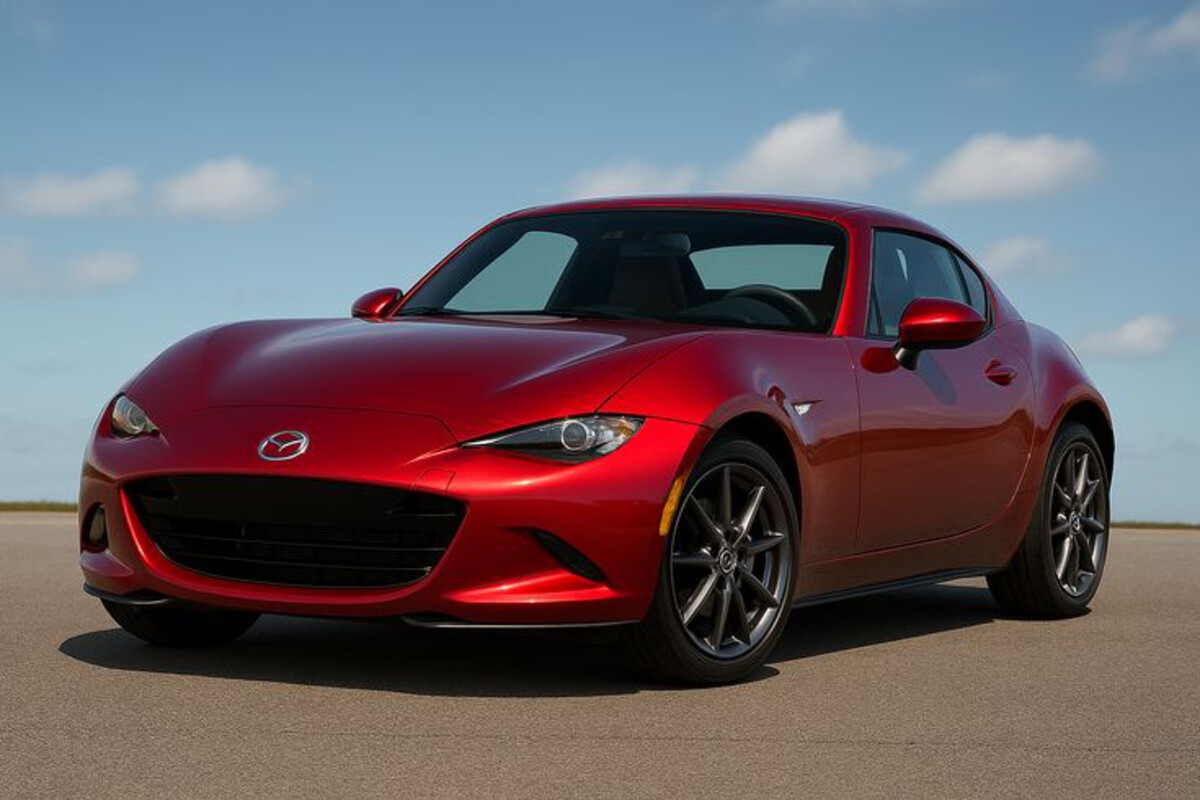
6. Mazda MX-5 Miata (1989)
By the late 1980s, the small, affordable roadster was considered a dead segment. British manufacturers like MG and Triumph had exited the market, and nobody seemed interested in reviving it. That’s when Mazda did something completely unexpected: they brought back the lightweight, rear-wheel-drive roadster with the MX-5 Miata.
In doing so, they weren’t just reviving a car type, they were taking a massive risk by investing in a segment everyone else had abandoned. Most automakers were chasing larger vehicles, luxury sedans, or high-tech flagships. Mazda, instead, focused on simplicity, fun, and mechanical purity.
The Miata was incredibly basic in its concept. It had a small four-cylinder engine, a manual transmission, and very few creature comforts. But it was also perfectly balanced, incredibly light, and tuned to offer the best driving experience possible at an affordable price.
It didn’t try to be fast in a straight line or luxurious inside. Instead, it focused entirely on how it felt to drive. That focus broke every rule of modern car development, which was increasingly obsessed with horsepower and complexity. Mazda’s decision to prioritize joy over numbers was both bold and unusual.
What followed was a phenomenon. The Miata became one of the best-selling sports cars of all time, praised for its handling, reliability, and driving engagement. Track day enthusiasts, first-time sports car buyers, and even racing teams adopted it. Magazines and critics who initially doubted its market appeal quickly reversed their opinions.
It even inspired a new generation of roadsters from competitors, proving that the segment wasn’t dead, it had just needed the right car to wake it up. In an era dominated by turbocharged monsters and luxury barges, the Miata stood out for being fun, honest, and accessible.
The Miata’s success was a direct result of breaking with the norm. It didn’t follow market trends. It didn’t focus on specs. It focused on how it made people feel behind the wheel. That kind of thinking, especially in a mass-market company, was incredibly rare. And yet, it worked. More than three decades later, the Miata continues to evolve while staying true to its original vision. It’s a car that didn’t just break rules, it proved that joy is sometimes the best feature a car can offer.

7. Toyota Prius (1997)
When the Toyota Prius was introduced in 1997, it wasn’t just another compact sedan; it was the world’s first mass-produced hybrid car. At the time, the idea of combining a gasoline engine with an electric motor seemed like a niche gimmick. Most consumers didn’t understand it, and the industry as a whole wasn’t ready to embrace the concept of electrified powertrains.
Yet Toyota committed heavily to the idea, investing in battery technology, hybrid control systems, and long-term emissions reduction, all at a time when gas was still relatively cheap and environmental consciousness hadn’t reached mainstream culture. The Prius was more than a product; it was a bold bet on a different kind of future.
From the beginning, the Prius defied expectations. It wasn’t flashy or powerful, and it didn’t try to hide its unconventional nature. Its design was distinct and purpose-driven, engineered to maximize aerodynamic efficiency rather than impress with aesthetics.
That alone set it apart from nearly every other car on the market. Toyota wasn’t trying to build a car that fit in, they wanted one that stood out and made a statement. As a result, the Prius became an icon, especially among environmentally conscious drivers and early adopters who valued its forward-thinking approach.
The real achievement wasn’t just technological, it was cultural. The Prius made hybrids cool in a way no one thought possible. Celebrities drove them to red carpet events, environmentalists praised them, and governments offered tax incentives to promote their adoption.
Over time, the Prius came to symbolize responsibility, innovation, and a willingness to break with tradition. It influenced nearly every major automaker to develop their own hybrid systems and played a direct role in accelerating the industry’s shift toward electrification. What was once a curiosity became a global movement.
8. Tesla Model S (2012)
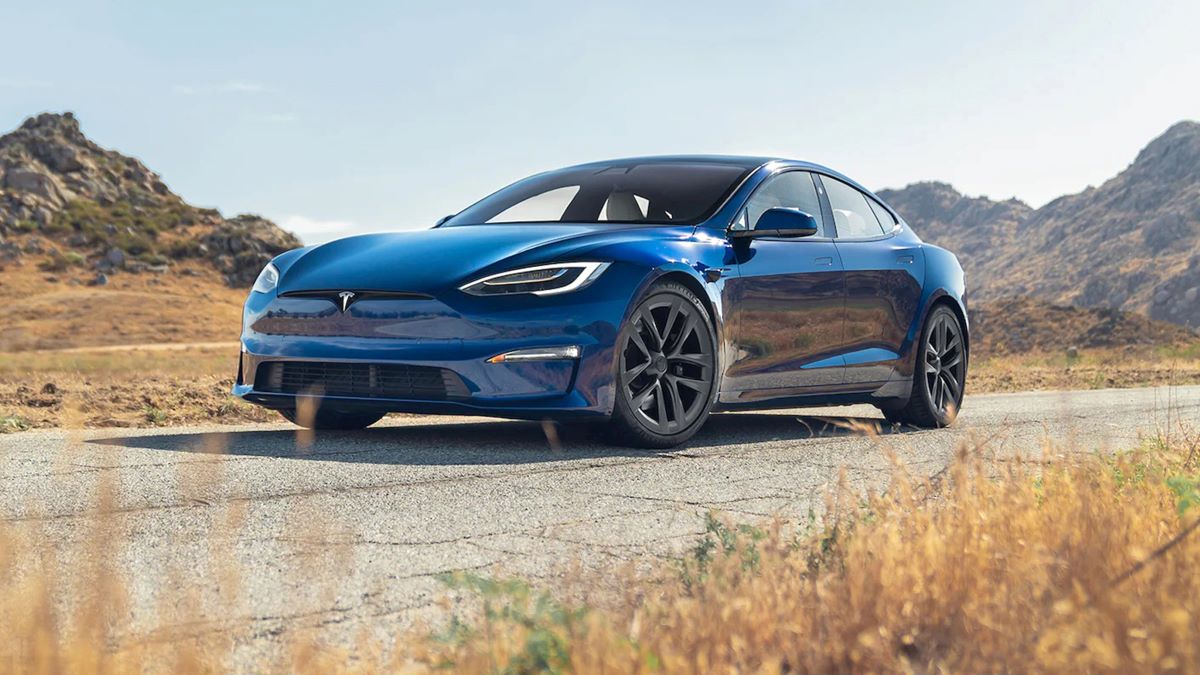
When Tesla launched the Model S in 2012, most people didn’t take electric vehicles seriously. They were viewed as impractical, limited in range, and suitable only for short city commutes. The idea of a fully electric luxury sedan that could out-accelerate gas-powered sports cars and offer over 250 miles of range was considered absurd.
Yet that’s exactly what the Model S delivered. It broke nearly every expectation people had about electric cars. It wasn’t just an alternative vehicle; it was a direct challenge to the very foundation of the modern automobile. Tesla ignored the rules established by legacy automakers and built a car that made no compromises on performance, design, or technology.
The Model S didn’t just shock people with its acceleration or sleek appearance. It rewrote the interior design playbook with a massive touchscreen in place of traditional buttons and gauges. This wasn’t a gimmick; it became the central hub for nearly every function of the car.
The minimalist cabin and over-the-air software updates made it feel more like a living piece of technology than a traditional car. While other automakers were still shipping vehicles that required dealership visits for software patches, Tesla treated the car like a smartphone on wheels. This approach was completely foreign to the automotive world but would later influence an entire industry.
Equally disruptive was Tesla’s approach to infrastructure. Instead of waiting for governments or third parties to build charging stations, Tesla built its own network of Superchargers, giving its customers fast, reliable access to charging across the country.
The Model S wasn’t just a success because it was electric. It was a success because it broke nearly every conventional rule about what a car should be and how a car company should operate. It redefined luxury, performance, and ownership in ways that continue to shape the industry.
What started as a risky gamble from a relatively unknown startup became one of the most influential cars of the 21st century. It didn’t just win; it rewrote the playbook for everyone else.

9. Subaru Outback (1994)
The Subaru Outback wasn’t designed to be flashy or revolutionary, but it ended up changing the definition of what a car could be. In the early 1990s, station wagons were falling out of favor, SUVs were rising in popularity, and Subaru didn’t have the resources to build a full SUV from scratch.
So they took a different route. They lifted the suspension of their Legacy wagon, added body cladding and all-wheel drive, and marketed it as a rugged alternative for people who didn’t want a truck-based SUV. It was a compromise that shouldn’t have worked, but it did, and it started an entirely new vehicle category in the process.
It wasn’t trying to be a hardcore off-roader. Instead, it appealed to people with active lifestyles who needed real utility but still wanted something comfortable and easy to drive. That subtle but powerful positioning allowed Subaru to stand apart from much larger competitors without getting into direct battles over size or horsepower.
A major reason the Outback succeeded was its authenticity. It didn’t pretend to be something it wasn’t. It embraced its wagon roots and emphasized practical features like roof racks, durable interiors, and cargo space. It was a car you could drive to work during the week and then take camping on the weekend.
That flexibility resonated deeply with consumers, especially in parts of the country with variable climates or rugged scenes. Subaru leaned into this image with clever marketing that featured outdoor themes and adventure-oriented branding, years before “crossover” became a common term.
Today, the Outback remains a core part of Subaru’s lineup and has inspired dozens of similar models from other manufacturers. But none have matched the original’s mix of charm, utility, and understated innovation. The Outback didn’t break the rules with brute force or shocking design. It simply stepped outside the box, redefined what a family vehicle could be, and succeeded by being both honest and smart. In doing so, it created a legacy that’s still going strong.
10. Porsche 911 (1964–Present)
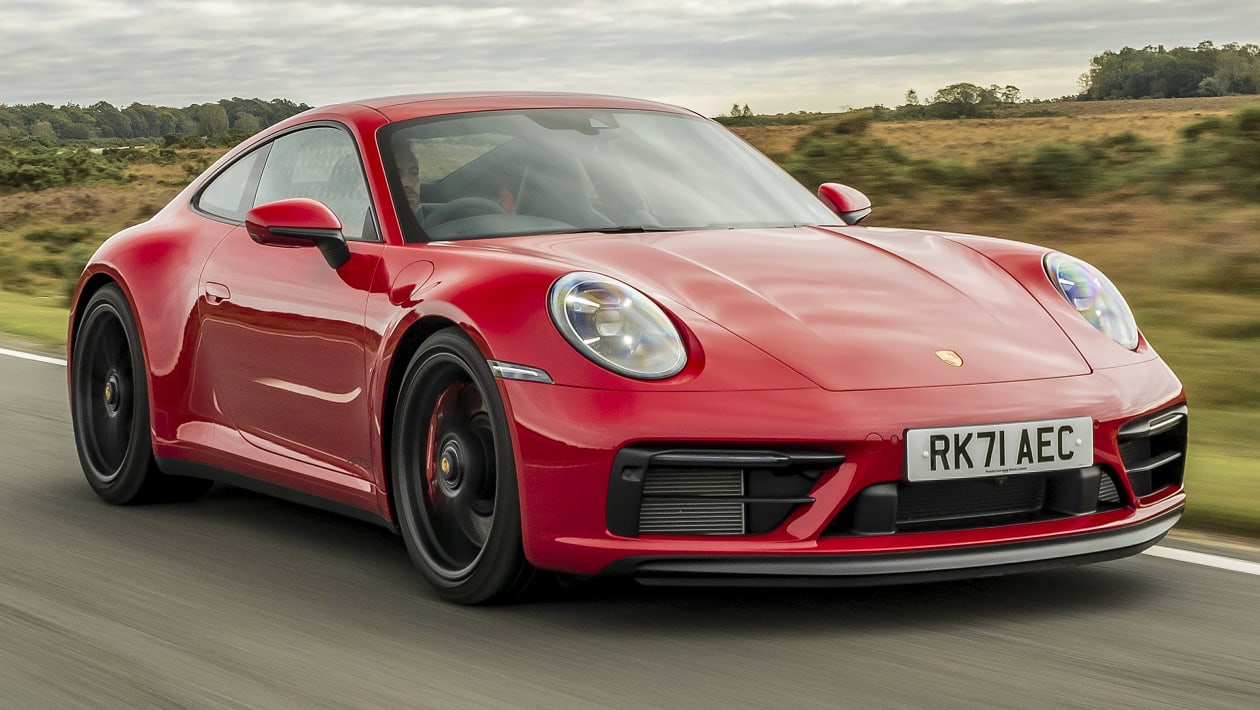
When the Porsche 911 was first introduced in 1964, it was almost immediately criticized for having the “wrong” layout. Mounting the engine behind the rear axle, where it acts like a pendulum, was considered a mistake by many engineers. It made the car prone to oversteer, especially in the hands of inexperienced drivers.
Most sports car makers favored front or mid-engine layouts for more predictable handling, and conventional wisdom said rear-engine cars were outdated or dangerous. Porsche stuck with it anyway, refining the concept instead of abandoning it. That decision, as controversial as it was, led to one of the most successful and enduring sports cars in history.
What makes the 911’s story so compelling is how it turned a disadvantage into an advantage through relentless evolution. Each generation improved on the last, with tweaks to weight distribution, suspension tuning, and tire technology. Porsche refused to compromise the 911’s fundamental layout, even when the easier path would have been to start fresh.
That kind of stubborn engineering discipline is rare, especially in an industry that often favors short-term gains over long-term development. The result was a car that kept getting better without losing what made it special in the first place.
Over time, the 911 became a benchmark not just for performance, but for engineering excellence. It dominated race tracks, won endurance events like Le Mans and the Nürburgring 24 Hours, and earned a reputation for being a true driver’s car. Yet it was also practical enough to use daily, offering reliability, comfort, and even occasional rear seating.
That combination of usability and thrill was something most rivals couldn’t match. Many tried to outgun the 911 with more power or flashier designs, but few could capture its unique blend of character and capability.
Today, 911 stands as a symbol of perseverance through unconventional thinking. Porsche could have followed the rules and changed the formula, but they didn’t. Instead, they trusted in their vision and kept refining a concept that everyone else thought was flawed.
