
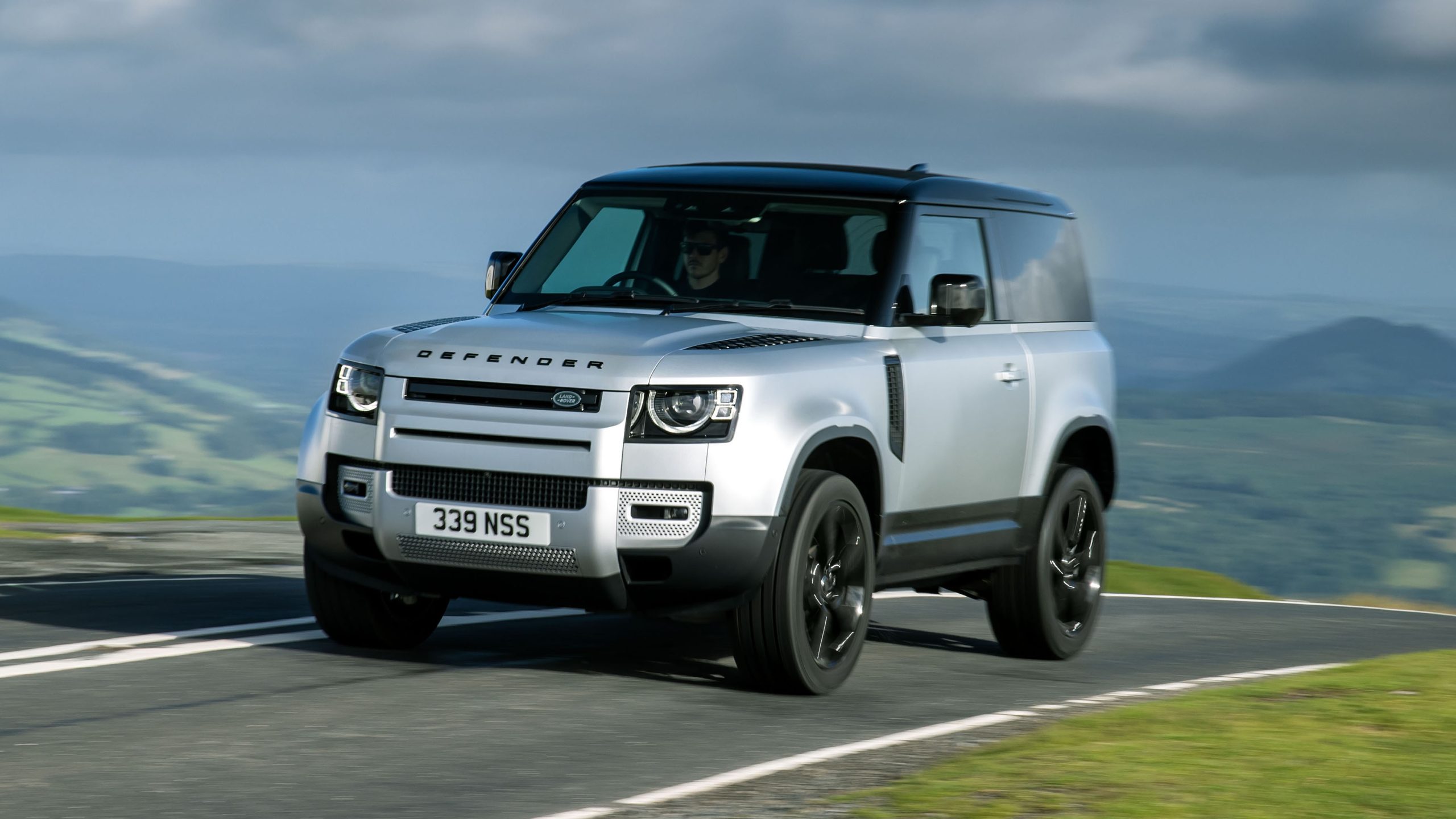
When winter hits hard with icy roads, heavy snowfall, and sub-zero temperatures, having a reliable car becomes less about convenience and more about necessity. The wrong vehicle can quickly become a liability in these conditions, leaving drivers stuck, sliding, or worse.
On the other hand, the right car can transform a stressful, snowy commute into a much more manageable experience. Winter-friendly vehicles combine several key traits: capable all-wheel or four-wheel drive systems, solid ground clearance, responsive traction control, and thoughtful engineering that anticipates harsh conditions.
Safety systems also play a major role, especially in modern cars equipped with features like adaptive cruise control, emergency braking, and lane-keeping assistance, all of which can come in handy when visibility drops and roads are slick.
While many vehicles can claim to be “winter-capable,” only a select few consistently rise to the challenge across various regions and conditions. This list features cars and SUVs that stand out for their dependability during the worst months of the year.
Some are purpose-built for snow and ice, while others offer surprising winter prowess despite being primarily designed for other terrains or uses. What ties them all together is their proven performance in cold climates, from rural backroads to urban streets buried under fresh powder.
Importantly, this isn’t a list focused purely on high-end models or off-road monsters. Sure, there are some luxury names here, but affordability, practicality, and everyday usability were also considered. A winter vehicle shouldn’t just be good at clawing its way out of a snowbank; it should also be comfortable, fuel-efficient where possible, and easy to maintain through the season.
Whether you’re in need of a rugged SUV for mountain travel or a smart sedan that can navigate slippery city streets with confidence, there’s something on this list for you.
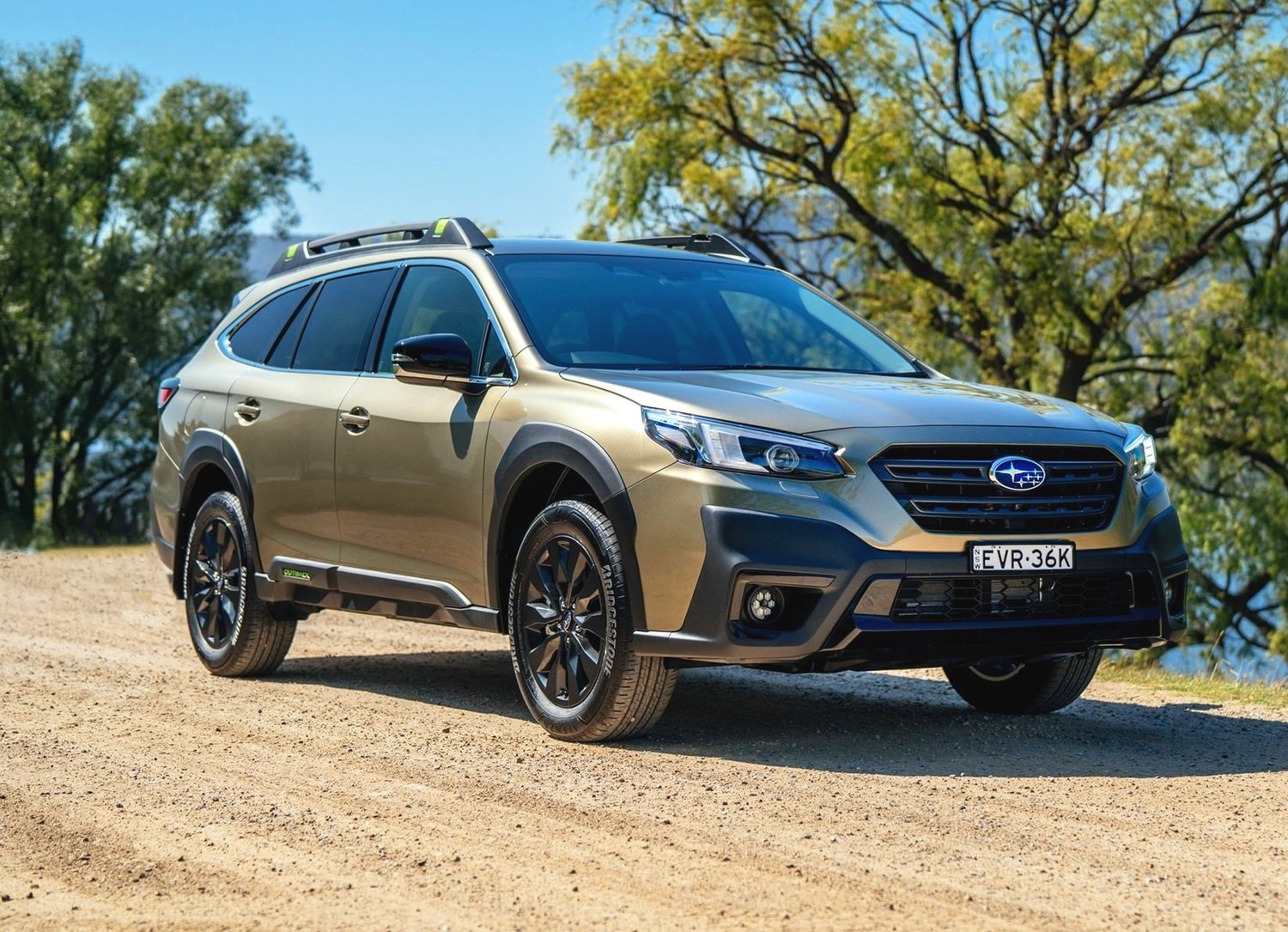
1. Subaru Outback
The Subaru Outback has long held a reputation as a dependable winter companion. With its symmetrical all-wheel drive system, it offers consistent traction across all four wheels, providing improved grip on icy roads.
This setup works exceptionally well for those living in areas where black ice and unpredictable weather patterns are common. The low center of gravity, thanks to the flat Boxer engine, adds further to the vehicle’s balance and control in slippery conditions.
Beyond the drivetrain, the Outback also benefits from solid ground clearance, usually around 8.7 inches. This makes it capable of handling deeper snow without dragging or becoming stuck.
Its X-Mode function is particularly useful in poor weather, adjusting the engine throttle, transmission, and traction control systems to better handle rough or icy terrain. Many owners appreciate the confidence that comes with this feature, especially when traveling through mountain passes or unplowed backroads.
The interior of the Outback is another strong point in winter. Heated seats and steering wheels are commonly available, and Subaru’s EyeSight driver assist technology helps keep the vehicle steady with features like lane departure warning and adaptive cruise control. The wide windshield and high driving position provide good visibility, which is critical during storms or heavy snowfall.
Practicality is another reason the Outback shines in cold climates. It offers plenty of cargo space for winter gear, from skis and snowboards to bulky jackets and snow boots. It also maintains reasonable fuel efficiency for a vehicle with AWD capabilities, making it a more cost-effective option for daily winter commuting. Altogether, the Subaru Outback is a dependable, balanced, and versatile vehicle for snowy months.
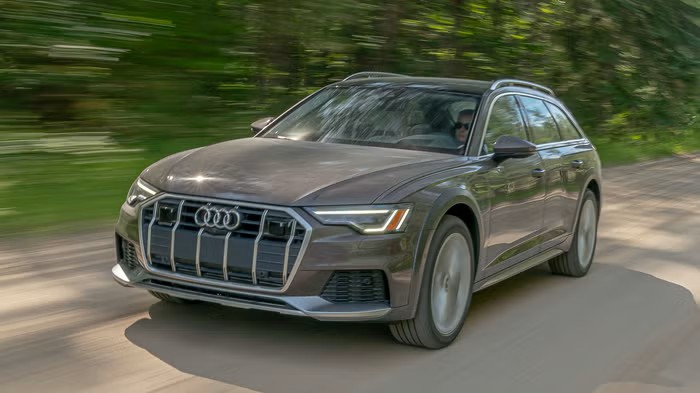
2. Audi Quattro Series (A4, A6, Q5)
Audi’s Quattro system is well-known for a reason. Introduced decades ago, it’s one of the most advanced all-wheel drive systems on the market, and it delivers strong winter performance across the brand’s lineup.
Whether you’re driving an Audi A4 sedan or a Q5 SUV, the Quattro system actively monitors road conditions and redistributes power to the wheels that need it most. This responsiveness makes it ideal for sudden changes in road traction, like patches of ice or slushy snow.
The Audi Q5 is a standout in snowy conditions, offering both the benefits of the Quattro system and the elevated ride height of an SUV. The interior is well insulated, and the climate controls heat the cabin quickly, which is a major comfort factor on frigid mornings.
The A4 and A6 sedans may not have the same clearance, but they still deliver excellent road handling and stability thanks to their drivetrain and weight distribution.
Audi also includes a suite of driver assistance features that are particularly helpful in winter. From anti-lock braking to electronic stability control, the vehicle helps keep things smooth and in control, even when drivers make sudden inputs. The high-quality braking systems paired with winter tires can make a significant difference in stopping distance, which is often the most dangerous factor on icy roads.
Inside, the cabin provides luxury-level comfort during the cold months. Heated front and rear seats, steering wheels, and even side mirrors make it easier to deal with frost and cold. Audi’s engineering precision helps ensure that the vehicle performs just as well in the snow as it does on dry pavement. That consistency is what makes the Quattro series a top-tier winter option.
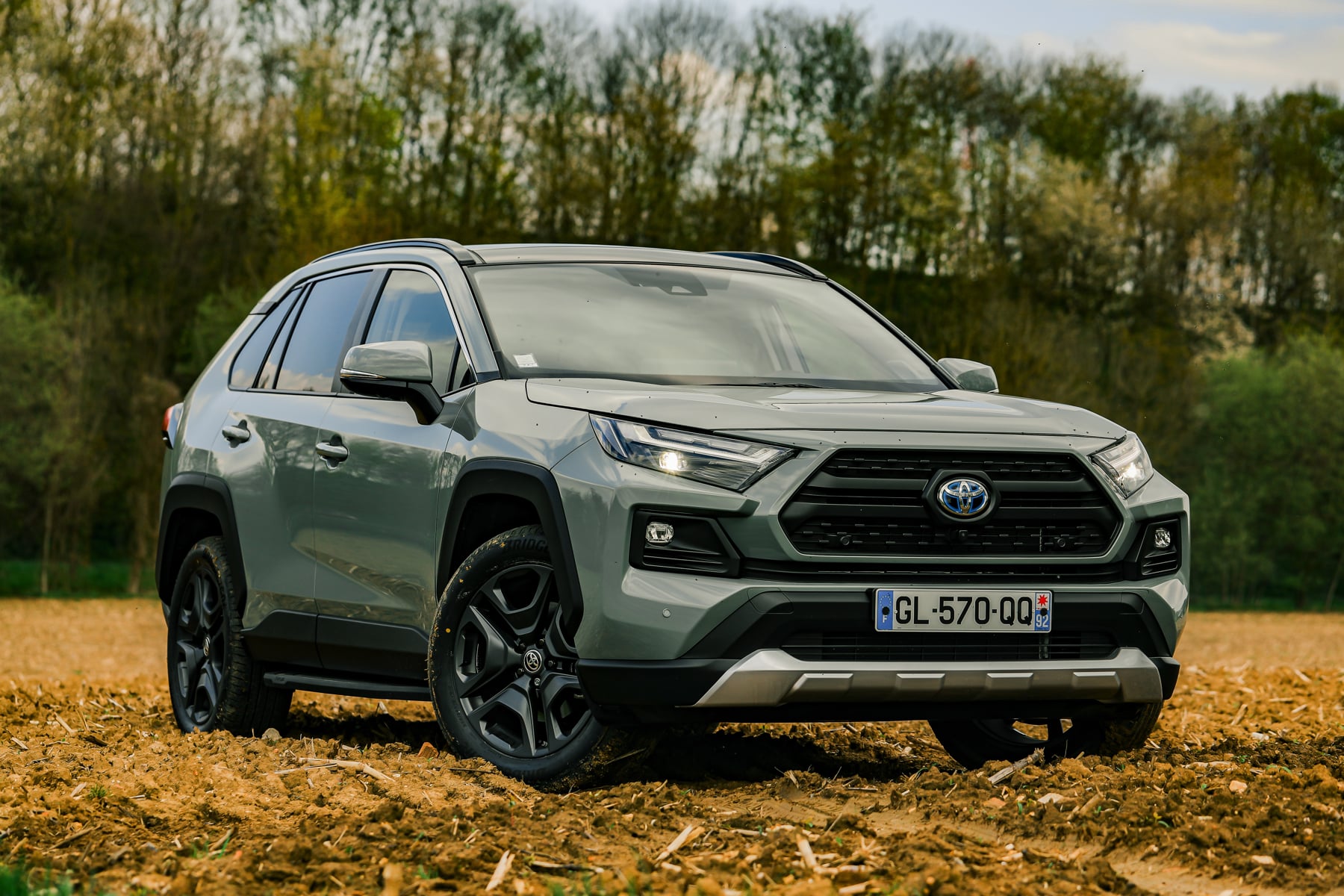
3. Toyota RAV4
The Toyota RAV4 combines practicality, reliability, and solid winter driving capabilities. Especially in its AWD versions, the RAV4 manages snow-covered roads with confidence. Its all-wheel drive system isn’t just a marketing term, it dynamically adjusts power between the front and rear wheels, making it responsive to conditions underfoot. Drivers benefit from this real-time adaptation when traction becomes unreliable.
Another important aspect of the RAV4’s winter readiness is its ground clearance. With around 8.4 inches, the RAV4 is well-positioned to drive through moderate snow buildup without bottoming out. The vehicle’s Snow Mode setting helps recalibrate the throttle and torque distribution to limit wheel spin. This added layer of control reduces the chances of getting stuck or sliding on inclines.
Comfort during winter is another strength. The newer models come with available features like heated front seats, heated steering wheels, and dual-zone climate control. The insulation of the cabin is well thought out, keeping road noise down and warmth inside. Visibility is generally very good, and the defrost system works quickly, which is a blessing when scraping windows becomes a daily task.
Long-term reliability is another key factor in the RAV4’s winter appeal. Cold temperatures can be hard on engines, batteries, and other vehicle systems, but Toyota’s strong track record in reliability means fewer headaches as the season wears on. Maintenance is relatively straightforward, and the car’s widespread popularity ensures access to parts and servicing in almost any town or city.
4. Volvo XC90
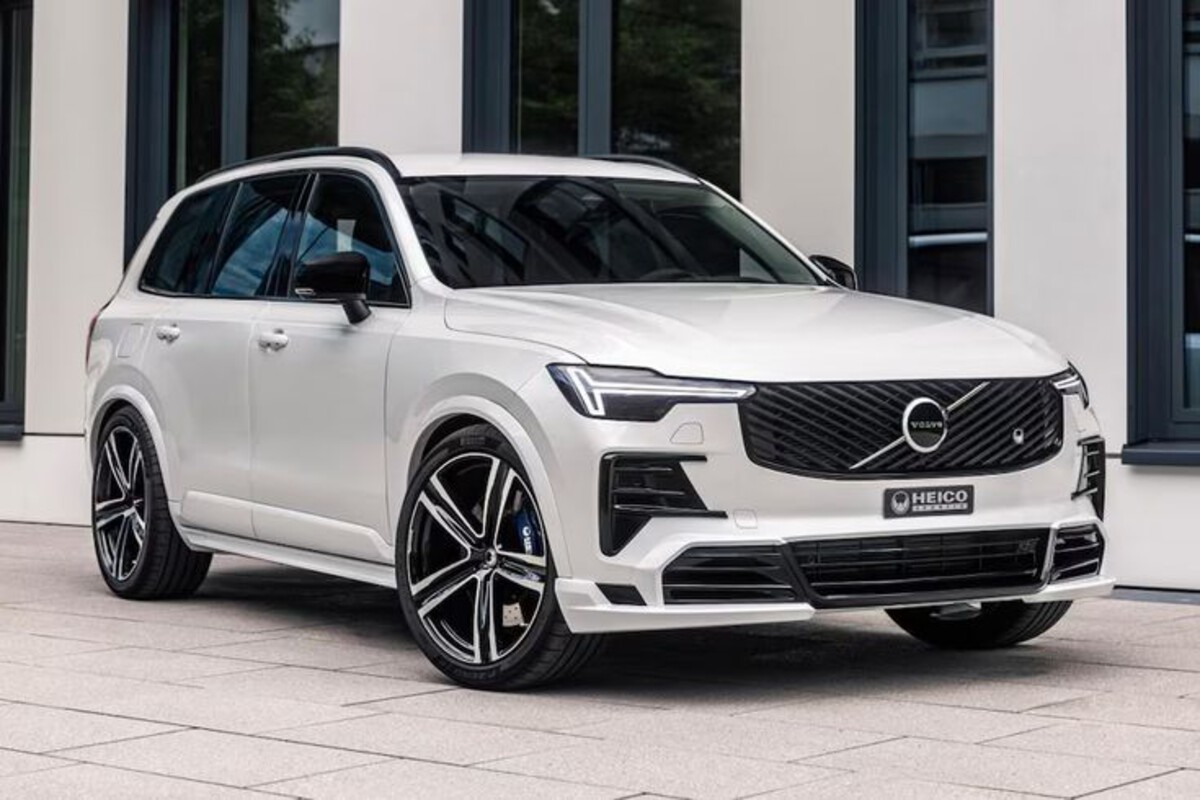
Volvo’s XC90 is a luxury SUV that’s perfectly at home in freezing temperatures and icy streets. Built by a company rooted in the cold climates of Scandinavia, this vehicle is engineered for winter. It features an advanced all-wheel drive system that continuously monitors road conditions, adjusting torque as needed. This results in a stable, confident ride even when snowbanks line the roads and visibility is reduced.
Safety has always been a cornerstone of Volvo’s design philosophy, and the XC90 delivers in that department. It includes systems like City Safety, lane-keeping aid, and cross-traffic alerts. These are especially helpful when navigating urban environments during winter, where pedestrians, cyclists, and other drivers may suddenly appear from behind snowdrifts or fogged windows.
Inside, the cabin is a warm, serene place. Heated seats and steering wheels are standard on many trims, and the ventilation system works quickly to maintain a comfortable environment.
The panoramic windshield and large windows help with outward visibility, which is critical during snowstorms or when merging on slippery roads. The XC90 also includes a head-up display in some versions, helping drivers keep their eyes on the road rather than glancing at dials.
Another major benefit is the vehicle’s composure on highways and long-distance drives in winter. It handles slush and wet pavement with ease, and the advanced suspension system keeps the ride smooth even when the roads aren’t. With ample cargo space for winter sports gear and a third row for extra passengers, the XC90 is a strong choice for families and frequent travelers.
5. Jeep Grand Cherokee
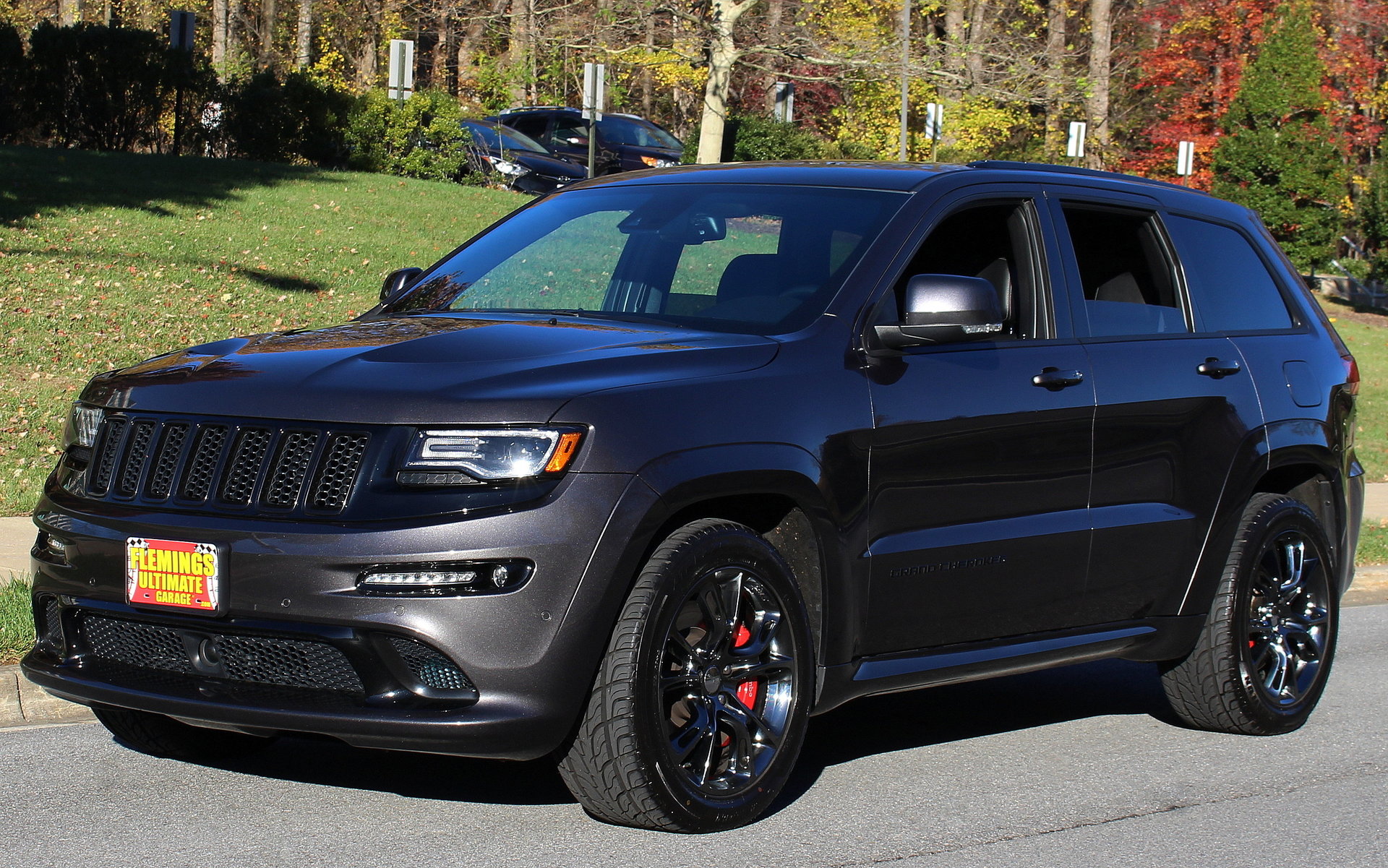
The Jeep Grand Cherokee is a well-established name when it comes to handling difficult terrain, and that extends naturally into winter driving. With its available Quadra-Trac and Quadra-Drive systems, it offers serious four-wheel drive capabilities.
These systems distribute torque between wheels in real-time, responding quickly to icy or uneven conditions. The optional air suspension system can also raise the vehicle for deeper snow, giving it an edge in rural or mountainous areas.
Comfort features in the Grand Cherokee contribute to its appeal. Heated front and rear seats, a heated steering wheel, and remote start make it more convenient to deal with cold mornings. Jeep has also focused on interior quality in recent models, making the cabin a much nicer place to spend time when the weather outside is harsh.
Jeep’s Selec-Terrain system allows the driver to choose from modes like Snow, Sand, Auto, or Rock, depending on the conditions. This level of control is particularly useful when transitioning between city driving and more unpredictable rural roads.
The Snow mode adjusts engine performance and power delivery to improve traction and minimize slip, which helps avoid common winter driving pitfalls.
For those who need a tough, dependable SUV that doesn’t compromise on comfort, the Grand Cherokee fits the bill. Its ability to plow through deep snow and handle icy roads makes it a favorite among drivers living in harsh winter climates.
This makes it particularly useful for drivers who frequently encounter rural or mountainous routes where road maintenance may be inconsistent. The vehicle’s weight distribution also aids in maintaining traction, preventing the front or rear end from slipping during acceleration or braking.
In terms of technology, Jeep equips the Grand Cherokee with a suite of driver-assist features that enhance winter safety. Electronic Stability Control (ESC) and Trailer Sway Control provide additional layers of control when towing or driving on challenging roads.
The hill descent control system is especially helpful when maneuvering steep, slick inclines, allowing the driver to maintain a steady, controlled speed without riding the brakes. Many models come with heated mirrors that reduce ice build-up, and a powerful defrost system ensures the windshield clears quickly, improving visibility on cold mornings or during active snowfall.
Inside, the Grand Cherokee balances rugged capability with upscale amenities. The interior is spacious and well insulated, protecting occupants from the chill of winter. Heated seats are standard on most trims, while higher-end versions also offer ventilated seating and heated rear seats, features that can make a long winter drive far more comfortable.
The Uconnect infotainment system includes smartphone integration and navigation, which can be essential for finding the safest routes during snowstorms or road closures. Additionally, remote start systems allow drivers to warm the vehicle before getting in, which is a small but appreciated convenience during freezing weather.
Finally, the Grand Cherokee’s reputation for durability means it stands up well to the wear and tear of winter driving. Cold temperatures can strain batteries, tires, and other components, but this Jeep is engineered to handle such conditions year after year.
Its parts are widely available, and the brand’s extensive dealer network makes maintenance accessible even in less populated areas. All these factors combined make the Jeep Grand Cherokee an excellent choice for anyone facing tough winter conditions while needing a vehicle that’s as comfortable on the highway as it is off-road.
6. Ford F-150
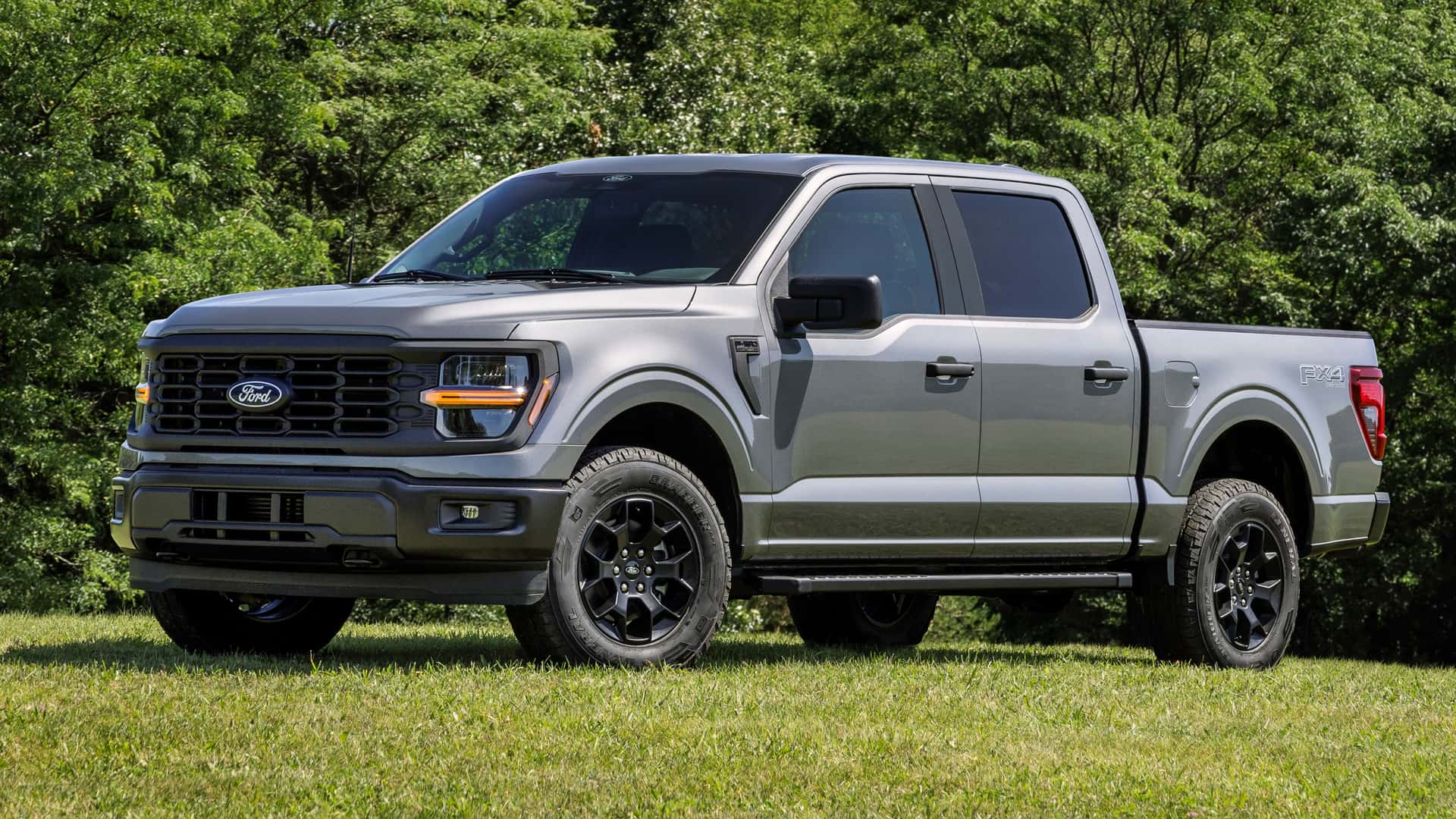
The Ford F-150 is America’s best-selling truck for good reason, and it’s a reliable option for winter driving as well. With its available four-wheel drive and multiple engine options, the F-150 can be tailored to match different winter needs.
Whether you need a powerful engine to tow a snowmobile trailer or a durable drivetrain to get you through thick ice and snow, this truck is up to the task. The 4WD system features low-range gearing that’s invaluable when climbing icy slopes or crawling through packed snow.
Ground clearance is another advantage of the F-150, with many models offering around 8.8 to 9.4 inches, depending on trim and suspension setup. This clearance lets drivers avoid getting stuck in deeper snow, and the truck’s heavy weight helps maintain traction, especially when equipped with winter tires.
The Ford’s Terrain Management System offers specific modes for snow and ice, adjusting throttle response, transmission shifts, and traction control to optimize handling.
The F-150 also scores points for its rugged interior that can withstand winter’s messiest moments. Heavy-duty floor mats, durable upholstery options, and an effective climate control system make it easier to keep the cabin clean and warm despite snow-covered boots and gear.
Many models also come with heated and ventilated seats, heated steering wheels, and remote start, adding comfort on cold mornings. Visibility is generally good, with large mirrors and available cameras providing a comprehensive view of the surrounding environment.
Beyond its physical capabilities, the F-150 is also a smart choice for those who use their truck for winter work or recreation. The bed can carry everything from firewood to skis, and features like the tailgate step make loading and unloading easier when gloves are thick and dexterity is reduced.
With a reputation for toughness and reliability, the Ford F-150 remains a go-to vehicle for winter weather, whether you’re navigating snowy city streets or plowing through backcountry trails.
7. Chevrolet Tahoe
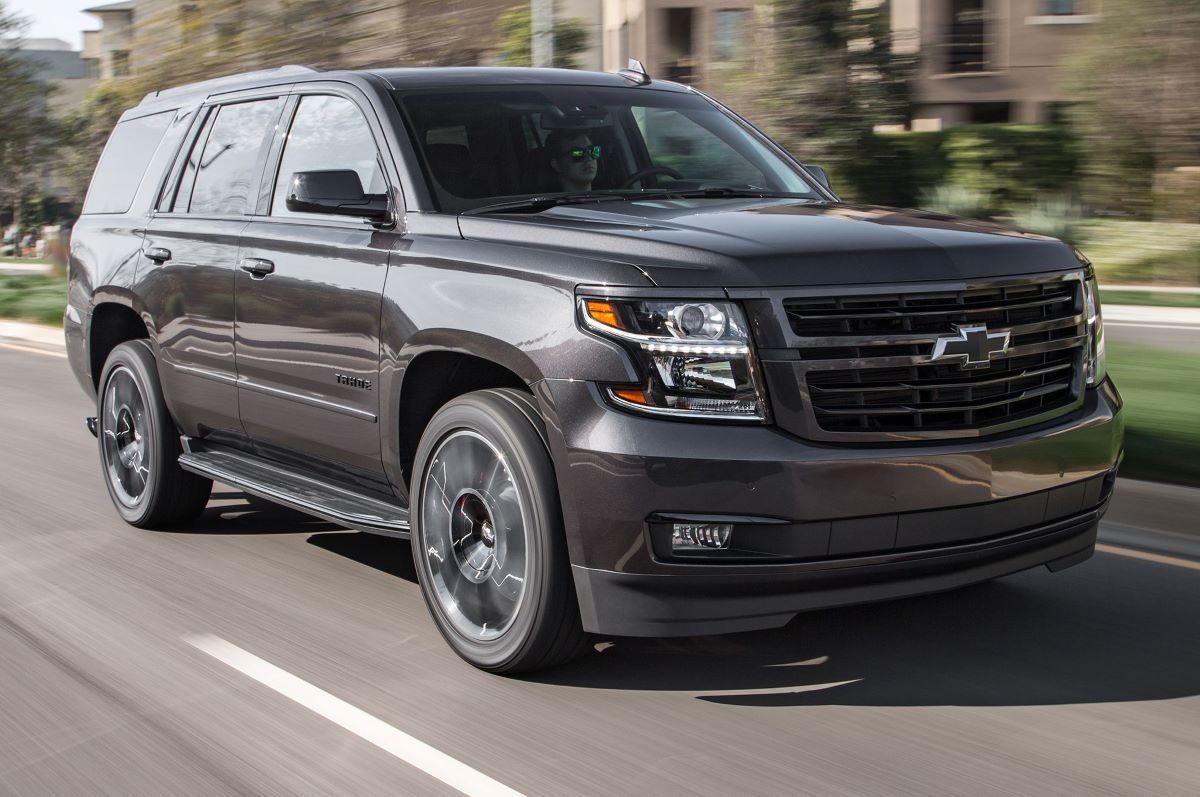
The Chevrolet Tahoe is a full-size SUV that combines size, power, and winter readiness. With its robust four-wheel-drive system and ample ground clearance, the Tahoe is built to handle serious winter conditions.
It features a two-speed transfer case, allowing drivers to switch between 4WD High and 4WD Low depending on terrain. This capability is crucial when facing steep, icy hills or deep snow drifts, giving the driver enhanced control and confidence.
The Tahoe’s weight and size contribute to its winter stability. Its long wheelbase helps provide a smooth ride over bumpy or uneven snowy surfaces, while its considerable curb weight means it sticks to the road better in slick conditions.
The SUV is also equipped with stability control and anti-lock brakes, helping to reduce skidding and improve stopping distances on ice. Many trims come with traction control systems that intelligently manage wheel spin to keep the vehicle moving forward safely.
Comfort is a major focus inside the Tahoe. The cabin is roomy and well insulated, with options for heated and ventilated seats, heated steering wheels, and tri-zone climate control.
The large windows and high seating position give drivers excellent visibility, which is critical when whiteout conditions reduce sightlines. The Tahoe’s infotainment system includes navigation and smartphone connectivity, useful for route planning during snowstorms or emergencies.
Storage and passenger capacity make the Tahoe an excellent family winter vehicle. With three rows of seating and plenty of cargo space, it can accommodate winter sports gear and passengers comfortably.
The rear seats fold flat for extra cargo room when needed. The Tahoe’s towing capabilities also mean you can bring along trailers or boats for winter recreation. Its combination of size, power, and winter features make it a versatile and dependable choice in snowy regions.
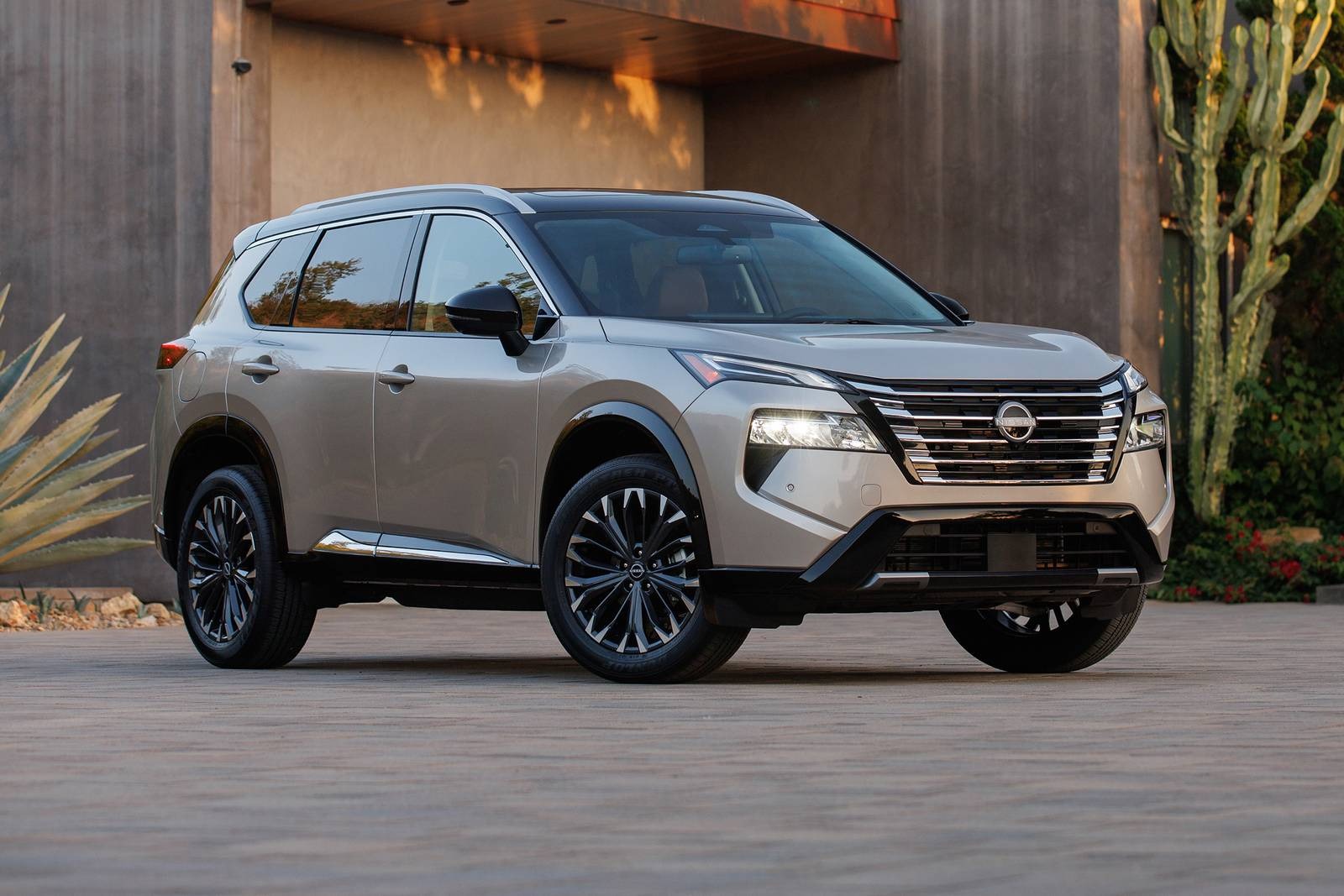
8. Nissan Rogue
The Nissan Rogue offers a practical, compact SUV option for winter driving. Its available all-wheel drive system provides sufficient grip for snowy city streets and light off-road use.
Unlike some more aggressive AWD setups, the Rogue’s system prioritizes fuel efficiency while still sending power to the rear wheels when front traction is compromised. This makes it a sensible choice for those who want reliable winter performance without sacrificing economy.
Ground clearance in the Rogue is moderate, around 8.2 inches, allowing it to navigate average snow levels without difficulty. The vehicle’s lightweight nature, combined with electronic traction control, means it handles well on slick roads and can recover quickly from minor slides.
Newer models also feature an Intelligent Around View Monitor, which gives drivers a bird’s eye view when parking or maneuvering in snowy lots or narrow streets.
Inside, the Rogue provides a comfortable and warm environment for winter travel. Heated front seats and a heated steering wheel are commonly available, and the cabin is designed to retain heat efficiently.
The Rogue’s user-friendly infotainment system, with Apple CarPlay and Android Auto, helps drivers stay connected while keeping distractions to a minimum. Visibility is decent, and the rear window defroster works effectively to clear ice buildup.
The Rogue’s manageable size and nimble handling make it ideal for urban drivers dealing with winter weather. It’s easy to park in tight spaces and maneuver through congested streets, yet still offers enough cargo space for winter gear and shopping. Reliability and low maintenance costs add to its appeal, making the Rogue a practical and well-rounded winter vehicle for small families or singles.
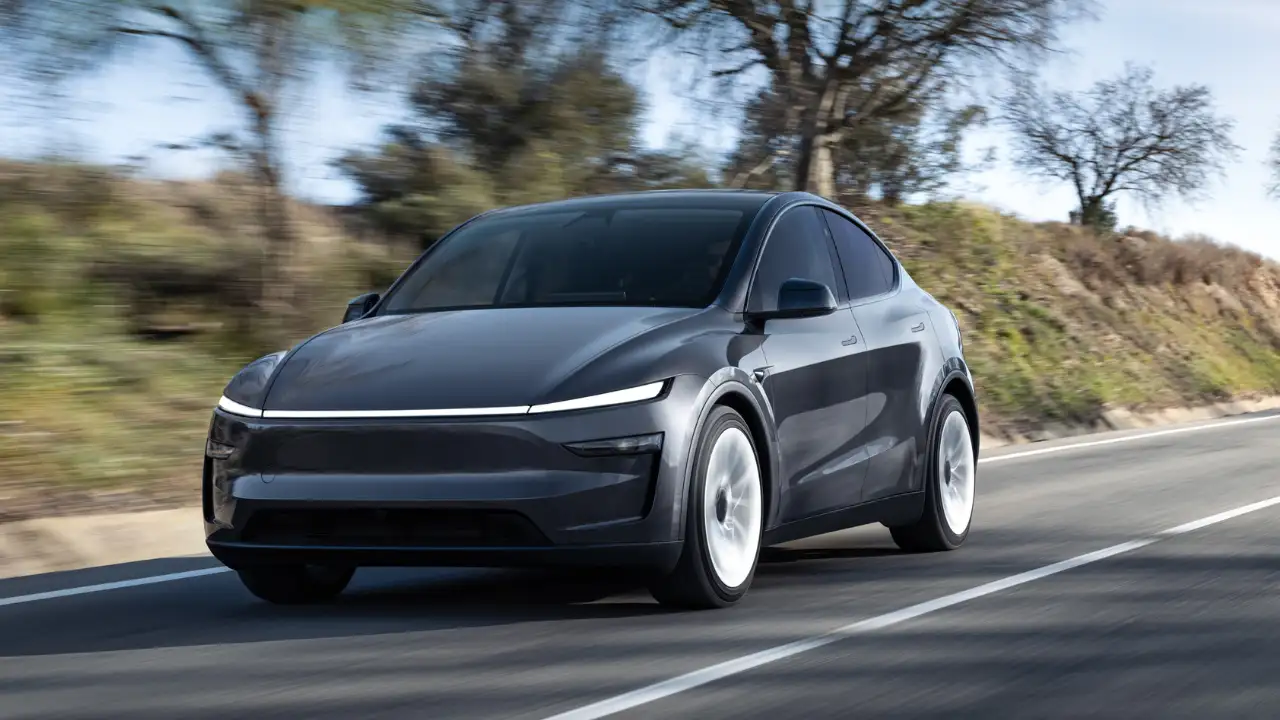
9. Tesla Model Y
Electric vehicles are increasingly capable in winter, and the Tesla Model Y is a prime example. It offers all-wheel drive with instant torque delivery, which can be very helpful on slippery surfaces.
The dual-motor setup independently powers the front and rear wheels, allowing for precise torque distribution that enhances stability and traction on icy roads. Tesla’s traction control system is sophisticated and adjusts quickly to changing road conditions.
The Model Y’s low center of gravity, thanks to its battery placement, improves handling in snowy conditions by reducing body roll and improving cornering stability.
Ground clearance is adjustable on some versions, with the ability to raise the car slightly for rougher terrain or deeper snow. While electric vehicles traditionally faced concerns about range loss in cold weather, Tesla’s battery management system minimizes this effect by preconditioning the battery and cabin before driving.
Inside, the Model Y offers a spacious, minimalist interior with heated seats and steering wheels standard. The large touchscreen controls climate and defrost settings efficiently, warming the cabin quickly even in freezing temperatures.
Tesla’s Autopilot and Full Self-Driving features provide added safety, with lane-keeping assist and adaptive cruise control helping drivers maintain control on slippery highways.
Charging infrastructure and cold-weather performance have improved dramatically in recent years, making the Model Y a viable option for many winter drivers.
It’s particularly well-suited for those who live in areas with access to fast chargers and want a high-tech, environmentally friendly winter vehicle. The Model Y’s blend of performance, safety, and innovation make it a strong contender for handling winter weather.
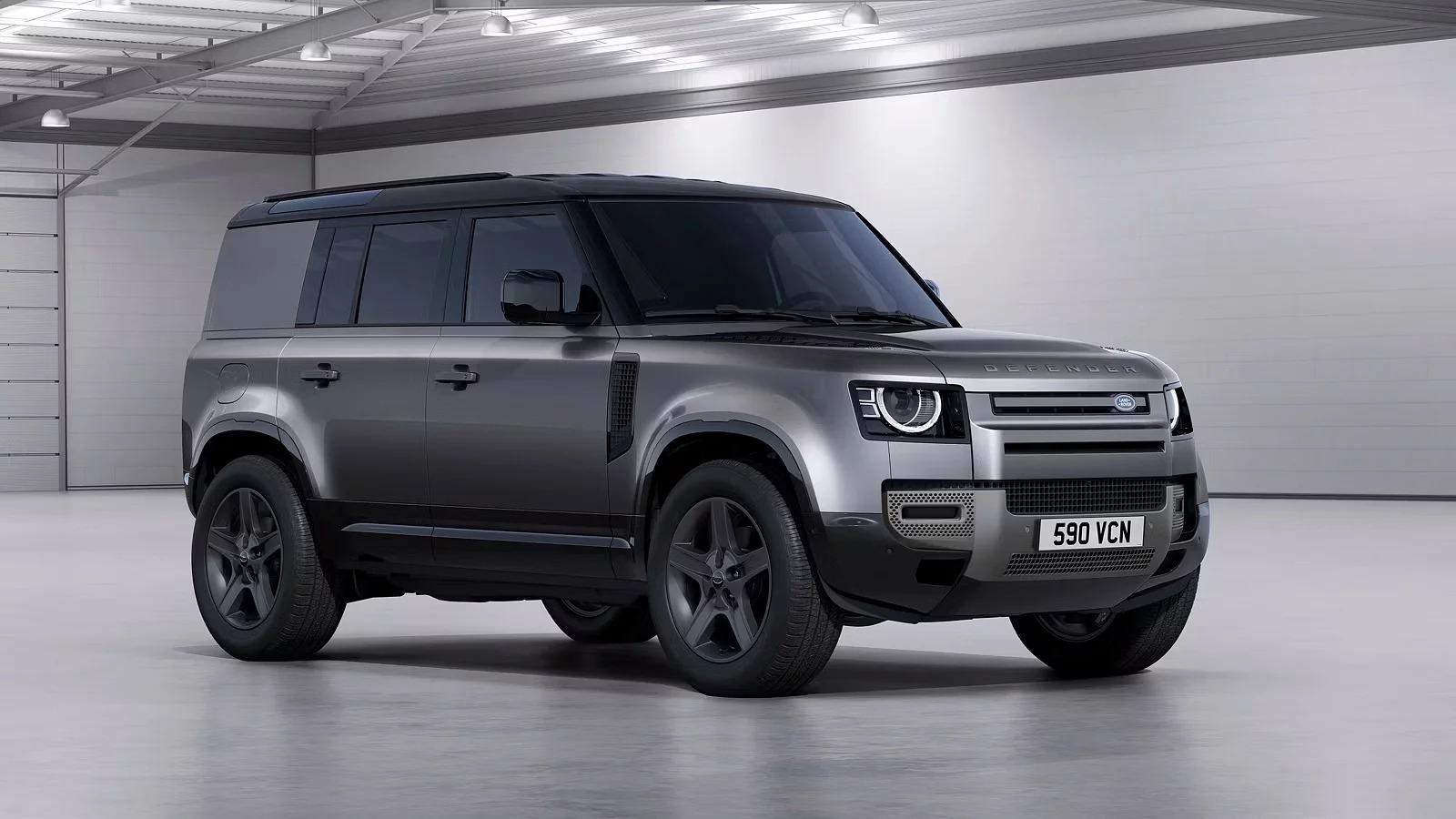
10. Land Rover Defender
The Land Rover Defender carries a legacy of rugged, go-anywhere capability that shines in winter conditions. Designed originally as a military vehicle, it’s built to handle extreme weather and terrain.
Its advanced four-wheel-drive system features multiple terrain response modes, including Snow, Mud, and Ice, allowing drivers to tailor the vehicle’s traction and suspension to the environment. This versatility is crucial for those who face variable winter conditions on a regular basis.
Ground clearance can reach up to 11.5 inches with the air suspension system, enabling the Defender to cross deep snowfields and uneven surfaces without issue.
The vehicle’s boxy shape also provides excellent outward visibility, helping drivers spot obstacles like ice patches or hidden snowbanks ahead. Traction control and hill descent systems work in tandem to maintain control on steep and slippery surfaces.
The interior combines ruggedness with luxury. Heated seats and steering wheels come standard, and the cabin is designed to stay warm and dry even after hours of exposure to harsh conditions. The Defender’s infotainment system includes detailed navigation maps tailored for off-road and winter driving, which can be lifesavers when venturing away from well-maintained roads.
Finally, the Defender’s build quality and engineering ensure it remains reliable through repeated winter seasons. Its durable body panels and corrosion-resistant materials help protect against salt and moisture damage common in snowy regions. With its blend of strength, technology, and heritage, the Land Rover Defender is a prime choice for those who need a true winter warrior vehicle.
