
Some cars reach global fame not because of their engineering brilliance, luxury status, or sales numbers, but because of their unforgettable presence on the big screen. These vehicles transcend their role as mere props and become central to the identity of a film, often stealing scenes and embedding themselves into popular culture.
Whether it’s because of the story they’re tied to, the character who drives them, or the way they were filmed, certain cars have left a mark on audiences worldwide. They’re not just remembered by gearheads or movie buffs but have become symbols recognized by people across generations.
A great movie car can carry emotional weight, spark nostalgia, or create a lasting image that sticks with people long after the credits roll. Some cars represent freedom, rebellion, or power, while others might be quirky, unusual, or even futuristic. What these iconic vehicles have in common is the way they perfectly fit the story they’re part of.
The look, the sound, and even the timing of their appearances can add dramatic impact and help define the tone of a film. These cars are more than machines. They serve as reflections of characters, themes, or entire eras.
Over time, these cars also take on a life of their own outside the movies. They show up at fan conventions, get featured in video games, inspire collectors, and are often recreated in tribute builds. Some of them go on tour. Others end up in museums. Fans memorize every detail from the license plates to the engine sounds.
Their appeal stretches beyond the car community because of how deeply they’re tied to the stories people love. The emotional connection people feel to them is often stronger than any ad campaign could ever create.
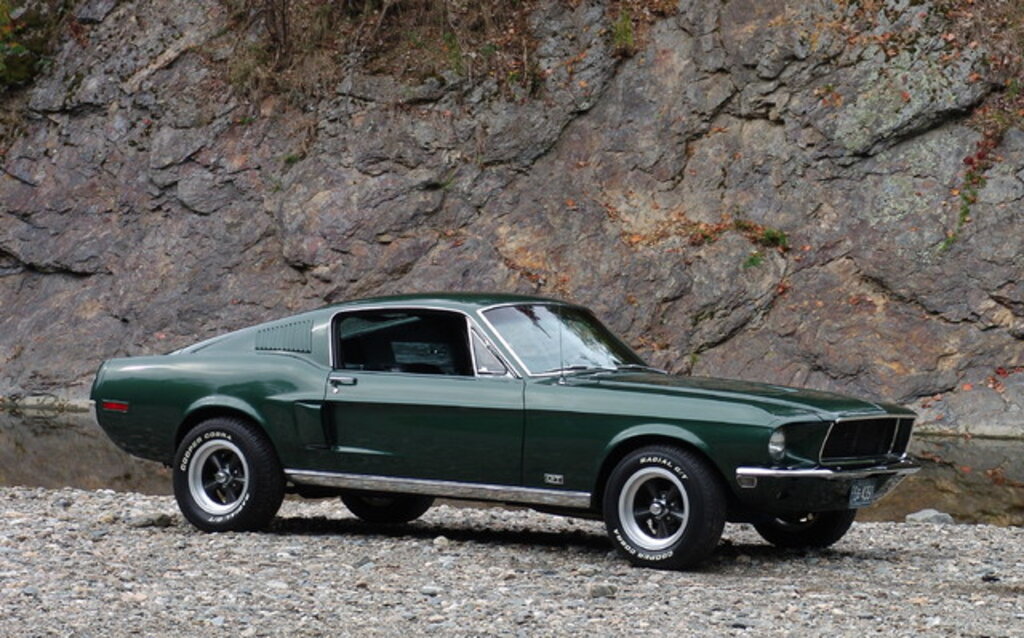
1. 1968 Ford Mustang GT 390 – Bullitt (1968)
The 1968 Ford Mustang GT 390 in Bullitt became an instant legend thanks to one of the most famous car chases ever filmed. Driven by Steve McQueen through the streets of San Francisco, the Mustang wasn’t just a car; it was an extension of McQueen’s no-nonsense, gritty detective persona.
The chase scene, lasting nearly 10 minutes, was groundbreaking at the time. It featured real speeds, minimal special effects, and a visceral, raw style that set the standard for decades to come. The green fastback growled through city streets, leaping over hills and burning rubber, giving audiences a rush that felt real.
Its presence in the film felt authentic. There was no fancy paint job, no gadgetry, just pure American muscle and determination. That sense of realism gave it credibility, and audiences connected with it. The car felt like something real people could aspire to own, not some untouchable luxury machine.
The Mustang’s cultural impact didn’t stop with the film. It launched a wave of interest in that particular model and helped cement the Mustang as a true American icon. Ford has acknowledged this legacy many times, including releasing special Bullitt-edition Mustangs in later years. Collectors began to hunt down the exact model and replicate the look.
Even people who hadn’t seen the film knew what the Bullitt Mustang was and why it mattered. Its sound, color, and stance are etched into pop culture history.
It’s rare for a single movie to redefine the public image of a production car, but Bullitt did exactly that. The Mustang wasn’t just part of the background; it helped define the film’s mood and remains one of the most recognized and celebrated movie cars of all time.
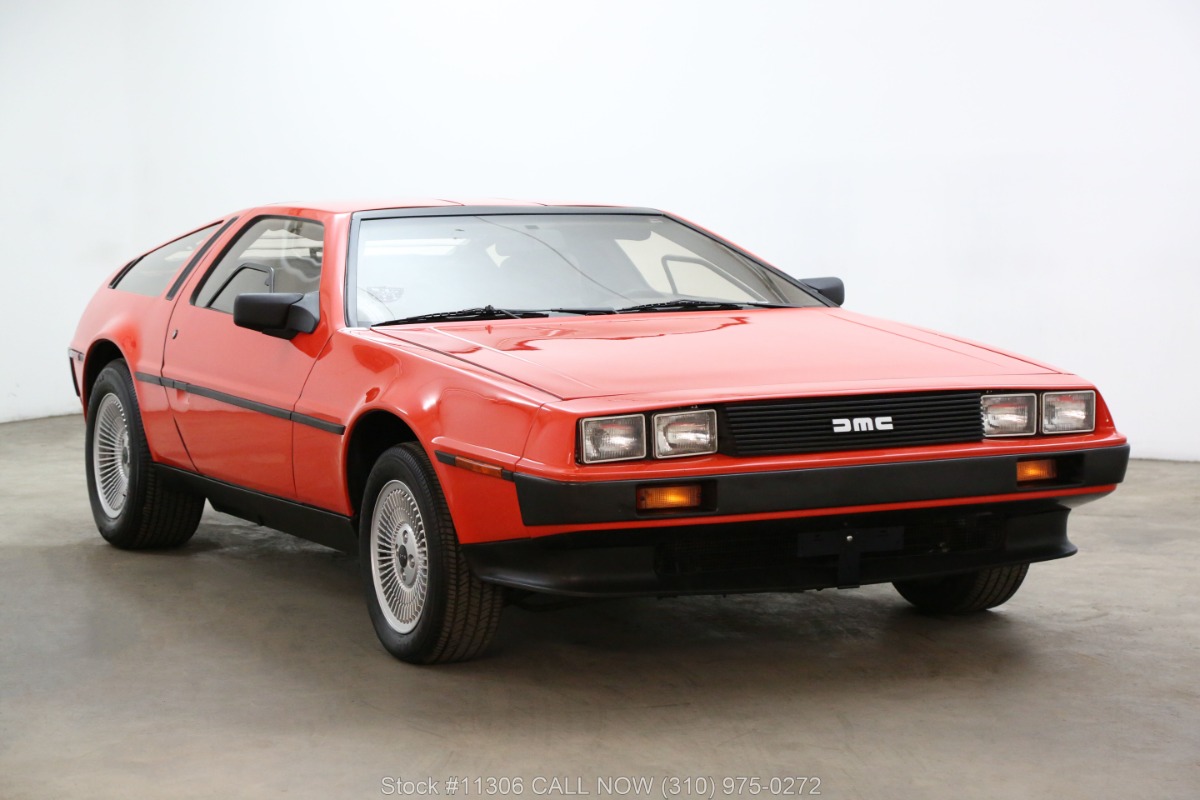
2. 1981 DeLorean DMC-12 – Back to the Future (1985)
Before Back to the Future, the DeLorean DMC-12 was a curiosity. It had a stainless-steel body, gull-wing doors, and an unusual place in the automotive market. But after it was chosen to be Doc Brown’s time machine, it became something else entirely. The movie took a car with a short and troubled production history and turned it into a global icon.
Its futuristic look made it the perfect candidate for time travel, and once audiences saw it disappear in a flash of light at 88 miles per hour, the DeLorean was no longer just a car, it was a pop culture legend.
What made the DeLorean’s role so effective was how it matched the tone and style of the film. Back to the Future was about invention, adventure, and pushing limits, and the DeLorean looked like nothing else on the road. It wasn’t a sleek sports car or a luxury cruiser; it was weird, bold, and different.
The idea that something so unconventional could be used to travel through time gave it a unique identity. The movie’s humor, suspense, and sci-fi charm were all amplified by the presence of this car that looked like it didn’t quite belong to any specific time period.
The design of the time machine itself added layers to its personality. The flux capacitor, the glowing coils, the noise it made when starting up, all of that transformed it from a simple car into a character in the film.
People didn’t just remember it; they were fascinated by it. It’s one of those rare examples where a car became inseparable from the storyline, to the point where imagining the film with any other vehicle is nearly impossible.
Decades later, the DeLorean remains a fan favorite. Replica builds are common, and original models have become collector’s items. Despite its limited production run, it’s one of the most recognized cars in the world today, thanks entirely to its role in this beloved movie trilogy.
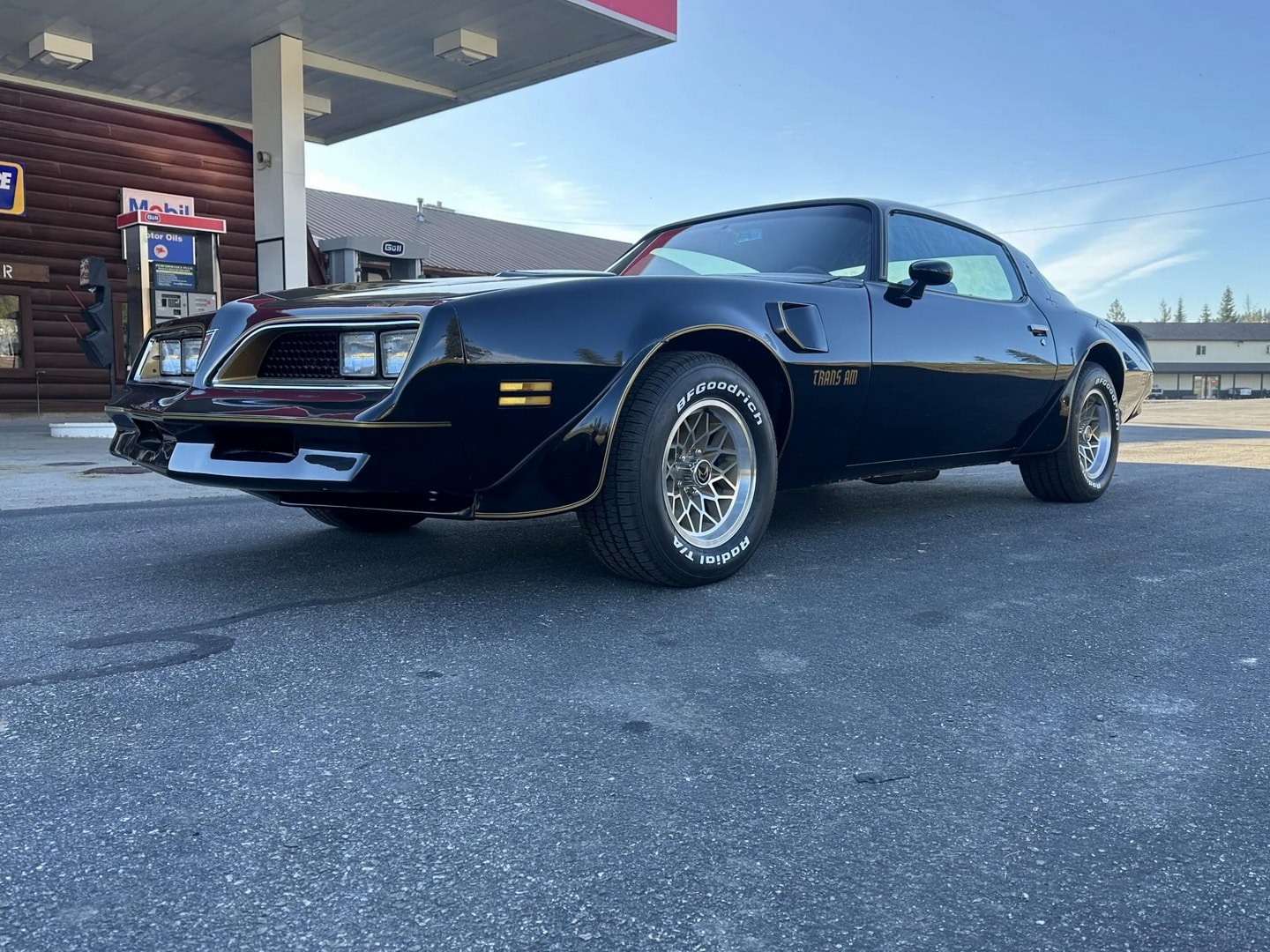
3. 1977 Pontiac Firebird Trans Am – Smokey and the Bandit (1977)
The black and gold 1977 Pontiac Trans Am from Smokey and the Bandit helped define the look and attitude of late ’70s American car culture. It was flashy, powerful, and unapologetically loud, everything that suited Burt Reynolds’ charismatic outlaw character.
The film itself was a road movie full of chases, stunts, and humor, but the Trans Am wasn’t just along for the ride. It was part of the identity of the “Bandit” himself. It became the symbol of rebellion, charm, and southern swagger.
Its low-slung body, t-tops, and distinctive hood decal gave it an instantly recognizable profile. For many viewers, especially in America, it represented a dream car. Something fun, fast, and just outside the law.
The Trans Am’s sales saw a major spike after the release of the movie. Pontiac dealers across the country used the car’s movie stardom in their advertising, and the car became a best-seller for the brand. For kids of that era, posters of the Bandit’s car were just as common as those of sports stars or musicians.
It entered the realm of fantasy while still being an attainable reality for many. That mix of accessibility and style was part of what made it such a hit.
Even today, the Smokey and the Bandit Trans Am holds a special place in the hearts of car fans. It’s often restored, replicated, and shown off at car shows and conventions. Its combination of movie legacy, performance image, and classic American styling make it one of the most enduring icons from any film.
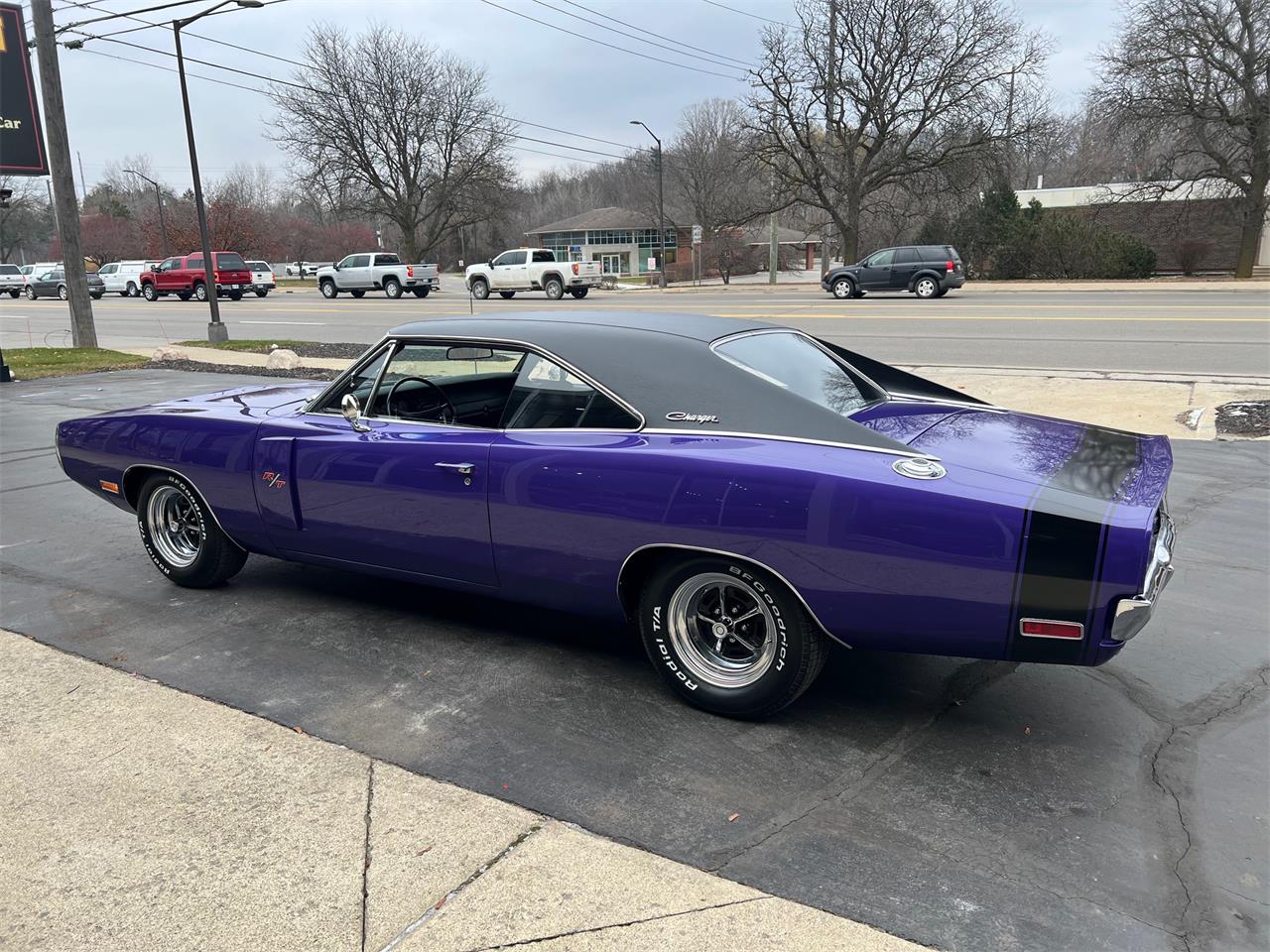
4. 1970 Dodge Charger – The Fast and the Furious Series (Expanded)
Throughout the Fast and the Furious franchise, the 1970 Dodge Charger is much more than a fast car; it’s almost a character in its own right. Each time it appears, it brings a sense of history and intensity that’s hard to replicate with newer, flashier vehicles. Its aggressive design, the guttural roar of its engine, and the sight of its menacing stance make it impossible to ignore.
The Charger represents something primal and real, contrasting with the precision-tuned import cars that dominate much of the franchise’s street racing scenes. While many films focus on cutting-edge technology and modern styling, the Charger’s old-school muscle car roots provide a strong anchor to tradition.
It reminds viewers of a different era of American car culture, one focused on raw power, loud engines, and unfiltered performance. Its broad shoulders and bold front grille speak to a time when cars weren’t just transportation, they were symbols of strength and individuality.
What makes this car especially iconic is how it reflects Dominic Toretto’s personality and values. The character’s focus on family, loyalty, and strength is echoed in the car’s raw power and durability. It’s a machine built to last, to push limits, and to protect, much like Toretto himself.
The Charger has been central to some of the franchise’s most memorable moments, including daring escapes, powerful races, and emotional scenes.
The film’s depiction of Toretto’s connection to the car adds layers to the story, turning the Charger into an extension of his own identity. It’s not simply a means of transportation, it’s a symbol of his roots, a reminder of where he came from and what he fights for.
The car carries emotional weight, and its presence often signals a turning point or an important moment in the narrative, giving it a significance beyond its mechanical abilities.
The car’s significance also extends beyond the movies. Among fans, the Charger has become a symbol of muscle car pride and nostalgia. Replicas and restorations inspired by the film are common at car meets, and it has helped revive interest in classic American muscle cars among younger generations who might otherwise focus only on modern sports cars.
The association with the Fast and the Furious brand has only amplified its status, making it one of the most recognizable movie cars of the 21st century.
It’s frequently featured in merchandise, promotional material, and fan gatherings, reinforcing its legendary status. In many ways, the Charger serves as a bridge, connecting the new wave of car culture enthusiasts with the powerful heritage of American muscle.
Just like Toretto and his crew, it has weathered challenges, crashes, and setbacks, only to come back stronger. Its durability on-screen mirrors the resilience of the characters and the fans who have supported the series.
This car has become a symbol of determination, family, and the unapologetic love of speed. It is, without question, one of the most enduring and powerful icons of modern cinematic car culture.
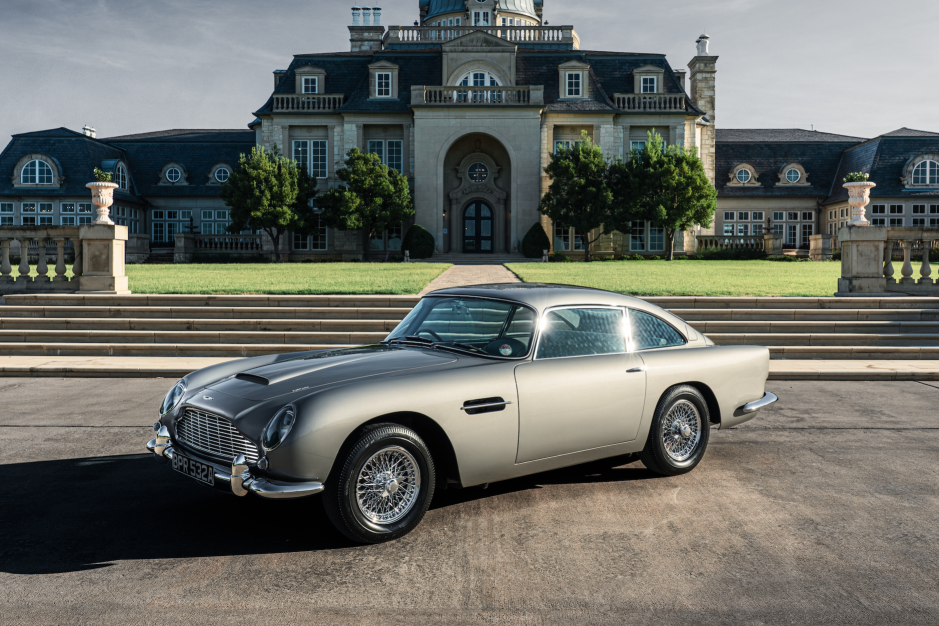
5. 1963 Aston Martin DB5 – James Bond Series (Expanded)
The Aston Martin DB5 is often considered the quintessential James Bond car, making its debut in Goldfinger (1964) and appearing in many subsequent Bond films. It became the perfect blend of elegance, sophistication, and deadly efficiency.
With its sleek lines, classic British styling, and a host of spy gadgets including revolving license plates, an ejector seat, and machine guns hidden behind the headlights, the DB5 helped define the secret agent’s image as a man of style and danger. The car wasn’t just a tool; it was a symbol of Bond’s dual nature, a gentleman with a deadly edge.
Its presence on screen was magnetic, elevating the car from a mere prop to a vital piece of the film’s mythology. Every detail, from its polished chrome finish to the subtle hum of its engine, contributed to an aura of power and mystique that perfectly complemented the Bond character.
What makes the DB5 so iconic is how it raised the bar for movie cars by combining luxury and function. It was not only about speed but also about cleverness and preparation, reflecting the character of Bond himself. The car’s gadgets became a hallmark of the franchise, influencing countless other films and even real-life car technology concepts.
The DB5’s enduring appeal lies in its timeless design and its association with one of cinema’s most enduring characters. It appears in a range of Bond films across decades, linking different eras while maintaining the core image of the franchise. Each time it returns, it evokes nostalgia and excitement, reminding fans of Bond’s charm and sophistication.
The DB5 is more than just a car; it is an emblem of a certain kind of cool, classic, confident, and just a little bit dangerous. It has been carefully preserved in popular memory and continues to influence modern designs and concepts for spy vehicles. Its legendary status is unmatched, setting the benchmark for film vehicles that combine aesthetics, function, and storytelling.
Even outside of films, the DB5 enjoys legendary status. Original cars and replicas are highly prized by collectors, and the model has been featured in exhibitions and events around the world. It is one of the most celebrated movie cars ever produced, forever linked to the suave spy who first drove it.
The DB5 represents a golden age of filmmaking, where practical effects, design, and performance merged seamlessly to create cinematic magic. Its lasting influence ensures that it will remain a cultural icon for generations to come.
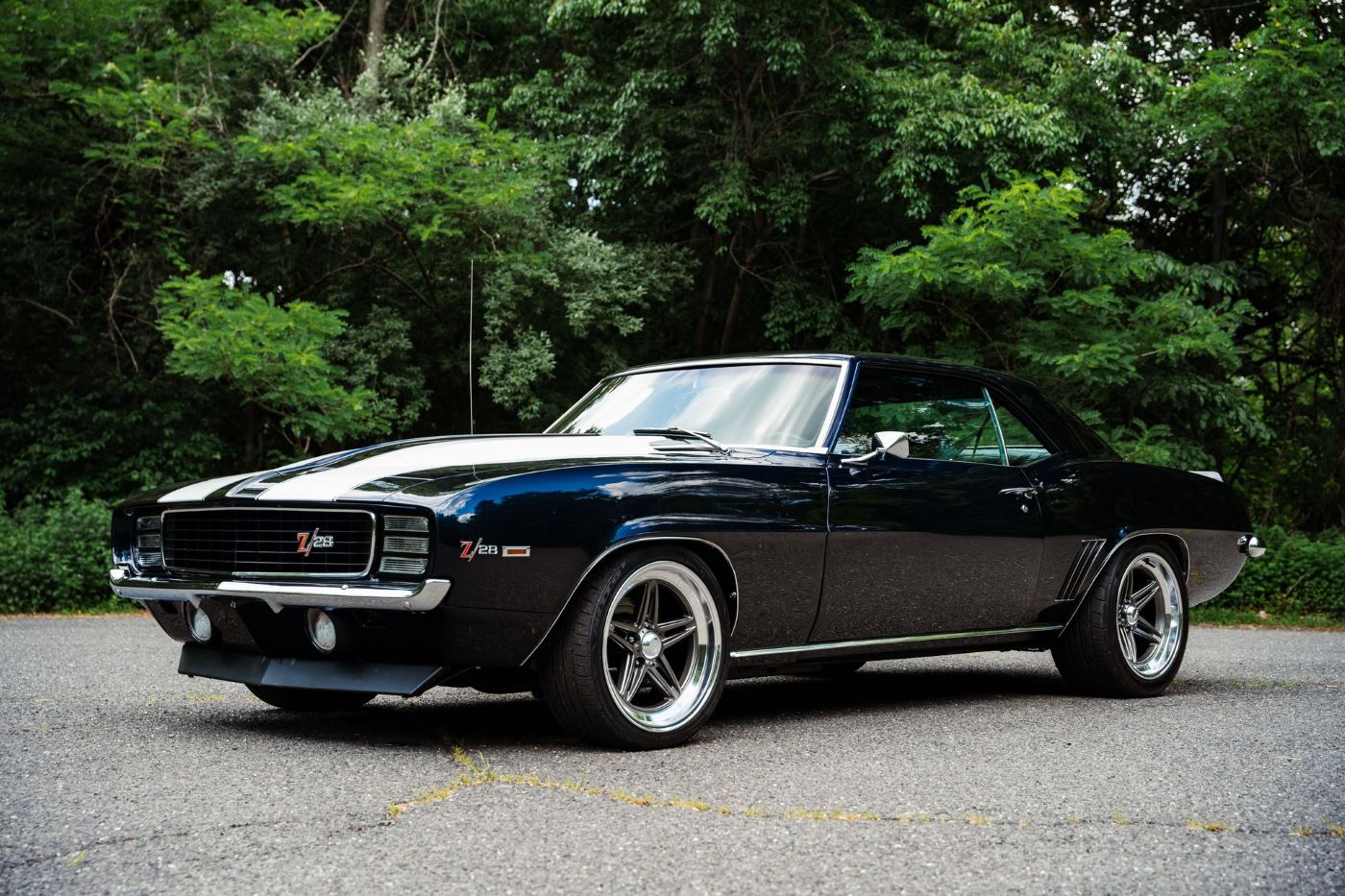
6. 1969 Chevrolet Camaro – Transformers (2007)
The 1969 Chevrolet Camaro may have been a beloved muscle car before the Transformers film, but its role as Bumblebee transformed it into a modern cultural icon. Bumblebee, one of the main characters and fan favorites, uses the Camaro as his alternate mode.
The car’s classic American muscle styling mixed with modern updates in later films helped connect older car culture with new generations of moviegoers.
The character of Bumblebee brought personality and emotion to the car, making it more than just a vehicle. It became a symbol of loyalty, bravery, and friendship. Audiences didn’t just see a car; they saw a friend and protector who could fight alongside humans while also reflecting the nostalgic charm of a classic American muscle car.
The movie successfully bridged the gap between action-packed spectacle and emotional storytelling, and the car played a major role in that success.
It wasn’t merely about fast driving or flashy design; it was about the connection between man and machine, tradition and innovation. The Camaro as Bumblebee, gave the car a personality, making it one of the few vehicles to achieve true character status on screen.
The association with Transformers dramatically increased interest in the Camaro. Car dealerships reported spikes in sales, and the Camaro became an aspirational car for younger audiences who might not have otherwise considered a muscle car. The film helped revive a classic brand and brought it into the 21st century with a fresh image.
The yellow Camaro with black racing stripes instantly became recognizable and synonymous with the franchise. The impact was so strong that Chevrolet capitalized on it by releasing special editions inspired by the movie, further blending reality with fiction and cementing the Camaro’s modern-day cultural status.
The lasting effect of the Transformers series on the Camaro’s reputation shows how a car in a blockbuster film can influence culture and industry. Bumblebee helped define the Camaro for a new generation, blending nostalgia with modern cinematic appeal.
This transformation of a car into a beloved character is rare, and it highlights how storytelling can elevate even the most familiar machines into legends. The Camaro’s story in Transformers continues to inspire fans, car enthusiasts, and filmmakers alike.
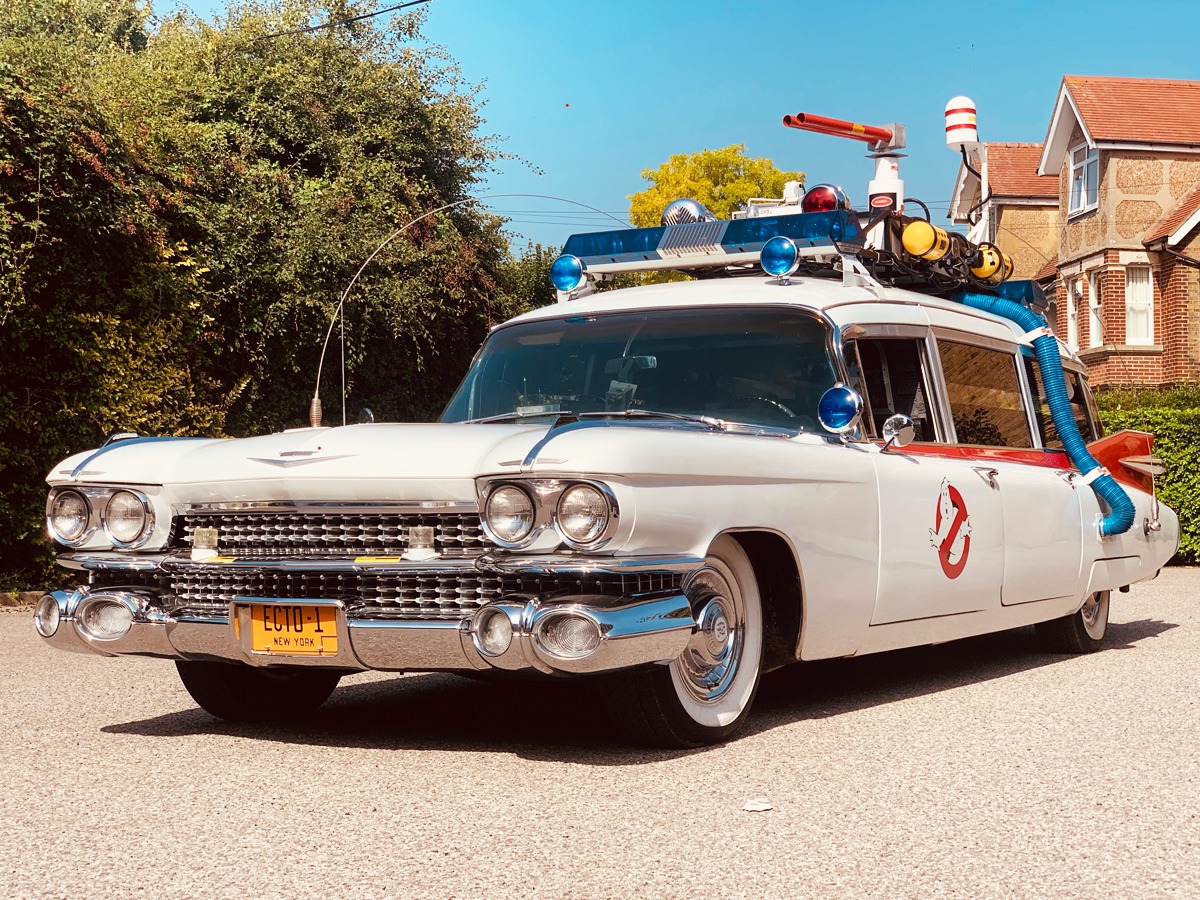
7. 1959 Cadillac Miller-Meteor Ambulance – Ghostbusters (1984)
The 1959 Cadillac Miller-Meteor Ambulance, better known as the Ecto-1 in Ghostbusters, is one of the most unusual yet memorable movie cars ever created. Outfitted with flashing lights, sirens, and an array of ghost-catching equipment on its roof, this ambulance-turned-paranormal-response-vehicle became an icon of supernatural comedy.
Its unique look, with the tall fins and white paint job, made it stand out immediately. The Ecto-1 was more than just transportation for the Ghostbusters; it was their mobile base of operations, their symbol of readiness to face the unknown.
The car’s clunky, somewhat old-fashioned design contrasted perfectly with the futuristic ghost-catching technology it carried, creating a quirky but charming visual contradiction that audiences found irresistible.
The car’s blend of nostalgia and fantasy made it perfect for the film’s tone. It was old and slightly quirky, which matched the eccentric personalities of the team who drove it. The Ecto-1 wasn’t a high-speed racer or sleek gadget-laden spy car. Instead, it was a practical vehicle with a quirky twist, making it approachable and fun.
Fans appreciated the humor and charm it added to the story, making it just as memorable as the ghost-catching team. The car’s sound, appearance, and even its theme music became closely associated with the spirit of Ghostbusters, adding layers to the storytelling and helping create a unique identity for the franchise.
The Ecto-1 quickly became a pop culture phenomenon after the movie’s release. Its sirens and theme music were instantly recognizable, and replicas became popular among fans.
The car has appeared in sequels, spin-offs, and countless parodies, maintaining its status as a beloved icon. It represents a perfect fusion of old-school Americana and supernatural adventure, a combination that captured the imaginations of millions. The Ecto-1’s fame also influenced the design of other fictional vehicles and remains one of the most playful yet effective movie cars ever created.
Even decades after the original movie, the Ecto-1 remains a fan favorite and a popular fixture at conventions, car shows, and in promotional events.
Its role in Ghostbusters turned an otherwise obscure vehicle into a symbol of teamwork, humor, and battling the impossible. The car’s legacy is a testament to how a simple vehicle, when matched perfectly with a story, can become an enduring cultural treasure.
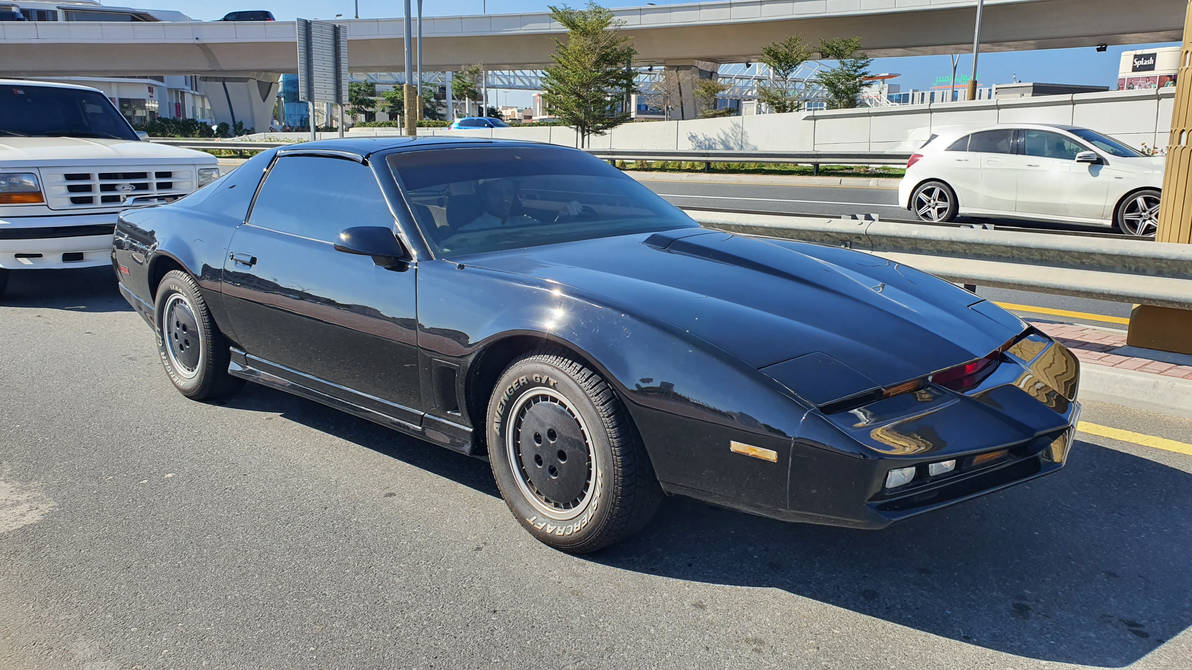
8. 1982 Pontiac Firebird Trans Am – Knight Rider (TV Series, 1982-1986)
Although technically originating from a TV series rather than a feature film, the 1982 Pontiac Firebird Trans Am, famously known as KITT (Knight Industries Two Thousand), earned its place as one of the most iconic vehicles ever portrayed on screen. KITT was more than just a sleek black car, it was a symbol of advanced technology and futuristic possibilities.
The car’s glossy black paint, paired with its signature red scanning light across the front grille, gave it an instantly recognizable and almost otherworldly appearance.
Unlike traditional cars of its time, KITT was equipped with an artificial intelligence that allowed it to communicate, strategize, and even joke, transforming it into a character with personality rather than a mere machine. This fusion of machine and mind captured viewers’ imaginations and set new expectations for how vehicles could be portrayed in popular culture.
What truly made KITT stand out was the relationship it shared with its driver, Michael Knight. Unlike most cars, which are tools for transportation or performance, KITT’s voice, wit, and protective nature made it feel like a partner and companion.
This dynamic blurred the lines between human and machine, suggesting a future where technology could integrate with human emotions and ethics. The car wasn’t just fast or flashy; it was smart, capable of problem-solving, and fiercely loyal.
This portrayal tapped into society’s fascination and sometimes unease with artificial intelligence, making KITT a pioneering figure in entertainment’s depiction of intelligent vehicles. The Trans Am became a character that audiences cared about, rooting for its success as much as for its human counterpart.
Beyond its fictional capabilities, KITT’s design also played a huge role in capturing attention. The Firebird’s sporty lines, aerodynamic build, and futuristic accents gave it a timeless appeal. Its look communicated speed, power, and sophistication while remaining grounded in the recognizable design of an early 80s muscle car.
The red scanner light became an iconic symbol in itself, instantly associated with the concept of a car that could see and analyze its environment. This single feature alone helped cement the Trans Am’s place in pop culture lore, inspiring countless homages and tributes in subsequent films, TV shows, and advertising campaigns.
The impact of KITT went well beyond entertainment. It influenced automotive enthusiasts, engineers, and designers, sparking ideas about what future vehicles might look like and how they might function. It also fostered a cultural nostalgia that endures today, with fan conventions, merchandise, and custom builds celebrating the legendary car.
The 1982 Pontiac Firebird Trans Am isn’t just a relic of its era; it’s a lasting symbol of human imagination, technology’s potential, and the bond between man and machine.
9. 1983 DeLorean DMC-12 – Ready Player One (2018)
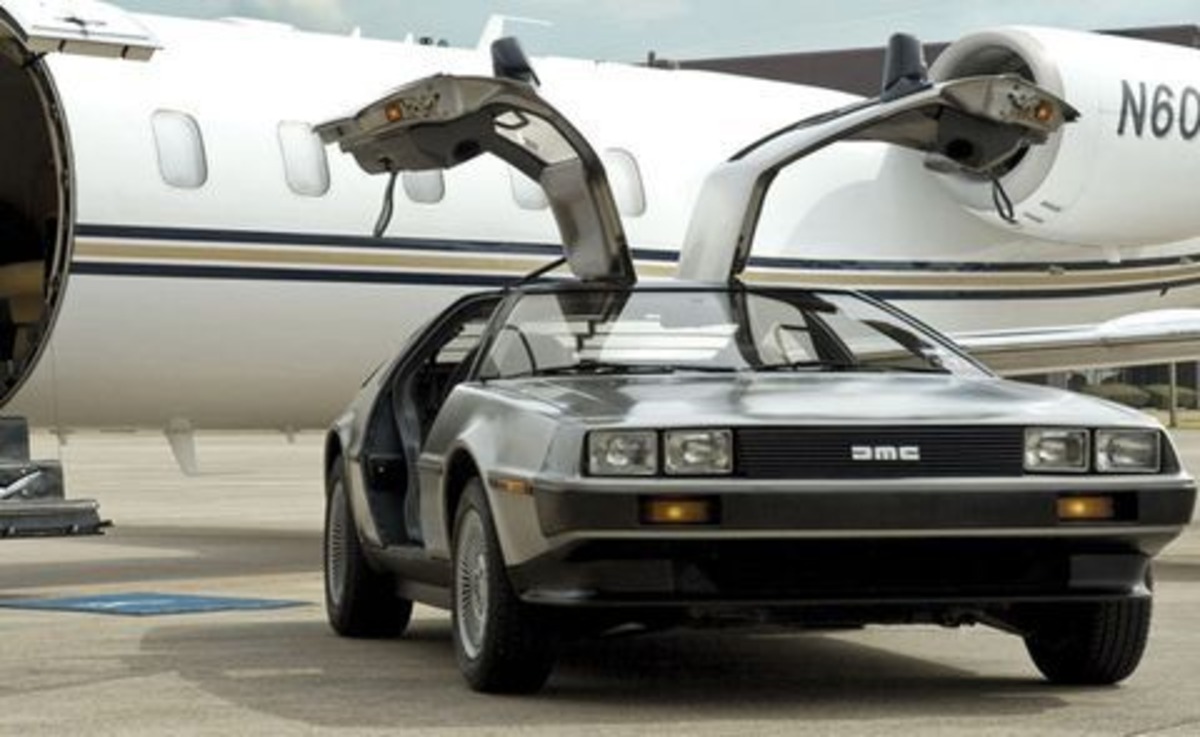
The DeLorean DMC-12, already immortalized by its starring role in the Back to the Future trilogy, found new life and relevance when it appeared in Steven Spielberg’s Ready Player One. In a film that heavily leaned on pop culture nostalgia and the collective memory of the 1980s, the DeLorean served as a perfect symbol of both innovation and nostalgia.
Its futuristic design, characterized by gull-wing doors and a stainless-steel body, made it one of the most instantly recognizable cars in cinematic history. In Ready Player One, the DeLorean was not just a throwback but a celebration of imagination and adventure. It appeared within the virtual world of the OASIS, bridging the gap between real and digital, past and future.
It represents the power of technology to transport individuals beyond the limitations of everyday life. This connection between the car and the idea of limitless possibility speaks to why the DeLorean continues to captivate audiences decades after its debut.
What makes the DeLorean especially fascinating is its story outside of the films. Despite being a commercial failure as a production car, plagued by reliability issues and financial troubles for its manufacturer, its unique design and pop culture appearances elevated it to legendary status.
Its cinematic roles turned it from a niche sports car into a beloved symbol of 80s innovation and style. The car’s continuing popularity at conventions, auctions, and exhibitions reflects how movie magic can redefine the legacy of a vehicle far beyond its original intent.
In Ready Player One, the DeLorean also serves as a meta-commentary on how entertainment shapes our relationship with technology and nostalgia. It embodies the intersection of dreams and reality, a reminder that even objects can hold powerful meaning and emotional resonance.
The car’s ability to capture imaginations in multiple generations demonstrates the timeless nature of great design coupled with compelling storytelling.
10. 1968 Ford Mustang Fastback – Bullitt (1968)
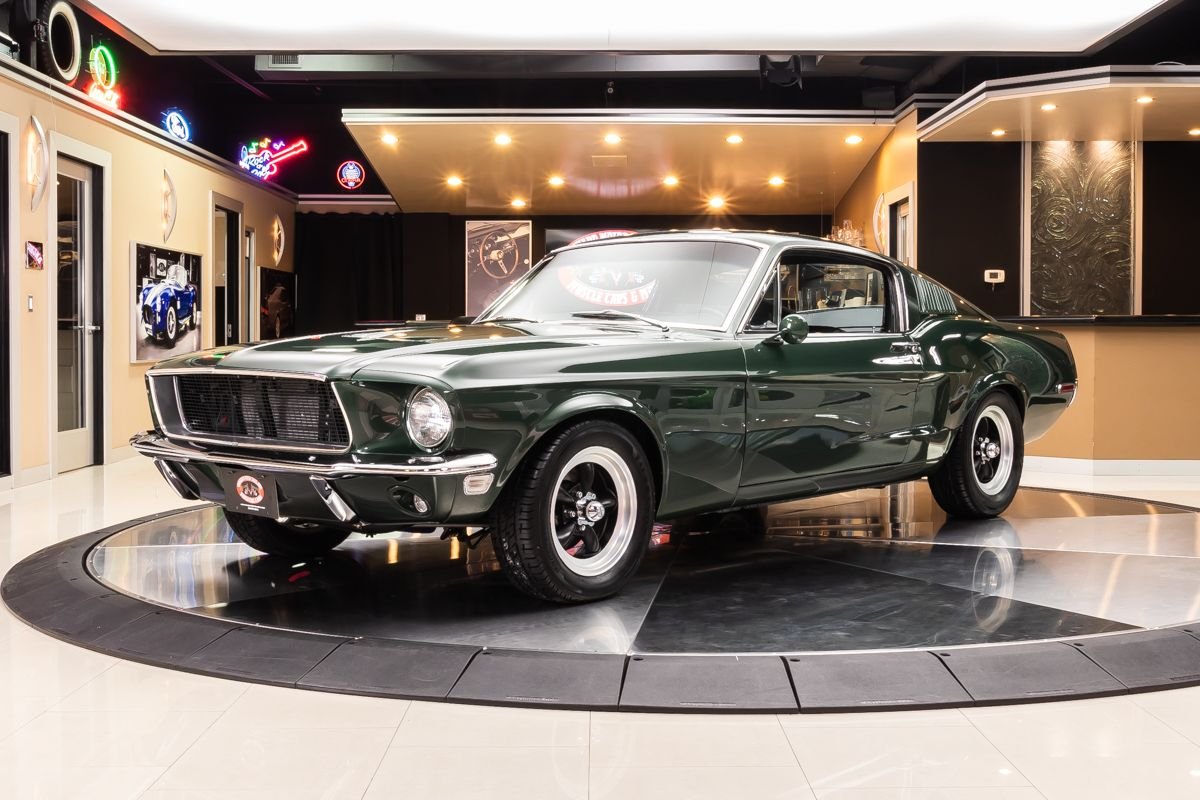
The 1968 Ford Mustang Fastback earned its place in history largely because of one of the most thrilling car chases ever filmed, from the movie Bullitt. Driven by Steve McQueen’s character, Frank Bullitt, the Mustang was the embodiment of cool, toughness, and raw speed.
The chase through the streets of San Francisco showcased the car’s agility, power, and durability, making it an unforgettable star in its own right. The Mustang’s sleek, muscular design, combined with its roaring V8 engine, captured the spirit of American muscle cars at their peak. The way the car handled tight corners, steep hills, and narrow alleyways added realism and excitement that had rarely been seen before in a film.
What set the Mustang apart was its close connection to Steve McQueen’s image. Known as the “King of Cool,” McQueen’s love of cars and racing gave the Mustang an added aura of authenticity. His hands-on approach to the chase scenes and the way the car was filmed from unique angles made the Mustang feel like a living, breathing part of the movie’s narrative.
The chase scene set a new standard for action sequences, inspiring countless filmmakers and car enthusiasts. The Mustang Fastback became synonymous with adrenaline, precision driving, and cinematic intensity.
Its presence elevated the film and helped redefine how cars could be used in storytelling, combining realism with artistry. The legacy of this car and its chase has endured in popular culture and is often referenced in car commercials, movies, and TV shows.
Today, the 1968 Mustang Fastback is a sought-after collector’s item, and replicas of the Bullitt car are popular among fans. The car’s role in Bullitt immortalized it as an icon of American muscle and cinematic history. It stands as a testament to the power of great design, storytelling, and the unique connection between a car and its driver.
