
When people talk about luxury in cars, they often think of high-end German brands or boutique automakers that charge a premium for craftsmanship, materials, and advanced features. But the gap between mainstream and luxury car interiors has narrowed significantly in the past decade.
Automakers outside the traditional premium space are delivering interiors that not only look expensive but also feel refined, thoughtfully designed, and generously equipped. These vehicles may not carry a luxury badge, but what they offer inside can rival or even exceed what some entry-level luxury cars provide.
The appeal of a premium interior isn’t limited to the soft leather seats or real wood trim. It’s also about the quietness of the cabin, the tactile quality of the materials, the fluidity of the infotainment system, and the level of comfort and convenience for both driver and passengers.
While many luxury brands focus on sleek design and high-end finishes, some mass-market carmakers have made bold moves in these same areas, sometimes exceeding expectations and offering more value at a lower price point.
This is especially noticeable in the mid-size SUV and sedan segments, where many buyers want a touch of elegance without stretching their budgets into the luxury tier. Cars from brands like Mazda, Hyundai, Kia, and even Chevrolet are now being recognized for crafting interiors that challenge traditional notions of what premium should mean.
Some use minimalist design to great effect, while others go full-on opulent with quilted seats, ambient lighting, and sleek dashboard architecture.
What makes this development particularly interesting is that these interiors are often found in vehicles that also deliver in areas like reliability, performance, and practicality.
They don’t just look good parked in a driveway; they’re functional and well-built enough to handle everyday demands. So, whether you’re looking for your next daily driver or just appreciate finely executed design, here are 11 cars with interiors that can hold their own against premium brands.
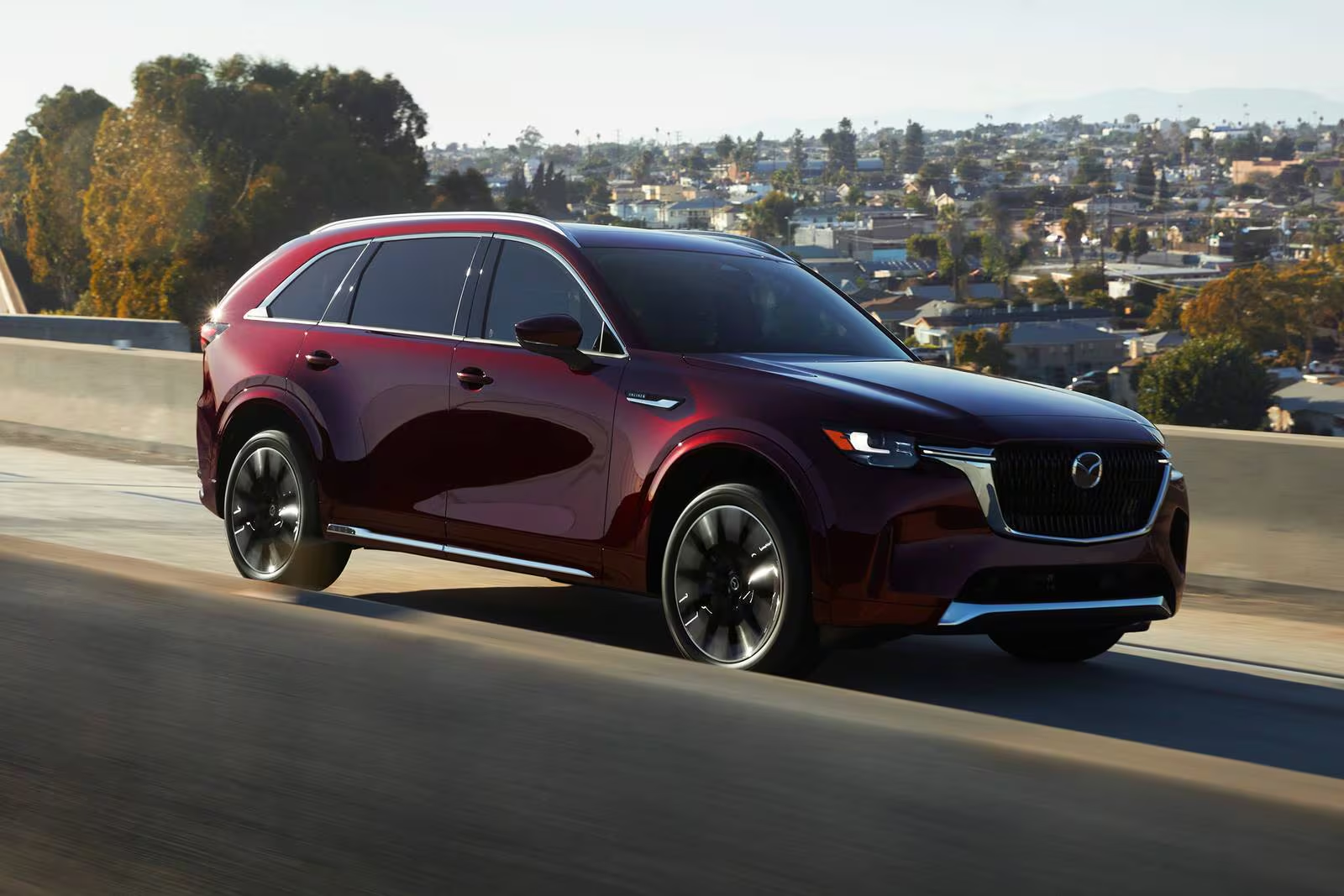
1. Mazda CX-90
The Mazda CX-90 is a great example of how attention to detail and material quality can transform the feel of a mainstream vehicle. The design philosophy inside the cabin is clearly inspired by simplicity and symmetry, which results in a calm, uncluttered environment.
The horizontal layout of the dashboard flows naturally into the door panels, and the minimal use of buttons allows the driver to focus on the road without feeling overwhelmed. It’s a mature design that feels well-balanced, never trying too hard to impress but still delivering a confident sense of style.
One of the most aspects of the CX-90’s interior is the material selection. From genuine Nappa leather to real wood trim, the finishes feel deliberate and upscale. Even the lower trim levels avoid the typical sea of hard plastics often found in this segment.
The stitching on the dashboard and seats is precise and adds to the upscale impression. There’s also a sense of craftsmanship in the way everything fits together; tight panel gaps and soft-touch surfaces give the cabin a truly high-quality ambiance.
Comfort is another area where the CX-90 stands out. The front seats are well-bolstered and supportive over long drives, while rear passengers get generous legroom and reclining backrests. The cabin also remains quiet at highway speeds, aided by sound insulation and effective sealing around the doors and windows.
That quietness enhances the premium feel and makes the whole experience more enjoyable. Add to that features like heated and ventilated seats, a panoramic sunroof, and a high-resolution infotainment screen, and it becomes clear why this vehicle is often compared to luxury competitors.
Mazda’s approach has always been rooted in providing a premium experience without the premium label, and the CX-90 is perhaps the strongest embodiment of that vision to date. While the brand still doesn’t carry the same weight as traditional luxury manufacturers, the interior quality in the CX-90 suggests that it should be taken just as seriously.
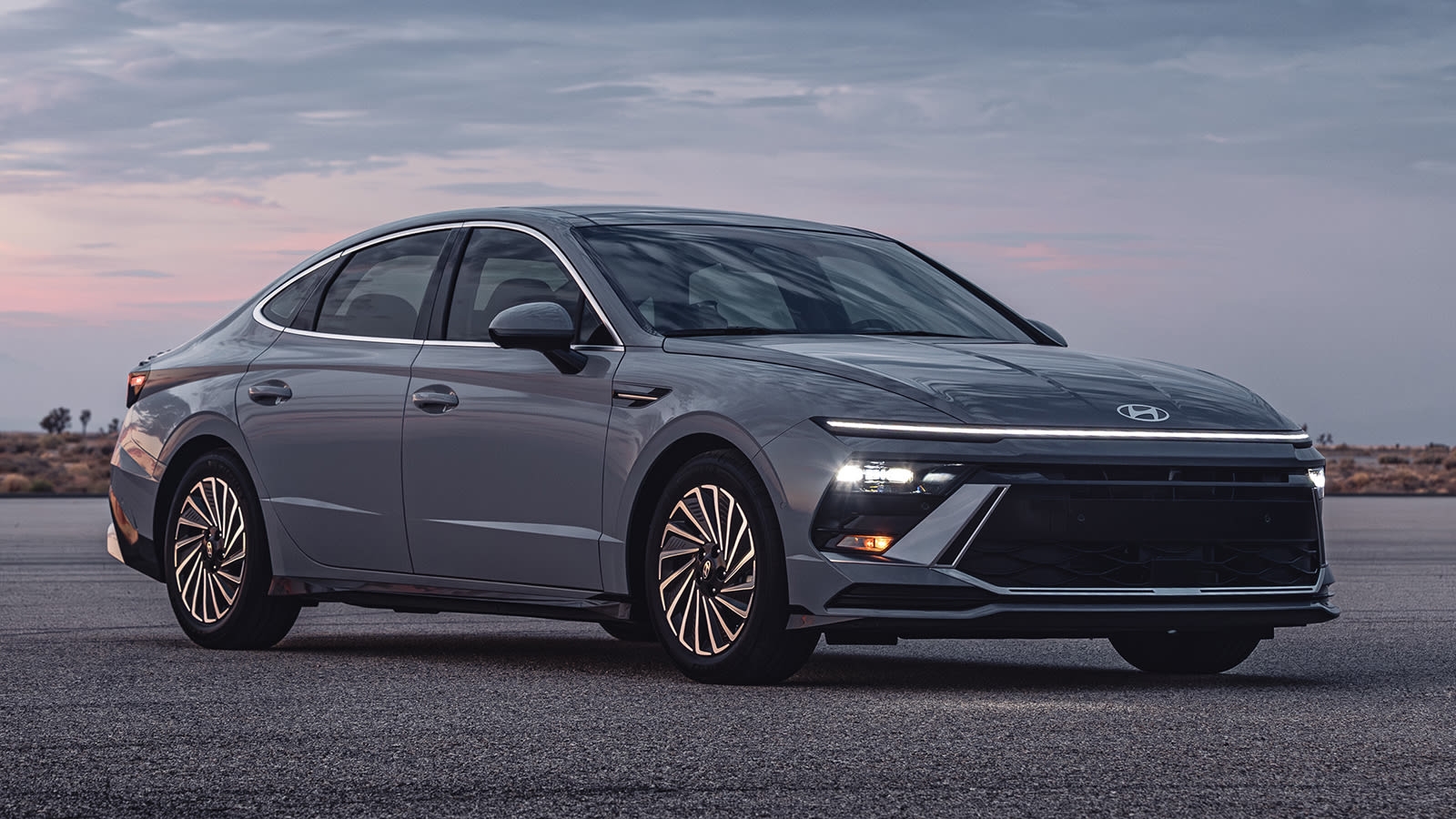
2. Hyundai Sonata
Hyundai’s approach to interior design has matured significantly, and the Sonata is a prime showcase of this progress. Once seen as a purely functional sedan, the Sonata now offers a space that wouldn’t be out of place in a more expensive European model.
The cabin combines modern styling cues with intuitive controls and a high level of comfort for both driver and passengers. The wraparound dashboard creates a cockpit-like feel, and the available ambient lighting subtly enhances the mood without being distracting.
Materials are well-chosen throughout the Sonata, with soft-touch surfaces, stitched panels, and available leather upholstery that feels supple and rich. Hyundai’s use of contrasting textures and colors gives the cabin a sense of visual interest that keeps it from feeling sterile.
Tech integration in the Sonata’s cabin also raises its standing. A fully digital instrument cluster paired with a large touchscreen infotainment system provides a seamless interface for navigation, media, and vehicle settings.
The user experience is straightforward, avoiding the lag or confusion that sometimes plagues other systems. Wireless charging, high-quality speaker systems, and ventilated seats only enhance the perception of luxury. It’s a car that makes you feel like you’re driving something more expensive than it actually is.
What sets the Sonata apart is how it maintains a sense of practicality while still offering premium touches. There’s plenty of interior storage, including a well-designed center console, large door bins, and usable cupholders.
Rear-seat passengers aren’t left out either, with ample headroom and thoughtful amenities. The Sonata doesn’t just look good; it functions well, and that’s a hallmark of truly refined design.
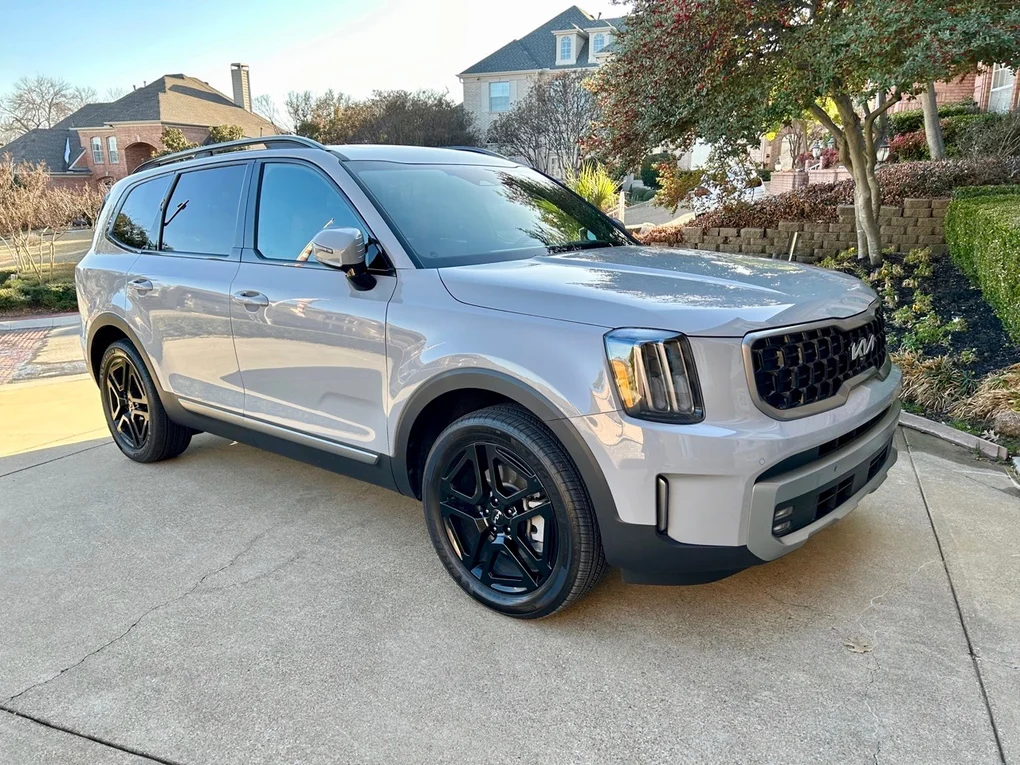
3. Kia Telluride
The Kia Telluride made waves when it launched, not just for its exterior design and value proposition, but for its interior quality as well. In a segment crowded with options, the Telluride manages to deliver an upscale experience without crossing into the luxury price range.
The cabin is laid out thoughtfully, with a clean dashboard design, logically placed controls, and a spacious feel that contributes to its sense of comfort and refinement.
The materials inside the Telluride impress right from the start. Soft-touch panels dominate the dashboard and upper door areas, while higher trims introduce quilted leather seats and brushed metal accents that elevate the design.
The attention to detail is evident in small touches like the stitching patterns and the subtle use of wood-like trim that avoids looking artificial. Everything feels robust and purpose-built, and the fit and finish easily match or surpass more expensive competitors.
Functionality is another area where the Telluride shines. The center stack is designed for ease of use, with clearly labeled buttons and dials that don’t require much distraction from driving. The infotainment screen is crisp and responsive, and features like Apple CarPlay and Android Auto are standard, not hidden behind expensive trim levels.
Rear-seat passengers enjoy plenty of space and optional captain’s chairs that make longer journeys more comfortable. Tri-zone climate control, USB ports for all rows, and heated/ventilated seats contribute to a genuinely luxurious experience.
Even though it comes from a brand not traditionally associated with luxury, the Telluride feels premium where it counts. It avoids unnecessary complexity while delivering the things people actually value in a comfortable vehicle.
This includes build quality, space, comfort, and technology that’s accessible and reliable. As a result, many shoppers who might have looked at luxury SUVs are now considering the Telluride as a smart alternative that doesn’t feel like a compromise.
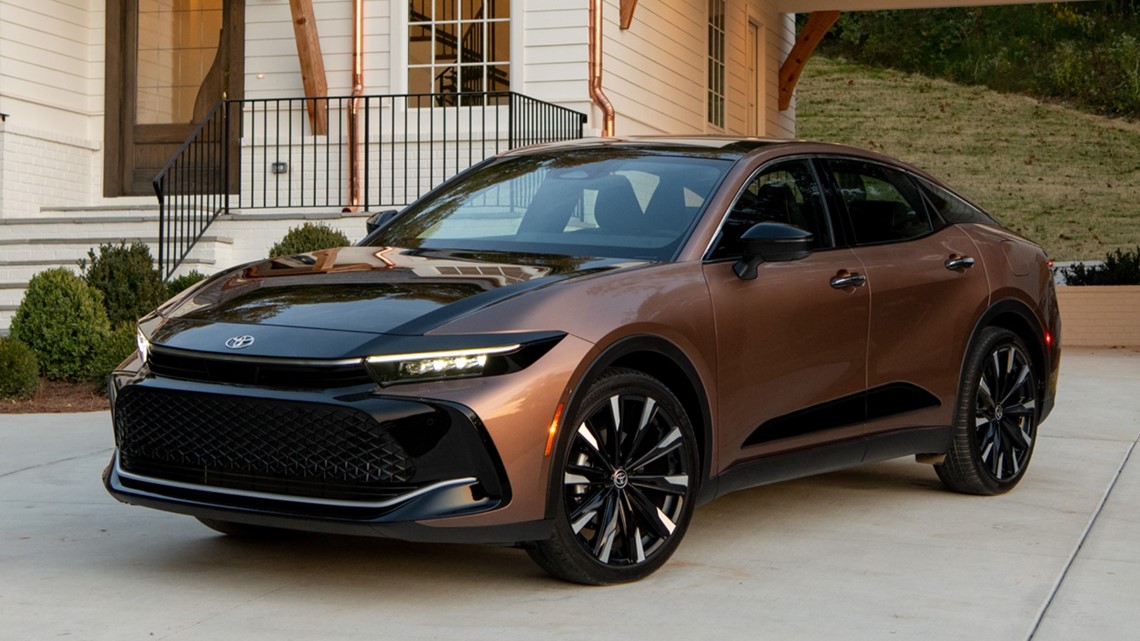
4. Toyota Crown
The Toyota Crown marks a return to more luxurious offerings within the brand’s lineup, and its interior makes a bold statement about what a non-luxury brand can achieve. The cabin stands out as both modern and mature, combining clean lines with high-grade materials that feel like they belong in a much more expensive vehicle.
The dashboard features a layered design, with a wide touchscreen seamlessly integrated into a floating panel. This design doesn’t feel forced or overdesigned; it feels like the result of careful thought and intent.
What separates the Crown from many other Toyota models is its willingness to incorporate premium materials in both visible and tactile ways. Soft suede-like textures across the dashboard, plush leather seats with precise stitching, and metallic trim with real weight give it an unmistakable upscale presence.
Toyota also opted for a subdued color palette in most trims, which contributes to a calming atmosphere rather than trying to impress with flashy elements. This restraint in design can often be more luxurious than overload.
Technology inside the Crown doesn’t feel like an afterthought either. The dual-screen setup for infotainment and driver information is well-executed, responsive, and avoids unnecessary complexity. Touchpoints feel deliberate and ergonomic.
The steering wheel is wrapped in quality leather and has a thickness and feel comparable to those in luxury sedans. Ambient lighting, adjustable driving modes, and refined climate controls further reinforce the idea that Toyota wanted this vehicle to straddle the line between mainstream and premium.
The ride quality complements the interior ambiance, which matters more than some people realize. Even before you start the engine, the Crown gives you a sense of quiet confidence. And once underway, it maintains that feeling with impressive cabin insulation and comfortable seating geometry.
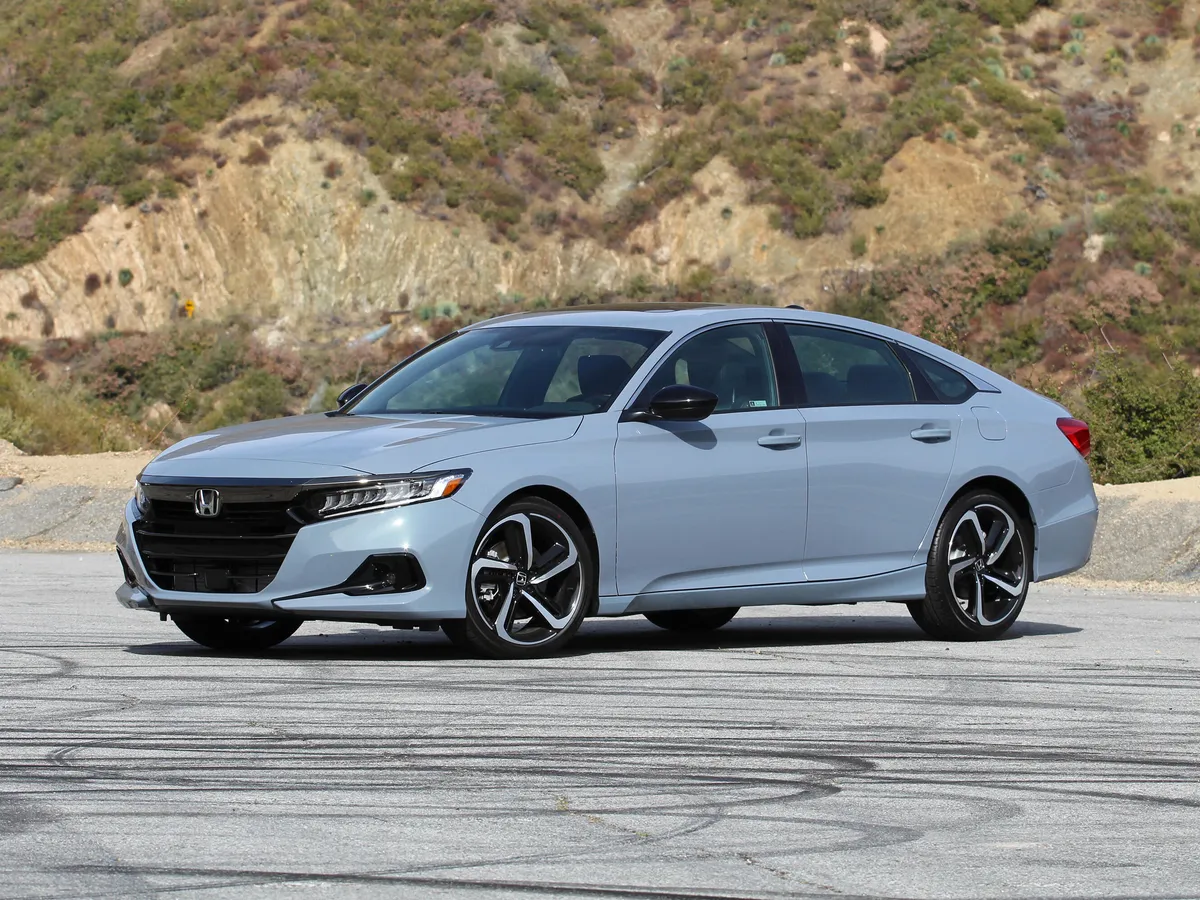
5. Honda Accord (11th Generation)
Honda has always been known for producing reliable, sensible vehicles, but the latest Accord brings a newfound sense of style and quality to the interior that’s hard to ignore. It’s not just better than the previous generation, it feels like an intentional step toward premium refinement.
The minimalist dashboard, clean HVAC layout, and wide center screen make the cabin feel modern and open. While the design is simple, it’s also very intentional, with everything placed exactly where it should be.
Materials play a big role in creating the upscale vibe. The mesh-style air vent covers stretch across the width of the dashboard, giving it a sleek and uniform appearance. Soft-touch plastics are found throughout the cabin, and in higher trims, the leather seats are well-stitched and nicely contoured.
The steering wheel and shift knob are wrapped in leather as well, and the buttons have a tactile feedback that suggests quality rather than cost-saving. Even the door panels have soft padding, which is something even some luxury vehicles neglect.
From a technology standpoint, Honda has made serious upgrades. The infotainment screen in the top trims is large, sharp, and intuitive to use. The interface is streamlined and doesn’t suffer from lag or clunky menus.
Wireless Apple CarPlay and Android Auto are available, as is a premium sound system that brings real depth to your music. The digital gauge cluster feels refined and doesn’t bombard the driver with unnecessary data, sticking to a theme of thoughtful simplicity.
Where the Accord really shines, though, is in its ability to combine comfort and usability with a design that doesn’t age quickly. The seats are wide and supportive, rear passengers enjoy best-in-class legroom, and everything from the cupholders to the storage compartments is executed with daily use in mind.
This isn’t just a sedan that looks nice; it feels like a long-term companion. For people who want understated luxury without paying luxury prices, the Accord is an increasingly rare gem.
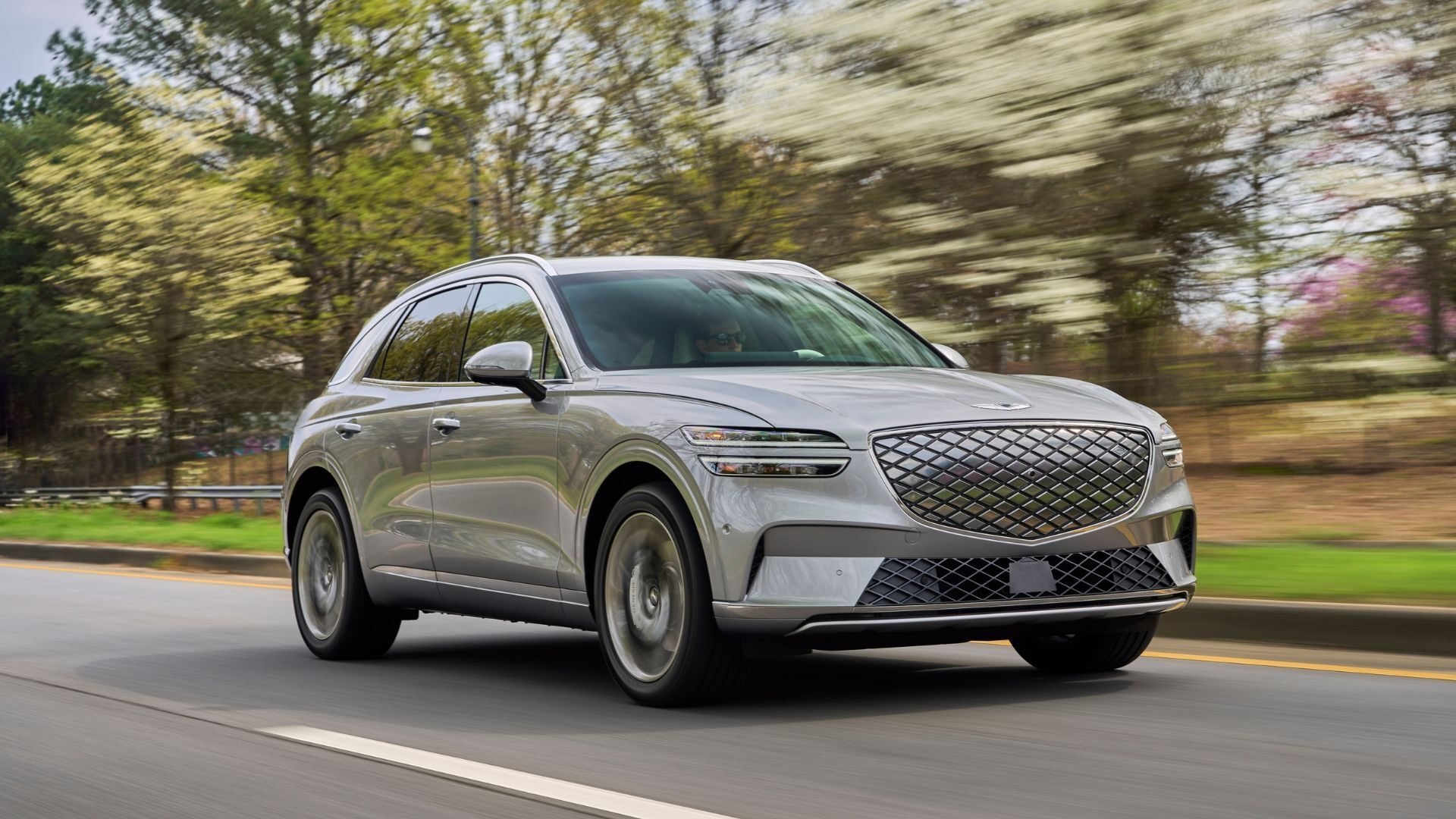
6. Genesis GV70
Although Genesis is technically Hyundai’s luxury brand, the GV70 competes so closely with traditional premium names like Audi, BMW, and Lexus that it deserves a place in any conversation about luxury-level interiors.
What makes the GV70 particularly noteworthy is how it merges bold design with true comfort. This SUV doesn’t just mimic luxury; it embodies it in a way that feels both fresh and genuine. From the moment you open the door, the cabin layout feels like it belongs in a segment above its actual price point.
These are not the typical safe choices found in many vehicles; they’re statements of confidence. Real aluminum trim, ambient lighting with customizable hues, and finely stitched upholstery reinforce the luxury experience at every glance.
Comfort isn’t sacrificed in the name of design. The seats offer both heating and cooling, multiple adjustment angles, and even a massage function in top trims. The quietness of the cabin rivals more established luxury vehicles, with extensive soundproofing and laminated glass minimizing outside noise.
The ride quality complements the interior as well, with well-damped suspension that smooths out bumps without feeling floaty. These are characteristics people often associate with brands costing significantly more.
The GV70’s infotainment system deserves its own praise. It features a wide, curved display that looks like it came straight out of a concept vehicle. The controller dial on the center console is tactile and smooth, giving users a premium interface without relying solely on touch controls.
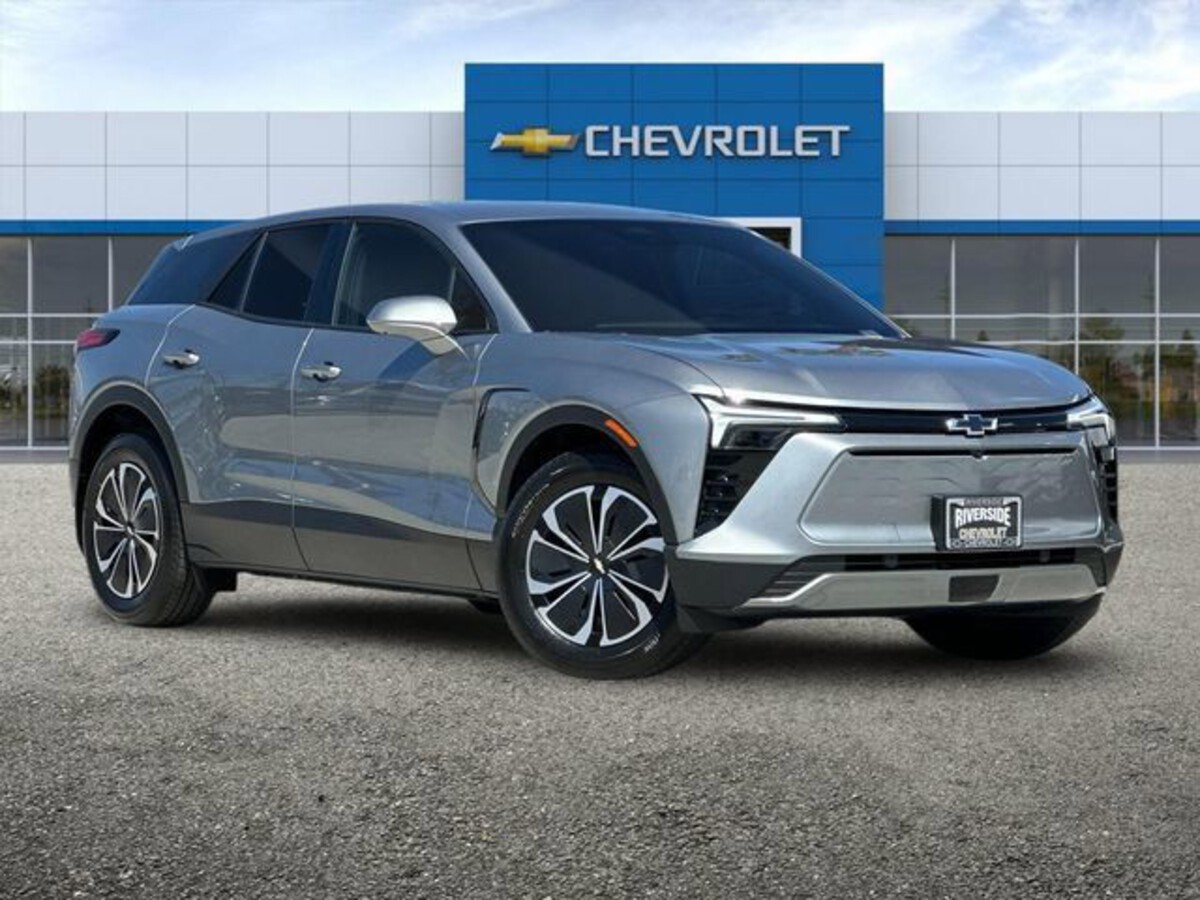
7. Chevrolet Blazer
The Chevrolet Blazer often gets overlooked in discussions about upscale interiors, but that shouldn’t be the case. While Chevrolet may not market the Blazer as a luxury product, the cabin certainly has a premium tone, especially in higher trims. Inspired by the Camaro’s sporty feel, the Blazer’s interior design successfully walks the line between athletic and sophisticated. Large round air vents dominate the center stack, providing a bold focal point, while soft-touch materials and smart ergonomics do the rest.
What makes the Blazer stand out is the cohesiveness of its design. The dashboard layout flows naturally into the door panels, giving a wraparound feel that’s often missing in this class. The center console is well-organized, with intuitive controls for both climate and media functions.
Stitching accents on the seats and dashboard add a visual upgrade, while piano black and brushed-metal accents introduce a contrast that feels polished. Even the base model avoids the hard plastic overload found in some rivals.
Comfort is another strength. The front seats are well-cushioned with good lateral support, and rear passengers get decent legroom and optional heating. Higher trims include leather seating surfaces, ventilated seats, and a panoramic sunroof that adds an airy feeling to the cabin.
The dual-zone climate control system is effective and easy to operate, and the available Bose premium sound system delivers clean audio with solid bass response, which adds to the feeling of driving something more upscale.
Chevrolet also included some smart tech choices in the Blazer. A user-friendly touchscreen, embedded navigation, and wireless smartphone connectivity all contribute to an experience that doesn’t feel compromised. The digital instrument cluster in upper trims offers useful information without being cluttered.
This is a vehicle that manages to offer both flair and function. While it may not wear a luxury badge, it delivers a level of interior quality and design coherence that could easily fool someone into thinking it’s priced higher than it is.
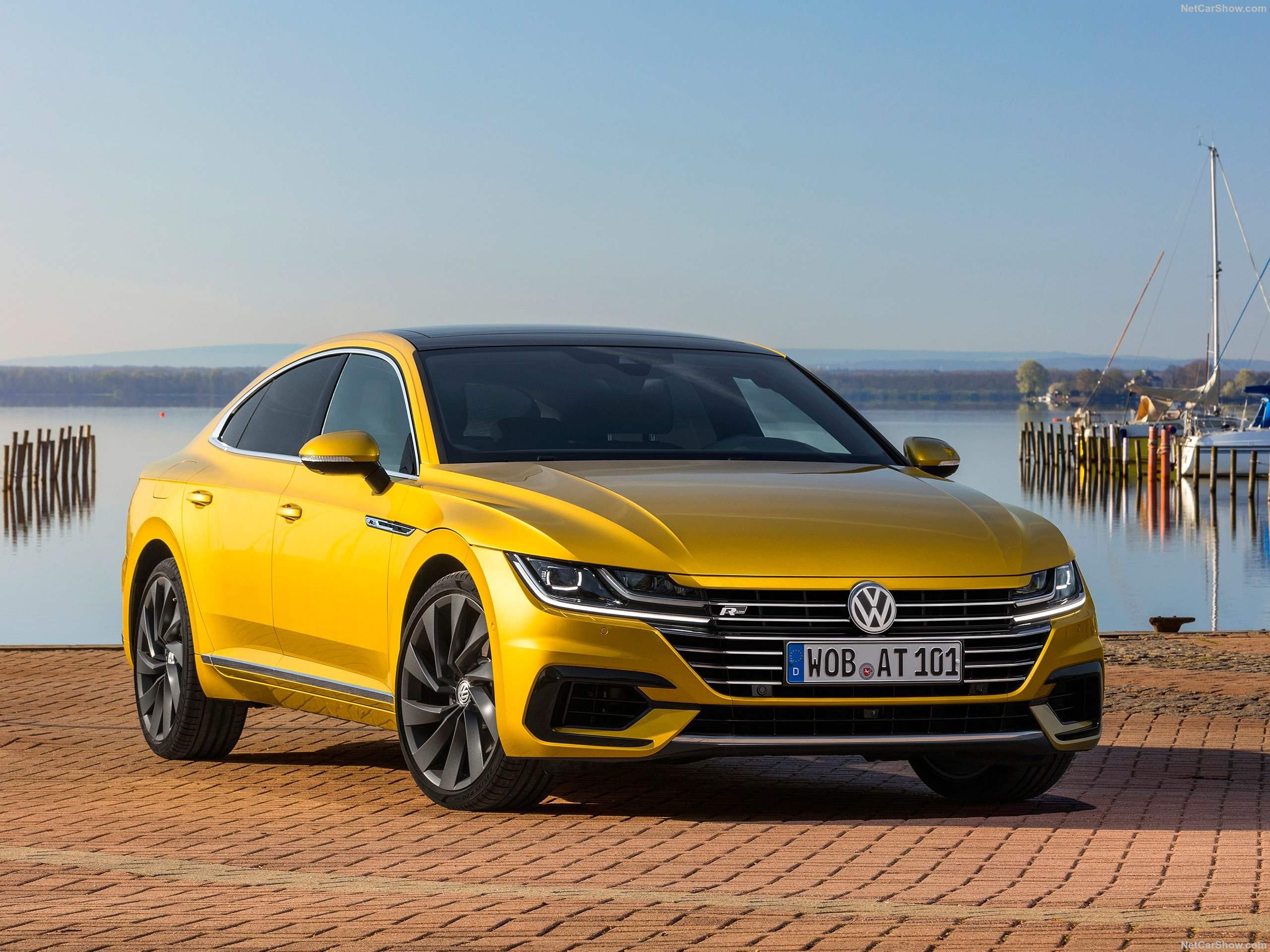
8. Volkswagen Arteon
The Volkswagen Arteon is a sedan that doesn’t always get the attention it deserves, especially considering the kind of interior it offers. From the moment you step inside, it’s clear that this isn’t just another midsize sedan trying to keep up, it’s designed to quietly stand out.
The layout is sleek and contemporary, with horizontal lines dominating the dashboard and enhancing the feeling of width in the cabin. The build quality is exceptional for its class, and the tactile feedback of every switch and dial suggests attention to detail that’s more common in German luxury brands than in mainstream offerings.
What makes the Arteon particularly impressive is how it avoids the overuse of gloss black plastic and instead opts for tasteful textures and brushed aluminum accents. The seats, especially in the R-Line trims, offer firm support with a sculpted design that feels as good as it looks.
Technology is smoothly integrated into the Arteon’s interior. A large digital instrument cluster is standard in upper trims and can be customized to show maps, media, or traditional gauges. The infotainment screen is crisp and intuitive, with haptic buttons that blend well into the layout without feeling overengineered.
Sound insulation is another area where the Arteon exceeds expectations, keeping wind and road noise at bay even at highway speeds. These are not just luxuries for their own sake, they contribute to a genuinely relaxing experience behind the wheel.
Perhaps the most compelling aspect of the Arteon’s interior is how it refuses to feel gimmicky. There’s a quiet confidence in its design, one that doesn’t rely on flashy elements or superficial tech to make a good impression.
Instead, it focuses on refinement, balance, and thoughtful ergonomics. In many ways, it represents what a luxury interior should be: comfortable, well-built, and elegant without being loud about it.
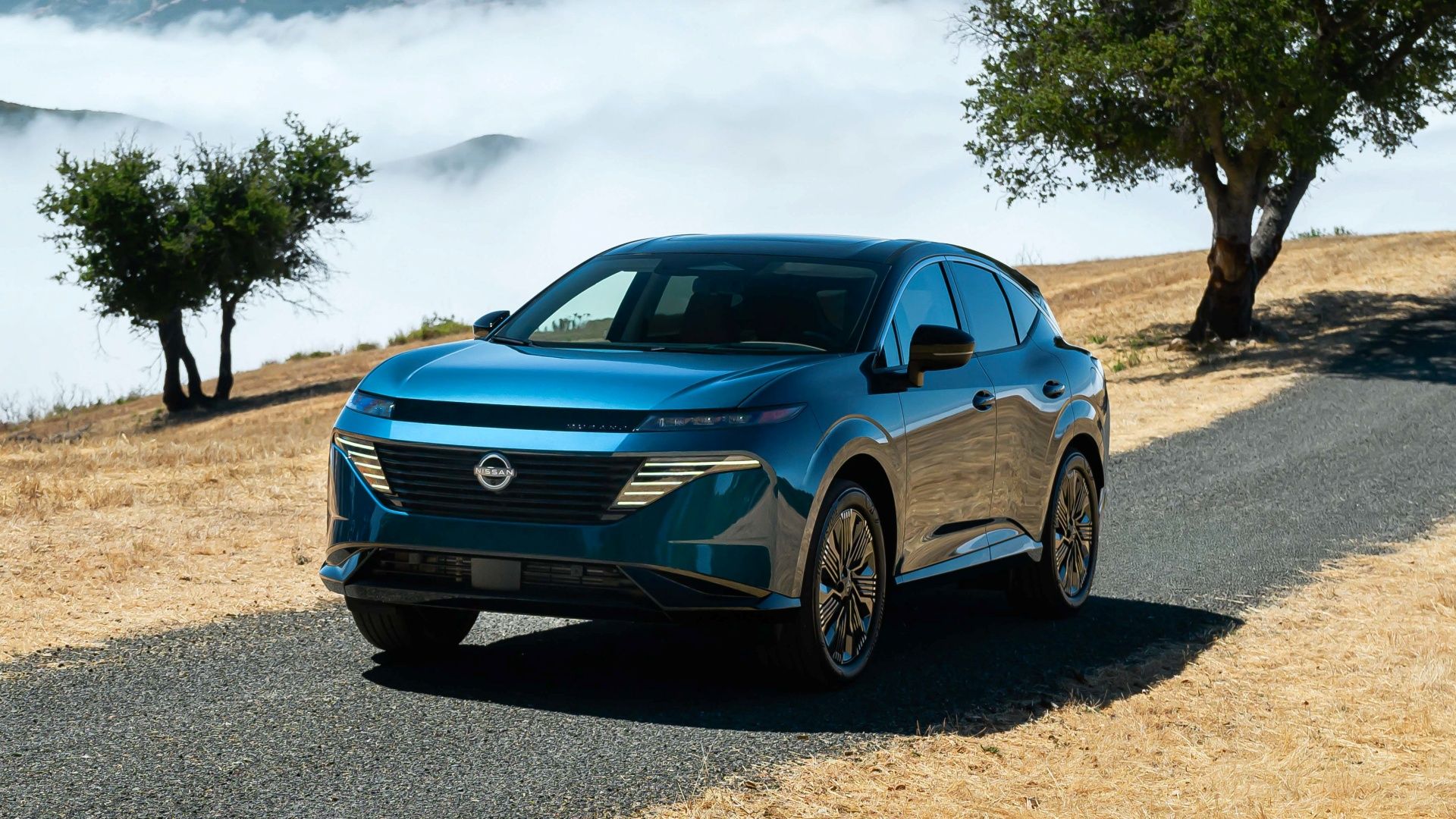
9. Nissan Murano
The Nissan Murano has always leaned toward comfort and style, but in its latest iterations, it pushes firmly into premium territory when it comes to interior design.
The cabin makes a strong first impression with its unique flowing dashboard design, soft leather seats, and generous use of high-end materials, especially in the Platinum trim. It’s a crossover that doesn’t just offer spaciousness but does so in a way that feels curated and mature rather than utilitarian or bare-bones.
The “Zero Gravity” seats are one of the Murano’s standout features, offering plush comfort that remains supportive even on long drives. Covered in high-quality leather with contrasting stitching and optional heating and cooling functions, the seats genuinely rival those found in higher-end SUVs.
The Murano’s cabin also impresses with its quietness. Nissan invested heavily in sound insulation, and it shows. Whether in traffic or cruising on the highway, the cabin remains calm and composed. This low noise level enhances the impact of the premium Bose audio system, which delivers clear, immersive sound.
The infotainment setup may not be as flashy as some competitors, but it’s reliable, responsive, and integrates seamlessly with smartphone systems. Everything works as it should, which is arguably more important than cutting-edge tech that’s not intuitive.
Functionally, the Murano doesn’t skimp either. It offers ample room for both front and rear passengers, with reclining rear seats and generous legroom. The cargo space is practical, and the powered liftgate in upper trims adds a touch of convenience.
The Murano’s interior feels like it was designed for people who prioritize comfort and subtle elegance over gimmicks. It’s not trying to impress with sheer complexity, it wins you over through a more traditional sense of luxury that’s both timeless and genuinely pleasant to live with.
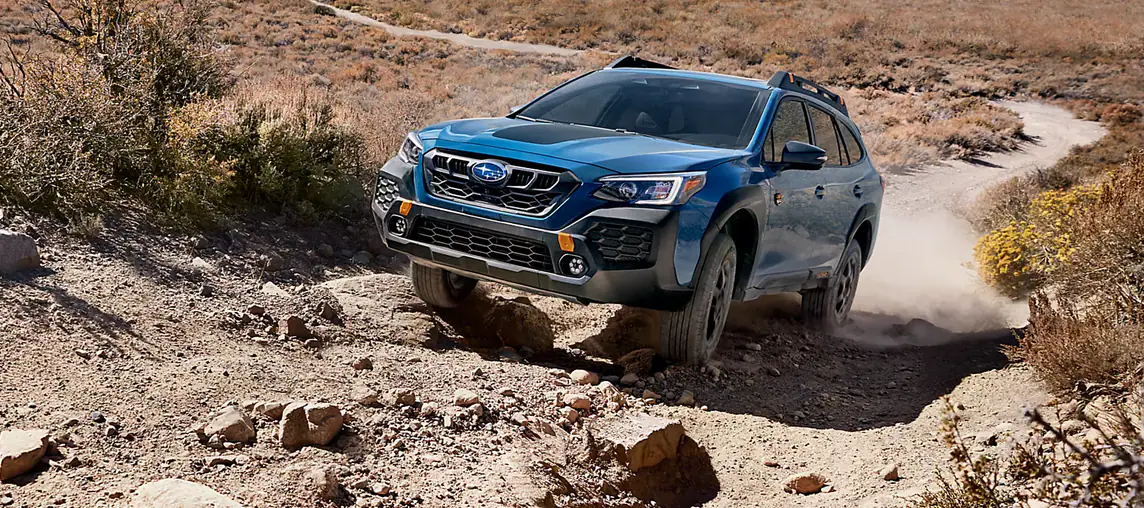
10. Subaru Outback Touring XT
The Subaru Outback has always emphasized practicality, but in the Touring XT trim, it makes a compelling case for itself as a premium-feeling crossover. Known for its rugged utility and all-weather capability, the Outback surprises many with an interior that feels far more sophisticated than one might expect.
It features a clean, upright dash design centered around a large vertical touchscreen, which immediately brings a modern feel to the cabin. But it’s not just about the tech, it’s the combination of comfort, materials, and quiet confidence that defines this interior.
In the Touring XT trim, leather upholstery becomes standard, and it’s not just any leather; it’s soft, rich, and feels appropriate for a vehicle that costs significantly more. The dash and door panels are wrapped in stitched materials that match the seat color, creating a uniform and inviting look.
Satin chrome accents are tastefully applied, and the real wood trim adds warmth without being ostentatious. It’s a clear departure from Subaru’s historically functional but plain interiors, and it shows a brand that understands how to evolve.
Comfort levels are high in the Outback, especially for long-distance travel. The seats offer a blend of softness and support, and they come with heating and ventilation options in the Touring XT. Cabin noise is kept to a minimum, aided by acoustic glass and additional soundproofing in the roof and floor areas.
This contributes to a sense of refinement that’s often missing in vehicles marketed primarily for utility. You can feel the difference when you close the door or drive over rough pavement; there’s a sense of composure that hints at premium engineering.
The user interface in the Outback is also commendable. The touchscreen system is easy to navigate, and while it may not have the flash of some competitors, it’s functional and gets updates over time. The digital displays are legible, the physical controls are intuitive, and the ergonomics are well considered.
This is an interior that proves luxury isn’t always about flash; it can be about creating a space that’s genuinely enjoyable to use every day. For people who want refinement without losing the versatility of a Subaru, this trim delivers impressively.
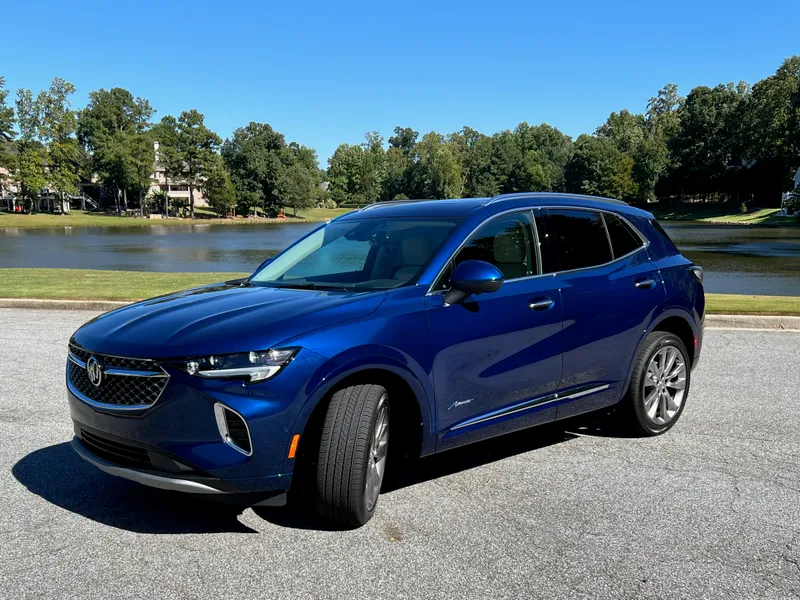
11. Buick Envision Avenir
Buick may not carry the same prestige as some European luxury brands, but with models like the Envision Avenir, it certainly delivers an interior that plays in the same league.
The Avenir trim, in particular, shows just how serious Buick is about offering a premium experience. It starts with the design language: clean surfaces, flowing lines, and subtle chrome accents. The cabin layout is intuitive and spacious, and the finish on every panel feels deliberate and upscale.
Seats in the Envision Avenir are covered in soft perforated leather with contrast piping that gives off a custom-tailored appearance. The driver’s seat includes both heating and ventilation, as well as memory settings and massage functions, which are typically reserved for more expensive cars.
The dashboard integrates a curved touchscreen that tilts slightly toward the driver, adding a cockpit-like feel that enhances the sense of control. Everything from the steering wheel to the climate controls feels like it was chosen for both comfort and visual harmony.
One of the most impressive aspects of the Envision Avenir is the ride quality, which pairs beautifully with the serene cabin environment. Buick has long been known for prioritizing comfort, and that tradition continues here. Road imperfections are absorbed without fuss, and engine noise is minimal thanks to active noise cancellation.
This quietness allows drivers and passengers to fully appreciate the premium audio system, soft materials, and ambient lighting that all work together to make the space feel elegant and well insulated from the outside world.
Technology is integrated in a way that enhances rather than overwhelms. The infotainment system is responsive and user-friendly, and features like a head-up display, wireless charging, and adaptive cruise control are all included.
These aren’t just gimmicks; they add genuine value to the driving experience. Buick may not be the first name that comes to mind when people think of premium interiors, but the Envision Avenir makes a very strong case that it should be.
