
Minimalism in car design has proven that less can indeed be more. While flashy curves and over-the-top details often grab attention, some vehicles show that simplicity can be both elegant and functional.
A clean interior, uncluttered dashboard, and smooth exterior lines create a sense of calm and focus for the driver. Minimalist design also often leads to better usability, as every element has a purpose and unnecessary distractions are removed.
Automakers are increasingly turning to minimalism not just for aesthetics but for practical reasons. Reduced complexity can improve reliability, lower maintenance costs, and make technology easier to use.
In a time when screens and buttons seem to multiply in every car, minimal designs stand out for their clarity. They prove that a car does not need to overwhelm to impress.
These vehicles also highlight how thoughtful design can influence the driving experience. A simple cabin encourages concentration on the road, while clean exteriors create timeless appeal.
Minimalist cars tend to age gracefully because their design does not rely on fleeting trends. This focus on essentials, paired with quality materials and attention to detail, often results in vehicles that feel more premium than their price might suggest.
The following selection presents ten cars that embrace minimalism in a range of forms. From understated electric vehicles to classic sedans, each example demonstrates that simplicity does not mean compromise. Instead, these cars show that removing excess can enhance elegance, functionality, and comfort.
Minimalist design remains a powerful statement in automotive styling, and the models that follow provide clear evidence that restraint can be a bold choice. They are proof that focusing on the essentials creates a driving experience that is refined, purposeful, and enduring.
Also Read: 10 Cars That Are Worth Restoring in 2025
1. Tesla Model 3
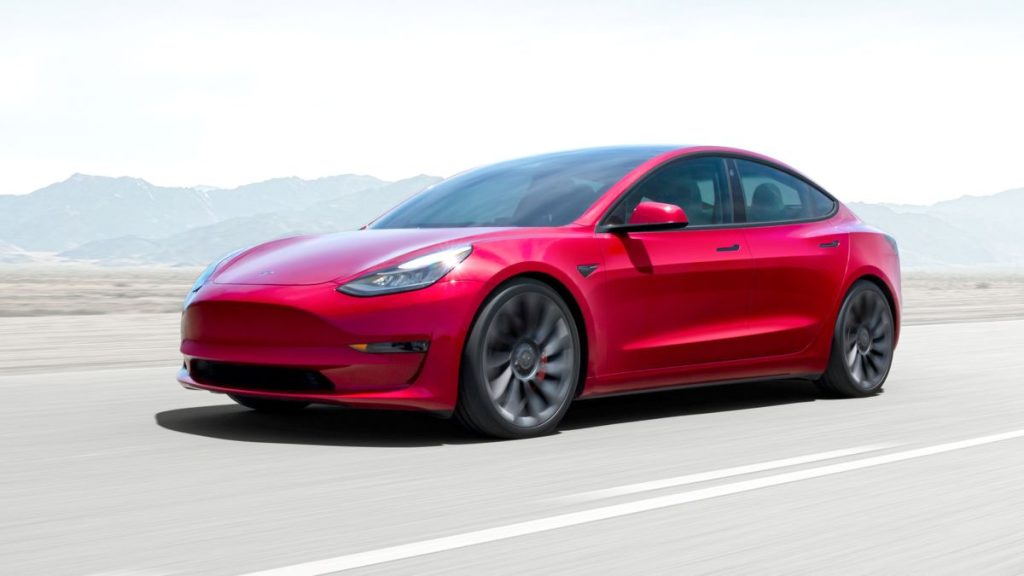
The Tesla Model 3 is a prime example of minimalist design in a modern electric vehicle. Its exterior features smooth lines and a clean profile, avoiding unnecessary ornamentation. The absence of a traditional grille gives it a distinctive yet simple look that stands out without being flashy.
Inside, the cabin is dominated by a single central touchscreen. Nearly all controls, from climate to media, are accessed through this screen, removing the clutter of physical buttons. The dashboard is flat and uninterrupted, creating a sense of openness and focus for the driver.
The minimal interior layout is not only visually pleasing but also functional. By reducing physical controls, Tesla simplifies interactions and makes software updates the main tool for improvements. The streamlined cabin encourages a calm driving experience and emphasizes what truly matters on the road.
The seats are supportive yet understated, with clean lines and high-quality materials. There are no unnecessary stitches, trims, or decorative elements, which reinforces the overall philosophy of simplicity. Even small details, like the absence of a visible air vent system, contribute to the seamless interior.
On the road, the Model 3’s minimalist approach extends to its driving experience. The focus is on performance, range, and handling rather than extraneous gadgets. Autopilot features integrate smoothly without overwhelming the driver with alerts or excessive interfaces. This restraint allows a more intuitive connection between driver and vehicle.
Minimalist design in the Model 3 is also evident in its approach to storage. The cabin avoids complicated compartments, offering practical spaces that do not interfere with the visual simplicity. The trunk and frunk are spacious and functional, aligning utility with clean aesthetics.
Overall, the Tesla Model 3 demonstrates that minimalism does not mean lacking in innovation or comfort. Every design choice serves a purpose, resulting in a car that feels modern, uncluttered, and efficient. Its success proves that restraint in automotive design can lead to both elegance and functionality.
2. Mazda MX-5 Miata
The Mazda MX-5 Miata emphasizes minimalism through its compact and purposeful design. The exterior is sleek, with flowing lines and no unnecessary embellishments. Even the headlights and grille maintain a clean, balanced look, reflecting Mazda’s philosophy of simplicity and elegance.
Inside, the Miata focuses on essentials for the driver. The dashboard is low and unobtrusive, giving excellent visibility and reducing distractions. Controls are intuitive and limited to what is necessary, avoiding the overabundance of buttons found in many modern cars.
The seating layout prioritizes comfort and connection to the road. The driver-oriented cockpit ensures that every control is within easy reach. Materials are chosen for quality and durability, without excessive decoration or flashy finishes. Leather and metal accents are subtle, supporting the overall theme of minimalism.
Even technology in the MX-5 is kept simple. The infotainment system is small and functional, providing navigation and media options without dominating the interior. This restraint encourages drivers to focus on the pure driving experience rather than constant interaction with screens or features.
Minimalist design also extends to the car’s proportions. The lightweight body, short overhangs, and balanced weight distribution contribute to agile handling. This simplicity in structure enhances the driving dynamics, making the Miata enjoyable without relying on complex electronic aids.
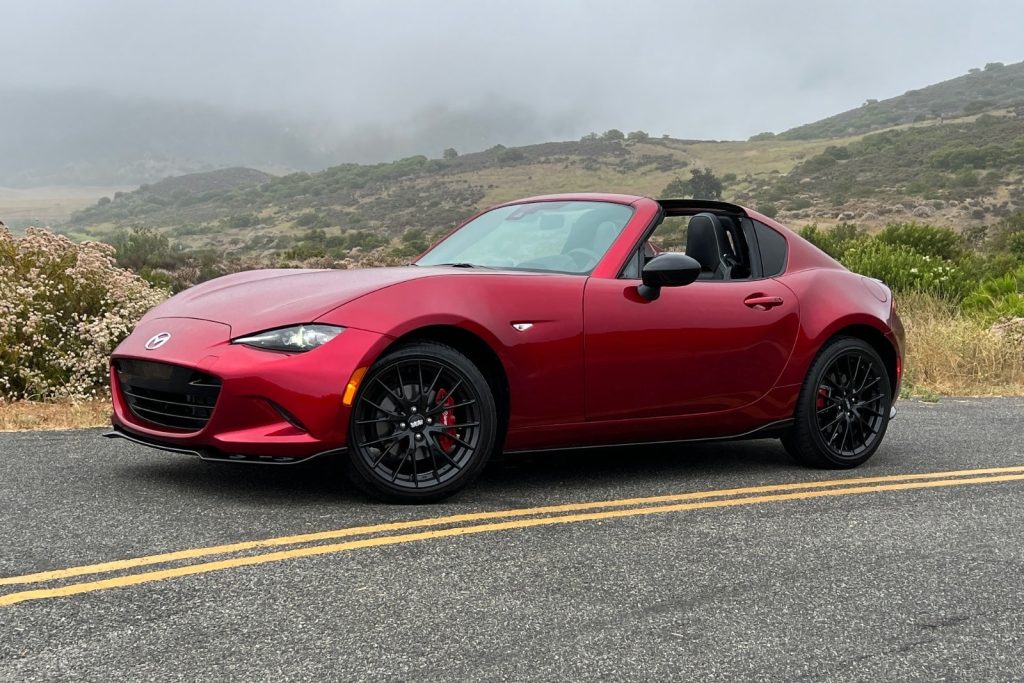
The trunk and storage areas are modest but well-integrated, maintaining the clean lines of the cabin. Even the convertible top operates in a way that does not disrupt the interior’s simplicity. Every element feels purposeful, reflecting a thoughtful approach to minimalism.
The Mazda MX-5 Miata shows that reducing complexity does not reduce enjoyment. By focusing on essential features, it delivers a driving experience that is engaging, comfortable, and visually refined. Its design proves that elegance often comes from knowing what to leave out.
3. Audi A5
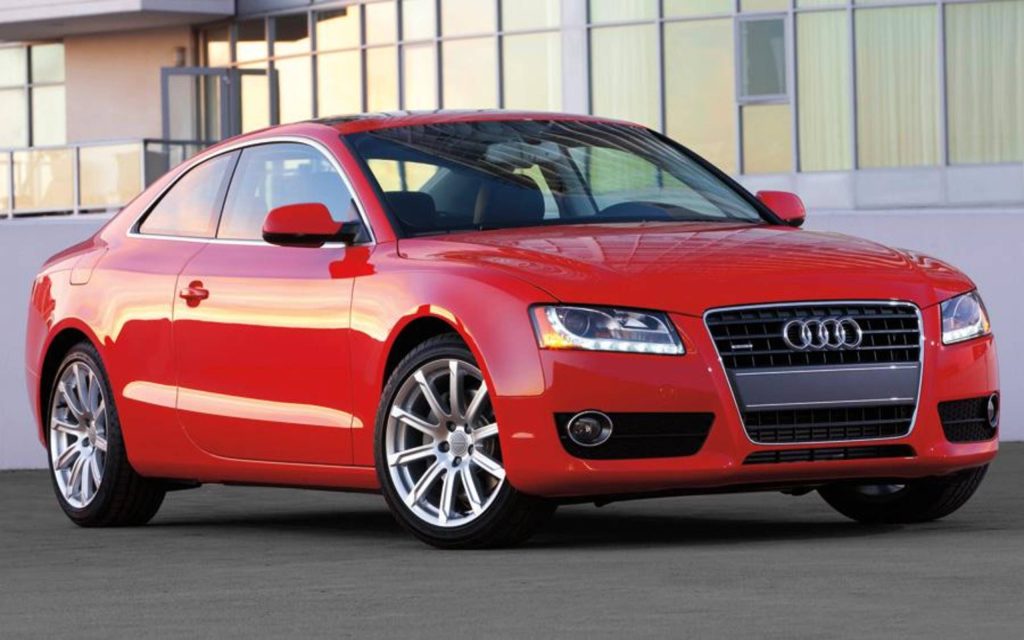
The Audi A5 demonstrates how minimalist design can coexist with luxury. Its exterior features smooth, flowing lines and a subtle front grille, avoiding excessive ornamentation. The clean shape gives the car a timeless appearance, allowing it to age gracefully while maintaining modern appeal.
Inside, the cabin emphasizes simplicity and driver focus. The dashboard is sleek and horizontal, creating a sense of width and openness. Physical buttons are kept to a minimum, with most controls accessible through a well-organized touchscreen. This reduction in clutter ensures an intuitive and calm environment.
Materials in the A5’s interior are chosen with care, combining soft-touch plastics, leather, and brushed metal in restrained ways. Every surface is designed to feel premium without overwhelming the senses. The combination of minimalism and high-quality materials reinforces a sense of understated elegance.
The center console is clean and functional, offering necessary controls without unnecessary distractions. Even the air vents are integrated seamlessly into the dashboard, maintaining smooth lines. The driver-oriented layout ensures that the focus remains on the road while still providing easy access to essential features.
Audi’s commitment to minimalist technology is also evident in its virtual cockpit. The digital instrument cluster can display essential information clearly, avoiding the clutter often found in traditional dials and gauges. Drivers can adjust what they see without the interior feeling overcrowded or complex.
Storage spaces are practical and well-conceived, integrated without disrupting the clean interior design. Seats are comfortable and supportive, designed for long journeys without adding visual noise. The combination of simplicity and comfort highlights the effectiveness of minimalism in premium vehicles.
The Audi A5 shows that minimalist design can enhance both form and function. By avoiding unnecessary details, the car delivers a refined aesthetic, improved usability, and a more focused driving experience. Its restrained approach proves that elegance often lies in subtlety rather than extravagance.
4. BMW i4
The BMW i4 embodies minimalist design through its electric-focused layout and clean styling. Its exterior is streamlined, featuring smooth contours and a simple, aerodynamic profile. Even elements like the kidney grille are refined to suit the electric powertrain, keeping the look modern without excess.
Inside, the cabin emphasizes space and simplicity. The dashboard is driver-focused but uncluttered, blending a digital instrument cluster with a central touchscreen. Physical buttons are minimal, creating an environment that feels open and organized.
Seats are comfortable and designed for support during spirited driving. The materials are understated yet luxurious, with subtle stitching and trim that avoids drawing attention away from the clean design. Every element feels deliberate, reflecting a focus on essentials.
Technology is integrated in a way that enhances usability without crowding the cabin. The infotainment system is responsive, offering navigation, media, and vehicle controls through a single interface. This approach reduces visual distraction and allows the driver to focus on the road.
Storage spaces are practical and discreet. The rear seating and cargo areas maintain the cabin’s simplicity while offering sufficient functionality. This careful design shows that minimalism can coexist with practicality in an everyday electric vehicle.
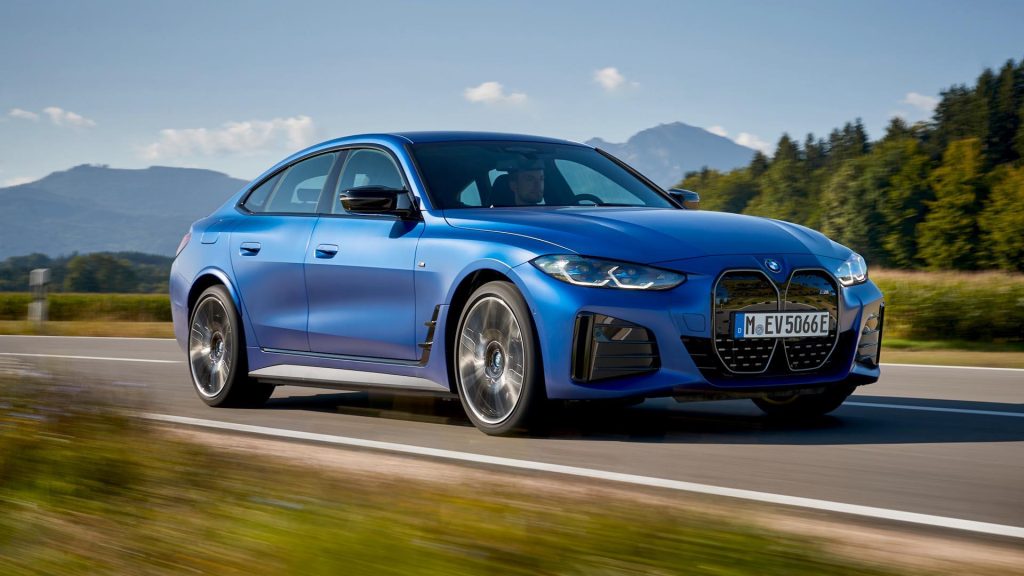
Driving the BMW i4 highlights the benefits of minimalist design. With fewer distractions, the connection between driver and vehicle feels more direct. Handling, acceleration, and comfort are prioritized, with technology supporting rather than dominating the experience.
The i4 demonstrates that minimalism can enhance both aesthetics and function. Its restrained approach results in a cabin that feels modern, open, and intuitive. This electric vehicle proves that clean design does not mean sacrificing comfort or performance.
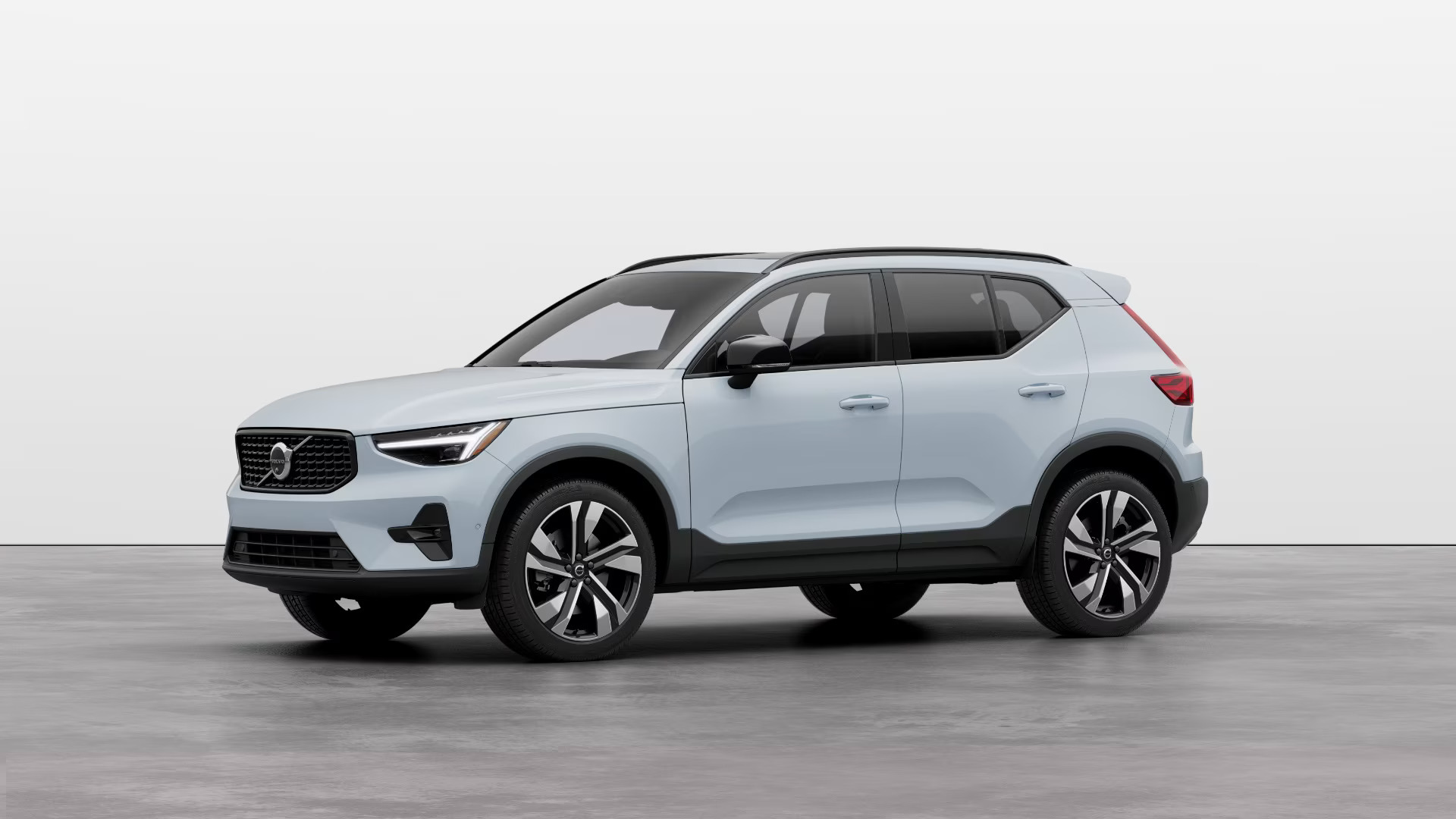
5. Volvo XC40
The Volvo XC40 embraces minimalist design while delivering a compact SUV experience. Its exterior is simple yet distinctive, with clean lines and a balanced profile. The front fascia is restrained, avoiding overcomplicated details, which contributes to a modern and timeless look.
Inside, the cabin focuses on practicality and clarity. Controls are logically arranged, with a vertical touchscreen serving as the main interface. Physical buttons are limited to essential functions, which reduces visual clutter and simplifies operation.
Materials are carefully selected, with soft-touch surfaces, subtle stitching, and durable plastics. The design avoids unnecessary embellishments, creating a calm environment that emphasizes comfort and usability. The clean layout allows passengers to feel relaxed, even during longer drives.
The driver’s area is designed to promote focus. The digital instrument cluster presents essential information clearly, without distractions. Air vents are integrated seamlessly, supporting the minimalist theme while ensuring functionality.
Storage solutions in the XC40 are practical and well-thought-out. Cup holders, door pockets, and under-seat compartments are incorporated without disrupting the clean design. The rear cargo space is versatile, maintaining simplicity while providing utility for everyday use.
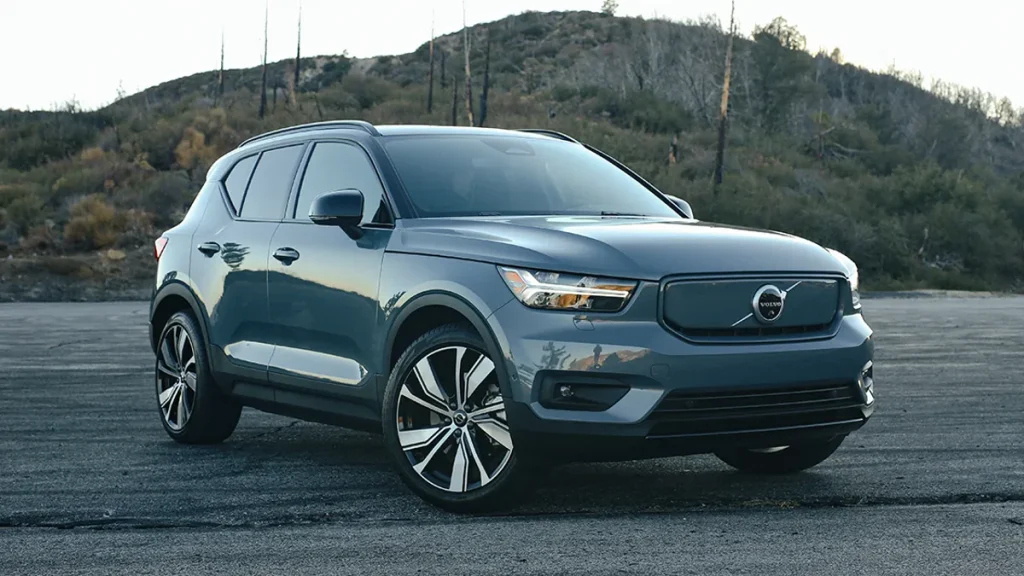
Technology in the XC40 is integrated in a subtle and effective manner. The infotainment system is responsive, offering navigation, entertainment, and vehicle settings in a single, uncluttered interface. This streamlined approach ensures that the cabin remains visually calm while still being functional.
Even the exterior lighting contributes to the minimalist appeal. Headlights and taillights are sleek, with designs that complement the clean body lines. The overall effect is a vehicle that stands out without relying on flashiness or overly complex styling.
The Volvo XC40 demonstrates that minimalism can be practical, luxurious, and approachable. By focusing on essential features, clean lines, and thoughtful interior design, it creates an environment that is both functional and visually pleasing. The XC40 proves that simplicity in design can enhance comfort, usability, and overall driving experience.
6. Lexus IS
The Lexus IS offers a minimalist approach to luxury sedans. Its exterior design balances elegance and simplicity. Lines are smooth, and curves are subtle, providing a clean appearance that avoids unnecessary ornamentation. The grille, headlights, and bodywork are refined to maintain harmony without drawing excessive attention.
Inside, the cabin focuses on essentials. The dashboard is uncluttered, with a driver-oriented layout. Most features are accessible through a central display, while only key functions retain physical controls. This approach simplifies interaction and reduces distractions.
Materials are selected to feel premium without overwhelming the senses. Leather surfaces, understated trim, and precise stitching contribute to a refined environment. Every detail is purposeful, supporting a calm and inviting interior.
The driver’s cockpit is designed for engagement and comfort. Instrumentation is clear, offering only the necessary information. Controls are within easy reach, and the ergonomic design ensures that long drives remain comfortable. Minimalism in the Lexus IS extends to seating as well, with supportive yet simple designs that reinforce the clean aesthetic.
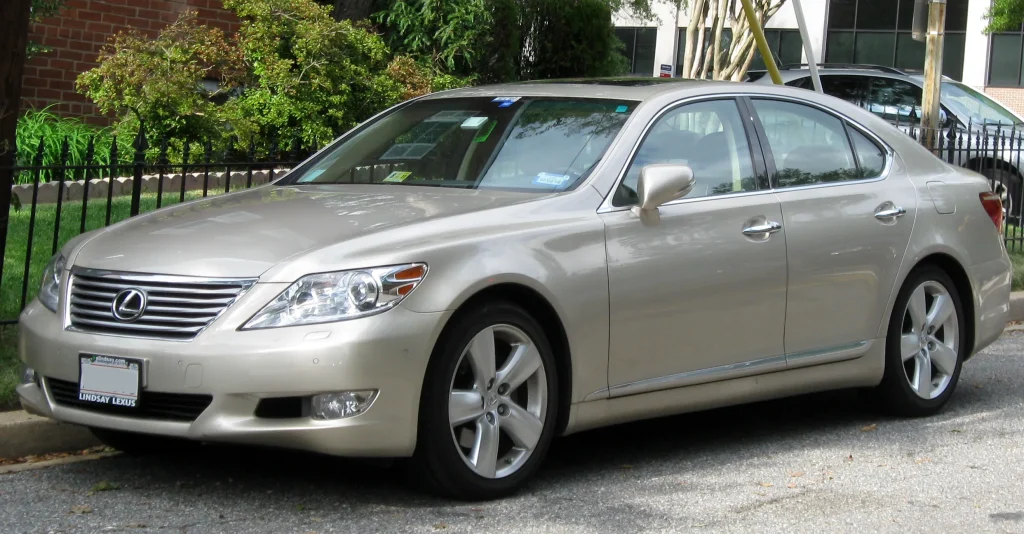
Technology is integrated subtly. Infotainment, navigation, and climate systems are accessible without dominating the interior. The interface is straightforward, reflecting Lexus’s commitment to a user-friendly environment.
Even storage areas are thoughtfully designed. Compartments are practical and unobtrusive, maintaining the clean lines of the cabin while providing utility. The trunk is spacious and functional, complementing the minimalist philosophy.
Driving the Lexus IS emphasizes the benefits of minimalism. With fewer distractions and a focus on essential features, the experience feels deliberate and connected. The combination of clean design, comfort, and usability makes the IS a compelling example of restraint in automotive styling.
The Lexus IS proves that minimalist design can coexist with luxury. Its thoughtful balance of simplicity, functionality, and elegance creates a vehicle that is refined, practical, and visually appealing.
7. Porsche Taycan
The Porsche Taycan demonstrates that minimalist design can coexist with high performance. Its exterior is sleek and aerodynamic, with smooth curves and a low, wide stance. The design avoids unnecessary ornamentation, giving the car a purposeful and modern presence.
Inside, the cabin emphasizes simplicity and focus. A digital instrument cluster and central touchscreen handle most functions, minimizing the need for physical buttons. The dashboard is clean and uninterrupted, which contributes to a sense of spaciousness.
Seats are supportive and streamlined, with understated stitching and high-quality materials. This minimalist approach ensures that attention remains on driving while providing comfort for both short trips and longer journeys.
The layout is driver-centric, yet uncluttered. Air vents, controls, and displays are seamlessly integrated into the interior, keeping visual distractions to a minimum. Even small elements, like door handles and storage compartments, are designed to blend with the clean aesthetic.
Technology is thoughtfully incorporated. Infotainment, climate, and driving settings are accessible but do not dominate the cabin. The result is a driving environment that feels intuitive, organized, and focused on essential features rather than unnecessary complexity.
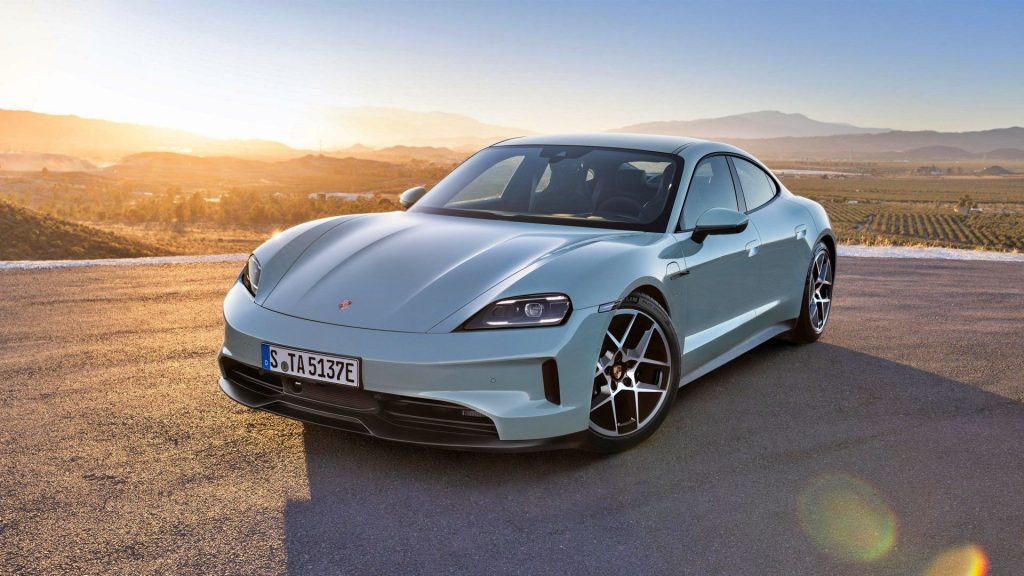
Storage solutions in the Taycan maintain the minimalist philosophy. The trunk and frunk provide practical space, while interior compartments are discreet and functional. This combination of simplicity and utility enhances the everyday usability of a performance-focused electric vehicle.
The exterior lighting complements the minimalist style. Headlights, taillights, and indicators are sleek and unobtrusive, integrating seamlessly with the car’s body. Every design choice reinforces a sense of refined elegance and precision.
The Porsche Taycan proves that minimalist design can enhance both aesthetics and performance. By focusing on clean lines, purposeful technology, and driver-centered interiors, it creates a vehicle that feels modern, efficient, and engaging. Minimalism here is a tool for refinement, not compromise.
8. Honda Civic
The Honda Civic demonstrates how minimalist design can enhance practicality and appeal in a compact car. Its exterior is clean and modern, with simple lines and balanced proportions. The front and rear designs are restrained, avoiding unnecessary complexity while maintaining a contemporary look.
Inside, the Civic emphasizes clarity and usability. The dashboard is low and uncluttered, providing excellent visibility. Most controls are straightforward, and the infotainment system is compact and functional. This simplicity allows drivers to focus on the road rather than navigating complicated interfaces.
Materials are practical and durable, selected to feel pleasant without being extravagant. Soft-touch surfaces, subtle stitching, and understated trim contribute to a comfortable environment that prioritizes function over showiness.
The seating layout is driver-friendly, with ergonomic seats that balance comfort and support. The cockpit is designed for ease of use, with all essential controls within reach. Minimalist design ensures that the interior feels open and welcoming.
Technology is integrated thoughtfully. Infotainment, navigation, and climate control systems are simple and responsive. This reduces distraction and keeps the cabin organized. Even features like storage compartments and cup holders are seamlessly integrated without disrupting the clean lines.
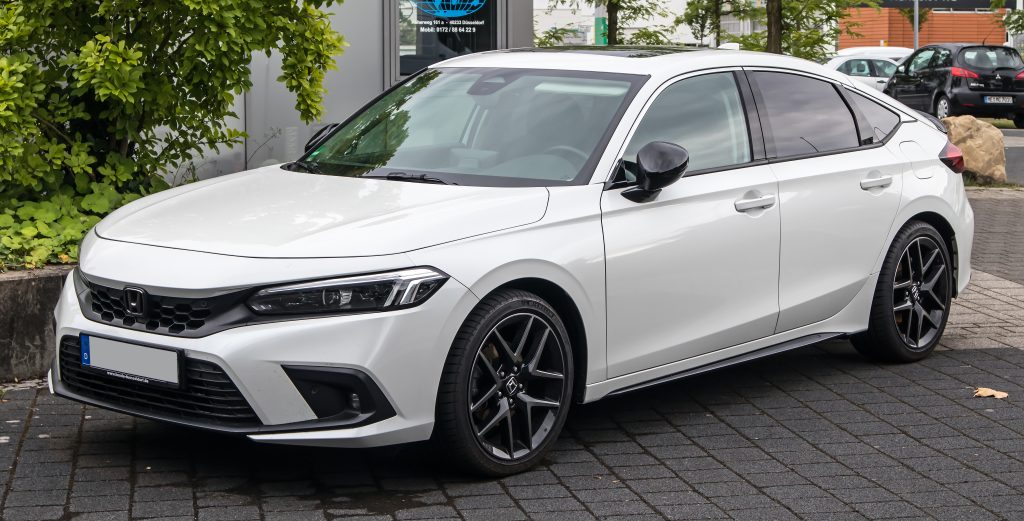
Exterior lighting is modern yet restrained. Headlights and taillights are well-proportioned and complement the overall simplicity of the car’s design. The Honda Civic shows that a minimal approach can still feel engaging and stylish without relying on extravagance.
Minimalism in the Civic extends to its driving experience. With an uncluttered interior and functional controls, the car encourages focus, efficiency, and comfort. Every design choice serves a purpose, reflecting a commitment to practicality and elegance.
The Honda Civic proves that minimalism is not limited to luxury or sports cars. Its careful balance of simplicity, usability, and style makes it an enduring example of effective minimalist design.
9. Mercedes-Benz EQS
The Mercedes-Benz EQS represents minimalist design in a full-size luxury electric sedan. Its exterior is smooth and flowing, with clean surfaces and a refined profile. Ornamentation is kept to a minimum, creating a futuristic yet elegant look that emphasizes simplicity.
Inside, the cabin is dominated by open, uncluttered spaces. The massive Hyperscreen stretches across the dashboard, integrating multiple displays into a single, seamless interface. Physical buttons are almost entirely eliminated, providing a sleek, uninterrupted design.
Seating is spacious and comfortable, with high-quality materials used subtly. Leather and polished trims enhance luxury without adding visual noise. Every element is purposeful, contributing to a calm and organized environment.
The driver-centric layout is minimal but functional. Essential information is displayed clearly, while secondary functions are accessed through touch or voice commands. This approach reduces distraction and emphasizes a serene driving experience.
Even small interior elements, like air vents and storage compartments, are integrated with restraint. The EQS offers practicality without compromising the overall clean aesthetic. Hidden storage areas maintain functionality while preserving simplicity.
Technology is advanced yet unobtrusive. Infotainment, navigation, and climate controls are all smoothly integrated, allowing for customization without cluttering the cabin. Minimalism here enhances usability by focusing on intuitive interaction rather than complexity.
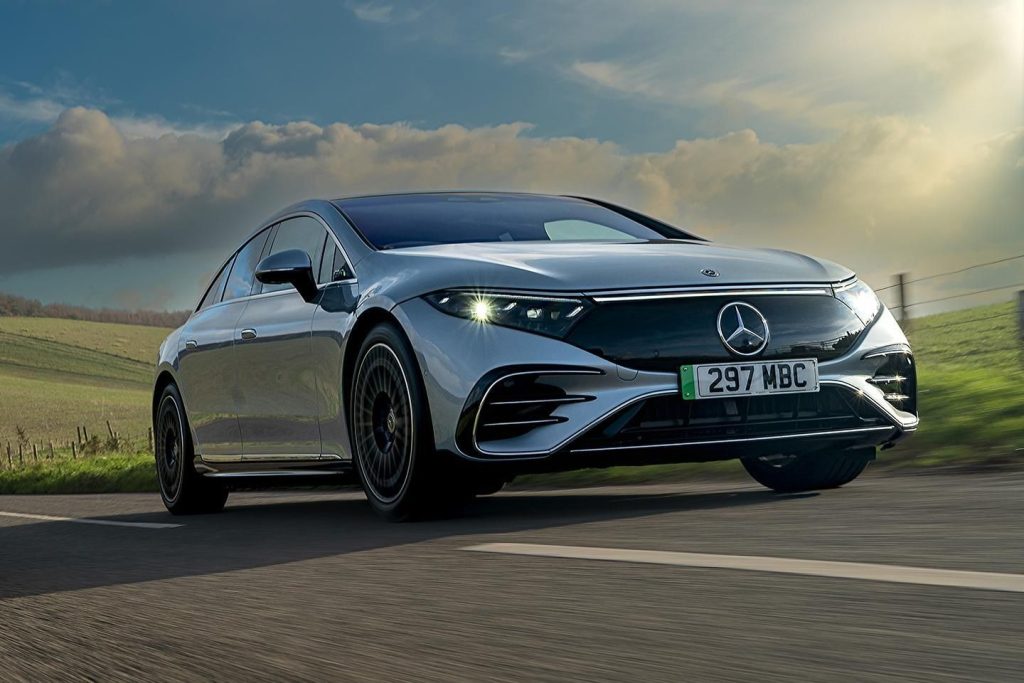
Exterior lighting and design details are sleek and purposeful. Headlights, taillights, and trim follow the clean lines of the car, reinforcing a sense of continuity and elegance. The EQS proves that futuristic luxury can embrace restraint without sacrificing presence.
The Mercedes-Benz EQS demonstrates that minimalism can coexist with advanced technology and premium comfort. By focusing on clean lines, intuitive interfaces, and purposeful materials, it creates a driving environment that is luxurious, modern, and serene.
10. Toyota Prius
The Toyota Prius shows how minimalism can enhance efficiency and practicality. Its exterior design is clean and simple, with aerodynamic lines and subtle curves. The front fascia is restrained, avoiding unnecessary detailing while supporting the vehicle’s fuel-efficient purpose.
Inside, the cabin emphasizes clarity and functionality. Controls are logically arranged, with essential features easily accessible. The dashboard is simple and uncluttered, reducing distractions and enhancing the sense of space.
Materials are practical and comfortable. Soft-touch plastics, durable upholstery, and minimal trim create a calm and purposeful environment. The interior prioritizes usability over decorative elements, keeping the focus on efficiency and comfort.
Seating is ergonomic, providing support for both short commutes and longer journeys. The minimalist layout ensures that controls are within easy reach, and the digital display offers necessary information clearly.
Technology is integrated thoughtfully. The infotainment system is compact and intuitive, while climate and driving controls are simple yet functional. Minimalism here reduces complexity, allowing the driver to interact with the car easily and safely.
Storage solutions are practical and well-integrated. The Prius offers versatile cargo space, cup holders, and compartments without cluttering the interior. Even small details, like door pockets and center console design, reflect careful planning.
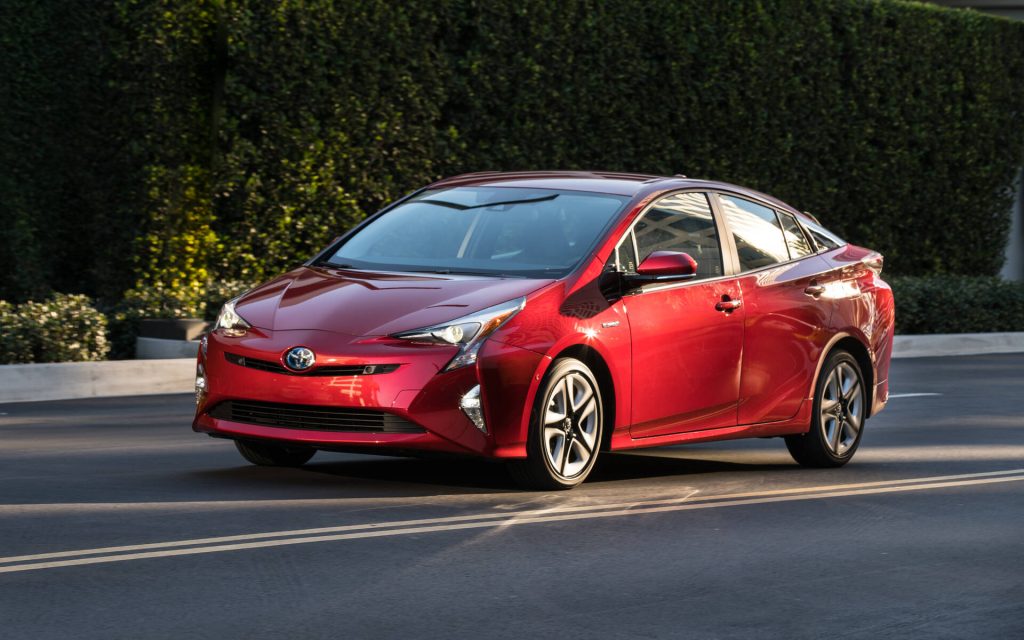
Exterior lighting is clean and efficient, complementing the overall design. The Prius demonstrates that a restrained approach can still feel modern and appealing. Its aerodynamic design, combined with a minimalist interior, supports the vehicle’s eco-friendly purpose.
The Toyota Prius proves that minimalism is not just an aesthetic choice. Its focus on simplicity, functionality, and efficiency creates a vehicle that is practical, user-friendly, and visually balanced. The Prius is a clear example of how minimalism can enhance both design and performance.
Minimalist design in cars shows that simplicity can be both elegant and functional. By focusing on essential features and removing unnecessary details, vehicles can deliver clarity, comfort, and style. The models presented demonstrate that restraint in design enhances the driving experience rather than limiting it.
Electric vehicles like the Tesla Model 3 and BMW i4 use minimalism to create open, modern cabins. Centralized screens and uncluttered dashboards provide essential information while reducing distractions. This clean approach makes technology easier to use and ensures the interior feels spacious and organized.
Sports cars and driver-focused models such as the Mazda MX-5 Miata and Porsche Taycan highlight how minimalism can enhance engagement.
Driver-oriented layouts, simple controls, and well-chosen materials help maintain focus on the road and performance. Every element is designed with purpose, contributing to both comfort and driving enjoyment.
Luxury sedans like the Audi A5 and Lexus IS show that minimalist design can coexist with refinement. Quality materials, integrated technology, and clean lines create an elegant and practical environment. Even with advanced features, the cabin remains visually calm and easy to navigate.
Compact and practical vehicles, including the Honda Civic and Toyota Prius, demonstrate that simplicity works across all segments. Logical layouts, intuitive controls, and functional storage solutions make these cars approachable and user-friendly. Minimalism enhances usability without compromising style or performance.
Even larger vehicles like the Volvo XC40 and Mercedes-Benz EQS benefit from a restrained approach. Thoughtful integration of technology, open cabin designs, and clean exterior lines create a sense of balance and sophistication.
Overall, minimalist design emphasizes clarity, usability, and elegance. By focusing on what truly matters, these vehicles show that simplicity can improve aesthetics, comfort, and driving experience.
Across electric, luxury, sports, and practical cars, minimalism proves that thoughtful restraint can produce vehicles that are timeless, functional, and visually appealing.
Also Read: 10 Cars That Deliver More Smile per Mile
