For many car enthusiasts, the dream of owning a classic American vehicle isn’t about buying a perfectly restored showpiece it’s about bringing one back to life with your own hands.
But in a market where vintage car prices can skyrocket, finding affordable classics worth restoring takes research and a sharp eye.
Fortunately, there are still plenty of American icons that remain within reach for the average hobbyist.
Whether you’re looking for muscle, nostalgia, or pure mechanical simplicity, these 15 classic American cars offer great restoration potential without breaking the bank.
1. Ford Mustang (1965–1973)
No list of affordable classics would be complete without the original pony car. The first-generation Ford Mustang remains one of the most accessible classics to restore, with an endless supply of aftermarket parts and a massive enthusiast community.
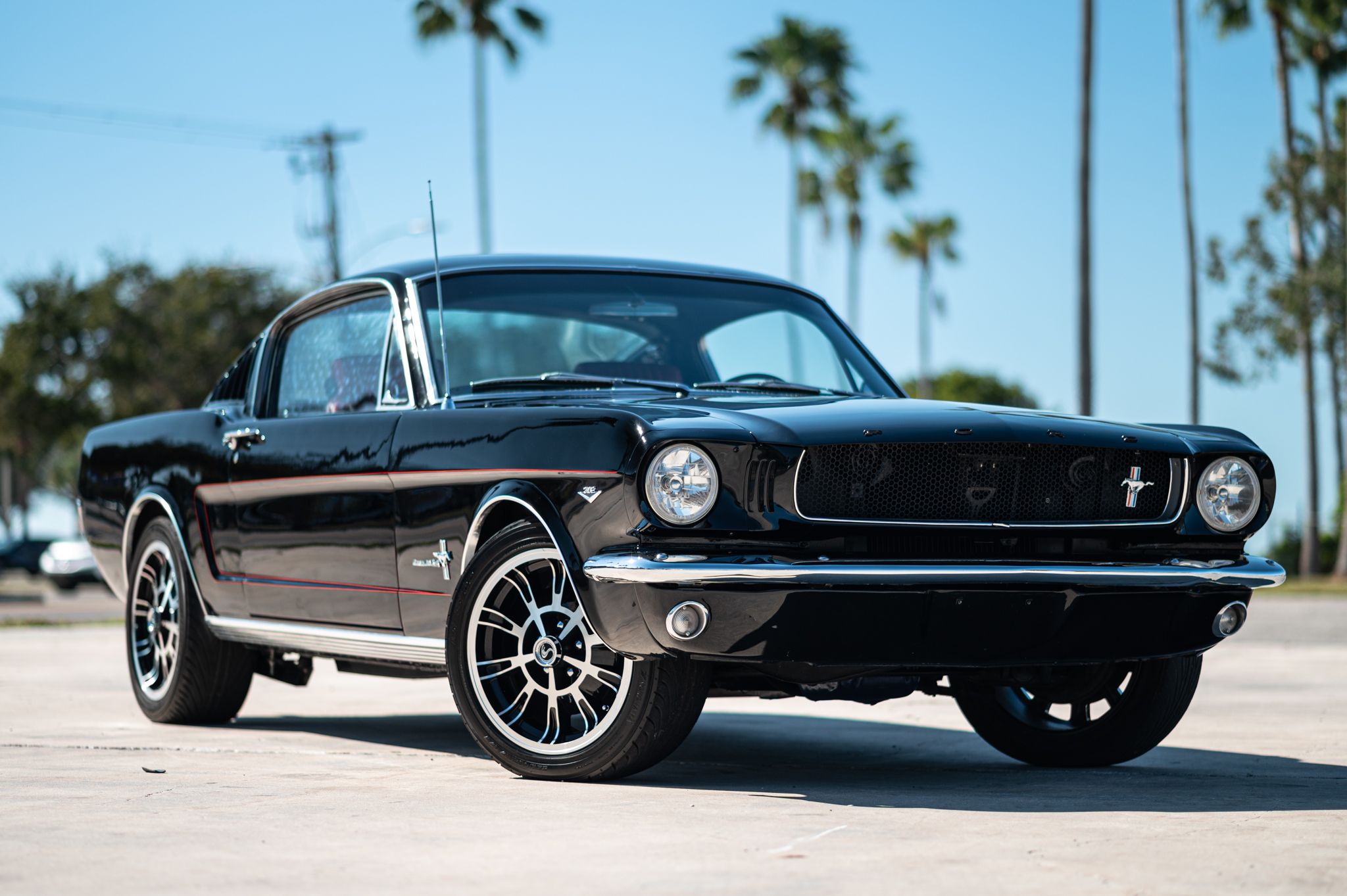
Early six-cylinder models and non-Shelby V8 versions can still be found at reasonable prices. These cars are relatively simple mechanically, and their bolt-on panels make bodywork manageable even for amateur restorers.
Also Read: 8 Trucks That Collectors Are Paying Top Dollar For
2. Chevrolet Nova (1968–1974)
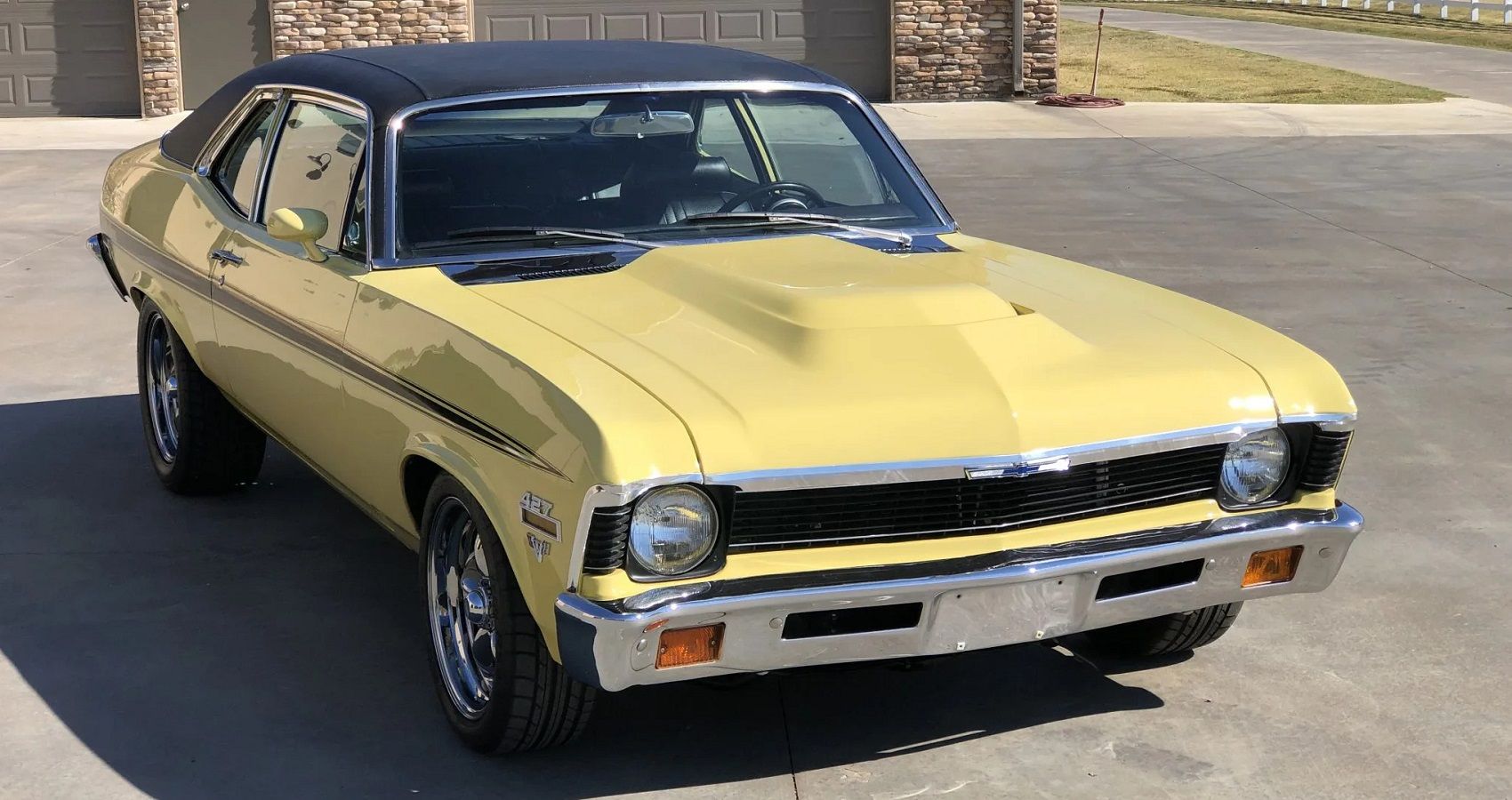
The Chevy Nova has long been a go-to option for budget builders looking for muscle car looks and performance at a fraction of the price of a Chevelle or Camaro.
With a lightweight design and a wide range of available small-block V8s, the Nova is straightforward to work on and can easily be upgraded.
Plenty of reproduction parts are available, making it easy to bring one back to factory spec or to modify it for weekend drag-strip fun.
The introduction of the Chevrolet Nova in 1968 marked a complete redesign from the previous generation. The new model featured a wider, lower, and more streamlined body, adopting the fashionable “long-hood, short-deck” styling that was popular among many cars of the era, including the highly successful Ford Mustang.
Its semi-fastback profile closely resembled that of the newly launched Chevelle, though the Nova maintained a slightly shorter overall length. For this generation, Chevrolet discontinued the Nova hardtop coupe, convertible, and wagon body styles, narrowing the lineup to two- and four-door sedans and a two-door hatchback.
Throughout its six-year third-generation production run, the Nova’s exterior design remained largely unchanged, with only minor updates to the front end and the addition of federally mandated 5 mph bumpers on the 1973 and 1974 models.
However, more significant than the subtle styling tweaks was the Nova’s return to its roots as an affordable and practical compact car.
While the Nova SS had evolved into a pony or muscle car in its earlier generations, the third generation struck a balance between sportiness and everyday drivability. It became a car that could satisfy both performance enthusiasts and those looking for a dependable daily driver.
Under the hood, the Nova lineup offered fuel-efficient six-cylinder engines producing around 100 horsepower, while SS models could be equipped with the powerful 396 V8 big block generating up to 375 horsepower.
Buyers could also opt for features such as front disc brakes, a heavy-duty clutch, rally wheels, and Positraction for improved performance and handling. Engine options included a 250 CID six-cylinder or the mighty 396 V8 big block, delivering up to 415 lb-ft of torque.
The car came with a rear-wheel-drive layout and multiple transmission choices, including a three-speed manual, a three-speed Turbo-Hydramatic, and either the M-21 close-ratio or M-22 “Rock Crusher” four-speed manual gearbox.
The third-generation Nova boasted several advantages, including its stylish long-hood, short-deck design, fuel-efficient six-cylinder variants, and the availability of a 295-hp V8 in the Nova SS.
However, the lineup lacked wagon and two-door sedan models, and air conditioning was only offered as an optional feature.
When the third generation debuted in 1968, the rear-wheel-drive Nova was a legitimate muscle car with more power than before.
At the top end, Chevrolet offered a 350 V8 with 295 horsepower, while the 396 V8 big block, with a Holley four-barrel carburetor, aluminum intake manifold, 11:1 compression ratio, solid lifters, and free-breathing heads, produced a formidable 375 horsepower.
That same year, Chevrolet transformed the Super Sport from a trim level into a true performance package, producing 5,571 SS coupés. The package included simulated hood air intakes, a black-accented grille and tail panel, and distinct SS badging.
The base Nova SS came with a 295-hp 350 cubic-inch V8 and a heavy-duty suspension system. For those seeking more power, Chevrolet offered the SS with the 396 cu in engine rated at either 350 bhp or 375 bhp, delivering 415 lb-ft of torque at 3,600 rpm.
Buyers could choose from several transmission options, including the Turbo-Hydramatic 400 automatic, the M-21 close-ratio four-speed manual, or the M-22 “Rock Crusher” four-speed manual.
Although Chevrolet produced special-order COPO Camaros and Chevelles with larger engines, no such factory option existed for the Nova.
Still, dealerships like Don Yenko’s modified the Nova Super Sports, replacing the 375-hp 396 V8 with a 425-hp 427 cubic-inch engine. Yenko paired these high-performance Novas with either a Turbo 400 transmission featuring a Hurst Dual-Gate shifter or a close-ratio Muncie four-speed with a Hurst shifter.
By the 1970s, the oil crisis significantly reduced consumer demand for high-performance vehicles, prompting Chevrolet to focus on fuel efficiency. By 1974, the Nova lineup reflected this shift, offering engines with lower output but better gas mileage.
Chevrolet dropped the 307 CID V8 and made the 250 CID six-cylinder engine standard, producing 100 horsepower and appealing to budget-conscious buyers.
This engine could be paired with a three-speed manual, Torque-Drive, Powerglide, or Turbo 350 three-speed automatic transmission. For customers still interested in a V8, the 350 CID remained available, though detuned to 145 hp or 185 hp for improved fuel efficiency.
3. Pontiac Firebird (1970–1981)
The second-generation Firebird, especially the non-Trans Am variants, remains one of the best bargains in the classic car world. These cars share many components with the Chevrolet Camaro, making parts sourcing relatively easy.
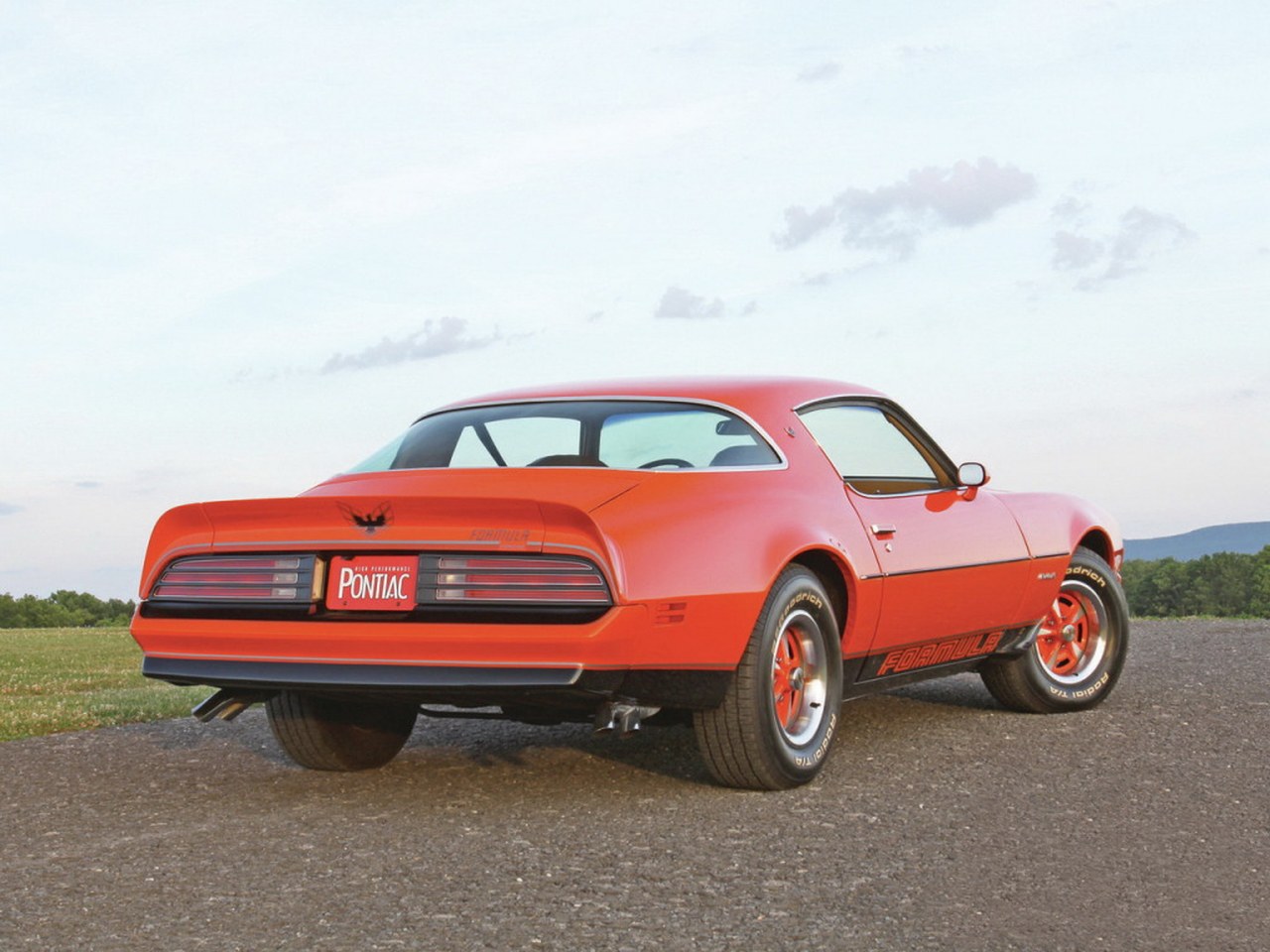
They also offer that unmistakable ‘70s American styling, from the long hood to the aggressive stance. With patience and some elbow grease, you can have a show-worthy Firebird without spending collector-level money.
4. Dodge Dart (1967–1976)
If you want Mopar muscle on a budget, the Dodge Dart is an excellent starting point. Compact yet powerful in its V8 configurations, the Dart has become increasingly appreciated for its simplicity and durability.
The smaller A-body platform means it’s lighter than most of its rivals, and with solid aftermarket support, it’s one of the easiest Mopars to restore today. The 318 V8 versions, in particular, deliver a fun, reliable restoration project.
Introduced in 1960 as a full-size model, the Dodge Dart initially entered the automotive scene as a large family car. By 1962, it transitioned into the intermediate segment, though this shift was short-lived.
Just a year later, in 1963, Dodge reimagined the Dart as a compact car, where it remained until production ended in 1976.
While the Dart never reached the legendary status of other Mopar nameplates from the era, it still produced several noteworthy performance models over its lifespan.
The early full-size versions were not known for speed or power, but the 1962 midsize Dart broke new ground by featuring the 413-cubic-inch (6.8-liter) Max Wedge V8, making it the first Dodge to carry that engine. Only 55 examples were produced, making it one of the rarest Darts ever built.
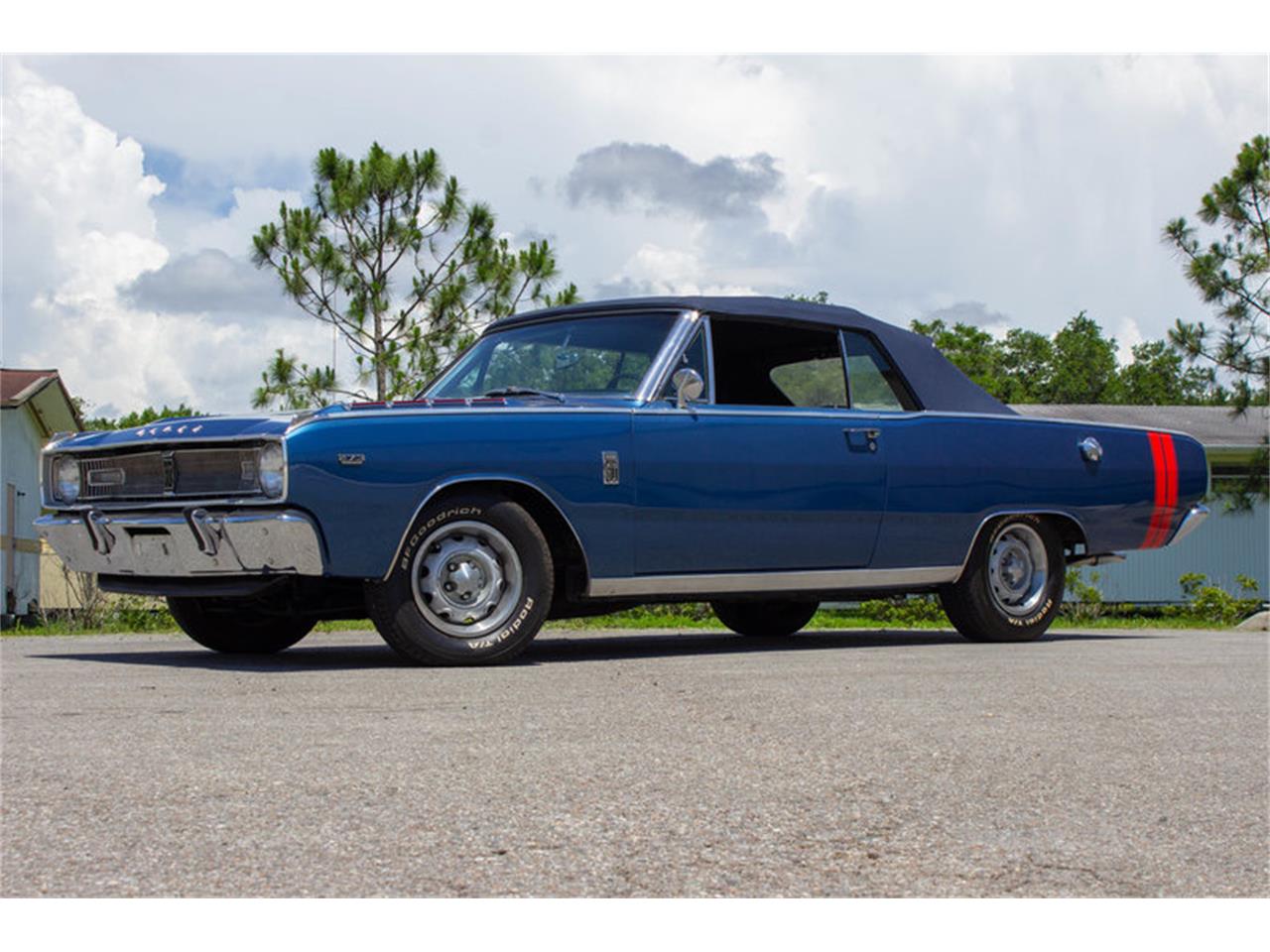
The third generation (1963–1966) was generally underwhelming, aside from a 273-cubic-inch (4.5-liter) V8 that produced 235 horsepower. However, the fourth-generation Dart, introduced in 1967, brought new life to the nameplate.
With a more aggressive design targeting the entry-level muscle car market, Dodge unveiled the Dart GTS, powered by a high-output 340-cubic-inch (5.6-liter) V8, giving the compact car some real muscle credibility.
The year 1968 marked a turning point with the introduction of two of the most sought-after Dart variants ever produced. The first was the LO23, a purpose-built drag racer fitted with the fearsome 426-cubic-inch (7.0-liter) HEMI V8.
Developed and assembled in collaboration with Hurst Performance, the HEMI Dart was produced only in 1968, making it a one-year-only collector’s gem.
Mr. Norm’s limited run proved so influential that Dodge followed his lead in 1969, releasing its own 440-powered Dart based on the GTS. Like the GSS, it was a one-year-only model, with only 640 examples built.
All were engineered under Mr. Norm’s guidance and assembled by Hurst, further solidifying the connection between dealer ingenuity and factory performance.
As the 1970s unfolded, the Dart, like most Mopars, lost its powerful engines and performance focus as the Malaise Era took hold. Still, Dodge wasn’t entirely done producing unique editions.
5. Chevrolet C10 Pickup (1967–1972)
Classic trucks have surged in popularity, but the C10 still offers affordability and restoration potential for those who search wisely. These pickups feature rugged, simple engineering and strong parts interchangeability.
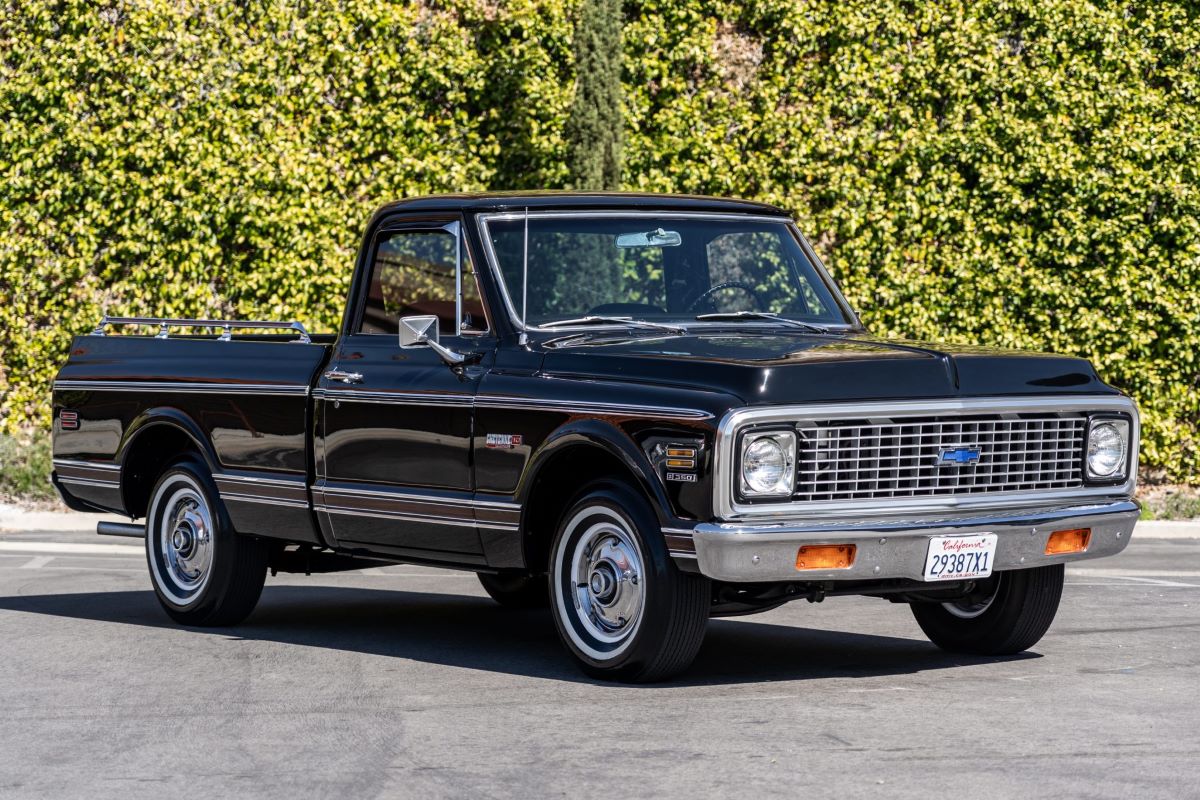
Whether you want to build a show truck or a weekend cruiser, the C10 platform offers flexibility. Their combination of vintage charm and modern usability makes them especially appealing for DIY restorers.
6. AMC Javelin (1968–1974)
The AMC Javelin might not get as much attention as its Ford and Chevy rivals, but that’s precisely why it’s still affordable. With striking styling and decent performance, it’s a hidden gem among American classics.
The parts situation isn’t as abundant as for Mustangs or Camaros, but dedicated AMC clubs and online groups make finding components much easier than it used to be. For those seeking something unique, the Javelin delivers individuality and investment potential.
One of the most recognizable automotive designs to come from American Motors Corporation (AMC) was the iconic Javelin sports coupe.
Although some automotive historians have long argued that the Javelin never achieved widespread popularity as a true muscle car, it remains a standout performance machine in the eyes of many enthusiasts, including myself.
Across the nation, countless automotive fans share the belief that the Javelin’s styling and spirit make it a memorable part of American muscle history.
The 1970 AMC Javelin represented the automaker’s direct response to the growing dominance of the Ford Mustang and Chevrolet Camaro in the pony car segment.
Within the Javelin lineup, several versions became especially popular, including the “Big Bad Javelin” and the “Mark Donohue” signature edition, both of which appealed strongly to younger buyers looking for performance and personality.
The 1968 Javelin SST originally retailed for $2,587, with 26,286 units sold in the United States. The exclusive red, white, and blue Trans-Am edition, weighing in at 3,340 pounds, carried a higher price tag of $3,995, with only 100 units produced.
Many automotive historians have noted that these Trans-Am models were essentially replicas of Ronnie Kaplan’s race cars, featuring a tri-color paint scheme designed by Brooks Stevens.
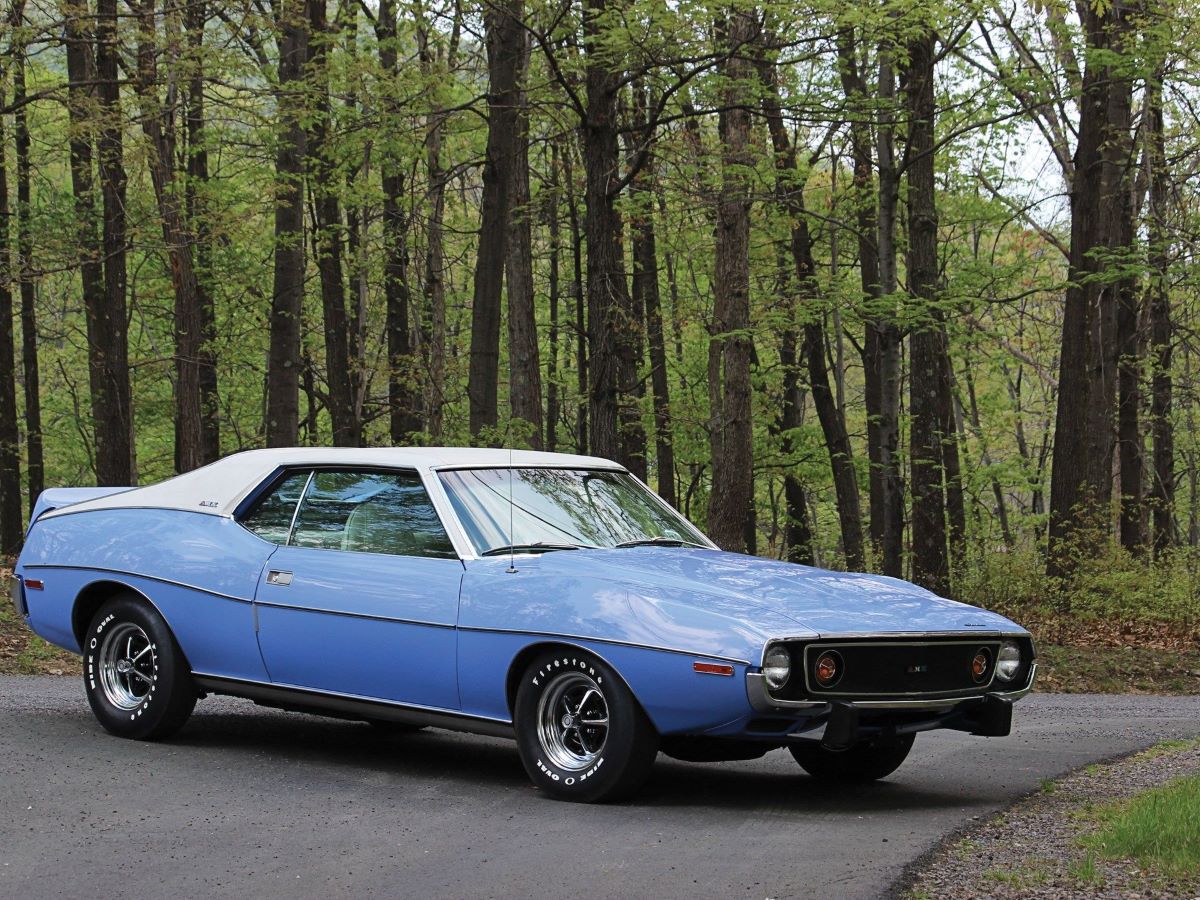
Under the hood, the 1968 Javelin packed a 343 cubic-inch V8 engine producing 280 horsepower, paired with a four-speed manual transmission.
The model also featured the AMX hood with a functional Ram-Air induction system, further enhancing performance. The Javelin quickly proved its worth on the racing circuit and became a competitive force in the Sports Car Club of America’s (SCCA) Trans-Am Series for production-based vehicles.
When legendary team owner Roger Penske and driver Mark Donohue announced they would take over AMC’s Trans-Am program for the 1970 season, the racing world took notice.
The Javelin’s bold red, white, and blue livery made it instantly recognizable on the track, and AMC’s persistence paid off when the team secured its first-ever Trans-Am championship title in 1971.
The Trans-Am editions became fan favorites for their aggressive styling and racing pedigree. However, converting 100 Javelin SSTs into Trans-Am editions proved costly for AMC, and the company ultimately lost money on the project despite its marketing success.
Still, the investment paid off in prestige, building a loyal performance-oriented following for the brand.
By 1971, Mark Donohue returned for another season behind the wheel of the AMC Javelin. The company’s partnership with him was a major success, Donohue not only secured AMC’s first Trans-Am championship but also boosted showroom sales and brand recognition.
His influence extended beyond racing, as AMC invited him to add special modifications to the production Javelin-AMX models, including his now-famous rear spoiler. These touches helped solidify the Javelin’s legacy as one of AMC’s most distinctive and collectible performance cars.
Also Read: 10 Least Reliable Cars With CVT Transmissions To Avoid
7. Ford Torino (1968–1976)
The Torino sits at the sweet spot between muscle and practicality. While the high-performance Cobra and GT models have become pricey, base models and four-door versions remain within reach.
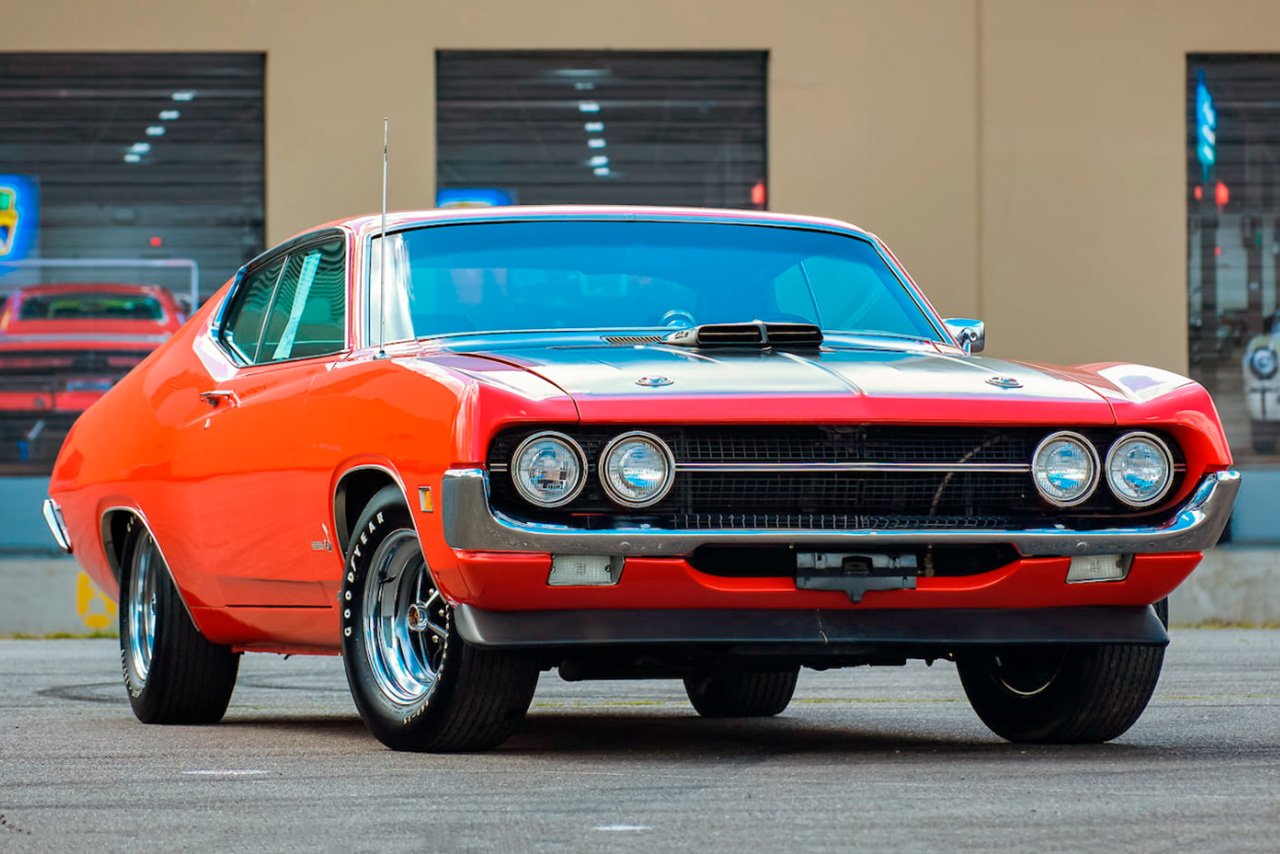
Torinos feature sturdy construction and share mechanical parts with other Fords of the era, making repairs straightforward. A restored Torino offers the commanding looks and V8 growl of the golden muscle era without the collector price tag.
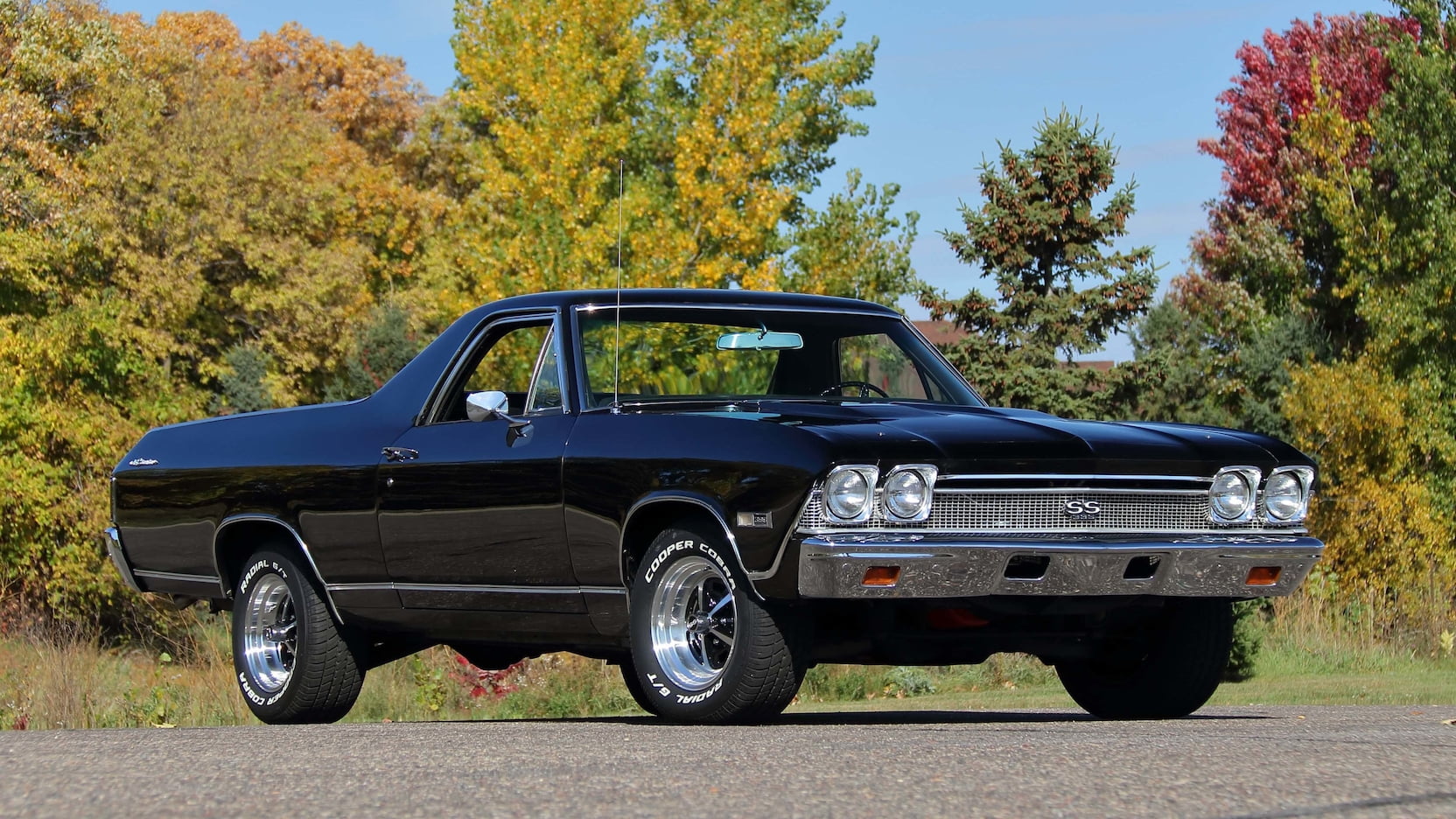
8. Chevrolet El Camino (1968–1972)
Part car, part truck, the El Camino delivers a blend of utility and muscle car spirit that’s hard to resist. These models are still relatively affordable, especially when compared to their Chevelle siblings.
Parts are widely available, thanks to the platform’s shared underpinnings with GM’s mid-size lineup. An El Camino restoration gives enthusiasts something different a conversation starter that’s both functional and full of character.
The Chevrolet El Camino has long stood as a modern representation of American muscle and practicality, seamlessly blending the utility of a pickup with the allure of a classic coupe.
After years of speculation, Chevrolet has officially confirmed the return of the El Camino for the 2025 model year. This modern revival brings a fresh take on the beloved classic, incorporating cutting-edge technology, enhanced performance, and contemporary styling.
Designed to compete with models such as the Ford Maverick and Hyundai Santa Cruz, as well as certain full-size pickups, the new El Camino aims to carve its own niche in the segment.
This article will delve into every detail surrounding the Chevrolet El Camino, covering its exterior and interior design, performance, technology, available trims, and expected pricing.
Whether you’re a muscle car enthusiast or simply in search of a retro-inspired yet practical vehicle for everyday use, here’s everything you need to know.
The new El Camino evokes nostalgia, drawing inspiration from its legendary predecessors while embracing a thoroughly modern aesthetic.
Chevrolet’s design team took cues from the 1970s El Camino SS, blending its retro charm with updated aerodynamics, LED lighting, and a more assertive front fascia. Chevrolet’s iconic front grille, seen on models like the Camaro and Silverado—adds a bold and sophisticated presence.
LED headlamps and daytime running lights not only enhance visibility but also give the El Camino a distinctly futuristic look. The roofline flows smoothly into the rear tray, preserving the classic coupe-meets-pickup silhouette.
Wide fenders amplify its muscular stance, while available 20-inch alloy wheels elevate its sporty appeal. Dual exhaust tips, along with aerodynamic elements, contribute to both performance and efficiency.
9. Plymouth Duster (1970–1976)
The Duster remains one of the most underrated Mopars ever made. Lightweight, compact, and available with a range of engines, the Duster can be restored into anything from an efficient cruiser to a quarter-mile beast.
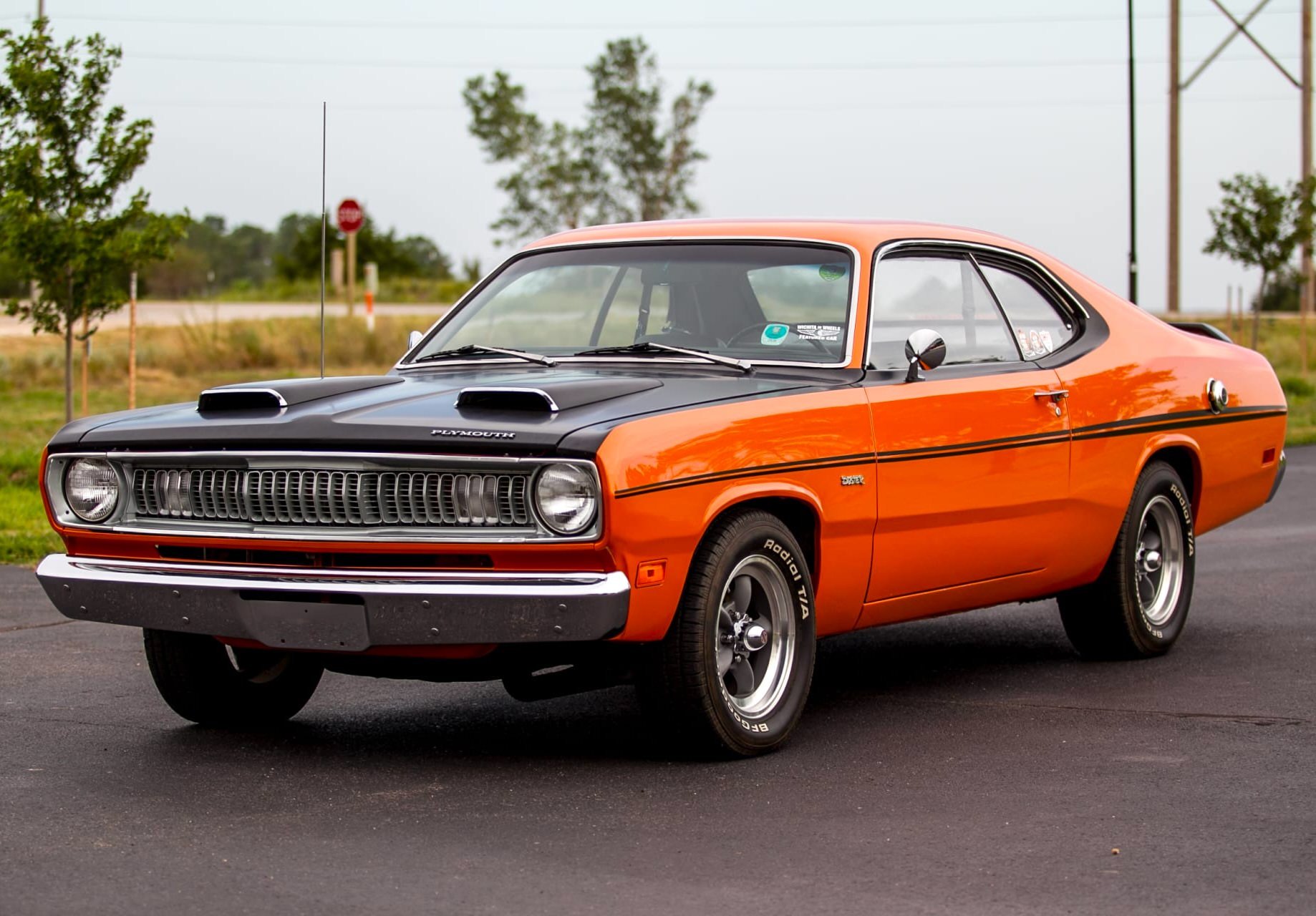
Its affordability stems from the fact that it wasn’t as iconic as the ‘Cuda or Charger, but that also means you can find project cars for a fraction of the price. The simple design makes it a perfect entry-level restoration project.
10. Buick Skylark (1968–1972)
The Skylark often gets overshadowed by its performance sibling, the GS, but it’s a beautifully designed mid-size classic in its own right.
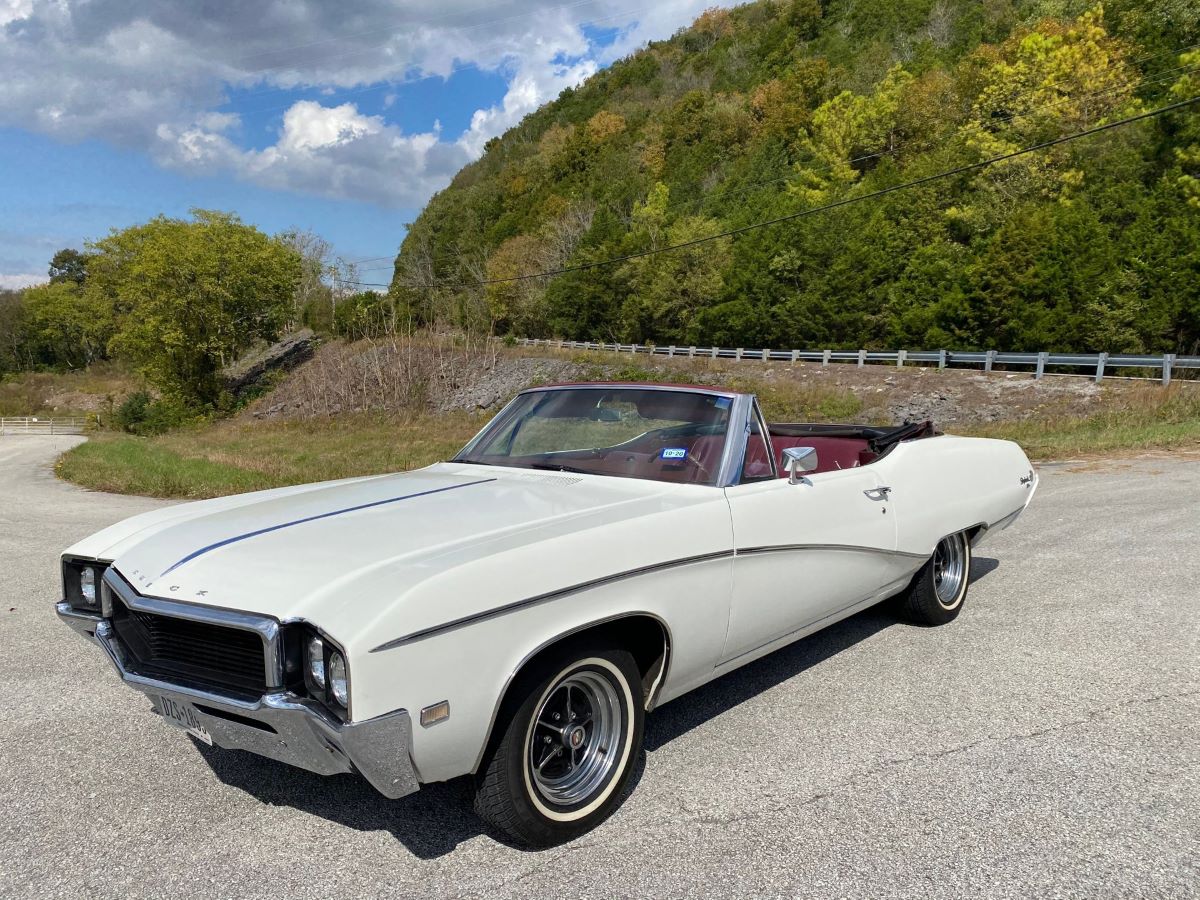
With smooth styling, comfortable interiors, and available V8 power, these Buicks are rewarding to restore and drive. Parts availability is solid due to GM’s shared platforms, and the cars offer a nice balance between luxury and muscle appeal.
11. Mercury Cougar (1967–1973)
Think of the Cougar as the Mustang’s sophisticated cousin it shares much of the same underpinnings but offers a more refined look and feel.
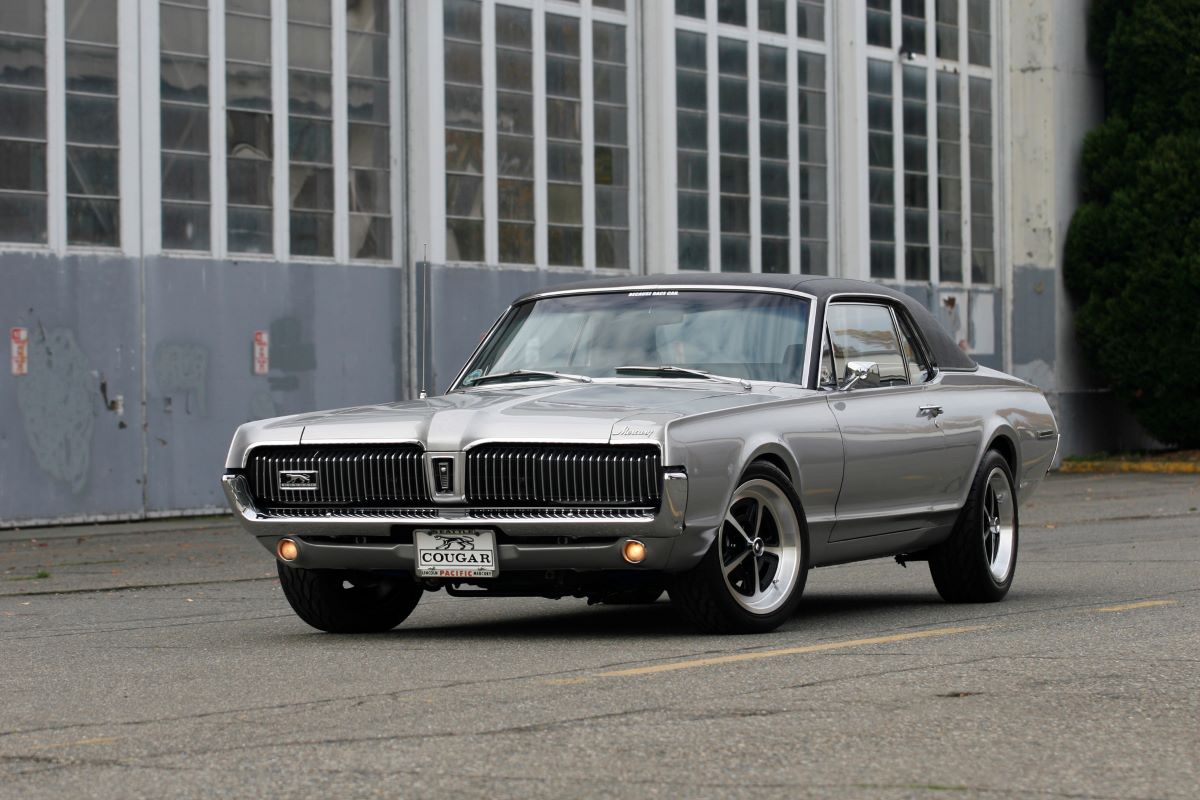
Because of that, it’s often overlooked, keeping prices lower than comparable Mustangs. Restoration is made easier thanks to the abundance of shared Ford components.
A properly restored Cougar combines classic lines, comfort, and muscle-car power in one distinctive package.
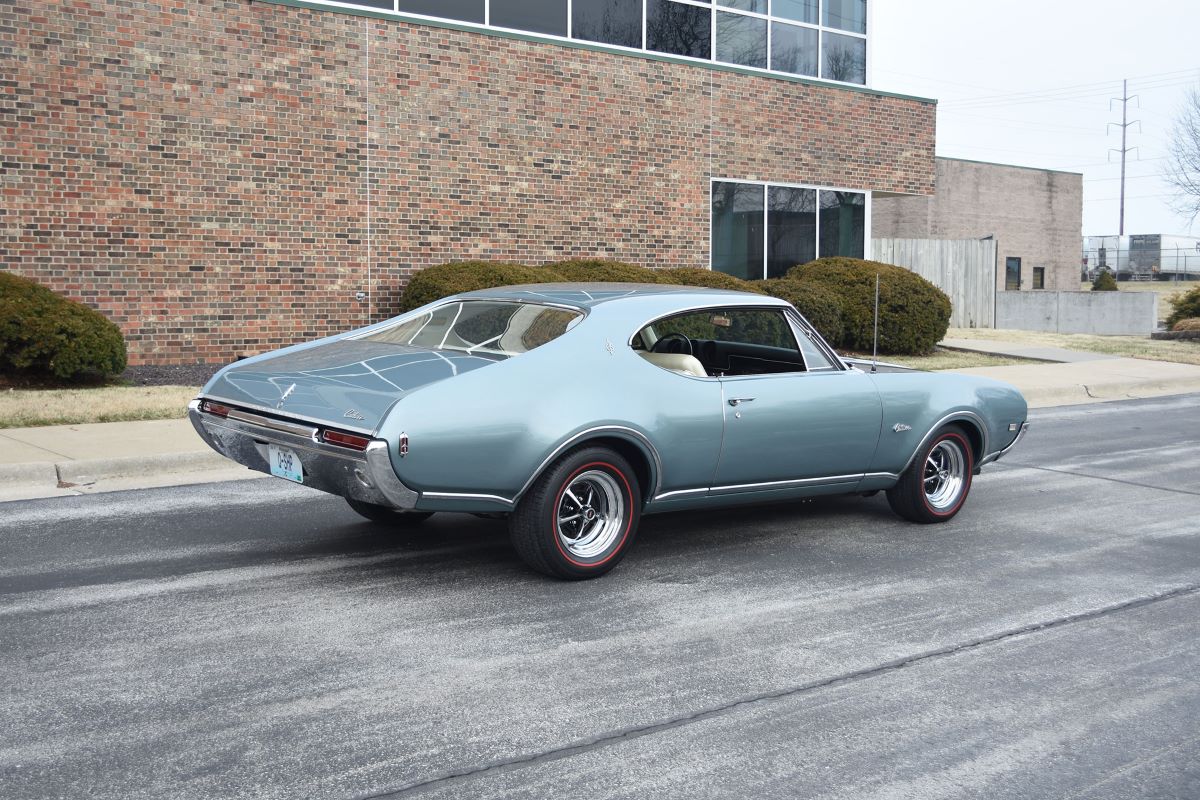
12. Oldsmobile Cutlass (1968–1972)
The Cutlass was one of America’s best-selling mid-size cars in the late ‘60s and early ‘70s, and that popularity means parts are still readily available today.
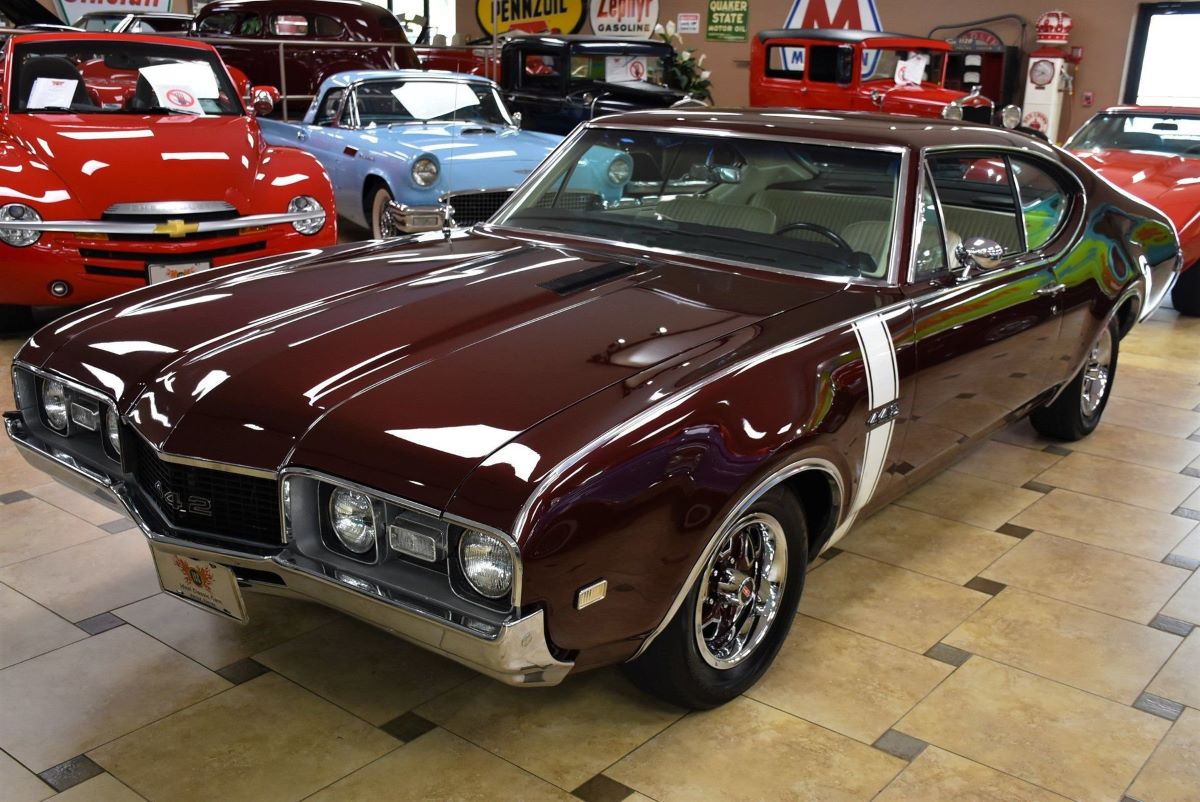
While the 442 models command a premium, standard Cutlass variants remain accessible. They’re comfortable, stylish, and easy to restore, with strong V8 options that deliver plenty of fun once brought back to life.
13. Chevrolet Monte Carlo (1970–1977)
Chevrolet’s personal luxury coupe from the ‘70s still flies under the radar, which keeps prices in check. With its long hood, rear-wheel-drive layout, and robust V8 options, the Monte Carlo delivers both presence and potential.
Interior restoration can be straightforward thanks to shared GM parts, and the car’s mechanical simplicity makes it ideal for DIY enthusiasts. The Monte Carlo is also a great candidate for a mild restomod build.
There are moments in the classic car world when style and power seem to be at odds with each other. Yet, this 1971 Chevrolet Monte Carlo SS 454 manages to bring both together beautifully in one package, one that’s sure to attract even more attention today than it did when it first left the showroom floor.
The seller acknowledges that it’s not flawless, but its clean presentation and rust-free condition are just a couple of the many things it has going for it.
Having covered the luxury side, it’s time to talk performance, because the SS 454 is more than just a pretty face. Under the hood sits a mighty 454ci V8 engine, paired with a three-speed Turbo 400 automatic transmission, a 12-bolt 3.73 Posi rear end, F41 sport suspension, and power steering with front disc brakes.
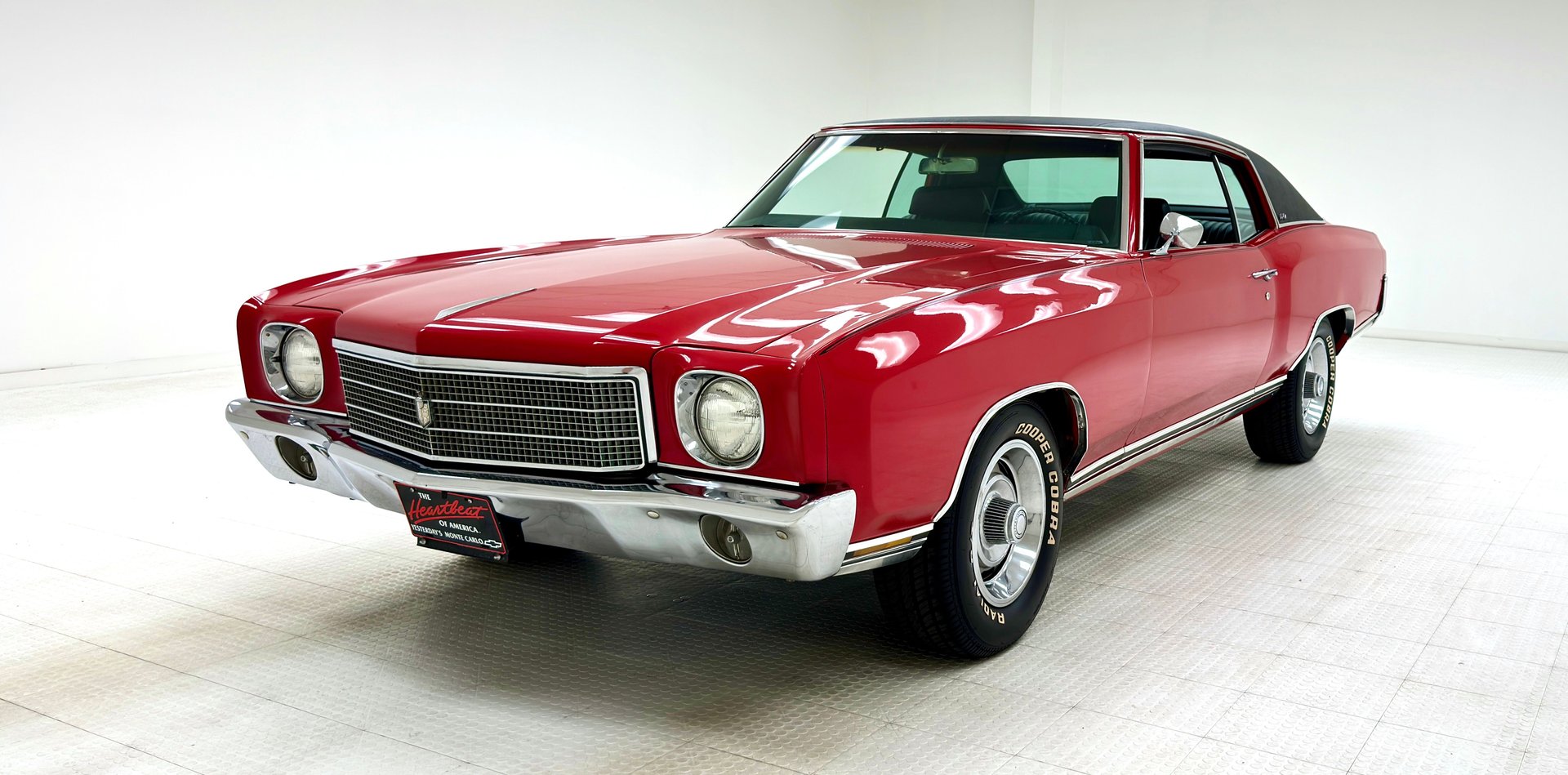
According to Chevrolet’s 1971 sales brochure, this setup delivered 365 horsepower and 285 lb-ft of torque. While the Monte Carlo SS 454 emphasized comfort, its performance for a nearly 3,800-pound car was impressive for its time.
It also marked the end of an era, as 1971 was the final year the SS 454 package was offered. The seller states that the car is numbers-matching, though no mechanical details are provided. Still, their description of the car’s condition as “excellent” implies that it’s ready to drive and enjoy right away.
14. Ford Falcon (1960–1970)
Before the Mustang, Ford’s Falcon introduced Americans to compact, affordable performance. Today, the Falcon is one of the easiest early ‘60s classics to own and restore. It’s simple, lightweight, and backed by strong aftermarket support.
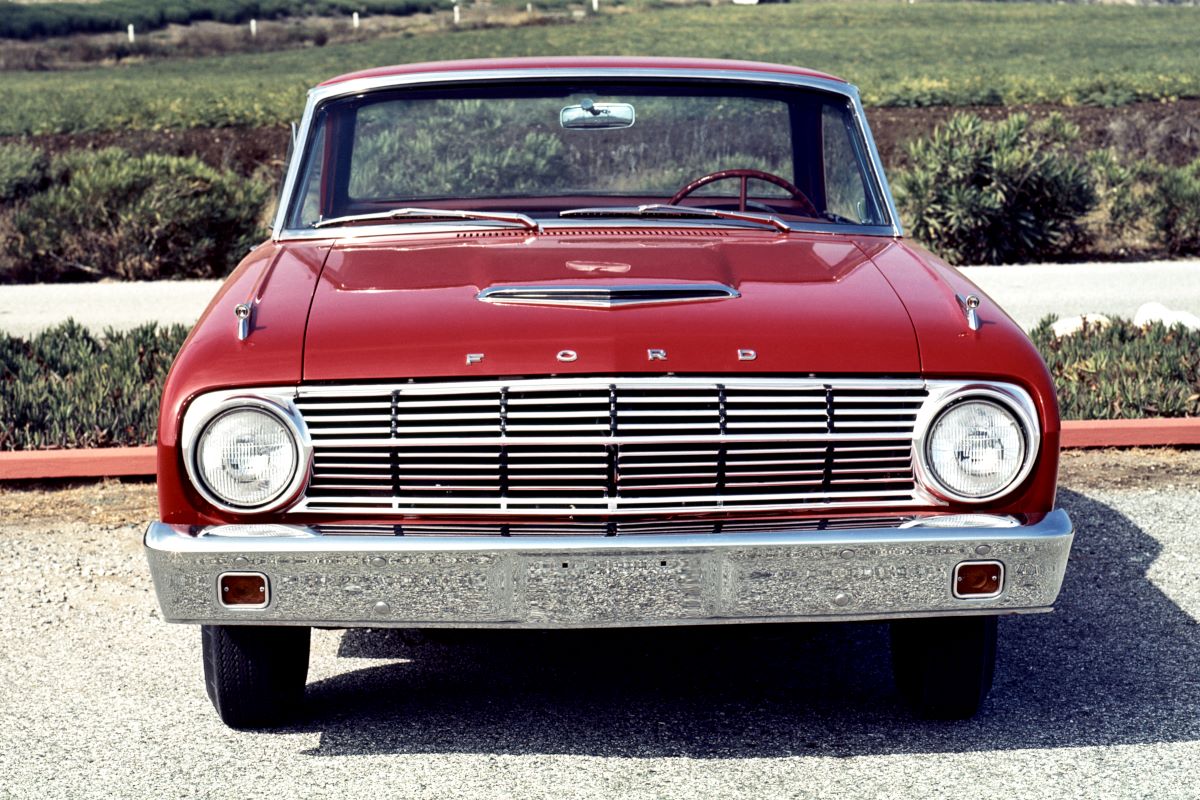
The Falcon’s mechanical components are shared with the first-gen Mustang, making parts plentiful. Whether you restore it stock or build a sleeper, it’s a satisfying project that captures early ‘60s Americana.
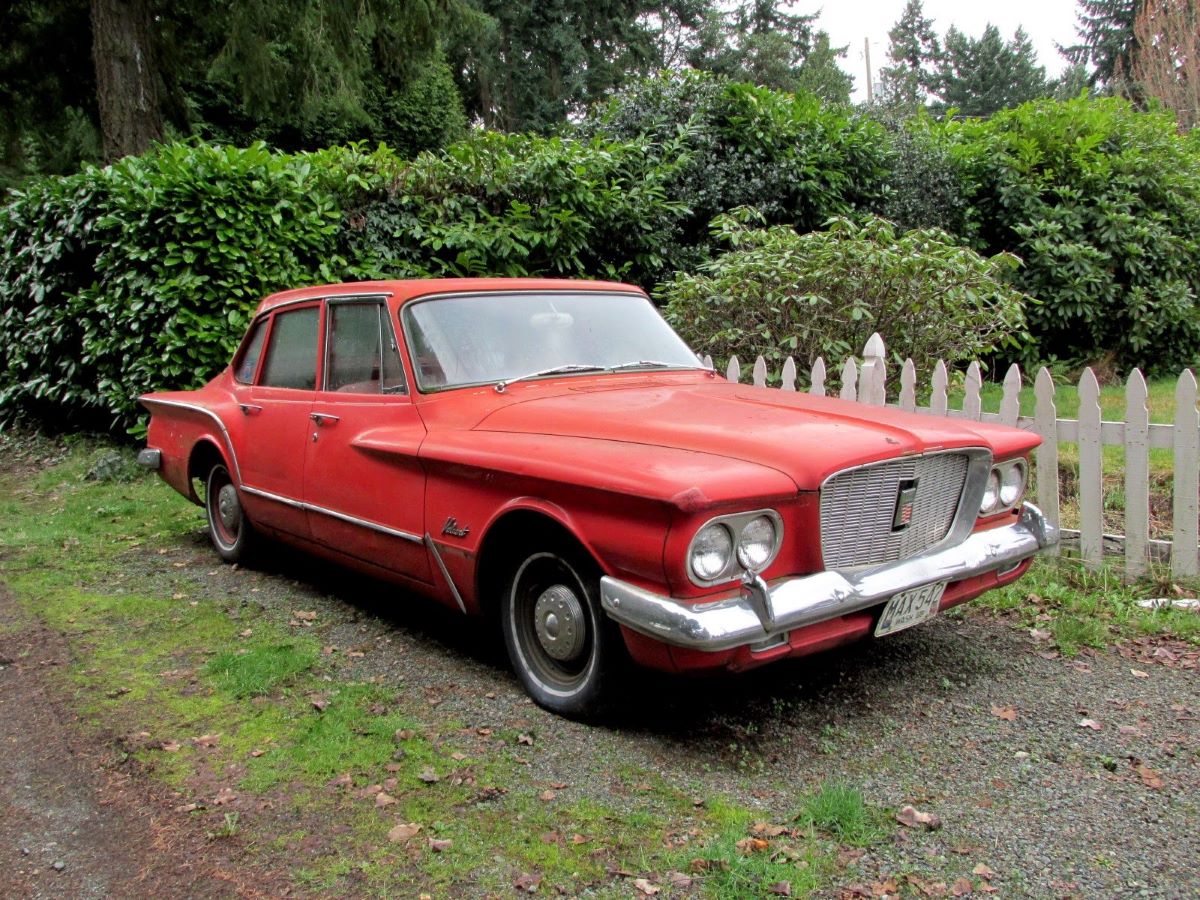
15. Plymouth Valiant (1960–1976)
The Plymouth Valiant might not turn heads like a Charger, but it’s one of the most practical and affordable classics you can bring back to life. These cars were built to last, and their straightforward engineering makes them excellent for first-time restorers.
With solid availability of parts and a devoted fan base, a well-restored Valiant can deliver surprising reliability and vintage appeal.
Restoring an American classic isn’t just about money it’s about passion, patience, and the satisfaction of seeing history come alive in your garage.
While some vintage icons have become collector-only territory, the models listed above remain approachable for enthusiasts with realistic budgets and dedication.
Whether you crave the muscle car rumble of a Ford Torino, the understated elegance of a Cougar, or the everyday charm of a C10 pickup, these classics prove that affordable restoration dreams are still alive and well across America.