
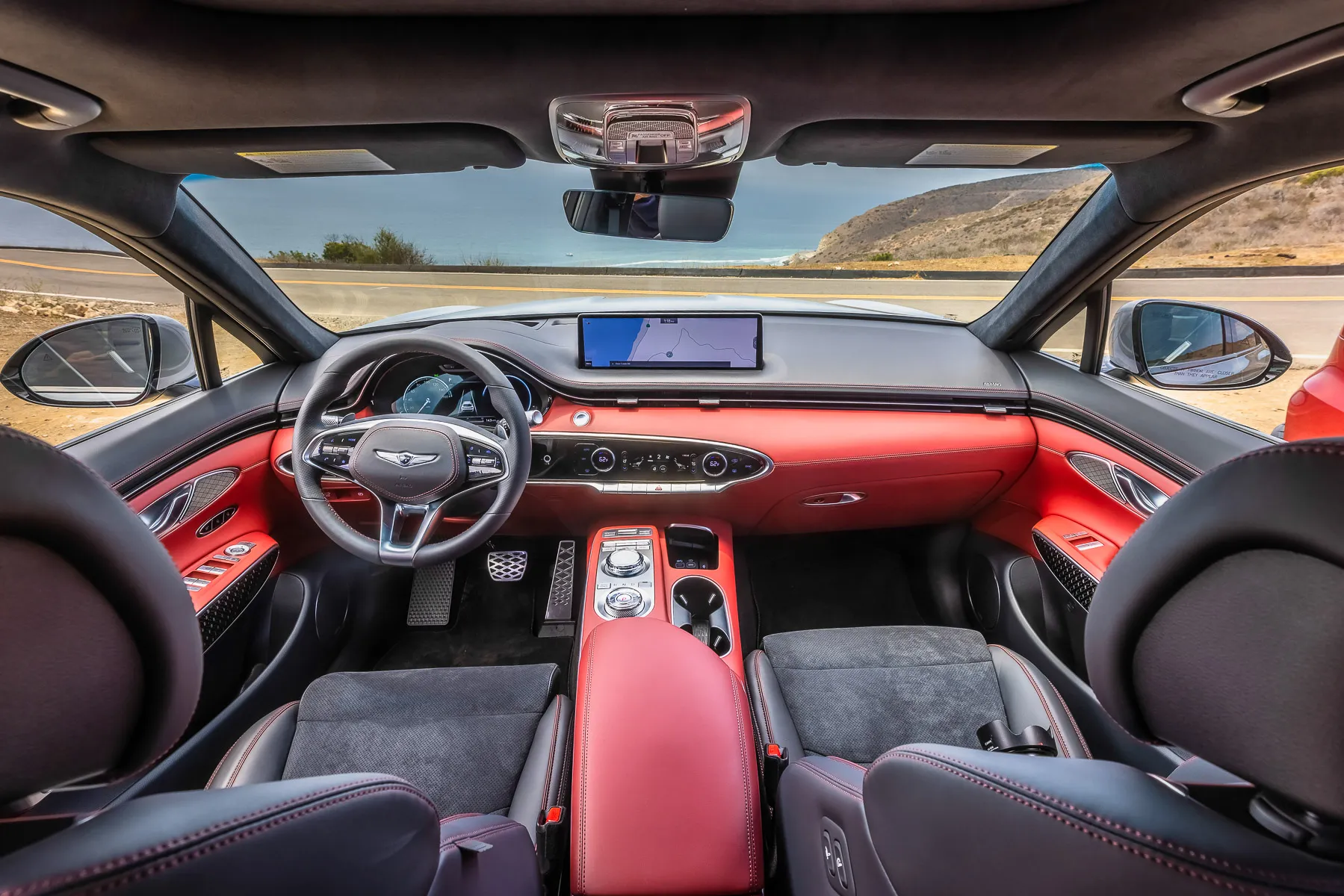
You know that feeling when you enter a car and everything feels cheap? Like the dashboard is already fading, the door panels are scratching easily, and those plastics around the gear lever are becoming sticky.
That’s something no driver wants to experience, whether you’re buying new or going for a used vehicle. Interior quality matters plenty, and it’s not just about how things look on day one. What really counts is how well everything holds up after years of sun exposure, daily use, and all the wear and tear that comes with regular driving.
Many car buyers don’t think about interior durability until it’s too late. They focus on engine power, fuel economy, and exterior styling, then discover three years down the line that their cabin is falling apart. But some manufacturers have truly mastered the art of creating interior plastics that refuse to quit.
These are the vehicles where the dashboard doesn’t crack under the African sun, where the door cards maintain their texture even after countless slams, and where the center console still looks presentable after a decade of service.
We will bring you ten remarkable vehicles that have earned serious respect for their interior plastic quality. These aren’t just cars with fancy designs or expensive price tags. They’re vehicles that owners across different climates and conditions consistently praise for maintaining their cabin integrity.
From budget-friendly options to premium choices, each one proves that durable interiors aren’t just a luxury feature but something achievable across various price points. Let’s go through these champions of interior longevity.
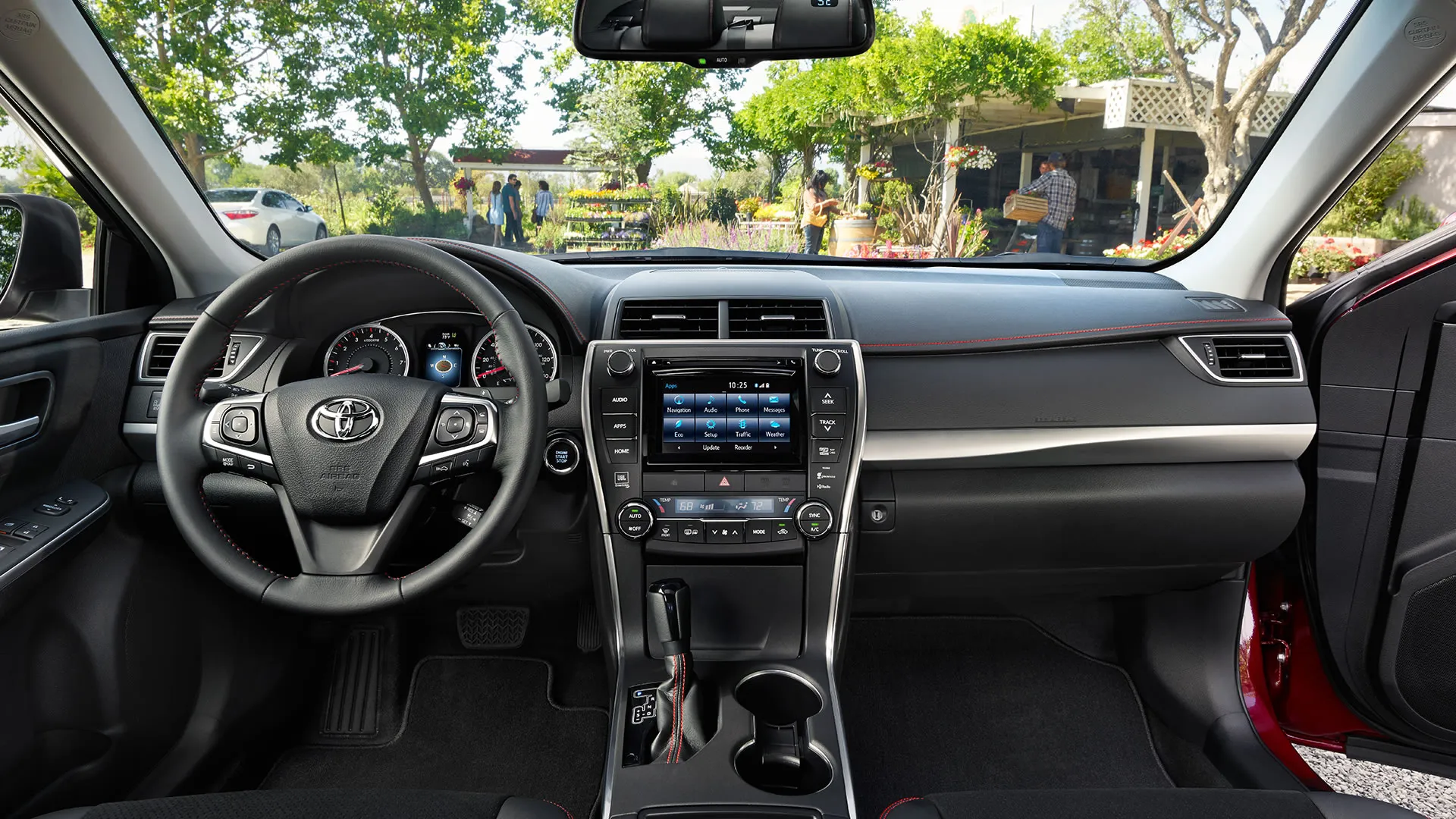
1. Toyota Camry 2015-2020
When people talk about reliability, the Toyota Camry always enters the conversation, but what many don’t realize is how exceptionally well the interior components hold up. Between 2015 and 2020, Toyota used some seriously impressive plastic formulations in the Camry that have proven themselves across different weather conditions.
Owners in hot climates report minimal dashboard warping, and even after six or seven years, the soft-touch materials around the upper dashboard area maintain their texture. The door panel plastics, which often show wear first in many vehicles, stay firm and don’t develop that annoying rattle that plagues other sedans.
What sets this generation apart is Toyota’s attention to UV resistance. The center console plastics don’t fade into that ugly gray color you see in so many other cars. Even the hard plastics lower down, which take the most abuse from shoes and bags, maintain their finish surprisingly well.
People who’ve owned multiple Camrys from this era notice how the air conditioning vents don’t break easily either. Those small tabs that control airflow direction stay functional, which sounds minor until you’ve dealt with vents that snap off in other vehicles.
Another strong point comes from the steering wheel buttons and controls. After years of daily button pressing for audio controls, cruise control, and phone functions, these switches don’t wear smoothly or stop clicking properly. The infotainment surround doesn’t develop scratches from cleaning, and the gear selector area maintains its appearance despite constant hand contact.
For families who eat in their cars occasionally, the cupholder plastics don’t stain or absorb odors, which speaks to the material quality Toyota used throughout the cabin. This Camry generation truly shows what happens when a manufacturer invests properly in interior materials.
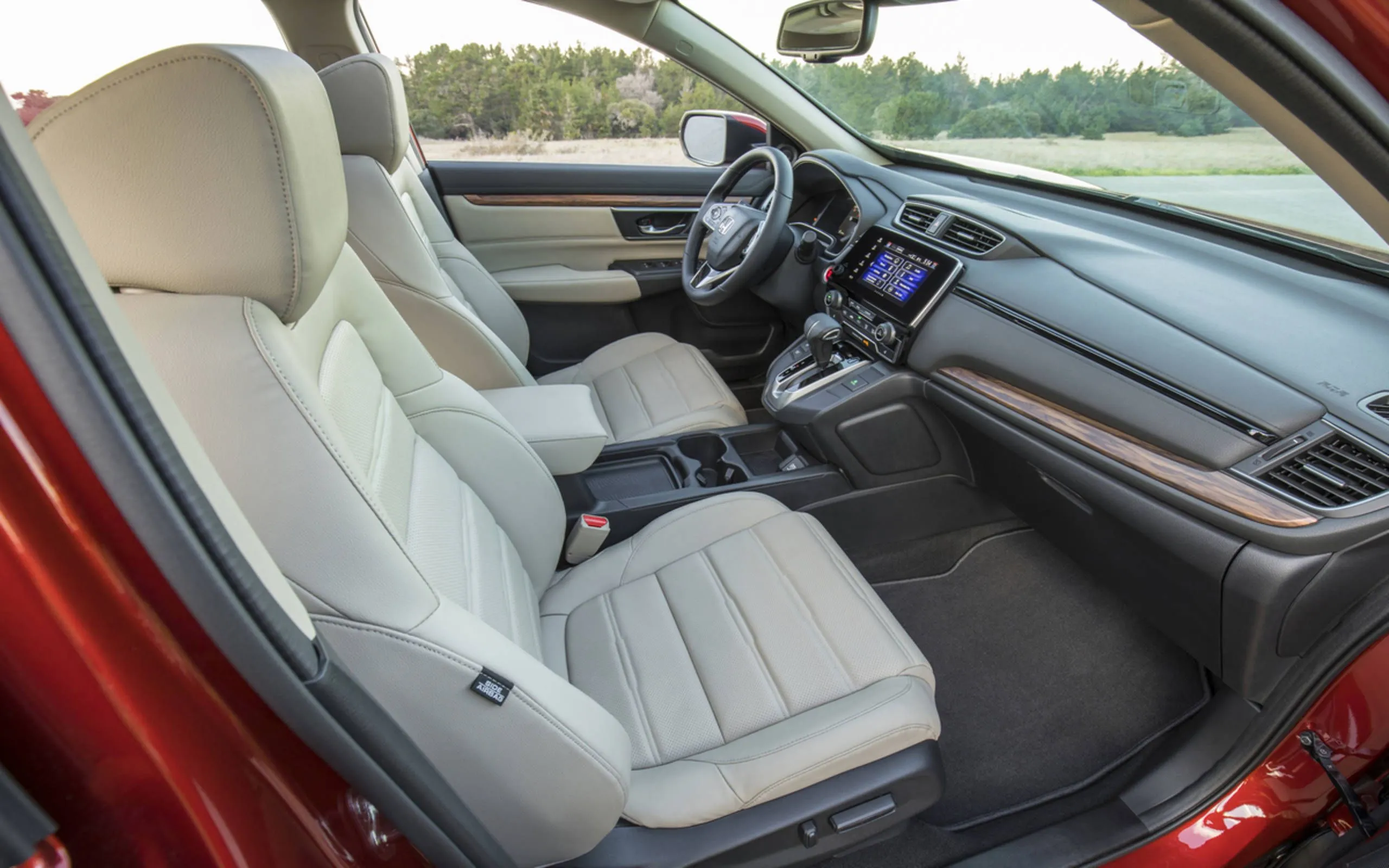
2. Honda CR-V 2017-2021
Honda really outdid themselves with the CR-V from 2017 onwards, creating an SUV interior that laughs at time. Families have put these vehicles through absolute hell, with kids climbing all over the back seats, groceries being thrown around, and general daily chaos, yet the interior plastics hold strong.
The dashboard construction uses a multi-layer approach that prevents sun damage exceptionally well. Even vehicles parked outdoors in intense heat show minimal cracking or fading after four or five years of exposure.
Door panel durability deserves special mention here. Many SUVs develop saggy door cards where the plastic pulls away from the metal frame, but this CR-V generation keeps everything tight. The armrest materials, both on doors and the center console, resist wear patterns that usually appear from constant arm rubbing.
Storage bin lids open and close smoothly without the hinges becoming loose or brittle. Parents particularly appreciate how the rear cabin plastics handle abuse from car seats and children’s shoes without getting permanently scuffed.
What’s interesting about this Honda is how the black plastics don’t turn that chalky gray color you see in other vehicles after extended sun exposure. Honda clearly used high-quality pigments and UV stabilizers throughout. The climate control panel buttons maintain their legends clearly, not wearing off like cheaper vehicles, where you eventually can’t tell which button does what.
Cargo area plastics also prove their worth, with the load floor and side panels resisting scratches from loaded items sliding around during drives. For anyone wanting an SUV that looks presentable inside for many years, this CR-V generation delivers exactly that.
Also Read: 10 Cars That Handle Traffic Stress Better Than Most
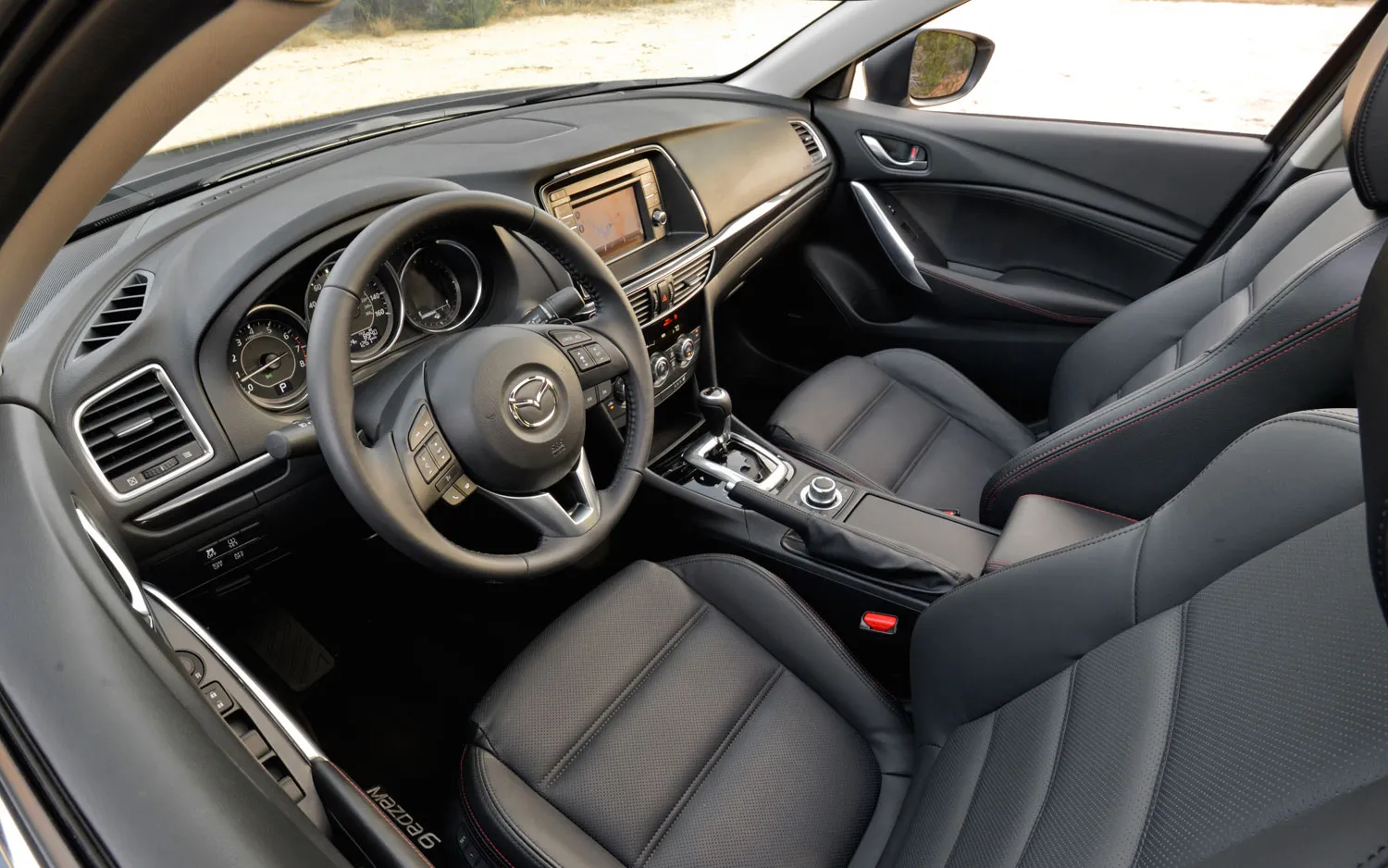
3. Mazda 6 2014-2018
People often overlook Mazda when discussing interior quality, but the 2014-2018 Mazda 6 stands as proof that this Japanese manufacturer knows exactly what it’s doing with cabin materials. This sedan punches well above its price class in terms of interior durability.
The plastics used throughout feel substantial from day one, but more importantly, they age gracefully. Dashboard surfaces resist fingerprints better than expected, and when dust settles on the surfaces, it wipes away cleanly without leaving permanent marks in the texture.
Mazda’s approach to plastic finishing creates a premium feel that lasts. The door card materials combine hard and soft plastics intelligently, placing durable materials where impact happens most. Window switch surrounds, which get constant finger contact, don’t develop that shiny, worn look that appears in lesser vehicles.
The center console lid, often a weak point in many cars because of the heat trapped inside, doesn’t warp or become difficult to operate. Even the smallest details, such as coat hooks and grab handles, maintain their structural integrity without cracking.
Steering wheel plastic components deserve appreciation, too. The spoke plastics don’t fade differently from the wheel itself, maintaining color consistency that keeps the interior looking cohesive. The gauge cluster hood, which faces direct sunlight through the windshield, resists warping impressively.
Lower dash plastics near the driver’s feet, constantly kicked and bumped, hold up to this abuse without breaking. For drivers who keep their vehicles long-term, this Mazda proves that quality interior construction doesn’t require a luxury price tag. After years of ownership, the cabin still feels solid and well-assembled.
4. Subaru Outback 2015-2019
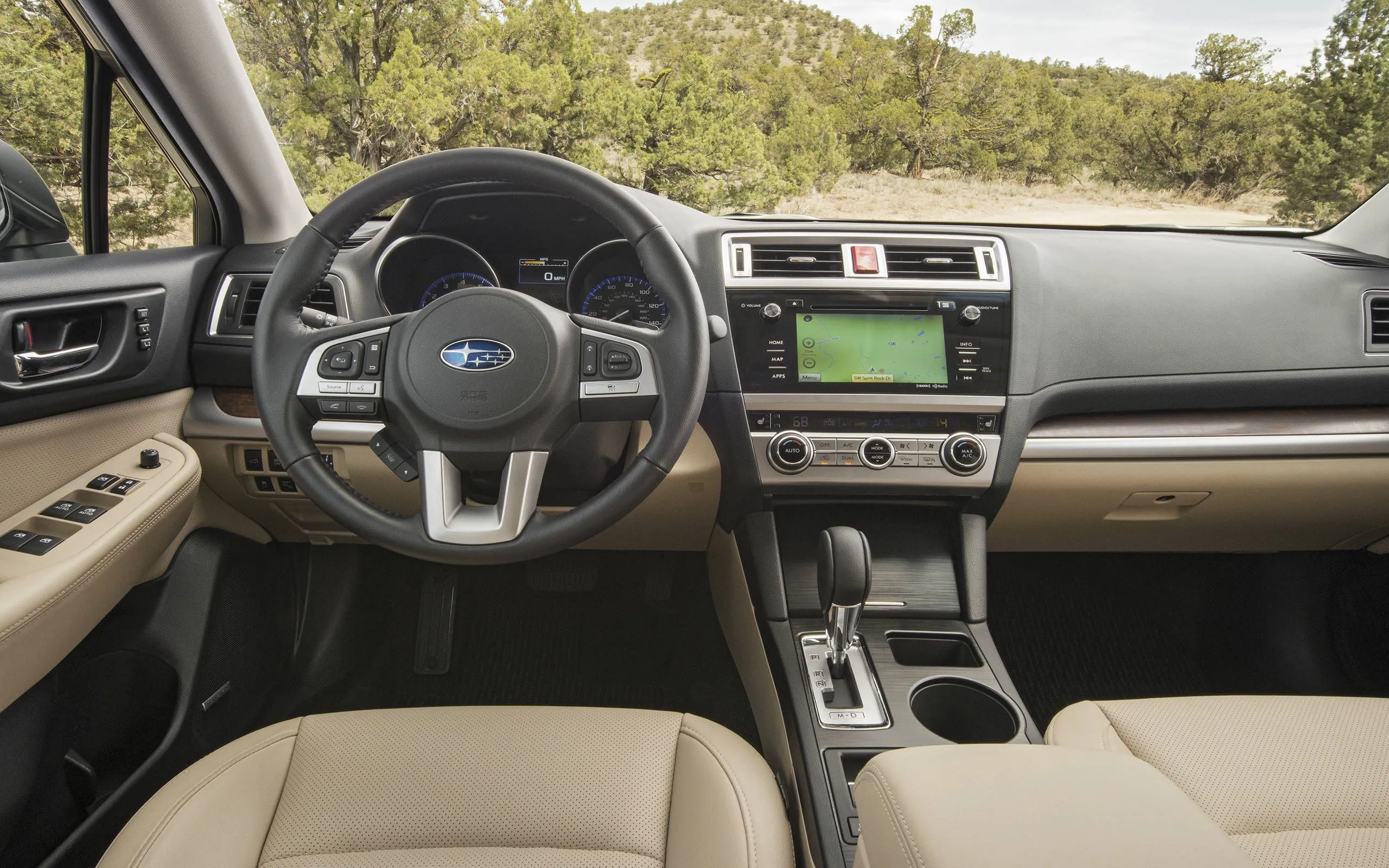
Adventure-ready vehicles need interiors that can handle rough treatment, and the 2015-2019 Subaru Outback delivers exactly that kind of durability. Subaru built this generation with outdoor enthusiasts in mind, so the plastics had to withstand muddy boots, wet gear, and constant temperature changes.
The results speak for themselves through countless owner reports of cabins that remain presentable despite hard use. Dashboard construction uses robust materials that don’t crack in cold weather, something particularly important for a vehicle often taken to mountain areas.
What makes this Outback special is how the textured plastics resist showing scratches. Many vehicles use smooth plastics that reveal every little mark, but Subaru chose grain patterns that hide minor damage naturally.
The cargo area receives particular attention in this design, with thick, impact-resistant plastics lining the load floor and sides. Dog owners praise how well these surfaces clean up after their pets have been traveling. The door sill plastics, which take shoe impacts every time someone enters, don’t chip or crack like other vehicles in this class.
Center stack plastics maintain their structure even in vehicles with high mileage. The infotainment bezel doesn’t develop gaps or loose fitting, and all the surrounding buttons keep clicking properly. Climate control knobs, used multiple times during every drive, don’t become loose or wobbly.
The overhead console plastics, including sunglass holder and map light housings, stay firmly attached without sagging. For families using their Outback as a true utility vehicle rather than just a daily commuter, this interior proves its worth repeatedly. Years of camping trips, road adventures, and everyday hauling don’t diminish the cabin quality.
5. Nissan Altima 2016-2018
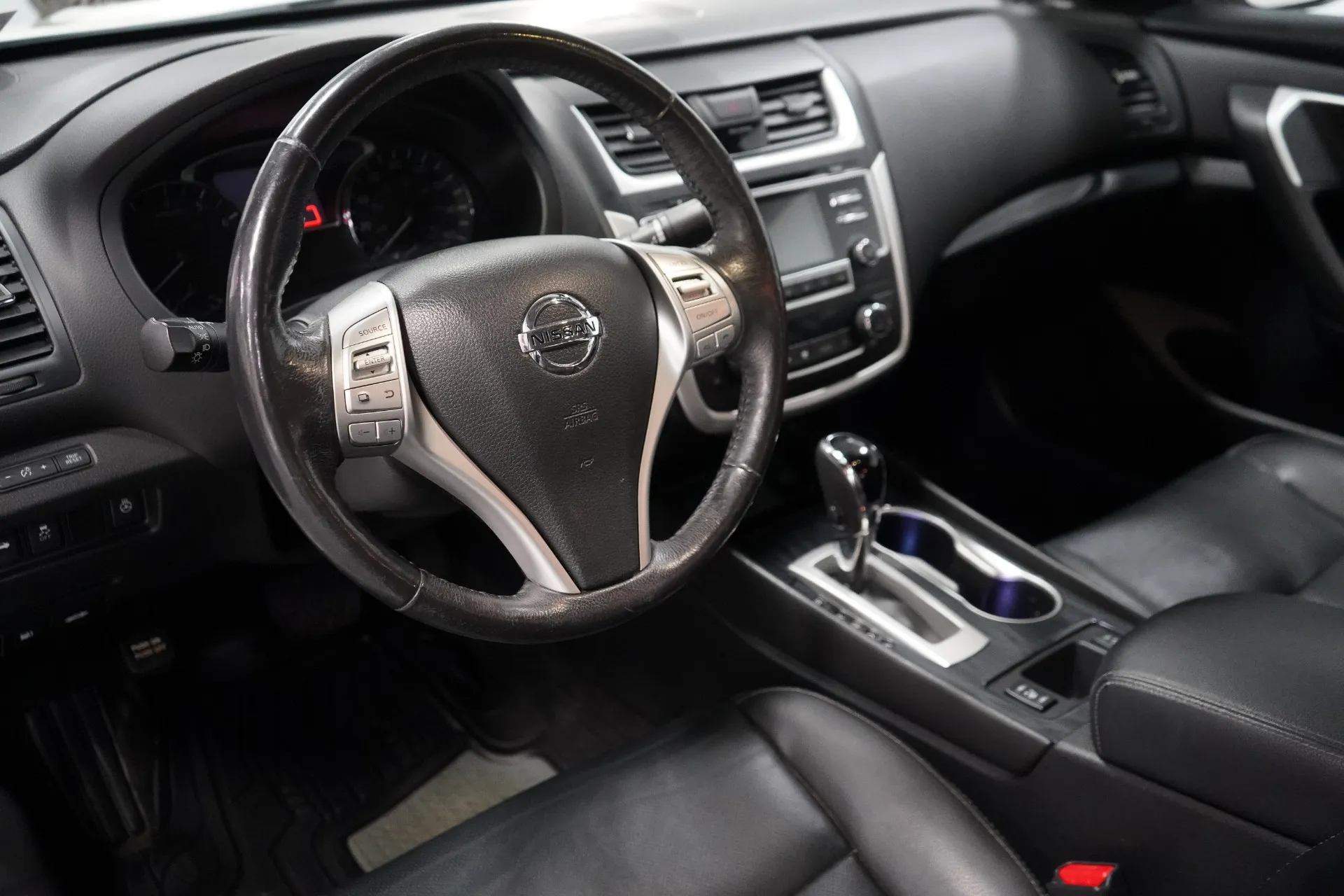
Between 2016 and 2018, Nissan demonstrated real commitment to cabin materials with the Altima, producing a family sedan whose interior durability matches vehicles costing far more. Different surface textures appear throughout the dashboard, each chosen deliberately for its location and function.
Soft materials covering armrest zones remain flexible and pleasant to touch instead of developing that unpleasant sticky residue. Hard-wearing plastics protect busy zones from scratches and marks. Nissan clearly studied driver and passenger behavior before selecting which material goes where, showing genuine insight into real-world vehicle use.
Door panels reveal careful design thinking. Grab handles feature strengthened plastic compounds that stay rigid through countless opening and closing cycles without showing stress cracks. Door pocket compartments keep their original form rather than drooping, while the cloth linings inside these storage areas refuse to come apart at the edges.
Heat resistance in the center console plastics deserves special recognition. Plenty of sedans end up with warped or faded console covers after extended exposure to parking lot sun, but this Altima’s components maintain both their shape and original coloring remarkably well.
Areas below the main dashboard prove Nissan didn’t cut corners where eyes don’t usually look. Many budget-friendly cars use inferior materials for these hidden sections, but the Altima employs decent polymer compounds throughout.
These plastics withstand temperature changes without splitting and stay quiet over bumpy roads instead of creating annoying sounds.
Storage compartment mechanisms continue operating smoothly years down the line, with lids closing flush without unsightly openings. Ventilation louvers turn effortlessly without seizing up or snapping away from their mounting points.
Japanese dependability combined with an interior that deteriorates slowly makes this Altima generation an intelligent choice for practical sedan shoppers who don’t want to overspend.
6. Ford Fusion 2013-2016
American manufacturers sometimes get unfair criticism about interior quality, but the 2013-2016 Ford Fusion proves they can compete with anyone when properly executed. Ford invested heavily in material quality for this generation, and it shows in how these vehicles age.
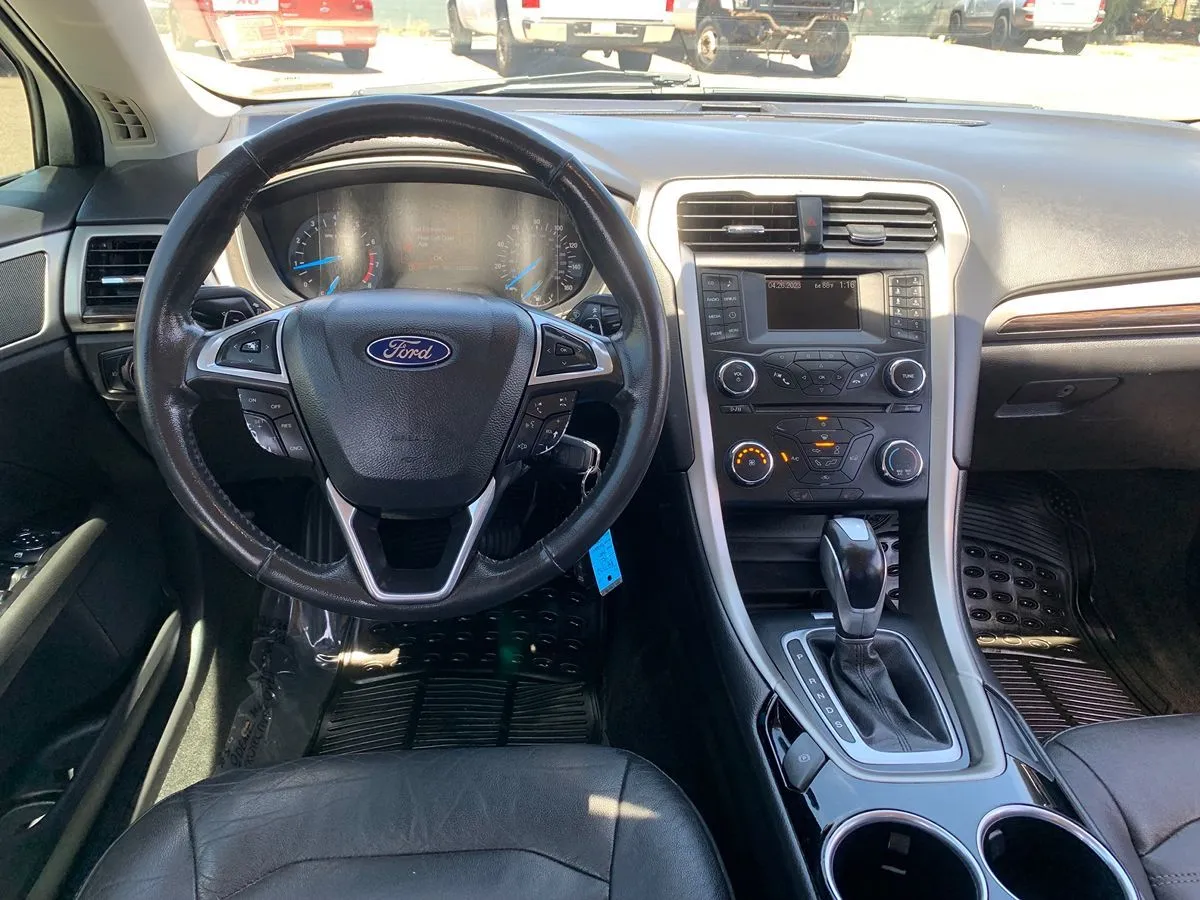
The dashboard plastics use formulations that resist both heat and cold extremes, making them suitable for diverse climates. Owners in very hot regions report minimal issues with warping or cracking, while those in freezing areas don’t experience brittle plastics that break easily.
What impresses most about the Fusion’s interior is the consistency of quality across all trim levels. Even base models use respectable plastics that hold up well as time goes on. The grain patterns chosen for various surfaces hide wear effectively, so even high-mileage examples look reasonably fresh.
Door armrest materials, which compress from repeated leaning, bounce back well and don’t develop permanent impressions. The window switch panel plastics maintain their finish without developing that greasy look that appears in some vehicles after years of finger contact.
Center console design shows Ford’s practical approach to durability. The storage bin uses thick plastic that doesn’t crack when items get jammed inside.
The cupholders feature inserts that can be cleaned easily and don’t break when removing them for washing. Steering column plastics, particularly around the ignition and stalk controls, maintain their structural integrity without developing squeaks or a loose feeling.
Climate control bezels stay firmly attached to the dashboard without gaps appearing. For anyone concerned about how a Ford ages inside, this Fusion generation provides reassuring evidence that American engineering can produce interiors with staying power.
7. Volkswagen Jetta 2015-2018
German engineering reputation extends beyond mechanical components into interior construction, and the 2015-2018 Volkswagen Jetta demonstrates this principle beautifully. VW uses plastics with a density and substance that feels different from most competitors.
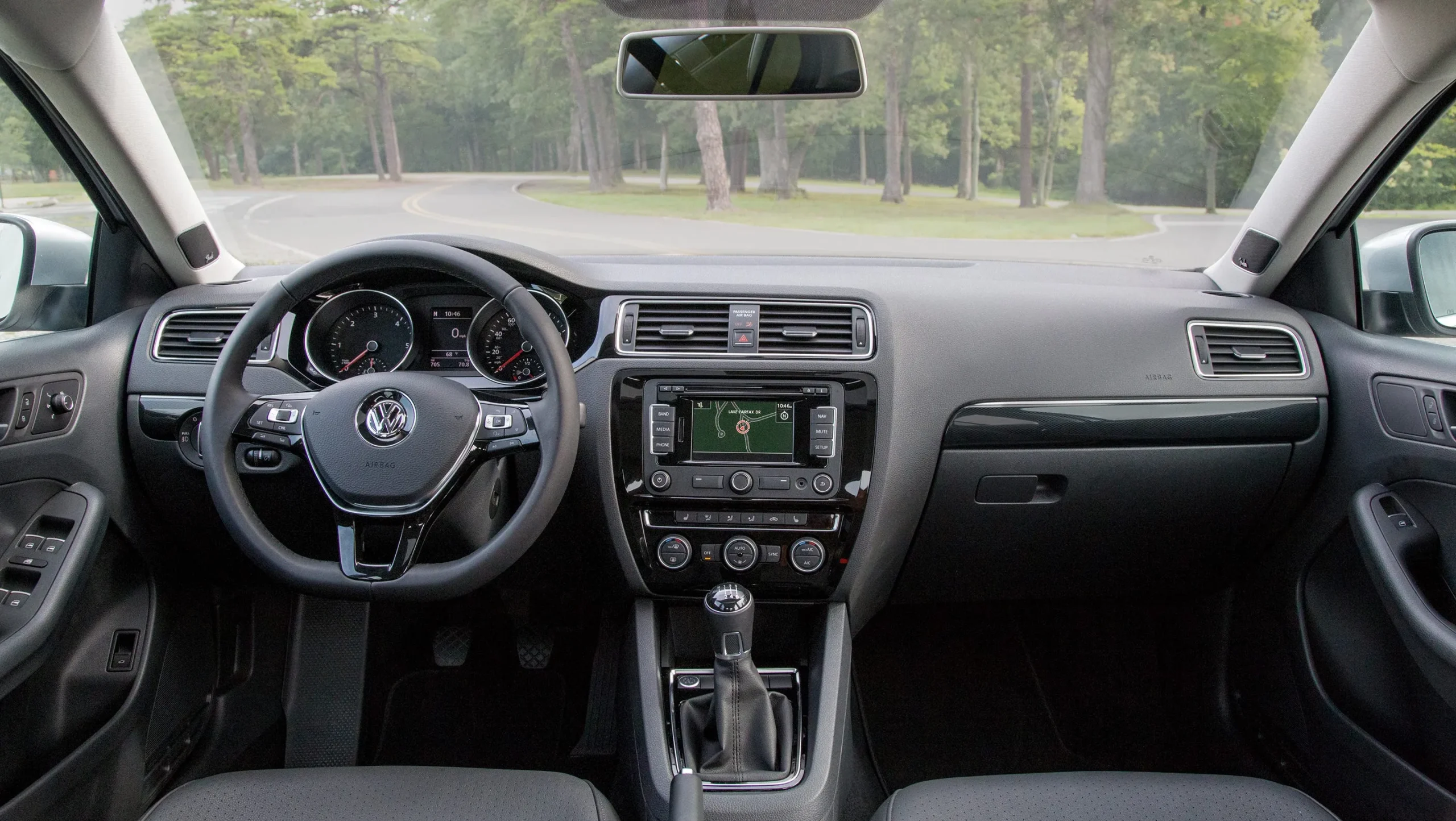
The dashboard materials weigh them, not that hollow feeling found in cheaper cars. This solid construction translates directly into longevity, with these Jettas maintaining their interior quality impressively well compared to many vehicles in the compact sedan class.
Door panel assembly shows Germanic attention to detail. The plastics integrate seamlessly with fabric or leatherette inserts, and crucially, these different materials age at similar rates, maintaining visual harmony as time goes on.
Chrome-look plastic trim pieces, often a weak point because cheap chrome plating flakes off, use quality finishes in this Jetta generation.
Years later, these accent pieces still look presentable without peeling or corroding. The door handle mechanisms, crafted from robust polymer, operate smoothly without becoming loose or breaking.
Interior plastics in the rear cabin receive the same attention as the front, something not all manufacturers bother with. Rear door panels use quality materials, and the back seat center armrest plastics don’t crack or become flimsy. Cargo area finishing, while simple, uses durable materials that resist trunk cargo damage.
Dashboard vent louvers, a trouble spot in many vehicles because their thin fins break easily, prove surprisingly resilient in the Jetta. Climate control and audio system bezels fit precisely without rattling.
This Volkswagen shows that even in a competitive price segment, superior material choices make a real difference in how long the interior stays looking good.
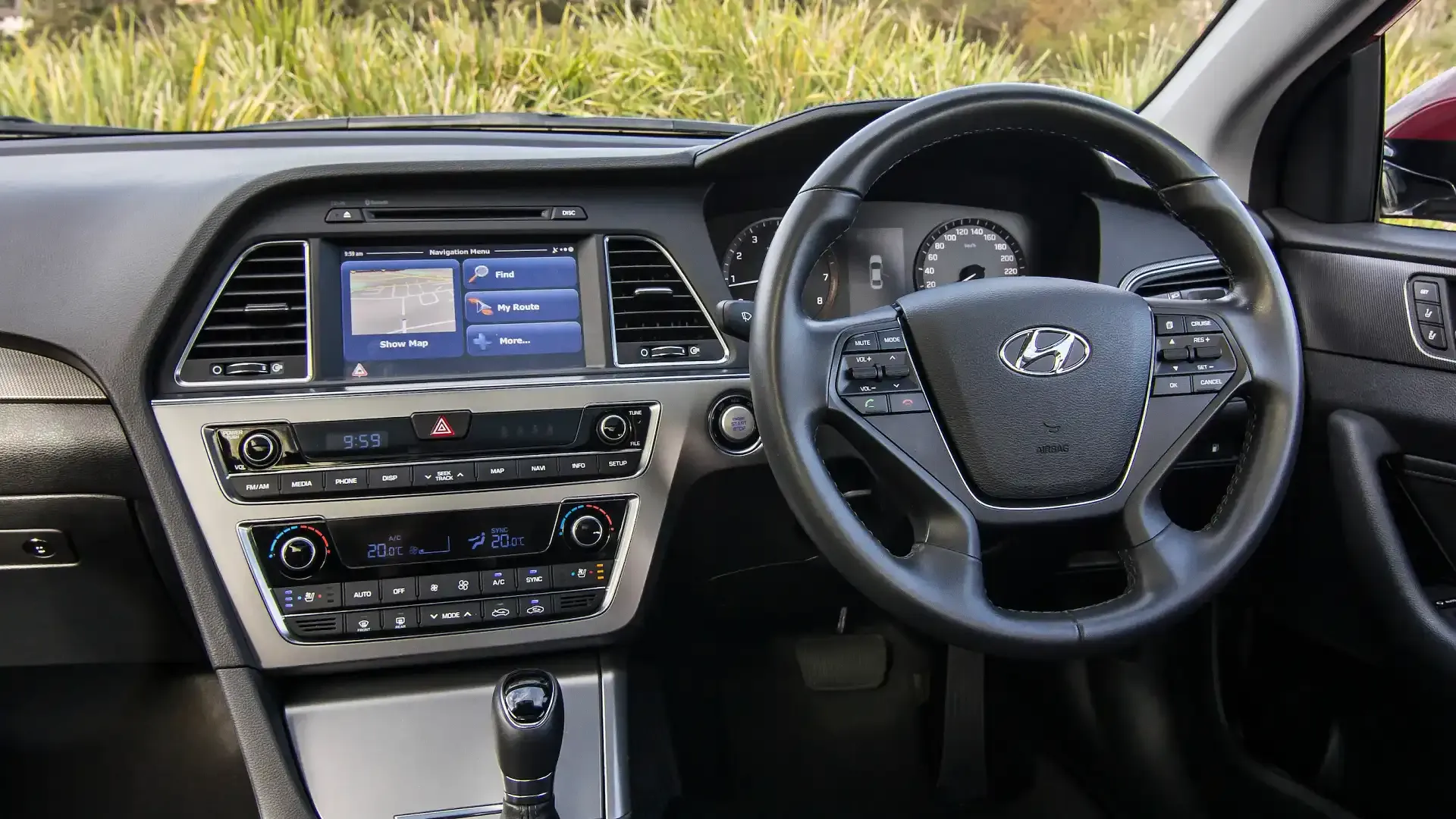
8. Hyundai Sonata 2015-2019
Korean manufacturers have climbed impressively up the quality ladder, and the 2015-2019 Hyundai Sonata exemplifies this progress in interior construction. Hyundai clearly studied what makes competitor interiors fail and addressed those issues systematically.
The result is a sedan with cabin plastics that rival or exceed Japanese competitors in durability. Dashboard surfaces use a multi-layer construction that prevents sun damage extremely effectively. Even in vehicles approaching five or six years old with outdoor parking history, the dash remains crack-free and maintains its original color.
Door panel materials demonstrate Hyundai’s commitment to real quality improvement rather than just superficial appearance. The armrest plastics use soft-touch materials that don’t harden or become sticky as time goes on, a problem that plagued earlier Hyundai models.
Lower door card plastics, which take constant abuse from passengers’ shoes and bags, resist scuffing and scratching surprisingly well. Speaker grilles, often made from brittle plastic in many cars, use flexible materials that don’t crack when accidentally bumped during cleaning.
Center console construction shows thoughtful design for daily use. The storage bin lid operates smoothly without loose hinges, and the locking mechanism stays functional. Cupholders use smart designs that resist breaking when full cups get jammed in them.
Gear selector surround plastics, constantly contacted by the driver’s hand, maintain their texture without becoming shiny from wear. The steering wheel plastics, including all button housings, keep their structural integrity and don’t develop annoying squeaks.
For buyers wanting Asian reliability but preferring Korean value pricing, this Sonata generation proves that quality interior construction has spread beyond just the traditional Japanese brands.
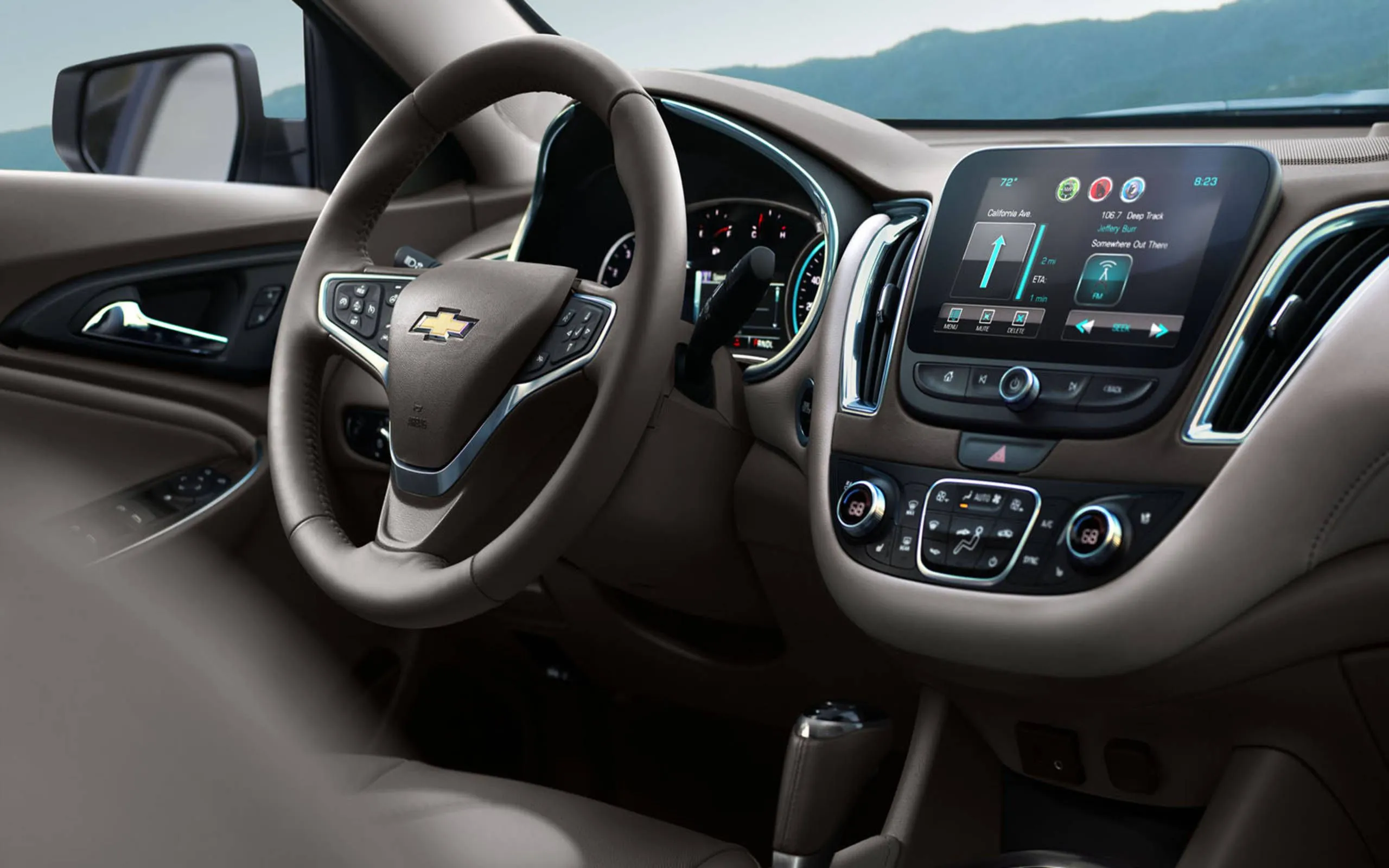
9. Chevrolet Malibu 2016-2019
General Motors put serious effort into the Malibu’s interior during this generation, creating a sedan that holds up surprisingly well to time and use. The plastics throughout the cabin use formulations that resist common aging issues seen in many vehicles.
Dashboard construction combines hard and soft materials strategically, placing durable surfaces where they matter most. Sun exposure, which destroys so many interiors, has minimal effect on these dashboard plastics, with the upper surfaces maintaining their integrity and color for many years.
What sets this Malibu apart from other American sedans is attention to small details that often fail first. Air vent tabs stay functional and don’t break off when adjusting airflow direction. Glove box hinges use metal reinforcement that prevents the door from sagging or breaking, a common problem in vehicles using all-plastic hinges.
Door panel materials resist water damage well, important because windows bring moisture inside during rain. The armrest surfaces don’t absorb dirt and oils from skin contact, staying cleaner looking longer than expected.
Center console design focuses on practical durability rather than just initial appearance. The shifter surround uses textured plastic that hides minor scratches and wear. Storage compartments feature smooth plastics that wipe clean easily and don’t develop permanent stains. Rear seat plastics receive equal attention to quality, with back door panels using the same durable materials as front doors.
Trunk finishing plastics resist cargo damage effectively, with the load floor covering maintaining its texture despite repeated heavy item placement. This Chevrolet demonstrates that American manufacturers can absolutely compete on interior quality when they commit resources properly to material selection and construction methods.
Also Read: 10 Cars That Deliver Supercar Vibes Under $40K
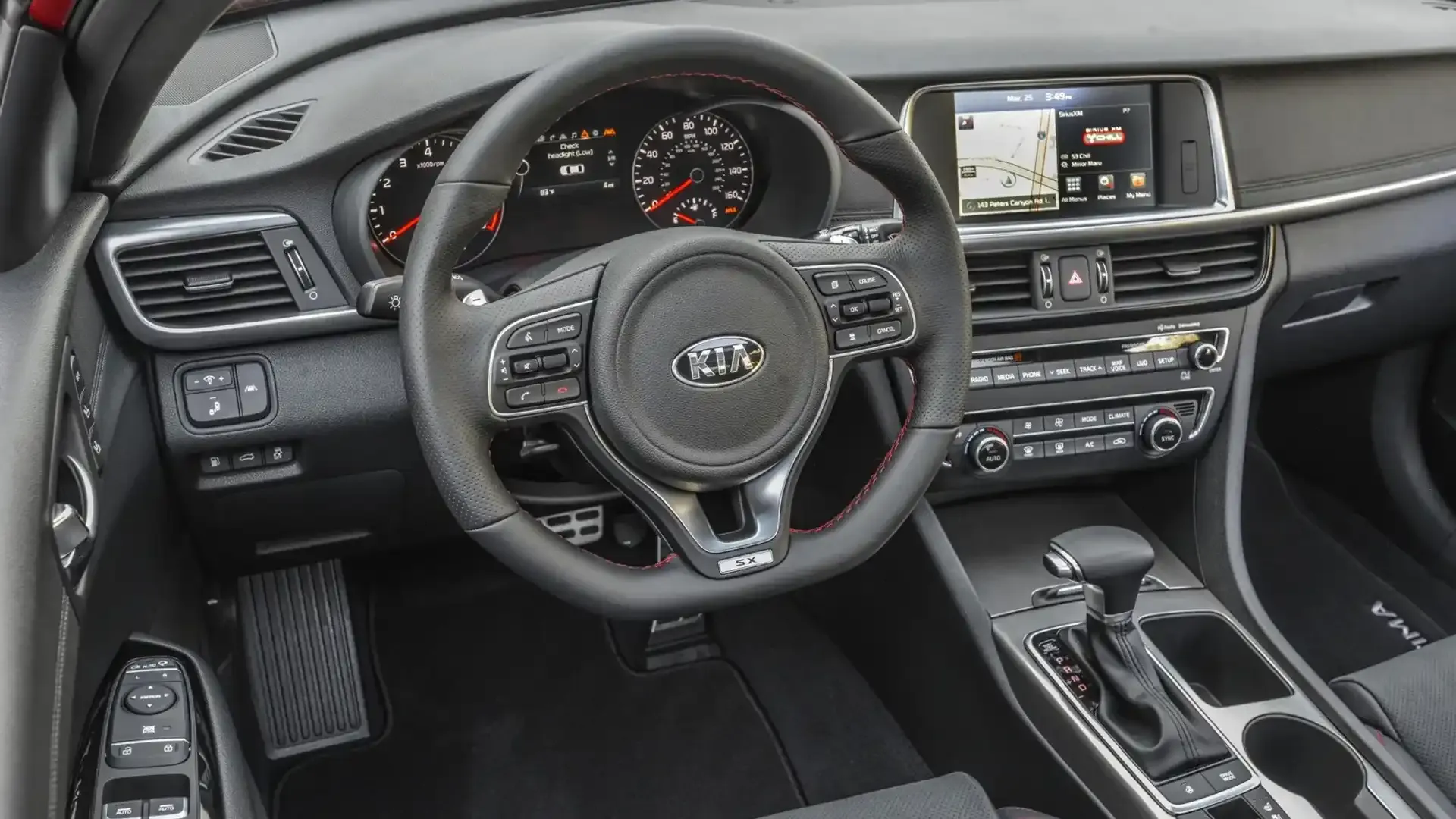
10. Kia Optima 2016-2020
Rounding out our list, the 2016-2020 Kia Optima represents Korean manufacturing excellence in interior durability. Kia has invested heavily in quality improvements, and this Optima generation showcases the results beautifully. The cabin plastics feel substantial and well-constructed from the first touch, but more importantly, they maintain that quality feeling for years.
Dashboard materials use advanced polymers that resist UV damage exceptionally well, staying crack-free even under harsh sun exposure. The color stability of these plastics impresses owners, with dashboards maintaining their original black or gray tones without fading to lighter shades.
Door construction demonstrates Kia’s systematic approach to interior longevity. The panels use multiple plastic types, each chosen for its specific location’s requirements. Pull handle areas use reinforced polymers that flex slightly rather than crack under stress.
Window switch bezels use quality plastics with good surface hardness that resists fingerprints and maintains their appearance. Storage pocket linings use flexible materials that don’t tear or deform when filled beyond capacity. Even the small details, like door panel fasteners, use quality components that don’t break during routine service work.
Center stack and console areas show Kia’s commitment to complete interior quality. The infotainment screen bezel fits precisely without gaps, and the touch screen surfaces resist scratching from fingernails better than many premium vehicles.
Climate control knobs and buttons use quality plastics that keep their feel and appearance despite constant daily use. The gear selector area plastics maintain their finish without developing the shiny wear marks common in many vehicles.
Steering wheel plastics, including all the integrated control buttons, stay tight and functional without developing rattles. For anyone shopping in the midsize sedan segment and concerned about long-term interior quality, this Optima generation provides excellent value with materials that punch well above the vehicle’s price point.
Choosing a car with durable interior plastics saves you money and frustration down the road. Nobody wants to deal with cracked dashboards, faded panels, or loose fittings after just a few years of ownership.
The ten vehicles we’ve discussed here prove that quality interior construction isn’t exclusive to luxury brands. From Toyota’s proven reliability to Hyundai’s impressive quality improvements, these cars show that manufacturers across different price points can deliver interiors that last.
When shopping for your next vehicle, take time to inspect the interior plastics carefully. Feel the materials, check how components fit together, and research owner experiences with specific model years. Sun damage, temperature extremes, and daily wear will test every interior eventually. The difference between a good interior and a great one becomes obvious after five or six years of use.
These ten vehicles have earned their reputation through real-world testing by thousands of owners. They represent smart choices for anyone wanting a car that looks and feels good inside for many years. Quality interior plastics aren’t just about aesthetics, but they’re about maintaining your vehicle’s value and your driving satisfaction long after purchase.
