
Truck owners don’t just buy a vehicle to get from point A to point B. They invest in a machine that needs to work hard, sometimes every single day, and hold up under pressure, weather, weight, and time. For many people, buying a truck is about more than convenience.
It’s about reliability, endurance, and long-term value. Whether it’s used for hauling heavy equipment, towing trailers, making cross-country deliveries, or just as a rugged daily driver, a good truck earns its reputation over the long haul.
Some trucks are built better than others, and while many can make it to 200,000 miles with regular maintenance, only a few make it to the legendary 400,000-mile mark without requiring major repairs.
Hitting 400,000 miles on a single engine and transmission is no easy task. It requires solid engineering, high-quality materials, and a design that favors durability over flash. Some trucks were simply built with more attention to longevity, often featuring proven drivetrains, fewer electronics, and engines that can take punishment year after year.
Truck owners who manage to cross that milestone often report how little they’ve had to do other than oil changes, brake pads, belts, and regular service. These aren’t just rare occurrences either. Certain models consistently show up in high-mileage discussions, with many owners backing the claims with photos and service records.
This article highlights ten trucks that have earned a solid reputation for long-term durability. These are models you can count on to stick with you through hundreds of thousands of miles, provided you take care of them.
The list includes both domestic and foreign models, gas and diesel options, and covers trucks from different eras. While some of them are no longer in production, they continue to run strong on the road today. If you’re in the market for a truck that might outlive your mortgage, this list gives you a solid place to start.
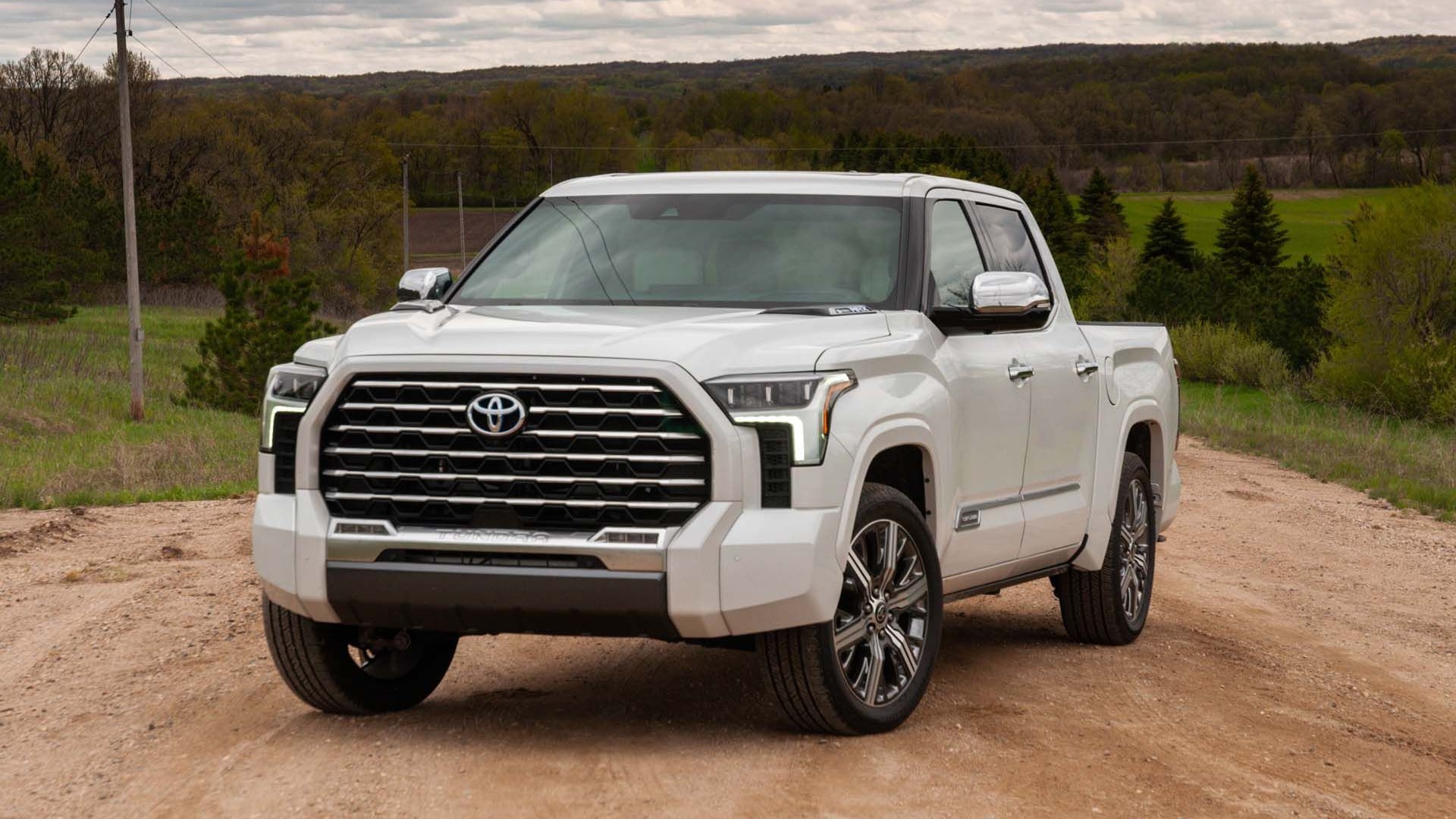
1. Toyota Tundra (2000–Present)
The Toyota Tundra is one of the few full-size pickups from a Japanese manufacturer that has consistently impressed American truck owners. Known for its simple design, rugged frame, and high-quality build, the Tundra has proven itself in real-world conditions across North America.
Many owners report getting over 400,000 miles on the original engine and transmission with only basic maintenance. It’s not uncommon to see early 2000s models still running smoothly today, especially those with the 4.7L or 5.7L V8 engines. These motors were built with longevity in mind, using durable internals and fewer complex electronics than some competitors.
One of the reasons the Tundra lasts so long is its conservative design. Toyota doesn’t make changes just for the sake of staying trendy. Instead, they stick with proven parts and engineering. The truck’s solid rear axle, heavy-duty frame, and dependable drivetrain help it hold up to years of hard work.
While it may not have all the latest features in every model year, many truck buyers appreciate that simplicity. Fewer sensors, fewer electronic failures, and fewer expensive surprises down the line mean a more dependable long-term investment.
Toyota’s quality control also plays a big part in the Tundra’s reliability. These trucks are known for being built to tight standards, with fewer issues coming off the line. Add to that Toyota’s consistent commitment to building engines that favor durability over maximum performance, and it’s easy to see why the Tundra holds up so well.
Many of the parts that wear out over time, like the water pump or starter, are known to last longer than those in many other trucks. When they do need replacing, they’re typically straightforward and affordable to fix.
Tundra owners often speak highly of how little they’ve had to do over the years. Stories of 300,000 miles with only oil changes and brake work are common. Some even report 500,000 miles or more on a truck that still starts every morning without hesitation.
That kind of dependability is rare, and it’s why the Tundra has such a loyal following among truck owners who want their vehicles to last as long as possible.
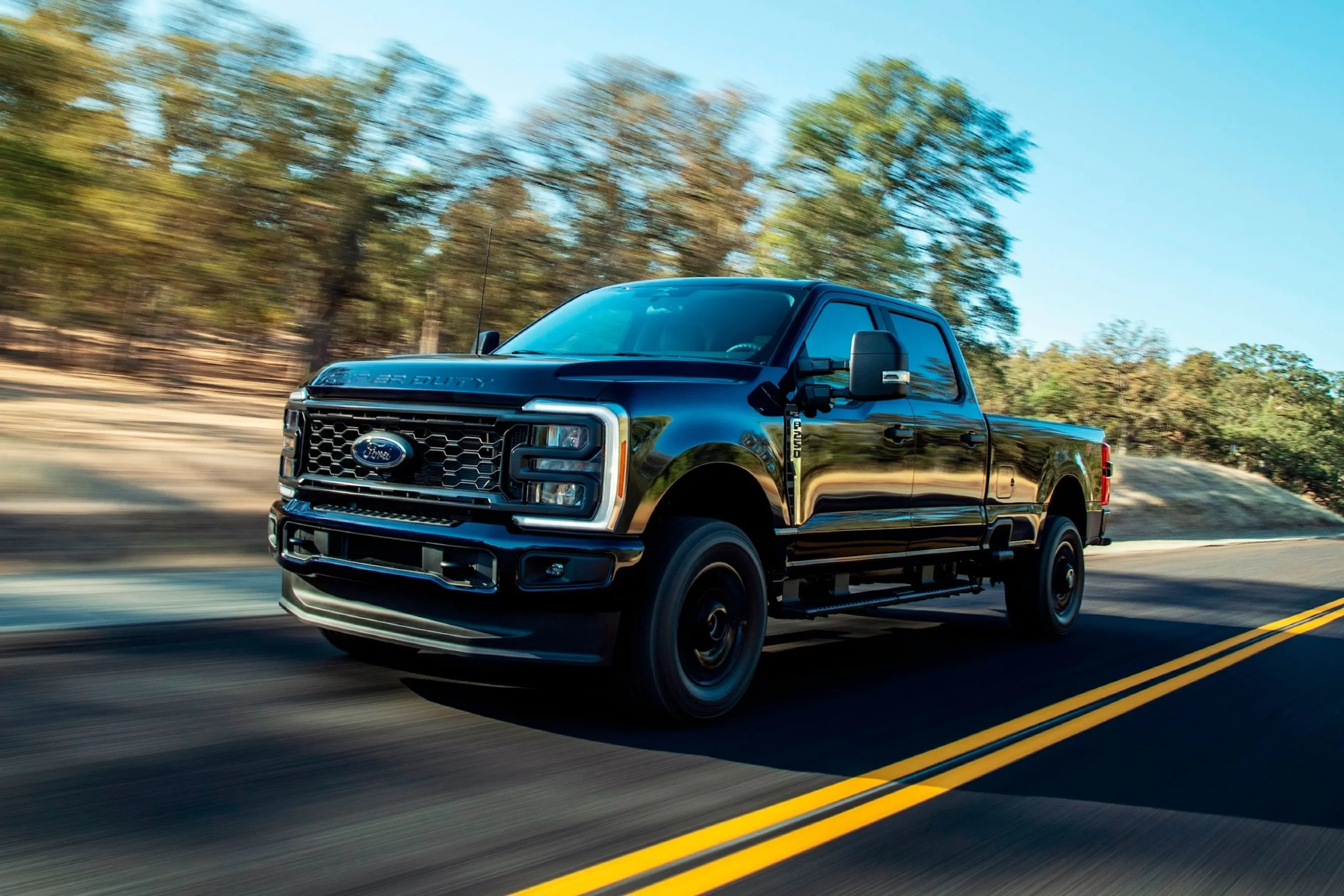
2. Ford F-250 Super Duty (1999–2007, 6.0L and 7.3L Diesel)
The Ford F-250 Super Duty lineup has long been known for its toughness, but when it comes to hitting 400,000 miles, the diesel variants stand out, particularly those equipped with the 7.3L Power Stroke engine. Built during a time when Ford prioritized strength over luxury, these trucks were designed for serious towing, commercial work, and off-road abuse.
The 7.3L engine is often cited as one of the most reliable diesel engines ever put in a pickup, and even though the 6.0L has a mixed reputation, many owners still hit big mileage when problems are addressed early.
One of the biggest reasons these trucks last is the overbuilt drivetrain. The 7.3L Power Stroke, in particular, is known for its cast-iron block, forged steel internals, and old-school fuel injection system that isn’t as sensitive to modern fuel blends or additives.
The F-250 also comes with a very tough chassis, including solid front axles in many 4WD versions. This allows the truck to handle serious abuse without falling apart. Heavy towing, rough terrain, or hauling construction materials for years doesn’t wear these trucks down like it might others.
Ford used thicker frame steel and higher-capacity axles to ensure the truck could hold up under load, and it shows in how many of these vehicles are still on the road today.
While the 6.0L Power Stroke has earned criticism for certain design flaws, like weak head gaskets and EGR problems, many owners report long-term reliability once those issues are addressed.
Aftermarket support is strong, and many trucks that had early issues have since been “bulletproofed” with upgraded parts. These modifications, once done, often result in trucks that run reliably for hundreds of thousands of miles without major engine or transmission work.
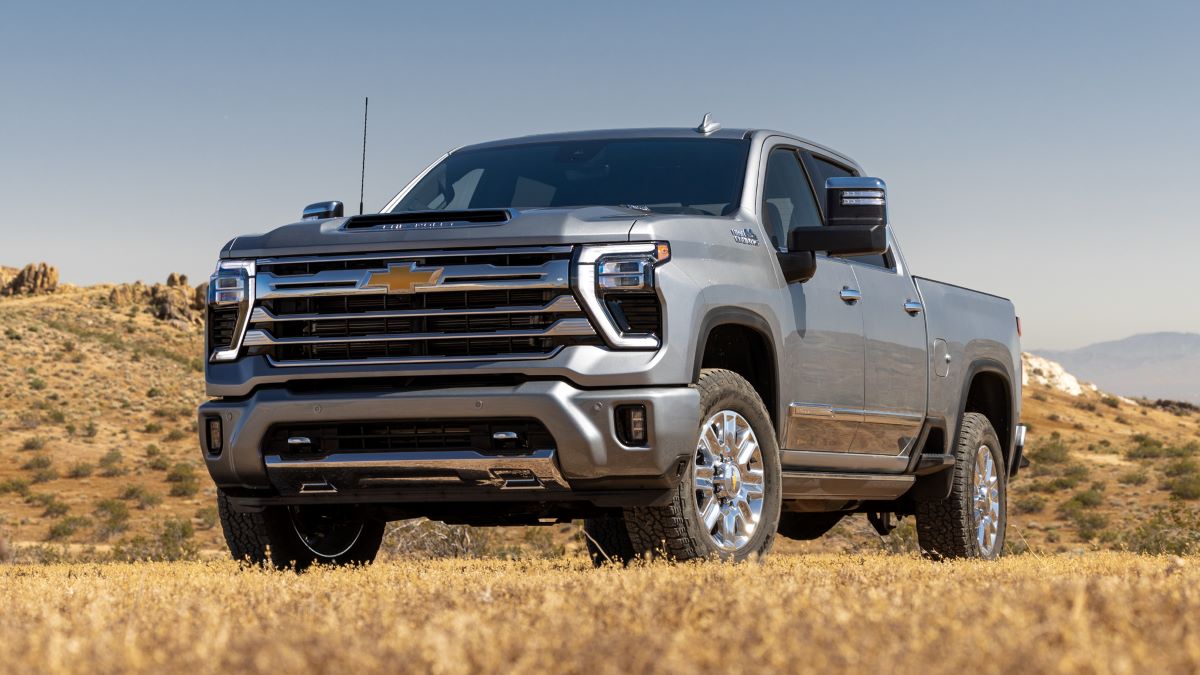
3. Chevrolet Silverado 2500HD (2001–2006, Duramax Diesel)
Chevy’s Silverado 2500HD with the early-generation Duramax diesel engine, particularly the LB7 (2001–2004) and LLY (2004.5–2006), is another truck known to reach high mileage without needing major engine work.
The 6.6L Duramax diesel combined with the Allison transmission makes for a powertrain combo that can endure hundreds of thousands of miles under load. Many owners say these trucks just keep going, even after two decades on the road, especially when basic maintenance is done on schedule.
One major advantage the Duramax has over some of its competitors is its relatively modern design combined with simplicity. The early models had fewer emissions controls and simpler fuel systems than newer diesels, which means fewer chances for failure.
They were also engineered with high-quality materials and backed by a transmission that’s widely considered one of the best in the business. The Allison 1000 is known for handling torque without slipping or overheating, and it’s rare to see one fail under normal use.
These trucks also benefit from a tough suspension system and a strong frame that holds up well over time. Whether used for towing, hauling, or daily driving, the 2500HD tends to wear slowly and evenly.
Many owners have driven these trucks into the 400,000-mile range with the original engine and transmission still intact. Some have replaced common parts like fuel injectors or glow plugs, but the core drivetrain remains reliable.
One of the key things that help the Silverado 2500HD last so long is its community of owners. Knowledge is shared widely across forums, and there’s strong aftermarket support for keeping these trucks alive.
Whether it’s replacing worn suspension parts or installing better cooling systems, the path to 400k miles is well known and achievable. Drivers who take the time to follow those best practices often find themselves behind the wheel of a truck that still drives like it did 200,000 miles ago.

4. Honda Ridgeline (2006–2014, First Generation)
While not a traditional body-on-frame pickup, the first-generation Honda Ridgeline has quietly built a reputation for reliability that rivals or even surpasses some full-size trucks.
Despite being a unibody truck with a transverse-mounted V6 engine, the Ridgeline is often praised for its ability to cross 300,000 to 400,000 miles with little more than standard maintenance.
Owners who buy them for light-duty hauling, commuting, or utility work often find themselves surprised by just how little goes wrong over the years.
The J35 3.5L V6 engine used in this truck has been a staple of Honda engineering for decades and is known for its endurance and smooth operation even after hundreds of thousands of miles.
Part of the Ridgeline’s longevity is due to Honda’s conservative engineering. The truck doesn’t try to be a heavy-duty hauler or a rock crawler. Instead, it focuses on doing everyday tasks exceptionally well. The drivetrain, which includes a VTM-4 all-wheel-drive system, is simple compared to what you’ll find in bigger trucks, and that simplicity contributes directly to its longevity.
Fewer moving parts, fewer mechanical stress points, and a lack of complicated turbocharging or emissions systems mean fewer opportunities for major failure. The transmission, while not bulletproof, holds up well as long as fluid is changed regularly and the vehicle isn’t constantly overloaded.
The Ridgeline also stands out for its excellent build quality. Interior components, wiring, suspension bushings, and control arms are all made with high-quality materials and don’t wear out prematurely. Rust protection on these trucks was also better than some competitors at the time, meaning they age better in northern climates with salted roads.
It’s not uncommon to find Ridgelines from the mid-2000s with original paint, no major body rust, and functioning electronics well into the 300,000-mile range. The tailgate, in-bed trunk, and dual-hinged design also stay functional after years of use, something that can’t be said for all competitors.
Those who buy the Ridgeline tend to be the type who maintain their vehicles well, and that helps with the model’s reputation. However, the engineering itself deserves credit. When problems do occur, they are usually minor and well-documented, things like worn timing belt tensioners, leaking valve covers, or faulty door actuators.
None of these issues prevent the truck from running, and they’re relatively inexpensive to fix. That’s why so many of these trucks are still used by contractors, families, and business owners who simply want a reliable machine that doesn’t ask for much in return.
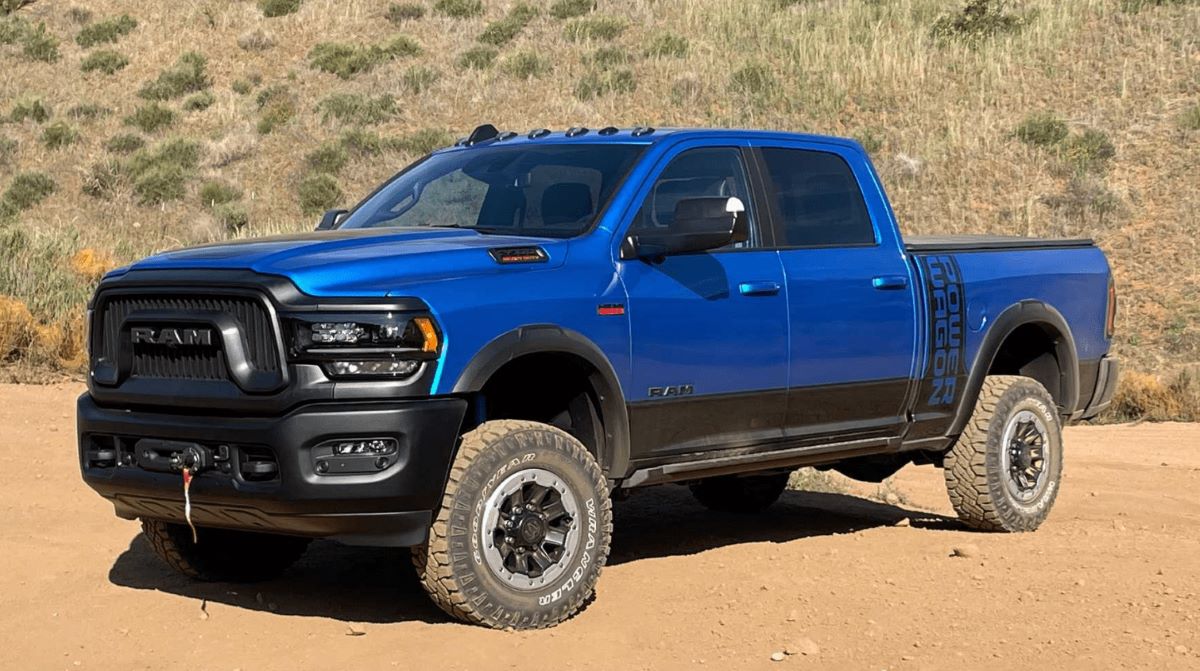
5. Dodge Ram 2500/3500 (1994–2002, 5.9L Cummins Diesel)
The second-generation Dodge Ram 2500 and 3500 trucks, particularly those equipped with the 5.9L 12-valve and 24-valve Cummins diesel engines, have become legends in long-haul reliability.
These engines are some of the most durable diesel powerplants ever made for light-duty trucks. Known for their simple mechanical design and robust internals, they’ve powered trucks well past 400,000 miles in both commercial and personal use.
The 12-valve version (1994–1998) is particularly well-regarded because of its mechanical fuel injection, which doesn’t rely on computers and is easier to maintain and repair.
The 5.9L Cummins is practically overbuilt for the class of truck it was placed in. Originally derived from a medium-duty engine line, it brings a level of strength and design typically found in much larger equipment. The block is cast iron, the crankshaft is forged steel, and the rotating assembly can take loads that far exceed the stock truck’s limits.
That means even when the truck is worked hard, towing fifth wheels, carrying heavy payloads, or idling for long stretches, it doesn’t break down easily. The turbocharger is also reliable, and even when it wears out, replacement is straightforward.
These trucks do have some weak points, but they’re generally easy to deal with. For example, the automatic transmissions paired with the Cummins in this era (especially the 47RE and 47RH) can be a limiting factor in longevity if not maintained.
However, many owners upgrade these components or switch to manual transmissions, which are far more robust and able to handle the engine’s torque over the long haul. The rest of the truck, including the axles, brakes, and suspension, was designed to take a beating and keeps working long after other trucks have been retired.
Rust is one of the only things that takes these trucks off the road for good. In northern states and Canada, body panels and frames can rot out if not treated, but the engine continues running. Many farmers, ranchers, and contractors still use these trucks as daily workhorses.
With proper rust prevention and regular oil and coolant changes, these second-gen Cummins-powered Rams can easily clear 400,000 miles without major engine repair. That kind of life span isn’t theoretical, it’s backed by real-world examples that continue to show up in used truck lots and classified ads today.
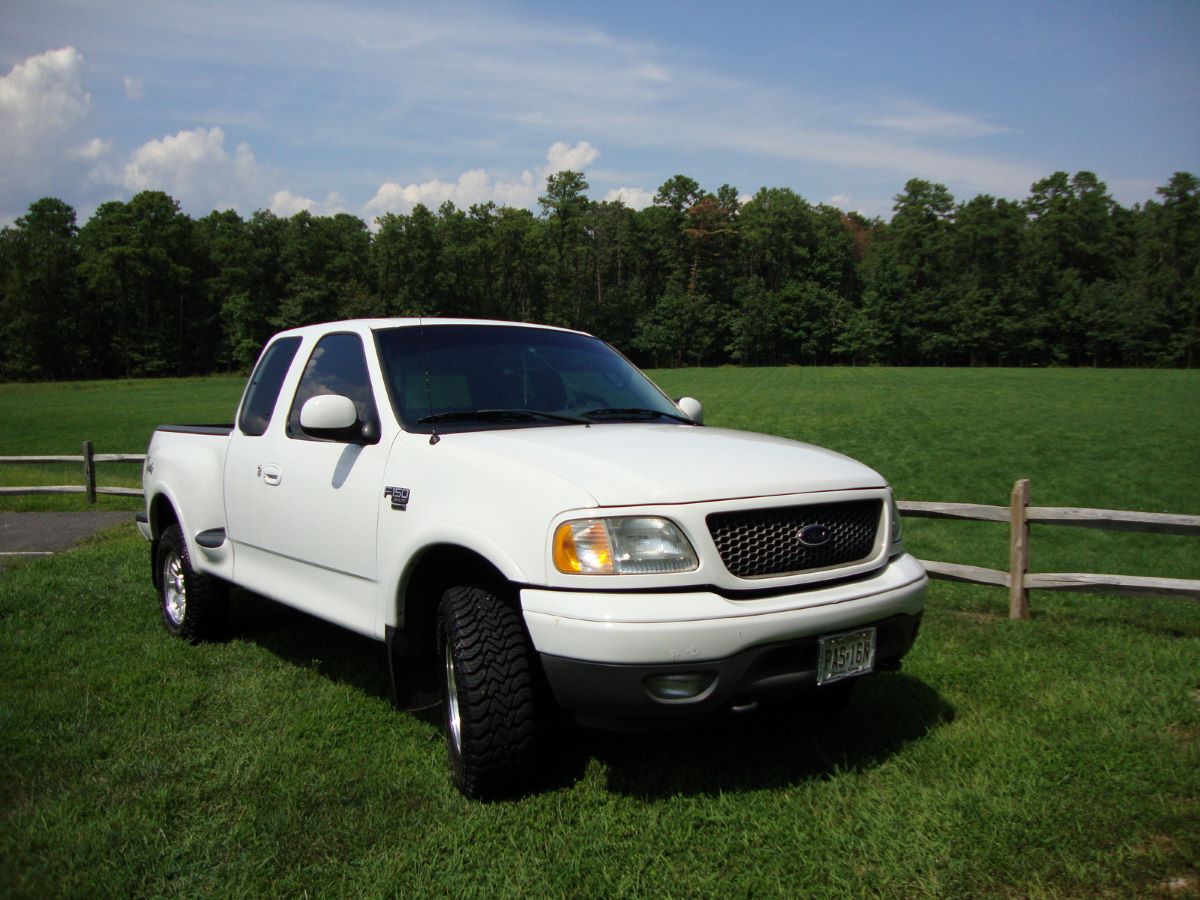
6. Ford F-150 (1997–2003, 4.6L and 5.4L Triton V8)
The Ford F-150 has long been one of the best-selling trucks in North America, and its long-standing reputation for reliability was reinforced by the models built between 1997 and 2003. Trucks from this era, particularly those equipped with the 4.6L or 5.4L Triton V8 engines, have a track record of running up to and beyond 400,000 miles with few serious issues.
These engines were used not only in trucks but also in police vehicles, vans, and SUVs, proving their toughness across a wide range of demanding environments.
The 4.6L Triton V8 is often the more dependable of the two, thanks to its simpler design and more robust timing components. It doesn’t make as much power as the 5.4L, but it tends to last longer and has fewer problems with things like spark plug ejection or timing chain failure.
Still, even the 5.4L can last well past 300,000 miles when regularly maintained. Oil changes, transmission service, and attention to common wear points like coil packs and intake gaskets are typically all that’s needed to keep these engines humming along.
One of the things that helps these trucks hold up is their widespread use and strong aftermarket support. Parts are easy to find and relatively cheap, which makes maintenance less painful over time. There’s also a huge community of DIY owners who share fixes for common problems, which means most issues are well-documented.
The chassis and body of the F-150s from this era were also built with thicker steel than later generations, making them more resistant to structural fatigue under long-term use.
Like many older trucks, rust can be an issue, especially in salt-heavy regions. But the engines and transmissions often outlast the body. It’s not uncommon to see early 2000s F-150s being used as shop trucks, farm vehicles, or daily drivers even today. When the miles start to climb, these trucks often keep going because they were built with real-world use in mind. They may not have flashy interiors or modern tech, but they make up for it in raw durability.
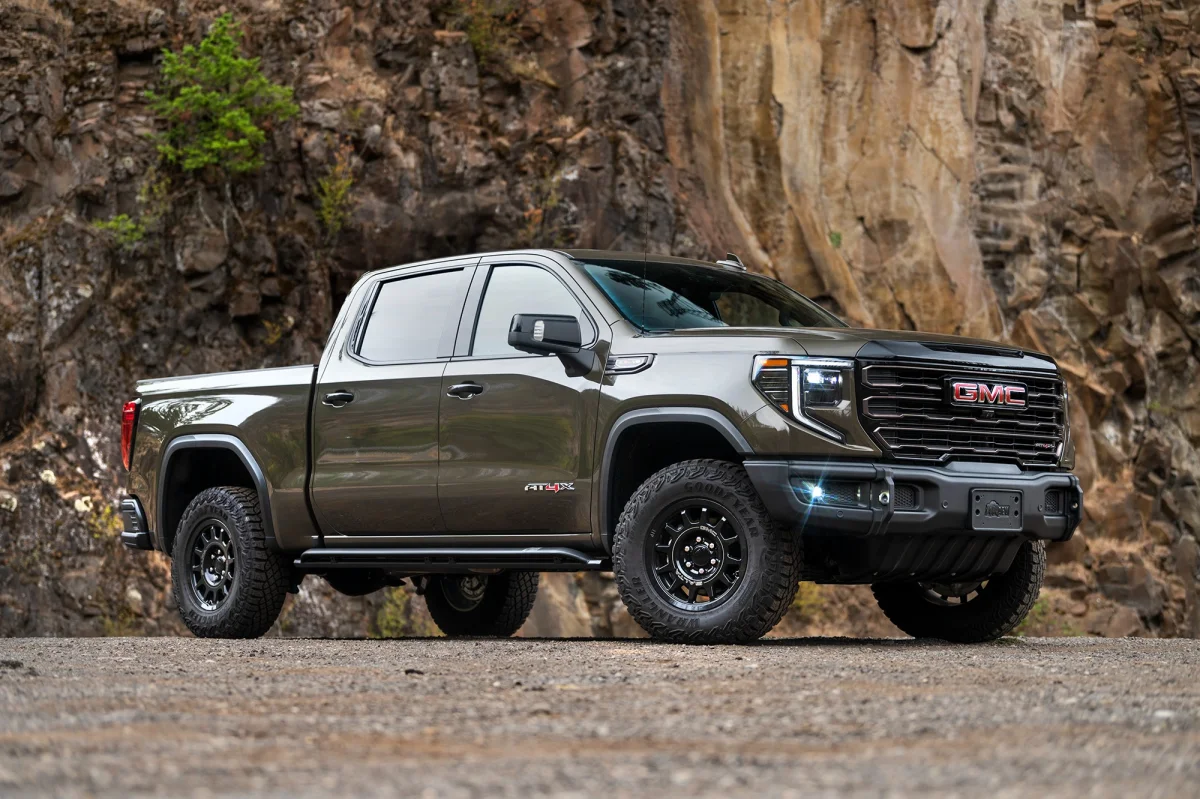
7. GMC Sierra 1500 (1999–2006, 5.3L Vortec V8)
The GMC Sierra 1500, particularly those built between 1999 and 2006 and equipped with the 5.3L Vortec V8 engine, has earned a quiet but well-deserved reputation as one of the most durable half-ton pickups in the used market.
Sharing its platform and mechanical parts with the Chevrolet Silverado of the same era, this generation of Sierra combined simple mechanical systems with solid construction, resulting in a truck that could easily push past 400,000 miles with the original powertrain. The 5.3L V8 engine, part of GM’s LS-based small block family, was known for its smooth performance, good fuel economy for the time, and remarkable endurance.
A big reason for the Sierra’s longevity is the engine’s internal strength. The 5.3L Vortec was built with features that emphasized durability, such as an iron block (in most configurations), aluminum heads, and a conservative tune that didn’t push the limits of performance.
It was designed to be easy to maintain, and many critical components like the alternator, water pump, and starter were easily accessible for repair or replacement.
Timing chains and valve train components also held up extremely well, meaning fewer deep-engine repairs even as the miles piled on. As long as the oil was changed regularly and cooling systems were maintained, the engine showed very little internal wear even after hundreds of thousands of miles.
The 4L60E automatic transmission used in these trucks has a mixed reputation, but it’s often more durable than people give it credit for, especially when it isn’t abused with constant towing or aggressive driving. When serviced with regular fluid and filter changes, the transmission often makes it past 200,000 miles and sometimes up to 300,000.
Many owners who kept their trucks stock and treated them with care reported keeping the original transmission until trade-in. If a failure did occur, rebuilding or replacing the transmission was relatively inexpensive compared to some of the more complex systems found in modern trucks.
Beyond the powertrain, the Sierra benefited from a sturdy frame, basic suspension setup, and dependable electronics. The truck was free of overly complex systems and unnecessary technology that could become a maintenance headache over time. The interiors were plain but held up well, especially the cloth and vinyl options.
Many of these trucks are still on the road today, performing as daily drivers, work trucks, or even handed down to younger drivers. Owners often speak of how little the truck asks in return for what it delivers, making it one of the most consistent long-life performers in the half-ton segment.
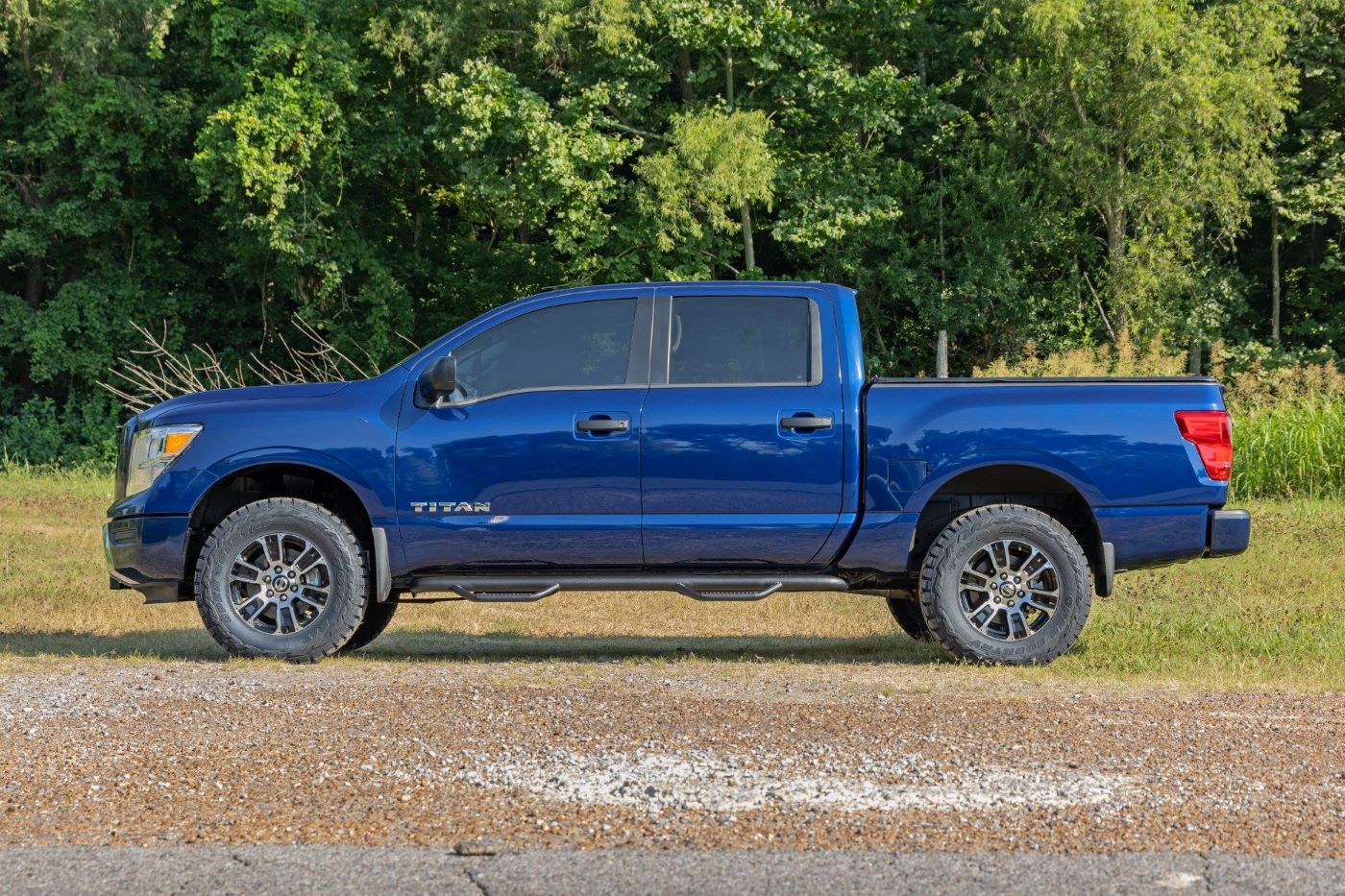
8. Nissan Titan (2004–2015, First Generation)
The first-generation Nissan Titan, introduced in 2004, may not have been the sales leader in its class, but it quietly built a reputation for long-term reliability and mechanical toughness. Equipped with the 5.6L Endurance V8 engine and a 5-speed automatic transmission, the Titan was Nissan’s answer to full-size American pickups.
The 5.6L V8 is the centerpiece of the Titan’s longevity. It produces strong horsepower and torque figures without relying on turbocharging or complicated fuel management systems, and it was built with a strong cast-iron block and forged components that handled high mileage with minimal internal wear.
The engine is known for its consistent performance, even when subjected to hard use in towing and hauling scenarios. The design favors durability, and when paired with regular oil changes and cooling system service, the engine remains quiet, powerful, and leak-free for many years. Timing chains, rather than belts, also contribute to the longevity by removing the need for frequent replacements.
The Titan’s transmission, though not perfect, also holds up remarkably well under normal conditions. The early 5-speed automatic used in these models doesn’t have the complexity or fragility found in many modern 8- and 10-speed designs. When treated well, it lasts beyond 200,000 miles, and sometimes much further.
Shifting remains smooth and consistent, and even when it begins to show signs of wear, rebuilding is a straightforward process with plenty of parts availability. Nissan did a good job of calibrating the transmission to the engine, and as a result, drivability remains solid even as the truck ages.
One area where the Titan stood apart from some competitors was its brake and suspension design. While early models did have issues with rear axle seals and brake rotors warping, those issues were largely resolved by 2006, and upgraded aftermarket parts have since made those concerns irrelevant.
The Titan rides on a fully boxed frame that resists twisting and fatigue over time, and the suspension system is rugged enough for moderate off-road use without wearing out prematurely.
All of this contributes to a truck that simply lasts when taken care of. Owners who stick to basic maintenance often find that the Titan delivers the kind of longevity typically expected from much more expensive or heavier-duty models.
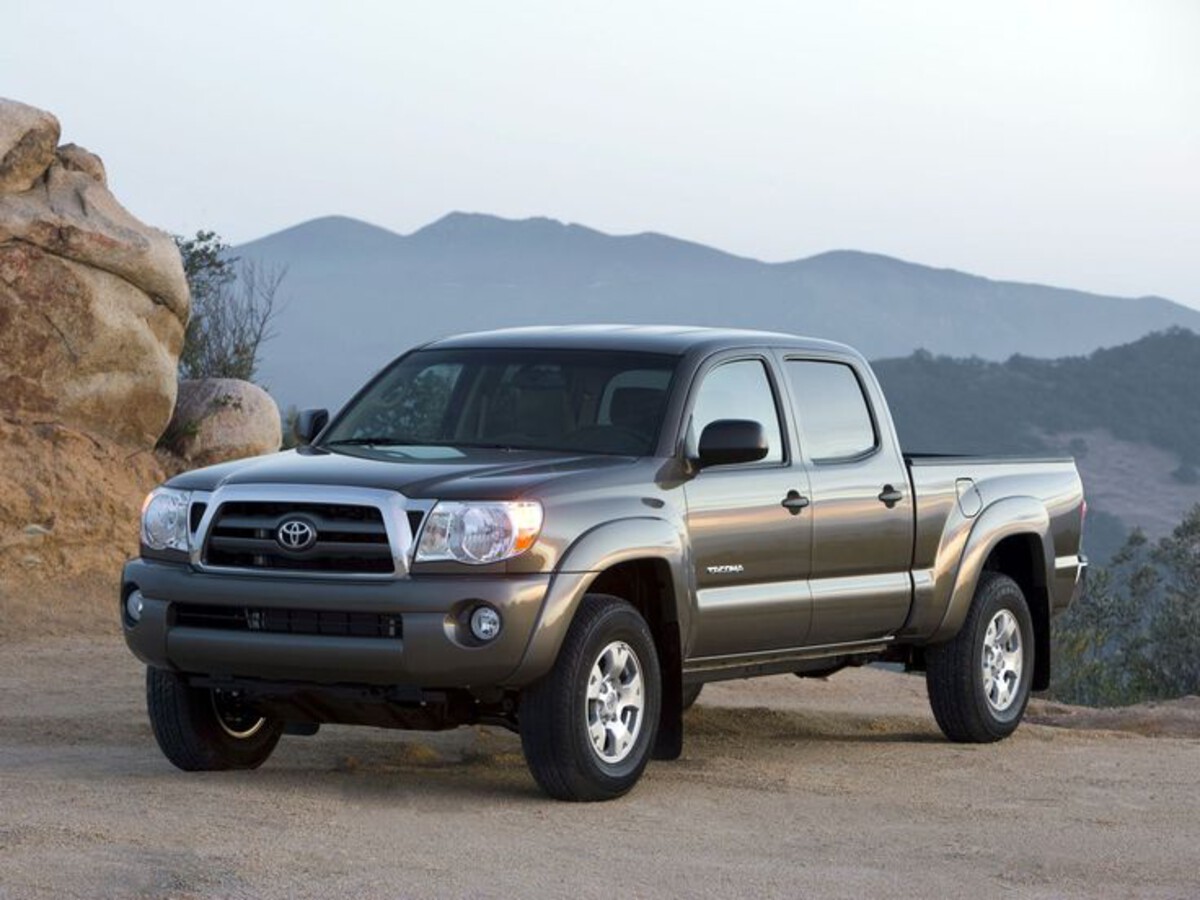
9. Toyota Tacoma (1995–2015, First and Second Generation)
The Toyota Tacoma has long been regarded as one of the most reliable midsize trucks on the market. First introduced in 1995 to replace the Toyota Pickup, the Tacoma built on its predecessor’s legacy of simple, durable engineering and took it to new levels.
The first-generation models (1995–2004), especially those with the 2.7L 4-cylinder or 3.4L V6, were particularly known for making it to 400,000 miles and beyond with minimal repairs.
The second-generation trucks (2005–2015) continued the tradition, refining the design without compromising the solid reputation that Toyota had spent decades building. Tacomas from both generations can still be found on the road today, some with eye-popping mileage and very few problems.
A major part of Tacoma’s long life comes from its engine options. The 2.7L 4-cylinder engine is famously simple and almost unkillable. It doesn’t make a ton of power, but it has extremely low internal stress, minimal electronics, and a robust bottom end that doesn’t wear out easily.
The 3.4L and later 4.0L V6 options provided more power but were also built to take punishment over the long haul. Timing belts or chains (depending on the engine) lasted well beyond their recommended intervals, and head gaskets, valve trains, and cylinder walls remained intact with routine oil changes. The engines don’t often leak or burn oil, even at high mileage.
Another reason the Tacoma lasts so long is the simple, rugged design of the rest of the truck. The frame, while sometimes prone to rust in earlier models, was structurally strong and designed to take off-road abuse without failure.
Toyota later issued frame replacements under warranty for affected trucks, showing a commitment to long-term durability. The suspensions, brakes, and drivetrains are built to last, and the manual transmissions offered in many models are practically indestructible. Even the automatics, when serviced regularly, hold up well past the 300,000-mile mark.
The Tacoma also benefits from a minimalistic approach to technology. Even the newer second-gen models were not overloaded with electronics or fragile systems that could fail over time.
The wiring was simple and well-insulated, the sensors were reliable, and most of the cabin features were built to work for the long haul. Interiors, especially in SR5 or base trim levels, aged well with quality plastics and durable fabrics that resisted wear.
Owners often keep Tacomas for decades because they simply don’t have a reason to get rid of them. Maintenance is cheap, problems are rare, and the truck keeps starting every day, regardless of climate or use.
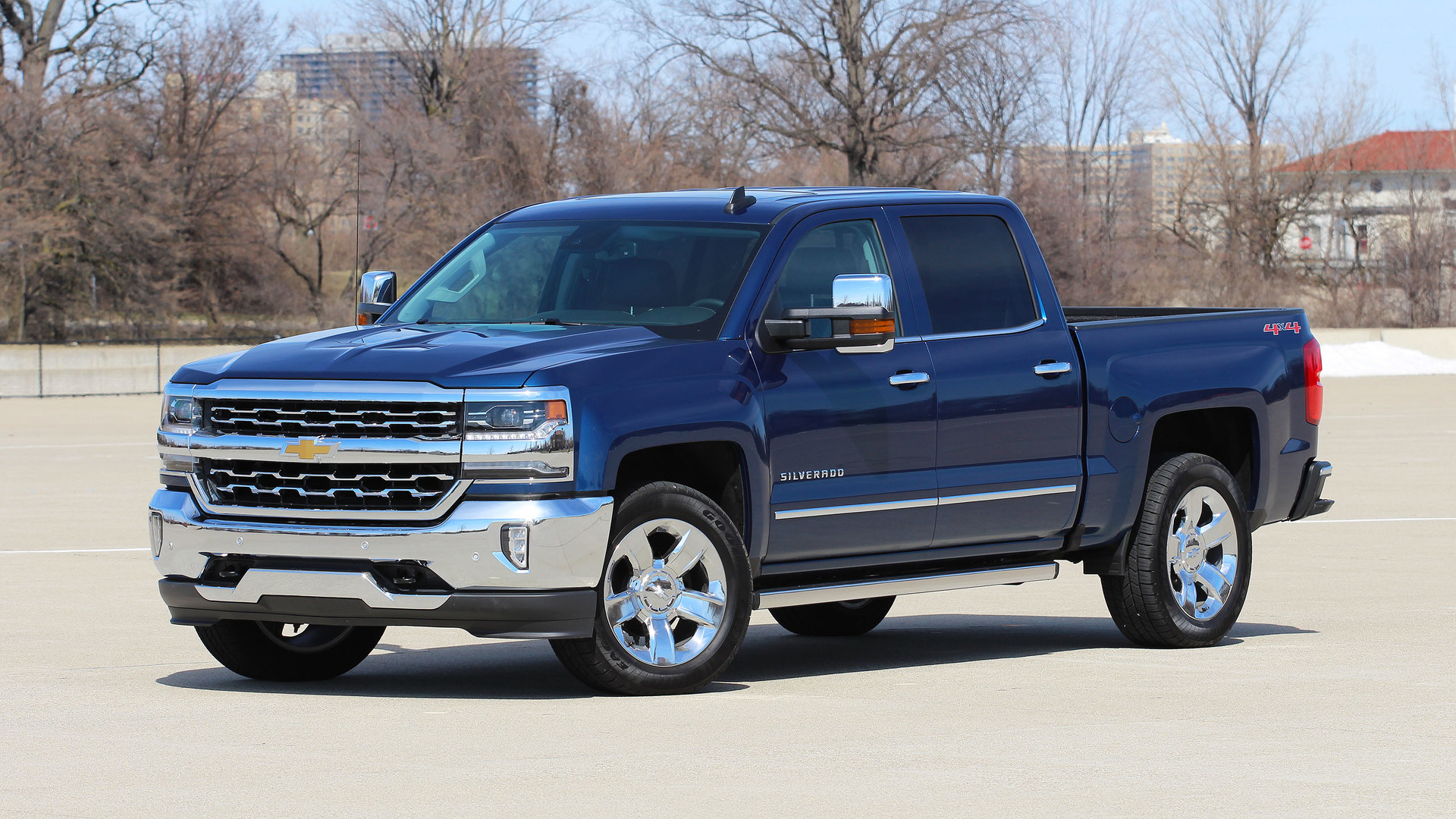
10. Chevrolet Silverado 1500 (1999–2006, 4.8L and 5.3L V8)
The Chevrolet Silverado 1500 from the late 1990s through the mid-2000s has been a dependable staple for many truck owners seeking longevity paired with respectable performance.
These trucks, especially those equipped with the 4.8L V8 and the popular 5.3L Vortec V8 engines, offer a combination of robust engineering and straightforward mechanical systems that contribute heavily to their ability to surpass 400,000 miles with relative ease.
While they don’t have the heavy-duty frame of the 2500HD models, these half-ton trucks have proven themselves capable of handling daily work, towing, and rough use over extended periods without requiring costly or major repairs.
One of the main factors behind the Silverado 1500’s durability is its engine lineup. The 4.8L and 5.3L Vortec V8s are well known for their iron blocks and aluminum heads, providing a balance between strength and weight savings. These engines were designed to operate at moderate power levels and avoid unnecessary strain on internal components.
Owners often praise how well these motors run with regular maintenance such as oil changes, spark plug replacements, and coolant flushes.
The engines typically develop minimal oil consumption or gasket issues, which are common causes of major repairs in other trucks. Furthermore, the 5.3L V8’s use of a timing chain instead of a belt reduces a frequent maintenance worry and eliminates a costly repair item.
The Silverado’s transmission and drivetrain also contribute to the truck’s longevity. The 4L60E automatic transmission, when cared for properly with fluid and filter changes, can provide reliable service for hundreds of thousands of miles.
Although it is sometimes seen as a weak point, many owners report getting well beyond 250,000 miles without failure by avoiding aggressive towing or abrupt shifts.
The rear axle and suspension components are equally tough, built to withstand daily wear and tear as well as occasional heavy loads. The truck’s relatively simple mechanical layout means fewer sensors and electronics to fail, making it a straightforward vehicle to maintain for both DIY mechanics and professionals.
Body and frame durability on these Silverado models has also been positive. The frame is made from high-strength steel and designed to resist fatigue and bending, giving the truck a strong foundation to last many years. While rust can be a concern depending on climate and road salt exposure, trucks kept in dry or well-maintained conditions often retain their structural integrity for the long haul.
Interior components and trim pieces are basic but sturdy, and the cabin is easy to keep clean and in good condition. The Silverado 1500 from this generation remains a popular choice for those looking for a reliable truck that can rack up the miles without demanding major repairs, proving that solid engineering and consistent maintenance go hand in hand.
