
A used SUV purchase can either be one of the smartest financial choices you make or a lesson learned the hard way. The market is filled with options that look promising on the surface but can hide stories beneath the hood.
Some SUVs prove their strength over time, aging with grace, while others turn from dream buys into never-ending repair bills.
The key difference lies in how each model holds up after years of wear. Some SUVs maintain their integrity because they’re engineered with precision and designed to last. They become favorites among used buyers because they stay reliable, even after crossing six digits on the odometer.
Others, however, struggle as they age. Expensive parts, fragile electronics, or poorly designed components make them financial headaches in the long run.
Understanding this contrast is essential for anyone considering a used SUV. A vehicle that was excellent when new can still make a brilliant buy years later if its foundation is solid. Conversely, a model that once looked luxurious or powerful might show its flaws after warranty coverage ends.
This article separates the dependable from the deceptive. First, we’ll look at five SUVs that remain trustworthy and worthwhile as used vehicles those that deliver genuine value and longevity.
Then, we’ll move to five models that have proven to be money traps, costing their owners more than expected with frequent and expensive repairs.
Whether you’re searching for a budget-friendly commuter or a long-term family hauler, understanding these differences can help you make a decision that saves both money and stress.
Also Read: 5 SUVs That Can Handle Anything Life Throws at Them vs 5 To Avoid
5 SUVs That Are Smart Buys Used
When an SUV earns the title of a smart used buy, it’s because it has proven itself over time, not just on paper.
These vehicles consistently deliver reliability, affordability, and comfort even after years on the road. They don’t rely on gimmicks or short-term marketing appeal; they earn loyalty through solid engineering and a proven track record.
The smartest used SUVs tend to come from automakers that prioritize long-term value. They feature engines and transmissions that are refined over many years, not rushed to market.
Their parts are accessible, their maintenance straightforward, and their durability undeniable. More importantly, they maintain resale value because drivers trust them to last.
A strong used SUV doesn’t need to be fancy. It should be predictable starting easily every morning, handling highway miles without strain, and keeping repair bills manageable.
Buyers often discover that these vehicles hold up better than newer models loaded with fragile technology. The right used SUV doesn’t feel outdated; it feels like a dependable partner that’s been tested through time.
In this section, we’ll highlight five SUVs that deliver this combination of endurance, affordability, and practicality. These aren’t necessarily the newest or flashiest models, but they are the ones that consistently stand out for lasting quality.
They’ve built reputations among mechanics, families, and used car dealers as the safest bets in the pre-owned SUV world.
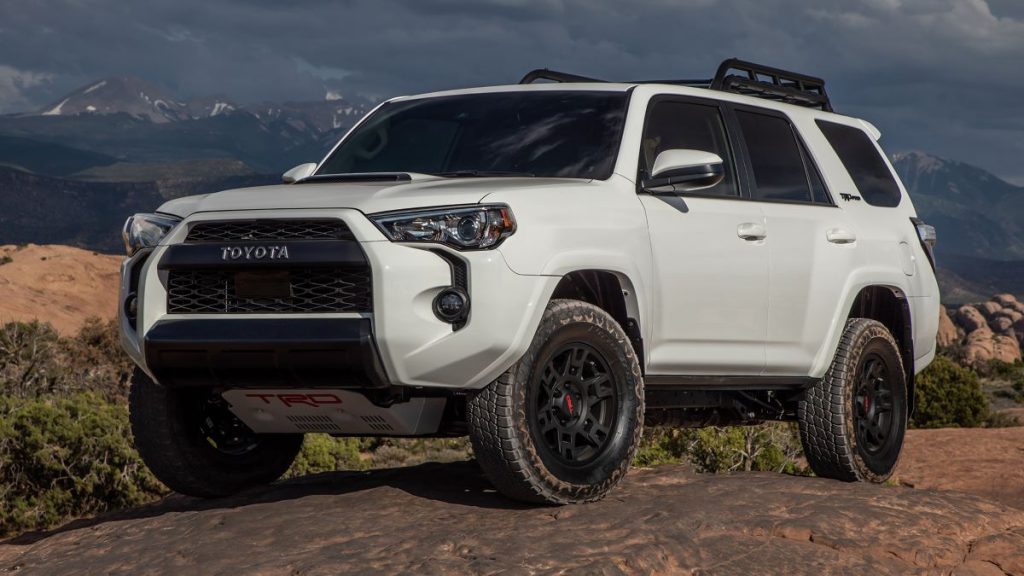
1. Toyota 4Runner
The Toyota 4Runner is one of those SUVs that seems to defy time. Even in a market filled with modern crossovers, it remains a favorite for those who value reliability over flash.
Built on a sturdy body-on-frame platform, it carries the DNA of a true utility vehicle rather than a family car disguised as one. That strength makes it a near-perfect used buy for anyone who wants a machine capable of handling both city driving and real off-road challenges.
The heart of the 4Runner’s dependability is its 4.0-liter V6 engine. This powertrain has been refined for years, known for running hundreds of thousands of miles without significant issues.
Many owners report using their 4Runners for decades with only routine maintenance oil changes, brakes, and suspension refreshes. There’s a mechanical honesty to this SUV: no fragile turbochargers, no overcomplicated electronics, just durable engineering.
Inside, it’s functional rather than fancy, but the materials last. The buttons, knobs, and seats often look fresh even after years of use. Models from 2016 onward are particularly strong buys since they include Toyota’s updated safety systems without losing the rugged simplicity that defines the brand.
Fuel economy might not impress, but few owners care because the trade-off is longevity. The 4Runner’s resale value also remains outstanding, which speaks volumes about buyer confidence.
While many SUVs lose their charm after a few years, the 4Runner continues to prove why simplicity and toughness never go out of style. As a used purchase, it’s as close to bulletproof as an SUV can get.
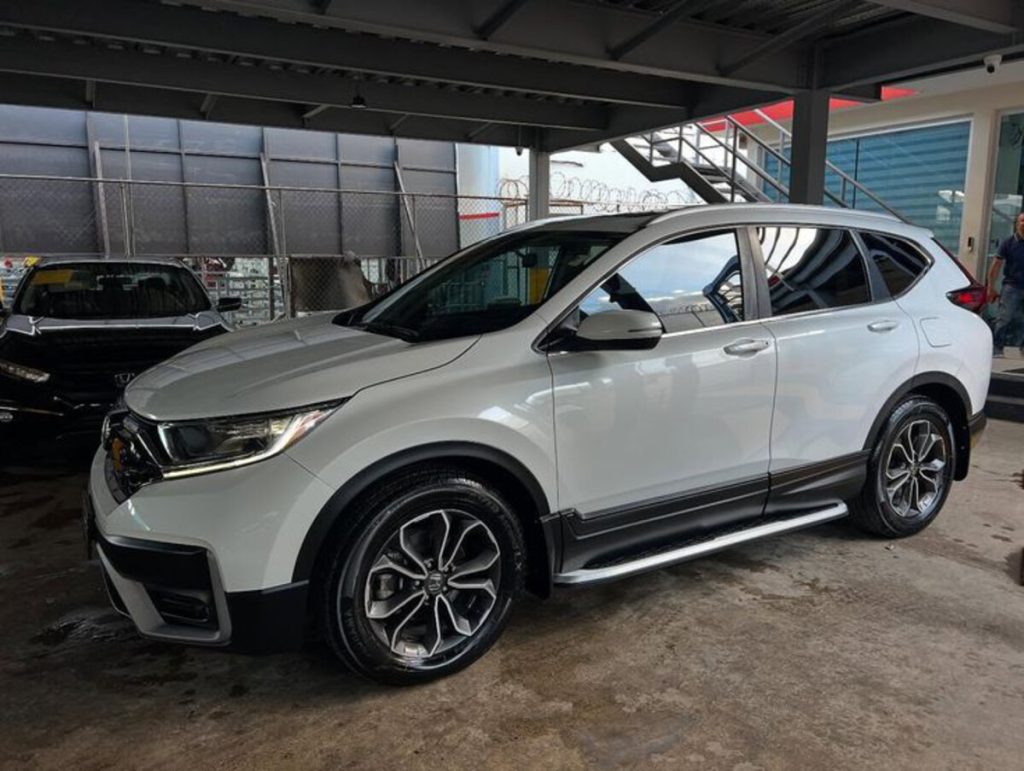
2. Honda CR-V
The Honda CR-V is the reliable workhorse of the compact SUV segment. It’s not flashy, but it’s one of the most dependable vehicles you can buy used. That quiet consistency is what has made it a household name for families and commuters alike.
Under the hood, the CR-V’s naturally aspirated four-cylinder engines have earned legendary status for longevity. Models built before Honda’s move to smaller turbocharged engines are particularly reliable.
They deliver smooth power, require little more than regular oil changes, and rarely develop costly mechanical problems. Even when newer, turbo versions arrived, the CR-V maintained a strong reliability record with careful maintenance.
One of the reasons the CR-V is a smart used buy is its affordability beyond the initial purchase. Parts are inexpensive, and service centers are everywhere. The interior is designed to last, with durable fabrics and solid construction. Even high-mileage examples often feel well-built, with minimal rattles or fading.
From 2016 to 2020, the CR-V struck a near-perfect balance between practicality and refinement. These models include improved sound insulation, advanced safety tech, and excellent cargo space without sacrificing fuel efficiency.
Owners also enjoy excellent resale values, meaning the money invested in a used CR-V rarely feels wasted.
For those who want an SUV that quietly gets the job done, the CR-V continues to be one of the most rational choices in the used market. It doesn’t promise excitement, but it delivers peace of mind, and that’s worth far more than horsepower figures or fancy features.
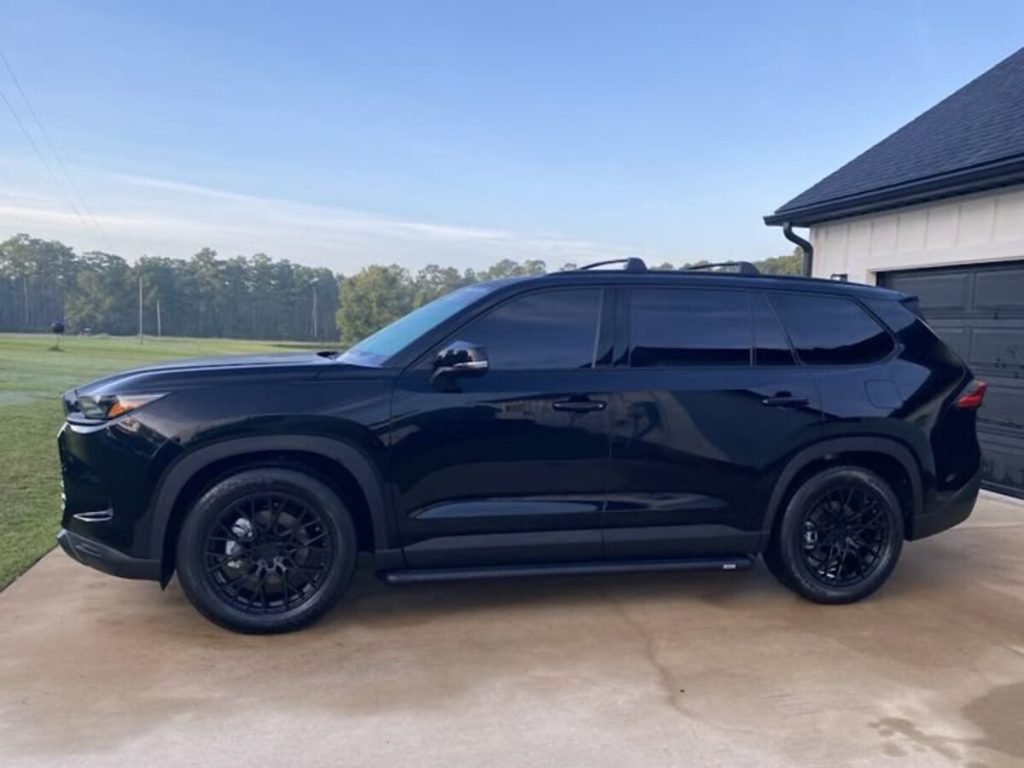
3. Toyota Highlander
The Toyota Highlander has become one of the most trusted names among midsize SUVs, especially in the used market. It combines the reliability Toyota is known for with the space and comfort that families need. A used Highlander offers lasting value because it’s engineered to handle the daily grind gracefully.
The 3.5-liter V6 engine is the highlight here an exceptionally well-balanced powertrain that’s both strong and durable. Unlike many competitors that depend on turbocharging or complex drivetrains, the Highlander sticks to proven technology.
That choice keeps maintenance simple and breakdowns rare. Transmission performance is smooth, and even after years on the road, shifts remain consistent.
Inside, the Highlander feels refined but straightforward. It’s not overloaded with fragile tech, which means fewer things to go wrong over time.
The materials are robust, and the seating comfort holds up impressively. Used models from 2015 to 2020 are considered a sweet spot, offering advanced safety systems without the complexity of newer hybrid setups.
Fuel economy remains decent for a three-row SUV, and the ownership costs are refreshingly low. The Highlander’s resale value also remains high, making it not only a dependable used buy but also a financially safe one.
What truly defines the Highlander as a smart used purchase is its consistency. It doesn’t surprise you with sudden repairs or hidden weaknesses.
Instead, it quietly continues doing its job year after year. For buyers looking for a dependable, family-oriented SUV that ages gracefully, the Highlander is a benchmark of what reliability should look like.
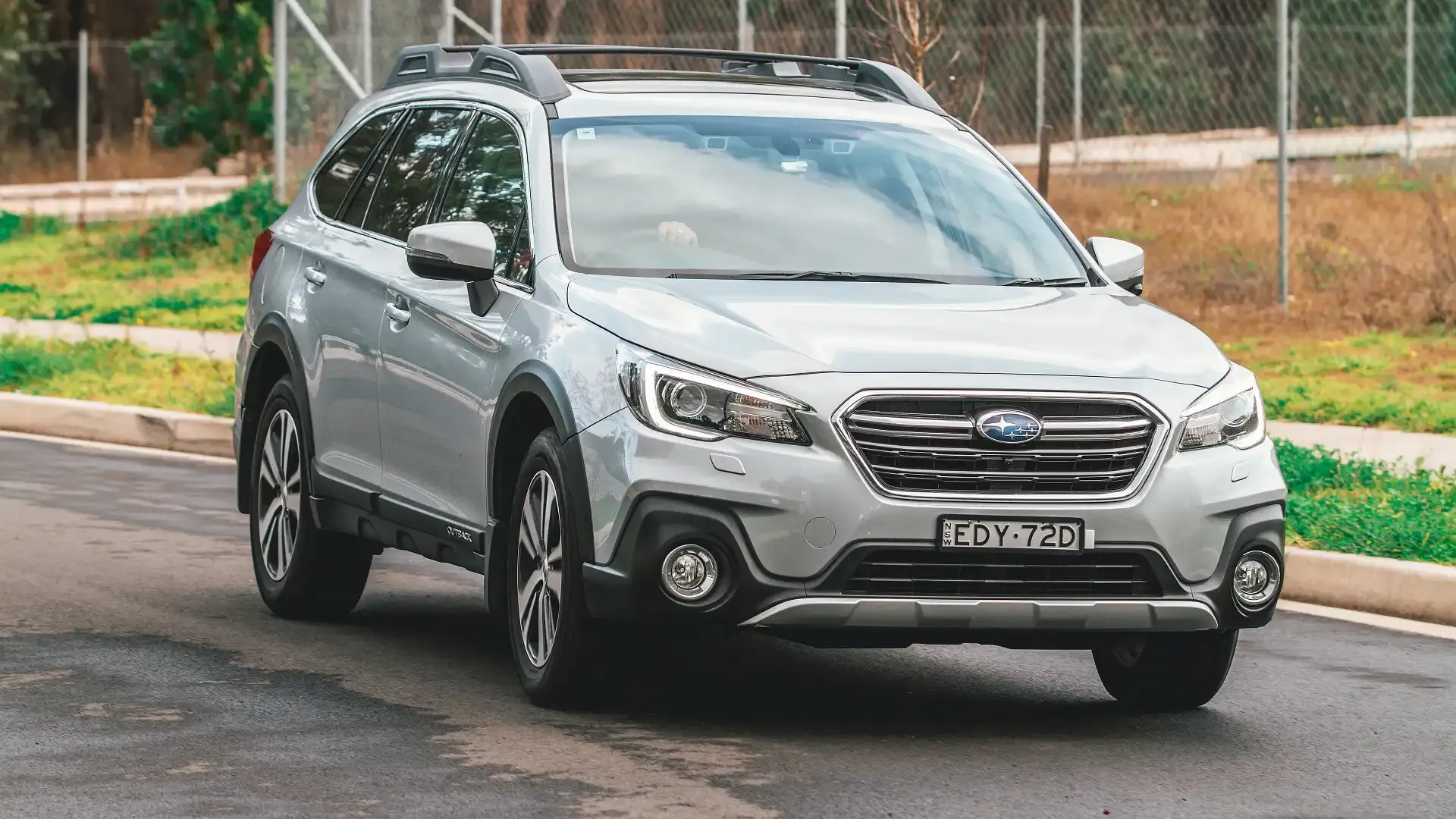
4. Subaru Outback
The Subaru Outback has always stood in a class of its own, somewhere between a wagon and a compact SUV. That versatility is what makes it such a smart used buy. It’s not only dependable but also incredibly practical, with all-wheel drive that inspires confidence in nearly any condition.
On the used market, the Outback offers a combination of long-term reliability and unique capability that few competitors can match.
Subaru’s engineering philosophy centers on balance, and it shows here. The Outback’s symmetrical all-wheel-drive system and boxer engine work together to give the vehicle stability and even weight distribution.
Models from 2016 to 2019 are especially good used options. These years benefited from Subaru’s improvements in interior quality, ride comfort, and safety features while maintaining mechanical simplicity.
The 2.5-liter engine in these models can easily last beyond 200,000 miles with proper care. Maintenance costs are manageable, and replacement parts are easy to find. The key is regular servicing fluid changes and gasket checks to keep it running smoothly.
Inside, the Outback is practical and built to last. The materials handle years of use without much wear, and the interior layout remains intuitive. The generous cargo space and high ground clearance make it ideal for both urban drivers and outdoor enthusiasts.
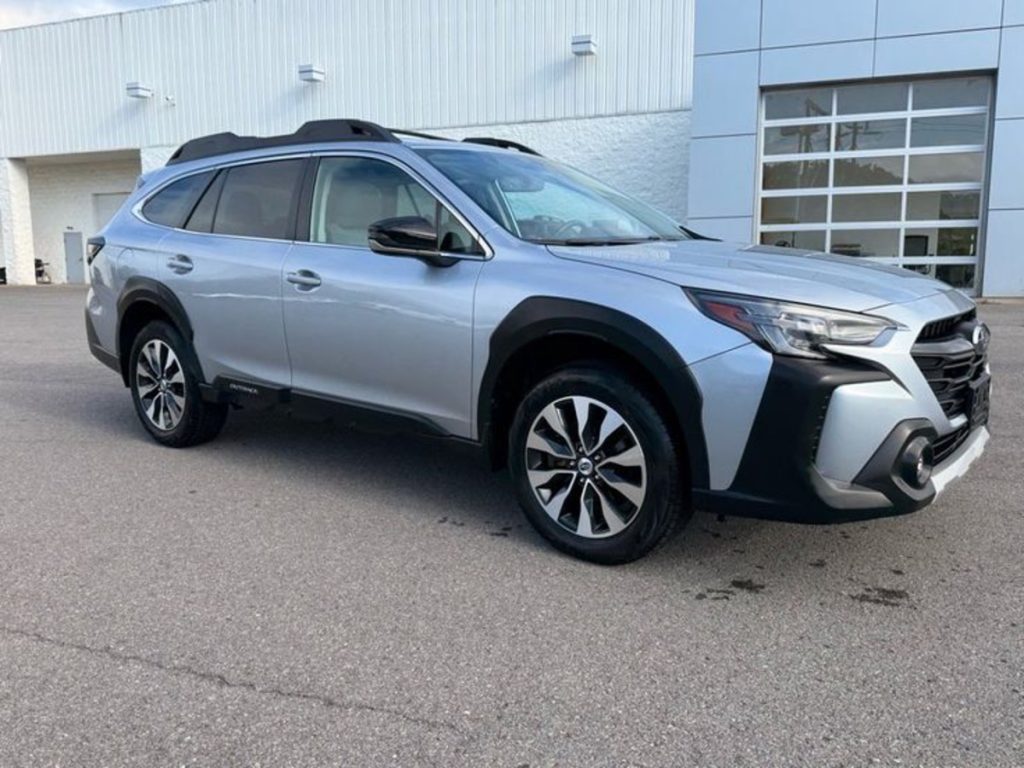
While earlier generations had head gasket concerns, Subaru resolved most of those issues by the mid-2010s. That makes the recent used Outbacks some of the most dependable crossovers you can buy.
Its combination of comfort, safety, and all-weather performance explains why owners often hold onto them for a decade or more. The Outback’s reputation isn’t built on hype it’s built on years of quietly getting the job done.
5. Lexus RX 350
Among luxury SUVs, the Lexus RX 350 remains one of the few that ages gracefully. While many luxury vehicles lose their charm due to costly maintenance and fragile electronics, the RX 350 manages to retain both its reliability and refinement. This balance is exactly why it’s considered one of the smartest used SUVs you can own.
At the heart of its success is Toyota’s proven 3.5-liter V6 engine. It’s smooth, powerful, and remarkably durable. The RX 350 doesn’t rely on complicated turbocharging or air suspension, which helps it stay trouble-free over the years.
Owners frequently praise how quiet and composed the SUV feels even after high mileage. It’s a vehicle that ages slowly, both mechanically and aesthetically.
Inside, the RX 350’s cabin feels upscale without being delicate. The materials resist wear, and the layout is user-friendly. Electronics tend to work consistently, a rarity among luxury vehicles as they age.
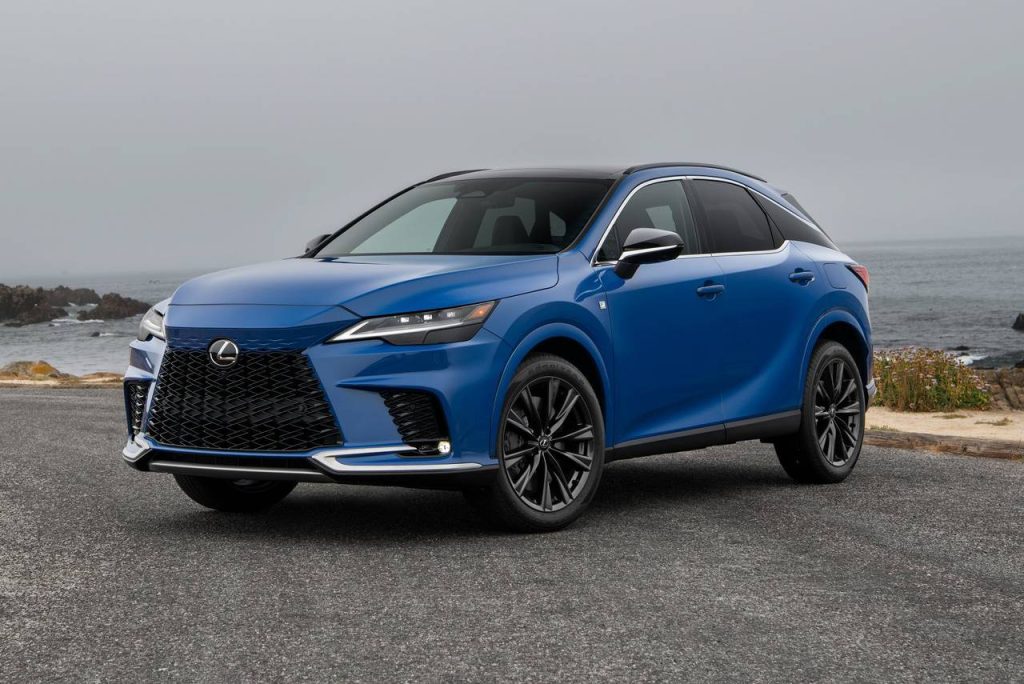
Models from 2015 to 2020 are particularly well-rounded used options, offering updated styling and safety features without losing the bulletproof reliability that defines Lexus.
Maintenance costs are higher than a typical Toyota, but still far below German luxury rivals like BMW or Mercedes-Benz. The result is a premium driving experience that doesn’t punish your wallet long-term.
A used RX 350 gives you genuine comfort, timeless styling, and long-term dependability. It proves that luxury doesn’t have to come with compromise. For used buyers seeking reliability without giving up refinement, the RX 350 is about as close to perfect as a luxury SUV can get.
5 SUVs That Are Money Traps
Every used car shopper has encountered an SUV that seems like a great deal on paper low price, stylish design, maybe even a long list of features. But after a few months, the reality sets in.
Repair bills start to pile up, strange noises appear, and unexpected faults make ownership more stressful than enjoyable. These are the SUVs that become money traps: vehicles that cost far more to keep running than their purchase price suggests.
Some of these SUVs fall into this category because of engineering flaws. Others are victims of overcomplicated designs or expensive parts that wear out faster than expected.
Sometimes, it’s not one catastrophic failure but a series of smaller problems electrical glitches, transmission issues, or suspension wear that turn ownership into a financial burden.
The worst part is that many of these vehicles look fantastic when new. They promise luxury, performance, or rugged capability, but as they age, their weaknesses start to show. The combination of poor reliability and high repair costs makes them frustrating to own once the warranty expires.
This section highlights five SUVs that often lead to regret in the used market. They might still have strong performance or attractive styling, but the long-term costs outweigh those benefits. From failing electronics to costly drivetrain repairs, these SUVs remind buyers that not everything that shines is worth the risk.
A smart used purchase requires looking beyond first impressions. Understanding why some SUVs consistently drain their owners’ wallets can prevent expensive mistakes. These examples show that a low asking price doesn’t always mean a good deal and that reliability should always come before reputation.
1. Jeep Grand Cherokee (2014–2020)
The Jeep Grand Cherokee has long been admired for its muscular looks, confident stance, and off-road ability. It’s one of those SUVs that feels solid at first glance, appealing to both city drivers and adventure seekers. Unfortunately, its charm fades quickly in the used market, where reliability concerns overshadow everything else.
Between 2014 and 2020, the Grand Cherokee faced recurring mechanical and electronic problems that have made ownership expensive once the warranty expires. Many owners report issues with the transmission, ranging from rough shifting to outright failure.
The electrical system is also prone to glitches, causing malfunctions in the infotainment, sensors, and safety features. Even seemingly small problems like power window failures or warning light errors can cost hundreds to fix due to the vehicle’s complex wiring setup.
The Grand Cherokee’s air suspension, available on higher trims, is another costly component. When it works, it provides a comfortable ride, but once it fails, repairs can easily exceed $2,000. Add in the frequent cooling system leaks and brake wear, and the ownership costs become difficult to justify.

It’s disappointing because the Grand Cherokee drives beautifully when it’s in good condition. The cabin feels upscale, and the V6 engine delivers strong power.
But that experience rarely lasts long enough for most owners to feel satisfied. What looks like a great value on the used lot often becomes a financial burden after a year or two.
The Grand Cherokee is proof that an SUV’s reputation for capability doesn’t always translate to long-term dependability. On the used market, it’s a risk many regret taking.
2. BMW X5 (2014–2018)
The BMW X5 is a standout in the luxury SUV world sharp styling, athletic handling, and premium interiors make it hard to resist. When new, it’s one of the most engaging SUVs to drive. But once it enters the used market, it transforms into one of the most demanding and expensive vehicles to maintain.
Models from 2014 to 2018 suffer from the classic problems that haunt aging European luxury cars. Turbocharged engines develop oil leaks, and the cooling system struggles with wear that leads to overheating or gasket failures.
The electronic systems, which control nearly everything from suspension height to climate controls, are complex and prone to faults. Even when repairs are possible, the labor costs are steep.
The X5’s suspension and steering components are also high-maintenance. Air suspension versions are known to fail, leading to a harsh ride and repair bills that can easily exceed $3,000.
Transmission issues appear more often than they should, and replacement parts rarely come cheap. Even regular maintenance brakes, fluids, and tyres costs significantly more than mainstream competitors.
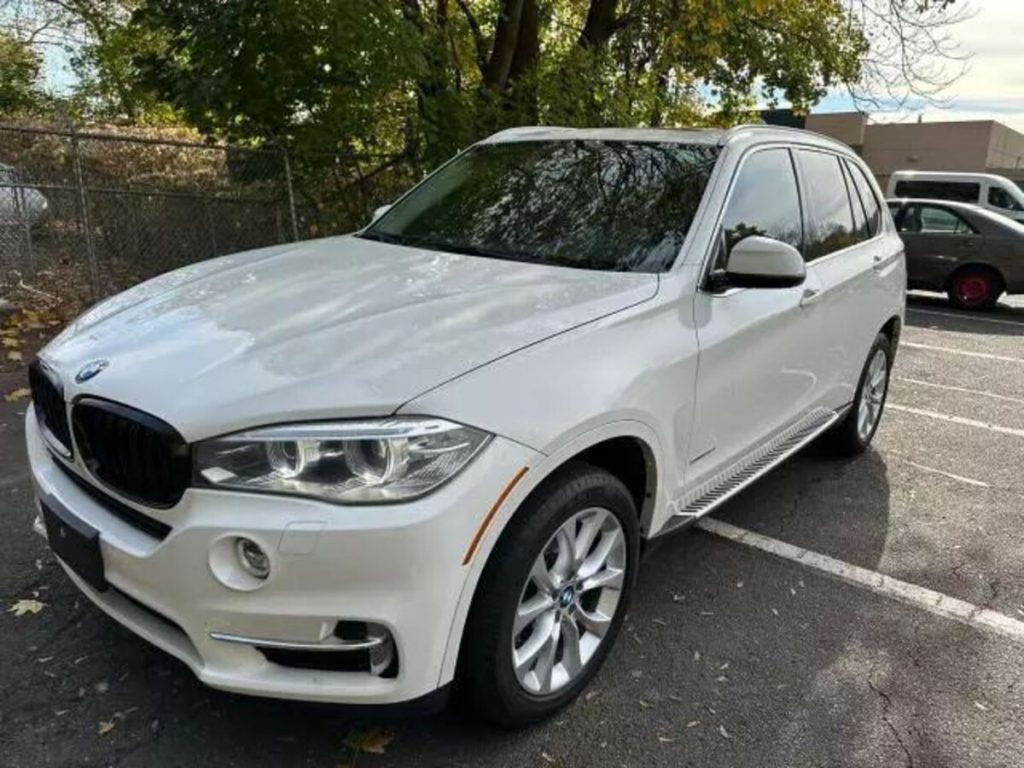
While the X5 delivers excellent driving dynamics and a luxurious experience, that enjoyment fades once warranty coverage ends. Used buyers are often caught off guard by the high cost of keeping it roadworthy. For every exhilarating highway drive, there’s a repair bill waiting to dampen the mood.
The X5 is a fine vehicle for those who can afford constant upkeep, but for used buyers seeking value, it’s a trap that drains finances faster than expected. The luxury feel comes at a price one that rarely feels worth it long-term.
3. Ford Explorer (2011–2019)
The Ford Explorer is one of America’s best-known SUVs, but its used reputation is far less flattering. While it offers space, style, and strong brand recognition, the Explorer from 2011 to 2019 carries a long list of mechanical issues that make it a risky used purchase.
The most common complaint involves the transmission. Many owners have reported rough shifting, delayed engagement, and even total failure, often well before 100,000 miles. Repairs can cost thousands, wiping out any savings from buying used.
Engine problems are also frequent, especially with the 2.3-liter EcoBoost and 3.5-liter V6. Timing chain wear, cooling system leaks, and water pump failures can lead to severe engine damage if not caught early.
Even the interior hasn’t aged well in many cases. The MyFord Touch infotainment system was notorious for freezing or malfunctioning, and cabin materials in lower trims tend to wear out quickly. Suspension components and wheel bearings are other known weak points, adding to the long-term cost of ownership.
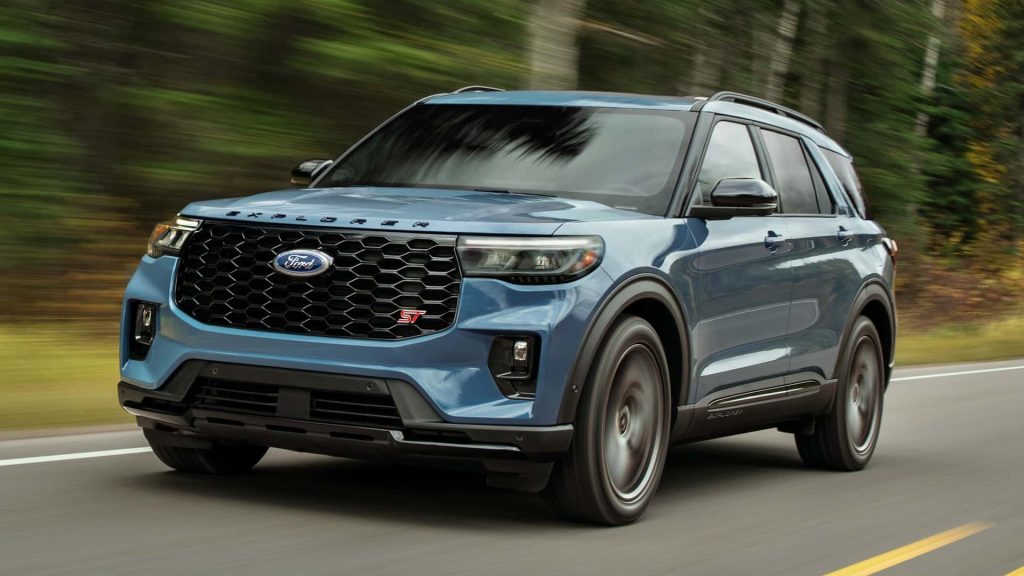
While the Explorer handles well and offers a comfortable ride when new, its reliability record keeps it off most recommended used lists. The combination of mechanical issues and expensive repairs makes it one of those SUVs that looks good on paper but quickly becomes frustrating in reality.
It’s easy to be drawn in by the Explorer’s affordable used prices and wide availability, but the ongoing costs are difficult to justify. For a vehicle that once defined the family SUV category, it now serves as a cautionary example of why reputation alone shouldn’t drive a buying decision.
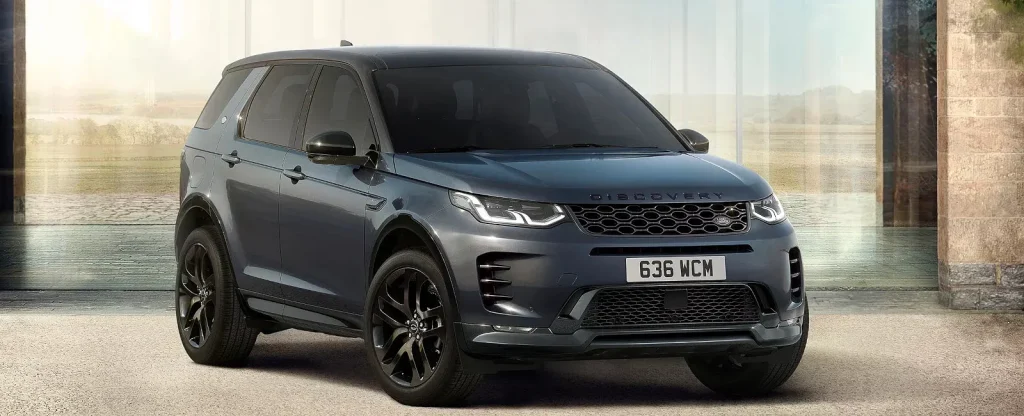
4. Land Rover Discovery Sport (2015–2020)
The Land Rover Discovery Sport represents the kind of SUV that wins you over with its looks and luxury but tests your patience as it ages. On the used market, it’s infamous for reliability issues that turn ownership into a constant balancing act between admiration and frustration.
This SUV’s design and interior feel premium, with soft-touch materials and upscale styling. However, behind the refinement lies a long list of costly problems. The turbocharged engines are known for oil leaks, timing chain tensioner failures, and turbocharger wear.
Transmission jerks, cooling issues, and electronic malfunctions are also common. The complexity of the vehicle means that even minor issues often require dealer-level diagnostics and expensive labor.
Electrical gremlins are one of the biggest complaints. Malfunctions in sensors, keyless entry systems, and infotainment screens are frequent, often returning even after repairs. Suspension components, particularly the adaptive dampers, wear out early and cost a small fortune to replace.
Depreciation is another factor that hurts the Discovery Sport’s case. It loses value faster than most rivals, which might seem like an advantage for used buyers, but that drop reflects the real-world ownership experience. Once out of warranty, keeping one running smoothly becomes an uphill financial battle.
While the Discovery Sport offers comfort and prestige when everything works, the odds of trouble are simply too high. For buyers seeking peace of mind, it’s a gamble that rarely pays off. The combination of poor reliability and high repair costs earns it a solid spot among the worst used SUV investments.
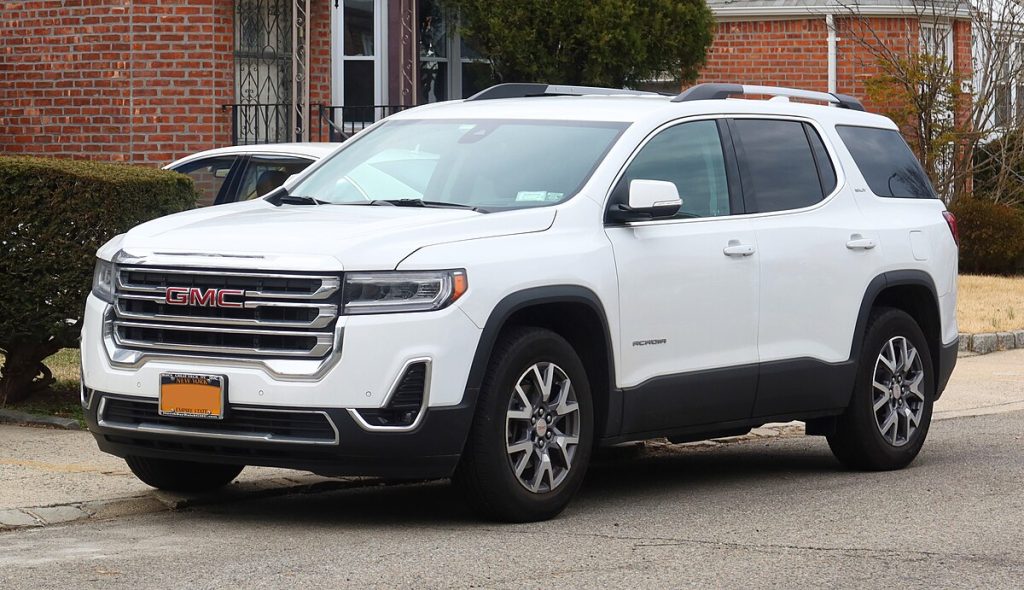
5. GMC Acadia (2010–2017)
The GMC Acadia was designed to offer full-size comfort in a midsize package, and when new, it delivered a pleasant ride with plenty of space. However, once these models aged, they developed a reputation that keeps mechanics busy. For anyone considering a used Acadia from 2010 to 2017, caution is strongly advised.
The most serious issue lies in the transmission. Many owners report slipping, harsh shifting, or total failure well before the 100,000-mile mark. Replacements are costly, and rebuilds don’t always solve the underlying problem.
The 3.6-liter V6 engine, though smooth, suffers from timing chain wear and oil consumption that can lead to expensive repairs if neglected.
Electrical issues are also common, from faulty sensors to failing air conditioning systems. Steering system leaks, suspension wear, and water pump failures round out the list of frequent complaints.
Maintenance is more expensive than it should be, and repairs often require significant labor hours due to tight engine bay packaging.
The Acadia’s depreciation can make it look like a great used deal, especially for families needing a three-row SUV. But the truth is that the money saved upfront often gets lost in maintenance over time. Even well-maintained examples tend to develop recurring issues as they age.
For buyers focused on dependability, the Acadia is one of those SUVs best left on the lot. Its combination of high running costs and mechanical inconsistency make it more of a liability than a bargain. Sometimes, walking away from a deal is the smartest decision.
The used SUV market is full of both smart choices and financial traps. Models like the Toyota 4Runner, Honda CR-V, Subaru Outback, and Lexus RX 350 stand out as dependable, cost-effective options that hold their value and deliver lasting satisfaction.
They balance performance, comfort, and reliability, making them ideal long-term purchases. On the other hand, SUVs such as the Jeep Grand Cherokee, BMW X5, Ford Explorer, Land Rover Discovery Sport, and GMC Acadia often appear tempting due to attractive pricing or luxury appeal but quickly reveal their hidden costs.
Mechanical failures, expensive parts, and frequent repairs turn these vehicles into money pits. The key lesson for buyers is that reliability should always outweigh flash and features.
A smart used SUV isn’t just one that looks good it continues to perform without draining your wallet. Choosing wisely ensures years of confident, stress-free driving.
