
The SUV market in the U.S. is one of the most competitive automotive segments, and for good reason. Americans love the balance of space, comfort, and versatility that SUVs provide.
Whether it’s navigating mountain trails, surviving harsh winters, hauling a family of five, or commuting through city chaos, a dependable SUV can make all the difference.
But not all are created equal some models have earned reputations for bulletproof reliability and capability, while others have left owners frustrated with breakdowns, recalls, and costly repairs.
In this guide, we’ll explore five SUVs that truly can handle anything life throws their way and five that might leave you stranded.
SUVs That Can Handle Anything
When adventure calls, only the toughest SUVs can answer. From rugged off-road trails to unpredictable weather and long highway drives, some vehicles are simply built to take it all in stride.
These SUVs combine durability, power, and versatility, making them perfect for drivers who demand more than just a comfortable commute.
Whether you’re tackling rocky terrain, snowy mountain passes, or hauling heavy loads, these are the SUVs that can handle anything you throw their way.
1. Toyota 4Runner
Few vehicles have achieved the legendary status of the Toyota 4Runner. Built on a rugged body-on-frame chassis, it’s one of the last true off-road SUVs left in a sea of car-based crossovers.
The 4Runner’s 4.0-liter V6 might not be the most modern engine, but it’s renowned for lasting well beyond 300,000 miles with basic maintenance.
Whether you’re tackling Moab’s rocky trails or driving through a New England blizzard, the 4Runner takes it all in stride. Its interior, while utilitarian, is designed to endure dirt, sand, and kids alike.
The TRD Off-Road and TRD Pro trims take things further with locking differentials and Crawl Control, proving why this SUV remains a favorite among adventurers.
As more people look to unplug from their daily routines and venture into the great outdoors, automakers have taken notice of the growing demand for adventure-ready vehicles.
These days, it’s nearly impossible to walk through a dealership lot without spotting a lifted SUV or truck equipped with chunky tires, plastic cladding, and rugged accents, or at least a crossover doing a convincing impression of one.
Toyota, of course, is no stranger to this trend. The brand’s TRD Pro lineup has long represented its most capable off-road models, spanning the Tacoma pickup, the Tundra, and the three-row Sequoia.
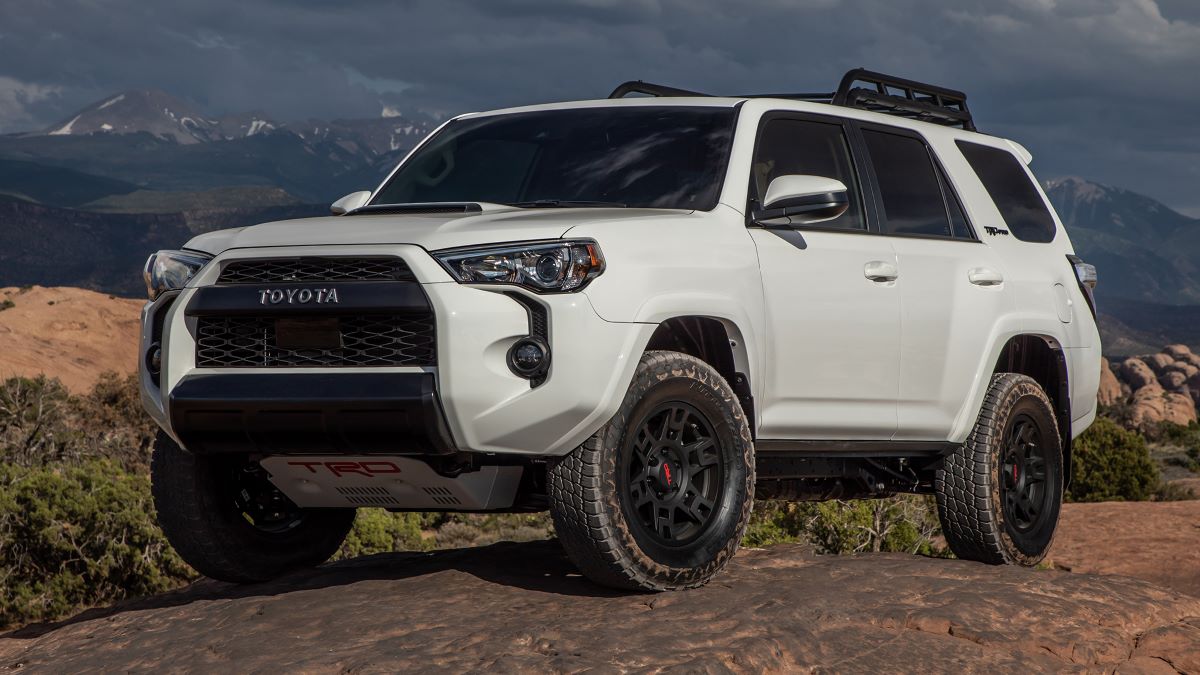
Like its predecessors, the new 4Runner TRD Pro is engineered to tackle nearly anything in its path. It’s fitted with oversized all-terrain tires, a raised suspension, roof racks, mud flaps, and plenty of other adventure-ready gear.
Beneath the hood sits a new turbocharged four-cylinder engine paired with an advanced suite of off-road technology, including selectable terrain modes and customizable traction control systems.
Toyota continues to offer several capable and more affordable models that might better fit your lifestyle. While the TRD Pro represents the pinnacle of off-road performance, other trims could deliver the right balance of comfort and capability for your needs.
Powering the 2025 4Runner TRD Pro is a turbocharged 2.4-liter four-cylinder hybrid engine that produces 326 horsepower and 465 lb-ft of torque, an impressive improvement of 56 horsepower and 187 lb-ft over the outgoing model’s V6.
It’s paired with an eight-speed automatic transmission, providing smooth and responsive power delivery. Thanks to the hybrid system’s instant electric assist, the TRD Pro puts its power to work immediately, whether it’s crawling over rocks or charging down rough trails.
On the road, it performs with surprising refinement, delivering quick acceleration from a stop and ample passing power at highway speeds.
Despite its rugged nature, the 4Runner TRD Pro is remarkably comfortable on pavement. The suspension easily absorbs broken asphalt while maintaining control through corners, minimizing body roll as much as possible for a vehicle of its size and purpose.
The 33-inch tires do generate some road noise, but it’s a small trade-off for such exceptional off-road capability. More than anything, the TRD Pro looks every bit as tough as it performs.
Its bold front grille, downturned headlights, and muscular stance give it an unmistakable presence, while standout paint options like the “Mudbath” finish add even more character to its boxy, aggressive aesthetic.
However, all that capability comes at a cost, both literally and practically. The TRD Pro’s price tag and size might not suit every buyer.
For most drivers who spend more time on highways than trails, the TRD Pro might be more machine than necessary.
Still, for those who crave adventure and want an SUV that looks and performs the part without compromise, the 2025 Toyota 4Runner TRD Pro stands out as one of the most capable and commanding options available today.
Also Read: Top 10 Cars That Outlive Their Luxury Competitors
2. Honda Passport
If you need something that can transition seamlessly from suburban life to backcountry exploring, the Honda Passport is your perfect middle ground. Sharing DNA with the family-oriented Pilot, the Passport ditches the third row for more cargo space and a sportier attitude.
The 3.5-liter V6 engine is smooth, durable, and backed by Honda’s track record for reliability.
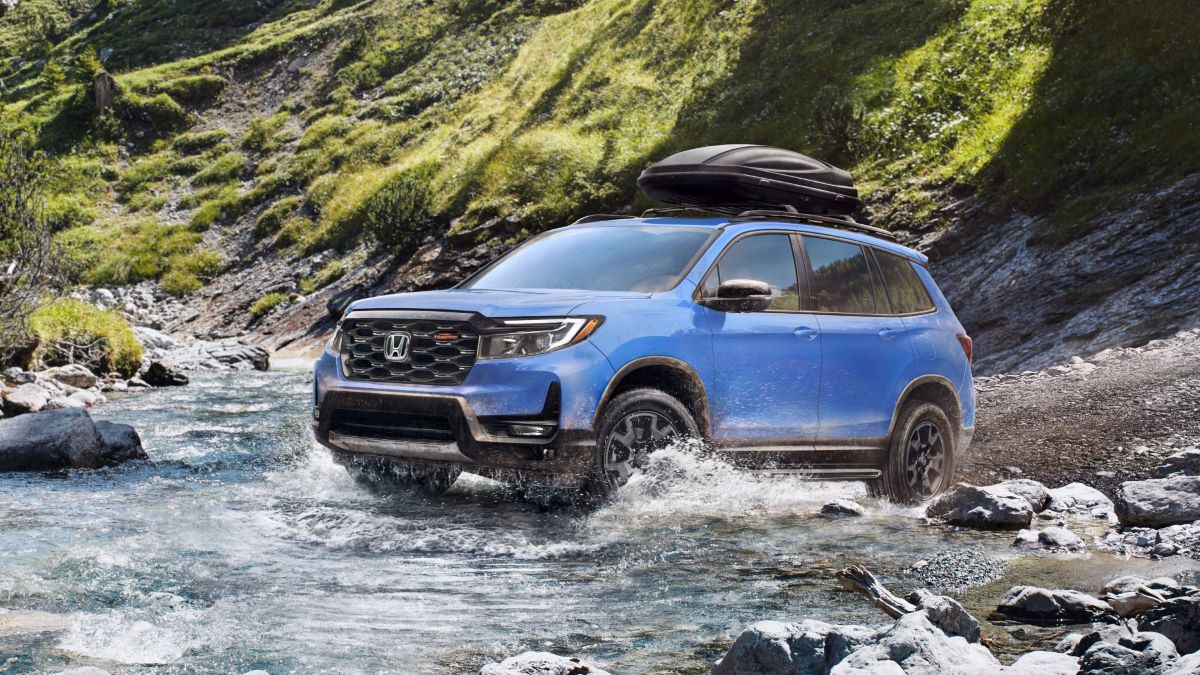
Equipped with available all-wheel drive and a high ground clearance, the Passport is ideal for weekend getaways or emergency situations where you need confidence in your ride.
Owners often praise its low maintenance costs and balanced ride proof that you don’t need to compromise between ruggedness and comfort.
3. Subaru Outback Wilderness
Technically a crossover, the Subaru Outback especially the Wilderness trim earns a spot on this list for its go-anywhere attitude.
Its standard Symmetrical All-Wheel Drive system and 9.5 inches of ground clearance make it capable of handling snowstorms, gravel roads, and muddy trails that would stop lesser SUVs cold.
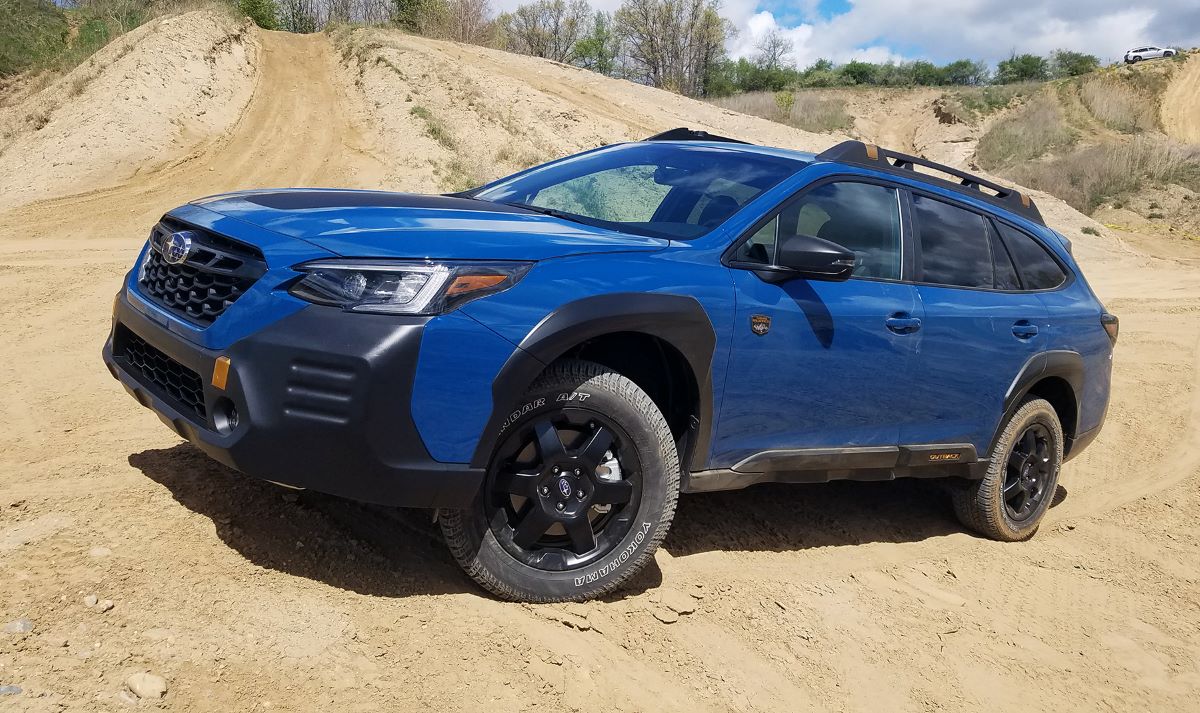
The turbocharged 2.4-liter engine in higher trims provides solid power without compromising efficiency. More importantly, Subaru’s reputation for safety and longevity shines through many Outbacks from the early 2000s are still on the road today.
The Wilderness edition, with its skid plates, all-terrain tires, and rugged aesthetic, takes that reliability into the wild.
4. Jeep Grand Cherokee (2021–Present)
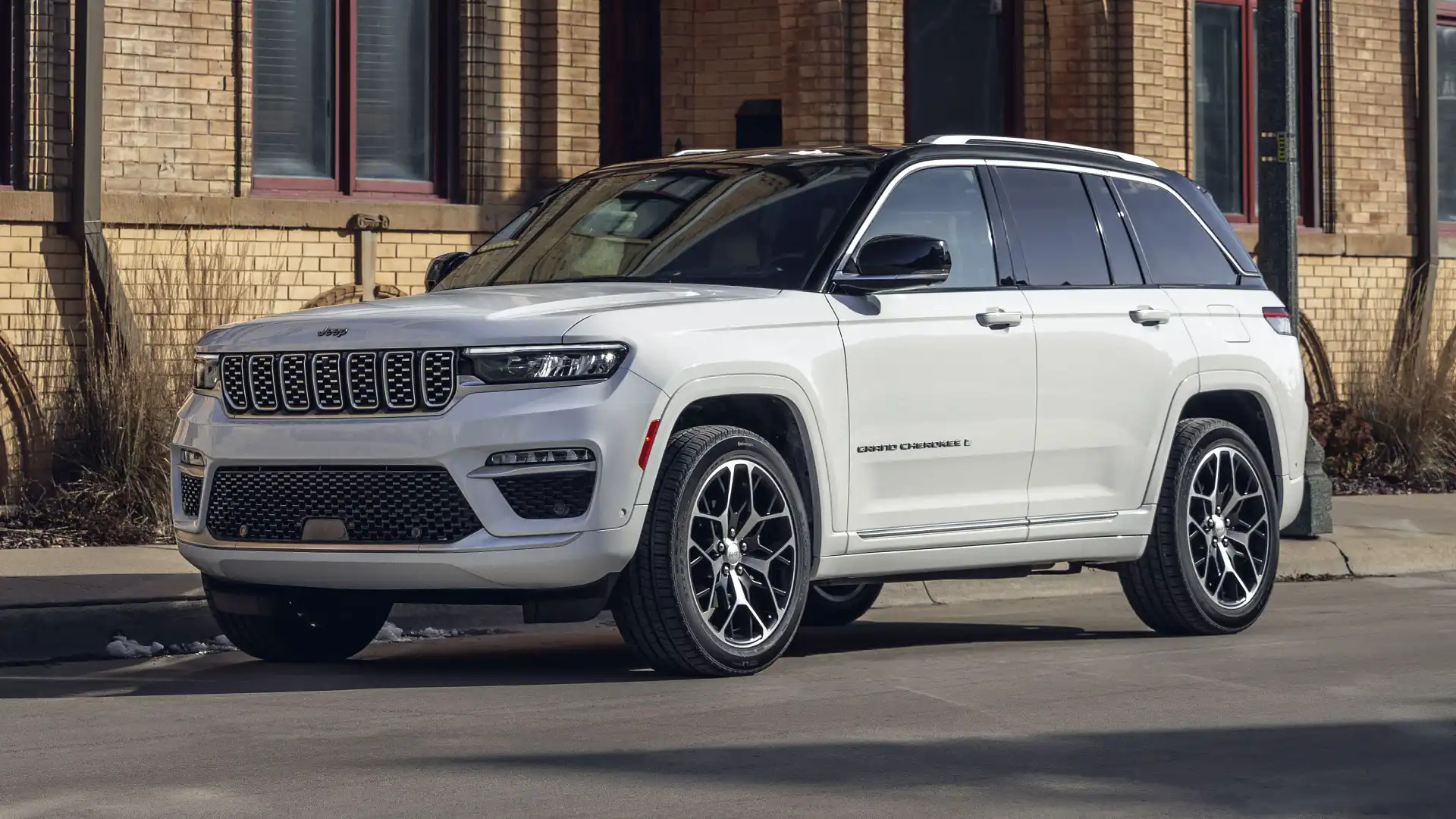
The latest-generation Jeep Grand Cherokee has matured into a luxurious yet highly capable SUV that finally lives up to its promise.
Jeep’s Quadra-Trac II and Quadra-Drive II 4WD systems deliver real off-road chops, while the available air suspension allows for adjustable ride height depending on conditions.
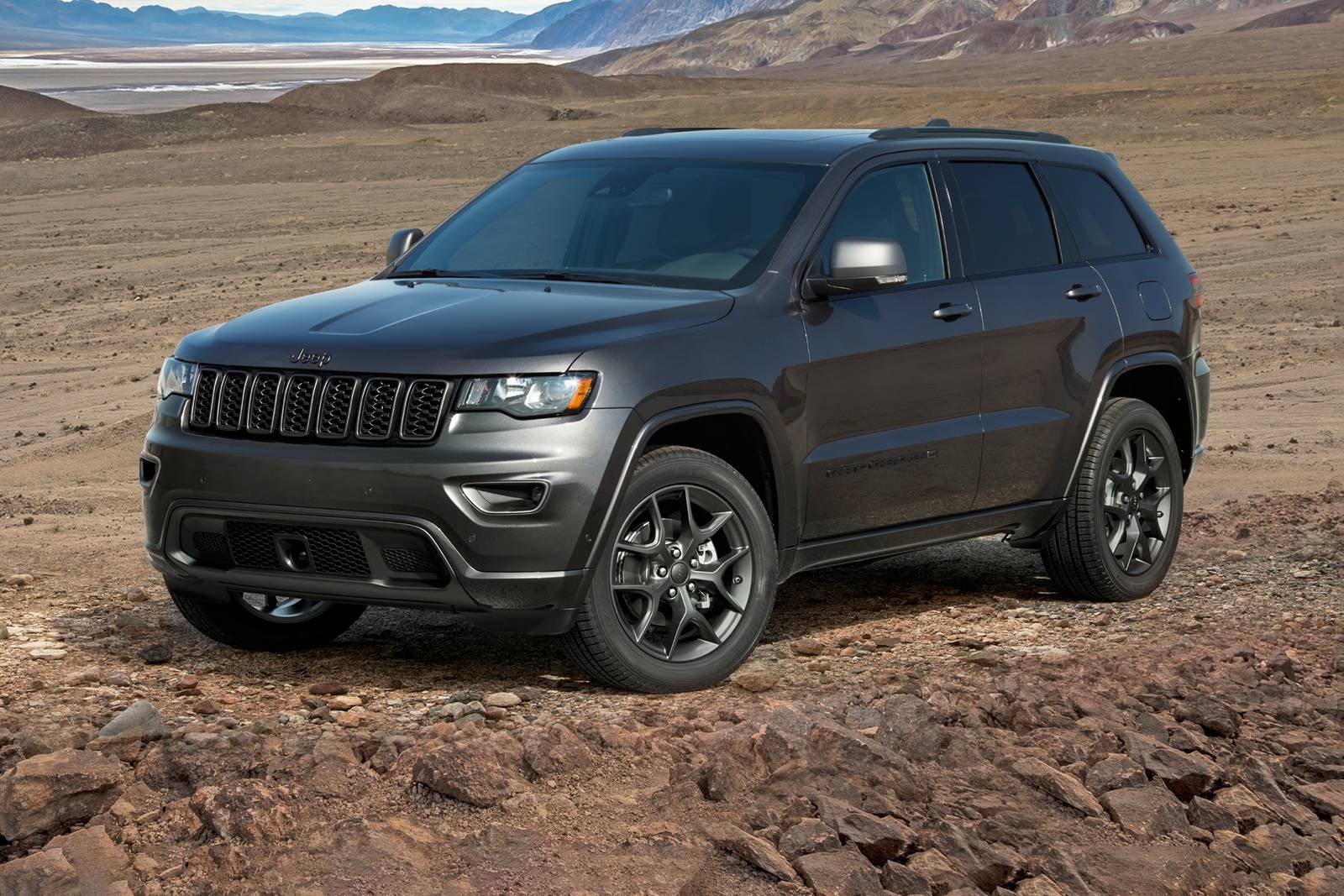
It’s not just about brawn the new Grand Cherokee’s interior rivals premium competitors with its upscale design and technology. Unlike past models, Jeep has significantly improved reliability and build quality.
For drivers who want something refined enough for daily commuting but tough enough for cross-country adventures, this SUV delivers both comfort and confidence.
Among Jeep’s wide range of SUVs, none blends the brand’s legendary off-road spirit with refined on-road manners as seamlessly as the Grand Cherokee.
The standard V6 engine provides more than enough power for most buyers, but those craving extra muscle can opt for the potent 360-horsepower V8.
Inside, the Grand Cherokee offers a spacious and comfortable cabin that seats four adults with ease across two rows. Its modern infotainment system includes a touchscreen display and a variety of connectivity options to keep things up to date.
For 2021, the Grand Cherokee receives only subtle updates as Jeep prepared to launch a redesigned model for 2022. The lineup also welcomes a new Laredo X model, which includes an 8.4-inch infotainment display with navigation, remote start, a power liftgate, heated front seats, and a heated steering wheel.
Additionally, the Limited trim now offers a Sun and Sound package with a panoramic sunroof and a nine-speaker stereo, while the Limited X gains sleek gloss-black exterior accents.
Pricing for the 2021 Jeep Grand Cherokee starts at $37,330 for the Laredo E and climbs to $56,145 for the top-tier Summit trim. With so many configurations available, Jeep offers something for nearly every taste and budget.
Under the hood, most Grand Cherokees come powered by a smooth and capable V6 engine, while the stronger V8 is reserved for Limited trims and above.
The base engine delivers solid performance with minimal vibration and is well-suited to the SUV’s size and weight, offering impressive everyday drivability.
Regardless of engine choice, the Grand Cherokee boasts robust towing capabilities, up to 6,200 pounds with the V6 and an impressive 7,200 pounds with the V8, making it as practical as it is comfortable.
On the road, the Grand Cherokee offers a composed and confident ride, though rough pavement can occasionally send a few vibrations through the cabin.
Models equipped with the optional air suspension, such as the Trailhawk, benefit from a noticeably smoother and more refined ride quality. Steering feels precise and well-weighted, providing stability during highway cruising, while the brakes offer consistent and confident stopping power.
For those seeking an even higher level of performance, Jeep offers the high-powered Grand Cherokee SRT, reviewed separately, which transforms this comfortable cruiser into a true performance SUV.
5. Toyota Land Cruiser (2024-Present)
After a brief hiatus, the Toyota Land Cruiser has returned to the U.S. market smaller, more efficient, and still every bit as unstoppable. Built on Toyota’s TNGA-F platform, shared with the Tundra and Sequoia, the new Land Cruiser combines hybrid power with legendary durability.
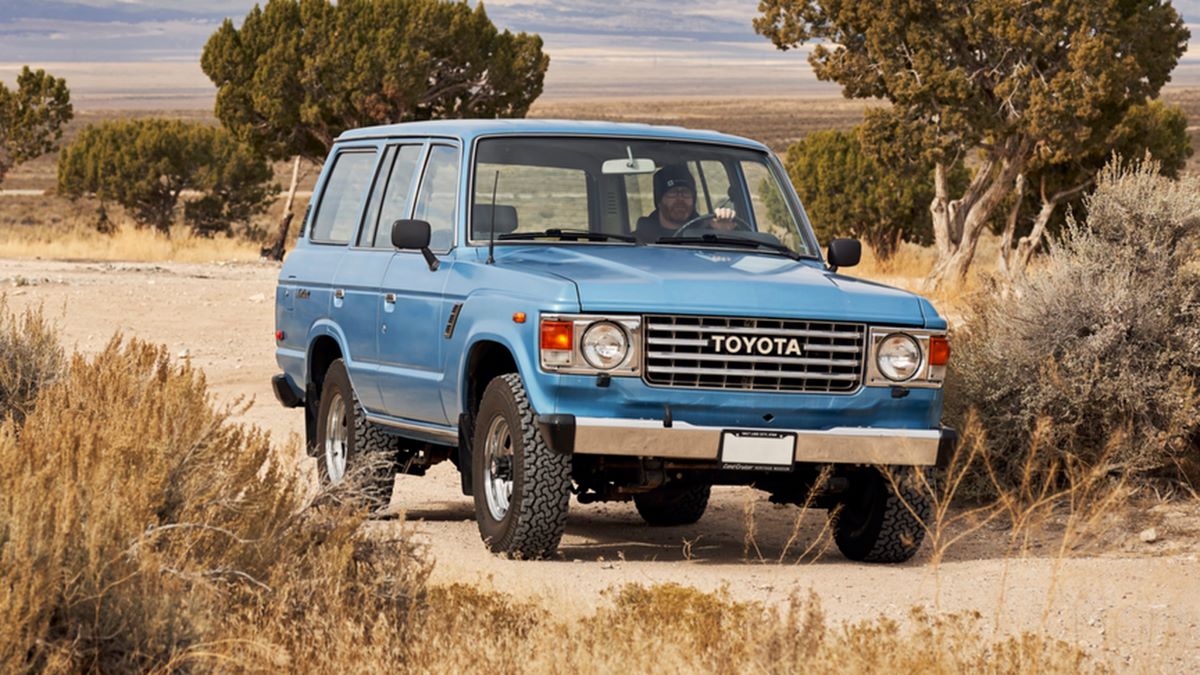
Its i-Force Max turbocharged four-cylinder hybrid powertrain produces serious torque, ideal for towing and tackling rough terrain.
The Land Cruiser’s nameplate has always stood for resilience, and this latest version continues that legacy. It’s the kind of SUV that can handle desert heat, deep snow, or a cross-country family road trip without breaking a sweat.
SUVs to Avoid
Not every SUV on the market lives up to the hype. While many promise power, comfort, and reliability, some fall short in key areas like performance, safety, or long-term dependability.
From models plagued by mechanical issues to those that simply don’t deliver the value you’d expect for the price, these SUVs are best left off your shopping list. Before you make your next big purchase, take a closer look at the SUVs to avoid.
1. Ford Explorer (2020–2022)
While the Ford Explorer name carries nostalgia, recent model years have struggled with reliability and build quality. Owners have reported issues ranging from transmission failures to electronic glitches and interior rattles.
Despite its strong engine options and impressive design, the Explorer’s dependability just hasn’t kept pace with competitors.
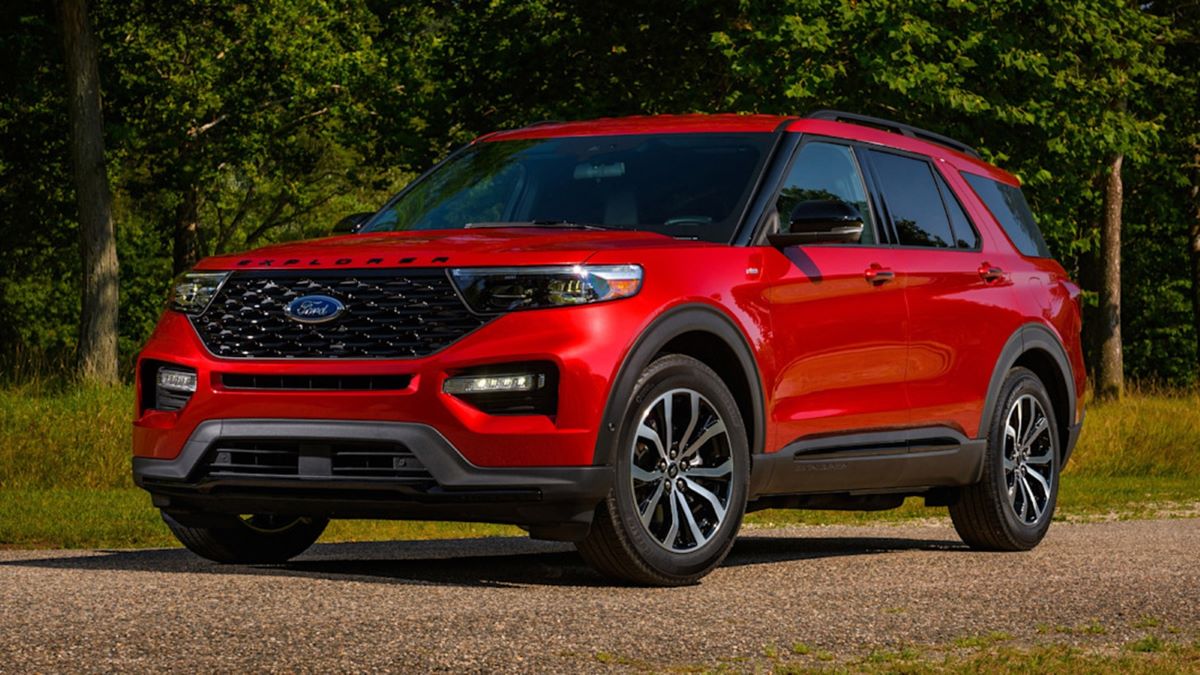
The 10-speed automatic transmission, in particular, has been a pain point, often leading to jerky shifts or unexpected malfunctions. If you’re looking for a midsize SUV that won’t surprise you with service bills, this one’s best to skip.
Also Read: Top 9 Durable Sports Cars That Outlast Their Rivals
2. Chevrolet Traverse (2018–2021)
The Chevrolet Traverse promises space and comfort but delivers inconsistency under the hood. While newer models have improved, earlier versions of this generation suffered from transmission troubles and electrical faults.
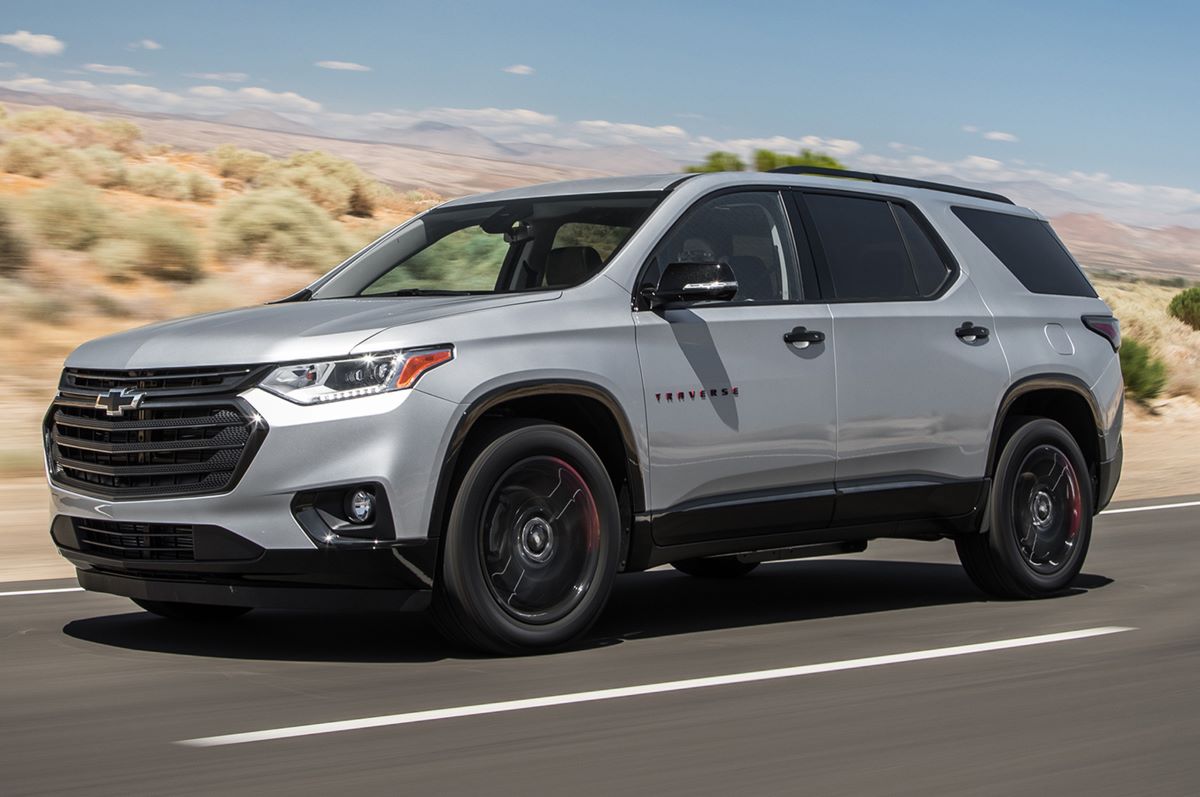
It’s a great highway cruiser when it’s working properly, but long-term reliability has been spotty. Many owners have also criticized the quality of interior materials compared to the price tag.
Given how many reliable alternatives exist in this segment, the Traverse feels like an SUV that could let you down when you need it most.
Chevrolet gave its large Traverse crossover SUV a full redesign just last year, and the results were impressive. The new model shed 400 pounds, gained 3 extra inches of legroom in the second row, and now offers even more third-row legroom than competitors like the Honda Pilot and Toyota Highlander.
These updates helped the Traverse secure its position as one of the most spacious three-row crossovers on the market. If you need more interior room than this, your only real options are to move up to a minivan or a full-size SUV such as Chevrolet’s own Suburban.
For 2019, the Traverse continues to build on that winning formula. Although it carries over the same V6 engine from the previous generation, output has been increased by 29 horsepower for a total of 310 hp.
This engine is paired with a smooth nine-speed automatic transmission, a combination that delivers up to 21 mpg combined (18 city/27 highway).
For buyers seeking something a bit different, there’s also a turbocharged four-cylinder engine available, though it’s exclusive to the sporty RS trim. When it comes to safety, the Traverse offers a solid range of features, though it falls slightly short of some competitors.
One of the Traverse’s greatest strengths is its broad range of trim levels, catering to a wide variety of buyers.
While the Traverse doesn’t quite match the driving engagement of those competitors, its acceleration feels a bit underwhelming and its handling can be somewhat loose, it more than makes up for it with a smooth, comfortable ride and an unbeatable amount of space for passengers and cargo.
For families seeking comfort, convenience, and plenty of room to stretch out, the 2019 Chevrolet Traverse remains one of the best choices in the segment.
3. Jeep Compass
Jeep’s reputation for off-road capability doesn’t extend evenly across its lineup, and the Compass is a prime example. While its rugged looks and Trailhawk trim suggest adventure, the Compass’s underpowered engine and finicky transmission tell a different story.
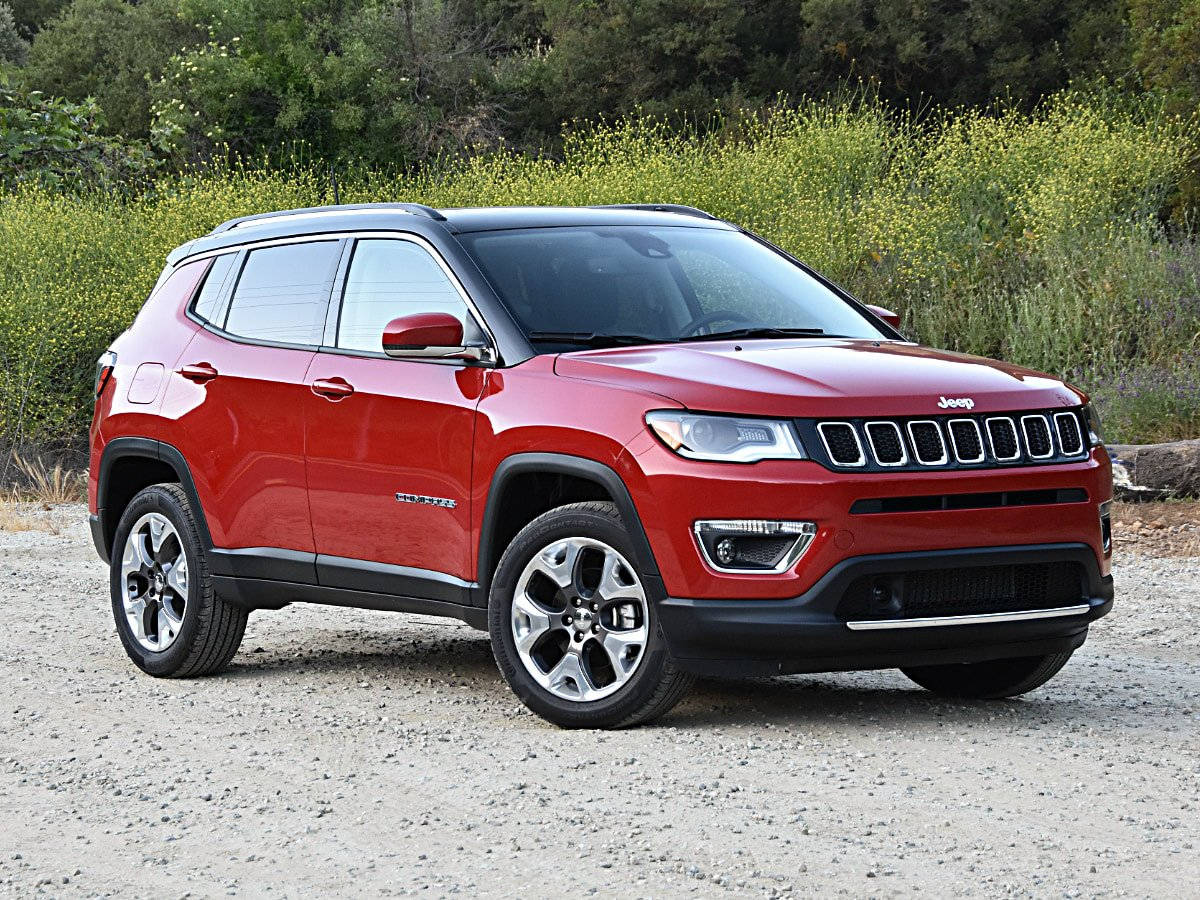
Reliability ratings from multiple outlets, including Consumer Reports and J.D. Power, consistently rank it below average. Owners have cited issues with electronics, sluggish acceleration, and even drivetrain malfunctions.
It’s fine for urban commuting, but if life throws you curveballs like snow, mud, or long road trips you’ll wish you’d picked something else.
The first-generation Jeep Compass was a small SUV that failed to impress. While its affordable price tag drew attention, it lagged behind competitors in nearly every other area, including refinement, fuel efficiency, and safety.
Fortunately, Jeep made major improvements with the launch of the second-generation Compass in 2017, transforming it into a far more competitive option.
The 2019 model carries over from that redesign with no significant updates, continuing to build on the stronger foundation established by its predecessor.
In terms of size, the 2019 Jeep Compass sits comfortably between the brand’s smaller Renegade, whose platform it shares, and the larger, more expensive Cherokee.
This puts it right in the heart of the compact SUV segment, one of the most crowded and competitive categories in the market.
The Compass offers tidy handling, solid everyday practicality, and respectable fuel economy, but those are qualities shared by many of its rivals as well, making it difficult for the Compass to stand out on those attributes alone.
Where Jeep manages to differentiate the Compass is with the Trailhawk trim, the most off-road-capable version in the lineup.
The Trailhawk serves as both a capable trail-ready SUV and a showcase for Jeep’s rugged heritage, offering features that make it uniquely suited for rough terrain.
It not only bolsters Jeep’s off-road reputation but also gives the Compass lineup an identity that most compact crossovers can’t match.
Overall, the Compass is an appealing option in its class. Even if you don’t opt for the Trailhawk, this compact SUV provides a surprisingly roomy rear seat that can comfortably accommodate adult passengers, along with an intuitive infotainment system that’s easy to operate.
Its design also deserves praise, as the Compass borrows styling cues from the larger and more premium Jeep Grand Cherokee, giving it an upscale look.
However, performance remains a weak point, the Compass’ single available engine delivers adequate power for daily driving but lacks the punch and responsiveness found in some of its competitors.
4. Nissan Pathfinder (2013–2020)
The Nissan Pathfinder name once stood for durability and off-road prowess, but the CVT (continuously variable transmission) era models seriously hurt its reputation.
These Pathfinders are plagued by transmission issues that can lead to slipping, jerking, or total failure often well before 100,000 miles.
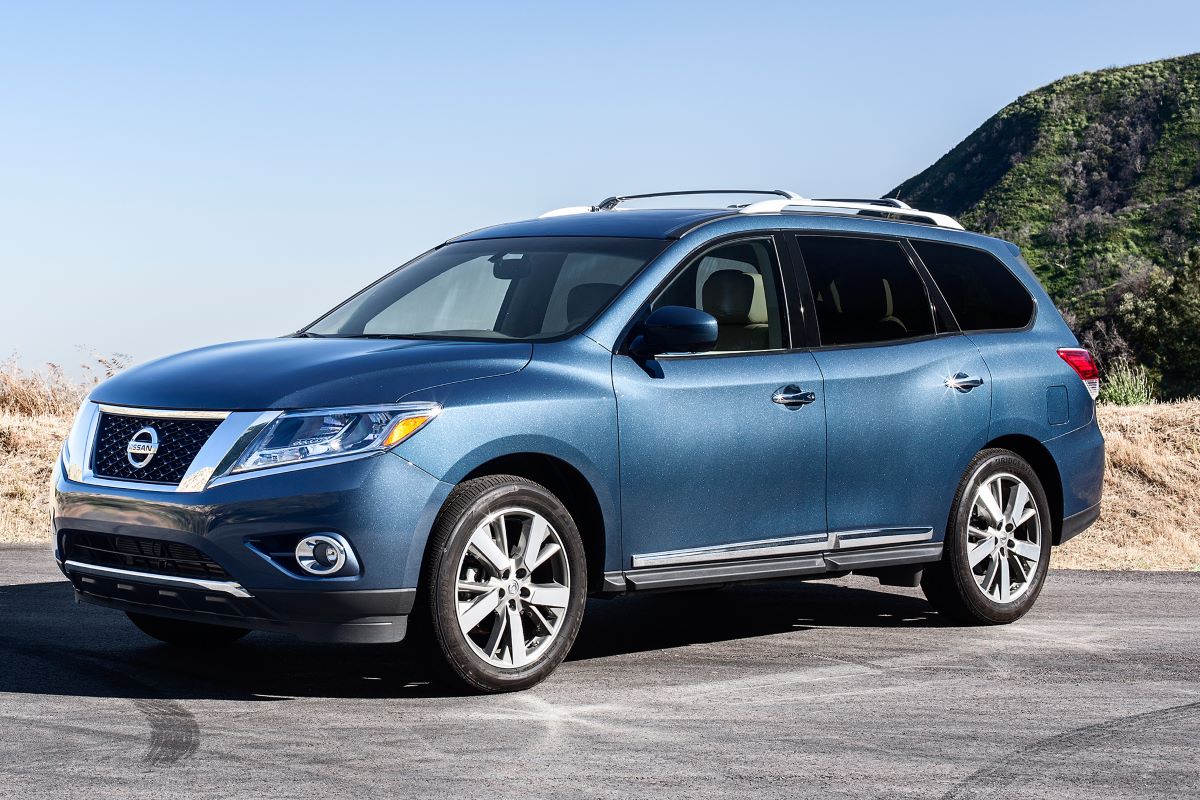
While later models have improved, those years are a cautionary tale for anyone buying used. The Pathfinder’s soft suspension and lack of mechanical 4WD system further diminished its adventurous spirit.
Unless you’re considering the latest redesign, older Pathfinders are better left in the rearview mirror.
The 2016 Nissan Pathfinder remains a capable, though aging, choice among midsize three-row SUVs. When it transitioned from its truck-based platform to a unibody design in 2013, it embraced a more refined and family-oriented identity.
This shift resulted in a smoother, more comfortable ride, complemented by a well-appointed interior and a strong V6 engine that delivered reliable performance.
However, while the Pathfinder was once a standout for its comfort and utility, the segment has evolved significantly, and newer competitors now surpass it in several key areas.
Equipped with an available all-wheel-drive system, the 2016 Pathfinder is prepared for all-weather conditions, offering confident traction in rain, snow, and on dirt roads.
Inside, the SUV maintains solid build quality with materials and craftsmanship that meet or exceed class standards. The cabin is filled with useful features, but some are frustratingly locked behind expensive packages.
The upcoming 2017 Mazda CX-9 also promises to raise the bar with style and sophistication, while the Dodge Durango remains a solid option with its spacious third row and available V8 power.
Although the 2016 Nissan Pathfinder still delivers a comfortable ride and a dependable V6 engine, it simply struggles to keep pace with today’s best midsize SUVs.
Under the hood, every 2016 Pathfinder is powered by a 3.5-liter V6 engine that produces 260 horsepower and 240 lb-ft of torque. It’s paired with a continuously variable transmission (CVT) and comes with either front-wheel drive or available all-wheel drive across all trims.
The AWD system features hill-descent control and a locking center differential that maintains a 50/50 power split between the front and rear wheels, enhancing traction on slippery or uneven terrain.
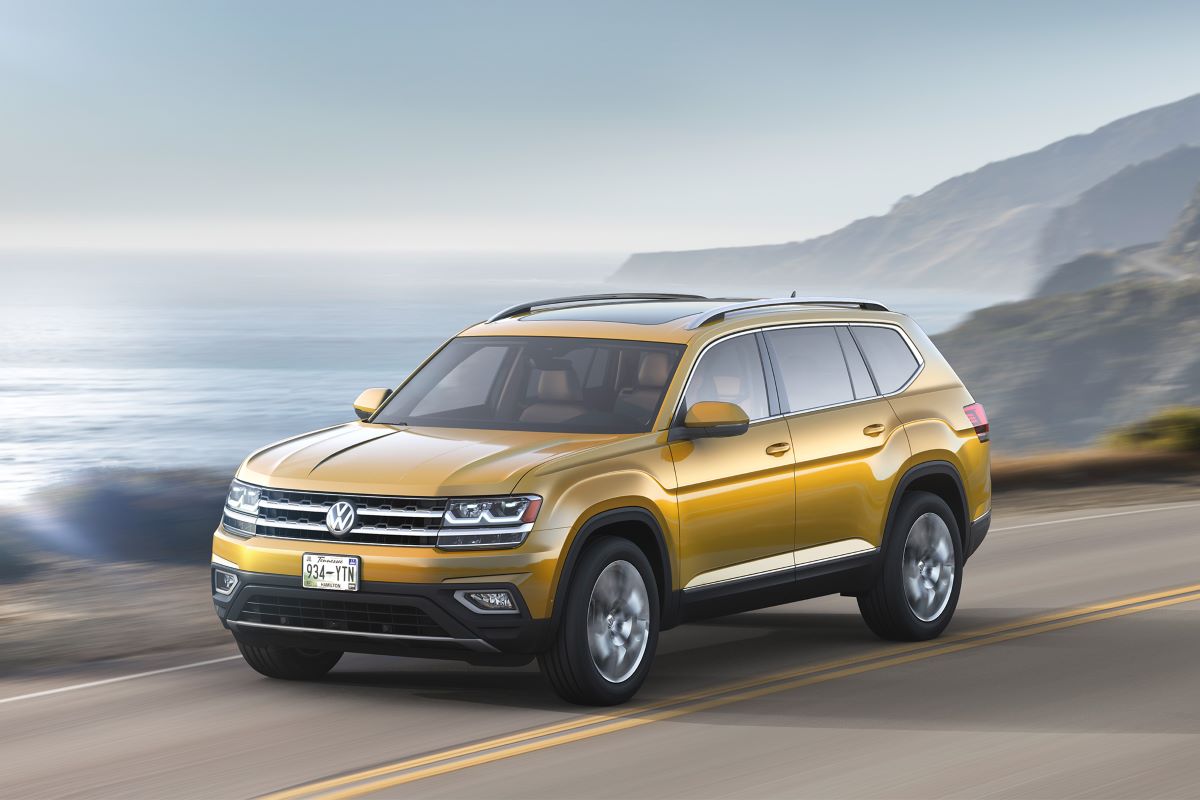
5. Volkswagen Atlas
The Volkswagen Atlas arrived with fanfare as VW’s answer to the family SUV market. Unfortunately, it quickly earned a mixed reputation. While it’s spacious and comfortable, reliability issues have haunted it from the start.
Owners report frequent electrical malfunctions, faulty sensors, and software bugs. The Atlas’s V6 also isn’t known for stellar fuel economy or refinement.
Combined with high repair costs and depreciation, it’s hard to justify compared to more trustworthy options from Honda, Toyota, or Mazda. It might look the part of a family-friendly adventure SUV, but the ownership experience often tells another story.
When life throws unexpected challenges your way whether that’s a rough commute, bad weather, or a spontaneous trip to the mountains the right SUV can be your lifeline.
Vehicles like the Toyota 4Runner and Subaru Outback prove that durability, capability, and comfort can coexist beautifully. On the flip side, SUVs like the Ford Explorer or Jeep Compass remind us that style and size don’t always equal reliability.
In an era where SUVs dominate American roads, it pays to do your research. A great one will be a loyal companion for years; the wrong one could become a financial headache. Choose wisely, and your SUV will handle whatever life has in store without missing a beat.
