
The automotive world often faces a delicate balance between nostalgia and modern innovation.
Some vehicles manage to honor traditional design cues and driving experiences while incorporating current technology, creating a blend that appeals to both enthusiasts and everyday drivers.
These cars combine the charm of analog simplicity with the convenience, safety, and performance benefits of modern engineering, resulting in vehicles that feel timeless yet relevant.
Successfully merging old-school charm with contemporary technology requires thoughtful design. Drivers want vehicles that retain tactile controls, mechanical engagement, and classic styling without sacrificing features such as advanced safety systems, infotainment, and fuel efficiency.
When done correctly, this blend provides the best of both worlds: the excitement and personality of a classic car with the reliability and convenience of a modern machine.
Conversely, many cars fail to achieve this balance. Some incorporate advanced technology in ways that overshadow or conflict with traditional driving appeal.
Overly complex electronics, intrusive touchscreens, or heavy reliance on automated systems can diminish engagement and reduce the sense of driver involvement.
Similarly, styling that attempts to mimic classic models but feels forced or disproportionate can make a vehicle seem unauthentic, alienating enthusiasts who value heritage.
This article examines ten cars that illustrate these contrasts. The first five models demonstrate a successful fusion of traditional charm and modern technology, highlighting vehicles that respect their heritage while providing contemporary functionality.
The second set of five focuses on cars that struggle with this balance, showcasing instances where technology undermines character or where design compromises authenticity.
Each vehicle is analyzed for its design, driving experience, and technological integration to illustrate how some cars achieve a lasting appeal while others fail to resonate.
Also Read: 5 SUVs That Can Handle Anything Life Throws at Them vs 5 To Avoid
5 Cars That Blend Old-School Charm & Tech
Some vehicles successfully merge classic design elements and driving experiences with modern technology, creating a driving experience that feels both nostalgic and contemporary.
These cars retain tactile controls, driver-focused layouts, and timeless styling cues while incorporating modern conveniences such as infotainment, safety systems, and performance enhancements.
The result is a vehicle that appeals to enthusiasts who appreciate heritage as well as drivers who seek comfort, reliability, and functionality.
A key factor in achieving this blend is design integrity. Cars that honor traditional aesthetics maintain recognizable lines, proportions, and details that evoke an era of craftsmanship without appearing outdated.
This might include analog dials, straightforward layouts, or a body shape that reflects classic styling. Modern technology is carefully integrated to complement these features rather than dominate or confuse the user.
Performance also plays an important role. Vehicles that retain a mechanical connection to the driver responsive steering, engaging gearboxes, and balanced chassis allow drivers to experience the joy of traditional driving.
Modern engines, suspension tuning, and electronic aids enhance this experience without eliminating the sense of control or feedback that defines older models.
Interior ergonomics and materials contribute as well. Classic charm is often supported by quality finishes, clear control placement, and a focus on driver usability.
Digital enhancements, safety features, and connectivity are added in a way that feels natural and intuitive, preserving the tactile, engaging experience that enthusiasts value.
The following five vehicles exemplify this balance, demonstrating that it is possible to retain old-school appeal while benefiting from contemporary engineering.
Each model illustrates how thoughtful integration of design, performance, and technology can create cars that respect their heritage yet remain practical and enjoyable for today’s drivers. These examples highlight why some modern classics continue to resonate with drivers across generations.
1. Mazda MX-5 Miata
The Mazda MX-5 Miata exemplifies a car that balances classic driving enjoyment with modern technology. From its inception, the Miata has been celebrated for lightweight construction, precise steering, and a responsive chassis that offers an engaging, analog driving experience.
Its design remains simple and elegant, reflecting the ethos of classic roadsters without unnecessary ornamentation.
Modern iterations of the MX-5 incorporate contemporary technology while preserving traditional charm. Features such as infotainment touchscreens, adaptive stability control, and advanced safety systems enhance usability and safety without detracting from the tactile experience.
Unlike many modern sports cars, these technologies are designed to assist the driver rather than dominate the driving experience, allowing the Miata to remain focused on fun and engagement.
The interior maintains a driver-centric layout with intuitive controls and analog-style gauges that emphasize simplicity. Materials are high-quality yet understated, complementing the car’s performance-oriented design.
The seating position, manual gearbox option, and light steering response ensure that drivers feel connected to the road, which is a core aspect of the Miata’s appeal.
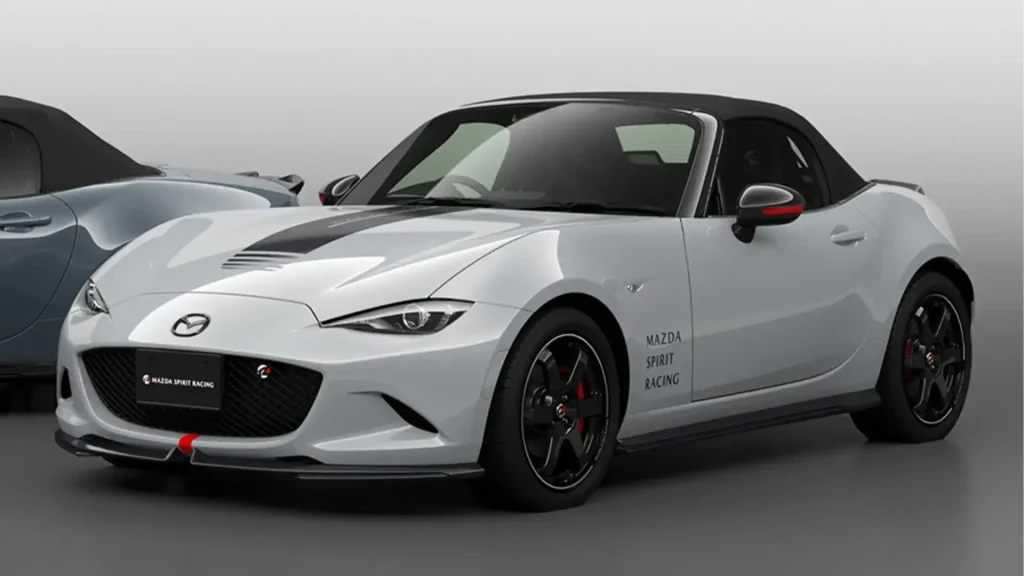
Performance tuning balances reliability and excitement. Modern engines deliver efficient power while preserving responsive throttle feedback and a lively exhaust note. Suspension updates improve ride quality and cornering without compromising the car’s nimbleness or driver feedback.
The MX-5 Miata demonstrates that it is possible to integrate technology thoughtfully into a sports car without sacrificing heritage or engagement.
Its combination of lightweight design, driver-focused engineering, and practical modern features makes it a model example of a vehicle that successfully blends old-school charm with contemporary technology, remaining relevant and enjoyable for both enthusiasts and everyday drivers.
2. Ford Bronco (New Generation)
The new-generation Ford Bronco blends rugged, retro styling with modern performance and technology. Its exterior design pays homage to classic Broncos, featuring squared fenders, a boxy silhouette, and round headlights, which evoke the off-road vehicles of the past.
At the same time, the Bronco incorporates contemporary materials, aerodynamic improvements, and advanced engineering for modern reliability.
Inside, the Bronco balances old-school ruggedness with modern usability. Physical switches, knobs, and easy-to-reach controls preserve the tactile experience while ensuring intuitive operation.
At the same time, the vehicle includes an infotainment touchscreen, smartphone integration, and driver-assistance systems that improve safety and convenience without overwhelming the driving experience.
Performance is another area where old-school charm meets technology. The Bronco offers multiple engine options, advanced 4×4 systems, and selectable terrain modes, providing off-road capability that enhances traditional adventure-oriented driving.
Suspension tuning ensures that it handles rough terrain confidently while maintaining a comfortable ride on paved roads.
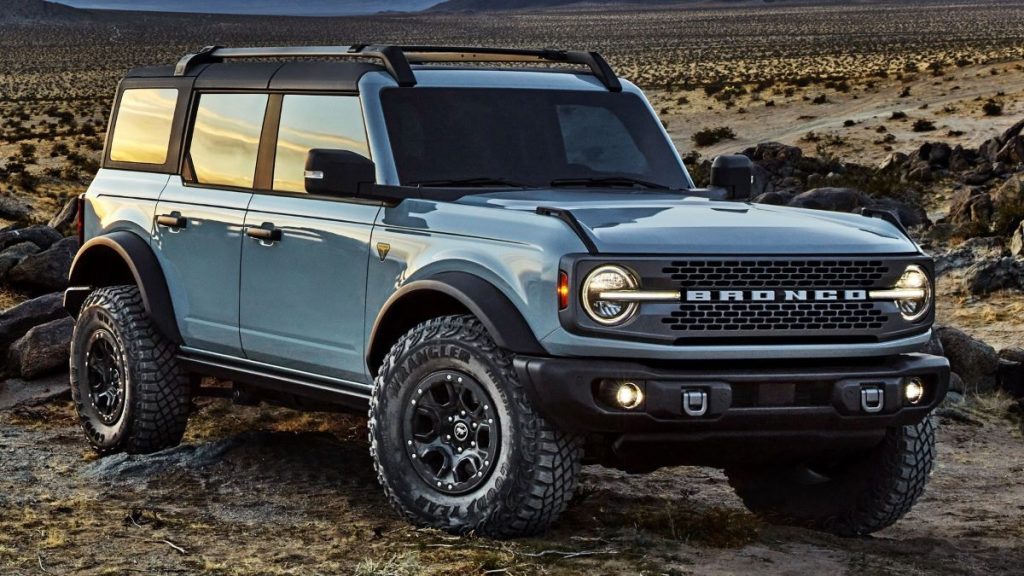
The new Bronco demonstrates how heritage-inspired design can coexist with modern innovation.
Its thoughtful integration of analog and digital elements ensures that the vehicle feels authentic while offering practicality, reliability, and performance that meet contemporary expectations. Drivers enjoy both the nostalgia of classic styling and the benefits of modern engineering.
3. MINI Cooper (Modern Generation)
The modern MINI Cooper successfully merges the classic charm of the original Mini with contemporary technology and performance.
Its design retains the iconic compact silhouette, rounded headlights, and distinct grille, preserving the playful and recognizable character that made the original Mini a cultural icon.
The body proportions and styling cues honor heritage without feeling dated, ensuring the car remains appealing to both new and nostalgic drivers.
Inside, the MINI Cooper blends tactile controls with modern convenience. Physical switches, circular dials, and driver-focused layouts preserve the hands-on experience, while contemporary features like a touchscreen infotainment system, navigation, and advanced safety systems provide modern usability.
This thoughtful integration ensures that technology complements the experience rather than overwhelming it.
Performance tuning maintains the go-kart-like driving dynamics that defined the original Mini. Responsive steering, nimble handling, and available manual transmissions preserve driver engagement.
Modern engines deliver better fuel efficiency and performance without compromising the car’s personality or responsiveness.
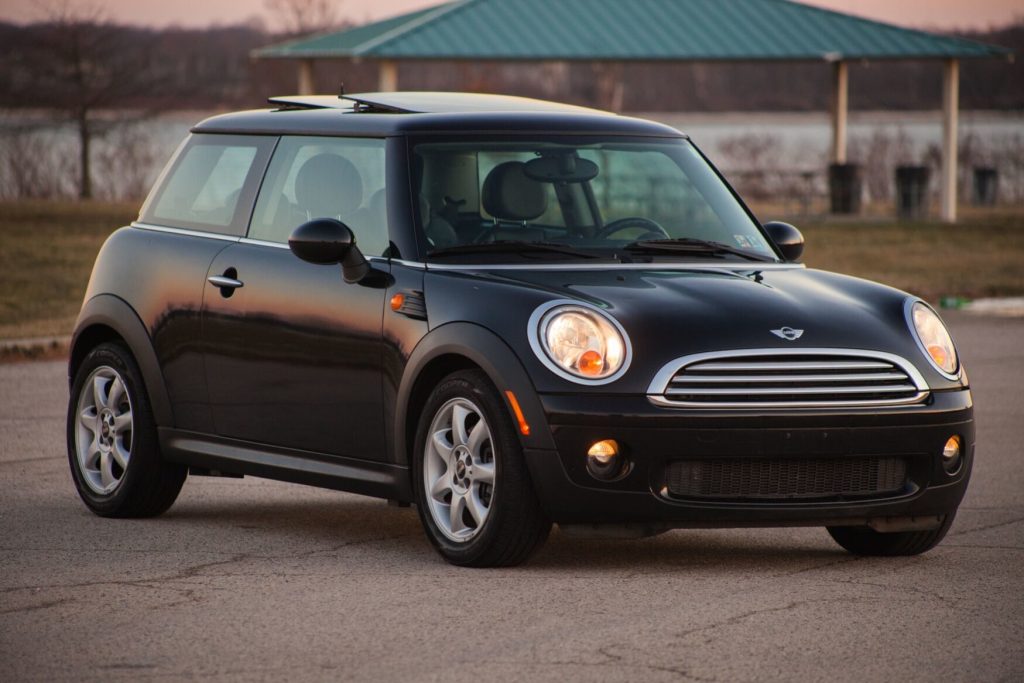
The MINI’s interior materials and ergonomics further reinforce its charm. Premium finishes, supportive seating, and intuitive control placement create an enjoyable environment, balancing retro-inspired aesthetics with modern comfort and convenience.
By combining classic styling, engaging driving dynamics, and carefully integrated technology, the modern MINI Cooper demonstrates how heritage can coexist with contemporary functionality.
Its enduring appeal shows that nostalgia and modern practicality can coexist without compromise.
4. Toyota Land Cruiser 70 Series
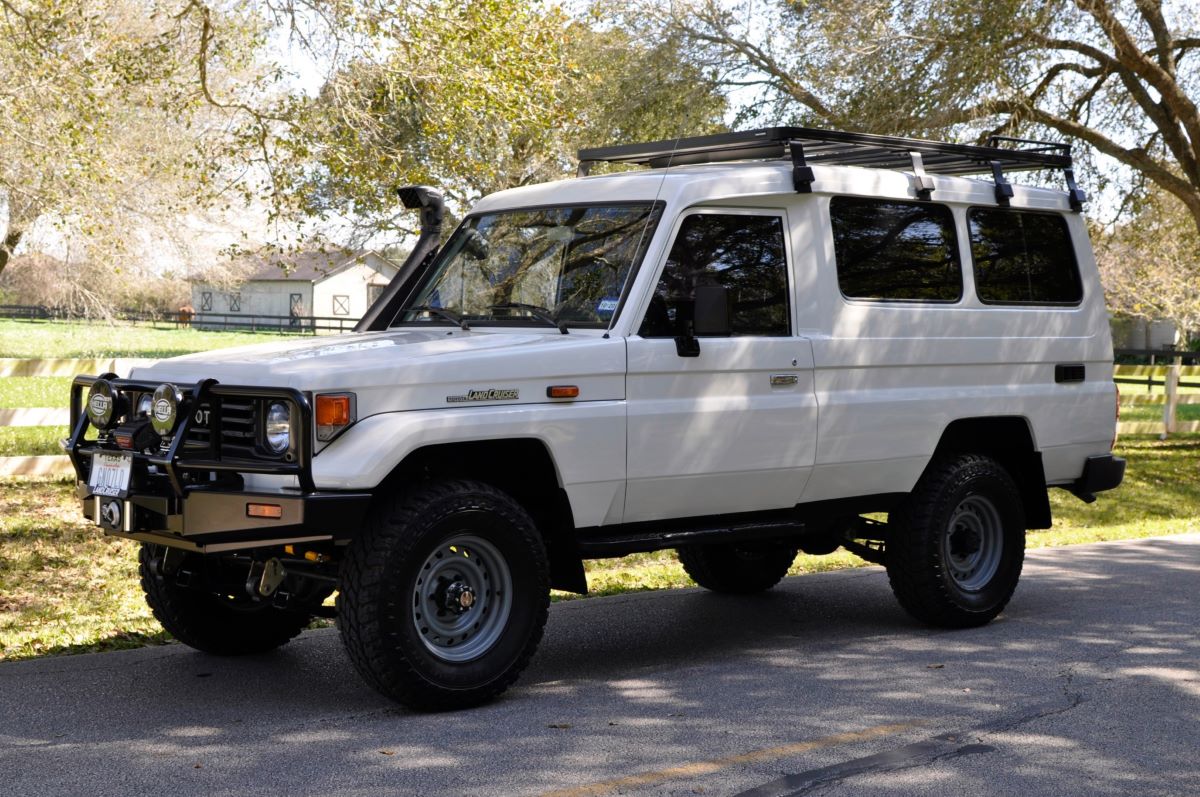
The Toyota Land Cruiser 70 Series continues to embody rugged, old-school off-road capability while incorporating modern technology where needed. Its boxy, utilitarian styling remains virtually unchanged, preserving the classic appearance that enthusiasts admire.
Simplicity in design ensures durability and practicality, reinforcing the vehicle’s reputation for reliability.
Modern updates enhance usability and safety without compromising the vehicle’s traditional charm. Features such as improved braking systems, modern engine options, and basic infotainment or navigation integration allow the Land Cruiser to meet contemporary expectations while maintaining a straightforward, driver-focused interface.
Performance remains true to the Land Cruiser’s roots. The vehicle’s off-road capability, robust chassis, and mechanical simplicity ensure reliability in challenging conditions. Mechanical engagement, four-wheel-drive systems, and solid suspension design maintain the tactile, hands-on driving experience that defines its charm.
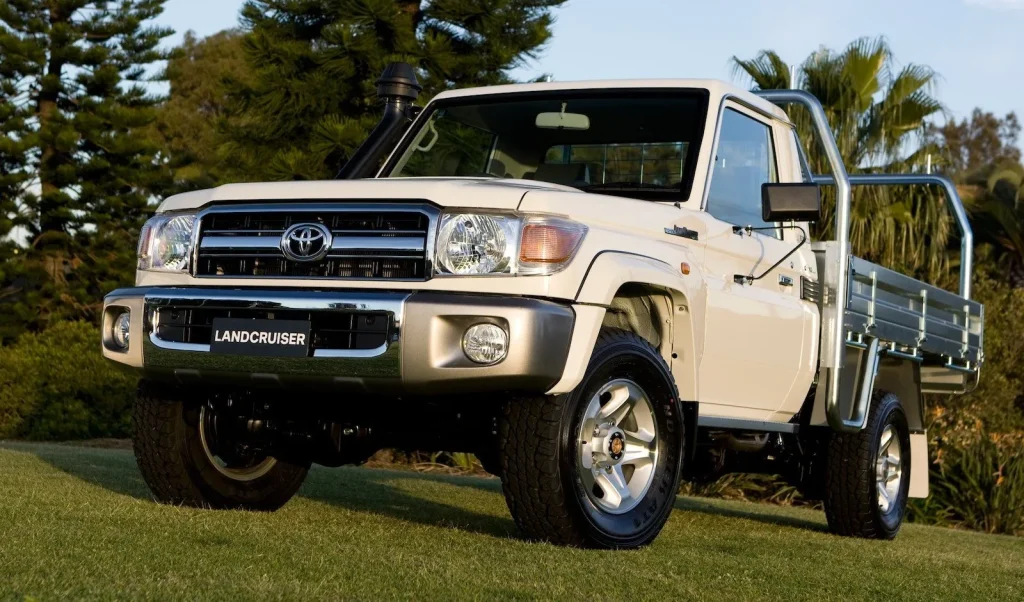
The interior retains a simple, functional layout with durable materials designed for longevity. Controls are logically arranged, emphasizing practicality and ease of use. This approach allows drivers to enjoy the vehicle’s capabilities without being distracted by complex systems or excessive electronics.
The 70 Series demonstrates that preserving classic design and mechanical integrity while selectively incorporating modern technology can create a vehicle that remains relevant and desirable.
Its combination of traditional ruggedness and thoughtful modernization keeps the Land Cruiser respected by enthusiasts and functional for modern drivers.
5. Jeep Wrangler (JL Generation)
The Jeep Wrangler JL generation successfully blends the classic off-road heritage with contemporary technology. Its iconic boxy shape, round headlights, and seven-slot grille maintain the instantly recognizable Jeep identity. Removable doors and roof panels continue to provide the tactile, engaging experience associated with the brand.
Inside, the Wrangler integrates technology without compromising the old-school feel. Physical knobs, switches, and a simple layout preserve the tactile control drivers expect, while an infotainment touchscreen, smartphone integration, and driver-assistance features enhance comfort and convenience. This balance ensures technology serves the driver without overwhelming the experience.
Performance is rooted in traditional off-road capability. Solid axles, four-wheel-drive systems, and a responsive suspension maintain hands-on driving enjoyment, while modern engines improve fuel efficiency and reliability. The Wrangler’s drivability combines heritage off-road performance with the practicality required for daily use.
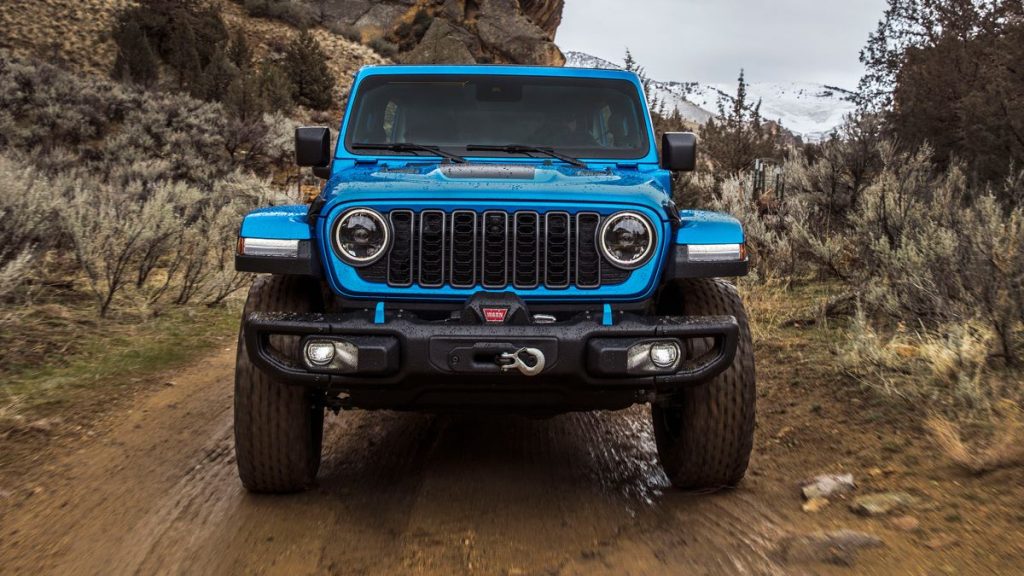
The interior design and materials reinforce durability and functionality. Seats are supportive, controls are logically placed, and the cabin can endure rough usage. Modern conveniences are incorporated in a way that does not detract from the authentic, adventure-oriented character.
The Jeep Wrangler demonstrates that vehicles can remain true to their heritage while adopting modern technology strategically. Its blend of classic style, off-road capability, and thoughtful technological integration ensures that it continues to appeal to enthusiasts and contemporary drivers alike.
5 Cars That Don’t Blend Old-School Charm & Tech
While some vehicles successfully combine classic charm with modern technology, others struggle to achieve this balance.
Cars in this category often fail to respect their heritage, either by introducing excessive technology that overwhelms the driving experience or by attempting retro styling in a way that feels forced or inauthentic. The result is a vehicle that lacks cohesion and fails to appeal to enthusiasts or everyday drivers.
One common issue is overcomplicated technology. Touchscreens, automated systems, and digital controls can dominate the interior, leaving little room for tactile engagement or driver-focused layouts.
When these systems interfere with basic vehicle operation or disrupt the connection between driver and machine, they undermine the classic qualities that enthusiasts value.
Another factor is styling that attempts to mimic classic models but misses the mark. Proportions may be off, design cues may feel exaggerated, or retro-inspired elements may clash with modern body lines.
These vehicles often appear awkward, reducing the authenticity and charm that their heritage is supposed to convey.
Performance can also contribute to the failure. Vehicles that adopt a retro look but lack engaging driving dynamics, mechanical simplicity, or responsive handling fail to capture the essence of classic cars. Instead of creating a balanced blend of past and present, these cars feel compromised, neither truly modern nor convincingly retro.
This article examines five vehicles that illustrate these shortcomings. Each model struggles to balance traditional charm with modern technology, highlighting common pitfalls in design, performance, and usability.
By analyzing these cars, it becomes clear why some vehicles fail to maintain the appeal of their heritage while attempting to offer contemporary conveniences.
These examples serve as lessons in how difficult it can be to merge old-school character with new-school functionality, showing that not every modernized retro-inspired vehicle succeeds.
1. Nissan Juke (First Generation)
The first-generation Nissan Juke attempted to combine quirky, retro-inspired styling with modern technology, but it struggled to achieve a cohesive result.
Its exterior featured unconventional proportions, bulging headlights, and an awkward stance that aimed for boldness but often felt unattractive or disproportionate. The design polarized opinions, with many drivers finding it visually jarring rather than charming.
Inside, the cabin attempted to merge modern features with the quirky exterior, but execution fell short. The layout was unconventional, controls were scattered, and the abundance of buttons and switches created a cluttered, confusing interface.
Infotainment systems and digital features were present but often felt tacked on rather than integrated, failing to complement the vehicle’s personality.
Performance further hindered its appeal. While the Juke offered turbocharged engines and all-wheel-drive options, its handling and ride quality were compromised by the tall, narrow stance and over-stiff suspension.
The driving experience lacked the mechanical engagement or intuitive feedback that enthusiasts expect from vehicles with character, leaving it feeling unbalanced.
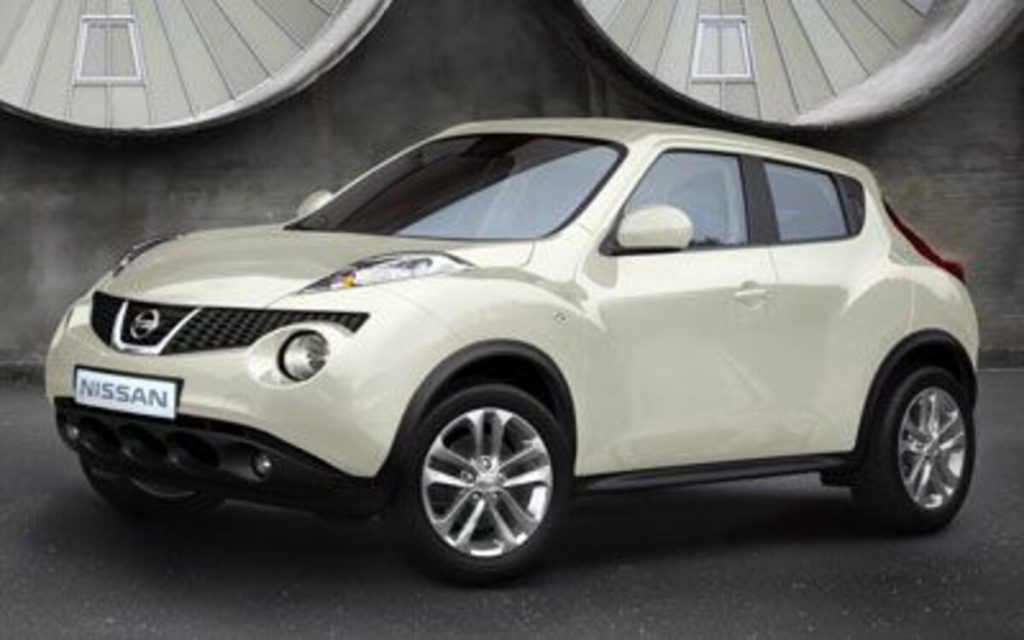
Overall, the first-generation Nissan Juke illustrates how attempting to mix retro-inspired charm with modern technology can fail when design, ergonomics, and driving dynamics are not harmonized.
Its quirky styling, cluttered interior, and compromised performance prevent it from achieving a satisfying blend, highlighting the challenges of creating a vehicle that respects heritage while embracing innovation.
2. Fiat 500 (Modern Generation)
The modern Fiat 500 sought to evoke the classic 1950s model while offering contemporary technology, but the result often feels more cosmetic than authentic. The exterior styling uses retro cues like rounded headlights and compact dimensions, yet proportions are altered in ways that can feel forced or cartoonish rather than genuinely nostalgic.
Inside, the 500 incorporates touchscreen infotainment, digital displays, and modern convenience features, but the integration is sometimes awkward. Controls are small, dashboards feel cramped, and tactile engagement is limited.
The balance between retro charm and digital functionality often tilts toward technology, leaving the classic appeal underwhelming.
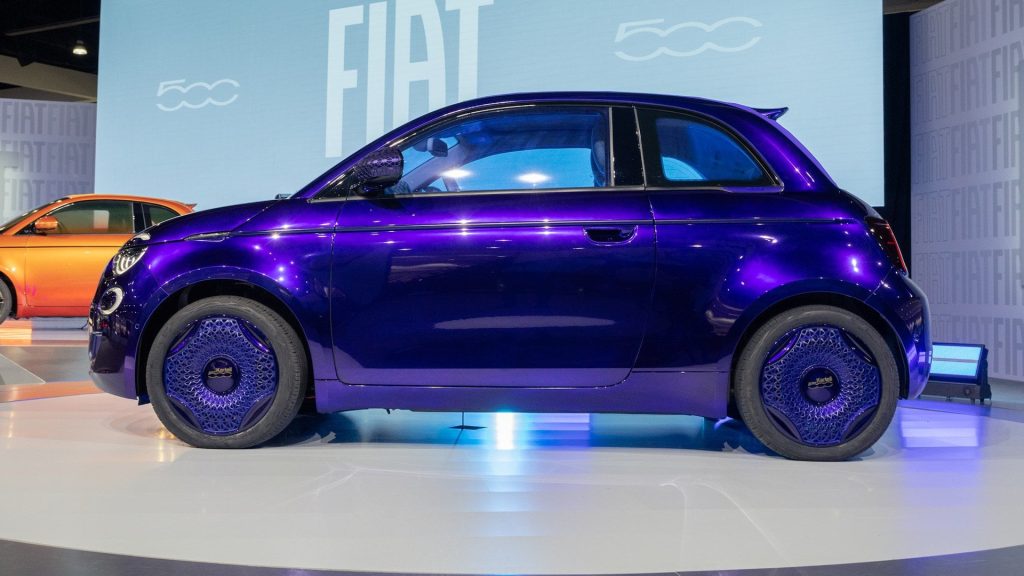
Performance also limits the experience. The small engines and soft suspension provide adequate comfort but lack driving engagement. Steering is light, and the car does not offer the mechanical feedback or lively handling that gives classic vehicles enduring character.
The modern Fiat 500 demonstrates how difficult it can be to capture old-school charm while adding contemporary features.
Its attempt at nostalgia is overshadowed by disproportionate styling, cramped interiors, and underwhelming driving dynamics, making it a vehicle that struggles to blend heritage and technology successfully.
3. Chevrolet HHR
The Chevrolet HHR was designed to evoke a retro 1940s panel van look while offering modern conveniences, but its execution fell short.
Its exterior styling, featuring tall rooflines, squared fenders, and pronounced wheel arches, attempted nostalgia, yet proportions often appeared awkward and ungainly. The retro aesthetic feels more forced than authentic, giving the car a contrived personality rather than a timeless charm.
Inside, the HHR incorporates technology such as infotainment systems, modern climate controls, and convenience features, but the integration is inconsistent. The cabin layout feels cramped, with buttons and knobs arranged in ways that disrupt intuitive use.
Modern technology does not enhance the classic experience, leaving the interior disconnected from the vehicle’s intended retro appeal.
Performance also hampers its effectiveness as a blend of old and new. The HHR’s engines are adequate for city driving, but handling is soft, steering is numb, and the ride lacks engagement. The vehicle’s tall, heavy structure makes it less responsive, failing to deliver a driving experience that complements its nostalgic exterior.
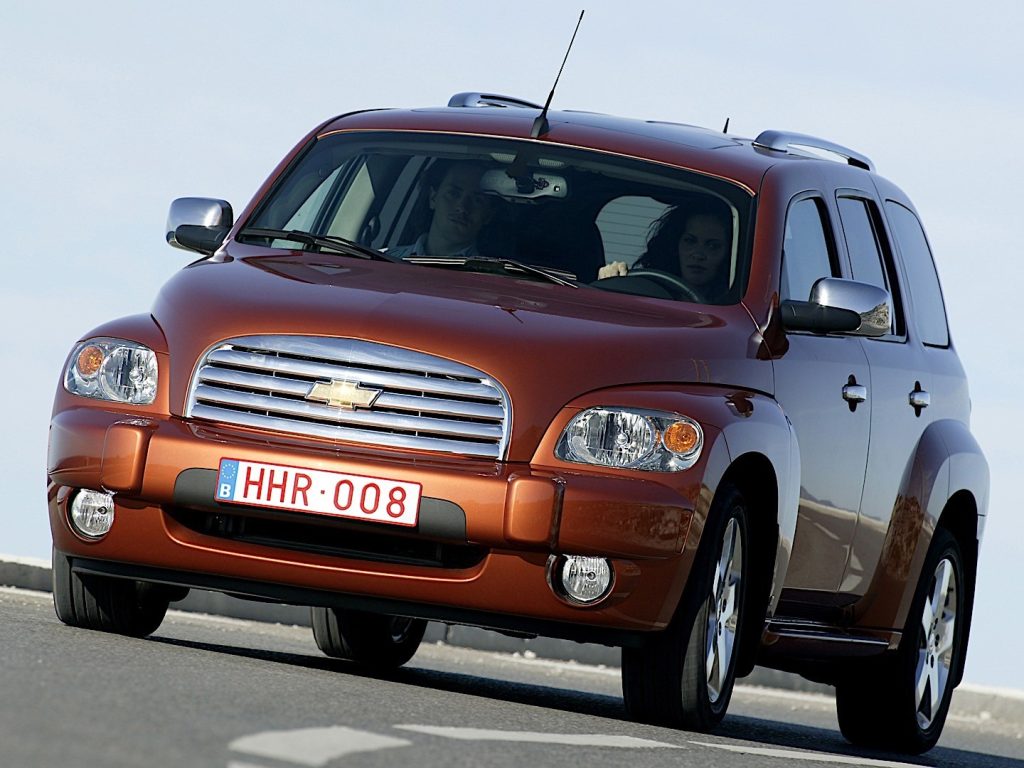
The Chevrolet HHR illustrates the challenges of merging retro styling with modern technology.
Its disproportionate exterior, cluttered interior, and unengaging performance prevent it from successfully honoring the past while offering contemporary convenience, demonstrating that aesthetic cues alone cannot create a compelling blend.
4. Mini Paceman
The Mini Paceman aimed to combine the classic Mini charm with SUV practicality and modern features, but the balance was largely unsuccessful.
Its coupe-like crossover design altered the proportions of the original Mini, creating an awkward stance that lacks the playful, compact character of its inspiration. The overall shape feels forced rather than naturally retro, diluting the Mini identity.
The interior features modern infotainment, touchscreen interfaces, and digital controls, but the integration feels crowded and inconsistent.
Physical switches are minimized, limiting tactile engagement. The cabin lacks cohesion between heritage-inspired design elements and contemporary technology, leaving the driver experience disjointed.
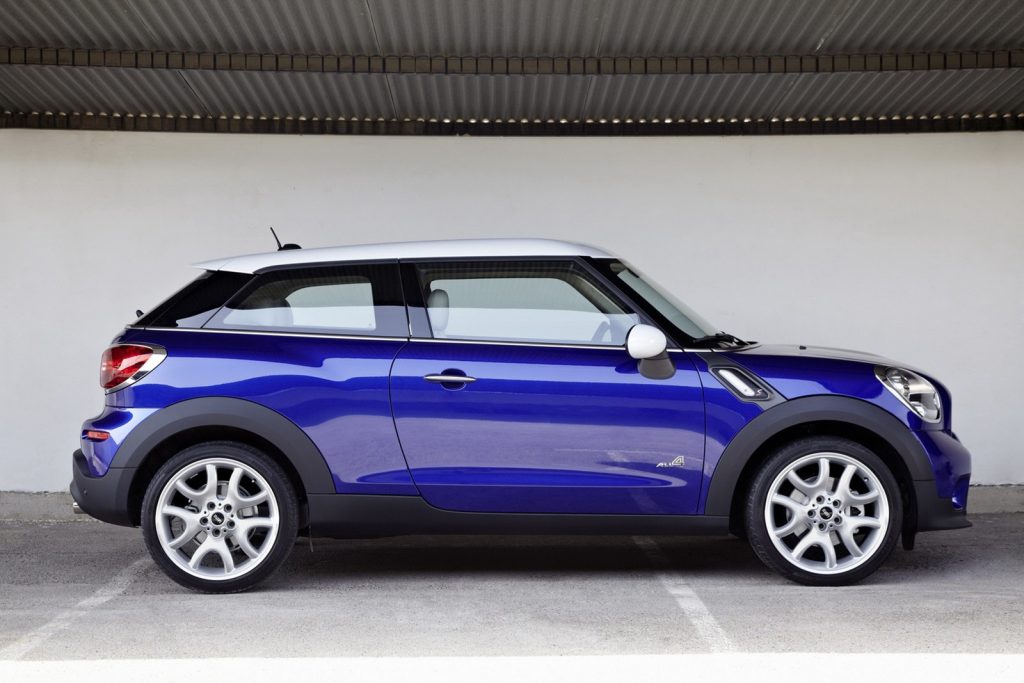
Performance also undermines the old-school feel. While engines are capable, the vehicle’s handling is less nimble than the classic Mini. Steering feedback is muted, and the taller ride height reduces driver connection, weakening the mechanical engagement that defines Mini charm.
The Mini Paceman demonstrates that simply applying retro styling and modern technology to a crossover platform is insufficient to maintain old-school appeal. Its disproportionate design, awkward interior, and compromised handling highlight the risks of attempting heritage-inspired vehicles without carefully preserving core character.
5. Volkswagen Beetle (Modern Generation)
The modern Volkswagen Beetle attempted to revive the classic Type 1 aesthetic with contemporary features, yet it struggles to balance old-school charm and technology.
While the exterior retains signature rounded fenders and circular headlights, proportions are exaggerated, giving the car a somewhat cartoonish and stylized look that feels less authentic than the original.
Inside, the Beetle includes infotainment, touchscreen controls, and digital interfaces. However, the cabin feels cramped, and controls are less tactile than the classic model. Technology dominates the experience, reducing the hands-on engagement that defined the original Beetle’s charm.
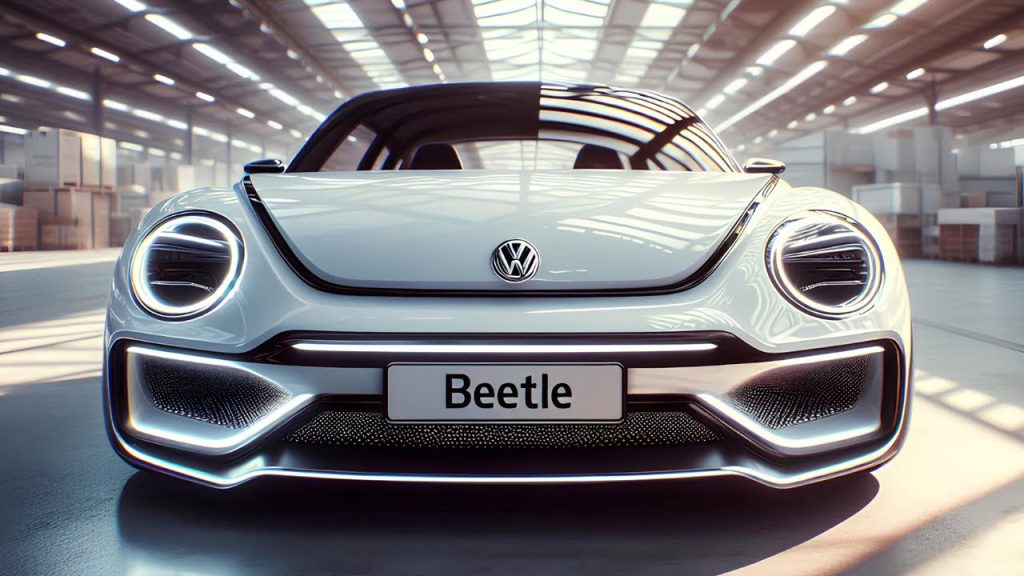
Performance also limits the vehicle’s appeal. Small engines and soft suspension make the ride comfortable but uninspiring, and steering lacks precision. The Beetle fails to offer a driving experience that connects the driver to the road in a way reminiscent of the classic model.
The modern Volkswagen Beetle exemplifies the difficulty of combining retro design with contemporary technology.
Its altered proportions, digital-heavy interior, and muted driving dynamics prevent it from achieving the timeless charm of the original, illustrating why not all heritage-inspired cars successfully blend old-school appeal with modern functionality.
Cars that balance classic design and modern technology occupy a unique space in the automotive world. When executed well, they offer drivers the best of both eras: the tactile engagement, stylistic cues, and mechanical enjoyment of older vehicles combined with contemporary performance, safety, and convenience. Vehicles like the Mazda MX-5 Miata, Ford Bronco, modern MINI Cooper, Toyota Land Cruiser 70 Series, and Jeep Wrangler JL generation demonstrate how thoughtful integration of technology can complement heritage, rather than overshadow it.
These successful examples share several key characteristics. First, design integrity is paramount. Each car retains proportions, lines, and styling details that reflect its roots without feeling forced.
The MX-5’s compact roadster shape, the Bronco’s rugged boxy stance, and the Wrangler’s iconic grille and removable panels are all faithful to their predecessors. This respect for original aesthetics ensures these vehicles feel authentic, appealing to enthusiasts and newcomers alike.
Second, modern technology is integrated strategically. Infotainment systems, driver-assistance features, and advanced safety aids enhance usability and comfort but do not dominate the driving experience.
Physical controls, tactile switches, and driver-focused layouts preserve engagement, allowing drivers to feel connected to the car.
Performance also complements tradition: engines are efficient yet responsive, suspension systems are refined but retain mechanical feedback, and steering remains direct and intuitive.
Interiors feature durable materials and logical ergonomics, ensuring the driver experience is satisfying without being cluttered or overly digital.
In contrast, cars that fail to blend old-school charm with technology such as the Nissan Juke, modern Fiat 500, Chevrolet HHR, Mini Paceman, and modern Volkswagen Beetle illustrate the pitfalls of imbalance.
Overly digital cabins, disproportionate styling, or exaggerated retro cues can create vehicles that feel forced or inauthentic.
In these cars, technology often overshadows heritage, while driving dynamics are compromised, leaving little of the engagement or mechanical enjoyment that defined their inspirations. Interiors can feel cramped or inconsistent, and styling may appear cartoonish or awkward, undermining the original charm.
The comparison highlights the importance of balance. Successful vehicles respect heritage while enhancing functionality, usability, and performance through carefully applied technology.
Vehicles that fail often rely solely on aesthetics or digital features, ignoring the tactile and mechanical elements that create emotional connection and long-term appeal.
Ultimately, the lesson is clear: blending old-school charm with modern technology requires cohesion between design, engineering, and driver experience.
Cars that achieve this balance remain desirable, enjoyable, and relevant across generations, whereas those that mismanage the integration risk alienating drivers and diminishing the timeless qualities they aim to celebrate. The difference lies not just in features, but in the thoughtful orchestration of heritage and innovation.
