
The automotive world has always had its icons, legends, and workhorses. Among them, retro cars hold a special place for enthusiasts, collectors, and dreamers. Some of these machines have grown in reputation far beyond their original market success.
They’ve become the subject of restoration projects, documentaries, and massive online communities. These are the retro cars with cult-level fanbases. They might not have been the most powerful, the most luxurious, or even the most reliable, but something about their design, character, or history sparked long-lasting loyalty.
At the same time, countless retro cars that once roamed the streets have slipped into obscurity. Some had promising launches, impressive engineering, or widespread availability, yet they failed to leave a lasting impression. These vehicles were part of daily life, seen in driveways and parking lots, but as years went on, they vanished without fanfare.
Their names are barely remembered, and finding one in the wild is like stumbling across a fossil. These are the forgotten retro cars, machines that had their time, but never quite captured the imagination the way others did.
The difference between a cult classic and a forgotten model isn’t always about quality. It’s often about timing, cultural context, and a strange kind of charm that can’t be engineered deliberately.
Some cars were involved in movies or counterculture scenes that boosted their status. Others had mechanical quirks or design oddities that, while criticized at the time, became endearing with age. A few were simply cool, even if nobody could explain why.
This article takes a close look at ten retro cars, split evenly between those with rabid fanbases and those that faded away. From turbocharged icons to forgotten family sedans, each model tells a different story.
The comparison is not just about popularity, but about how memory, culture, and community shape our perception of vehicles long after their production lines stopped.
Some of these names you’ll know instantly, while others might require a bit of effort to even remember. But each one represents a chapter in automotive history, some still being written, others long closed.
5 Retro Cars With Cult-Level Fanbases
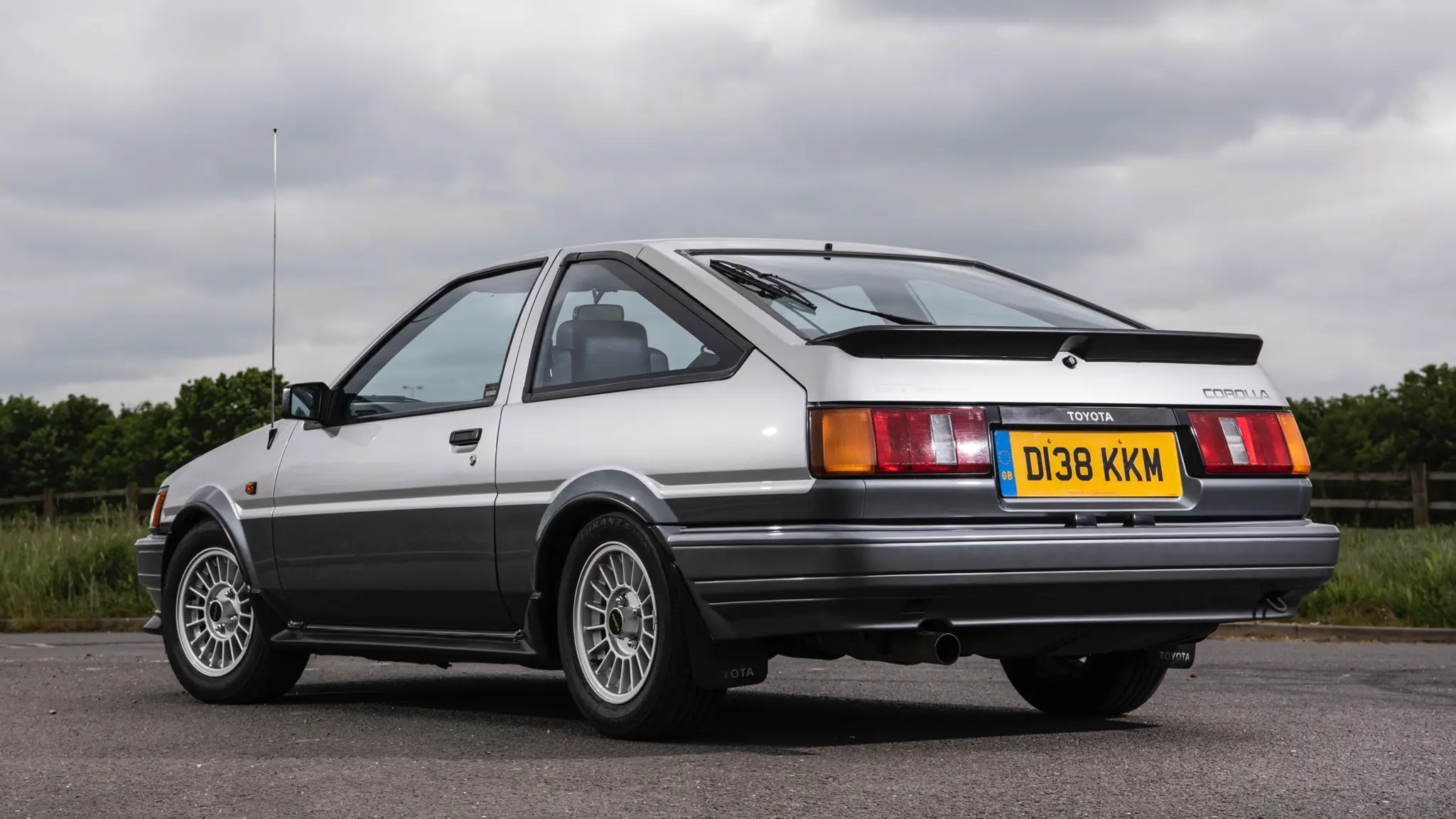
Toyota AE86 Corolla
The AE86 is more than just an old Toyota. To many car enthusiasts, especially those steeped in drifting or Japanese car culture, it’s a cornerstone. Originally released in the mid-1980s, the AE86 was a lightweight, rear-wheel-drive compact car with a high-revving 1.6-liter engine.
It wasn’t particularly fast on paper, but it delivered a driving experience that emphasized balance and engagement. In a market shifting toward front-wheel drive, the AE86 stood out with its old-school layout and tight handling.
Part of what pushed the AE86 into cult status was its role in motorsports. In the hands of amateur racers and drifters, it became a giant killer. Its predictable oversteer and nimbleness made it ideal for twisty roads and racing circuits alike.
Even as more powerful competitors emerged, the AE86 remained relevant thanks to its tuneability and accessibility. For many, it became the gateway car into performance driving, especially in countries like Japan and the U.S.
Pop culture also played a big role in keeping the AE86 in the spotlight. The anime and manga series Initial D centered around a young driver mastering mountain roads in a tofu delivery car, his trusty AE86.
That image, combined with real-life performance credentials, created an unbreakable emotional link. Suddenly, owning or driving an AE86 wasn’t just a car choice; it was a lifestyle symbol. Fans worldwide began hunting for them, restoring them, and keeping the legend alive.
Even today, finding a clean AE86 is difficult and expensive. Despite its humble roots, it commands respect at car meets and track days. People modify them, preserve them, or even swap modern engines into them, but always with reverence.
It’s not just the car’s specs that people remember; it’s the feeling. That raw, analog experience has ensured its place among the most beloved retro cars of all time.
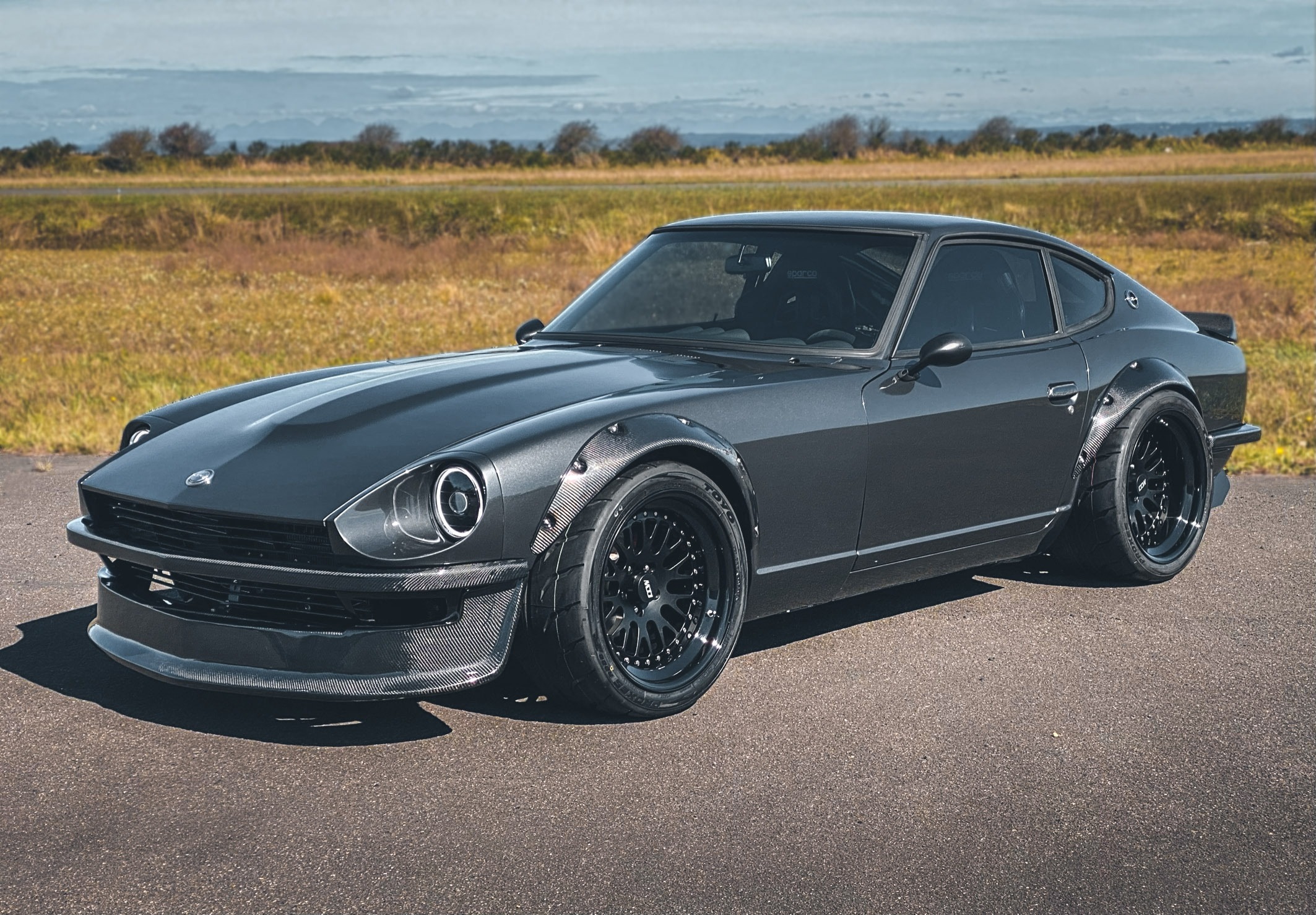
Datsun 240Z
The Datsun 240Z arrived in the early 1970s as a sports car that aimed to compete with the best of Europe but at a price the average American could afford. It had sleek styling, a responsive inline-six engine, and rear-wheel drive.
From the beginning, it hit a sweet spot. It was fast enough to be fun, reliable enough to be driven daily, and stylish enough to turn heads. For many, it was the first true Japanese sports car that offered the total package.
One of the biggest reasons the 240Z has a cult following is its impact on the perception of Japanese cars. At the time, Japanese manufacturers were still earning their reputation.
The 240Z helped shift opinions, showing that Japanese brands could do more than just economy boxes. It was competitive on the track and at car shows alike. The 240Z became a poster child for what Japanese performance could look like.
Its mechanical simplicity also worked in its favor. The engine was straightforward, the suspension was responsive, and the car was relatively easy to work on.
This made it a favorite among gearheads who liked to tinker, modify, and race their cars. It wasn’t long before 240Zs started appearing in club racing, autocross events, and spirited mountain drives. Owners built communities around their shared love for this modest yet mighty car.
Decades later, the 240Z remains highly sought after. Original examples can fetch high prices, and restomods (restored with modern upgrades) are even more popular. The 240Z’s clean lines, analog feel, and historical importance ensure that it will never be forgotten. It carved out a space that few other cars could fill, blending accessibility with aspiration in a way that still resonates with drivers today.
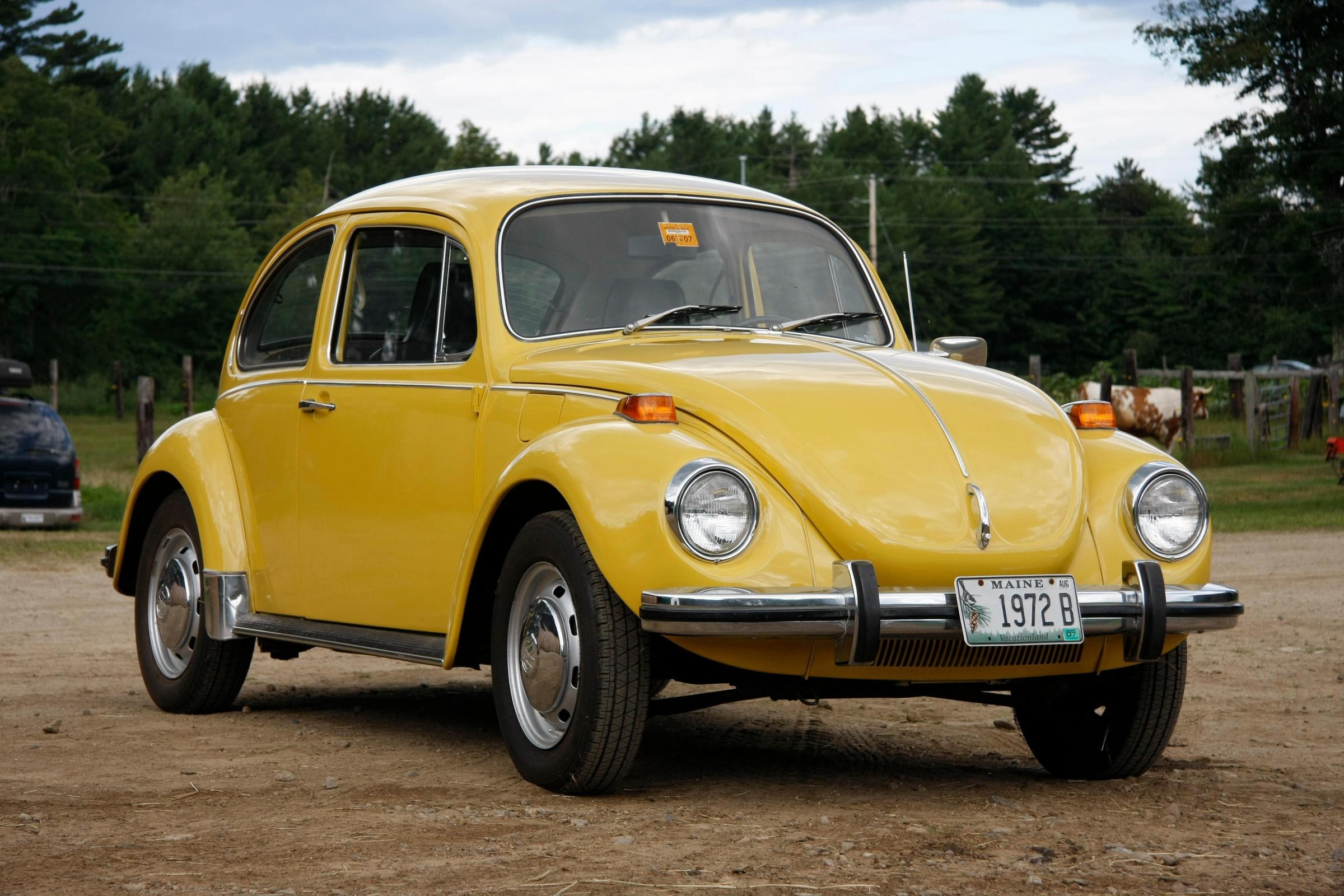
Volkswagen Beetle (Air-Cooled)
The original air-cooled Volkswagen Beetle is easily one of the most recognizable vehicles in automotive history. Designed in pre-World War II Germany, the Beetle was intended to be the “people’s car”, simple, affordable, and reliable. It went on to become one of the best-selling cars of all time, with millions produced over several decades.
But sheer numbers alone don’t explain the deep affection that people still feel for the Beetle. It’s the shape, the sound, the simplicity. All these elements combined to give the car an unmistakable personality that even its harshest critics couldn’t deny.
One of the reasons the Beetle has such a passionate following is its mechanical character. The rear-mounted, air-cooled engine made a very distinct sound, and driving a Beetle felt unlike anything else. It wasn’t about speed or handling; it was about fun.
The car became synonymous with counterculture movements in the 1960s and 70s, often painted with peace signs and psychedelic colors. The Beetle wasn’t just a way to get around, it was a symbol of rebellion, frugality, and individuality. From surfers on the coast to students in Europe, it had universal appeal.
The aftermarket support for the Beetle is massive. Entire industries were built around customizing, restoring, and racing these cars. From Baja Bugs to lowered cruisers to fully original restorations, the Beetle is a blank canvas for car lovers. Its simplicity made it easy for home mechanics to fix, modify, and personalize.
Even decades after the last air-cooled version was made, there are thriving online communities, club meetups, and swap meets dedicated to this humble car. For many, their first wrench-turning experience was under the hood (or rather, the rear decklid) of a Beetle.
Culturally, the Beetle has remained relevant in a way few cars can. It’s been immortalized in films like Herbie, featured in classic advertisements, and preserved in museums. It’s a car that transcends borders and generations.
Even people who know nothing about cars often smile when they see one. That kind of emotional connection ensures that the Beetle’s cult status isn’t just about nostalgia, it’s about enduring charm and universal recognition.
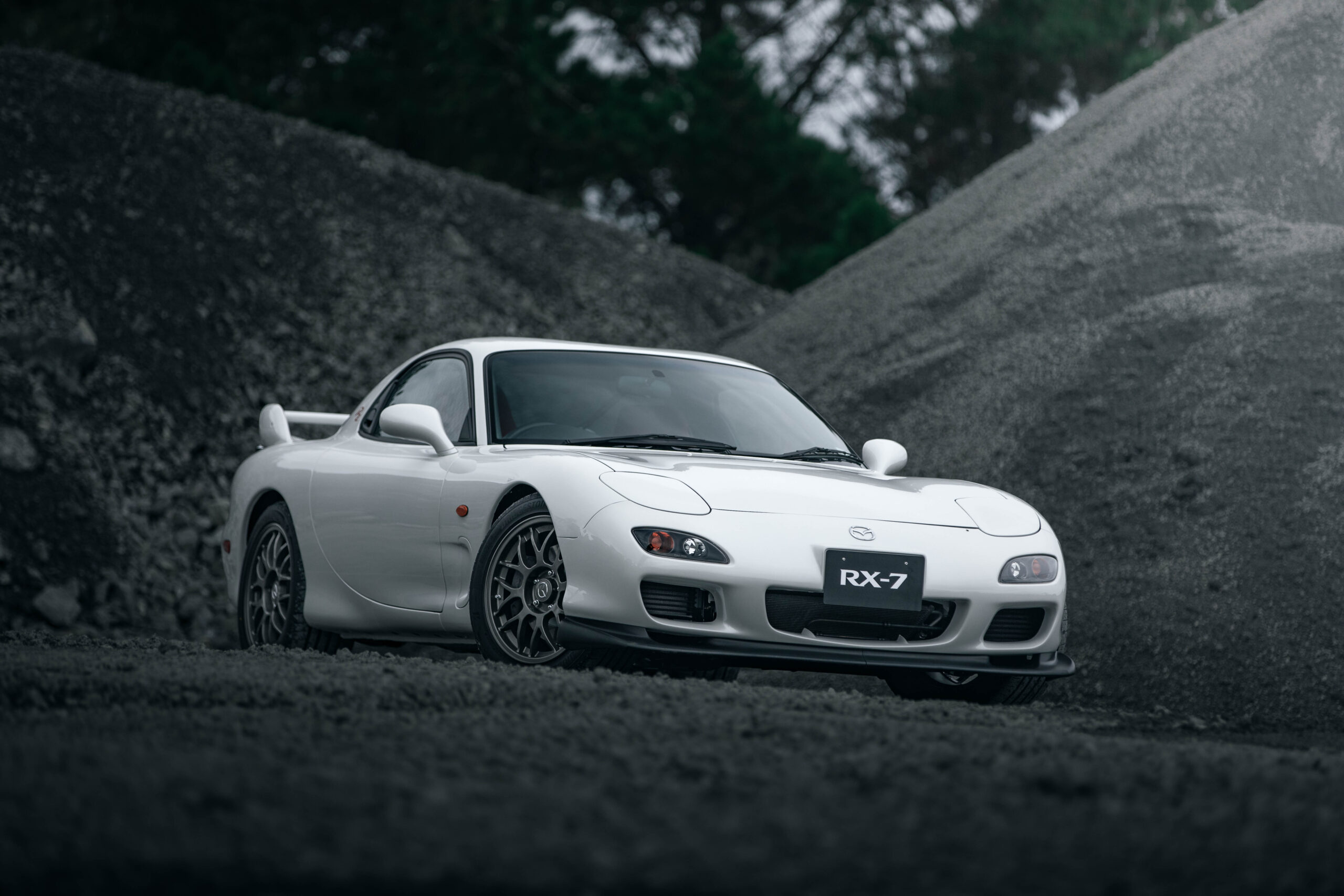
Mazda RX-7 (FD)
The third-generation Mazda RX-7, known by its chassis code FD, is a car that blends engineering ambition with stunning aesthetics. Introduced in the early 1990s, it featured a twin-turbocharged rotary engine housed in a beautifully sculpted body. This was a car built for driving enthusiasts, not mass-market appeal.
The RX-7 was fast, light, and incredibly agile, often compared favorably to exotic European cars of its time despite being a fraction of the price. But it was the rotary engine that really set it apart, both for better and worse.
The rotary engine in the RX-7 gave it a unique character. It revved high, had a smooth power delivery, and created an unforgettable sound. But it was also notoriously finicky, requiring regular maintenance and a careful hand. Many early owners didn’t understand the needs of the rotary engine and ended up with costly repairs.
This led to the car developing a reputation for being unreliable, which only made it more intriguing to the devoted few who could master it. That blend of performance and mystique helped solidify its cult status.
The RX-7 was also a star on track and screen. It performed well in motorsports, especially in endurance racing, where its lightweight frame and aerodynamic design gave it a real edge. In pop culture, the RX-7 appeared in numerous video games and films, most the Fast & Furious franchise.
This exposure gave the car a second life, inspiring a new generation of fans to seek out clean or modifiable examples. It’s not unusual for RX-7 forums and meetups to be filled with passionate owners sharing tuning tips or rotary rebuild stories.
Today, the RX-7 FD is a prized possession. Prices are climbing, and well-maintained models are becoming increasingly rare. It represents a kind of peak for Mazda’s sports car engineering and remains unmatched in terms of design and driving feel.
Unlike more generic cars from its era, the RX-7 was unapologetically specialized. That quality, along with its rotary legacy, ensures that it will continue to enjoy a dedicated and almost obsessive fanbase for decades to come.
Pontiac Fiero
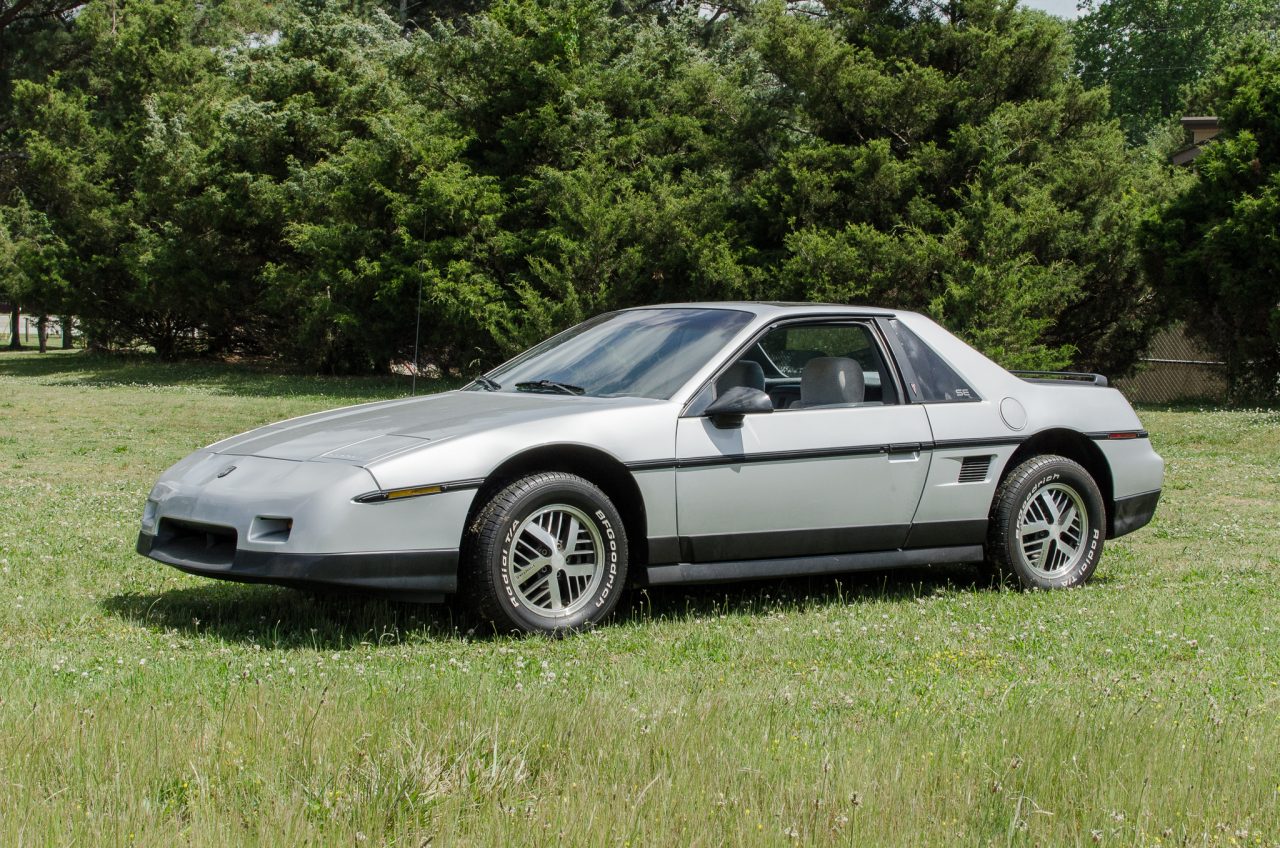
The Pontiac Fiero is an interesting case study in how a car that was initially met with skepticism and criticism can evolve into a beloved cult classic. Launched in the mid-1980s, the Fiero was General Motors’ bold attempt at a mid-engine sports car that was affordable and innovative.
Its aluminum space frame and plastic body panels were revolutionary for the time, aiming to reduce weight and improve handling. Yet despite these ambitions, early Fieros struggled with mechanical issues, particularly with engine fires and reliability, which tarnished their reputation.
However, those flaws didn’t stop the Fiero from gaining a passionate following. Enthusiasts recognized the car’s fundamental potential: its mid-engine layout gave it handling characteristics rare in affordable cars, and its lightweight design made it nimble.
Over time, the Fiero community grew around modifying and improving the platform. The aftermarket scene blossomed with upgrades that addressed the original weaknesses and enhanced performance. What was once a car viewed with doubt became a favorite among tuners, kit car builders, and racers.
The Fiero also benefited from its uniqueness in the American market. Few American-made cars offered a mid-engine configuration, and even fewer were so accessible. The Fiero bridged the gap between exotic sports cars and daily drivers, making it an object of curiosity and admiration.
In addition, the Fiero’s distinctive styling, especially the later GT and Formula models, caught the eye of collectors and retro enthusiasts alike. Its quirky, wedge-shaped profile is unmistakable and stands apart from more conventional cars of its era.
In the years since production ended, the Fiero’s reputation has improved significantly. It has become a symbol of 1980s automotive experimentation and an example of a car that was ahead of its time in some respects.
Clubs and forums dedicated to Fieros abound, and the car is a staple at track days and car shows focused on unique or overlooked classics. The Fiero’s journey from troubled release to cult darling highlights how passion and community can redefine a car’s legacy.
5 That Are Forgotten
Ford Tempo
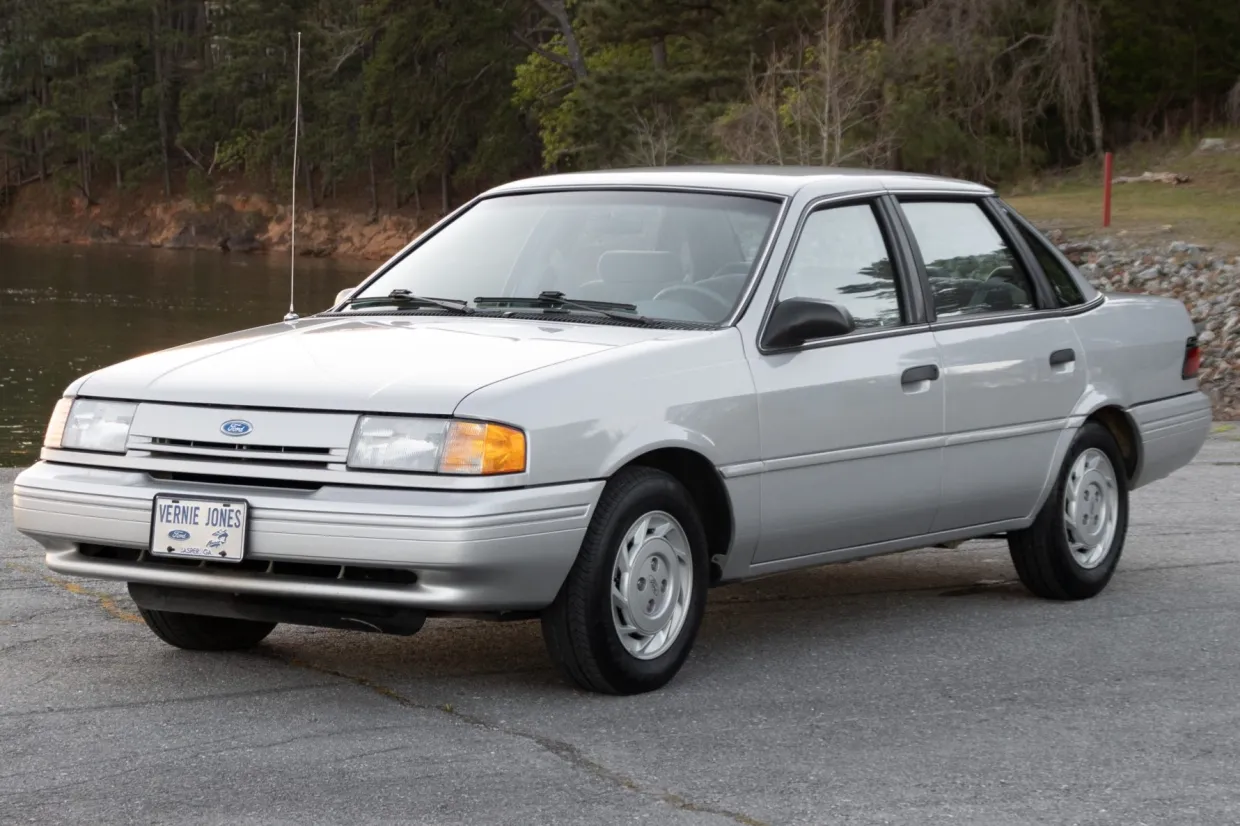
The Ford Tempo, produced from the early 1980s to the mid-1990s, was meant to be a practical, affordable, and fuel-efficient sedan for the average American family.
It was designed during a time when the Big Three were still trying to respond to the influx of Japanese imports, and Ford hoped the Tempo would offer a domestic alternative that made sense financially and practically. It had a boxy, utilitarian design and a front-wheel-drive layout that was becoming increasingly common.
Although it sold reasonably well during its production run, the Tempo never made a strong emotional connection with drivers. It was never particularly stylish, fast, or innovative.
The base models were underpowered, the interior quality was mediocre, and the car as a whole was forgettable even while it was new. It fulfilled a role, but it never sparked passion. When newer, more refined models like the Taurus arrived, the Tempo quickly fell into the background.
What further pushed the Tempo into obscurity was its lack of presence in motorsports, pop culture, or enthusiast circles. Unlike other sedans from the era that gained some form of cult following or nostalgia-fueled appreciation, the Tempo had no such revival.
It didn’t appear in iconic films, didn’t serve as a canvas for tuners, and lacked any unique mechanical quirks that might have made it more memorable with age.
Today, seeing a Ford Tempo on the road is a rare event. Most have been scrapped, forgotten in junkyards, or left to rot in driveways. It’s not that the car was bad, it simply wasn’t remarkable. Time has a way of preserving the memorable and discarding the mundane, and in the case of the Tempo, history has quietly moved on without it.
Plymouth Reliant
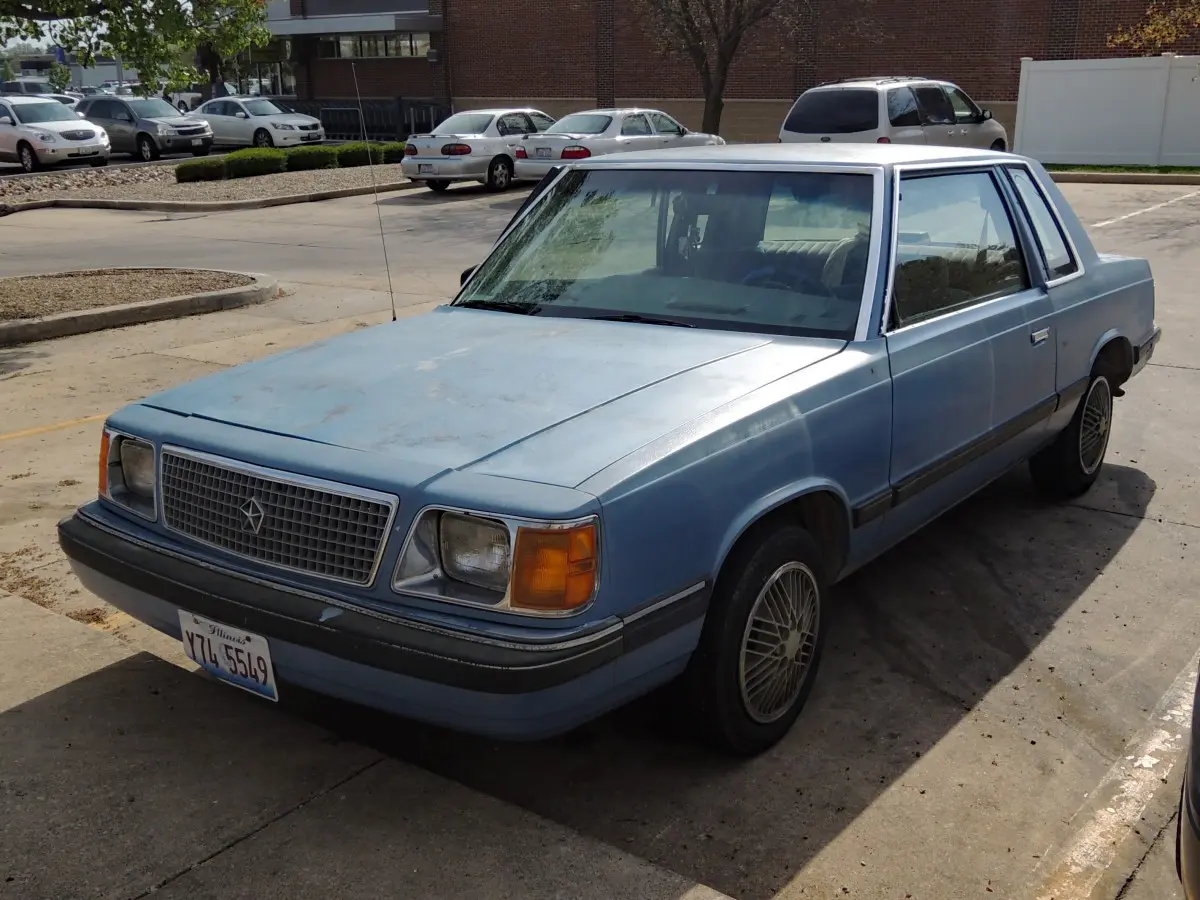
The Plymouth Reliant, part of the famous K-car platform from Chrysler, played a huge role in saving the company during the early 1980s. It was economical, reliable, and flexible.
Built as a sedan, wagon, and coupe, the Reliant fit the needs of a wide customer base. It wasn’t flashy, but it was functional. It introduced front-wheel drive to a new generation of drivers and helped Chrysler recover financially during a crucial period.
Despite its importance to Chrysler’s survival, the Reliant has not aged into classic status. It’s largely remembered only by former owners or hardcore Mopar historians.
The styling was boxy and uninspired, and small four-cylinder engines limited the performance. While it served its purpose well, it didn’t inspire long-term affection. Once people moved on, few looked back with any fondness.
A major reason for the Reliant’s fade into obscurity is that it wasn’t fun. Cars that develop cult followings tend to have a quirk, a character, or a dynamic driving experience.
The Reliant had none of those. It was practical to the point of being boring. When better alternatives appeared, whether from domestic rivals or Japanese imports, customers quickly switched allegiances, and the Reliant was left behind.
Today, it’s rare to see a Reliant in any condition, let alone one that’s cherished. Unlike some other basic transportation cars that have been embraced ironically or nostalgically, the Reliant has not enjoyed a revival.
It quietly filled its role and then disappeared from the automotive memory of most people, a textbook case of a car that was important in the moment but forgettable in the long run.
AMC Eagle
The AMC Eagle was arguably ahead of its time. Introduced in the 1980s, it was one of the first passenger cars to offer full-time four-wheel drive, long before crossovers became the norm.
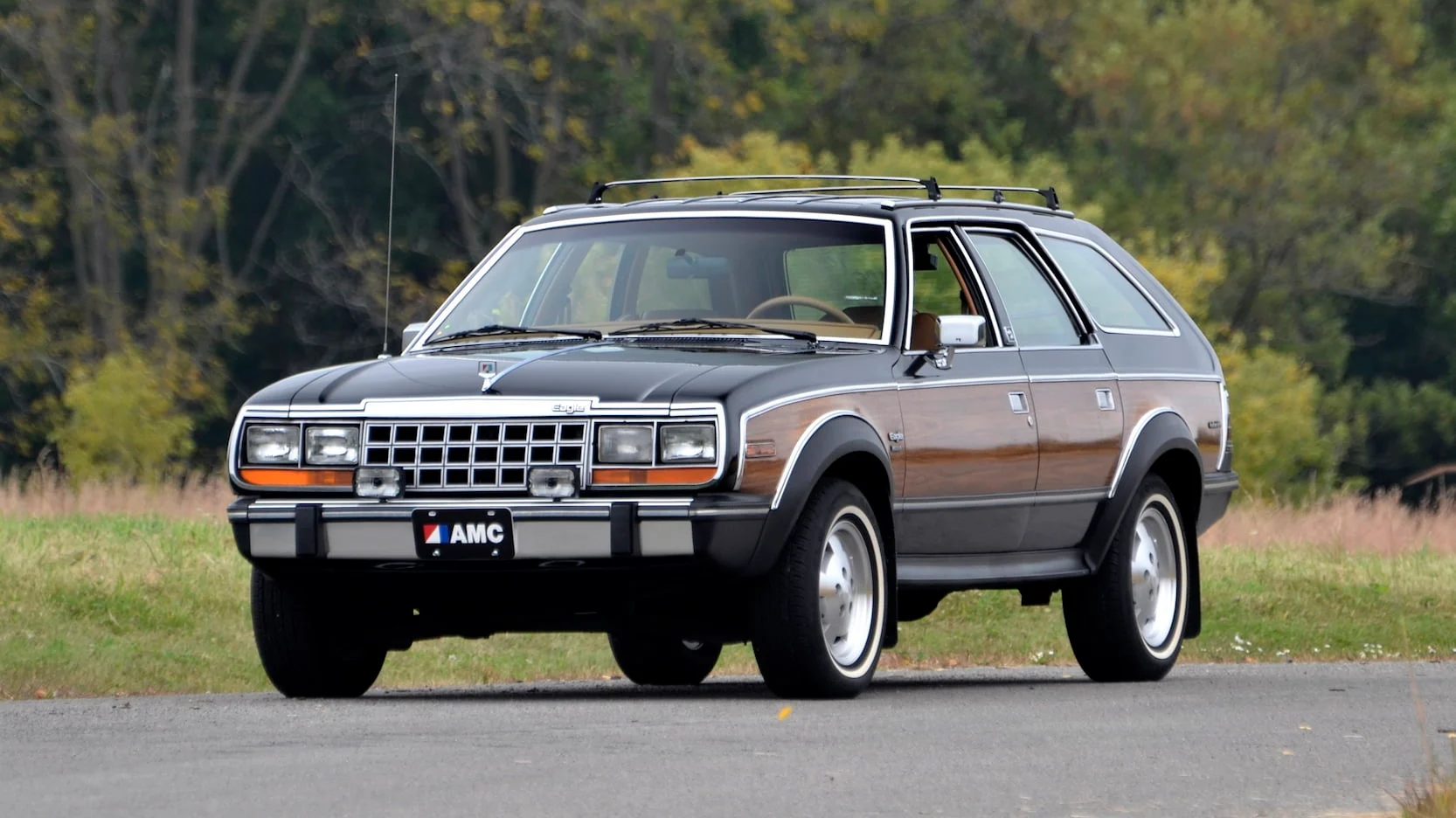
It combined the ruggedness of a Jeep with the body of a traditional station wagon or sedan. In many ways, it was a precursor to the modern SUV, yet the Eagle is rarely mentioned in that context. It existed in a strange automotive in-between space, too early for the SUV boom, too unconventional for mass appeal at the time.
The Eagle’s biggest issue wasn’t its concept, but its timing and execution. AMC was already struggling financially and couldn’t afford to market the car effectively or update it much over its lifespan. The design was awkward by some standards, borrowing heavily from AMC’s dated sedan lines and adding ride height and 4WD systems.
It looked like a lifted family car because, essentially, that’s what it was. And while that might sound appealing today, it didn’t hit the mark back then when people either wanted true off-roaders or sleek sedans.
Despite its functionality and innovation, the Eagle never gained much traction with buyers. Sales were moderate, and by the time the SUV craze took off in the 1990s, the Eagle was long gone.
Most people today have no memory of it at all, and even among enthusiasts, it only occasionally comes up as a trivia note. Unlike the Jeep Wagoneer or Toyota Land Cruiser, which have both experienced nostalgic revivals, the Eagle never caught on again with modern audiences.
Restoring or collecting an Eagle is rare not because the car is impossible to find, but because few people desire one. There’s a lack of emotional pull. It was built to do a job, not to spark joy.
That utilitarian legacy, paired with dated looks and little aftermarket support, means the Eagle remains in the shadows of history, a vehicle that might have changed everything had it come out just a decade later, but instead ended up quietly forgotten.
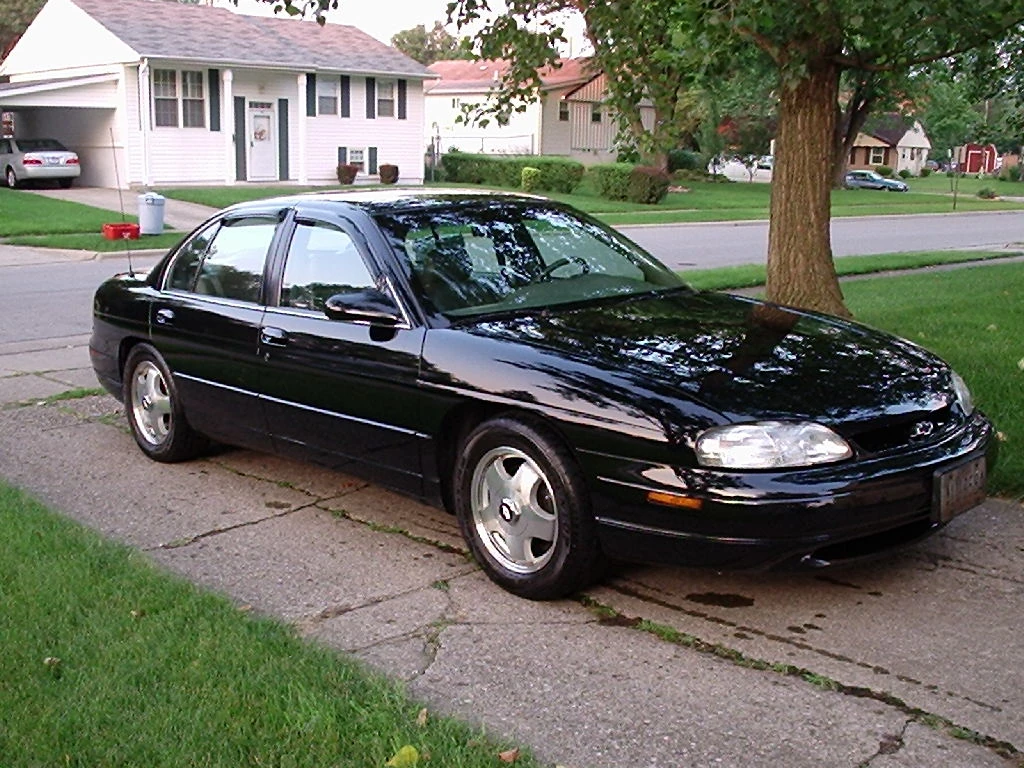
Chevrolet Lumina
The Chevrolet Lumina was introduced in the late 1980s as a mid-size family car aimed at competing with vehicles like the Ford Taurus and Toyota Camry. It came in various trims, including a fairly aggressive-looking coupe version, and even had a short-lived presence in NASCAR.
Yet despite all this, the Lumina never really stood out. It was a safe, conservative choice in a time when buyers were looking for innovation or style, or both. Its design was uninspiring, and the driving dynamics were forgettable at best.
Part of Lumina’s problem was branding. Chevrolet never seemed entirely sure where the Lumina fit in its lineup. It overlapped with other models in terms of price and size, and despite brief attempts to market it as sporty (particularly with the Z34 version), most buyers saw it as a fleet car or rental option.
That image stuck, and the Lumina quickly developed a reputation for being the kind of car you drove because you had to, not because you wanted to.
Mechanically, the Lumina wasn’t terrible. It offered decent V6 options, reasonable comfort, and solid reliability for daily driving. But there was nothing that made it memorable.
It didn’t innovate, didn’t charm, and didn’t develop any real enthusiast base. After its run ended in the early 2000s, Chevrolet replaced it with the Impala and other more focused models. Once off the lots, the Lumina disappeared from the conversation entirely.
Today, the Lumina is a ghost. Few people restore them, fewer collect them, and almost no one talks about them unless it’s in the context of old family photos or dealership clearance events. Unlike some forgotten cars that are rediscovered through niche appeal or nostalgic charm, the Lumina simply doesn’t offer a compelling story. It was built to be invisible, and in the end, that’s exactly what happened.

Oldsmobile Firenza
The Oldsmobile Firenza is one of the lesser-known models from General Motors’ 1980s lineup and serves as a prime example of a retro car that has been largely forgotten despite its role in the domestic compact segment.
Introduced in the early 1980s as part of the J-body platform, the Firenza was Oldsmobile’s entry into the front-wheel-drive compact market. It was intended to compete with rising imports by offering practicality and a bit of American styling flair.
Though it shared much of its engineering with siblings like the Chevrolet Cavalier and Pontiac Sunbird, the Firenza didn’t stand out stylistically or in terms of performance. It was offered with modest four-cylinder and V6 engines that delivered average fuel economy and power.
The interior was functional but uninspired, and the build quality was typical of the era, neither terrible nor exceptional. This lack of a distinct identity meant it was just another compact car for shoppers, nothing to get excited about.
The Firenza didn’t find much favor with automotive enthusiasts, and its blandness meant it lacked a personality that might have endeared it to future collectors. It wasn’t sporty, luxurious, or innovative; it was just a dependable, no-frills daily driver.
Unlike some contemporaries that gained cult followings due to quirky design, performance potential, or pop culture appearances, the Firenza remained overlooked. It lacked the charisma and mechanical intrigue necessary to build a lasting fan base.
Today, the Firenza is almost impossible to find in good condition, and it rarely shows up at classic car shows or auctions. It is remembered, if at all, as a footnote in Oldsmobile’s history.
The brand itself is defunct, and the Firenza’s fate is to remain a forgotten chapter of automotive history, important in its time for transportation needs but not remarkable enough to secure a place in the hearts of car lovers.
Cars become cult classics or fade into oblivion for reasons beyond just their specifications or sales numbers. Cult cars tend to offer something more: a distinctive character, involvement in cultural moments, motorsport success, or mechanical quirks that spark a dedicated following.
They inspire stories, communities, and passion that endure for decades. On the other hand, forgotten cars often embody the practical and mundane, important in their own right but lacking the spark that captures imagination.
The Toyota AE86, Datsun 240Z, Volkswagen Beetle, Mazda RX-7 FD, and Pontiac Fiero represent vehicles that left an indelible mark, each attracting fans who celebrate their unique qualities. Their stories continue to grow, fuelled by enthusiasts who keep them alive through restoration, modification, and shared memories.
Conversely, the Ford Tempo, Plymouth Reliant, AMC Eagle, Chevrolet Lumina, and Oldsmobile Firenza remind us that not every car stands the test of time in the public consciousness. While they served their roles and fulfilled transportation needs, they lacked the elements that would elevate them into legend.
The world of retro cars is a rich tapestry woven with nostalgia, engineering, culture, and emotion. Whether remembered fondly or forgotten, each car tells us something about the era it came from and the people who drove it.
The difference between cult-level fanbases and obscurity lies as much in stories and community as in horsepower or design. And that makes the journey through automotive history endlessly fascinating.
