
Not everyone has the time, interest, or resources to give their car the attention it deserves. Oil changes get missed, tires get worn down, and dashboard warning lights become background decoration. While regular maintenance is undeniably important for any vehicle, not all cars are equally needy.
Some cars will punish the slightest neglect with breakdowns and high repair costs, while others just keep chugging along despite being ignored. This article takes a closer look at twelve vehicles that are surprisingly good at handling neglect.
These are the cars that somehow manage to keep starting every morning, even if they haven’t had an oil change in a year or their check engine light has been on since the last presidential term. Their owners may forget to top off fluids or rotate tires, but these machines seem to understand the assignment: just keep going.
Often bought for reliability or as cheap transportation, these vehicles have earned a reputation for tolerating abuse, skipped maintenance, and the kind of use that would doom other models to the junkyard within a few years.
That’s not to say these cars are invincible. Every vehicle has its limits, and long-term abuse will eventually lead to problems. But the ones listed here offer an unusual level of forgiveness.
Whether it’s because of overbuilt engines, simple designs, or time-tested mechanical systems, they’ve built a reputation among mechanics and everyday drivers as being some of the most resilient vehicles on the road.
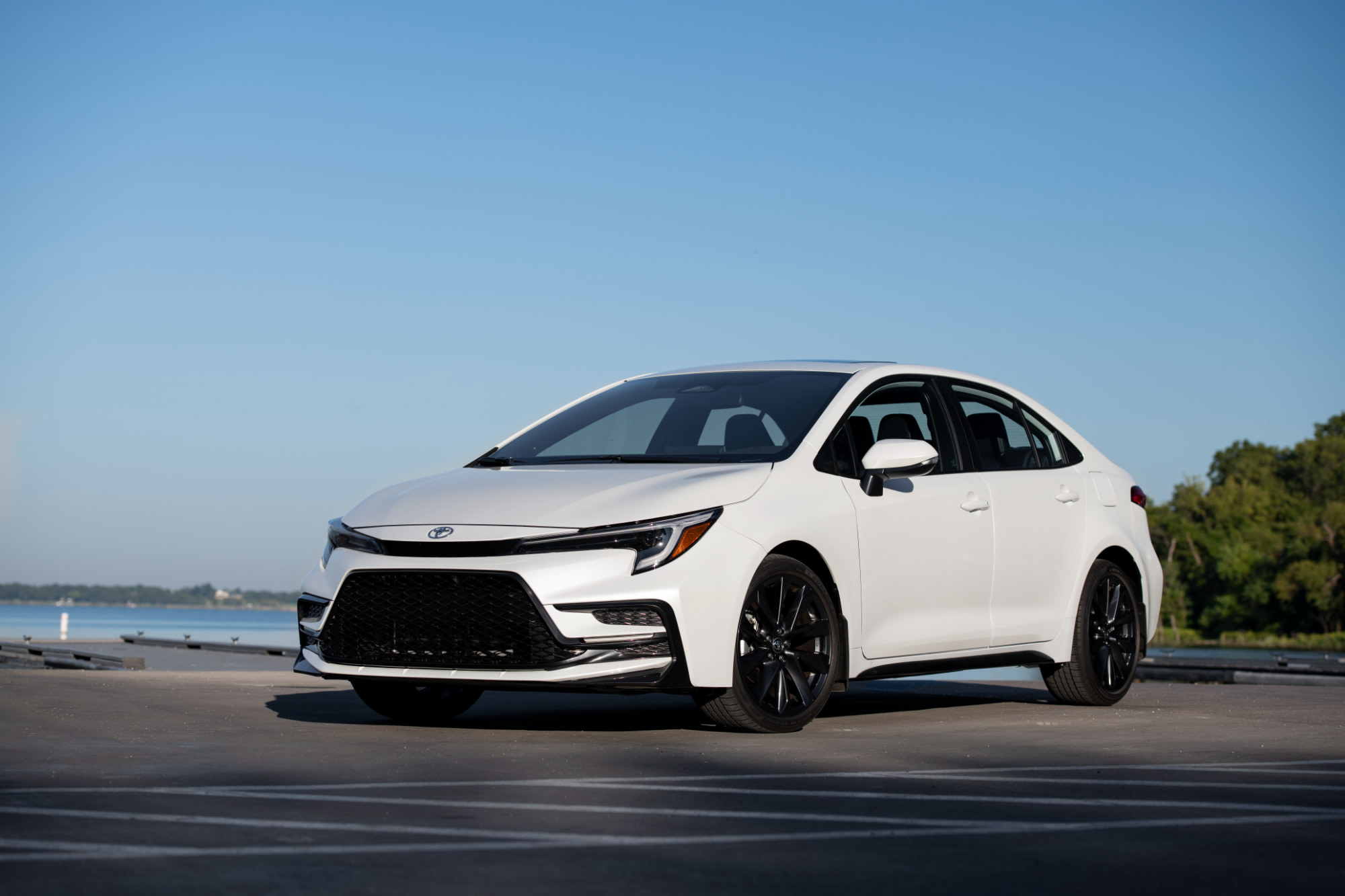
1. Toyota Corolla
The Toyota Corolla has been known for decades as a model of practicality, and part of that reputation comes from its incredible resilience. It’s not flashy, and it’s rarely a status symbol, but for drivers who just need a car that works, the Corolla consistently delivers.
One of the reasons it handles neglect so well is that it was designed with global markets in mind, including regions where regular maintenance isn’t always feasible. As a result, it can run under less-than-ideal conditions for years.
Under the hood, the Corolla uses engines that are known for their simplicity and durability. Toyota has historically avoided over-complicating this model.
Many versions come with timing chains instead of timing belts, eliminating the risk of catastrophic engine failure from a missed belt replacement. In real-world usage, these engines will often keep running smoothly even when maintenance intervals are stretched well beyond what’s recommended.
The automatic transmissions in Corollas, especially the older four-speed variants, are also notoriously tough. While modern CVTs can be more fragile, the traditional gearboxes used in past generations could take a beating.
Fluid changes might be skipped, and the car would still shift reliably. Even with prolonged use of dirty oil or overheating, these transmissions often held up far longer than they should have.
Corollas also benefit from an abundance of cheap, widely available parts. If something does go wrong, it’s typically inexpensive to fix. But what’s more impressive is how infrequently major issues occur, even when the car is abused.
It’s not rare to find Corollas still on the road with over 200,000 miles, many of which were owned by people who treated them more like appliances than machines. That kind of durability is what makes it a staple on any list of neglect-proof vehicles.
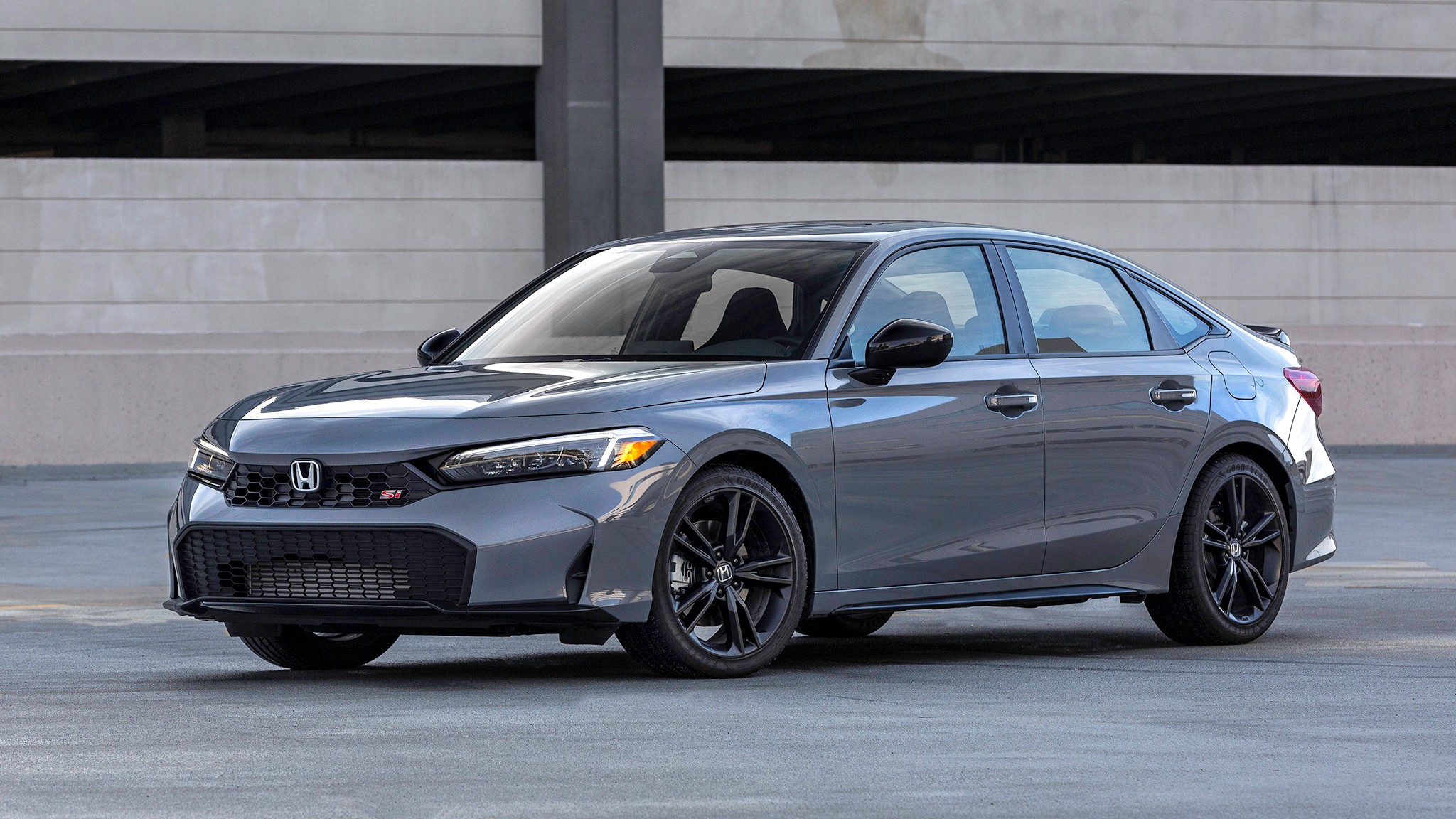
2. Honda Civic
The Honda Civic has been a favorite among drivers who want a mix of reliability and economy. It’s also become a legend among mechanics and enthusiasts for its ability to withstand rough treatment.
Whether it’s a college student who forgets oil changes or a commuter who drives 40,000 miles a year without checking tire pressure, the Civic tends to survive scenarios that would cripple other cars.
One of the key reasons is the Civic’s engine design. Honda’s four-cylinder engines, especially the D-series and later R-series, are known for being nearly bulletproof.
These motors have been thrashed on tracks, modified by tuners, and ignored by inattentive owners, yet they keep running. Their tolerance for old oil, missed spark plug changes, and poor-quality fuel is surprisingly high. While performance may dip, they rarely fail outright.
The Civic’s relatively lightweight frame also means less strain on components like brakes and suspension. Even when these systems aren’t maintained regularly, the car doesn’t exhibit the same wear patterns you might find in heavier vehicles. Many older Civics are still rolling around on worn bushings and tired shocks, yet they remain drivable. It’s not ideal, but the car keeps moving.
What also helps the Civic stay alive under poor maintenance is the massive availability of parts and community knowledge. This is one of the most modified and repaired vehicles in the world.
As a result, it’s easy and cheap to keep running, even if you’ve ignored it for years. Owners frequently report buying high-mileage Civics, driving them hard for years with minimal attention, and still being able to resell them in working condition. That kind of reputation doesn’t happen by accident.
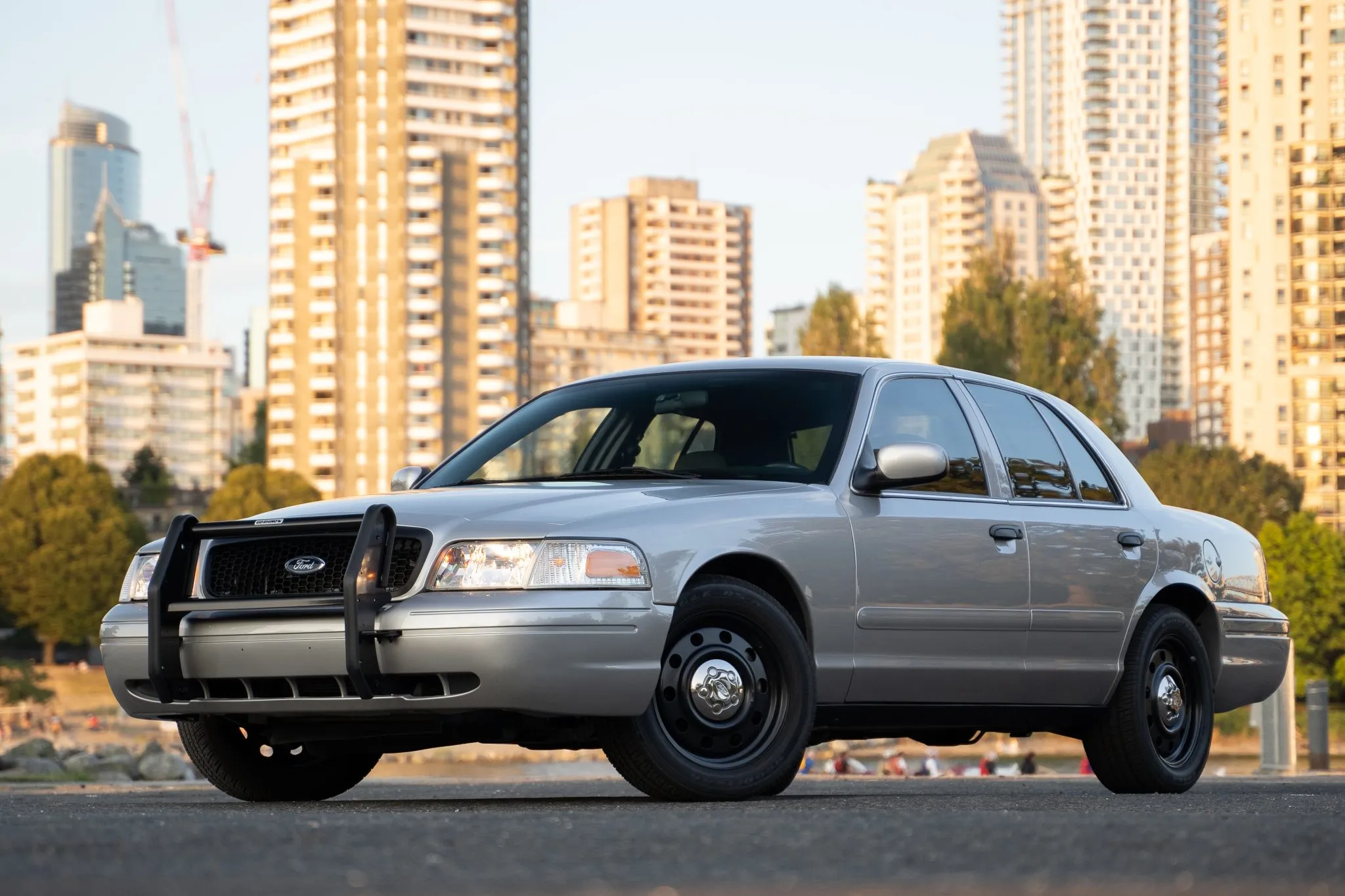
3. Ford Crown Victoria
The Ford Crown Victoria was once the go-to vehicle for police departments, taxi fleets, and anyone who needed a full-size sedan that could take punishment.
These cars are built like tanks, and they’ve proven time and again that they can take more abuse than almost any other American sedan. One of the biggest advantages they have is the simplicity and durability of the Panther platform, which underpinned these cars for decades.
At the heart of the Crown Victoria is the 4.6-liter V8 engine. While not particularly powerful by modern standards, it is well-known for its reliability and long service life.
This engine has been run hard in fleets and rarely babied. Oil changes get skipped, filters go unchanged, and still, the motor pulls through. Some police departments ran these engines past 300,000 miles with minimal engine-related failures.
The transmission is also a strong point. Paired with the 4.6-liter V8 is the 4-speed automatic (usually the 4R70W), which is one of the most durable automatic transmissions Ford ever made. It’s not uncommon for these units to outlast the body of the car, especially when used in commercial settings. Even with neglected fluid and hard shifts, the transmission keeps working.
Body-on-frame construction adds another layer of toughness. Unlike modern unibody cars, the Crown Vic can take impacts, potholes, and curbs without the same level of structural damage.
Suspension components can be worn, and it’ll still feel relatively stable on the highway. Even when beat up and rusted, these cars often have a sense of mechanical solidity that more modern cars can’t replicate.
Crown Victorias are often found at government auctions with very high mileage, and yet they still start up and drive fine. That alone says a lot about their ability to withstand neglect. It’s no wonder so many are still roaming the roads, long after their original purpose ended.
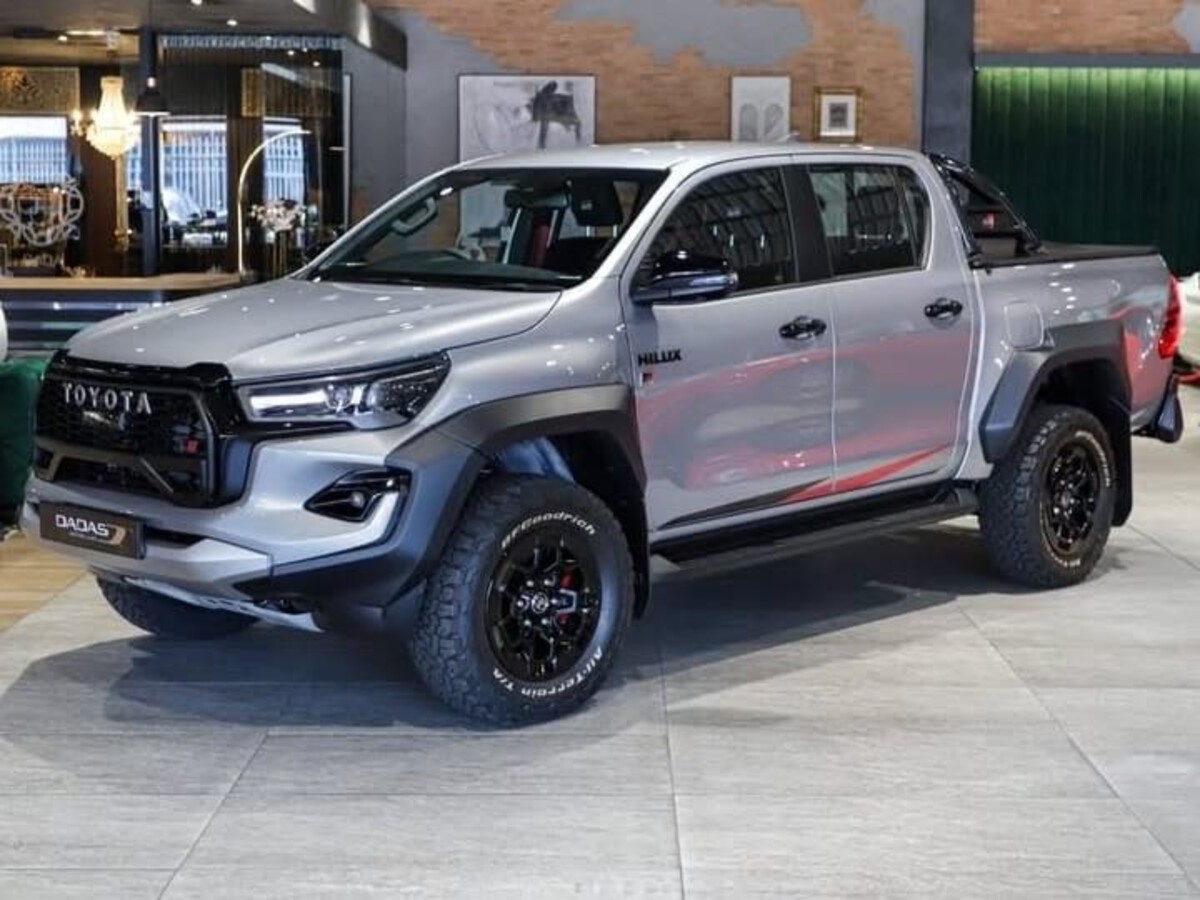
4. Toyota Hilux
The Toyota Hilux isn’t just a truck; it’s a symbol of reliability worldwide. This compact pickup has been used in war zones, rural villages, deserts, and jungles, often with no access to proper service or spare parts. It’s earned a reputation as one of the toughest vehicles ever built, and that includes how well it handles neglect.
What makes the Hilux so special is its over-engineering. Toyota built it to endure more than what any average owner could throw at it. Older models, particularly those from the 1980s and 1990s, were incredibly simple.
Carbureted engines, manual transmissions, and mechanical fuel pumps made for a truck that could be fixed with basic tools and would keep running no matter how poorly it was treated.
The diesel variants are particularly known for their toughness. These engines are designed to run under poor fuel quality, irregular oil changes, and extreme environmental conditions.
Even in areas where regular maintenance isn’t possible, these trucks keep going. Stories of Hiluxes driving with blown head gaskets, broken suspension components, or rusted frames are common, yet they still reach their destination.
The drivetrain components are equally strong. Solid axles and leaf-spring setups provide fewer parts to fail, and even when suspension parts start to wear out, the truck remains usable. Braking and steering may become sloppy, but the vehicle remains mechanically sound. That’s what gives it such legendary status in areas where reliability isn’t a luxury, it’s a necessity.
The cultural proof of its durability is undeniable. From African plains to Australian outback roads, Hilux trucks are still running with little more than patchwork repairs. It’s often the truck of choice for NGOs, off-grid workers, and survivalists. That kind of trust isn’t given lightly. It’s earned through years of taking abuse and still being dependable.

5. Subaru Outback (Non-Turbo, Older Generations)
The Subaru Outback, especially models from the early 2000s with the non-turbo 2.5-liter four-cylinder engine, has built a strong reputation for resilience in harsh conditions and neglectful ownership. While Subarus are often associated with outdoorsy lifestyles and cold-climate use, many owners tend to overlook maintenance in favor of just keeping the vehicle running.
Despite this, the Outback often continues performing long after it should have given up. The naturally aspirated EJ25 engine is not flawless, but it’s known for its ability to keep going even when oil levels drop or coolant leaks are ignored for far too long.
One of the reasons the Outback survives under poor maintenance is its mechanical layout. Subaru’s symmetrical all-wheel-drive system may seem complex, but in practice, it’s proven to be remarkably hardy. These cars are frequently driven on worn tires, mismatched treads, and uneven wear patterns, yet the AWD system tolerates it far better than many competitors.
Even when differential fluids are never touched or the transmission fluid is neglected, the drivetrain holds together longer than it has any right to. For drivers who live in snowy climates and rely on their vehicles during winter storms, this trait is critical, and it’s why many people stick with the Outback even after years of poor care.
The Outback’s suspension and undercarriage are also built with abuse in mind. These vehicles often see gravel roads, potholes, and harsh seasonal changes that would wear out lesser cars quickly. Yet they endure, often running on tired struts and worn bushings while maintaining safe, predictable handling.
This isn’t just luck; it’s the result of design decisions that emphasize utility and long-term use. Subaru engineered the Outback for owners who might not baby their cars but still need them to function reliably.
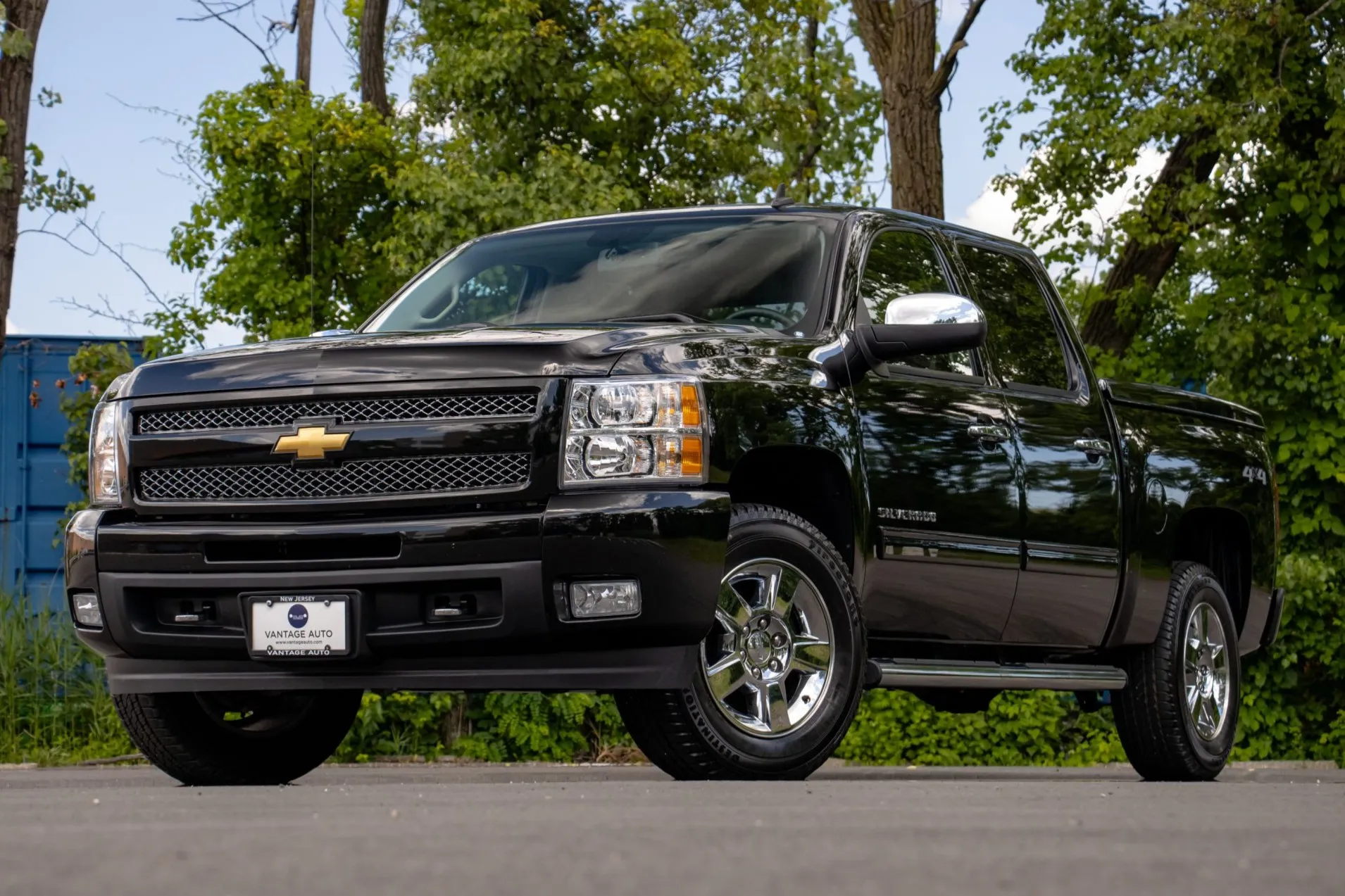
6. Chevrolet Silverado (GMT800 Generation)
The Chevrolet Silverado from the GMT800 generation (1999–2006) is a textbook case of American truck durability. Built with simple, robust components and minimal electronic interference, this version of the Silverado is widely recognized as one of the last truly overbuilt half-ton trucks.
People who buy these trucks don’t always treat them kindly, oil changes are delayed, maintenance schedules are forgotten, and they often serve as workhorses well past their prime. Despite this, many GMT800 Silverados are still running reliably with 200,000 or more miles on the odometer.
What makes the GMT800 so tolerant of abuse is primarily the 5.3-liter Vortec V8 engine. This engine is often described by mechanics as “indestructible.” While no engine is truly immune to failure, the Vortec 5300 can run on old oil, survive overheating incidents, and tolerate long intervals between basic services.
The automatic transmissions in these trucks, especially the 4L60E, can be a weak point under heavy abuse. However, many trucks with this gearbox have survived prolonged neglect and hard driving.
Transmission fluid that’s never changed, filters that are clogged, and torque converters showing early signs of failure, and yet these trucks still manage to get from point A to point B without serious complaints. It speaks to a level of mechanical forgiveness that modern trucks, with more sensitive and complex drivetrains, simply don’t have.
Another point of strength lies in the chassis and suspension. The GMT800 platform features a full ladder frame that resists twisting and stress from overloading. Ball joints, control arms, and tie rods all wear out, especially in high-mileage examples, but even with play in the front end and worn-out shocks, these trucks remain drivable.
Owners routinely report driving on “loose” suspensions for years without any catastrophic failures. It’s this level of tolerance that makes the GMT800 Silverado a top contender when talking about vehicles that handle neglect unusually well.
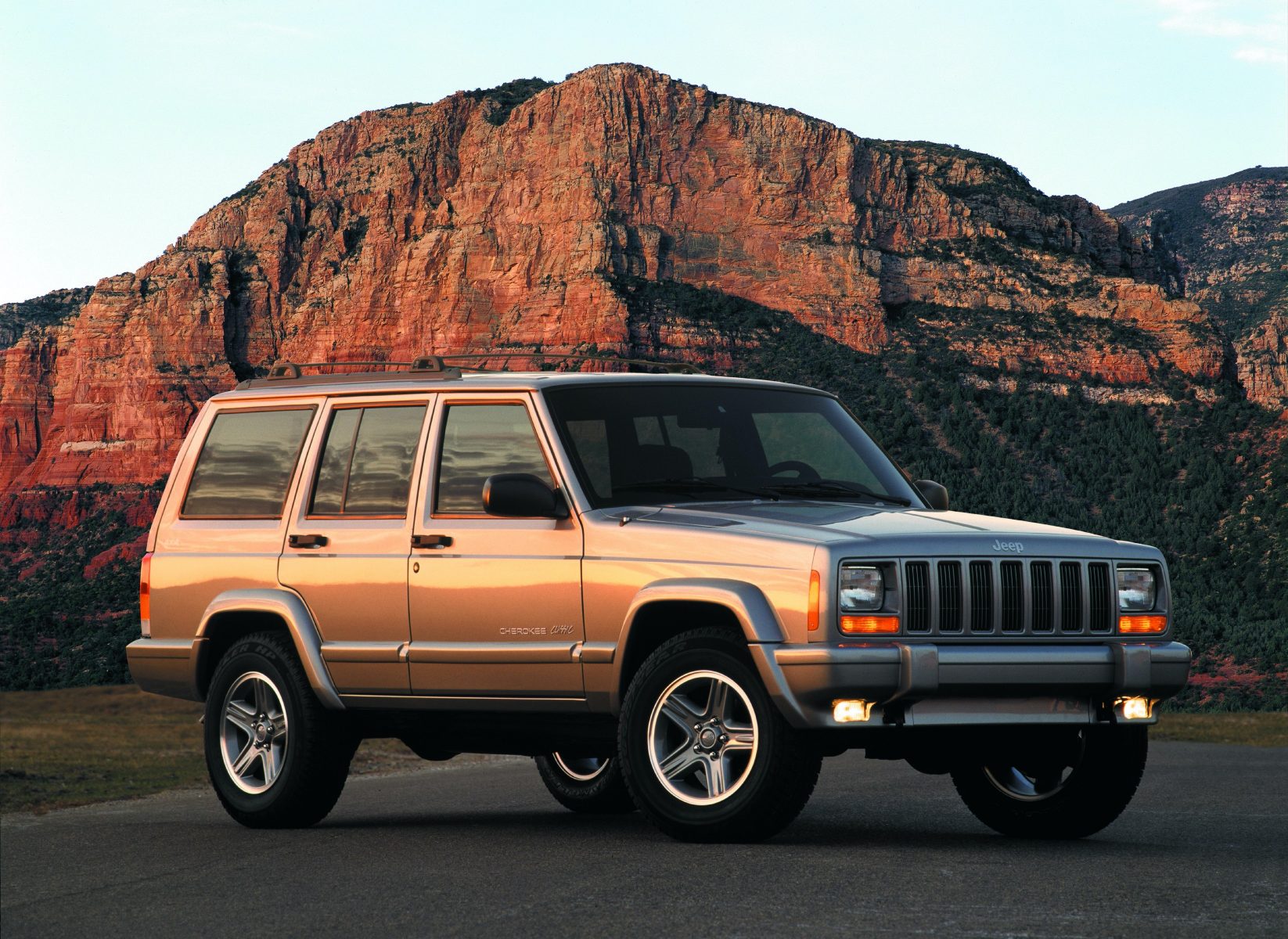
7. Jeep Cherokee XJ
The Jeep Cherokee XJ, produced from 1984 to 2001, has become a symbol of rugged simplicity in a world of increasingly complex SUVs. It’s one of the few vehicles that’s equally popular with off-road enthusiasts and people who just need cheap, reliable transportation.
What sets the XJ apart from most SUVs is how much abuse it can take and still remain functional. It’s not uncommon to see these Jeeps driving with several dashboard lights on, a sagging suspension, and mismatched tires, yet they keep moving forward without complaint.
At the core of the XJ’s toughness is the 4.0-liter inline-six engine, a motor that has earned legendary status among Jeep fans. This engine is remarkably overbuilt and known to run with low oil pressure, coolant leaks, and aging internals.
It isn’t unusual to find examples with over 300,000 miles that have never seen the inside of a repair shop. Owners routinely skip oil changes, ignore fluid flushes, and drive with malfunctioning sensors, and yet the engine starts up every time. It may knock or tick a little, but it still gets the job done.
The Cherokee XJ’s drivetrain is also tough as nails. Whether it’s the AW4 automatic transmission or the AX15 manual, both gearboxes are known for taking abuse.
Four-wheel drive components, including transfer cases and solid axles, are made for trail use and often see extreme conditions. These parts rarely break unless seriously neglected or abused in harsh off-road situations. Even then, they’re easy to repair or replace due to the simplicity of the design and widespread parts availability.
Structurally, the XJ uses a unibody design, which some might assume is a disadvantage compared to body-on-frame trucks. However, in practice, the XJ’s chassis is surprisingly durable. It can handle rough roads, hard use, and neglected bushings without compromising its integrity.
Many XJs are still used as daily drivers, beaters, or trail rigs, long after other vehicles of the same vintage have been scrapped. The fact that these vehicles can survive without regular attention makes them a rare breed in the world of neglected survivors.
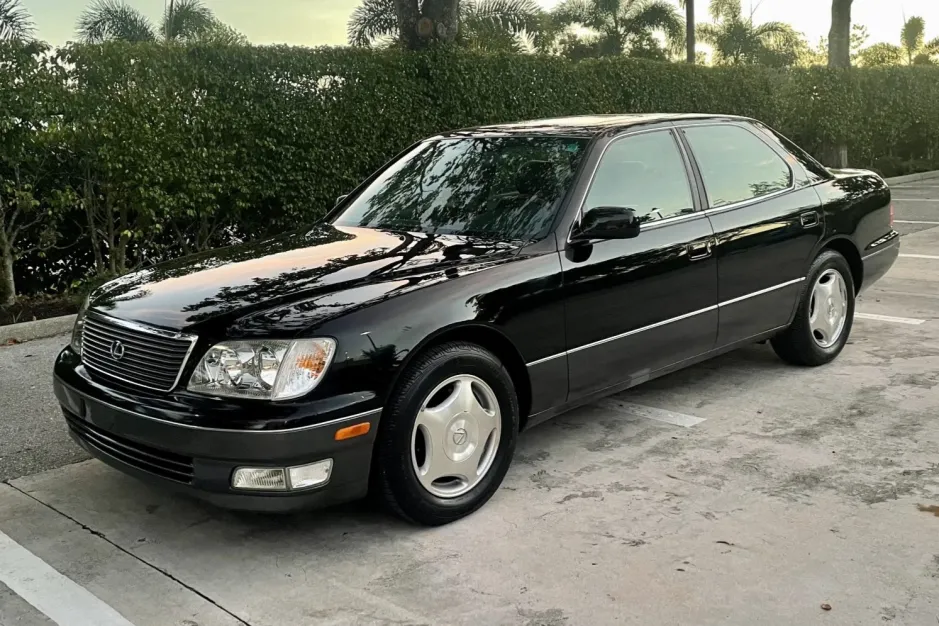
8. Lexus LS400
The Lexus LS400 is perhaps the sleeper when it comes to vehicles that tolerate neglect. When it was launched in 1989, it shocked the luxury market with its smooth V8 engine, quiet ride, and unmatched build quality. What wasn’t expected, however, was just how durable and long-lasting this car would turn out to be.
Unlike many other luxury vehicles, the LS400 doesn’t require constant upkeep to stay functional. Even when ignored, it continues to provide dependable performance, making it a top choice for anyone who wants quiet comfort without the cost of maintenance nightmares.
Timing belt changes are important, but even those are often skipped by owners without immediate consequences. Oil sludge, neglected filters, and poor-quality gas don’t seem to slow this engine down much. It’s a powerplant built for endurance, not fragility.
Transmissions in the LS400 are equally impressive. The four-speed automatic is smooth and reliable, and while fluid changes are recommended, many examples run fine even after decades without service. Electronic components that control shifting and engine timing are well protected and less prone to failure than in competing luxury brands from the same era.
In fact, many mechanics will tell you the LS400 is less of a luxury car and more of a Toyota Camry in a tuxedo, it just happens to have a V8 and leather seats.
Even the electrical systems in the LS400 are more reliable than expected. While luxury cars are usually associated with failing sensors, glitchy electronics, and warning lights, the LS400 avoids most of those issues. Climate control, power seats, and stereo systems tend to keep working long past their expected life span.
The durability of interior materials, from buttons to leather, also adds to the impression that this is a car built to outlive its owners. When neglected, it may show some cosmetic age, but mechanically it keeps performing with an almost eerie sense of calm.
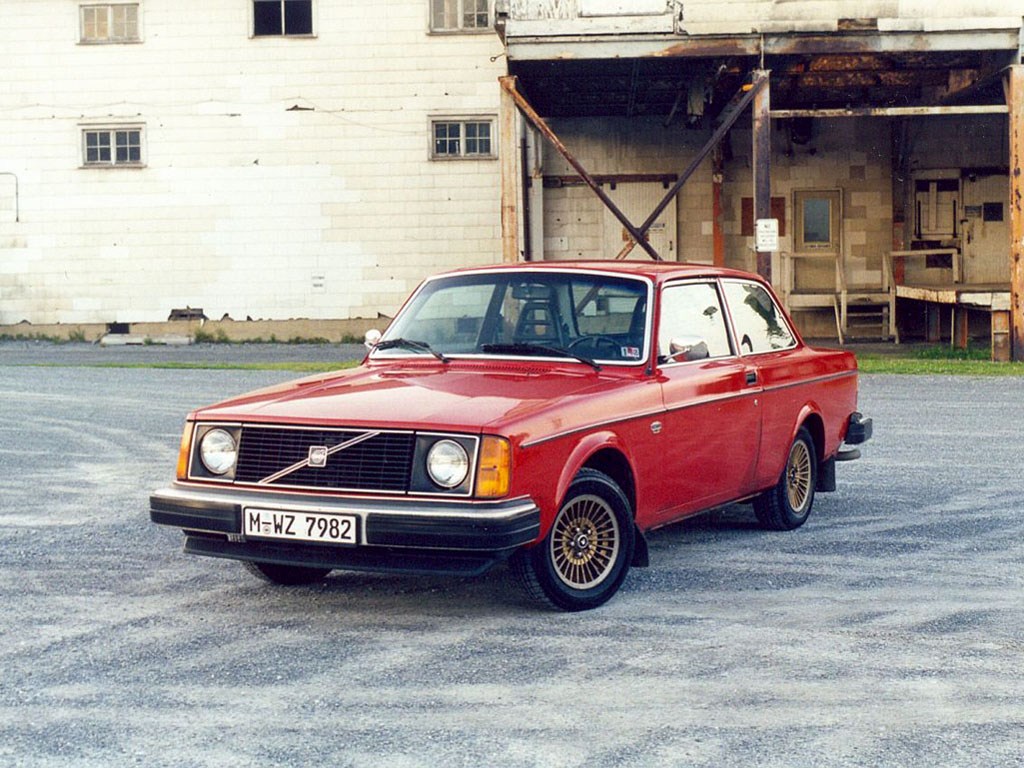
9. Volvo 240
The Volvo 240 is one of those cars that gained legendary status not through speed or design, but through sheer mechanical stubbornness. Built from 1974 to 1993, the 240 was never glamorous, but it earned respect the hard way, by surviving years, and often decades, of indifferent ownership.
These cars were built with the mindset that their owners might not be attentive, and in many cases, they weren’t. Yet, a neglected 240 often keeps running long after other cars in its class would have fallen apart or been scrapped.
Much of the 240’s resilience comes from its redblock engines, particularly the B21 and B230 variants. These inline-four engines were designed for long life and are incredibly tolerant of abuse. People have run them on dirty oil, skipped timing belt changes, ignored coolant leaks, and left them sitting for years.
Then, with a jumpstart and some fresh gas, they come back to life. The cast iron block and conservative design mean the engine doesn’t stress itself under normal use. This lack of stress is a key reason these engines keep going, even when poorly maintained.
The simplicity of the rest of the car helps as well. There’s no overly complex electronic system or fragile plastic components prone to sudden failure. The wiring is durable, the switches are basic, and most things are repairable with simple hand tools.
This makes the 240 a favorite for DIYers and a good choice for people who want to keep a car running without relying on shops or specialized diagnostics. Even when rust creeps in or suspension parts start to rattle, the core components remain solid.
Another overlooked aspect is the durability of the manual and automatic transmissions. Both types are known for long life with minimal service. Even if the fluid hasn’t been changed in a decade, many 240s will still shift and drive normally.
When paired with the famously strong rear-wheel-drive setup and boxy, stable chassis, the Volvo 240 becomes more than just a car, it becomes a survivor. And for people who treat their cars as disposable or just need something to get them through a tough winter, the 240 has often been the answer.
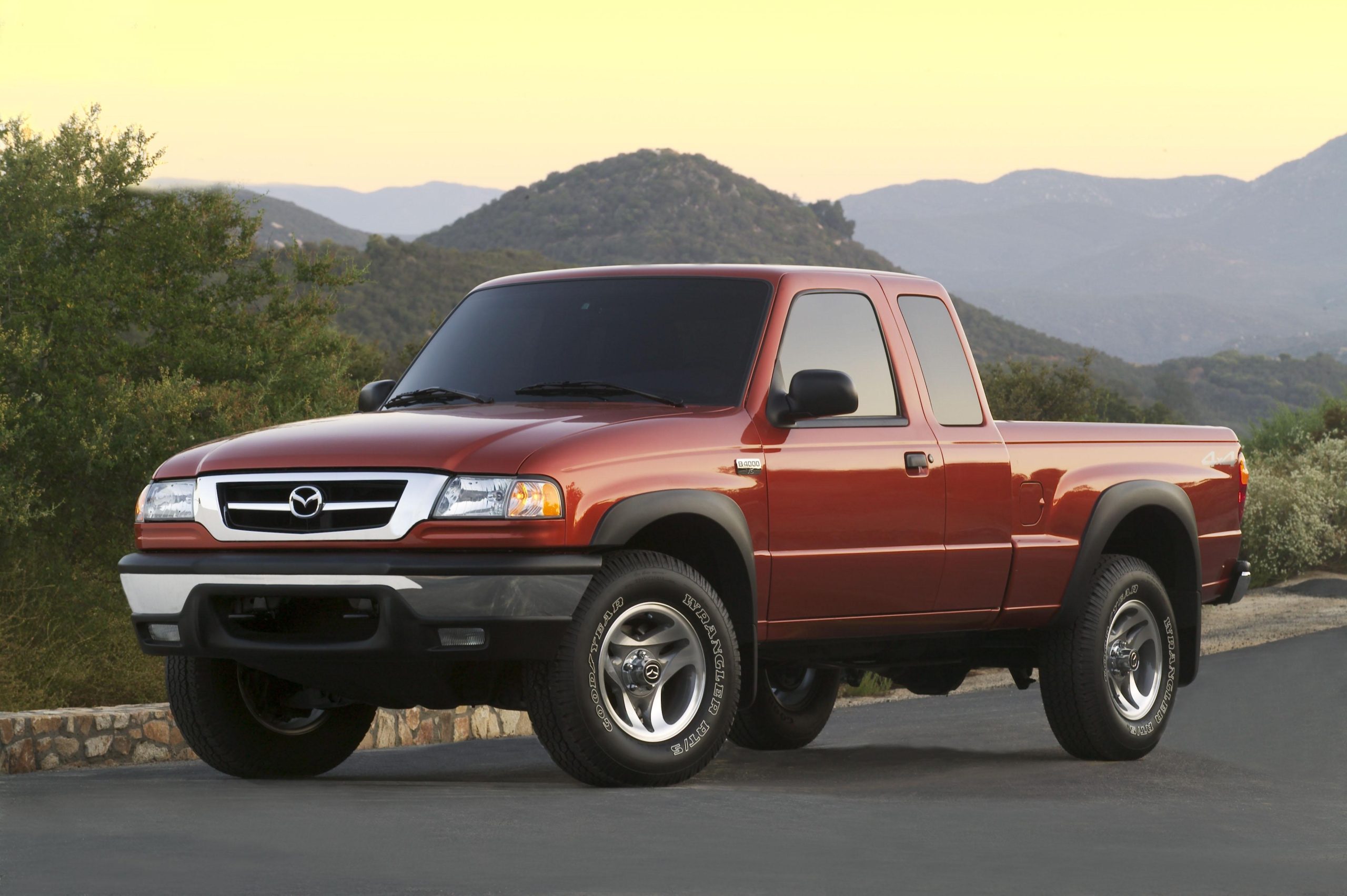
10. Mazda B-Series (and Ford Ranger Counterparts)
The Mazda B-Series pickups, along with their badge-engineered twins from Ford known as the Ranger, have long been workhorses that keep going under the worst conditions. Built with utility and simplicity in mind, these compact trucks were never flashy, but they earned a reputation for dependability that few vehicles in their class could match.
Many were used as fleet trucks, construction beaters, or farm vehicles, places where maintenance wasn’t a priority and downtime was not an option.
The engines in these trucks, especially the 2.3L and 2.5L four-cylinders, are incredibly rugged. Designed to be easy to work on and resistant to wear, these engines can keep running even when treated poorly. It’s common to find these trucks still driving with original engines that have never had valve adjustments or timing work done.
Oil changes are skipped, filters are filthy, yet the truck still fires up every day. The simplicity of these motors means fewer things can go wrong, and what does go wrong often doesn’t stop the truck from running.
Beyond the engine, the B-Series and Ranger share an equally reliable drivetrain. The manual transmissions, especially the 5-speed units, are well-known for surviving neglect. Even with worn-out clutches and grinding gears, many of these trucks remain drivable.
The rear axles are strong, and the suspension is basic but tough. Leaf springs and solid axles mean they can take a beating without compromising the vehicle’s ability to carry loads or handle rough roads. Even with sagging shocks and noisy bushings, they continue doing their job.
Perhaps the biggest reason these trucks handle neglect so well is their sheer simplicity. No turbochargers, no complex electronics, no fragile components that require constant monitoring. These trucks were built for people who needed reliable transportation and didn’t want to think about what was under the hood.
That’s why so many of them are still on the road today, doing the same work they were doing twenty or thirty years ago. In a world where modern trucks have become complicated and expensive to maintain, the old Mazda B-Series and Ford Ranger stand out as tough, reliable survivors.
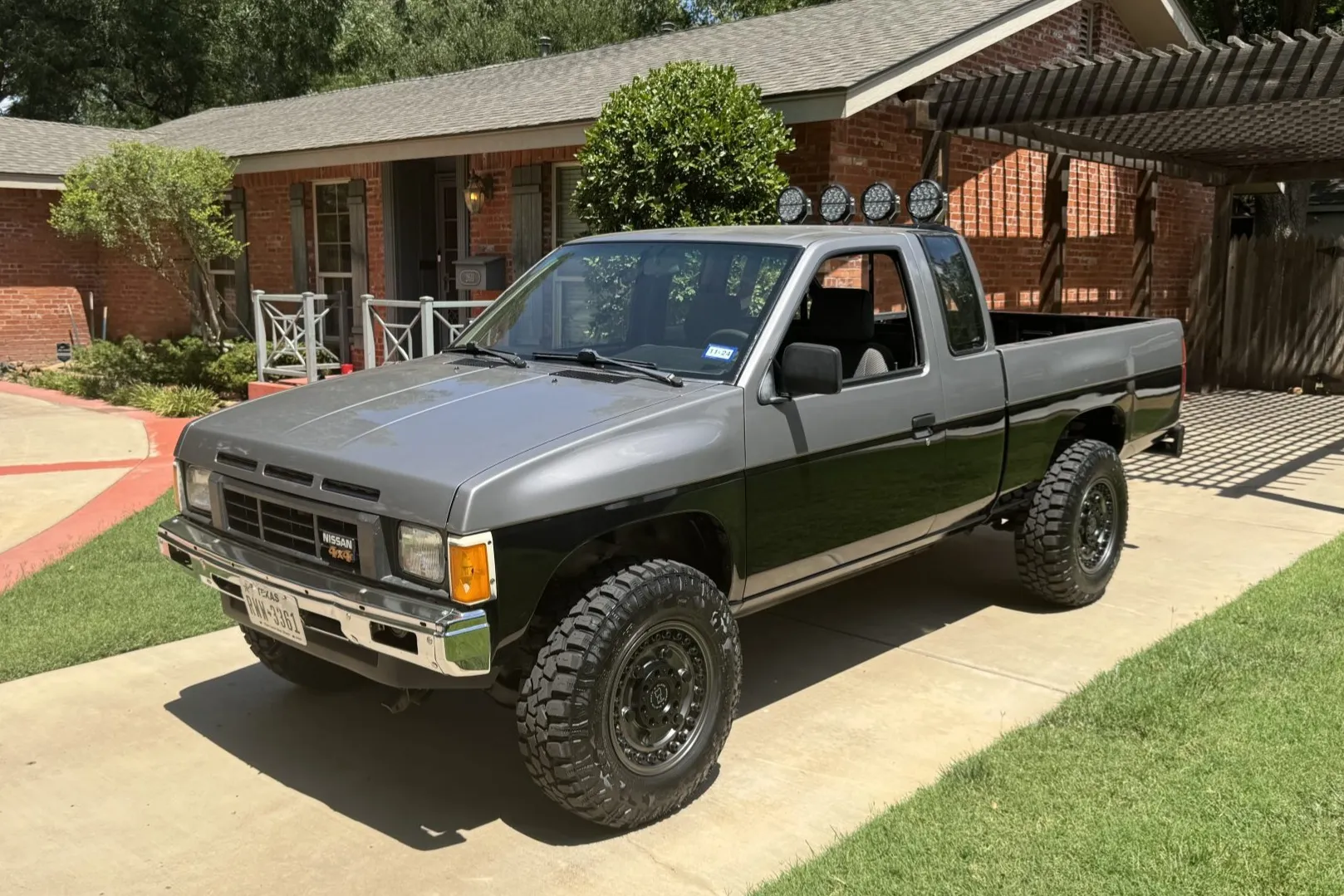
11. Nissan Hardbody (D21)
The Nissan Hardbody pickup, known officially as the D21, is one of the most underappreciated trucks when it comes to long-term durability under poor maintenance. Built from the mid-1980s through the late 1990s, the Hardbody was designed with one goal in mind: rugged utility.
This compact pickup became especially popular in developing markets and rural areas because it didn’t require gentle handling or regular upkeep. For drivers who simply needed something that could start every morning and haul whatever needed to be hauled, the D21 delivered, even when neglected for years.
The D21’s engines were part of its secret to longevity. The KA24E inline-four and the earlier Z-series engines were built to last and required minimal upkeep to stay functional. They could run for hundreds of thousands of miles with infrequent oil changes and no valve adjustments.
The design was straightforward, with no turbochargers or high-strung components to wear out under stress. These engines are known to keep running even after developing leaks, minor overheating issues, or internal wear. In many cases, people have continued driving these trucks with noisy timing chains and poor compression, and yet the engines still refused to quit.
The rest of the truck was built with a similar mindset. The manual transmissions, in particular, were nearly indestructible. Even with abused clutches, worn-out gear oil, and years of hard shifting, they usually held together. Automatic versions weren’t as common, but even those lasted surprisingly long with little attention.
The rear-wheel-drive layout and simple suspension made the D21 easy to repair and forgiving of worn components. Leaf springs, solid axles, and basic brakes meant you could ignore maintenance far longer than you should and still be able to use the truck without fear of a catastrophic failure.
Another factor that contributes to the D21’s neglect-friendly reputation is the durability of the body and frame. While rust could be an issue in northern climates, the Hardbody generally held up well, especially in dry regions. The interior was Spartan but tough, with plastic dashboards, cloth seats, and manual window cranks all aged slowly.
It wasn’t uncommon to see these trucks used as farm vehicles or general-purpose haulers long after they’d been retired from regular road use. Their ability to keep working under poor conditions gave them an almost legendary status among owners who didn’t have the time or money for constant upkeep.
