
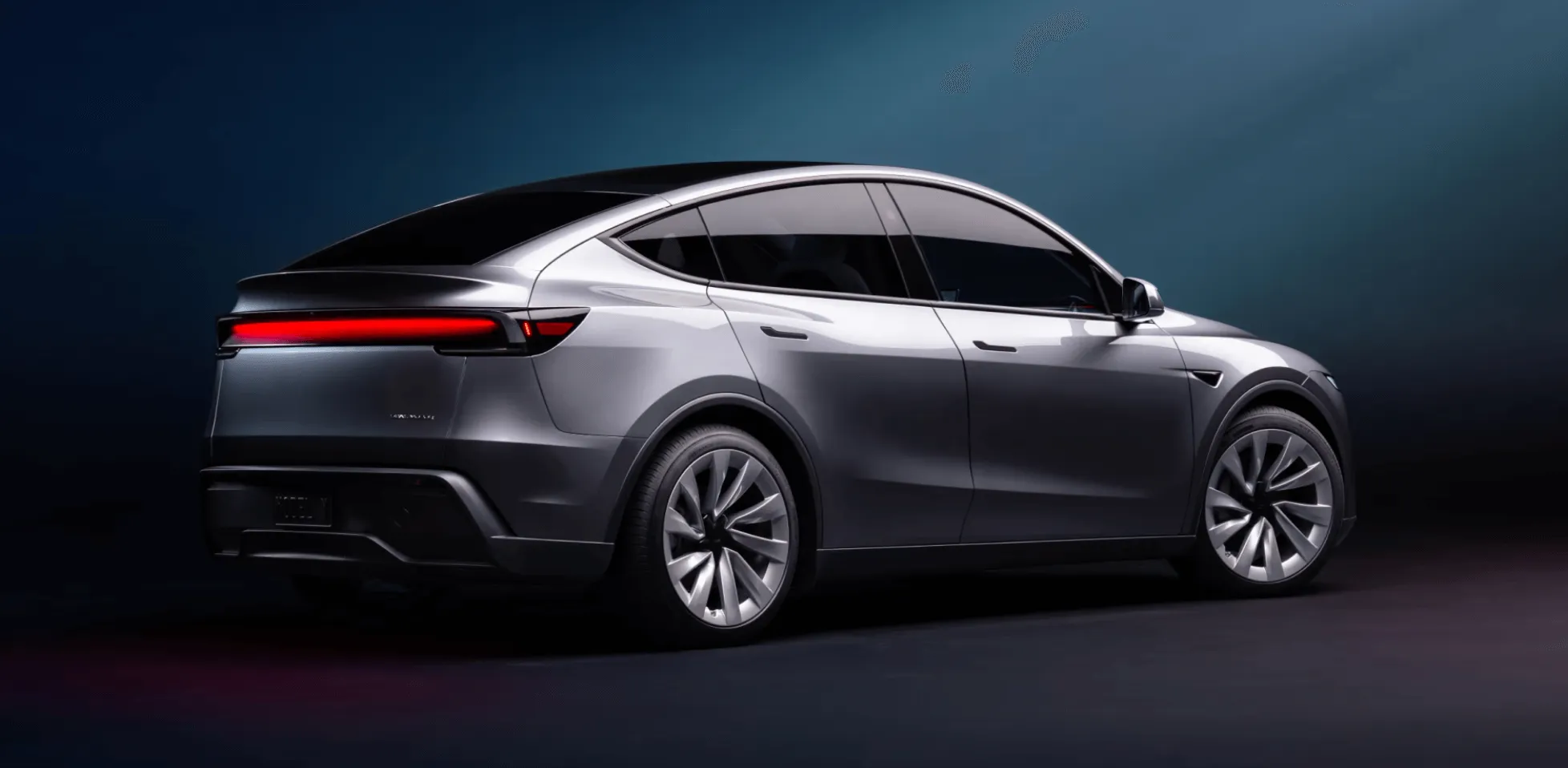
When Tesla announced the Model Y back in 2019, people who loved to hate electric vehicles sharpened their knives and prepared their “I told you so” speeches. They had all their arguments ready: batteries would fail after two years, the build quality would be terrible, parts would be impossible to find, and owners would regret their decisions within months.
These critics were so confident that EVs, especially Teslas, would never match the dependability of traditional vehicles. They had charts, they had theories, and they had decades of combustion engine experience backing their predictions.
Fast forward to today, and those same critics are awfully quiet. Why? Because the Tesla Model Y went out and did something that destroyed their arguments. It became one of the most dependable vehicles on the road, electric or otherwise. Owners racked up serious kilometres without the drama everyone predicted.
Battery packs kept their charge capacity year after year. Software updates fixed issues remotely instead of requiring expensive dealer visits. And most importantly, people who bought Model Ys found themselves spending far less time and money on maintenance than they ever did with their petrol SUVs.
This isn’t some fanboy fantasy or marketing propaganda. Real data from real owners tells a story that made doubters uncomfortable. Consumer Reports, independent mechanics, and owner forums all started reporting the same thing: these vehicles were holding up remarkably well.
So what happened? How did an electric SUV from a company that critics loved to mock end up proving everyone wrong? Let’s break down exactly how the Tesla Model Y became the vehicle that silenced its harshest critics.
Construction Quality That Actually Improved
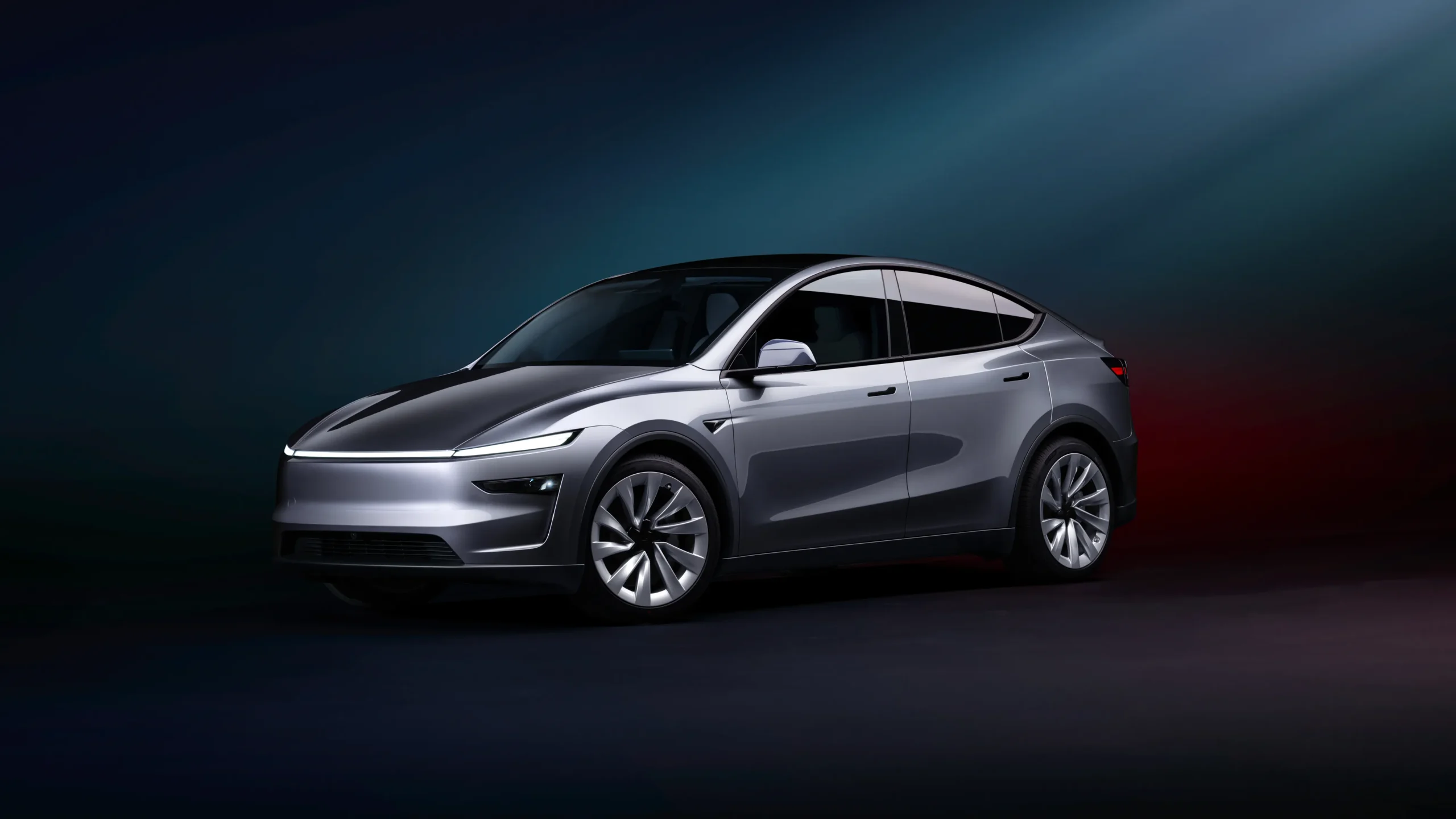
Early Model Y units rolling off the production line in 2020 had their share of problems, nobody’s denying that. Panel gaps were inconsistent, paint quality varied wildly, and some interior trim pieces felt like they’d been installed by someone having a bad day.
Critics jumped on these issues with glee, writing articles about how Tesla couldn’t build proper cars and how traditional manufacturers had nothing to worry about. Social media filled with photos of misaligned panels and complaints about quality control.
But here’s what those critics missed while they were busy celebrating Tesla’s stumbles: the company actually listened and fixed things. Production processes got refined, quality control checkpoints increased, and the vehicles coming out of factories in 2021 and 2022 showed dramatic improvement.
This wasn’t some slow evolution that took decades like traditional manufacturers typically require. Tesla moved fast, identified problems, and implemented solutions within months rather than waiting for the next model year.
Workers at Gigafactory Texas and Gigafactory Berlin benefited from lessons learned at the Fremont plant. New manufacturing techniques reduced panel gap inconsistencies, and improved training programs helped assembly line staff understand why precision mattered.
Tesla invested in better equipment for paint application, resulting in more uniform finishes that resisted chips and scratches better than earlier production runs. Quality metrics improved month by month as the company refined its processes.
What really shocked critics was how Tesla handled existing customer complaints about build quality. While traditional manufacturers might tell owners that panel gaps within certain tolerances were “acceptable,” Tesla often brought vehicles back to service centres and actually fixed the issues.
This willingness to address customer concerns, even cosmetic ones, built loyalty and demonstrated that the company cared about getting things right. Owners who had minor problems fixed came away impressed rather than frustrated.
Structural improvements made later Model Y units more solid than earlier versions. Tesla engineers addressed squeaks and rattles that had plagued initial production by redesigning mounting points and adding better insulation.
Body rigidity increased through reinforced construction techniques, making the vehicle feel more planted and reducing interior noise. These weren’t flashy changes that made headlines, but they mattered enormously for long-term durability and owner satisfaction.
Anyone comparing a 2020 Model Y to a 2023 model can immediately feel the difference. Doors close with a more solid thunk, interior materials feel more substantial, and everything fits together properly.
This rapid improvement trajectory proved that Tesla could learn and adapt faster than traditional manufacturers who spent years planning changes that wouldn’t appear until the next generation. Critics expecting quality problems to persist indefinitely found themselves watching Tesla get better in real time.
Battery Life That Surpassed Expectations
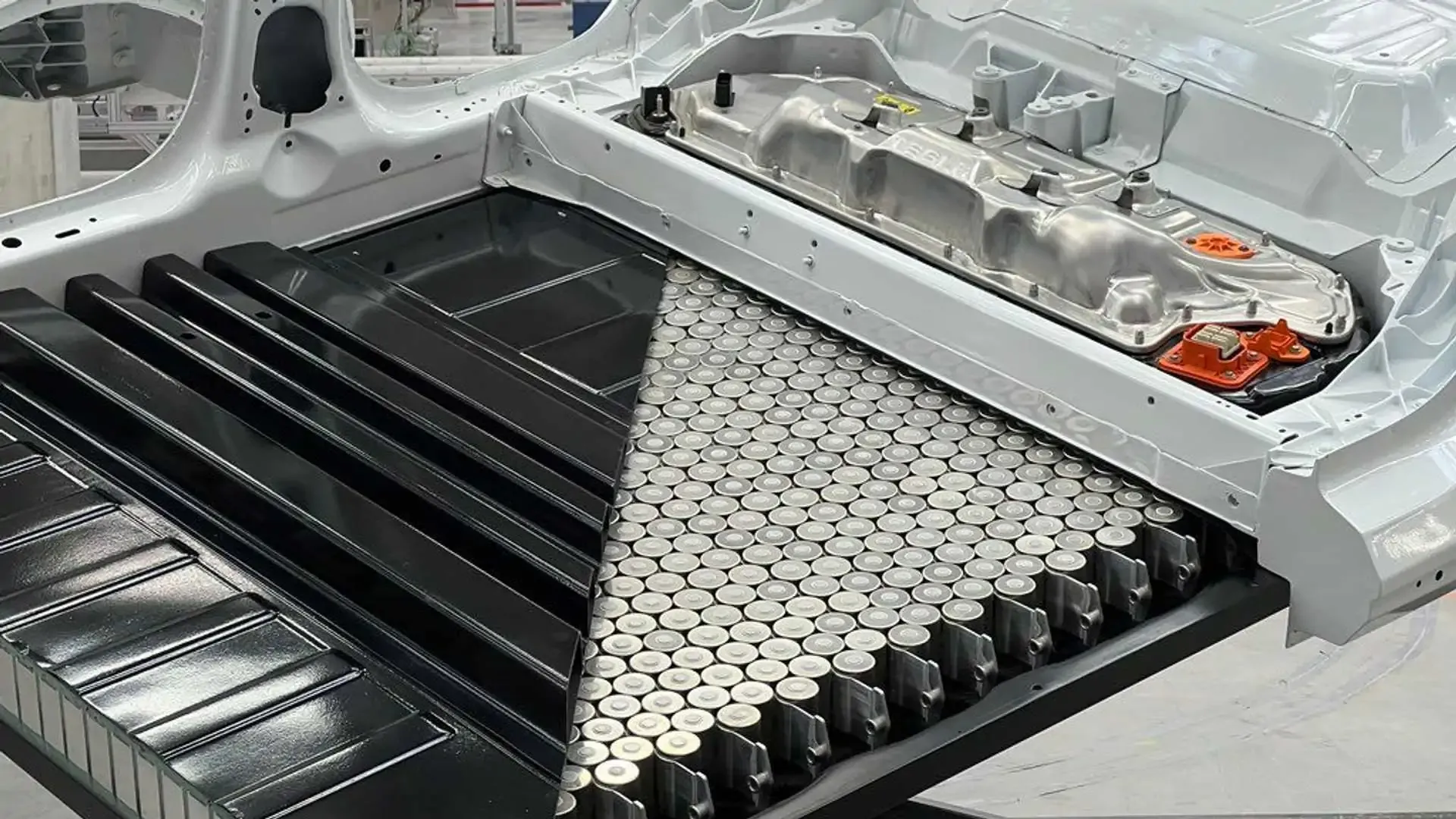
Remember all those predictions about Tesla batteries dying after 80,000 kilometres? Critics based these doom-and-gloom forecasts on early electric vehicle experiences and theories about lithium-ion cell degradation.
They confidently stated that Model Y owners would face replacement costs exceeding the vehicle’s value within just a few years. Forums filled with warnings about the inevitable battery death that would turn these EVs into expensive paperweights sitting in driveways.
Reality painted a completely different picture. Model Y owners who tracked their battery health using Tesla’s app and third-party monitoring tools found degradation rates far lower than predicted.
After the first year and roughly 25,000 kilometres, most batteries lost about 5% of their original capacity, which sounds concerning until you realize the rate of degradation then slowed dramatically. By 100,000 kilometres, many Model Ys still retained around 90% of their original battery capacity, far better than critics had forecast.
Tesla’s battery management system deserves credit for these impressive results. Sophisticated algorithms prevented cells from charging to absolute maximum or discharging to complete empty, protecting them from the stress that accelerates degradation.
Temperature regulation kept battery packs within optimal ranges during both charging and driving, preventing the thermal damage that could shorten cell life. These invisible systems worked constantly to preserve battery health without requiring any owner intervention.
Cold weather performance, once cited as a fatal flaw for EVs, proved manageable in the Model Y. Yes, range dropped in freezing temperatures. Still, the battery preconditioning feature allowed owners to warm their packs before driving, minimizing efficiency losses.
Cold climates from Canada to Scandinavia saw Model Ys performing admirably through harsh winters, with batteries maintaining their health despite temperature extremes that critics insisted would destroy them.
High-mileage examples started appearing that completely demolished the degradation story. Model Y owners who drove rideshare services or long-distance commutes accumulated 150,000 kilometres and beyond with batteries still functioning well enough for daily use.
Some early adopters pushed past 200,000 kilometres and reported their range was still adequate for their needs. These weren’t isolated cases but a pattern that emerged across different climates and usage patterns.
Supercharging frequency, another supposed battery killer, proved less damaging than feared. Owners who fast-charged regularly out of necessity rather than preference found their batteries held up surprisingly well.
Tesla’s charging algorithms limited power delivery when conditions weren’t optimal, protecting cells even when owners were in a hurry. This smart management meant people could use Superchargers without anxiety about destroying their batteries prematurely.
Also Read: 12 EVs That Already Prove Electric Cars Can Be Reliable

When Mechanical Simplicity Paid Off In Performance
Electric motors don’t care about oil changes, timing belts, spark plugs, or any of the maintenance headaches that plague combustion engines. Critics dismissed this advantage, claiming that electric drivetrains would develop their own unique problems that would be just as expensive and frustrating.
They predicted motor failures, inverter issues, and cooling system catastrophes that would leave owners stranded and bankrupt. Tesla’s single or dual-motor setup in the Model Y became a target for this skepticism.
Those predictions fell flat as Model Ys accumulated kilometres without drivetrain drama. Electric motors spun millions of times without developing the rattles, knocks, or power loss that appear in ageing petrol engines.
No carbon buildup, no worn piston rings, no leaking gaskets, no catalytic converters clogging up. Just smooth, consistent power delivery that felt the same at 100,000 kilometres as it did when new. This simplicity translated directly into reliability.
Owners who came from traditional SUVs like the Toyota RAV4 2019 or Honda CR-V 2020 found themselves shocked by how little attention the Model Y’s drivetrain required. No scheduled oil changes every 5,000 kilometres, no transmission fluid replacements, no differential services.
Just occasional brake fluid checks and tyre rotations. This reduction in maintenance needs saved both time and money while eliminating the hassles that come with keeping combustion vehicles running properly. Regenerative braking systems worked so effectively that friction brakes barely got used during normal driving.
Model Y owners reported their brake pads lasting well over 100,000 kilometres because regenerative braking handled most deceleration duties.
This wasn’t just convenient, it represented real savings compared to traditional vehicles where brake jobs come around every 40,000 to 60,000 kilometres depending on driving style and conditions.
Cooling systems for the motors and inverters proved robust and trouble-free across different climates. From desert heat to arctic cold, Model Ys maintained proper operating temperatures without the coolant leaks and radiator failures that plague older vehicles.
Tesla engineered these systems with automotive-grade components rather than consumer electronics parts, ensuring they could handle years of thermal cycling without breaking down. When drivetrain issues did occur, they typically happened early in a vehicle’s life and were covered under warranty.
Tesla’s four-year, 80,000-kilometre basic warranty and eight-year, 192,000-kilometre battery and drive unit warranty provided coverage that exceeded what most traditional manufacturers offered. This demonstrated confidence in the drivetrain’s longevity and protected owners from catastrophic repair costs.

Remote Software Updates That Solved Issues
Traditional car manufacturers made owners schedule service appointments, take time off work, drive to dealerships, and wait while technicians updated vehicle software or fixed bugs.
This process was expensive, time-consuming, and frustrating. Critics assumed Tesla’s heavy reliance on software would mean constant problems requiring frequent dealer visits, making ownership a nightmare of technical issues and downtime.
Instead, Tesla’s over-the-air update capability became a massive reliability advantage. Problems that would sideline traditional vehicles for days got fixed overnight while the Model Y sat in the owner’s garage.
Software bugs got patched, new features appeared, and system improvements rolled out without any owner effort beyond connecting to WiFi and letting the update install. This was revolutionary for the automotive industry.
Small issues that might have required recalls for traditional manufacturers got addressed through software updates. A minor glitch in the climate control logic? Fixed with an update. Autopilot needing refinement?
Updated remotely. Charging behaviour needing optimization? Patched overnight. These improvements happened continuously rather than waiting for annual model updates, meaning Model Ys kept getting better throughout their ownership lifecycle.
Critics who predicted that software complications would create reliability nightmares watched as Tesla’s approach actually enhanced dependability. When issues appeared, Tesla could analyze data from the fleet, develop solutions, and deploy fixes to all affected vehicles simultaneously.
This meant problems got resolved faster and more completely than the traditional approach of issuing service bulletins and hoping owners eventually brought their vehicles in. Battery management improvements delivered through software updates helped extend pack life even further.
Tesla refined charging algorithms based on real-world data from millions of charging sessions, then pushed those improvements to all vehicles. This meant older Model Ys benefited from knowledge gained through newer production, something impossible with traditional vehicles where hardware limitations prevent meaningful improvement after purchase.
Performance and efficiency gains appeared through software optimization that squeezed more range from the same battery pack. Tesla engineers found ways to reduce energy consumption during driving, improve heating and cooling efficiency, and optimize power delivery.
These updates provided tangible benefits that owners could measure, building trust in the software update process and demonstrating that Tesla was actively working to improve their vehicles.
Real Ownership Costs That Broke Financial Reasoning
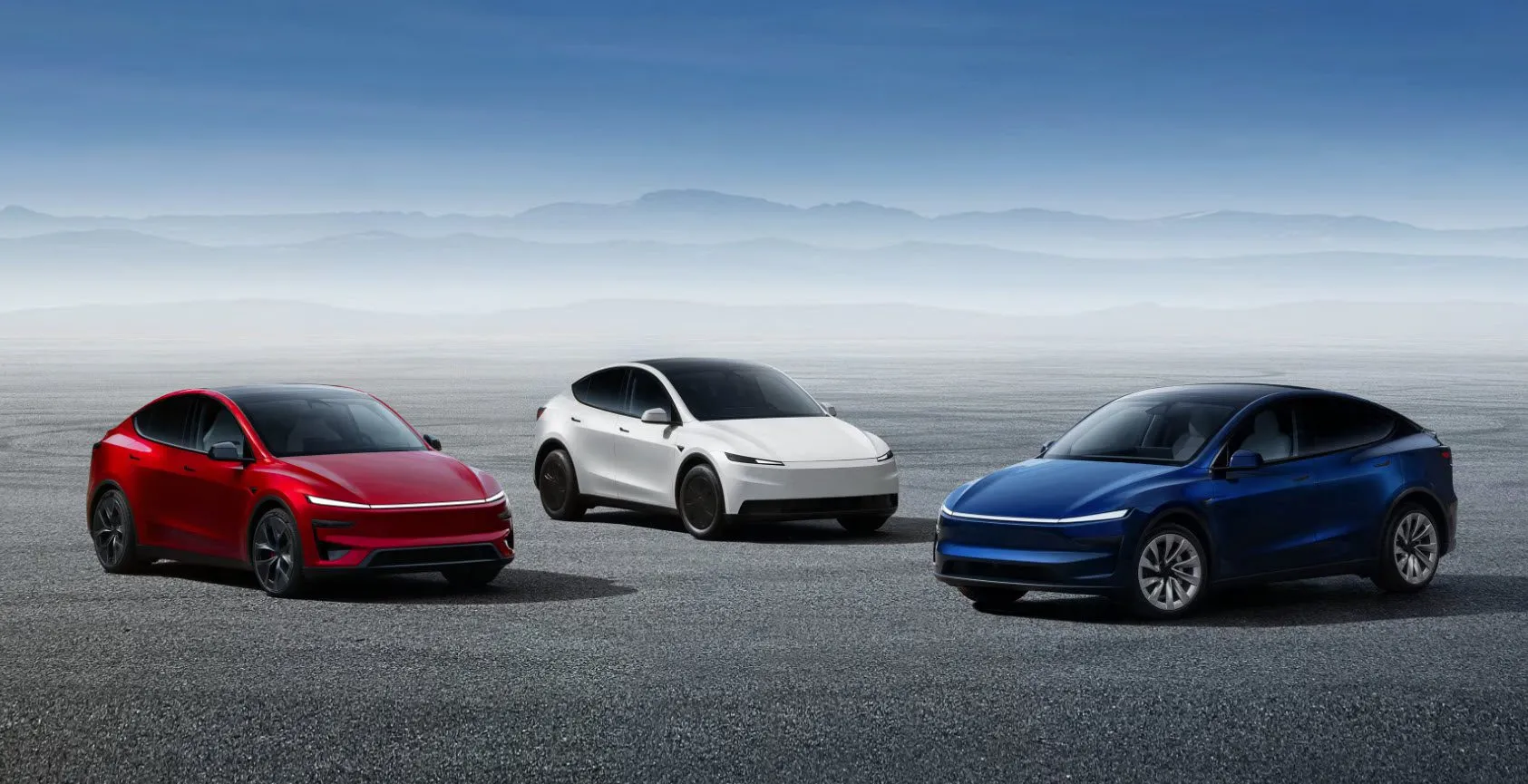
Critics loved to point at the Model Y’s purchase price and declare it too expensive compared to petrol SUVs like the Mazda CX-5 2021 or Hyundai Tucson 2020. They calculated payment amounts and insisted that buyers were wasting money on electric gimmicks when perfectly good traditional vehicles cost thousands less upfront.
These financial arguments seemed convincing until actual owners started tracking their total costs of ownership. Fuel savings alone made a huge difference for people driving typical annual distances.
Someone commuting 30,000 kilometres per year who switched from a petrol SUV averaging 10 litres per 100 kilometres to a Model Y paying for home electricity at average rates could save thousands annually on fuel alone. These savings compounded year after year, quickly closing the gap between the Model Y’s higher purchase price and cheaper alternatives.
Maintenance cost differences became even more dramatic as vehicles aged. Model Y owners paid for tyre rotations, cabin air filter replacements, and brake fluid checks. That’s about it for the first 100,000 kilometres.
Compare this to petrol SUV owners paying for oil changes, air filter replacements, spark plug services, transmission fluid changes, coolant replacements, timing belt services, and all the other scheduled maintenance that combustion engines require. The cost difference added up to thousands over a vehicle’s lifetime.
Brake longevity thanks to regenerative braking saved money that owners of vehicles like the Ford Escape 2021 or Nissan Rogue 2020 had to spend regularly. Brake jobs that cost hundreds of dollars every few years simply didn’t happen for Model Y owners who embraced one-pedal driving.
This single advantage, often overlooked in initial purchase comparisons, represented substantial savings that made the total cost of ownership more favourable than critics wanted to admit. Depreciation curves for the Model Y proved more stable than predicted.
While critics insisted that electric vehicles would lose value faster than traditional ones, strong demand for used Model Ys kept resale values high. Buyers wanted the benefits of electric driving and Tesla’s charging network, so used Model Ys held their worth better than many petrol SUVs that experienced steeper depreciation.
This residual value protection mattered enormously for owners who planned to trade or sell eventually. Insurance costs, initially higher for Tesla vehicles due to their novelty and expensive parts, started dropping as insurers gained experience with claims and repair costs.
Model Ys proved less likely to be in accidents thanks to their advanced safety features, and when collisions did occur, repairs weren’t as catastrophic as initially feared. Some insurance companies began offering competitive rates that reflected the vehicles’ actual risk profiles rather than early assumptions.
Government incentives available in many markets further improved the financial equation. Tax credits, rebates, reduced registration fees, and access to carpool lanes provided tangible financial and practical benefits that petrol vehicles couldn’t match.
These incentives varied by location but often amounted to thousands in savings, making the Model Y’s total cost of ownership competitive with or better than traditional alternatives.

Actual Data That Put Critics To Rest
Consumer Reports, an organization known for rigorous testing and owner surveys, began publishing reliability data that contradicted early negative predictions about Tesla vehicles. Model Y owners reported fewer problems than average across various categories, with the vehicle scoring well enough to earn recommendation status.
This came from an organization with no reason to favour Tesla, making the data particularly credible. J.D. Power studies, while Tesla didn’t always participate officially, showed through available data that Model Y owners expressed high satisfaction with their vehicles.
Problem rates were lower than many established competitors, and owner loyalty metrics indicated people who bought Model Ys planned to buy another Tesla for their next vehicle. These weren’t fanboy opinions but statistical data showing real satisfaction levels.
Owner forums and social media groups documented hundreds of thousands of problem-free kilometres across the Model Y fleet. People shared their odometer readings, battery health percentages, and maintenance records, creating a crowdsourced reliability database that told a compelling story. Sure, some owners had problems, but the percentage experiencing issues was far lower than critics had predicted.
Independent mechanics who worked on Model Ys reported that most service visits involved tyres, alignments, and other routine items rather than drivetrain repairs or major system failures. These technicians had no incentive to promote Tesla, yet their experiences matched what owners reported: these vehicles needed far less repair work than traditional SUVs with similar mileage and age.
Fleet operators who added Model Ys to their rental or commercial operations tracked uptime and maintenance costs carefully because their businesses depended on vehicle reliability.
These operators reported that Model Ys spent less time in shops and more time generating revenue compared to their petrol vehicles when businesses with profit motives chose to expand their Tesla fleets, that spoke volumes about real-world dependability.
Insurance claim data showed Model Ys weren’t experiencing the catastrophic failures critics predicted. Claim frequencies and severities fell within normal ranges, and some insurers noted that advanced safety features actually prevented accidents that would have occurred in traditional vehicles. This data proved the vehicles were holding up in daily use without unusual failure patterns.

Comparing With Traditional Competitors
Buyers cross-shopping the Model Y against vehicles like the Audi Q5 2021, BMW X3 2020, or Mercedes-Benz GLC 300 2021 found reliability comparisons favoured the Tesla once real-world data accumulated.
These premium German SUVs had reputations for expensive maintenance and problematic electronics, issues that became more pronounced as vehicles aged. Model Y owners avoided many of these headaches through simpler construction and better software integration.
Japanese competitors like the Lexus NX 300 2020 and Acura RDX 2021 offered strong reliability but couldn’t match the Model Y’s low operating costs. These vehicles needed regular maintenance, consumed expensive premium fuel, and eventually faced the repair costs that come with combustion engines and automatic transmissions wearing out.
Model Y owners paid less per kilometre driven while enjoying better performance and more interior space. American SUVs such as the Jeep Grand Cherokee 2021 and Cadillac XT5 2020 offered different value propositions but struggled to match the Model Y on reliability metrics.
These vehicles experienced more frequent problems according to reliability surveys, and their operating costs remained higher due to fuel consumption and maintenance requirements. Model Y owners who previously owned American SUVs often reported feeling liberated from constant dealer visits and repair concerns.
Korean manufacturers like Kia and Hyundai produced excellent SUVs such as the Kia Sorento 2021 and Hyundai Santa Fe 2020 with strong warranties and competitive pricing. However, their operating costs still included regular maintenance and fuel expenses that Model Y ownership eliminated.
While these were reliable vehicles by traditional standards, they couldn’t compete with the Model Y’s minimal maintenance requirements and charging cost advantages. Chinese electric competitors began appearing with vehicles like the BYD Atto 3 2022 and NIO ES6 2021, but their reliability records were too new to judge properly.
These vehicles offered interesting alternatives with competitive pricing, but they lacked the proven track record that Model Y had established through hundreds of thousands of vehicles operating globally for several years. Time would tell if they could match the dependability Tesla demonstrated.
European electric alternatives including the Volkswagen ID.4 2021 and Polestar 2 2021 provided good options with their own strengths, but early reliability data suggested they experienced more problems than the Model Y.
Software glitches, charging issues, and build quality concerns affected these vehicles more frequently according to owner reports. Model Y buyers choosing Tesla often cited reliability concerns about newer electric vehicles from traditional manufacturers as a deciding factor.
Also Read: 10 EVs That Feel Like Real Drivers’ Cars
How This May Affect Future Car Purchases
Anyone shopping for an SUV today needs to reconsider assumptions about electric vehicle reliability. Critics spent years insisting that EVs couldn’t match combustion vehicles for dependability, but the Model Y proved this was nonsense.
Real-world data from hundreds of thousands of owners demonstrated that proper engineering produces reliable electric vehicles regardless of what skeptics claimed. Traditional manufacturers watching Tesla’s success scrambled to develop competitive electric SUVs, learning from both Tesla’s successes and early mistakes.
This competition benefits buyers who now have multiple reliable electric options rather than being forced to choose between unproven vehicles or sticking with combustion engines. Tesla’s Model Y blazed a trail that others could follow, improving the entire electric vehicle market.
Financial calculations for vehicle purchases must now include total ownership costs rather than just purchase prices. Model Y buyers who did this math found that apparent savings from cheaper petrol SUVs disappeared when factoring in fuel, maintenance, and repair costs.
Smart shoppers recognized that spending more upfront for an electric vehicle often meant spending less during ownership, making the Model Y a better value than it initially appeared. Environmental considerations aside, the Model Y succeeded because it was genuinely a better vehicle for many buyers’ needs.
Lower operating costs, minimal maintenance, smooth performance, and proven reliability created a package that was hard to beat even before considering emissions reductions. Critics who dismissed the Model Y as an environmental statement missed the point: it was simply a smart choice for practical reasons.
Charging infrastructure concerns, once a major barrier to EV adoption, mattered less as networks expanded and home charging became standard. Model Y owners discovered that plugging in overnight at home provided all the range they needed for daily driving, with public charging available for longer trips.
This convenience matched or exceeded the petrol station experience while costing less per kilometre driven. Future vehicle development will increasingly focus on electric powertrains as manufacturers recognize that reliability isn’t a barrier.
Tesla’s Model Y demolished arguments that EVs couldn’t be dependable, forcing critics to find new objections. As batteries improve, charging speeds increase, and costs decline, electric vehicles will continue gaining market share based on merit rather than environmental guilt.
Buyers who wait for “proven” technology while electric vehicles establish their reliability records will find themselves waiting forever. Model Y has already been proven through years of real-world use by diverse owners in varying conditions.
Anyone still claiming EVs aren’t reliable enough is either ignorant of the data or refusing to accept evidence that contradicts their predetermined conclusions. Smart shoppers evaluate actual reliability records rather than outdated assumptions.
Tesla’s Model Y forced the automotive industry and its critics to acknowledge a new reality: electric vehicles can be just as reliable as traditional ones, and in many ways, they’re actually more dependable thanks to simpler drivetrains and fewer wear items.
This represents a fundamental change in how people should evaluate vehicles, and anyone ignoring this change risks making poor purchasing decisions based on outdated information. Critics were wrong, the data proves it, and buyers benefit from this knowledge.
