
Sports cars have long been admired for their speed, sharp handling, and head-turning designs. They embody the thrill of driving and often represent a dream for car enthusiasts around the world. However, owning a sports car is not always about weekend thrills or track days.
For many, a sports car also has to function as a daily driver, a vehicle that can handle everyday commuting, errands, and unpredictable conditions without constant compromise.
This balance between performance and practicality can be tricky to achieve. Some sports cars are perfectly suited for daily use, offering comfort, reliability, and usability without giving up much on excitement.
Others, despite their promising appearances and impressive specs, fail to deliver on the promise of being practical for everyday life, leaving owners frustrated with ride quality, space, or maintenance demands.
Choosing a sports car that performs well every day means considering factors beyond horsepower and cornering ability. Comfort on longer drives, ease of ingress and egress, cabin space, visibility, fuel efficiency, and maintenance costs all come into play. A car that is too stiff, too low to the ground, or too demanding in terms of upkeep quickly becomes a burden.
By examining these ten vehicles, you get a clearer picture of what works and what doesn’t in a sports car’s dual role. Whether you’re looking for a car to enjoy on spirited drives or one that you can also rely on for your daily routine, this list will give you valuable insights.
5 Sports Cars That Can Handle Daily Driving
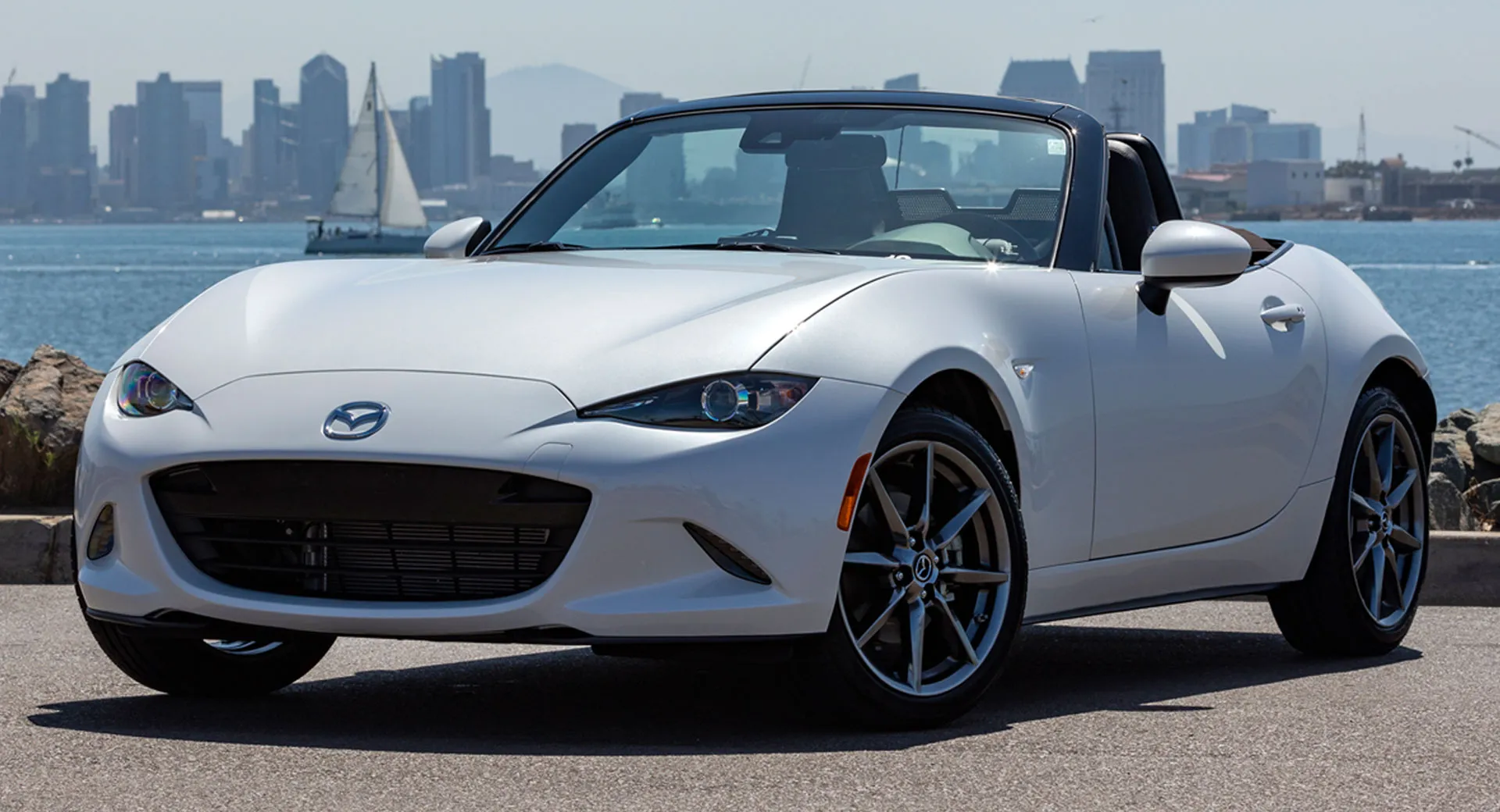
1. Mazda MX-5 Miata
The Mazda MX-5 Miata is often celebrated as one of the best examples of a lightweight, affordable sports car that delivers genuine driving enjoyment without the complexity or cost associated with many high-performance vehicles.
It combines spirited driving dynamics with practicality, making it an excellent choice for those who want a car that’s equally capable on a weekend getaway or the daily commute.
One of the key reasons behind the Miata’s success as a daily driver is its simplicity and reliability. The car is not overloaded with unnecessary technology or excessive horsepower, which keeps maintenance costs low and reduces the chances of mechanical failure.
Unlike many sports cars that prioritize speed at the expense of comfort, the Miata offers a well-tuned suspension that can absorb typical road imperfections effectively.
This balance ensures that drivers can enjoy spirited cornering without suffering from a punishing ride on city streets or highways. The convertible top is another plus, offering an open-air driving experience that can be used year-round in many climates thanks to its solid build and effective weather sealing.
Inside, the MX-5’s cockpit is designed to maximize driver engagement and comfort. The seats, while not overly plush, provide sufficient support for both short trips and longer drives. The minimalist dashboard layout keeps controls intuitive and easy to reach, allowing drivers to focus on the road.
Visibility is also very good, an often overlooked feature in sports cars, which helps reduce stress in busy traffic or while parking. While the Miata is a two-seater with limited storage, the trunk space is surprisingly functional for its size, enough for a weekend bag or grocery runs.
Fuel efficiency is respectable as well, especially when compared to heavier, more powerful sports cars, making the Miata an economical choice for everyday driving. These factors combine to create a vehicle that is both fun and practical, proving that a sports car can serve as a reliable daily driver without compromising the joy of driving.
The car’s affordability extends beyond the initial purchase price; parts are plentiful and relatively inexpensive, and repairs tend to be straightforward thanks to the Miata’s simple engineering. Mazda’s reputation for reliability means that owners often find the car dependable and easy to maintain, adding to its appeal as a daily vehicle.
Enthusiast communities also provide a wealth of support, making it easier to find advice or modifications that enhance usability without losing the car’s essential character. This accessibility ensures that the Miata remains a popular choice not only for casual drivers but also for those who want a car that can adapt to their evolving needs over time.
Furthermore, the manual transmission option makes driving more engaging, yet it’s light and easy to use even in stop-and-go traffic, an important consideration for a daily driver.
Whether navigating tight urban streets or open highways, it offers a nimble, responsive experience that can brighten even the dullest commute. Its reputation as a reliable, enjoyable sports car makes it one of the most sensible choices for drivers who refuse to sacrifice fun when selecting a daily driver.
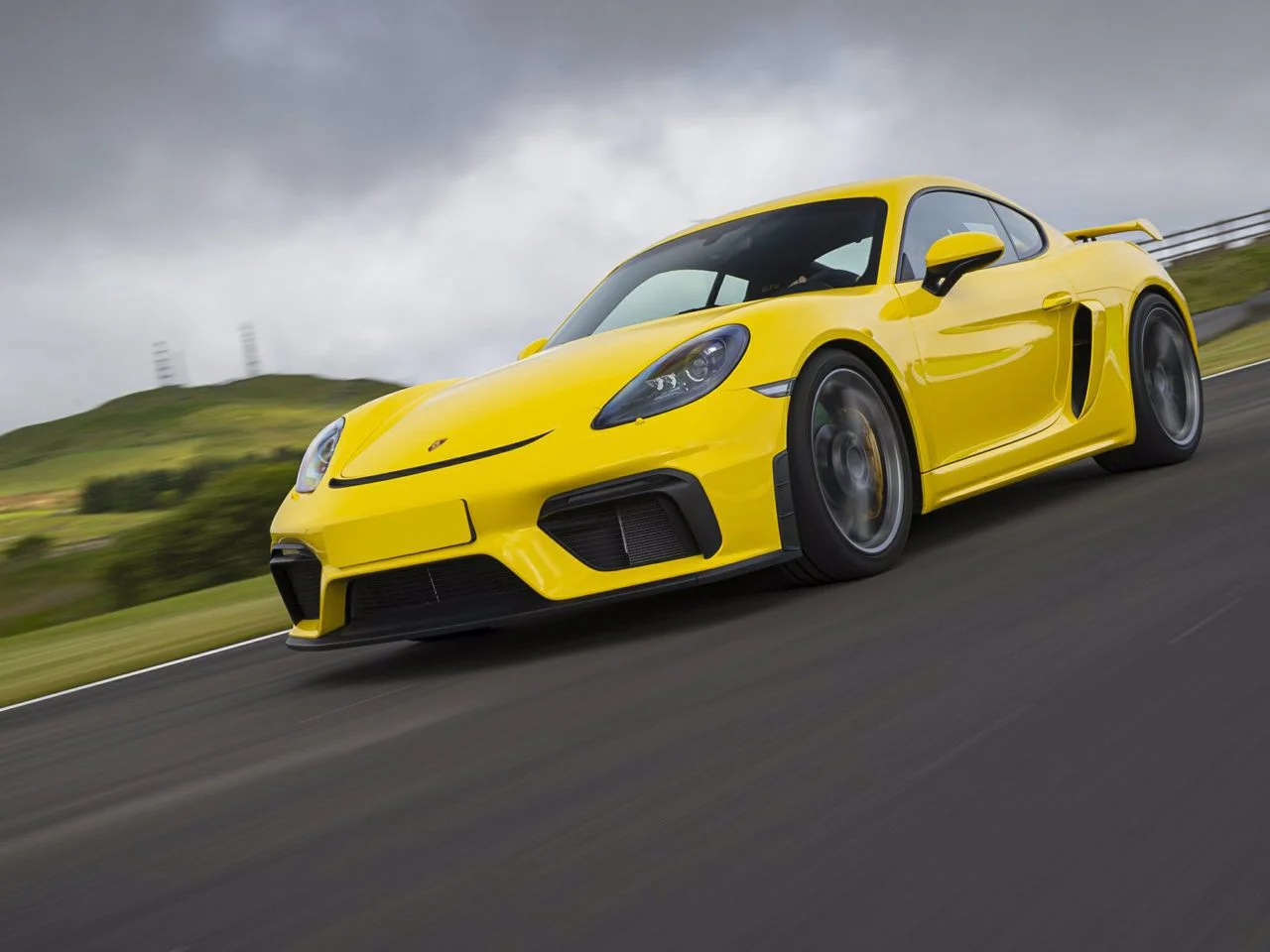
2. Porsche 718 Cayman
The Porsche 718 Cayman is widely regarded as one of the best sports cars that successfully combine high-level performance with everyday usability. At the heart of this capability is its mid-engine layout, which provides exceptional weight distribution and balance, resulting in precise, confident handling that remains accessible to a wide range of drivers.
Unlike many exotic sports cars that compromise comfort for track prowess, the Cayman’s suspension is designed to absorb road irregularities while maintaining a communicative and engaging driving experience. The car’s engineering excellence is evident in how well it performs in diverse driving conditions, whether sprinting through mountain passes or cruising on a daily commute.
The cabin environment reflects Porsche’s commitment to quality and ergonomics, offering drivers and passengers a luxurious space that is both comfortable and functional. Premium materials adorn the interior, while advanced technology ensures connectivity and convenience without overwhelming the driver.
This unique layout makes the Cayman surprisingly versatile for daily use and even weekend adventures. The seats are supportive and comfortable, adjustable in multiple ways to cater to various driver preferences, which helps reduce fatigue during longer drives.
The car’s visibility is adequate, especially given the sporty design, and getting in and out of the vehicle is not as cumbersome as in many other sports cars with aggressive seating positions or low rooflines.
Fuel efficiency in the 718 Cayman is relatively good for a performance car, especially in the turbocharged four-cylinder models. These engines deliver a strong blend of power and efficiency, helping reduce running costs without significantly compromising performance.
Maintenance costs, while higher than average sedans, are reasonable given Porsche’s engineering and build quality. Porsche vehicles tend to be reliable and retain their value well, which can offset higher upfront costs and upkeep.
Furthermore, the Cayman offers a variety of driver assistance features and customizable driving modes, allowing owners to soften or stiffen the suspension and adjust throttle response to suit daily conditions or spirited drives. This flexibility is key to the Cayman’s success as a daily driver.
The Porsche 718 Cayman strikes a compelling balance between excitement and refinement. It can serve as an everyday car without feeling like a compromise, providing drivers with a high-performance machine that is as comfortable on the morning commute as it is on twisty back roads.
Its combination of luxury, performance, and practicality sets it apart as one of the most capable sports cars for daily driving, appealing to enthusiasts who refuse to sacrifice comfort or usability for speed.
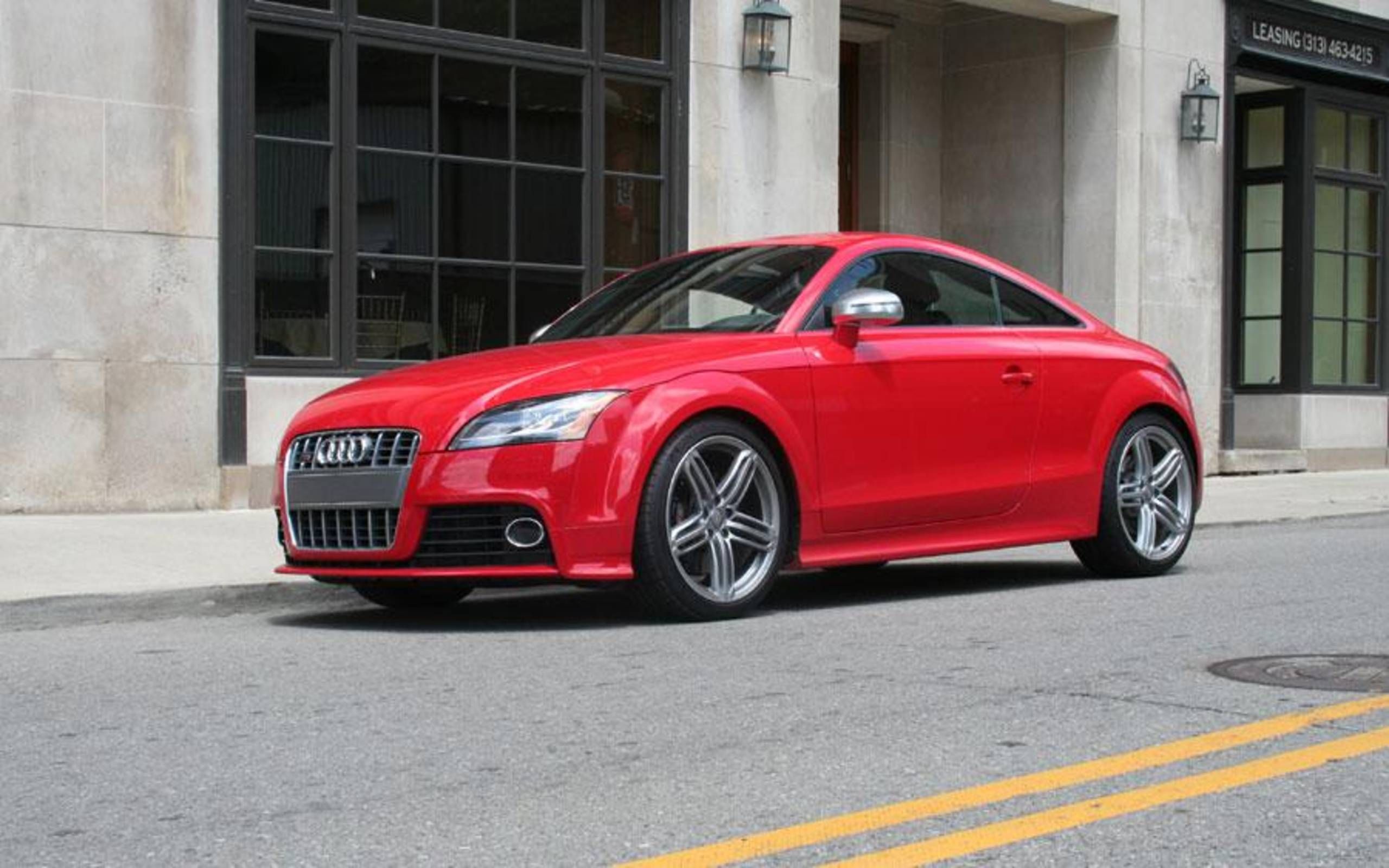
3. Audi TT
The Audi TT is a sports coupe that blends a distinctive, modern design with a range of features aimed at making it suitable for everyday use. Audi’s signature Quattro all-wheel-drive system offers confident grip and stability in various weather conditions, which is a significant advantage for daily driving, especially in regions prone to rain or light snow.
The TT’s sharp handling and responsive steering make it enjoyable to drive without feeling overly aggressive or tiring on longer trips. The ride quality is refined, with a suspension setup that balances firmness and comfort to keep occupants protected from rough pavement while preserving the car’s sporty character.
Inside, the TT showcases Audi’s commitment to quality, featuring a sleek, minimalist cabin with high-grade materials and a user-friendly interface. The virtual cockpit digital display stands out, providing important driving information clearly and allowing drivers to customize their view.
While rear-seat space is limited and better suited for occasional use or small children, the TT’s hatchback design offers a significant practical advantage.
The cargo area can accommodate larger items than traditional coupes with small trunks, making it easier to manage everyday errands such as grocery shopping or carrying sports equipment. This combination of style and practicality helps the TT stand out in a crowded segment of small sports cars.
Fuel efficiency is competitive within the sports coupe category, especially with smaller turbocharged engines available in the lineup. This helps keep running costs down and reduces the frequency of stops at the gas station. Audi also equips the TT with a range of safety and driver assistance technologies that enhance everyday driving peace of mind.
Features like adaptive cruise control, lane-keeping assist, and automatic emergency braking add convenience and confidence in various traffic situations. These technological additions, along with the TT’s solid build quality, contribute to a strong ownership experience that combines performance, comfort, and usability.
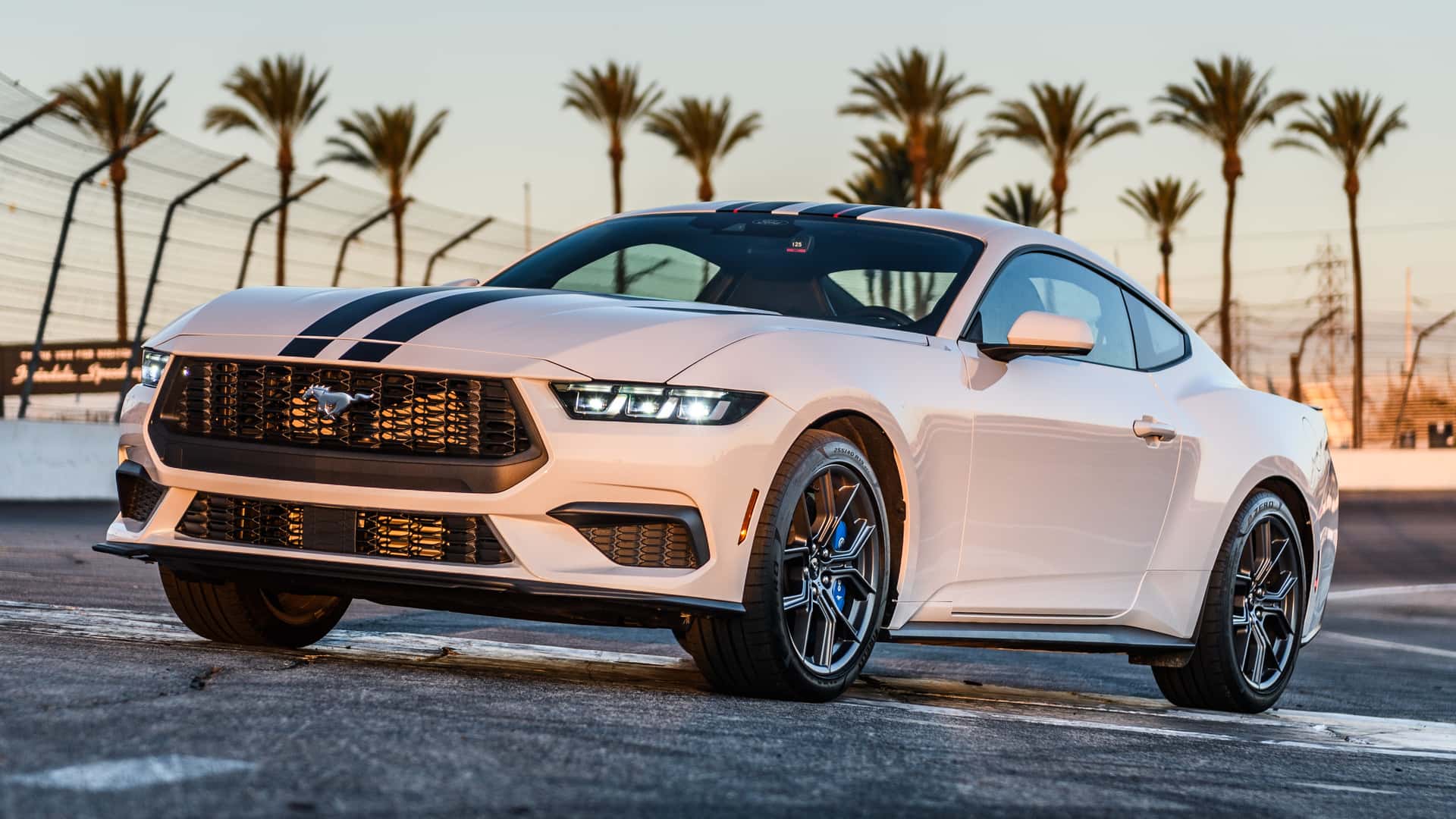
4. Ford Mustang EcoBoost
The Ford Mustang EcoBoost offers a unique take on the classic American muscle car formula by pairing modern turbocharged efficiency with iconic styling and satisfying performance.
Unlike the traditional V8 Mustang, the EcoBoost model uses a turbocharged four-cylinder engine, which significantly improves fuel economy and daily drivability without compromising too much on power.
This makes it an appealing option for those who want the Mustang experience but need a car that won’t drain their wallet with high fuel costs or maintenance headaches. The Mustang’s interior has been modernized in recent years to include better materials, user-friendly technology, and improved ergonomics.
While the rear seats remain tight and best suited for short trips or smaller passengers, the front seats offer ample support and adjustability, making the car comfortable for daily commutes or longer journeys.
Ride quality in the Mustang EcoBoost is more compliant than its V8 siblings, with a suspension system that absorbs typical road irregularities while still delivering sharp handling. The inclusion of selectable drive modes allows drivers to tailor the vehicle’s performance characteristics to suit different situations.
For example, a comfort mode can soften the suspension and smooth out throttle response for city driving, while sportier settings can enhance responsiveness and steering feel when desired.
This flexibility adds to the Mustang’s usability as a daily driver. The car’s wide body and good outward visibility make it easier to navigate urban environments than many other sports coupes, reducing driver fatigue and stress.
Cargo space is another area where the Mustang shines compared to many sports cars. The trunk is reasonably sized and features a wide opening, which simplifies loading and unloading larger items such as luggage or shopping bags.
This practical aspect, combined with its manageable size and modern tech features like smartphone integration and driver assistance systems, increases the Mustang EcoBoost’s appeal for everyday use. Reliability and ownership costs are also reasonable, with widespread service networks and abundant aftermarket parts making maintenance accessible and affordable.
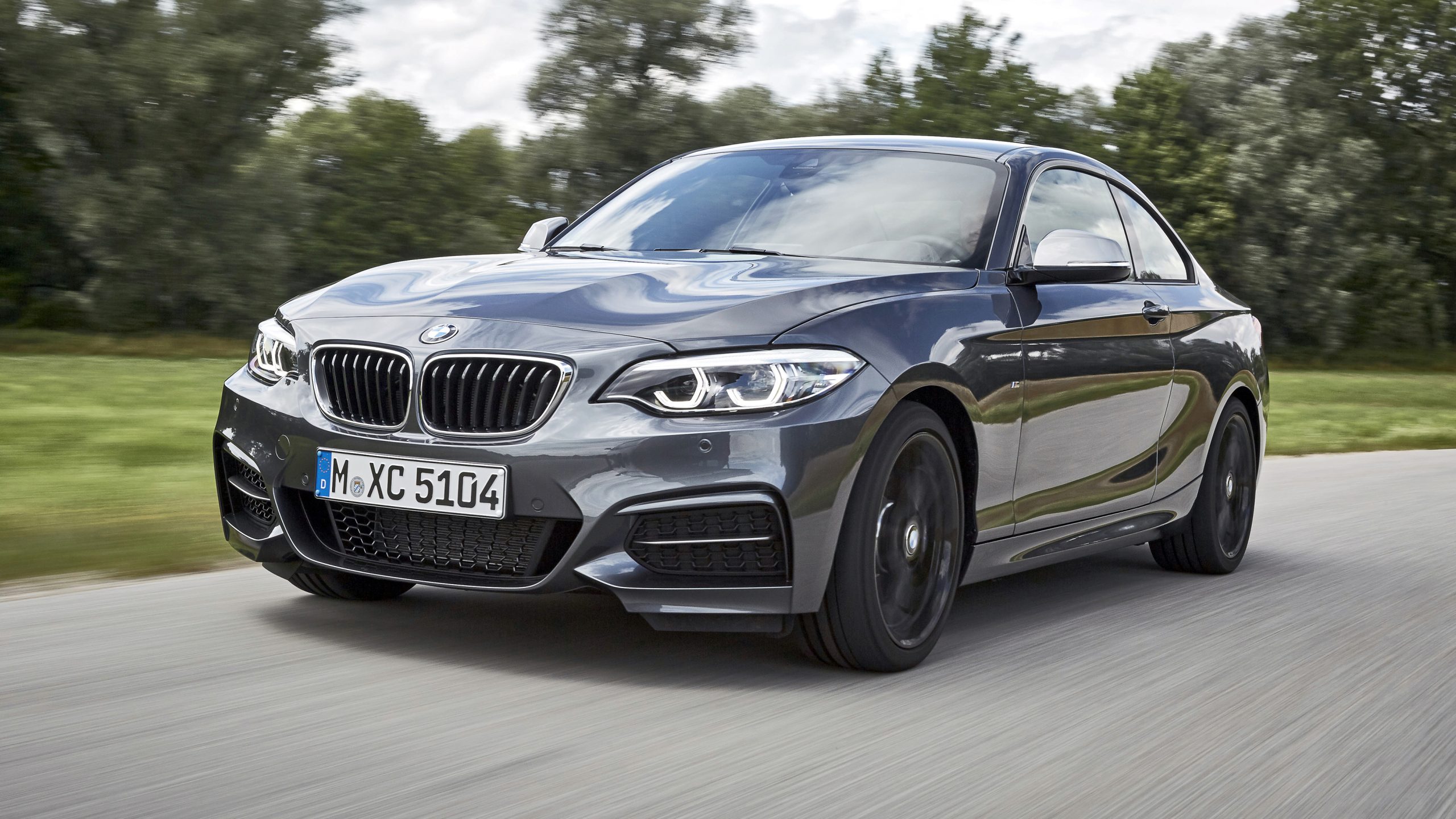
5. BMW M240i
The BMW M240i offers a blend of performance, luxury, and practicality that makes it one of the most well-rounded sports cars for daily driving. At its core is a turbocharged inline-six engine that provides smooth, strong acceleration and a broad power band, making it versatile for everything from city driving to highway cruising.
The engine’s responsiveness is paired with a refined chassis and finely tuned suspension that balances sharp handling with ride comfort. Unlike some more extreme sports cars, the M240i can absorb bumps and road imperfections effectively, which reduces driver fatigue and enhances comfort on longer trips.
The rear-wheel-drive layout (with optional all-wheel drive) delivers engaging dynamics, while the availability of an automatic transmission adds convenience for stop-and-go traffic.
Inside, the M240i benefits from BMW’s focus on quality and driver ergonomics. The cabin features high-end materials, supportive seats, and a modern infotainment system with intuitive controls. The front seats are comfortable for extended drives, and while the rear seats are smaller, they are still usable for passengers or additional storage in a pinch.
The car’s compact size makes it easy to maneuver in tight spaces and park in urban settings, which is an important consideration for daily drivers. Visibility is decent, with well-placed mirrors and windows reducing blind spots and making the driving experience safer and less stressful.
Cargo space is reasonable for a coupe, with a trunk large enough to accommodate everyday items like groceries, gym bags, or small luggage. The M240i also includes a variety of standard and optional technology features, such as driver assistance systems, smartphone connectivity, and navigation, which enhance both safety and convenience during daily use.
Fuel economy is competitive for its class, especially considering the level of performance on offer, helping keep running costs manageable. BMW’s reputation for engineering and build quality also contributes to the car’s reliability, provided regular maintenance is followed.
In essence, the BMW M240i successfully combines the best elements of a sports car and a daily driver. It offers a refined, comfortable interior, engaging driving dynamics, and practical usability in a package that suits a wide range of lifestyles.
For drivers who want a car that can handle spirited driving while also being comfortable and convenient for everyday tasks, the M240i is a compelling option.
5 Sports Cars That Disappoint as Daily Drivers
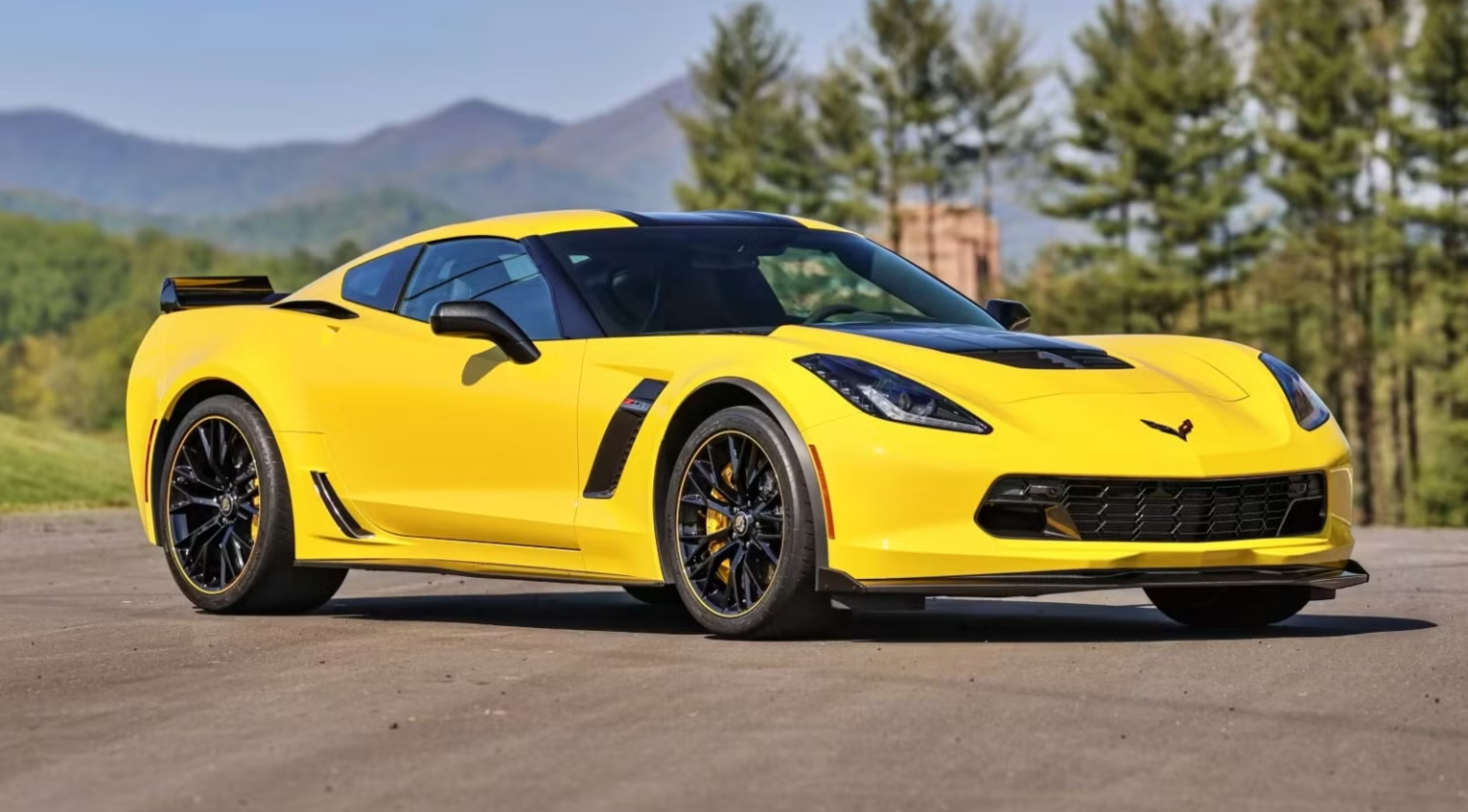
1. Chevrolet Corvette C7
The Chevrolet Corvette C7 is an iconic American sports car, famous for its raw power and aggressive styling, but when it comes to daily driving, it falls short in several key areas. Despite its thrilling performance and sharp handling on open roads, the C7’s ride quality can be harsh and unforgiving on typical city streets filled with potholes and speed bumps.
The suspension is tuned for performance rather than comfort, which often results in a jarring experience during stop-and-go traffic or when navigating poorly maintained roads. Furthermore, the low ground clearance and wide track make it challenging to maneuver in tight spaces, steep driveways, or uneven parking lots.
This can lead to constant concern over scraping the front splitter or undercarriage, which is a frequent issue for Corvette owners living in urban environments. The C7’s cabin, while driver-focused, lacks the refinement and quietness expected in a car used daily, as road and engine noise easily penetrate the interior, leading to fatigue over longer commutes.
The interior space is another limitation that reduces the Corvette’s daily usability. Although it seats two, the cabin feels cramped compared to many modern sports cars, and entry and exit can be awkward due to the low roofline and tight door openings.
Storage space is minimal, with a small trunk and little room for personal items, groceries, or luggage, making it impractical for everyday errands or weekend trips. Visibility is also compromised by the aggressive design, with large blind spots and narrow rear windows that can make city driving and parking more stressful.
While the Corvette is equipped with some modern technology and comfort features, these tend to feel secondary to the car’s performance focus, lacking the user-friendly interfaces and conveniences found in more balanced vehicles designed with daily usability in mind.
Fuel economy in the C7 is notoriously poor, especially when driven with enthusiasm, which is often the case given the car’s powerful V8 engine. For daily commuting, this means frequent stops at the pump and higher operating costs compared to more economical sports cars or even performance sedans.
Additionally, maintenance and repair costs for the Corvette can be substantial, especially as the car ages or if driven hard, which further discourages its use as a daily driver.
The wide tires and performance brakes also wear faster under city driving conditions, adding to upkeep expenses. Lastly, the ride quality and seating ergonomics make long periods behind the wheel tiring, which contrasts sharply with vehicles designed for comfort and convenience during daily use.
Enthusiasts may still choose the C7 for its thrilling performance, but those seeking a true daily driver will likely find it falls short in many important ways.
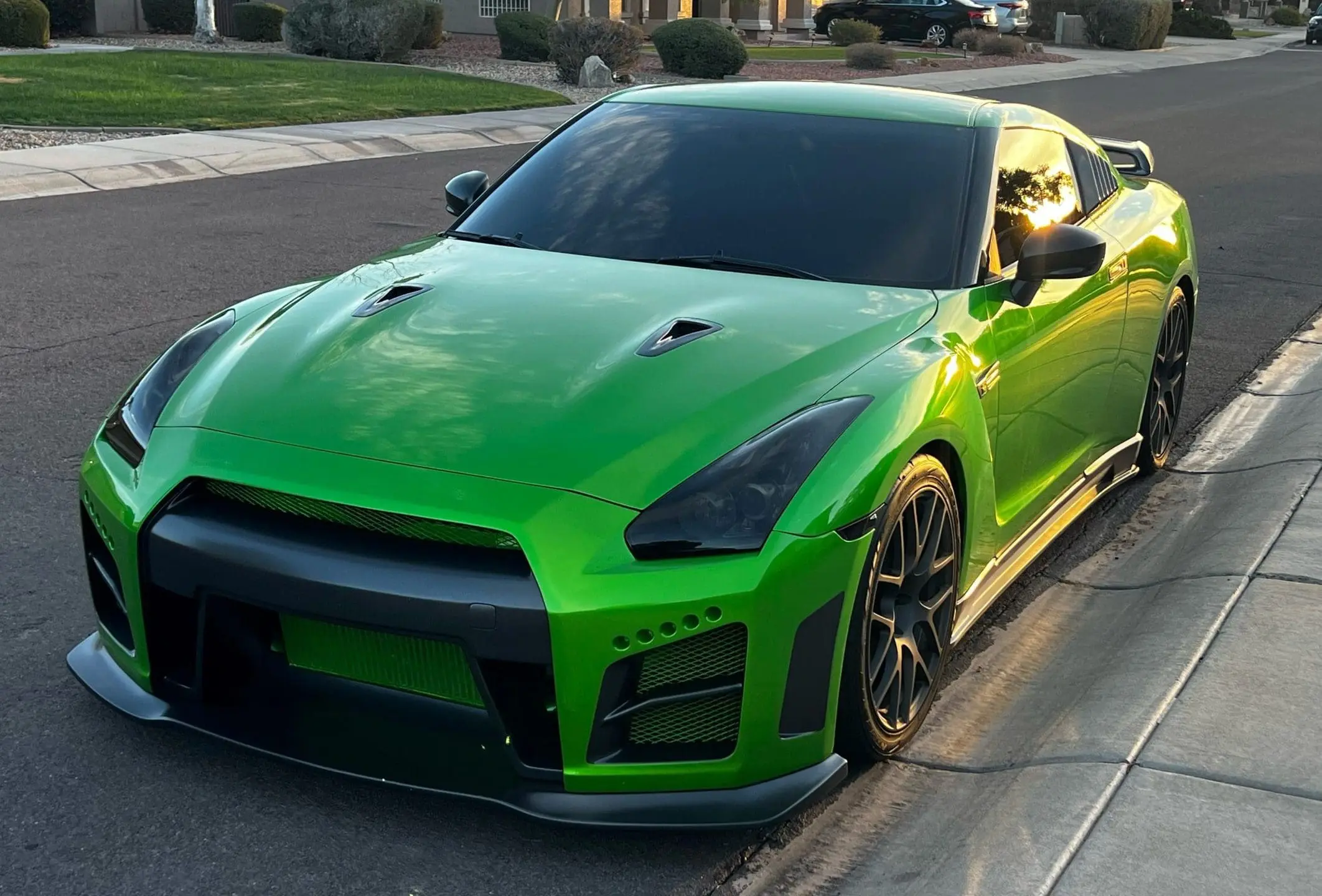
2. Nissan GT-R R35
The Nissan GT-R R35 is an engineering marvel that delivers blistering speed and all-weather capability, yet it often disappoints when evaluated for daily driving.
While the GT-R is capable of impressive performance in virtually any condition thanks to its advanced all-wheel-drive system and powerful twin-turbo V6 engine, it is not particularly forgiving or comfortable during routine commutes.
The ride is firm and at times harsh, absorbing road imperfections poorly compared to more comfort-oriented sports cars. This can result in an uncomfortable experience on rough city streets, potholes, and speed bumps that most drivers encounter daily.
The GT-R’s wide stance and low ground clearance further complicate its practicality, making parking, driveway access, and navigating speed ramps a stressful challenge.
Additionally, the car’s exterior design, with its aggressive aerodynamic elements, while visually stunning, increases the risk of scraping and damage during everyday use.
Inside, the GT-R’s cabin feels somewhat dated compared to other cars in its price and performance bracket. The materials and technology have not aged well, and the interior layout lacks the refinement and user-friendly ergonomics expected from a modern high-performance vehicle.
Seats, though supportive, can be stiff and less comfortable on long drives, contributing to driver fatigue. Visibility is limited, with thick pillars and small rear windows making city driving and parking more difficult. Storage space is also very limited, with a small trunk and hardly any room for daily essentials, reducing the GT-R’s usefulness for errands or travel.
Furthermore, the car’s infotainment system and controls are complex and not as intuitive as competitors’, making it less convenient for everyday use.
Fuel consumption is another major drawback of the GT-R as a daily driver. The powerful engine guzzles fuel, particularly in city traffic, leading to high running costs that can quickly add up for those using the car regularly. Insurance and maintenance expenses are also significant, reflecting the car’s high-performance nature and expensive components.
Its harsh ride, limited interior space, high running costs, and dated cabin make it a less-than-ideal choice for drivers looking for a truly usable sports car in daily life. While it remains a dream car for performance enthusiasts, its suitability as a daily driver is questionable.
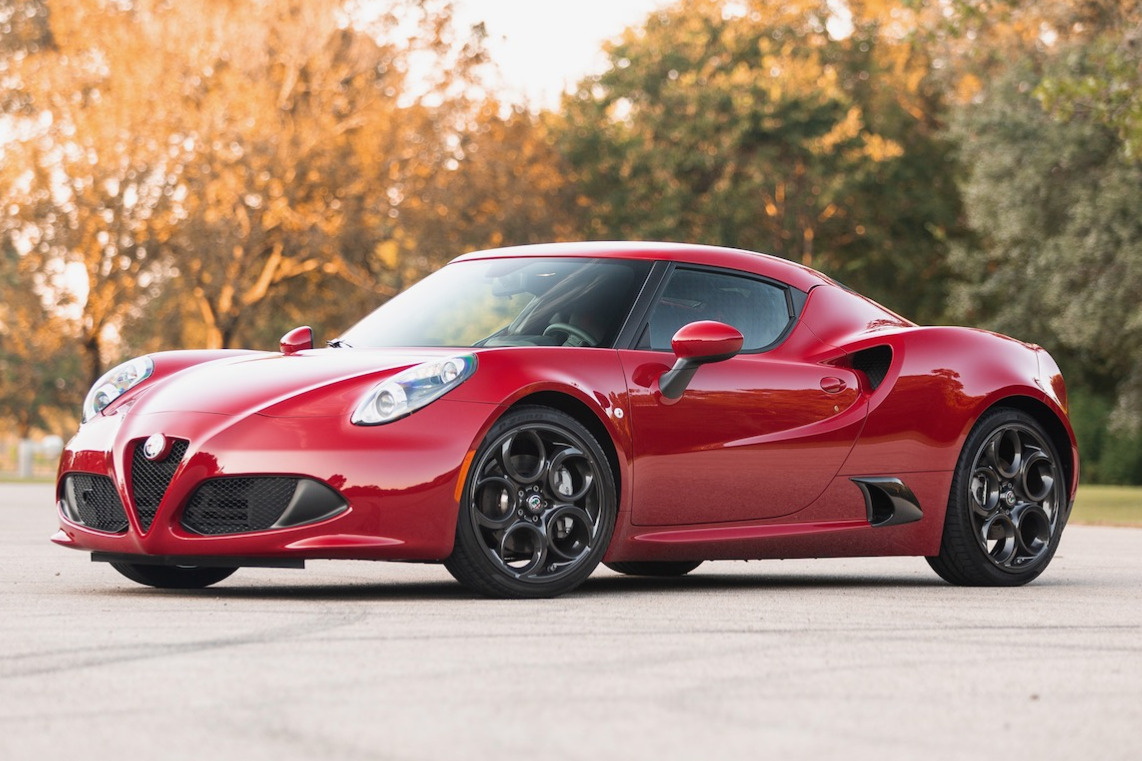
3. Alfa Romeo 4C
The Alfa Romeo 4C is a lightweight, minimalist sports car designed with performance and agility at its core, but these attributes come at the cost of daily driving comfort and convenience. Its carbon-fiber monocoque chassis and stripped-down interior create a raw driving experience, but also result in a car that is difficult to live with on a day-to-day basis.
The 4C’s suspension is very stiff and unforgiving, transmitting every bump, crack, and imperfection on the road directly into the cabin. This makes it unpleasant to drive in urban environments or on poorly maintained roads where smoothness is a priority.
The car’s low ride height and narrow tires also limit its ability to handle common road obstacles such as speed bumps and potholes without risking damage. Furthermore, the steering, while precise, is heavy and requires constant attention, which can become tiring in stop-and-go traffic or during long commutes.
Space and comfort are major drawbacks for the 4C. The cabin is extremely tight, with very limited headroom and legroom, making it difficult for taller or larger drivers to feel comfortable. Getting in and out of the car is challenging due to the low seating position and small door openings. The seats provide minimal padding and support, which adds to driver fatigue over time.
Additionally, the 4C lacks many of the convenience features and technologies that have become standard in even modestly priced sports cars. There is little in the way of storage space, with virtually no room for personal belongings, groceries, or luggage.
The sound insulation is practically nonexistent, resulting in high levels of road and engine noise that can be fatiguing over longer journeys. Visibility is also compromised by the car’s design, with thick rear pillars and small windows making parking and urban driving more difficult.
Another area where the 4C struggles is in fuel efficiency and maintenance. The mid-engine turbocharged four-cylinder provides adequate power but can be thirsty, especially when driven enthusiastically. Its manual transmission option, though appreciated by enthusiasts, can be cumbersome in heavy traffic.
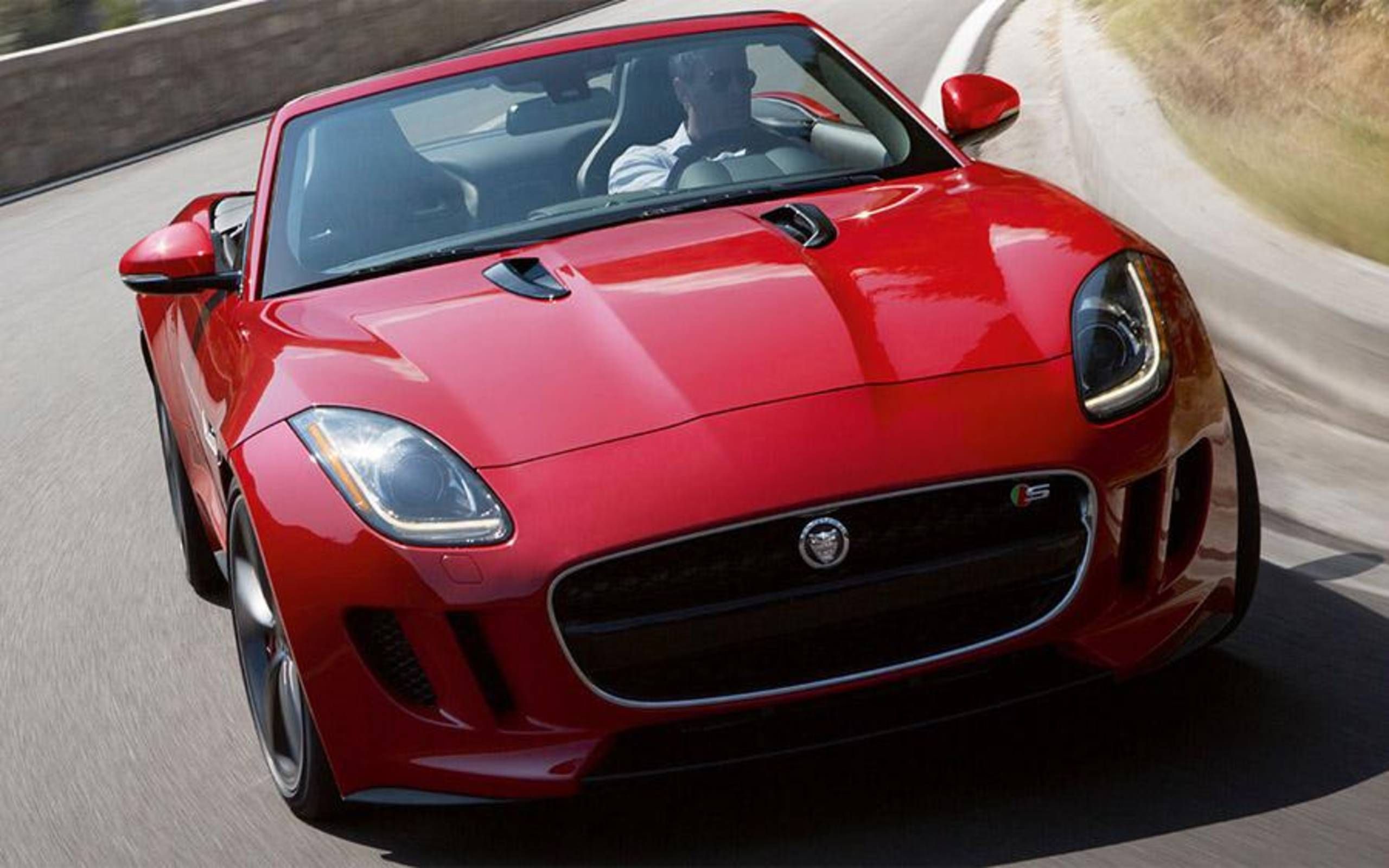
4. Jaguar F-Type V8
The Jaguar F-Type V8 is a beautiful and powerful grand tourer that offers a thrilling driving experience, but it often disappoints as a daily driver due to several practical limitations. While the V8 engine delivers muscular power and a distinctive exhaust note that many enthusiasts adore, it also consumes fuel at a rapid rate, especially in city driving conditions.
This high fuel consumption, combined with the car’s premium maintenance and repair costs, makes it an expensive choice for regular use. The ride quality, though more comfortable than some track-focused cars, is still quite firm and can feel punishing over rough roads or potholes, which are common in everyday urban environments.
The low ground clearance and wide tires add to the challenge of navigating speed bumps and steep driveways without causing damage to the bodywork or undercarriage.
Inside, the F-Type V8 offers a luxurious cabin with high-quality materials and advanced technology, but it is hampered by limited space and ergonomics. The front seats are supportive but sit low, making entry and exit less convenient than in more practical vehicles.
Rear seats are either non-existent or extremely cramped, providing little utility beyond occasional storage space or small luggage. Visibility is compromised by thick roof pillars and small rear windows, increasing difficulty when maneuvering in tight parking spaces or heavy traffic.
The trunk space is limited, which restricts the ability to carry groceries or larger items without creative packing. While the interior styling and tech features enhance the luxury experience, they do not fully compensate for the compromises in daily usability.
Another drawback of the F-Type V8 is its noise levels. While the exhaust note is thrilling at high speeds or on open roads, the cabin is not well insulated from engine and road noise during slower, stop-and-go driving. This can make long commutes tiring and less enjoyable.
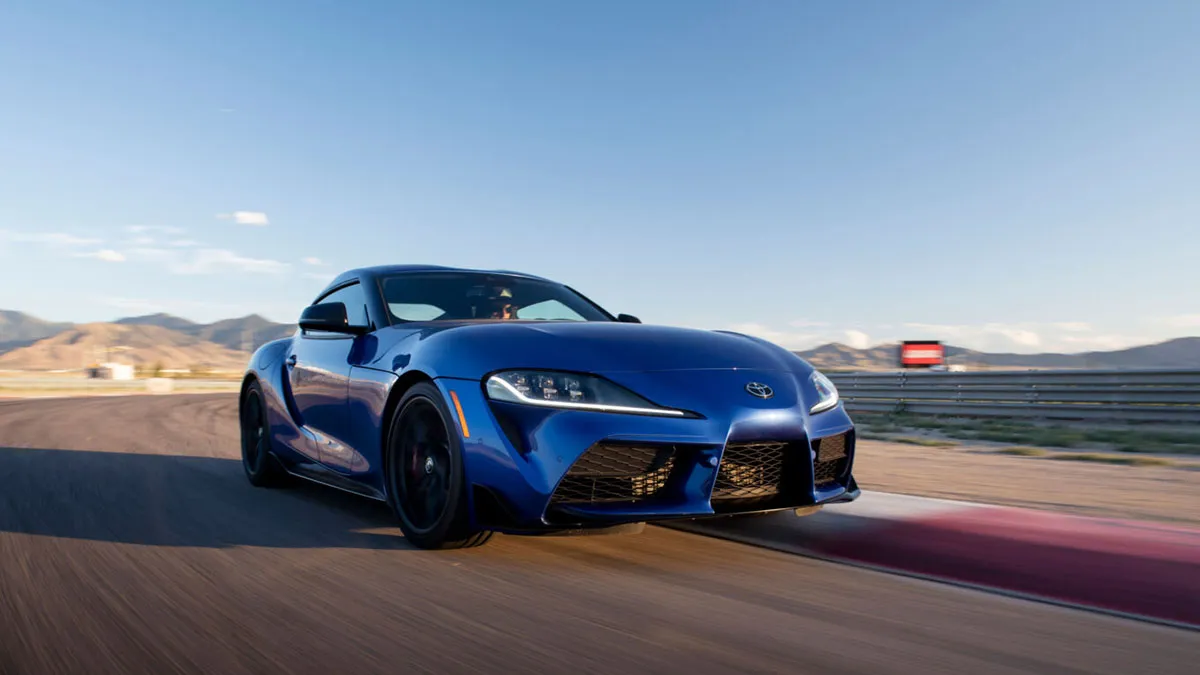
5. Toyota Supra Mk5
The Toyota Supra Mk5 is a modern sports car that brings exciting performance and aggressive styling to the segment, but it falls short in several areas when used as a daily driver. While the car’s turbocharged inline-six engine provides strong acceleration and responsive throttle, the suspension setup leans towards sportiness at the expense of ride comfort.
The stiff chassis and firm shocks transmit road imperfections directly to the cabin, making daily city driving over potholes and rough pavement less comfortable.
Additionally, the car’s low ground clearance can be problematic on speed bumps, steep driveways, or uneven roads, leading to concerns about scraping or undercarriage damage. The Supra’s wide tires and sporty stance further reduce maneuverability in tight urban settings and make parking in crowded areas more difficult than average.
Inside, the Supra’s interior combines sporty design with modern technology, but space and comfort are compromised compared to more practical sports cars. The seats offer good lateral support but tend to be firm, contributing to fatigue during long drives or heavy traffic.
The cabin’s insulation could be better, as engine and road noise intrude noticeably at lower speeds or on rough surfaces. Visibility is hindered by thick roof pillars and a small rear window, making urban driving and parking more challenging.
Storage space is limited as well, with a small trunk that restricts the ability to carry everyday items or luggage comfortably. The car’s aggressive styling, while eye-catching, prioritizes form over function, resulting in a less accommodating interior layout for daily needs.
Fuel efficiency is average for the segment but not exceptional, and the Supra’s higher-performance parts can lead to increased maintenance costs compared to more conventional cars. Insurance premiums may also be higher due to the car’s sporty nature.
The manual transmission option is popular among enthusiasts but less practical in stop-and-go traffic. Although the Supra offers modern infotainment and driver-assistance technologies, these do not fully compensate for the compromises in comfort and usability that impact daily driving convenience.
The car’s sporty character, while exciting on open roads, becomes less practical when faced with the realities of everyday commuting and errands.
