
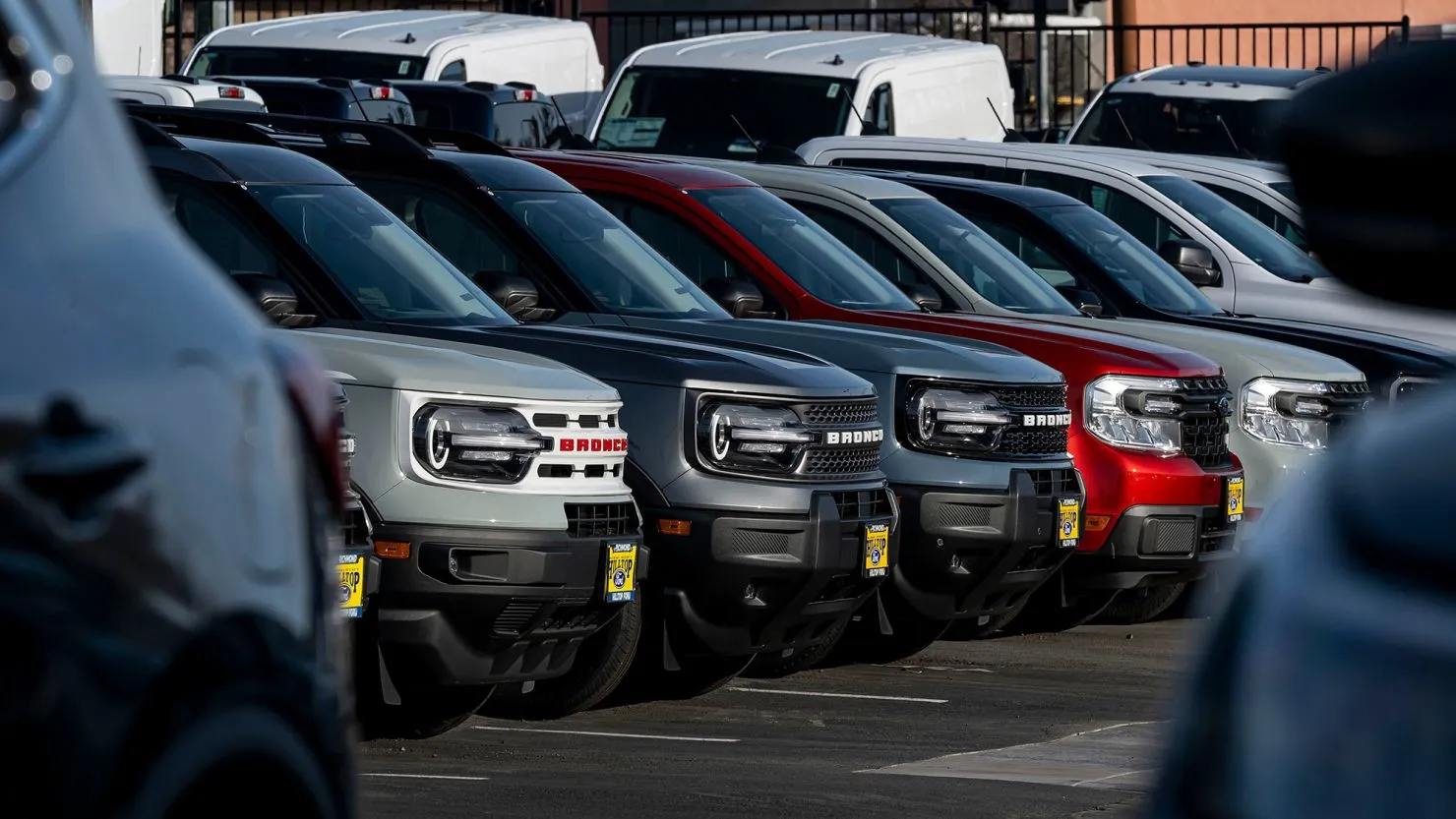
Walking into a dealership to trade in your vehicle can feel like entering a boxing ring where you’re already losing. You’ve maintained your car properly, kept it clean, and now you’re ready for something new. But then the dealer looks at your beloved ride like it’s contaminated garbage, offering you peanuts that wouldn’t buy a bicycle.
This scenario plays out daily across showrooms worldwide, leaving owners shocked and frustrated. Many people don’t realize that not all cars depreciate equally. Some vehicles hold value so well that dealers practically fight each other to stock them.
Others lose worth faster than ice cream melts in the sun, becoming such liabilities that dealerships would rather turn away your business than accept them in trade. This difference isn’t random luck or dealer prejudice. Specific factors determine whether your car remains valuable or becomes worthless.
Understanding which vehicles maintain strong trade-in values could save you thousands when buying your next car. Smart shoppers consider resale value just as carefully as purchase price, monthly payments, or fuel economy. After all, what’s the point of getting a great deal today if you lose everything when trading in tomorrow?
This guide reveals ten vehicles split into two categories. Five consistently command excellent trade-in values that make dealers eager to deal. Five others have such poor resale that dealerships actively avoid taking them, even at ridiculously low prices.
Whether you’re buying new, shopping used, or planning your next trade-in, this information will influence your decisions and protect your investment. Let’s examine which cars keep their worth and which ones become instant financial disasters.
Cars That Keep High Trade-In Value
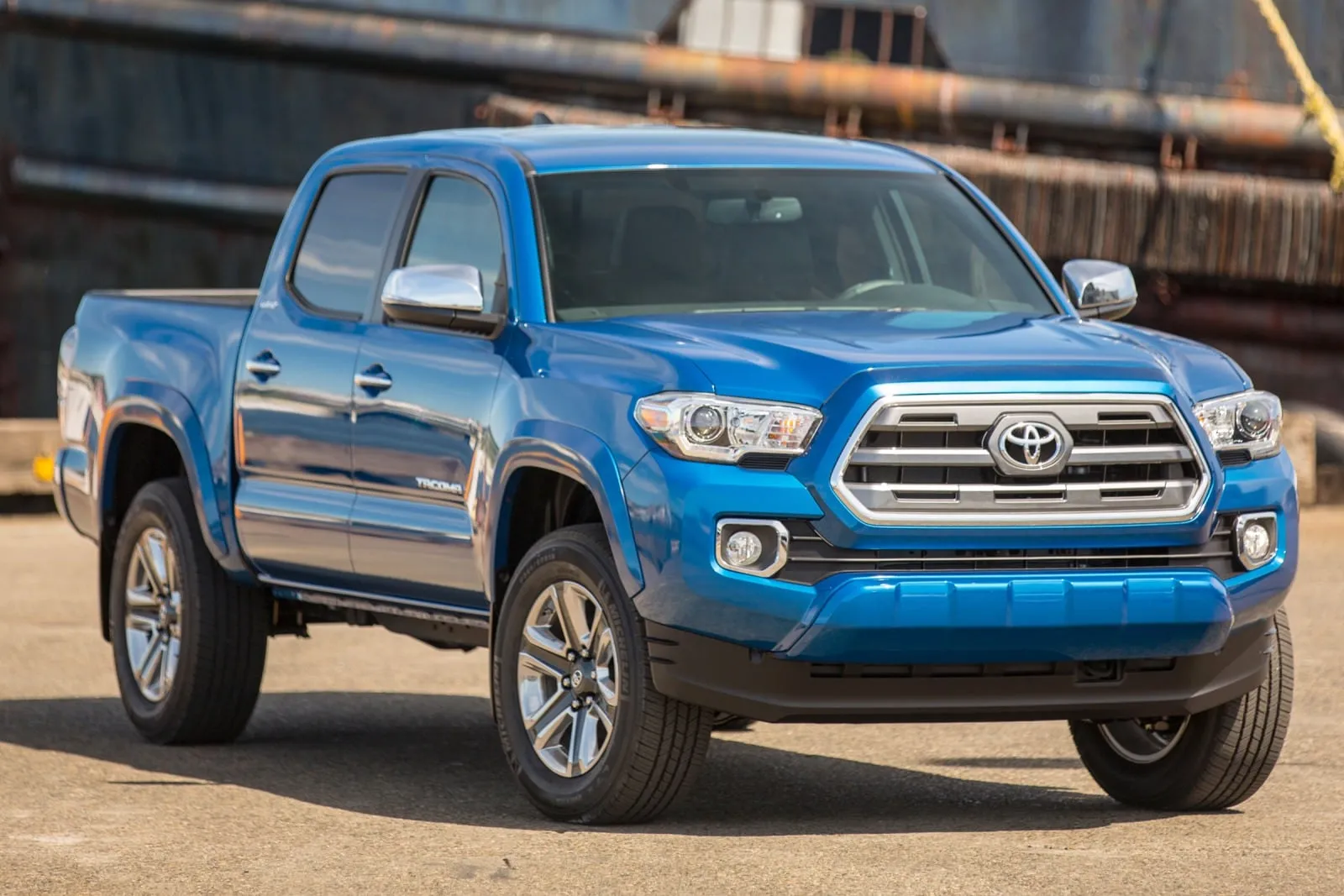
1. Toyota Tacoma (2016-2020 Models)
Ask any dealer which used vehicle they’d love to have more of, and the Tacoma tops most lists. These trucks hold value better than precious metals, depreciating more slowly than almost anything else on four wheels.
Three-year-old examples often sell for 75% of their original sticker price, while five-year-old trucks still command 60% or more. This retention makes the Tacoma a smart investment that protects your money.
Why do these trucks maintain such strong values? Demand far exceeds supply in the used market. People who want reliable mid-size trucks have limited quality options, and the Tacoma sits at the top of that short list.
Its reputation for lasting 300,000 kilometres or more without major problems creates buyers willing to pay premium prices for used examples. Dealers know they can sell these trucks quickly, so they offer competitive trade-in values. Off-road capability adds another layer of desirability. TRD packages attract enthusiasts who modify and maintain their trucks meticulously.
Even base models appeal to contractors and outdoor enthusiasts who need dependable transportation. This broad appeal across multiple buyer segments keeps demand high regardless of economic conditions. When the recession hits and car sales slump, Tacoma values barely budge.
Colour and options matter less with Tacomas than most vehicles. Even basic work truck configurations hold value well because buyers prioritize function and reliability. Manual transmissions actually increase value in this segment, unlike most vehicles where automatics command premiums. Four-wheel-drive models are naturally worth more, but two-wheel versions still retain value better than competitors.
Low-mileage examples bring exceptional returns, but even high-kilometre trucks maintain surprising worth. A well-maintained Tacoma with 200,000 kilometres still finds eager buyers and decent trade-in offers.
Dealers know these trucks have plenty of life left, making them profitable inventory that moves quickly. This combination of strong demand and proven durability creates the perfect recipe for excellent trade-in values that benefit every owner.
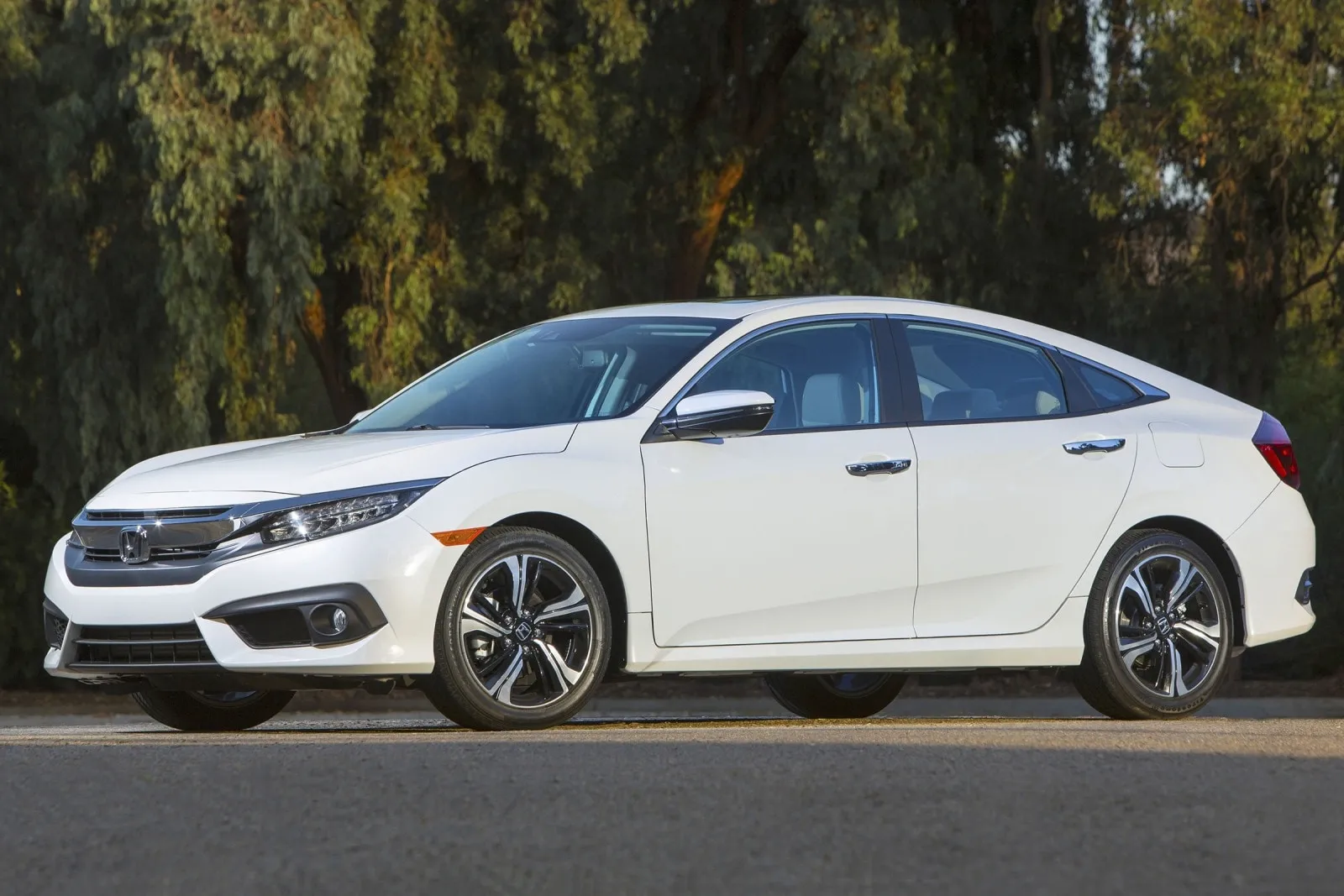
2. Honda Civic (2016-2019 Models)
Compact sedans usually depreciate quickly, but the tenth-generation Civic breaks this pattern spectacularly. These cars maintain trade-in values that shock owners accustomed to losing thousands annually.
Five-year-old examples still command 50% to 60% of original purchase prices, an exceptional retention for mainstream sedans. Dealers actively seek these Civics because they know selling them takes days, not months.
Reliability reputation built over decades creates this demand. Buyers trust Honda to build cars that last without expensive repairs. Parents buying their first cars for their teenagers want Civics.
College students need affordable, reliable transportation and choose Civics. Young professionals seeking practical daily drivers pick Civics. This multi-generational appeal creates constant demand that supports strong trade-in values.
Fuel efficiency matters more during high gas prices, but Civics maintain value even when fuel costs drop. Buyers recognize that efficiency always matters long-term, making these cars smart purchases regardless of current pump prices.
Hybrid models command even stronger values as environmental concerns grow. Sport models attract enthusiasts willing to pay premiums for well-maintained examples.
Available features make these Civics appealing across price ranges. Base models offer enough equipment to satisfy practical buyers. Higher trims provide luxury touches without complicated systems that fail expensively.
This balance between features and reliability creates broad appeal. Even manual transmission sedans find buyers, though automatics trade for slightly more. Clean history reports and proper maintenance records dramatically increase trade-in offers.
Dealers pay top dollar for Civics with documentation proving care. Single-owner vehicles command premiums because they suggest careful ownership. Accidents reduce the value, but less than most vehicles, because demand remains strong. If you’ve maintained your Civic properly, expect trade-in offers that make you smile rather than cry.
Also Read: 5 American Cars Collectors Love vs 5 They Avoid
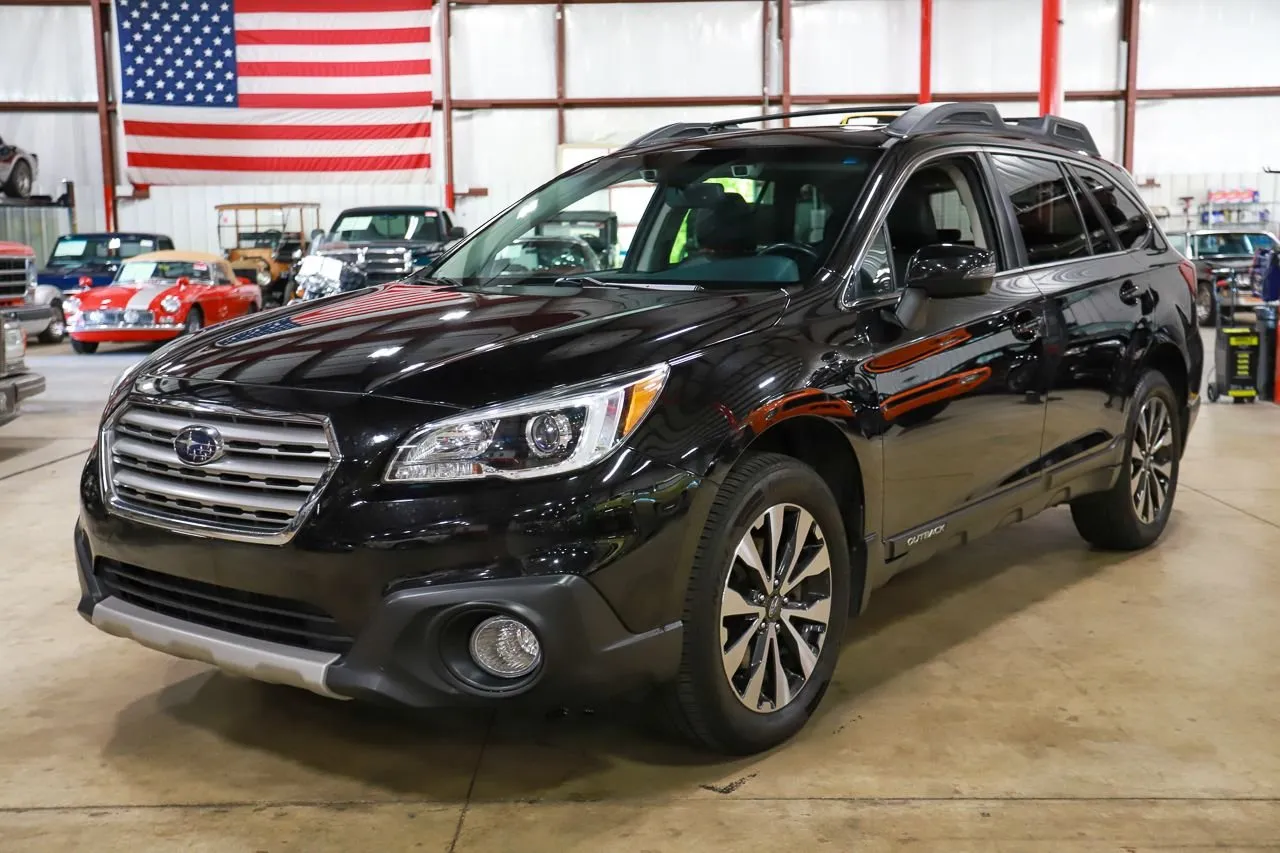
3. Subaru Outback (2015-2019 Models)
Wagons usually depreciate faster than sedans, but the Outback defies this trend completely. These vehicles maintain trade-in values that compete with popular SUVs.
Four-year-old examples regularly bring 55% to 65% of original prices, with exceptional retention in this segment. Dealers love stocking Outbacks because certain buyers want nothing else, creating guaranteed, quick sales.
All-wheel drive provides year-round capability that appeals to specific markets. Snowy regions particularly value Subarus, creating strong demand that supports high resale.
Even warmer climates appreciate the traction and safety benefits. Ground clearance allows light off-road use, expanding the buyer pool beyond typical wagon customers. This versatility makes Outbacks practical family vehicles that maintain worth.
Safety ratings influence parents shopping for teen drivers or growing families. Outbacks consistently earn top scores in crash tests, making them appealing to safety-conscious buyers.
Standard driver assistance features in newer models add value that budget competitors lack. These systems remain functional and desirable in used examples, unlike complicated luxury electronics that become obsolete quickly.
Interior space and comfort exceed many crossovers that cost more. Families appreciate the room without excessive bulk. Dog owners love the cargo area. Outdoor enthusiasts need the equipment-hauling capability. This practical design attracts buyers who keep vehicles long-term and maintain them well, creating a cycle that supports strong resale values.
Limited model variants simplify the market. Unlike brands offering dozens of confusing trim levels, Subaru keeps things straightforward. This simplicity helps dealers price vehicles accurately and helps buyers know what they’re getting.
Predictability reduces risk, encouraging dealers to offer competitive trade-in values. Well-maintained examples with service records bring especially strong offers because dealers know these Outbacks will sell quickly at good profits.
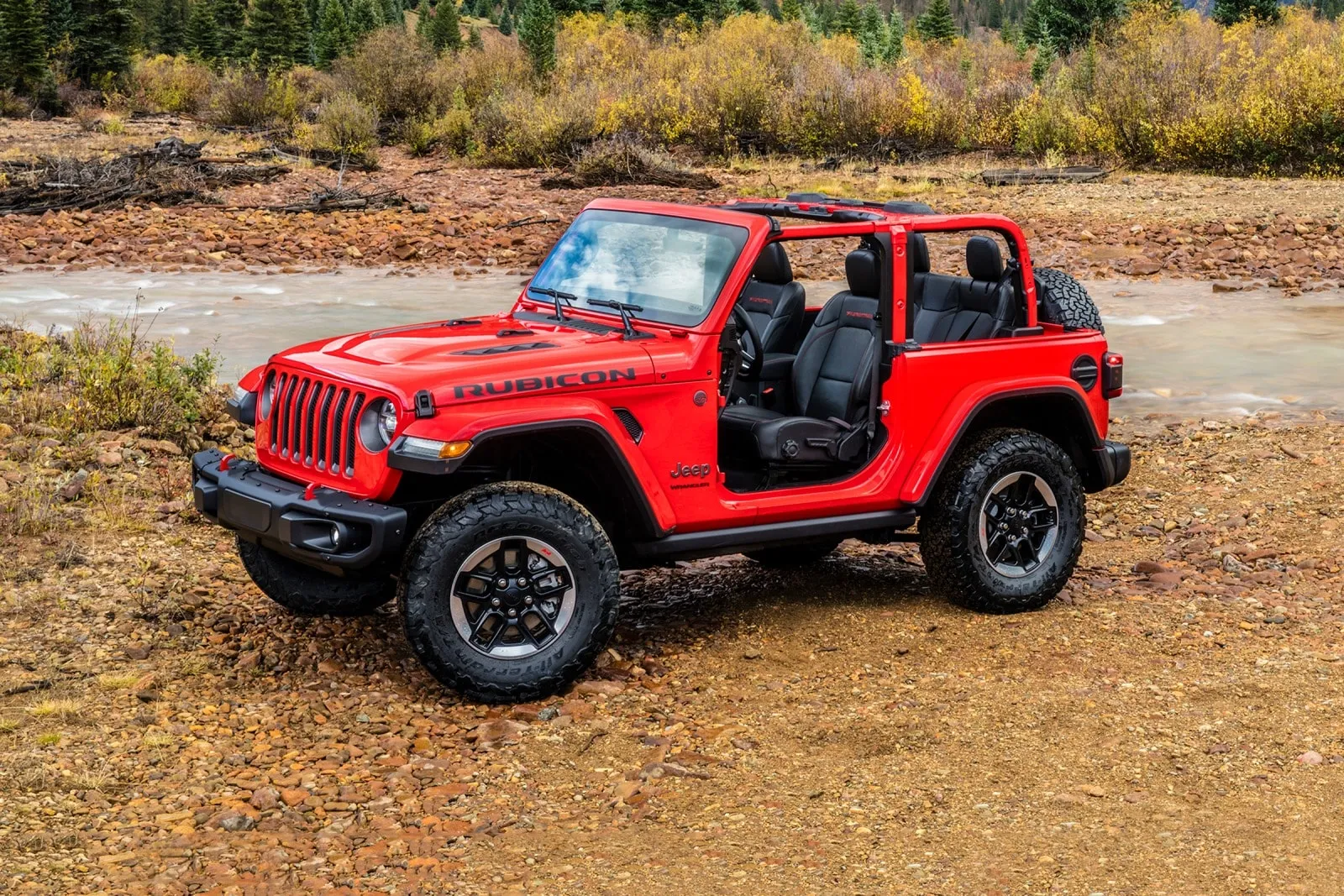
4. Jeep Wrangler (2018-2020 Models)
Few vehicles match the Wrangler’s incredible value retention. These rugged SUVs depreciate so slowly that buying new sometimes costs less than buying used when you factor in incentives.
Three-year-old Wranglers regularly trade for 70% to 80% of original sticker prices, numbers that make accountants double-check their calculations. Dealers eagerly accept these trades because selling them takes minimal effort.
Unique capability creates this exceptional demand. No other mainstream vehicle offers the Wrangler’s combination of off-road ability, open-air driving, and iconic styling.
Competitors try to copy the formula but fail to capture the appeal. This uniqueness creates devoted buyers willing to pay premiums for used examples. Dealers recognize this cult following and adjust trade-in offers accordingly.
Removable doors and tops create experiences that regular SUVs can’t match. Summer driving with everything open appeals to adventure seekers across age groups.
Winter capability with proper tires makes these Jeeps practical year-round vehicles despite their recreational image. This versatility expands the buyer pool beyond stereotypical off-road enthusiasts, supporting strong values across seasons.
Modification culture actually increases values rather than decreasing them, like most vehicles. Quality aftermarket upgrades attract buyers looking for ready-to-go adventure rigs. Even stock examples benefit because buyers know they can customize easily.
Dealers understand this dynamic and don’t penalize modified vehicles as harshly as other brands. Clean stock examples and tastefully modified versions both command strong trade-in offers. Two-door and four-door models both hold value excellently, though Unlimited versions typically trade slightly higher due to practicality.
Manual transmissions appeal to purists, while automatics attract broader buyers. Rubicon trims command premiums, but even base Sport models maintain worth better than most luxury SUVs. Colour choices matter less than condition and mileage. Keep your Wrangler clean and maintained, and trading it in will feel like winning rather than losing.
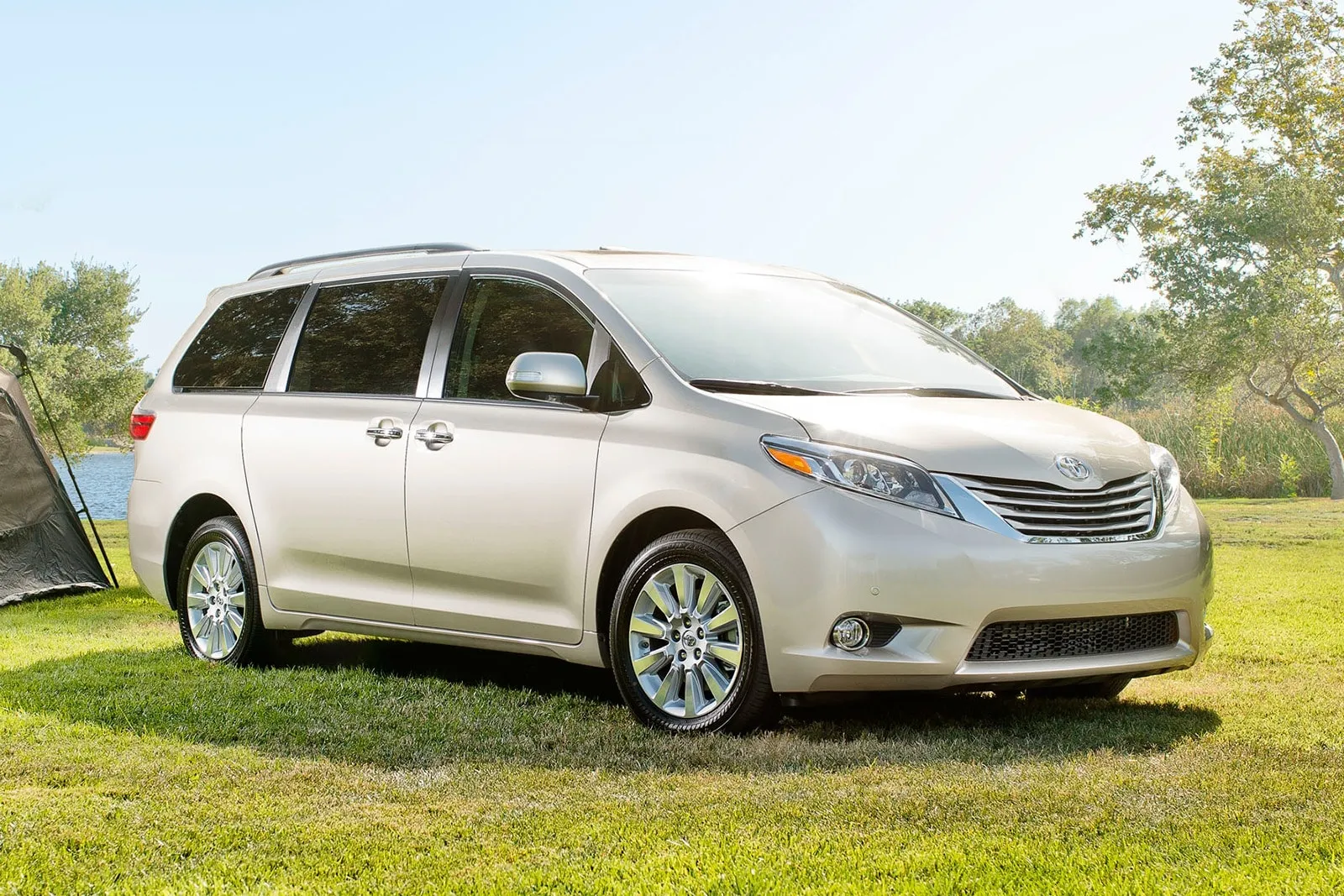
5. Toyota Sienna (2015-2020 Models)
Minivans typically depreciate faster than milk spoils, but the Sienna rewrites these rules. These family haulers maintain trade-in values that embarrass many SUVs costing thousands more.
Five-year-old examples regularly bring 50% of the original prices, exceptional for this segment. Dealers stock Siennas confidently because families seeking practical transportation snap them up quickly.
Reliability reputation separates the Sienna from competing minivans plagued with transmission problems and engine issues. Buyers research before purchasing family vehicles, discovering horror stories about certain brands while reading praise for Toyota.
This knowledge creates demand for used Siennas that competitors can’t match. Parents prioritize dependability when transporting children, making reliability worth paying premiums.
All-wheel drive availability makes the Sienna unique among minivans. Families in snowy regions often choose this feature, creating strong demand in those markets. Even two-wheel-drive models benefit from association with the capable AWD variants.
Safety features and crash test ratings reassure parents that their children ride protected. These practical benefits create buyers willing to pay more for used examples.
Spacious interiors accommodate growing families and all their equipment. Eight-passenger seating handles large families that can’t fit in crossovers.
Captains’ chairs in seven-passenger configurations provide comfort that keeps everyone happy during long trips. Cargo space swallows vacation luggage, sports equipment, and home improvement supplies. This versatility makes Siennas practical vehicles that families keep long-term.
Low-mileage examples command impressive trade-in offers that surprise owners expecting minivan depreciation. High-mileage Siennas still maintain decent value because buyers trust Toyota’s durability. Clean examples with maintenance records bring top offers from dealers who know these vans sell quickly.
Even accident-damaged Siennas find buyers, though values drop more than clean examples. Properly maintained Siennas trading in at five years old often surprise owners with offers that make upgrading affordable rather than financially painful.
Cars That Dealers Refuse
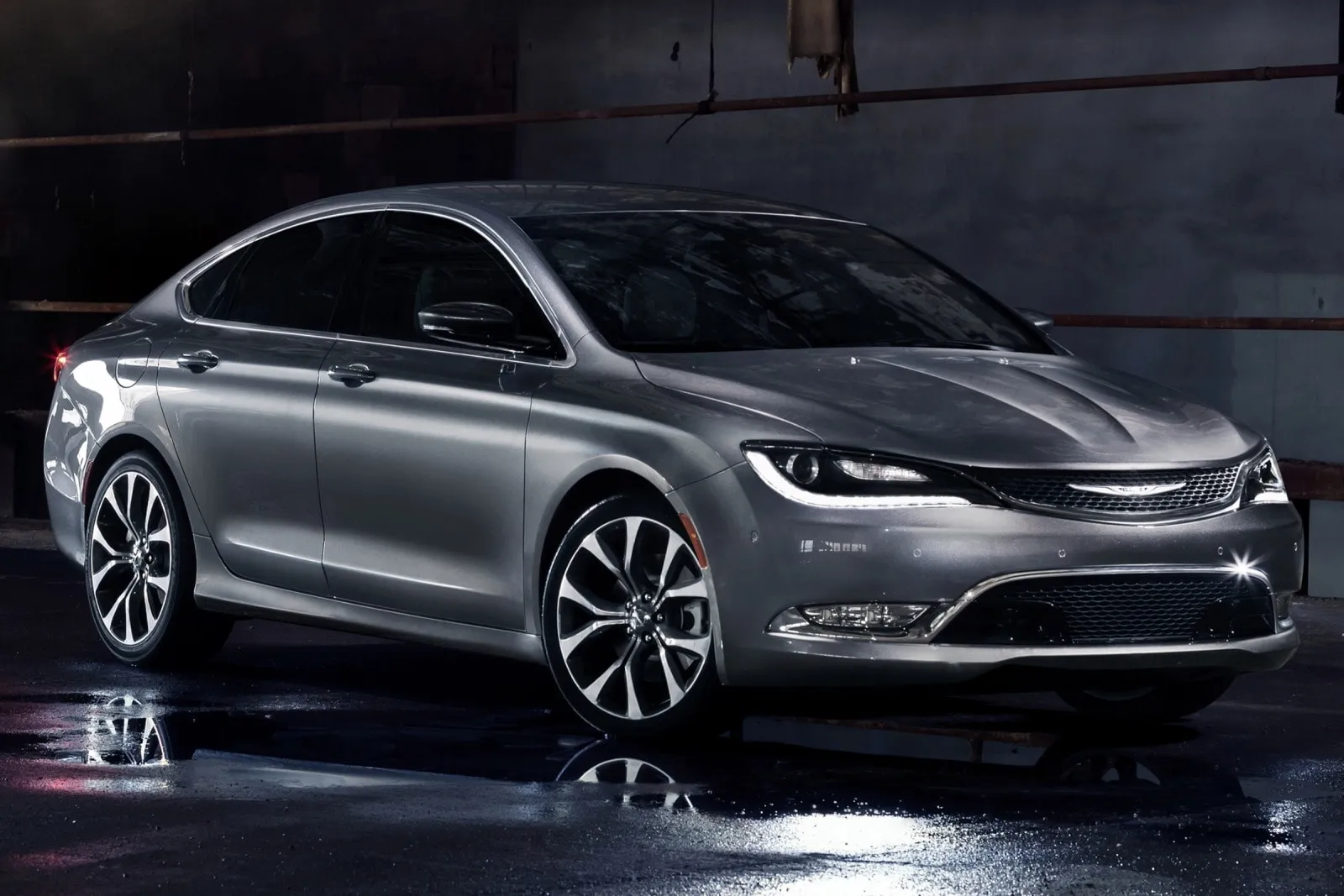
1. Chrysler 200 (2015-2017 Models)
Dealers cringe when owners roll up, hoping to trade in these discontinued sedans. Poor reliability records and weak demand make 200s nearly worthless trade-ins. Many dealerships quietly refuse to accept these cars, suggesting owners try selling privately instead. Even when dealers reluctantly take them, offers are insultingly low because these Chryslers sit unsold for months.
Build quality problems plague these sedans from new, creating terrible reputations that tank resale values. Transmissions fail prematurely, requiring expensive repairs that exceed the vehicle’s worth. Electrical problems appear constantly, from malfunctioning infotainment systems to failing power accessories.
Suspension components wear out quickly, creating clunking noises that scare away potential buyers. These reliability issues make dealers unwilling to stock vehicles that will require repairs before selling.
Brand discontinuation killed any remaining value these cars held. When Chrysler stopped producing the 200, parts availability concerns arose. Buyers worry about getting vehicles serviced, creating hesitation that destroys demand.
Dealers can’t overcome this perception, making these sedans impossible to move off lots. Trade-in offers reflect this harsh reality, leaving owners stuck with vehicles worth fractions of what they paid.
Styling that seemed contemporary in 2015 aged poorly. Dated interiors and exteriors make these Chryslers look older than they are. Cheap materials deteriorate quickly, creating interiors that feel worn after just a few years.
Dashboard plastics crack, seats lose support, and everything rattles. These quality issues become obvious to anyone test-driving used examples, killing sales and destroying trade-in values.
Competition from superior alternatives makes the 200 impossible to sell at decent prices. Why would buyers choose a discontinued Chrysler with reliability problems when they can get proven Hondas or Toyotas for similar money? Dealers can’t answer this question, so they avoid stocking 200s entirely.
Owners hoping to trade these sedans face a brutal reality: dealers either refuse them completely or offer prices that barely cover transfer fees and paperwork. Keep this car forever or accept massive losses when trading.
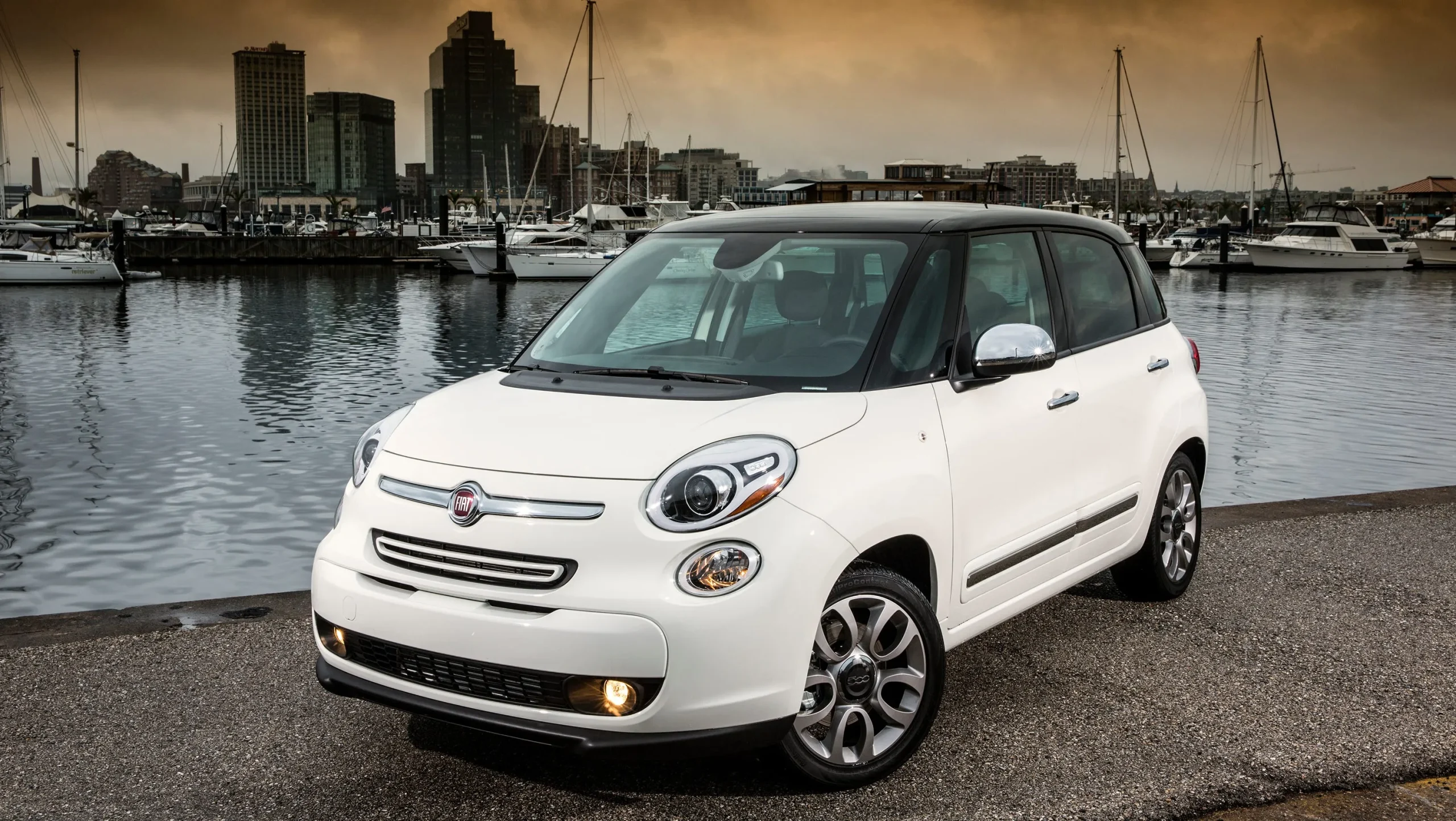
2. Fiat 500L (2014-2019 Models)
Italian style can’t overcome terrible reliability, as the 500L proves painfully. These quirky crossovers depreciate faster than phones lose battery charge. Dealers actively avoid accepting them in trade, knowing they’ll sit unsold for months while requiring repairs. Even at deeply discounted prices, buyers refuse to take chances on vehicles with such poor reputations.
Reliability problems appear everywhere in these Fiats. Transmissions shudder and fail prematurely. Electrical systems malfunction constantly, from failing power windows to dead infotainment screens.
Engine problems range from excessive oil consumption to complete failures. Suspension components wear out quickly despite light use. These issues create maintenance costs that exceed vehicle values, making smart buyers run away.
Parts availability concerns scare potential buyers away. Fiat nearly exited North American markets entirely, creating worries about getting vehicles serviced. Even when parts exist, they’re expensive and take weeks to arrive.
This reality makes dealers unwilling to stock 500Ls, knowing buyers will choose literally anything else. Trade-in offers reflect this complete lack of demand.
Cramped interiors and poor ergonomics make these crossovers unpleasant to drive. Seats lack support, visibility is limited, and controls are confusingly arranged.
Build quality feels cheap everywhere, from flimsy door handles to rattling trim pieces. These problems worsen as vehicles age, creating used examples that feel like punishment rather than transportation. Test drives end quickly, leaving dealers with unsellable inventory.
Fuel economy disappoints despite small size and weak engines. Buyers expect efficiency from compact vehicles, but the 500L delivers mediocre mileage that doesn’t justify its limitations. Performance is sluggish, handling is sloppy, and road noise is excessive.
Every aspect of ownership disappoints, creating terrible word-of-mouth that kills resale. Dealers who mistakenly accept 500Ls in trade learn expensive lessons about vehicles that destroy profits. Owners seeking trades face the reality that their Italian crossovers are basically worthless, regardless of condition or mileage.
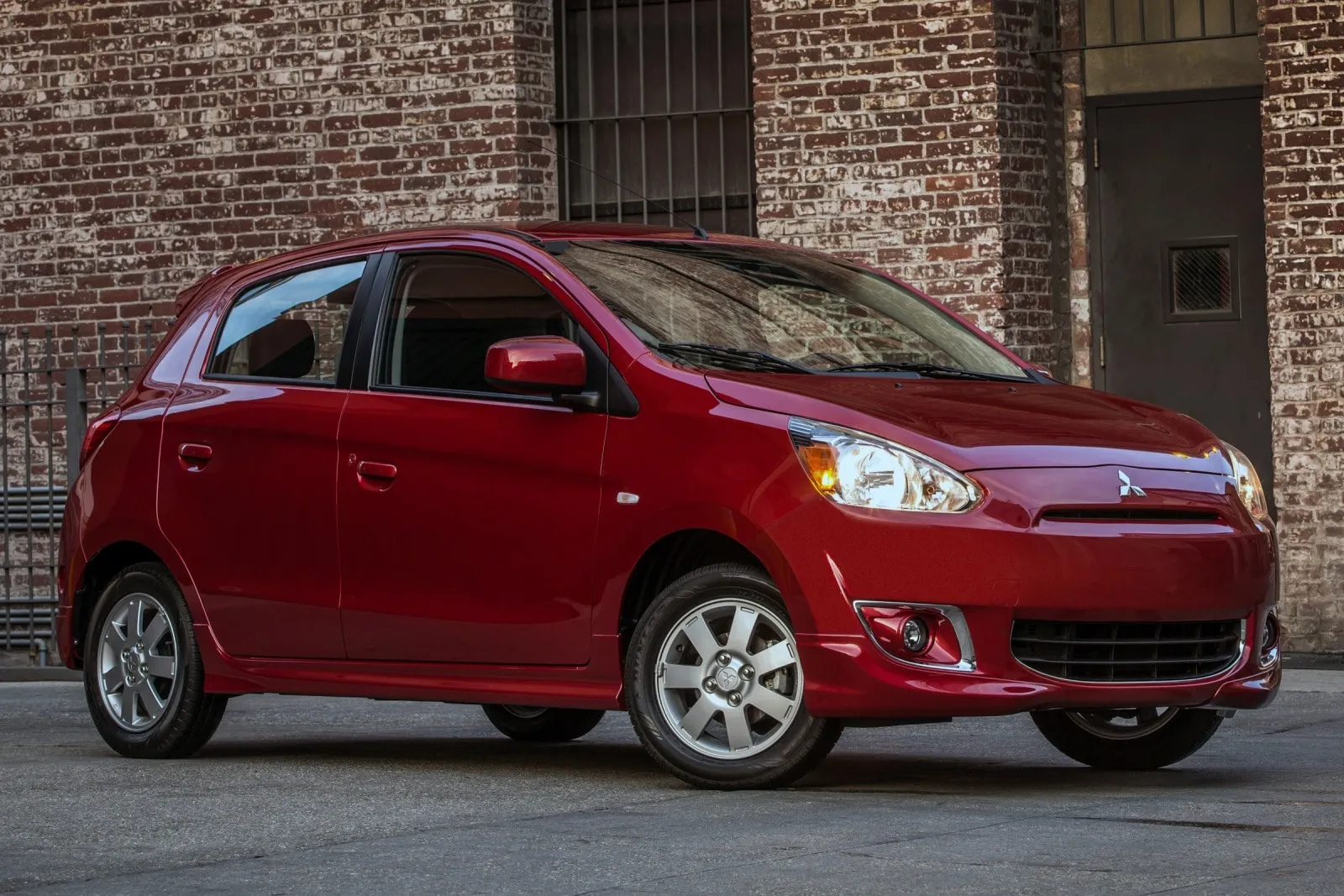
3. Mitsubishi Mirage (2014-2020 Models)
Cheap new cars become worthless used cars, as the Mirage demonstrates perfectly. These subcompacts depreciate so rapidly that three-year-old examples trade for less than 30% of their original prices.
Dealers avoid these cars like diseases, knowing they’ll never sell at any reasonable profit. Trade-in offers are offensively low because dealers lose money stocking these terrible vehicles.
Build quality resembles toys rather than actual automobiles. Everything feels flimsy and cheap, from hollow-sounding doors to dashboard plastics that creak constantly.
Seats provide no support, making even short drives uncomfortable. Materials deteriorate quickly, creating interiors that look ten years old after just three. Nobody wants to buy vehicles that feel this poorly constructed, destroying any trade-in value.
Performance is dangerously inadequate for modern traffic. Three-cylinder engines produce laughable power that makes highway merging scary. Acceleration is so slow that passengers genuinely fear for their safety.
Handling is sloppy, braking distances are long, and everything about driving these cars is unpleasant. Potential buyers test drive once and immediately cross Mirages off their lists permanently.
Fuel economy should be excellent given the tiny engine, but it’s merely adequate. Buyers expecting 50 mpg discover real-world mileage closer to 35, unimpressive for such a small, slow car. This disappointment kills the main reason anyone considers buying these vehicles. Without fuel savings justifying the terrible driving experience, demand evaporates completely.
Safety features and crash test ratings are mediocre at best. Parents won’t consider these cars for teen drivers. Budget-conscious buyers choose slightly used, better vehicles rather than new Mirages. This complete lack of appeal across all buyer segments creates zero demand, which makes trade-ins impossible.
Dealers who accept these cars regret it immediately, learning that pricing them low enough to sell means losing money on every transaction. Owners hoping to trade Mirages discover their vehicles have essentially no value, regardless of condition or mileage.
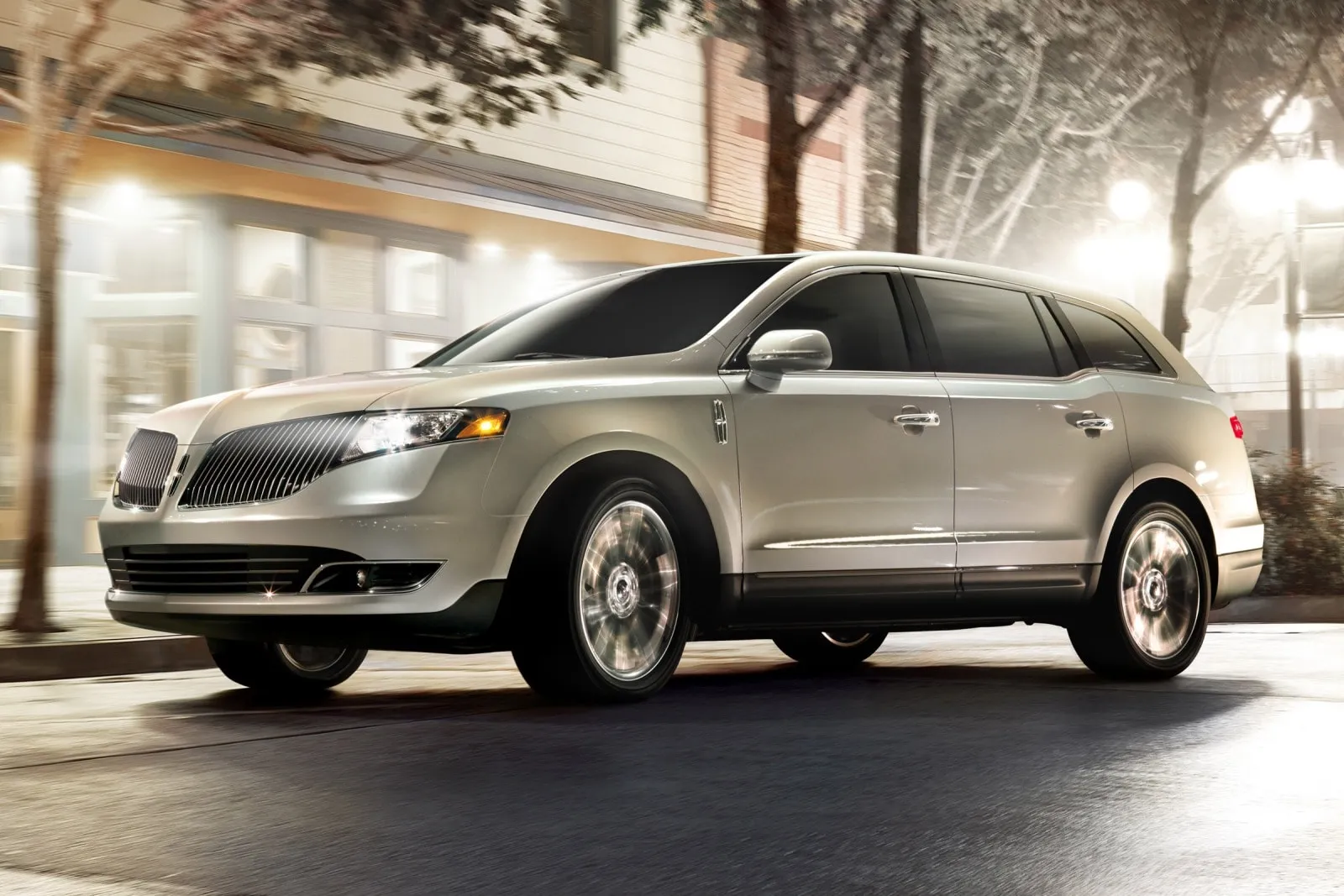
4. Lincoln MKT (2013-2019 Models)
Luxury crossovers should hold value, but the MKT defies this expectation spectacularly. These ugly Ford-based vehicles depreciate like rocks dropped from airplanes. Dealers avoid stocking them because buyers actively dislike the styling and question the reliability. Trade-in offers are shockingly low for vehicles that cost over fifty thousand new.
Styling is polarizing, and not in a good way. Most people find the MKT genuinely unattractive, with awkward proportions and confused design language.
This ugliness alone kills resale value because buyers want vehicles that look good. Beauty is subjective, but dealers know the market hates these Lincolns. This consensus makes trade-in offers reflect the reality that nobody wants these crossovers.
Reliability problems mirror Ford Explorer issues since they share platforms. EcoBoost engines develop expensive problems. Transmissions shudder and fail prematurely.
Electrical systems malfunction constantly. Suspension components wear out quickly. These problems create maintenance costs that exceed depreciated values, making smart buyers choose literally anything else. Dealers understand this dynamic and price trade-ins accordingly low.
Interior quality disappoints, given the luxury pricing. Materials feel cheap compared to actual luxury brands. Technology is dated and clunky. Seats lack the comfort expected in this segment.
Everything about the cabin reminds you that this is a Ford underneath Lincoln badges. Buyers shopping for luxury crossovers reject these pretenders immediately, destroying any resale value.
Competition from superior alternatives makes MKTs impossible to sell. Why choose a Lincoln when German luxury brands offer better vehicles for similar used prices? Even mainstream three-row crossovers provide better value. This reality creates zero demand that forces dealers to refuse MKT trade-ins or offer pennies on the dollar.
Owners stuck with these vehicles face the brutal truth: their luxury crossovers are worth less than mainstream brands that cost half as much new. Trading means accepting massive losses that make keeping the MKT forever seem financially smarter.
Also Read: 5 Sports Cars That Can Handle Daily Driving vs 5 That Disappoint
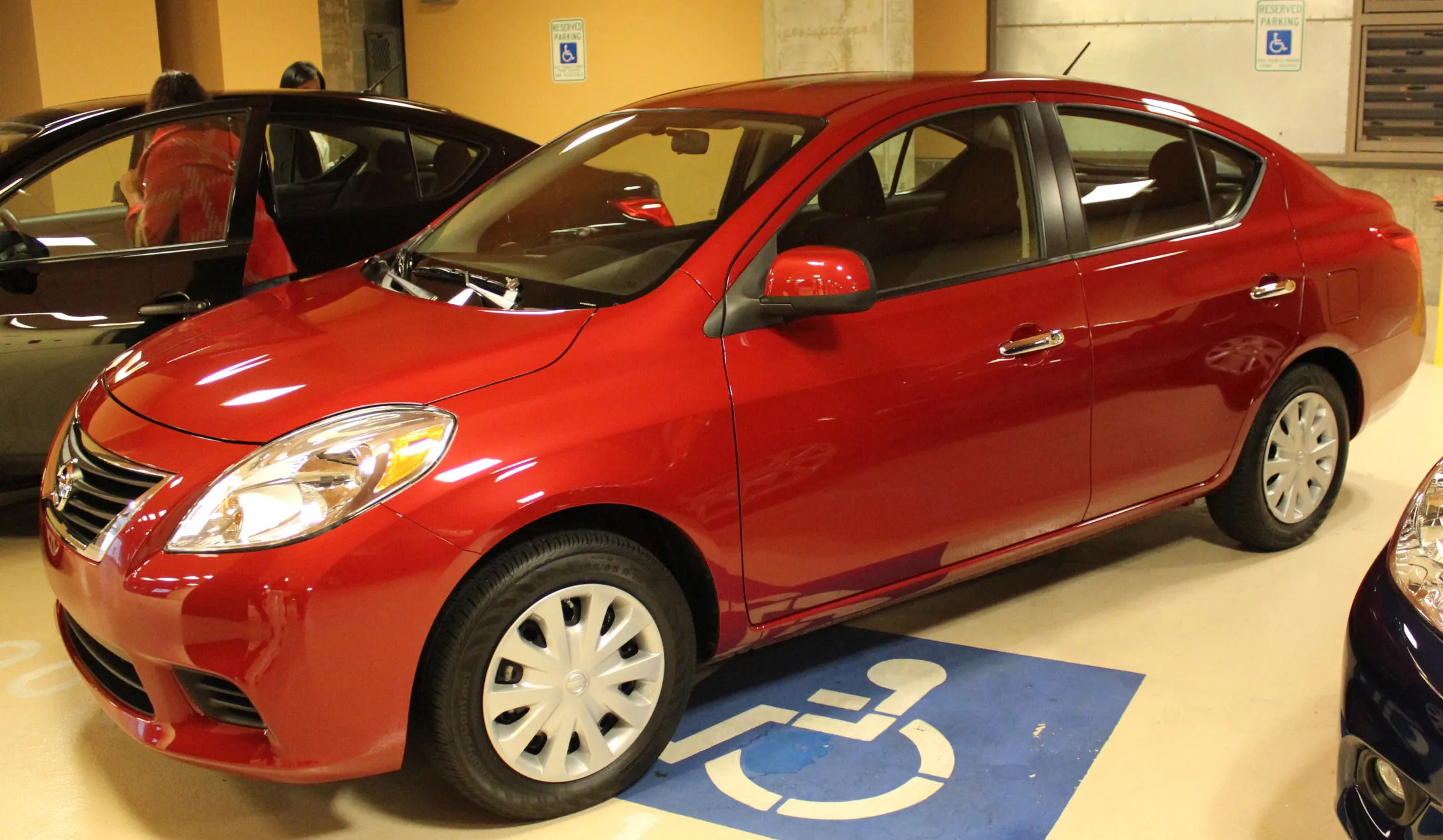
5. Nissan Versa (2012-2019 Models)
Bottom-tier budget cars become worthless faster than you can say depreciation. First-generation Versas epitomize this problem, losing value so quickly that owners owe more than vehicles are worth for the entire loan term.
Dealers avoid these subcompacts because they’re impossible to sell at any price that makes business sense. Trade-in offers reflect the harsh reality that these Nissans are essentially disposable.
CVT transmissions in these Versas fail prematurely and expensively. This known problem destroys any remaining value because potential buyers fear expensive repairs. Replacement transmissions cost more than the entire vehicle is worth. Dealers won’t stock cars with such obvious reliability problems, leaving owners with vehicles they can’t trade without massive losses.
Interior quality is abysmal even when new. Cheap hard plastics cover every surface, creating cabins that feel more like portable toilets than cars. Seats provide zero support, making drives uncomfortable.
Everything rattles and creaks within months. As these Versas age, interiors deteriorate into genuinely unpleasant spaces nobody wants to occupy. This reality kills any chance at decent resale.
Performance is barely adequate when new and becomes dangerous as vehicles age. Weak engines struggle with highway speeds. Braking feels uncertain. Handling is sloppy and unresponsive.
Everything about driving these cars reminds you that you bought the absolute cheapest option available. Potential buyers test drive once and immediately decide that literally anything else would be better.
Safety equipment is minimal, with basic features that were outdated even when new. Crash test ratings are mediocre. Parents won’t consider these cars for teens. Budget buyers realize that slightly more expensive used options provide dramatically better safety. This lack of appeal across every buyer segment creates zero demand, which makes trade-ins worthless.
Dealers who mistakenly accept Versas learn expensive lessons about vehicles that lose money regardless of pricing. Owners hoping to trade discover their cars have essentially no value, making walking away from underwater loans more appealing than continuing payments on worthless transportation.
