For car enthusiasts and everyday drivers alike, maintenance costs can make or break the ownership experience.
While some vehicles invite you to roll up your sleeves and handle routine fixes in your own garage, others practically demand you book a service appointment for even the simplest tasks.
The difference often comes down to design philosophy some automakers prioritize accessibility and simplicity, while others favor technology integration and proprietary systems that make DIY repair a challenge.
In this list, we’ll look at five cars that are a dream for at-home mechanics and five that are best left in the hands of a dealership technician.
Whether you’re a seasoned tinkerer or someone who values convenience over grease-stained hands, understanding where your car fits can save you time, money, and frustration.
Cars With Easy DIY Repairs
If you love working on your own car or want to save money on trips to the mechanic, choosing a vehicle that’s easy to repair yourself can make a big difference.
Some cars are designed with accessibility and simplicity in mind, allowing owners to tackle everything from oil changes and brake jobs to more involved maintenance without specialized tools.
In this guide, we’ll look at cars known for their DIY-friendly designs, affordable parts, and straightforward repair processes, perfect for enthusiasts and practical drivers alike.
1. Toyota Corolla
The Toyota Corolla has built its reputation on bulletproof reliability and straightforward engineering.
Generations of Corolla owners have praised how easy it is to work under the hood oil changes, brake replacements, air filters, and spark plugs can all be swapped in an afternoon with basic tools.
Toyota’s massive parts availability also means that components are affordable and well-documented, making it simple to find tutorials and diagrams online.
For anyone new to DIY car repair, the Corolla serves as a perfect “training ground” vehicle that rewards care without punishing mistakes.
Long regarded as the benchmark for dependable and practical transportation, the Toyota Corolla has built its reputation not on excitement but on efficiency, reliability, and value.
The core of the lineup, however, remains the familiar sedan and hatchback models, powered by a reliable yet modest 169-horsepower inline-four paired with an automatic transmission.
While its performance may lack vigor, the Corolla’s predictable handling and no-nonsense personality continue to appeal to those who value simplicity. Consistent sales numbers prove that formula still works.
For 2025, Toyota introduces the Corolla FX, a visually enhanced version of the sedan that leans into a sportier aesthetic with dark accents and aggressive styling cues. It pays homage to the Corolla FX16 from the 1980s, though it doesn’t inherit that car’s performance credentials.
The FX rides slightly lower thanks to shorter springs and features recalibrated electric power steering for a livelier feel.
Visual upgrades include 18-inch satin-black alloy wheels with machined details, a blacked-out roof, black badges and mirror caps, and a rear spoiler. Inside, a new 10.5-inch infotainment display becomes standard on the FX and optional across the rest of the 2025 lineup.
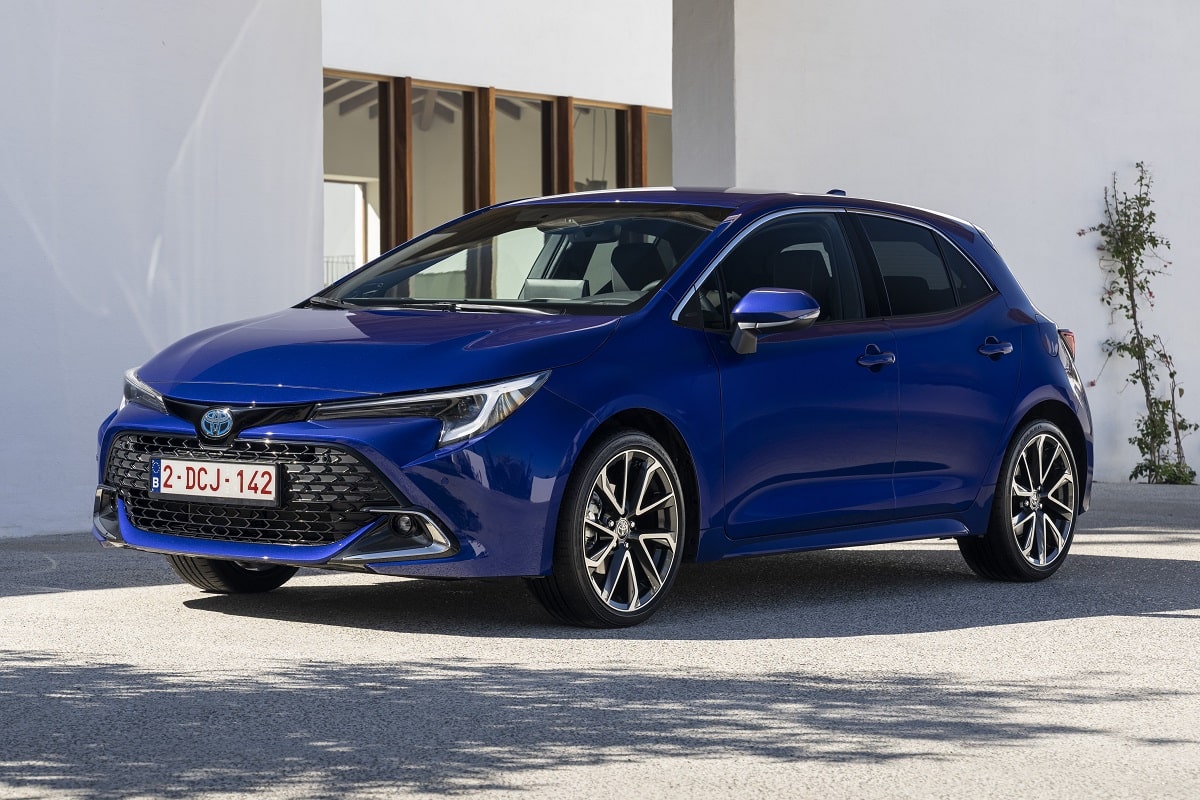
Every Corolla (except the hybrid) comes equipped with a 169-hp 2.0-liter four-cylinder engine, paired with a continuously variable automatic transmission (CVT) that sends power to the front wheels.
While all hatchback models share this setup, the sedan also offers a hybrid powertrain for improved efficiency.
In our testing, both the Corolla SE hatchback and Corolla XSE sedan demonstrated refined manners around town and a steady highway demeanor.
However, acceleration requires patience, and pushing hard can bring out some coarse engine sounds that slightly detract from its polish.
Still, both versions deliver a comfortable and composed ride that filters out most road imperfections while maintaining good body control through corners.
Despite these enhancements, the Corolla’s handling, while precise and predictable, doesn’t match the sharp engagement of rivals like the Mazda 3 or Honda Civic.
In braking tests from 70 mph to zero, both Corolla body styles required between 174 and 183 feet, which is average for the class. Nonetheless, their brake pedals felt confident and delivered consistent, natural feedback.
2. Honda Civic
Much like the Corolla, the Honda Civic is beloved not only for reliability but also for repair accessibility. The Civic’s engine bay layout is clean and organized, with key components easy to reach without removing entire assemblies.
Routine jobs like changing belts, replacing headlights, or installing new brakes don’t require specialized tools.
The Civic’s long-standing popularity in the U.S. also means aftermarket support is extensive from YouTube guides to inexpensive OEM parts at every major auto retailer. It’s a car made with the average American owner in mind.
Honda completely redesigned the Civic for the 2022 model year, ushering this beloved compact sedan and hatchback into its 11th generation.
The automaker reworked nearly every aspect of the vehicle, from its structure and powertrains to its design, safety features, and interior technology.
True to its heritage, the 2022 Honda Civic continues to deliver affordable, reliable, and efficient driving for everyday motorists.
The Civic has always been a cornerstone of the automotive world, so every new generation carries the weight of expectation. Fortunately, Honda delivered once again with the 11th-generation model.
In our first drives of the 2022 Civic sedan and hatchback, we found the new design to be more mature and sophisticated than the outgoing version’s overly busy styling. It’s less flashy but far more refined.
The interior stands out as a major highlight, its materials remain modest yet high-quality, and the clean, horizontal layout gives the cabin a modern, upscale feel. The distinctive honeycomb air vent design is a particularly nice touch.
In fact, the Civic’s interior design and layout easily outclassed the Toyota Corolla’s in our recent comparison test. The technology interface also strikes the right balance between stylish digital displays and practical physical controls.
On the road, both of the Civic’s carryover engines perform well for daily driving. The base 2.0-liter four-cylinder can sound a bit coarse, while the optional turbocharged 1.5-liter offers brisker acceleration without being overly sporty.
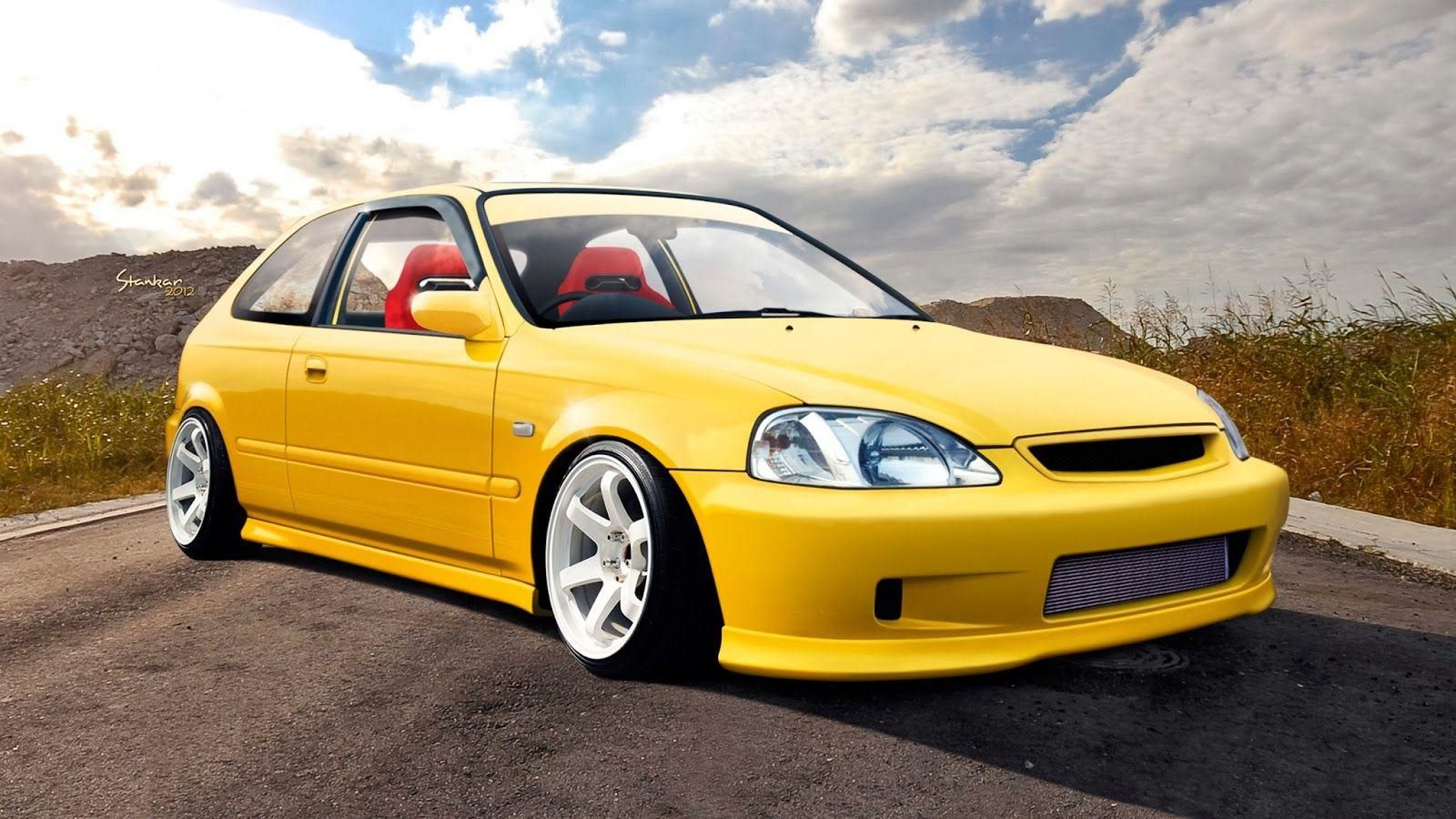
But it’s in the corners where the Civic shines, sharp, communicative steering and a rigid chassis make for a confident and engaging driving experience.
Ride quality feels taut yet composed, similar to that of an entry-level luxury sport sedan. The Civic Si takes those strengths even further, and we can’t wait to see what the next Type R brings to the table.
Our testing confirmed these impressions. The turbocharged Civic Touring sedan reached 60 mph in 7.4 seconds, just 0.2 second slower than the previous-generation model. It completed the quarter-mile in 15.7 seconds at 91.4 mph, also marginally behind its predecessor.
However, it excelled in handling performance, posting a 0.88 g skidpad result and a 26.7-second figure-eight lap, both better than before.
This newfound agility was one of several reasons the 2022 Civic emerged victorious in our six-way compact sedan comparison test. The cabin can get a bit noisy over rough roads or under heavy acceleration, but that’s fairly typical for the class.
As before, the 2022 Honda Civic sedan offers two four-cylinder engine options: a naturally aspirated 2.0-liter and a turbocharged 1.5-liter.
The base 2.0-liter continues to produce 158 horsepower and 138 lb-ft of torque. In testing, the Civic Sport equipped with this engine reached 60 mph in 9.2 seconds, slower than both the previous-generation model and many current competitors.
The upgraded 1.5-liter turbo engine now delivers a modest boost in output, gaining 6 horsepower and 15 lb-ft of torque for totals of 180 hp and 177 lb-ft on regular 87-octane fuel.
Meanwhile, the Civic Si’s tuned version of the same engine produces slightly less peak horsepower than before, 200 hp and 192 lb-ft, but its broader torque curve starts earlier at 1,800 rpm and extends all the way to the 6,500-rpm redline.
Overall, the 2022 Civic balances improved efficiency, refined handling, and updated technology, reinforcing its reputation as the compact car to beat.
Also Read: 10 Hybrids With the Least Reported Mechanical Issues
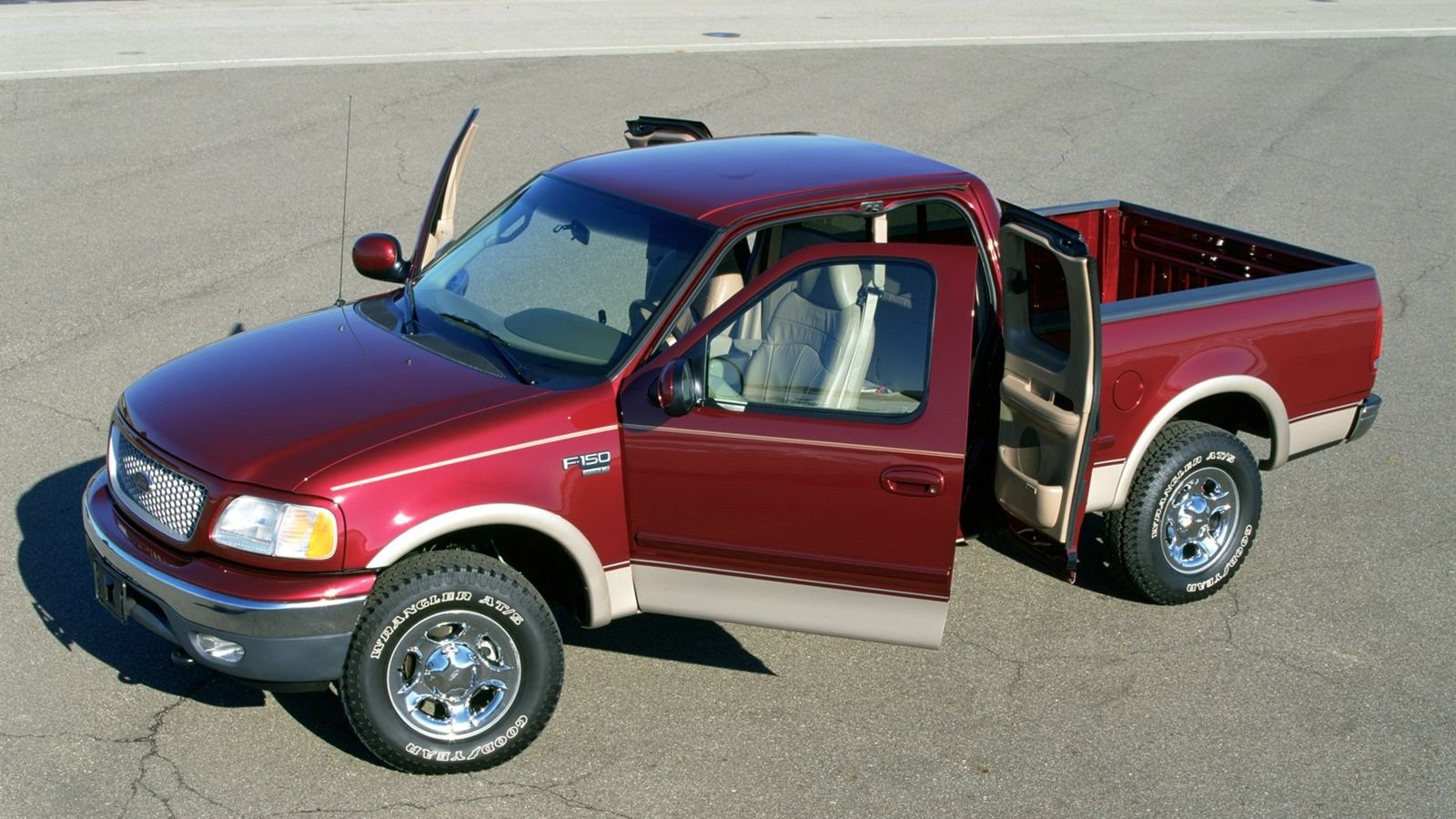
3. Ford F-150 (Older Generations)
America’s best-selling truck is also one of the easiest to work on particularly the older generations, such as those produced before 2015.
The F-150’s simple, rugged design leaves plenty of room in the engine bay, and its body-on-frame construction makes mechanical access easy for suspension and drivetrain repairs.
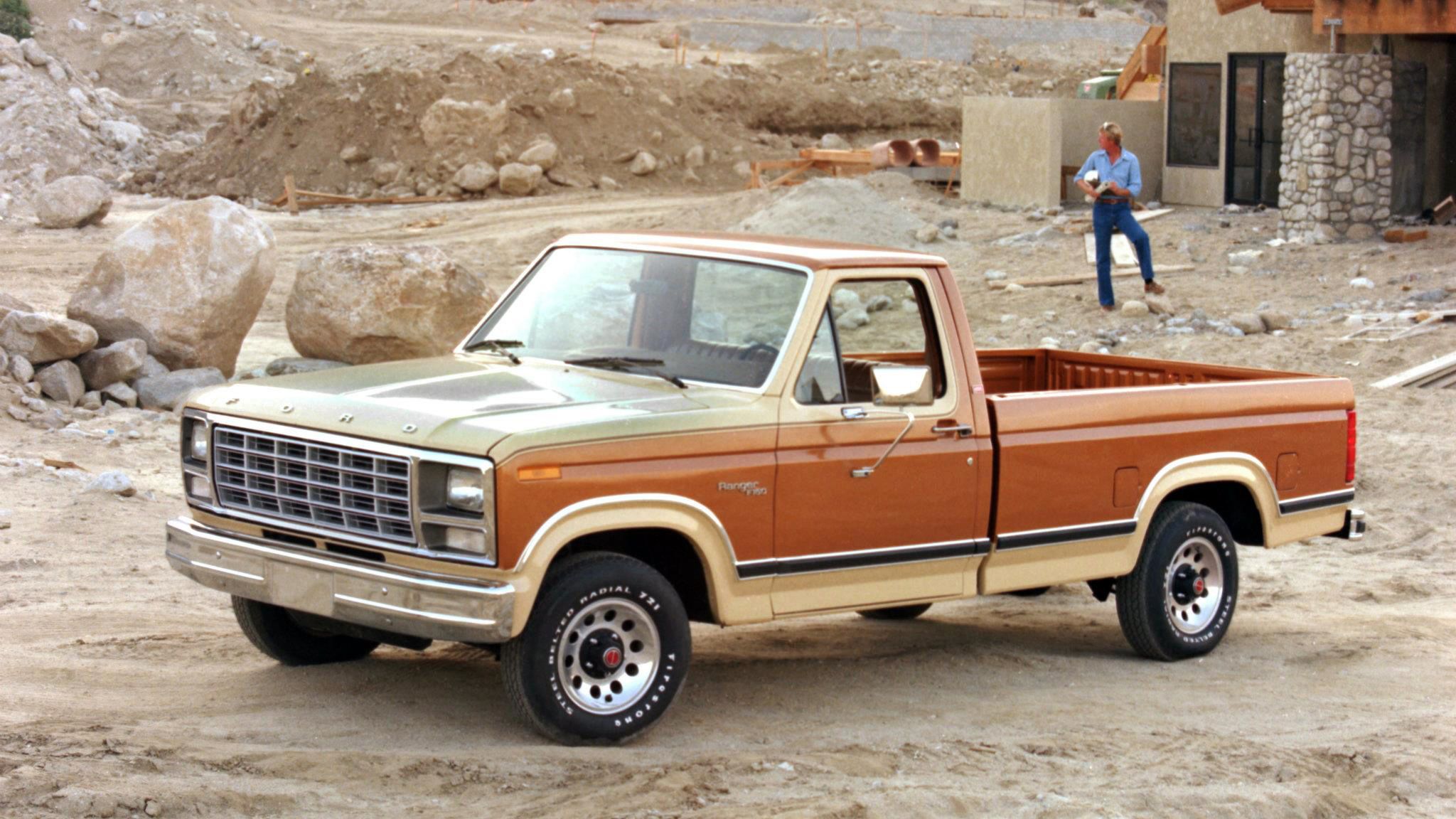
Older models use fewer electronic control modules than modern versions, meaning troubleshooting can often be done with a basic OBD-II scanner. For rural owners and hobbyists who rely on their trucks daily, the F-150’s DIY-friendliness is a huge advantage.
4. Jeep Wrangler
The Jeep Wrangler community thrives on customization, and that same spirit extends to easy at-home repairability. Jeep intentionally designs the Wrangler with accessibility in mind doors, fenders, bumpers, and even the top can be removed using basic tools.
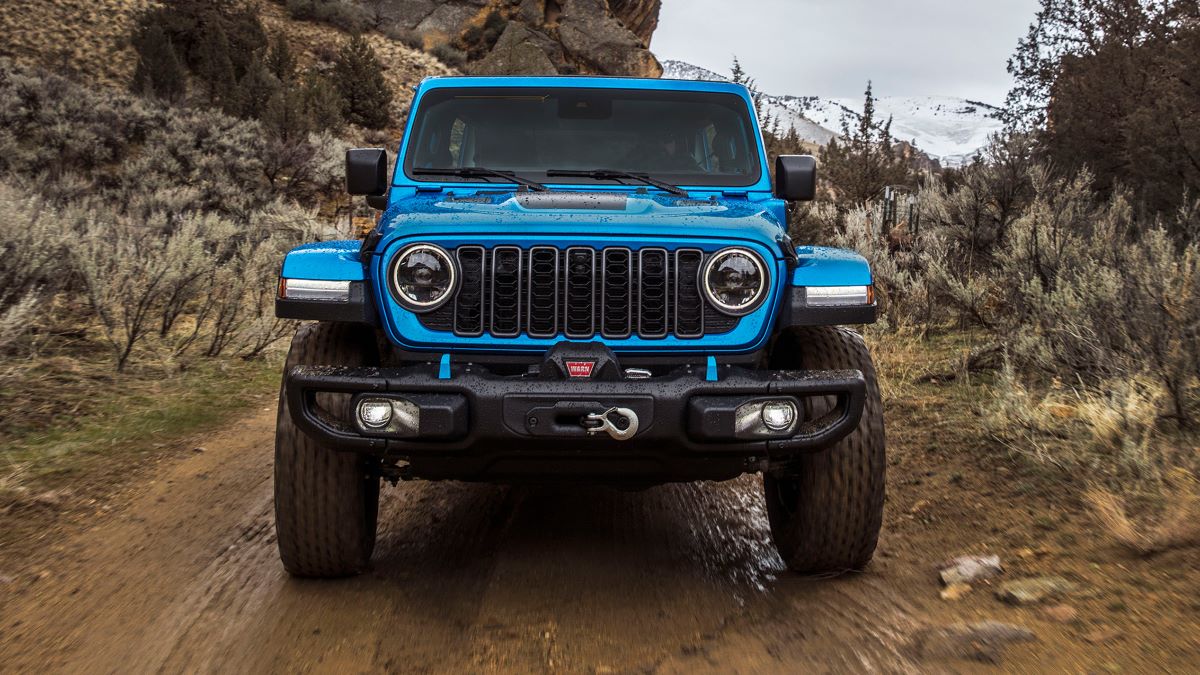
Under the hood, engines like the 4.0-liter inline-six from older Wranglers are famously simple to maintain. Even newer models remain easier to service than most SUVs, with plenty of space to reach components.
Whether it’s replacing a radiator or upgrading the suspension, Jeep owners can get the job done without a service appointment.
5. Subaru Outback (Pre-2015)
Subaru’s earlier Outbacks were made with practicality in mind. The naturally aspirated boxer engines in older models while unconventional are accessible once you understand their layout.
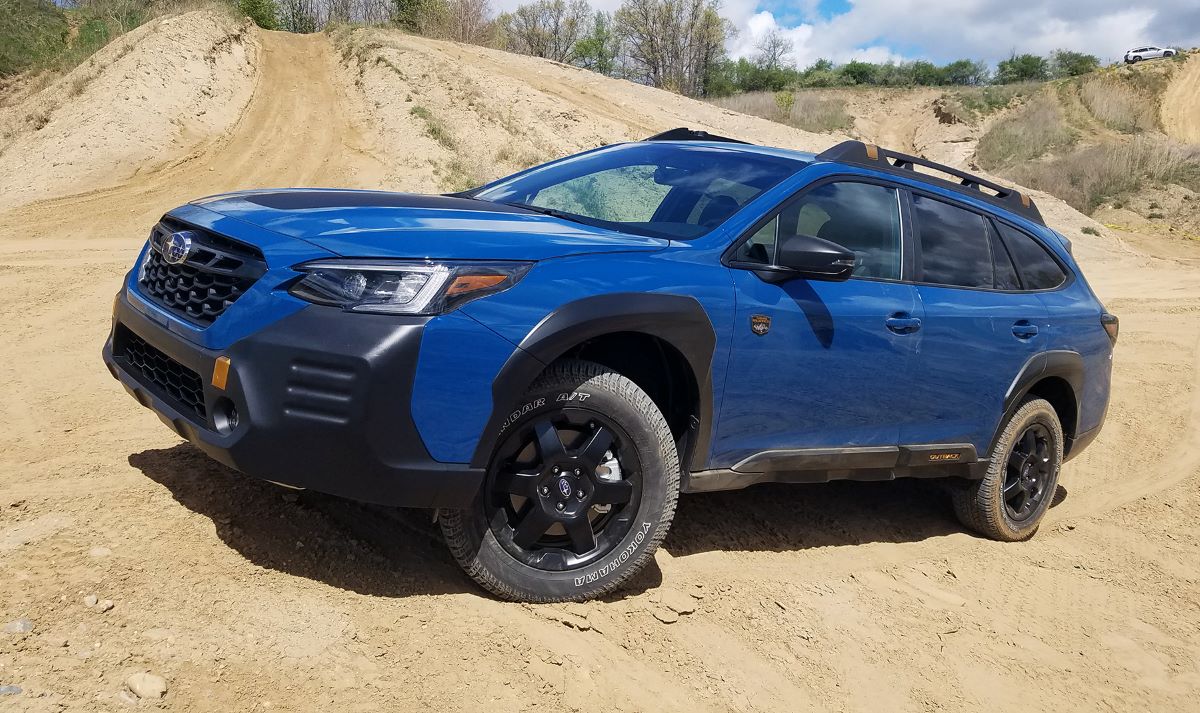
Oil changes, air filters, and brake work are all relatively straightforward. Parts are affordable and widely available, and the cars were engineered with reliability as a top priority.
While newer Subarus have incorporated more complex electronics, the pre-2015 Outbacks strike an ideal balance between functionality and repair simplicity.
Cars That Require Dealers Only
Not every car is built for weekend tinkerers or at-home mechanics. Some vehicles are packed with advanced technology, specialized components, and complex systems that make even basic maintenance a challenge without professional tools or training.
These are the cars that practically demand dealer-only service, where factory-trained technicians and proprietary diagnostic equipment are often the only way to keep things running smoothly.
In this article, we’ll explore cars that are best left to the experts, and why trying to fix them yourself might do more harm than good.
1. Tesla Model S
Tesla vehicles may be technological marvels, but they’re nightmares for DIY mechanics. The company’s tightly controlled repair ecosystem means even basic maintenance like brake servicing or battery diagnostics often requires Tesla’s proprietary software tools.
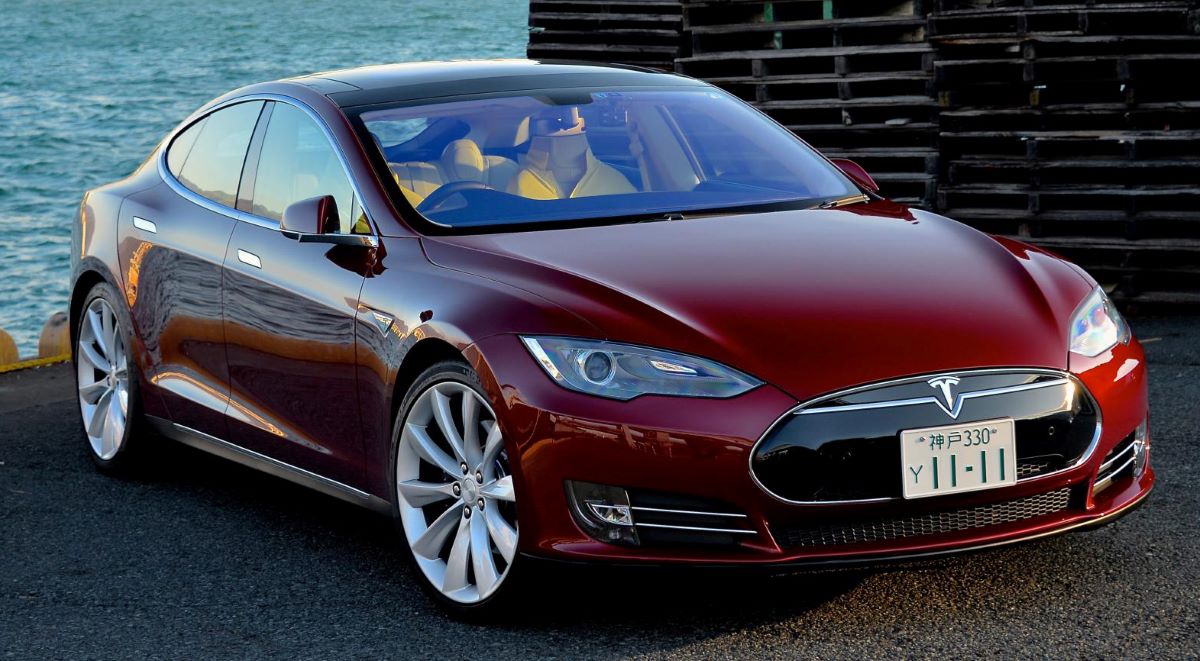
Opening the battery casing or attempting electrical work can void warranties or trigger software locks.
While Tesla’s over-the-air updates and minimalist design make ownership futuristic, they also ensure that almost all repairs stay firmly within Tesla’s control a frustration for drivers who prefer independence.
It’s almost hard to imagine now, especially considering the polarizing Cybertruck and the capable yet imperfect Model X, that Tesla’s very first car was such a resounding success.
The 2020 Tesla Model S continues the legacy of the vehicle that revolutionized the automotive world nearly a decade ago. And even though it hasn’t undergone major changes since its introduction, the Model S remains one of the most respected and influential electric vehicles on the market.
When it comes to performance, however, there’s little to criticize. Even the base Model S can sprint from 0 to 60 mph in just 3.7 seconds, while the Performance version, available for about $20,000 more, reduces that time to a staggering 2.3 seconds.
Those are true supercar figures, made even more impressive considering the Performance trim barely crosses the six-figure price threshold. The Model S also leads the segment in estimated driving range, though in real-world testing, results sometimes fall slightly short of Tesla’s official claims.
Even after all these years, the Tesla Model S remains one of the finest electric vehicles available. The arrival of rivals like the Porsche Taycan has added real competition, but the Taycan costs significantly more, doesn’t go as far on a charge, and still can’t quite match the Model S in straight-line speed.
Also Read: 5 Pickup Trucks That Always Sell for Top Dollar vs 5 That Don’t
2. BMW 7 Series
Luxury sedans like the BMW 7 Series are engineering masterpieces, but they are absolutely not DIY-friendly. Every inch of the vehicle from the adaptive air suspension to the digital iDrive system depends on specialized electronics that require BMW-specific diagnostic tools.
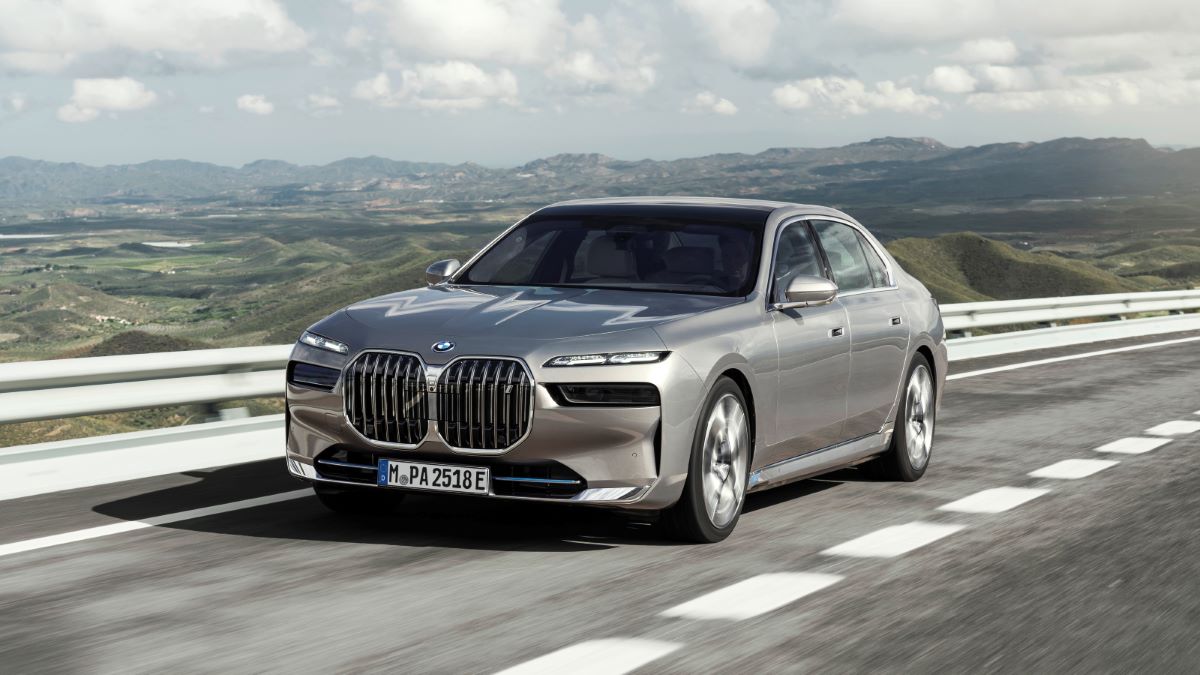
Even changing a battery can lead to system errors if not registered properly with the onboard computer.
With labor rates at BMW service centers averaging over $200 per hour, maintaining a 7 Series can quickly become an expensive commitment. For most owners, dealer visits aren’t optional they’re mandatory.
The BMW 7 Series is a large luxury sedan, but it manages to disguise its size remarkably well. Thanks to its standard air suspension, the ride remains smooth and composed whether you’re navigating city streets or cruising along the highway.
Meanwhile, active dampers and rear-wheel steering enhance agility, allowing this full-size sedan to feel surprisingly nimble when tackling twisty roads.
Under the hood, the 7 Series offers three distinct powertrains. The 740i (rear-wheel drive) and 740i xDrive (all-wheel drive) are both powered by a turbocharged 3.0-liter inline-six engine producing 375 horsepower and 383 pound-feet of torque.
Stepping up to the plug-in hybrid 750e xDrive adds an electric motor to that same six-cylinder, boosting total output to 483 horsepower and 516 pound-feet of torque.
For maximum performance, the 760i xDrive comes equipped with a twin-turbocharged 4.4-liter V8 that delivers an impressive 536 horsepower and 553 pound-feet of torque.
According to BMW’s estimates, the 740i accelerates from 0 to 60 mph in 5.2 seconds, the 740i xDrive in 4.9 seconds, the 750e xDrive in 4.6 seconds, and the powerful 760i xDrive in just 4.1 seconds.
3. Mercedes-Benz S-Class
If the BMW 7 Series is complex, the Mercedes S-Class takes it up a notch. Designed to showcase Mercedes’ latest technology, the S-Class is filled with sensors, advanced driver-assistance systems, and proprietary software integration.
Accessing components often requires removing multiple panels or specialized tools, and any electronic fault needs dealership-level equipment to diagnose.
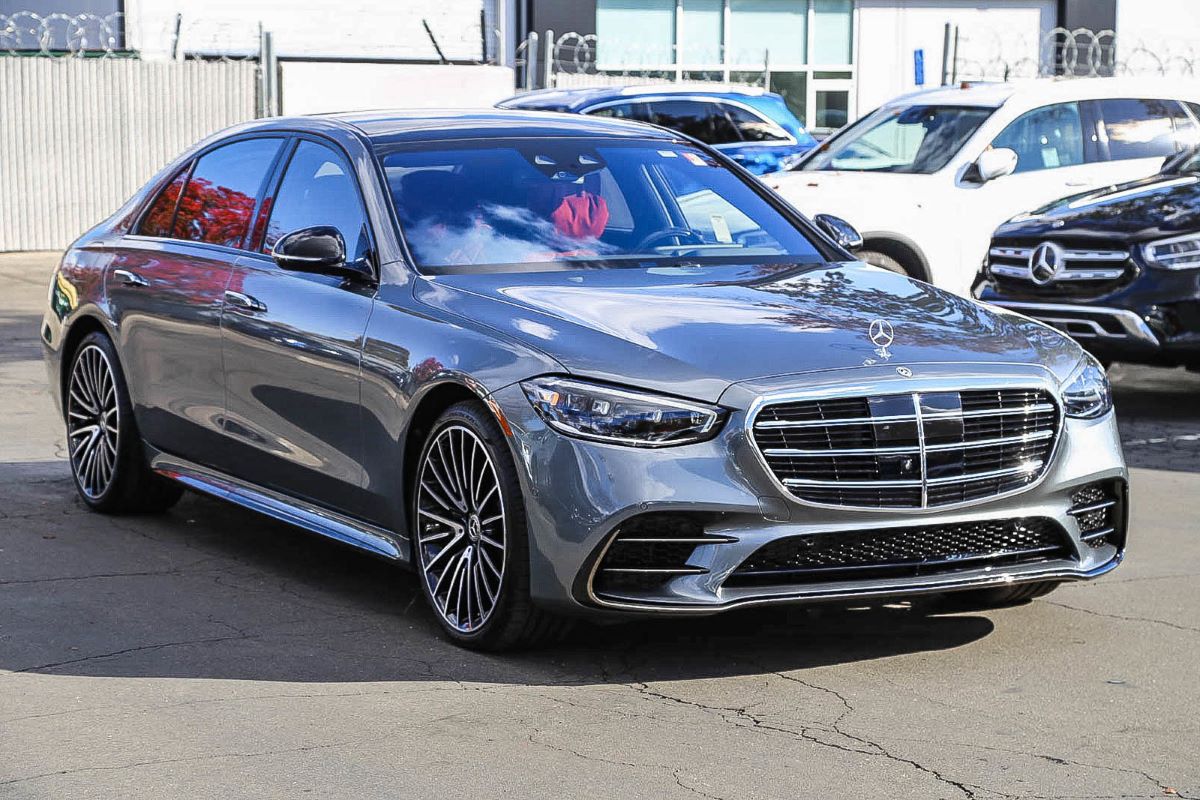
Even oil changes are complicated by underbody shields and electronic dipstick systems. The S-Class may deliver ultimate comfort and prestige, but in exchange, you’re effectively locked into the dealer ecosystem.
4. Audi A8
The Audi A8 is another luxury flagship that demands professional care. Audi’s use of lightweight aluminum construction known as the “Audi Space Frame” complicates even basic body repairs.
The engine bay is tightly packed, and the Quattro all-wheel-drive system requires precision alignment tools to service correctly.
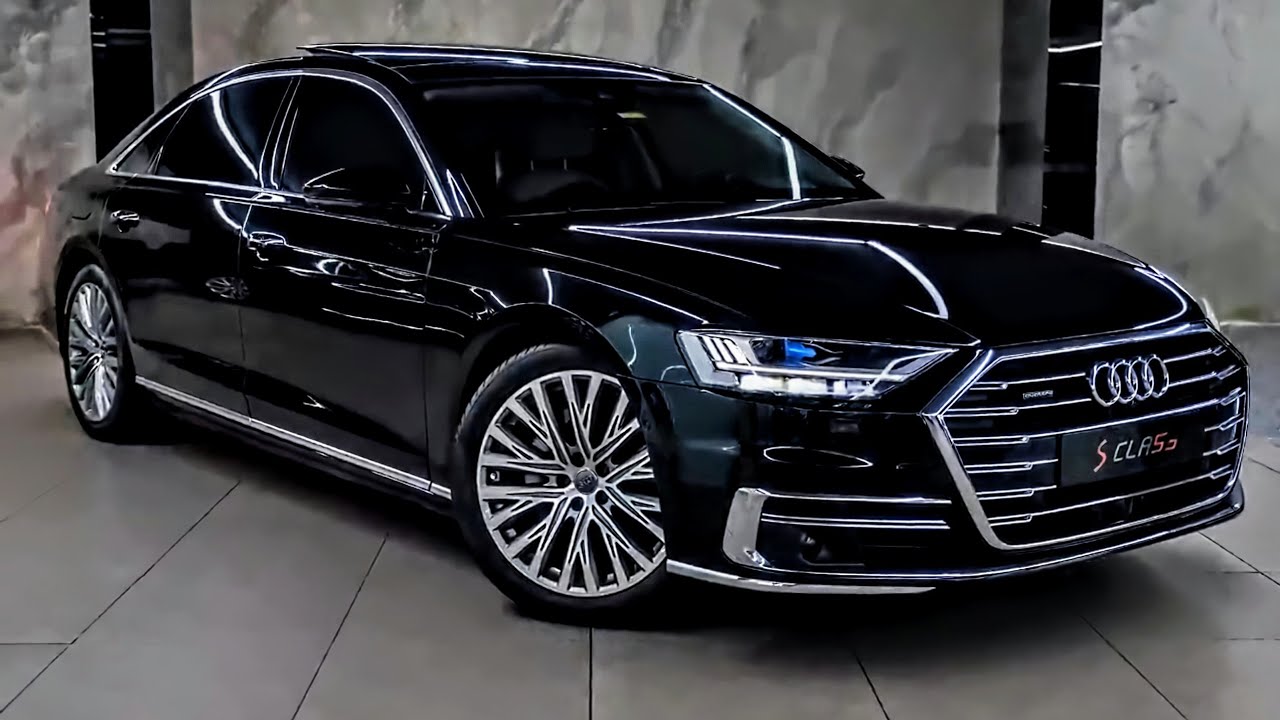
The car’s numerous sensors and ECUs are sensitive to voltage fluctuations, making amateur tinkering risky.
As a result, many independent shops avoid these models entirely, pushing owners back toward dealership service networks.
Anyone in search of an executive sedan that blends comfort, innovation, and modern convenience should seriously consider the 2020 Audi A8.
While some of its most advanced tech features haven’t yet reached the U.S. market, this luxury sedan remains one of the most sophisticated vehicles available, making driving easier and more refined.
Despite its substantial size, only the long-wheelbase version is offered in the U.S., the A8 handles with surprising agility, thanks to its remarkably precise steering and impressive cornering grip.
For 2020, Audi expands the A8 lineup with a plug-in hybrid model, the A8 60 TFSI e. This version combines a 3.0-liter V6 engine with an electric motor and a lithium-ion battery pack located beneath the trunk, generating a combined 443 horsepower.\
The base 55 TFSI model is powered by a 3.0-liter turbocharged V6 producing 335 horsepower, while the 60 TFSI steps up to a twin-turbo 4.0-liter V8 delivering 453 horsepower.
Both use a mild-hybrid setup featuring a belt-alternator-starter (BAS) system and come with an eight-speed automatic transmission and standard all-wheel drive.
The A8 60 TFSI e plug-in hybrid pairs the V6 with an electric motor integrated into a modified version of the transmission and a rear-mounted 14.1-kWh battery pack, for a total output of 443 horsepower.
In performance testing, the V6-powered A8 accelerated from 0 to 60 mph in 5.3 seconds, matching the Mercedes-Benz S450 and just slightly behind the BMW 740i. The engine is silky smooth and remarkably quiet, thanks to Audi’s extensive sound insulation.
The A8 strikes an ideal balance between comfort and agility, offering a supple ride through its adaptive air suspension and driver-selectable dampers.
When equipped with the available active suspension, it can even anticipate road imperfections and adjust in real-time for maximum comfort.
With the standard setup, the A8 glides effortlessly over rough pavement yet remains composed and controlled during spirited driving.
Steering is exceptionally accurate, though somewhat light on feedback, while braking performance is excellent, the 55 TFSI version stopped from 70 mph in just 149 feet during testing.
The 2020 Audi A8 blends advanced technology, refined comfort, and subtle athleticism, making it a standout choice for those seeking a high-end luxury sedan that performs as elegantly as it looks.
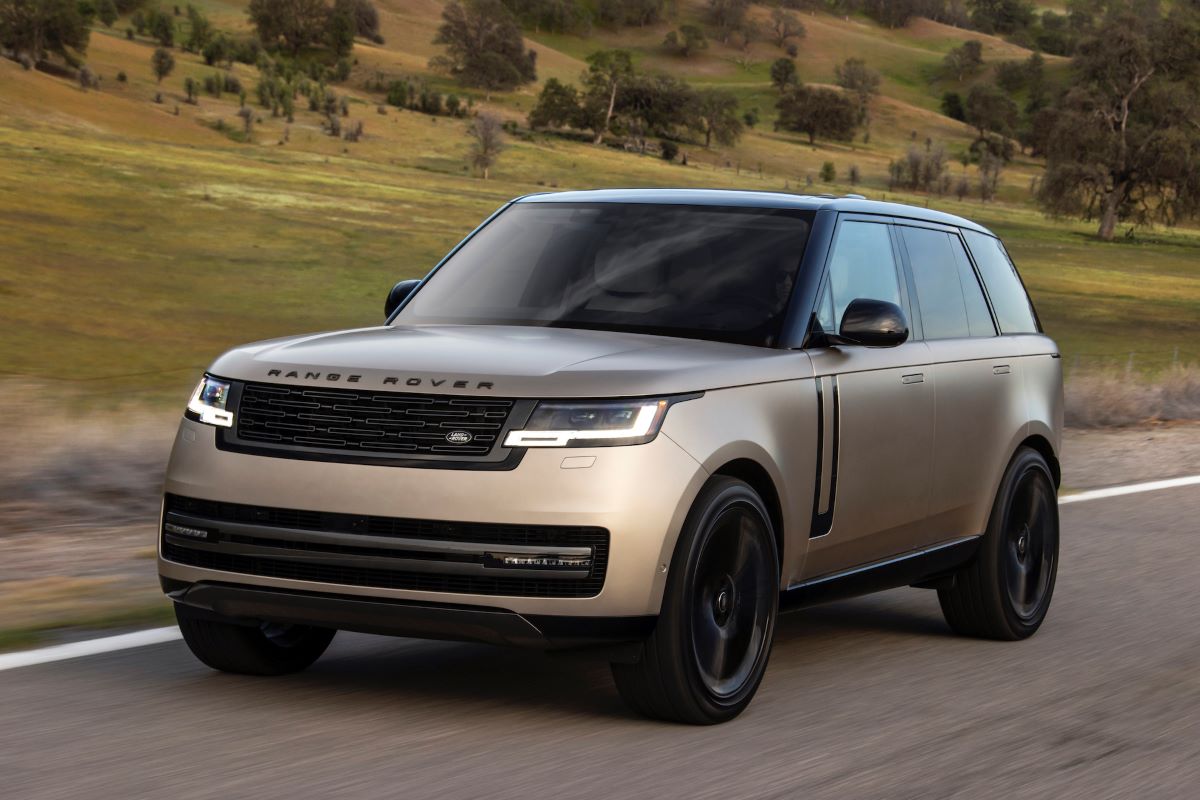
5. Land Rover Range Rover
Range Rovers are known for their opulent interiors and off-road capability, but their maintenance reputation is less than stellar. Modern versions are loaded with complex electronics controlling everything from air suspension to infotainment systems.
Replacing something as simple as a headlight assembly can require removing portions of the front bumper and recalibrating sensors afterward. DIY attempts often lead to expensive mistakes, especially given the vehicle’s intricate electrical architecture.
Unless you have a fully equipped workshop and diagnostic scanner, you’re better off letting certified Land Rover technicians handle repairs.
The contrast between these two groups of vehicles highlights a key tension in modern car ownership.
Simpler, mechanically straightforward models often mainstream compacts, older trucks, or off-roaders empower owners to maintain and repair their vehicles affordably.
In contrast, high-end luxury models and cutting-edge EVs offer technology and refinement at the cost of accessibility.
For American drivers, the choice often depends on priorities. If you value freedom, lower long-term costs, and the satisfaction of knowing your car inside out, vehicles like the Toyota Corolla, Honda Civic, or Jeep Wrangler are unbeatable.
On the other hand, if you crave top-tier comfort, performance, and modern convenience and don’t mind dealer dependence options like the BMW 7 Series or Tesla Model S deliver that premium experience.
In an era where cars are becoming increasingly digital, it’s worth remembering that some of the best driving satisfaction still comes from getting your hands dirty and knowing that the next fix doesn’t require an appointment or a thousand-dollar bill.