
BMW has long held a strong reputation for performance, engineering, and prestige. It’s a brand many associate with excitement behind the wheel, precise handling, and innovative design. For decades, the company has produced vehicles that feel as at home on the autobahn as they do pulling into a high-end shopping center.
However, when it comes to long-term reliability, opinions and experiences vary. Some BMW models have developed a reputation for enduring hundreds of thousands of miles with relatively few issues, while others have become cautionary tales for high maintenance costs, fragile components, or persistent electronic issues.
This kind of inconsistency is surprising for a premium brand. Car buyers typically expect a luxury marque to produce models that are not only sophisticated but also mechanically solid. And while BMW engineers craft vehicles with a sharp eye on performance and innovation, durability sometimes takes a backseat.
To give a clearer picture, this article breaks down five BMW models known for surprising long-term strength, followed by five that are better left to enthusiasts with patience and deep pockets. Each model is examined with a balanced perspective, highlighting why certain vehicles manage to keep going strong, while others struggle with issues that hurt their dependability.
While personal experiences may vary, the patterns that have emerged across owners, mechanics, and years of production help form a reliable impression of each model’s staying power.
Whether you’re considering a used BMW or just curious about the brand’s strengths and weaknesses, this comparison can help separate the dependable from the problematic. Let’s begin with the models that have exceeded expectations in terms of durability.
5 BMWs That Are Surprisingly Durable
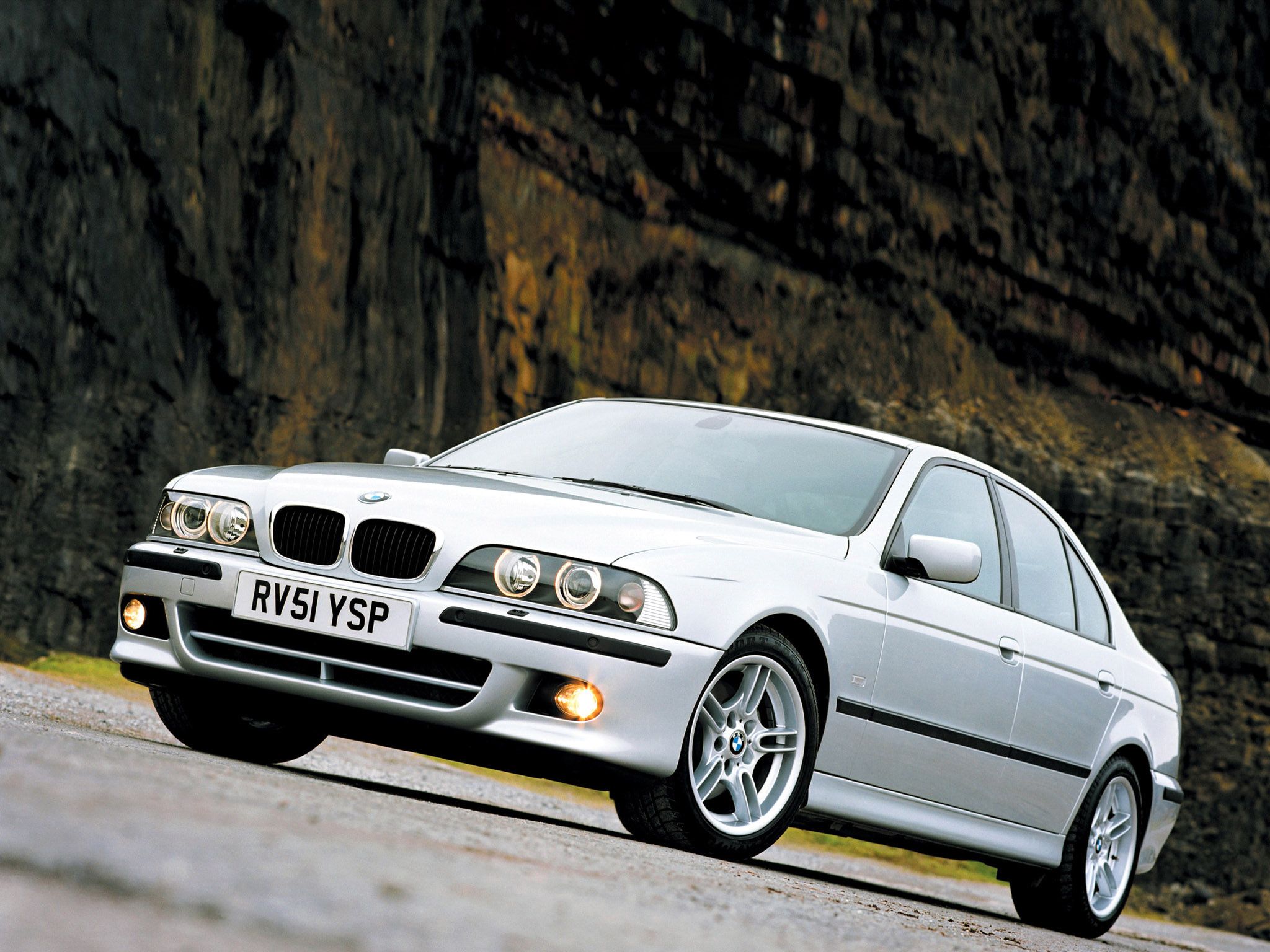
1. BMW E39 5 Series (1996–2003) – Surprisingly Durable
The E39 5 Series stands out as one of the most beloved BMW models when it comes to long-term reliability and driving enjoyment. Even decades after its production, the E39 maintains a reputation for solid construction and longevity, which is impressive given the complex engineering involved.
One key reason for this durability is BMW’s focus on mechanical simplicity and quality materials during this era. The car’s chassis and body were designed with a clear emphasis on rigidity and corrosion resistance, which means many E39s have avoided the rust issues common to older German sedans.
This was supported by excellent paint quality and well-thought-out drainage systems that prevented water from causing damage. The reputation of the E39 as a dependable daily driver has been bolstered by the strong community of owners and enthusiasts who share maintenance tips, upgrades, and solutions to common issues, helping keep these cars on the road longer.
A big part of the E39’s lasting appeal lies in its engines, especially the inline-six powerplants like the M52 and M54. These engines offer a great balance of power, smoothness, and relative simplicity, with fewer turbocharged parts or complex electronics that can fail.
When owners commit to routine oil changes, coolant flushes, and timing chain checks, these engines have been known to easily surpass the 200,000-mile mark. Even the V8 variants, which require more careful cooling system maintenance, have shown impressive longevity when key components like water pumps, thermostats, and hoses are replaced proactively.
The transmission options on the E39 are also a strong point. Manual transmissions in particular have proven durable with proper clutch care, and the automatic ZF units are known for smooth shifts and reasonable maintenance costs compared to newer, more complex transmissions.
The interior quality of the E39 is another factor that contributes to its durability. Unlike later BMW models where cost-cutting led to more plastic and less durable materials, the E39 featured premium leather, high-quality wood trim, and soft-touch plastics that have stood the test of time.
Many owners report that their seats have held up without sagging or tearing, and that the dashboards have resisted cracking despite years of sun exposure. Additionally, the electronics in the E39, while advanced for the time, were less prone to failure due to simpler wiring harnesses and fewer modules. Power windows, climate control, and the car’s audio system continue to function reliably in many examples, a stark contrast to the electronic gremlins found in later BMW generations.
Another important point is the E39’s ease of maintenance and repair. Compared to newer models, the E39 offers easier access to most engine components, meaning that both professional mechanics and DIY enthusiasts can perform repairs and routine maintenance without excessive labor costs.
All of these factors together make the E39 5 Series a prime example of a BMW that is surprisingly durable and still sought after by those who value longevity alongside driving pleasure.
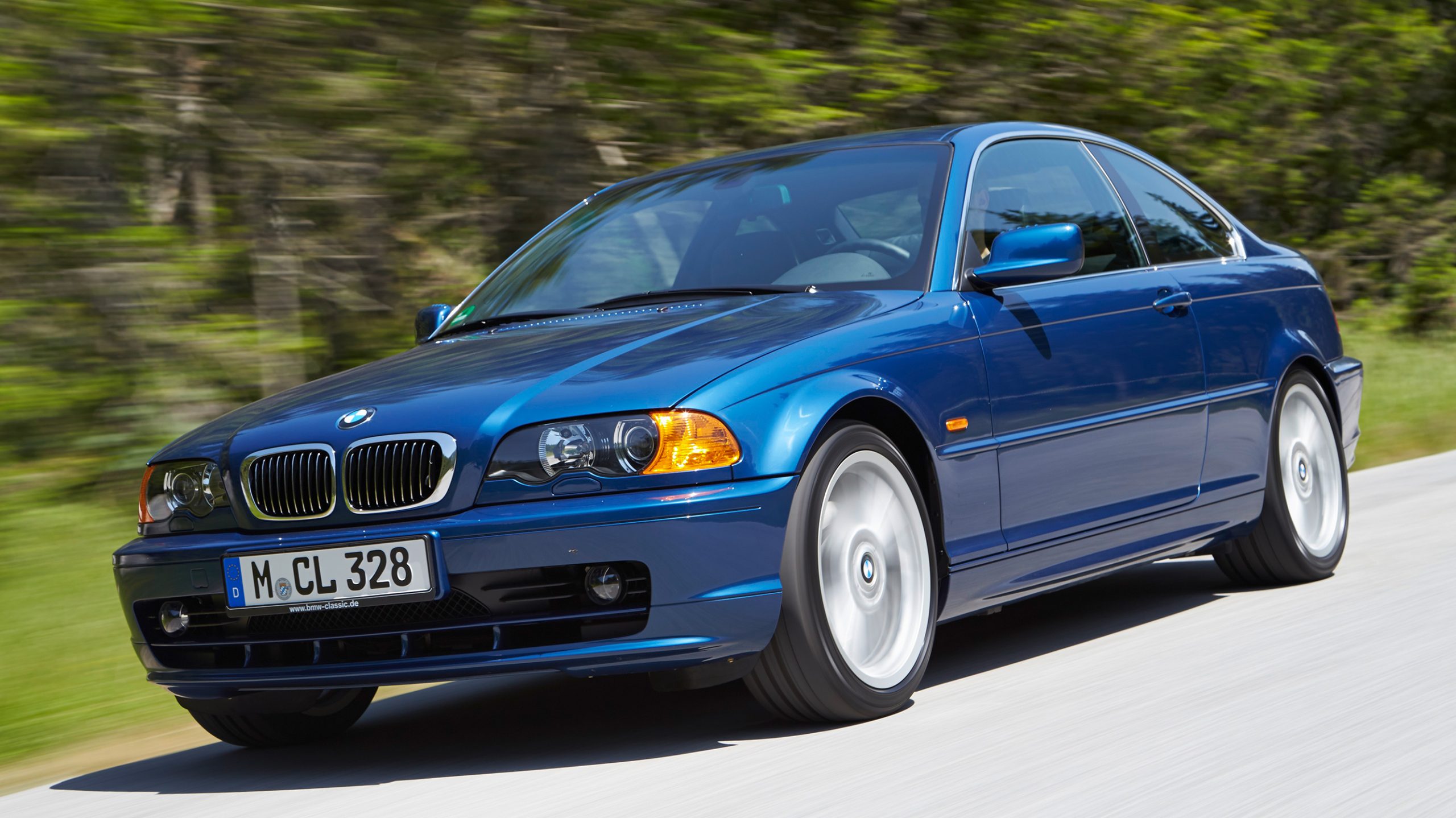
2. BMW E46 3 Series (1999–2006) – Surprisingly Durable
The E46 3 Series remains one of the most iconic and well-regarded BMW models in recent history, striking a remarkable balance between classic BMW driving dynamics and modern engineering reliability. One reason this generation has earned a reputation for durability is the relative simplicity of its design and the use of well-tested mechanical components.
The E46 avoided the pitfalls of excessive electronic complexity that would plague later models, resulting in fewer electrical failures. Enthusiasts frequently praise the E46 for its precise steering and balanced chassis, which continue to feel sharp and responsive even after many miles of use.
This engaging driving experience has been maintained without sacrificing the model’s ability to reliably serve as a daily driver, thanks to its rugged engineering foundation.
Central to the E46’s durability is the M54 inline-six engine, which is often called one of BMW’s best naturally aspirated engines. This powerplant features a robust design with solid internal components and a relatively straightforward fuel and ignition system.
While the M54 does require routine maintenance, including timing chain guides replacement and valve cover gasket servicing, these tasks are well-documented and manageable for most owners. The engine’s ability to deliver smooth, consistent power while maintaining reliability is a major reason why E46s continue to rack up high mileage.
Additionally, the manual transmissions paired with this engine are praised for their mechanical simplicity and longevity, providing a more direct connection to the driving experience while also being less prone to electronic faults than the automatics.
Interior durability is another area where the E46 shines. The cabin uses materials that resist fading and cracking, such as well-treated leather and quality plastics. This resilience means that even vehicles over 15 years old still present well, with seats and trim that have aged gracefully.
Electronic systems are generally reliable, with common issues limited to minor annoyances like window regulator failures or radio screen glitches, which can be repaired without significant expense.
The simplicity of the interior electronics, combined with the durable mechanical components, results in a car that can be enjoyed day after day without the constant fear of breakdowns or expensive repairs. This enduring quality has cemented the E46’s status as a surprisingly durable BMW that appeals to enthusiasts and everyday drivers alike.
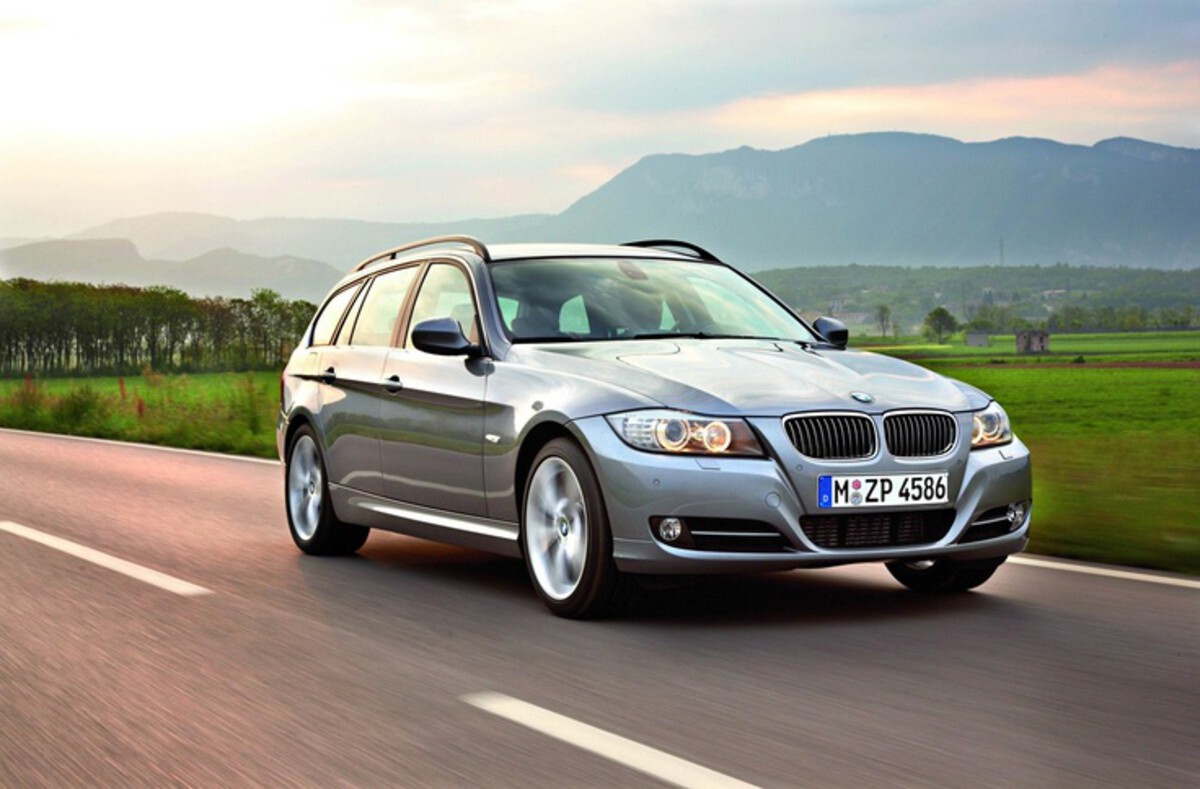
3. BMW E90 3 Series (2006–2011) – Surprisingly Durable
The E90 3 Series represents a significant step forward for BMW in blending modern technology with mechanical reliability. While it introduced more electronics and features than the previous generation, the E90 managed to avoid many of the early problems that affected later models.
One factor that contributes to the E90’s durability is the variety of engine options, especially the naturally aspirated inline-six engines like the N52 found in the 325i and 328i models. These engines are known for their smooth power delivery and relatively straightforward design, with fewer turbo-related issues that have affected other versions. Maintenance is key, but when oil changes, cooling system checks, and gasket replacements are handled promptly, these engines remain strong for hundreds of thousands of miles.
The automatic and manual transmissions in the E90 also enjoy a positive reputation. The Getrag manuals, in particular, are praised for their robust design and ability to handle power without premature wear. The automatic gearboxes, mainly produced by ZF, are also durable when serviced with proper fluid changes and adjustments.
Inside, the E90’s cabin offers a high-quality environment with materials that age better than some critics expected. While there are more electronics than in earlier models, the issues tend to be minor and isolated rather than systemic. Problems with iDrive units, power windows, or climate control modules happen, but they don’t usually cripple the vehicle or make it unreliable.
This reliability extends to the body structure, which resists rust and noise intrusion well. The build quality is solid, with tight panel gaps and a feeling of sturdiness that many owners appreciate. These qualities combine to make the E90 a vehicle that performs well over the long haul, especially for those who choose the naturally aspirated engine variants.
Another benefit of the E90 is its strong aftermarket support and availability of parts. Because this generation was widely sold and remains popular, replacement components and performance upgrades are plentiful and reasonably priced. This makes keeping an E90 running in top shape more accessible for both enthusiasts and everyday owners.
The combination of reliable mechanics, solid build quality, and reasonable maintenance costs contributes to the E90’s standing as a surprisingly durable BMW. It offers a balance of modern features and dependable performance that continues to appeal to buyers even more than a decade after production ended.
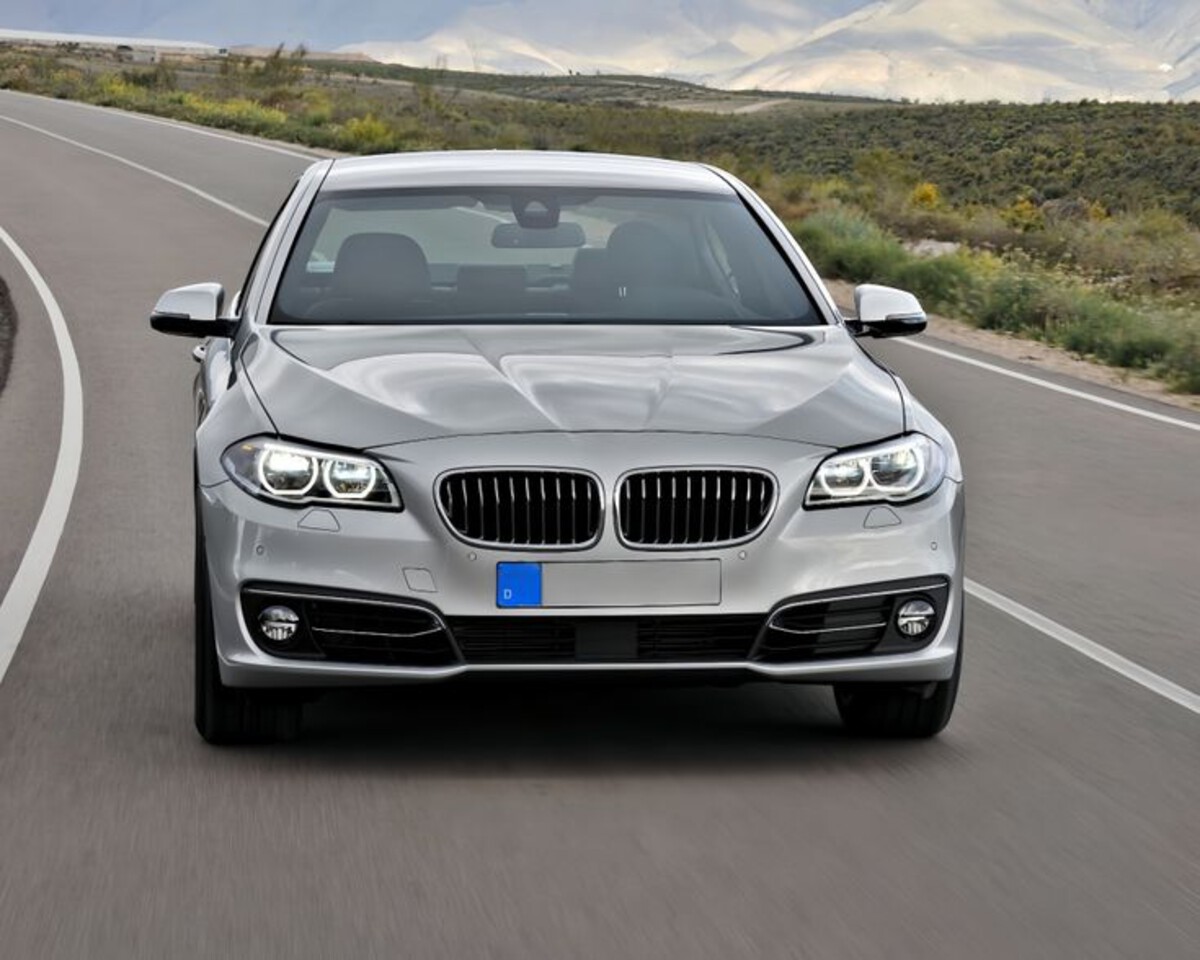
4. BMW F10 5 Series (2011–2016) – Surprisingly Durable
The F10 generation of the 5 Series brought a wave of luxury, technology, and performance, yet certain versions have proven to be remarkably durable. While some critics point to the increased complexity of this generation’s electronics and turbocharged engines, models equipped with the N52 and N55 powerplants have demonstrated strong reliability when properly maintained.
These engines balance modern performance demands with proven engineering, and their turbocharging systems are generally well-designed to avoid many of the issues that plagued earlier forced-induction BMW motors. With regular oil changes and cooling system upkeep, the F10’s engines can continue to deliver power and efficiency without major mechanical problems.
The F10’s chassis was also a significant step forward, offering a refined ride quality that combines comfort and precision handling. This generation addressed previous criticisms related to suspension wear and body rigidity by using high-strength materials and advanced suspension designs.
The result is a car that maintains composure even after many miles, resisting the squeaks and rattles that sometimes plague aging luxury sedans. Suspension components such as bushings, control arms, and shocks are designed for longevity and can be replaced with OEM or quality aftermarket parts without excessive cost, which helps maintain the driving experience over time.
Inside, the F10’s interior represents a substantial upgrade from earlier models, with improved materials and a more modern design language. These materials are not only luxurious but also resilient, resisting wear and fading despite exposure to sunlight and daily use.
The iDrive system, which had been a source of complaints in earlier BMWs, was significantly improved in this generation and tends to function reliably over many years. While some electrical components can still fail, the problems tend to be isolated rather than widespread. This contributes to a cabin environment that remains pleasant and functional well into the car’s lifespan.
The F10 also benefits from a strong reputation among independent mechanics and specialists, making service and repairs more manageable for owners. Because it shares many components with other BMW models, parts availability is good, and the aftermarket support for performance and maintenance upgrades is extensive.
These factors contribute to the F10’s standing as a surprisingly durable BMW in the luxury sedan segment. Owners who commit to routine maintenance and choose reliable engine variants can expect a vehicle that balances modern technology with dependable, long-lasting performance.
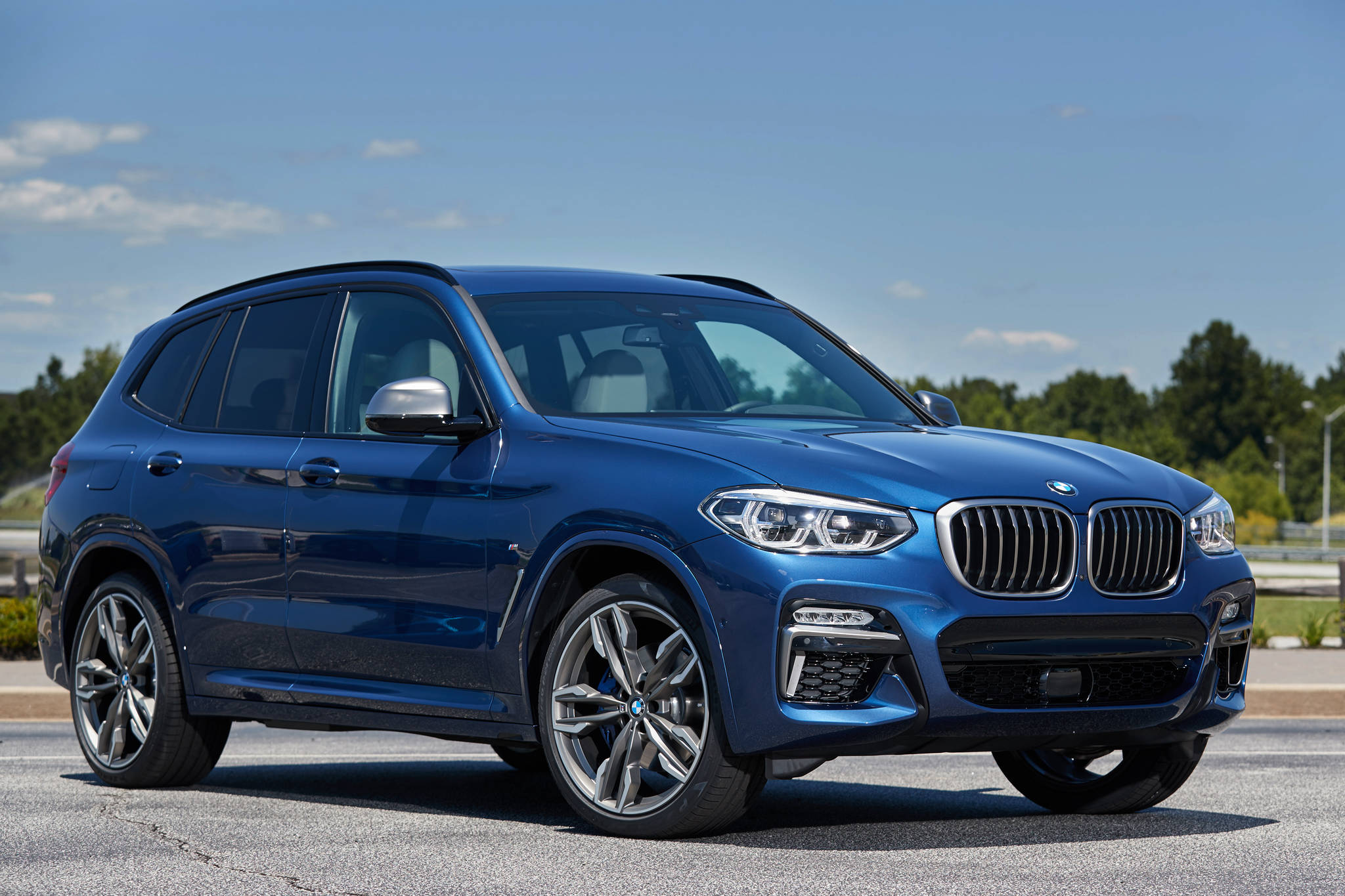
5. BMW X3 (F25, 2010–2017) – Surprisingly Durable
BMW’s F25 X3 brought a compact luxury SUV option to the brand’s lineup that, despite its complexity, earned a reputation for resilience and solid construction. This model improved on the earlier X3 generations by refining powertrain reliability and suspension durability, which helped establish it as one of the brand’s more dependable SUVs.
Its combination of sporty handling, all-wheel-drive capability, and premium interior made it a favorite among buyers who wanted utility without sacrificing driving dynamics. These qualities, paired with thoughtful engineering improvements, contribute to its reputation as surprisingly durable for a modern BMW crossover.
Under the hood, the F25 X3 is most commonly equipped with the N20 four-cylinder turbocharged engine or the N55 inline-six turbocharged engine. While the N20 requires owners to be vigilant about timing chain issues, many have found that with proper servicing and prompt repairs, this engine can last well beyond 150,000 miles.
The N55 engine, praised for its smooth power delivery and relatively low maintenance needs, has fewer long-term issues, making it a reliable option for those prioritizing durability. The xDrive all-wheel-drive system complements these engines by providing traction and stability without adding significant mechanical complexity that could lead to frequent failures.
Structurally, the F25 exhibits strong corrosion resistance, which is given that SUVs often face harsher conditions and exposure to the elements. The suspension system, while tuned for sportiness, does not wear out prematurely, and replacement parts such as control arms, bushings, and struts are readily available.
Maintenance of the drivetrain and suspension is straightforward compared to other luxury SUVs, which helps reduce long-term ownership costs. Additionally, brake and tire wear tend to be predictable and manageable, which is important for owners using the X3 for both city driving and light off-road conditions.
The interior of the F25 X3 leverages many components found in BMW’s 3 Series, resulting in a high-quality cabin environment that holds up well over time. Soft-touch materials, well-constructed trim, and solid seats show minimal signs of wear, even after years of use. The iDrive system is responsive and generally reliable, with occasional minor glitches that do not impact usability.
Electrical systems in this vehicle have fewer failures compared to similar models in the segment, and common issues are typically easy to diagnose and repair. The combination of strong mechanics, durable materials, and thoughtful design makes the F25 X3 a standout among BMW’s SUVs for those looking for a dependable vehicle that can handle the demands of daily life.
5 That Aren’t
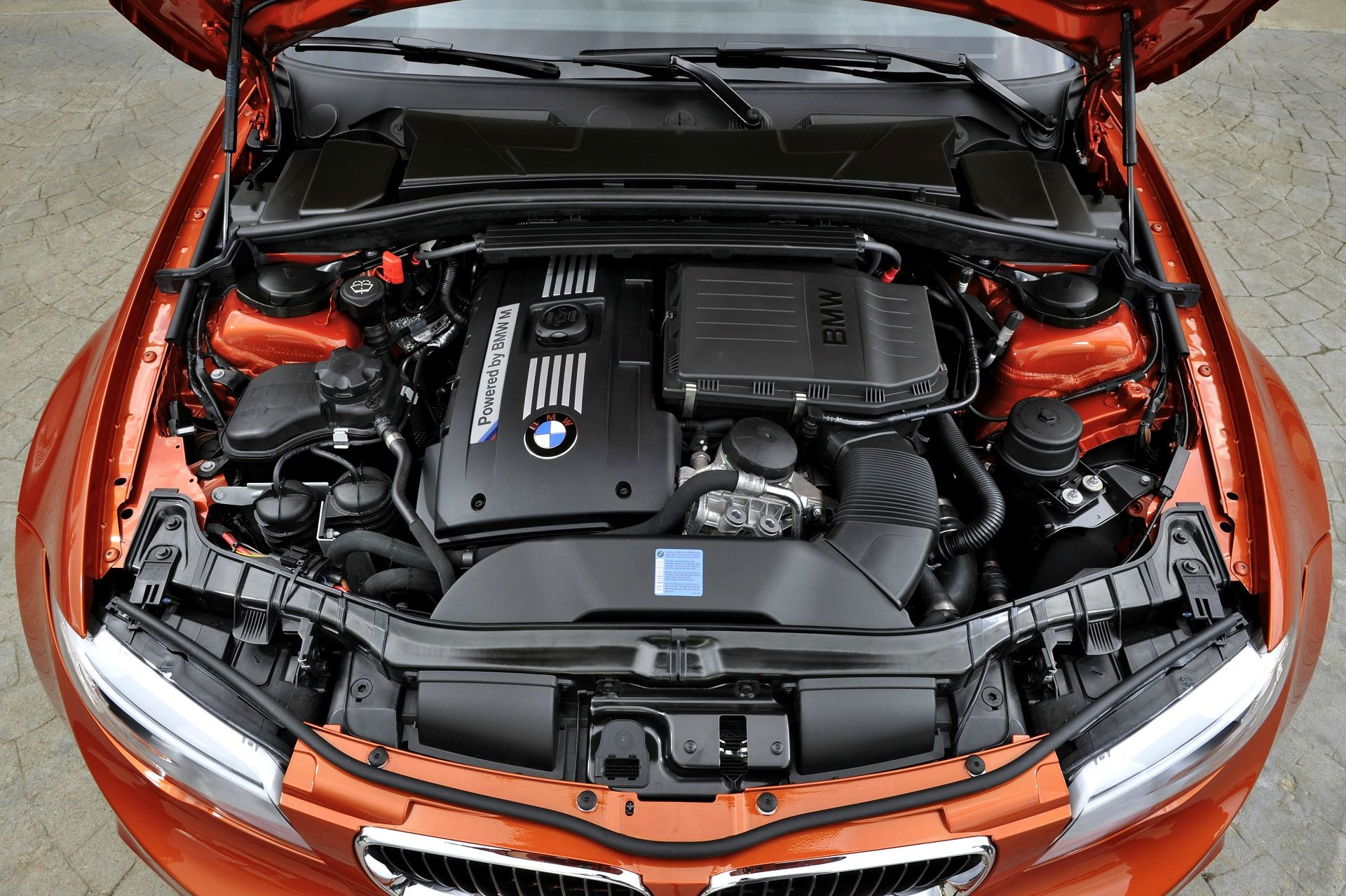
1. BMW N54 Engine Models (2006–2010 335i, 135i)
The N54 engine, found in early versions of the 335i and 135i, is one of BMW’s most loved and simultaneously most troublesome powerplants. While it gained a reputation for delivering thrilling performance thanks to its twin-turbocharged setup and impressive tuning potential, it also quickly became infamous for a range of persistent reliability problems.
Owners frequently encounter issues with high-pressure fuel pumps (HPFP), which are prone to failure and can leave the vehicle stranded unexpectedly. These HPFP failures often manifest as engine stalling or long cranks, requiring costly replacements that don’t always guarantee a permanent fix. The engine’s direct injection system also contributes to carbon buildup on intake valves, which leads to rough idling, reduced performance, and costly cleaning procedures.
Another major weak point of the N54 engine is its turbochargers and associated components. Wastegate rattle, turbo failure, and vacuum leaks are common, especially after moderate mileage. Turbochargers are expensive to replace, and repairs often extend into the thousands of dollars, making this a financial headache for owners.
Moreover, the N54 is known for high oil consumption and potential rod bearing wear, which can cause catastrophic engine damage if not detected early. Cooling system failures, including water pump and thermostat breakdowns, further complicate ownership, as overheating can damage the engine severely. Despite BMW’s efforts to improve these issues in later engines, the N54 remains a cautionary tale for those seeking a reliable, trouble-free BMW experience.
The complex turbocharging setup combined with the intricate engine management system also makes repairs challenging. Diagnosing problems often requires specialized tools and expertise, and many independent mechanics hesitate to take on these engines due to their complexity.
While some owners find success with aftermarket modifications aimed at improving reliability, these solutions are not always guaranteed and can void warranties. This combination of frequent mechanical issues, expensive repairs, and intricate servicing requirements places the N54 engine at the top of the list for less durable BMWs.
In the interior and electronic departments, these N54 models also show signs of early aging. The complexity of the engine management electronics often translates to check engine lights and electronic warnings, which can be difficult and expensive to diagnose and repair.
Sensors related to the turbo system, exhaust, and fuel delivery frequently fail, adding to maintenance costs. The N54 era BMWs represent a thrilling but often frustrating ownership experience, where high performance comes at the price of questionable long-term durability.
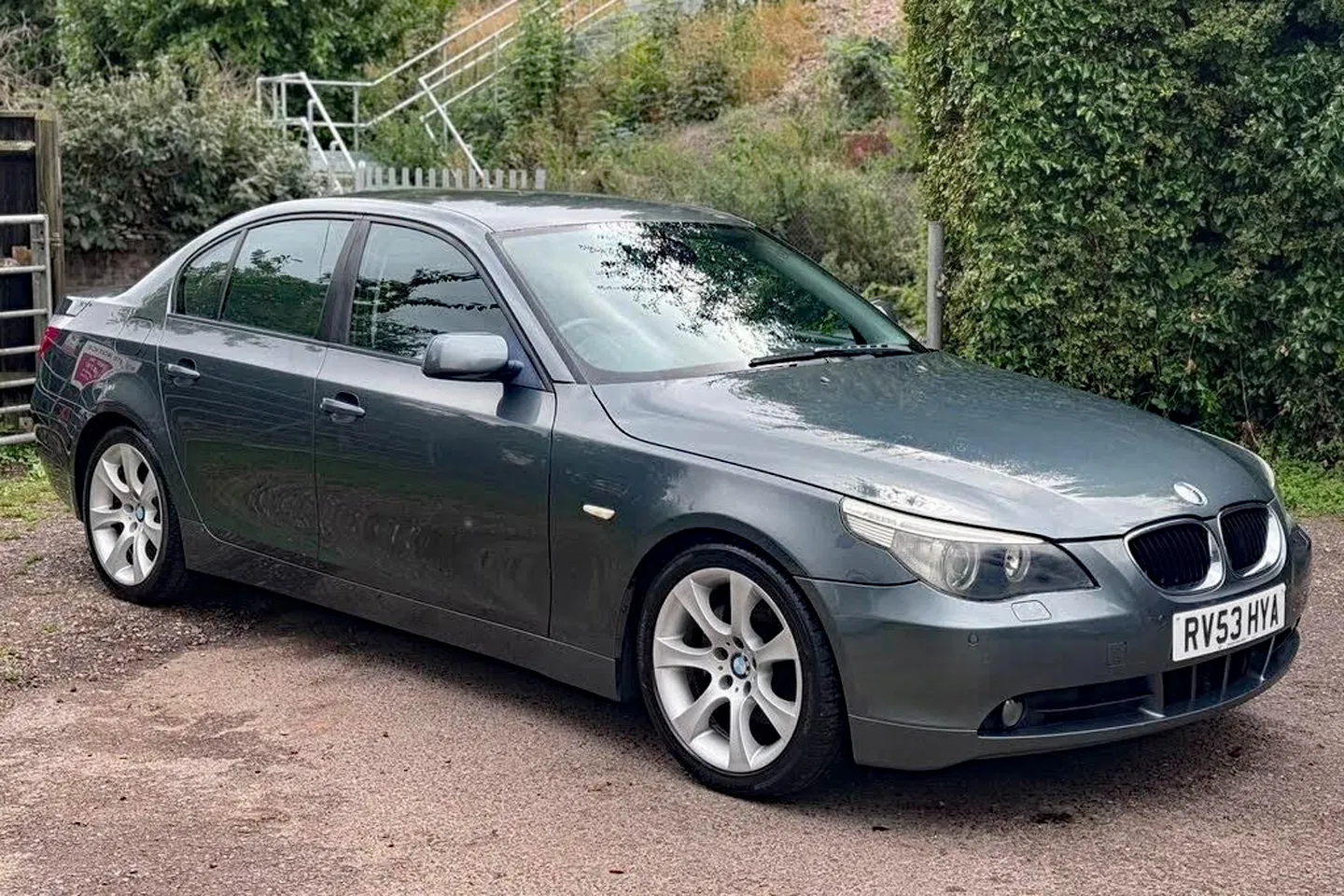
2. BMW E60 5 Series (2003–2010) – Known for Electrical and Cooling Problems
The E60 5 Series was a bold and aggressive design departure for BMW, but beneath its stylish exterior lay a model plagued by reliability issues, particularly in the realms of electrical systems and cooling components. While the car offered a host of luxury features and technological advancements for its time, these systems often proved to be less robust than those of previous generations.
Electrical gremlins ranging from faulty iDrive systems to malfunctioning window regulators and inconsistent instrument cluster behavior were common complaints among owners. These issues often presented as intermittent faults that could be frustrating to diagnose and expensive to repair, sometimes involving multiple component replacements without solving the root cause.
The E60’s cooling system was another major weak point. Many of these cars suffered from premature failures of the water pump, thermostat, and radiator, leading to overheating and, in some cases, serious engine damage. The cooling system was somewhat complicated, combining electric and mechanical components that increased the potential for failure.
Additionally, the E60’s engine electronics and sensors sometimes fail prematurely, causing rough running or sudden performance drops. Problems with the VANOS system (variable valve timing) and DISA valves were not uncommon, leading to loss of power or increased fuel consumption.
These issues were compounded by complex wiring harnesses prone to corrosion or chafing, especially in vehicles exposed to harsher climates. Suspension components, including the electronic damping control, also sometimes suffered early wear or failure, impacting ride quality and handling.
While the E60’s design and features made it a desirable luxury car, its combination of electronic, cooling, and mechanical problems earned it a reputation for being one of BMW’s less durable 5 Series models. For owners considering this generation, thorough pre-purchase inspections and budgeting for ongoing maintenance are essential to avoid surprises.
The complexity and cost of repairs often deter casual buyers, making the E60 a model best suited for those prepared to invest time and money into upkeep.
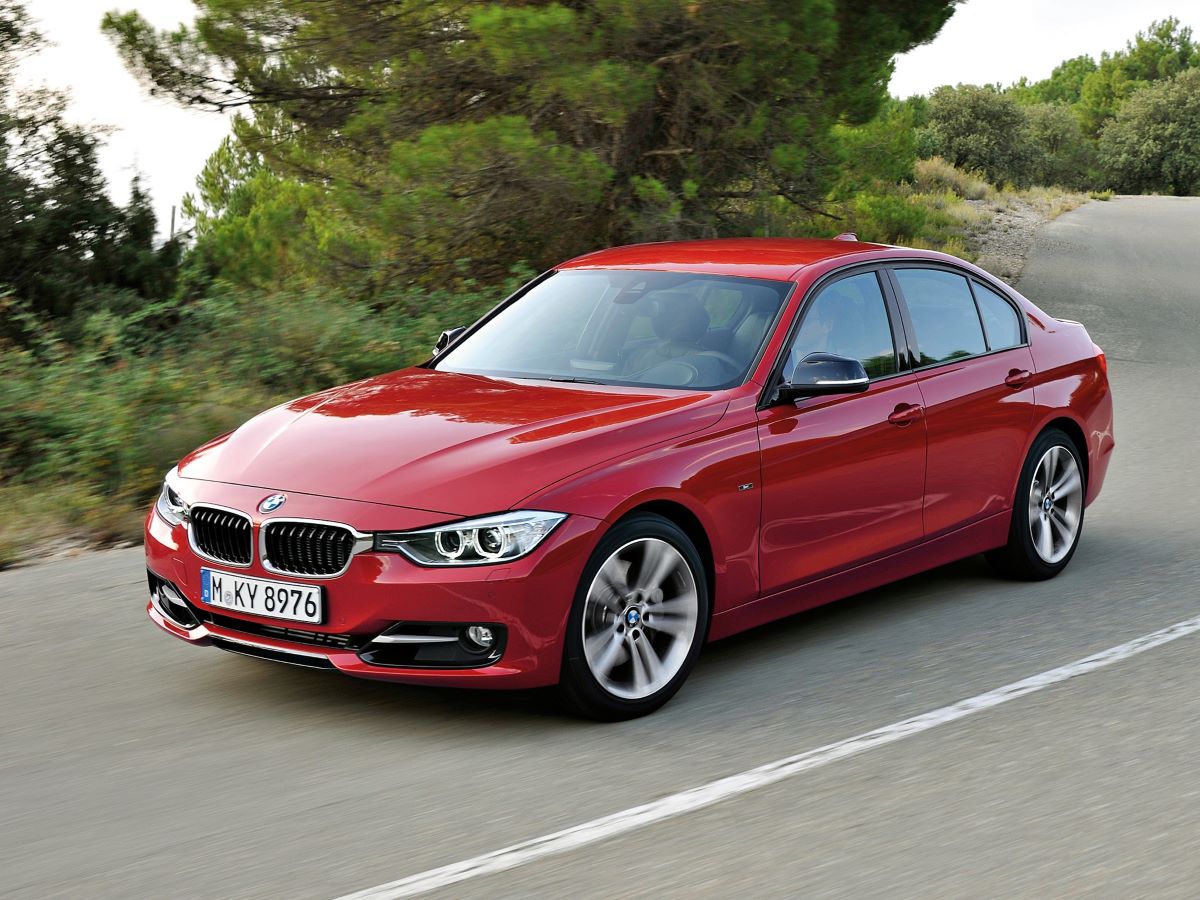
3. BMW F30 3 Series (2012–2019) – Mixed Reliability with Turbo Troubles
The F30 generation of the 3 Series brought many modern conveniences and updated styling but also introduced a host of turbocharged engines that, while powerful and efficient, suffered from durability concerns. The 4-cylinder turbocharged N20 and 6-cylinder turbocharged N55 engines both faced challenges, though the N20 was more problematic.
One of the main issues with the N20 engine was its timing chain system, which was prone to premature wear and stretching. Timing chain failure can lead to catastrophic engine damage, and many owners report expensive repairs to replace the timing chain guides and tensioners before major problems occur.
Beyond timing chain issues, the N20 was also susceptible to high oil consumption, coolant leaks, and problems with the electric water pump. These problems often occur after moderate mileage and can be expensive to address, especially since the water pump is not a simple bolt-on replacement but part of a more complex assembly.
The N55 engine, while generally more reliable than the N20, is not without faults, including occasional turbocharger wastegate rattle and coil pack failures that can cause rough running or misfires. Turbocharged engines on the F30 represent a step forward in performance but a step back in long-term durability compared to naturally aspirated engines from previous generations.
The increased electronic complexity in the F30 also contributes to reliability challenges. Features like advanced driver assistance systems, touch-screen infotainment, and multiple sensors introduce additional failure points.
Owners have reported electrical glitches affecting everything from parking sensors to climate controls, which can detract from the ownership experience. While many of these issues are minor, they add to the cumulative maintenance burden of the vehicle, particularly as it ages past the warranty period.
On the mechanical side, suspension components on the F30 tend to wear faster than expected, particularly in areas with poor road conditions. Control arms, bushings, and struts may require replacement sooner than owners anticipate, adding to maintenance costs.
The combination of engine, electronic, and suspension issues means that the F30, while a capable and enjoyable car to drive, is not one of BMW’s more durable offerings. Prospective buyers should factor in potential repair expenses and commit to regular maintenance to keep these vehicles running well over the long term.
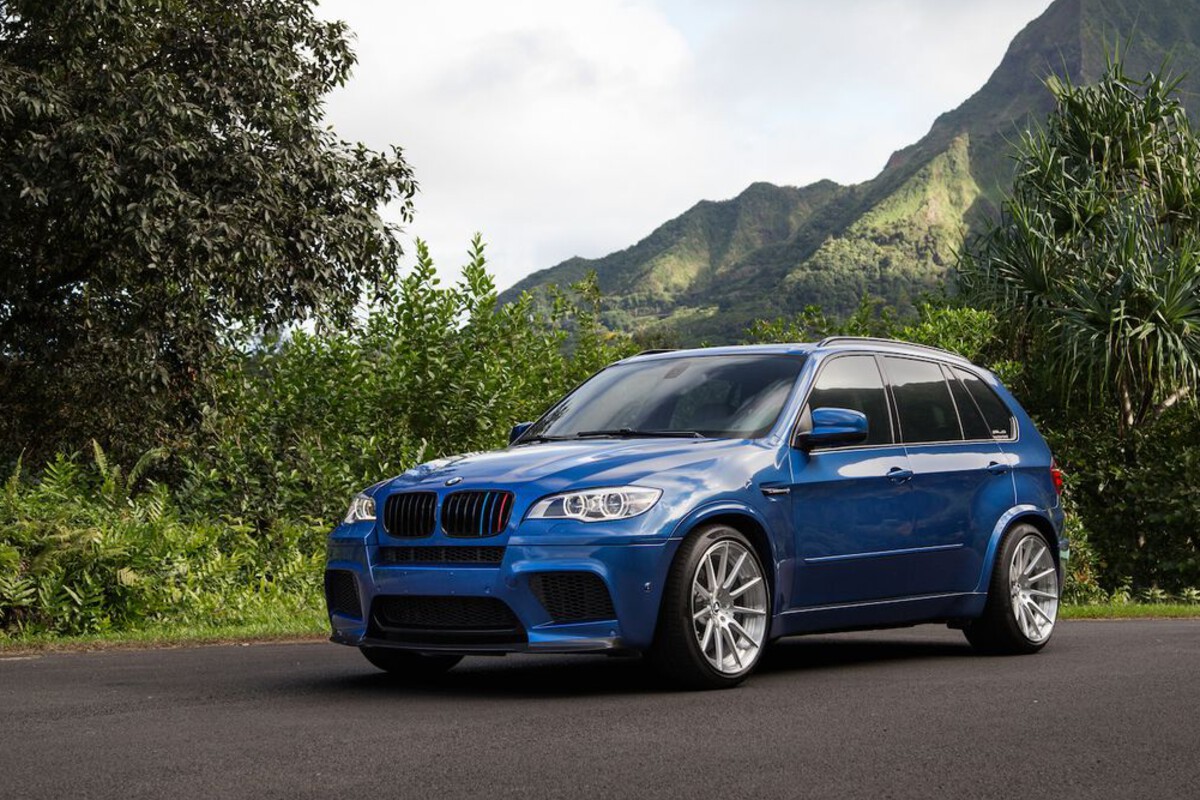
4. BMW X5 E70 (2006–2013) – Known for Complex and Costly Repairs
The E70 generation of the BMW X5 was a leap forward in technology and luxury for the brand’s flagship SUV, but it also brought with it a number of reliability headaches. While the vehicle offers a blend of performance, comfort, and off-road capability, owners often face high repair bills related to the complexity of its systems.
One of the most common areas of concern is the drivetrain, particularly the V8 engines used in many models. These engines can suffer from issues like valve stem seal failure, oil leaks, and cooling system malfunctions, leading to costly repairs and sometimes engine replacement.
The transmission in the E70 also has a mixed reputation. Some owners report issues with rough shifting, delayed engagement, or total transmission failure, particularly in models with high mileage or poor maintenance histories.
The eight-speed automatic transmissions introduced in later years were an improvement but still require diligent maintenance to avoid premature wear. In addition, the all-wheel-drive system, while excellent in terms of performance, includes multiple electronic and mechanical components that can be expensive to repair when they fail.
Suspension components on the E70 also demand attention. The air suspension systems found in many X5 models add ride comfort and off-road capability but are prone to leaks and compressor failures that can be costly to fix.
Even models with traditional coil springs may experience faster-than-expected wear in control arms, bushings, and shocks due to the SUV’s weight and use. Brake wear and electronic parking brake malfunctions are additional sources of maintenance headaches, especially in older vehicles.
Electrical gremlins further complicate E70 ownership. Issues with the iDrive system, sensor failures, and wiring harness problems are common complaints. These problems can lead to dashboard warning lights, malfunctioning accessories, and reduced vehicle functionality.
Given the complexity of these systems, diagnosis and repair often require specialized tools and expertise, driving up labor costs. The BMW X5 E70 represents a technologically advanced but often challenging ownership experience, requiring proactive maintenance and a willingness to address issues as they arise to maintain reliability.
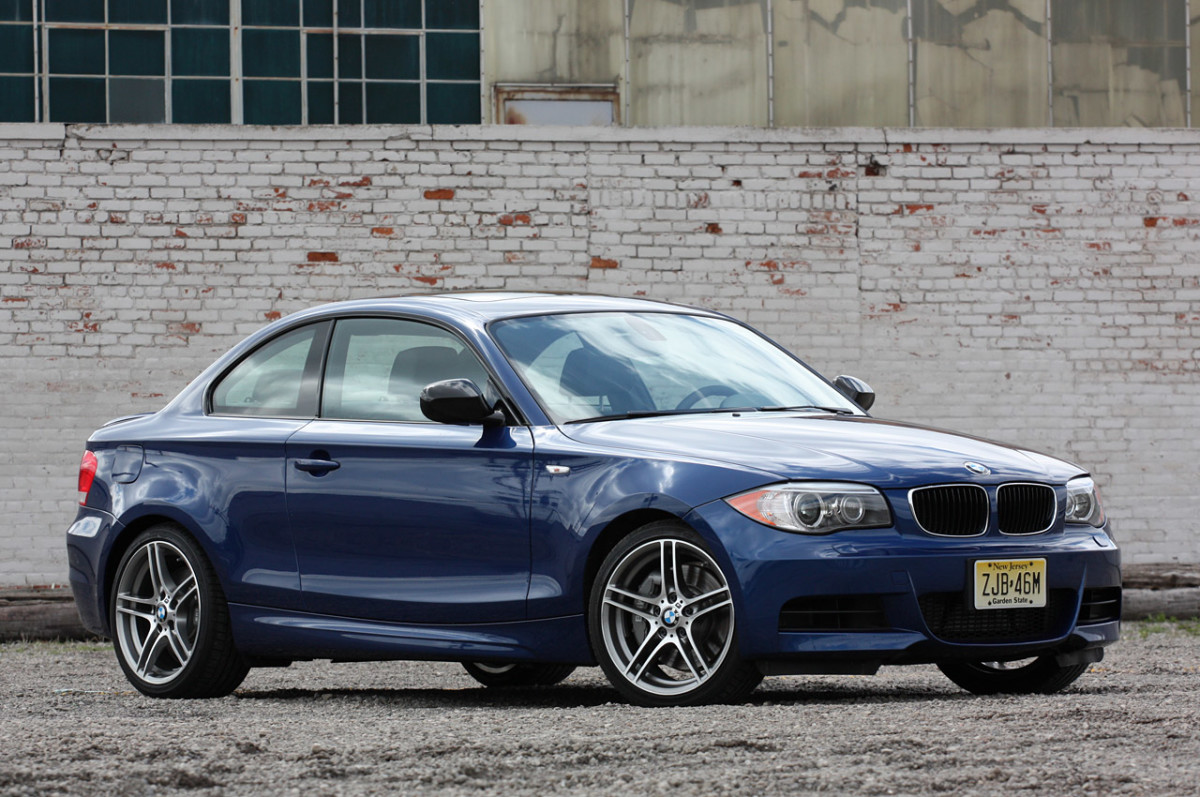
5. BMW 1 Series E82/E88 (2007–2013) – Prone to Engine and Cooling Failures
The first-generation 1 Series coupe and convertible models are popular for their compact size, sporty handling, and BMW driving dynamics. However, certain engine variants within this range, particularly those equipped with the N54 and N55 turbocharged engines, are prone to a variety of reliability problems that detract from the ownership experience.
These engines share many of the same weaknesses found in larger BMW models, including high-pressure fuel pump failures, turbocharger problems, and issues related to timing chain components. This results in frequent and costly repairs that can quickly add up for owners.
Cooling system failures are also common in the 1 Series, with water pumps, thermostats, and radiators often failing prematurely. Since these components are critical to preventing engine overheating, neglecting their replacement can lead to serious engine damage.
The compact engine bay of the 1 Series makes some repairs more labor-intensive and expensive compared to larger BMW models, adding to the frustration of maintenance. Electrical issues, although less frequent, still occur and typically involve problems with sensors or the iDrive system, resulting in occasional warning lights and reduced functionality.
The suspension and braking systems on the 1 Series are generally well-engineered but can suffer from wear and tear, especially if the car is driven aggressively. Control arm bushings, ball joints, and brake components may require replacement more frequently than owners expect, particularly in regions with rough roads or harsh weather conditions.
While the 1 Series is a fun and engaging vehicle to drive, its tendency toward engine and cooling system issues places it among BMWs with less stellar durability records.
