
When people talk about cars, the conversation almost always turns to horsepower. It’s an easy number to brag about. It gives off the impression of dominance, speed, and raw strength. But the truth is, horsepower is only one piece of a very large puzzle. A car can have sky-high horsepower and still fall flat if other areas are lacking.
Conversely, some of the most rewarding driving experiences don’t come from power figures at all. They come from balance, handling, innovation, character, and connection. Not every car needs to tear up the asphalt to be great. In fact, some of the most respected and admired cars in automotive history achieve greatness through other means.
What makes a car memorable isn’t always how fast it goes from zero to sixty. Sometimes, it’s how it feels at thirty miles per hour. How it grips around a corner. How connected you feel to the road. Or even how well it fits into your life. Engineering doesn’t stop at the engine.
Suspension tuning, chassis dynamics, design, and how a car communicates with the driver all play critical roles. Some cars have near-perfect balance. Others offer unique quirks that set them apart. Then there are the ones that changed the industry, not by going faster, but by being smarter, lighter, or just plain better in different ways.
The following ten cars each represent a case where horsepower took a back seat. These aren’t necessarily slow cars, but they aren’t dependent on muscle to make an impression. Some are light and nimble, others offer supreme practicality. A few revolutionized what people expected from performance or economy.
Each one proves that the most interesting and beloved cars aren’t always the most powerful. Whether it’s the way they handle, how they’re built, or what they stand for, each of these vehicles earned its place through more than just force. These are cars that make a point, you don’t need big numbers to be great. You just need to be good at what matters.
1. Mazda MX-5 Miata
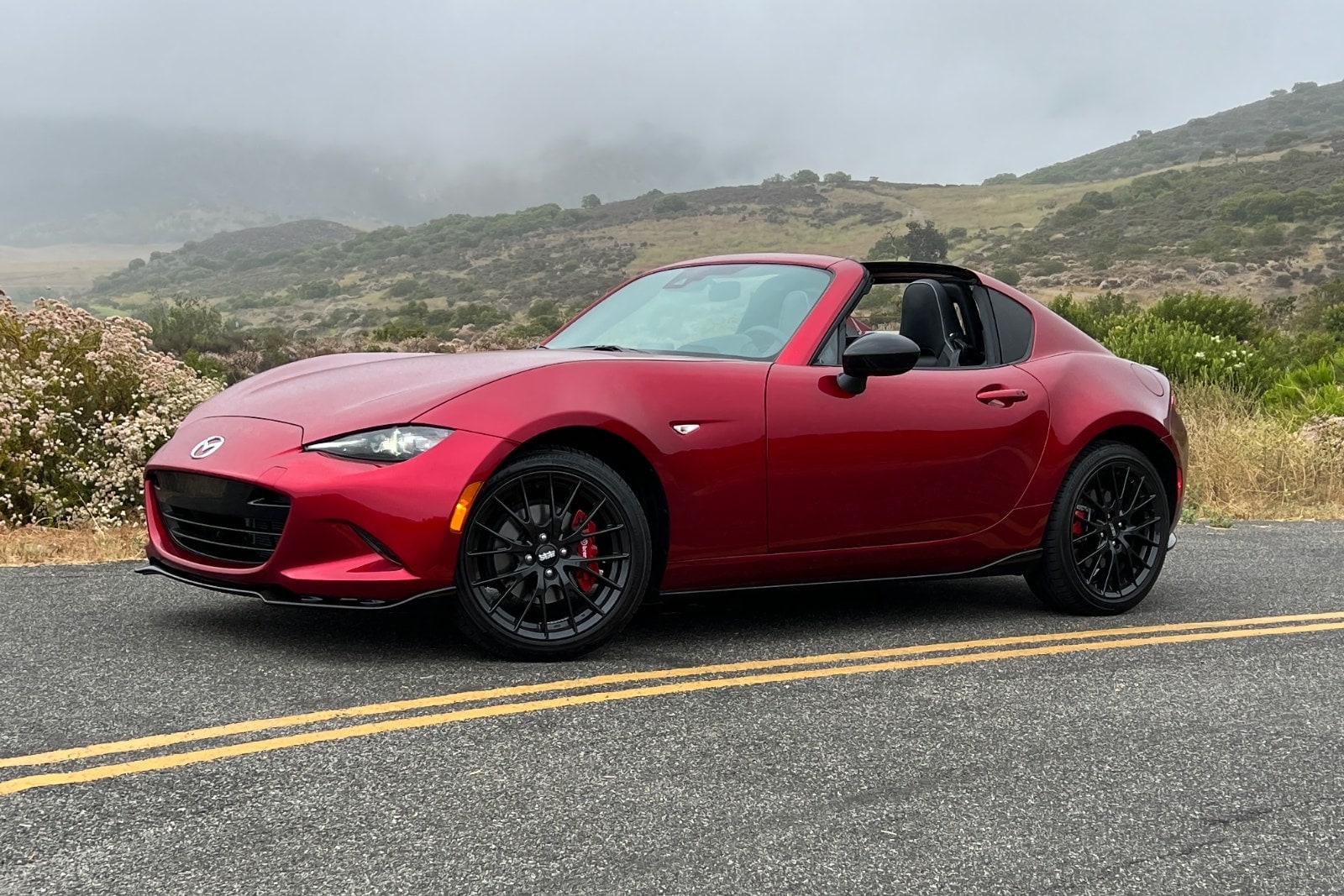
The Mazda MX-5 Miata has long been the poster child for driving enjoyment without relying on excessive horsepower. Since its debut in 1989, it has focused on simplicity, balance, and driver engagement.
Weighing in at around 2,300 pounds in its early models and still keeping things light in modern versions, the Miata is a reminder that lightweight engineering can make a small amount of power go a long way. With engines typically hovering around the 130–180 horsepower mark, depending on the generation, it’s not a drag-strip monster, but that’s never been the point.
The Miata’s true strength lies in its chassis tuning and near-perfect 50:50 weight distribution. These characteristics allow it to corner with confidence and precision. Unlike high-powered sports cars that rely on brute force, the Miata invites you to participate in the drive.
It’s communicative and predictable, rewarding skilled driving over raw aggression. It’s a car that encourages momentum driving, keeping speed through corners rather than blasting in a straight line. This kind of driving is not only more accessible, but often more enjoyable, especially on winding back roads.
Another reason the Miata stands out is its approachability. It’s the kind of car you can push to its limits without needing a racetrack. For both novice and experienced drivers, it offers an opportunity to learn and improve. It doesn’t punish mistakes with uncontrollable power.
Instead, it teaches you how to become better behind the wheel. The manual transmission, short-throw shifter, and direct steering all play into this connection between car and driver. It’s an experience that many high-horsepower cars fail to deliver.
The Miata also has staying power. Across decades and multiple redesigns, Mazda has never strayed far from the original formula. Even as turbocharged engines and all-wheel drive systems became common in performance cars, the Miata stayed true to its roots. It’s a car that understands its purpose and it fulfills that purpose brilliantly. Horsepower doesn’t define the Miata. Fun does.

2. Toyota 86 / Subaru BRZ
When Toyota and Subaru teamed up to build a lightweight, rear-wheel-drive sports coupe, the result was something enthusiasts had been asking for: a pure driver’s car that prioritized feel over force. The Toyota 86 and Subaru BRZ may not boast massive horsepower numbers, with earlier models producing just over 200 horsepower and the newer versions a bit more, but they’re built for one thing: engagement.
From the beginning, the 86/BRZ platform was built around balance. With a low center of gravity thanks to Subaru’s flat-four engine, and rear-wheel drive dynamics, it delivers crisp, neutral handling. Drivers can easily induce oversteer or correct mid-corner without fighting the car. The steering is quick and direct, offering real-time feedback.
This combination allows drivers to enjoy spirited driving without needing extreme speeds. The thrill comes from involvement, not intimidation.
The car’s modest power output has actually been a point of praise among driving purists. In a world where many performance cars are so fast they can only be enjoyed on a track, the 86 and BRZ can be pushed and explored on public roads without fear. This accessibility is part of their charm. It invites drivers to explore their own limits, not just the car’s. Everything from throttle response to brake feel is engineered to make the experience natural and fluid.
While some have criticized the car for not having more power, that critique misses the point. More power would likely upset the balance that makes this car special. By resisting the urge to over-engineer the drivetrain, Toyota and Subaru created a car that’s beautifully analog in a digital age.
It’s a deliberate choice that reinforces the idea that horsepower isn’t the only path to excitement. The 86 and BRZ remind us that how a car behaves under pressure matters more than how fast it reaches the redline.
3. Honda S2000
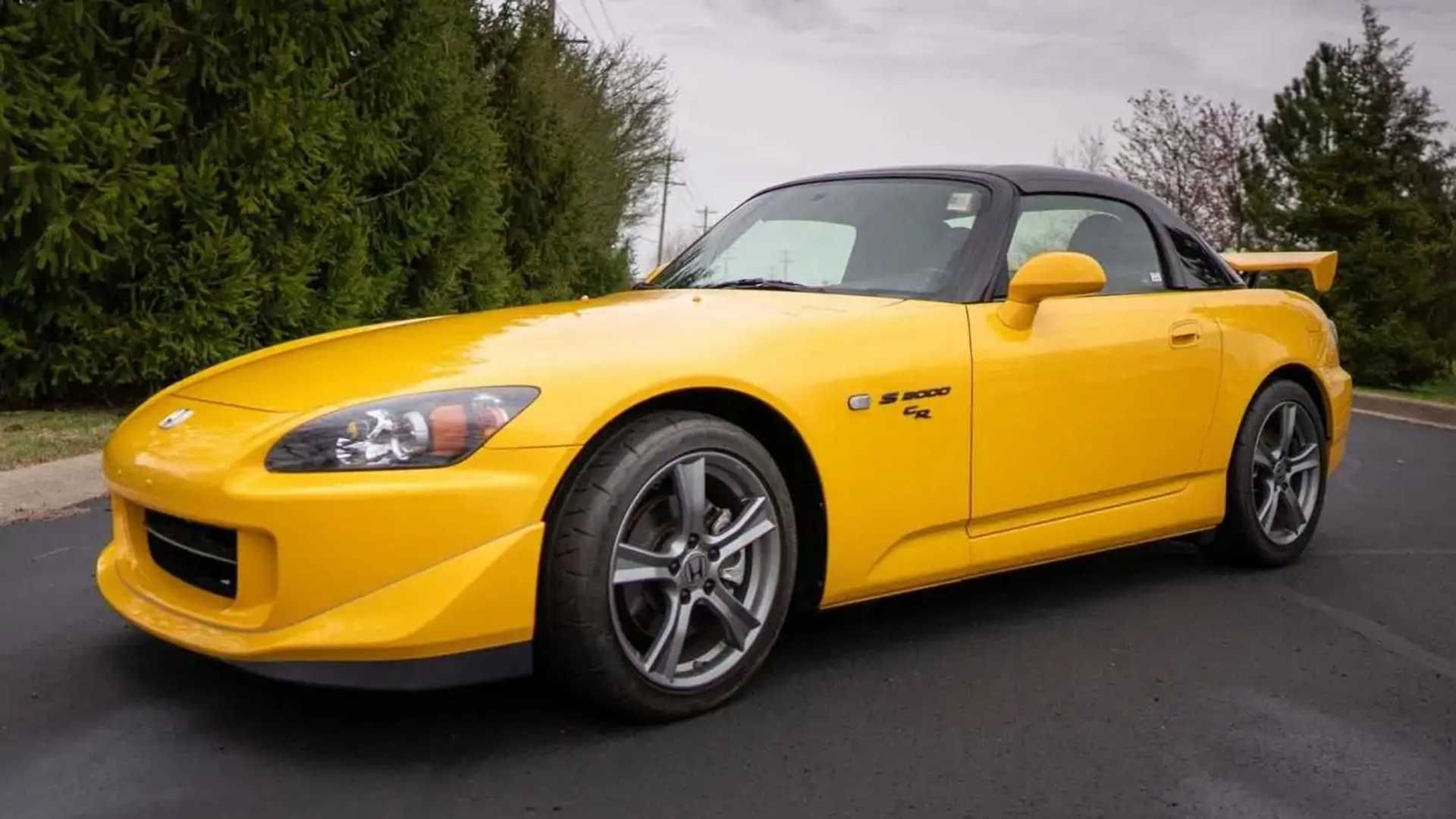
The Honda S2000 is often remembered for its sky-high redline, but underneath that, it’s a case study in balance and precision. With just around 240 horsepower, it didn’t dominate with sheer output, but it made its power matter. The real magic of the S2000 lies in its engineering and execution, not brute strength.
What truly set the S2000 apart was its engine character and responsiveness. The 2.0L (and later 2.2L) VTEC inline-four wasn’t about torque, it was about engagement. Peak power arrived at high RPMs, encouraging drivers to rev it out and stay active. Combined with one of the most precise manual transmissions ever fitted to a production car, the S2000 created a driving experience that felt mechanical, rewarding, and addicting. Every gear change felt like an event.
Beyond the engine, the chassis and suspension were finely tuned. The car had a rigid structure and a double-wishbone suspension setup at all four corners.
This gave it agility and precision in the corners that few cars in its price range could match. Despite being a convertible, it never felt soft or compromised. It was a sports car, not just a sporty-looking car. Honda’s focus on balance and road feel made the S2000 a car that demanded and rewarded skill.
The S2000 also aged well. Even today, enthusiasts and collectors praise it for its purity. It came at a time when cars were becoming more computerized, and it held onto the analog values that connected the driver to the machine. It didn’t need 400 horsepower to be thrilling. It just needed the right components, the right tuning, and the right intention. That’s why it remains a benchmark even without earth-shattering power figures.
4. Volkswagen Golf GTI
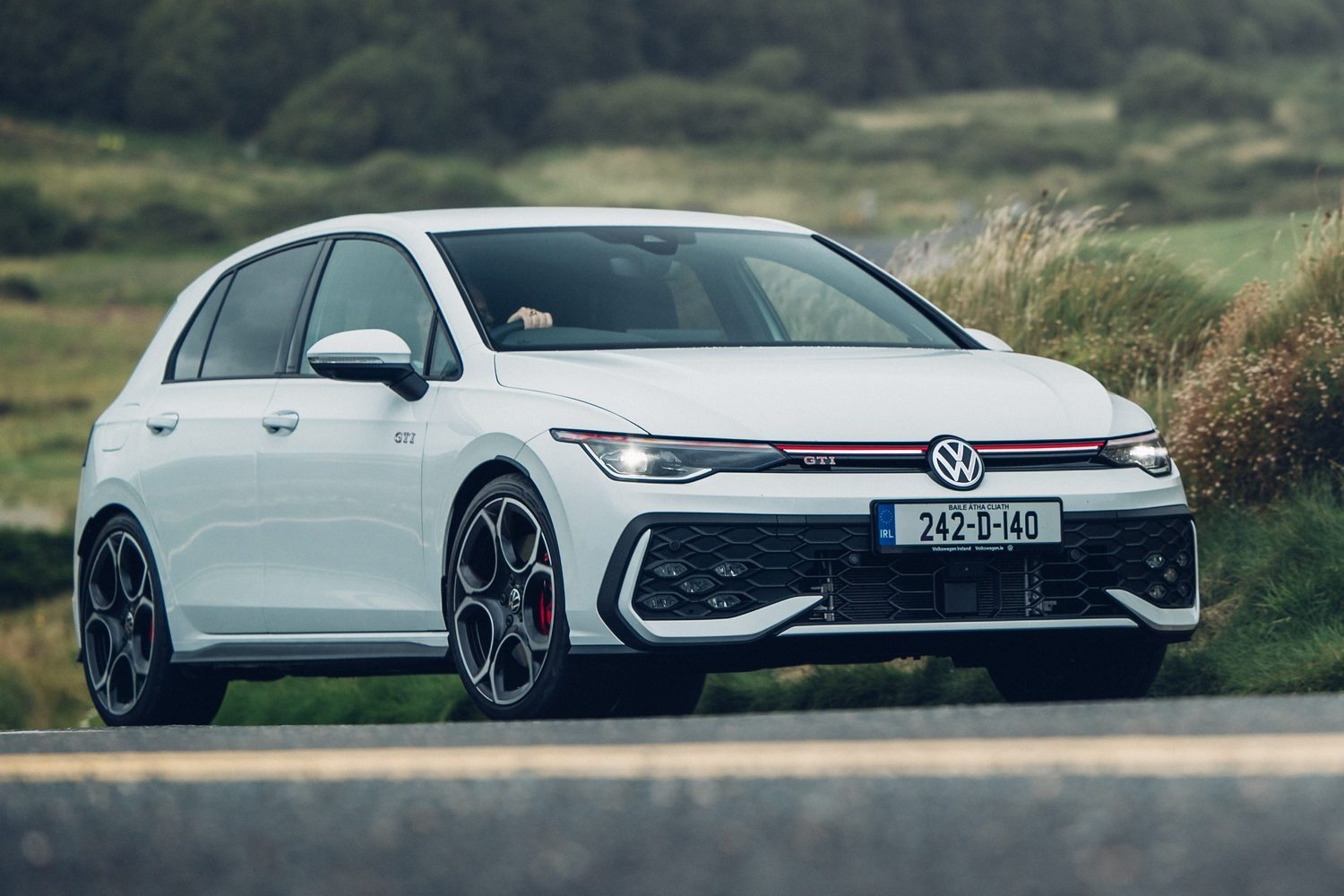
The Volkswagen Golf GTI has spent decades proving that a practical, front-wheel-drive hatchback can be more than just a sensible commuter. Since its debut in the 1970s, the GTI has consistently delivered real driving fun without relying on extreme power figures.
Even in its more recent iterations, the GTI stays in the ballpark of 220–245 horsepower, which is modest compared to many performance cars. But what it lacks in raw output, it makes up for in composure, usability, and personality. The GTI doesn’t overwhelm; instead, it integrates itself into your daily life while always being ready for a spirited drive when the moment presents itself.
One of the core strengths of the GTI is how usable its performance is. You don’t need to be on a track or a mountain road to enjoy what it offers. Whether it’s darting through city streets or carving back roads, the GTI feels nimble, eager, and responsive.
The chassis tuning is mature, with sharp turn-in, excellent body control, and just enough playfulness to keep it interesting. It doesn’t try to mimic rear-wheel-drive behavior; it embraces its front-wheel-drive layout and makes the most of it. That’s a confidence-inspiring trait, especially for drivers who want fun without a steep learning curve or the risk of overstepping.
Another defining feature is refinement. The GTI doesn’t sacrifice comfort or practicality to be fun. The cabin is thoughtfully laid out, the seats are supportive without being punishing, and there’s plenty of space for passengers and cargo.
This balance between performance and everyday livability is what sets the GTI apart. It’s not a car you have to compromise for. You can take it to work, haul groceries, and still smile every time you find a corner. That accessibility means more time enjoying the car and less time worrying about how or where you can use its capabilities.
Over the years, many manufacturers have introduced high-horsepower hot hatches, but few have matched the GTI’s sense of completeness. It doesn’t just tack on power to a base car. Instead, the GTI has always been engineered as a cohesive package, one where handling, build quality, driving dynamics, and practicality all play equal roles.
That philosophy has kept it relevant for nearly five decades and continues to prove that horsepower is only part of what makes a car great.
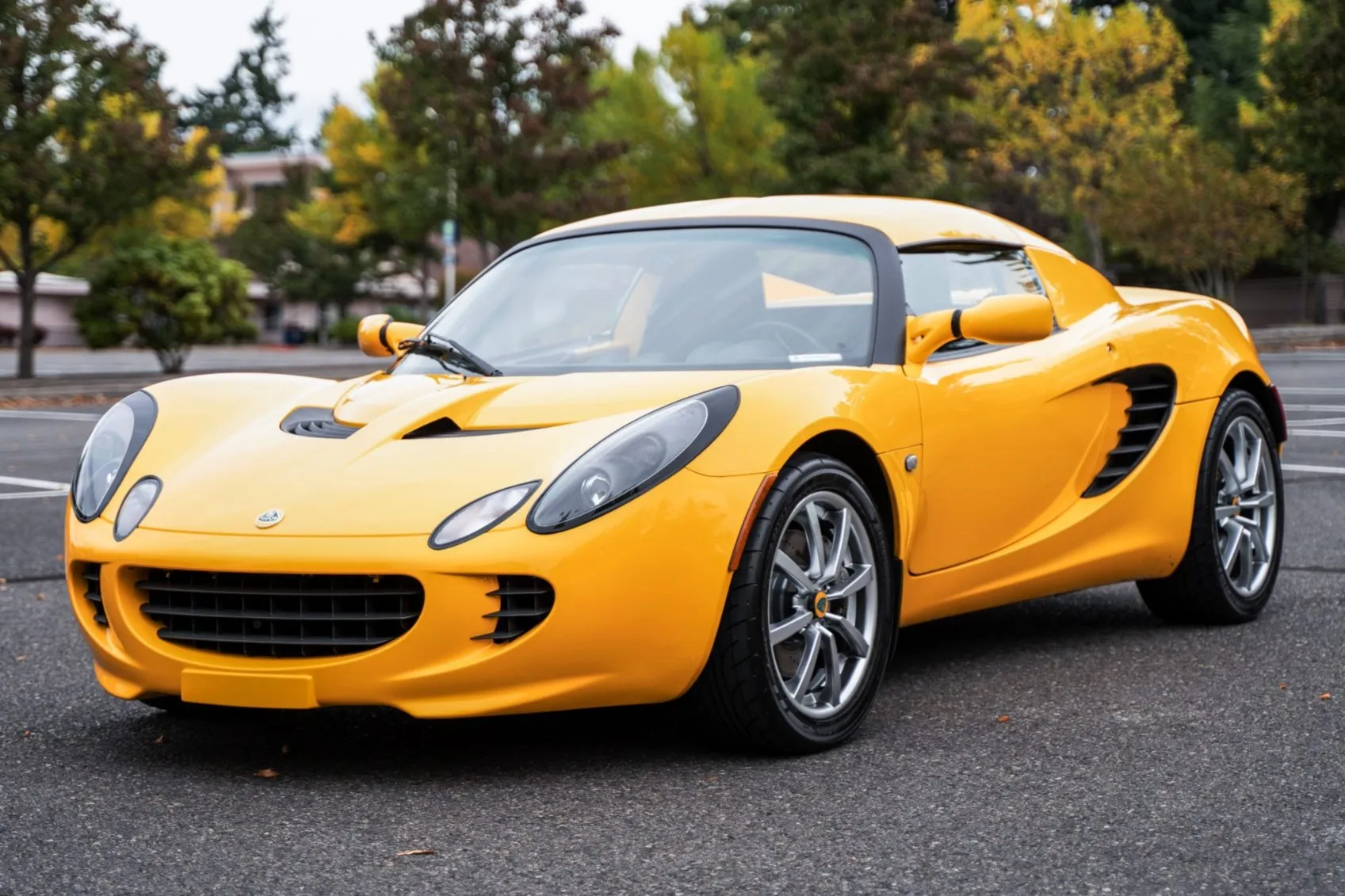
5. Lotus Elise
The Lotus Elise is one of the purest sports cars ever built, and it does so with power figures that seem laughable in modern terms. Depending on the model and year, it made anywhere from 118 to around 220 horsepower. But with a curb weight just above 1,900 pounds in early models, it didn’t need more.
The Elise was built with one goal in mind: to connect the driver to the road with as little interference as possible. That approach results in a driving experience that few modern cars can match, regardless of how much power they make.
The lightweight design of the Elise doesn’t just help acceleration, it improves everything. Braking distances are shorter, cornering speeds are higher, and the steering feel is unmatched. With unassisted steering and a suspension tuned for feedback rather than comfort, the Elise speaks to the driver in ways most modern cars can’t.
You feel every nuance of the road surface, every change in grip. It’s not a car that isolates you. Instead, it pulls you into the experience. The engine is only one part of the performance equation, and in the Elise, it’s not even the most important one.
Driving an Elise is not always easy. The ride is firm, getting in and out can be awkward, and there are few creature comforts. But that’s the point. Lotus didn’t set out to build a daily driver or a luxury cruiser. It wanted to create something that celebrates driving in its rawest form.
And in that regard, the Elise is almost unmatched. It teaches drivers to value balance over brute force, precision over numbers, and connection over convenience. That philosophy has made it a cult classic among enthusiasts who want the most from the least.
In an age where many sports cars are chasing big horsepower figures and endless electronics, the Elise stands as a counterpoint. It proves that simplicity, lightness, and purity can be more rewarding than complexity and power. It’s not for everyone, and it was never meant to be. But for those who understand what it offers, the Elise is a reminder that performance is more than a spec sheet. It’s about feel, finesse, and freedom.
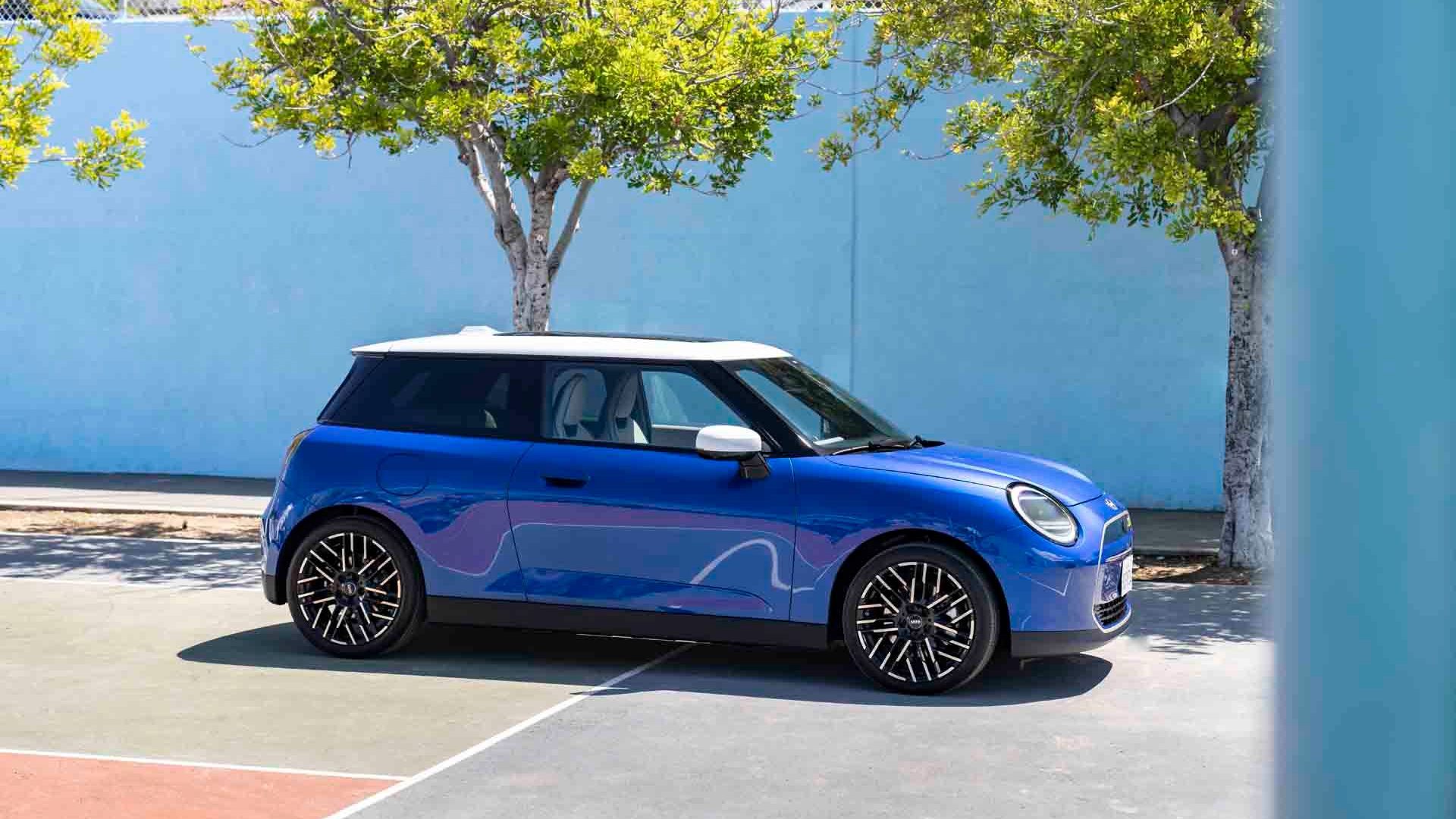
6. Mini Cooper S (R53)
The original BMW-engineered Mini Cooper S, known by enthusiasts as the R53, is another car that doesn’t need overwhelming horsepower to create a memorable experience. With around 160 horsepower from its supercharged 1.6-liter engine, it was far from the fastest car on paper.
But it had charm, character, and handling that made every drive something special. Its short wheelbase, low center of gravity, and quick steering gave it a go-kart-like feel that no other car in its class could touch. It was more about agility than aggression, more about sensation than acceleration.
The R53 didn’t just rely on its dimensions to create its dynamic personality. The engineers tuned the chassis to be lively but predictable, and the car’s light weight meant you could throw it into corners without worrying about understeer or excessive body roll. It always felt like it was on its toes, ready to react to your inputs.
That sense of playfulness made the Mini feel alive in a way that big, heavy performance cars often don’t. You didn’t need to be going fast to enjoy it, just taking a back road at a moderate pace was enough to bring a smile.
What also set the R53 apart was its styling and presence. It didn’t try to be aggressive or macho. It was small, confident, and instantly recognizable. Inside, the retro-themed dashboard and central speedometer added to its quirky charm, while the sport seats and short-throw shifter kept things serious when needed.
It walked the line between fun and function, offering a car that felt special without sacrificing usability. It was as comfortable navigating city traffic as it was carving mountain roads.
While newer Minis have grown larger and more powerful, many still look back at the R53 as the sweet spot. It represented a moment in time when less really was more. The balance between size, power, and handling made it unique, a car that wasn’t trying to impress with numbers, but rather with personality and poise. It’s a car that continues to have a loyal following, not because of its stats, but because of how it made drivers feel.
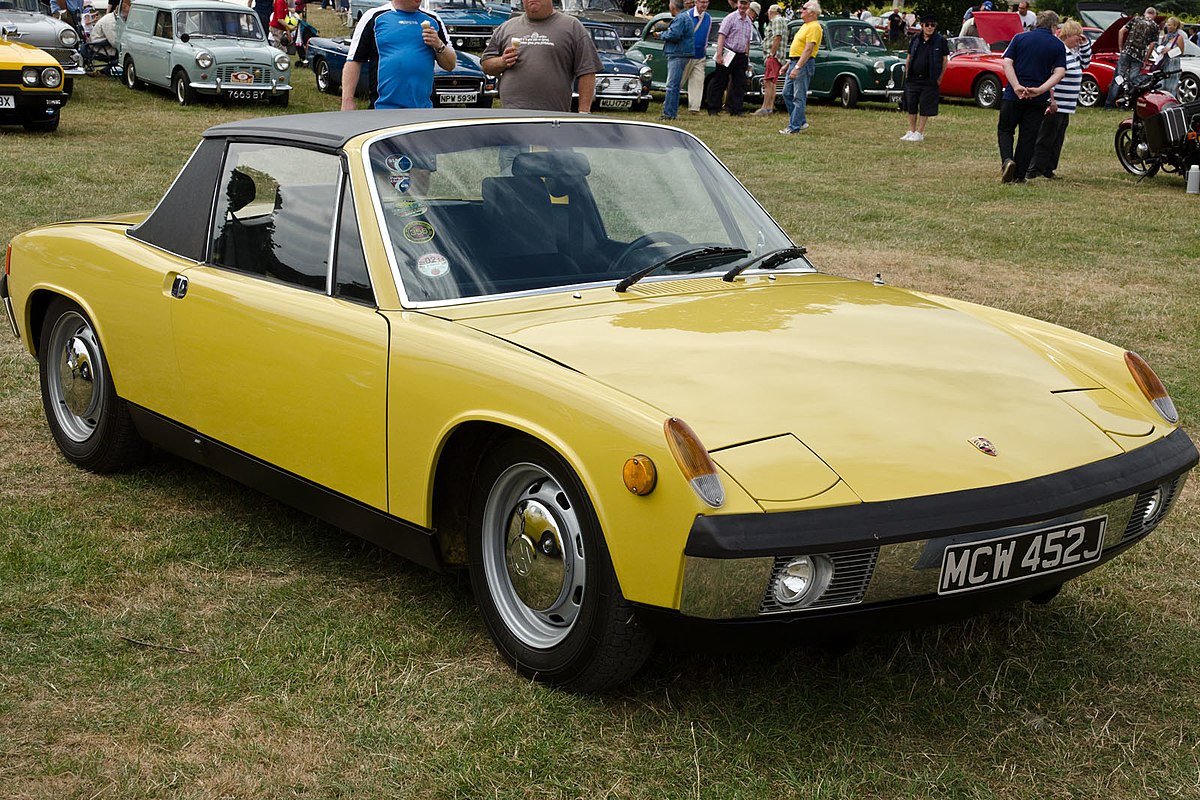
7. Porsche 914
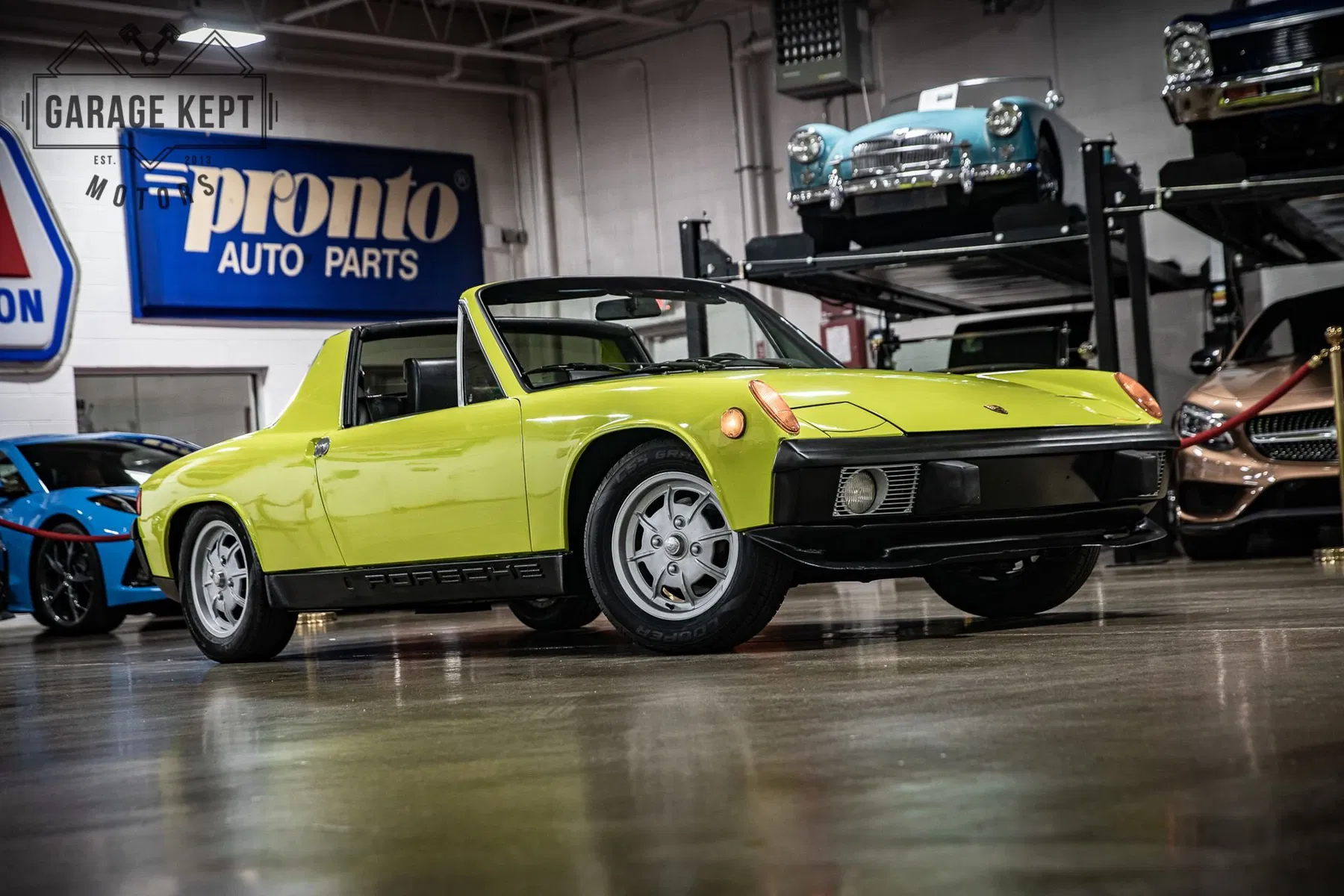
The Porsche 914 is one of the most underappreciated sports cars the brand has ever produced, and it did so with modest horsepower and a mid-engine layout that helped define its unique identity.
Often misunderstood or overlooked because it didn’t fit the traditional Porsche mold, the 914 made do with engines ranging from just under 80 to about 110 horsepower in most variants. But power wasn’t the appeal. The 914 was about balance, weight distribution, and a completely different approach to spirited driving.
At a time when most sports cars either chased raw performance or classic luxury, the 914 stood apart. It was light, simple, and had exceptional handling thanks to its mid-engine configuration. That layout gave it a level of balance and cornering stability that few cars in its class could match.
The steering feel was sharp and communicative, while the low seating position and wide stance helped the driver feel directly connected to the road. It wasn’t about brute strength; it was about using momentum, reading the road, and placing the car precisely where it needed to be.
The design was also a departure from Porsche’s traditional lines. Its targa top, flat surfaces, and compact shape made it distinctive. Some saw it as awkward at first, but over time, its purposeful styling and practicality, including a trunk in the front and rear, gave it a reputation as a usable sports car.
Enthusiasts who gave it a chance often found themselves surprised by how much fun it could be despite its limited power. It required a different driving mindset, one based on skill and control rather than speed and aggression.
Today, the 914 is gaining more respect among collectors and drivers who appreciate what it represents. It’s a reminder that performance isn’t only about what’s under the hood. Layout, weight, and engagement can carry just as much importance. The 914 may not have had the roar of a 911, but in the right hands, it could dance just as well, and sometimes better. That’s the kind of legacy that transcends numbers.

8. Fiat 500 Abarth
The Fiat 500 Abarth might seem like an unlikely choice in a list of performance cars, but it deserves its place because of how much character and fun it delivers without overwhelming power. With just about 160 horsepower from a turbocharged 1.4-liter engine, the Abarth isn’t built for top speed or record-breaking acceleration.
It’s built to turn every short trip into a memorable drive. Its real charm lies in how it sounds, how it moves, and how it makes the most of its compact footprint. You don’t expect a tiny city car to snarl and pop with aggression, yet the Abarth does exactly that, injecting excitement into places you least expect it.
The car’s short wheelbase and small size make it agile and responsive, perfect for tight corners and urban driving. Its suspension is tuned to keep the chassis lively, and while it can feel stiff at times, it gives the car a sense of eagerness that’s hard to match.
You don’t drive the Abarth with the same seriousness you might approach a rear-drive sports car, but that’s not the point. You toss it around, laugh at its attitude, and enjoy the way it responds with exaggerated movements and bold noises. It feels alive at legal speeds, which is something high-horsepower cars often struggle to offer.
Inside, the Abarth doesn’t pretend to be a luxury car. The interior is straightforward and functional, with sporty touches that reinforce its identity. The driving position is upright and a bit quirky, but that’s part of the Fiat’s charm.
It’s unapologetically different. There’s a rebelliousness to the Abarth’s design and demeanor, it knows it’s not the fastest, but it doesn’t care. It still delivers an emotional experience, one that puts a smile on your face far more often than some technically “better” cars.
The 500 Abarth is a perfect reminder that fun doesn’t require force. In many ways, it’s a modern interpretation of the hot hatchback ethos: take a small car, give it personality, and make it handle like it’s got something to prove. The result is a car that’s beloved by enthusiasts who care more about how a car feels than what it looks like on paper.
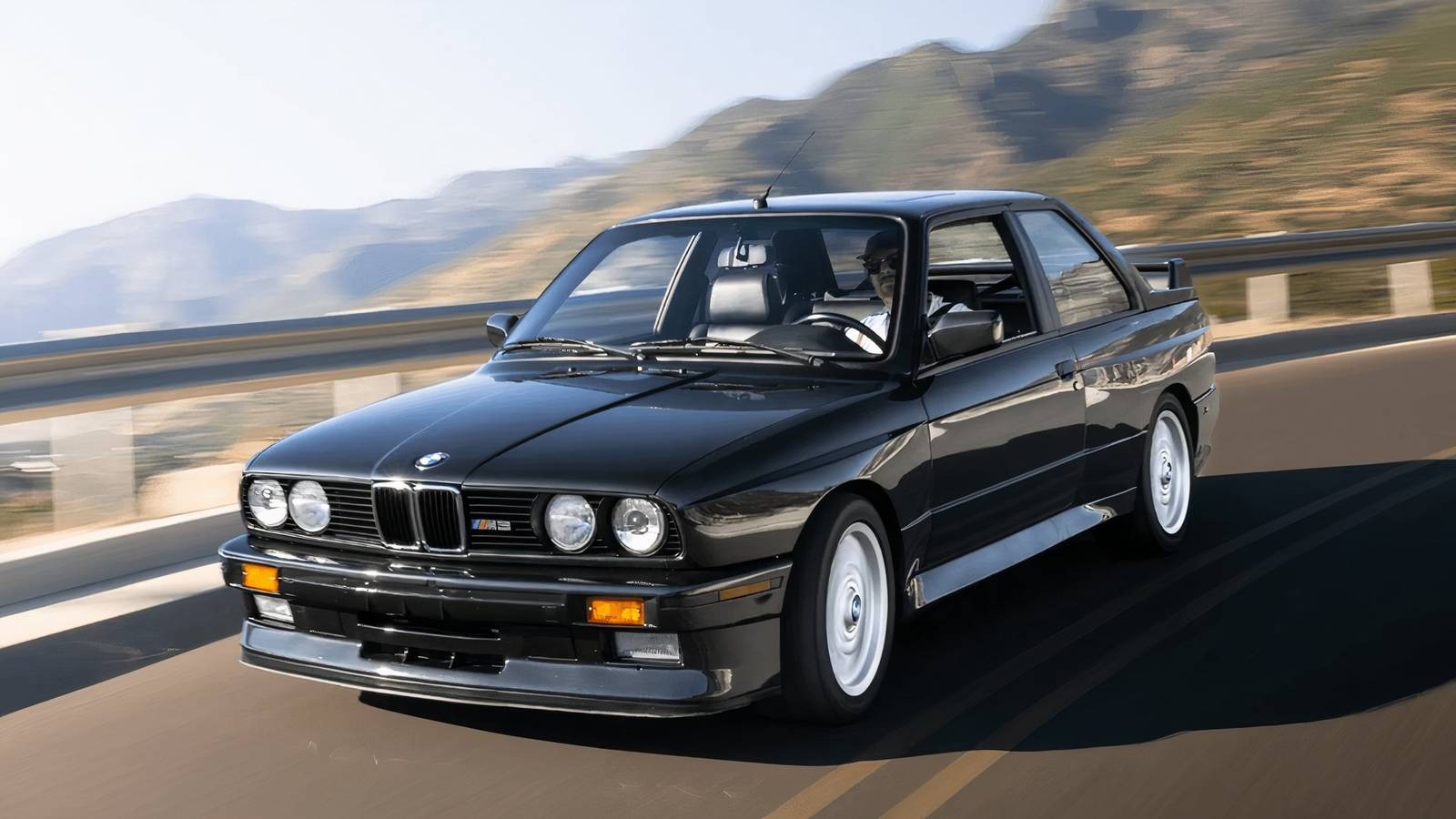
9. BMW E30 3 Series
The BMW E30 3 Series, especially in its non-M forms, is a textbook case of how balanced design can triumph over horsepower. While the M3 version gets most of the attention for its motorsport legacy, the standard E30 models, with engines ranging from just over 100 horsepower to around 170, are the ones that best represent the brand’s philosophy during the 1980s.
These cars weren’t about speed alone; they were about engagement, quality engineering, and creating a car that felt solid and responsive in equal measure. Even with relatively modest engines, the E30s earned their reputation through feel and feedback.
What made the E30 special was its chassis. Whether in coupe, sedan, or convertible form, the platform offered rear-wheel drive dynamics in a perfectly sized package.
It didn’t rely on computers or advanced suspension trickery to feel right. It was just well-balanced, with a low center of gravity, even weight distribution, and a straightforward mechanical setup. The result was a car that responded to driver input naturally and intuitively. The steering was direct, the throttle was linear, and the brake feel inspired confidence. You didn’t need to be a professional to appreciate how it all came together.
Another part of the E30’s charm is its build quality and timeless design. These cars were put together with a level of care that’s hard to find today in anything remotely affordable. The interior was clean and functional, with high-quality materials and ergonomic simplicity.
Everything had a sense of purpose, and nothing felt excessive. That same restraint extended to the exterior, where classic proportions and clean lines gave the E30 a presence that still turns heads decades later. It was a car designed with long-term use and enjoyment in mind, not instant gratification.
While many modern BMWs have chased bigger numbers and flashier tech, the E30 stands as a reminder of what the brand used to prioritize. Driving enjoyment wasn’t measured by acceleration times alone. It was about feel, connection, and a car that responded to your intentions without overwhelming you. Even today, an E30 with 130 horsepower can offer more driving satisfaction than many newer cars with double that. That’s a testament to good design and clear purpose.
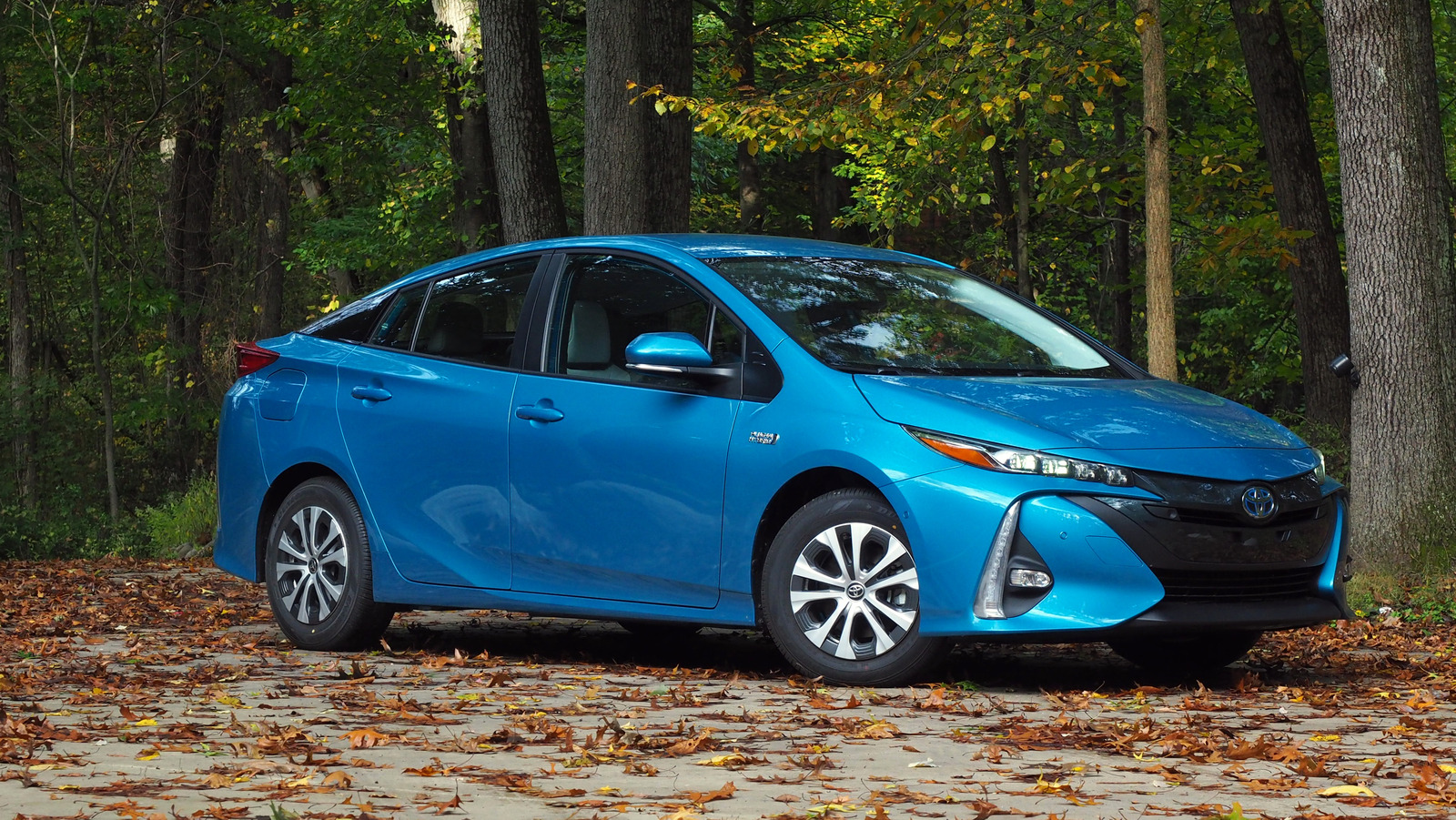
10. Toyota Prius
This might be a surprising entry, but the Toyota Prius deserves credit for changing the car industry with a completely different kind of performance. Its roughly 120-horsepower hybrid setup is far from exciting in the traditional sense, but it redefined what automotive innovation could look like.
The Prius proved that efficiency, environmental responsibility, and reliability could be just as important, and just as impactful, as power and speed. In doing so, it created a new benchmark for what everyday performance could mean: using less fuel, producing fewer emissions, and doing it all with minimal fuss.
The Prius didn’t just succeed because it saved money on gas. It succeeded because it was one of the first cars to make hybrid technology truly usable and accessible. Its design prioritized aerodynamics, its powertrain was seamless, and it required no special knowledge from the driver.
You just got in, drove it, and benefited from years of intelligent engineering. The regenerative braking system, electric motor assist, and smart energy management made the car more than a gimmick. It was a well-rounded, practical machine that happened to be ahead of its time.
Critics often pointed to the Prius’s lack of driving excitement, and it’s true, it’s not a car made for cornering prowess or acceleration. But that’s not why it exists. It excels in a different type of performance, the ability to do more with less. In that context, it’s a leader.
For drivers looking for a smooth, low-stress, efficient way to get around, the Prius has always delivered. Its performance isn’t measured in G-forces or lap times, but in how far it can go on a single tank and how little attention it needs over the years.
Over time, the Prius helped shift the industry’s priorities. It paved the way for other hybrids, plug-ins, and electric vehicles. Its success showed that smart engineering can be just as compelling as brute strength, and that long-term thinking has a place in automotive performance.
