
Fixing your own truck can save you thousands of dollars over time. While some trucks are complicated machines packed with advanced electronics and hard-to-reach parts, others are built with simplicity and accessibility in mind.
For those who enjoy turning a wrench or just want to avoid expensive labor costs, owning a truck that’s easy to repair yourself can be a smart move. Whether it’s regular maintenance or small-to-moderate repairs, the ease of getting under the hood and doing it yourself depends largely on how the truck is designed.
Trucks that allow for straightforward part replacements, feature clear layouts, and don’t require specialized tools for every job are often favored by DIY mechanics.
The trucks listed here are known not just for their reliability but also for how simple it is to work on them in your own garage or driveway. Owners of these models often report that many common repairs like changing spark plugs, replacing the alternator, or fixing a radiator leak can be done with basic tools.
These trucks tend to have ample engine bay space, fewer electrical components in older models, and are built with durability over luxury in mind. Some are even designed with removable panels or easy access to common components, making them more repair-friendly than others.
DIY repair doesn’t mean sacrificing quality or performance either. Some of the easiest trucks to work on are also long-lasting and dependable on the road. For people living in rural areas or working in construction, the ability to repair a vehicle without heading to the dealership every time something goes wrong is incredibly valuable.
These trucks aren’t perfect, but they give owners the ability to stay on top of maintenance and avoid unnecessary downtime. They are also ideal choices for learning the basics of automotive repair since their parts and systems are usually less complex.
This list is based on how well these trucks are laid out under the hood, how easy it is to access and remove parts, and the general mechanical simplicity compared to more modern or luxury-focused models. These ten trucks stand out for making repairs less of a headache and more of a hands-on project that anyone with patience and basic tools can handle.
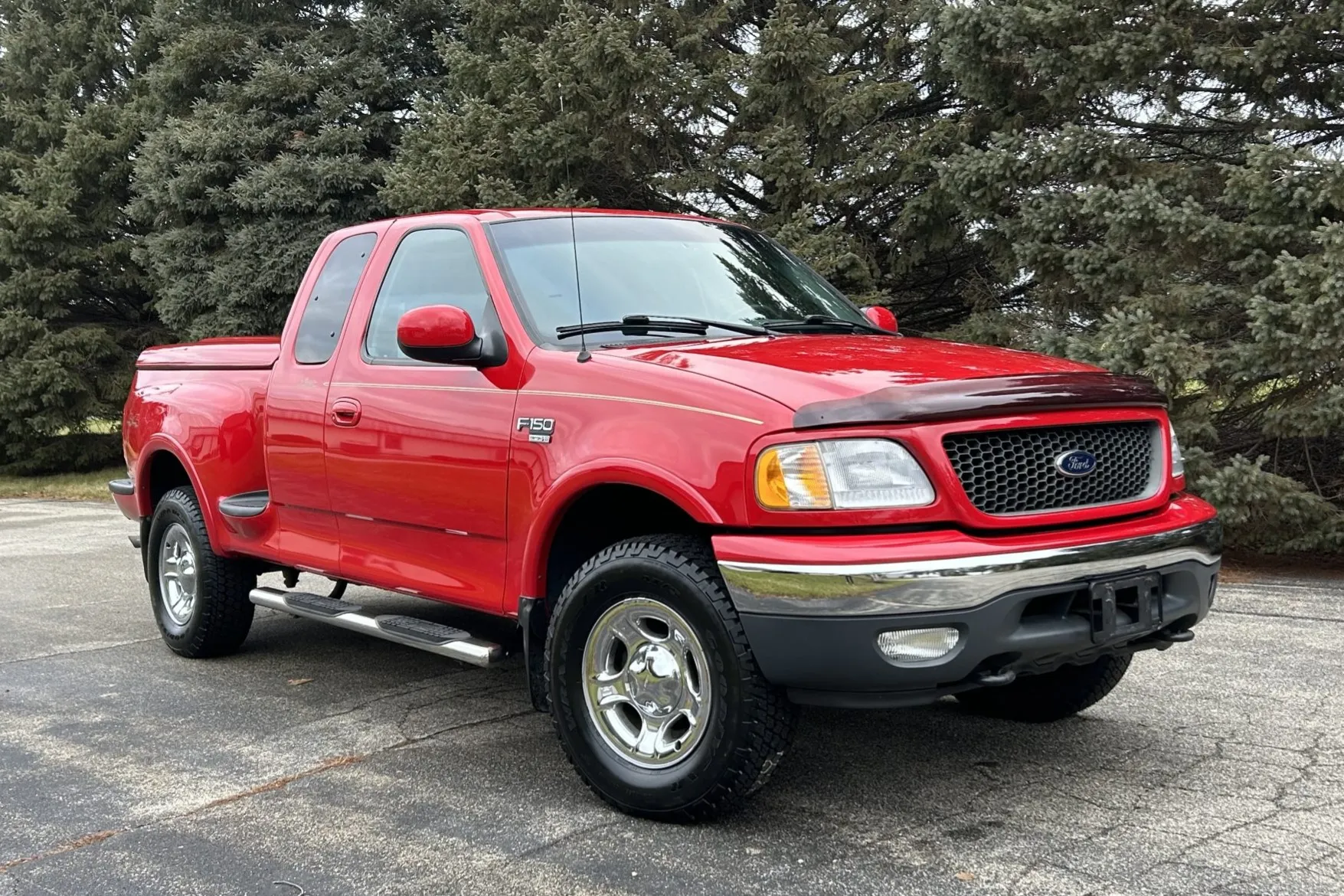
1. Ford F-150 (1990s to early 2000s models)
The older Ford F-150 models are considered by many as the best trucks for beginners in auto repair. The engine bays are large and well-organized, making it easy to access important components.
You don’t have to remove a dozen parts just to change the alternator or get to the spark plugs. These models were built with durability in mind, and they reflect an era when simplicity was a priority. Ford used solid, mechanical designs rather than packing the vehicle with delicate electronics.
Common repairs like water pump replacement, brake pad changes, and oil filter swaps can all be done without needing a lift or expensive tools. Many owners work right in their driveway with jack stands and hand tools.
The parts are also inexpensive and widely available, which is another big advantage when working on these trucks. Even more complex jobs like transmission work are straightforward by comparison, especially on the manual transmission models.
Another feature that makes these trucks attractive to DIYers is the availability of repair guides and diagrams. Since the F-150 has long been one of the best-selling vehicles in America, there is no shortage of information, tutorials, and community forums filled with tips and instructions.
You won’t be left guessing what a bolt does or where a part goes. That kind of support matters when you’re in the middle of a repair.
While newer F-150 models have more technology and tighter engine compartments, the older versions strike the right balance between capability and repair simplicity. If you’re looking for a truck that lets you learn while you work and doesn’t punish you for every little mistake, the 1990s and early 2000s F-150 is a solid choice.
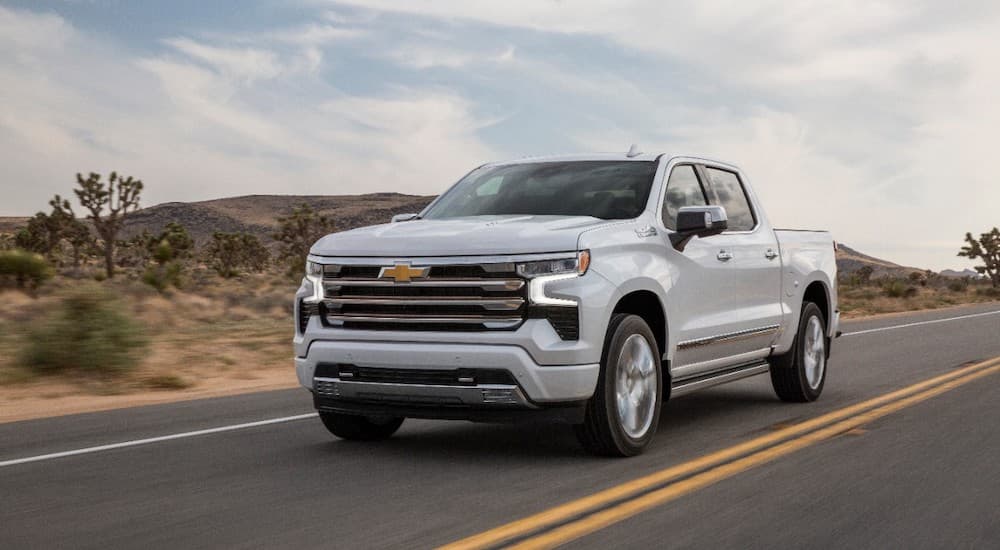
2. Chevrolet Silverado 1500 (1999–2006)
The Chevrolet Silverado 1500 models from this era are built on a frame that emphasizes durability and straightforward maintenance.
Many of the mechanical systems are accessible and laid out in a way that makes sense even to someone new to vehicle repair. The engine bay offers enough room to maneuver without needing to contort your body or remove multiple parts just to get to what you’re working on.
Engine repairs like replacing gaskets or valve covers can be done with a basic socket set. Many users also find that changing suspension parts, such as ball joints or tie rods, is less complicated on this model compared to some of the newer ones.
The layout allows for visibility and access, which are key factors in reducing the frustration that can come with truck repairs. There’s also minimal reliance on specialty tools unless you’re doing advanced engine work.
These trucks are also known for their longevity, and part of that is due to how easy it is to maintain them properly. Regular tasks like changing fluids, belts, and filters can be done in less than an hour.
Even replacing the fuel pump, which is often a nightmare in many vehicles, is manageable thanks to the truck’s design and availability of step-by-step instructions. The truck bed can even be removed to reach the fuel pump more easily, which some owners prefer over dropping the tank.
For those who want a reliable work truck that won’t cost a fortune to keep running, the Silverado 1500 from this time period is one of the better options. It offers a good blend of power, reliability, and serviceability, making it a favorite in both home garages and small workshops across the country.
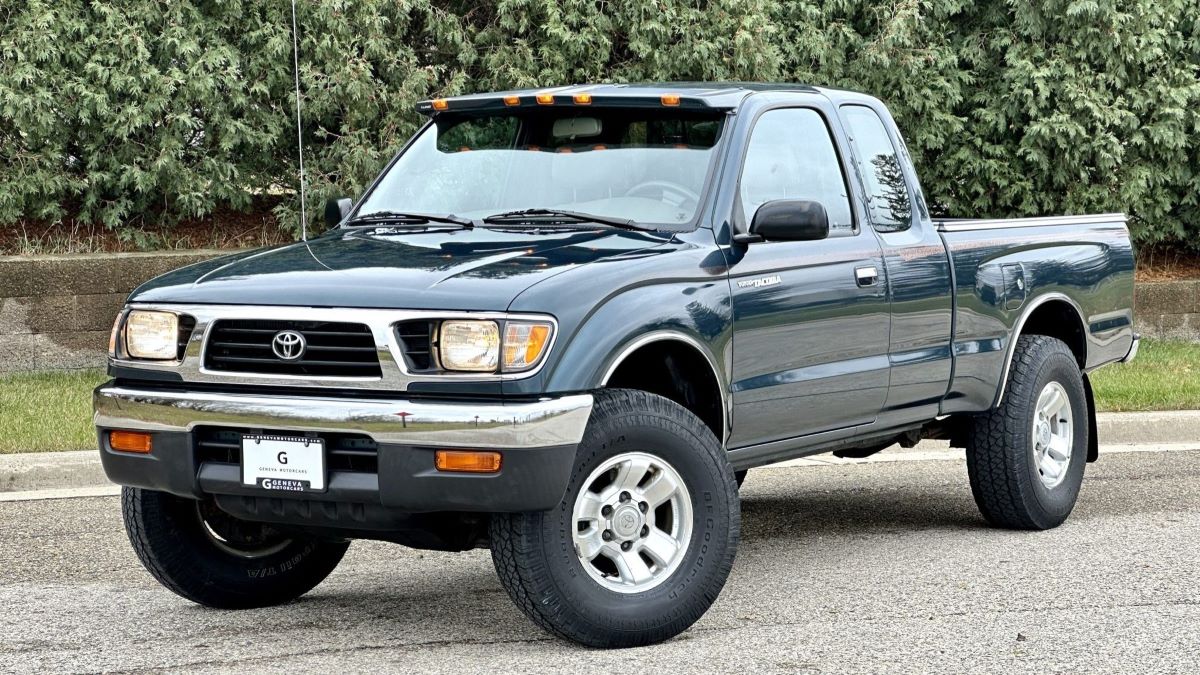
3. Toyota Tacoma (1995–2004)
The first-generation Toyota Tacoma is not just known for reliability, but also for how manageable it is to repair. These trucks have a reputation for running long past the 300,000-mile mark with proper maintenance, much of which can be done by the owner without relying on professional services.
The engine bay layout is simple, and many of the parts are easily accessible from above or below. Routine maintenance like timing belt changes, oil changes, and even clutch replacements are all doable at home with the right tools.
The components are modular and often come off without fighting against tight spaces or electronic systems. In addition, there is a large enthusiast community that shares tips, tutorials, and step-by-step guides for just about every repair imaginable on this model.
One of the most praised aspects of the early Tacoma is the use of straightforward mechanical systems rather than complex sensors and computer modules.
This not only makes diagnostics easier but also reduces the chances of small problems turning into major headaches. The 4-cylinder models, in particular, are easy to work on and have fewer failure points than their V6 counterparts, though both are relatively friendly for DIY repairs.
You’ll also appreciate the durability of the parts and the logical layout of the engine and transmission. Unlike many modern trucks where things are crammed into tight spaces, the older Tacoma gives you room to work. This truck makes a great learning platform for someone just getting into vehicle maintenance and still serves as a reliable daily driver or off-road adventure vehicle.
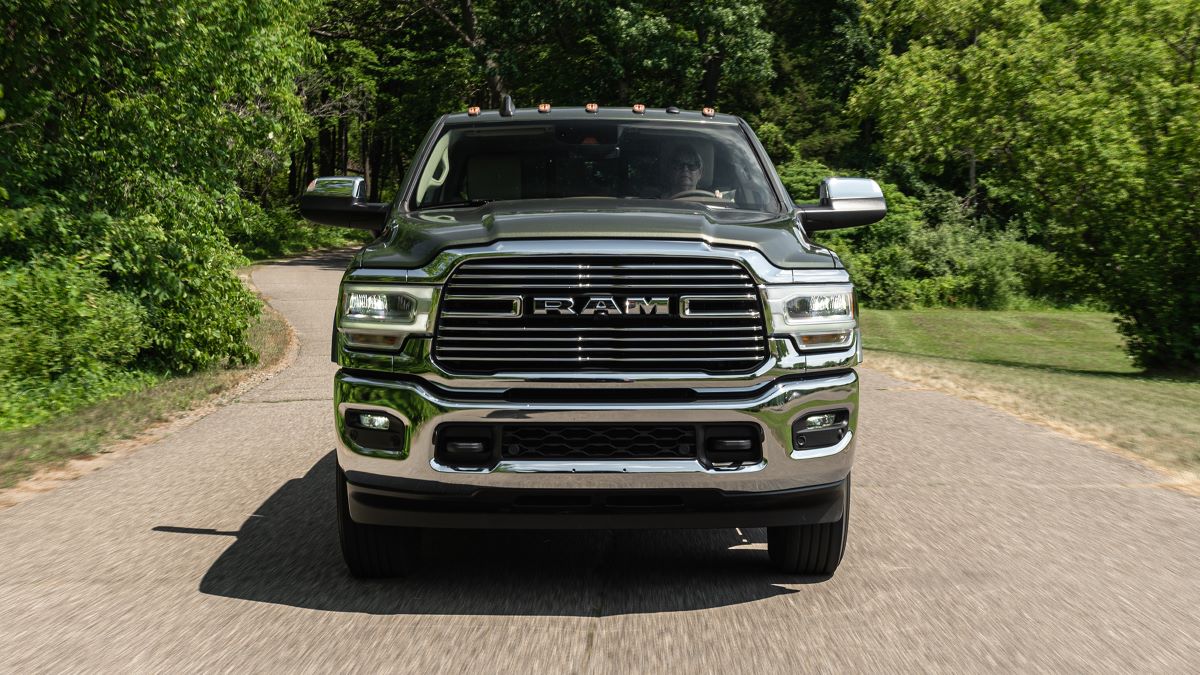
4. Dodge Ram 1500 (1994–2001)
The Dodge Ram 1500 from the mid-to-late 90s offers a very basic setup that lends itself well to at-home repair. With solid axles, simple suspension, and accessible engine layouts, these trucks are easier to work on than many people expect.
Whether you’re replacing the radiator, changing out a starter, or working on the brake system, most jobs can be done in a home garage without a lift.
The 5.2L and 5.9L V8 engines are robust and relatively simple in design. These engines don’t require the removal of half the engine bay to replace spark plugs or wires. Additionally, the truck’s older computer system makes diagnostics more straightforward.
You won’t have to worry about complex emission sensors or the kind of engine management systems that dominate newer models.
For DIYers, the lack of luxury features becomes an advantage. You won’t be contending with multiple layers of trim or integrated electronic systems just to fix something mechanical.
The body-on-frame design is another benefit, allowing easier access to the underside of the vehicle for drivetrain or suspension work. And because these trucks were built with rugged use in mind, many of the components are built to be serviced, not replaced.
Parts availability is another big plus. You can find affordable replacements for nearly every part on the Ram 1500, and there’s a wide network of aftermarket suppliers.
Whether you’re picking up parts at the local store or ordering online, the cost of repairs is reasonable. This makes the Dodge Ram from this period an appealing option for budget-conscious owners who want to take maintenance into their own hands.
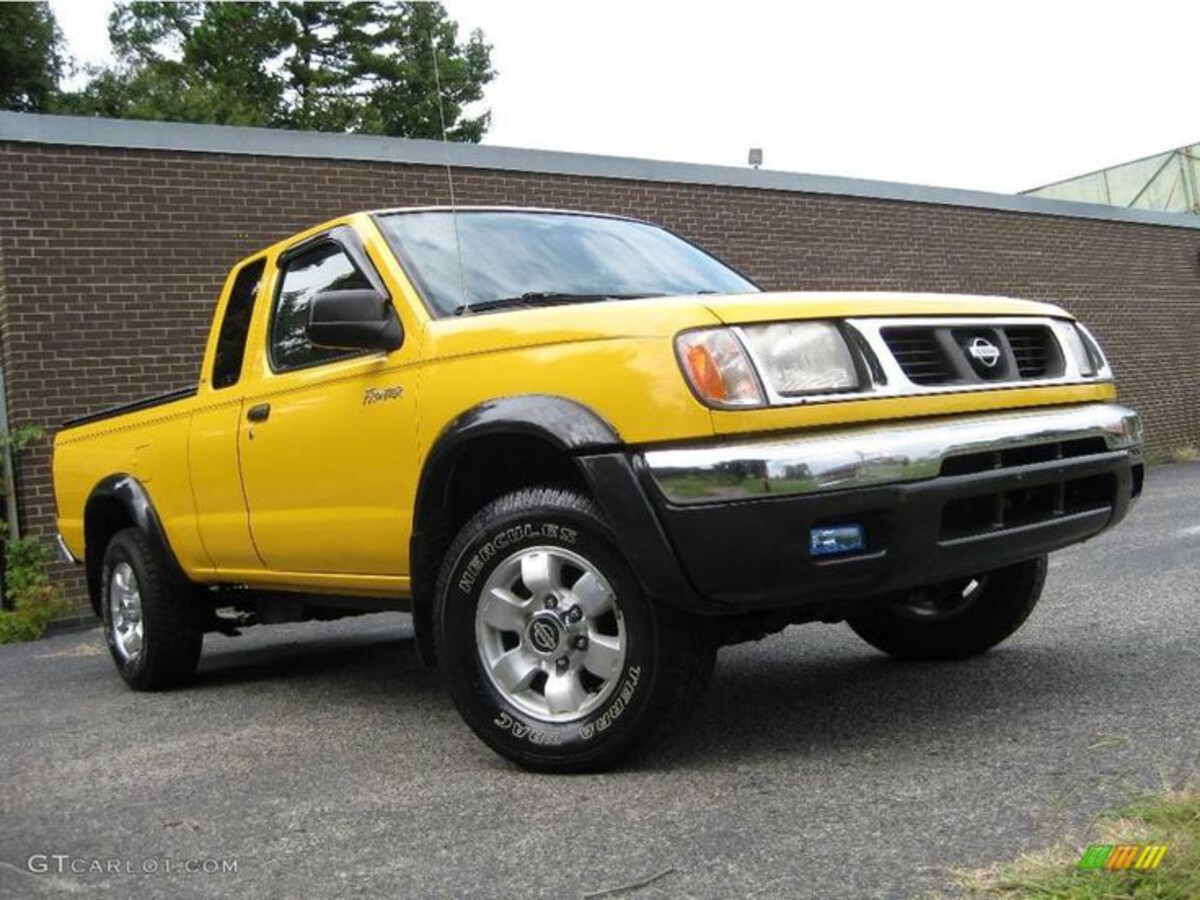
5. Nissan Frontier (1997–2004)
The late 1990s to early 2000s Nissan Frontier is often overlooked when people talk about DIY-friendly trucks, but it deserves more recognition. These trucks offer simple, straightforward engineering with little of the over-complication found in many modern vehicles.
For a DIY mechanic, that means fewer systems to diagnose, easier access to components, and repairs that often don’t require expensive diagnostic tools. The base models, especially those with the 4-cylinder engines, are the easiest to work on due to the extra space in the engine bay and the less cluttered layout of hoses, wires, and brackets.
Oil changes, air filter replacements, and radiator flushes are easy to complete without crawling under the truck for long stretches. Even common repair jobs like replacing the timing chain, alternator, or water pump are within reach for someone with basic tools and a bit of patience.
The simplicity of the drivetrain and mechanical systems also allows first-time truck owners to get familiar with automotive repair without being intimidated. The manual transmissions on these trucks are also known for their longevity and ease of servicing, which adds to the truck’s reputation as a mechanic-friendly vehicle.
The materials used in these older Frontiers also contribute to their serviceability. The plastic connectors, bolts, and fasteners tend to come apart cleanly without excessive corrosion, and you won’t run into as many one-time-use parts like you do on newer models.
Nissan also used standardized hardware in many places, which means you won’t be digging through your toolbox trying to find rare socket sizes or unusual clips. This predictability makes repairs much more manageable and cuts down on time spent trying to identify which tool you need for the job.
One added benefit for DIY owners is the strong support network for older Nissan trucks. There are online forums, YouTube channels, and service manuals widely available that break down each repair task step by step. These resources can be invaluable when tackling bigger projects or trying something for the first time.
The Frontier might not be the flashiest truck, but it rewards owners with low maintenance costs, durable components, and a mechanical setup that makes learning and doing your own repairs much less intimidating.
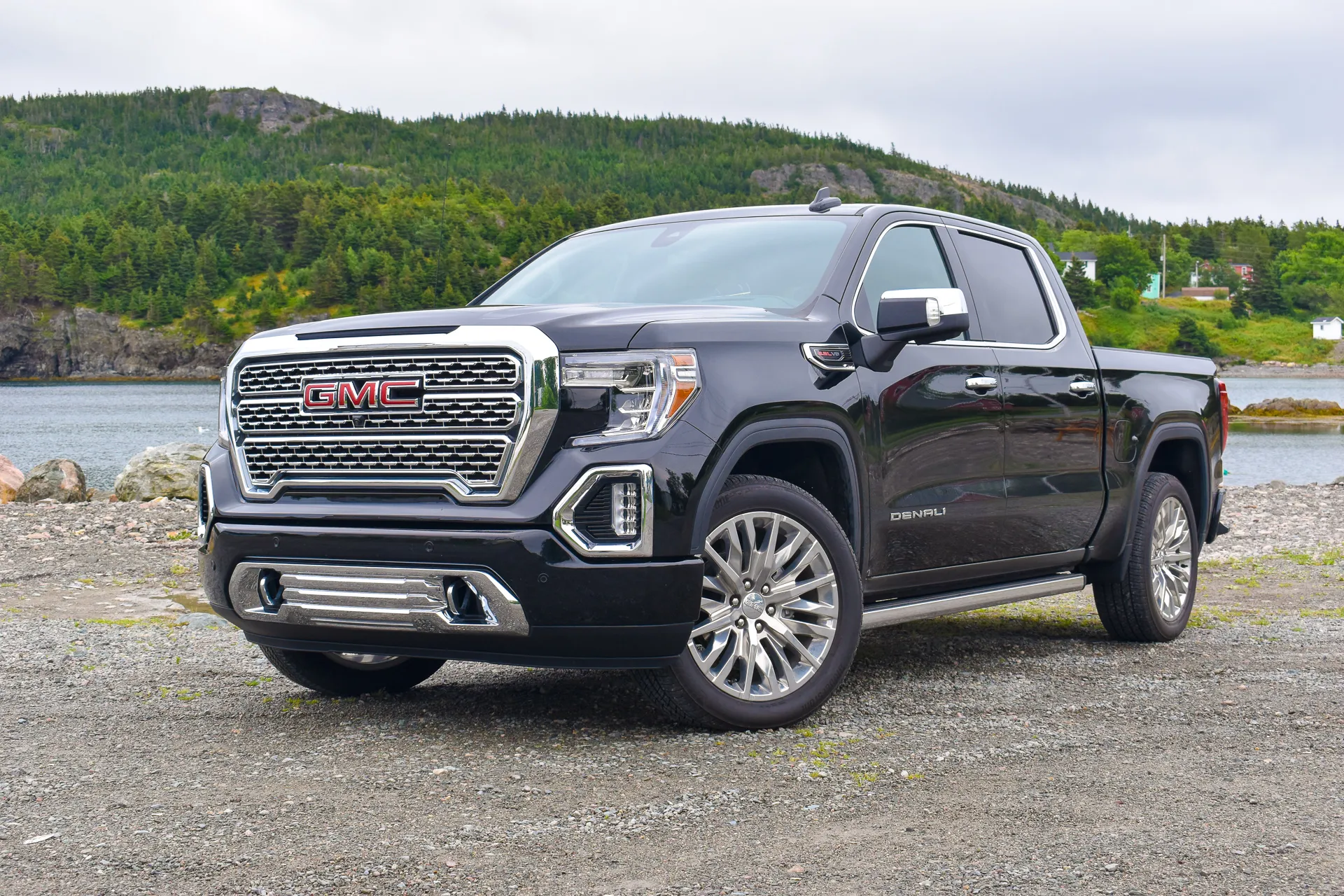
6. GMC Sierra 1500 (1999–2006)
The GMC Sierra 1500 from this era shares a platform and many components with the Chevrolet Silverado, which means it benefits from the same accessible design and parts availability. What makes the Sierra particularly attractive to DIYers is the combination of a sturdy frame, logical layout, and mechanical consistency.
The 5.3L V8 engine found in many of these trucks is widely regarded as one of the most reliable engines GM has produced, and it’s also relatively easy to work on compared to more modern powertrains.
Basic maintenance like oil changes, serpentine belt replacements, and spark plug swaps are straightforward and can often be done in less than an hour with simple tools. Even more involved jobs such as replacing intake manifold gaskets, wheel bearings, or power steering pumps can be tackled without too much trouble if you have a decent garage setup.
The way the engine and components are spaced out makes a big difference. You’re not constantly having to reach into tight corners or take off unrelated parts just to access what you need.
Another key feature is the simplicity of the electronic systems. These trucks still use basic OBD-II technology, which means a cheap scan tool will often give you the code you need to start diagnosing issues.
Fewer electronic modules require reprogramming, and the truck doesn’t rely heavily on proprietary systems that force you into dealership-only repairs. This reduces both frustration and cost, and it gives you a clearer path to solving problems on your own terms.
What also helps the GMC Sierra’s DIY reputation is the broad aftermarket support. There are endless parts available, and the popularity of these trucks means there’s no shortage of tutorials and write-ups for even uncommon repairs.
Whether you’re replacing a fuel injector or rebuilding the rear suspension, there’s almost always a guide or video to help walk you through it. This shared knowledge adds confidence, especially for owners who are new to doing their own work.
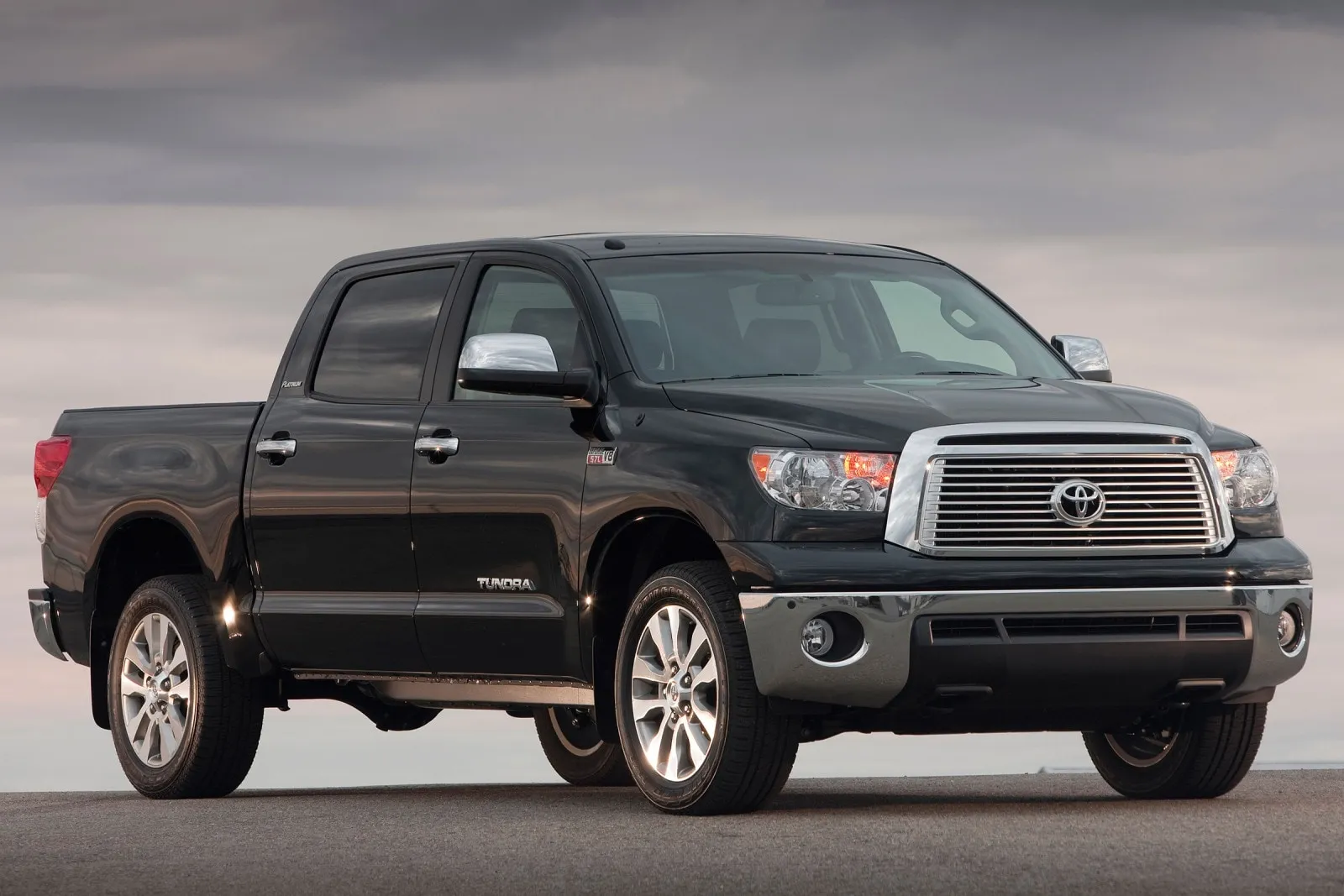
7. Toyota Tundra (2000–2006)
The first-generation Toyota Tundra blends the legendary reliability of Toyota engineering with a practical and serviceable layout that appeals to home mechanics. These trucks were built before the massive shift toward tech-heavy pickups, so they retain many of the mechanical traits that make for easier repairs.
The 4.7L V8 engine, a common powertrain in these models, is durable and well-regarded for its performance and longevity. More importantly, it’s also approachable from a repair standpoint.
DIY repairs on the Tundra don’t usually require tearing the vehicle apart. You can access most critical components like the radiator, throttle body, and starter without having to remove unrelated systems.
This is a huge plus when compared to newer trucks where one repair often means hours of disassembly. The layout is logical and designed with enough space to move around, which minimizes knuckle-busting and makes the experience of working on the truck less physically frustrating.
One of the standout advantages of this truck is the minimal use of electronics in systems where mechanical alternatives will do the job. For instance, the HVAC system is largely mechanical, and the fuel system doesn’t require advanced diagnostics to fix or replace parts.
This simplicity reduces the chance of error, shortens repair times, and helps owners maintain their trucks with fewer obstacles. Even when electronic issues do arise, they are usually tied to basic sensors that are easy to replace and often inexpensive.
Another reason the early Tundra is DIY-friendly is because it was built with long-term durability in mind, especially in how components were mounted and sealed. There’s less corrosion in problem areas, and fasteners tend to hold up better than in vehicles from more rust-prone manufacturers.
The result is a truck that stays easier to service even as it ages. With solid aftermarket support and Toyota’s reputation for part availability, this generation of Tundra continues to be a top pick for those who prefer to handle repairs on their own.
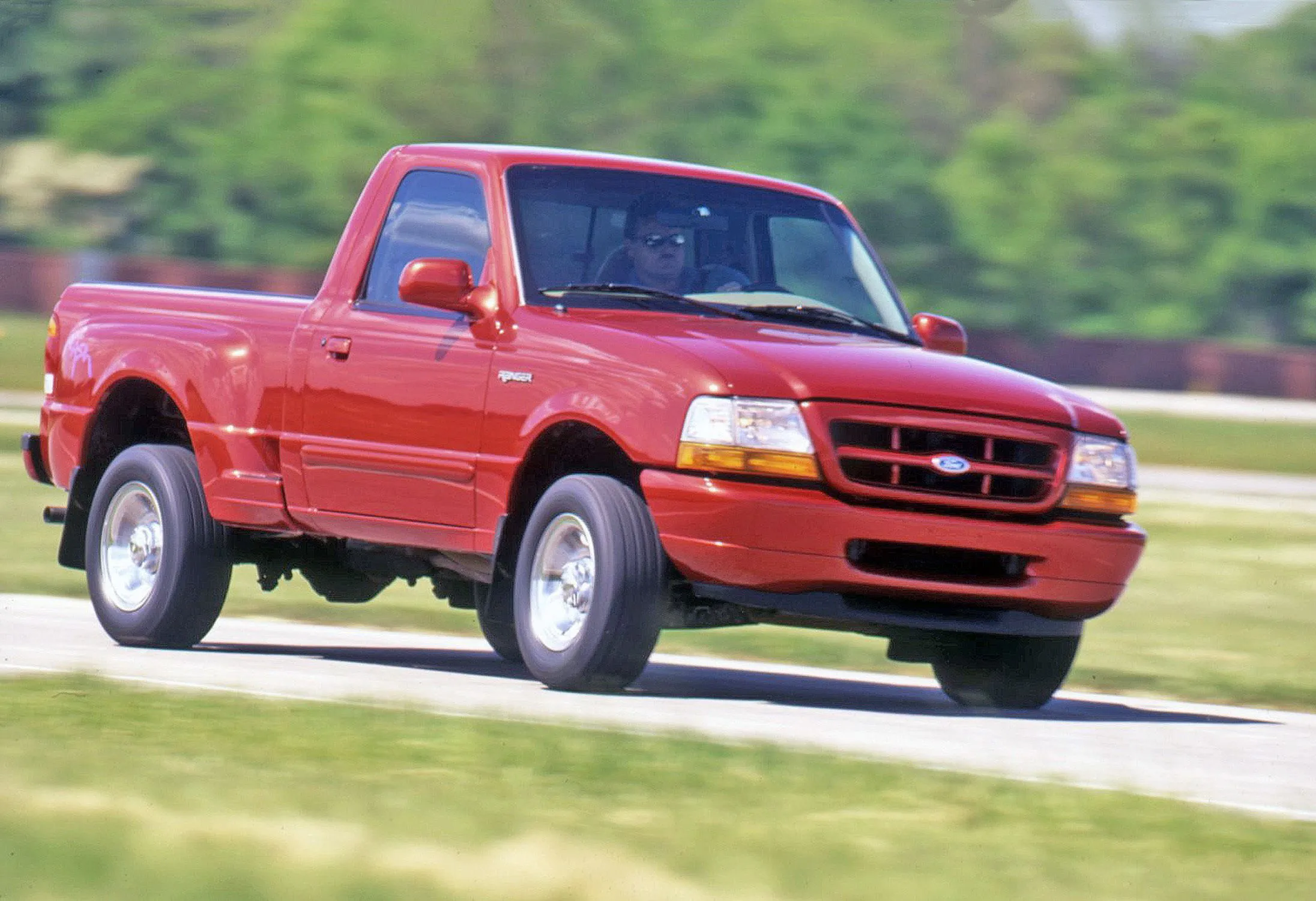
8. Ford Ranger (1993–2011)
The Ford Ranger has long been celebrated for its simplicity, and models built between 1993 and 2011 offer some of the easiest trucks to work on for beginners and experienced DIYers alike.
With compact dimensions, a basic mechanical structure, and widespread availability of parts, the Ranger is a prime candidate for those who enjoy working on their vehicles. The four-cylinder and V6 engines used during this period are relatively easy to maintain and don’t rely on complex systems to operate efficiently.
One of the biggest benefits of the Ranger is how much access you have to every part of the engine bay. It’s not unusual for owners to replace timing belts, water pumps, or even cylinder heads in their home garage without running into major design flaws.
There’s also plenty of room underneath the vehicle to access the exhaust system, driveshaft, and suspension components. You don’t need a full workshop to get under the truck and get to work, which makes this model especially practical for people working in tighter spaces.
The mechanical components are also very traditional, which means they operate on principles that are easy to understand and diagnose. If the truck won’t start or makes a strange noise, you’re likely dealing with an issue that has a well-documented cause and fix.
You won’t have to interpret complex computer codes or chase down wiring harness issues unless you’re dealing with the very late-model Rangers. For most of the run, they relied on a straightforward mechanical approach that was consistent and durable.
In addition to that, the Ford Ranger community is strong and full of knowledgeable owners who share repair tips, DIY walkthroughs, and troubleshooting advice. Whether you’re fixing a misfire, replacing suspension bushings, or rewiring the tail lights, you’ll have access to a massive knowledge base.
Combined with low part costs and wide availability, this makes the Ranger one of the easiest and most affordable trucks to repair yourself, even as it gets older.
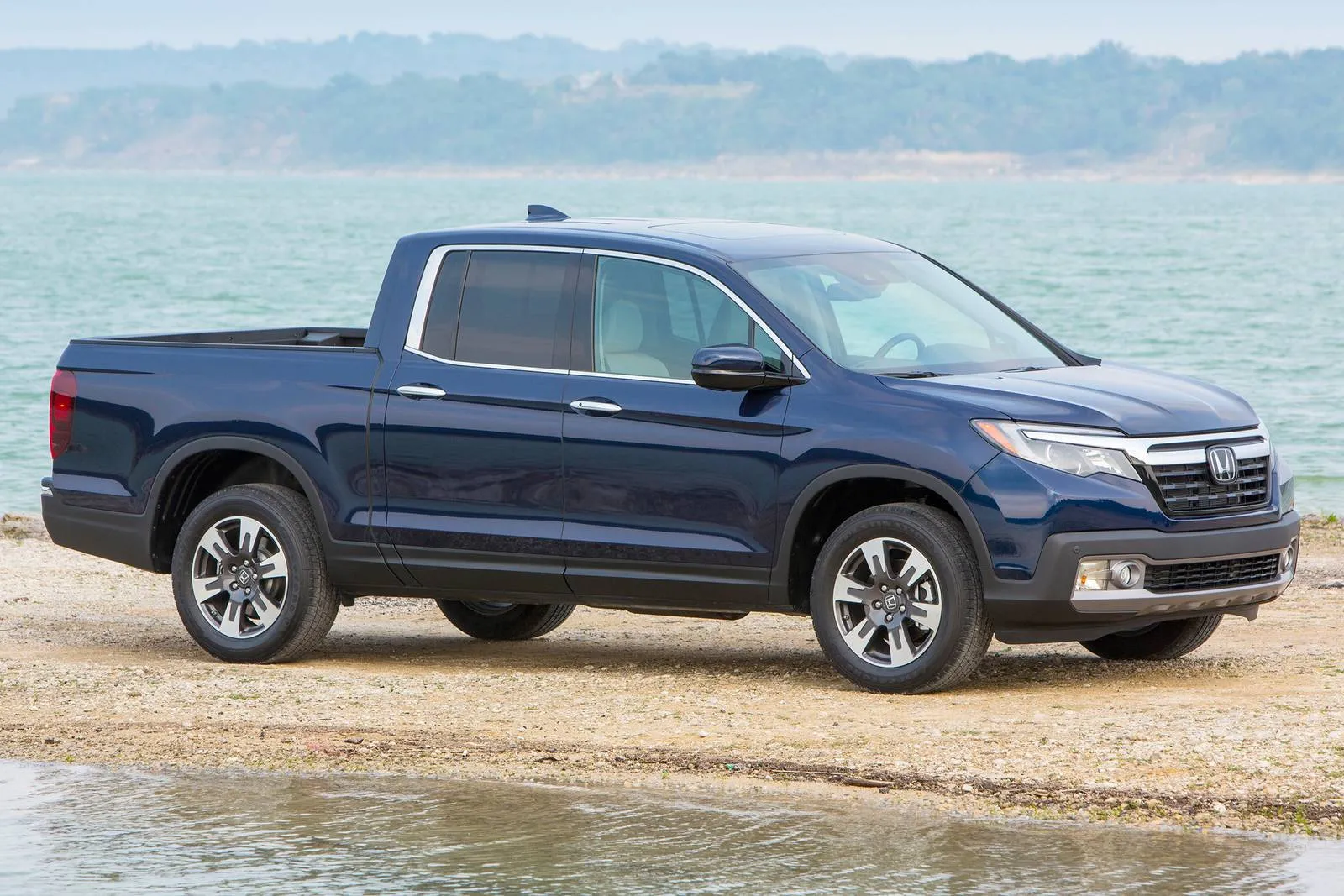
9. Honda Ridgeline (2006–2014)
The first-generation Honda Ridgeline might not look like a traditional truck, and that’s partly what makes it so unique in terms of DIY repair. Built on a unibody platform shared with Honda’s SUVs, the Ridgeline offers car-like accessibility in a truck form.
While this makes it less of a heavy hauler compared to body-on-frame trucks, it also allows for easier repairs in many areas, especially when dealing with front-end components. The engine bay layout reflects Honda’s usual efficient design, and the mechanical systems are intuitive for anyone familiar with basic maintenance.
Most owners find that tasks like oil changes, air filter replacements, and brake work are uncomplicated and easy to finish in under an hour with simple hand tools. The transverse engine design means you can access many components from the top without needing to remove a lot of surrounding parts.
Even the spark plugs, which can be a hassle on other trucks, are relatively easy to reach on the Ridgeline. The truck’s components are arranged logically, and the use of quality fasteners means fewer stripped bolts and frustrating failures during repairs.
What helps the Ridgeline stand out further is Honda’s consistent approach to using reusable parts where possible. Drain bolts often come with built-in magnets to help catch metal shavings, and the cooling system uses long-life fluids that don’t need constant attention.
Repairs that might seem daunting on other trucks, like replacing the radiator, alternator, or power steering pump, are straightforward jobs on the Ridgeline thanks to smart engineering. Although the all-wheel-drive system is more complex than rear-wheel setups, it’s not difficult to service if you follow the manual and work carefully.
Despite being a bit different from conventional trucks, the Ridgeline still offers a strong support network in terms of user forums, YouTube videos, and repair guides. Parts are readily available and often interchangeable with other Honda vehicles, which keeps repair costs down.
If you’re someone who prefers working with reliable, well-planned engineering over brute force design, the Ridgeline offers a different kind of DIY-friendly experience that many owners come to appreciate once they spend time working on it.
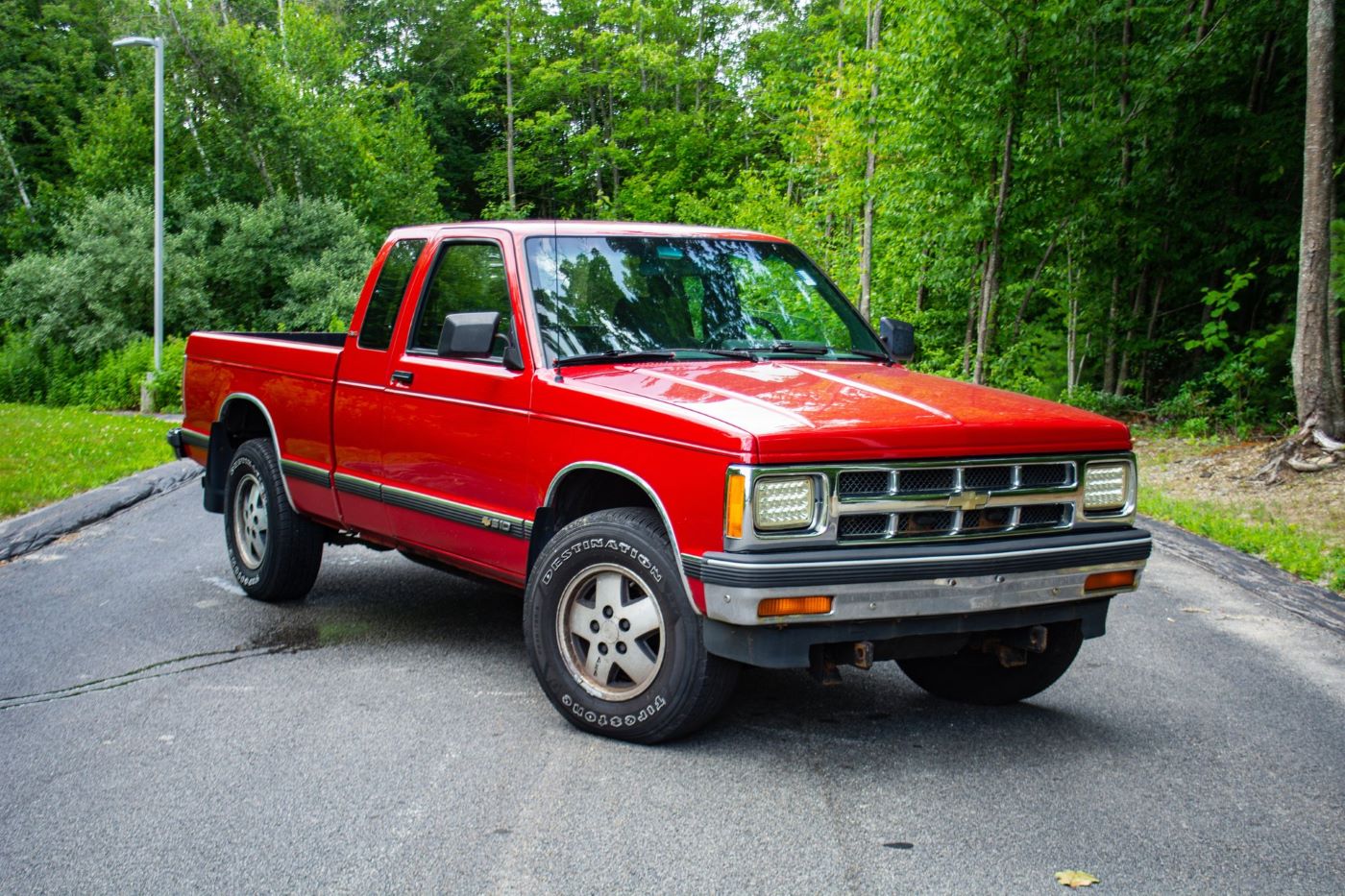
10. Chevrolet S-10 (1982–2004)
The Chevrolet S-10 has become something of a cult favorite among those who prefer compact, easy-to-work-on trucks. Spanning over two decades of production, the S-10 went through a few updates but never lost its focus on simplicity.
It features basic mechanical systems that are accessible and easy to understand, making it a favorite for people just getting started with DIY vehicle repair. From its straightforward 4-cylinder models to the later V6 variants, the S-10 provides a platform that is forgiving and educational for at-home mechanics.
One of the S-10’s biggest strengths is the amount of room under the hood. There’s plenty of space to reach down and remove parts without scraping your arms on sharp edges or burning your knuckles on cramped engine blocks. Replacing belts, alternators, or radiators can be done without dismantling unrelated systems.
If you’re tackling something more intensive like a head gasket or suspension overhaul, the S-10 remains cooperative with its simple layout and lack of hidden fasteners. This ease of access is a major reason why so many people learned how to work on cars by starting with this truck.
The reliability of the S-10 may vary depending on the model and year, but from a repairability standpoint, it rarely gets overly complicated. The mechanical throttle body, standard ignition systems, and straightforward fuel delivery setup all contribute to the truck’s ease of service.
Because these systems don’t rely on extensive electronics or integrated modules, diagnosing and repairing issues often comes down to a few tools and some process-of-elimination testing. Even swapping out the transmission isn’t as difficult as it sounds, especially on two-wheel-drive versions where there’s more working space underneath the truck.
Another advantage of the S-10 is how cheap and widely available its parts are. Whether you go to a junkyard, parts store, or order online, you’re never far from a replacement component, often at a very low cost.
There’s also a huge library of documentation available, both from GM and through independent repair guides. Enthusiast communities continue to keep these trucks alive with shared knowledge and modifications, making the S-10 a great final addition to a list of trucks that let owners roll up their sleeves and get the job done themselves.
Choosing a truck that’s easy to repair at home is about more than just convenience, it’s a long-term investment in self-sufficiency and savings. Trucks that allow for straightforward, no-nonsense repairs can be the difference between being stuck waiting on a mechanic and getting back on the road the same day.
The ten trucks listed here stand out not because they’re the most luxurious or powerful, but because they empower owners to take control of their vehicle maintenance. With basic tools, a service manual, and a willingness to learn, anyone can keep these trucks running strong for years.
The appeal of DIY repair lies in the connection between the owner and the machine. When a truck is designed with a clear layout, accessible components, and consistent systems, it invites the kind of hands-on care that deepens understanding and appreciation.
For many, this leads to better maintenance habits, lower ownership costs, and even the confidence to tackle more advanced mechanical work over time. Trucks with fewer electronic complications and more mechanical durability become reliable partners in both daily life and emergencies.
It’s also worth noting that repair-friendly trucks often retain their value in ways that aren’t always visible on a price sheet. A truck that can be kept running with minimal expense offers real value over the long haul, especially for owners who rely on their vehicles for work or transport.
Being able to replace a failing starter, alternator, or sensor without needing to visit a dealership keeps more money in your pocket and reduces downtime. This can be crucial in areas where access to professional services is limited or costly.
