
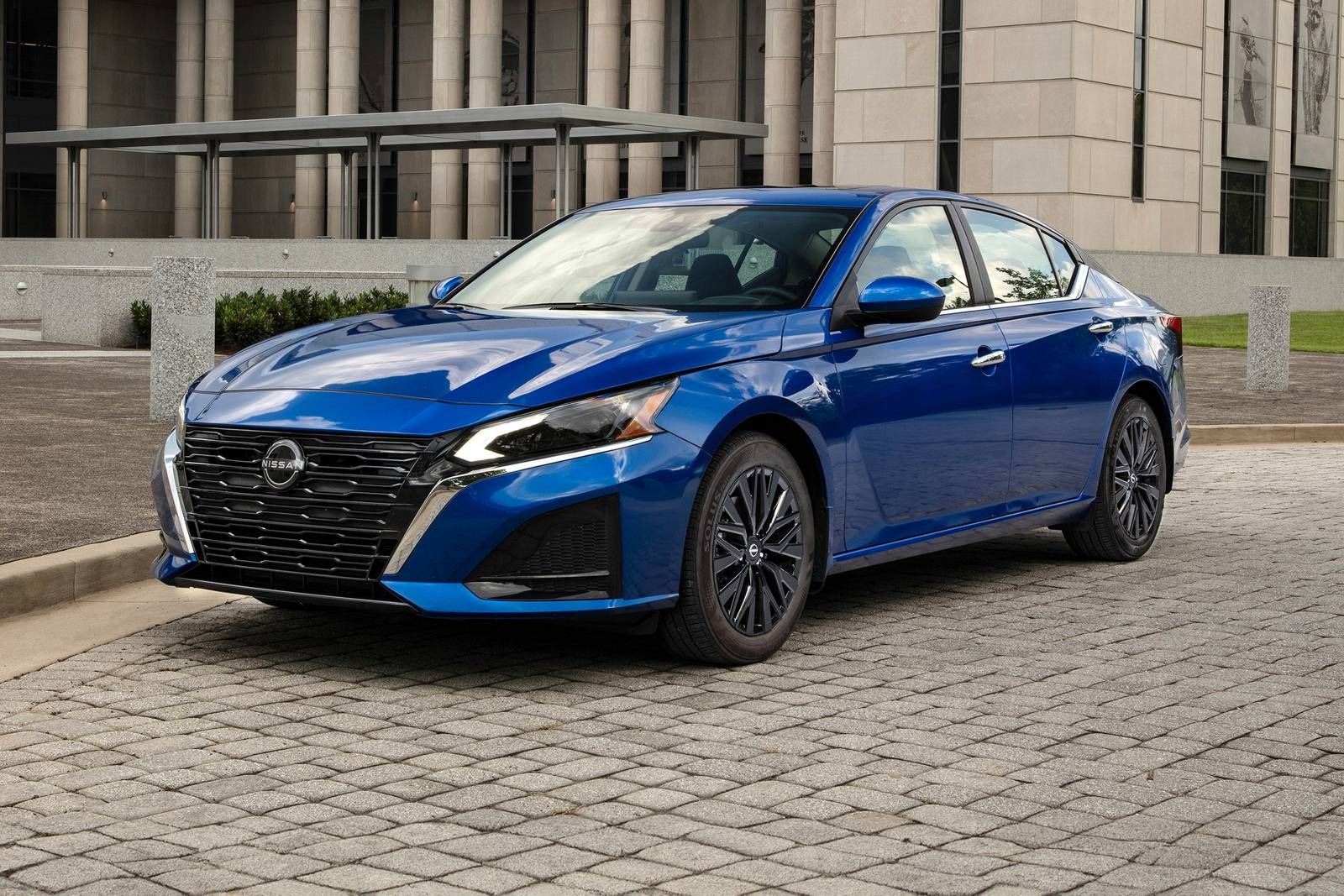
For the past decade, the auto industry has been swept by an unrelenting wave of SUV dominance. Sales numbers confirm the trend: consumers seem to prefer the higher seating position, greater cargo space, and the perceived versatility of sport utility vehicles.
This shift has led many automakers to reduce or even eliminate sedan offerings altogether. However, the idea that sedans are no longer desirable is not entirely accurate.
In many cases, these vehicles are simply suffering from a lack of effective marketing. With the right storytelling, branding strategy, and promotional push, several sedans could not only regain their relevance but potentially outsell some of their SUV counterparts.
Part of the challenge lies in perception. Sedans have traditionally been marketed as practical, economical, and often uninspiring options. The messaging surrounding them typically emphasizes efficiency, reliability, and affordability. While these are important traits, they fail to excite the imagination or build an emotional connection with the buyer.
SUVs, on the other hand, are often sold as lifestyle enablers. They promise adventure, capability, and a certain status that appeals to a wide audience. Sedans rarely get this kind of treatment, even when they have the performance, luxury, or design credentials to back it up.
What’s often overlooked is that many sedans offer a driving experience that is more refined and engaging than their SUV counterparts. They tend to be lighter, more aerodynamic, and better balanced on the road. In urban environments, they are easier to maneuver and more fuel-efficient.
On highways, they offer smoother rides and quieter cabins. Some models are even more spacious and technologically advanced than comparably priced SUVs. But without strong marketing, these strengths remain largely hidden from mainstream consumers.
This article takes a closer look at ten sedans that could easily become best-sellers if they were marketed more effectively. These are vehicles that check all the right boxes in terms of performance, design, comfort, and value. What they lack is not engineering excellence or consumer relevance, but attention and storytelling.
With better marketing, they could change the narrative and shift the balance away from the SUV-centric market. Each one is proof that sedans are far from dead, they’ve just been poorly represented.
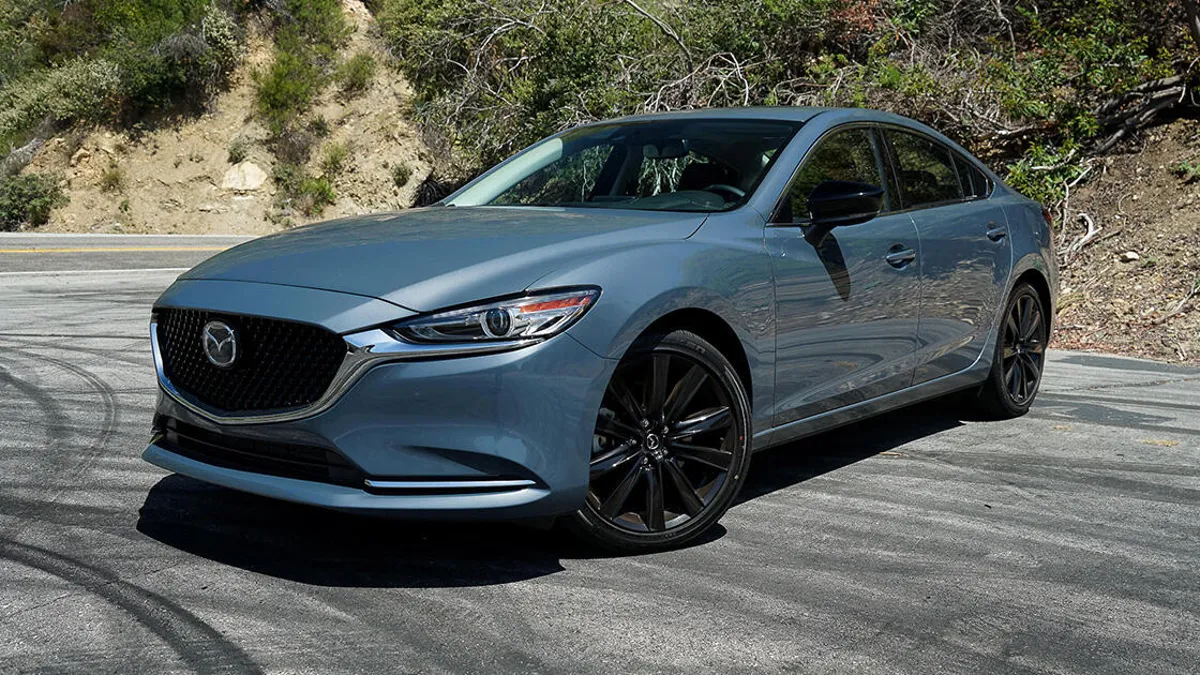
1. Mazda6
The Mazda6 is a midsize sedan that has consistently delivered an exceptional blend of driving dynamics, upscale interior quality, and value. Despite its many strengths, it has often struggled to stand out in a crowded market dominated by SUVs. Part of the issue lies in how it’s presented.
Mazda has tried to position itself as a premium alternative to mainstream brands, but the messaging around the Mazda6 has not been as aggressive or emotionally charged as it could be.
This car could appeal to buyers who want a near-luxury experience without the badge markup, but most people never get to that realization because they don’t hear enough about it.
What truly sets the Mazda6 apart is how it feels behind the wheel. It offers a driving experience that’s rare in its class, with responsive steering, balanced handling, and a chassis that communicates with the driver. The available turbocharged engine adds an extra layer of excitement without sacrificing fuel efficiency.
Unfortunately, these attributes rarely make it into advertising materials or dealership pitches. The emphasis tends to be on practicality and safety, which, while important, don’t ignite buyer enthusiasm the way performance and emotional engagement can.
The cabin design in the Mazda6 is another area that deserves more spotlight. The materials used feel high-end, and the layout is clean and intuitive. Soft-touch surfaces, stitched leather trim, and a minimalistic dashboard design give it a sophistication that’s more often found in German sedans.
Yet, in many markets, buyers remain unaware of how premium the Mazda6 feels inside. A stronger focus on craftsmanship, aesthetic design, and sensory experience in marketing could change perceptions dramatically.
Finally, Mazda should consider positioning the Mazda6 not just as a family car, but as a personal statement. Emphasizing individuality, lifestyle fit, and the joy of driving could open up new demographics.
It’s a car that can easily appeal to young professionals, design-conscious consumers, and people transitioning out of sports cars. The ingredients are there; it’s the story that needs work.
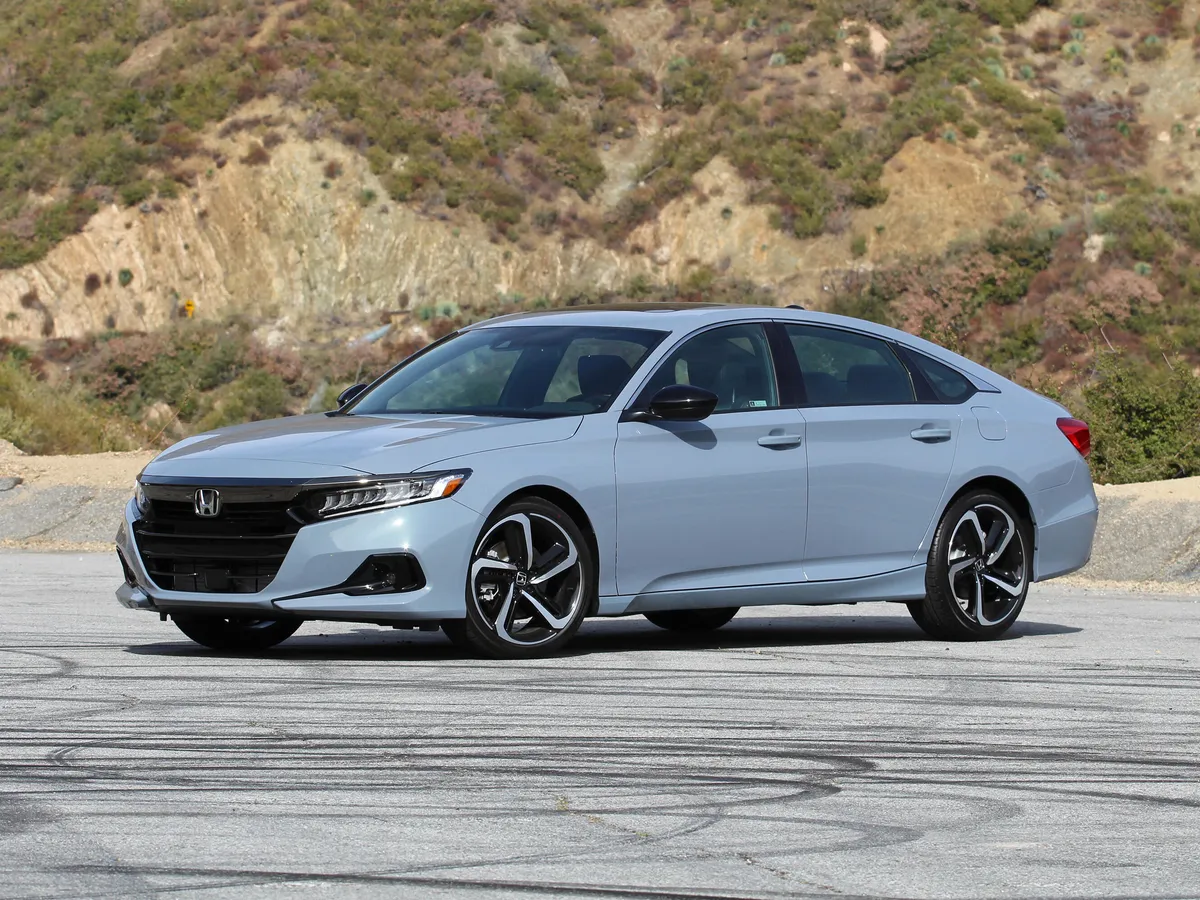
2. Honda Accord
The Honda Accord has long been one of the most competent and reliable sedans on the market. It offers a nearly perfect blend of performance, efficiency, comfort, and practicality. Yet, in recent years, its popularity has waned slightly in the face of the SUV surge.
Honda’s marketing strategy for the Accord has often focused on its long-standing reputation rather than refreshing its image. What the Accord needs is a reintroduction to the market, one that highlights its evolution and potential to be more than just a safe bet.
One of the Accord’s greatest strengths is its powertrain options. The turbocharged engines offer solid performance, and the hybrid variant is among the best in its class, both in terms of fuel economy and driving experience.
Rather than simply presenting the hybrid as a money-saving commuter, Honda could market it as a smart, modern solution for drivers who want to minimize environmental impact without compromising on drive quality. The focus should be on innovation, not just fuel savings.
The design of the current-generation Accord is sleek and sporty, yet marketing still tends to lean on tradition. This approach misses the opportunity to appeal to younger buyers who may not have grown up with Honda’s legacy.
Visual storytelling that aligns the Accord with urban lifestyles, technological advancement, and progressive values could reposition it as a forward-thinking sedan, not just a dependable one. It’s time to stop marketing the Accord to previous buyers and start introducing it to new ones.
Inside, the Accord continues to impress with space, comfort, and technology. The infotainment system is intuitive, and the interior feels more luxurious than the price tag suggests.
This car offers plenty of room for families while also maintaining an athletic stance for solo drivers or couples. By marketing it with more personality, focusing on versatility and modern aesthetics, Honda could help the Accord reclaim some of the spotlight taken by SUVs.
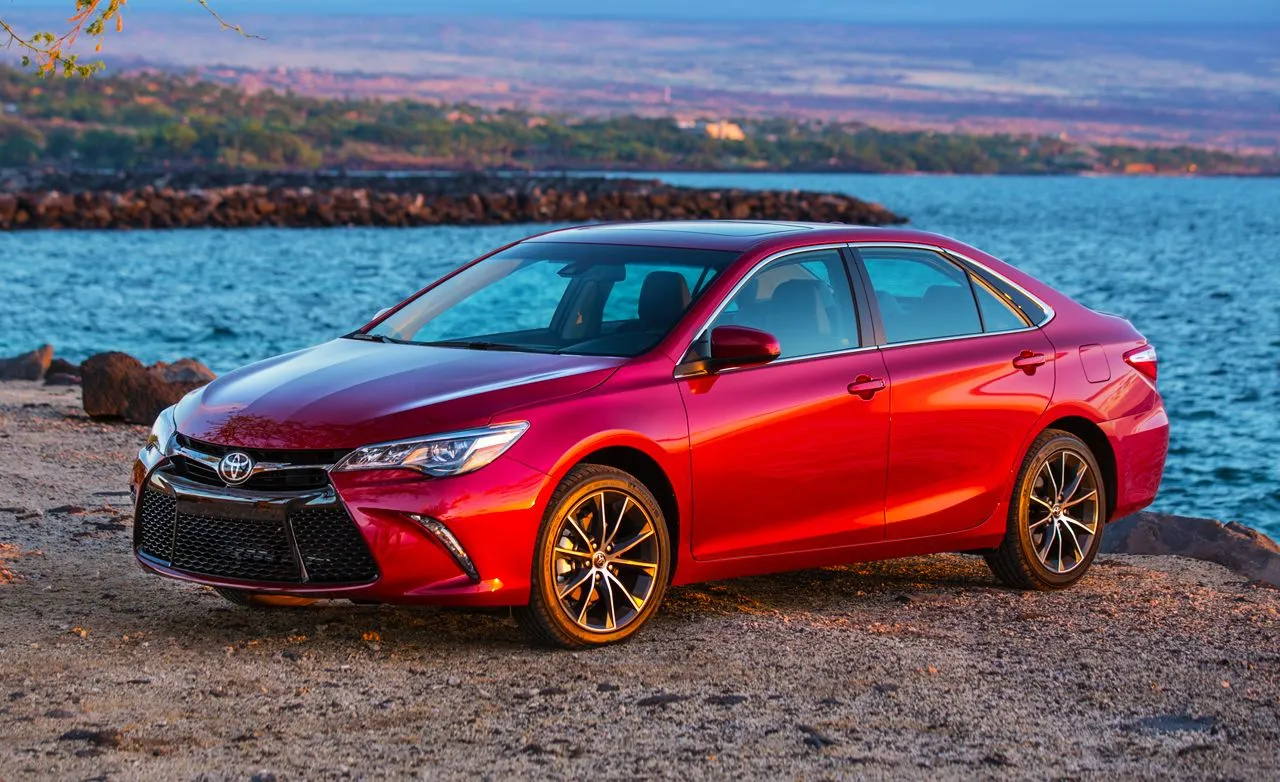
3. Toyota Camry
The Toyota Camry is often associated with reliability, affordability, and conservative design. While these qualities have helped it become one of the best-selling cars in America for decades, they also contribute to a stale image that doesn’t fully represent the current product.
The latest generation of the Camry is sharper, faster, and more stylish than ever. Yet, marketing has been slow to catch up with the transformation. A bolder campaign could help it reclaim dominance, even against SUVs.
Toyota introduced sportier trims like the XSE and TRD, which offer aggressive styling and improved handling. These are not the Camrys of the past, and they could easily appeal to buyers looking for a sporty, affordable alternative to a luxury car.
However, without a targeted campaign, these variants are often overlooked. They should be presented as exciting, youthful, and aspirational, not just as different flavors of a commuter car. More attention to lifestyle integration could work wonders.
Inside, the Camry offers a well-appointed cabin that balances function and form. The seats are comfortable, the infotainment is user-friendly, and higher trims even include leather surfaces and premium audio.
Toyota could benefit from comparing these features more directly with those of similarly priced SUVs. A side-by-side showcase of comfort, materials, and convenience features might help consumers understand the real value they’re getting.
Another marketing angle could focus on the emotional connection. Sedans like the Camry are easier to park, better on gas, and offer a more connected driving experience than many SUVs. Instead of continuing to promote the Camry purely as a practical buy, Toyota should tell stories around freedom, control, and self-expression. These are areas where a well-designed sedan like the Camry has a natural advantage.
4. Hyundai Sonata
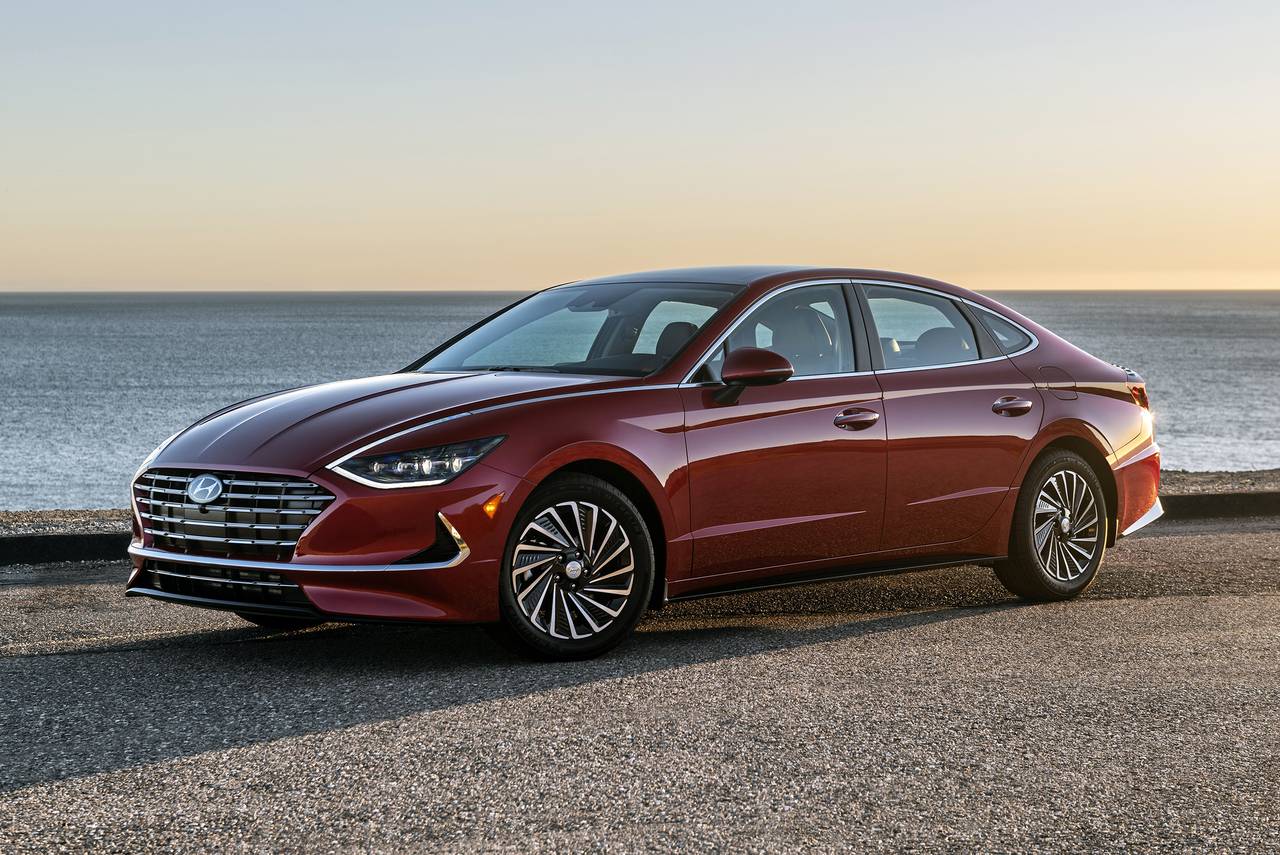
The Hyundai Sonata has undergone a radical transformation over the last few generations. Its design has become bold and distinctive, and its technology offerings rival those of much more expensive vehicles. Yet, despite all this, the Sonata hasn’t reached its potential in terms of sales.
The issue isn’t the car, it’s the messaging. Hyundai’s marketing tends to focus on safety and warranty coverage, which, while important, don’t highlight the Sonata’s most exciting qualities.
Visually, the Sonata stands out in a parking lot. The lighting signature, sculpted body panels, and low-slung profile give it a concept-car feel.
Hyundai should lean into this uniqueness rather than downplaying it. Instead of treating the Sonata as a competitor to the Camry or Accord, Hyundai could position it as a design-forward choice for people who want something different. This would appeal to younger buyers, creatives, and those tired of cookie-cutter crossovers.
Tech-wise, the Sonata is ahead of many in its class. Features like remote smart parking assist, a digital key, and large dual displays should be marketed more aggressively. These are not common in vehicles at this price point, and they create an impression of advanced capability and innovation.
Rather than framing these features as conveniences, Hyundai could present them as examples of a smarter, more intuitive way to drive.
Performance has also improved, particularly in the N Line version. This model offers turbocharged excitement that can genuinely compete with some entry-level sports sedans.
Marketing efforts could do more to position the Sonata N Line as a fun-to-drive alternative to bulkier performance SUVs. The mix of style, tech, and driving excitement is rare in this segment, and it deserves more than a passing mention in commercials or showroom brochures.
5. Kia K5
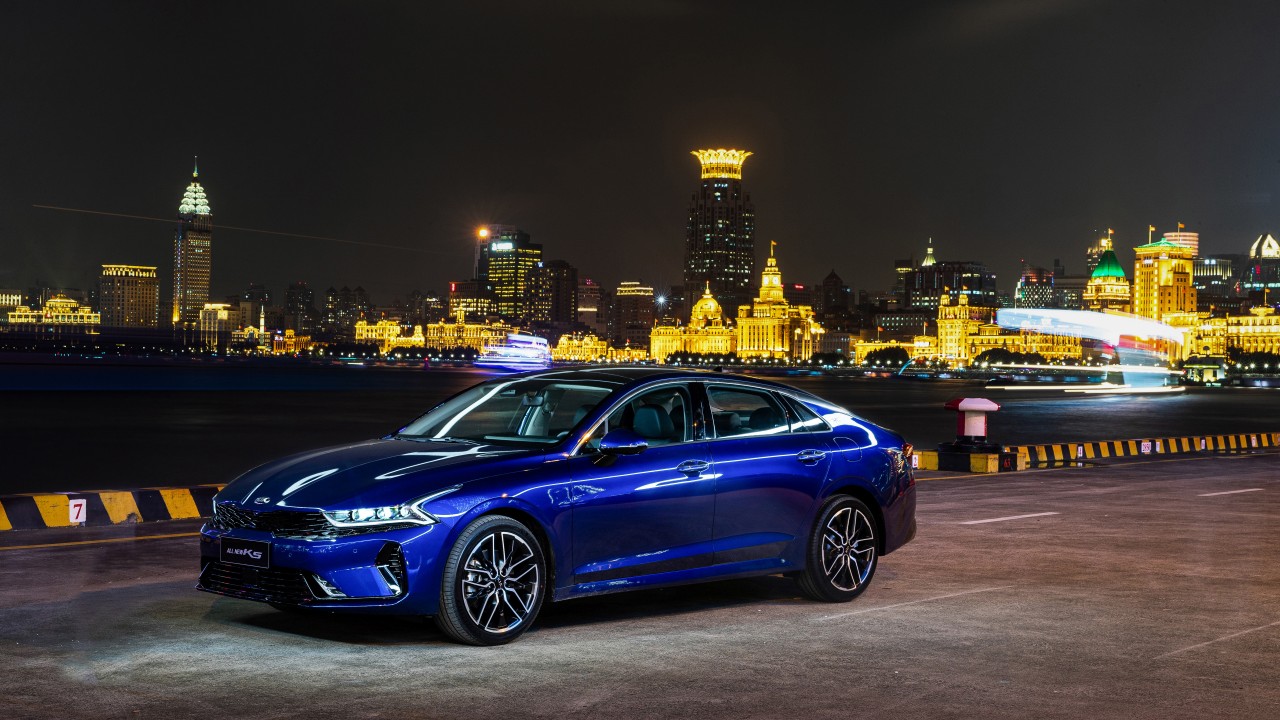
The Kia K5 is a relatively new addition to the midsize sedan segment but has made a significant impact with its aggressive styling and competitive feature set. Its design language departs from the traditional conservative sedan mold, boasting sharp angles, a wide stance, and a sporty silhouette.
Despite these attributes, the K5 has not yet fully capitalized on its potential to challenge the popularity of SUVs. This is partly because Kia’s marketing has often emphasized affordability and practicality rather than highlighting the vehicle’s dynamic and design-driven nature.
The K5 offers an ideal combination of style and substance that could appeal strongly to younger buyers and those who might otherwise be considering a crossover for its “cool factor.” Kia should lean into the K5’s visual appeal and sporty credentials more aggressively to redefine what a family sedan can represent.
Underneath its sleek exterior, the K5 offers an engaging driving experience that merits more attention. Equipped with a turbocharged engine and responsive handling, the K5 manages to deliver a level of fun behind the wheel that is uncommon in its segment.
The sportier GT trim adds further excitement with enhanced power and suspension tuning that can rival many SUVs in terms of performance feel. By focusing marketing on this driving enjoyment, Kia can position the K5 as a car that satisfies both the need for daily practicality and the desire for spirited driving.
This message has the potential to resonate especially with drivers who might otherwise default to SUVs simply because they believe they offer more excitement or capability.
The interior of the K5 is another strong suit that deserves to be showcased. It offers a well-designed cabin with high-quality materials, comfortable seats, and a host of technology features like a large touchscreen infotainment system, wireless charging, and advanced driver-assistance systems.
Many of these elements are often highlighted only in passing or in technical specifications rather than as focal points of advertising campaigns. By putting the passenger experience front and center, Kia could attract buyers who prioritize comfort and technology but are put off by the bulkier dimensions of SUVs.
Lastly, Kia could make a stronger emotional appeal with the K5 by framing it as a car for modern lifestyles that require versatility without the drawbacks of larger vehicles. This approach would emphasize the advantages of sedans in terms of fuel efficiency, maneuverability, and ownership costs.
A campaign that combines the K5’s design boldness, driving enjoyment, interior sophistication, and everyday practicality could easily shift perceptions and draw customers away from SUVs toward a more dynamic sedan choice.
6. Volkswagen Passat
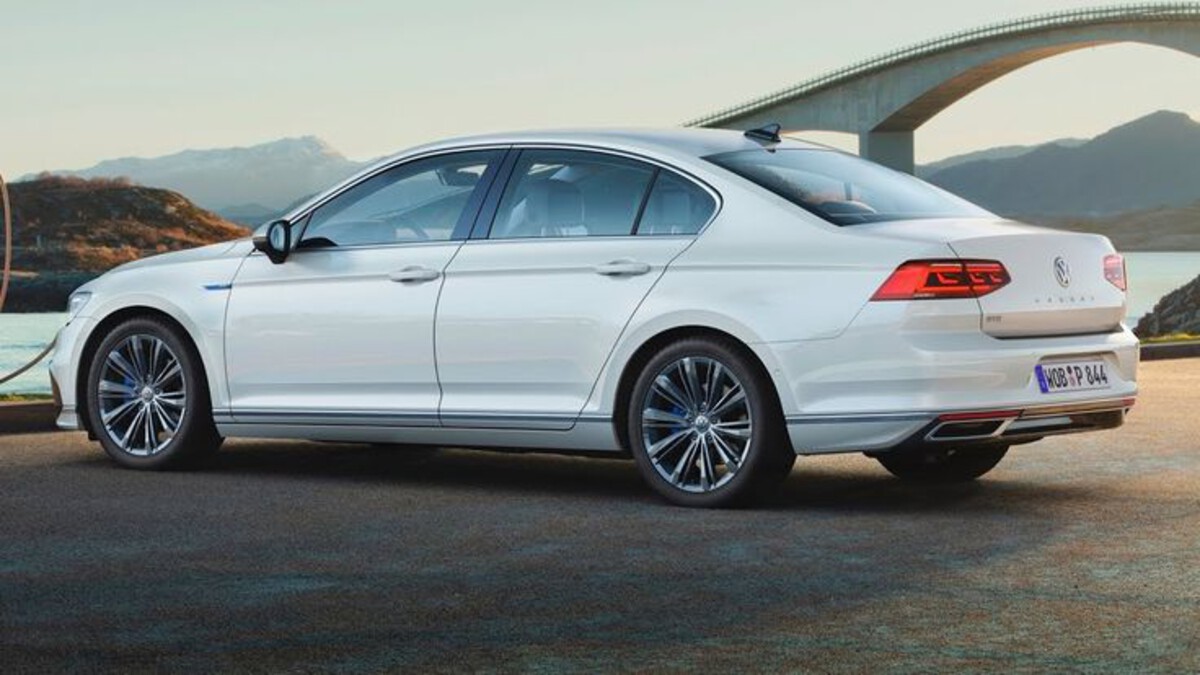
The Volkswagen Passat has traditionally been viewed as a reliable and spacious family sedan, but it rarely inspires the passion or enthusiasm that drives buyers toward SUVs. The problem is not with the vehicle itself, which boasts a roomy interior, smooth ride, and refined European styling, but rather with how it is marketed.
Volkswagen’s approach to the Passat has often focused on practicality and value, yet the car has much more to offer, particularly for consumers who appreciate understated elegance and driving comfort. A refreshed marketing strategy could reposition the Passat as a sophisticated alternative to the oversized SUVs that dominate the suburban.
One of the Passat’s biggest strengths is its balance between comfort and driving dynamics. The suspension is tuned to absorb bumps effortlessly while maintaining composure around corners. This creates a relaxing yet engaging experience that many SUV drivers miss out on due to their vehicles’ higher center of gravity and heavier weight.
The Passat should be promoted as the vehicle that brings enjoyment back to daily commuting and long trips, something that is often lost in the conversation around SUVs. Emphasizing this refined driving experience would appeal to drivers who value quality over flashiness.
Inside, the Passat provides a surprisingly spacious cabin, especially in the rear seats, with legroom that rivals some SUVs. The use of materials and fit-and-finish convey a premium feel without commanding premium pricing. This combination of space and quality offers a compelling alternative to buyers who want the best of both worlds.
However, this message is rarely communicated effectively to consumers. Highlighting the Passat’s family-friendly nature combined with a refined ambiance could help sway buyers who are weighing the trade-offs between sedans and SUVs.
Finally, Volkswagen could leverage the Passat’s German engineering pedigree more aggressively in its marketing. The brand carries a certain cachet among consumers who appreciate heritage and craftsmanship.
Positioning the Passat as a well-rounded sedan that embodies these values, while offering a practical and stylish alternative to bulky SUVs, would make it more attractive to discerning buyers. Such messaging would broaden the appeal beyond traditional family buyers to include professionals and executives looking for a reliable yet elegant vehicle.
7. Subaru Legacy
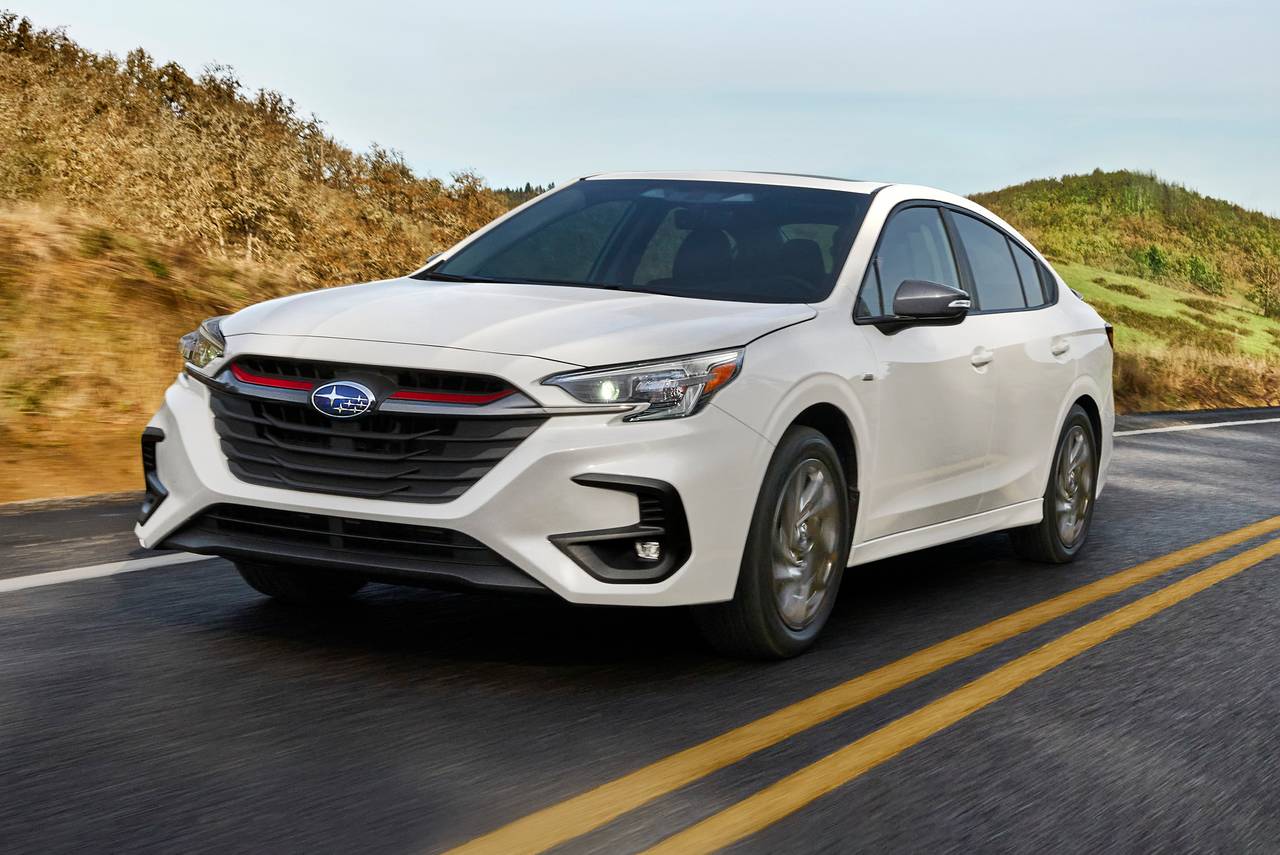
Subaru has built its brand on ruggedness and safety, with a loyal following thanks to its standard all-wheel-drive system and emphasis on durability. The Subaru Legacy embodies these traits in a sedan package, offering capabilities that many SUVs lack.
However, it has been overshadowed by the brand’s SUVs and crossovers, such as the Outback and Forester. This is largely because Subaru’s marketing focuses heavily on those models, leaving the Legacy in their shadow even though it offers similar benefits in a more efficient, car-like package.
The Legacy’s standard all-wheel-drive system is a major selling point, especially for buyers in regions with challenging weather conditions. It delivers enhanced traction and stability without the bulk and sometimes awkward handling of SUVs.
This advantage should be front and center in marketing efforts, especially when coupled with Legacy’s refined ride and responsive steering.
Positioning the Legacy as a practical but adventurous sedan that can handle a variety of environments would set it apart from typical family sedans and appeal to outdoor enthusiasts who may be considering an SUV.
Comfort and safety are also areas where the Legacy excels. The interior is spacious and thoughtfully designed, with plenty of room for passengers and cargo. Subaru’s EyeSight driver assist technology is regarded as one of the best in the industry, enhancing safety and driver confidence.
These features make the Legacy an appealing choice for families and commuters alike. However, these selling points often receive less promotional emphasis compared to Subaru’s more popular models, leaving the Legacy’s full value proposition underappreciated.
Lastly, Subaru could craft a marketing narrative around the Legacy that embraces its unique position as a crossover alternative in sedan form. This story would combine safety, capability, and efficiency, showing that sedans don’t have to compromise on adventure or practicality.
Such messaging could attract buyers who want the benefits of Subaru’s rugged reputation but prefer a lower profile and better fuel economy. This approach could reposition the Legacy as a smart, versatile choice for a variety of lifestyles.
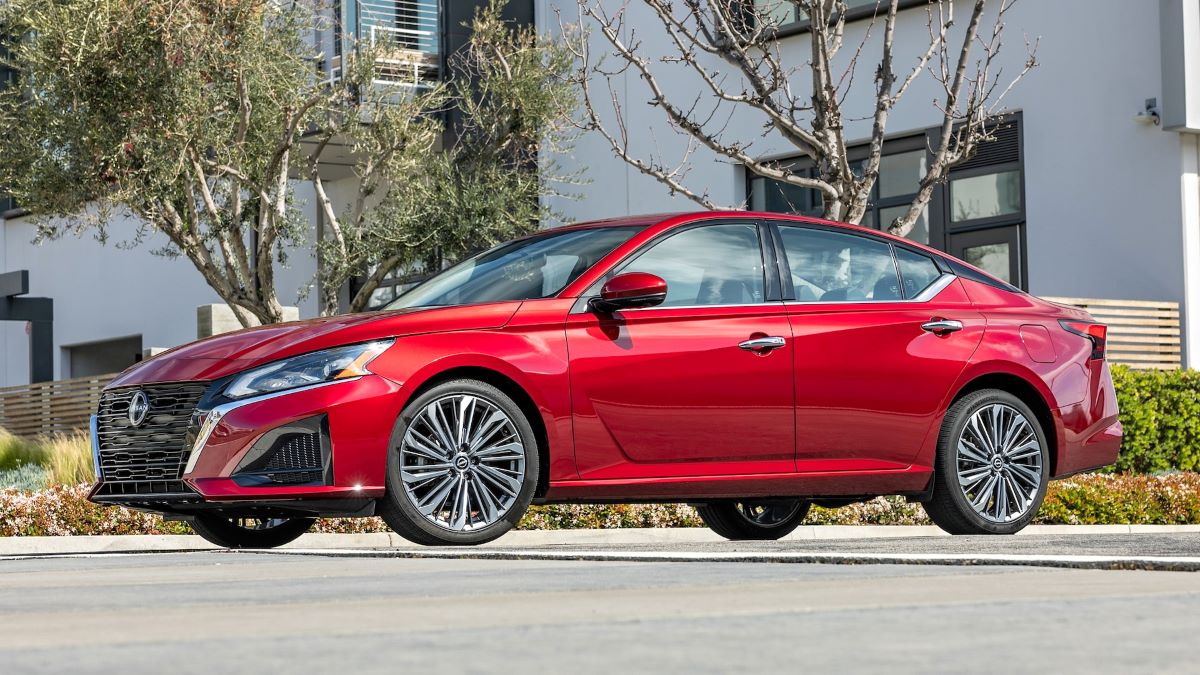
8. Nissan Altima
The Nissan Altima has long been a contender in the midsize sedan segment but has struggled to maintain the excitement needed to compete against SUVs. Its strengths lie in its comfortable ride, advanced technology offerings, and available all-wheel drive, yet it is often overlooked in favor of flashier crossovers.
Part of the problem is that Nissan’s marketing campaigns have not fully emphasized the Altima’s unique features or its capability to be both practical and engaging. There is a significant opportunity to reposition the Altima as a sedan that can meet diverse needs without the bulk or higher fuel costs associated with SUVs.
One advantage of the Altima is its available variable compression turbocharged engine, which provides a compelling mix of power and efficiency. This technology allows the engine to adjust its compression ratio dynamically, offering strong acceleration without sacrificing fuel economy.
Highlighting this advanced engineering in advertising could intrigue buyers looking for cutting-edge innovation in their next vehicle. Instead of focusing solely on affordability, Nissan could use this feature to market the Altima as a smart and sophisticated choice for modern drivers.
Inside, the Altima offers a comfortable and quiet cabin equipped with an array of safety and convenience technologies. Features like Nissan’s ProPilot Assist semi-autonomous driving system and a large infotainment touchscreen appeal to tech-savvy consumers.
However, these attributes are sometimes buried in spec sheets rather than showcased in emotional or lifestyle-driven campaigns. Nissan has the opportunity to reframe the Altima as a tech-forward sedan that enhances the driving experience in everyday life.
Lastly, the Altima’s available all-wheel-drive system should be a cornerstone of its marketing message, especially in regions with unpredictable weather. This feature distinguishes the Altima from many competitors and allows it to compete with SUVs on capability without sacrificing sedan benefits.
Emphasizing the Altima’s balance of comfort, technology, and versatility could attract buyers who want an alternative to the SUV crowd but don’t want to compromise on features or confidence.
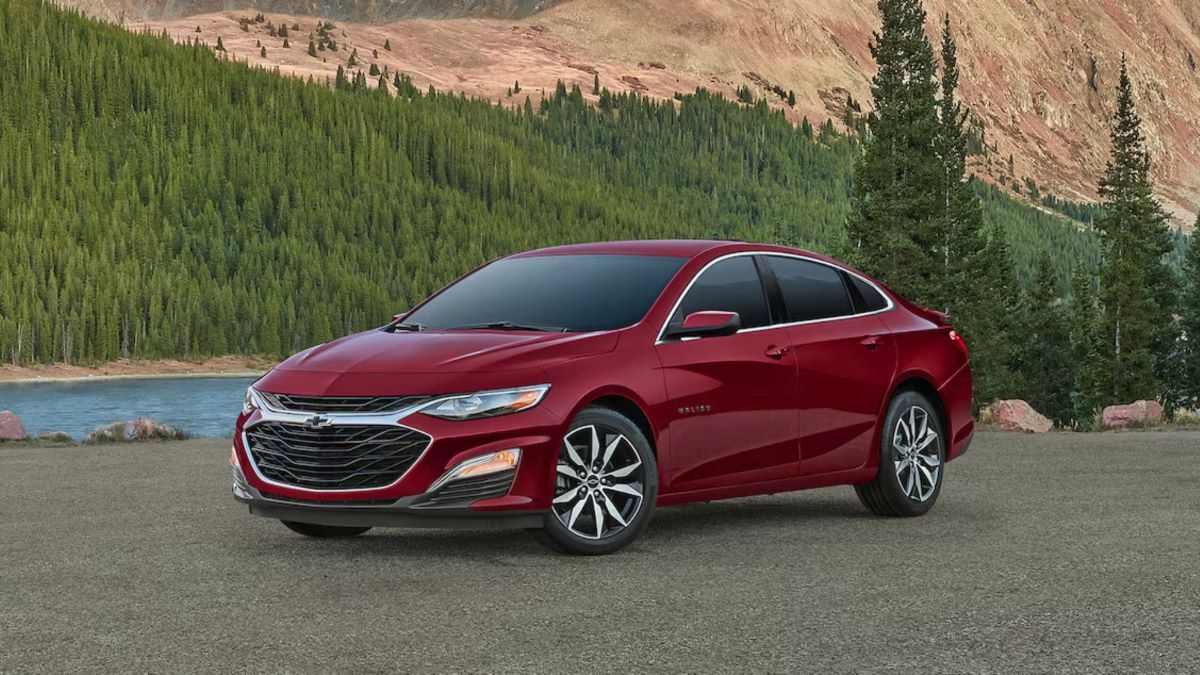
9. Chevrolet Malibu
The Chevrolet Malibu is a longstanding player in the midsize sedan segment, offering solid value, decent fuel economy, and a comfortable ride. However, the Malibu has often been overshadowed by Chevrolet’s SUVs and trucks, which dominate the company’s marketing efforts.
This has left the Malibu with an image of being a practical but uninspiring sedan, even though it has the potential to be more than that. With the right marketing, the Malibu could position itself as a stylish and efficient choice for buyers looking for a no-nonsense vehicle that doesn’t sacrifice comfort or technology.
The Malibu’s design is sleek and modern, with a profile that is more aerodynamic than many crossovers. Despite this, the car is often marketed primarily as a budget-friendly option rather than for its aesthetic appeal or driving characteristics.
Chevrolet could benefit from campaigns that highlight the Malibu’s smooth handling and composed ride, appealing to drivers who want a sedan that feels planted on the road.
Promoting the Malibu as a driver-friendly vehicle, rather than just a family hauler, could help the brand reclaim interest from enthusiasts and everyday commuters alike.
Inside, the Malibu offers a spacious cabin with straightforward controls and user-friendly infotainment. The materials and finish are competitive for the segment, providing a comfortable environment for passengers.
Highlighting this comfortable, tech-rich interior in marketing would help dispel the notion that the Malibu is a plain or outdated choice. Chevrolet could frame the Malibu as an accessible yet stylish sedan that fits a wide range of lifestyles, from young professionals to small families.
Finally, Chevrolet has an opportunity to promote the Malibu’s fuel-efficient powertrain options, including a hybrid variant, as part of a broader narrative about smart, sustainable driving.
By aligning the Malibu with modern values around efficiency and environmental consciousness without sacrificing style or comfort, Chevrolet could attract buyers who are increasingly thoughtful about their vehicle choices.
This angle, combined with targeted messaging around design and driving experience, could shift consumer perceptions and help the Malibu compete with popular SUVs.
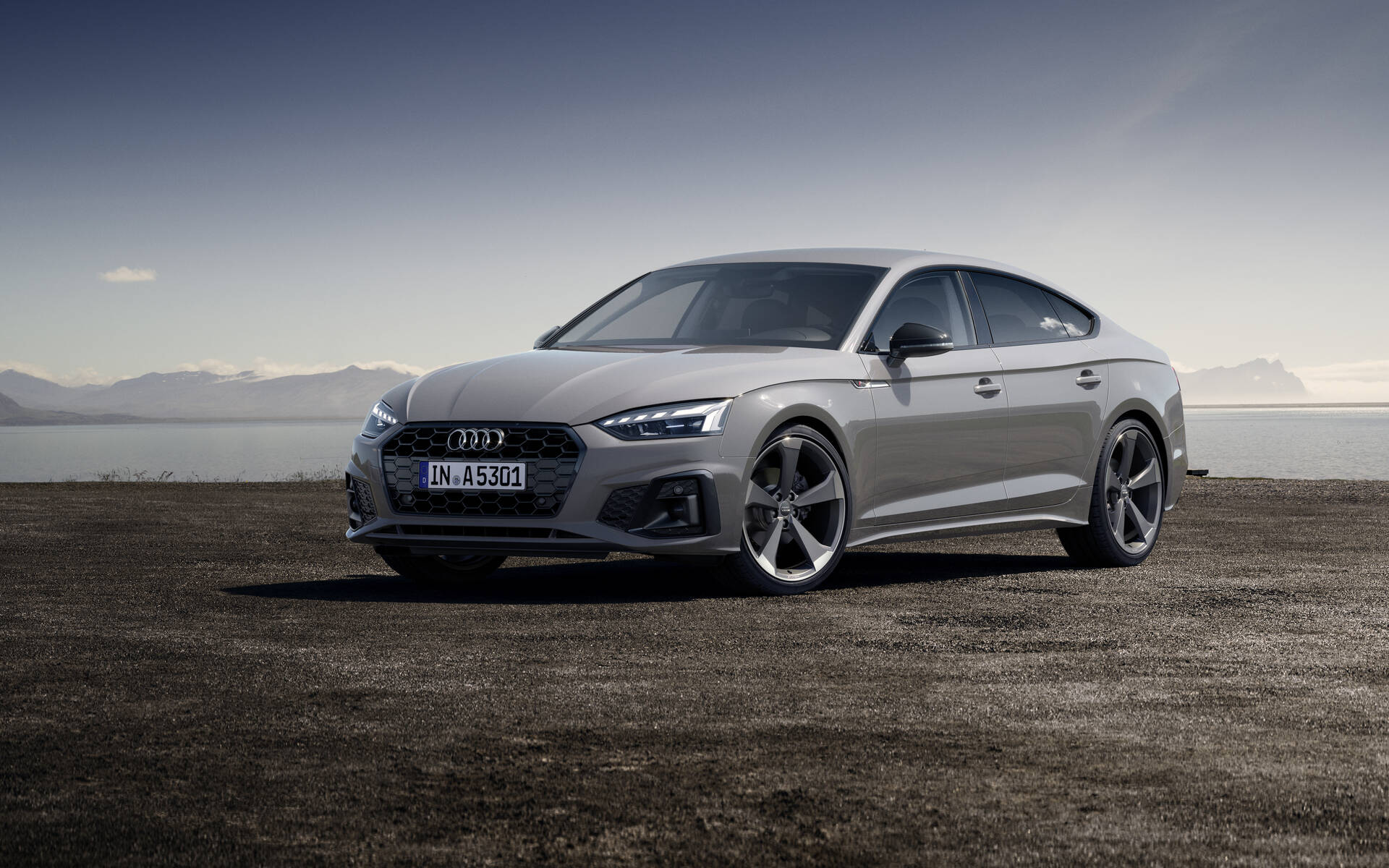
10. Audi A4
The Audi A4 is a luxury sedan that offers a blend of sophisticated design, advanced technology, and engaging performance. Despite these strengths, its sales figures are often eclipsed by Audi’s lineup of SUVs and crossovers, which are heavily marketed and enjoy widespread popularity.
The A4 has the potential to be more than just an entry-level luxury sedan; it can be a symbol of style, innovation, and driving pleasure. However, Audi’s marketing has often placed greater emphasis on SUVs, leaving the A4’s full potential undercommunicated to luxury buyers.
What sets the A4 apart is its ability to combine athletic handling with comfort and advanced technology. Its quattro all-wheel-drive system delivers confidence in all weather conditions, while the turbocharged engines provide smooth power delivery and efficiency.
The A4’s chassis is designed to be nimble and responsive, creating an engaging driving experience that many SUVs cannot match. Audi should highlight this driving dynamic in marketing campaigns, positioning the A4 as the sedan for those who want both luxury and performance without the size and fuel penalties of SUVs.
The interior of the A4 is a showcase of modern luxury, featuring high-quality materials, meticulous craftsmanship, and cutting-edge infotainment technology.
The virtual cockpit digital instrument cluster, intuitive touch controls, and driver assistance systems create an environment that feels futuristic yet welcoming. Audi’s marketing could do more to emphasize these aspects, telling a story about the driver’s connection to the car and the seamless integration of technology in daily life.
Finally, the Audi A4 can appeal to buyers who seek refinement and exclusivity. Unlike SUVs, which can sometimes feel bulky or generic, the A4 offers a sense of elegance and precision that makes a statement.
By focusing on the emotional and sensory experience of driving an A4, Audi could attract customers looking for something beyond the mainstream. This strategy would help balance the brand’s portfolio and give the A4 the spotlight it deserves in a market saturated with SUVs.
