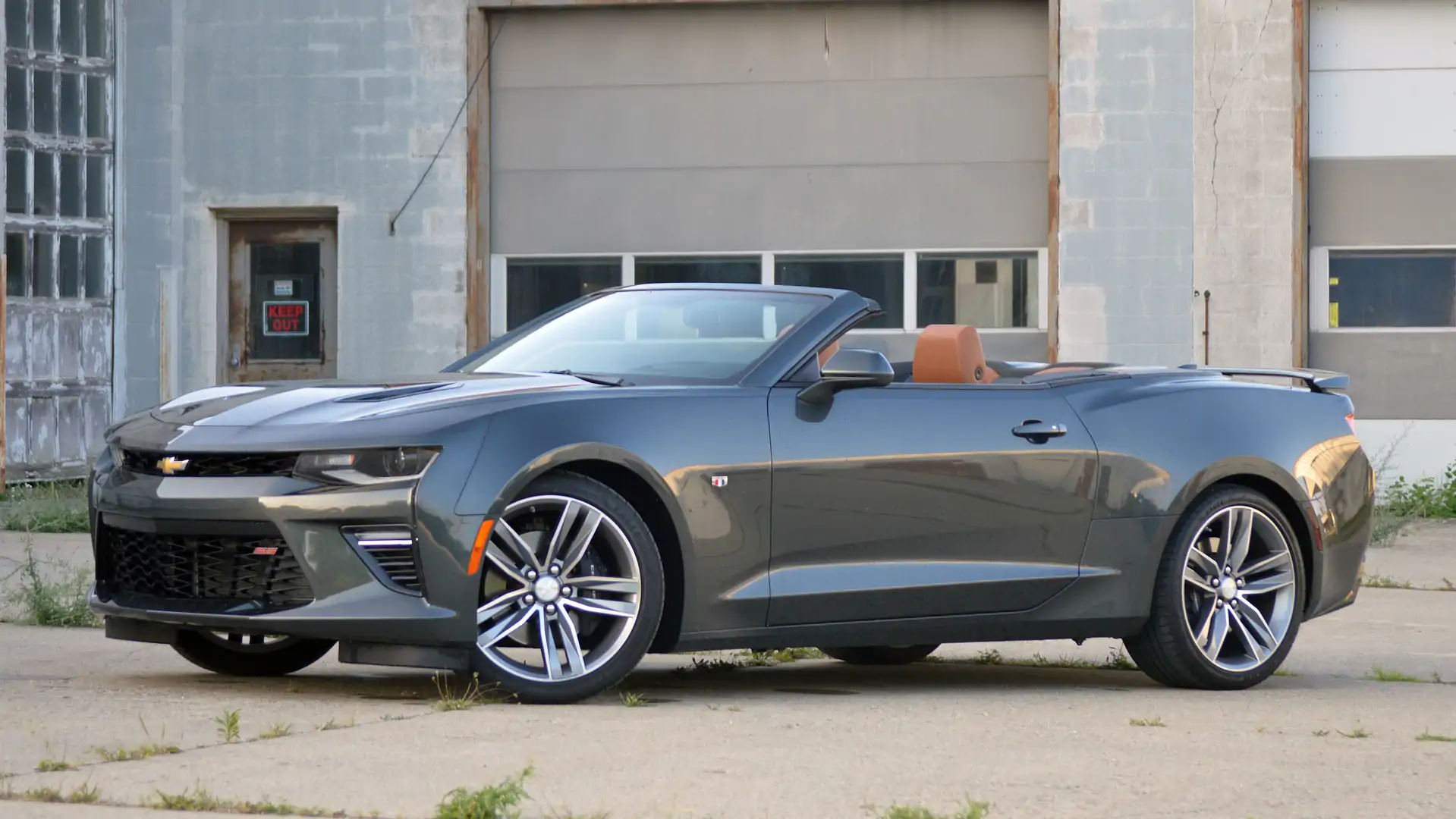
When summer arrives, few experiences rival the joy of driving a convertible under open skies. The blend of wind, sun, and freedom makes every journey feel like an escape, and you do not need to spend a fortune to enjoy it. 8 Affordable Convertibles Perfect for Summer Cruising celebrates the best drop-tops that combine style, performance, and value.
From the elegant BMW 6 Series Convertible, which exudes grand touring luxury, to the spirited Mini Cooper Convertible, these cars deliver open-air thrills for a fraction of their original cost. Whether your dream drive involves carving through mountain roads, gliding along coastal highways, or simply cruising downtown with the top down, this list offers something for every taste.
Each model featured proves that you can experience premium craftsmanship, dynamic handling, and summer-ready excitement without the premium price tag. Get ready to rediscover the joy of driving, one convertible at a time.
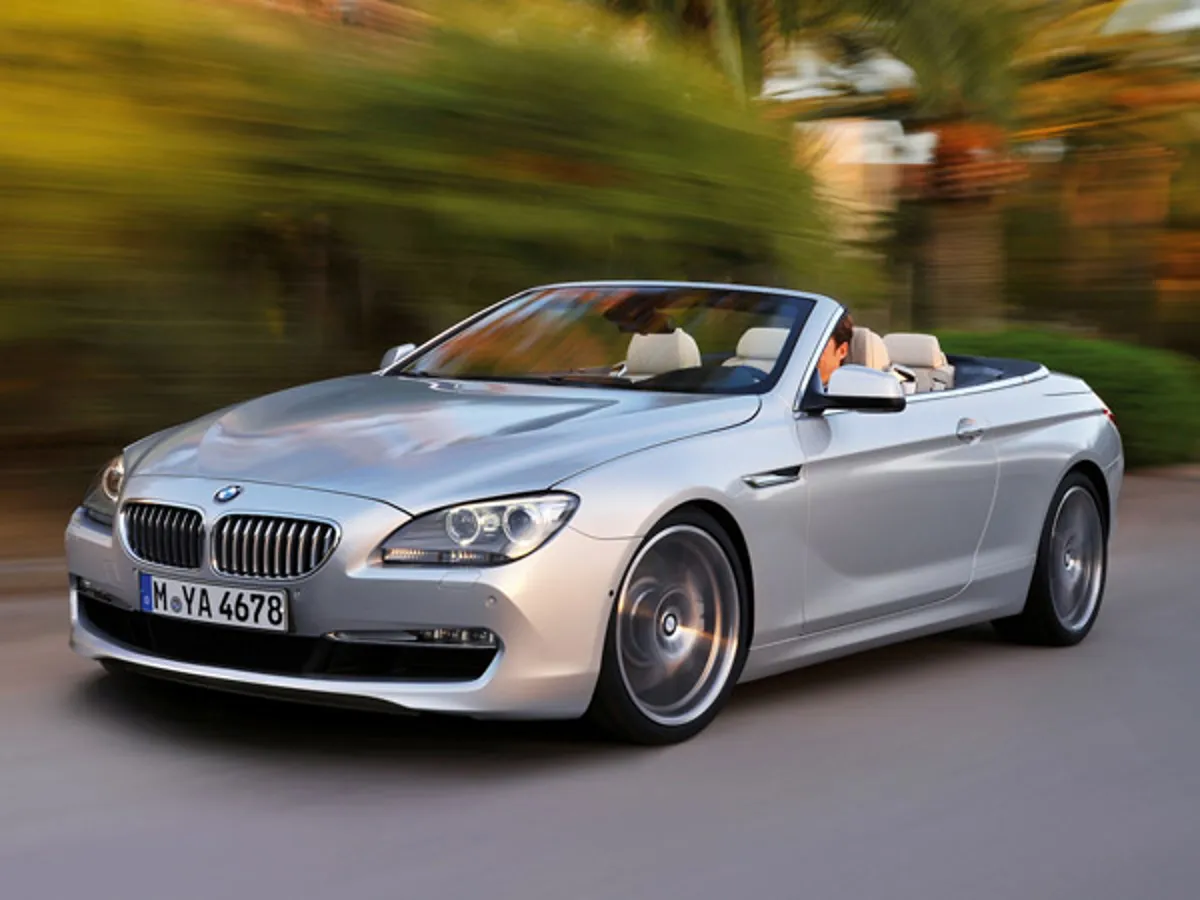
1. BMW 6 Series Convertible (2011–2018): The Grand Tourer’s Golden Era
The BMW 6 Series Convertible, produced from 2011 to 2018, represented the pinnacle of luxury grand touring from the German automaker. Combining elegant design, powerful engines, and advanced comfort features, the 6 Series offered an exceptional open-top driving experience for those seeking both prestige and performance.
Even years after its production ended, the 6 Series Convertible remains an appealing option for buyers wanting a stylish, high-quality cruiser at a fraction of its original cost.
The 640i variant of the BMW 6 Series Convertible is powered by a 3.0-liter turbocharged inline-six engine, producing 315 horsepower and 332 lb-ft of torque. This allows the car to accelerate from 0 to 62 mph in just 5.3 seconds, delivering a smooth yet commanding performance.
The 650i model, equipped with a 4.4-liter twin-turbo V8, provided even more power and excitement, though at a higher cost when new. Regardless of the version, both engines offered an effortless blend of refinement and power, ensuring the 6 Series lived up to its reputation as a capable grand tourer.
While many convertibles of this size sacrificed handling for comfort, the 6 Series struck a satisfying balance. It prioritized ride comfort over aggressive cornering but still provided an engaging driving experience, especially with BMW’s available all-wheel-drive system, which enhanced stability and year-round usability.
The result was a convertible that could confidently tackle both winding roads and long highway stretches with ease.
Inside, the 6 Series Convertible exuded typical BMW craftsmanship, offering multi-adjustable leather seats, premium materials, and a design focused on the driver’s comfort.
The front seats set a benchmark in luxury, combining support and ergonomics to create an ideal grand touring environment. However, like most four-seat convertibles, rear seat space remained limited, suitable mainly for short trips or small passengers.
The convertible roof added versatility, allowing for open-air enjoyment or closed-cabin quietness, though it did reduce rear visibility. Trunk space was impressive for its class, offering 12.4 cubic feet with the top up and 10.6 cubic feet with it down ample for weekend getaways. A pass-through added practicality for carrying longer items.
The 6 Series featured BMW’s iDrive infotainment system, a sophisticated interface that became intuitive with use. Buyers could equip the car with advanced technologies such as night vision and premium audio systems, highlighting BMW’s commitment to innovation. However, some features lagged behind modern expectations Apple CarPlay was supported but not standard, and Android Auto was notably absent.
Originally priced around $80,000 for the 640i and over $100,000 for the 650i, the 6 Series Convertible has depreciated significantly, making it accessible today for roughly a quarter of its original cost. However, while purchase prices have dropped, maintenance and servicing costs remain high, reflecting the vehicle’s luxury pedigree.
Despite its age and the discontinuation of the coupe variant in 2018, the BMW 6 Series Convertible continues to stand out as an elegant, comfortable, and powerful open-top tourer. For those seeking timeless design and a refined driving experience without the price tag of a new luxury car, the 6 Series remains a compelling choice.
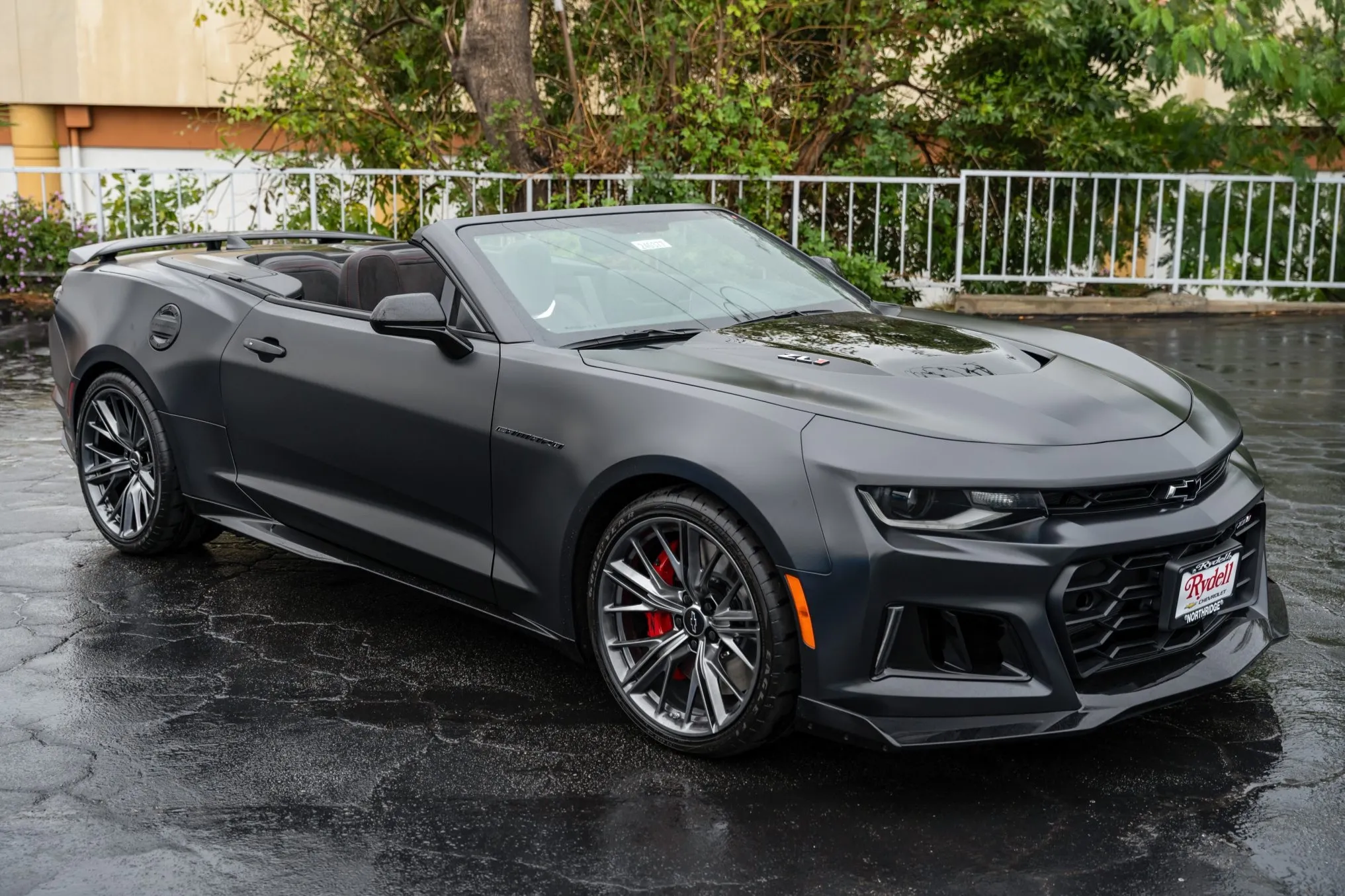
2. Chevrolet Camaro Convertible (2016–2024): A Modern Muscle Icon Reimagined
The sixth-generation Chevrolet Camaro Convertible (2016–2024) marked a defining evolution for the American muscle car, blending traditional power with contemporary design, improved handling, and advanced technology. As this generation’s production concludes, the Camaro continues to impress as a convertible that combines style, performance, and value in a way few rivals can match.
The Camaro Convertible 1LS is powered by a 2.0-liter turbocharged inline-four engine producing 275 horsepower and 295 lb-ft of torque, achieving a 0–60 mph time of 5.4 seconds.
While many enthusiasts prefer the V8, the turbo-four and 3.6-liter V6 provide strong acceleration and superior fuel efficiency, appealing to drivers seeking balance between power and practicality. The V8, however, remains the engine of choice for those who want the pure muscle car feel, delivering unmistakable performance and a thrilling exhaust note.
The sixth-generation Camaro refined its driving dynamics with precise steering and sharper handling. Lighter engines enhance responsiveness, while Magnetic Ride Control (available on V8 trims) adjusts suspension settings in real time to handle varying road conditions.
Manual transmission models feature rev-matching, providing smooth, professional-grade downshifts. Strong brakes further complement the car’s performance, ensuring excellent stopping power after high-speed runs.
Comfort was not sacrificed in pursuit of speed. The standard suspension provides a balanced and composed ride, while Magnetic Ride Control offers superior adaptability on rough surfaces. The front seats deliver excellent lateral support and padding, making long drives enjoyable. As expected in this segment, the rear seats are best suited for short trips or small passengers due to limited space.
Engine noise is well controlled, allowing for quiet cruising, though the V8 rewards spirited driving with an exhilarating sound. Some ergonomic quirks remain, such as climate control vents placed near the gear shifter, which can direct air toward the driver’s hand. Despite such minor flaws, the cabin remains a pleasant place for both relaxed drives and performance runs.
The Camaro’s interior design blends sportiness with a premium feel, though visibility continues to be a concern. The small windows and high beltline restrict sightlines, making it harder to maneuver in tight spaces. Fortunately, the convertible top eliminates this issue when lowered, transforming the driving experience.
The control layout features unique placements that require brief familiarization. The trunk, at 9.1 cubic feet, has a narrow opening and high liftover height, limiting practicality. Cabin storage is minimal, with small door pockets and a compact center bin, though the rear seat can be used for additional luggage space when unoccupied.
The infotainment system is modern and responsive, offering intuitive controls and smooth functionality. The base touchscreen is smaller and angled oddly on the dashboard, but higher trims include a larger display with navigation and expanded connectivity.
Advanced driver-assistance systems such as blind-spot monitoring and rear cross-traffic alert are available only on upper trims, a drawback given the car’s restricted visibility.
The Camaro’s performance value remains one of its strongest selling points. Used models from this generation, across all engine types, are available for under $20,000, offering tremendous driving excitement for the price. Build quality is impressive, with solid construction and minimal interior rattles. While some materials appear basic, the cabin feels durable and well-assembled.
Fuel economy figures are competitive for the segment: 25 mpg combined for the four-cylinder, 22 mpg for the V6, and 20 mpg for the V8. Maintenance costs are manageable, especially when compared with other performance convertibles in the same class.
The 2016–2024 Chevrolet Camaro Convertible represents a bold reimagining of the classic American muscle car. Its blend of open-air freedom, sharp handling, and strong engine choices creates a driving experience that appeals to enthusiasts and casual drivers alike.
Though space and visibility limitations persist, the Camaro Convertible’s style, power, and refinement ensure its legacy as a standout performer in the modern muscle era.
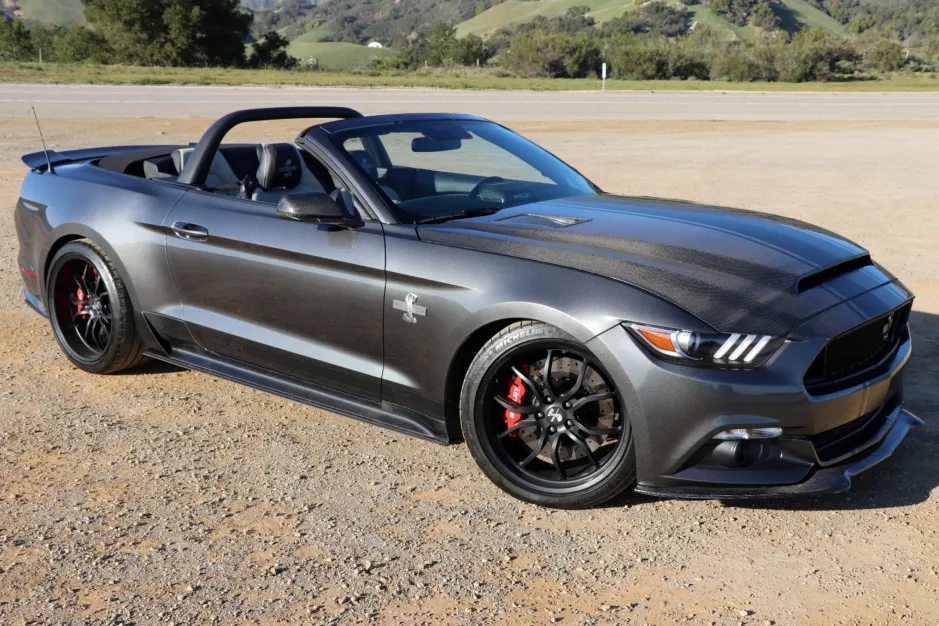
3. Ford Mustang Convertible (2015–2023, S550): The Modern Icon of Open-Top Muscle
The 2015–2023 Ford Mustang Convertible (S550 generation) represents a key evolution for Ford’s legendary pony car, combining its traditional American muscle identity with modern design, improved handling, and advanced technology.
Available with several engine options, including the efficient 2.3-liter EcoBoost turbocharged inline-four and the powerful 5.0-liter V8, the Mustang Convertible remains one of the most engaging and enjoyable driving experiences in its class. It manages to balance strong performance, comfort, and everyday usability while staying true to its heritage.
The EcoBoost Convertible features a 2.3-liter turbocharged engine that produces 310 horsepower and 350 lb-ft of torque, accelerating from 0 to 60 mph in about 5 seconds.
While enthusiasts often gravitate toward the GT’s 5.0-liter V8, the EcoBoost offers plenty of power with better fuel economy, making it a great option for drivers who want both performance and efficiency. Both versions can be paired with a six-speed manual or a 10-speed automatic transmission, with the automatic offering quick and precise gear changes.
During testing, the EcoBoost reached 60 mph in 5.6 seconds, while the GT manual achieved 4.8 seconds and the GT automatic an impressive 4.3 seconds. Braking performance is strong, with all models stopping from 60 mph in roughly 100 feet.
Handling is another highlight, with the Mustang recording up to 0.98 g of cornering grip. The steering is responsive and accurate, giving the driver confidence whether cruising or taking on winding roads.
The Mustang Convertible provides a well-judged balance between comfort and sportiness. The standard suspension handles bumps smoothly, while the optional MagneRide adaptive suspension improves control on uneven roads without making the ride harsh. Drivers who prefer extra support can choose the Recaro sport seats, while those looking for luxury will appreciate the availability of heated and ventilated seats.
The cabin is well insulated from road and wind noise, even with the top up. The EcoBoost engine runs quietly in normal driving, while the V8 delivers a rich, powerful sound when pushed. The only notable drawback is the climate control system, which relies heavily on touchscreen menus and lacks convenient physical controls.
Inside, the Mustang combines classic design cues with modern technology. The driving position is comfortable and provides a clear view over the long hood. Standard seats offer good support, and while the Recaro seats improve lateral grip, they can make entry and exit more difficult.
The rear seats are tight, suitable for short trips or additional storage, but the convertible top makes rear access easier and enhances the open-air driving experience.
Visibility is decent, although the thick windshield pillars can obstruct the view at certain angles. The interior features a digital instrument cluster and a 13.2-inch touchscreen running Ford’s SYNC 4 system. The interface is quick to respond and easy to learn, even for first-time users.
The Mustang’s technology package includes a customizable digital gauge cluster and a responsive infotainment system. Optional features include a 12-speaker B&O sound system, wireless charging, and multiple USB ports.
Standard safety systems such as automatic emergency braking and blind-spot monitoring enhance everyday usability, although the lane-keeping assist can feel inconsistent at times. Higher trims add rear cross-traffic alert and parking sensors, which are useful for tight spaces.
The Mustang Convertible offers 11.4 cubic feet of trunk space, which is generous for a performance convertible. The trunk’s shape makes it easy to load small luggage or sports gear, and the roof mechanism does not affect storage capacity. Interior storage includes cupholders, small door bins, and a center armrest compartment that can hold essentials. The rear seats can also serve as extra space for bags when not in use.
The EcoBoost engine delivers 26 mpg combined (22 city and 33 highway), while the V8 averages 18 mpg combined. Both engines perform close to their official EPA ratings during real-world driving.
Used 2019–2022 EcoBoost Convertibles are available for around $20,000, making them a great value compared to new models. The GT Convertibles cost more and are usually older with higher mileage. The Mustang includes a three-year or 36,000-mile warranty for basic coverage and a five-year or 60,000-mile warranty for the powertrain, along with five years of roadside assistance.
The 2015–2023 Ford Mustang Convertible perfectly captures the spirit of the modern American sports car. It combines open-air freedom, strong performance, and modern technology with everyday usability.
Whether equipped with the efficient EcoBoost or the exhilarating V8, the Mustang Convertible delivers an engaging and confident driving experience. Its blend of heritage, power, and refinement ensures its place as one of the most desirable convertibles of its generation.
Also read: 5 Cars That Sell Instantly Used vs 5 That Sit for Months
4. Jaguar F-Type (2014–2024): The Refined British Sports Car with Timeless Appeal
The Jaguar F-Type, produced from 2014 to 2024, stands as one of the most visually striking and emotionally charged sports cars of the modern era. Designed as a spiritual successor to the legendary E-Type, the F-Type delivers thrilling performance, sculpted styling, and a distinctly British driving character.
Although it never achieved the sales success it deserved, the F-Type has now become a highly desirable used sports car, particularly in V6S trim, where it combines power, balance, and affordability.
The F-Type V6S is powered by a 3.0-liter supercharged V6 engine producing 375 horsepower and 339 lb-ft of torque, allowing it to accelerate from 0 to 60 mph in about 5 seconds. The non-S version makes slightly less power at 335 horsepower, but both deliver a smooth and muscular performance that feels perfectly suited to the car’s elegant proportions.
While the V8 models offer more raw power, the V6S is often considered the sweeter spot in the lineup, offering sharper balance and a more engaging driving feel. Around town, the F-Type feels composed and surprisingly refined. The automatic transmission shifts smoothly, and the stop-start system works unobtrusively, making it a capable daily driver.
However, when pushed hard, the F-Type reveals some weaknesses. The suspension can feel unsettled over midcorner bumps, and body control is not as tight as rivals such as the Porsche 911 or Audi R8.
Although all-wheel drive improves traction, the handling sometimes lacks the connected, communicative feel that enthusiasts expect from a top-tier sports car. Even so, acceleration is brisk, and the supercharged V6 provides instant throttle response and a distinctive soundtrack that enhances the driving experience.
The F-Type’s cabin is designed for drivers who value both luxury and sportiness. The sport seats offer a wide range of adjustments and provide strong lateral support, while features such as seat ventilation keep occupants comfortable during spirited drives or warm-weather cruising.
Ride quality, however, is on the firm side. Even in its softest setting, the suspension remains stiff, transmitting bumps and imperfections from the road. Road noise is also noticeable, especially on coarse pavement. The F-Type’s once-beloved crackling exhaust note has been toned down in later models, reducing some of its visceral character.
The interior of the F-Type reflects Jaguar’s focus on craftsmanship and driver-centric design. Materials are high quality, with soft-touch surfaces and neatly stitched leather. The cockpit layout is simple and functional, featuring dedicated knobs for climate control and a clean center console. The driving position is comfortable, although taller drivers may wish for more seat travel.
Visibility is limited due to the car’s sleek design. The narrow rear window and active rear spoiler restrict the view behind, which can make parking challenging. The infotainment system is adequate, with logical menus and acceptable responsiveness, but it lacks the sophistication of modern systems found in rivals.
The F-Type’s technology package includes standard Apple CarPlay and Android Auto, which integrate smoothly with the infotainment interface. The Meridian sound system delivers decent clarity and volume, although it lacks deep bass and can sound strained at higher volumes. Safety technology includes lane-keeping assist and blind-spot monitoring, both valuable features given the car’s limited visibility.
For a two-seat sports car, the F-Type offers practical storage space. The rear cargo area is one of the largest in its class and can easily accommodate carry-on luggage or a few grocery bags. Removing the cargo cover creates even more usable space. Interior storage is less impressive, with small door pockets, a shallow glovebox, and minimal room in the center console.
The V6S variant achieves a reasonable fuel economy for a performance car of its class, while the V8 models average about 18 mpg combined. The F-Type’s build quality stands out, with solid fit and finish and a luxurious feel that has aged gracefully.
In the used market, the pre-facelift F-Type models offer exceptional value, combining timeless styling with impressive performance. Jaguar’s five-year or 60,000-mile warranty and complimentary maintenance plan far exceed industry standards, adding peace of mind for used buyers.
The Jaguar F-Type (2014–2024) remains one of the most beautiful sports cars of its generation, blending British elegance, strong performance, and premium craftsmanship.
The V6S model in particular strikes an ideal balance between performance and comfort, making it a smart choice for enthusiasts seeking a refined yet thrilling driving experience. Although not as sharp as some German competitors, the F-Type offers character, charm, and exclusivity that few rivals can match, ensuring its status as a modern classic.
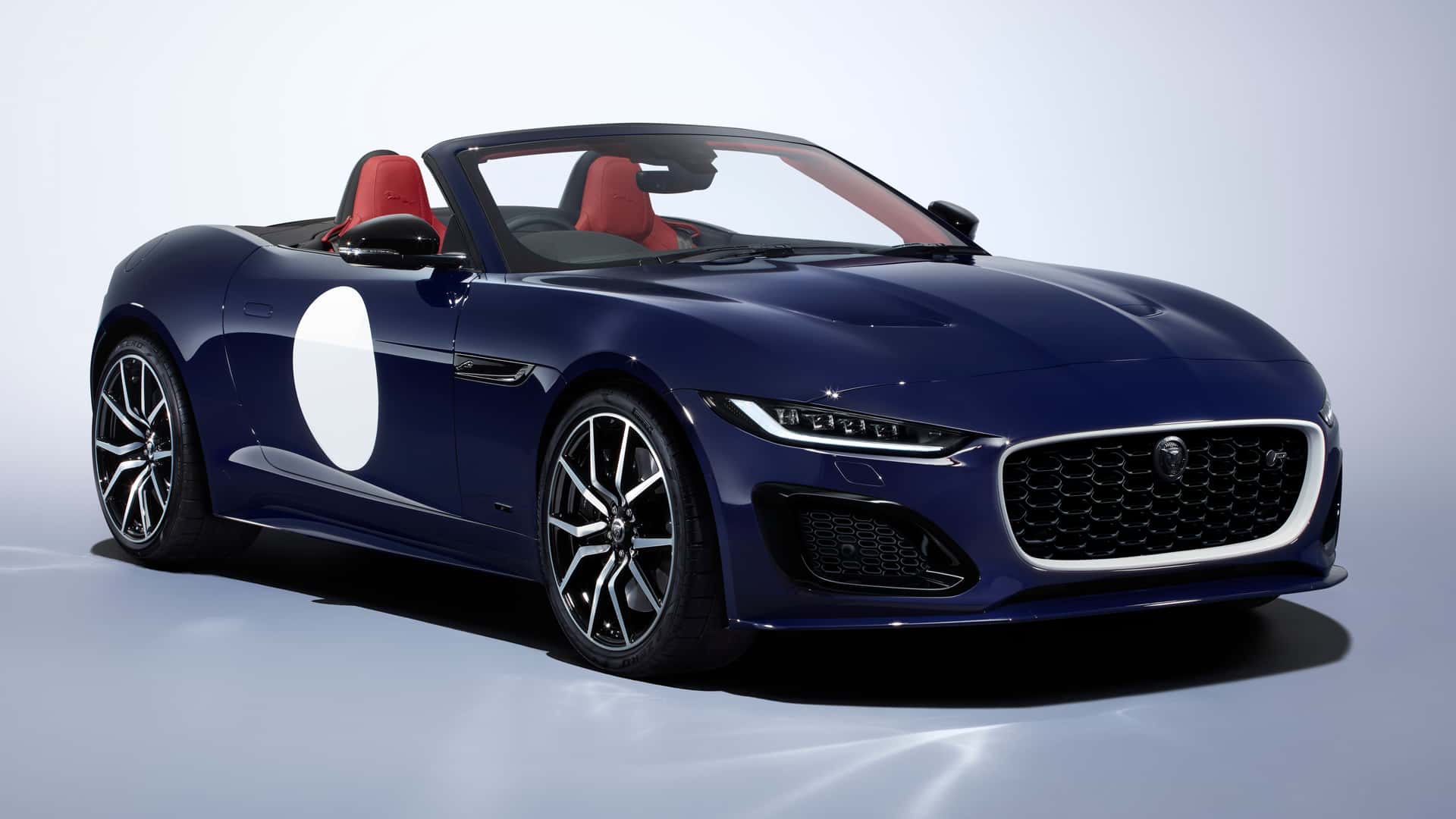
5. Jeep Wrangler (2006–Present): The Iconic Off-Roader with Timeless Character
The Jeep Wrangler, spanning the JK (2006–2018) and JL (2018–present) generations, is one of the most recognizable and capable off-road vehicles ever made. With its unmistakable design, removable roof, and rugged construction, it continues to symbolize adventure and freedom. While not the most refined SUV on paved roads, the Wrangler remains unmatched for off-road ability and pure driving enjoyment.
The Wrangler’s defining strength is its exceptional off-road performance. Powered by a 3.6-liter V6 engine producing 285 horsepower and 260 lb-ft of torque, it reaches 60 mph in around eight seconds. Though acceleration is modest compared with modern SUVs, the Wrangler was designed for capability rather than speed.
The Rubicon trim stands out for its enhanced hardware, including locking differentials, stronger axles, and the optional Xtreme Off-Road package with 37-inch tires and greater ground clearance. Whether tackling rocky trails, muddy slopes, or sand dunes, the Wrangler feels unstoppable and confident.
On paved roads, its personality changes. The steering feels vague and requires frequent corrections at highway speeds. The ride is firm, and braking distances are longer than average. However, the suspension and large tires absorb rough surfaces well, allowing relaxed cruising over rutted terrain.
Jeep includes basic driver assistance features such as blind-spot monitoring and adaptive cruise control, though these are optional on most trims. The Wrangler’s mechanical simplicity and rugged feel make every drive feel like an adventure, even if it is just a trip to the store.
Comfort is not the Wrangler’s strong point. The front seats are flat and firm, providing minimal support on long trips. The cabin is narrow, and wind and tire noise are constant at higher speeds. However, the commanding driving position offers excellent visibility, and the upright windshield gives a classic Jeep feel.
Entry and exit can be a challenge because of the high ride height, particularly for shorter drivers who may rely on the grab handles. Inside, the four-door Unlimited model improves practicality and makes fitting child seats easier, although a rear-facing seat may require moving the front seat forward.
The Ford Bronco offers more cabin space, but the Wrangler’s interior design focuses on durability and functionality rather than luxury.
Modern Wranglers feature a large touchscreen display that is bright, quick to respond, and easy to read in sunlight. Wireless Apple CarPlay and Android Auto are standard across most trims. Jeep also includes a suite of off-road apps that display useful data such as pitch, roll angle, and traction status, enhancing the trail-driving experience.
The Wrangler’s boxy design helps maximize cargo space despite its compact dimensions. The four-door Unlimited offers the most storage room, with enough space for luggage, camping gear, or groceries. The swing-out rear gate and removable rear seats add flexibility for larger loads.
Interior storage is limited, with small door nets, a compact glovebox, and shallow cupholders, but these design choices prioritize ruggedness and simplicity. The Wrangler can tow up to 5,000 pounds when equipped properly and can also be flat-towed behind an RV, making it a favorite among outdoor enthusiasts.
The Wrangler’s fuel economy depends on trim and engine configuration. The standard V6 four-door model averages around 21 miles per gallon combined, while off-road-oriented models like the Rubicon achieve closer to 17 miles per gallon. These figures are consistent with other off-road SUVs such as the Ford Bronco and Toyota 4Runner.
The Wrangler appeals to a wide range of buyers thanks to its broad pricing spectrum. The base Sport model offers an affordable entry point, while high-end trims like the Rubicon 392 deliver unmatched performance and exclusivity.
The cabin materials are durable and tactile, and the switches and knobs are designed for easy use even with gloves. Jeep’s warranty coverage is average for the segment, and resale values remain among the strongest in its class.
Few vehicles embody adventure and individuality like the Jeep Wrangler. Its removable doors and roof panels, combined with a loyal enthusiast community, make it more than just a mode of transport. It represents a lifestyle centered on exploration, freedom, and fun.
For those seeking refinement and quiet comfort, the Wrangler may feel rough and unpolished. However, for drivers who value character, capability, and authenticity, it remains a legendary off-roader that captures the essence of open-air adventure.
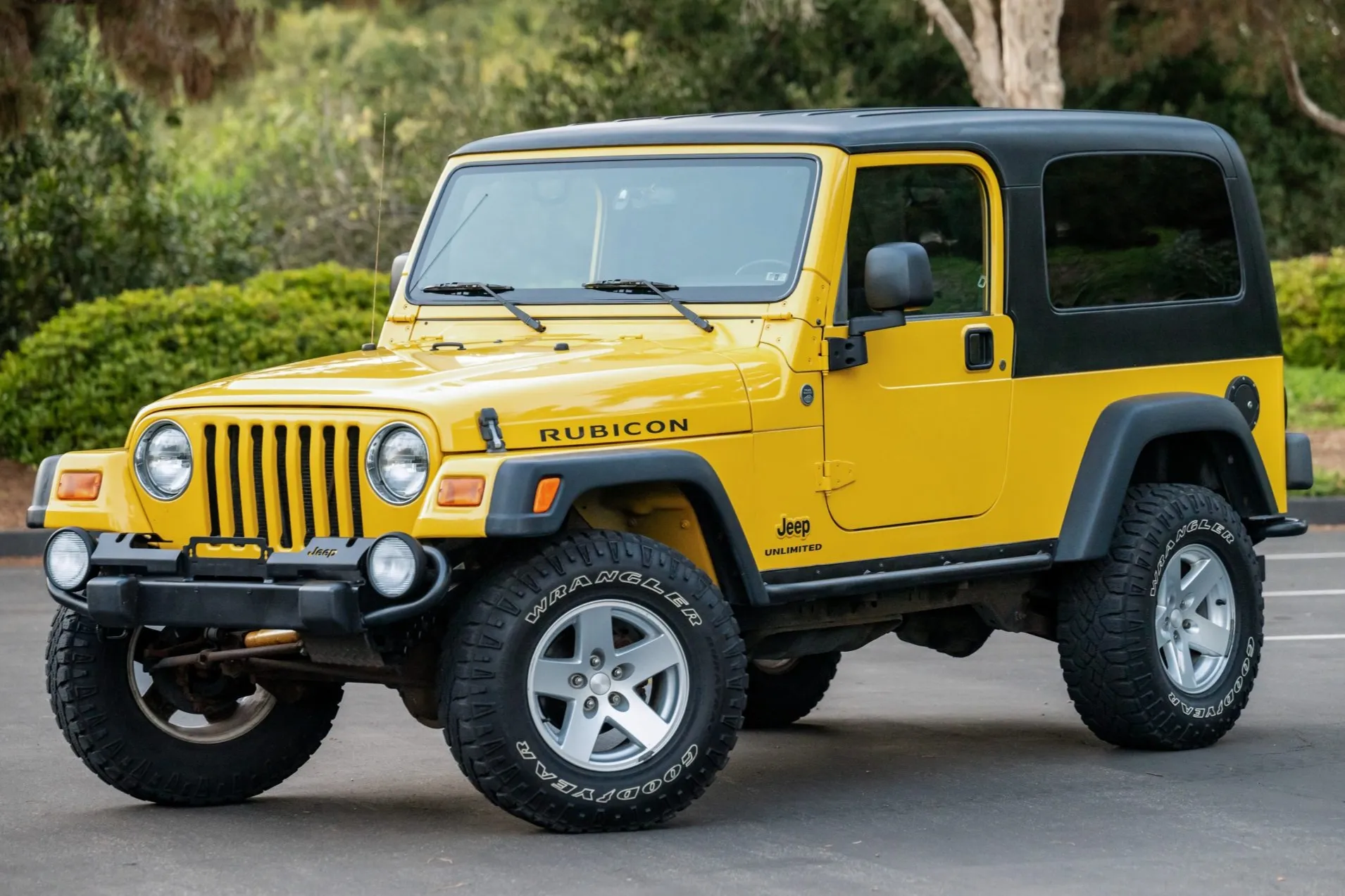
6. Mercedes-Benz SLK (2011–2020): A Refined Roadster with Everyday Usability
The Mercedes-Benz SLK, produced between 2011 and 2020, represents the third generation of Mercedes’ compact luxury roadster. Known for its elegant styling, folding steel roof, and comfort-oriented performance, the SLK distinguished itself from sportier rivals such as the Porsche Boxster and BMW Z4 by focusing on refinement and practicality.
Among the various trims, the SLK 250 stands out for its balance of efficiency, performance, and affordability, making it a smart choice in the used convertible market.
The SLK 250 is powered by a 1.8-liter turbocharged four-cylinder engine producing 201 horsepower and 229 lb-ft of torque, achieving 0–62 mph in about 6.6 seconds.
While it may not be the most powerful model in the lineup, it provides brisk acceleration and smooth power delivery that suits everyday driving. The car’s lightweight structure and rear-wheel-drive layout contribute to composed handling and predictable behavior on twisty roads.
Higher trims offered more power and performance. The SLK350 featured a 3.5-liter V6 with 302 horsepower, while the top-of-the-line SLK55 AMG boasted a naturally aspirated 5.5-liter V8 producing 415 horsepower. The AMG version delivered thrilling performance, reaching 60 mph in just over four seconds, and featured upgraded brakes, a stiffer suspension, and a sport-tuned exhaust system.
Although the SLK was never intended to be a track car, it offered an enjoyable and confident driving experience. Steering was precise, and body control was solid. Reviewers praised its predictable handling and balanced chassis, although the automatic transmission in some models was slow to downshift in manual mode.
The SLK300, introduced later in the lineup, replaced the SLK250 and brought a more powerful 2.0-liter turbocharged engine paired with a nine-speed automatic transmission, improving both performance and fuel efficiency.
The SLK delivers the classic Mercedes-Benz comfort expected from the brand. The sport seats offer good support and multiple adjustments, and materials throughout the cabin exude quality. Available features include leather upholstery, heated seats, and the innovative Airscarf system, which blows warm air onto the neck, making top-down driving more comfortable in cool weather.
Interior space is typical of a compact roadster, meaning limited headroom and cargo capacity. However, with the retractable hardtop roof, the SLK offers greater insulation and security than many soft-top rivals. Trunk space measures 10.1 cubic feet with the roof up and 6.4 cubic feet when it is folded down, which is adequate for short trips or weekend getaways.
The SLK’s technology evolved over its production run. Standard features included Bluetooth connectivity, a 5.8-inch infotainment screen, and USB inputs. Higher trims or option packages added navigation, dual-zone climate control, and a Harman Kardon audio system. Later models introduced smartphone integration through Apple CarPlay and Android Auto.
On the safety front, the SLK was well-equipped for a small convertible. It came with front, side, knee, and head-level airbags as standard. Optional systems such as lane-keeping assist, blind-spot monitoring, and Distronic Plus adaptive cruise control added extra layers of protection. Mercedes’ Attention Assist and BAS brake assist systems were also standard, helping the driver maintain control during long or emergency drives.
As a used car, the SLK offers excellent value. Most examples have been well maintained, and prices for the SLK250 and SLK300 models are far lower than their original sticker price while still providing the prestige and comfort of a Mercedes-Benz. Running costs are moderate compared with V8-powered sports cars, and reliability is strong for vehicles that have received regular servicing.
Mercedes offered a wide range of packages and customizations, including the Sport Appearance package with AMG body styling and 18-inch alloy wheels, as well as premium interior trims and adaptive suspension options. The SLK55 AMG remains a collector favorite for its powerful V8 engine and engaging drive.
The SLK’s five-year/60,000-mile warranty and high-quality materials contribute to its long-term appeal. It may not rival the agility of a Porsche Boxster, but it compensates with comfort, elegance, and everyday usability.
The 2011–2020 Mercedes-Benz SLK embodies the perfect blend of luxury, performance, and practicality in a compact convertible. It delivers engaging driving dynamics, a comfortable and stylish cabin, and the reliability expected from the Mercedes brand. Whether in SLK250 form for daily use or as a powerful SLK55 AMG, it offers an experience that combines top-down fun with timeless sophistication.
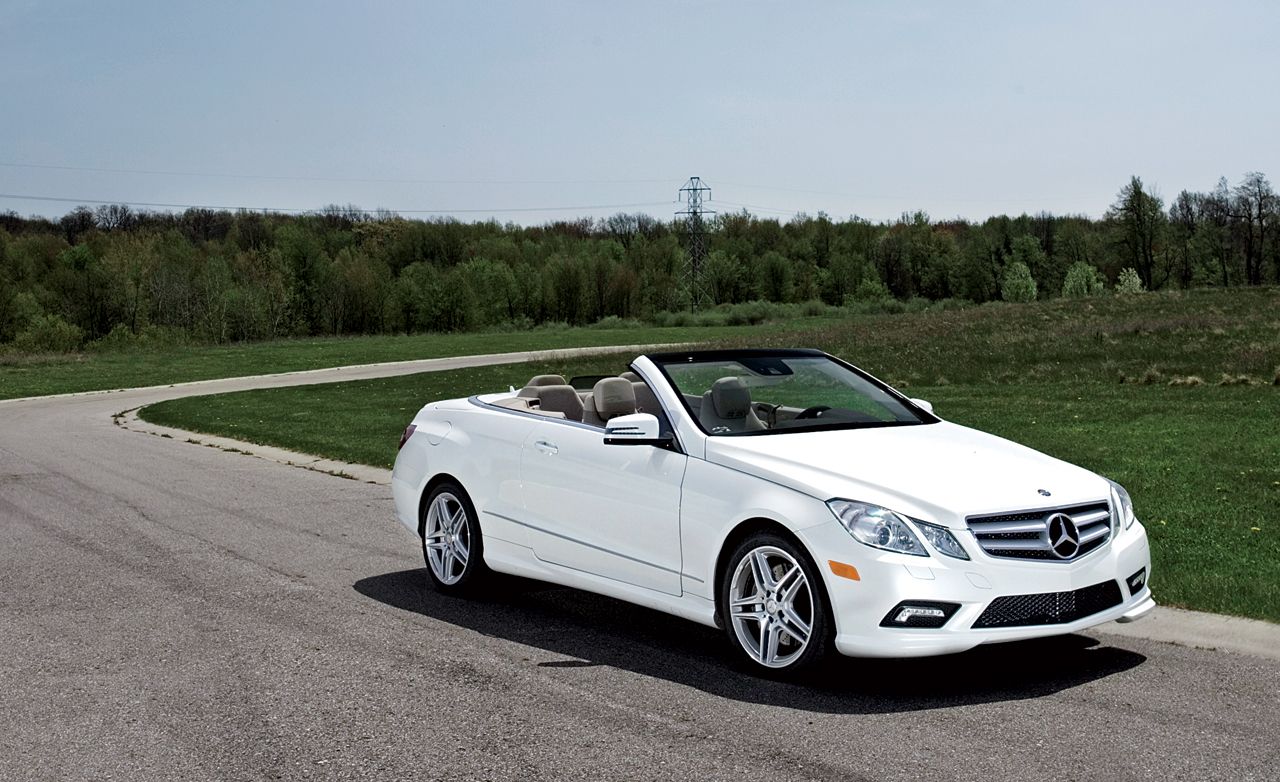
7. Mini Cooper Convertible (2015–2024): A Stylish City Cruiser with a Playful Personality
The Mini Cooper Convertible, produced from 2015 to 2024, continues the brand’s long-standing tradition of blending retro-inspired design with modern driving enjoyment. Compact, chic, and full of character, the convertible offers open-top fun for city streets and weekend drives alike.
The Cooper S model, with its 2.0-liter turbocharged four-cylinder engine, strikes an appealing balance between efficiency, liveliness, and style. Despite its tiny footprint, the Mini Convertible offers seating for four, though the rear seats are best reserved for small passengers or light luggage.
The Mini Cooper S Convertible produces 189 horsepower and 207 lb-ft of torque, reaching 0–60 mph in approximately 6.8 seconds. On the road, it feels sprightly and eager, especially in urban environments where its compact size and quick steering make it easy to handle. The Cooper S cruises smoothly at low speeds, with its engine providing a refined hum rather than an aggressive growl.
However, when pushed harder, the Cooper S reveals some weaknesses. Handling, once a standout feature of the Mini, feels less precise in newer models. The suspension manages bumps well, but the car lacks the playful balance and grip that earlier versions were known for.
The automatic transmission performs adequately, though its relaxed shifting and absence of paddle shifters limit driver engagement. Braking performance and high-speed stability are also less confidence-inspiring compared to its rivals like the Volkswagen GTI or Subaru BRZ.
Despite these shortcomings, the Cooper S remains a fun car for casual driving. Its light, direct steering and compact proportions make it particularly enjoyable on tight corners and busy city streets.
Inside, the Mini Cooper Convertible offers surprising comfort for its size. The front seats are firm yet supportive, featuring ample side bolstering that keeps passengers secure through turns. Ride quality is firm, but not harsh, and the suspension does a reasonable job of filtering out smaller bumps. Cabin noise is minimal with the roof up, and even with the top down, wind intrusion is well managed at lower speeds.
Climate control performance is excellent, cooling or heating the small cabin quickly. While the front cabin feels cozy and stylish, the rear seats are cramped and better suited to children or extra storage. The driving position provides a commanding view over the hood and excellent visibility out to the sides.
The dashboard layout remains distinctively Mini, with a large circular center screen controlling most of the vehicle’s functions. While visually appealing, the touchscreen interface can be cumbersome to use, requiring several taps for simple adjustments such as fan speed or disabling the stop-start system. Many drivers may wish for more traditional buttons.
The Mini’s infotainment system stands out for its crisp graphics and vivid color display. Navigation is intuitive and quick to respond, and the optional Harman Kardon sound system delivers exceptional audio quality. The car includes wireless Apple CarPlay and Android Auto, along with a wireless charging pad.
In terms of safety, the Cooper S Convertible offers a comprehensive suite of modern driver aids. Features such as blind-spot monitoring, lane-keeping assistance, adaptive cruise control, and a surround-view camera enhance confidence behind the wheel. These systems perform well, though turning individual features on or off can be tedious due to menu navigation.
Space is limited, as expected in such a compact vehicle. The cargo area is small, and to carry larger items, the rear seats must be folded down, effectively converting the car into a two-seater. Door pockets and cubbies are minimal, and there is no central storage bin. However, the hatchback-style rear and split-folding seats make the car reasonably versatile for its size.
The Mini can also accommodate child seats in the back, but installing them is difficult due to the tight door openings and limited rear space.
Fuel efficiency is a strong point for the Cooper S. The EPA rates it at 32 mpg combined, which is slightly better than most of its sporty rivals. Real-world testing confirms that these figures are accurate.
Build quality is another highlight. The interior materials are upscale, with soft-touch surfaces and stylish detailing throughout. Few competitors in this class match the Mini’s premium feel. Pricing can be subjective, as the Mini sits between budget-friendly small cars and pricier performance hatchbacks. While costlier than a Honda Civic Hatchback, it undercuts a fully loaded Volkswagen GTI, offering a middle ground of luxury and fun.
The 2015–2024 Mini Cooper Convertible captures the essence of open-top motoring in a compact, urban-friendly package. It delivers charm, high-quality craftsmanship, and a dose of spirited driving, even if it no longer leads the class in performance.
For those seeking a stylish convertible with personality, premium features, and efficiency, the Mini Cooper S Convertible remains one of the most distinctive and enjoyable choices on the road.
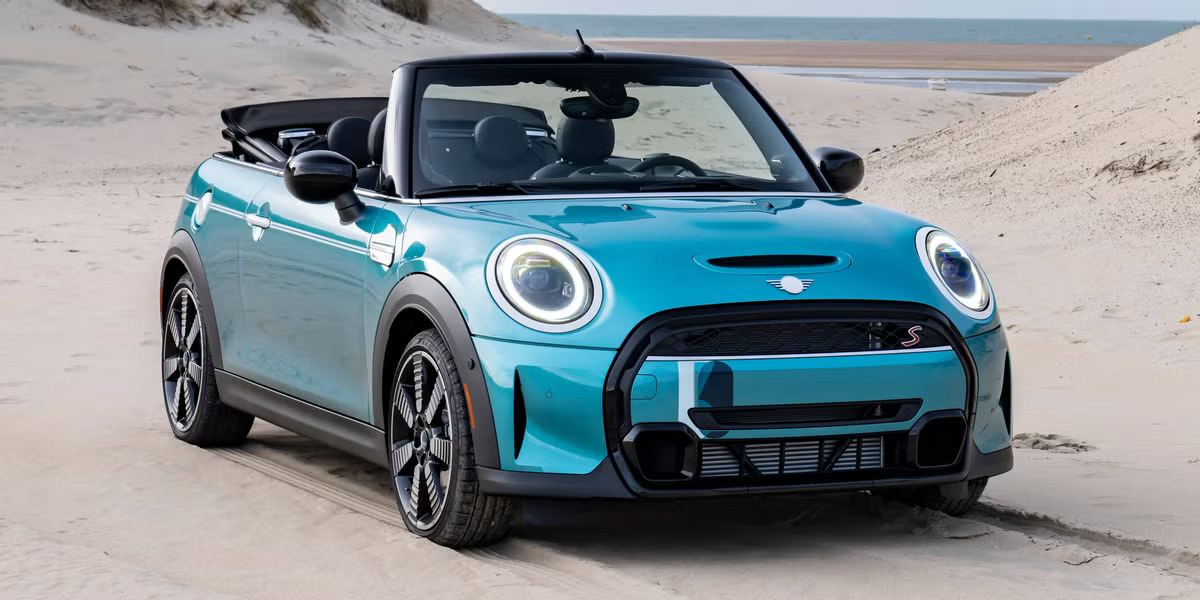
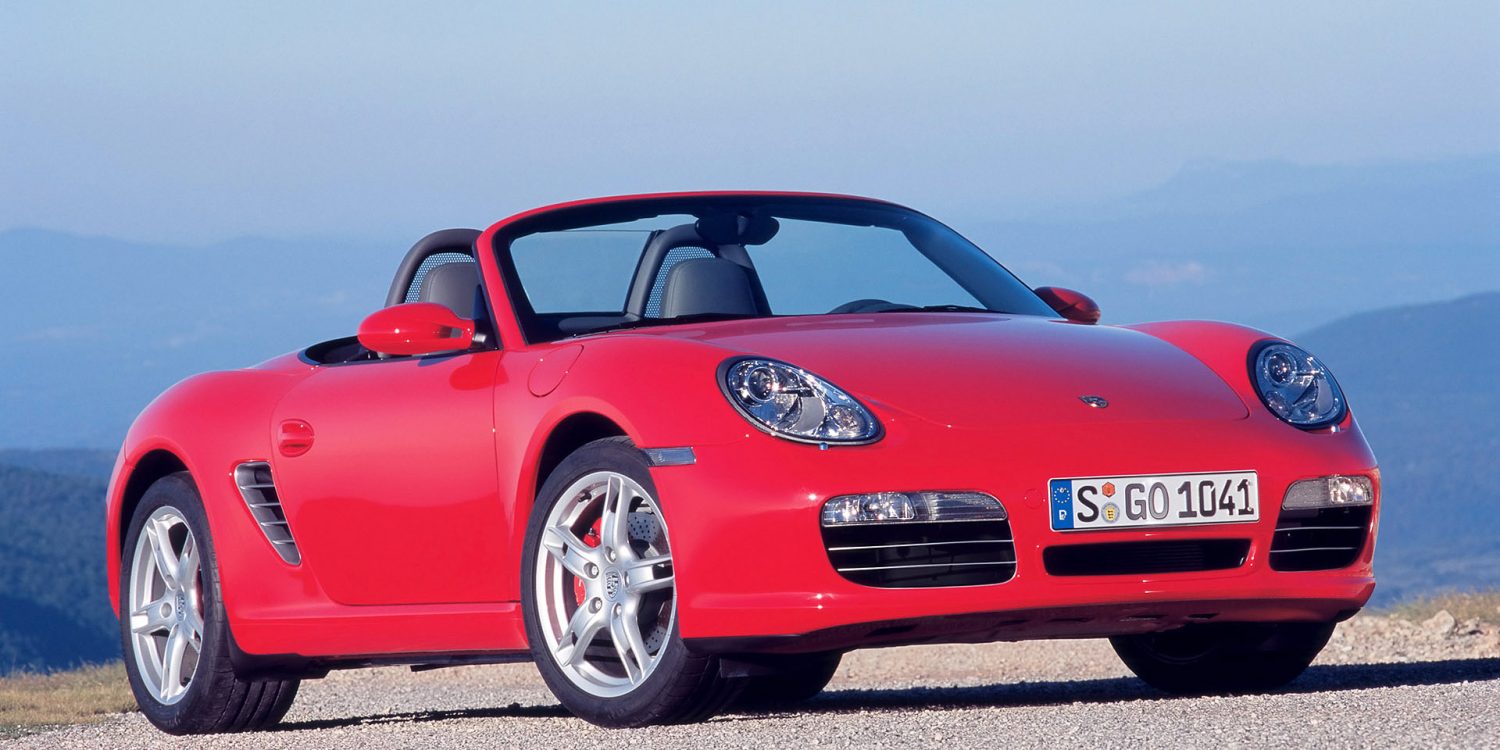
8. Porsche Boxster 987 (2004–2012): The Perfect Balance of Precision and Style
The Porsche Boxster 987, produced between 2004 and 2012, represents one of Porsche’s finest examples of a perfectly balanced mid-engined sports car. Its timeless styling, sharp handling, and engaging driving dynamics ensure it still feels modern more than a decade after production ended.
While early models faced a few reliability issues, the 2009-on Gen II versions improved significantly in durability and performance. For enthusiasts, the 2.9-liter naturally aspirated flat-six engine provides an ideal blend of everyday usability and pure driving enjoyment.
Under the hood, the base Boxster comes with a 2.9-liter flat-six engine producing 252 horsepower and 214 lb-ft of torque, allowing a 0–60 mph time of around 5.6 seconds with the PDK dual-clutch transmission.
The Boxster S model upgrades to a 3.4-liter flat-six delivering 310 hp, trimming about a second off the sprint to 60 mph. Both models come standard with a six-speed manual transmission, while the seven-speed PDK is available for those preferring quicker, automated shifts.
Driving the Boxster is where its brilliance truly shines. Its mid-engine layout and lightweight chassis provide exceptional balance and agility, making it feel planted and responsive even at high speeds.
The variable-ratio steering offers unmatched precision and feedback, widely regarded as among the best in the industry. With the optional active suspension system, the Boxster manages to deliver impressive ride comfort while retaining superb cornering stability.
The 2.9-liter engine might seem modest on paper, but it delivers its power smoothly and rewards the driver with a rich, mechanical soundtrack.
The available sport exhaust system adds a deeper, more aggressive tone that enhances the car’s dynamic personality. While the PDK transmission shifts flawlessly, purists will appreciate the tactile engagement of the manual gearbox, which strengthens the connection between car and driver.
Inside, the Boxster 987 reflects Porsche’s signature blend of sportiness and luxury. The interior materials are high quality, and the sport seats offer firm yet comfortable support, especially with the optional full-power adjustments.
The center-mounted tachometer emphasizes the car’s racing heritage, while a redesigned center console introduced in later models makes accessing controls much easier. The updated touchscreen navigation system is intuitive and a marked improvement over earlier interfaces.
Wind buffeting is minimized by a transparent wind deflector, though driving with the top up exposes some wind noise and limited rear visibility. Unlike the heavier retractable hardtops found in rivals like the Mercedes-Benz SLK, Porsche’s lightweight soft top preserves handling agility and keeps weight low.
For a compact roadster, the Boxster is surprisingly practical. Thanks to its mid-engine configuration, it offers two trunks one at the front and one at the rear providing around 10 cubic feet of cargo space. This clever design allows for weekend getaways without sacrificing performance.
Standard safety equipment includes antilock brakes, stability and traction control, dual thorax and head airbags, and rollover safety hoops. Optional features such as the Bose sound system enhance the driving experience, compensating for the otherwise unimpressive base stereo.
The Porsche Boxster 987 delivers a driving experience that few sports cars of its era can match. It combines a beautifully balanced chassis, engaging steering, and a refined flat-six engine with Porsche’s trademark precision and build quality. While not as raw as some competitors, it offers a level of polish and usability that make it as enjoyable on a daily commute as it is on a winding mountain road.
For enthusiasts seeking a timeless, driver-focused convertible that still turns heads today, the Boxster 987 remains a benchmark in the sports car world.
Owning a convertible is not just about transportation; it is about embracing the journey itself. The models featured in 8 Affordable Convertibles Perfect for Summer Cruising capture that spirit perfectly, offering timeless design, engaging performance, and the freedom of open-air motoring.
Whether you prefer the refined sophistication of the Mercedes-Benz SLK, the muscle of a Ford Mustang Convertible, or the precision handling of a Porsche Boxster, each vehicle delivers a unique experience that turns every drive into an adventure.
Best of all, each of these convertibles proves that luxury and excitement do not have to come with a six-figure price tag. With careful selection and maintenance, these cars can offer years of reliable summer fun. So drop the top, feel the breeze, and enjoy the road ahead, because life is too short not to drive with the sun on your face and the horizon calling your name.
Also Read: 8 Cars That Turn Every Commute Into an Experience