
When shopping for a car, most buyers want to strike the perfect balance between price and value. Getting a lot for your money doesn’t always mean choosing the cheapest vehicle on the lot; it means finding one packed with technology, comfort, performance, and safety features at a cost that doesn’t feel inflated.
Automakers know that buyers are increasingly looking at more than just horsepower or brand reputation. They want touchscreens, advanced driver assistance systems, quality interior materials, and connectivity, all while keeping the monthly payments within a reasonable range.
Some manufacturers load up their base trims with impressive features to grab attention, while others offer mid-range packages that make more sense than expensive top trims. A few brands are known for this approach, offering a wealth of content that rivals more premium options.
It’s not just about what’s on the sticker; it’s what you get for that price that truly matters. Standard safety tech, touchscreen interfaces, wireless smartphone integration, climate control zones, heated seats, and even semi-autonomous driving features are showing up in vehicles priced well below the luxury segment.
The goal here isn’t to list only cheap cars. It’s about showcasing models that punch above their weight when it comes to value. Some of these vehicles come from brands known for affordability, while others are from mainstream companies that offer tremendous value in specific models or trims. Whether it’s a small hatchback or a midsize SUV, certain vehicles simply offer more in terms of features per dollar spent.
In the following sections, we’ll go through ten vehicles that are widely recognized for how much they give you for the money. These are cars that often surprise buyers with their level of equipment, often matching or exceeding the features found in vehicles costing thousands more. If you want maximum return on your car-buying dollar, these are the cars you should have on your list.
1. Hyundai Elantra
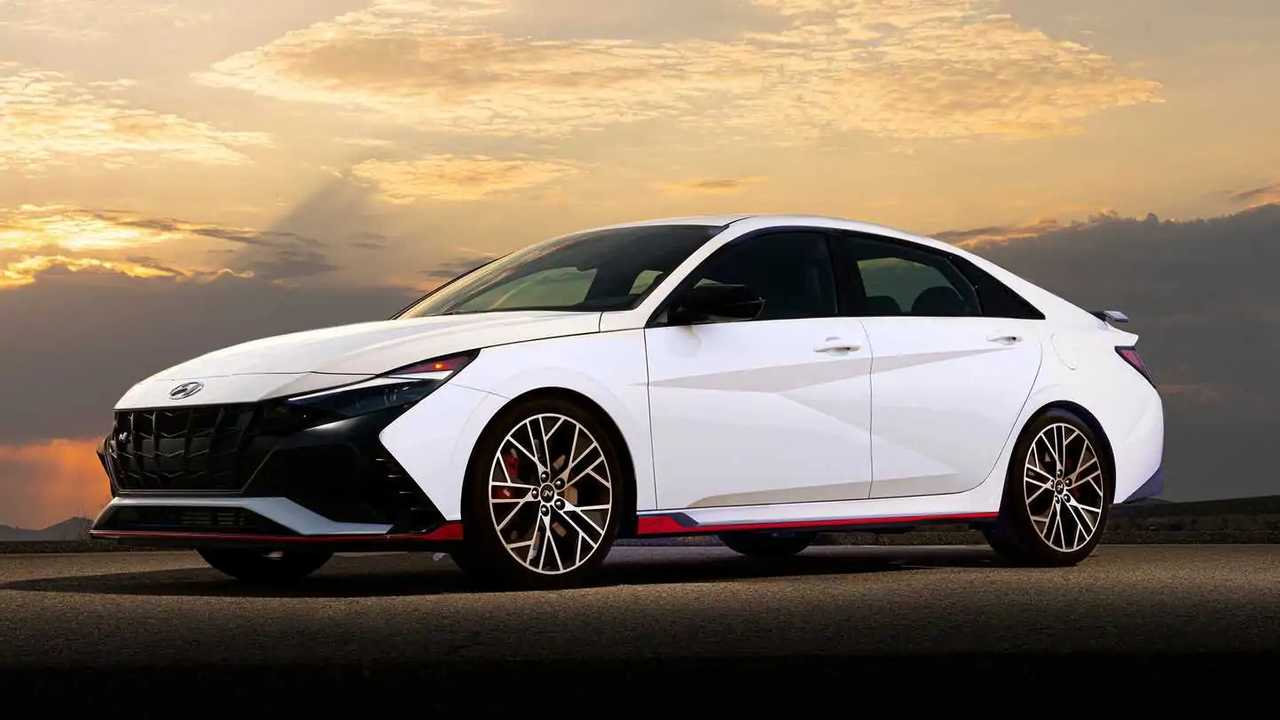
The Hyundai Elantra has steadily evolved into one of the most well-equipped compact sedans in its class. At its price point, it competes directly with established rivals, but it often beats them in terms of features offered even on lower trims.
Buyers get access to things like an 8-inch touchscreen, wireless Android Auto and Apple CarPlay, and a long list of standard safety systems, including lane-keeping assist, automatic emergency braking, and a driver attention monitor.
Even the base trim feels well thought out, giving drivers a sense that they aren’t missing out on modern convenience just because they didn’t upgrade to a top model.
Where the Elantra really shines is in the value it offers with its mid-tier SEL trim. For a modest price increase, buyers get dual-zone climate control, a larger touchscreen, alloy wheels, and more refined interior finishes.
Optional packages allow for even more features, including a digital instrument cluster, heated seats, and a sunroof. This kind of flexibility means buyers can tailor their car to their needs without jumping into an expensive top trim. The pricing structure favors smart shoppers who want more for less.
Hyundai also includes one of the best warranties in the industry, which adds another layer of long-term value. The 10-year/100,000-mile powertrain warranty and 5-year/60,000-mile basic warranty are hard to beat.
This generous coverage helps justify the purchase for anyone who’s looking at ownership costs rather than just upfront pricing. The Elantra proves that feature-rich doesn’t have to mean financially burdensome.
Interior space is another area where the Elantra impresses. It offers more legroom and rear-seat comfort than many competitors, which matters for daily drivers and families alike.
The trunk is also generous for the class, making it practical for more than just commuting. In short, the Elantra manages to be affordable without feeling cheap, and that’s what makes it such a smart buy for value-conscious drivers.
2. Kia Forte
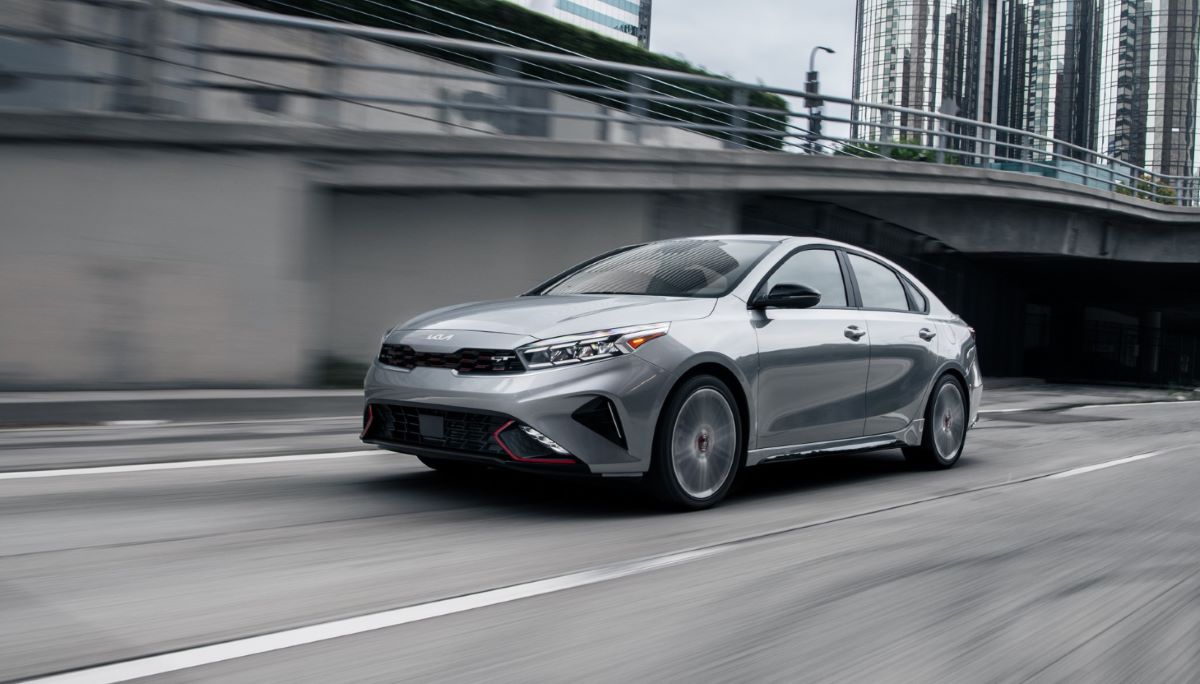
Kia has built a reputation for offering high-value vehicles, and the Forte is one of the clearest examples of this philosophy. At a glance, the Forte might seem like just another compact sedan, but a closer look reveals just how much it includes at an entry-level price.
Standard features on the base trim include an 8-inch touchscreen, wireless smartphone integration, forward collision avoidance, and lane following assist. These are items that used to be reserved for premium trims just a few years ago.
Even stepping up to the mid-level LXS or GT-Line trims opens up access to more premium features without a huge price hike. Here, buyers can get things like blind spot detection, rear cross-traffic alert, and upgraded interior materials.
The GT-Line, in particular, offers sporty styling cues and more refined design elements, adding visual appeal and enhanced comfort. The pricing stays well within reach for budget-focused buyers who still want a car that looks and feels current.
Kia’s commitment to value also shows in its powertrain options. The Forte offers a choice between a fuel-efficient base engine and a more powerful turbocharged engine in the GT trim. This flexibility means buyers aren’t stuck with one performance level across all trims.
Additionally, the vehicle is engineered with efficiency in mind, giving it excellent fuel economy ratings that lower the cost of ownership over time. Fewer trips to the pump mean more savings down the road.
Another strong point of the Forte is its build quality. While it may not have luxury-grade finishes, the interior feels tightly constructed and durable.
Controls are logically arranged, and the infotainment interface is intuitive, making the driving experience pleasant and stress-free. For those who want a car loaded with features, solid construction, and thoughtful design without stretching their budget, the Kia Forte is tough to beat.
3. Honda Civic
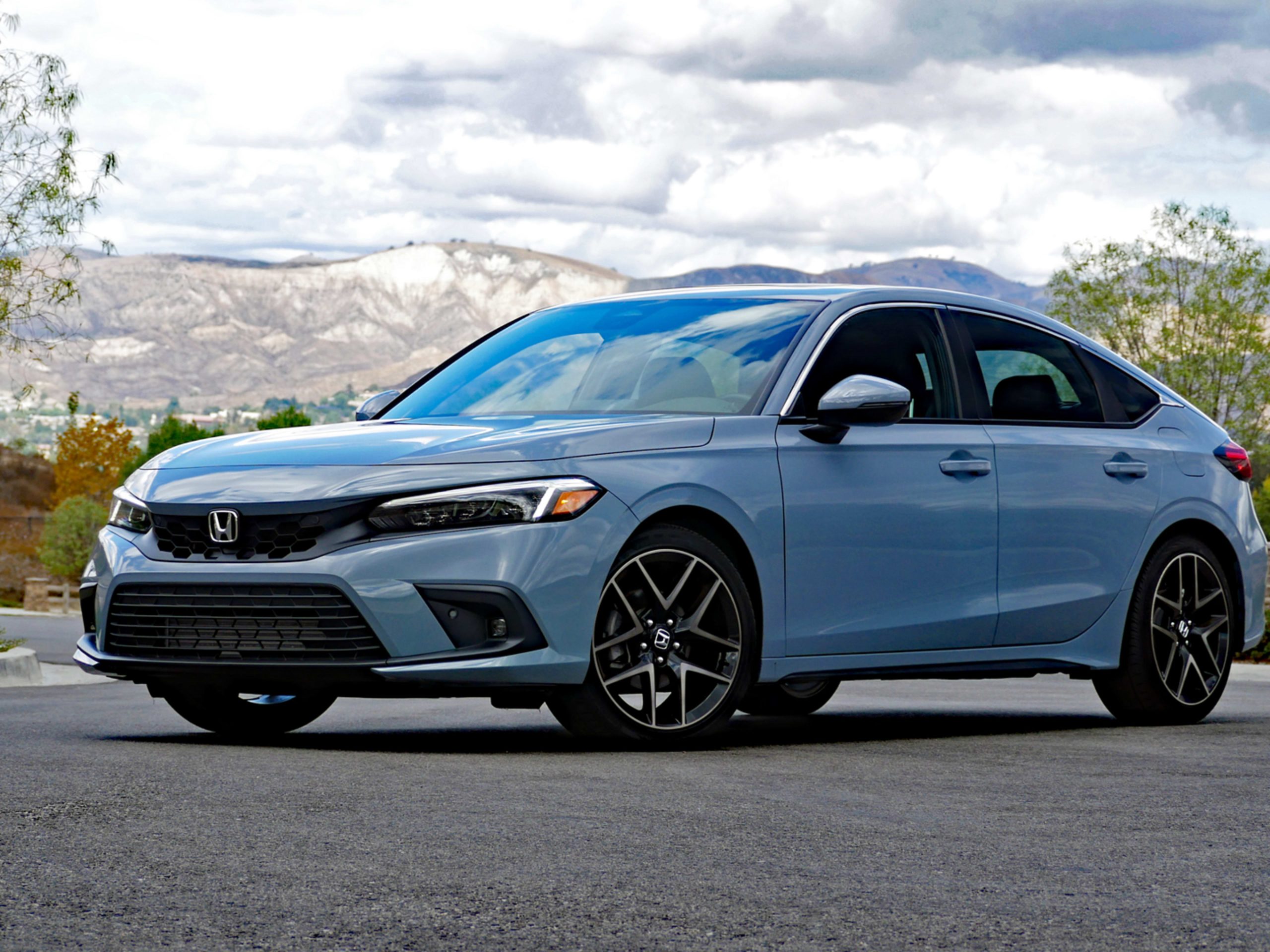
The Honda Civic has long been one of the most popular compact cars in the market, not just because of its reliability but because it consistently offers a refined driving experience and a solid list of features at a reasonable price.
Even the base trim of the Civic includes advanced driver-assist features such as adaptive cruise control, lane-keeping assist, and collision mitigation braking. These are systems that many brands still reserve for more expensive models.
The Civic’s interior, even at its entry level, feels well built with materials that go beyond what you might expect in the economy segment. That’s part of the reason it continues to command strong resale values and wide appeal among both first-time buyers and long-time owners.
One thing that sets the Civic apart is how polished the cabin feels. Honda uses soft-touch materials on major contact points and a clean dashboard design that avoids clutter. The infotainment system is responsive and, on most trims, includes Apple CarPlay and Android Auto.
The touchscreen is mounted in a user-friendly position, and the physical controls are intuitive. On mid-tier trims like the Sport or EX, you begin to see additions like dual-zone climate control, a sunroof, heated front seats, and an upgraded audio system, all of which contribute to a more upscale feel without pushing the car into luxury pricing territory.
Performance is another area where the Civic doesn’t cut corners. The base engine delivers competent power and fuel efficiency, while higher trims offer a turbocharged option that adds more fun to the drive without dramatically affecting cost. The handling is responsive and controlled, which gives it an edge over some rivals that feel less engaging.
Whether driving in city traffic or on highways, the Civic remains composed and efficient, making it ideal for commuters, students, or anyone looking for a low-maintenance vehicle that still provides a quality driving experience. It’s also more spacious than some of its direct competitors, with ample rear legroom and a surprisingly deep trunk.
What makes the Civic a value-packed purchase is its blend of refinement, technology, and practicality. Buyers get a sense that they’re investing in something that will last, with a brand reputation that backs that up.
Honda’s attention to detail ensures that even at a modest price, the Civic doesn’t feel like a compromise. It’s one of those cars that checks all the boxes and rarely disappoints, especially for those who prioritize features and long-term value.
4. Mazda3
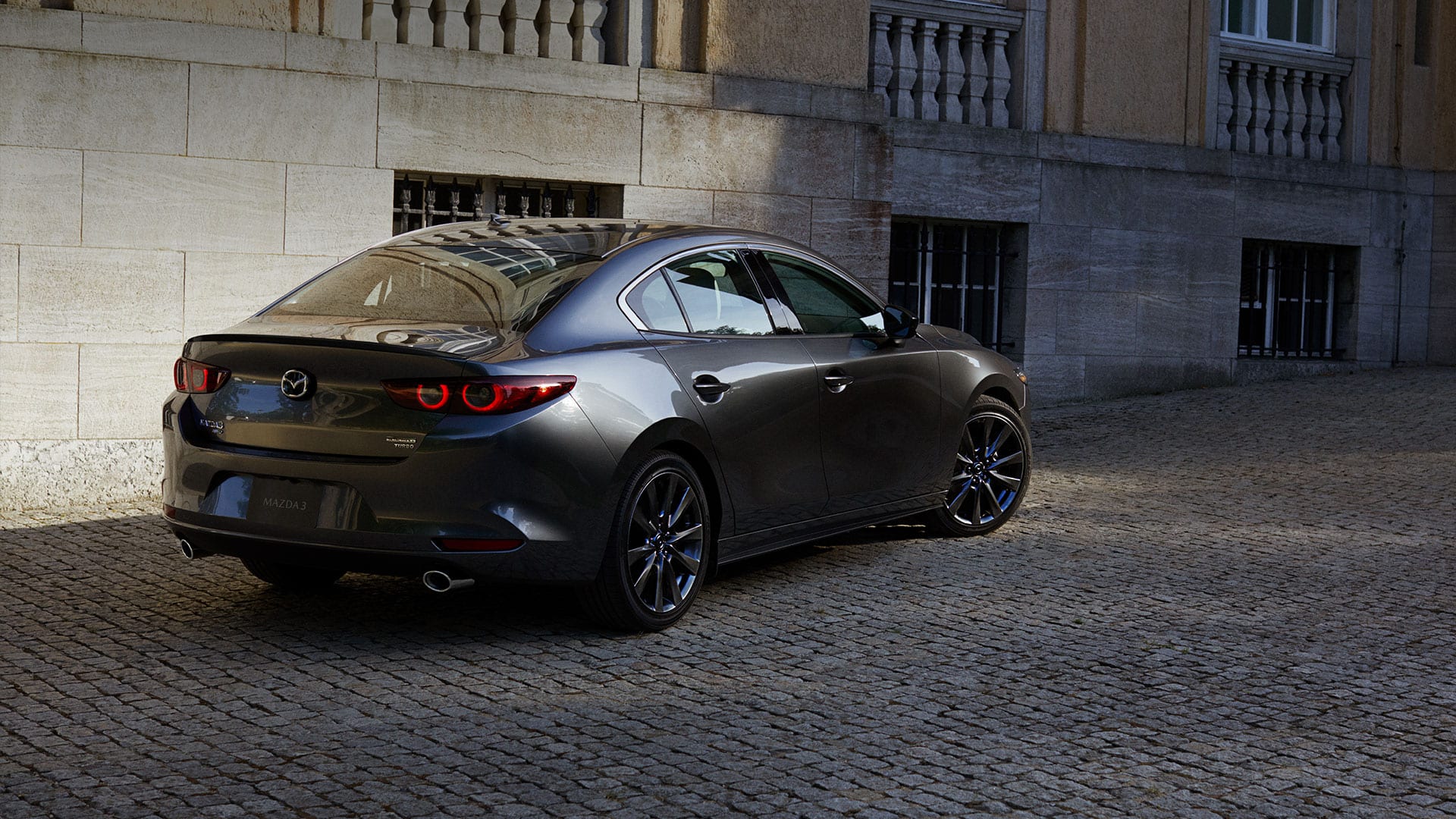
Mazda has carved out a unique space for itself by offering cars that feel more premium than their price tag suggests. The Mazda3 is a perfect example of this approach. From the first impression, it’s clear that Mazda puts significant effort into design.
The exterior is sleek and modern, often drawing comparisons to vehicles that cost much more. Inside, the Mazda3 punches well above its weight class, with a minimalist, driver-focused layout and materials that feel high-end.
The dashboard is covered in soft-touch trim, and the control knobs have a solid, almost luxury-like tactile response. Even on lower trims, the cabin feels thoughtfully assembled, with an eye toward quality over flash.
Beyond just the looks, the Mazda3 comes equipped with a long list of standard features that push it into premium territory. A large center display, push-button start, adaptive cruise control, and lane departure warning all come standard.
While some brands save features like radar cruise and blind spot monitoring for higher trims, Mazda includes these on even the base model.
Step up to higher trims and you’ll find extras like a head-up display, leather upholstery, and a premium Bose sound system. It’s a strong value proposition when you compare it to similarly priced competitors that are still using cloth seats and fewer active safety features at the same price point.
Performance is where the Mazda3 really sets itself apart. It delivers a driving experience that enthusiasts can appreciate, with sharp steering, composed handling, and a ride that remains comfortable without being too soft. The optional turbocharged engine adds real punch, making it one of the more exciting vehicles to drive in this price bracket.
But even without the turbo, the standard engine feels responsive and well-matched to the car’s size. Mazda’s tuning makes this car enjoyable in daily driving and rewarding on longer trips. The quiet cabin also helps elevate the experience, reducing road and wind noise to levels more common in luxury models.
It’s the kind of car that feels like it should cost more than it does, both to drive and to sit in. For buyers who care about refinement, driving dynamics, and real-world usability, this model delivers a full package without the high price tag. The Mazda3 proves that value isn’t always about the most gadgets, but rather the best execution of what truly matters.
5. Toyota Corolla
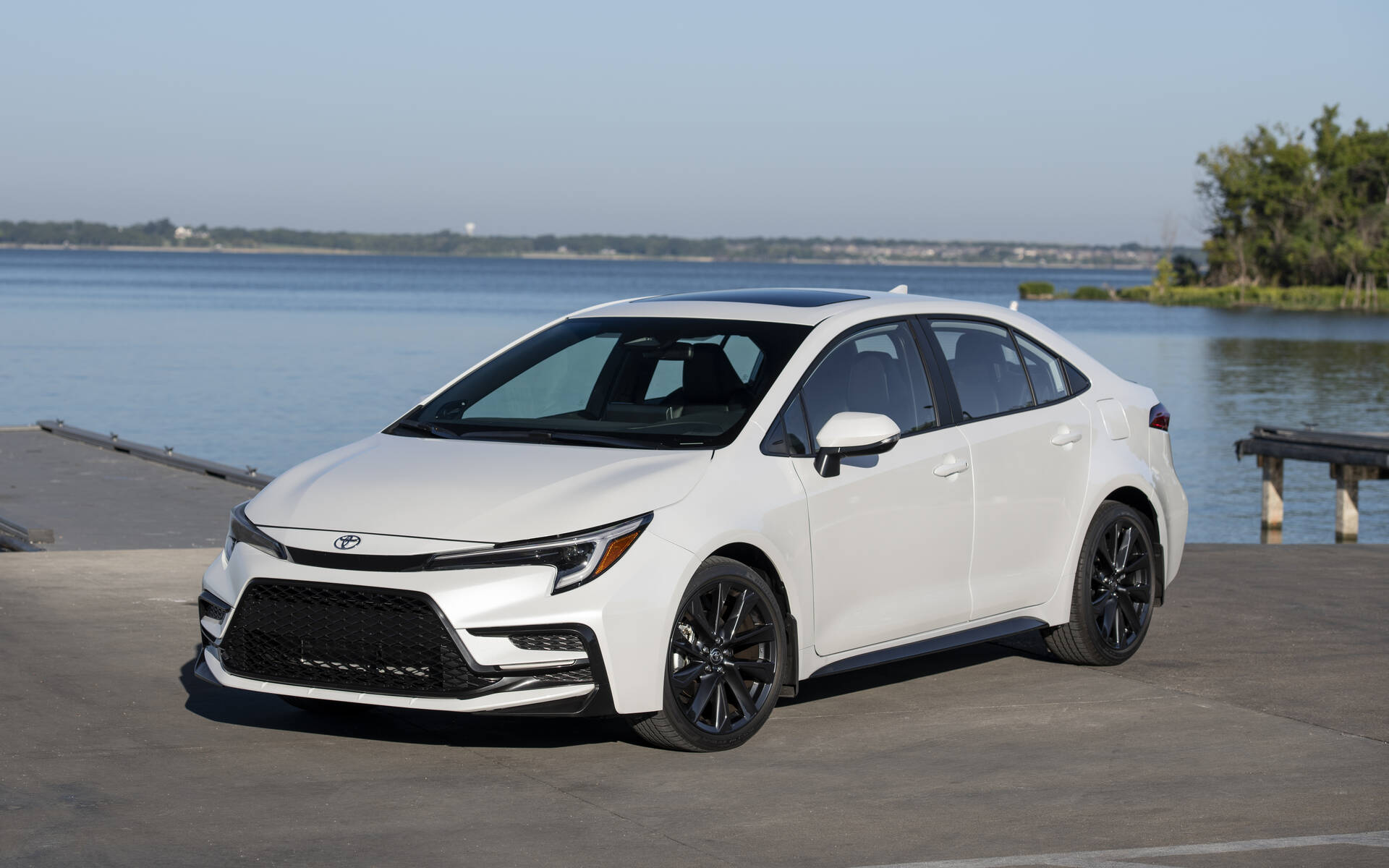
The Toyota Corolla has earned its place as one of the best-selling cars of all time, and a major reason is that it offers reliability and value in equal measure. Over the years, Toyota has added more features, updated its styling, and modernized the tech suite without straying from the Corolla’s mission to be dependable and affordable.
Even the base trim today comes with a full safety suite, including adaptive cruise control, lane trace assist, automatic high beams, and a pre-collision system with pedestrian detection.
These features used to be exclusive to higher-end vehicles, but Toyota now includes them as standard. This makes the Corolla one of the most fully featured sedans for the money, especially in terms of safety.
In terms of comfort and convenience, the Corolla does not disappoint. The interior has improved significantly in recent generations, both in materials and layout. Touchscreen infotainment with Apple CarPlay and Android Auto is now standard, and the cabin design feels mature and functional.
The seats are supportive, and space is adequate for both front and rear passengers. While not luxurious, the interior has a sense of quality and careful construction. For the price, it doesn’t feel like corners were cut, and that’s part of what continues to make it a strong choice for budget-conscious buyers who still expect quality.
The Corolla also offers several powertrain options, including a hybrid model that delivers exceptional fuel economy. This gives buyers flexibility depending on their priorities. The hybrid is particularly compelling because it offers over 50 miles per gallon while still providing many of the same features found in the gasoline versions.
For those who drive frequently or have long commutes, this version presents a way to save significantly over time. The standard engine is more than adequate for city and highway use, and while it doesn’t deliver the most thrilling performance, it gets the job done efficiently and quietly.
What helps the Corolla stand out is the ownership experience. Toyota’s reputation for longevity, combined with affordable maintenance and strong resale values, makes the Corolla a smart financial decision.
It’s a car that doesn’t wow with flash, but it wins with consistent performance, thoughtful features, and long-term dependability. For anyone seeking a vehicle with modern tech and a price that won’t stretch a tight budget, the Corolla remains one of the most balanced and sensible options on the market.
6. Nissan Sentra
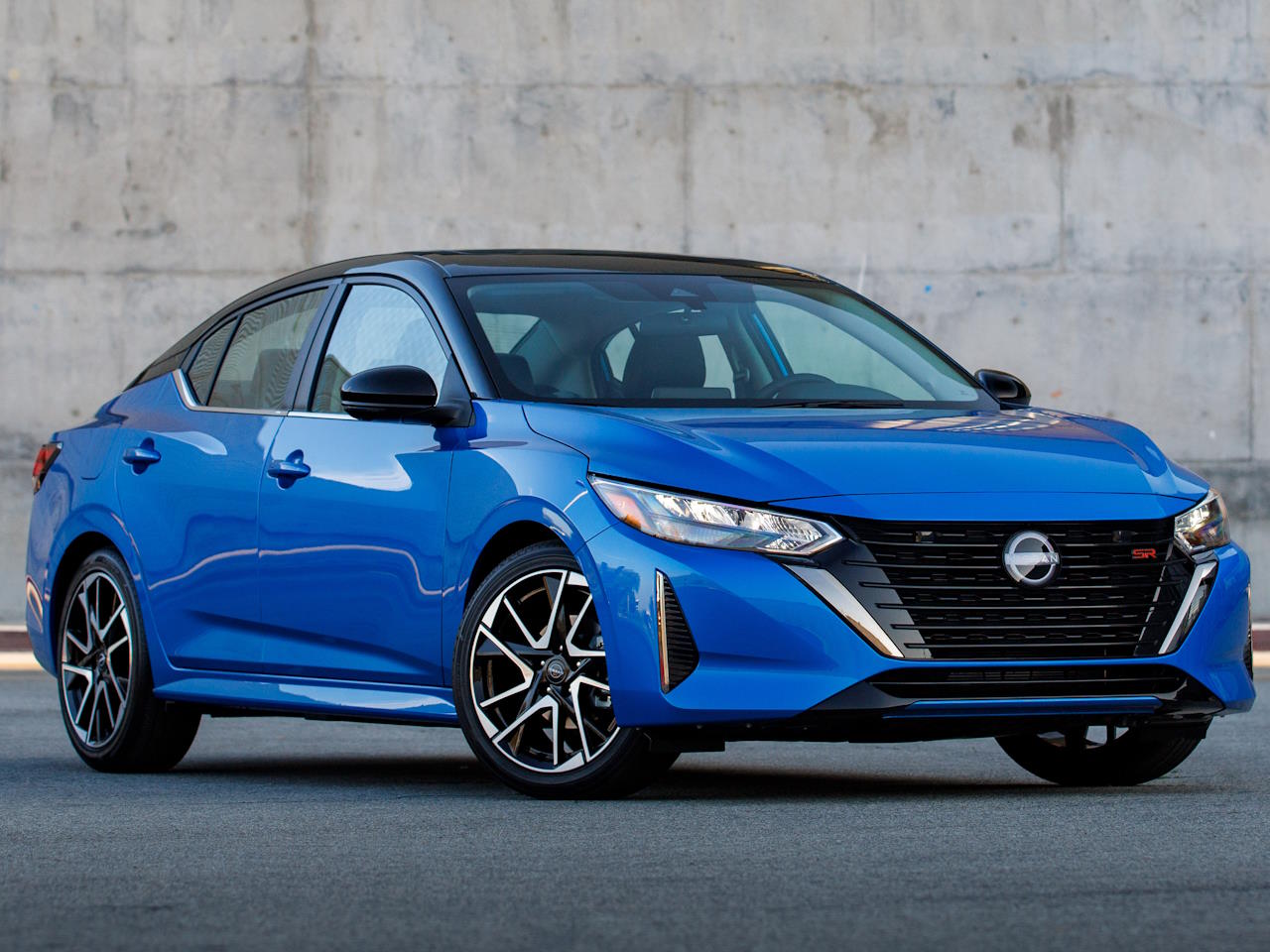
The Nissan Sentra has come a long way in recent years, especially since its most recent redesign. What used to be considered a basic, no-frills commuter car has transformed into a genuinely compelling option in the compact sedan segment. The first thing that strikes you is the more mature, confident styling.
It looks more expensive than it is, and that’s important for buyers who want a car that doesn’t scream “entry-level.” Inside, Nissan has made significant strides with both materials and layout.
Even base models feel more upscale, with soft-touch surfaces, a modern infotainment screen, and comfortable seating that supports longer drives. There’s a clear effort here to make the Sentra feel like more than just an affordable option, it feels like a smart choice.
In terms of features, the Sentra delivers generously. The base S trim comes standard with safety equipment like automatic emergency braking, pedestrian detection, rear automatic braking, lane departure warning, and blind spot monitoring. That’s a long list of features for a vehicle that often undercuts the competition in price.
Most rivals still charge extra or require stepping up a trim level to unlock this kind of tech. The infotainment system is another strong point. You get a 7-inch touchscreen with Apple CarPlay and Android Auto, making smartphone connectivity straightforward and effective. For budget-minded shoppers, this kind of built-in utility is a big win.
Stepping up just one trim level to the SV adds even more features without a painful bump in price. This includes alloy wheels, dual-zone climate control, a larger touchscreen, adaptive cruise control, and upgraded interior materials. What makes this version of the Sentra especially appealing is that it feels like you’re getting near-premium comfort at a mid-tier price.
While it may not offer turbocharged performance or sporty thrills, it’s smooth and quiet during daily driving. The ride quality is comfortable without feeling floaty, and cabin insulation is better than you’d expect in this class, making for a pleasant experience whether you’re commuting or road-tripping.
What makes the Nissan Sentra a high-value choice is that it delivers well-rounded competence in all the areas that matter: comfort, safety, connectivity, and affordability.
It might not top the list in any single category, but when you look at everything it offers for the price, it’s easy to see how it earns its spot here. Buyers looking for a sedan that feels more refined than its price suggests will appreciate how much Nissan has improved this model. It’s not flashy, but it’s genuinely useful and that’s often exactly what makes a car worth buying.
7. Chevrolet Trailblazer
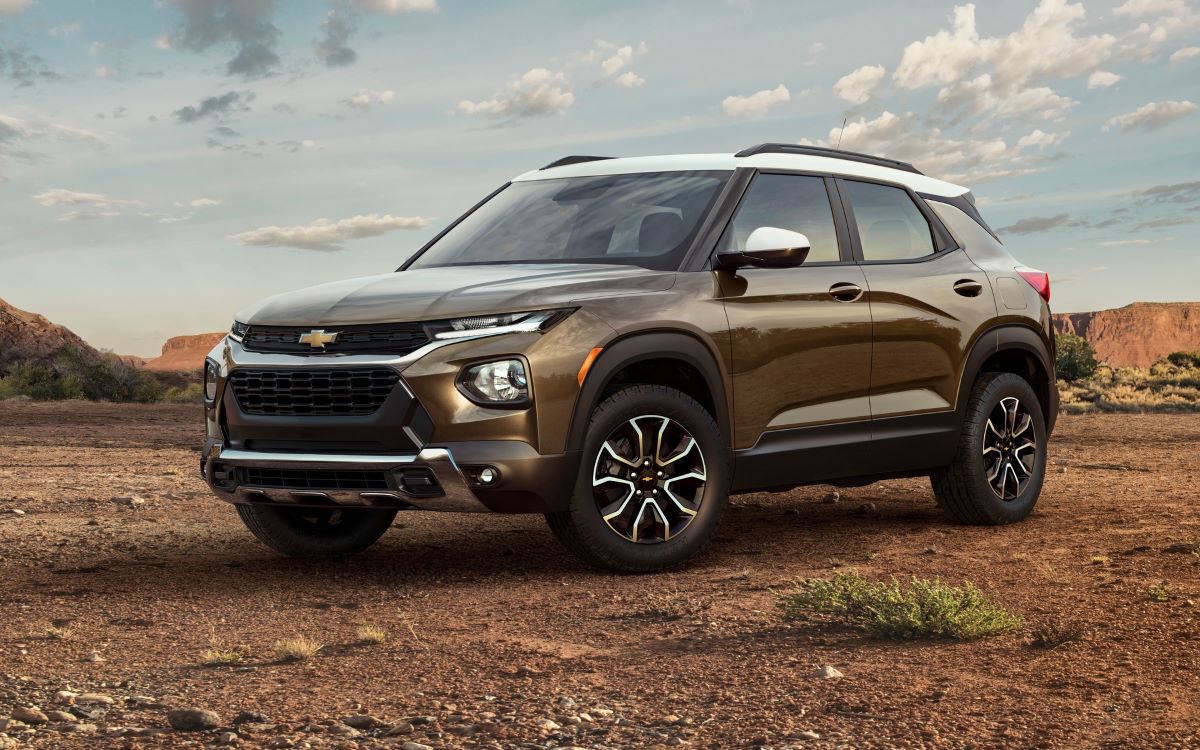
For buyers looking at crossovers rather than sedans, the Chevrolet Trailblazer stands out as a subcompact SUV that packs a surprising amount of features for the dollar. Despite being one of the more affordable vehicles in Chevy’s lineup, it’s been designed to look and feel more expensive.
Its styling has a bold, athletic character with rugged design elements that help it stand out in a crowded segment. Inside, you’re greeted with a well-organized cabin that offers more space than most subcompact SUVs, especially in terms of rear-seat legroom and cargo versatility. This makes it a great option for small families, young professionals, or anyone who wants SUV practicality without a big SUV price tag.
Chevrolet didn’t skimp on safety tech either. Every Trailblazer comes with Chevy Safety Assist, which includes forward collision alert, automatic emergency braking, lane keep assist, and front pedestrian braking. These are the kinds of features that many other small SUVs only offer on higher trims or as part of expensive packages.
Additionally, the standard infotainment system includes a 7-inch touchscreen, wireless Apple CarPlay and Android Auto, and a built-in Wi-Fi hotspot. That combination of safety and connectivity at the base level shows how committed Chevy is to giving buyers more value at the entry point.
Move up to the LT or ACTIV trim, and the value continues to shine. You gain access to heated front seats, remote start, a power driver’s seat, and even optional all-wheel drive. The ACTIV trim adds off-road-inspired touches like skid plates and more rugged tires, which enhance the Trailblazer’s adventurous image without pushing the price into luxury territory.
Fuel economy is also a major plus here, with small turbocharged engines that prioritize efficiency while still providing adequate power for city and highway driving. It’s not built for high-speed thrills, but for real-world commuting, it strikes a solid balance between agility and practicality.
The Trailblazer is proof that a budget-friendly SUV doesn’t have to feel like a compromise. It brings together useful technology, comfort, and safety in a way that’s rare in its class. It also offers roominess that rivals larger vehicles, making it an ideal choice for anyone who wants the versatility of an SUV with the maneuverability and pricing of a small car.
For its price point, few vehicles offer as many useful features, and that makes it an easy recommendation for value-focused buyers who want capability and comfort in one package.
8. Subaru Crosstrek
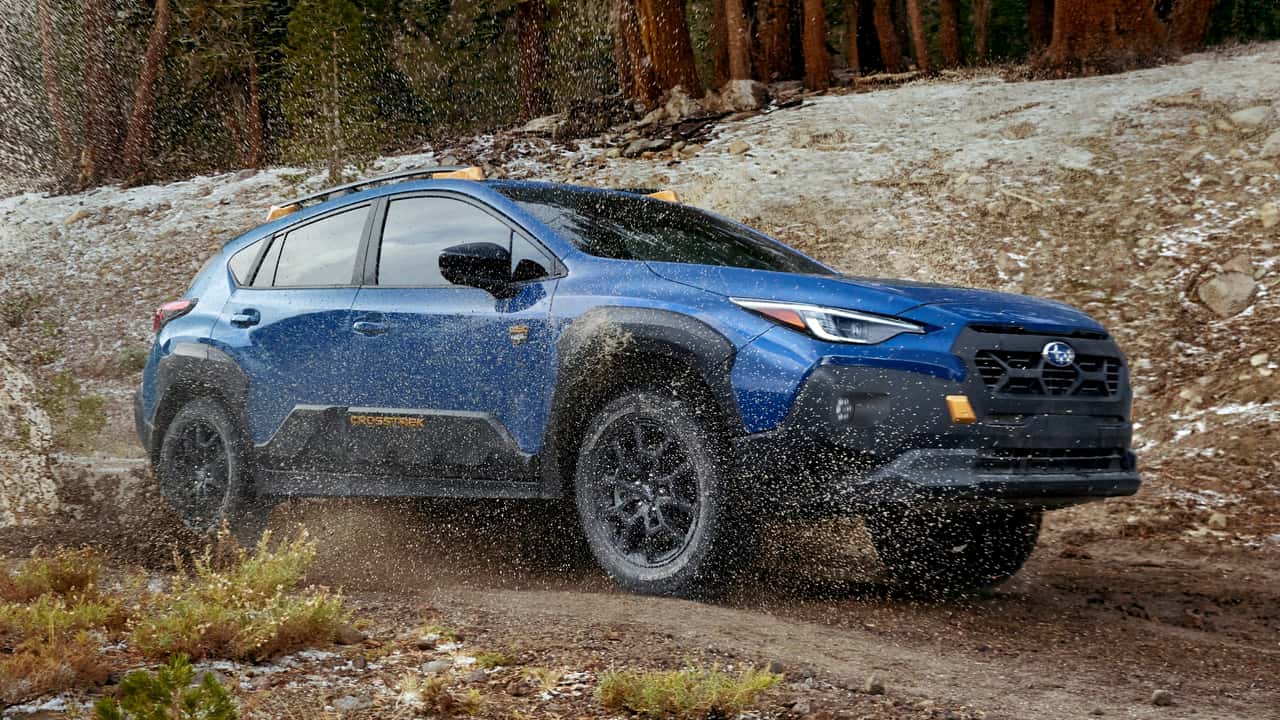
The Subaru Crosstrek is a standout when it comes to value in the compact crossover market, especially for buyers who prioritize all-weather capability, safety, and long-term durability. Every Crosstrek comes with standard all-wheel drive, which is rare for the segment and a huge advantage in areas that experience snow, rain, or mixed terrain.
Subaru includes it as a core part of the vehicle, and it’s one of the reasons the Crosstrek has such a loyal following. This makes it not just affordable up front, but also practical for a much wider range of driving conditions.
Inside, the Crosstrek features a straightforward, user-friendly layout with materials that feel durable and suited for active lifestyles. The base model includes a 7-inch touchscreen with Apple CarPlay and Android Auto, a rearview camera, and Subaru’s EyeSight safety suite, which includes lane departure warning, adaptive cruise control, and pre-collision braking.
Buyers who want more comfort can step up to the Premium trim and gain heated front seats, an upgraded sound system, and additional USB ports, all without a major price increase.
Driving the Crosstrek is about confidence and comfort rather than outright speed. The standard engine is adequate, though not particularly fast, but it’s paired with excellent suspension tuning that smooths out bumps and handles curves with minimal body roll. Higher trims offer a more powerful engine option that improves acceleration noticeably.
The Crosstrek’s ride height also gives it a better view of the road and the ability to handle light off-roading, making it perfect for weekend getaways or rough commutes. Fuel efficiency remains respectable, especially considering its standard all-wheel drive system.
Where the Crosstrek really wins is in long-term cost of ownership. Subaru vehicles are known for reliability, and the Crosstrek is no exception. Maintenance costs are reasonable, resale values are strong, and insurance rates tend to be favorable.
Add to that the vehicle’s versatile cargo space, easy-to-clean interior, and solid feature set, and you have a compact SUV that’s ready for just about anything.
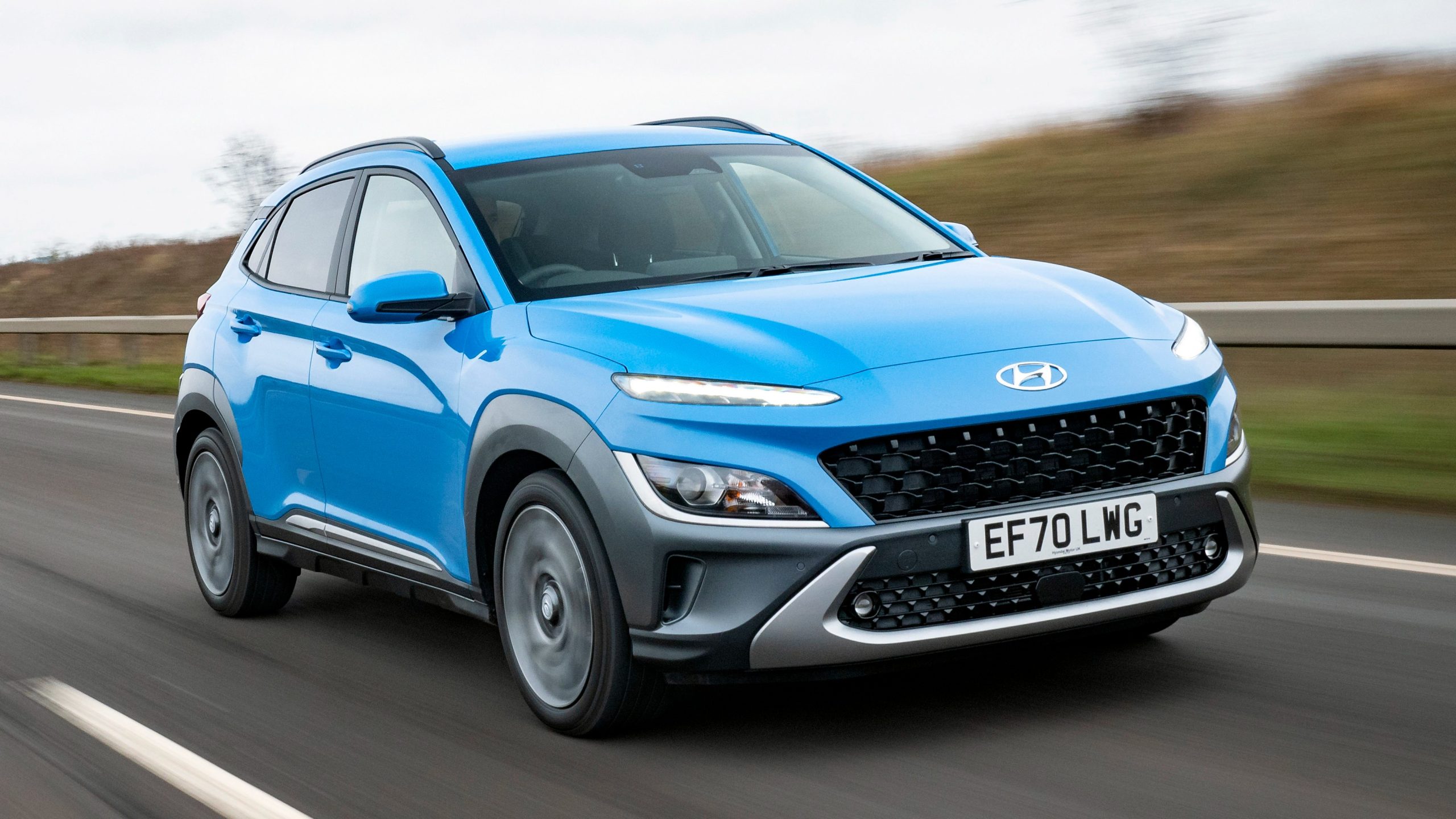
9. Hyundai Kona
Hyundai has built a solid reputation for delivering high-feature vehicles at a competitive price, and the Kona is a shining example in the small SUV category. This vehicle combines distinctive styling with a feature list that puts some compact crossovers to shame.
Even the base SE model comes with a solid amount of equipment, including an 8-inch touchscreen, wireless Apple CarPlay and Android Auto, forward collision avoidance, lane-keeping assist, and a rear occupant alert system.
That’s an impressive spread for an entry-level vehicle, especially considering the price point. The Kona has a youthful, modern look, but its feature list is mature and thoroughly practical.
Step up to the SEL or N Line trims, and you’ll find even more value. These versions add things like push-button start, blind spot collision warning, and heated front seats, all without pushing the price into luxury territory.
The N Line offers a turbocharged engine and sporty styling cues, providing a bit more excitement for drivers who want performance without breaking the bank. The top Limited trim packs in leather seats, a 10.25-inch digital instrument cluster, adaptive cruise control, and a premium audio system. Yet even this version remains priced well below many competitors with similar equipment.
The Kona isn’t just about features; it also drives well. It offers a composed, confident ride with good maneuverability, making it great for both city driving and weekend trips. The cabin is quiet at highway speeds, and the available turbocharged engine gives it a surprising punch.
While cargo space isn’t class-leading, it’s well designed and usable. Fold-down rear seats create a flat loading area, and clever interior storage makes the most of the compact footprint. It’s not the largest in its class, but it’s arguably one of the most useful per square inch.
Hyundai also backs the Kona with its excellent 10-year/100,000-mile powertrain warranty and 5-year/60,000-mile bumper-to-bumper warranty, adding significant value for long-term owners. When you combine that with the generous feature set and appealing design, it’s hard not to see the Kona as a top-tier value proposition.
For buyers who want SUV flexibility with car-like ease of use and a modern tech package, the Kona delivers more than most expect. It stands out as a smart buy for anyone seeking a strong balance of features, price, and ownership confidence.
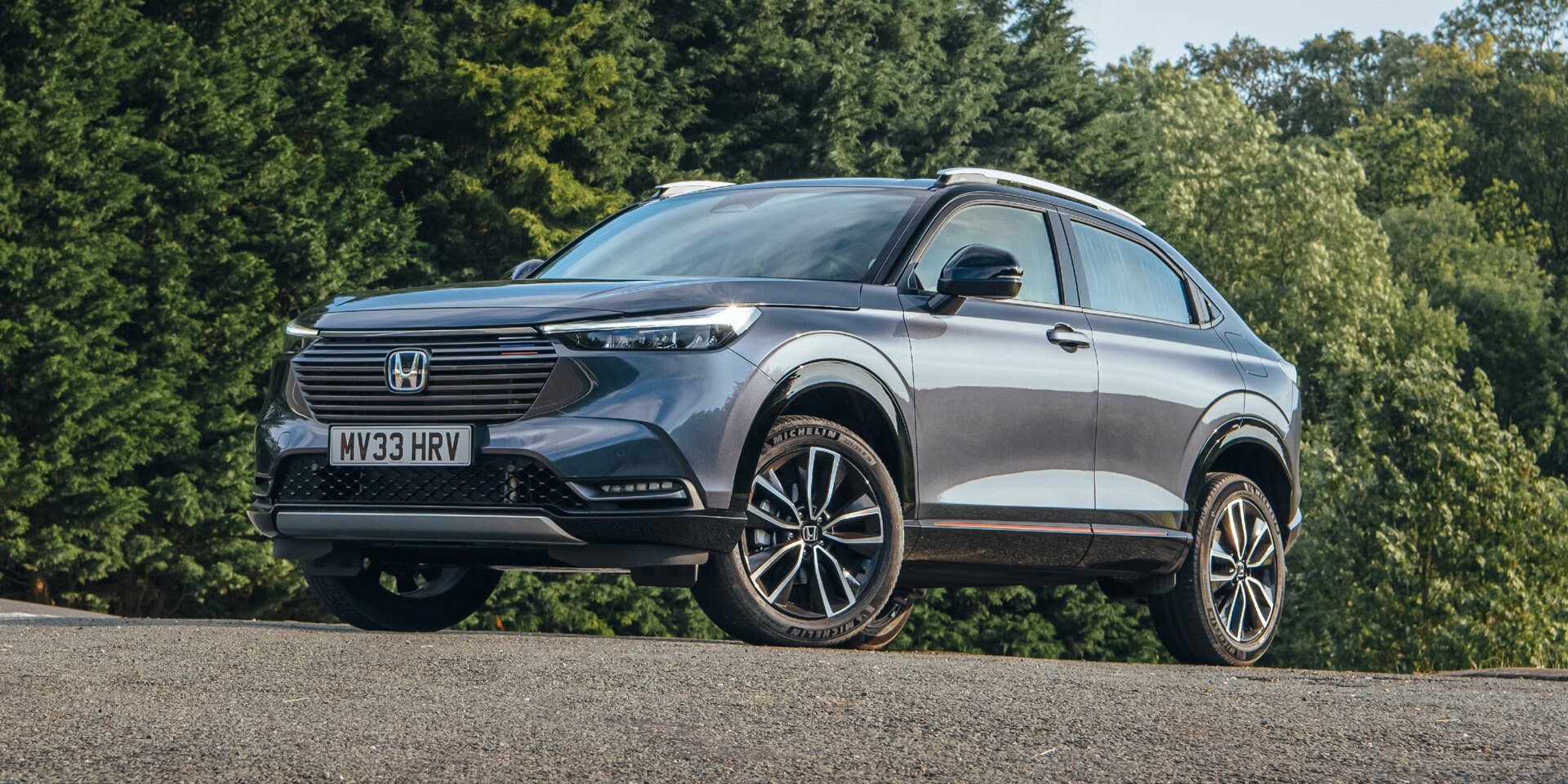
10. Honda HR-V
The Honda HR-V is a practical and well-rounded subcompact SUV that punches above its weight in terms of features and usability. It’s positioned as Honda’s entry-level crossover, but nothing about it feels barebones. From the outside, the HR-V has matured in its most recent generation, with sleeker lines and a more refined look that borrows styling cues from the larger CR-V.
This more upscale design gives it broad appeal, especially to younger buyers and small families. Inside, the cabin has a minimalist yet functional design, with high-quality materials that are uncommon in this price range. Even the base model comes with a digital instrument cluster and a clean, modern layout that avoids the cheap-feeling plastic often found in budget crossovers.
What really sets the HR-V apart is its interior flexibility. Honda’s famous space efficiency is on full display here, and the HR-V feels roomier than many of its competitors, both in passenger and cargo areas. The rear seat has enough legroom for adults to sit comfortably, and the cargo hold is deep and easily accessible.
Fold down the rear seats, and the available space rivals that of some midsize SUVs. For buyers who need a daily driver that can also handle weekend gear, home improvement runs, or growing family needs, the HR-V checks a lot of boxes without asking for a premium price. It’s the kind of car that becomes more impressive the longer you live with it.
On the tech front, the HR-V delivers more than you might expect. Standard features on even the lowest trim include a 7-inch touchscreen, Apple CarPlay, Android Auto, push-button start, and Honda Sensing, a suite of advanced driver-assistance technologies.
Driving dynamics are another strong point. While it’s not the quickest crossover in its class, the HR-V feels planted and confident on the road. The ride is smooth, the cabin is well-insulated from road noise, and steering is precise enough to make city driving easy and highway cruising relaxed.
For buyers who prioritize smart packaging, long-term reliability, and a generous list of features at an honest price, the Honda HR-V earns its place as one of the top value-driven vehicles on the market.
