
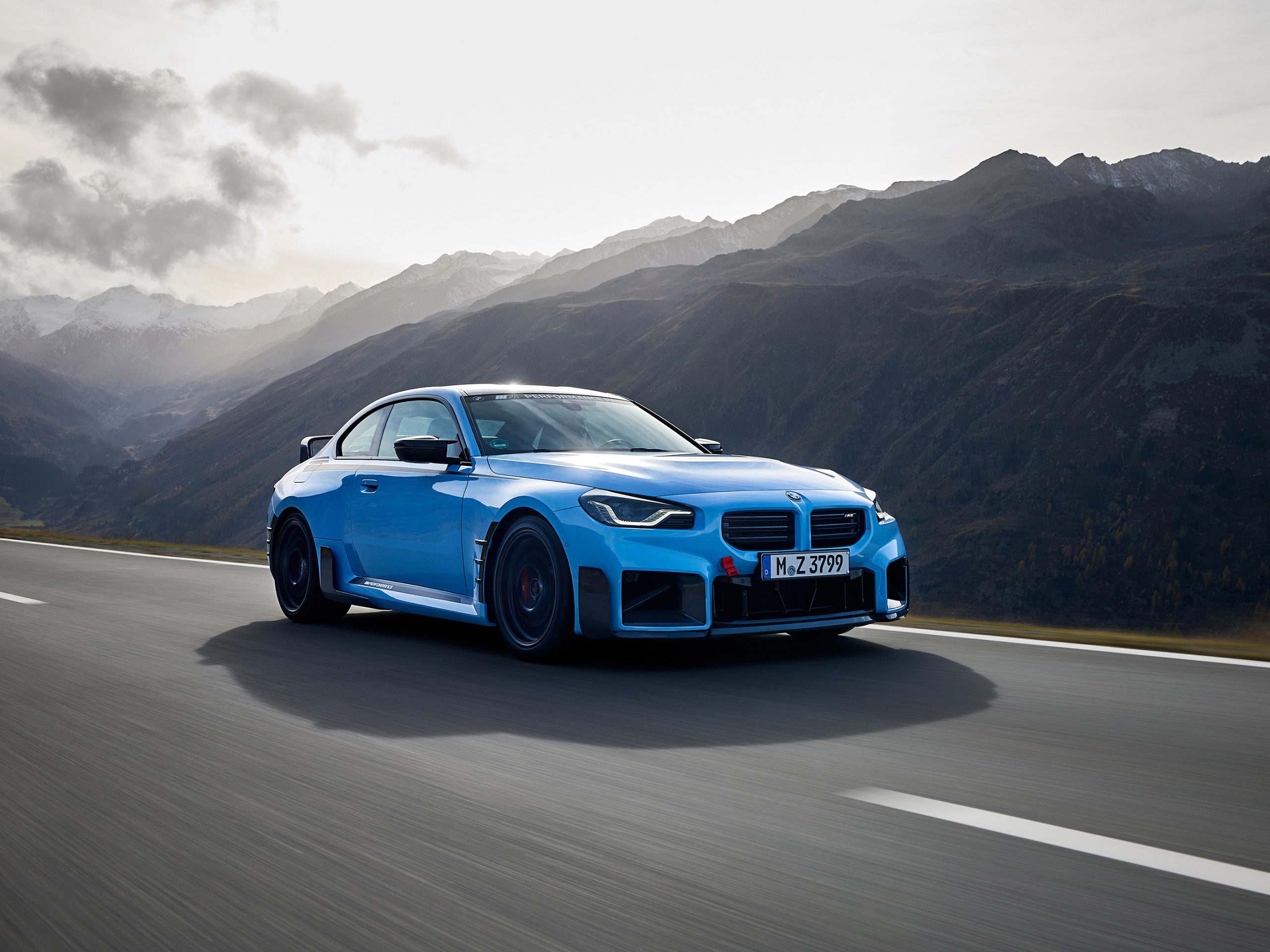
Driving has never been just about transportation. For those who see cars as more than mechanical tools, a true automobile connects the driver to the road in a way that’s almost human.
Steering feel, throttle response, chassis balance, and even the way a gear clicks into place all determine whether a car feels alive or just functional.
As technology continues to automate nearly every driving aspect, from adaptive cruise systems to steering assists, some vehicles have managed to hold onto that raw sense of control and emotion, while others have lost it entirely in the pursuit of refinement and efficiency.
This contrast defines our focus today: the cars that remind you why driving matters and the ones that make you question whether the experience still holds any meaning.
Some machines are built with the driver at their core each movement communicating directly through the steering wheel and seat. Others isolate their occupants, turning motoring into an act of passivity, where speed exists but sensation doesn’t.
This comparison isn’t about luxury or power alone. It’s about emotion, feel, and connection the attributes that separate a car that excites you from one that merely gets you there.
The first group represents the pulse of driving passion, crafted for those who still prefer the joy of control over convenience.
The second group, while often impressive on paper, reveals how design choices can drain vitality from the driving experience. Together, they tell a story about what makes cars humas and what happens when they forget that purpose.
Also Read: 5 Trucks That Rarely Need Engine Work vs 5 That Constantly Do
5 Cars That Offer Real Driver Engagement
A car that engages its driver isn’t necessarily the fastest or the most expensive it’s the one that turns every corner, gear change, and acceleration into communication. True driver engagement is about feedback, control, and connection.
It’s the sense that your actions have immediate, tangible consequences; that the car is a living instrument responding faithfully to your rhythm.
While today’s market leans toward automation and quiet isolation, a few cars still stand as proof that mechanical honesty and emotional engagement can coexist with modern engineering.
What defines these cars is not luxury but feel. You sense the texture of the tarmac through the steering wheel, the grip of the tires under load, and the balance of the chassis as it dances between precision and play.
They make every trip whether a mountain pass or a mundane commute, something memorable. Some achieve this through traditional setups: a manual gearbox, a well-tuned suspension, and a naturally aspirated engine.
Others manage it with modern performance systems that still keep the driver in command rather than letting electronics dominate.
The following five cars represent that ideal. They reward skill and curiosity, encourage involvement, and punish laziness in the best possible way. Their appeal lies in the connection they offer between human and machine a partnership that’s become increasingly rare.
Each was chosen because it offers something authentic in an era where so many cars feel filtered and artificial.
These are the machines that remind you that driving can still be pure, personal, and deeply satisfying. They don’t just move you physically; they make you feel every moment behind the wheel.
1. Mazda MX-5 Miata (ND2)
The Mazda MX-5 Miata continues to stand as one of the purest examples of what makes driving joyful. Lightweight, balanced, and intentionally simple, it delivers a direct line between driver and road that few modern cars manage to achieve.
Mazda’s engineers never chased horsepower wars or luxury trends; instead, they doubled down on balance and feedback, ensuring every motion feels honest and natural.
Under the hood lies a modest 2.0-liter four-cylinder engine producing just over 180 horsepower, but power isn’t the point it’s the immediacy.
The short-throw six-speed manual transmission has the precision of a well-made instrument, and the clutch feel is tuned for rhythm rather than resistance.
You don’t just shift gears; you conduct them. The steering communicates everything: tire load, grip loss, even surface changes. Combined with its rear-wheel-drive layout and a near-perfect 50:50 weight distribution, the Miata delivers control that feels instinctive rather than digital.
The car’s lightness amplifies engagement. Every corner, every input, matters. You can feel the chassis rotate naturally under throttle lift, rewarding smoothness and punishing overconfidence in equal measure.
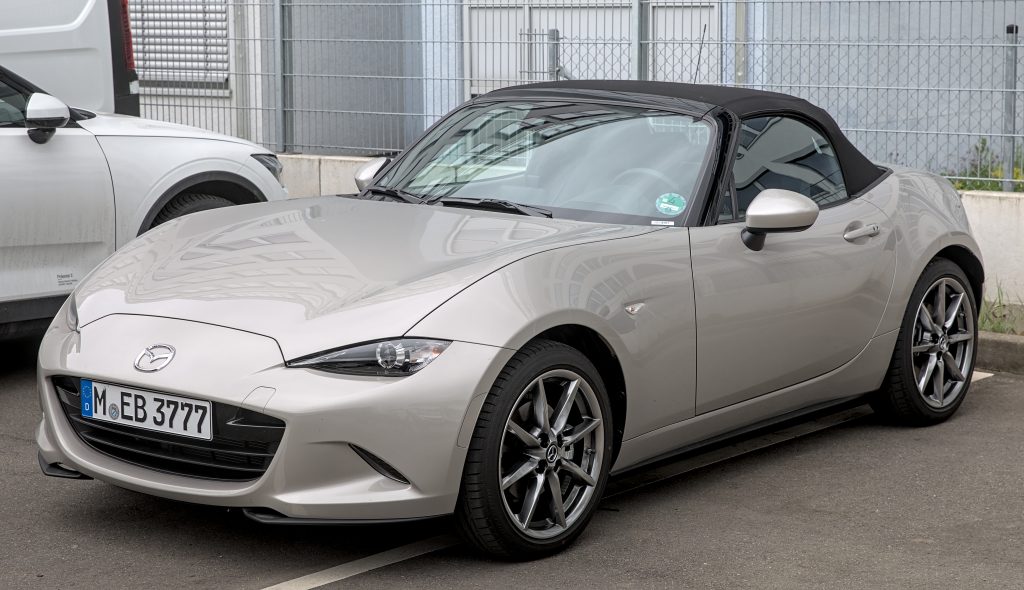
Driving a Miata fast isn’t about brute force it’s about precision, timing, and flow. That makes it endlessly rewarding, even at legal speeds.
I chose to write about the MX-5 because it represents a philosophy too often forgotten: that joy doesn’t require excess. It’s a masterclass in mechanical honesty and emotional connection, a machine that values engagement over convenience.
For those who still believe driving should be a conversation, not a command, the Miata remains the benchmark.
2. Porsche 718 Cayman GTS 4.0
The Porsche 718 Cayman GTS 4.0 is a reminder that perfection in driving feel can coexist with modern sophistication. It’s not just fast it’s communicative, balanced, and visceral in a way few sports cars achieve today.
Its mid-engine configuration gives it impeccable handling neutrality, allowing the car to rotate through corners with razor-sharp precision while maintaining composure and predictability.
At the heart of this experience is Porsche’s 4.0-liter naturally aspirated flat-six engine. It delivers an emotional soundtrack that rises cleanly to 7,800 rpm, giving the driver instant feedback through sound and response.
The throttle isn’t filtered or delayed; it’s immediate. With the six-speed manual, every shift feels mechanical, deliberate, and rewarding. The weight and movement of the gearbox are tuned for feel, not efficiency, making each change an act of precision.
But what truly sets the Cayman GTS apart is its steering. It’s hydraulic in sensation, electronic in operation but perfectly calibrated.
You sense exactly what the front tires are doing at all times, from slight understeer at corner entry to full grip on exit. The chassis feels alive, allowing you to lean into the car’s dynamics and trust it completely.
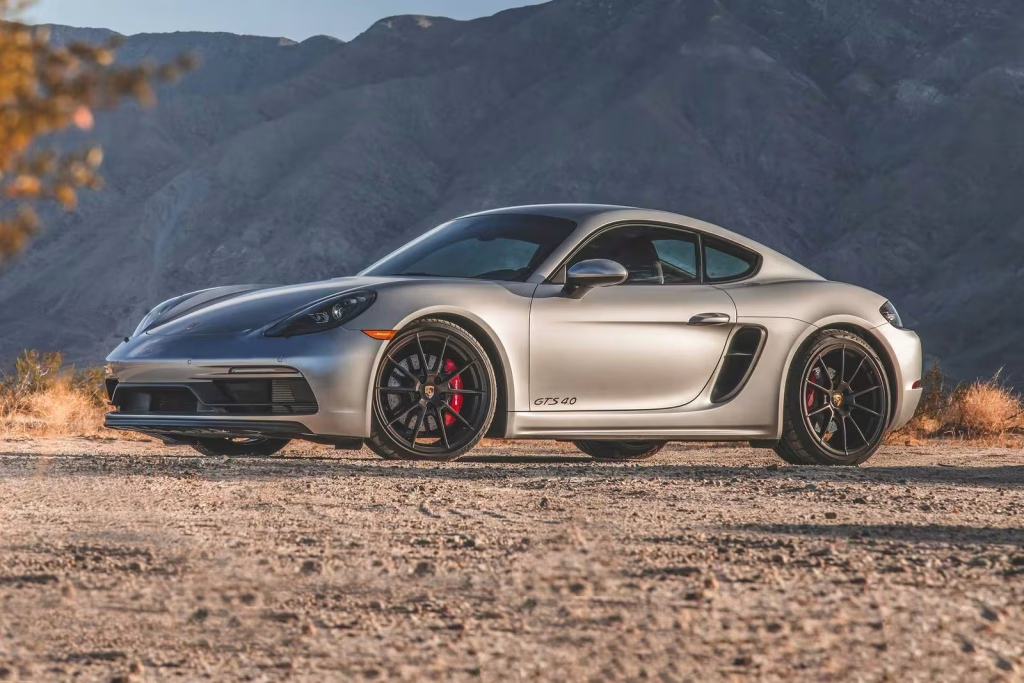
I chose to highlight the Cayman GTS because it represents the high point of modern sports car engineering before electronics fully take over. It offers engagement through every sense: sight, sound, touch, and motion.
While newer models chase numbers, this one chases feeling and delivers it without compromise. It’s a machine for those who see driving as art, not automation.
3. BMW M2 (G87)
The BMW M2 stands as the modern interpretation of what the brand once symbolized: compact proportions, rear-wheel drive, and power that can be used fully without electronic interference diluting the thrill.
While larger M models like the M5 and M8 have grown distant from the driver’s touch, the M2 revives that sense of mechanical purity. Its shorter wheelbase, wide stance, and perfectly tuned chassis give it an athletic sharpness that recalls the iconic E46 M3 but with modern bite.
Beneath its aggressive lines lies a 3.0-liter twin-turbo inline-six producing over 450 horsepower. Yet, the brilliance isn’t just in output it’s in delivery. Power builds linearly, the torque curve is smooth, and throttle response remains unfiltered, especially in the manual variant.
The steering, though electronically assisted, is weighted with intent. It transmits subtle feedback about surface changes and tire load, giving drivers confidence to push without fear of detachment.
BMW’s engineering focus here wasn’t just speed it was balance. The rear differential reacts predictably, letting the car dance through corners instead of merely sticking to them.
The suspension tuning keeps body control tight while still allowing micro-movements that communicate what’s happening underneath. You drive the M2, it doesn’t drive you.
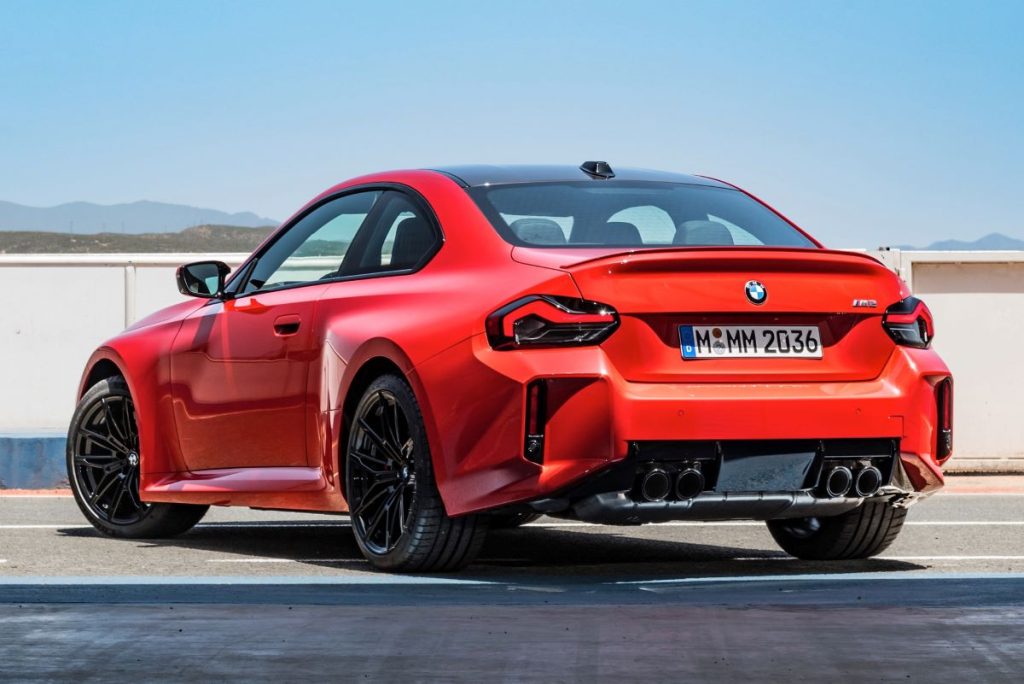
I chose the M2 because it symbolizes hope for performance purists. In an era where BMW’s direction seemed to favor luxury isolation, this car reclaims the brand’s soul.
It proves that advanced technology can still coexist with raw mechanical feedback when designed with intention. For those who crave engagement over perfection, the M2 feels like a personal rebellion small, potent, and utterly alive.
4. Honda Civic Type R (FL5)
Few front-wheel-drive cars have achieved cult status for driver engagement like the Honda Civic Type R. The latest FL5 generation continues that tradition, refining its chaotic energy into something both precise and thrilling.
While its bold styling and track-ready presence catch attention, the real brilliance lies beneath an engineering masterpiece that rewards finesse and punishes sloppiness, just like a proper driver’s car should.
At its core is a turbocharged 2.0-liter four-cylinder producing around 315 horsepower. The power delivery is smooth yet immediate, with a throttle that feels wired directly to your right foot.
The six-speed manual gearbox is one of the finest in existence short, crisp, and perfectly weighted. The rev-match feature adds convenience without dulling involvement, allowing for seamless downshifts that keep rhythm and flow intact.
Honda’s tuning of the chassis is where the magic happens. The suspension communicates every ounce of grip, the steering feels surgically accurate, and torque steer a common front-wheel-drive flaw, is practically eliminated.
The car corners with balance that feels unnatural for its layout, yet entirely intuitive in motion. Every input steering, braking, throttle is met with a direct, satisfying response.
I chose to include the Civic Type R because it redefines what “engaging” means outside the realm of expensive rear-wheel-drive sports cars. It’s accessible, practical, and emotionally charged.
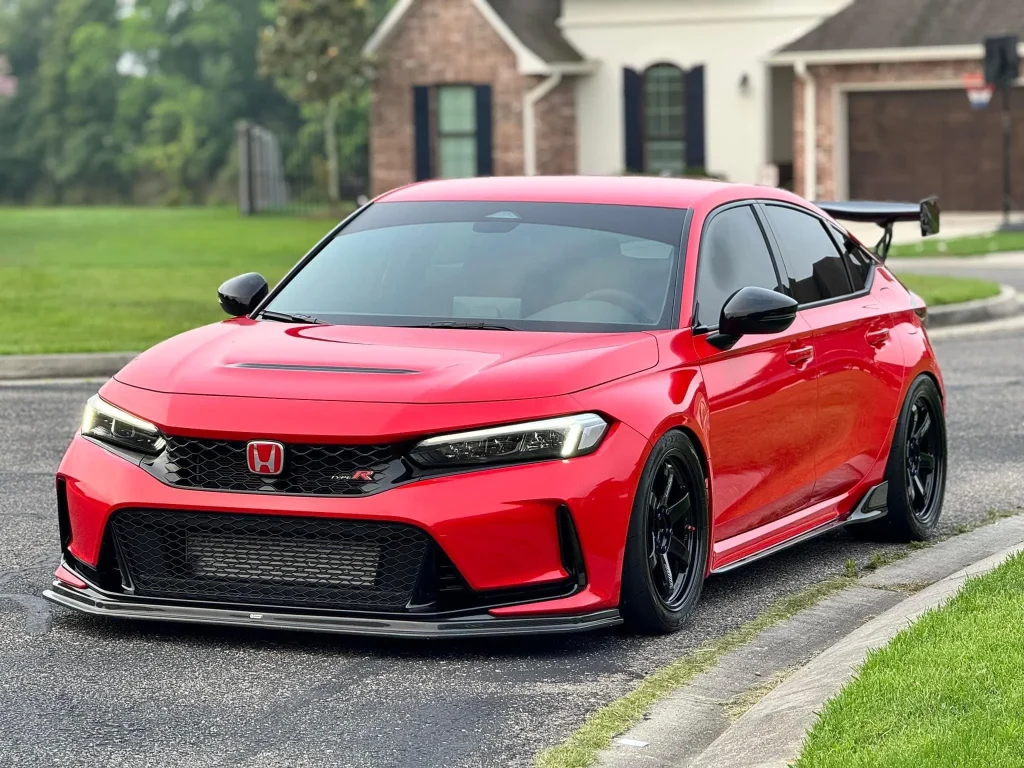
Honda built it for those who still love to drive, not just to arrive. It connects human skill with engineering precision in a way few modern hot hatches dare to attempt.
For those who think passion can’t come with a hatchback badge, the Type R proves otherwise every corner, every shift, every surge of turbo whistle reminds you why driving still matters.
5. Toyota GR86
The Toyota GR86 stands as one of the last truly affordable sports cars that prioritize feel over flash. It doesn’t overwhelm with power or tech; instead, it gives drivers something purer the joy of connection through lightweight design, balance, and tactile feedback.
Developed in partnership with Subaru, the GR86 follows a simple but increasingly rare formula: low weight, rear-wheel drive, and manual transmission as standard.
The 2.4-liter naturally aspirated flat-four engine produces just under 230 horsepower, but its responsiveness defines the car’s character. Throttle inputs translate immediately to motion, allowing fine control mid-corner.
The short gearing and snappy clutch encourage you to stay involved, constantly adjusting and correcting. The steering is another highlight quick, linear, and unfiltered, giving the driver a sense of precision that few cars at this price point can match.
Its chassis tuning is exceptional. The suspension keeps the body settled yet alive, letting you sense the tires working beneath you. Push too hard, and the rear slides gently, inviting correction rather than punishment.
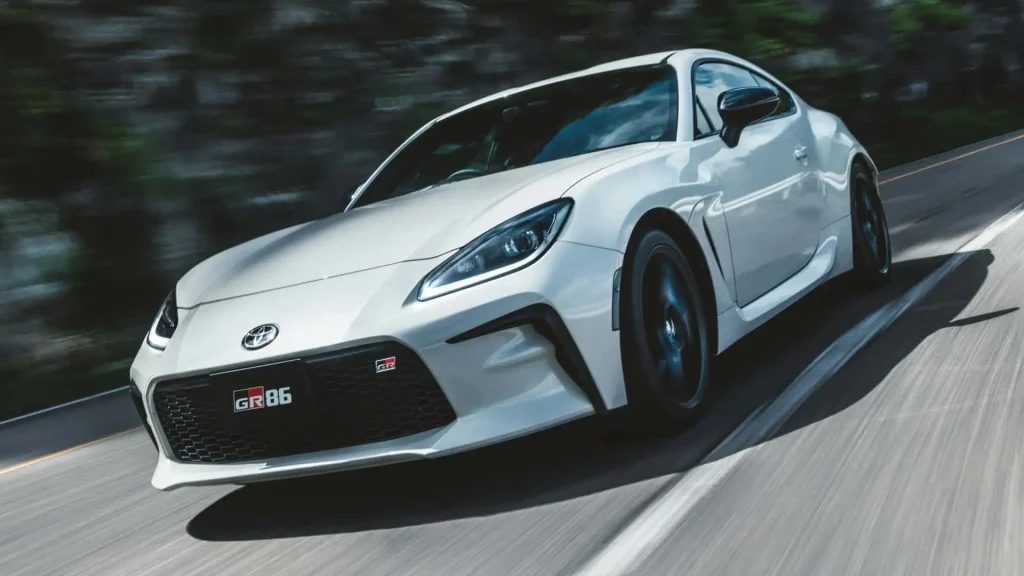
The GR86 teaches driving skill without intimidation, making it both an entry point and a lifelong companion for enthusiasts.
I chose the GR86 because it embodies the belief that engagement doesn’t require speed or excess. It represents the heart of what driving should feel like uncomplicated, communicative, and full of feedback.
In an industry obsessed with performance statistics, the GR86 reminds us that joy isn’t measured in numbers but in sensations. It’s a car that keeps the driver central to the experience and a symbol of hope for the future of analog motoring.
5 Cars That Feel Soulless
Not every car that looks advanced or powerful delivers satisfaction behind the wheel. Some models excel in technology, efficiency, and refinement but fail to connect emotionally with the driver.
These vehicles often isolate rather than involve, filtering out the sensations that once made driving personal. The steering feels artificial, the engines sound muted, and the controls seem tuned more for convenience than character. They perform flawlessly yet leave no lasting memory.
This detachment is the unfortunate byproduct of modern priorities. Automakers chase comfort, safety, and smoothness to such extremes that they often remove the imperfections that make a car feel alive.
The outcome is a generation of machines that excel on paper but feel cold in reality. For many drivers, that means an experience where performance is impressive yet strangely hollow, where speed is available but emotion is absent.
The following five cars represent this shift. Each one is competent, reliable, and technologically advanced, yet they lack the engagement that defines a truly rewarding drive.
They were chosen not to criticize their engineering quality but to highlight how far some vehicles have drifted from genuine interaction. These are the cars that prove perfection can sometimes be boring and that the soul of driving lies not in statistics but in sensations.
This section aims to remind readers that even excellence can feel empty when stripped of feedback and involvement.
The cars that follow stand as examples of brilliance without personality, machines that perform every task efficiently but leave the driver unfulfilled. They are reminders that connection, not capability alone, defines a true driver’s car.
1. Tesla Model 3
The Tesla Model 3 is a technological marvel, yet as a driving experience, it feels disconnected from the person behind the wheel. Its instant torque and seamless acceleration are astonishing in straight lines, but that excitement fades quickly because the car isolates rather than involves.
The steering feels synthetic, and the lack of mechanical sensation leaves the driver unsure of what the tires are doing beneath them. The electric powertrain removes vibration and sound, creating a silence that feels more sterile than soothing.
Its chassis is undeniably capable, but the feedback through the controls is minimal. Corners are handled with clinical precision, yet there is no communication between driver and machine.
The brake pedal lacks progressive feel, and the steering, while accurate, transmits no texture of the road. It makes driving feel like managing software rather than commanding a car.
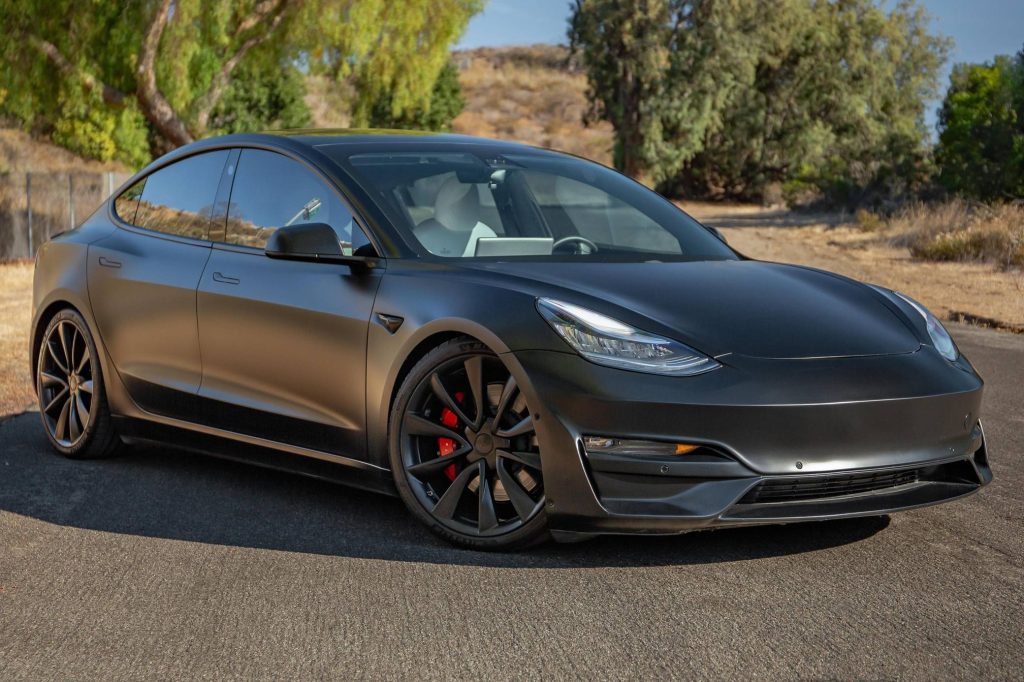
The cabin design reinforces this detachment. With almost all controls routed through a touchscreen, even simple adjustments like airflow or mirror positioning feel impersonal. Tesla has built efficiency into every movement, but at the cost of emotion. It is a brilliant commuter but a joyless companion on a winding road.
I chose to include the Model 3 because it symbolizes the trade-off between innovation and engagement. It proves that while technology can transform mobility, it can also remove the very sensations that make driving satisfying. The Model 3 succeeds as a product but fails as an experience for those who value connection.
2. Lexus ES 350
The Lexus ES 350 defines refinement, comfort, and reliability, yet these same strengths are what strip it of any genuine driving excitement. From the moment the engine starts, everything feels filtered to the point of numbness.
The steering is light and vague, the suspension absorbs every sensation, and the car isolates the driver so thoroughly that the act of driving becomes passive. It is serene but sterile.
The 3.5-liter V6 engine is smooth and quiet, delivering power effortlessly, but it lacks urgency or drama. The transmission shifts invisibly, removing even the slight jolt that signals a change in motion.
The steering wheel transmits no feedback, and the suspension tuning prioritizes comfort over connection. You glide across pavement rather than feel it, and for enthusiasts, that absence of communication turns luxury into boredom.
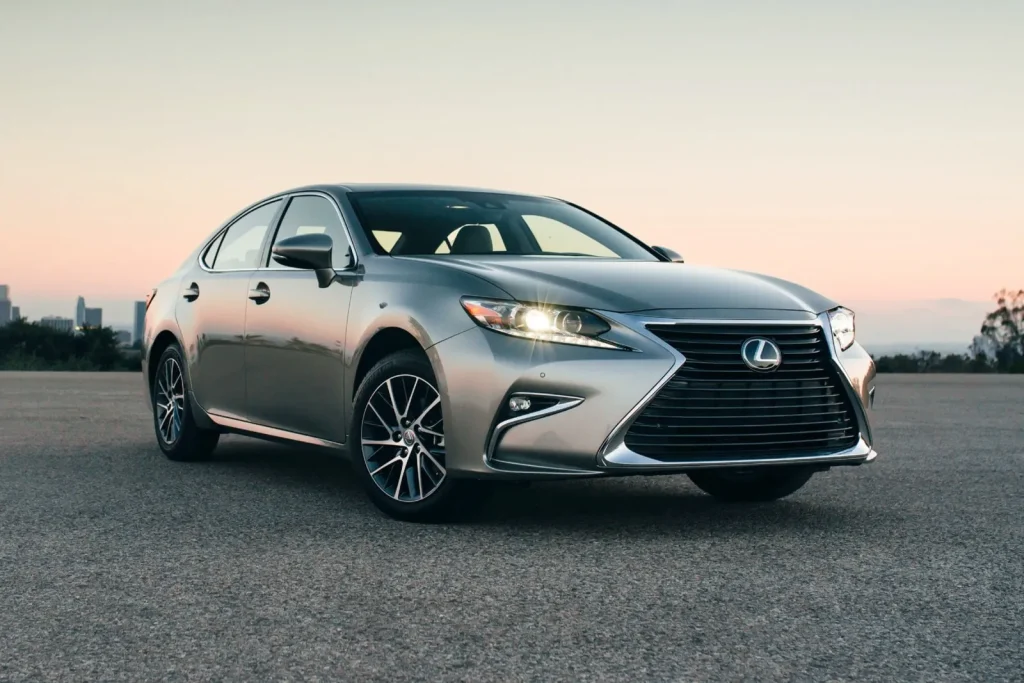
Inside, the craftsmanship is excellent, but the cabin design focuses so heavily on serenity that it almost discourages spirited driving. Every control is dampened, every sound muted.
The result is a car that isolates its driver from the world entirely. For daily commuting, that might seem ideal, but for anyone who values the sensations of cornering, acceleration, or control, it feels distant.
I chose to write about the ES 350 because it represents how refinement can drain emotion from driving. Lexus builds extraordinary machines, but this one reminds us that perfection without personality leaves little to remember. It is comfort perfected but engagement erased.
3. Audi Q5
The Audi Q5 is one of the most popular luxury crossovers on the market, known for its quality, technology, and build precision. Yet behind the wheel, it feels more like an appliance than a partner.
The driving experience is competent but devoid of emotion, an exercise in efficiency rather than enjoyment. Audi’s attention to noise suppression and stability has created a vehicle that moves flawlessly but communicates nothing.
The turbocharged four-cylinder engine delivers smooth, consistent power, yet the throttle feels detached. The steering, though precise, is heavily assisted and artificially weighted. Corners come and go without feedback, and while grip levels are impressive, the car never feels alive. Even in dynamic mode, the Q5 feels programmed rather than responsive.
Inside, the materials and technology are top-notch. Everything operates with surgical precision, yet that precision also makes the environment cold.
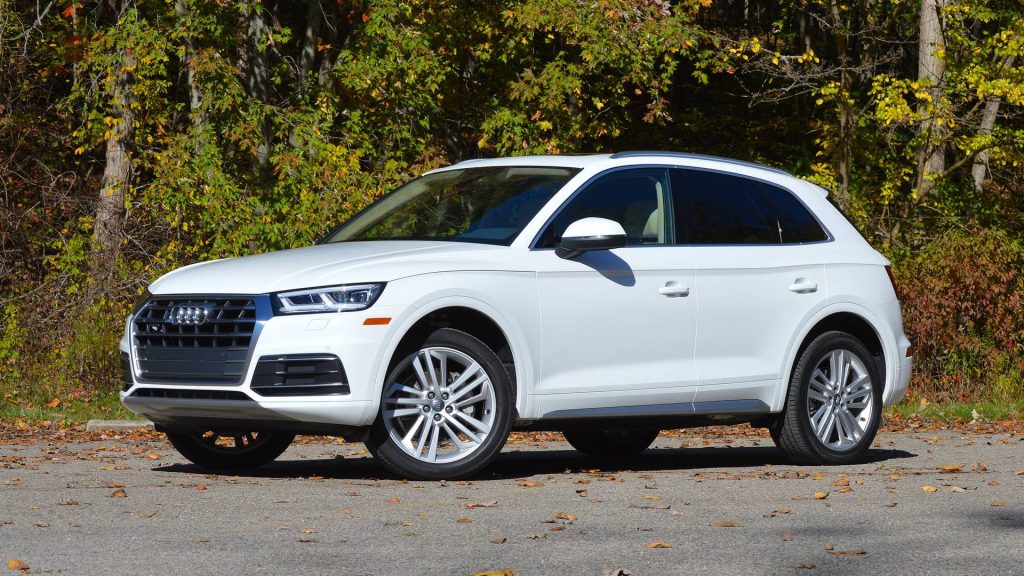
There’s no sense of mechanical connection, no moment where the driver feels part of the machine. Instead, the Q5 behaves more like a digital interface than a living automobile.
I chose to include the Q5 because it illustrates how premium comfort can unintentionally erase engagement. It’s built for calmness, not communication.
For most buyers, that’s ideal, but for those who still enjoy the art of driving, it feels like a missed opportunity. The Q5 is reliable, sophisticated, and beautifully made but emotionally silent.
4. Nissan Altima
The Nissan Altima was once considered a sportier alternative to family sedans, but over the years, it has become a symbol of detachment. Its current form prioritizes economy, safety, and quietness at the expense of any driving personality.
The continuously variable transmission (CVT) removes the rhythmic feel of gear changes, replacing them with a droning, elastic response that dulls all sense of control.
The steering is over-assisted and vague, the suspension overly soft, and the feedback almost nonexistent. The Altima glides efficiently through traffic, but it feels like the driver could be replaced by software without anyone noticing. It handles predictably yet uninspiringly, always composed but never engaging.
Even when equipped with all-wheel drive, the car feels distant. The chassis offers security, but the lack of communication makes spirited driving pointless. Its power delivery is adequate, yet its personality is absent. The result is transportation stripped of character.
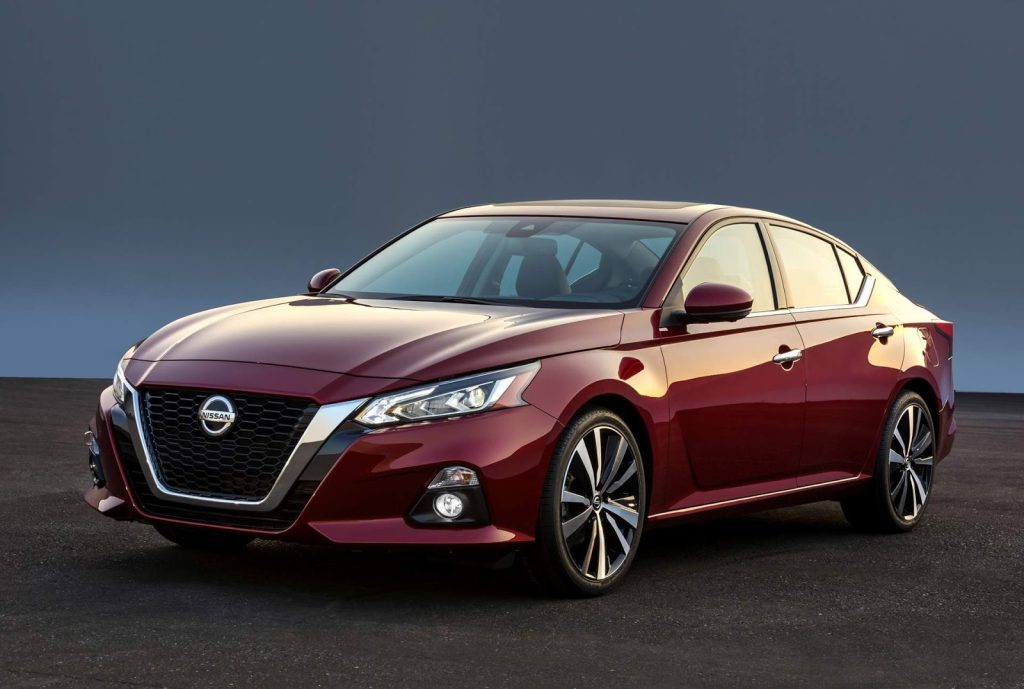
I chose to highlight the Altima because it represents how mainstream sedans have drifted away from the joy they once offered.
It’s built for convenience and comfort, but in doing so, it has lost the essence of interaction. The Altima performs its duties flawlessly but never invites the driver to participate. It is efficiency without feeling, reliability without reward.
5. Mercedes-Benz EQE
The Mercedes-Benz EQE showcases the cutting edge of electric luxury, but it also demonstrates how excessive isolation can remove emotional depth. Its electric motors deliver effortless acceleration, and its cabin is a masterpiece of design and silence.
Yet the moment you begin to drive, it feels like the car has replaced sensation with simulation. The steering is overly light, the braking artificial, and the chassis so insulated that road texture disappears completely.
Every aspect of the EQE’s operation is filtered through layers of electronic mediation. The air suspension erases imperfections, the cabin acoustics remove sound, and the digital systems anticipate your actions before you make them.
The result is comfort elevated to art form but at the cost of feeling. You move quickly, but the experience feels distant, as if you’re watching driving rather than doing it.
Even in its sport settings, the EQE prioritizes calm efficiency over excitement. The acceleration is addictive for a moment but quickly turns repetitive without sensory input. There’s no vibration, no feedback, no dialogue between driver and car.
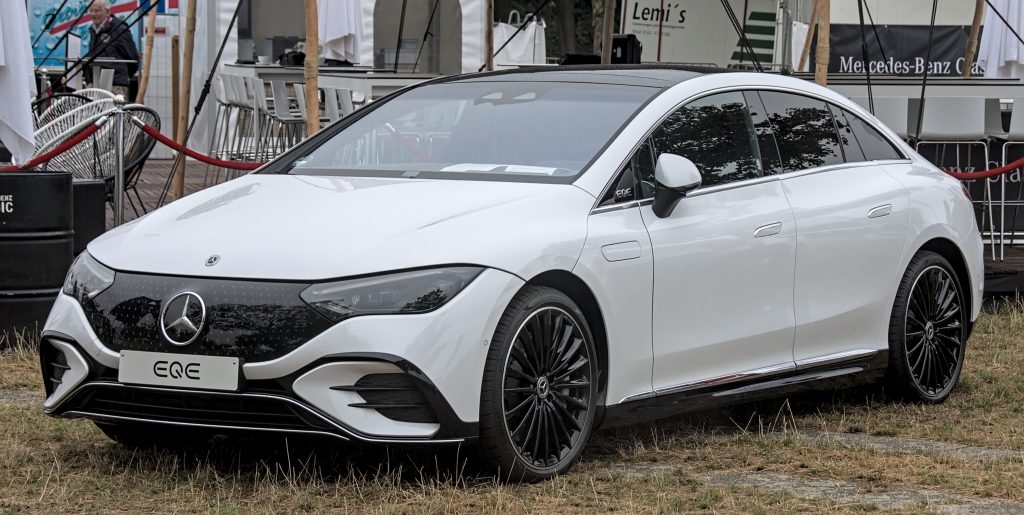
I chose the EQE because it reflects the future direction of many luxury vehicles: brilliance without emotion.
It is proof that technology can create perfection while removing personality. For those who value serenity, it’s unmatched. For those who value connection, it’s a reminder that silence can sometimes feel empty.
The contrast between cars that engage and those that isolate reveals a deep truth about modern driving. Machines like the Mazda MX-5 Miata, Porsche 718 Cayman GTS 4.0, BMW M2, Honda Civic Type R, and Toyota GR86 remind us that real connection is built through feedback, balance, and communication.
They make the driver part of the process, not a passenger behind technology. Every steering input, gear shift, and tire movement carries meaning. These cars remind us that joy lies not in power figures but in sensation, rhythm, and trust between driver and machine.
On the other hand, models such as the Tesla Model 3, Lexus ES 350, Audi Q5, Nissan Altima, and Mercedes-Benz EQE show how progress can sometimes distance us from the essence of driving.
They are comfortable, refined, and advanced, yet sterile in feeling. Their steering is filtered, their engines or motors muted, and their responses overly managed. They deliver transportation without emotion, creating a divide between performance and participation.
What separates the two groups isn’t engineering capability but philosophy. The engaging cars were designed to communicate, while the soulless ones were engineered to isolate. One group rewards attention and effort, the other removes the need for both.
Yet comfort and precision shouldn’t come at the cost of involvement. The most memorable drives are not defined by how fast we travel but by how connected we feel while doing it.
Ultimately, the cars that truly matter are the ones that remind us we are still part of the experience. They don’t just take us places; they make the journey worth remembering.
As the industry moves deeper into automation and electrification, that sense of connection is what must be protected if driving is ever to remain an art instead of an algorithm.
Also Read: 5 New Electric SUVs That Make Sense vs 5 That Don’t
