

When it comes to trucks, one of the most important considerations for owners and buyers is engine reliability. A truck is not just a vehicle; for many, it is a workhorse, a partner in daily jobs, and sometimes a lifeline for livelihood. An engine that runs smoothly with minimal maintenance can save money, reduce downtime, and offer peace of mind.
On the flip side, trucks that demand constant engine repairs can become a headache, drain finances, and cause frustration. This article will look at five trucks known for their reliable engines, trucks that are celebrated for their longevity and minimal engine issues. On the other side, it will list five trucks infamous for frequent engine problems and costly repairs.
The engines in trucks operate under heavy stress. Whether hauling loads, towing trailers, or enduring off-road conditions, the engine must perform reliably for thousands of miles. Some manufacturers have built reputations around durable engines that require little attention beyond routine oil changes and scheduled maintenance.
Others have struggled with design flaws, poor engineering, or inconsistent quality control, leading to engines that fail prematurely or demand regular fixes.
Choosing a truck with a dependable engine can be a crucial decision, especially for those who rely on their vehicle daily or for commercial purposes.
By understanding which trucks tend to require less engine work, and which are prone to more frequent repairs, prospective buyers can make informed choices that align with their needs and budgets. Whether the goal is a daily driver, a work vehicle, or a long-haul companion, knowing the reputation of a truck’s engine can prevent many headaches down the road.
The following sections examine trucks from both ends of the spectrum, based on reliability, owner experiences, and known mechanical traits. The list is not exhaustive, but it covers models that are commonly discussed among enthusiasts, mechanics, and truck owners for their engine performance history.
5 Trucks That Rarely Need Engine Work
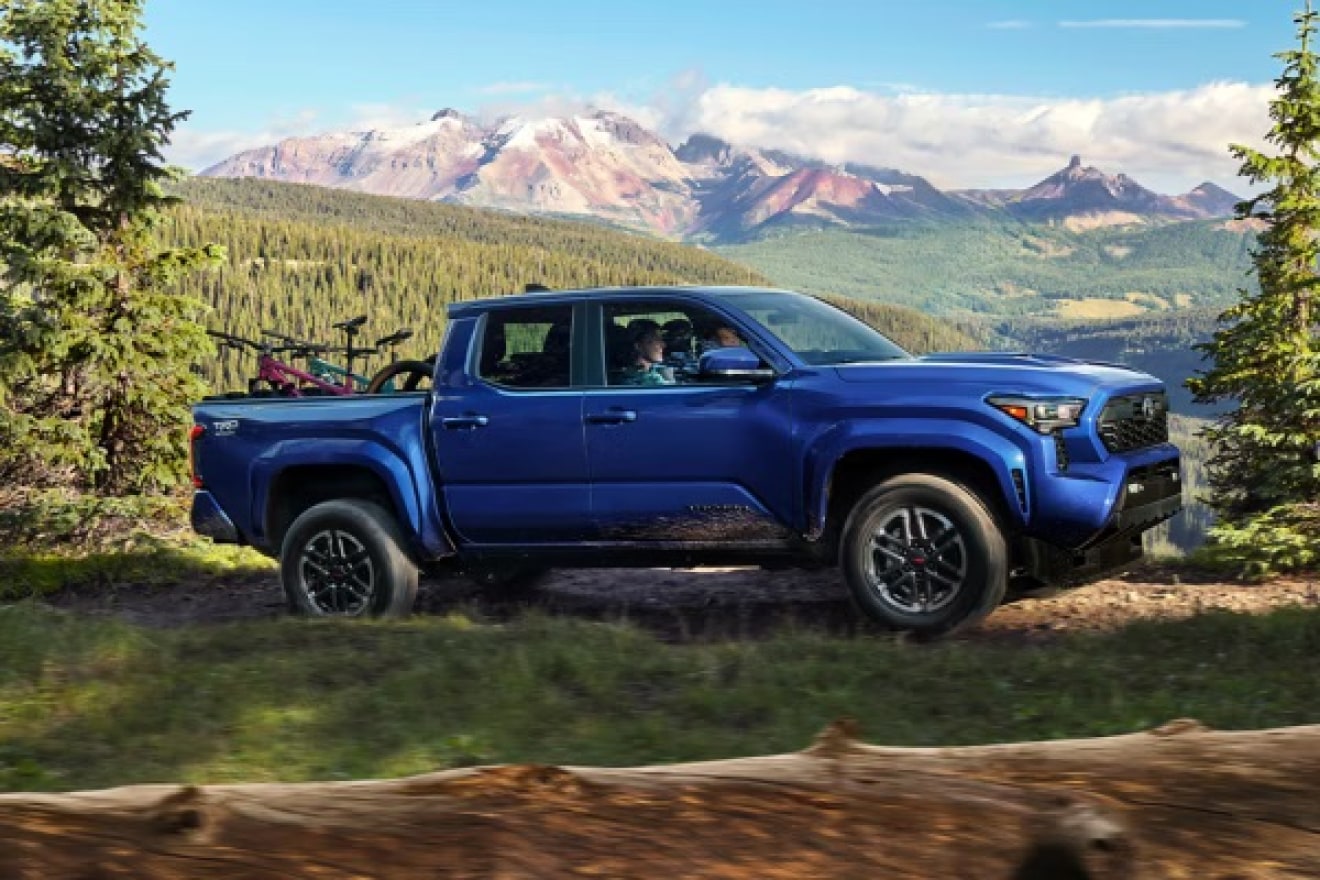
Toyota Tacoma
The Toyota Tacoma stands out among midsize trucks primarily because of its unmatched reputation for engine reliability. Its 3.5-liter V6 engine, which powers many of the newer models, has demonstrated an ability to run smoothly for hundreds of thousands of miles without suffering major mechanical issues.
This engine is designed with a focus on simplicity and durability, avoiding the trend of overly complicated engine systems that sometimes introduce new failure points.
Many Tacoma owners proudly share stories of their trucks exceeding 200,000 miles or more with little to no engine repairs beyond standard maintenance, which typically involves oil changes, air filter replacements, and scheduled inspections.
This has made the Tacoma a favorite among those who value a dependable, long-lasting engine that won’t leave them stranded on the side of the road.
The reliability of the Tacoma’s engine is also a reflection of Toyota’s larger engineering philosophy. The company places tremendous emphasis on thorough testing and incremental improvements, resulting in engines that are not only mechanically sound but also well-matched to the demands of everyday driving and rugged conditions alike.
Whether you’re using the truck for daily commuting, weekend adventures, or light hauling and towing, the engine has been proven to withstand a variety of driving styles and environmental factors.
This consistent performance under diverse conditions is part of why Toyota trucks have maintained strong resale values and earned the trust of both casual drivers and professionals who depend on their vehicles daily.
The careful engineering ensures that problems like overheating or fuel starvation are rare occurrences. Moreover, Toyota’s service networks and widespread availability of parts make routine maintenance easier and more affordable, encouraging owners to stay on top of upkeep.
When owners follow the recommended maintenance schedules, it’s common for a Tacoma’s engine to perform reliably for many years without requiring costly repairs.
The Tacoma’s reputation as a truck with an engine that rarely needs work has made it a favorite for people who need a dependable, practical vehicle. It manages to strike a balance between power, fuel efficiency, and longevity without leaning too heavily on expensive technology or complex systems that could increase maintenance costs.
This makes it an excellent choice not only for individual owners but also for small business operators and fleet managers who value uptime and minimal repair expenses. Whether used in urban settings or off-road trails, the Tacoma’s engine continues to be a benchmark for reliability in the midsize truck category.
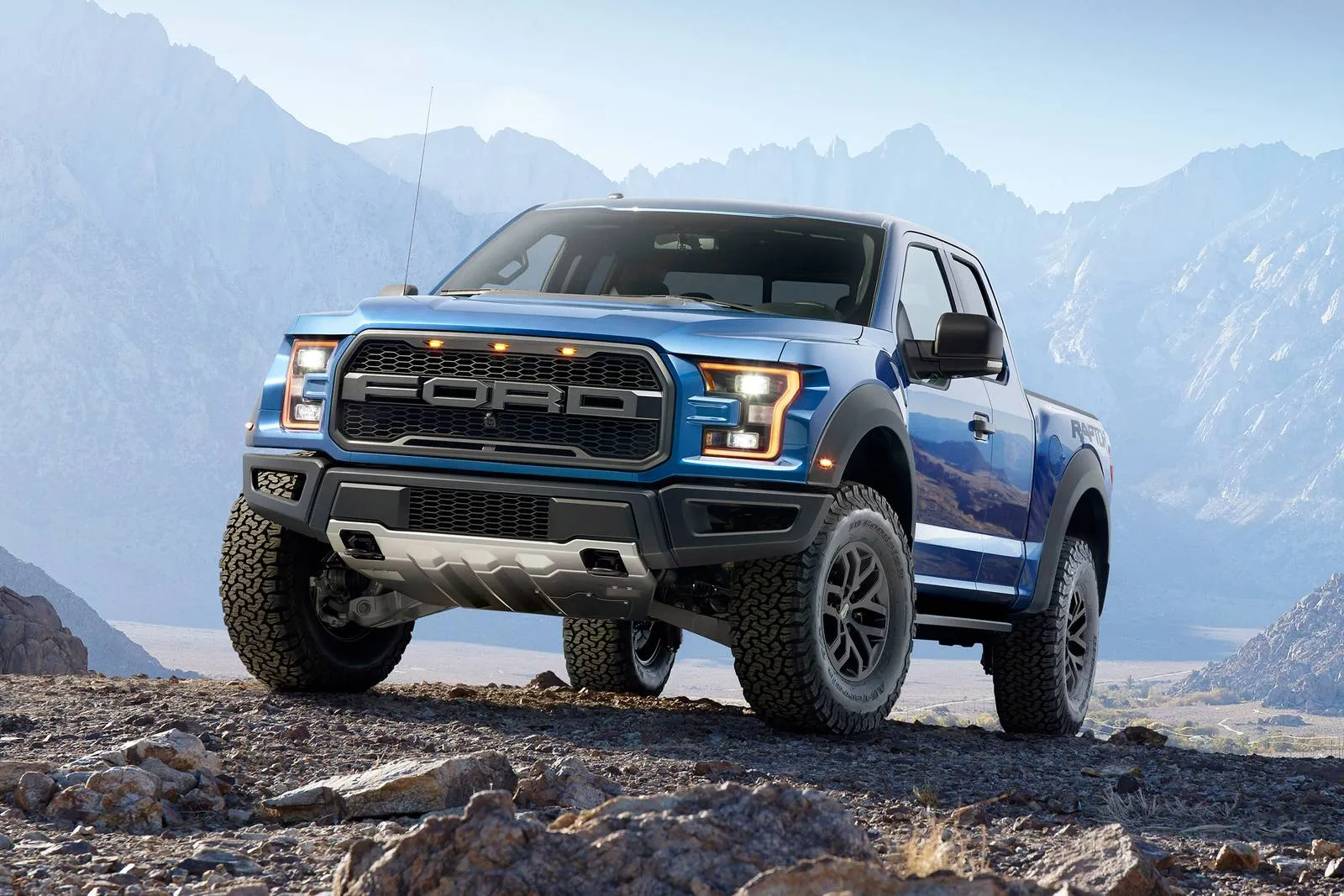
Ford F-150 (Early 2010s 5.0L V8)
The Ford F-150 has been a staple in the American truck market for decades, and among its engine options, the early 2010s 5.0-liter V8 “Coyote” engine is especially renowned for its blend of power and reliability.
Introduced as a modern, technologically advanced engine, the Coyote featured innovations like twin independent variable cam timing, which optimizes performance and efficiency across different driving conditions.
Despite these technological upgrades, the engine maintains a solid and robust construction that has earned it praise from both mechanics and truck owners.
It is capable of enduring heavy-duty usage such as towing, hauling, and long highway drives without succumbing to common wear issues, making it a favorite among those who require a dependable engine for both work and daily transportation.
One of the key reasons the 5.0L V8 is so reliable is its engineering focus on durability. Ford invested significant resources in developing a block and internal components designed to withstand the stress of heavy use while minimizing common failure points like oil leaks or excessive heat generation.
The engine’s robust aluminum block, forged steel crankshaft, and high-strength pistons contribute to its long service life. Additionally, Ford’s extensive network of dealerships and parts suppliers ensures that maintenance and repairs are both accessible and affordable, which encourages owners to adhere to scheduled maintenance.
This preventive care, combined with the engine’s inherent durability, allows many F-150s equipped with the 5.0L V8 to reach well over 200,000 miles without requiring major engine repairs.
Owners of these trucks frequently report that the 5.0L engine delivers consistent power output, reliable starts in cold weather, and strong towing capabilities without oil consumption or overheating issues. The engine’s design also allows it to run efficiently with regular gasoline, further reducing operational costs.
This reliability extends to the ancillary systems such as the cooling system, fuel injectors, and ignition components, which are built to complement the engine’s performance and longevity. This cohesiveness among systems reduces the chances of unexpected breakdowns, giving owners peace of mind when taking on long trips or heavy work.
Because the Ford F-150 is one of the most popular trucks on the market, the 5.0L V8 engine benefits from a large community of knowledgeable owners and aftermarket support. Mechanics and enthusiasts alike are familiar with the engine’s design and maintenance needs, which leads to more accurate diagnostics and fewer botched repairs.
This widespread familiarity translates into better long-term reliability and helps maintain the truck’s resale value. For those seeking a powerful, modern V8 engine that rarely requires engine work, the early 2010s Ford F-150 with the 5.0L V8 remains a top recommendation.
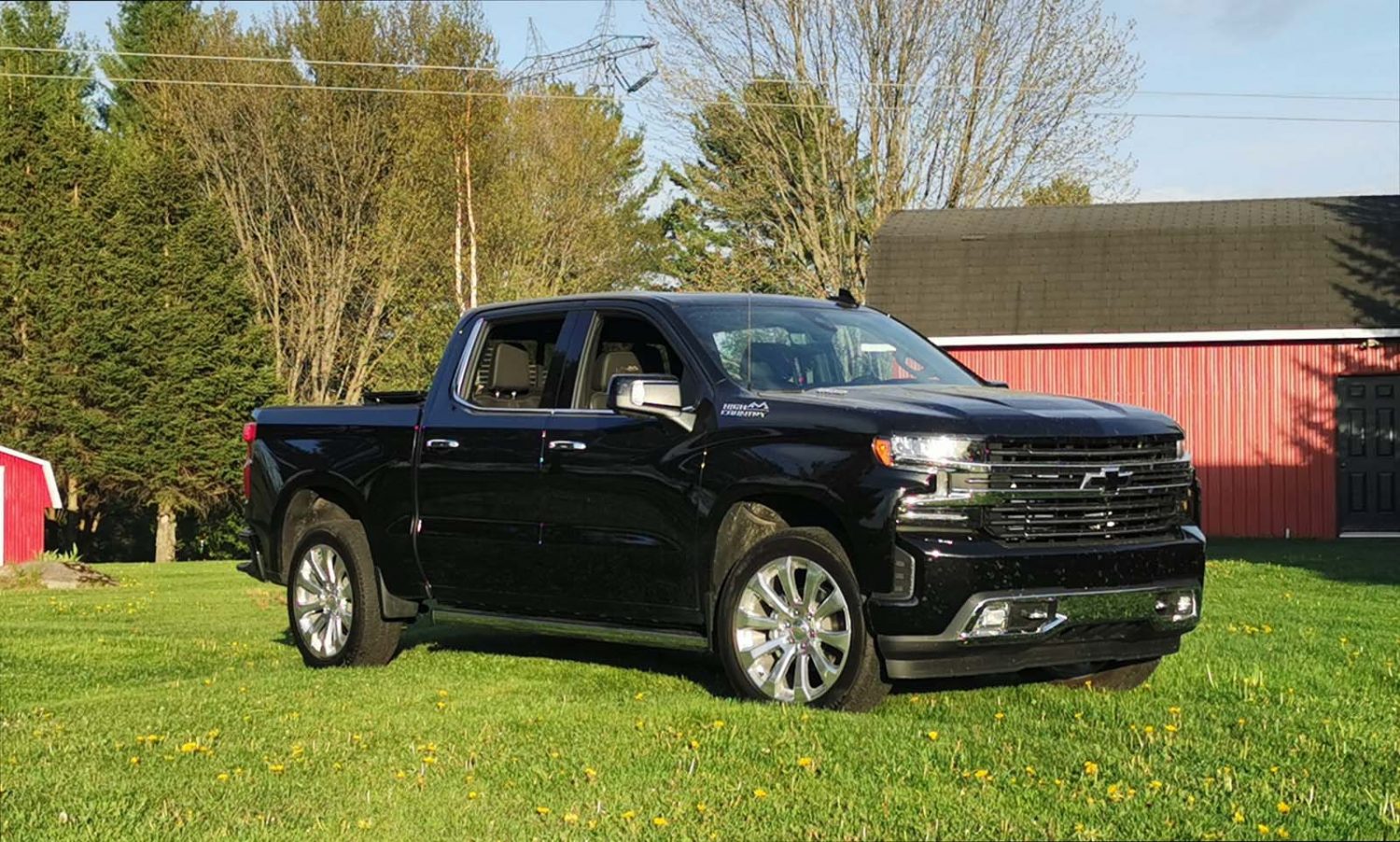
Chevrolet Silverado 1500 (2014-2018 5.3L V8)
Chevrolet’s Silverado 1500, particularly in the 2014 to 2018 model years equipped with the 5.3-liter V8 engine, is widely considered one of the most dependable full-size trucks on the market. This engine is part of Chevrolet’s Generation V small-block family, which builds on a long history of engineering refinements and performance improvements.
It strikes an excellent balance between power, fuel efficiency, and long-term durability. The 5.3L V8 is engineered with features like Active Fuel Management (AFM), which helps improve fuel economy by deactivating cylinders when full power isn’t needed.
Although AFM has faced some criticism in earlier versions, by this generation, many of the reliability concerns were addressed, resulting in an engine that delivers solid performance with fewer mechanical issues.
The construction of the 5.3L engine is designed to withstand the rigors of both light and heavy use, including towing, hauling, and daily commuting. The engine block is made from durable materials, and the internal components such as pistons, rings, and cylinder heads are designed to reduce wear and extend engine life.
Chevrolet also improved the cooling and oiling systems to better manage heat and reduce friction, two major factors that contribute to engine longevity. The result is an engine that consistently performs well across a wide range of conditions and maintains reliability over many miles.
Owner reports and mechanic feedback support the reputation of the Silverado’s 5.3L engine as requiring minimal major repairs. Routine maintenance, including regular oil changes, timely spark plug replacements, and careful attention to the cooling system, typically keeps the engine running without significant issues.
The design reduces the risk of common engine problems like head gasket failures, timing chain stretch, or piston ring wear, which can be prevalent in other trucks. This reliability is especially valuable for owners who use their trucks for work or frequent towing, as it minimizes downtime and repair costs.
In addition to mechanical durability, the availability of parts and the extensive service network for Chevrolet trucks contribute to the engine’s dependability.
Many truck owners report ease of servicing the 5.3L engine, which encourages proactive maintenance and prevents small issues from escalating. The Silverado 1500 with this engine model year range continues to be a trusted choice for drivers who want a full-size truck that rarely demands engine repairs but can still deliver solid power and fuel economy.
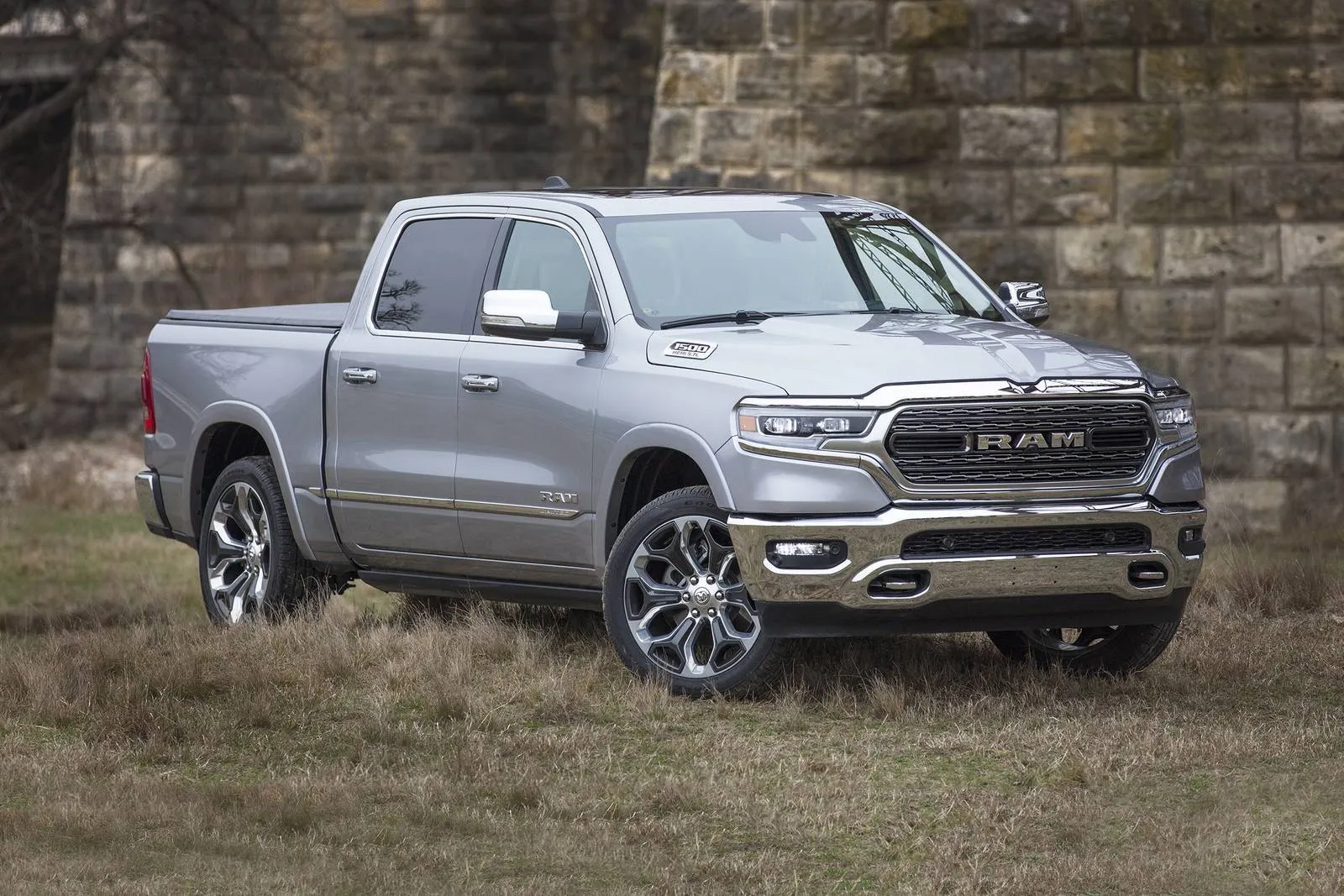
Ram 1500 (2013-2018 5.7L HEMI V8)
The Ram 1500 with the 5.7-liter HEMI V8 engine, especially in models from 2013 to 2018, offers a compelling combination of power and reliability that makes it one of the more dependable trucks in its class. The HEMI engine, known for its hemispherical combustion chamber design, has a long history of performance and durability in Chrysler’s lineup.
This particular generation of the 5.7L HEMI is engineered to handle a variety of driving conditions, from everyday commuting to more demanding tasks like towing trailers or hauling heavy loads. Its relatively simple design and strong internal components contribute to an engine that rarely requires major repairs when properly maintained.
One significant reason for the HEMI’s reliability is its solid block and well-balanced rotating assembly, which reduces engine vibrations and stress on components. The 5.7L version also benefits from modern manufacturing techniques and quality control that improve part tolerances and longevity.
Furthermore, Chrysler improved the cooling system and added features like cylinder deactivation (MDS, Multi-Displacement System) to enhance fuel efficiency without compromising engine health. These upgrades help prevent overheating and reduce wear, extending the engine’s useful life.
The HEMI’s relatively straightforward design makes routine maintenance tasks like oil changes, spark plug replacements, and valve adjustments easy to perform, which encourages owners to keep up with preventive care and avoid costly breakdowns.
In practical terms, the Ram 1500 with the 5.7L HEMI appeals to drivers who want a truck with a strong V8 engine that offers a good mix of performance and reliability. It is capable of handling demanding workloads while maintaining a reputation for longevity.
This balance has made the HEMI-powered Ram a popular choice among truck enthusiasts, tradespeople, and families alike who seek an engine that rarely demands significant work but delivers power when needed.
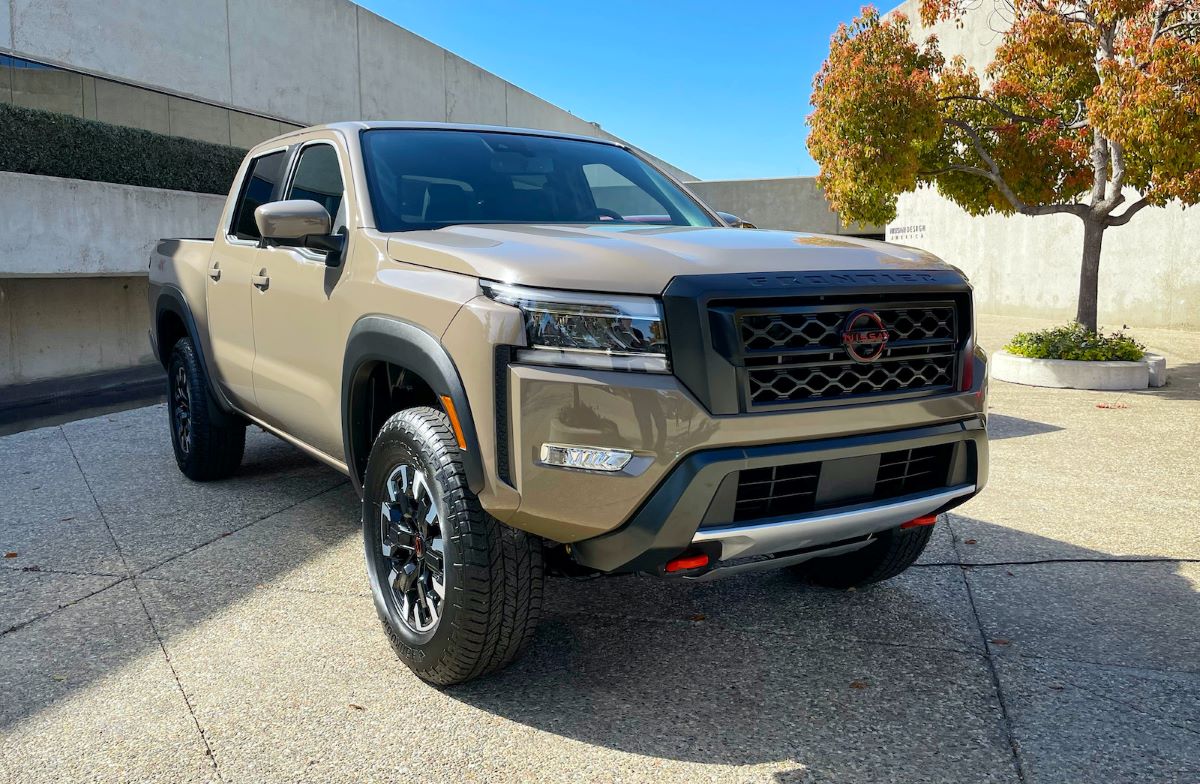
Nissan Frontier
The Nissan Frontier has built a loyal following thanks to its reputation as a simple, reliable midsize truck that emphasizes ruggedness and ease of maintenance. Central to this reputation is its 4.0-liter V6 engine, which is recognized for being a workhorse that rarely experiences major engine issues.
Unlike some competitors that focus heavily on advanced technology and complex systems, the Frontier’s engine sticks to a more straightforward design philosophy, which helps keep things reliable and easy to service.
This engine has proven itself capable of running smoothly well past the 200,000-mile mark with basic, consistent maintenance, making it an appealing option for buyers looking for dependable performance without surprises.
The durability of the Frontier’s engine stems from its conservative tuning and robust mechanical design. It doesn’t push the engine components to extreme limits, which significantly reduces stress and wear on parts like pistons, valves, and the timing system.
The engine also uses a timing chain instead of a belt, which typically lasts longer and requires less frequent replacement. Additionally, the block and head materials are chosen to withstand tough working conditions, such as high heat or heavy loads, without suffering from premature failures. This conservative approach has contributed to the Frontier’s reputation as a reliable truck with minimal engine problems.
The Frontier’s simple engine control systems also mean fewer electronic glitches or sensor-related issues, which can plague more complex modern engines. These factors combine to make the Frontier a vehicle that requires little more than regular oil changes and basic tune-ups to keep running well.
For buyers who prioritize a truck with an engine that just works without demanding constant repairs, the Nissan Frontier remains a solid choice. Its straightforward engineering, combined with a track record of reliability, makes it particularly attractive for those who need a midsize truck for everyday use or light off-road adventures.
While it may lack some of the bells and whistles of its competitors, the Frontier’s engine is a testament to the value of simplicity and durability.
5 Trucks That Constantly Need Engine Work
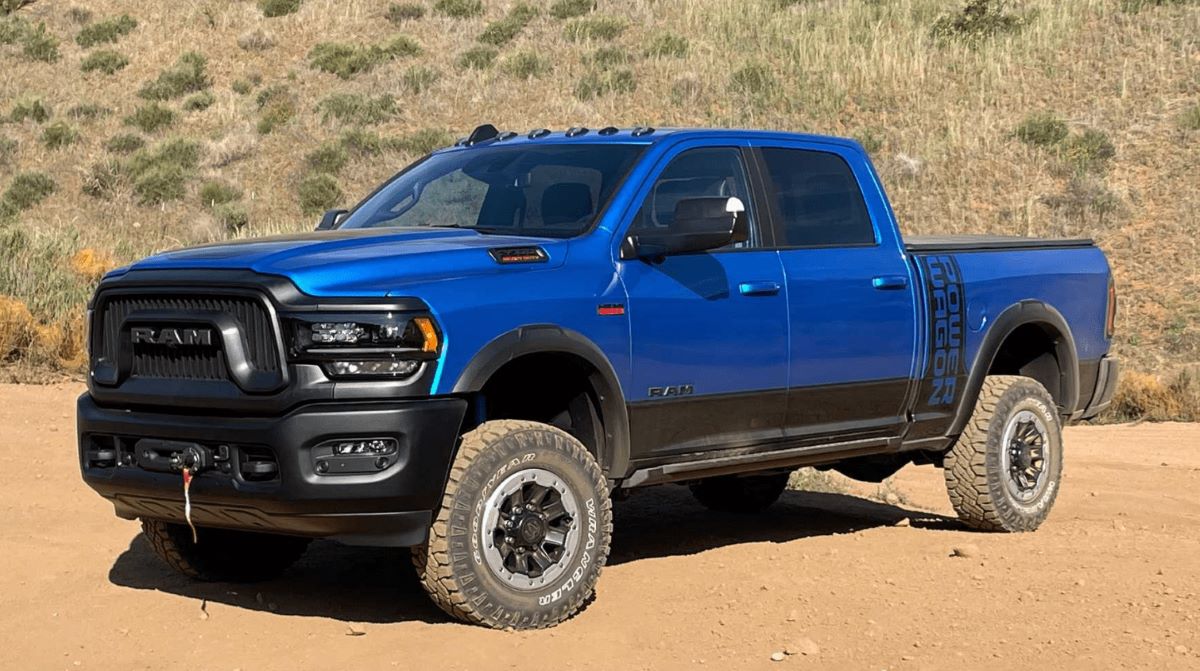
Dodge Ram 2500/3500 with Cummins Diesel (Early Models)
The early model Dodge Ram 2500 and 3500 trucks equipped with the first-generation Cummins 5.9-liter diesel engines have earned a mixed reputation. While these engines are known for their power and torque, especially for heavy-duty towing and hauling, they often require frequent engine work due to several design and manufacturing challenges.
One common issue is with the fuel injection system, which in these earlier models can develop leaks or fail prematurely, leading to poor engine performance, reduced fuel efficiency, and increased emissions.
Moreover, the mechanical fuel pump and injectors can wear out quickly if not meticulously maintained, resulting in costly repairs or replacements. These issues mean that owners of these trucks often face higher maintenance costs and engine downtime compared to more modern diesel engines.
Another factor contributing to the frequent engine problems is the turbocharger design in these early Cummins models.
The turbo is essential for boosting engine power and efficiency, but in older trucks, the turbo components often suffer from premature wear or failure due to heat buildup, oil contamination, or improper maintenance. This not only reduces the truck’s power output but can also cause engine damage if not addressed promptly.
The turbo system requires regular inspection, cleaning, and occasional rebuilds, which can be a significant source of frustration for owners who rely on their trucks for heavy workloads or long-distance driving. Furthermore, the older emissions controls, or lack thereof, sometimes result in excessive soot buildup and engine wear, further compounding engine reliability issues.
The engine’s cooling system in these Dodge Rams is another critical area where problems frequently arise. Because these trucks are often used in demanding environments, such as construction sites or towing heavy loads in hot weather, the cooling system can struggle to maintain optimal temperatures.
Radiator failures, clogged coolant passages, and thermostat issues can lead to overheating, which is a major cause of engine damage. Overheating accelerates wear on engine components such as the cylinder head gasket, pistons, and valves, potentially resulting in catastrophic engine failure if not caught early.
Owners who operate these trucks without careful monitoring of engine temperatures and regular cooling system maintenance risk expensive repairs down the line.
Lastly, the older Cummins diesel engines in these Rams tend to suffer from issues related to oil consumption and leaks. Due to the mechanical complexity and age of these engines, seals and gaskets often degrade, leading to oil leaks that can cause low oil levels or contamination of engine parts.
This creates a cycle where insufficient lubrication speeds up engine wear and necessitates more frequent engine work. The combination of fuel system problems, turbocharger issues, cooling challenges, and oil leaks makes these early Dodge Ram trucks prone to needing significant engine attention, which can be discouraging for owners who expect their diesel trucks to be rugged, low-maintenance workhorses.

Ford Power Stroke 6.0L Diesel (2003-2007)
The 6.0-liter Power Stroke diesel engine found in Ford trucks between 2003 and 2007 is notorious for its engine troubles and is often cited as one of the most problematic diesel engines in recent memory.
One of the primary reasons for this reputation is the engine’s complex design, which included high-pressure oil systems, advanced electronic controls, and emissions technology that was not fully mature at the time.
These systems, while intended to improve performance and reduce emissions, introduced numerous failure points that can lead to engine damage and costly repairs. Problems with the high-pressure oil pump (HPOP), for instance, are common and can cause poor fuel injector operation, leading to rough running and loss of power.
Another significant issue with the 6.0L Power Stroke is related to its cooling system, specifically the EGR (Exhaust Gas Recirculation) cooler. This component often fails prematurely, causing coolant leaks that lead to engine overheating or mixing of coolant and oil, which can quickly damage the engine internals.
The EGR cooler’s failure is sometimes difficult to detect early, meaning damage can accumulate unnoticed until the engine suffers severe problems.
Additionally, the engine’s oil cooler can clog easily, which further reduces the cooling capacity and increases the risk of overheating. These cooling system challenges make this engine especially vulnerable to expensive repairs and reduce its reliability in demanding work environments.
The 6.0L Power Stroke also has a reputation for issues with its fuel injection system, which relies on precise timing and pressure to operate effectively. Problems with the injectors, fuel rails, and related sensors can cause rough idling, misfires, and reduced fuel efficiency.
These failures often require the replacement of multiple components at once to resolve, leading to high repair costs and extended downtime. Because the engine’s electronic control module (ECM) is integral to managing these systems, any glitches or failures in the computer can further complicate repairs and reliability.
In addition to the technical complexities, many 6.0L Power Stroke engines suffer from premature wear on internal parts such as pistons, valves, and cylinder heads, sometimes requiring major rebuilds or replacements at relatively low mileage compared to other diesel engines.
These mechanical issues are often caused or worsened by the engine’s tendency to run hotter than intended and the difficulty in maintaining optimal oil and coolant conditions. For truck owners, the 6.0L Power Stroke represents a significant risk of frequent engine work, with repair bills that can quickly add up and reduce the cost-effectiveness of owning these trucks.
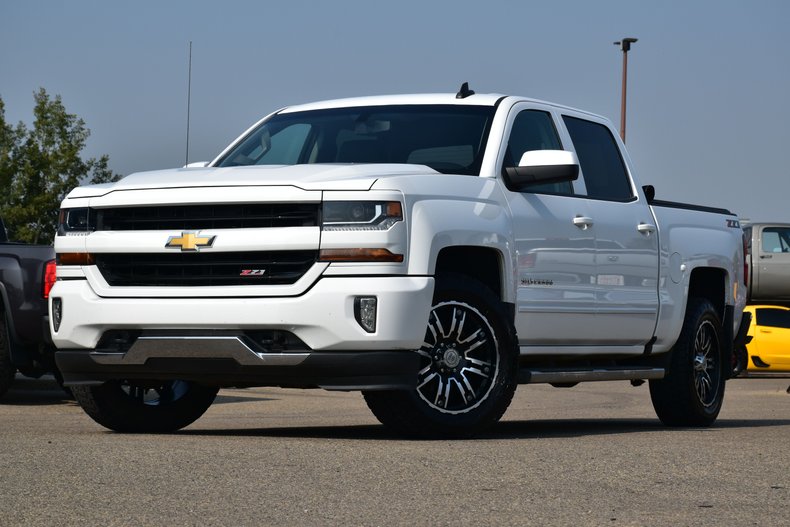
Chevrolet Silverado 1500 (2007-2013 with 4.8L and 5.3L V8s)
The Chevrolet Silverado 1500 models from 2007 to 2013 equipped with the 4.8-liter and 5.3-liter V8 engines are known for a range of engine problems that often require ongoing repairs.
These engines, part of GM’s Generation IV V8 family, introduced features like Active Fuel Management (AFM) to improve fuel economy by deactivating cylinders under light loads. However, AFM technology has proven to be a double-edged sword, as it is associated with several reliability concerns.
One common problem is premature wear on lifters and camshaft lobes, which can lead to noisy engine operation, reduced power, and the need for costly repairs or replacements of internal engine components. The wear is often caused by the constant activation and deactivation cycles, which place extra stress on certain engine parts.
In addition to AFM-related wear, the 4.8L and 5.3L engines from this period often experience issues with oil consumption and leaks. The piston rings and valve seals in these engines are prone to wear, resulting in oil entering the combustion chamber and causing blue smoke from the exhaust, fouled spark plugs, and increased oil consumption.
These problems necessitate more frequent oil top-offs and can lead to engine damage if not addressed promptly. The valve lifters, in particular, may fail and cause ticking or knocking sounds that alert owners to underlying issues requiring engine work.
Another common concern is the intake manifold and related components, which can develop leaks or gasket failures. These leaks often lead to rough idling, poor fuel economy, and check engine light warnings. Repairing intake manifold problems can be labor-intensive and expensive because they often require partial engine disassembly.
Additionally, the cooling system on these engines can be a weak point, with water pump failures or thermostat issues that may lead to overheating and subsequent engine damage. Overheating can cause warped cylinder heads and head gasket failures, escalating the cost and complexity of repairs.
The combined effect of AFM-related wear, oil consumption, intake manifold leaks, and cooling system issues means that owners of these Silverado models often face recurring engine problems.
While these trucks offer solid performance and decent power, the engine’s design choices during this period have led to a reputation for reliability problems that demand ongoing maintenance and occasional major repairs. Prospective buyers or current owners should be prepared for the likelihood of frequent engine work if they choose to operate these models long term.
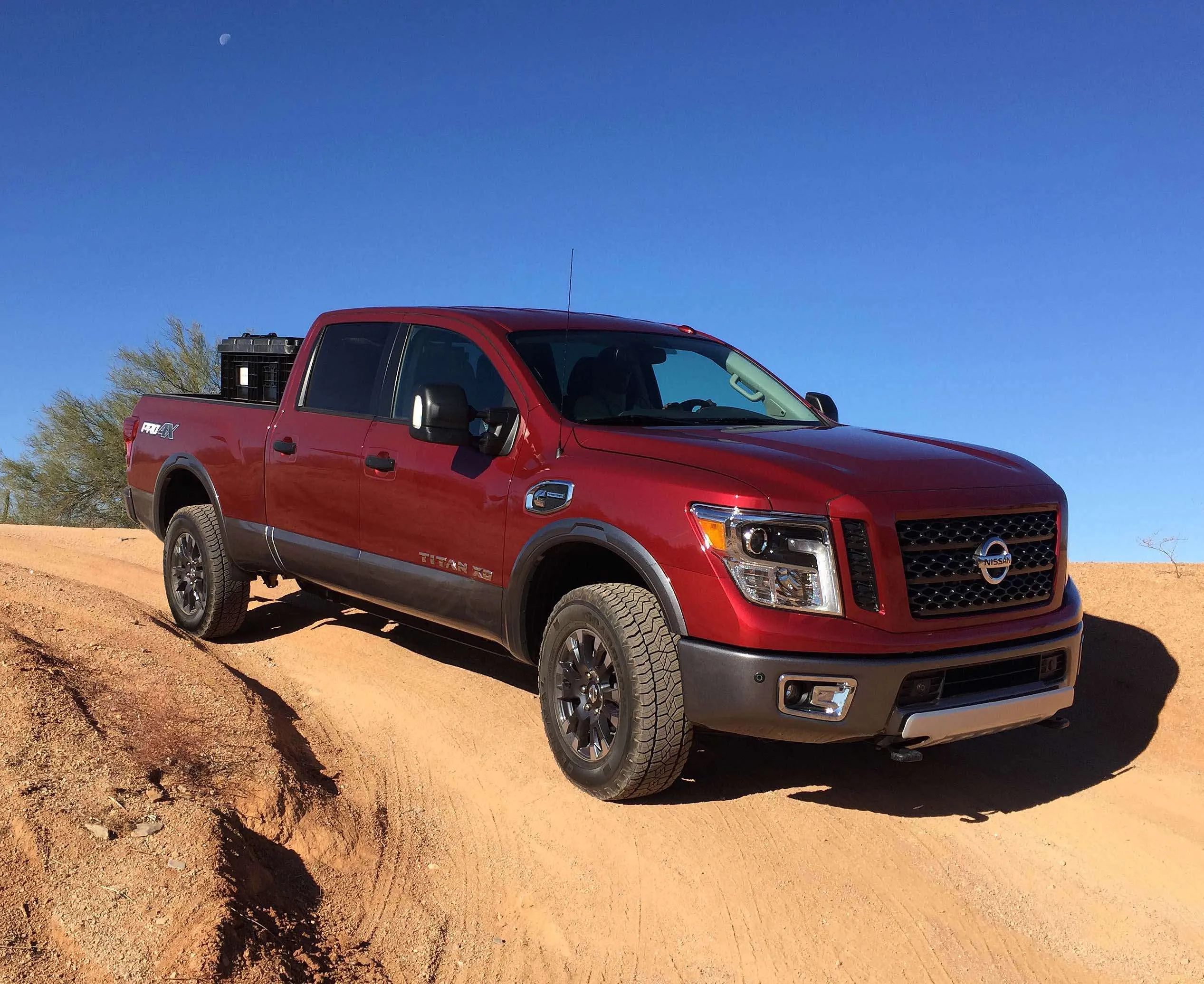
Nissan Titan (First Generation 2004-2015)
The first-generation Nissan Titan, produced between 2004 and 2015, is another truck with a reputation for engine issues that often require significant attention. The Titan’s 5.6-liter V8 engine, while powerful on paper, has been plagued by a number of mechanical and reliability problems.
One of the most common complaints involves the timing chain tensioner, which can fail and lead to timing chain slack. When this happens, the engine may produce rattling noises, poor performance, and even catastrophic engine failure if the chain jumps timing. Repairing or replacing the timing chain and its components is an expensive and labor-intensive job that many Titan owners face during the life of their trucks.
The 5.6L V8 also suffers from issues related to valve lifter wear and oil sludge buildup. Valve lifters can fail prematurely, leading to ticking noises and uneven engine operation that often requires replacing lifters or camshafts. Additionally, many Titan engines develop sludge due to inadequate oil change intervals or the engine’s sensitivity to oil quality.
This sludge clogs oil passages and reduces lubrication, increasing the risk of engine wear and failure. Preventing sludge buildup requires diligent maintenance and sometimes more frequent oil changes than recommended, which can be a hassle for owners who expect their trucks to be low-maintenance.
Cooling system problems are also common in the Titan, especially with water pumps and thermostats that fail and cause overheating. Overheating puts extra stress on the engine block, head gaskets, and other components, accelerating engine wear and sometimes leading to major repairs.
Some owners report that these issues are compounded by the engine’s design, which can trap heat in certain areas more than in competitor trucks. Combined with timing chain and lifter issues, these cooling system weaknesses make the Titan’s engine prone to needing extensive repairs to keep it running smoothly.
Lastly, the Titan’s engine management system and sensors can be a source of trouble. Malfunctioning sensors can trigger check engine lights and cause drivability issues that require diagnostic work and sensor replacements. While these electronic issues are sometimes minor, they can add up over time and lead to frustration for owners.
The first-generation Nissan Titan’s engine problems mean that many owners face ongoing maintenance challenges and costly repairs, especially as the trucks age and accumulate mileage.
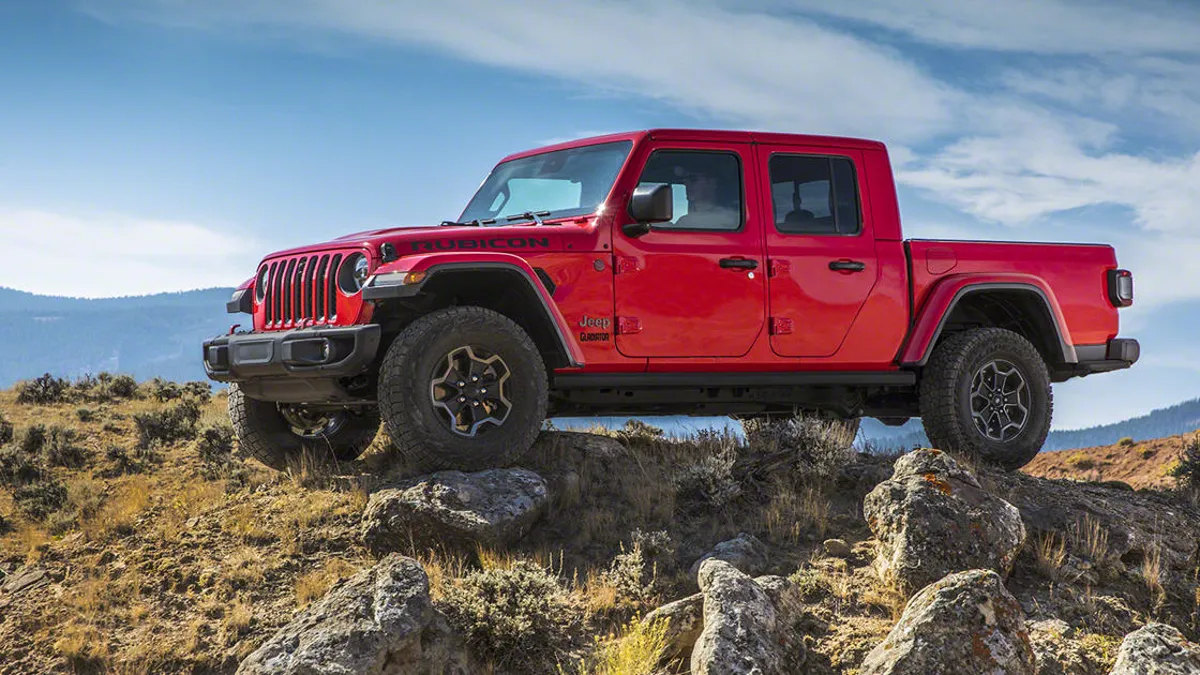
Jeep Gladiator (JT) and Jeep Wrangler JL with 3.6L Pentastar V6
Although the Jeep Gladiator JT and Wrangler JL models equipped with the 3.6-liter Pentastar V6 are generally praised for their off-road capabilities and modern features, their engines have been known to present certain persistent issues that lead to frequent engine work.
One of the most common problems involves oil consumption and oil leaks. The Pentastar V6 has been reported to burn oil at higher-than-normal rates, especially as the engine ages.
This can lead to low oil levels if not monitored closely, increasing the risk of internal engine damage due to insufficient lubrication. Additionally, oil leaks around the valve covers and oil pan gaskets are relatively common, requiring periodic repairs to prevent messy engine bays and further oil loss.
Another issue with the Pentastar engine is related to timing chain wear. The timing chain tensioners and guides in these engines sometimes wear prematurely, causing rattling noises and the potential for timing chain failure if not addressed.
Timing chain problems can lead to poor engine performance and, in worst-case scenarios, major engine damage if the chain slips or breaks. Replacing timing chain components is a costly repair that often involves significant labor time, making it a frequent source of frustration for Gladiator and Wrangler owners who expect reliable engines.
Fuel system problems have also been reported, including fuel injector failures and issues with the high-pressure fuel pump. These problems can cause rough idling, misfires, and reduced fuel efficiency, all of which may require frequent trips to the mechanic for repairs or replacements.
The engine’s electronic control systems, while advanced, sometimes produce error codes related to sensors or actuators that can be difficult to diagnose and fix, adding to maintenance complexity.
In addition to mechanical concerns, some owners have experienced issues with overheating or coolant leaks. The cooling system in the Pentastar engine can develop leaks or experience thermostat failures that contribute to higher operating temperatures.
Overheating can accelerate engine wear and cause additional problems like head gasket failures if not addressed promptly. Taken together, the combination of oil consumption, timing chain wear, fuel system troubles, and cooling challenges means that owners of the Jeep Gladiator JT and Wrangler JL often face ongoing engine maintenance and repair needs that can be both time-consuming and expensive.
