
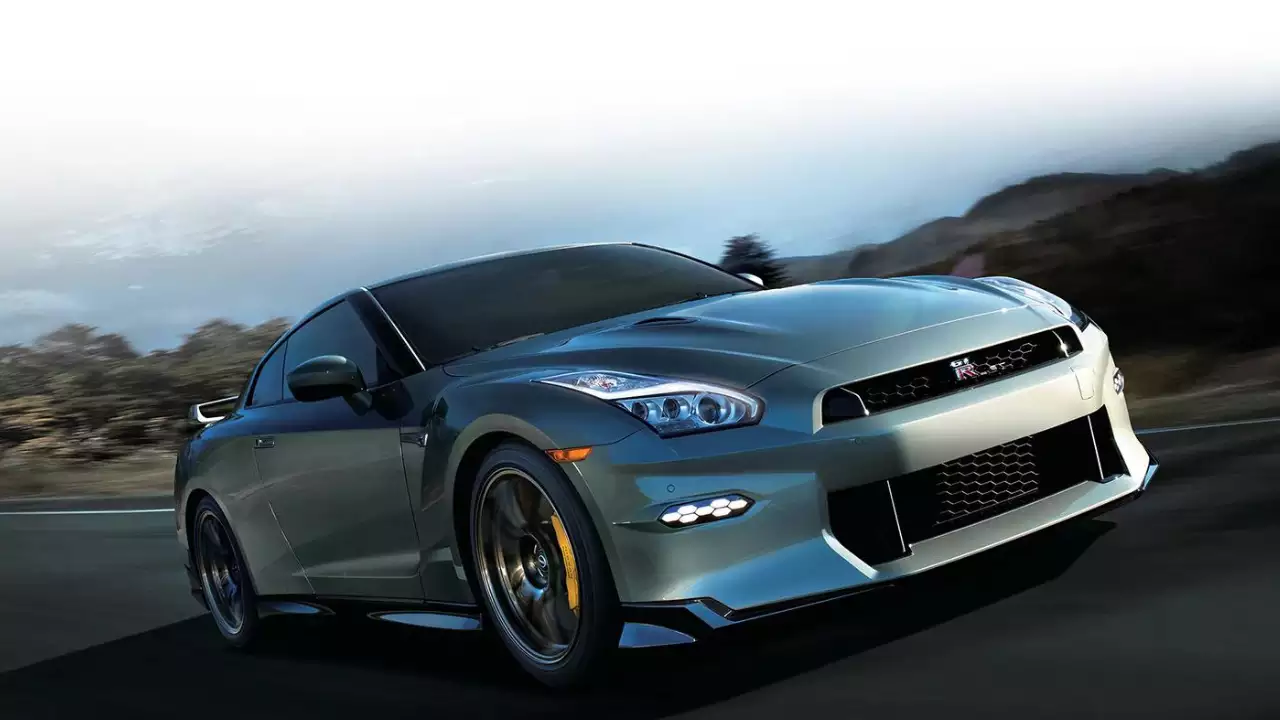
The used car market is unpredictable, with some vehicles holding value or even appreciating over time, while others experience steep depreciation shortly after purchase. Understanding the factors behind these trends is essential for buyers, collectors, and enthusiasts seeking to maximize long-term value or avoid financial loss.
Cars that appreciate often combine rarity, performance, iconic design, and cultural significance. Limited production runs, desirable trim levels, or strong enthusiast followings contribute to increasing demand and market value.
These vehicles often retain charm and relevance even as they age, attracting collectors and enthusiasts who are willing to pay a premium.
Examples include classic sports cars, performance sedans, and well-maintained luxury models that offer unique experiences or historical importance.
On the other hand, many cars crash in price due to high production numbers, rapid technological obsolescence, or lack of demand in the used market.
Vehicles that are mechanically unreliable, overly complex, or designed primarily for mass-market appeal often depreciate faster than their peers.
Even well-built cars can experience steep price drops if they lack desirability, prestige, or rarity. Maintenance costs, fuel efficiency, and perceived status also influence how a car retains value over time.
This article examines both sides of the spectrum. First, it identifies five cars that have historically appreciated in value, highlighting the characteristics and factors that make them sought after in the used market.
Then, it highlights five cars that tend to lose value quickly, explaining why they fail to maintain resale worth. Understanding these trends can guide buyers and enthusiasts toward smarter purchasing decisions, whether seeking financial security, long-term enjoyment, or collector potential.
Also Read: 5 Cars That Sell Instantly Used vs 5 That Sit for Months
5 Cars That Appreciate in the Used Market
Certain cars consistently outperform others in terms of retained value or even appreciation over time. These vehicles attract buyers due to rarity, performance, iconic design, or strong cultural significance. Understanding what drives appreciation can help enthusiasts, collectors, and everyday buyers make informed decisions.
Rarity is a significant factor. Cars produced in limited numbers naturally command higher prices as demand exceeds supply in the used market.
Collectors and enthusiasts are willing to pay a premium for vehicles that are difficult to find, especially if they are in excellent condition and retain original specifications.
Performance-oriented models often fall into this category, particularly if they are part of a brand’s storied lineup or limited-edition trim.
Design and historical significance also influence value retention. Vehicles with timeless styling, recognizable brand heritage, or a reputation for delivering unique driving experiences maintain appeal over time.
Sports cars, iconic sedans, and certain luxury vehicles often achieve higher-than-average appreciation due to their blend of aesthetics and performance, which keeps them relevant in enthusiast circles even decades after production.
Mechanical reliability and long-term durability further enhance appreciation. Cars that remain mechanically sound with minimal maintenance issues are more desirable in the used market.
Buyers are willing to pay more for models that offer reliability alongside rarity and performance, as these traits reduce the long-term costs and headaches associated with ownership.
Cultural and enthusiast support is another key factor. Cars with active fan communities, motorsport pedigrees, or notable appearances in media often experience heightened demand, further increasing value.
Limited-production Japanese sports cars, classic American muscle cars, and certain European performance sedans often fit this profile, with demand exceeding supply and pushing resale prices upward.
The following five cars have been selected because they consistently appreciate in the used market. Each example demonstrates how rarity, performance, design, reliability, and cultural significance combine to create vehicles that retain or increase in value over time, providing both enjoyment and investment potential for owners.
1. Toyota Supra (A80, Mk4)
The Toyota Supra A80, produced from 1993 to 2002, has become one of the most sought-after Japanese sports cars in the used market.
Its combination of performance, tuning potential, and cultural significance has driven strong appreciation over the past decade, making it a standout example of a car that retains and even increases in value.
Mechanically, the Supra A80 features the legendary 2JZ-GTE inline-six engine in twin-turbo form, offering immense potential for both stock performance and aftermarket tuning.
Its durability and reliability are legendary, allowing enthusiasts to extract significant power while maintaining long-term dependability. Even today, many examples with well-maintained engines continue to perform reliably, contributing to their desirability.
Design and driving experience further enhance its appeal. The Supra’s sleek, aggressive styling has aged gracefully, and the car delivers a balanced driving experience with rear-wheel drive, precise steering, and strong handling characteristics.
Its combination of comfort and sportiness allows it to function both as a daily driver and a high-performance track machine.
Cultural relevance plays a major role in its appreciation. The Supra gained fame through appearances in motorsports and popular media, including iconic films and video games, creating a strong fan following that spans generations.
Enthusiast communities actively preserve, restore, and modify these cars, which increases demand in the used market.
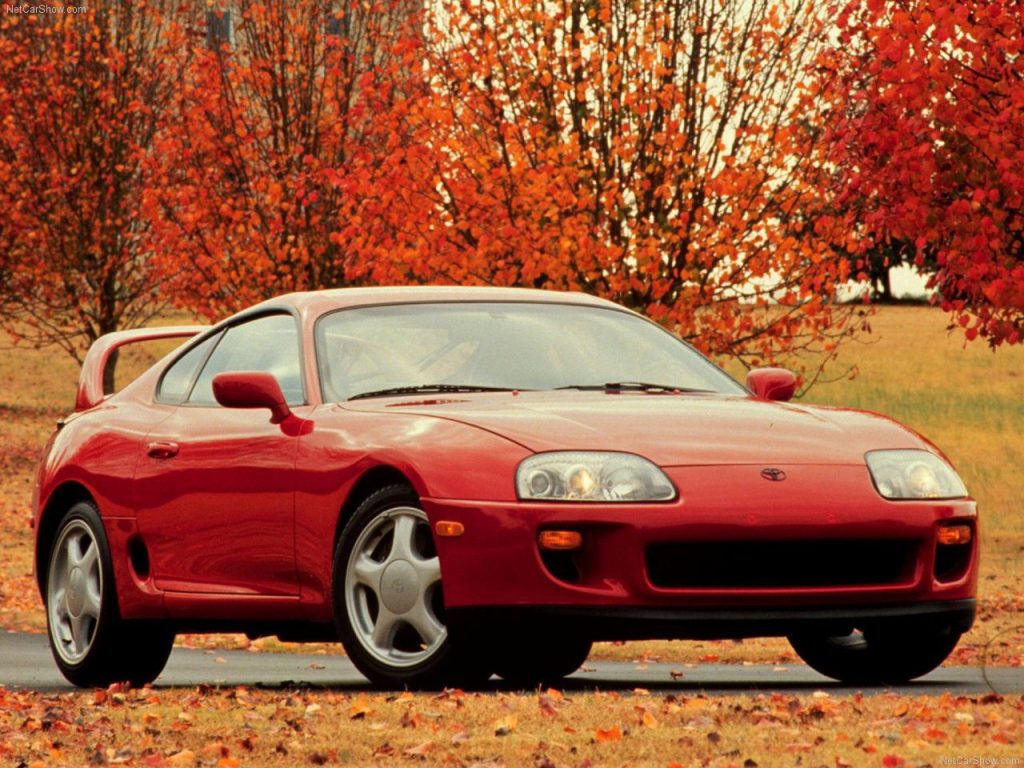
Limited availability also drives value. The combination of high performance, iconic styling, and cult status means that clean, original examples are rare. This scarcity, paired with strong demand, has caused prices for well-maintained A80 Supras to rise steadily, making them a notable investment among Japanese sports cars.
The Toyota Supra A80 exemplifies how a car’s mechanical reliability, performance potential, timeless design, and cultural significance combine to create strong appreciation in the used market, turning an already thrilling sports car into a highly valuable collectible.
2. Porsche 911 (997 generation)
The Porsche 911 997, produced from 2005 to 2012, has emerged as a modern classic in the sports car market, appreciating steadily due to a combination of performance, design, and brand prestige.
This generation of 911 maintains Porsche’s reputation for engineering excellence while delivering a driving experience that continues to attract enthusiasts.
Mechanically, the 997 generation is well-engineered, with flat-six engines that provide strong performance and reliability. Both naturally aspirated and turbocharged models are durable when properly maintained, contributing to long-term value retention.
Porsche’s precision engineering ensures minimal mechanical surprises, making these vehicles appealing to buyers looking for performance and longevity.
Design also contributes to its desirability. The 997 preserves the classic 911 silhouette while updating styling for modern appeal. Its timeless design, combined with high-quality interior finishes and a driver-focused cabin, keeps the car relevant and visually appealing in the used market.
Performance capabilities set the 997 apart. With responsive steering, balanced suspension, and strong brakes, it delivers the driving engagement expected of a Porsche. Variants such as the 911 Turbo, Carrera S, and GT3 further enhance collector interest due to their rarity and enhanced performance, increasing value appreciation over time.
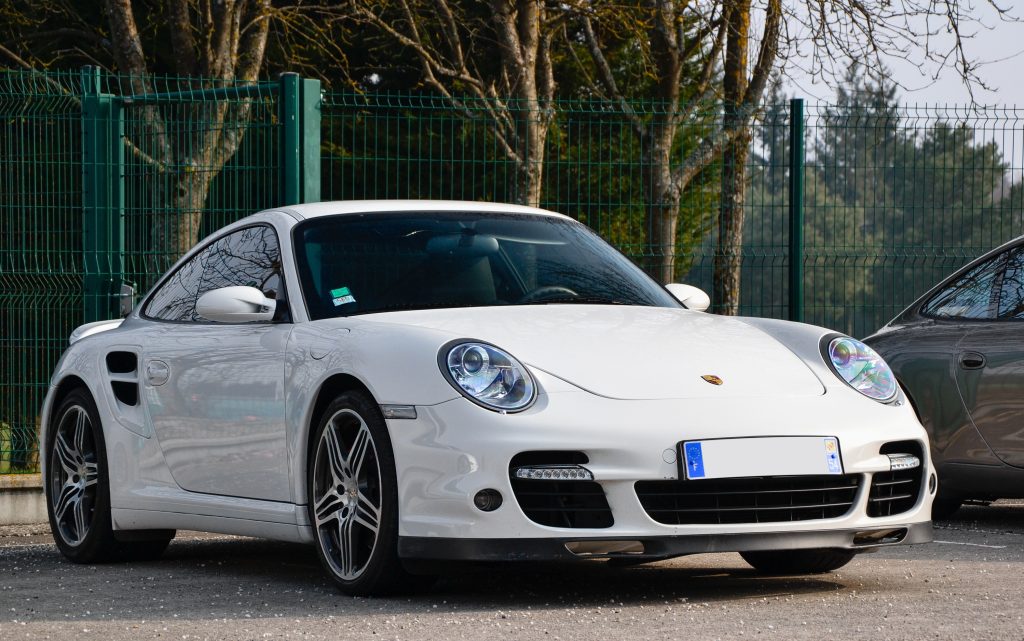
Brand prestige and historical significance amplify demand. Porsche’s long-standing reputation for quality and performance, along with the 911’s iconic status in automotive culture, attracts buyers willing to pay a premium for well-maintained examples. Enthusiast communities, motorsport heritage, and media presence also contribute to desirability.
Limited supply of clean, low-mileage examples drives value further. As production years age and well-preserved vehicles become scarcer, demand exceeds supply, causing prices to rise steadily. This combination of performance, design, reliability, and prestige ensures that the 997 generation 911 continues to appreciate in the used market.
The Porsche 911 997 demonstrates how engineering excellence, timeless design, brand reputation, and enthusiast demand converge to create a sports car with enduring value and investment potential.
3. Nissan GT-R (R35)
The Nissan GT-R R35, introduced in 2007, has become one of the most desirable Japanese sports cars in the used market, appreciated for its cutting-edge performance, engineering, and reliability.
Nicknamed “Godzilla,” this model has cultivated a strong following among enthusiasts, collectors, and performance-focused buyers, which has driven its value upward over the years.
Mechanically, the R35 features a hand-built VR38DETT twin-turbo V6 engine paired with an advanced all-wheel-drive system and dual-clutch transmission. Its engineering delivers blistering acceleration, precise handling, and high reliability when maintained properly.
Unlike many high-performance sports cars, the GT-R’s components are engineered to withstand extreme use, making it a long-lasting investment in terms of both performance and value.
Design plays a role in its appeal. The aggressive exterior styling is instantly recognizable, combining aerodynamic efficiency with a muscular presence.
The interior, while focused on performance, offers comfort, modern amenities, and driver-centric controls that appeal to both enthusiasts and daily drivers. Its iconic design ensures the GT-R remains relevant and desirable even years after production.
Cultural significance further boosts appreciation. Media coverage, video game features, and motorsport successes have established the GT-R as a symbol of Japanese engineering excellence. The vehicle’s reputation for speed, reliability, and uniqueness attracts collectors and enthusiasts willing to pay a premium for well-maintained examples.
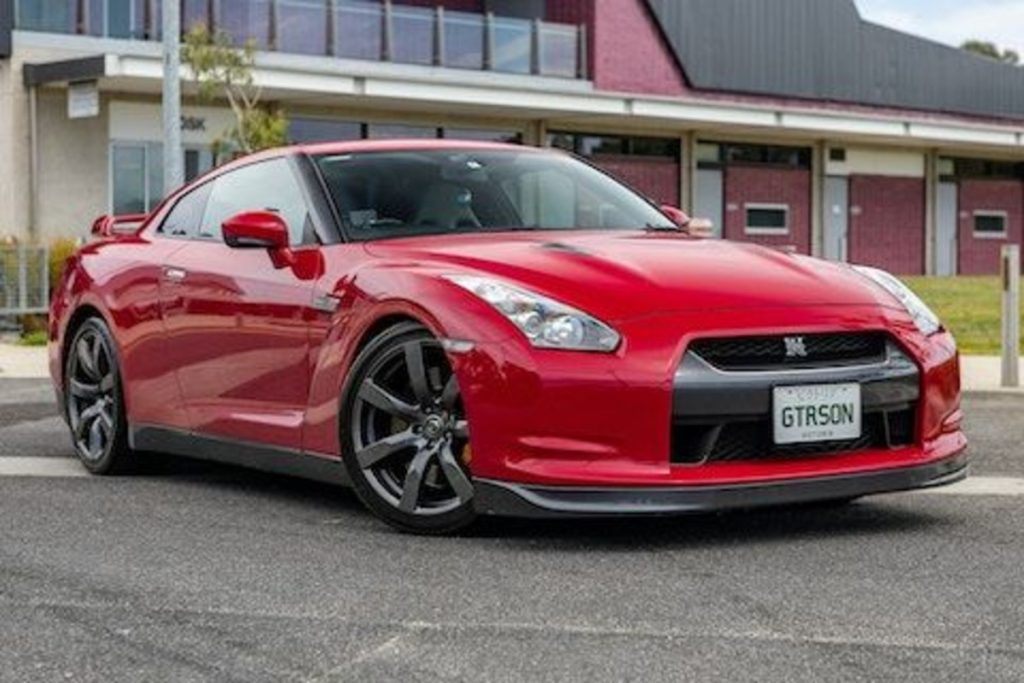
Limited availability of early and special-edition models, such as the GT-R Black Edition, further increases scarcity-driven value. With demand consistently outpacing supply, prices for clean, low-mileage GT-Rs continue to rise, cementing the R35 as a Japanese performance icon with strong investment potential.
The Nissan GT-R R35 demonstrates how a combination of advanced engineering, performance, iconic design, and enthusiast demand creates a sports car that not only excites drivers but also appreciates steadily in the used market.
4. Mazda MX-5 Miata (NA/NB generations)
The first and second generations of the Mazda MX-5 Miata, known as NA (1989–1997) and NB (1998–2005), are small, lightweight sports cars that have seen increasing appreciation due to their simplicity, driving engagement, and cultural significance. These models exemplify how a fun, reliable, and well-designed vehicle can maintain value over decades.
Mechanically, the Miata is celebrated for its reliable four-cylinder engines, lightweight chassis, and balanced rear-wheel-drive layout.
The combination of mechanical simplicity and robust engineering ensures minimal maintenance issues and long-term dependability, making well-preserved examples highly desirable in the used market.
Driving experience is central to the Miata’s appeal. Its nimble handling, responsive steering, and light weight deliver an engaging, pure sports car experience unmatched by many modern vehicles. Enthusiasts value its driver-focused dynamics, which make every twist and turn of the road enjoyable, creating lasting demand for NA and NB models.
Design also contributes to value retention. While simple and compact, the Miata’s classic roadster styling remains iconic, particularly the pop-up headlights of the NA generation. These design cues, combined with a fun-to-drive personality, maintain relevance and desirability even decades after production.
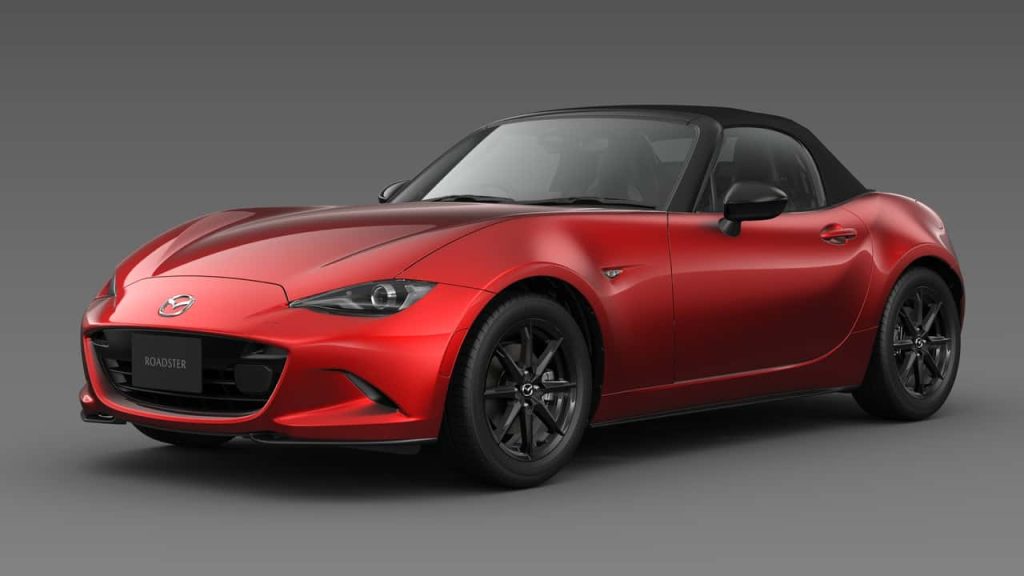
Cultural and enthusiast support amplifies appreciation. Miata communities actively preserve, restore, and celebrate these cars, creating sustained demand. Limited numbers of clean, original examples and special editions, such as the 10th Anniversary Edition or certain NA trims, further increase scarcity-driven value.
The Mazda MX-5 NA and NB generations demonstrate that affordability, reliability, timeless design, and driving engagement can converge to create a sports car that appreciates in value. Owners benefit not only from a fun and dependable car but also from a collectible vehicle whose market value continues to rise steadily.
5. Honda S2000
The Honda S2000, produced from 1999 to 2009, has grown in value over the years, becoming a sought-after Japanese roadster that appreciates in the used market. Its high-revving engine, balanced handling, and timeless design have made it a favorite among enthusiasts and collectors alike.
Mechanically, the S2000 is powered by a high-revving inline-four engine, known for reliability and precise performance. Coupled with a six-speed manual transmission, the car delivers an exhilarating driving experience while maintaining mechanical durability.
These qualities ensure long-term value, as well-preserved examples remain reliable and enjoyable decades after production.
Driving engagement is central to the S2000’s appeal. Its lightweight chassis, rear-wheel-drive layout, and precise steering make it exceptionally responsive on both winding roads and open highways.
Enthusiasts value its pure driving dynamics, which provide a visceral connection between driver and car. This driving excitement is a key factor behind the S2000’s growing appreciation.
Design and aesthetics further enhance desirability. The S2000 features a classic, sleek roadster silhouette with a folding soft top, clean lines, and a sporty profile.
Its timeless design continues to appeal to collectors and enthusiasts, maintaining relevance in the used market. Special editions, such as the CR and Club Racer variants, are particularly rare and highly sought after, further driving up prices.
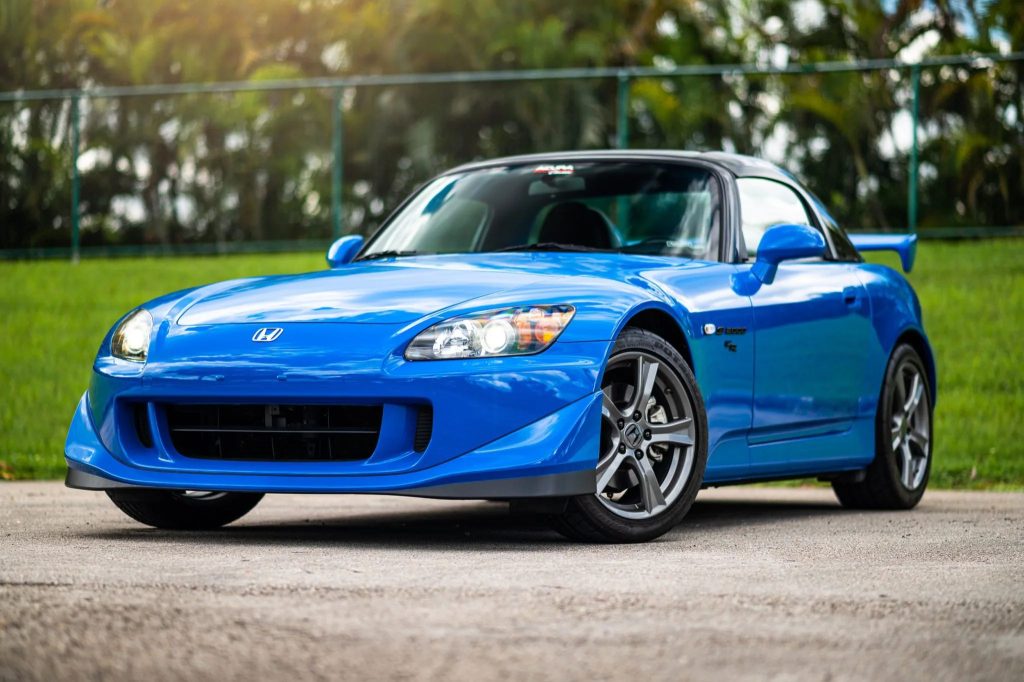
Cultural and enthusiast support contributes to its market value. Honda’s reputation for engineering reliability and the S2000’s motorsport and media presence have cultivated a strong following. Well-maintained examples are increasingly rare, creating scarcity that pushes prices higher.
The Honda S2000 demonstrates that reliability, driving engagement, iconic design, and rarity can combine to create a car that appreciates over time.
For enthusiasts seeking a collectible Japanese roadster, the S2000 offers both enjoyment and long-term investment potential, solidifying its place among vehicles that consistently gain value in the used market.
5 Cars That Crash in Price
While some cars maintain or even increase their value over time, others lose value quickly, often due to design choices, market perception, or reliability concerns. Understanding why certain vehicles crash in price is essential for buyers who want to avoid steep depreciation and financial loss.
High depreciation often affects cars produced in large volumes with limited demand in the used market. These vehicles, despite initial popularity, saturate the market, reducing scarcity and resale value. Models aimed primarily at budget-conscious buyers or mass-market appeal often fall into this category.
Reliability and maintenance costs play a significant role in value retention. Cars prone to mechanical issues, expensive repairs, or costly parts tend to depreciate faster. Even vehicles that initially appear affordable can experience accelerated value loss if long-term ownership costs are high.
Design and brand perception also influence depreciation. Vehicles with outdated styling, low prestige, or a lack of cultural relevance may struggle to attract buyers after a few years. Rapidly aging technology, uncomfortable interiors, or unimpressive driving experiences can further accelerate value loss.
Fuel economy, insurance costs, and overall practicality affect resale value as well. Cars with high fuel consumption, low safety ratings, or limited versatility tend to appeal to a smaller audience, causing steep price drops over time.
This article examines five cars that typically crash in price, analyzing why they lose value more rapidly than others. Each example demonstrates how factors such as mass production, design choices, reliability concerns, and market perception contribute to accelerated depreciation.
By understanding these trends, buyers can make more informed decisions, avoiding vehicles that provide poor long-term value.
1. Jaguar XF (older generations)
The older Jaguar XF, particularly first-generation models produced from 2008 to 2015, is a luxury sedan that depreciates rapidly in the used market.
While it initially offered a blend of style, performance, and British elegance, long-term reliability concerns and maintenance costs have contributed to steep price drops.
Mechanically, the XF featured a range of engines, including V6 and V8 options, paired with automatic transmissions.
While performance is adequate, early models were plagued by electrical issues, suspension wear, and costly repairs. Even routine maintenance can be expensive, making buyers wary and accelerating depreciation.
Design, while attractive, has also influenced value retention. The XF’s sleek exterior and stylish interior initially impressed buyers, but over time, the aesthetics feel dated compared to modern German luxury sedans.
Interior materials are high-quality but can show wear more quickly, and infotainment systems in older models lag behind competitors, diminishing the premium perception.
Performance and handling, although competent, do not stand out in a segment dominated by BMW, Audi, and Mercedes-Benz. Steering precision and suspension dynamics are adequate but not engaging, causing enthusiasts to favor German alternatives, further reducing demand in the used market.
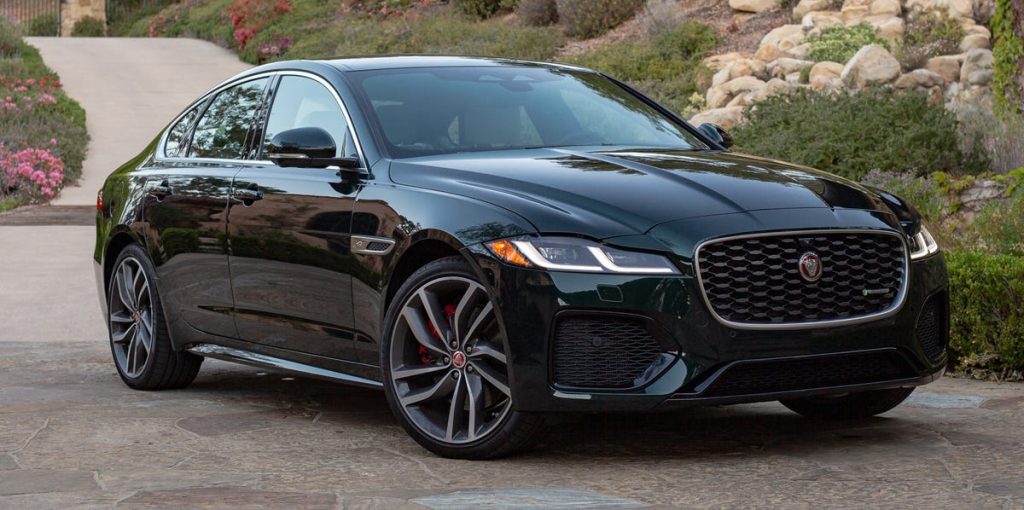
Brand perception impacts resale value significantly. While Jaguar is associated with style and exclusivity, it lacks the long-term reliability reputation of German luxury brands.
Concerns about repair costs and ownership experience contribute to accelerated depreciation, particularly for buyers prioritizing practicality and long-term value.
The combination of costly maintenance, reliability concerns, dated technology, and modest performance means that older Jaguar XF models lose value rapidly.
Even with striking styling and comfortable interiors, depreciation makes these vehicles poor long-term investments in comparison to more dependable competitors.
2. Cadillac CTS (first generation, 2003–2007)
The first-generation Cadillac CTS is a mid-size luxury sedan that tends to crash in value due to reliability issues, outdated technology, and limited market appeal. While it was initially marketed as a bold American alternative to German sedans, long-term ownership costs and rapid depreciation have affected its desirability.
Mechanically, the CTS featured a V6 engine and rear-wheel-drive layout, with optional all-wheel drive. While adequate for daily driving, early models suffered from transmission issues, electrical gremlins, and suspension wear. High repair costs and a perceived lack of mechanical durability make buyers cautious, contributing to rapid depreciation.
Design and interior quality also influence value retention. The first-generation CTS had a sharp, angular exterior design that stood out at launch, but its styling aged quickly and appears less sophisticated compared to contemporaneous German sedans.
Interior materials are functional but lack the refinement and elegance that buyers expect from luxury vehicles, diminishing resale value.
Driving dynamics are competent but unremarkable. Steering and handling performance are adequate for commuting, yet they do not offer the engaging experience provided by competitors like the BMW 3 Series or Audi A4. This performance gap reduces enthusiast and long-term collector interest, impacting value retention.
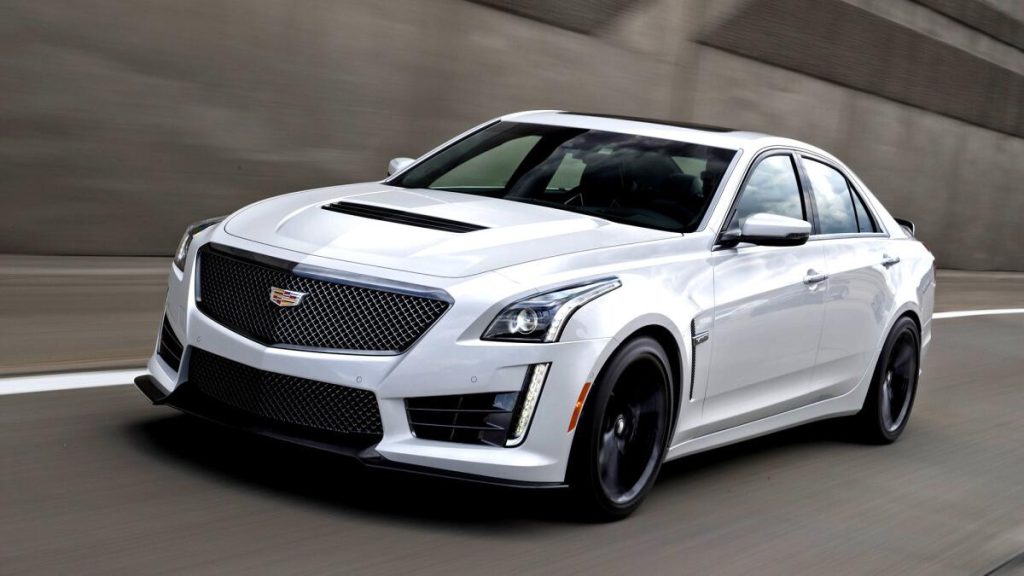
Brand perception further accelerates depreciation. Cadillac’s reputation for luxury in the early 2000s was inconsistent, particularly regarding reliability and resale value. Buyers often prefer German or Japanese luxury vehicles with proven long-term performance, leaving the CTS with a smaller pool of potential used buyers.
The combination of early reliability concerns, rapidly aging design, modest performance, and weaker brand perception makes the first-generation Cadillac CTS prone to steep depreciation.
While it may provide comfort and distinctive styling, its rapid value loss discourages buyers seeking long-term investment potential in a luxury sedan.
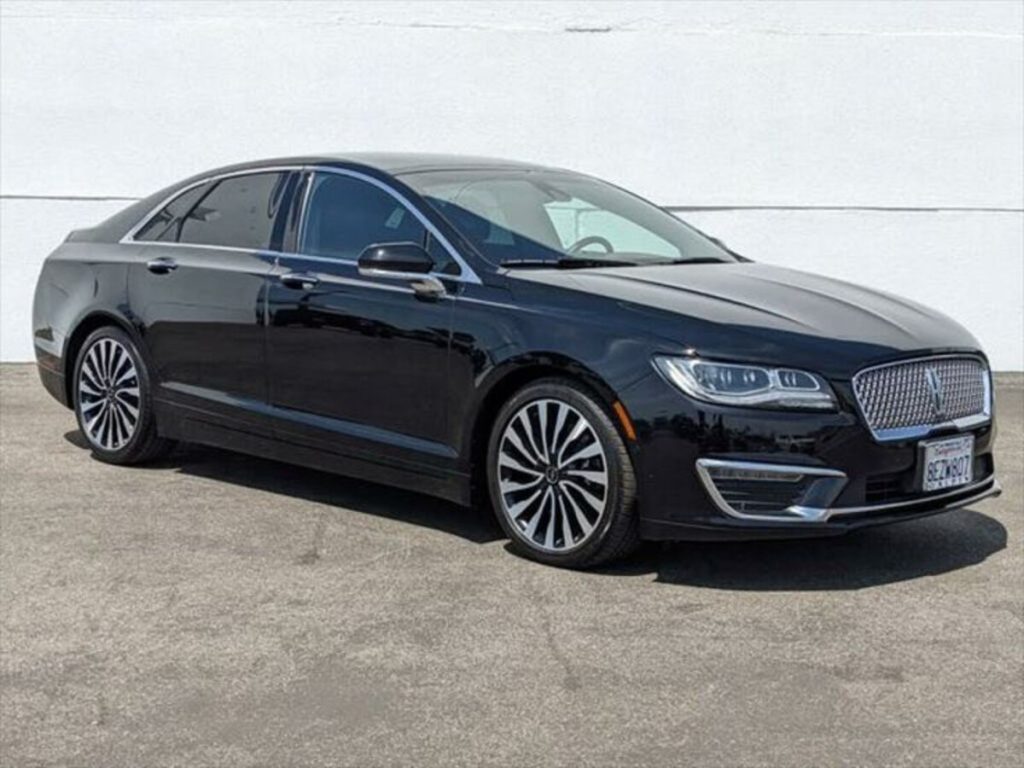
3. Lincoln MKZ (first generation, 2006–2012)
The first-generation Lincoln MKZ, produced from 2006 to 2012, is a mid-size luxury sedan that experiences steep depreciation in the used market. Despite offering comfort and modern features, long-term reliability issues, high maintenance costs, and conservative design have contributed to its rapid loss of value.
Mechanically, the MKZ came with V6 engines paired with automatic transmissions. While adequate for commuting, the vehicle is prone to transmission issues, engine cooling problems, and suspension wear over time.
These reliability concerns deter buyers in the used market, accelerating depreciation compared to more dependable German or Japanese alternatives.
Design factors also influence value retention. The MKZ’s styling, while contemporary at launch, has aged conservatively and lacks the bold, modern aesthetics of German competitors. Interior materials are comfortable but not as refined or technologically advanced as those in similarly priced sedans, diminishing perceived luxury and resale appeal.
Driving dynamics further affect depreciation. The MKZ prioritizes comfort over performance, resulting in soft handling, uninspiring steering, and a lack of engagement on twisty roads. Buyers seeking a sporty yet luxurious experience often opt for BMW, Audi, or Lexus alternatives, reducing demand for the MKZ in the used market.
Brand perception plays a critical role. Lincoln’s reputation for American luxury is historically strong but inconsistent regarding long-term reliability and resale value.
Enthusiasts and practical buyers alike often view Lincoln as less desirable than German or Japanese luxury brands, contributing to accelerated depreciation.
The combination of mechanical reliability concerns, conservative design, soft handling, and limited brand prestige ensures that the first-generation Lincoln MKZ crashes in price.
While it offers comfort and convenience, it is not a vehicle that retains value well, making it a poor long-term investment in the used luxury sedan segment.
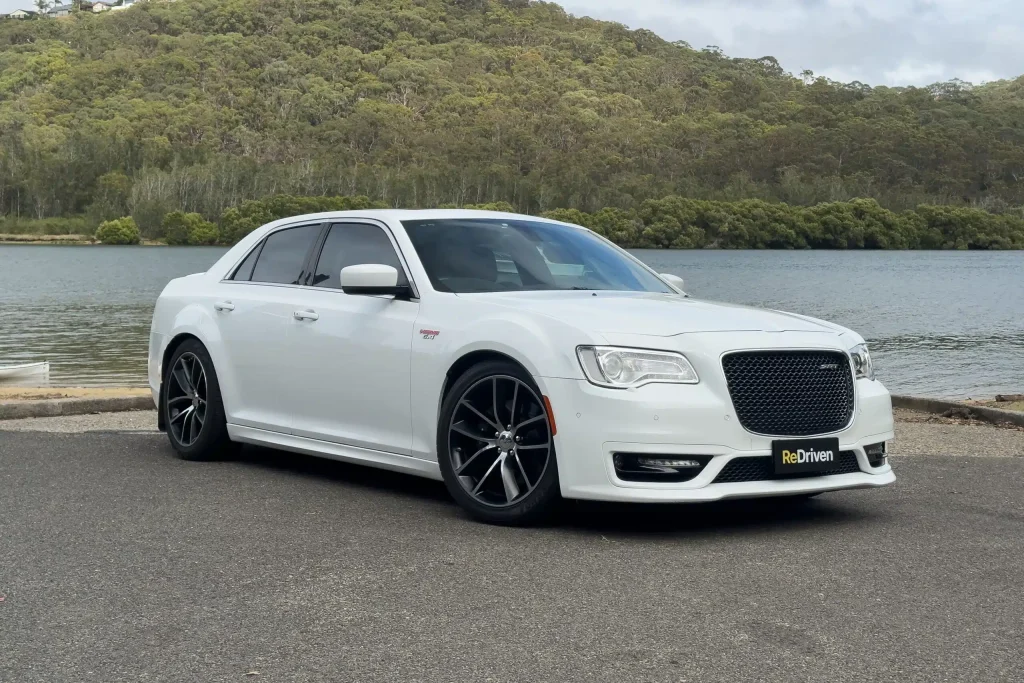
4. Chrysler 300 (early 2000s, 2005–2010)
The early-generation Chrysler 300, particularly models from 2005 to 2010, is a full-size luxury sedan that tends to crash in price quickly. While it offers bold styling and a spacious interior, long-term reliability concerns, high maintenance costs, and outdated technology limit its resale value.
Mechanically, the Chrysler 300 featured V6 and V8 engines paired with automatic transmissions. Some models suffered from transmission failures, electrical gremlins, and suspension wear over time.
Even routine maintenance can become costly due to parts pricing and labor, making these vehicles less appealing to used buyers concerned about long-term ownership costs.
Design, while distinctive, also affects value retention. The early 300 showcased a bold, upright exterior that was striking at launch but has aged less gracefully compared to European rivals.
Interior materials and design are functional but lack the refinement, ergonomics, and technological sophistication expected in the full-size luxury segment. Outdated infotainment and control layouts further reduce the perception of premium quality.
Driving dynamics are competent for daily commuting but uninspiring for enthusiasts. The vehicle emphasizes straight-line comfort over responsive handling, with soft steering and body roll during cornering.
Buyers seeking engaging performance often prefer alternatives such as the BMW 5 Series or Audi A6, limiting demand for the Chrysler 300 in the used market.
Brand perception further impacts depreciation. Chrysler is viewed as less prestigious than German or Japanese luxury brands, and concerns about reliability accelerate value loss.
Even well-maintained examples face steep depreciation due to limited desirability among buyers who prioritize reliability, performance, or brand prestige.
The combination of mechanical reliability issues, aging design, uninspiring handling, and weaker brand perception ensures that early-generation Chrysler 300 models lose value quickly. While offering space and comfort, these vehicles are not strong candidates for long-term investment in the luxury sedan segment.
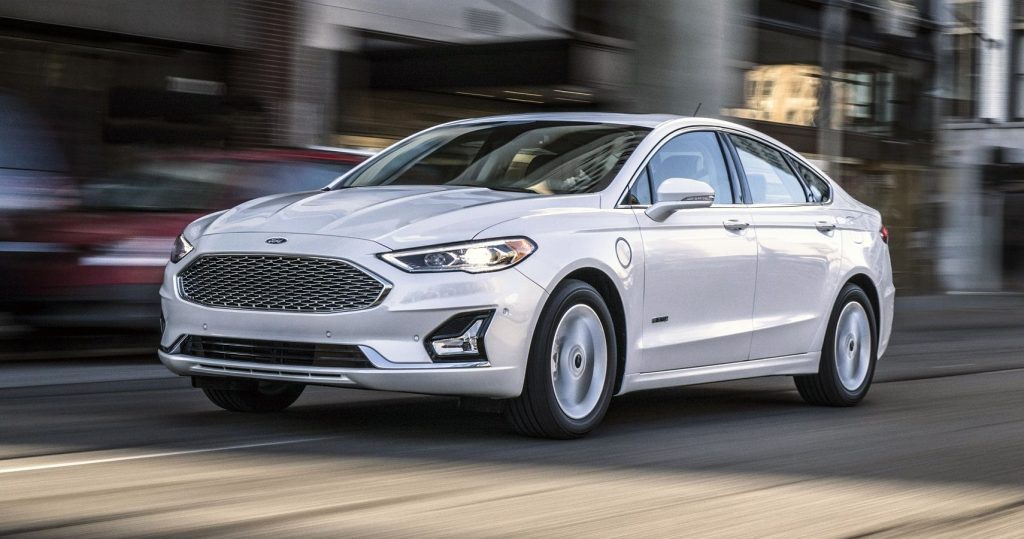
5. Ford Fusion Hybrid (first generation, 2010–2012)
The first-generation Ford Fusion Hybrid, produced from 2010 to 2012, is a mid-size hybrid sedan that loses value quickly in the used market. Despite offering fuel efficiency and practical features, rapid depreciation results from limited demand, outdated technology, and concerns about long-term battery reliability.
Mechanically, the Fusion Hybrid combines a four-cylinder engine with an electric motor, paired with a continuously variable transmission (CVT).
While fuel economy is impressive, some owners have reported battery degradation and hybrid system concerns over time. Repairs or replacements can be costly, discouraging potential used buyers and accelerating depreciation.
Design and interior quality also contribute to value loss. The first-generation Fusion Hybrid features conservative styling and a utilitarian interior layout.
Materials and finishes are functional but lack the refinement or premium feel that competitors, particularly Japanese sedans like the Toyota Camry Hybrid, provide. Outdated infotainment and control systems further diminish the vehicle’s perceived value over time.
Driving dynamics are adequate but uninspiring. The Fusion Hybrid prioritizes fuel efficiency over performance, resulting in soft handling, unremarkable acceleration, and limited driver engagement. Buyers seeking a more enjoyable driving experience often look to conventional sedans or other hybrids, reducing demand for the Fusion Hybrid in the used market.
Brand perception and market trends also influence depreciation. While Ford is respected for practicality and affordability, the Fusion Hybrid does not carry the cachet or desirability of Japanese hybrid models. Combined with limited enthusiast interest and rapid technological advancement in hybrid systems, resale values decline sharply.
The combination of aging technology, limited appeal, modest performance, and potential maintenance concerns ensures that the first-generation Ford Fusion Hybrid crashes in price. While it delivers excellent fuel economy and practicality, its rapid depreciation makes it a poor long-term investment for buyers seeking strong resale value.
Also Read: 5 Cars With Easy DIY Repairs vs 5 That Require Dealers Only
