
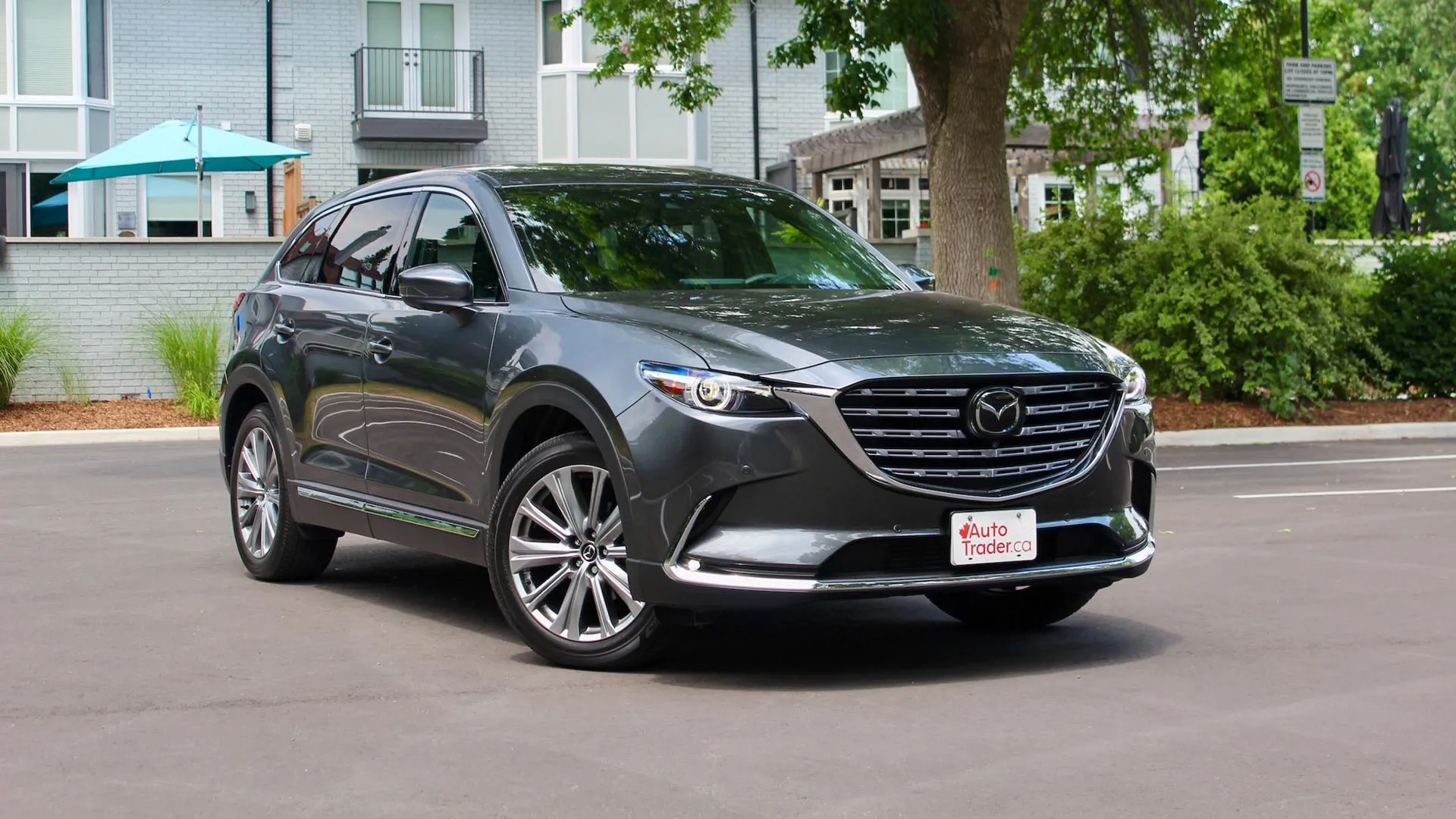
SUVs have become a staple on roads across the globe, blending utility with comfort and appealing to drivers from all walks of life. As more people invest in these vehicles for family use, off-road adventures, or simply a commanding view of the road, there’s a practical side to owning one that often gets overlooked: maintenance and repair.
When something breaks, the ease of finding a replacement part can make a huge difference in cost, time, and frustration. Some SUVs benefit from sharing components with other models or even entire lineups, making them cheaper and easier to service.
On the other hand, some SUVs use rare or highly specialized parts, often resulting in higher repair bills and longer wait times for replacements.
This comparison between SUVs with common parts versus those with rare ones isn’t about which is better but rather what suits a specific type of owner. A family that depends on their car every day will likely value affordability and fast repairs, while an enthusiast might accept some inconvenience in exchange for performance or exclusivity.
In this article, we look at five SUVs known for having parts that are widely available and used across multiple models, and contrast them with five SUVs that are built with unique components, making them harder and sometimes more expensive to maintain.
Rather than just focusing on luxury versus budget, the comparison takes into account engineering choices, platform sharing, manufacturing volumes, and brand strategies.
For example, some automakers design their vehicles to share engines, transmissions, or suspension systems across several models. Others take the opposite approach, designing one-off drivetrains or custom-built electronic systems. That has a direct effect on how easy it is to maintain these vehicles once they’re out of warranty.
Choosing an SUV involves more than just test drives and spec sheets. If you’re thinking long-term, it pays to understand how easy or difficult it is to keep the vehicle running without burning a hole in your wallet. Let’s start by looking at five SUVs that tend to be relatively easy and cost-effective to maintain, thanks to their use of common parts.
5 SUVs with Common Parts
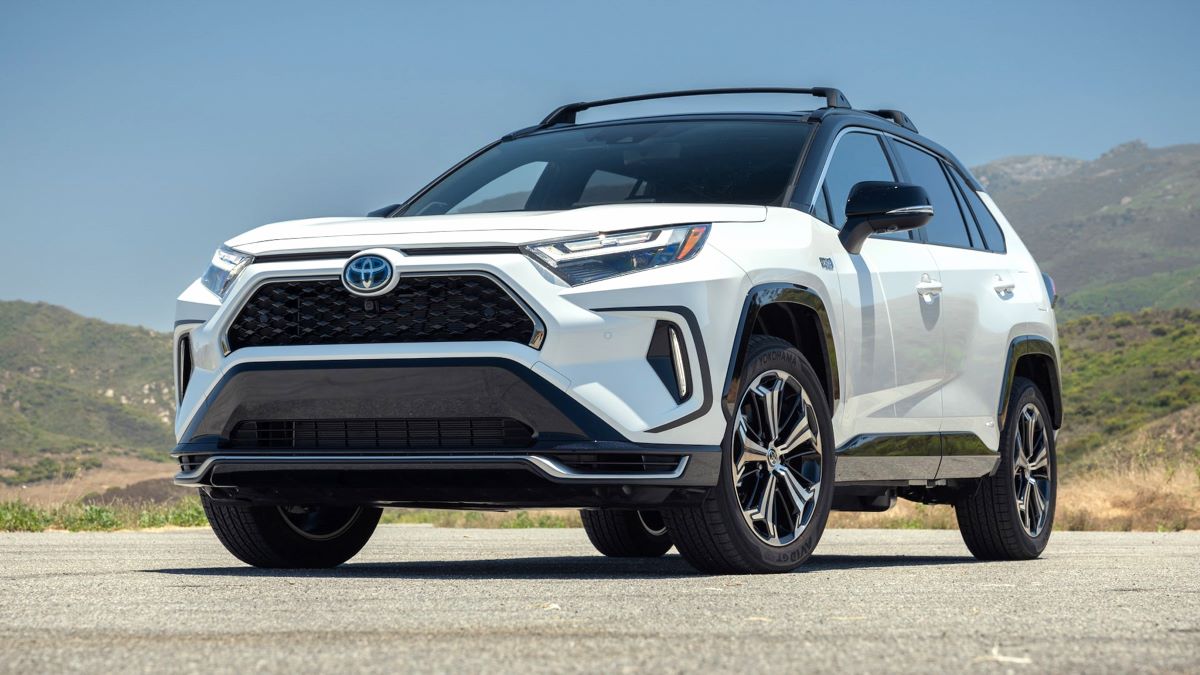
1. Toyota RAV4
The Toyota RAV4 is one of the best-selling SUVs in the world, and it’s built with that in mind. Toyota has always emphasized reliability, and part of that comes from designing components that work across multiple vehicles.
The RAV4 shares engines and transmissions with several other Toyota models, including the Camry and the Corolla in some markets. This kind of platform sharing makes repairs and replacements much easier for mechanics and more affordable for owners.
Mechanically, the RAV4 often features the 2.5L inline-4 engine that Toyota uses in a variety of its vehicles. Because the engine is not exclusive to the RAV4, aftermarket parts and even used OEM components are readily available.
This leads to cheaper maintenance and reduced labor time since most technicians are familiar with the layout and typical issues. It also contributes to Toyota’s reputation for long-term durability and lower cost of ownership.
Suspension components, braking systems, and electronics in the RAV4 are also shared with other Toyota vehicles. This means sensors, control modules, and even lighting elements are interchangeable across models.
When parts are manufactured in large quantities and shared among vehicles, economies of scale bring down the cost significantly. In some cases, independent workshops can even use reconditioned or generic parts without affecting performance or reliability.
Another reason the RAV4 stands out is Toyota’s global manufacturing strategy. Since it’s sold in large numbers worldwide, parts are not only abundant in North America but also in Europe, Asia, and other regions.
This broad supply chain benefits owners whether they plan to keep their car in one place or take it overseas. If you’re looking for a dependable SUV that won’t cost a fortune to keep on the road, the RAV4 is about as safe a bet as it gets.
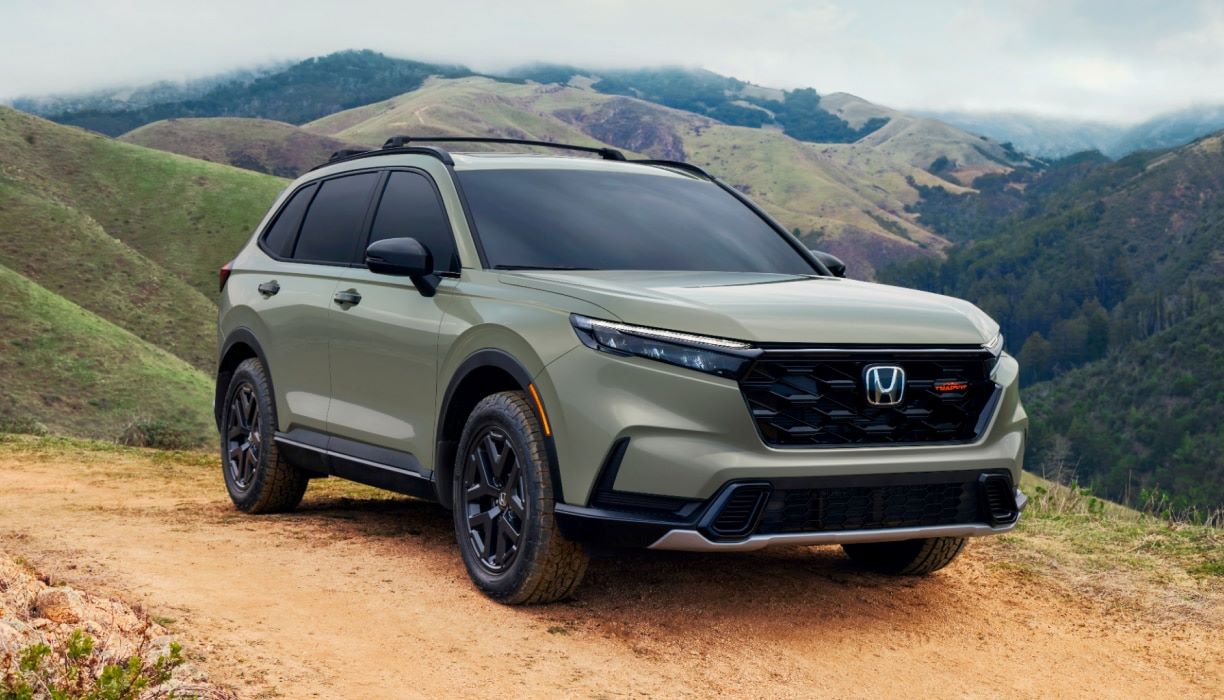
2. Honda CR-V
Honda has a similar approach to Toyota when it comes to building its vehicles. The CR-V, one of the company’s most popular SUVs, is built on the same architecture as the Honda Civic and Accord. This means many of the mechanical and electronic components are reused across the lineup, giving the CR-V a solid edge when it comes to parts availability.
One of the biggest advantages of owning a CR-V is the widespread use of Honda’s Earth Dreams engine lineup. These engines are found in multiple Honda vehicles, and many of the components like fuel injectors, alternators, and starters are the same or very similar. That makes it easier for repair shops to stock parts and for owners to find replacements without much hassle.
Transmission-wise, Honda has used similar CVTs in multiple models, and they are known for being durable when properly maintained. Because the same transmission is used in other vehicles, parts are common and cheaper to replace if needed.
The CR-V also benefits from Honda’s extensive dealer and service network, which means parts are almost always in stock or easy to order quickly.
Beyond the mechanical systems, interior parts like climate controls, audio systems, and even seat materials are often shared with other Honda models. This is especially helpful for older vehicles where cosmetic replacements are needed. Whether it’s a broken A/C control knob or a faulty window switch, there’s a good chance you can find a matching part in a salvage yard or online without having to spend much.
For people who want a car that’s easy to live with and doesn’t come with surprise expenses, the CR-V has proven itself as a practical and intelligent choice. Its popularity ensures that parts are easy to find, both OEM and aftermarket.
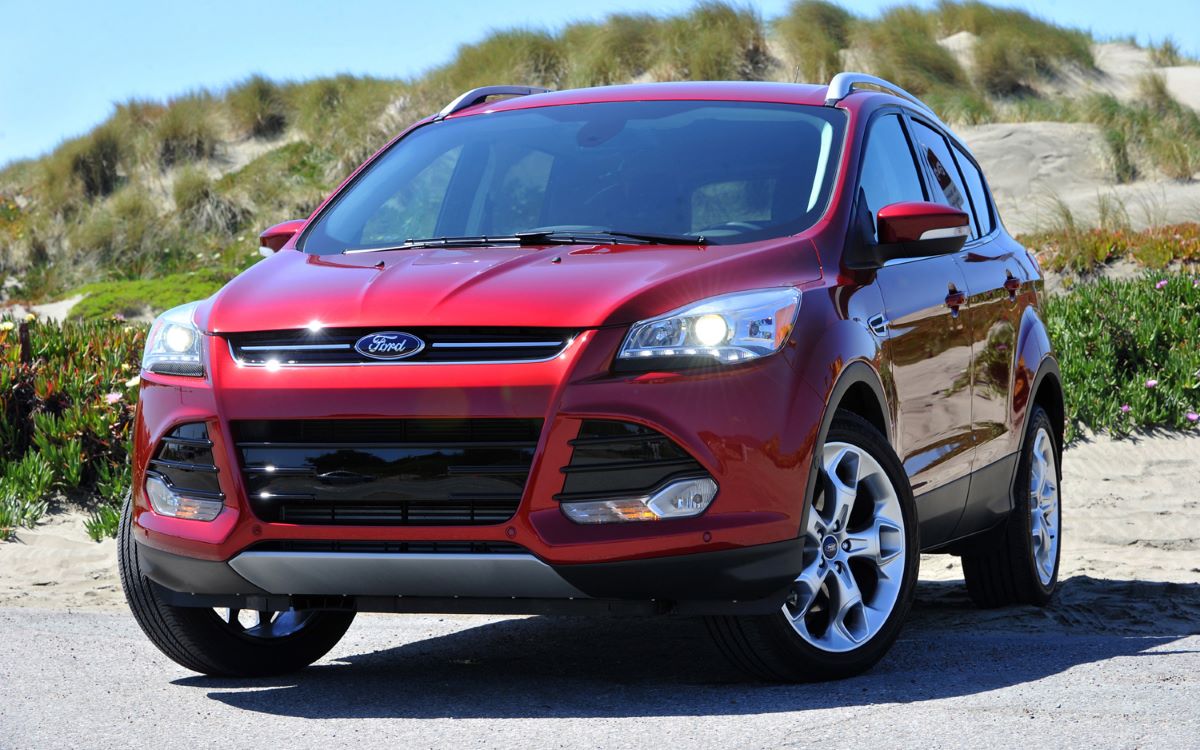
3. Ford Escape
The Ford Escape is built with practicality in mind, and it benefits heavily from Ford’s practice of using shared components across its lineup.
Built on the same global C-platform that also underpins the Ford Focus and the Lincoln Corsair, the Escape uses many of the same engines and transmissions that are found in other Ford products. This includes the 1.5L and 2.0L EcoBoost engines, which have been used across a range of Ford cars and small SUVs.
This widespread usage of engines means that parts like turbochargers, ignition coils, fuel pumps, and timing components are readily available and relatively affordable.
Mechanics are also more likely to be familiar with these engines, speeding up the diagnostic and repair process. That’s a big plus for anyone who doesn’t want to wait days just to get a quote or wait weeks for a special order part to arrive.
Interior parts are also quite standardized. Touchscreens, HVAC systems, and dashboard layouts often share components with other Ford models, particularly the Focus and Fusion.
This makes sourcing replacement buttons, display screens, or even seats less of a headache. Additionally, Ford’s long presence in the North American market means there’s a well-established aftermarket for nearly every component in the Escape.
Suspension systems, brake components, and steering systems are similarly shared across multiple platforms, further reducing costs.
Independent mechanics are well-versed in repairing these systems, and in many cases, compatible parts are available from multiple suppliers. All of this makes the Escape a smart pick for someone who values cost-effective ownership without sacrificing features or comfort.
For those looking for a budget-friendly SUV that still offers decent performance and features, the Escape’s use of common parts makes it an attractive option. It might not be the flashiest SUV on the market, but when it comes to repair bills and part availability, it checks all the right boxes.
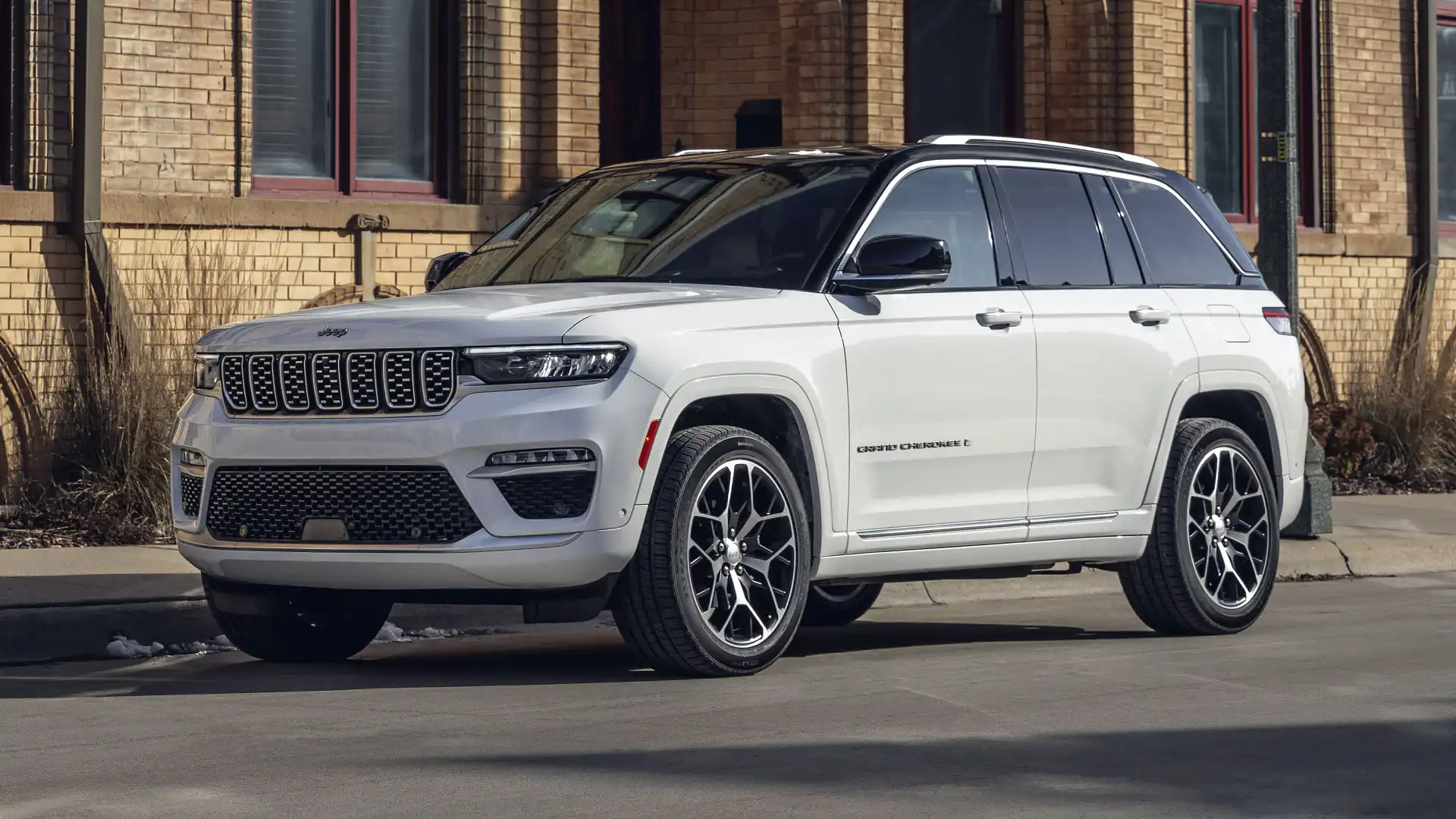
4. Jeep Cherokee (older models)
The older Jeep Cherokee models, particularly the ones from the late 1990s to early 2000s, have become known for their use of common and simple parts.
These vehicles were designed to be rugged and easy to fix, often built with components that could be found in other Chrysler or Dodge products. The engines, like the 4.0L inline-6, were used in a variety of vehicles across the Jeep lineup and other Chrysler models, making replacement parts easy to find.
This particular engine gained a reputation for durability and ease of repair. Since it was used for over a decade, parts for it are widely available and relatively inexpensive.
The Cherokee also used shared transmission units and simple suspension systems that were common in many Dodge and Jeep models of the time. Leaf springs and solid axles, while considered outdated by modern standards, are easy to maintain and rarely require specialized tools or parts.
Interior components such as switches, HVAC units, and instrument clusters were often borrowed from other Chrysler models. This helps reduce the cost of repairs and replacements, especially for owners who prefer to maintain older vehicles themselves. Salvage yards are filled with compatible parts, and online forums offer extensive knowledge about interchangeable components.
One of the strongest points in favor of older Cherokees is their mechanical simplicity. There’s less electronic complexity compared to modern SUVs, which means fewer sensors to fail and less reliance on dealer-only diagnostic tools. DIY owners appreciate this, as it gives them more control over their maintenance and reduces the need for expensive trips to specialized mechanics.
For anyone considering an older SUV that’s easy to work on and built with widely available parts, the Jeep Cherokee stands out. While it lacks some of the tech and comfort features of newer models, its ease of maintenance makes it a favorite among off-roaders and budget-conscious drivers alike.
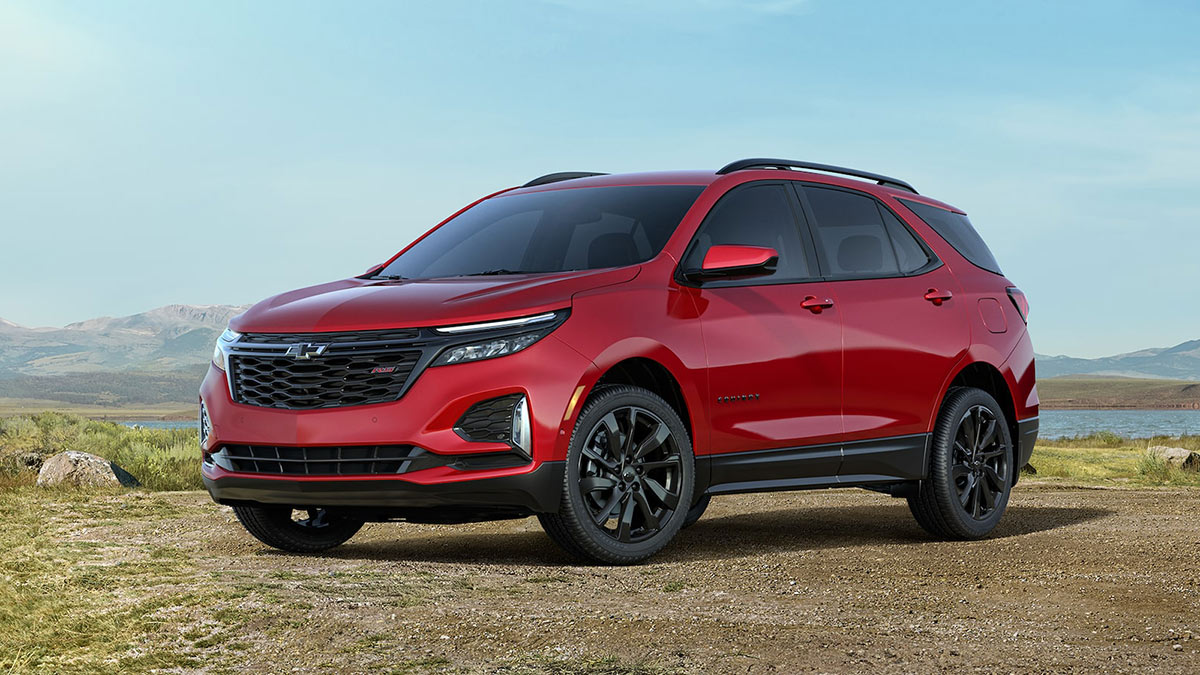
5. Chevrolet Equinox
The Chevrolet Equinox is another example of an SUV that benefits from platform sharing. Built on GM’s Theta platform, the Equinox shares components with vehicles like the GMC Terrain, Chevrolet Malibu, and even the Opel Antara in international markets. This means everything from engine parts to chassis components are widely available and often interchangeable.
The engines used in the Equinox, such as the 2.4L inline-4 and 3.6L V6, are common in many GM vehicles. Parts like timing chains, water pumps, and intake manifolds can be sourced easily and at a reasonable cost.
Even the 1.5L turbo engine used in newer models is widely used across GM’s small vehicle lineup, ensuring high availability of parts and familiarity among mechanics.
Inside the cabin, shared components such as infotainment systems, climate controls, and seat mechanisms help reduce repair costs. The same gear selector might be found in a different GM sedan, and touchscreen modules are often pulled from a shared parts bin. That kind of design strategy allows for more affordable replacements and even upgrades from other models.
Suspension systems and brake components are also commonly used in multiple GM vehicles. Aftermarket suppliers recognize the demand and stock a wide range of compatible parts, from budget options to performance upgrades. That helps keep running costs manageable for owners who plan to keep the vehicle long-term.
The Equinox might not have the same reputation for reliability as some of its Japanese rivals, but in terms of parts accessibility, it performs very well. For buyers who want a mid-size SUV that’s affordable to maintain and easy to repair, the Equinox’s use of shared components makes it a solid pick.
5 SUVs With Rare Parts
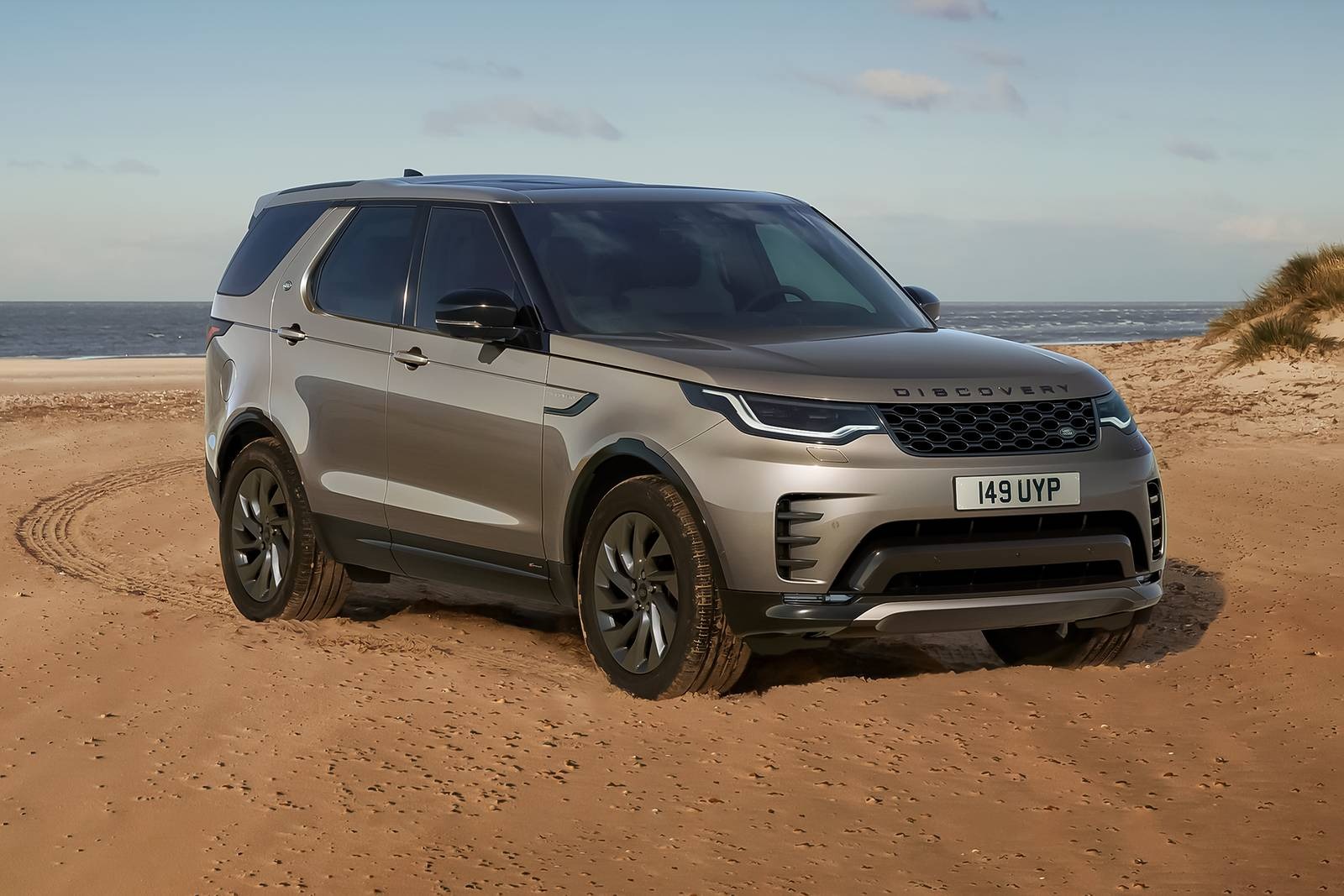
1. Land Rover Discovery (Older and Newer Models)
The Land Rover Discovery is widely recognized for its blend of off-road prowess and upscale comfort, but when it comes to parts availability, the picture becomes more complicated. Older models, like the Discovery II, and newer ones such as the Discovery 5, often rely on unique components not shared with many other vehicles, even within Land Rover’s own lineup.
This leads to increased complexity when sourcing parts, and repair costs are frequently above average. Owners often find themselves waiting for specialty parts to be shipped from overseas, especially for drivetrain and suspension repairs.
One of the major challenges with the Discovery lies in its air suspension system, particularly in newer models. This system offers excellent ride quality and off-road capability but uses model-specific components that are not easily interchangeable.
Air struts, compressors, and ride height sensors must often be ordered from specialized suppliers or directly from the manufacturer. These components are not commonly stocked in general parts stores, and even some dealerships require days or weeks to fulfill orders. When something goes wrong, repairs can be both expensive and time-consuming.
This makes DIY maintenance less feasible and forces owners to depend on qualified technicians familiar with these specific systems. Even standard maintenance like oil changes or spark plug replacements often requires specialty tools and diagnostic equipment not used for mainstream vehicles.
Interior components are another issue. Land Rover models often feature bespoke electronic systems that are tightly integrated with the vehicle’s body control module.
Things like window regulators, navigation units, and HVAC panels are often specific to the model and production year, meaning you can’t just swap parts from another Land Rover SUV. When these systems fail, the cost of repair is higher not just because of part scarcity, but also due to the expertise needed to diagnose and reprogram the systems correctly.
Finally, the global distribution of the Discovery contributes to its parts rarity in certain regions. While the SUV is popular in some parts of Europe and the UK, it’s less common in North America and Asia.
This regional variation means that even experienced mechanics may not regularly work on them, further driving up labor costs. In short, owning a Land Rover Discovery can be rewarding for its features and design, but its parts complexity makes it one of the least practical SUVs in terms of repair and maintenance.
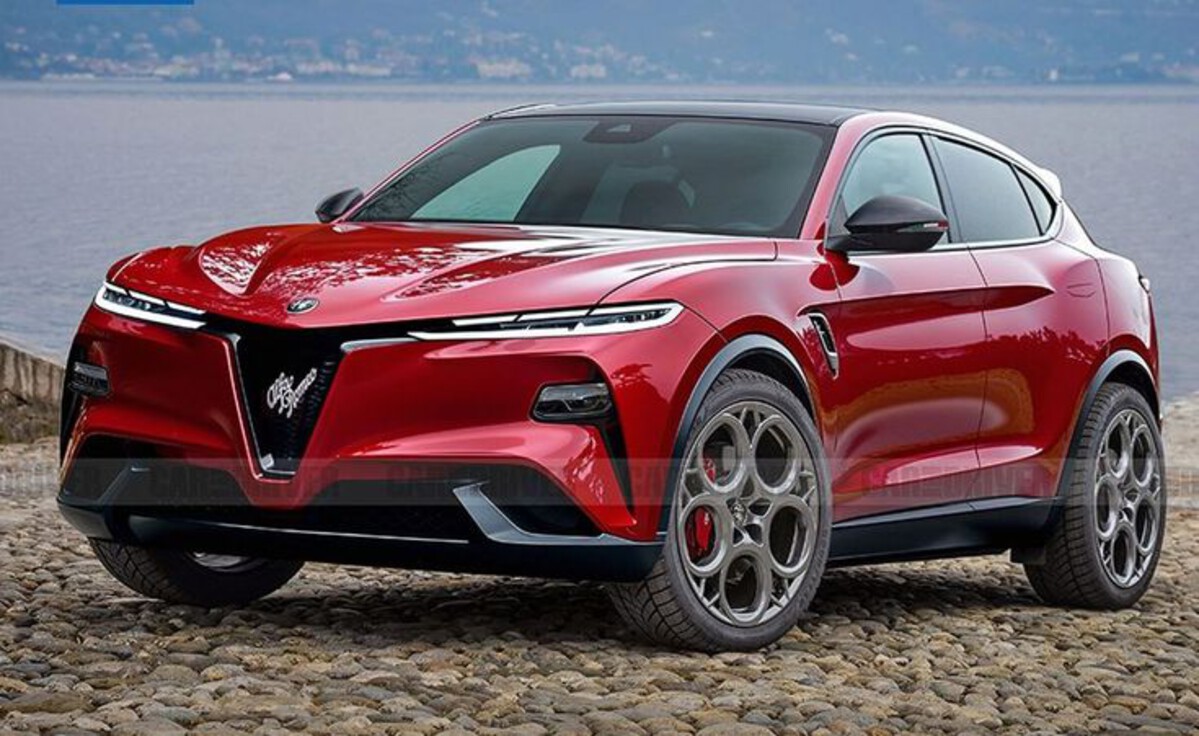
2. Alfa Romeo Stelvio
The Alfa Romeo Stelvio stands out as one of the few Italian luxury performance SUVs in the market, and that distinction comes at a cost, quite literally. It’s a vehicle designed with driving passion in mind, using components that are rarely shared across other brands or even within the Alfa Romeo lineup.
The Stelvio’s parts ecosystem is limited, especially in countries where Alfa Romeo doesn’t have a strong dealer or service network. This makes the Stelvio a challenge to maintain, particularly after the warranty expires.
One of the biggest hurdles with the Stelvio is its engine and drivetrain. The 2.0L turbocharged engine used in most trims, and the Ferrari-derived V6 found in the Quadrifoglio version, are both built in Italy and feature specialized internal components. Things like fuel injectors, turbochargers, timing components, and engine mounts are unique to these powertrains.
If you’re not near a well-stocked Alfa Romeo service center, getting your hands on these parts might take weeks. And even if parts are available, the labor involved can be expensive due to the tight engine bay layout and the precision required.
The all-wheel-drive system, branded as Q4, is also proprietary. It’s not a standard setup borrowed from another FCA (now Stellantis) brand. This system uses a specially tuned transfer case and rear differential, both of which require model-specific fluids, control modules, and maintenance procedures.
If anything fails here, the replacement and labor cost can be disproportionately high, especially when compared to more common AWD systems found in Japanese or American SUVs.
The Stelvio’s interior follows suit. Alfa Romeo’s approach to styling is undeniably elegant, but it means switches, screen modules, and trim pieces are unique.
A broken touchscreen, for instance, cannot be replaced with something from a Jeep or Fiat model. Even parts like air vents and dash buttons are model-specific and often hard to locate in the aftermarket. Dealerships may need to order such components from Italy, leading to weeks of downtime.
Additionally, electronics and sensor integration are heavily software-dependent. This means even when a basic part like a wheel speed sensor is replaced, it often requires a software update or reprogramming using Alfa Romeo’s proprietary diagnostic systems.
Independent garages are unlikely to have the right tools, forcing owners to return to dealerships, which adds to both cost and inconvenience. The Stelvio is a great driving machine, but from a serviceability perspective, it’s far from easy or economical.
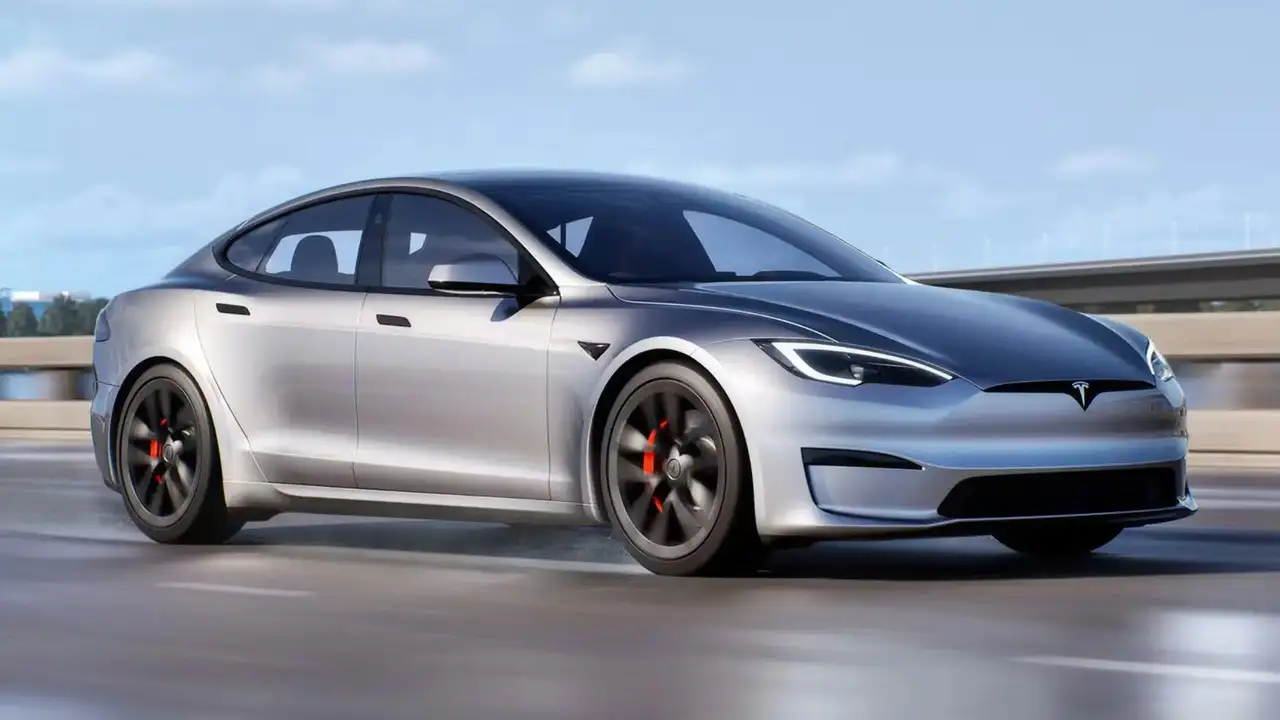
3. Tesla Model X
Although technically a crossover SUV, the Tesla Model X qualifies for this list because of how uniquely engineered it is. Unlike traditional internal combustion engine vehicles that can share parts across platforms, the Model X is built using a very specific set of components, most of which are not found in any other Tesla model, including the Model S and Model Y.
Its falcon-wing doors, advanced HVAC system, and custom drivetrain configurations all make this one of the most specialized SUVs on the road today.
The Model X’s unique falcon-wing doors are one of its most iconic features, and one of its biggest liabilities in terms of parts and repairs. The door system uses custom sensors, hydraulic actuators, and hinges that are exclusive to the Model X. When these parts malfunction, which is not uncommon, the fix is rarely simple.
Most owners are forced to rely on Tesla’s own service centers, and replacement parts are generally not available to independent repair shops. The proprietary nature of the doors means aftermarket parts are almost non-existent.
The battery system and dual-motor setup in the Model X are also not interchangeable with other Tesla vehicles. Although the company has standardized some battery architecture across models, the configuration in the Model X often includes high-performance modules, cooling circuits, and wiring harnesses that are unique.
When something goes wrong in the drivetrain or battery management system, diagnosis and repair must be carried out using Tesla’s internal tools and software. That locks out most independent EV specialists, making repair options extremely limited.
Interior electronics, such as the massive central touchscreen and digital instrument cluster, are also exclusive to the Model X. Even though other Teslas have similar screens, the specific hardware and software configurations are tied to the vehicle’s VIN and software updates.
This means you can’t simply swap parts from a different model, even if the screens appear physically identical. Repairs or replacements must be handled by Tesla, and prices are often significantly higher than for similar features in traditional vehicles.
Lastly, Tesla’s policy of restricting access to parts and diagnostics adds another layer of difficulty. While some recent regulatory pressure has forced Tesla to open up some aspects of their repair ecosystem, it’s still not at the level of traditional automakers.
Owners of a Model X who find themselves far from a Tesla service center may face long delays for both diagnosis and repair. When a vehicle is this specialized, any repair outside of routine service becomes a logistical and financial challenge.

4. Mercedes-Benz G-Class (G-Wagen)
The Mercedes-Benz G-Class, often referred to as the G-Wagen, is an icon of luxury off-roading. It has a military origin, but today’s versions are built with high-end luxury materials, advanced electronics, and complex drivetrain components that are rarely shared with other Mercedes models.
While this exclusivity adds to the vehicle’s prestige, it also makes parts harder to source and significantly more expensive to replace.
One major contributor to the G-Wagen’s rarity in parts is its body-on-frame construction. Unlike most modern SUVs that use unibody construction, the G-Class retains its traditional design, which means chassis components are unlike anything else in Mercedes’ lineup.
Suspension systems, steering components, and even underbody armor are specific to the G-Wagen. These parts are not only rare but are often imported from Europe, adding time and cost to every repair.
The engine options in the G-Class, particularly the AMG versions, are high-performance units with limited distribution across the Mercedes lineup.
These engines use specialized turbos, cooling systems, and transmission settings that differ significantly from other vehicles. Parts like intercoolers, exhaust manifolds, and engine mounts are not shared with lower-tier models, making replacement more difficult and far more expensive.
The interior is another area where exclusivity comes at a cost. The G-Class uses custom-cut leather, hand-stitched trim, and high-end multimedia systems that are exclusive to the model.
Moreover, electronics in the G-Class are heavily integrated and often require dealer calibration or reprogramming. Even changing a headlight module or a sensor may involve connecting the vehicle to a Mercedes-specific diagnostic tool.
Many independent shops avoid working on the G-Wagen because of these complexities. While the G-Class offers style and status, it does so at the cost of practicality and affordable maintenance.
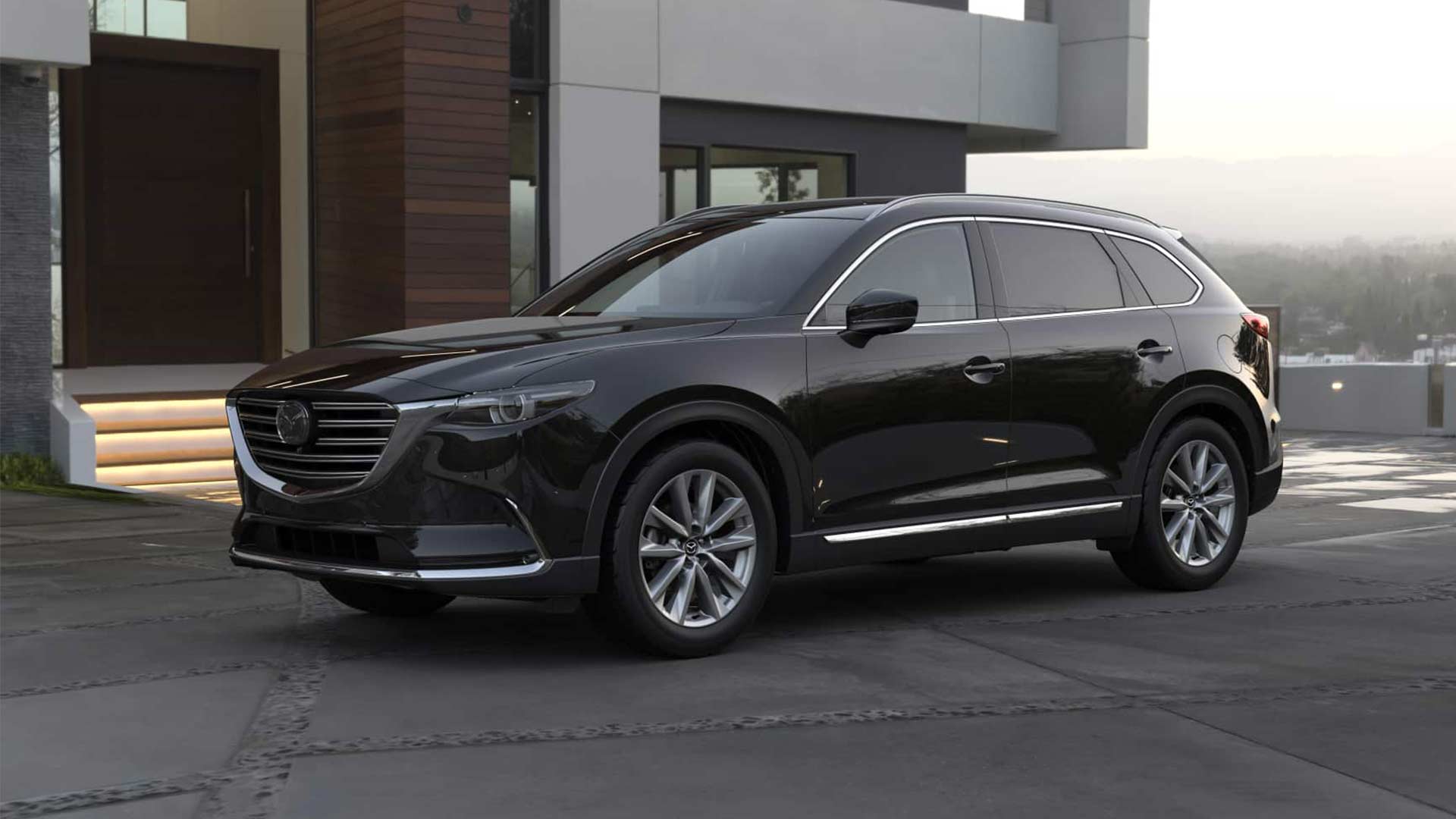
5. Mazda CX-9 (First Generation)
The first-generation Mazda CX-9, produced between 2007 and 2015, was Mazda’s entry into the midsize SUV segment with a focus on sporty handling and family-friendly features.
While it gained praise for its driving dynamics and styling, it also earned a reputation for having certain parts that are harder to find compared to more common SUVs. This is partly because the CX-9 was Mazda’s first large SUV and shares relatively few parts with other Mazda models, especially in its earlier years.
The powertrain in the first-generation CX-9 is largely unique to the model. Powered predominantly by a 3.7L V6 engine, this powertrain was not shared widely within Mazda’s lineup, which mostly consisted of smaller four-cylinder engines at the time.
This means that major engine components, such as intake manifolds, valve covers, and even some internal engine parts, are specific to the CX-9.
The same can be said for its 5-speed automatic transmission, which is also model-specific and doesn’t share many components with Mazda’s other vehicles. For owners, this limits the availability of used or aftermarket parts and sometimes results in higher prices for replacements.
Mazda’s decision to prioritize driving dynamics in the CX-9 led to a suspension setup that differs from many other SUVs. The front double-wishbone and rear multi-link suspension systems were tuned for sporty handling, which meant many suspension components, such as control arms, bushings, and sway barswere unique or not widely shared.
This reduces the number of direct aftermarket replacement options, and OEM parts can be costly and slow to ship. Additionally, because the CX-9 wasn’t as high-volume as other midsize SUVs from competing brands, salvage yards are less likely to have donor parts.
The interior of the first-generation CX-9 also features parts that are less common than in more mainstream vehicles. Controls, switches, and even some trim panels were designed specifically for the CX-9’s dashboard layout.
Replacement parts for things like the infotainment system, HVAC controls, or power window switches can be difficult to find outside of Mazda dealerships or specialized auto recyclers. Unlike more ubiquitous models that share these components with sedans or crossovers, CX-9 owners sometimes experience longer wait times and higher costs when repairing interior elements.
Furthermore, the electronics and wiring harnesses in the first-generation CX-9 are relatively complex and were less modular than in newer Mazda models. This can make diagnosing electrical issues more difficult and parts replacement more expensive.
Components like body control modules, sensor clusters, and wiring connectors may be specific to this generation and not interchangeable with other Mazda products. Independent repair shops often need access to Mazda-specific diagnostic software to properly service these systems, which can limit options and increase labor charges.
