
The automotive industry in the United States is unlike any other. It’s defined by long highways, wide open spaces, a deep appreciation for power and size, and a culture that often ties identity to what someone drives.
Trucks dominate rural and suburban areas, large SUVs ferry families across sprawling neighborhoods, and muscle cars remain a symbol of boldness and pride. While small cars and hybrids do have their place, they’re usually outnumbered by vehicles that speak to America’s love for practicality, comfort, and presence.
Not every car suits this environment, though. Some models are clearly designed with American drivers in mind, built for long-distance comfort, high-speed cruising on interstates, or hauling large loads. These vehicles offer features that resonate with American priorities: spaciousness, durability, accessible maintenance, and road authority.
In contrast, other cars, often imports from Europe or Asia, feel misplaced. Whether it’s because of their tight interiors, niche engineering, or limited road practicality in such a large country, some cars feel like they were simply never meant to roam American roads.
This contrast brings out a fascinating cultural divide. A car is more than just a tool; it’s often a reflection of how societies move, live, and work. While a compact city car might thrive on the narrow streets of Rome or Tokyo, it can become a frustrating compromise in the wide avenues of Dallas or Los Angeles.
Likewise, a burly V8 truck that feels right at home in a Montana ranch might feel cumbersome on the streets of Munich. So, which cars naturally belong in the U.S., and which ones seem like awkward guests?
Let’s take a look at five cars that feel perfectly tailored for American roads, followed by five that never quite found their place. Each section will break down the qualities, design philosophies, and use cases that either make or break a car’s relationship with the American lifestyle.
5 Cars That Feel Made for the U.S.
1. Ford F-150
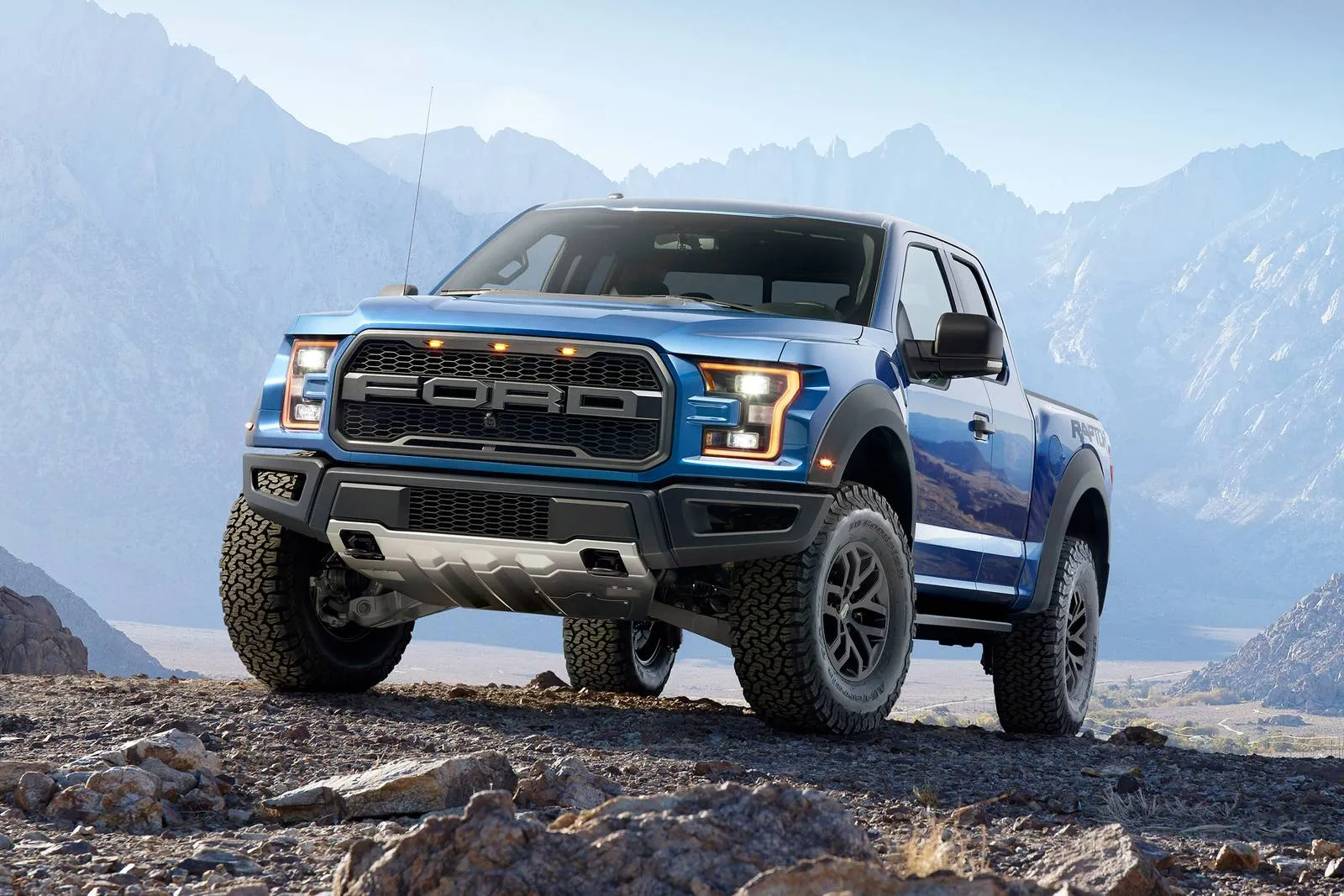
The Ford F-150 is not just a truck; it’s an institution. For decades, it has held the title of America’s best-selling vehicle, and it’s easy to see why. It’s built around ideas that are central to American life: utility, freedom, and strength. The F-150 can tow boats, haul construction materials, and still function as a comfortable daily driver. That flexibility fits perfectly into the lives of millions of Americans who expect one vehicle to do everything.
Its size, which might be intimidating in Europe or Asia, is a strength in the U.S. The wide roads, generous parking spaces, and rural areas make large vehicles easier to manage. Whether it’s crossing the Rockies or doing a grocery run in Texas, the F-150 feels right at home.
Its interior is often as plush as a luxury sedan, with options for leather seats, advanced infotainment systems, and massive touchscreen controls. This isn’t just a work truck, it’s a rolling command center.
Fuel economy may not be its strongest point, but that doesn’t always matter in a country where gas is relatively cheap compared to other regions. Plus, Ford has offered hybrid and electric versions to appeal to drivers who want better mileage without giving up capability. The F-150 Lightning, the all-electric variant, continues this evolution while staying true to the truck’s core mission.
What really cements the F-150’s place in American culture is its versatility. It’s a favorite of construction workers, farmers, business owners, and suburban families alike. It can be basic or luxurious, tough or tech-savvy. This truck understands what American drivers want better than most vehicles ever could.
2. Chevrolet Suburban
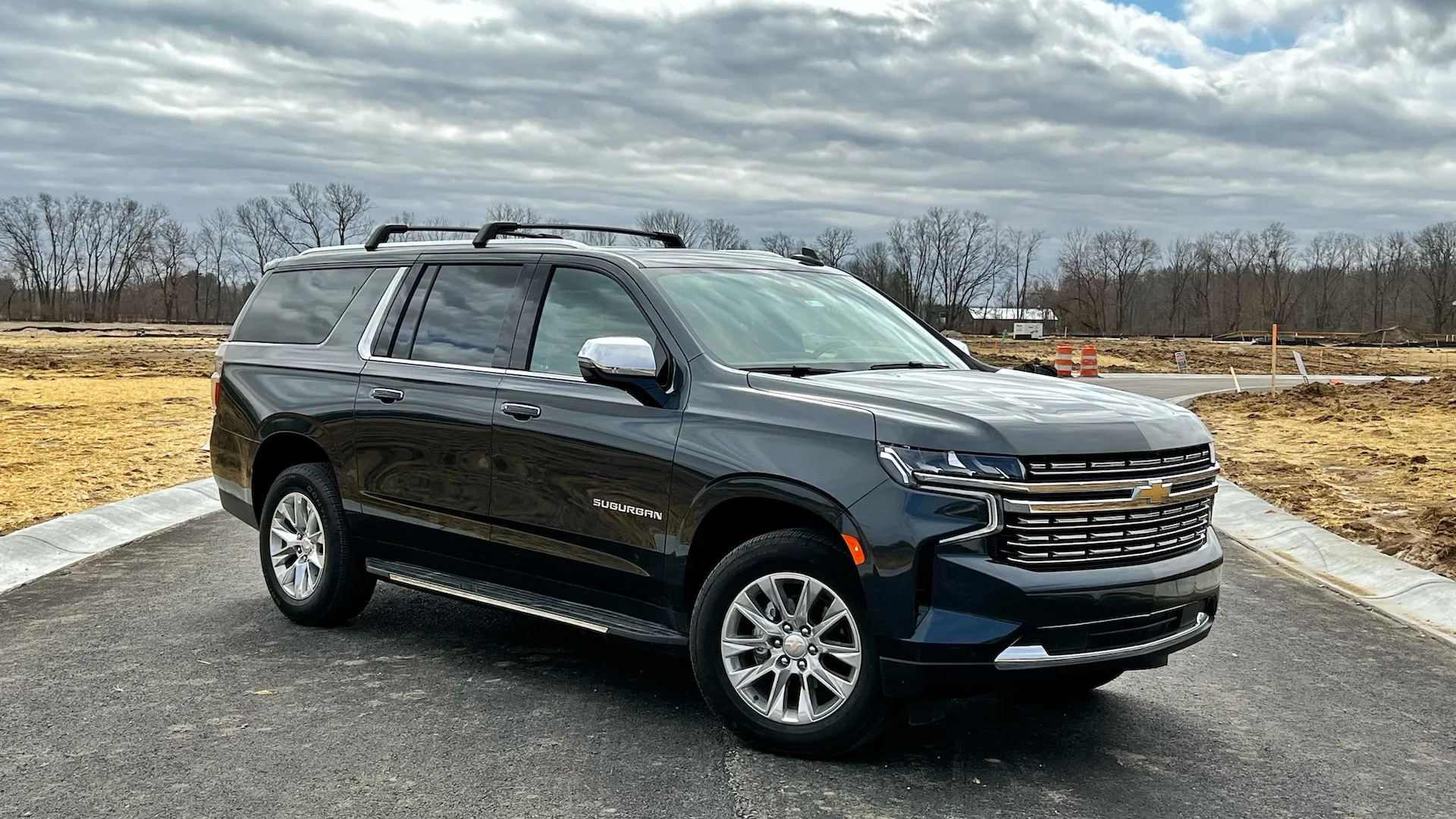
The Chevrolet Suburban is a rolling symbol of American scale and ambition. It’s big, bold, and unapologetically roomy. With three rows of seats and ample cargo space behind them, this SUV isn’t just a family hauler; it’s a mobile living room. If there’s a vehicle that embodies the American love for space and long-distance travel, it’s the Suburban.
Driving across states, hauling trailers, or taking a full family to Disneyland, these are the kinds of tasks the Suburban handles effortlessly. It thrives on the wide highways and open terrain that define much of the U.S. industry. It’s no surprise that it’s a common sight in everything from suburban driveways to government motorcades. It fits into almost every corner of American life.
One of the reasons it works so well in the U.S. is how much it values passenger comfort and storage. The third row is actually usable, not just an afterthought, and the cargo area can handle everything from camping gear to Costco hauls. For big families or those who regularly travel with gear, the Suburban isn’t a luxury; it’s a necessity.
What makes it feel distinctly American isn’t just its size, but the way it pairs comfort with capability. It can tow, it can off-road, and it can manage urban errands when needed. Its adaptability to different lifestyles makes it deeply compatible with the country’s varied geography and pace of life.
Also Read: 10 Forgotten Muscle Cars Worth Restoring
3. Dodge Challenger
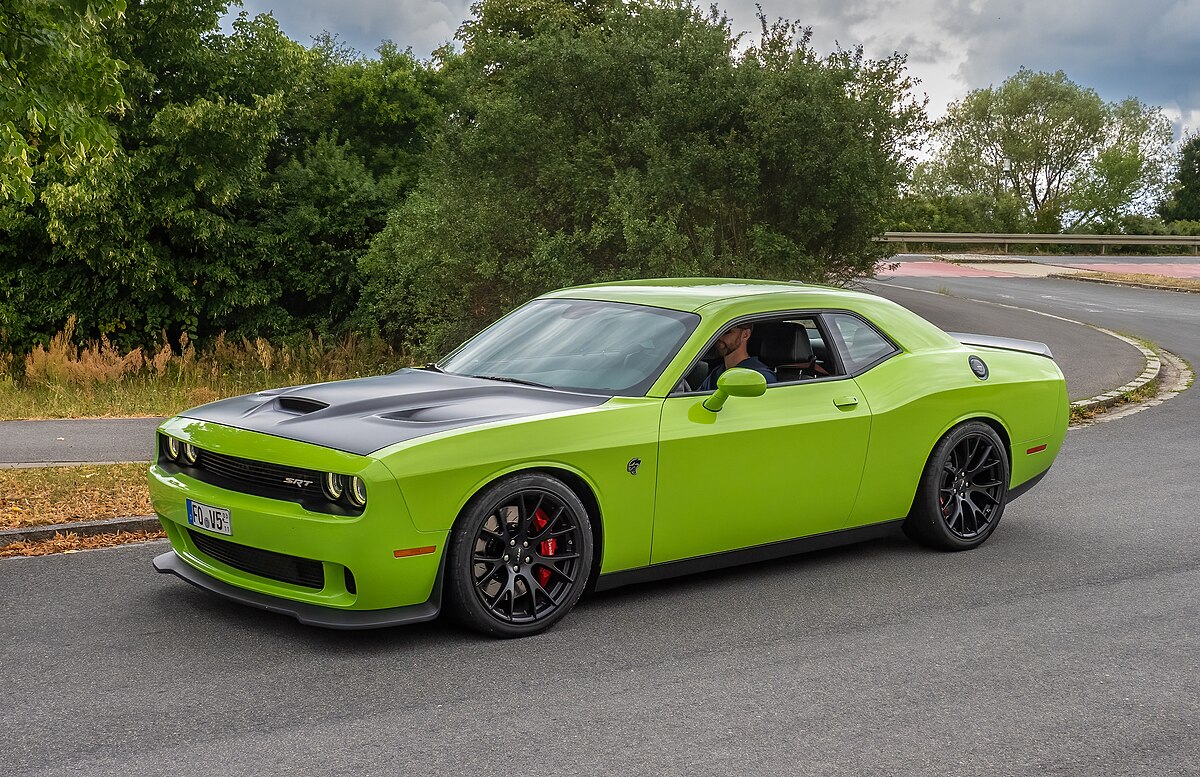
The Dodge Challenger is a muscle car that makes no apologies for its excess. It’s a throwback to an era of raw power and bold styling, and that attitude still resonates deeply with American drivers. From the moment you hear the engine rumble, you know this car is meant for wide roads and open stretches of asphalt.
Its retro design pays homage to the classic muscle cars of the 60s and 70s, a period many Americans view with nostalgia. While other countries might prioritize nimbleness or compact efficiency, the Challenger goes the other way: it’s big, heavy, and fast in a straight line. It’s made for long drives and loud fun, which suits the U.S. driving environment perfectly.
Gas mileage isn’t a concern for someone buying a Challenger. Neither is parking ease or tight cornering. The driver is in it for the thrill, for the noise, and for the presence it commands. This car isn’t trying to blend in; it wants attention. On American roads where individuality and freedom are often celebrated, the Challenger becomes more than just transportation, it becomes a statement.
While other countries often see this kind of car as impractical or outdated, in the U.S., it feels like a natural part of the industry. Whether it’s cruising down Route 66 or revving at a stoplight in Miami, the Challenger continues to fit the American dream like a leather glove.
4. Toyota Tacoma
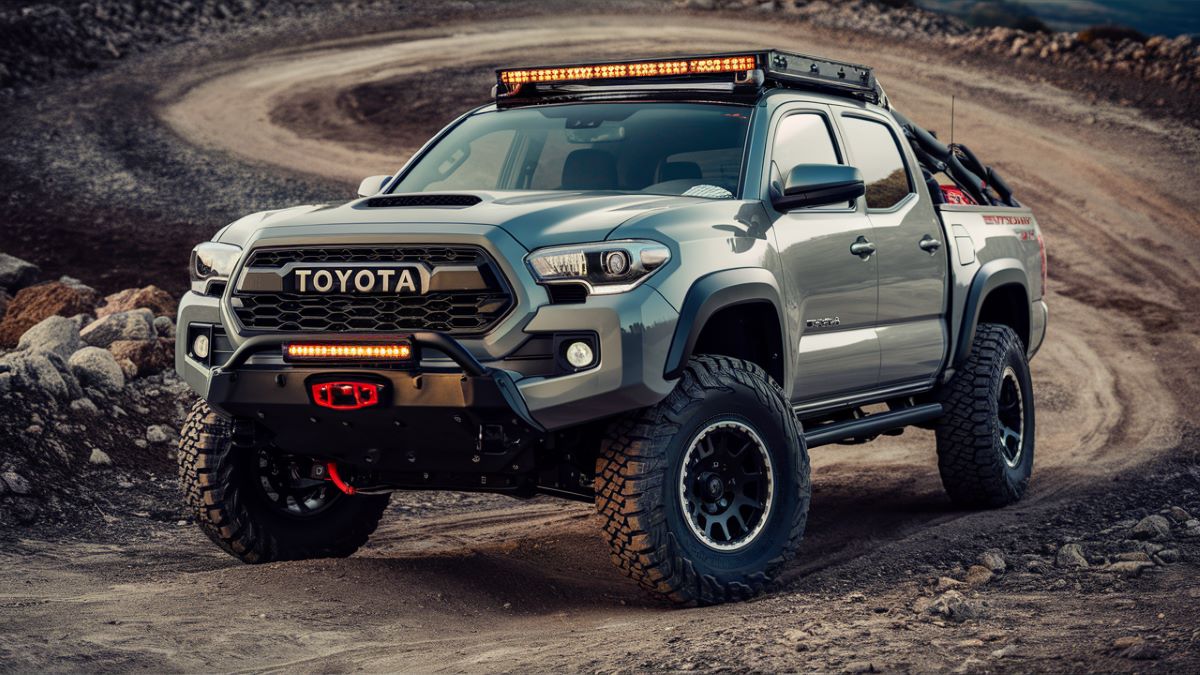
Though it’s technically a midsize pickup, the Toyota Tacoma feels like it was designed specifically with American users in mind. It balances capability with practicality, offering a reliable and rugged option for those who don’t need the bulk of a full-size truck. In areas where off-roading is popular or utility is needed without going overboard, the Tacoma shines.
The Tacoma has become a cult favorite in the U.S., especially among outdoor enthusiasts and younger buyers who want something tough but manageable. It handles trails, camping trips, and city commutes with equal confidence. That flexibility matches well with how Americans often use their vehicles for both work and play.
Durability is one of its greatest strengths. People regularly drive Tacomas past 200,000 miles, and they still command strong resale values. That kind of reliability appeals to buyers who want to keep a vehicle for the long haul, another characteristic common among American truck owners.
Its size is a sweet spot. Large enough to haul motorcycles or gear, but small enough to navigate tighter city streets. In many ways, it represents a modern version of the American utility vehicle: tough, adaptable, and built to last, without the excess of the largest trucks on the market.
5. Jeep Wrangler
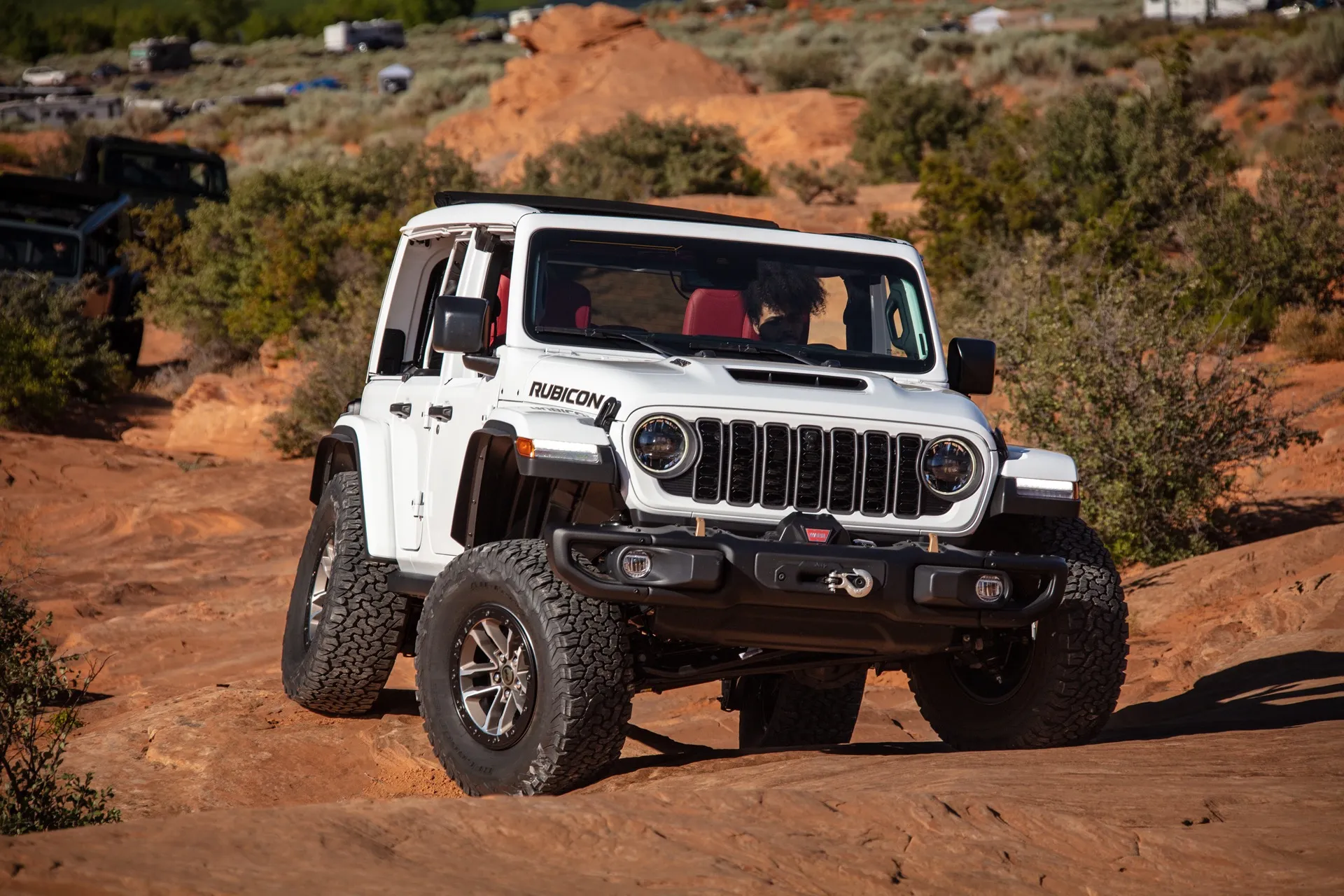
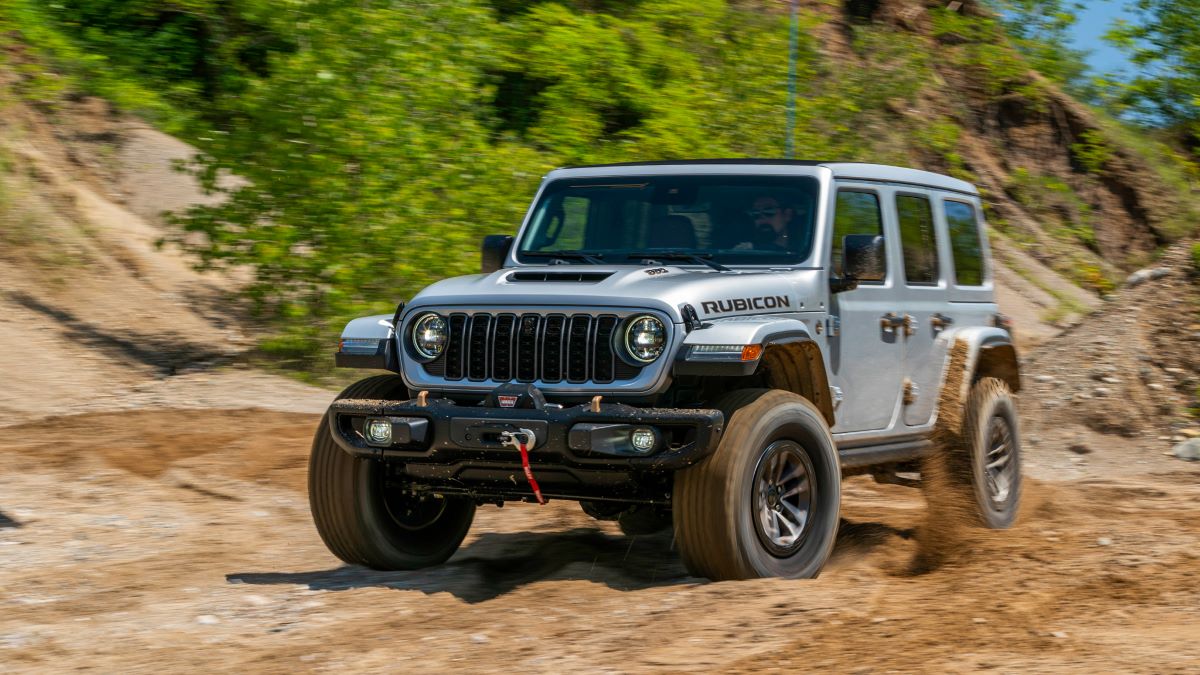
The Jeep Wrangler is an icon that’s hard to separate from its American roots. It was born out of military necessity and evolved into a symbol of adventure and freedom. Its rugged build, removable doors, and unmistakable shape are as American as baseball and barbecue.
The Wrangler is made for terrains like Moab, Utah or the Rocky Mountains, environments that demand a vehicle that can crawl over rocks, ford streams, and shrug off bad weather. Those kinds of industry are abundant in the U.S., and the Wrangler thrives in them. It’s a vehicle that invites exploration, something that resonates with American values.
Unlike many cars that are built primarily for comfort, the Wrangler prioritizes function and toughness. It’s not trying to be sleek or quiet, it wants to be loud, tough, and ready for a challenge. For many, that’s part of the charm. It’s not a car that fits in everywhere, but in the right setting, it feels unbeatable.
American roads include more than just smooth interstates. There’s a whole world of unpaved trails, mountains, forests, and deserts that demand something special. The Wrangler is built for that kind of industry, which is why it continues to have such strong appeal in this part of the world.
Also Read: 10 Fleet Vehicles That Redefine Industry Benchmarks
5 That Don’t Belong Here
6. Smart Fortwo
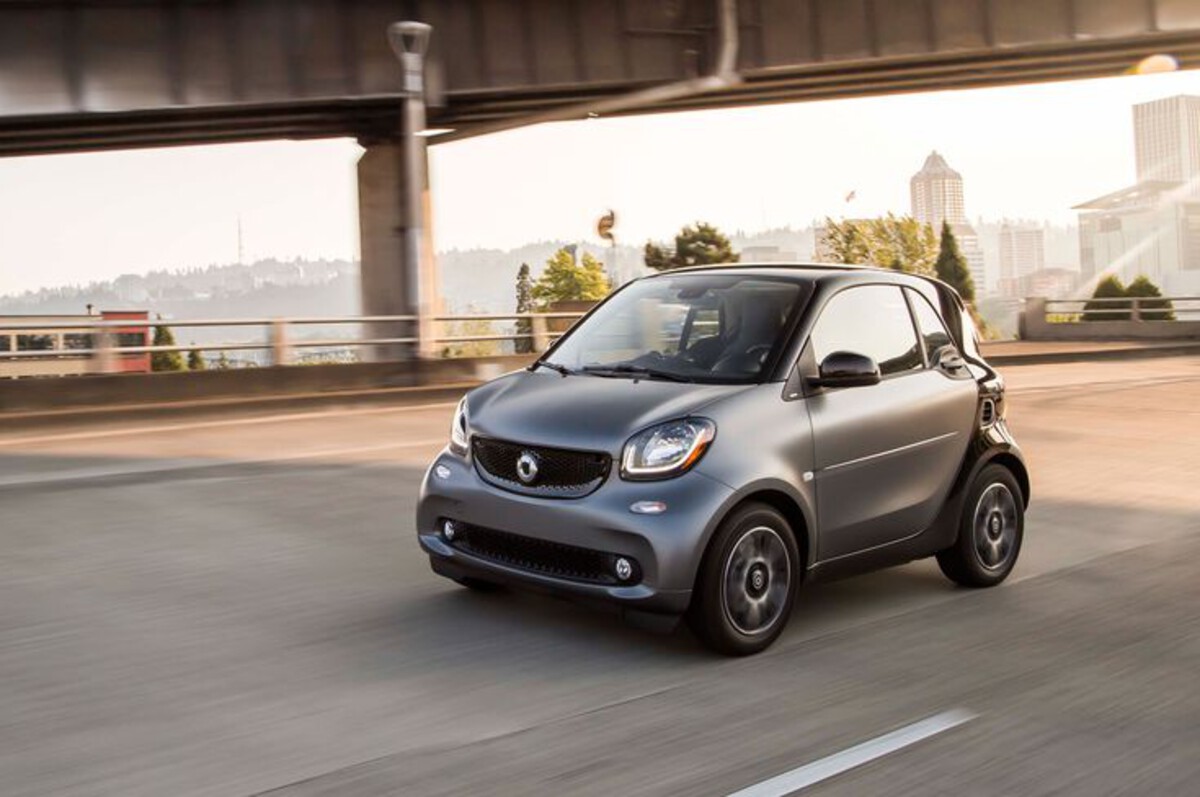
The Smart Fortwo was clearly not designed with the American lifestyle in mind. It’s incredibly small, built for maneuvering through dense European cities where parking is a daily battle and streets are centuries old. In contrast, the U.S. is a country of wide roads, long commutes, and more space than the Smart knows what to do with.
Drivers in the U.S. often prioritize safety and presence, two things the Smart struggles with. Its small footprint makes it feel vulnerable among trucks and SUVs, especially on highways. While it may be convenient in places like Manhattan or San Francisco, it’s an odd fit in most other places across the country.
Then there’s the issue of practicality. With minimal cargo space and only two seats, it doesn’t cater to families, workers, or road-trippers, groups that make up a large portion of American drivers. Add to that the fact that mileage isn’t significantly better than some hybrids, and the appeal starts to fade even more.
Though it has a niche audience, the Smart Fortwo always felt like a foreign guest at an American cookout. It might be appreciated for its novelty or eco-friendliness, but it doesn’t match how most people live, drive, or travel across the country.
7. Fiat 500
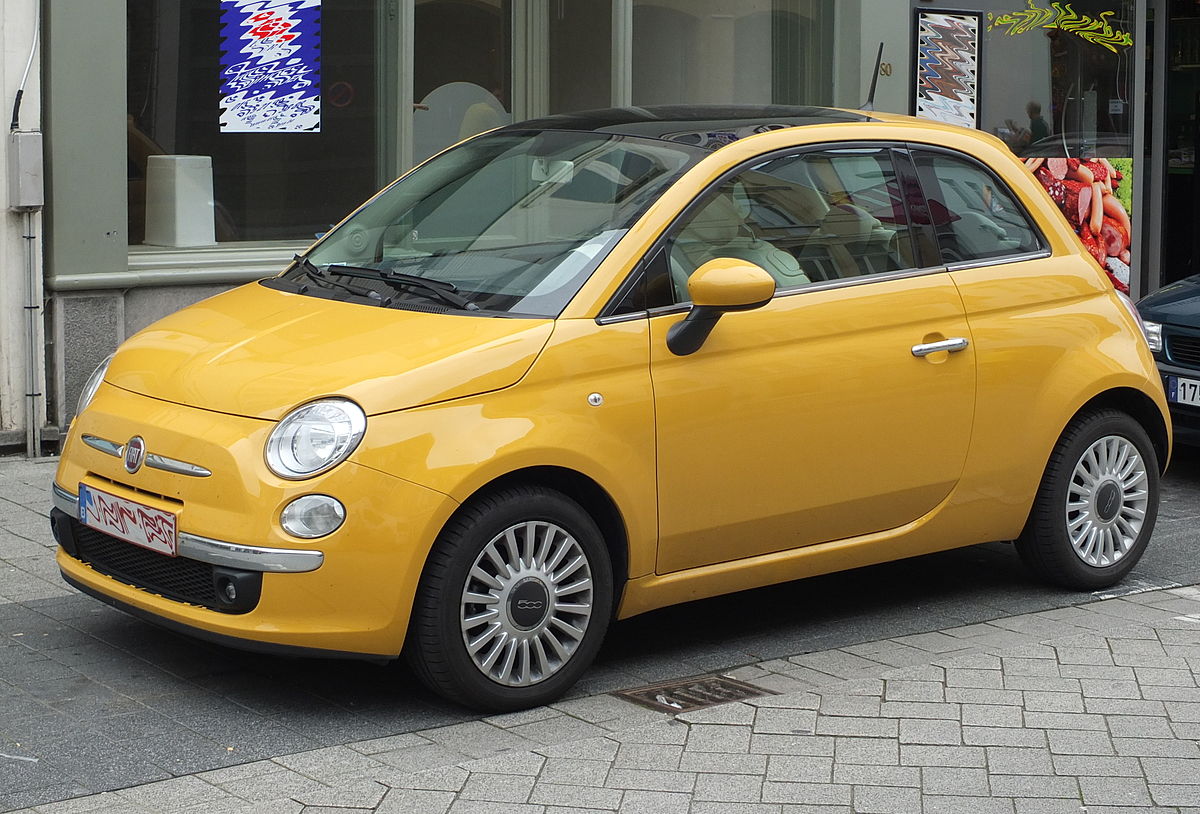
The Fiat 500 was launched in the U.S. market with a great deal of optimism, bolstered by clever marketing and a clear desire to offer something “cute,” efficient, and distinctly European.
And while there’s nothing inherently wrong with the car itself, it feels mismatched with the expectations of most American drivers. Designed for tight corners, narrow streets, and short city commutes, the Fiat 500 doesn’t align well with the broader American driving environment. Outside of dense city centers, it often struggles to find its niche.
Americans tend to want more than just a commuter car, they often need something that can handle multiple roles. The Fiat 500, while stylish and easy to park, is limited in what it can carry and how it performs on longer drives. The small cabin can feel cramped, especially for taller individuals or passengers with luggage.
The limited cargo space becomes a problem on road trips or grocery runs, where even a medium-sized haul might exceed what the car can handle. That compromises its practicality in a culture where even daily tasks often require more space than the 500 can provide.
Performance-wise, the car doesn’t inspire confidence on highways. Its smaller engine and lightweight design make merging onto fast-paced traffic challenging in some regions. It’s also affected by crosswinds and large trucks more than a heavier, more stable vehicle would be.
These factors all play into a general feeling of the Fiat 500 being more at home in Milan or Paris than Miami or Phoenix. The American driver is often thinking about weekend trips, longer commutes, or hauling larger items, tasks that are simply outside the 500’s design intentions.
While some may appreciate it for its charm or fuel efficiency, and others might buy it as a secondary car, the Fiat 500 never found widespread traction in the U.S. market. It’s a clear case of a car that suits a specific lifestyle, one rooted in compact living, short travel distances, and smaller roadways.
That’s just not how most Americans live, and the market responded accordingly. Its gradual disappearance from dealerships speaks to its incompatibility with American tastes and needs.
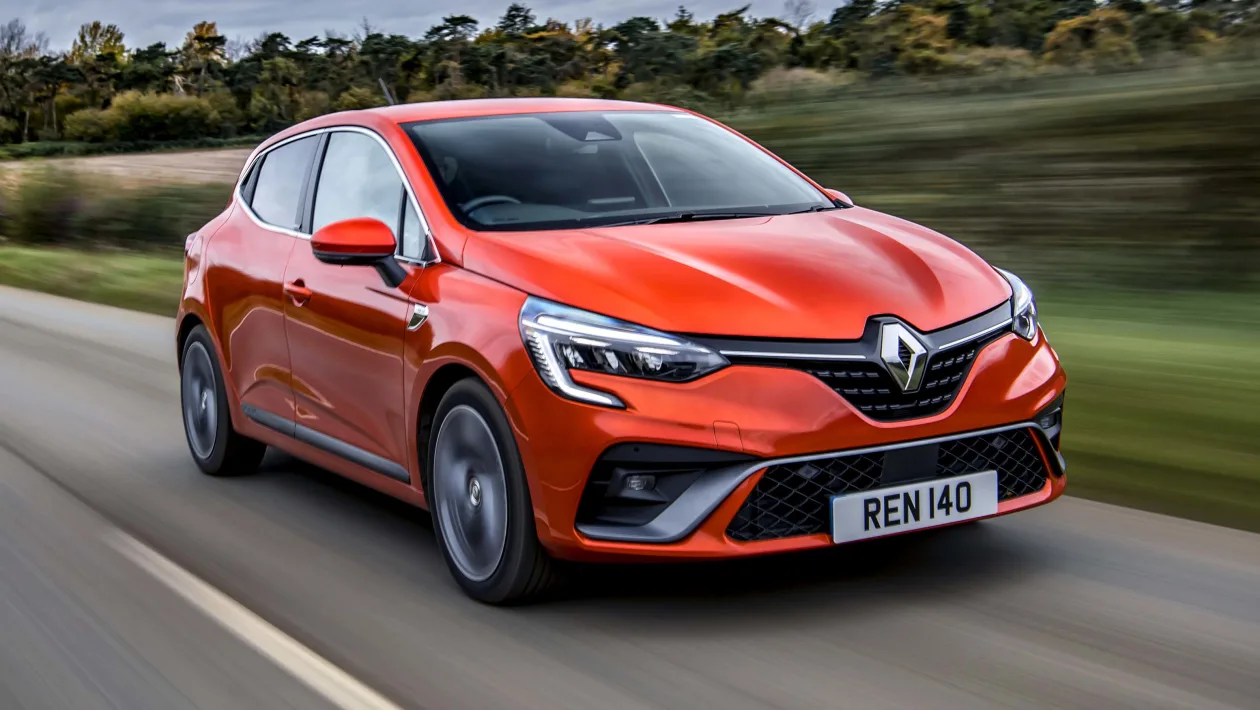
8. Renault Clio
Although never widely sold in the U.S., the Renault Clio represents a style of car that consistently fails to resonate with American consumers.
A best-seller in much of Europe, the Clio is compact, lightweight, and designed for short-distance commuting through narrow city lanes. Its efficiency and agility make it perfect for countries where fuel prices are high and urban space is limited. But the features that make it a hit overseas are the very reasons why it wouldn’t thrive on American soil if it were ever fully introduced.
For starters, American drivers generally demand more space, both in terms of legroom and cargo capacity. The Clio is simply too small to be considered practical by most U.S. standards. The back seats are tight, the trunk is modest, the experience feels tailored to solo drivers or couples, not families or multi-purpose use. In the U.S., even compact cars like the Honda Civic or Toyota Corolla are expected to have a degree of spaciousness that the Clio just doesn’t offer.
There’s also the matter of power and performance. In Europe, the Clio’s modest engines are acceptable, even preferred, due to city driving and stringent emissions regulations. In the U.S., where drivers often deal with long highway stretches and more aggressive merging environments, the Clio would likely feel underpowered.
Its smaller engine options wouldn’t inspire confidence on steep inclines or while overtaking at high speeds. And unlike hybrid options that might make up for lower horsepower with fuel savings, the Clio doesn’t offer a substantial edge in efficiency compared to modern American hybrids.
Brand recognition also plays a significant role. Renault doesn’t have a presence in the U.S. market, which adds a layer of hesitancy for potential buyers. Lack of dealerships, unfamiliar maintenance networks, and limited availability of parts all create a situation where the Clio becomes more of a liability than a convenience.
American drivers, particularly in less urbanized areas, want cars that can be fixed at the nearest service station, not something that requires specialty care. All of these factors make it clear that the Clio, while celebrated in other countries, wouldn’t stand much of a chance here.
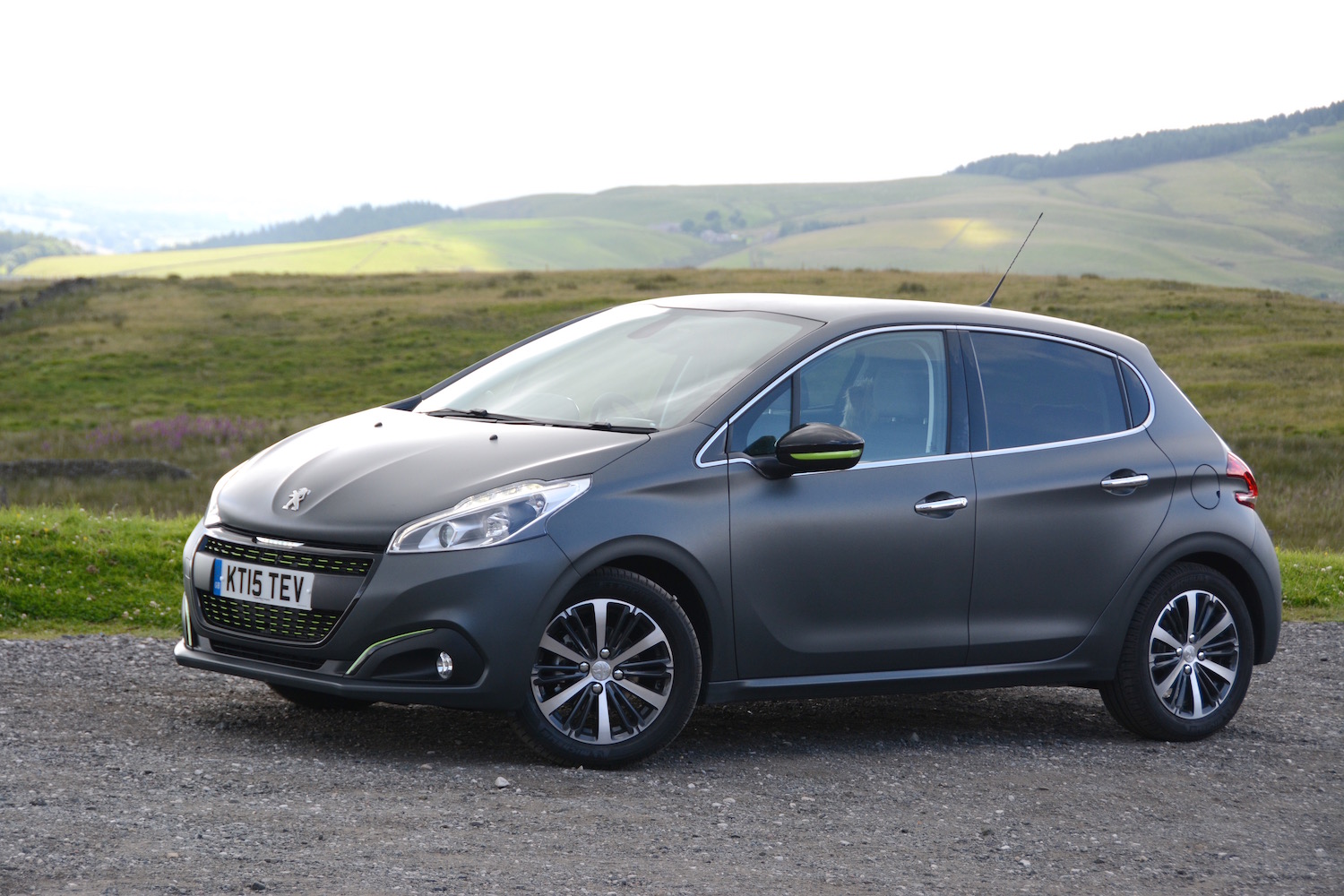
9. Peugeot 208
Like the Clio, the Peugeot 208 is another vehicle that’s highly regarded in parts of Europe but wouldn’t translate well into the American automotive industry. The 208 is designed with compactness, efficiency, and modern urban life in mind.
It’s nimble, affordable, and tech-savvy, but those attributes come with trade-offs that don’t align with what many American buyers expect or prioritize. It may excel in Paris or Brussels, but it lacks the versatility and presence needed in Houston, Denver, or Atlanta.
The Peugeot 208 emphasizes a small footprint, which is excellent for fitting into tight city parking spaces, but problematic for many American drivers who spend considerable time on highways or in larger vehicles.
The small cabin, low ride height, and light steering feel can make it less than ideal for long drives or high-speed environments. American drivers often look for a sense of road security, and the 208’s design just doesn’t convey the same level of sturdiness or crash protection as larger compact or midsize vehicles available in the U.S. market.
There’s also the perception of brand durability and support. Peugeot left the American market decades ago and hasn’t returned in any meaningful way. That leaves a knowledge gap among both consumers and service providers.
Even if the 208 were brought to U.S. soil, there would be significant questions about parts availability, long-term maintenance, and resale value. This is particularly important in a country where vehicle ownership often spans many years and covers high mileage, making reliability and ease of upkeep critical.
While the Peugeot 208 may represent innovation and efficiency in European circles, in the U.S. it would be seen as too specialized, too fragile, and too untested. American consumers expect their cars to serve multiple roles, commuting, road tripping, hauling gear, or accommodating kids and pets. The 208 might win style points, but in terms of practicality, it would likely find itself overwhelmed by the demands of American driving culture.
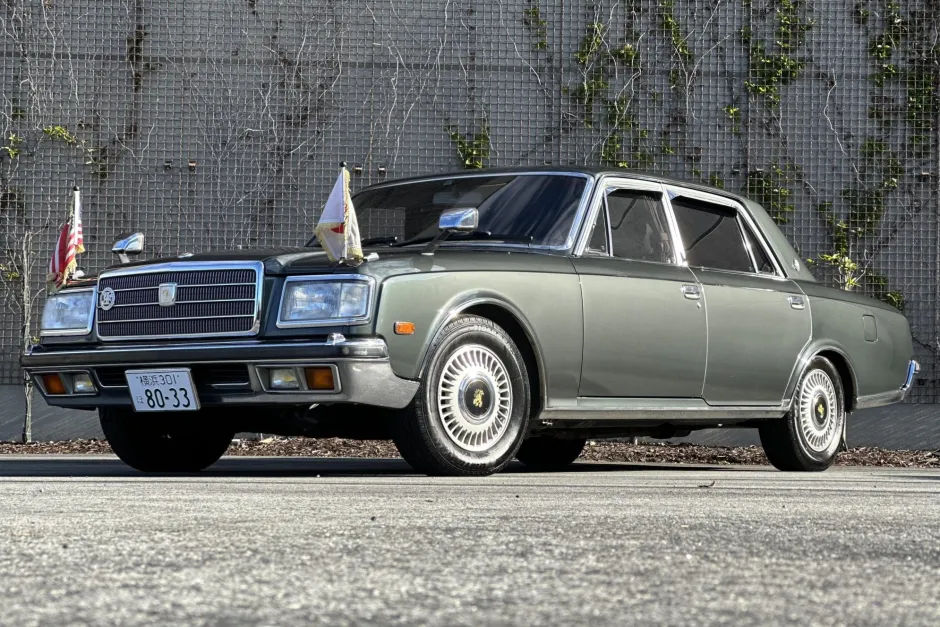
10. Toyota Century
The Toyota Century is one of the most luxurious and exclusive vehicles Toyota produces, but it’s tailored for a market and a philosophy that doesn’t align with American expectations of premium cars. In Japan, the Century is a quiet, dignified symbol of status. It’s not flashy, but understated and refined, often chauffeur-driven rather than owner-driven.
This level of quiet elegance is deeply respected in Japanese society, but in the U.S., luxury is often equated with flashier branding, aggressive performance, and a more conspicuous presence.
The Century is powered by a hybrid V8 or V12, depending on the model year, and focuses on delivering the smoothest, most refined ride possible. Every detail is crafted for comfort and tradition, with wool interiors and an analog clock instead of the digital overload seen in other luxury brands.
In Japan, these are markers of taste and restraint. In the U.S., however, buyers in the luxury segment are more likely to be drawn to brands like Mercedes-Benz, BMW, Audi, or even Tesla, which combine performance, tech, and prestige in a more assertive way.
The design itself also poses a challenge in the American market. While its silhouette may evoke a sense of old-school luxury, it doesn’t align with what many U.S. consumers consider modern or desirable. There’s a heavy focus on function over form, which doesn’t carry the same weight here as it does in Japan.
American buyers willing to spend $180,000 or more on a vehicle are typically looking for bold styling, performance specs, and the cachet that comes from a well-known luxury badge. The Century doesn’t carry that cultural weight here, and it lacks the brand visibility that drives high-end purchases.
Perhaps most of all, the Century is built for an entirely different pace of life. Its emphasis on silence, calmness, and modesty stands in contrast to the louder, faster, and more status-driven luxury market in the U.S. Even though it’s one of the finest examples of craftsmanship from Japan, it would struggle to connect with American buyers. It’s a beautiful car, but not one that fits the mindset or roads of the U.S. driving public.
Cars are more than just machines; they are reflections of culture, geography, and lifestyle. The United States, with its vast highways, sprawling suburbs, and diverse terrains, demands vehicles that accommodate its unique way of life. This need shapes the kinds of cars that feel like a natural fit and those that seem out of place. What works well in one country may feel awkward or impractical in another, and the U.S. market exemplifies this dynamic clearly and tellingly.
The five cars that feel made for the U.S., the Ford F-150, Chevrolet Suburban, Dodge Challenger, Toyota Tacoma, and Jeep Wrangler, embody qualities that resonate deeply with American drivers. They embrace size, power, versatility, and ruggedness.
These vehicles are not just about getting from point A to point B; they represent freedom, capability, and identity. The F-150 and Suburban offer unmatched utility and space, perfect for families, businesses, and adventurers alike. The Dodge Challenger delivers raw performance and bold styling that matches America’s muscle car heritage.
Meanwhile, the Toyota Tacoma strikes a balance between toughness and manageability, appealing to those who want ruggedness without overwhelming bulk. Lastly, the Jeep Wrangler captures the spirit of exploration and resilience, built for terrains that only the U.S. can offer in such abundance.
The Smart Fortwo and Fiat 500, for example, are charming and convenient in tight European cities but can feel fragile and insufficient on the expansive highways and broad streets of most American towns.
The Renault Clio and Peugeot 208, celebrated for their efficiency and maneuverability overseas, lack the power and space American consumers often demand. Meanwhile, the Toyota Century’s understated luxury, while admired in Japan, contrasts sharply with American ideas of prestige and status that favor boldness and performance.
These differences aren’t just about size or horsepower; they reveal a broader cultural context. American drivers often see their vehicles as extensions of themselves, tools for work, play, and identity. The value placed on capability and presence means that cars that feel “small,” “fragile,” or “too specialized” struggle to find footing. Meanwhile, vehicles built with those American ideals in mind flourish because they align with practical needs and emotional desires.
It’s also important to consider that the American market is diverse. While many of these “non-American” cars seem out of place broadly, there are niches and urban areas where some have found success, especially as lifestyles shift and cities become more crowded. Yet, the patterns remain clear: size, power, and versatility are king in the U.S., and these factors dictate what cars feel at home here.
Cars that thrive in America understand the industry, the culture, and the needs of its drivers. They are prepared for the long haul, the heavy loads, and the wide-open roads. Cars that don’t belong struggle because they’re designed for a very different pace and scale of life.
This contrast reminds us that the relationship between a car and its environment is deeply intertwined with human habits and values. The cars that truly belong are those that help Americans live their lives more comfortably, efficiently, and proudly.
The road ahead for the U.S. market will continue to evolve with technology, shifting priorities, and environmental concerns, but the fundamental connection between cars and culture will remain strong. Whether trucks, muscle cars, or SUVs, the vehicles that capture the American spirit will keep defining the way this country drives and that spirit will always be uniquely its own.
