
The automotive industry is one of the most dynamic markets, where trends, technology, and consumer preferences constantly shift. Despite the fluctuations, some cars manage to maintain their appeal and desirability for many years, becoming iconic and beloved across generations.
These vehicles often achieve a blend of timeless design, reliability, performance, and cultural significance that keeps them relevant well beyond their initial release. On the other hand, certain cars experience a rapid rise in popularity only to fade quickly from public interest.
Whether due to changing tastes, poor reliability, or lackluster performance, these models serve as reminders of how fleeting automotive fame can be.
The phenomenon of enduring popularity versus quick fade is shaped by numerous factors. Brand loyalty, engineering quality, adaptability to changing regulations, and even emotional connections play vital roles. Cars that stand the test of time tend to create an identity that resonates with a broad audience, sometimes transcending the basic function of transportation.
They become symbols of freedom, innovation, or status, fostering passionate communities of enthusiasts and collectors. Conversely, vehicles that lose favor often suffer from issues such as outdated design, problematic technology, or simply failing to meet the evolving needs of drivers.
This article takes a closer look at five cars that have managed to remain popular for many years, enjoying sustained admiration and relevance. These models highlight the characteristics that contribute to lasting success in a competitive market.
Simultaneously, the article contrasts these with five cars that, despite initial promise or hype, quickly lost their charm and market presence.
Understanding why some cars endure while others fade provides insight into consumer behavior and the challenges automotive makers face when launching new models. It also reflects how certain designs and ideas connect with the public’s sense of style, utility, and reliability.
In analyzing these vehicles, this article avoids oversimplification, recognizing that popularity is influenced by complex and often unpredictable forces.
The goal is to offer a balanced view that appreciates the achievements of enduring models while learning from those that could not sustain their appeal. Whether you are a car enthusiast, potential buyer, or simply curious about automotive culture, this comparison sheds light on the dynamics of car popularity through real-world examples.
5 Cars That Stay Popular for Years
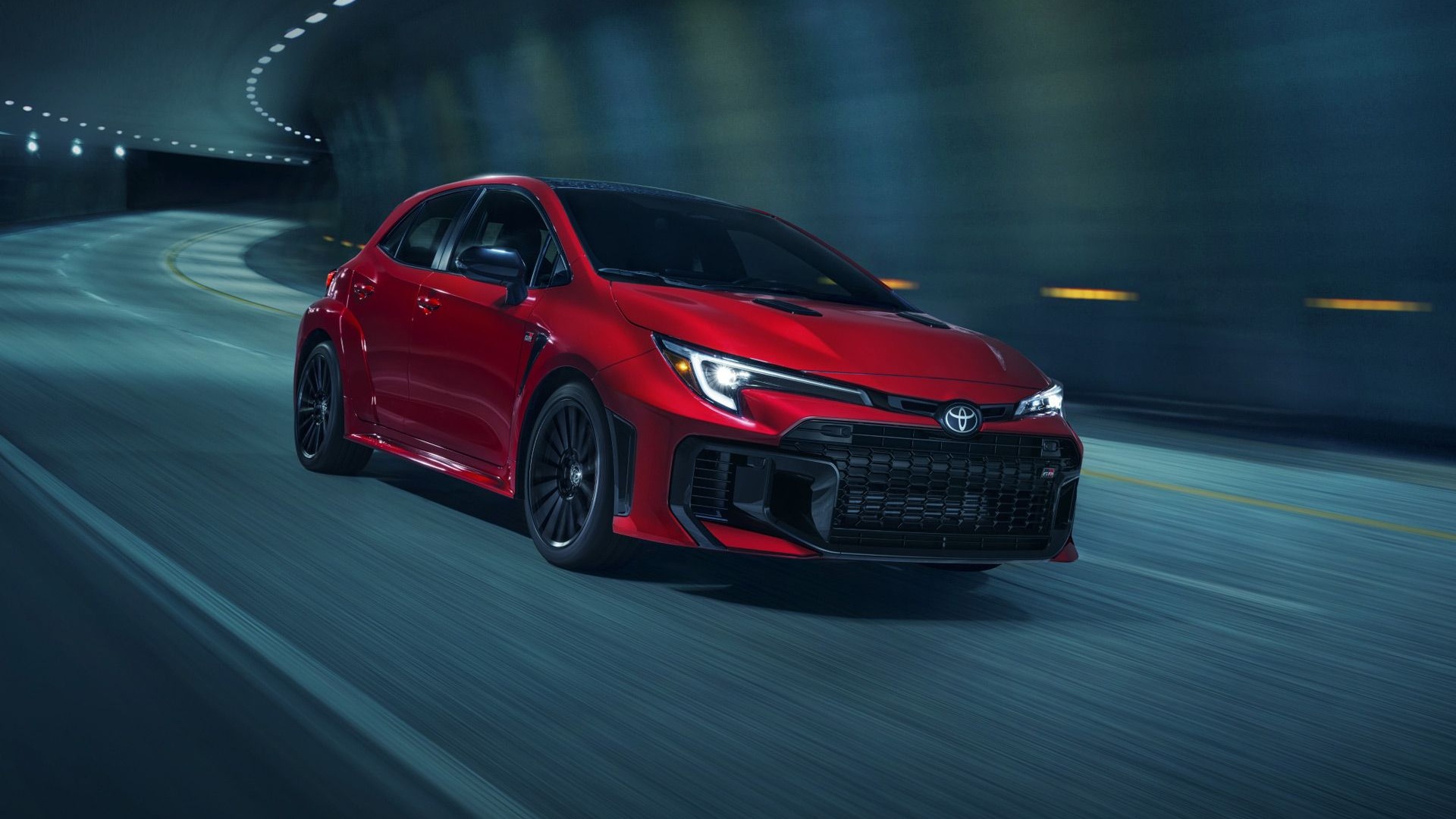
1. Toyota Corolla
The Toyota Corolla is a vehicle that has earned an almost legendary status through decades of consistent performance and mass appeal. Introduced in 1966, it quickly became synonymous with dependable transportation, and that reputation has only strengthened over the years.
One of the key reasons behind its enduring popularity is the exceptional reliability that Toyota has built into the car’s engineering. Unlike many competitors, the Corolla has a track record of lasting for hundreds of thousands of miles without major mechanical issues.
This dependability translates into lower ownership costs, which is a critical factor for many buyers. Consumers who purchase a Corolla often know that they can rely on it for daily commuting, family transportation, or even longer road trips with minimal worry about breakdowns or expensive repairs. The consistent delivery of value and peace of mind has helped the Corolla develop a loyal fan base that spans multiple generations.
Aside from its reliability, the Corolla also excels due to its practicality and efficiency. It has always been designed to meet the basic needs of most drivers: good fuel economy, comfortable seating for five, and enough cargo space for everyday activities.
While the Corolla is rarely the flashiest or most thrilling car on the road, its balanced approach to these core functions makes it a sensible choice. Toyota has continuously refined the design and features with each generation, ensuring the vehicle remains modern and user-friendly.
For example, recent models have embraced advanced safety systems and infotainment technology to keep up with consumer expectations. Yet, the philosophy remains unchanged, offer a straightforward, easy-to-maintain vehicle that fits into many lifestyles, whether as a first car for new drivers or a reliable second car for families.
Another aspect that contributes to the Corolla’s longevity is its global reach and adaptability. Manufactured in multiple countries and available in various body styles and trims, the Corolla can be customized to suit different regional preferences and regulations.
This versatility means the car appeals to a diverse audience worldwide, making it one of the best-selling vehicles on the planet. Whether in urban settings or rural areas, buyers appreciate the Corolla’s blend of affordability and quality.
Moreover, Toyota’s extensive dealer network and parts availability reinforce the car’s practicality, reducing downtime and inconvenience for owners. This global presence not only boosts sales but also strengthens the Corolla’s position as a dependable vehicle that transcends cultural and geographic barriers.
Finally, the Corolla’s strong resale value is another critical factor sustaining its popularity. Because of its reputation and reliability, used Corollas tend to retain their value better than many other vehicles in the same class. This creates a cycle of demand where buyers feel confident purchasing older models without fear of hidden problems or rapid depreciation.
The financial security associated with owning a Corolla makes it an attractive choice for cost-conscious consumers, further cementing its place as a go-to vehicle.
In addition, Toyota’s commitment to continuous improvement ensures that each new generation addresses any previous shortcomings, keeping the Corolla competitive and desirable over time. Altogether, these qualities make the Corolla a standout example of a car that remains relevant and popular for decades.
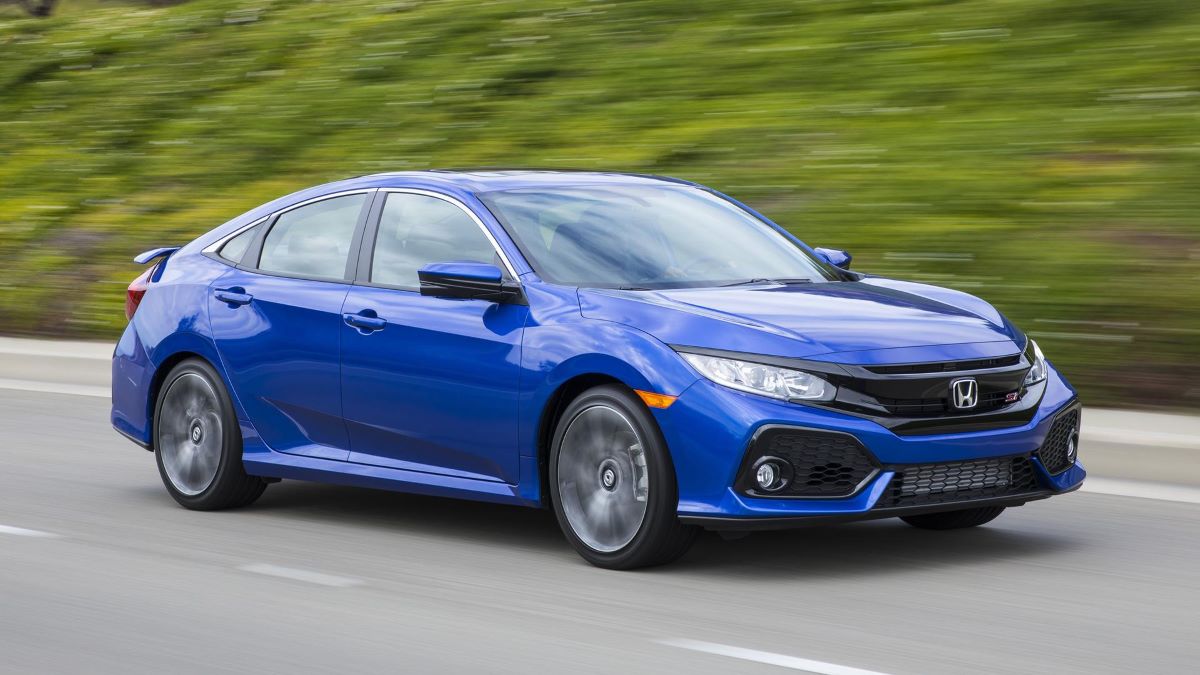
2. Honda Civic
The Honda Civic has been a pillar of the compact car segment since it first appeared in the early 1970s, and its enduring popularity is rooted in a blend of qualities that appeal to a wide range of drivers. From the beginning, the Civic distinguished itself by offering a compact yet efficient vehicle that did not compromise on performance or style.
Honda’s engineering prowess ensured that the Civic was not just economical but also fun to drive, with nimble handling and responsive engines. This dynamic driving experience attracted not only practical-minded consumers but also younger drivers and enthusiasts who wanted a car that was engaging behind the wheel.
Over time, Honda’s continuous refinement and innovation in the Civic have kept it fresh and competitive, allowing it to evolve alongside shifting consumer expectations.
One of the Civic’s standout features is Honda’s commitment to technological advancement. Throughout its various generations, the Civic has been at the forefront of incorporating new engine technologies, safety features, and fuel efficiency improvements.
For example, Honda introduced its renowned Variable Valve Timing and Lift Electronic Control (VTEC) technology, which enhances engine performance without sacrificing fuel economy. More recently, hybrid powertrains and turbocharged engines have made their way into the lineup, aligning the Civic with modern demands for greener and more powerful vehicles.
The ability to integrate these advancements while maintaining affordability has been crucial in retaining the Civic’s broad appeal. It is a car that offers both efficiency for daily commuting and excitement for those who seek it.
Culturally, the Civic holds a special place within the automotive community, especially among car enthusiasts and the tuning scene. Its lightweight chassis and robust aftermarket support make it a popular platform for modifications and performance upgrades.
This cultural resonance adds layers to its appeal, turning it into more than just a practical vehicle. The Civic often appears in motorsports, car shows, and enthusiast gatherings, fostering a passionate community around it.
This ongoing cultural relevance helps sustain interest in the model and ensures that it stays in the public eye, even as newer competitors emerge. Honda’s attention to driver experience and community engagement has created a loyal following that continues to support the Civic year after year.
Lastly, like the Toyota Corolla, the Honda Civic benefits from a strong global presence and solid resale values. Available in numerous markets with various body styles, the Civic adapts well to regional preferences. Buyers appreciate the reliability and quality associated with the Honda name, contributing to sustained demand for new and used Civics alike.
The resale value remains robust, as owners tend to hold onto the car for many years or trade it in for newer Civics rather than switching brands. This ongoing cycle of interest and ownership ensures that the Civic remains a cornerstone of Honda’s lineup and a popular choice for many drivers worldwide.
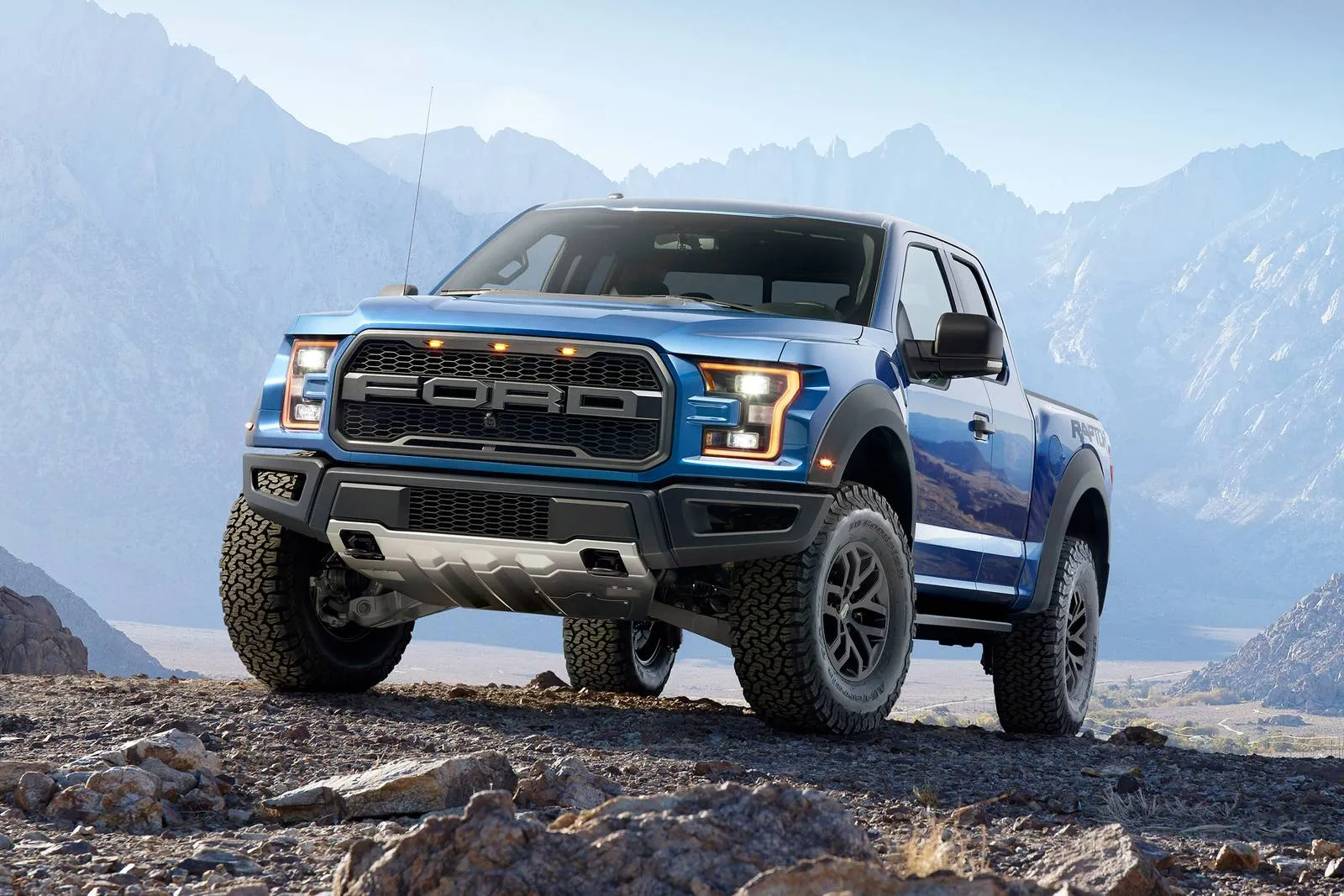
3. Ford F-150
The Ford F-150 has been a dominant force in the pickup truck market, particularly in North America, where trucks often serve as more than just vehicles; they represent lifestyle and utility combined. Introduced in the late 1940s, the F-Series has evolved into a symbol of durability, power, and versatility.
The F-150, as the flagship model, embodies these traits by offering a truck that can perform a wide range of tasks, from heavy-duty hauling and towing to everyday driving. Its reputation for toughness is supported by a strong frame, powerful engine options, and a rugged build quality that appeals to contractors, farmers, outdoor enthusiasts, and families alike.
Ford’s commitment to innovation plays a significant role in the F-150’s sustained success. The truck has undergone numerous redesigns that improve performance, safety, and comfort without compromising its rugged character. One of the most significant advancements was the introduction of an aluminum body, which reduced weight and enhanced fuel efficiency while maintaining strength.
Additionally, Ford offers a variety of engines, including turbocharged EcoBoost V6s and powerful V8s, giving buyers choices tailored to their needs. The integration of modern technology, such as advanced towing aids, driver assistance systems, and infotainment options, ensures the F-150 remains relevant in a market that increasingly demands both capability and convenience.
The flexibility and variety of configurations offered by the F-150 also contribute to its lasting appeal. Customers can select from multiple cab sizes, bed lengths, drivetrain options, and trim levels. This wide range allows the F-150 to suit a vast array of lifestyles and professions.
Whether used as a work truck, a family hauler, or an off-road vehicle, the F-150 provides tailored solutions that meet the needs of diverse customers. This adaptability is a major reason why the F-150 continues to be the best-selling vehicle in the United States for several decades running.
Beyond practical and technical attributes, the Ford F-150 holds cultural significance, particularly in American society. It is often viewed as an icon representing hard work, independence, and rugged individualism. This emotional connection encourages brand loyalty that goes beyond the vehicle’s physical qualities.
Many F-150 owners develop a strong attachment to the truck, leading to repeat purchases and active involvement in communities that celebrate pickup culture. This blend of capability, innovation, and cultural resonance ensures the F-150 remains a beloved and popular choice year after year.
4. Volkswagen Golf
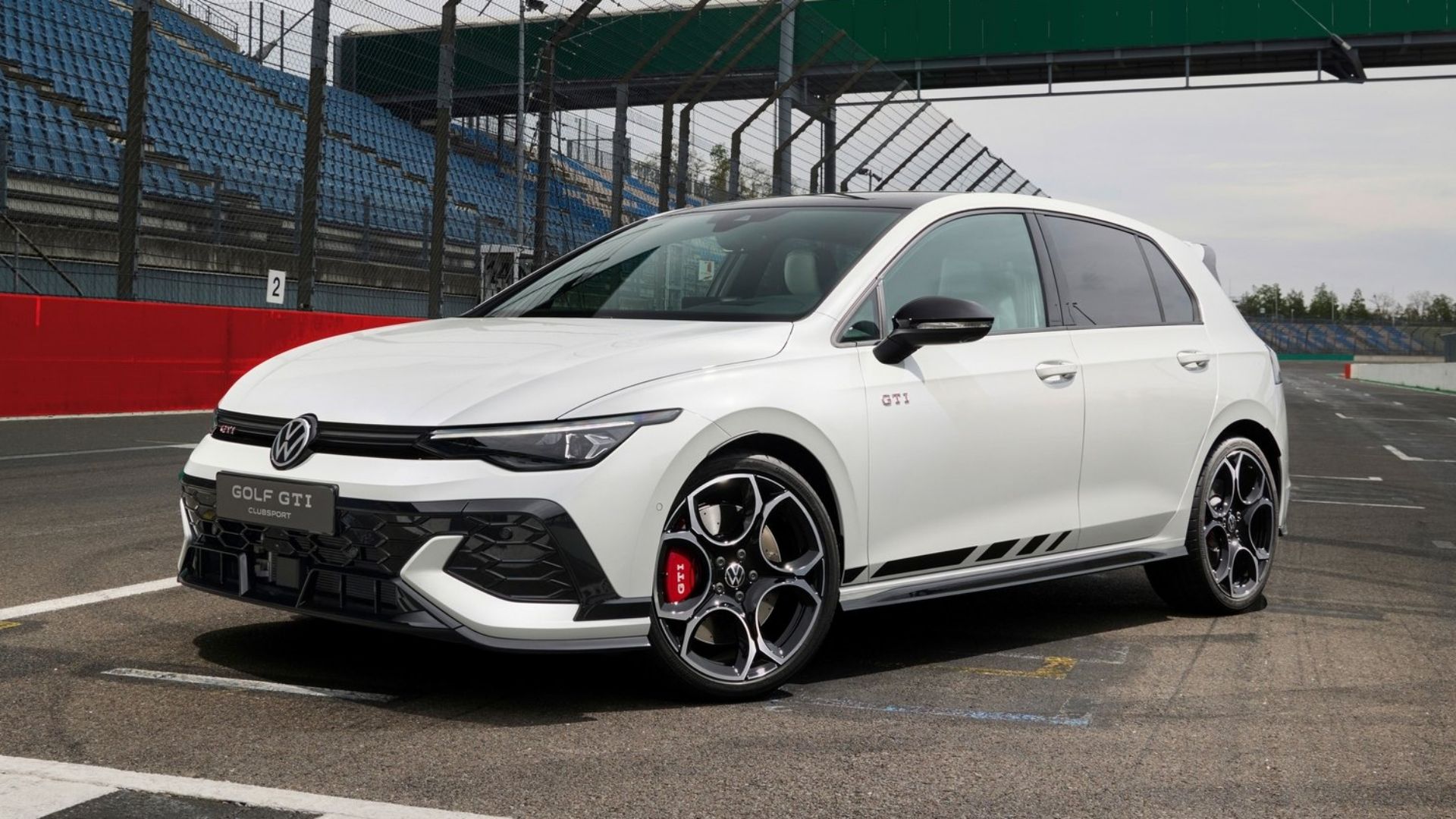
The Volkswagen Golf has been a standout in the compact car segment for decades, widely appreciated for its engineering, practicality, and driving experience. Introduced in the 1970s as a replacement for the Beetle, the Golf quickly gained popularity by offering a modern hatchback design that combined compact size with spacious interiors.
The car’s hatchback configuration provides versatility, allowing owners to carry cargo and passengers efficiently without sacrificing comfort. Its reputation for quality build and solid engineering made it a favorite among buyers who wanted a practical, reliable, and well-rounded vehicle.
Volkswagen’s approach to the Golf has been to maintain a consistent identity while evolving the model to meet changing tastes and technology. Over the years, the Golf has expanded to include various trim levels, including high-performance variants like the GTI and Golf R, which attract driving enthusiasts with powerful engines and sporty handling.
Engineering quality is a key part of the Golf’s appeal. The vehicle is known for offering a refined driving experience, with precise steering, composed handling, and a comfortable ride. Its build quality often exceeds expectations for a compact car, contributing to a sense of durability and value.
This reputation for solid engineering encourages buyers to consider the Golf a long-term investment, knowing that it will continue to perform well and retain value over time. Volkswagen’s attention to detail in materials and construction helps the Golf stand out in a crowded market.
Finally, the Volkswagen Golf benefits from a strong community and cultural presence, particularly in Europe but also globally. Its popularity among younger drivers and car enthusiasts alike has led to active clubs, forums, and events that celebrate the model.
This community engagement helps keep the Golf relevant and visible, even as automotive trends shift. The combination of practicality, performance variants, and strong brand identity ensures the Golf remains a popular choice that continues to resonate with diverse buyers.
5. Jeep Wrangler
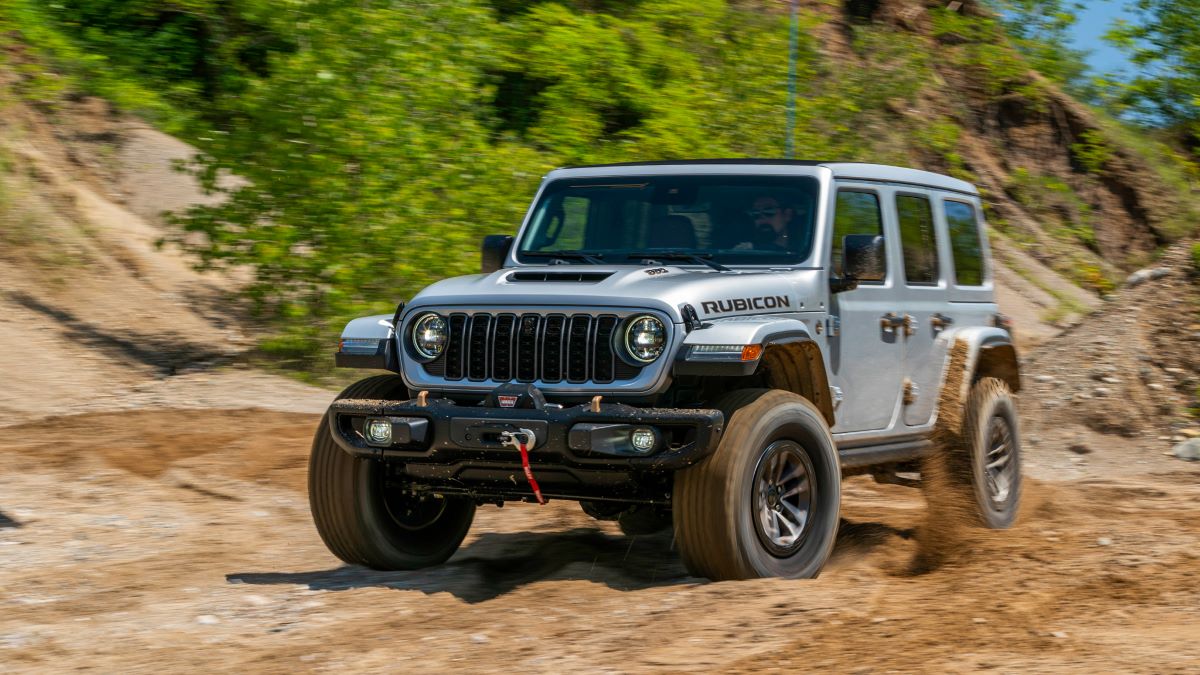
The Jeep Wrangler is a unique vehicle that has maintained a passionate following for decades by staying true to its rugged roots and adventurous spirit. Originating from the military-inspired Jeep designs of the mid-20th century, the Wrangler has evolved into a modern off-road icon with unmistakable styling and capabilities.
The Wrangler’s success is tied closely to its ability to offer genuine off-road capability without sacrificing daily usability. It features solid axles, high ground clearance, and robust four-wheel-drive systems that make it one of the most capable vehicles for rough terrain.
At the same time, Jeep has incorporated modern comforts and technology, such as advanced infotainment systems, safety features, and more refined interiors, which help broaden its appeal to mainstream buyers. This balance allows the Wrangler to serve as both a rugged trail vehicle and a practical daily driver for those who want adventure without compromise.
Community and culture also play a large role in sustaining the Wrangler’s popularity. The vehicle has a devoted following of enthusiasts who participate in Jeep clubs, off-road events, and meetups. This sense of community and shared passion for the vehicle fosters a loyalty that is rare in the automotive world.
Owners often customize their Wranglers extensively, further personalizing the vehicle and creating a culture of creativity and camaraderie. This cultural dimension extends the Wrangler’s appeal beyond simple transportation, turning it into a lifestyle symbol.
Finally, the Wrangler’s resale value and strong market demand demonstrate its ongoing desirability. It is one of the few vehicles that often appreciates or holds its value better than average, partly due to limited supply and high demand. This financial factor encourages buyers to invest in Wranglers knowing they will retain value.
The Jeep brand’s commitment to preserving the vehicle’s iconic design and capabilities, while updating it for modern times, ensures that the Wrangler remains a favorite among drivers who seek freedom, ruggedness, and authenticity.
5 Cars That Fade Quickly
1. Pontiac Aztek
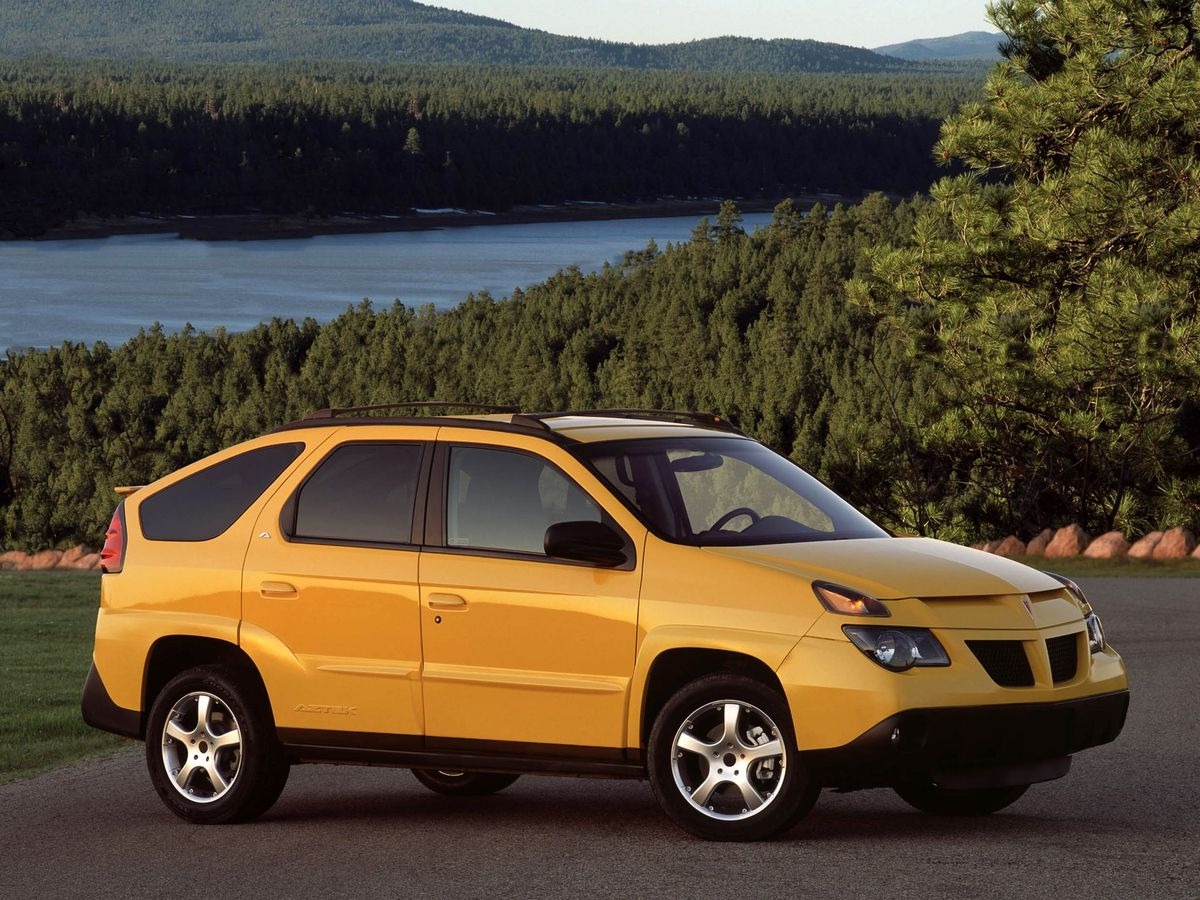
The Pontiac Aztek is often cited as a textbook example of a vehicle that faded quickly despite initial hype and innovative ideas. Launched in the early 2000s, the Aztek was designed as a crossover SUV intended to capture a younger, adventurous market. It featured a unique design that attempted to blend utility with a bold, futuristic look.
However, this design was widely criticized for its awkward and polarizing aesthetics, which alienated many potential buyers. The Aztek’s exterior styling became a major factor in its failure to resonate with the public, overshadowing the car’s practical features such as ample cargo space and versatile seating configurations.
Beyond its looks, the Aztek struggled to deliver a compelling driving experience. While it offered reasonable functionality for families or outdoor enthusiasts, its performance and ride quality lagged behind competitors. The powertrain options were underwhelming, providing neither the power nor fuel efficiency expected by buyers in that segment.
Additionally, the vehicle’s interior, though spacious, felt cheaply constructed compared to rivals, which further detracted from its appeal. These combined factors contributed to a lack of enthusiasm for the Aztek, leading to disappointing sales figures and a quick disappearance from the market.
Marketing efforts for the Pontiac Aztek also failed to connect effectively with consumers. Although the vehicle was featured in popular culture, in the TV series “Breaking Bad,” this exposure came years after production had ceased. At the time of release, Pontiac struggled to clearly communicate the Aztek’s strengths or carve out a distinct identity in a crowded SUV market.
Consumers often saw the Aztek as an oddity rather than a practical choice, which hurt its reputation. Moreover, Pontiac’s brand itself was struggling during this period, and the Aztek did little to reverse the decline, instead becoming symbolic of the brand’s broader challenges.
Pontiac Aztek’s failure is a lesson in the importance of cohesive design, market positioning, and product quality. Despite some innovative ideas and practical features, it was unable to build or sustain consumer interest.
Its rapid fade from the market shows how a lack of alignment between design, performance, and marketing can doom a vehicle, even if it addresses real needs. The Aztek serves as a cautionary tale for automakers about the risks of prioritizing novelty over holistic appeal.
2. Nissan Juke
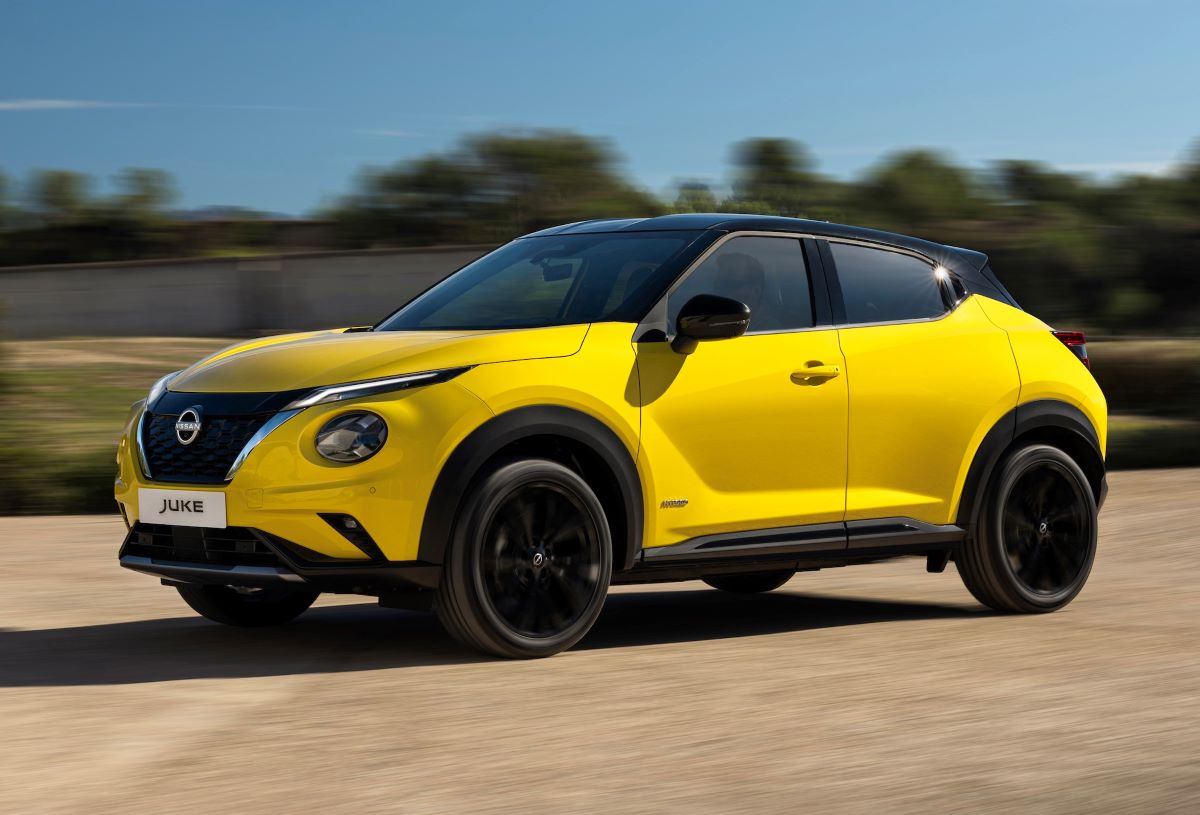
The Nissan Juke arrived with an eye-catching and unconventional design aimed at carving out a niche in the subcompact crossover segment. When it debuted in the late 2000s, it turned heads with its bulging headlights, sporty stance, and aggressive styling that was unlike anything else on the road.
Initially, this bold approach garnered attention and helped the Juke build a unique identity. However, while the design initially intrigued buyers looking for something different, it limited the car’s appeal.
The polarizing look divided opinions, making the Juke a vehicle that was loved by some but dismissed by many others who found its styling too quirky or unattractive for mainstream adoption.
In addition to design challenges, the Nissan Juke faced practical limitations that contributed to its quick decline in popularity. The interior, although modern, was cramped, especially in the rear seats and cargo area, which hurt its usability for families or those needing more space.
The ride quality and driving dynamics, while sporty, were sometimes criticized for being overly firm and uncomfortable over longer trips or rough roads. Furthermore, fuel economy, which is a key selling point in this segment, was adequate but not class-leading, making the Juke less competitive compared to more efficient rivals. These practical shortcomings reduced its attractiveness to a broader audience seeking a well-rounded daily driver.
Nissan attempted to keep the Juke fresh by introducing updated models and special editions, but these efforts were not enough to reverse its fading appeal. The crossover market became flooded with more conventional and versatile competitors from brands like Honda, Toyota, and Mazda, which offered better space, comfort, and value.
Consumers gradually shifted their attention to these alternatives, leaving the Juke to struggle with declining sales. Eventually, Nissan discontinued the Juke in key markets, though it found some continued life in Europe with a slightly altered model. This lifecycle illustrates how even bold designs must be paired with solid practicality and consumer appeal to maintain long-term success.
The story of the Nissan Juke underscores the difficulty of balancing uniqueness with mass-market acceptance. While standing out is important, vehicles that are too niche or polarizing can find it hard to sustain interest beyond early adopters. The Juke’s rapid rise and fall show that novelty alone cannot guarantee longevity, especially in a highly competitive segment where comfort, space, and efficiency play major roles in consumer decisions.
3. Fiat 500 (Modern Reboot)
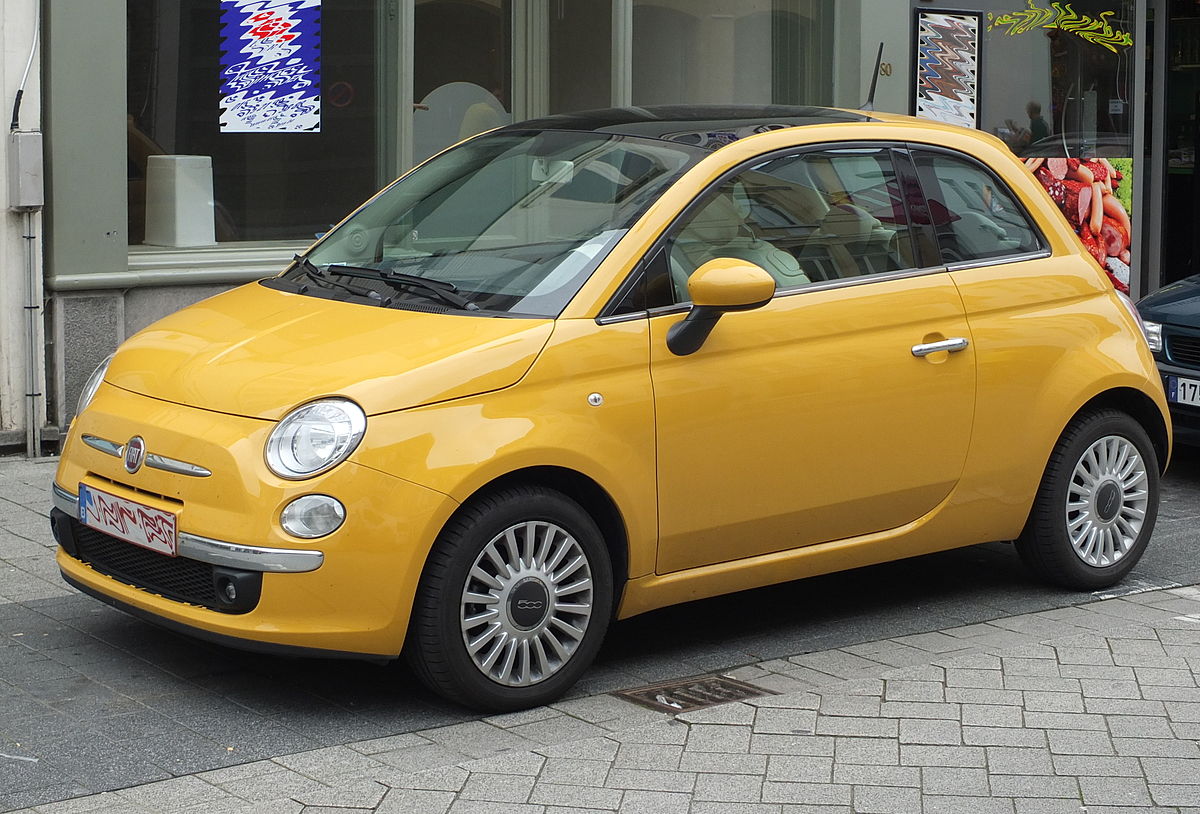
When Fiat reintroduced the 500 in the late 2000s, the automaker aimed to capitalize on nostalgia and offer a compact city car with retro styling that harkened back to the original Italian icon from the mid-20th century. Initially, the modern Fiat 500 generated excitement among buyers looking for a stylish, small vehicle ideal for urban environments.
Its cute, distinctive design and compact footprint made it a popular choice for city dwellers who valued maneuverability and parking ease. However, despite its early success, the Fiat 500 quickly began to lose momentum in many markets due to several critical factors that limited its long-term appeal.
Additionally, the ride quality was often criticized for being stiff and bumpy, which detracted from comfort during daily commutes or longer drives. The powertrain options were modest, offering just enough performance for city driving but lacking the punch or refinement that buyers might expect. These factors contributed to buyer fatigue over time, especially when competitors introduced more practical and refined alternatives.
Reliability and quality control also emerged as concerns for the Fiat 500. Early models were plagued by issues ranging from electrical glitches to mechanical problems, which harmed the brand’s reputation. Fiat’s relatively limited dealer and service network in some regions further exacerbated customer dissatisfaction.
As a result, many owners experienced higher maintenance costs and more frequent repairs than they expected. These reliability concerns, combined with the vehicle’s niche appeal, contributed to declining sales figures and a loss of consumer confidence. Fiat struggled to maintain the 500’s market presence, especially as newer, more versatile small cars entered the scene.
The Fiat 500’s rapid fade illustrates the challenge of balancing style with substance. While the retro design initially attracted attention and sparked enthusiasm, the car’s compromises in comfort, practicality, and reliability limited its staying power.
The Fiat 500 remains a lesson in how nostalgia and aesthetics, while important, cannot substitute for a well-rounded product that meets the everyday needs of a wide range of buyers.
4. Smart Fortwo
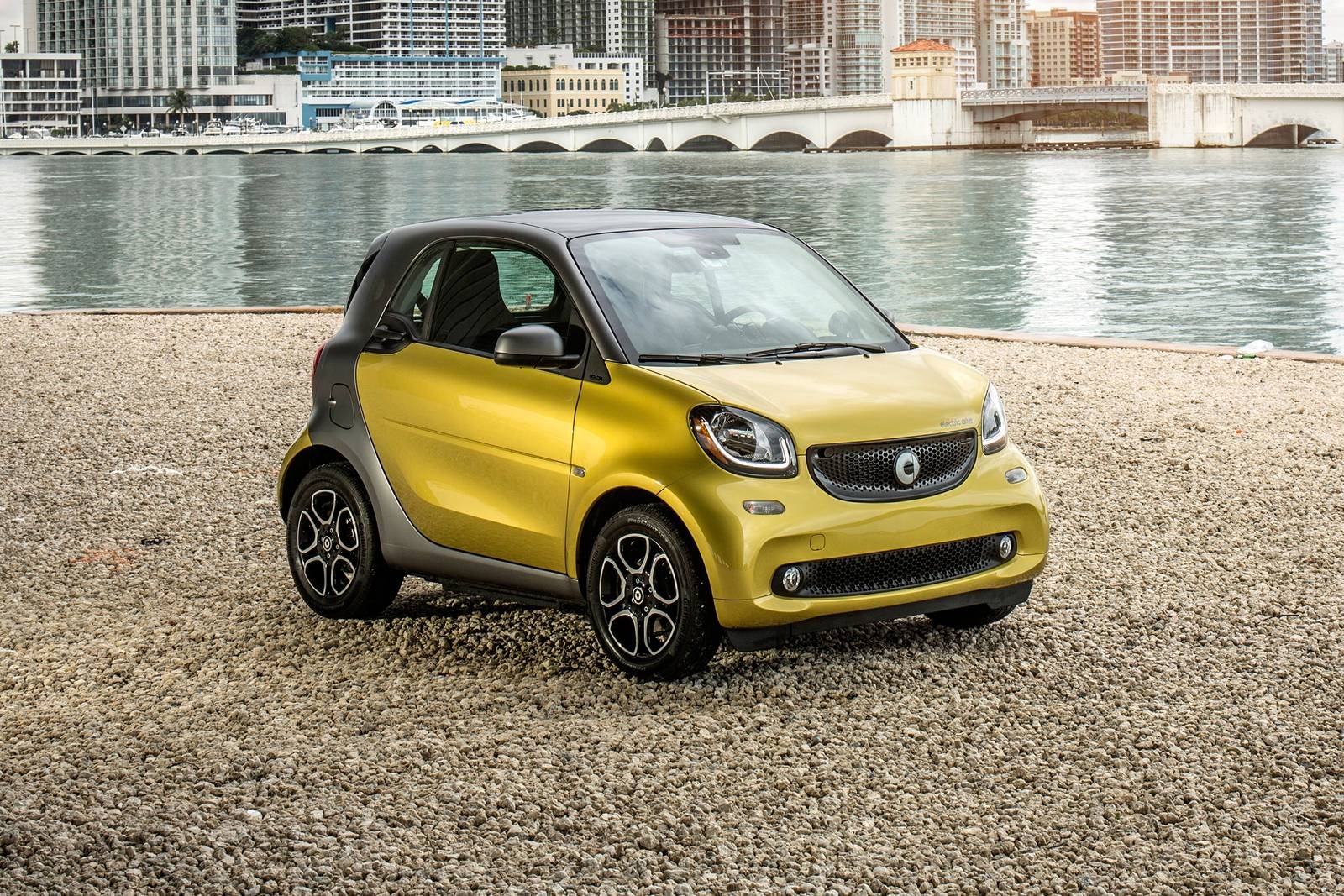
The Smart Fortwo entered the automotive market with a very specific mission, to be the city car, extremely compact and easy to park in crowded urban environments. Its tiny footprint and quirky design made it stand out immediately, and it attracted a niche group of buyers who prized minimalism and maneuverability above all else.
In theory, this concept was sound given the increasing challenges of urban driving and parking, especially in Europe. However, despite initial interest and novelty, the Smart Fortwo struggled to sustain its appeal for a variety of reasons that led to a sharp decline in popularity.
One of the primary drawbacks of the Smart Fortwo was its limited practicality. Its extremely small size meant it could only seat two passengers and offered very limited cargo space. For many drivers, this made it a second or third car rather than a primary vehicle, limiting its usefulness for families or longer trips.
The ride quality was also a common criticism, with the short wheelbase causing a bumpy, unsettled feel on anything other than smooth pavement. Safety concerns were frequently raised due to the car’s diminutive size and relatively low weight, especially in collisions with larger vehicles. These factors limited the Fortwo’s appeal to a very narrow segment of buyers who prioritized parking convenience over all else.
Performance-wise, the Smart Fortwo was never designed to impress. It was built for city speeds and short distances, with modest acceleration and top speeds. While this was acceptable in many urban areas, it made the car unsuitable for highway driving or longer journeys, which again limited its broader appeal.
Fuel efficiency was decent, but with the rise of more efficient small cars and hybrids, the Fortwo’s advantages became less compelling. Additionally, the brand’s relatively limited dealer network and less extensive service infrastructure in some markets hampered its ability to attract and retain customers.
The Smart Fortwo serves as an example of a vehicle that carved out a niche but could not grow beyond it. Its extreme compactness, while innovative, was also a limiting factor in terms of versatility and safety perception.
As cities evolved and consumers sought more practical solutions that balanced size with comfort and utility, the Fortwo’s appeal diminished. Its quick fade reminds manufacturers that meeting a very specific need is valuable but must be balanced against broader consumer demands to ensure long-term success.
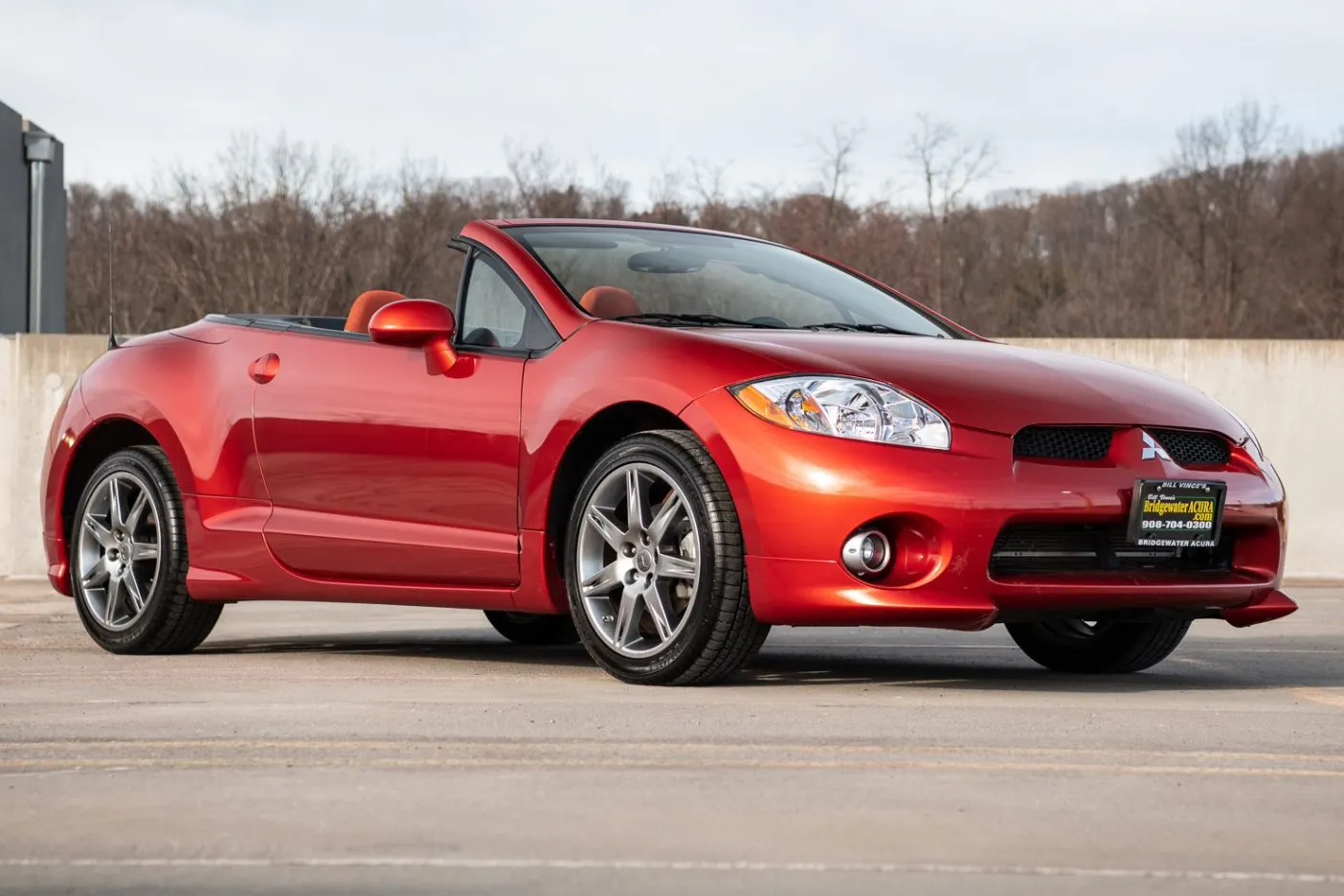
5. Mitsubishi Eclipse
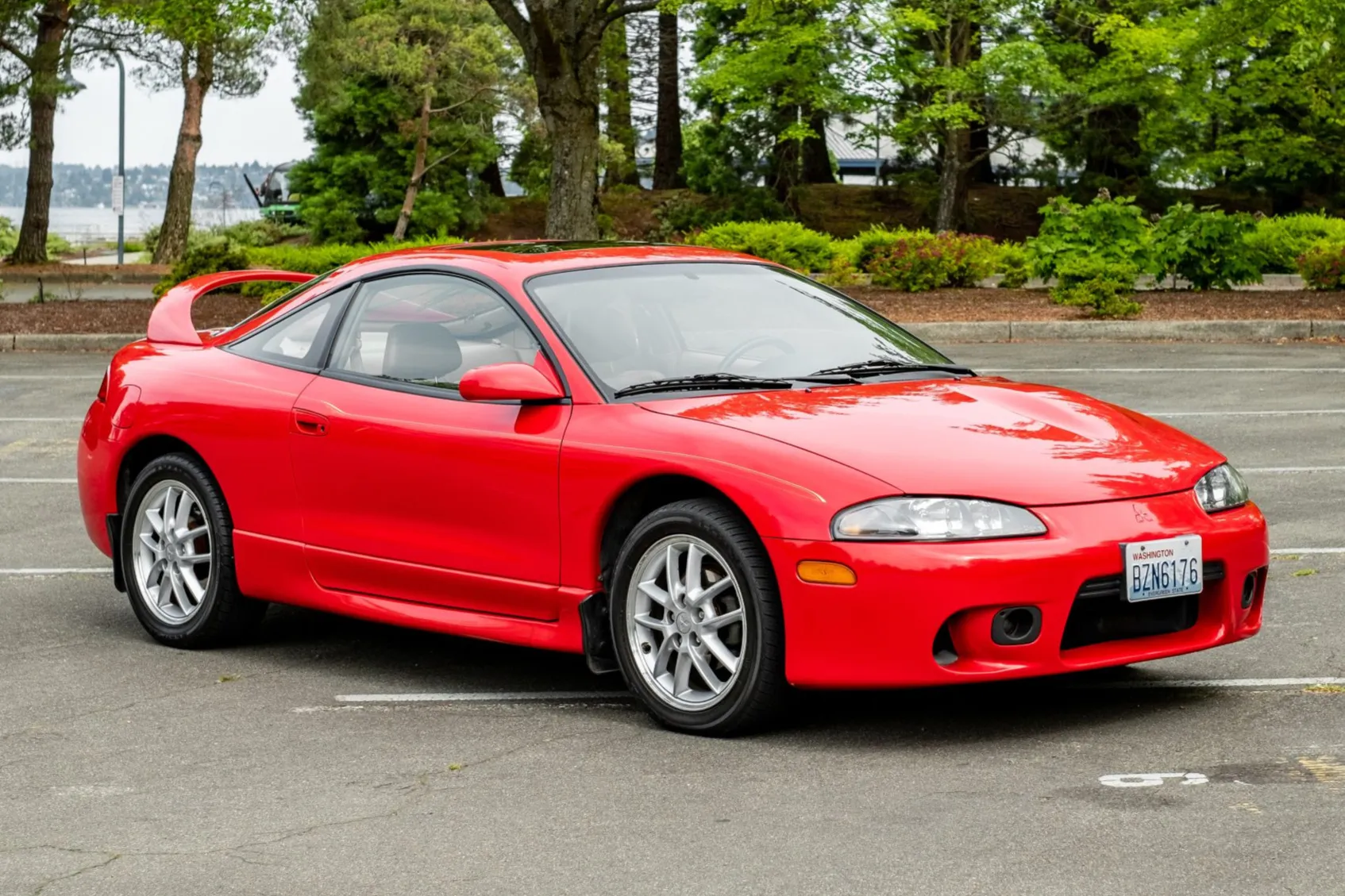
The Mitsubishi Eclipse once enjoyed a strong following, especially in the 1990s and early 2000s, as a sporty coupe offering a blend of style, performance, and affordability. It appealed to younger buyers and enthusiasts who wanted a sleek, affordable car with decent power and eye-catching looks.
However, as time went on, the Eclipse faced challenges that contributed to its rapid decline in popularity and eventual discontinuation. Shifts in market preferences, competition, and the model’s own shortcomings played key roles in its fade from prominence.
One significant factor in the Eclipse’s downfall was changing consumer tastes. Over the years, the demand shifted away from compact coupes toward SUVs, crossovers, and more versatile vehicles. Buyers prioritized practicality, space, and comfort over sportiness and two-door styling.
The Eclipse, as a coupe with limited rear seats and cargo space, found itself increasingly out of step with what mainstream buyers wanted. Additionally, the Eclipse’s later generations failed to significantly evolve or innovate compared to rivals, which offered better performance, modern styling, and more features. This stagnation made it harder for the Eclipse to maintain relevance.
Mitsubishi’s brand perception also contributed to the Eclipse’s decline. The company struggled with inconsistent quality and reliability issues, which hurt buyer confidence. Moreover, Mitsubishi’s limited marketing and sales presence in key markets weakened the Eclipse’s competitive position.
As rival brands poured resources into their performance and compact sports segments, Mitsubishi was unable to keep pace, and the Eclipse’s appeal diminished. The model’s eventual discontinuation reflected these broader challenges, marking the end of an era for a once-popular nameplate.
The Mitsubishi Eclipse’s trajectory highlights how important it is for automakers to adapt to shifting consumer demands and maintain continuous product improvement.
