
You know that feeling when everyone says something won’t work, but then it becomes the biggest success story anyone could imagine? That’s what happens when truck manufacturers get everything right and create vehicles that buyers didn’t even know they wanted until they saw them.
Sales projections get thrown out the window, production lines run overtime, and dealers can’t keep these trucks on their lots long enough to wash them. Success stories like these make executives look like geniuses and turn ordinary vehicles into cultural phenomena.
But then there’s the flip side, where companies invest billions, build fancy factories, hire celebrity spokespeople, and launch massive advertising campaigns, only to watch their trucks sit unsold on dealer lots collecting dust.
Analysts scratch their heads, wondering what went wrong, while company shareholders demand answers about why nobody wants the product that looked so promising in focus groups. These flops become cautionary tales whispered in boardrooms and case studies in business schools about how badly things can go wrong.
Predicting truck sales is trickier than most people realize. Market research can tell you what buyers say they want, but what they actually purchase often tells a completely different story. A truck might tick all the boxes on paper yet fail miserably because it lacks that intangible appeal that makes people reach for their wallets.
Meanwhile, another truck with obvious flaws becomes a runaway success because it connects with buyers on an emotional level that spreadsheets can’t measure. So which trucks exceeded every sales prediction and which ones crashed harder than a house of cards? Let’s examine ten trucks that either proved the doubters wrong or validated every concern the skeptics raised.
5 Trucks That Outsold Expectations
1. Ford Maverick 2022-2024
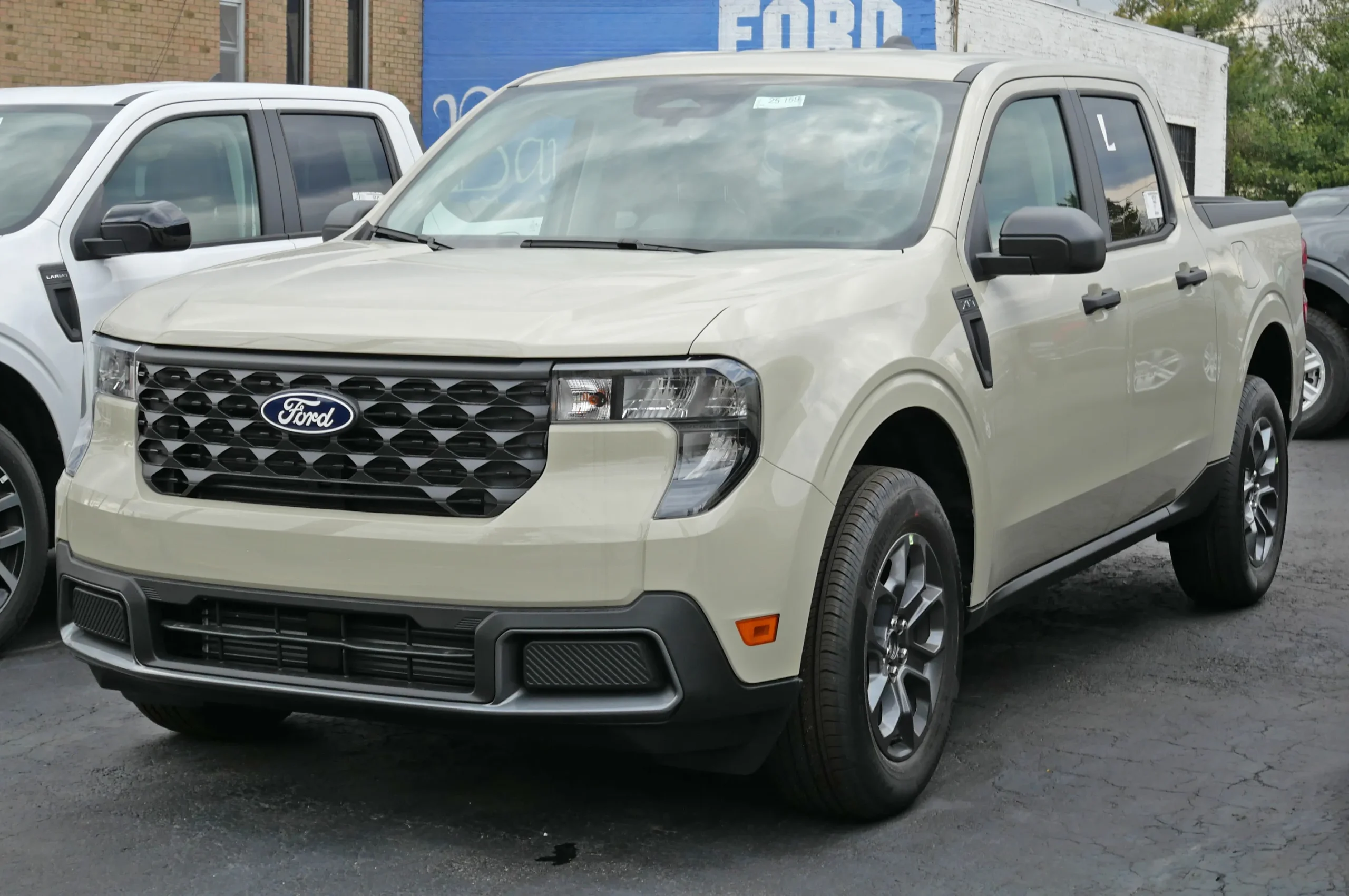
Ford never anticipated the Maverick would become a runaway success. Executives expected limited interest from younger buyers seeking affordable truck utility without full-size dimensions or cost. Production planning reflected this modest outlook, with one plant handling all North American demand. Yet the response shocked everyone.
Before deliveries even began, dealers faced months-long waitlists. Buyers came from every demographic: retirees trading down from larger trucks, families seeking budget-friendly vehicles, small business owners needing efficiency, and hobbyists wanting utility at a fair price. The base model’s starting cost below $25,000 made truck ownership possible for many who had been priced out of the segment.
Its standard hybrid powertrain became a revelation. Achieving roughly 15 kilometres per litre, the Maverick offered fuel economy numbers unheard of for pickups. Drivers weary of high fuel costs saw it as the perfect solution: an affordable, practical truck that didn’t drain their wallets at the pump.
Traditionalists complained about its unibody construction, claiming it wasn’t a “real” truck. Buyers disagreed. The Maverick handled weekend projects, road trips, and light hauling easily. Its compact bed and solid payload ratings met most real-world needs, while optional all-wheel drive covered mild off-road adventures. Function mattered more than construction methods.
Ford rushed to expand production as demand far exceeded projections. Scarcity drove prices up, yet interest only grew stronger. Social media magnified the hype owners shared modifications, tests, and reviews across platforms, fueling free publicity. The Maverick quickly evolved from a modest experiment into a cultural and commercial triumph few could have predicted.
2. Hyundai Santa Cruz 2022-2024
Hyundai took massive risks entering the pickup truck market, a segment dominated by American and Japanese manufacturers for decades. Industry analysts questioned whether buyers would accept a Korean-branded truck, predicting modest sales at best.
Korean automakers had built reputations for cars and SUVs, but trucks represented unfamiliar territory where brand loyalty ran deep and newcomers typically struggled to gain acceptance.
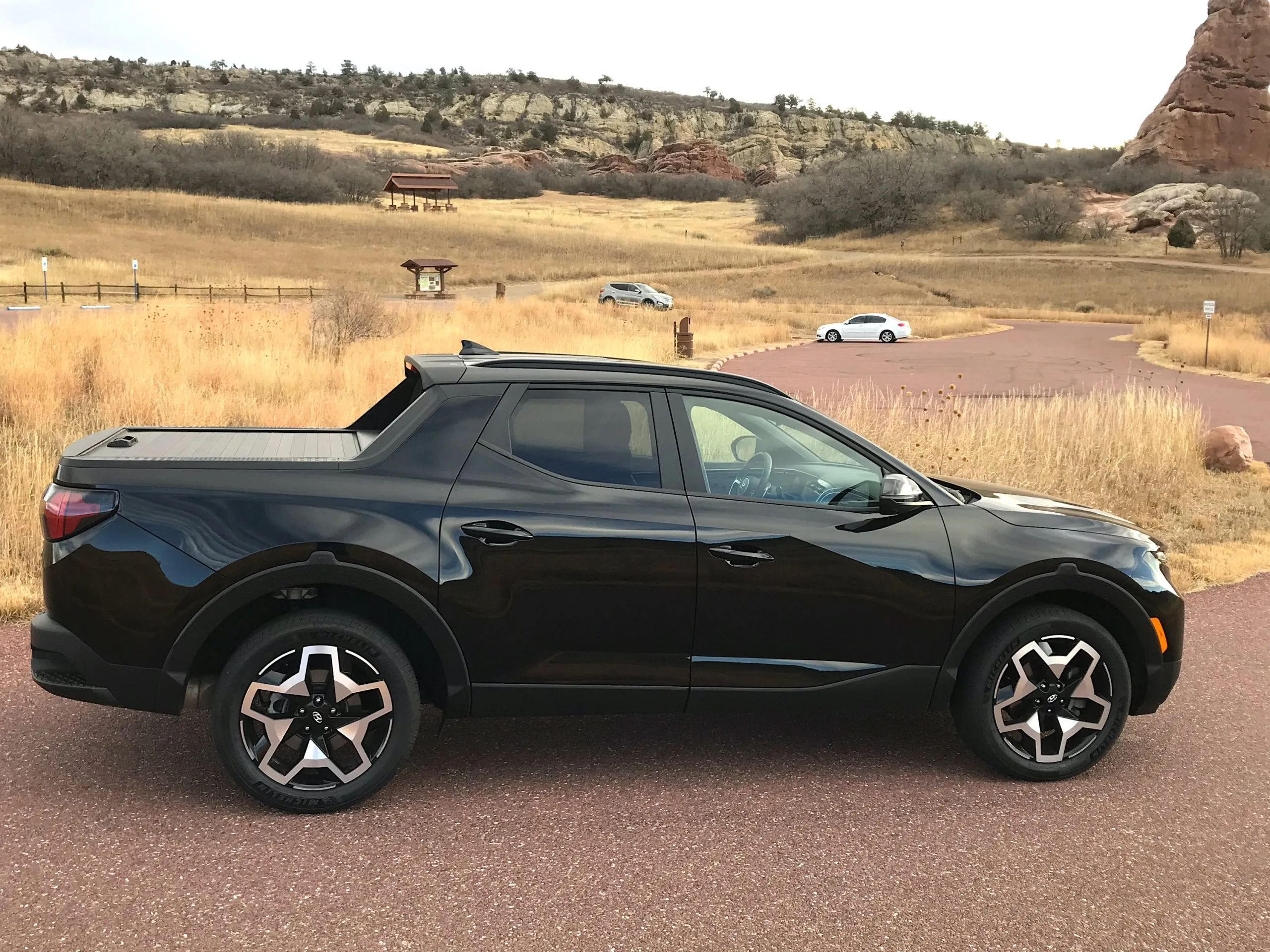
That adventurous styling divided opinions sharply when the Santa Cruz launched. Some called it ugly, others found it refreshingly different from the conservative designs dominating dealer lots. Either way, people noticed it, which is half the battle in crowded markets.
Distinctive looks helped the Santa Cruz stand out in parking lots and on roads, generating conversations and curiosity that bland designs never achieve. Buyers wanting something different found exactly what they needed.
Crossover-based architecture seemed wrong for a truck, according to traditionalists who believed pickups required tough truck platforms. Regular people buying Santa Cruz trucks didn’t worry about platform philosophy when the vehicle did everything they needed.
Comfortable rides, good fuel economy, adequate cargo space, and sufficient towing capability checked boxes that mattered for actual use. Academic debates about proper truck construction meant nothing to buyers hauling furniture or towing jet skis.
Pricing positioned the Santa Cruz competitively against compact SUVs rather than traditional trucks, opening entirely new buyer segments. People who never considered truck ownership found themselves attracted to the Santa Cruz’s combination of car-like manners and pickup versatility.
That lockable bed with tonneau cover provided secure storage while maintaining a clean appearance. This crossover appeal expanded Hyundai’s customer base beyond typical truck buyers into territories competitors hadn’t considered.
Dealer networks saw unexpected demand from diverse customer types rather than just hardcore truck enthusiasts. Empty nesters wanting something different, young professionals seeking practical style, and suburban families needing occasional truck capability all showed up to buy Santa Cruz trucks.
This demographic diversity surprised Hyundai executives who had targeted narrow buyer profiles. Actual market response demonstrated that good products transcend planned demographics when they meet real needs.
Also Read: 5 Trucks That Rarely Need Engine Work vs 5 That Constantly Do
3. GMC Hummer EV 2022-2024
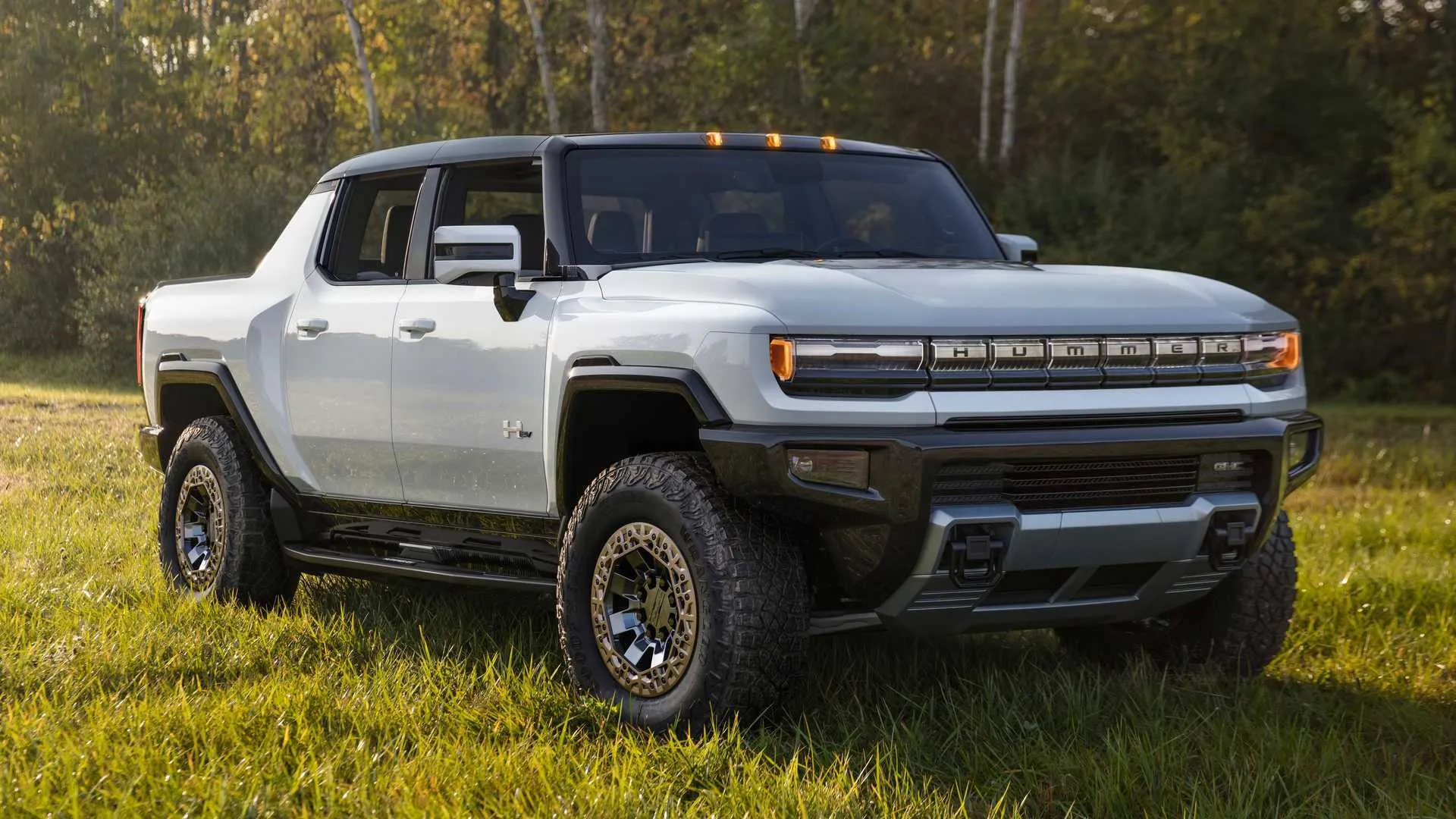
When GMC announced the return of the Hummer name as an all-electric pickup, many truck buyers laughed at the concept. The idea of a battery-powered Hummer seemed absurd given the model’s history as a symbol of fuel consumption. Industry analysts predicted minimal sales, assuming only wealthy environmentalists seeking attention would be interested. But events took a surprising turn.
Reservations opened and immediately overwhelmed GMC’s system, forcing the company to stop taking new orders within days. Buyers eagerly placed deposits without seeing or driving the truck, trusting its specifications alone. The six-figure starting price of around $110,000 didn’t discourage demand. Limited production made the truck instantly collectible, drawing in investors and enthusiasts alike.
The performance numbers astonished everyone. The Hummer EV could hit 100 kilometres per hour in about three seconds quicker than most sports cars. Features such as Crabwalk mode, allowing diagonal movement, and Extract mode, which raised the suspension for extreme clearance, drew massive online attention. These innovations turned the truck into a viral phenomenon.
Real off-road performance matched the hype. Early owners documented trail tests showing remarkable ability. Instant electric torque provided control where traditional engines struggled, while adjustable suspension and four independent motors delivered precise traction.
Celebrities and influencers joined the frenzy, showcasing their trucks online and expanding awareness far beyond typical automotive audiences. Production limits kept supply tight, creating long waitlists and high resale prices. By maintaining quality and exclusivity, GMC transformed the once-ridiculed Hummer EV into a symbol of electric power and luxury.
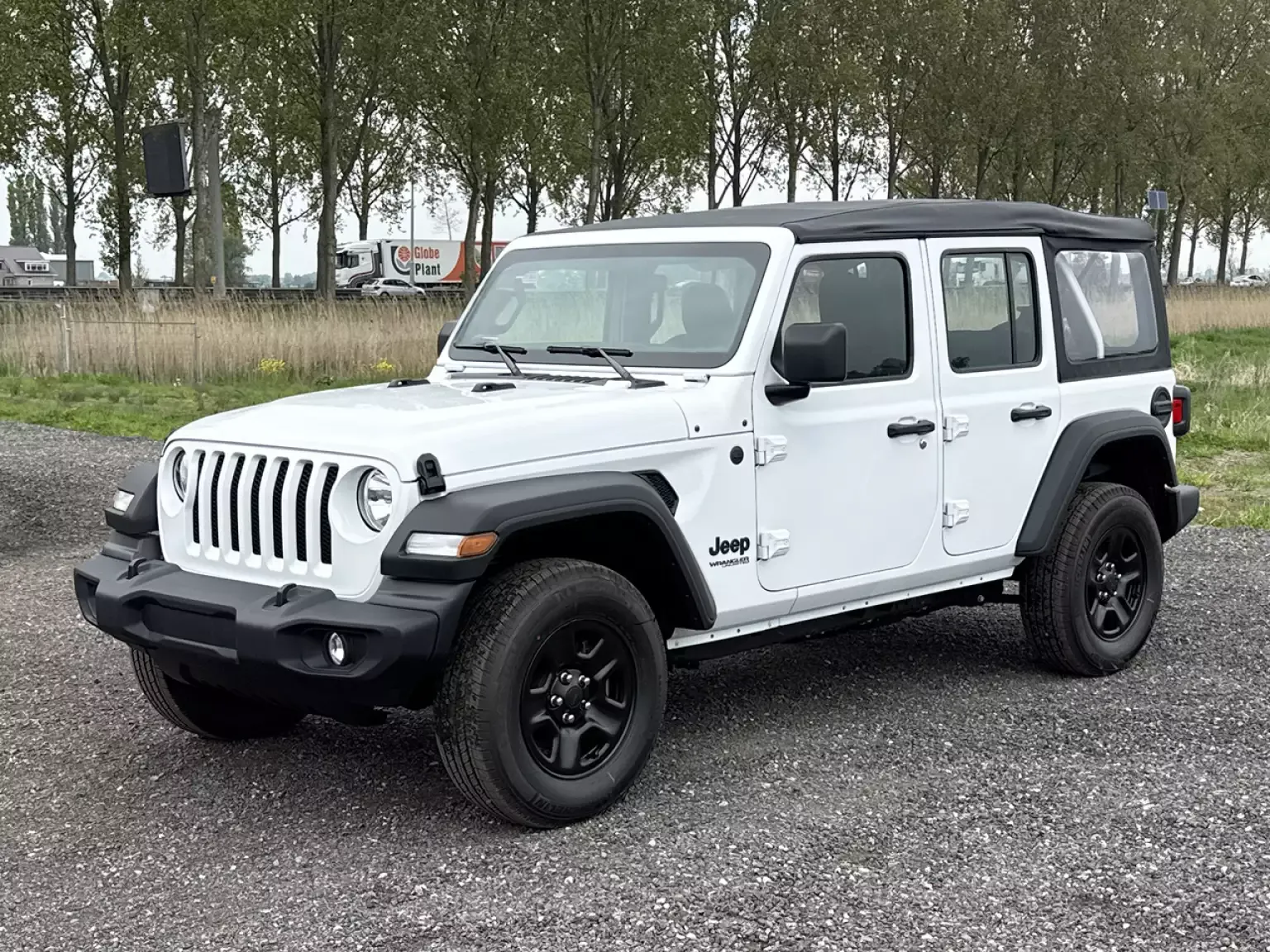
4. Jeep Wrangler Unlimited 2018-2024
Jeep transformed its classic two-door Wrangler into a four-door version that traditionalists initially disliked but mainstream buyers embraced. Executives expected small sales growth from adding extra doors, yet the response was overwhelming. Within a few years, the four-door Unlimited models dominated Wrangler sales, reshaping Jeep’s entire business strategy and proving that practicality could exist alongside passion.
Family-oriented buyers loved the new accessibility. Entering the rear seats no longer required awkward climbing, and passengers finally had proper legroom. The added cargo space turned the Wrangler into a realistic choice for road trips, school runs, and weekend errands. These changes opened Jeep ownership to families who once viewed the two-door as too limited for daily use.
Jeep retained the removable doors and roof that defined its signature freedom. Drivers could still enjoy open-air adventures while having a functional, everyday vehicle. This balance between fun and usability drew both off-road enthusiasts and casual commuters, creating a new wave of loyal customers.
The longer wheelbase slightly altered off-road dimensions but improved stability on rough roads. Most owners never noticed the trade-offs since the Wrangler Unlimited remained fully capable for trails and outdoor activities.
Aftermarket manufacturers quickly expanded customization options for the four-door version, from lift kits to off-road accessories. Owners personalized their vehicles just as they did with traditional Wranglers.
Sales soared beyond expectations, with dealers struggling to meet demand. The Unlimited’s runaway success boosted Jeep’s profits and showed that listening to real-world buyer needs could outperform purist ideals.
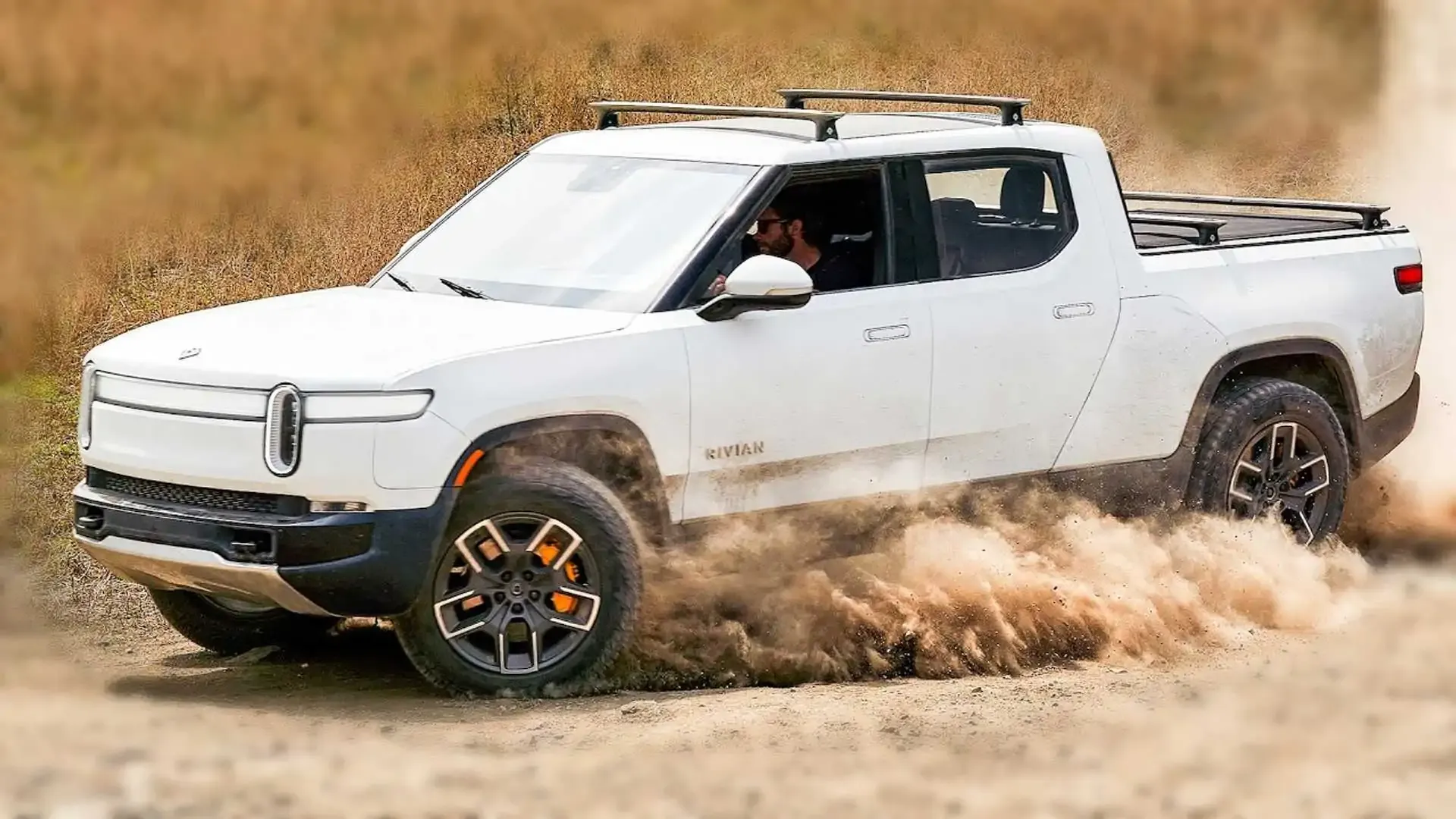
5. Rivian R1T 2021-2024
Industry experts had long believed that startup electric vehicle manufacturers attempting to build trucks from scratch were headed for failure.
With Tesla barely surviving its Model 3 challenges, many assumed Rivian would encounter the same or worse. Analysts kept their forecasts cautious, doubting the company could even deliver a finished product. Years of failed automotive startups made skepticism the default response.
Rivian’s design approach also carried risk. The truck’s futuristic look, with its narrow horizontal headlights and smooth body lines, differed sharply from traditional pickups.
Features like the gear tunnel, a storage compartment running through the truck’s body, highlighted innovation that could either attract or repel buyers. The company wagered that a fresh, unconventional design would appeal to those tired of familiar truck shapes.
Surprisingly, thousands of reservations arrived almost immediately. Amazon’s investment under Jeff Bezos gave Rivian credibility, yet customers were still taking a chance on an unproven company. Excitement for electric trucks and interest in an alternative to Tesla fueled strong demand that surpassed all forecasts. Rivian had found eager early adopters ready for something new.
Production hurdles soon tested the company. Supply shortages, manufacturing issues, and delays slowed progress, but Rivian managed to survive where many others had failed. Instead of cancelling, buyers waited patiently as quality improved and output increased.
When deliveries began, reviews were overwhelmingly positive. The R1T’s four-motor setup delivered exceptional power, real off-road ability, and high build quality. By 2024, Rivian’s success proved that fresh innovation could reshape the truck market and push legacy automakers to evolve faster.
5 Trucks That Flopped
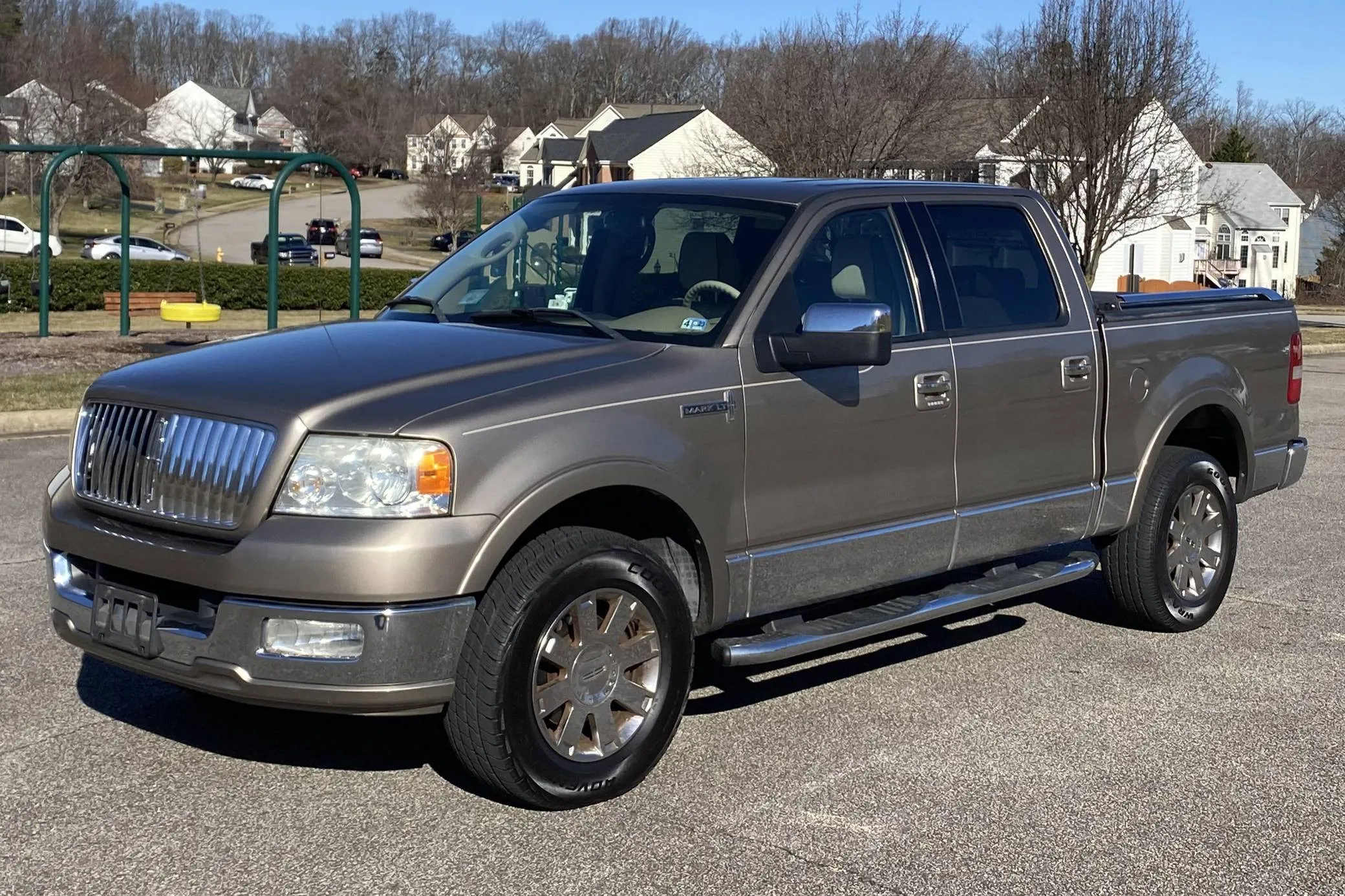
1. Lincoln Mark LT 2006-2008
Luxury trucks made sense on paper, with wealthy buyers supposedly wanting premium alternatives to standard pickups. Lincoln borrowed heavily from the Ford F-150, added leather and wood trim, slapped on a different grille, and charged luxury car prices. Company executives expected buyers to flock to this upscale truck option. Instead, buyers stayed away in droves, wondering why anyone would pay Lincoln prices for a dressed-up Ford.
Styling barely differentiated the Mark LT from its F-150 donor, failing to justify the substantial price premium. Chrome grilles and Lincoln badges couldn’t hide the truck’s F-150 bones, and buyers weren’t fooled.
People willing to spend luxury money wanted vehicles that looked expensive and exclusive, not rebadged versions of common trucks. This badge engineering approach cheapened the Lincoln brand while failing to attract new customers.
Pricing pushed the Mark LT into luxury car territory, where buyers expected refinement and features matching premium sedans. Instead, they got truck cabins with nicer materials but fundamentally the same experience as F-150s costing thousands less.
Value proposition fell apart under scrutiny, with educated buyers realizing they could buy loaded F-150s with similar features for less money. Smart shoppers saw through the marketing and chose the more sensible option.
Truck buyers proved resistant to luxury branding that didn’t deliver meaningful advantages. Someone needing a truck for work didn’t care about Lincoln badges when Ford versions did the same jobs cheaper.
Wealthy buyers wanting status symbols chose Cadillac Escalades or Range Rovers that actually looked expensive. Mark LT fell into a no-man’s land, appealing to neither practical truck buyers nor genuine luxury customers.
Dealer networks struggled to generate interest despite heavy advertising and promotional efforts. Test drives couldn’t convince people to spend extra money for marginal improvements over F-150s.
Sales languished at tiny fractions of projections, with some dealers selling only a handful of units annually. Lincoln quickly recognized the Mark LT as a failure, discontinuing it after just two model years in the American market.
Resale values collapsed immediately as depreciation hit harder than most luxury vehicles. Used buyers avoided Mark LTs for the same reasons new buyers did, leaving original owners trapped with vehicles worth far less than they paid. This financial pain reinforced the mistake of buying Mark LTs in the first place, creating cautionary tales that prevented others from making similar errors.
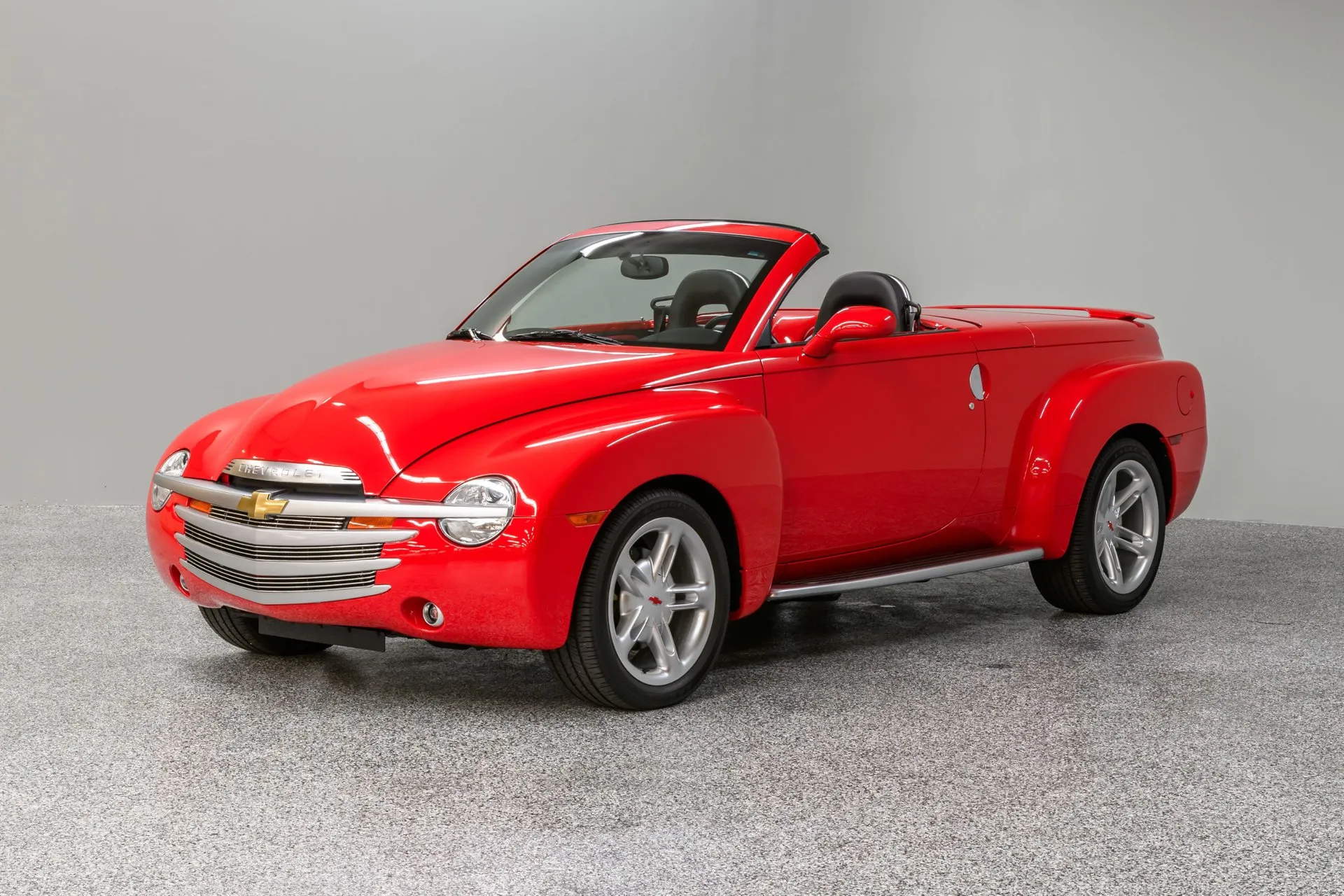
2. Chevrolet SSR 2003-2006
Retro-inspired styling for trucks seemed like a winning idea to GM’s designers when they developed the SSR, a convertible pickup that mixed hot rod looks with modern engineering. The company believed baby boomers nostalgic for 1950s design would be eager to buy such a vehicle. Production lines were set, marketing campaigns rolled out, and dealers expected a strong response. Things turned out differently.
The convertible roof system increased weight, cost, and technical difficulty while taking away the truck’s basic usefulness. The bed became too small for practical hauling, making the SSR unsuitable for real truck use. Convertible buyers preferred sports cars, and truck buyers needed space that the SSR didn’t offer. This left the vehicle appealing only to a small circle of collectors.
Early performance was disappointing because the first engines lacked the power to match their hot rod image. Later versions received stronger V8s that improved acceleration, but the reputation damage was already done.
It became known as an expensive novelty that didn’t perform well in any area. People wanting speed chose Corvettes, while those wanting practicality and design went elsewhere. The SSR’s split identity turned both groups away.
Its price placed it higher than most sports cars, putting it in the luxury range where buyers expected premium quality. Yet build issues, rattles, and poor reliability appeared early, making the vehicle feel cheap. Repair costs were high because of unique parts, and potential buyers lost confidence after researching its flaws and poor value.
Sales collapsed quickly despite heavy discounts and promotions. Many dealerships struggled to sell remaining units for years. GM eventually reduced production and stopped making the model after four years, producing only about 24,000 units.
Collector prices never increased as expected. The SSR stayed inexpensive despite its rarity, proving that limited numbers don’t always equal high demand.
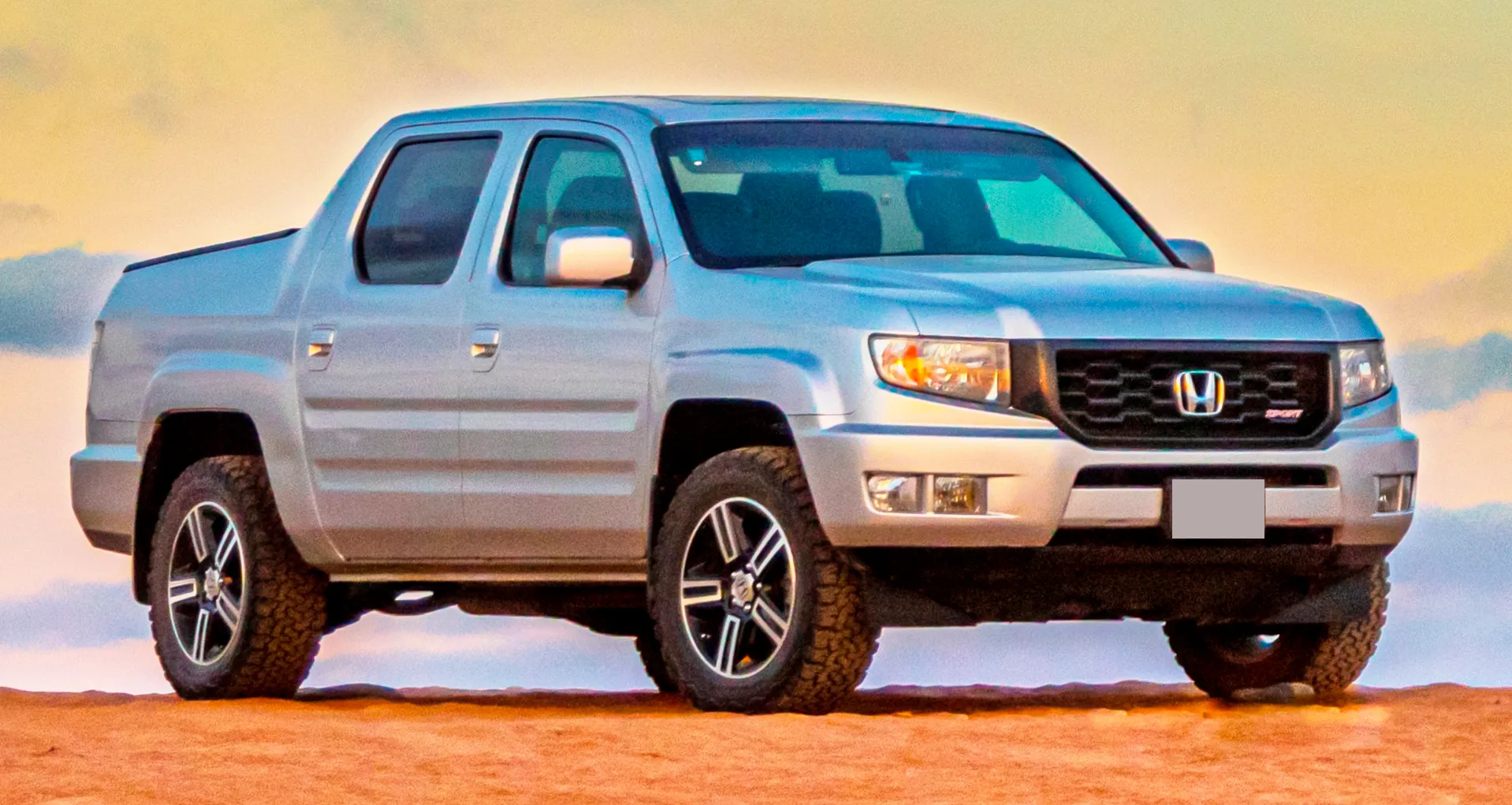
3. Honda Ridgeline 2006-2014 (First Generation)
Honda’s first attempt at building a truck left many American buyers puzzled. Those expecting a traditional pickup instead got what looked like a crossover with a small bed.
Honda engineers considered the in-bed trunk a smart addition, but truck buyers viewed it as unnecessary. Its unibody frame broke away from pickup traditions, and the odd dual-action tailgate made the rear look unusual. Early reactions ranged from confusion to ridicule.
The Ridgeline’s styling appealed to almost no one. Its rounded proportions made it resemble a minivan missing its rear section. Truck shoppers looking for tough appearances found nothing to admire, while car buyers uninterested in pickups ignored it entirely. The soft, friendly design made it difficult for the Ridgeline to attract any audience, damaging its chances from the start.
Marketing efforts struggled to explain why the Ridgeline deserved attention. Campaigns promoting its trunk and tailgate design only deepened buyer confusion.
Traditional truck owners rejected anything that felt less rugged, while Honda’s crossover customers preferred the Pilot. The company had no clear idea who the Ridgeline was meant for, and few buyers seemed interested in finding out.
Sales quickly dropped below expectations, even with discounts and promotions. Many dealerships pleaded with Honda to fix or drop the model altogether. Production slowed to minimal levels, leaving expensive factory space underused.
Resale values crashed as used buyers avoided the Ridgeline even more than new buyers had. Its weak demand caused prices to spiral down, worsening its image and driving potential buyers away. Owners lost heavily through steep depreciation, adding frustration to embarrassment.
Honda discontinued the first generation after 2014. The redesigned 2017 model looked tougher and performed better, bringing modest recovery, but the early failure left lasting damage to the Ridgeline’s reputation.
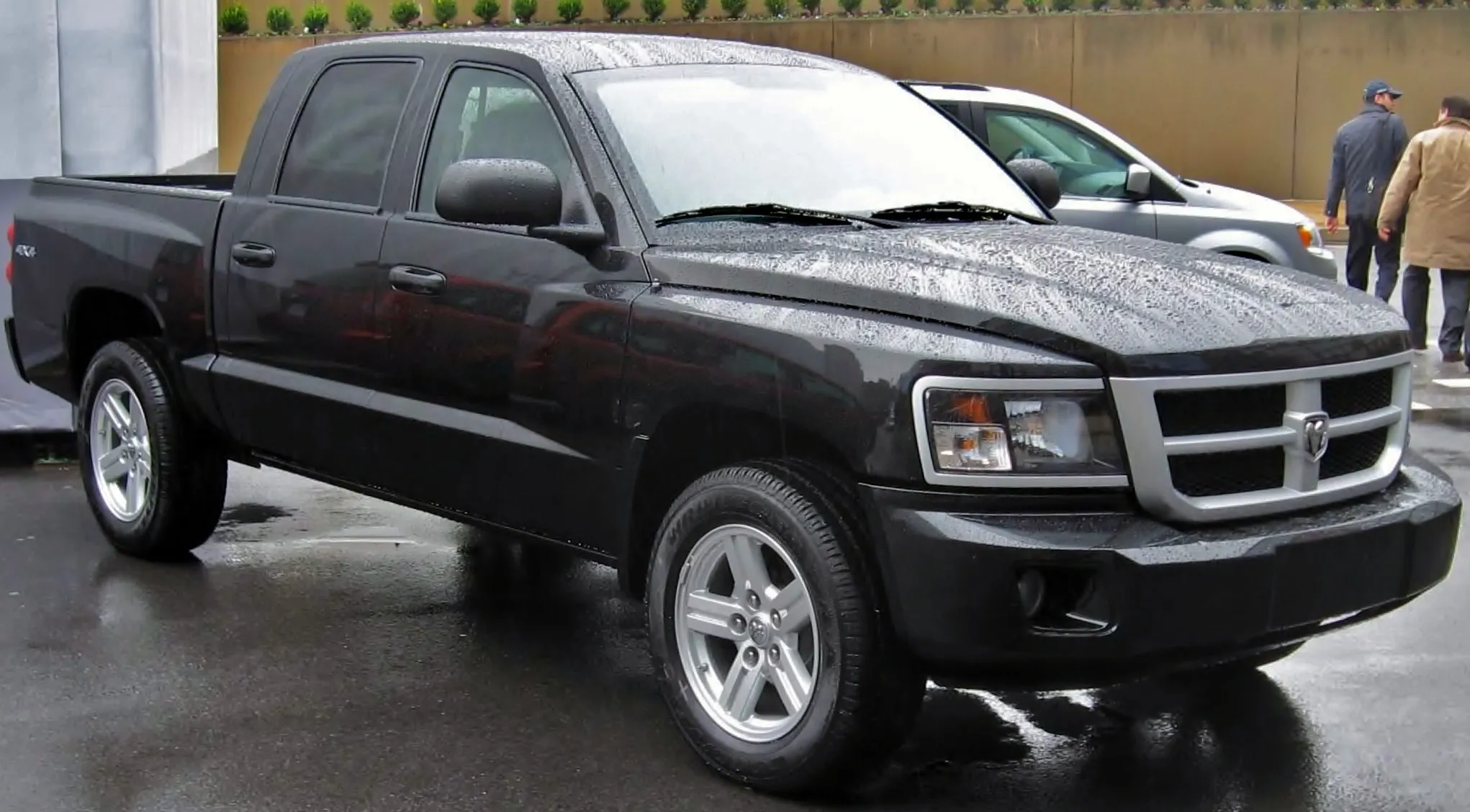
4. Dodge Dakota 2005-2011 (Third Generation)
As full-size pickups became more affordable and efficient, interest in mid-size trucks declined. Despite this clear trend, Dodge went forward with the third-generation Dakota, assuming buyers still wanted something smaller than full-size models.
Market research missed the change in consumer preference, leading to a product aimed at a shrinking segment. The timing ensured failure before the first unit left the factory. The Dakota’s styling added nothing to its appeal. Its bland and featureless design blended into traffic, leaving no lasting impression.
Buyers seeking something bold or distinctive found nothing worth a second look. With no emotional connection to its appearance, few people considered it when shopping for trucks. Vehicles that fail to excite rarely succeed in showrooms.
Pricing placed the Dakota in an awkward position between compact and full-size models. It lacked the affordability of smaller trucks and the power or capacity of larger ones. Buyers needing practicality turned to established options like the Tacoma or Ranger, while those seeking more capability simply bought full-size trucks. The Dakota offered neither advantage nor value.
Inside, the cabin revealed more problems. Hard plastics, weak assembly quality, and dated technology gave the truck a cheap feel. Rivals provided more comfort and better features for similar money, leaving Dodge far behind.
Sales never came close to projections. Many dealers struggled to sell even a handful each month. Production continued for years despite minimal demand until Dodge finally ended the Dakota in 2011. Used values collapsed soon after, leaving owners with heavy losses and regret.
Also Read: 5 Trucks That Dealers Fight to Buy Back vs 5 They Avoid
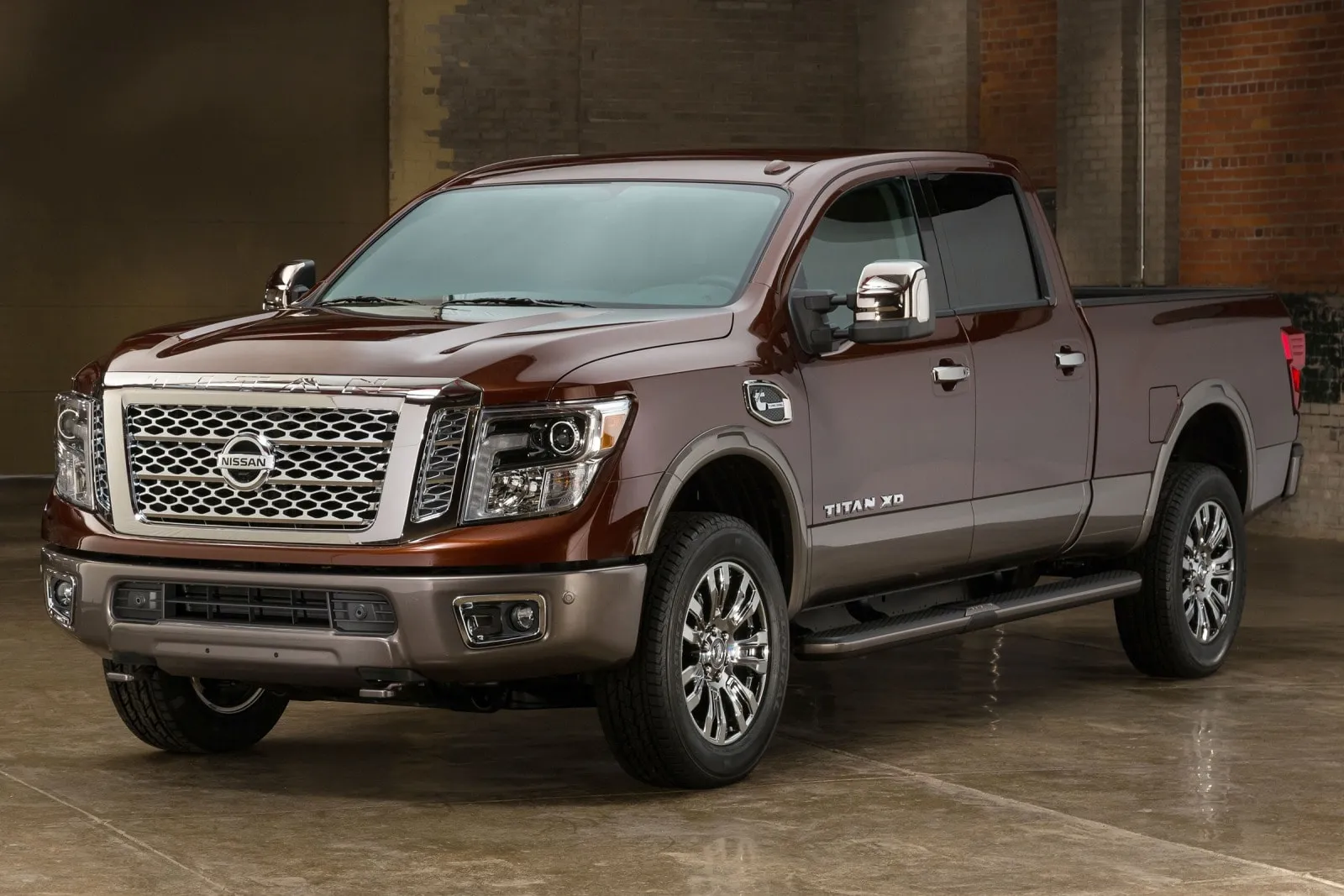
5. Nissan Titan XD 2016-2019 (5.6L V8)
Nissan introduced the Titan XD as a bridge between light-duty and heavy-duty trucks, hoping to attract buyers seeking something in between. The Cummins diesel option initially drew attention, but the gasoline V8 version quickly faded into obscurity.
Buyers who needed real heavy-duty performance chose proper HD trucks, while those seeking efficiency and affordability stuck with standard models. This unclear positioning left the Titan XD struggling to define its audience.
The 5.6-litre V8 provided decent strength but lagged behind competitors with more advanced powertrains. Its fuel economy was poor, its technology was outdated, and its driving performance was underwhelming. When compared to rivals, the Titan XD offered no strong reason to buy, sealing the gasoline version’s weak market presence from the start.
Its pricing also worked against it. The Titan XD costs nearly as much as heavy-duty trucks yet failed to match their towing or payload capabilities. At the same time, it exceeded what half-ton truck buyers actually needed. This mismatch created confusion and turned off potential customers who saw little value in paying more for less.
Dealers struggled to explain the Titan XD’s purpose, and even test drives failed to convince skeptical buyers. Despite discounts and incentives, sales remained dismal. When Nissan dropped the Cummins diesel after 2019, the truck lost its main appeal entirely.
Production quietly ended soon after, and the XD name was removed. Owners of the gasoline Titan XD faced disastrous resale values, leaving many stuck with vehicles worth only a fraction of their purchase price.
