
Hybrid vehicles promised us the best of both worlds: fuel efficiency that makes your wallet smile and environmental consciousness that lets you sleep at night.
But here’s what the glossy brochures don’t tell you: some hybrids deliver on these promises while running for years without needing more than oil changes and tyre rotations, while others turn into money pits that have you on a first-name basis with your mechanic.
That dream of saving money on fuel quickly becomes a nightmare when repair bills start arriving faster than your monthly statements.
People buying hybrids do so with good intentions and high hopes. They calculate fuel savings, pat themselves on the back for reducing emissions, and imagine years of trouble-free driving.
Then reality hits for some owners who discover their “reliable” hybrid spends more time in the shop than on the road. Battery packs fail catastrophically, electric motors develop problems that sound expensive because they are, and complicated systems require specialized technicians charging premium rates.
Meanwhile, other hybrid owners cruise past 200,000 kilometres, wondering what all the fuss is about because their vehicles just refuse to break down.
This divide between reliable hybrids and problematic ones isn’t random luck or coincidence.
Specific models have earned reputations through years of real-world performance, with some proving that hybrid technology can be bulletproof while others demonstrate how badly things can go wrong when engineering takes shortcuts or manufacturers rush unproven technology to market.
Which hybrids will serve you faithfully for years, and which ones will drain your bank account faster than a teenager with a credit card? Let’s separate the champions from the disasters.
Hybrids That Rarely Need Repairs
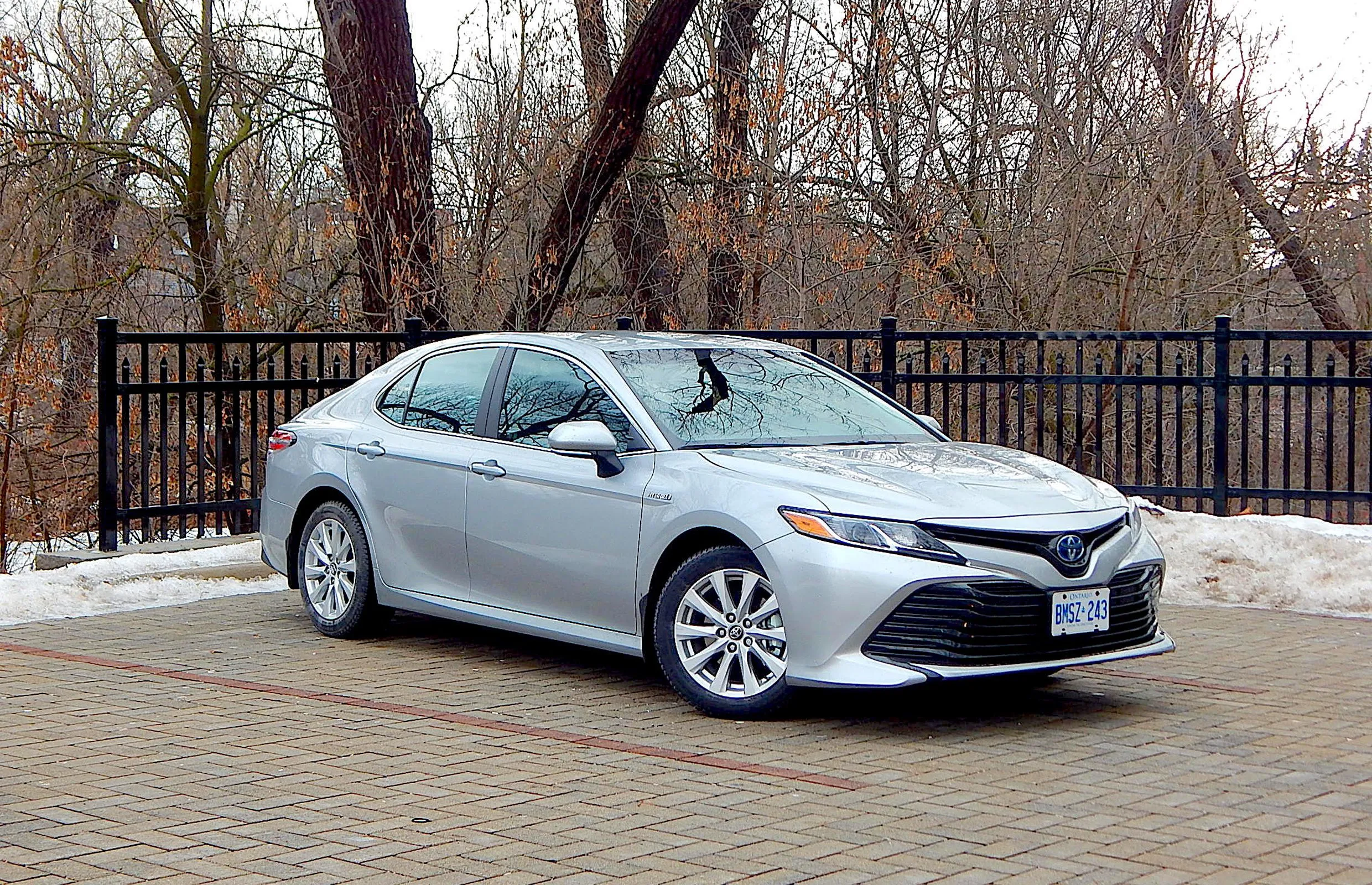
1. Toyota Camry Hybrid 2018-2024
Boring gets a bad reputation until you realize that boring also means reliable, and reliability in hybrid vehicles translates directly into money saved. Camry Hybrid owners drive their cars for years without experiencing the drama that plagues more “exciting” alternatives.
That proven Hybrid Synergy Drive system has been refined through multiple generations, eliminating the teething problems that destroy other manufacturers’ first attempts at electrification. Toyota engineers understood hybrid technology before most competitors even started trying.
Battery longevity in these Camry Hybrids exceeds what buyers expect based on horror stories about other brands. Nickel-metal hydride batteries prove more durable than the lithium-ion packs that other manufacturers rushed to market.
Owners report minimal degradation even after 150,000 kilometres, with the hybrid system maintaining its fuel-saving capabilities year after year.
This battery reliability eliminates the biggest fear hybrid buyers face: expensive pack replacements that can cost more than vehicles are worth.
Simplicity defines Toyota’s hybrid approach, avoiding the over-complication that creates reliability problems in competitors’ systems. Power split devices mechanically blend electric and petrol power without complicated clutches or dual-clutch transmissions that fail.
Fewer moving parts mean fewer things can break, and Toyota’s conservative engineering ensures components last. This proven approach may not impress journalists chasing cutting-edge technology, but it keeps owners happy and repair shops empty.
Dealership networks provide widespread service availability with technicians who actually understand these hybrid systems. Finding qualified mechanics never becomes a problem because Toyota hybrids are common enough that most dealers have extensive experience maintaining them.
Parts availability stays excellent with competitive pricing, preventing the situations where simple repairs become expensive ordeals due to rare components. When service needs arise, they get handled quickly and affordably.
Fuel economy delivers on promises without requiring hypermiling techniques or unrealistic driving conditions. Real-world consumption matches or exceeds EPA estimates, with many owners reporting better numbers than advertised.
City driving showcases hybrid advantages beautifully, with electric motors handling low-speed operation efficiently. This consistent fuel savings justifies hybrid premiums while the reliability ensures buyers don’t lose those savings to repair costs.
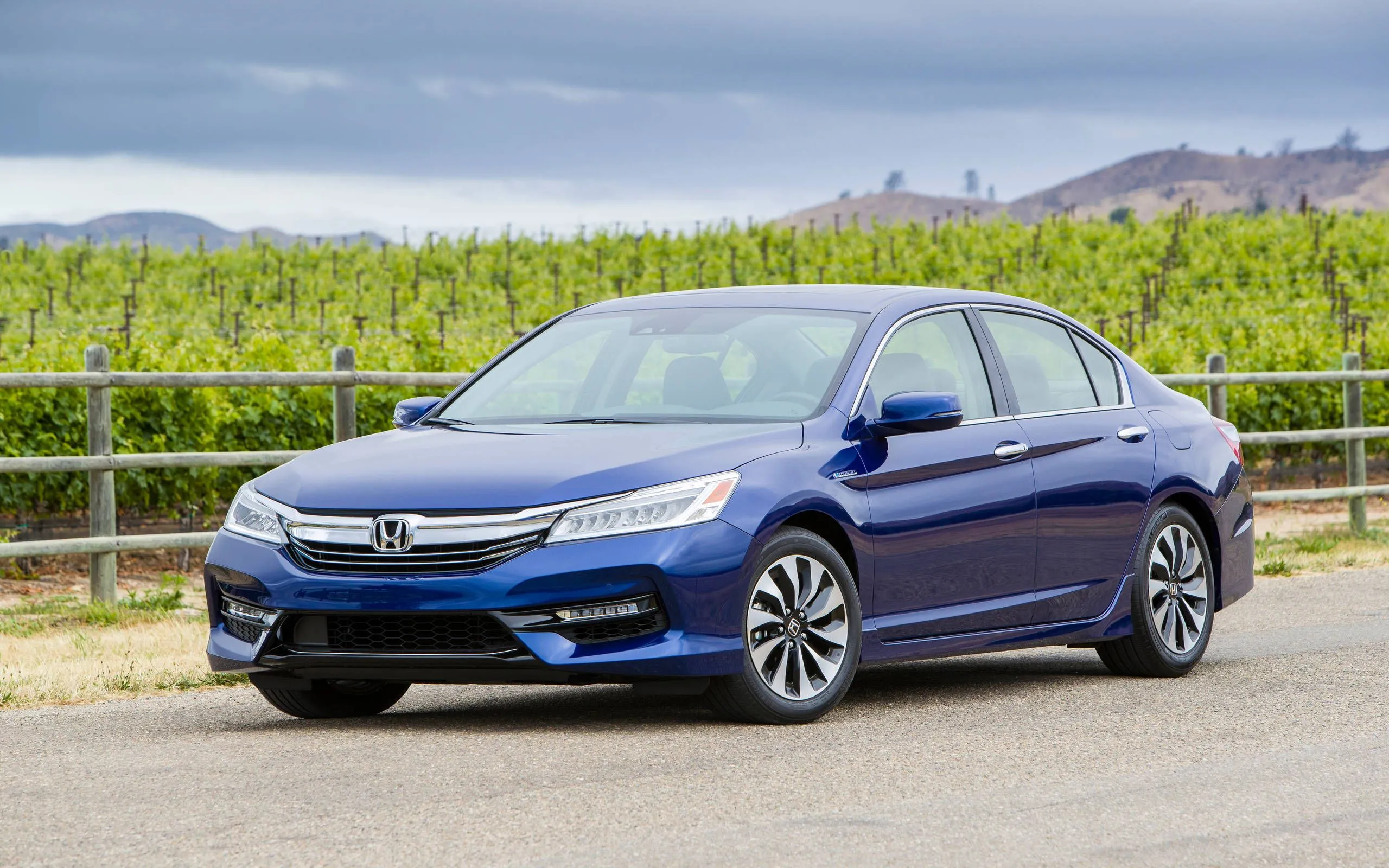
2. Honda Accord Hybrid 2017-2024
Engineers at Honda took a different technical approach from Toyota but achieved similar reliability results through careful development and testing.
That two-motor hybrid system operates differently from competitors, using electric motors for most driving while the petrol engine serves mainly as a generator.
This clever design reduces mechanical wear on traditional components while delivering smooth power that feels more electric than conventional hybrids. Years of refinement eliminated early problems, creating systems that simply work.
Electric motor durability impresses owners who expected these components to be weak points requiring expensive replacements. Honda’s motors spin millions of times without developing the noise, vibration, or performance loss that would signal impending failure.
Cooling systems keep motors within optimal temperature ranges, preventing thermal damage that destroys poorly engineered alternatives. When electric components prove as reliable as traditional mechanical ones, hybrid ownership loses its anxiety factor.
Petrol engine integration works seamlessly, with the 2.0-litre four-cylinder providing backup power when needed without drama. This engine experiences less stress than traditional powertrains because electric motors handle much of the work.
Lower operating temperatures and reduced mechanical load extend engine life well beyond what conventional vehicles achieve. Owners discover their Accord Hybrids’ petrol engines stay healthier longer because they work less hard.
Battery packs show minimal degradation through years of daily charging and discharging cycles. Honda’s thermal management keeps cells within safe temperature ranges that promote long life.
Owners monitoring battery health find their capacity remains strong even after years of use. This longevity eliminates the battery replacement concerns that plague hybrid buyers, considering less reliable alternatives. Strong battery performance maintains fuel economy benefits throughout vehicle lifespans.
Build quality meets Honda standards with solid construction and components that resist wear. Interior materials age gracefully, and mechanical assemblies stay quiet and smooth through hundreds of thousands of kilometres.
Quality control catches problems before vehicles reach customers, preventing the defects that create early failures. When everything is built properly from the start, reliability follows naturally throughout ownership.
Also Read: 5 Hybrids That Feel Worth the Price vs 5 That Don’t
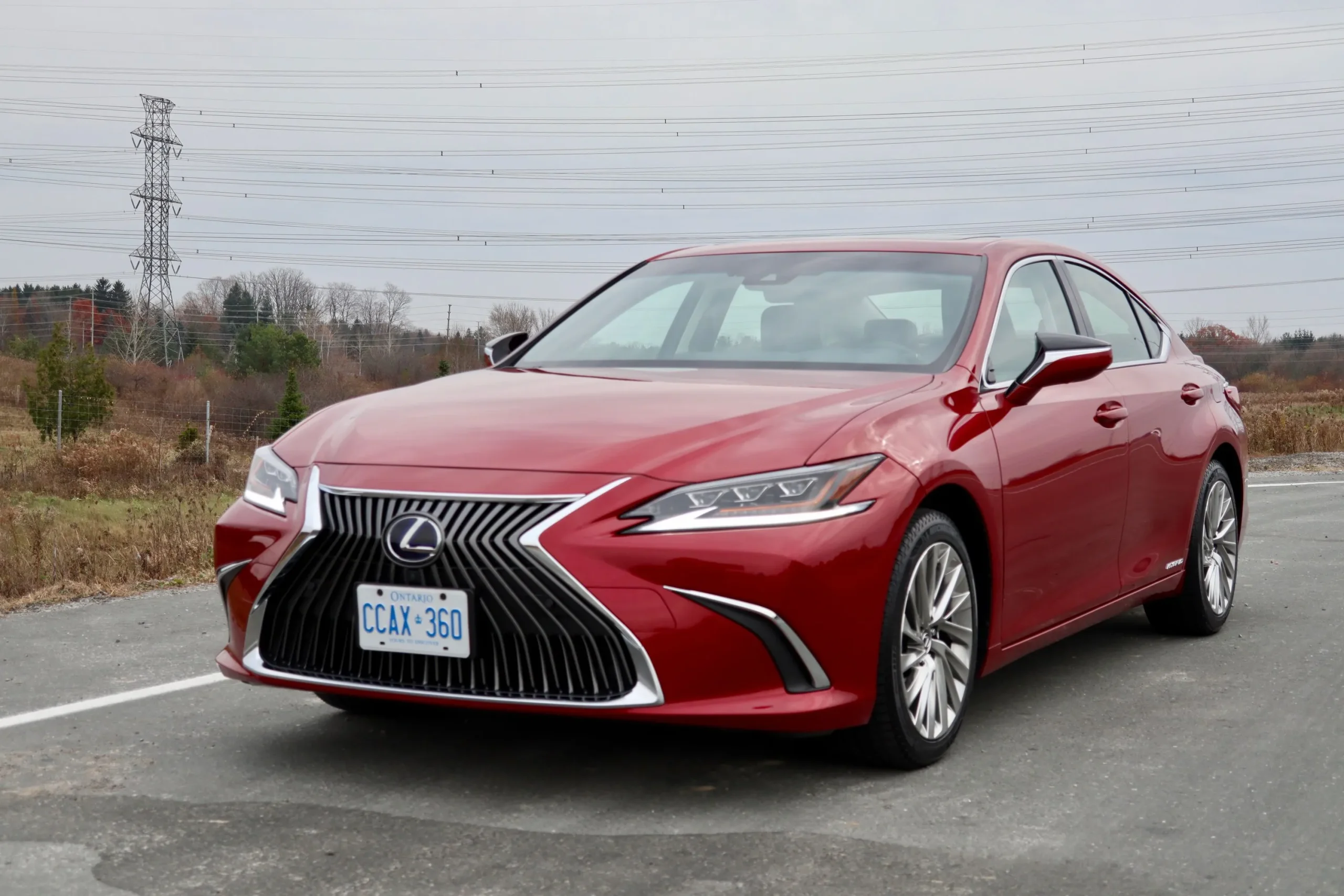
3. Lexus ES 300h 2019-2024
Luxury hybrids typically sacrifice reliability for performance and features, but Lexus proves this compromise isn’t necessary. Built on the same hybrid platform as the Toyota Camry, the ES 300h adds premium materials and refinement without introducing the reliability problems that plague German luxury hybrids.
That proven Toyota hybrid system hiding beneath Lexus badges delivers the dependability buyers expect, while the luxury appointments provide comfort that makes every drive pleasant.
Premium build quality extends vehicle lifespan beyond what mass-market alternatives achieve. Lexus assembles these hybrids with care and precision that shows in how well components hold up through years of use.
Tight tolerances prevent the rattles and squeaks that develop in poorly built vehicles. When everything fits together properly and stays that way, long-term reliability becomes inevitable. You’re paying for quality that lasts, not just luxury that impresses initially.
Hybrid system components share DNA with proven Toyota technology, eliminating the risks that come from untested luxury-specific engineering. Lexus doesn’t reinvent hybrid technology; they simply refine what Toyota has already perfected.
This means ES 300h reliability data includes decades of real-world experience rather than hoping new systems work as promised. Buyers get luxury wrapped around bulletproof technology.
Dealer service experiences match luxury expectations with professional technicians who treat customers respectfully. Loaner vehicles appear when service is needed, and appointments accommodate busy schedules.
This premium service approach makes the rare times when work is needed pleasant rather than frustrating. When combined with the low frequency of required visits, Lexus ownership remains satisfying throughout.
Fuel economy in a luxury sedan impresses buyers who assumed big, comfortable cars must guzzle petrol. That hybrid system delivers numbers matching compact cars while providing spacious accommodation and quiet cabins.
Highway cruising returns excellent mileage, and city driving showcases electric motor efficiency beautifully. Luxury buyers appreciate saving money on fuel while enjoying premium transportation that never causes reliability headaches.
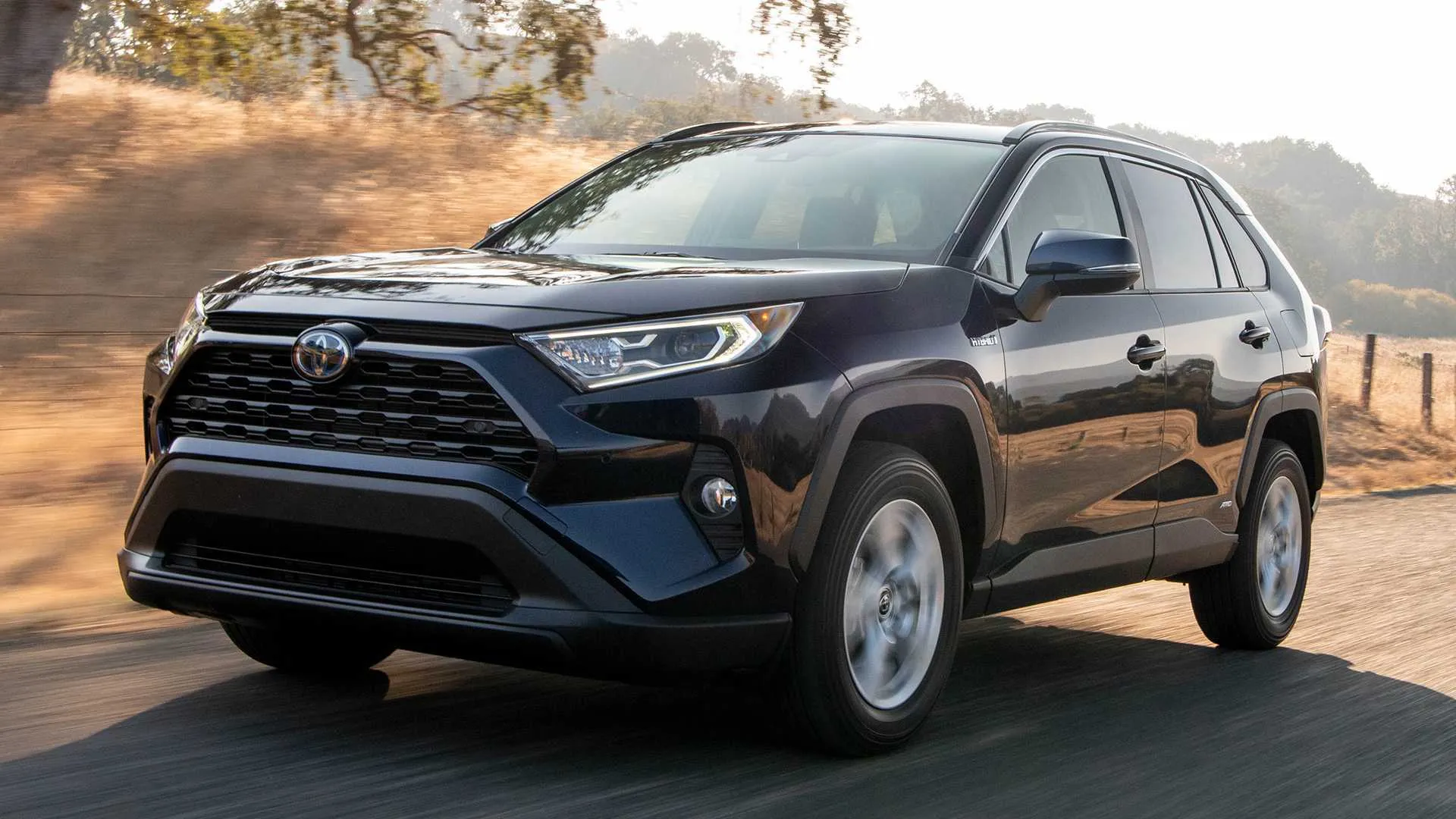
4. Toyota RAV4 Hybrid 2019-2024
Compact SUV buyers wanting hybrid efficiency without sacrificing reliability found their perfect match in the RAV4 Hybrid. Toyota applied its proven hybrid technology to its best-selling SUV, creating vehicles that combine practicality with efficiency and bulletproof dependability.
That same Hybrid Synergy Drive system powering Camry Hybrids works flawlessly in the RAV4, proving the technology scales across vehicle types without introducing new problems. Years of production have generated zero pattern failures or systemic issues.
All-wheel-drive capability comes standard through an electric rear axle that provides traction without mechanical complexity. No transfer cases, no driveshafts running to the rear, just an electric motor powering the rear wheels when needed.
This simplicity eliminates components that typically fail in traditional AWD systems while providing adequate capability for most buyers’ needs. Snow, rain, and light off-road use all get handled without drama or expensive repairs.
Battery placement under the rear seats protects the pack from damage while maintaining cargo space. Smart engineering prevented the cargo capacity losses that plague some hybrid SUVs with awkwardly located batteries.
RAV4 Hybrid owners enjoy the same practicality as conventional models while reaping efficiency benefits. This thoughtful design means buyers don’t sacrifice functionality for fuel savings.
Resale values stay strong because used buyers recognize RAV4 Hybrids as safe purchases. Reliability reputations drive demand that keeps prices high years after purchase.
Someone buying a five-year-old RAV4 Hybrid knows they’re getting a vehicle that will keep running reliably, justifying premium pricing. This value retention protects owner investments while proving market confidence in long-term dependability.
Service intervals match conventional RAV4s with routine oil changes and inspections. Hybrid components require no special maintenance beyond what traditional vehicles need.
Owners follow normal service schedules without expensive hybrid-specific procedures that drain bank accounts. This maintenance simplicity keeps operating costs low while reliability stays high, creating perfect combinations for budget-conscious buyers.
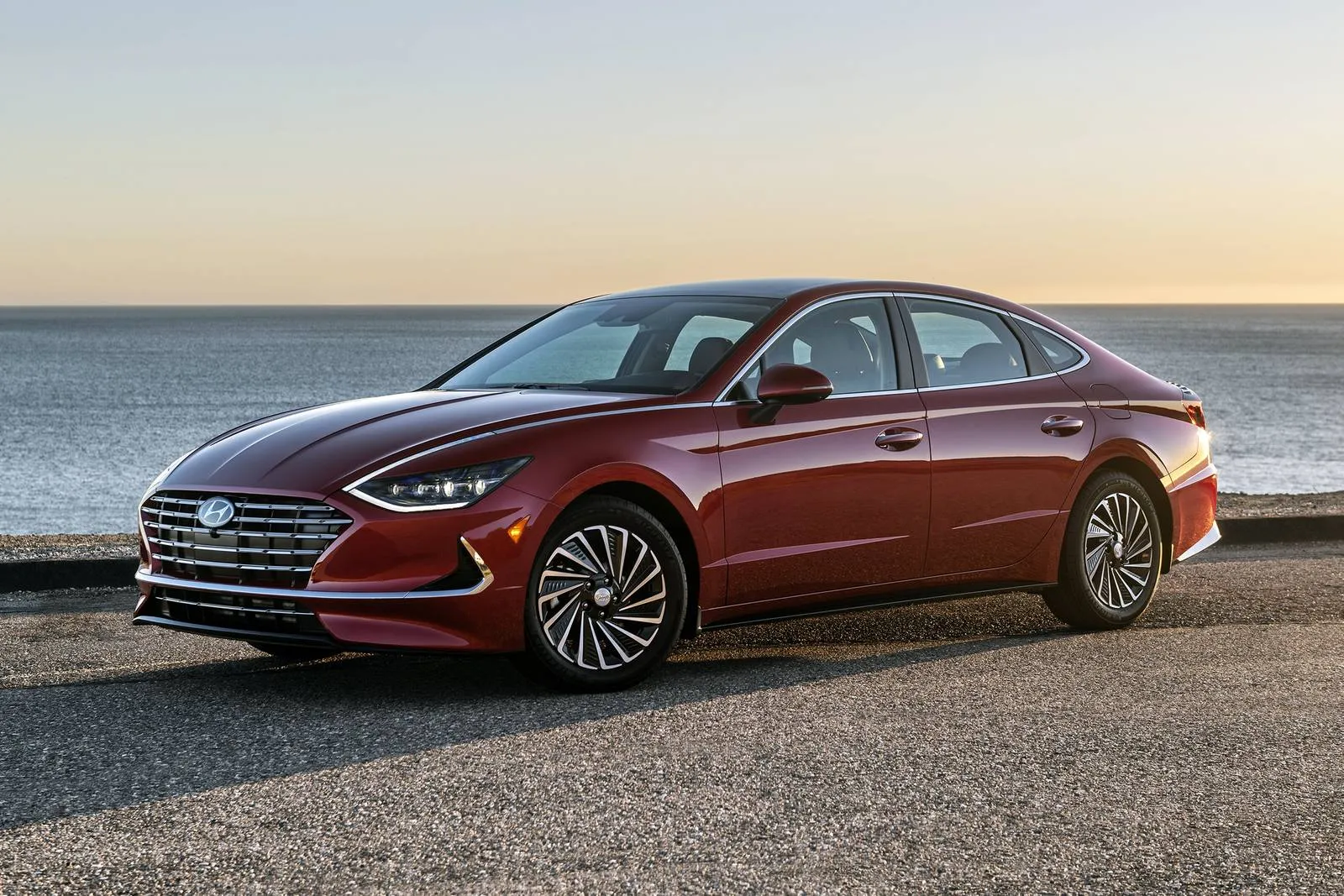
5. Hyundai Sonata Hybrid 2020-2024
Korean engineering has matured to the point where Hyundai hybrids match Japanese reliability while undercutting prices.
That six-speed automatic transmission paired with the electric motor proved more reliable than the dual-clutch units plaguing other manufacturers’ hybrids.
Traditional automatic design eliminates the jerky behaviour and failures that destroy customer confidence in more “advanced” transmissions. Sometimes old-school technology works better than cutting-edge alternatives.
Warranty coverage demonstrates Hyundai’s confidence in its hybrid reliability. That 10-year, 160,000-kilometre powertrain warranty covering the hybrid battery provides peace of mind that competitors cannot match.
Hyundai wouldn’t offer such generous coverage if it expected widespread failures. This warranty commitment proves the company believes in their hybrid technology’s durability, giving buyers confidence to purchase without anxiety.
Battery thermal management systems keep cells healthy through extreme temperature ranges. Active cooling prevents the heat damage that destroys poorly managed lithium-ion batteries in competing hybrids.
Owners in hot climates report their Sonata Hybrid batteries maintain capacity despite conditions that would degrade lesser systems. This thermal engineering directly impacts long-term reliability and owner satisfaction.
Interior quality rivals luxury brands with materials that resist wear and aging. Three-year-old Sonata Hybrids look and feel nearly new because components hold up through daily use. Soft-touch surfaces don’t get shiny or cracked, and controls maintain their tactile feel.
This quality prevents the worn-out appearance that makes vehicles feel unreliable even when mechanically sound. When cars look good, owners maintain them better, creating positive cycles supporting longevity. Fuel economy meets or exceeds estimates without requiring unrealistic driving techniques.
Real-world consumption stays low enough to justify hybrid premiums through actual savings at fuel stations.
Owners calculate their return on investment and find the numbers work, validating their purchase decisions. When efficiency benefits prove genuine and reliability stays strong, buyer satisfaction follows naturally.
Hybrids That Constantly Need Repairs
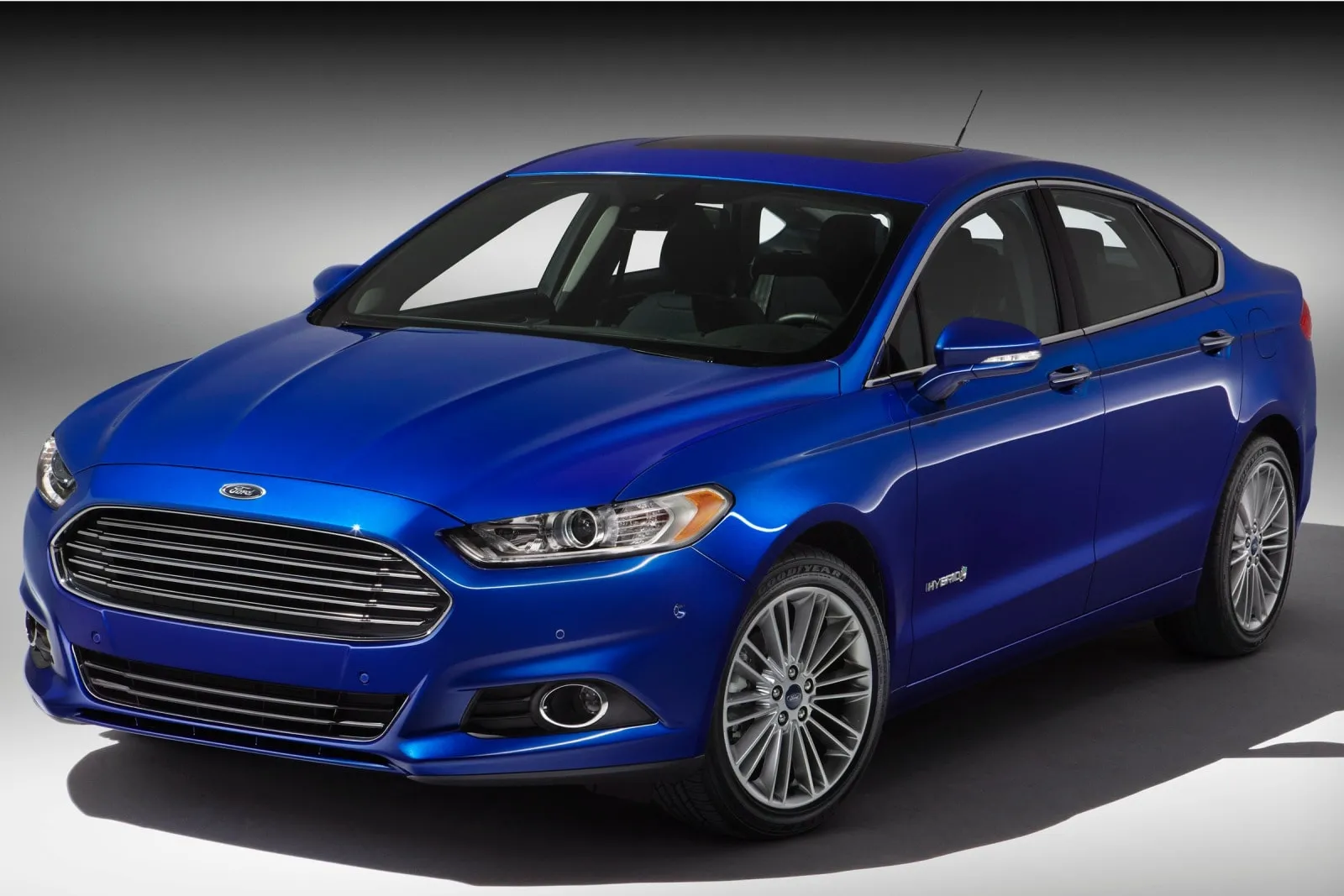
1. Ford Fusion Hybrid 2013-2019
Early continuously variable transmissions in these Fusion Hybrids developed problems so severe that Ford extended warranties, trying to address the failures.
Shuddering, slipping, and complete breakdowns happened frequently enough to become expected rather than rare occurrences.
Owners discovered their “efficient” sedans spent weeks in shops waiting for transmission repairs or replacements. This reliability disaster destroyed Ford’s hybrid reputation and left buyers deeply regretting their purchases.
Electric motor issues added to transmission problems, with motors developing noise and vibration signaling impending failure. Replacement costs ran into thousands, often exceeding vehicle values for older examples.
Owners faced impossible choices between expensive repairs and scrapping otherwise functional vehicles. This pattern failure proved Ford rushed hybrid technology to market before properly developing it.
Battery cooling system failures led to degraded performance and reduced fuel economy. Cooling pumps failed, fans stopped working, and thermal management systems couldn’t maintain proper temperatures.
These failures accelerated battery degradation while creating immediate drivability problems. Repairing cooling systems costs hundreds or thousands, depending on which components failed, adding to the growing list of Fusion Hybrid problems.
Electrical gremlins plagued these vehicles with various modules and sensors failing randomly. Warning lights illuminated for problems that were difficult to diagnose and expensive to fix.
Intermittent issues frustrated both owners and technicians, trying to identify root causes. This electrical unreliability created constant anxiety about what would fail next and how much it would cost.
Resale values crashed as word spread about Fusion Hybrid problems. Used buyers avoided these trouble-prone sedans, leaving original owners trapped with vehicles they couldn’t sell without massive losses.
This depreciation added financial pain to the frustration of constant repairs. Buyers who chose Fusion Hybrids to save money ended up losing fortunes instead.
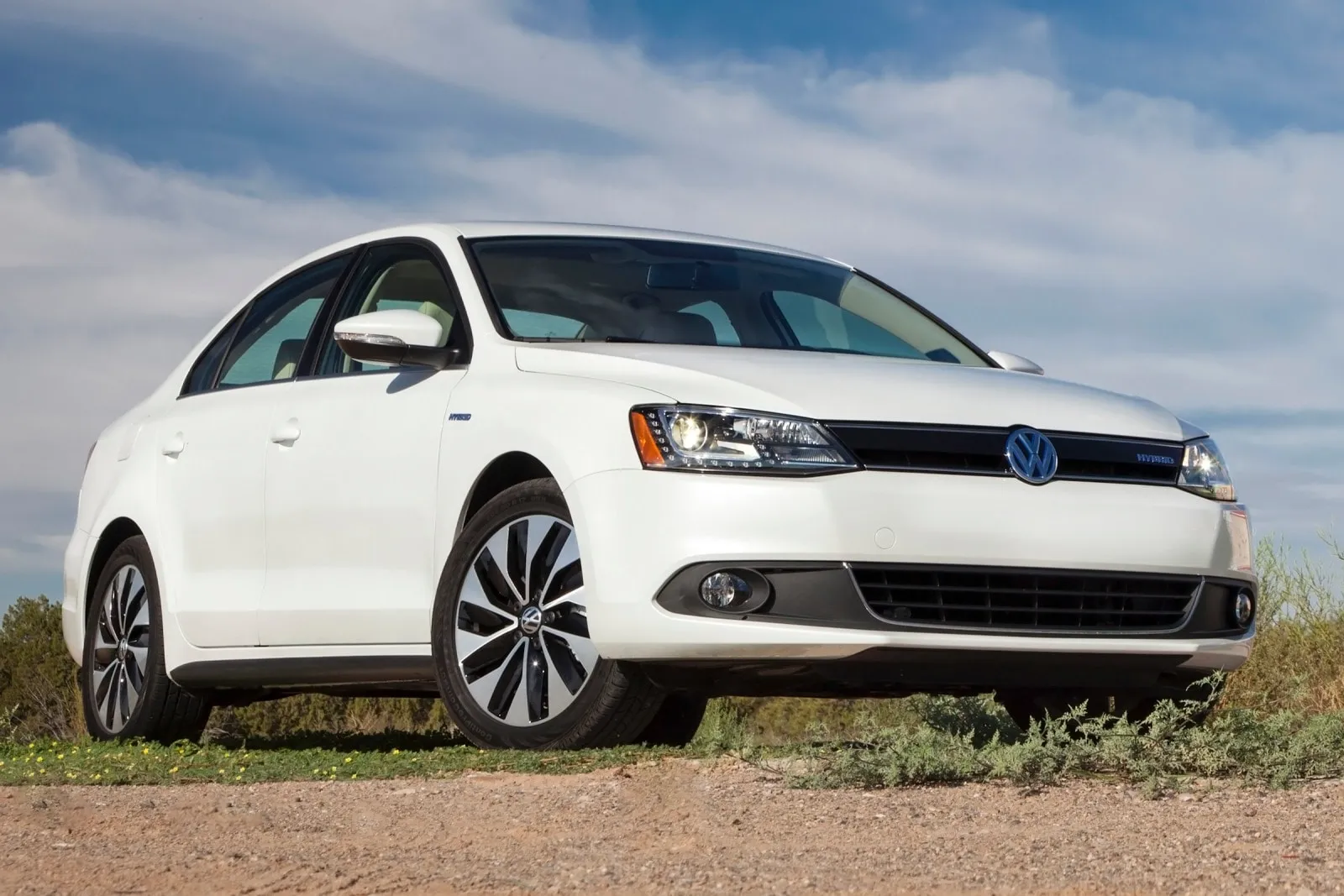
2. Volkswagen Jetta Hybrid 2013-2016
German engineering once impressed buyers, but Jetta Hybrid owners soon learned that intricate design doesn’t always ensure dependability. Volkswagen pushed this model to market too quickly, skipping the rigorous testing needed to guarantee reliability.
The combination of a dual-clutch transmission and a hybrid setup caused endless trouble. Many drivers faced harsh gear changes and sudden transmission failures that demanded costly replacements. Whatever fuel savings the hybrid system offered vanished once repair expenses began piling up.
Battery durability turned into another major problem. The cells deteriorated faster than expected, and the cooling system often failed to control temperatures.
Poor energy management allowed batteries to overheat and degrade, especially after warranty coverage ended.
Owners were left with staggering repair bills that sometimes exceeded the car’s value, turning what was meant to be an eco-friendly option into a financial burden.
Finding qualified technicians proved difficult. Most Volkswagen dealers had little experience with the Jetta Hybrid since it sold in small numbers.
Owners were often directed to specialized repair shops charging premium prices. Replacement parts were scarce, leaving many vehicles parked for weeks while owners waited for deliveries, making day-to-day use nearly impossible.
Electrical faults caused additional headaches. Numerous control units communicated through intricate systems that confused even skilled mechanics.
Diagnosing issues required advanced Volkswagen tools unavailable to independent garages, transforming routine repairs into drawn-out and costly experiences.
Volkswagen discontinued the Jetta Hybrid after only four years, leaving owners without proper support. Spare parts became harder to find, and maintenance costs continued rising. This abrupt withdrawal left many vehicles aging faster than expected and owners regretting their purchase of a poorly supported model.
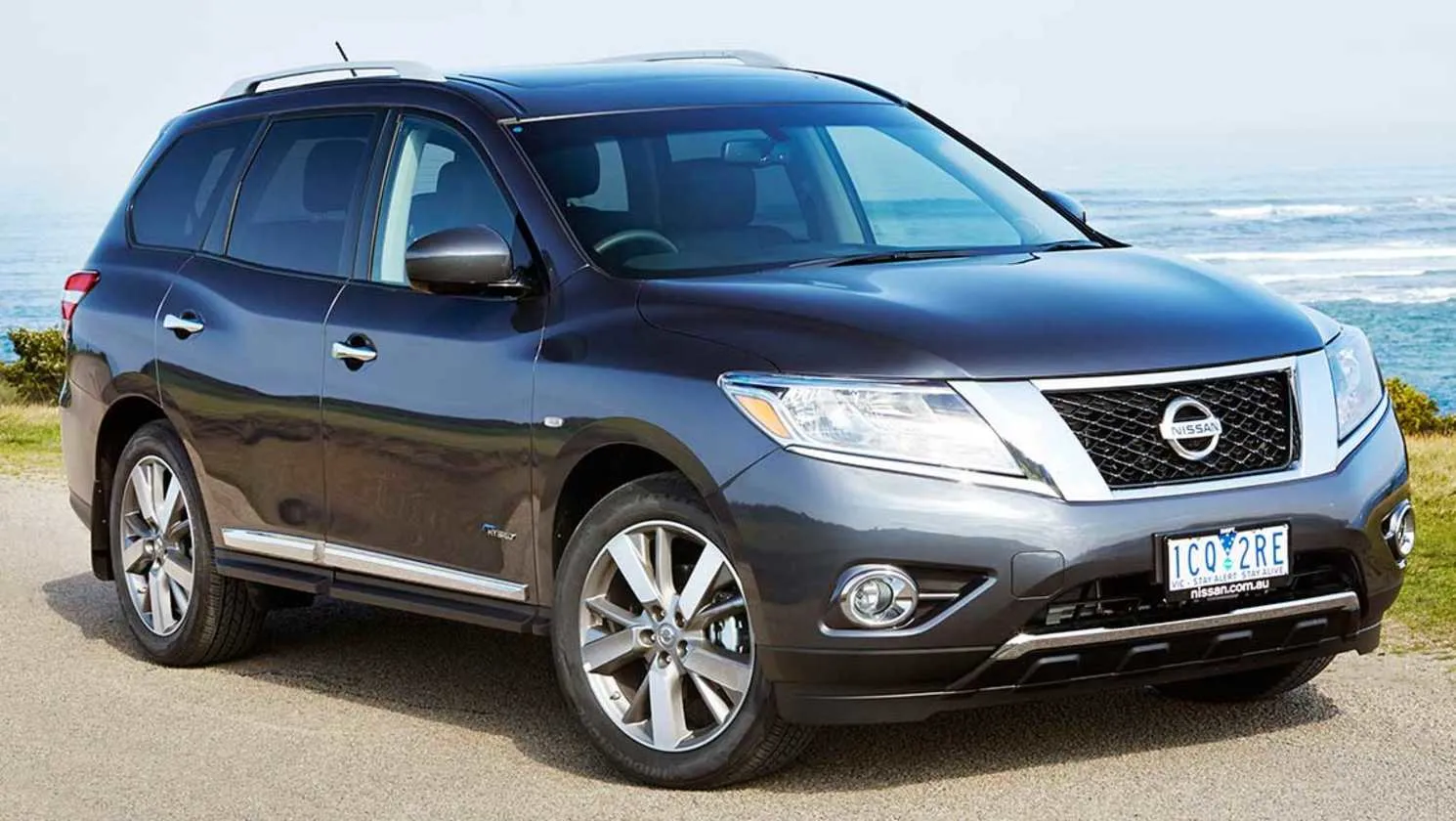
3. Nissan Pathfinder Hybrid 2014-2015
Pairing a supercharged four-cylinder engine with a hybrid system initially seemed like an innovative idea, but the combination quickly revealed major flaws. The supercharger added heat and mechanical stress that the hybrid setup couldn’t handle effectively, leading to frequent breakdowns.
These persistent issues forced Nissan to discontinue the Pathfinder Hybrid after only two years, showing that the company recognized the design’s long-term impracticality.
Transmission troubles were among the most common complaints. The continuously variable transmission (CVT) often developed shuddering, slipping, and overheating problems as mileage increased.
Nissan’s CVTs already had a mixed reputation, and integrating hybrid components only made them more unreliable. Costly repairs or replacements rarely offer lasting fixes, with many owners experiencing multiple transmission failures within short periods.
Battery degradation compounded the vehicle’s problems. Poor thermal management and limited hybrid expertise led to premature cell failure, especially in hot climates.
Replacement costs were so high that many batteries exceeded the car’s resale value, discouraging repairs altogether. In many cases, battery and transmission issues struck at the same time, overwhelming owners with repair bills.
Electrical faults added to the frustration, with random malfunctions affecting instrument clusters, infotainment systems, and warning lights. Diagnosing these issues was difficult, and fixes were often temporary, leading to repeated repair costs.
All these problems devastated resale values. Within three years, Pathfinder Hybrids lost most of their worth as buyers avoided them entirely. Owners endured heavy financial losses, turning what was marketed as an efficient innovation into one of Nissan’s most regrettable ventures.
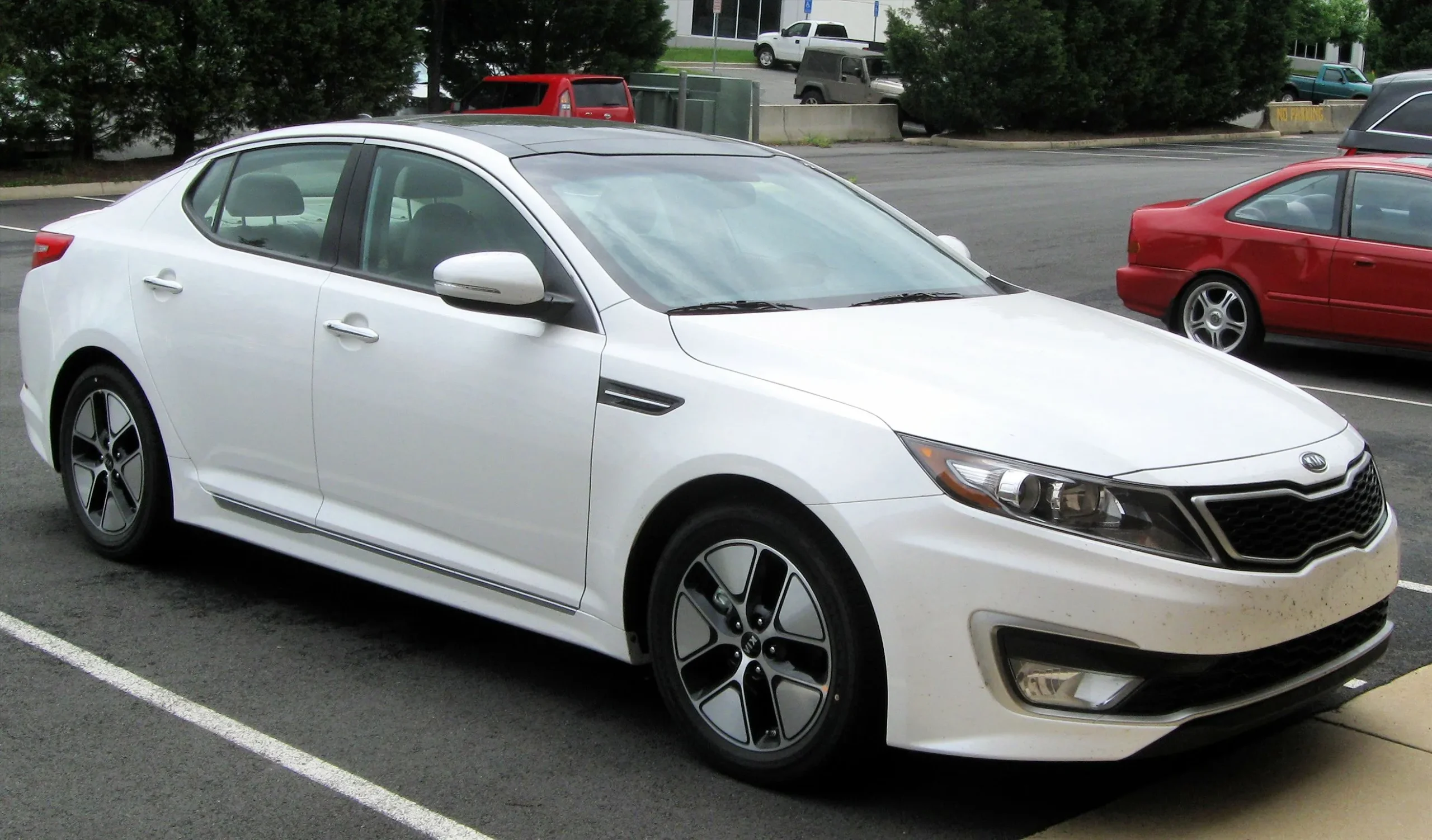
4. Kia Optima Hybrid 2011-2015 (First Generation)
Early Korean hybrid attempts suffered from reliability problems that later generations corrected. First-generation Optima Hybrids experienced transmission failures, battery degradation, and electrical issues at rates that destroyed owner confidence.
Kia learned valuable lessons from these failures, but original buyers paid the price through constant repairs and depreciation. This rough start nearly killed Kia’s hybrid program before later vehicles proved the company could build reliable hybrids.
Dual-clutch transmission behaviour became increasingly problematic as these vehicles aged. Jerky moves, hesitation, and slipping developed into patterns that required expensive repairs.
Kia extended warranties, trying to address the problems, but failures continued to happen. Owners tired of repeated dealer visits and unreliable transportation traded these hybrids away quickly, flooding used markets with troubled vehicles.
Battery cooling proved inadequate for cells that degraded faster than expected. Capacity losses reduced fuel economy benefits while creating concerns about expensive replacements. Kia’s early battery management systems lacked the sophistication needed to maintain cell health through years of use.
These problems taught Kia important lessons but left original buyers with vehicles that couldn’t deliver promised efficiency. Electrical system reliability fell short of expectations, with various modules failing prematurely.
Computer problems required expensive replacements that often didn’t solve underlying issues. Owners faced diagnostic bills that rivaled repair costs while problems remained unresolved. This electrical unreliability created constant anxiety about what would fail next and when.
Limited model run meant Kia moved on quickly, discontinuing this first attempt and starting fresh with improved designs. This abandonment left early buyers with vehicles lacking long-term support.
Parts availability declined as Kia focused on newer models, making repairs increasingly difficult and expensive. Original Optima Hybrid buyers became cautionary tales about the risks of buying first-generation technology.
Also Read: 5 Hybrids That Age Gracefully vs 5 That Don’t
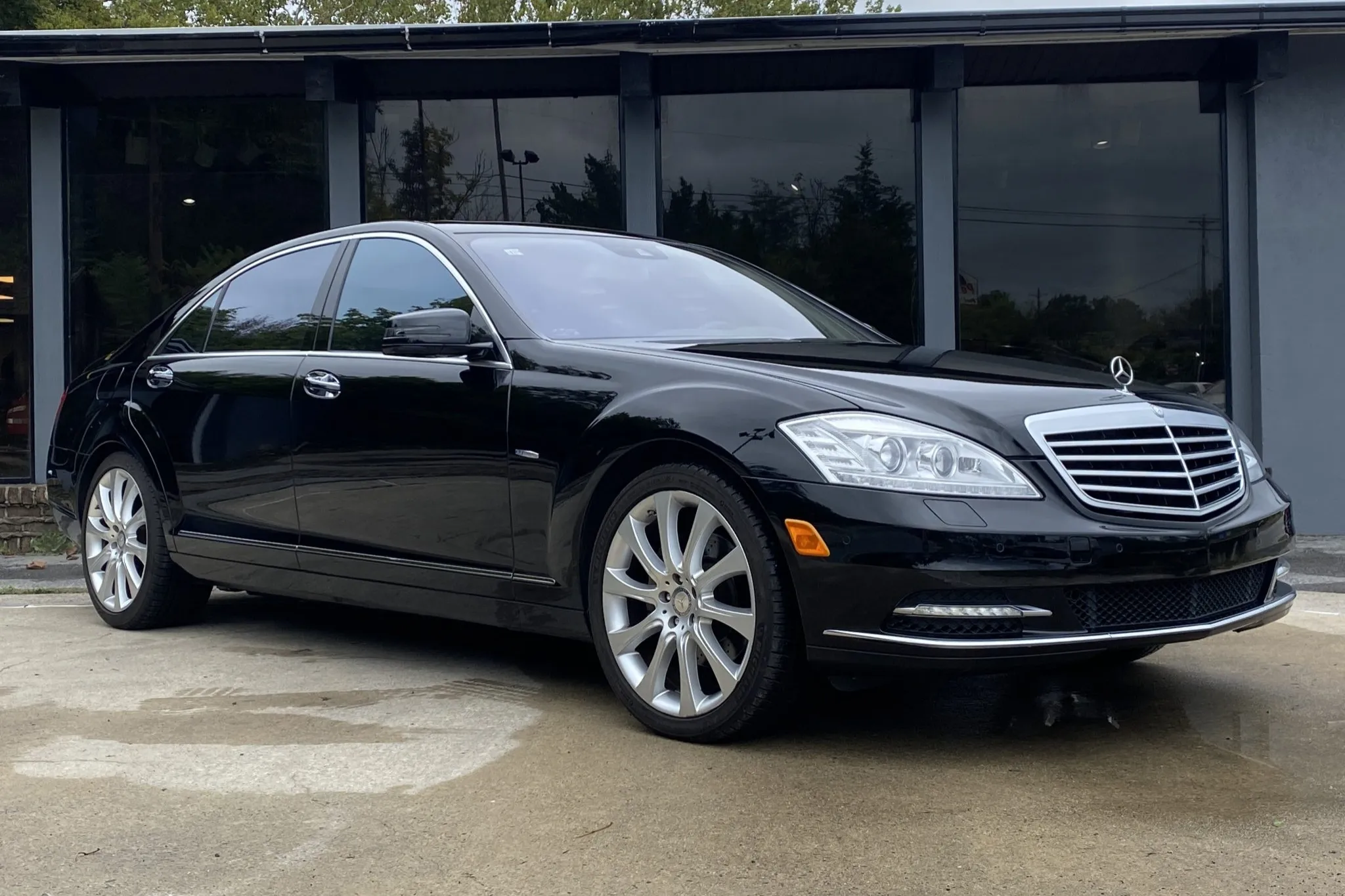
5. Mercedes-Benz S 400 Hybrid 2010-2013
Mercedes-Benz’s early attempt at luxury hybrid engineering focused more on performance than dependability, resulting in vehicles that often required constant repairs. The mild hybrid system introduced unnecessary complications without offering real improvements in fuel efficiency.
Buyers who paid premium prices expected cutting-edge technology but instead received systems that failed frequently and delivered limited benefits. This outcome exposed the limitations of German automakers’ understanding of hybrid design despite their strong engineering image.
Battery reliability quickly became a major issue. Cells struggled to manage high power demands, and cooling failures accelerated their deterioration. Many owners faced battery replacements soon after warranties expired, with costs so high that repairs often exceeded the cars’ total market value.
These expenses erased any fuel savings and placed heavy financial burdens on owners, turning ownership into a costly experience.
The electrical systems added another layer of frustration. Their complications required proprietary Mercedes diagnostic tools, preventing independent mechanics from performing repairs.
As a result, owners were forced to rely on dealership service centers that charged extremely high labour rates. Even identifying issues could cost thousands before any actual repair work began, making maintenance prohibitively expensive.
The hybrid transmission system brought its own troubles. Mercedes’ seven-speed automatic gearbox struggled to coordinate with the electric motor, causing rough, inconsistent gear changes. Fixing these issues required rare parts and specialized expertise, further driving up repair costs.
As word spread about these chronic issues, resale values plummeted. Used car buyers avoided the S 400 Hybrid entirely, preferring more reliable luxury alternatives. Owners found themselves unable to recover their investments, stuck with depreciated vehicles that demanded constant attention.
The combination of high repair costs, poor reliability, and collapsing resale values made the S 400 Hybrid one of Mercedes’ most regrettable ventures.
