
Muscle cars have always represented more than raw speed and horsepower. They stand for rebellion, pride, and the spirit of American automotive culture that flourished from the 1960s through the 1970s.
Every engine roar told a story of freedom, and every gleaming chrome bumper reflected a time when performance mattered more than efficiency.
While modern manufacturers have made efforts to revive a few legends, many classic muscle cars remain buried in the past. Some of them truly deserve a second chance, while others should be left in the memory books, preserved by nostalgia rather than redesigned for modern streets.
The balance between tradition and innovation becomes delicate when companies attempt to bring these legends back to life. It is easy to ruin a car’s identity if the revival fails to capture the power, proportions, or passion of the original.
The muscle car era was built around simplicity. Big engines, rear-wheel drive, aggressive styling, and a price tag within reach of the working class. Those ingredients created icons that are still admired today. However, not all muscle cars were born equal.
Some designs aged gracefully, while others faded due to poor engineering choices, changing consumer tastes, or brand mismanagement. The cars that truly deserve a comeback are the ones that can be revived with modern technology without losing their raw essence.
They have timeless design elements and emotional connections that still appeal to enthusiasts today. On the other hand, some models failed to find their footing even in their prime. These cars might carry sentimental value, but their return could feel forced or uninspired in today’s performance market.
The following comparison highlights five muscle cars that deserve to be reimagined for the modern age and five that should remain untouched relics. The goal is not to disrespect history but to recognize which models could thrive under today’s performance standards and which would lose their magic outside their original context.
It is a reflection on how nostalgia and innovation sometimes clash, and how true muscle cars must carry both the heart of the past and the spirit of modern performance.
5 Muscle Cars That Deserve a Comeback
1. Pontiac GTO (1964–1974)
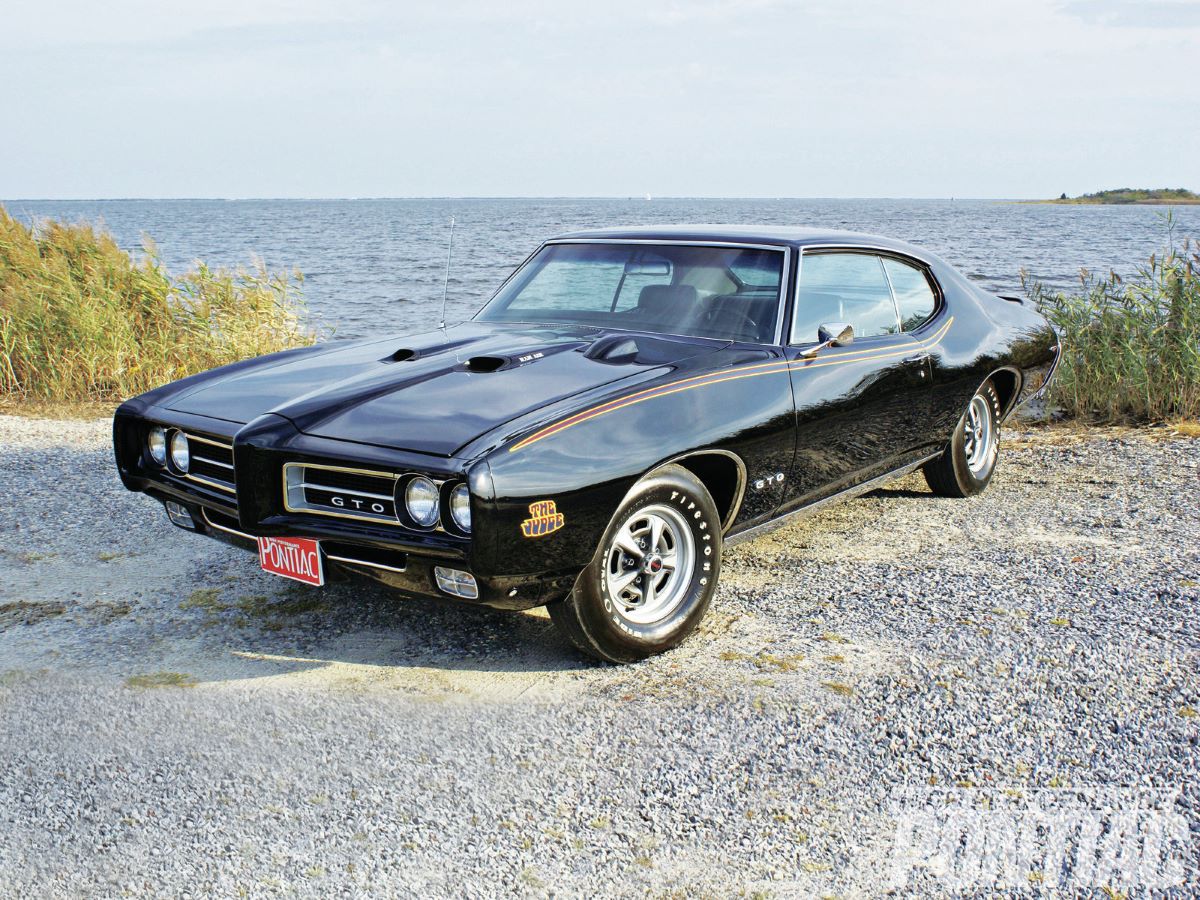
The Pontiac GTO was the spark that ignited the muscle car movement. It combined a powerful V8 engine with a midsize body, delivering a mix of speed and style that few could match. The GTO’s character was confident and unpretentious, with a sense of authority that made it a symbol of youth rebellion.
If it were revived today, the GTO could easily reclaim its position as a leader in the performance segment, blending traditional muscle with modern engineering. A return could showcase hybrid-assisted V8 technology, giving it both the torque of its ancestors and the efficiency expected by modern standards.
Stylistically, the GTO deserves a revival that stays true to its classic proportions. Wide rear haunches, a long hood, and a muscular stance should define its return. It should avoid over-stylization and focus on clean, bold lines reminiscent of its late 1960s models.
A modern GTO should not be an attempt to copy its past form but to reinterpret its spirit for new generations. Inside, a mix of analog-inspired gauges and modern infotainment would honor both the past and the present, creating a driver’s car that feels authentic and engaging.
Pontiac as a brand may no longer exist, but the GTO name still carries weight among enthusiasts. Bringing it back under the Chevrolet or GM Performance Division could make sense, giving it the same attention that revived the Camaro.
A GTO comeback would fill the space between nostalgic appeal and modern muscle innovation, reminding drivers what pure performance feels like without excessive digital interference.
Pontiac GTO deserves a comeback because it represents more than horsepower. It represents a turning point in American automotive culture, a time when passion for driving was unfiltered and honest.
Modern technology could make it safer, faster, and more efficient while preserving that unmistakable GTO attitude that started it all.
2. Plymouth Barracuda
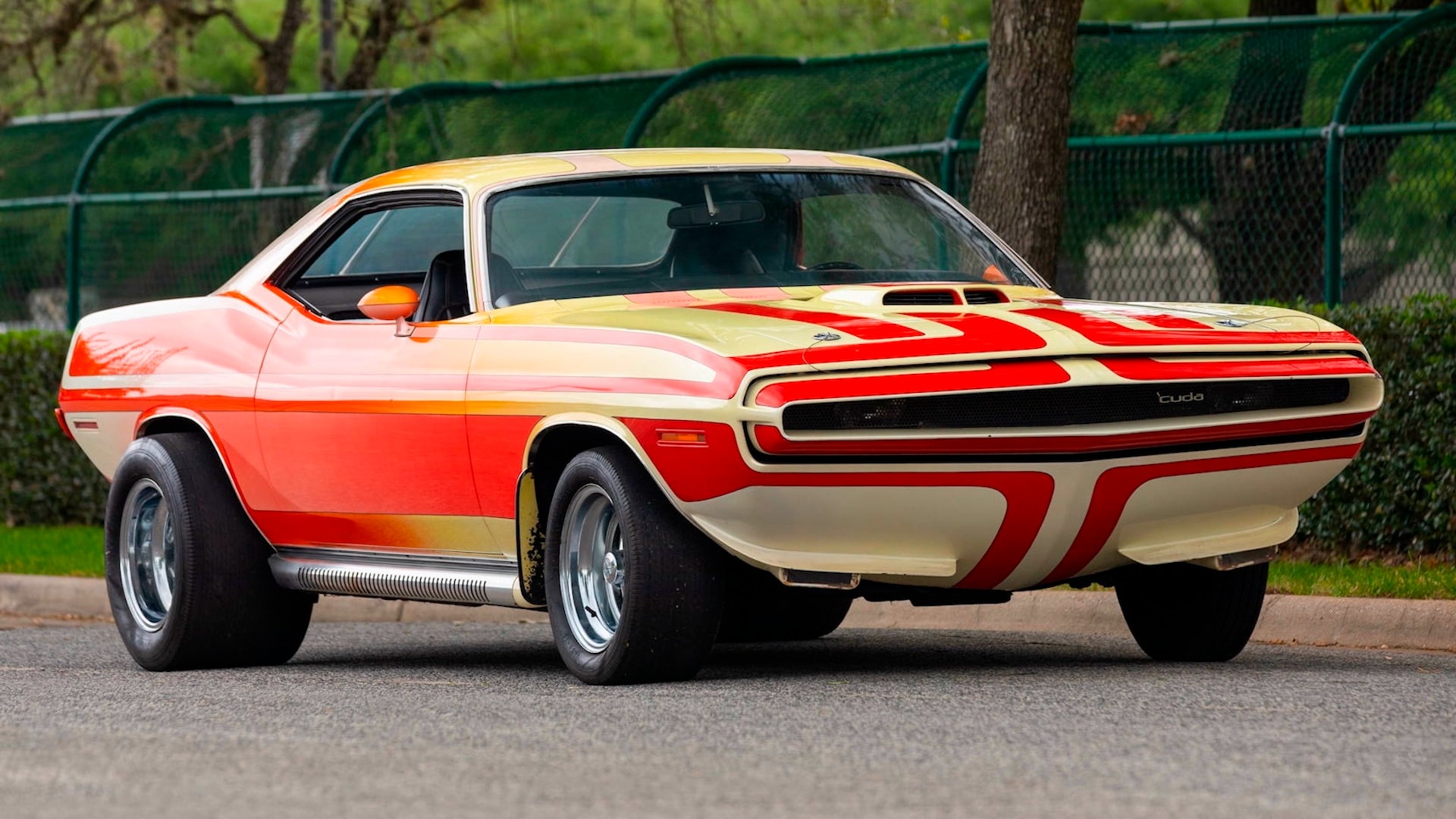
The Plymouth Barracuda holds a special place in muscle car history, often overshadowed by its Mopar cousins like the Dodge Challenger. Yet, its design and versatility gave it a distinct identity that still resonates with collectors.
A revival of the Barracuda could reintroduce a nameplate that symbolizes agility and uniqueness rather than brute force alone. Its sleek fastback styling and compact proportions would adapt well to modern design trends emphasizing balance over size.
Bringing back the Barracuda would give the performance market a breath of variety. While the Challenger has embraced a retro-heavy look, the Barracuda could aim for a sleeker, more futuristic direction, appealing to both purists and younger buyers.
The car’s history of blending style and power gives it the flexibility to evolve with hybrid or electric-assisted powertrains, ensuring performance without abandoning environmental responsibility. Such a move would allow it to stand apart from the traditional gas-guzzling image of classic muscle cars.
The Barracuda was always about personality. It was confident but never arrogant, stylish but never excessive. These traits would translate well in today’s market, where buyers look for individuality in a sea of similar designs.
With careful attention to detail, modern aerodynamics, and balanced weight distribution, a new Barracuda could be both a daily driver and a performance icon.
Reviving the Barracuda would also honor Plymouth’s legacy, giving a forgotten name new life. Its comeback would remind enthusiasts of a time when creativity defined car design and individuality mattered. Few cars from that era embody the same mix of spirit and potential for modern adaptation as the Barracuda does.
3. Chevrolet Chevelle SS
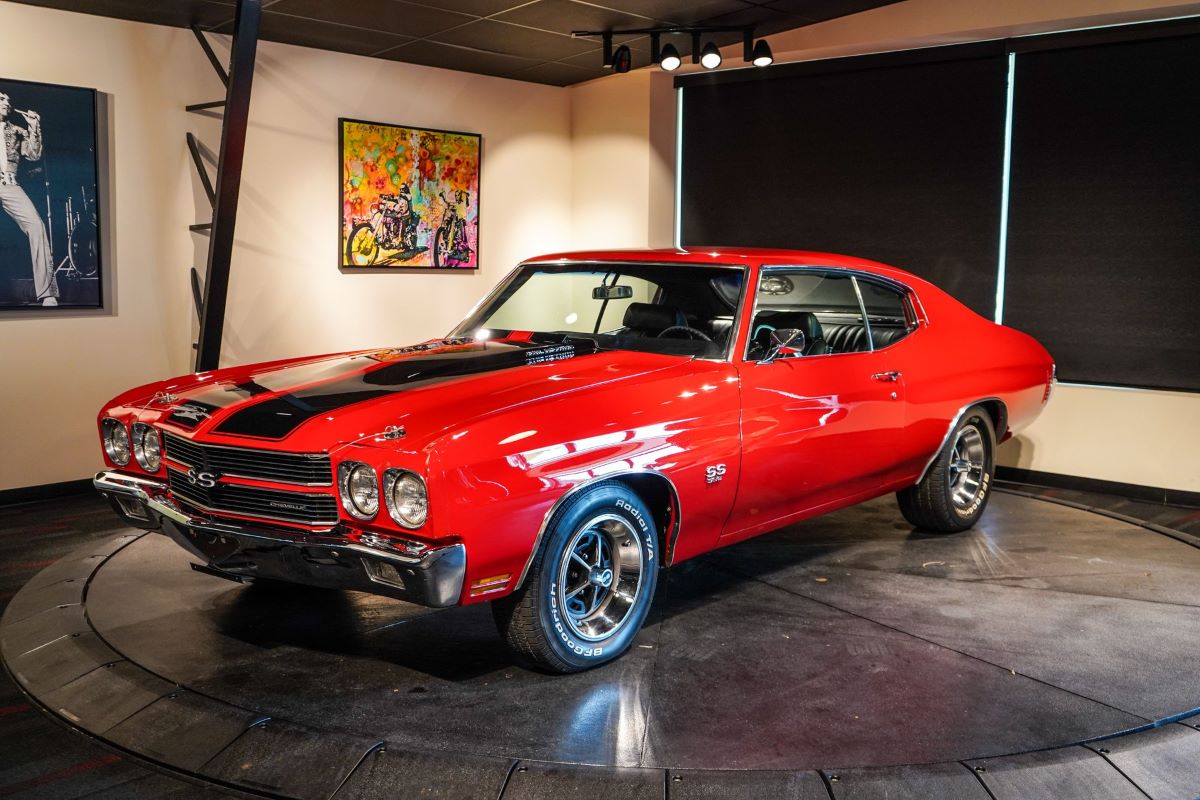
The Chevrolet Chevelle SS is remembered as one of the most dominant and desirable muscle cars of its era. Its raw power and clean lines made it a timeless symbol of American performance.
A modern Chevelle SS would instantly capture attention, especially if it managed to retain the understated aggression that made the original so appealing.
Unlike some modern revivals that rely heavily on nostalgia, the Chevelle’s design could be refined into something that merges old-school toughness with contemporary sophistication.
The revival of the Chevelle SS would benefit from Chevrolet’s experience with the Camaro and Corvette. Imagine a rear-wheel-drive platform powered by a twin-turbocharged V8 or a hybrid-assisted engine that delivers instant torque.
Such a configuration could bring the Chevelle back as a challenger to both American and European performance sedans. It would combine muscle car power with refined road manners, proving that performance does not have to compromise comfort or technology.
Design-wise, the Chevelle SS could be reinterpreted with modern proportions while maintaining its iconic wide stance and aggressive front end.
The goal should be to capture the car’s authority without making it overly bulky. The original’s minimalist yet muscular design language could translate beautifully into a modern body using lightweight materials like carbon fiber and aluminum.
Reviving the Chevelle SS would not just honor its heritage but also strengthen Chevrolet’s identity as a brand rooted in power and precision.
It could bridge the gap between traditional muscle and modern performance luxury, offering an American alternative to high-end European coupes. The Chevelle SS has earned its place in history, and it certainly deserves another chance to rule the streets.
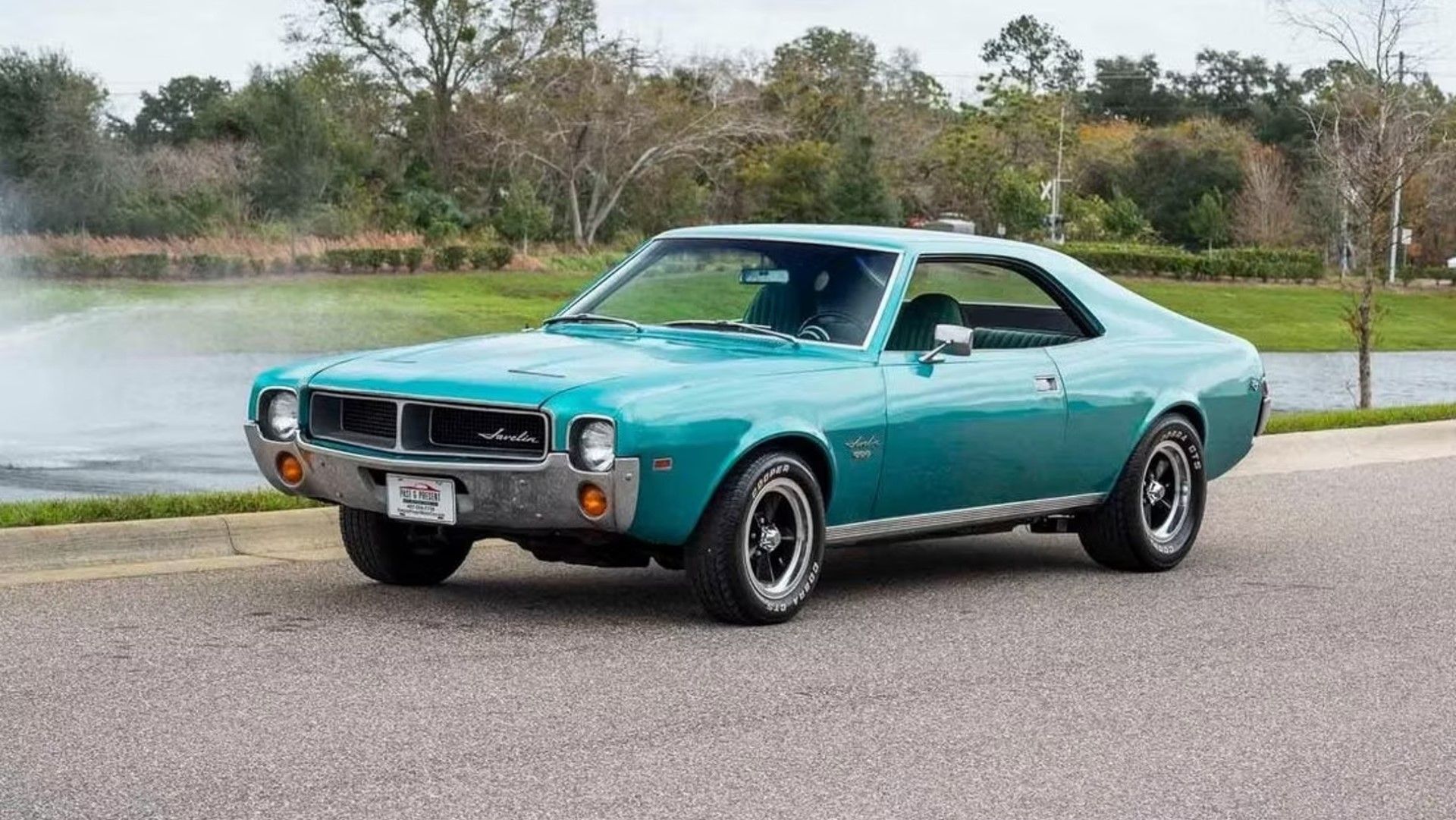
4. AMC Javelin
The AMC Javelin is one of the most underrated muscle cars of its time. While it never reached the fame of the Mustang or Camaro, it had distinct styling and personality that made it unforgettable to those who knew it.
Reviving the Javelin would bring back a name that stands for individuality, underdog spirit, and design bravery. AMC took risks that larger manufacturers avoided, and a modern Javelin could follow the same philosophy in today’s market dominated by conformity.
A new Javelin could target performance enthusiasts who crave something different from mainstream muscle cars. Its design could borrow cues from the 1971 model’s flared arches and bold front end but with a modern, aerodynamic twist.
A lightweight chassis, electric-assisted drivetrain, and adjustable suspension could turn it into a versatile machine suitable for both the road and track. The Javelin could thrive as a statement car, appealing to drivers who appreciate design as much as performance.
AMC’s rebellious spirit makes the idea of a Javelin comeback compelling. It could embrace advanced materials and smart performance systems while maintaining the charm of a true driver’s car. The market has space for something unconventional, and the Javelin’s legacy fits that role perfectly.
Reviving the Javelin would also serve as a tribute to a brand that represented creativity and persistence. It would remind modern manufacturers that performance can be expressive, and design can be daring. The Javelin deserves a comeback not only because of what it was but because of what it could inspire if reimagined correctly.
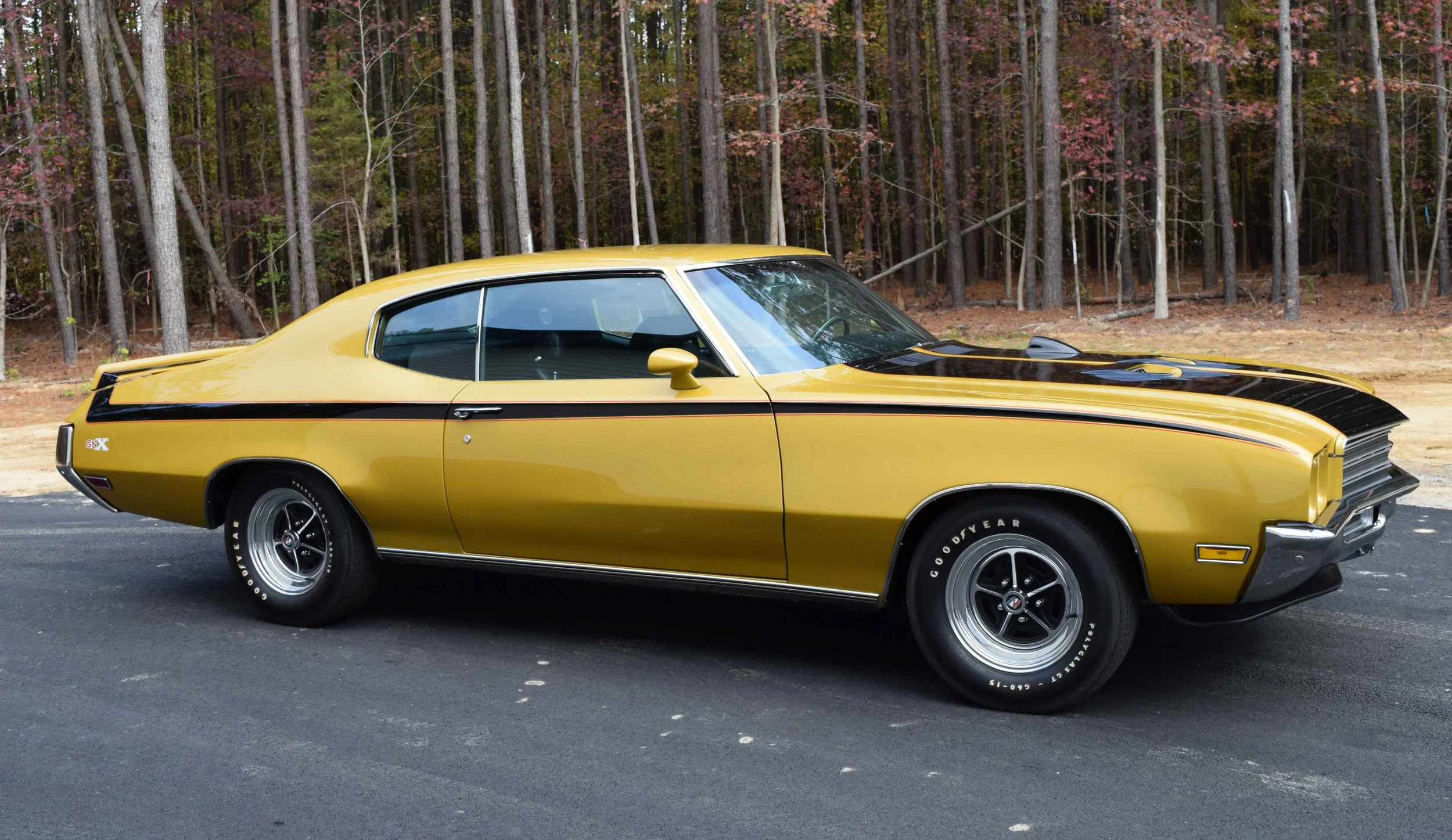
5. Buick GSX
The Buick GSX was often misunderstood in its time. While Buick was known for luxury, the GSX broke that mold by delivering powerful performance wrapped in refinement. It was a car that proved muscle could be sophisticated.
A modern GSX could bring that same philosophy back, combining premium comfort with brutal acceleration. In a market where performance luxury is dominated by imports, a revived GSX could offer an American interpretation of power with class.
The GSX’s comeback could emphasize both craftsmanship and strength. A supercharged or hybrid V8 could give it the performance edge it deserves, while a meticulously crafted interior could reaffirm its luxury heritage. It would compete not by mimicking European rivals but by offering something distinctly American: big power, smooth ride, and undeniable character.
Design-wise, the GSX could reintroduce Buick to performance credibility. Its bold stripes, aggressive stance, and iconic hood scoops could be reimagined through clean, modern lines.
This would attract buyers who want both nostalgia and sophistication in one package. The GSX was never just about noise; it was about presence, and that presence would translate beautifully to today’s streets.
Bringing back the GSX would also allow Buick to redefine its image. It could bridge generations, appealing to older enthusiasts while exciting younger drivers seeking luxury with attitude. Few classic muscle cars carried elegance like the GSX, and that balance makes it one of the top candidates for a comeback.
5 Muscle Cars That Don’t Deserve a Comeback
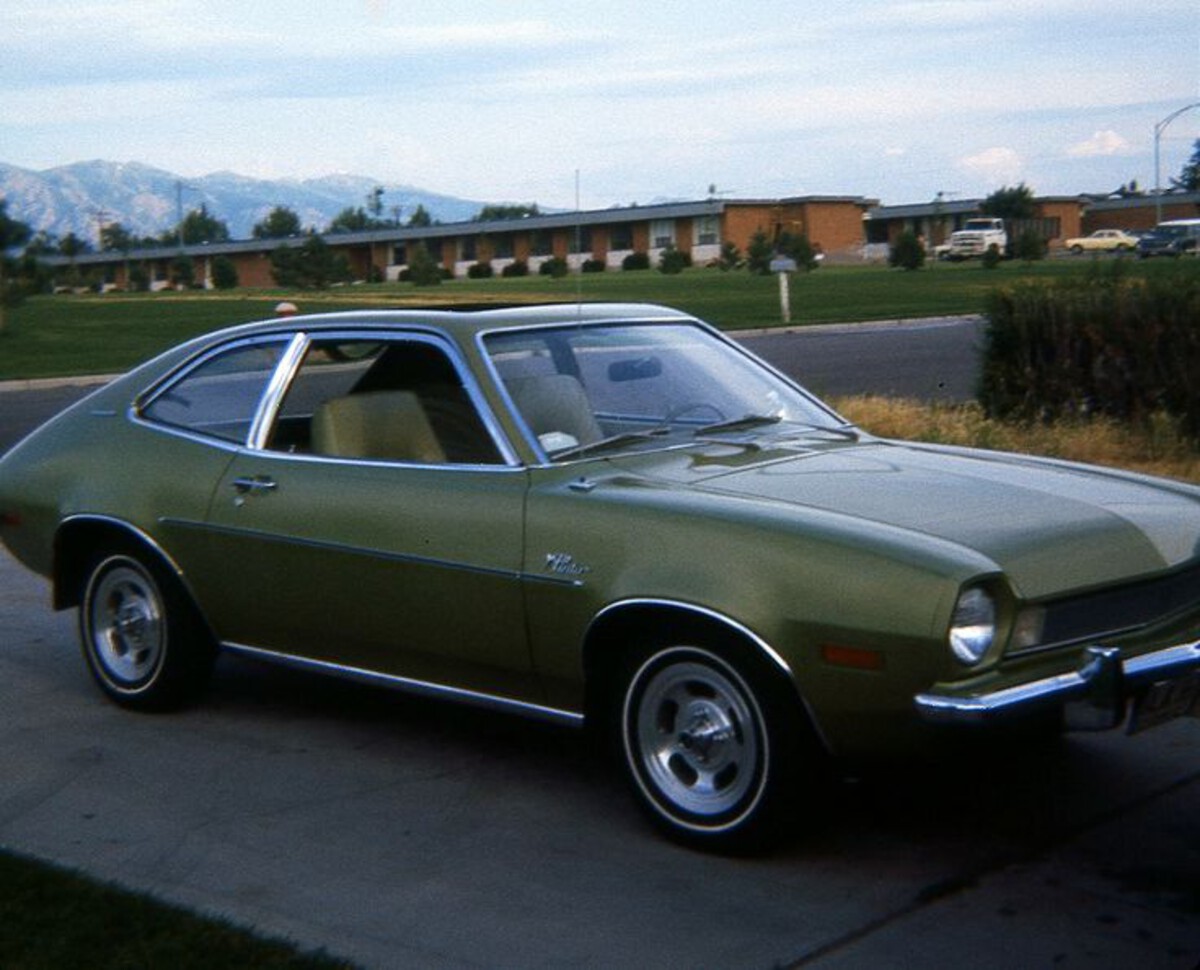
1. Ford Pinto “Cruising Wagon”
The Ford Pinto is remembered for all the wrong reasons. Though it tried to capture a youthful market in the 1970s with its compact size and “Cruising Wagon” variant, the car’s reputation was permanently damaged by its safety issues and poor engineering.
Even if one could argue that it technically qualified as a sporty compact rather than a traditional muscle car, Ford’s attempts to give it some muscle appeal were never convincing.
Bringing the Pinto back would only reopen wounds from a period when performance and quality were sacrificed for marketing gimmicks. Some cars carry a historical weight that no redesign can shake off, and the Pinto is one of them.
Trying to modernize the Pinto would be an uphill battle from every angle. The market for small performance coupes is now saturated with refined, efficient models that deliver style and safety without relying on nostalgia. A new Pinto, even with cutting-edge safety features, would always face the stigma of its past.
Furthermore, the design language that defined the Pinto simply doesn’t translate well to modern aesthetics. Its short proportions and awkward lines lack the timeless charm that successful revivals need.
Instead of reviving an infamous name, Ford would be wiser to focus on evolving models that already have strong reputations for reliability and performance.
Beyond design, there’s also the emotional factor. A car’s legacy is built not just on performance numbers but on public perception. The Pinto became a symbol of corporate cost-cutting and negligence, and that image has not faded with time.
Consumers associate the name with scandal rather than innovation, and attempting to bring it back would likely invite criticism rather than enthusiasm. Unlike other Ford icons such as the Mustang or Torino, the Pinto never achieved the cultural admiration necessary to justify a comeback.
Ford Pinto “Cruising Wagon” deserves to remain a footnote in automotive history. Its flaws overshadowed its ambitions, and no amount of modern engineering can undo that.
Sometimes, the most respectful thing a manufacturer can do is let a name rest quietly in the past, serving as a reminder of lessons learned rather than opportunities missed.
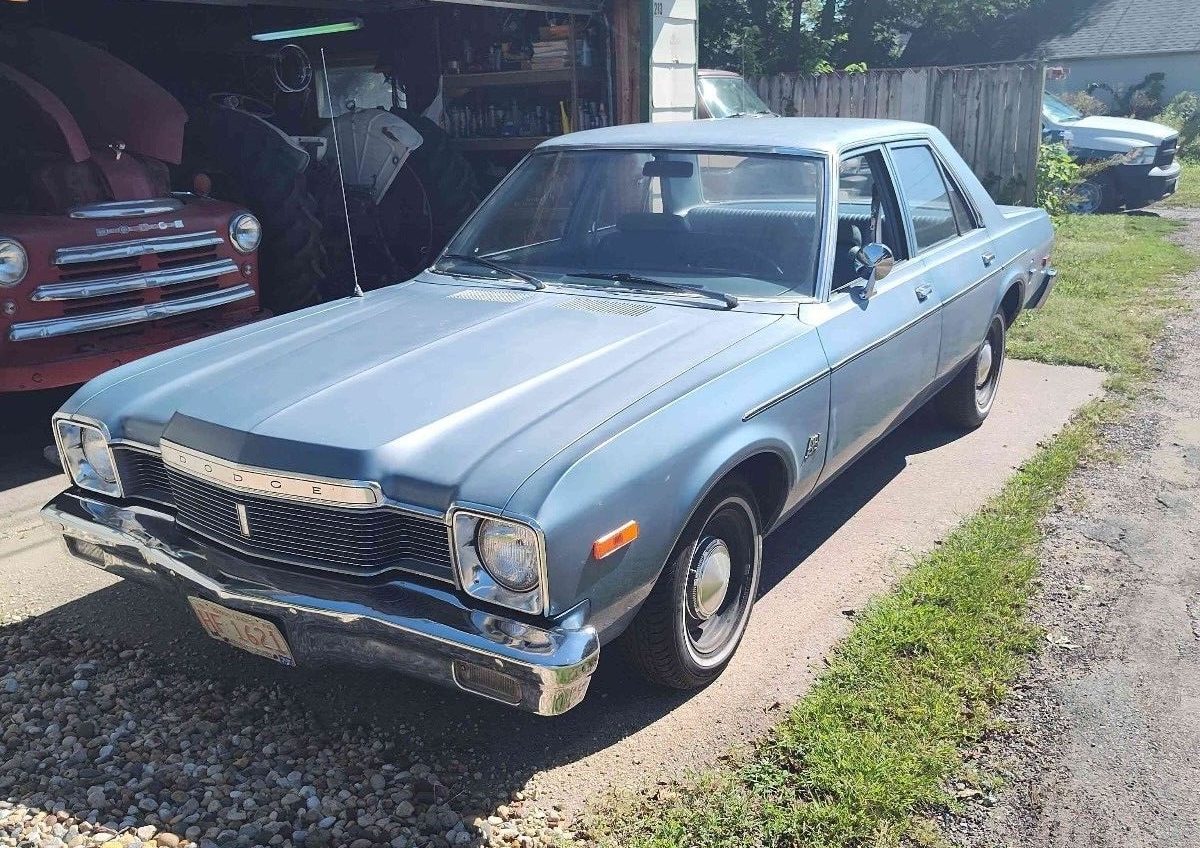
2. Dodge Aspen R/T
The Dodge Aspen R/T emerged during a difficult time for the muscle car industry. The mid to late 1970s saw increasing emissions regulations, rising fuel prices, and a cultural shift away from big-engine powerhouses.
Dodge tried to keep the performance spirit alive by adding sporty decals and cosmetic touches to a car that lacked the muscle to back them up.
The Aspen R/T looked the part but rarely delivered the thrill associated with true muscle machines. A revival would face the same identity problem: it would be a car trying to sell an image it cannot sustain.
If Dodge were to bring back the Aspen R/T, it would have to completely reinvent it, essentially creating a new car with an old badge. That approach has worked for some models, but only when the original car had a legacy worth preserving. The Aspen never built such a legacy.
It was neither fast nor particularly beautiful, and it suffered from the same quality issues that plagued Chrysler products of that era. Any revival would risk drawing comparisons to a car that symbolized the decline of muscle, not its glory.
Modern consumers expect authenticity from heritage revivals. They want cars that connect emotionally with their predecessors. The Aspen R/T lacks that connection. Its return would feel artificial, a marketing move rather than a genuine attempt to restore an icon.
Even if Dodge gave it a high-performance engine and advanced technology, enthusiasts would still question why the Aspen name was chosen when stronger names like Charger or Challenger already define the brand’s muscle identity.
Leaving the Aspen R/T in history allows Dodge to focus on what it does best, building powerful, character-driven vehicles that command respect.
Reviving a forgotten name associated with compromise would only dilute that image. The Aspen R/T had its moment, but it never earned a place among the legends. It should remain a symbol of a transitional era rather than a blueprint for the future.
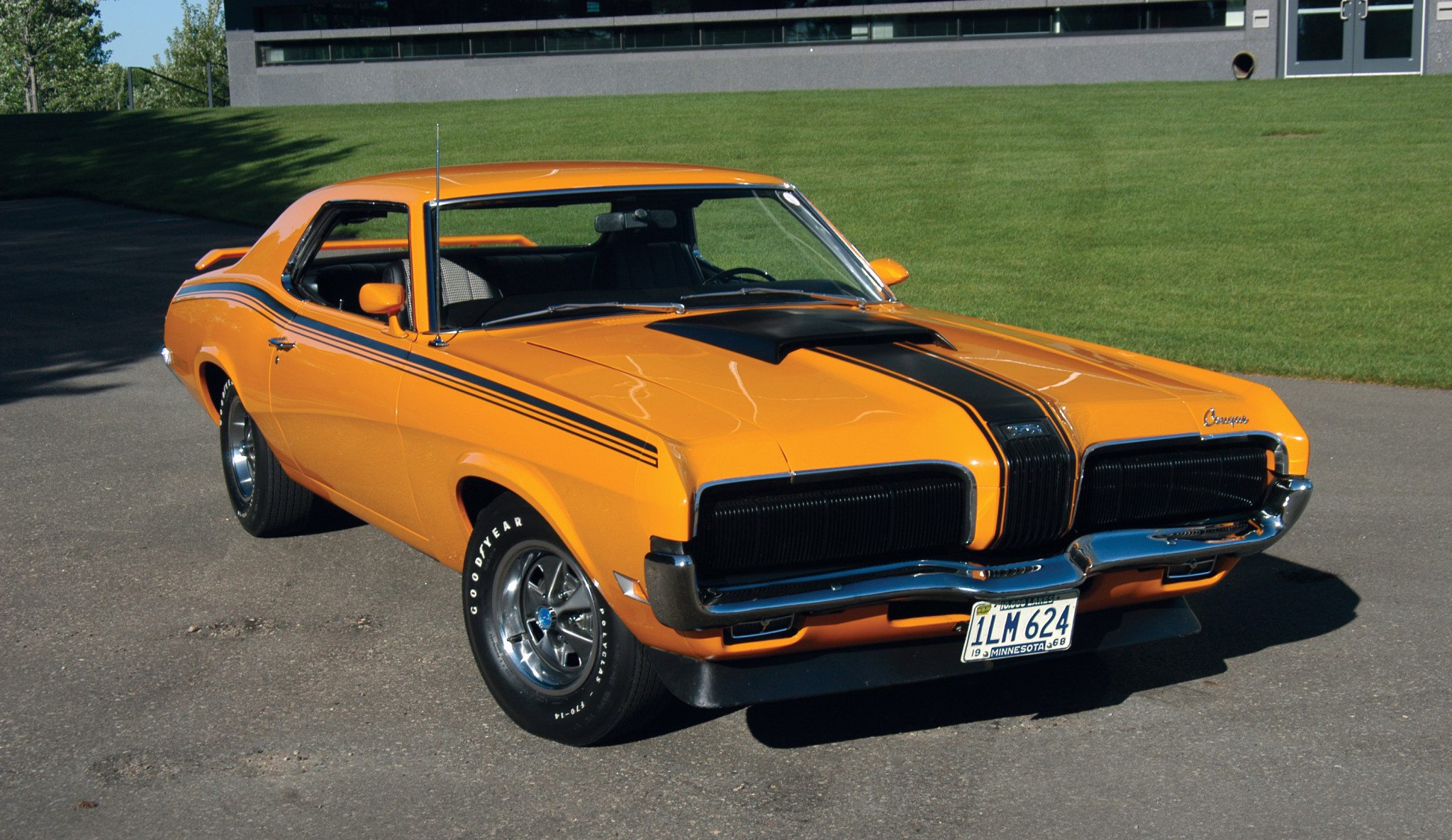
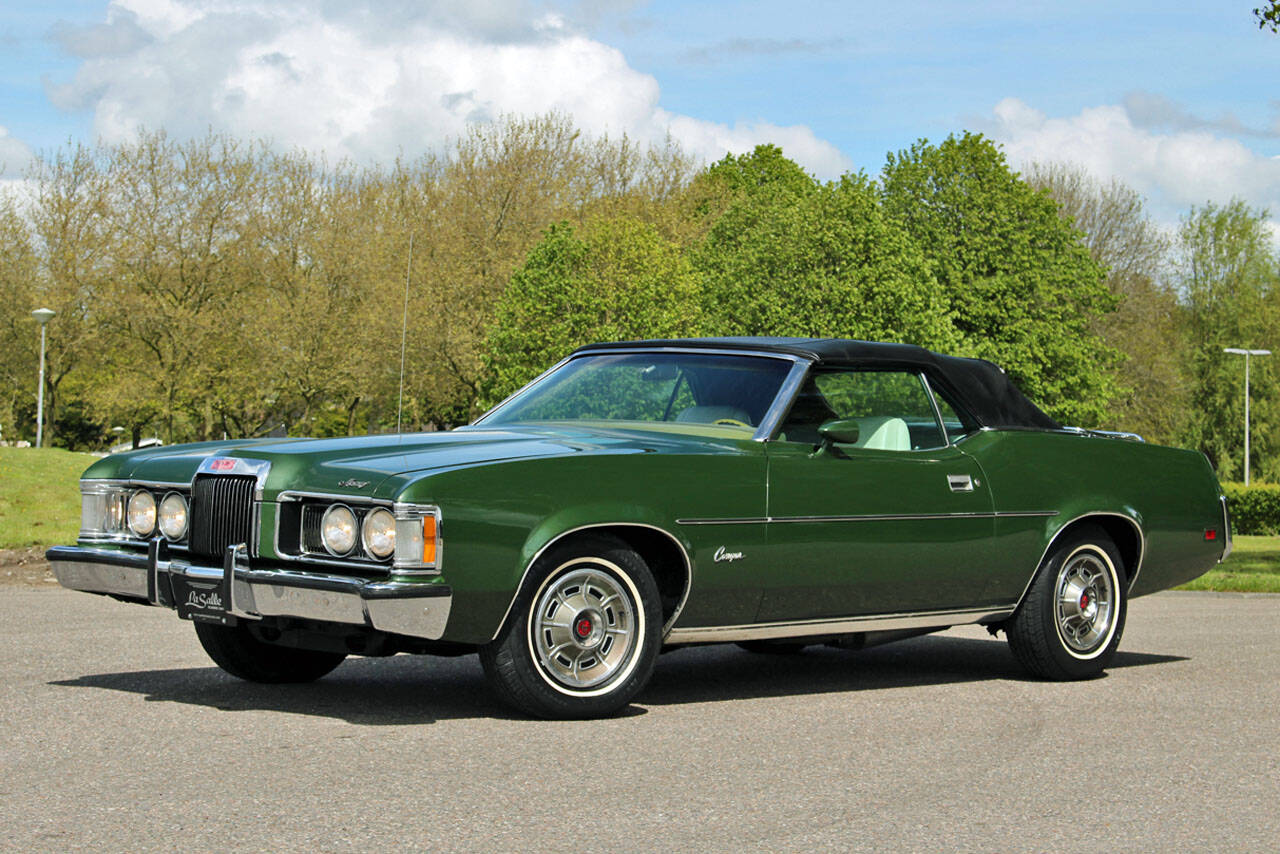
3. Mercury Cougar (Late 1970s and 1980s Versions)
The Mercury Cougar began as a stylish cousin to the Ford Mustang, combining performance with a touch of refinement. However, as the years went by, the Cougar lost its original identity. By the late 1970s and 1980s, it had morphed into a bloated personal luxury car that shared more DNA with sedans than with muscle cars.
Reviving the Cougar today would be complicated because the nameplate has been stretched across so many different segments that it no longer has a clear meaning. Without a strong and consistent legacy, any comeback attempt would likely confuse rather than excite buyers.
To bring the Cougar back successfully, a manufacturer would need to decide which version to honor: the athletic early model or the later comfort-oriented versions. That indecision alone makes the idea problematic.
The market already has the Mustang as Ford’s performance icon and other luxury coupes filling the upscale niche. There is no logical space for a car that sits awkwardly between those categories. The Cougar’s history of inconsistency makes it difficult to sell as a revival project, no matter how stylish or fast it might be.
The other issue lies in branding. Mercury as a brand no longer exists, and reviving the Cougar under the Ford banner would strip it of what little distinct identity it had left. The Cougar’s personality was always defined by its subtle difference from Ford’s main lineup.
Without that separation, it becomes redundant. Any attempt to modernize it would risk producing a car that feels like a duplicate of the Mustang or a watered-down version of a luxury coupe.
For these reasons, the Mercury Cougar should remain a respected memory rather than a resurrected product. Its early years are worth celebrating, but its later decline makes a revival impractical. Sometimes nostalgia works best when it is paired with selective memory, and the Cougar’s complex legacy proves that not every classic name deserves a second life.
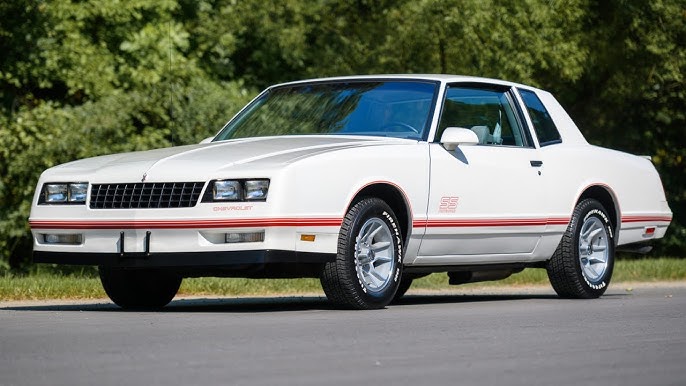
4. Chevrolet Monte Carlo SS (2000s Era)
The Chevrolet Monte Carlo had a fascinating journey from its muscle-inspired origins to its later life as a front-wheel-drive coupe. While the early Monte Carlo SS models had genuine performance credentials, the 2000s revival turned it into a styling exercise rather than a true performance car.
Despite its NASCAR-inspired shape, it lacked the mechanical soul that defined the classic muscle cars. Any new attempt to revive the Monte Carlo would face the same fundamental problem, it would struggle to find a purpose in a market that has moved beyond personal luxury coupes.
Modern buyers are more interested in versatile vehicles that combine performance with practicality, such as performance sedans or SUVs. A two-door Monte Carlo would likely appeal to nostalgia alone, and nostalgia is rarely enough to sustain long-term success.
Moreover, the Monte Carlo’s most recent iterations failed to inspire confidence among enthusiasts. They were seen as sporty commuters rather than legitimate muscle cars, and that reputation lingers. Reintroducing the model would require an immense investment to overcome that perception, with no guarantee of reward.
The design language of the Monte Carlo also presents challenges. The long, sweeping lines that worked in the 1970s and early 1980s would appear out of place in today’s sharper, more aggressive styling environment.
Attempting to modernize it without losing its identity would be difficult, and even if Chevrolet succeeded, the result might feel redundant beside the Camaro and Corvette, which already define the brand’s performance legacy.
Rather than forcing the Monte Carlo name into a new mold, Chevrolet should focus on nurturing its existing icons. The Monte Carlo played an important role in connecting performance and comfort during its heyday, but its relevance has faded.
A modern comeback would likely struggle to find both a market and a message. Letting it remain a fond memory of a more elegant era is the best way to honor its name.
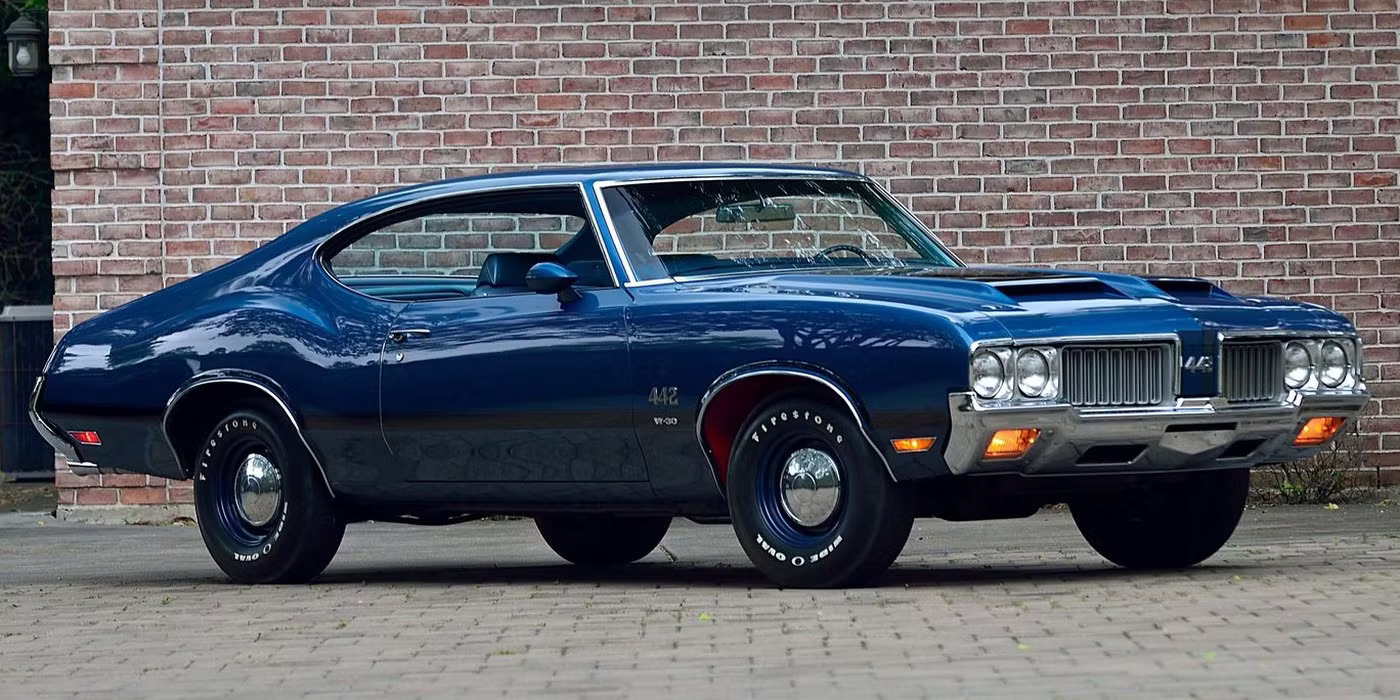
5. Oldsmobile 442 (Late-Generation Models)
The Oldsmobile 442 began as a performance powerhouse and ended as a faded echo of its former self. Its early years gave enthusiasts genuine excitement, but by the time the brand approached its final decades, the 442 name had been diluted beyond recognition.
Bringing back the 442 now would be a confusing move, especially since Oldsmobile as a company no longer exists. Without its original maker, the badge loses authenticity, and any modern reinterpretation would feel disconnected from the car’s true origins.
The 442 originally stood for “4-barrel carburetor, 4-speed manual, dual exhaust,” but that formula has no relevance in today’s world of turbocharged engines and electric drivetrains. Modernizing it would mean redefining everything that the name once stood for, which would defeat the purpose of a nostalgic revival.
The other major issue is brand association. Enthusiasts who loved the original 442 associate it with Oldsmobile’s golden age, a time when every major American automaker had its muscle car contender. Without that connection, the 442 becomes an orphaned symbol.
A new version, regardless of how powerful or advanced it might be, could never carry the same emotional weight. It would likely be dismissed as a marketing exercise rather than a genuine tribute.
The 442 should remain part of history as one of the last great names from a fallen brand. Its legacy deserves preservation through restoration, classic car shows, and storytelling rather than through a forced modern revival.
Some names carry power precisely because they are no longer in production, and the 442 is one of them. Its absence adds to its mystique, and bringing it back would risk turning an icon into a shadow of itself.
Muscle cars represent passion, freedom, and craftsmanship from a bygone era. Some of them have the strength of legacy and design to survive in a modern world, while others should remain untouched pieces of history.
The cars that deserve a comeback, such as the Pontiac GTO, Plymouth Barracuda, and Buick GSX, embody timeless performance values that can adapt to current technology.
They have the design DNA and emotional depth that make their return meaningful. These cars could thrive if handled with respect and creativity, reminding new generations why muscle cars once ruled the roads.
On the other side, models like the Ford Pinto and Dodge Aspen R/T highlight the dangers of forced nostalgia. Reviving them would not inspire excitement but rather reopen memories of failed experiments and diluted identity.
The same applies to the Mercury Cougar and Oldsmobile 442, whose later versions drifted too far from their roots. These cars tell cautionary tales about how easily a great name can be lost when passion gives way to compromise.
The lesson from both groups is that not every past success deserves resurrection, and not every failure deserves correction. True muscle cars are more than collections of metal and horsepower; they are cultural symbols that reflect the mindset of their time.
Bringing one back requires more than engineering skill, it demands emotional understanding of what made the original special. Some legends can be reimagined for the future, while others should remain sacred memories that remind us of where automotive history has been.
The story of muscle cars continues to evolve, even without constant revivals. Whether roaring down a modern highway or preserved in a museum, these machines embody the spirit of individuality and rebellion that defined an era.
Knowing which ones to bring back and which ones to leave behind ensures that their legacy remains powerful, honest, and timeless.
