
Pickup trucks have always held a unique place in automotive culture. They are often seen as symbols of power, durability, and ruggedness.
For many, a pickup is more than just a vehicle; it is a statement about lifestyle, work ethic, and personality. Whether parked in a city lot or roaring across rough terrain, the way a pickup looks can influence how it is perceived by others.
The styling, stance, and overall design contribute to this impression. Some pickups manage to embody toughness through bold lines, muscular proportions, and purposeful design choices.
Others, however, fall short and come across as awkward or ill-proportioned, creating a disconnect between function and appearance.
The concept of a “tough-looking” pickup goes beyond just horsepower or towing capacity. It is about how a vehicle presents itself visually, how its features come together to convey strength and capability.
This look can be achieved through aggressive front grilles, wide stances, high ground clearance, and rugged details such as skid plates, heavy-duty bumpers, and pronounced fender flares.
A tough appearance appeals not only to those who need a capable workhorse but also to enthusiasts who appreciate a vehicle that looks ready to take on any challenge.
On the other hand, some pickups fail to hit the mark aesthetically, despite their capabilities. These trucks may have awkward proportions, clunky styling, or design elements that do not blend well.
Sometimes this awkwardness arises from an attempt to appeal to a broader audience but ends up diluting the vehicle’s identity. Other times, the design simply feels outdated or mismatched with modern trends, making the truck look less cohesive and harder to take seriously in the “tough” category.
This article will focus on ten pickups: five that clearly project toughness in their design and five that come off as awkward. These choices are based on how well the trucks’ styling aligns with the traditional image of ruggedness and strength, along with the way the vehicles are perceived by the automotive community.
By examining both sides, the article aims to provide a clear understanding of what makes a pickup look tough versus awkward.
Each truck will be analyzed in detail, considering factors such as exterior design, proportions, and overall presence. This should help readers appreciate how important aesthetics can be in shaping the identity of a pickup truck.
5 Pickups That Look Tough
1. Ford F-150 Raptor
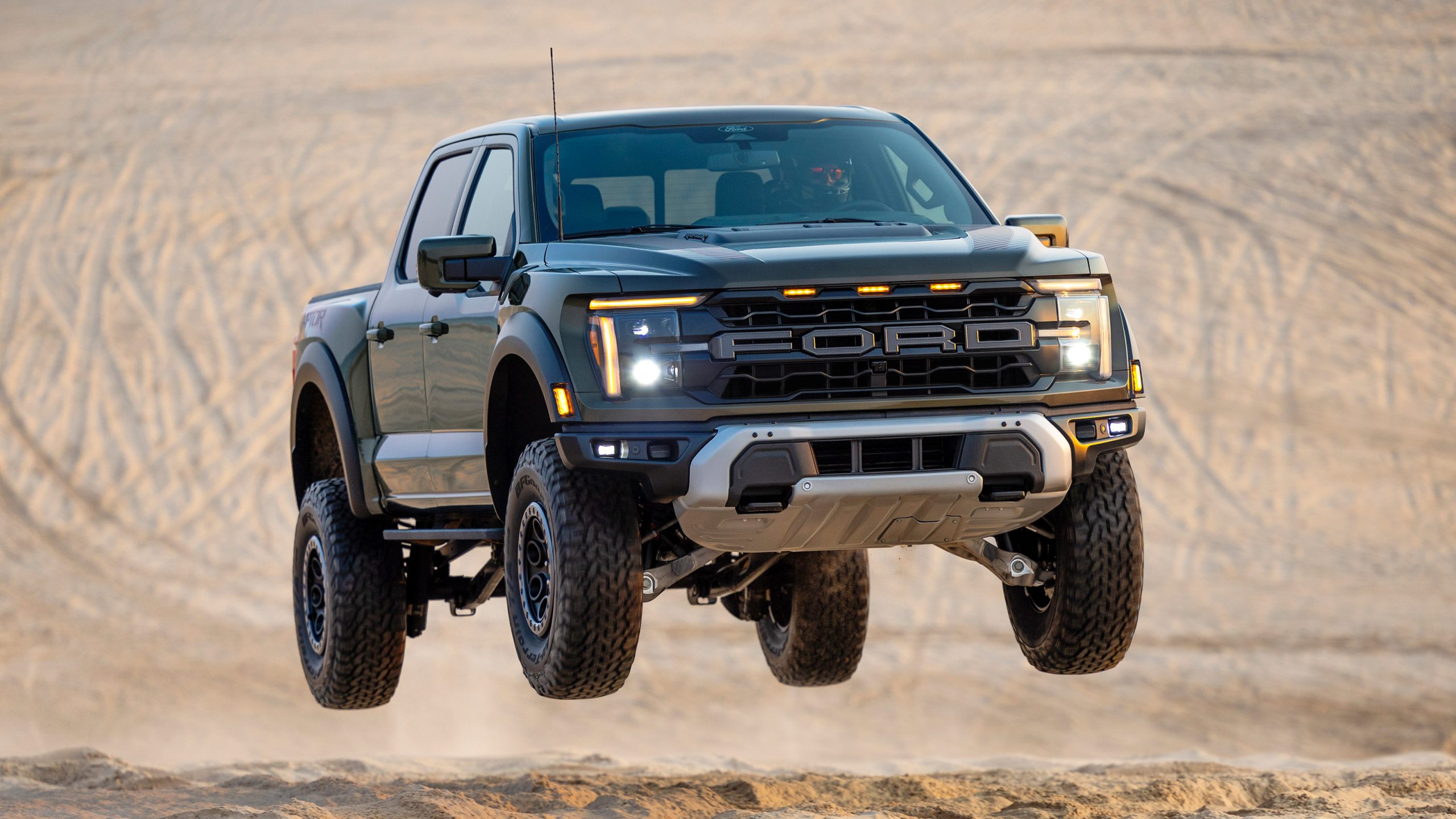
The Ford F-150 Raptor has carved out a distinct identity within the pickup truck segment by embodying a visual and functional toughness that few other trucks can match. Starting with its imposing front grille, the Raptor boldly displays “FORD” across the wide mesh, immediately signaling this is no ordinary pickup.
The grille design is both aggressive and purposeful, channeling airflow while creating a dominant face that commands respect on and off the road.
The front end’s boldness is complemented by sleek LED headlights that provide a piercing gaze, enhancing the truck’s menacing presence during day or night.
The entire front fascia balances ruggedness with aerodynamic efficiency, allowing the Raptor to perform admirably at high speeds while still looking like it can endure harsh conditions.
The Raptor’s wide stance is accentuated by its muscular wheel arches and oversized all-terrain tires. These features give the truck a planted, aggressive posture, as though it is ready to charge into any terrain without hesitation.
The suspension is visibly beefed up with heavy-duty Fox shocks, designed to absorb impacts on rocky trails, further adding to the tough image. Every curve and line on the bodywork seems to emphasize strength and durability, from the raised hood with heat extractor vents to the sculpted side panels that convey solidity and confidence.
The large skid plates peeking underneath not only protect vital components but also visually enhance the off-road readiness. This combination of visual and functional cues reinforces the truck’s identity as a high-performance beast.
Inside the Raptor, the rugged theme continues with a focus on both durability and driver engagement. The interior employs high-quality materials that can withstand mud, dirt, and rough usage, such as rubberized flooring options and heavy-duty cloth or leather upholstery with contrast stitching.
The seats are designed to hold occupants firmly during aggressive maneuvers, with bolsters that prevent sliding and enhance comfort over long drives.
Despite its rough-and-tumble persona, the cabin features modern technology such as a large touchscreen infotainment system, advanced navigation tailored for off-road adventures, and driver assistance systems that enhance safety and control.
This blend of toughness and sophistication ensures that drivers not only feel empowered behind the wheel but also enjoy comfort and convenience.
The Raptor has set a high bar in the segment, making it the benchmark for trucks that look and perform tough. Its widespread popularity among enthusiasts and adventurers alike is a testament to how effectively it conveys this powerful image.
2. Chevrolet Silverado ZR2
The Chevrolet Silverado ZR2 stands as a testament to how modern design and off-road capability can be combined to create a pickup that looks undeniably tough.
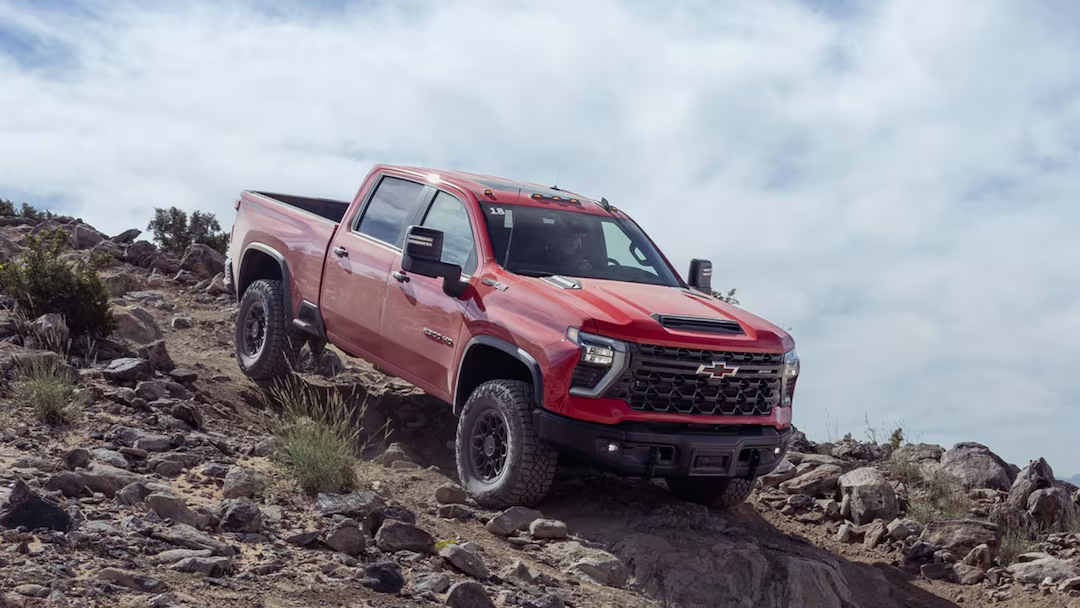
At first glance, the ZR2’s front end exudes confidence through its aggressive mesh grille, which features the iconic Chevrolet bowtie prominently positioned in the center.
The grille’s bold pattern is framed by sharp LED headlights and fog lights, which add a cutting-edge look that reinforces the truck’s aggressive stance. The front bumper is engineered not only for protection but also to maximize approach angles, enhancing the visual message that this truck is built to handle difficult terrain without hesitation.
The truck’s body is marked by powerful, muscular lines that emphasize strength and ruggedness. The flared wheel arches create a broader, more commanding stance, allowing room for large, aggressive all-terrain tires that grip the earth with authority.
The suspension lift raises the truck, increasing ground clearance and enhancing its ability to tackle rough paths. This elevated posture gives the Silverado ZR2 a strong road presence, ensuring it stands out in a crowd of less capable vehicles.
Skid plates and underbody guards are visible below the body, signaling the truck’s readiness to face harsh conditions. Functional side steps and reinforced mirrors add practicality without detracting from the truck’s tough appearance.
The color palette available for the ZR2 includes deep, earthy tones that complement its off-road purpose and further highlight its tough identity.
The overall effect is a pickup that looks capable and durable while maintaining an element of refinement and contemporary style. The ZR2 manages to project power without appearing bulky or outdated.
Inside, the Silverado ZR2 combines robust materials with advanced technology to reflect the truck’s tough exterior. The cabin features supportive, durable seats that hold occupants securely during off-road adventures.
Textured surfaces and rugged trim accents add to the sense of durability, while controls are designed for intuitive use even when wearing gloves or driving in challenging conditions.
The infotainment system offers connectivity and navigation tailored for off-road use, and driver assistance technologies increase safety and control in difficult environments. This thoughtful integration of technology and toughness makes the ZR2 an appealing choice for those who want a truck that looks as tough as it performs.
The Chevrolet Silverado ZR2 is an impressive package that successfully embodies toughness through design and engineering.
It blends aggressive styling, functional features, and modern technology to deliver a truck that stands out visually and performs at a high level in rugged environments. Its confident presence and purposeful details make it one of the toughest-looking pickups on the road today.
3. Toyota Tacoma TRD Pro
The Toyota Tacoma TRD Pro is a classic example of rugged styling paired with proven capability. Toyota has long been known for building reliable and tough trucks, and the TRD Pro trim takes this legacy to a new level with purposeful design choices.
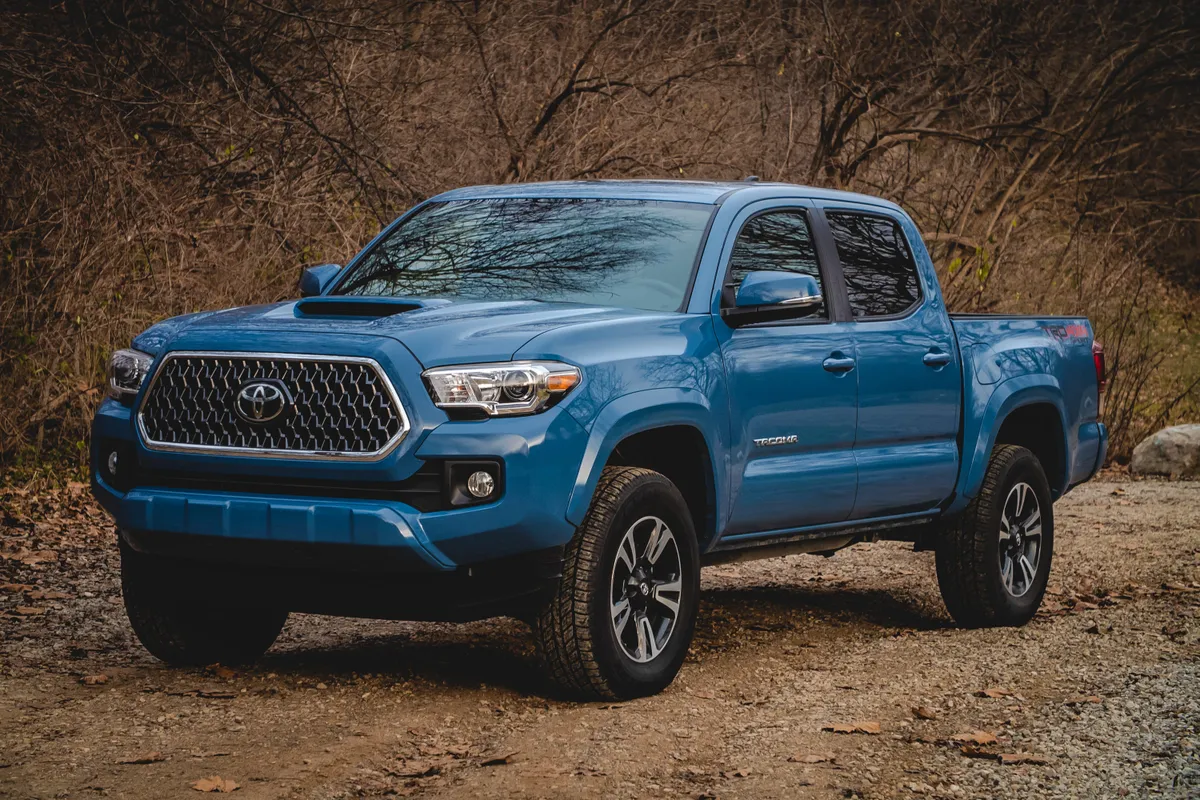
The front end features a bold grille with the Toyota logo prominently centered, flanked by sharp projector-beam headlights that offer both style and functionality.
The grille’s design is simple but effective, with a mesh pattern that conveys toughness without unnecessary complexity. The fog lights integrated into the bumper add to the truck’s readiness for adverse weather or off-road conditions.
The body of the Tacoma TRD Pro is carefully sculpted to enhance its aggressive stance. The widened fenders accommodate large all-terrain tires that boost both performance and visual impact.
The truck sits higher than standard Tacomas thanks to its specialized suspension setup, which includes upgraded shocks and springs designed for off-road handling.
This increased ride height not only improves ground clearance but also gives the truck a dominant posture. The blacked-out badging, skid plates, and subtle TRD Pro decals further emphasize the truck’s rugged personality.
The rear of the truck is equipped with a reinforced bumper and tow hitch, reinforcing its capability while maintaining a cohesive tough appearance.
Inside, the Tacoma TRD Pro’s interior supports the truck’s rugged exterior with materials and features suited for adventure.
The seats are designed for comfort and support during rough rides, often featuring durable leather or fabric with contrast stitching. Controls are laid out to be easily accessible, even in challenging driving conditions.
Toyota includes technology such as multi-terrain select, crawl control, and integrated navigation, all designed to enhance off-road performance. Despite the tough focus, the interior also provides enough comfort and convenience for everyday driving, striking a balance between functionality and refinement.
The Toyota Tacoma TRD Pro remains a favorite among off-road enthusiasts and those who want a pickup that genuinely looks and feels tough.
Its straightforward, purposeful design communicates strength without excess, embodying Toyota’s reputation for reliability and ruggedness. This truck’s appearance clearly signals it is built for serious adventure, making it a standout in the midsize pickup segment.

4. Ram 1500 TRX
The Ram 1500 TRX represents a bold statement in the pickup truck world, combining brute power with an aggressive and intimidating design. Its front grille dominates the truck’s face with a large, blacked-out “RAM” logo that immediately captures attention.
The grille is flanked by wide air intakes and angular LED headlights that give the truck a fierce expression, as if ready to pounce. The aggressive hood scoop and sharply sculpted fenders further contribute to the TRX’s wide and powerful stance, visually suggesting a vehicle that can deliver extreme performance.
The bodywork of the Ram 1500 TRX is characterized by sharp, angular lines that emphasize muscularity and toughness. The truck’s fenders are significantly flared to house massive off-road tires, giving it a broad and planted appearance.
Its suspension system is built for high-speed desert running and rugged trail handling, with visible components and suspension travel that reinforce the idea of performance capability.
The front bumper is tough and functional, designed to absorb impacts and protect the vehicle’s undercarriage during aggressive off-roading. Every detail, including the integrated side steps and rear diffuser, is geared towards maximizing both form and function.
Inside, the Ram TRX offers a luxurious yet rugged cabin experience. Premium materials such as leather and carbon fiber accents blend with durable plastics designed to withstand wear and tear. The seats provide exceptional support with aggressive bolstering for spirited driving and off-road conditions.
The technology suite is extensive, featuring large touchscreens, customizable displays, and advanced driver assistance features. Despite the truck’s rough exterior, the interior offers comfort and sophistication, creating a dual personality that appeals to enthusiasts who want both power and refinement.
The Ram 1500 TRX stands out as one of the most aggressive and tough-looking pickups available today. Its combination of bold design elements, high-performance hardware, and luxurious interior make it a unique vehicle that commands attention. The TRX’s visual presence perfectly mirrors its mechanical capabilities, making it a truck that is not only powerful but unapologetically tough in appearance.
5. GMC Sierra AT4
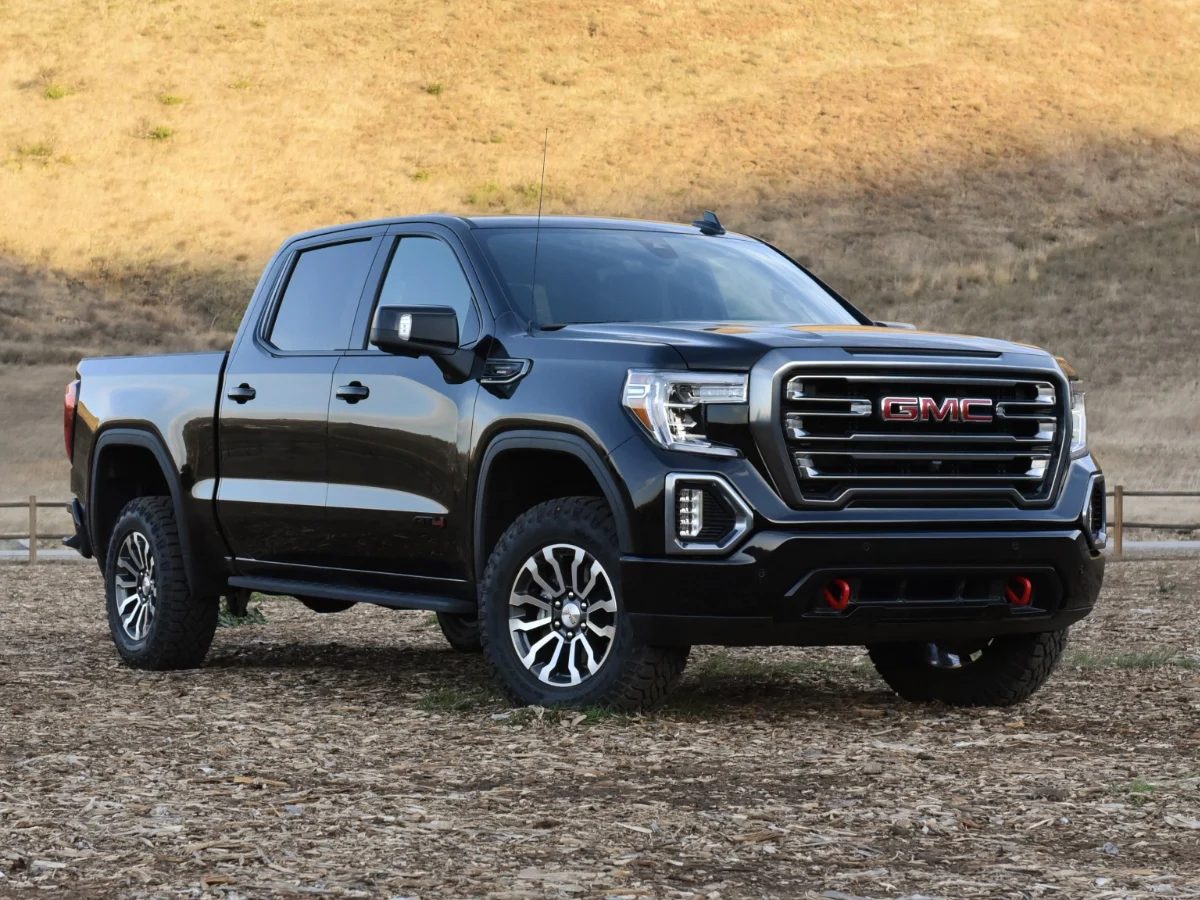
The GMC Sierra AT4 manages to balance luxury with ruggedness in a way that few other pickups achieve. Its front grille is a standout feature, characterized by a blacked-out, mesh-like pattern that provides a commanding and aggressive look. The large GMC badge at the center is unmistakable, anchoring the grille’s design with confidence.
The AT4 trim adds off-road-focused design elements such as skid plates, tow hooks, and a reinforced bumper, all of which communicate the truck’s capability and toughness without overwhelming the overall aesthetic.
The sharp LED headlights and distinctive C-shaped daytime running lights add a modern touch while maintaining an intimidating presence.
The Sierra AT4’s body proportions emphasize strength and durability. The truck has a wide stance with muscular fenders that give it a solid and stable appearance. Its suspension is lifted slightly compared to standard models, improving ground clearance and off-road performance.
Functional vents on the hood and sides not only aid in cooling but also add aggressive styling details. The all-terrain tires mounted on unique black alloy wheels complete the tough look, providing a sense of readiness for any challenge.
The balance between rugged design and premium finishes creates an appealing contrast that is unique to the AT4 trim.
Inside, the Sierra AT4 continues to impress with a combination of luxury and practicality. The cabin features high-quality materials such as leather upholstery with contrast stitching, durable trims, and wood or metal accents that elevate the interior’s feel.
The seats offer comfort and support for long drives, while the layout is designed for ease of use in demanding conditions. Technology is abundant, with a large infotainment screen, advanced navigation, and connectivity features tailored for both on-road comfort and off-road adventure. Despite its tough exterior, the Sierra AT4 does not compromise on driver and passenger comfort.
The GMC Sierra AT4 perfectly blends rugged capability with premium styling. Its exterior design communicates strength and resilience, while the interior offers a refined experience that sets it apart from more utilitarian pickups.
This combination makes the Sierra AT4 a top contender for buyers seeking a truck that looks tough and delivers a high level of comfort and technology. The careful balance of design elements ensures it stands out both on and off the road.
5 Pickups That Look Awkward
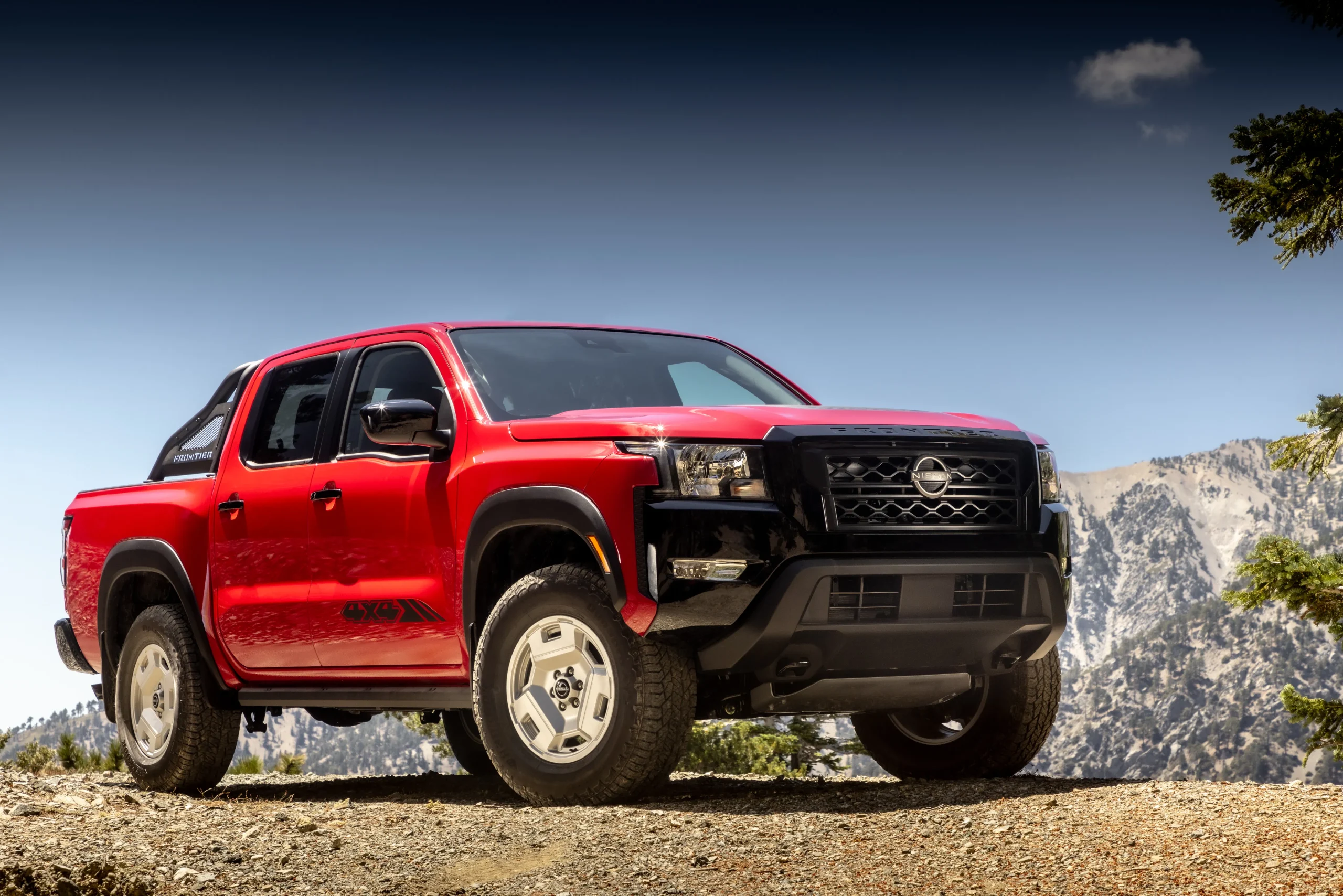
1. Nissan Frontier (Recent Model)
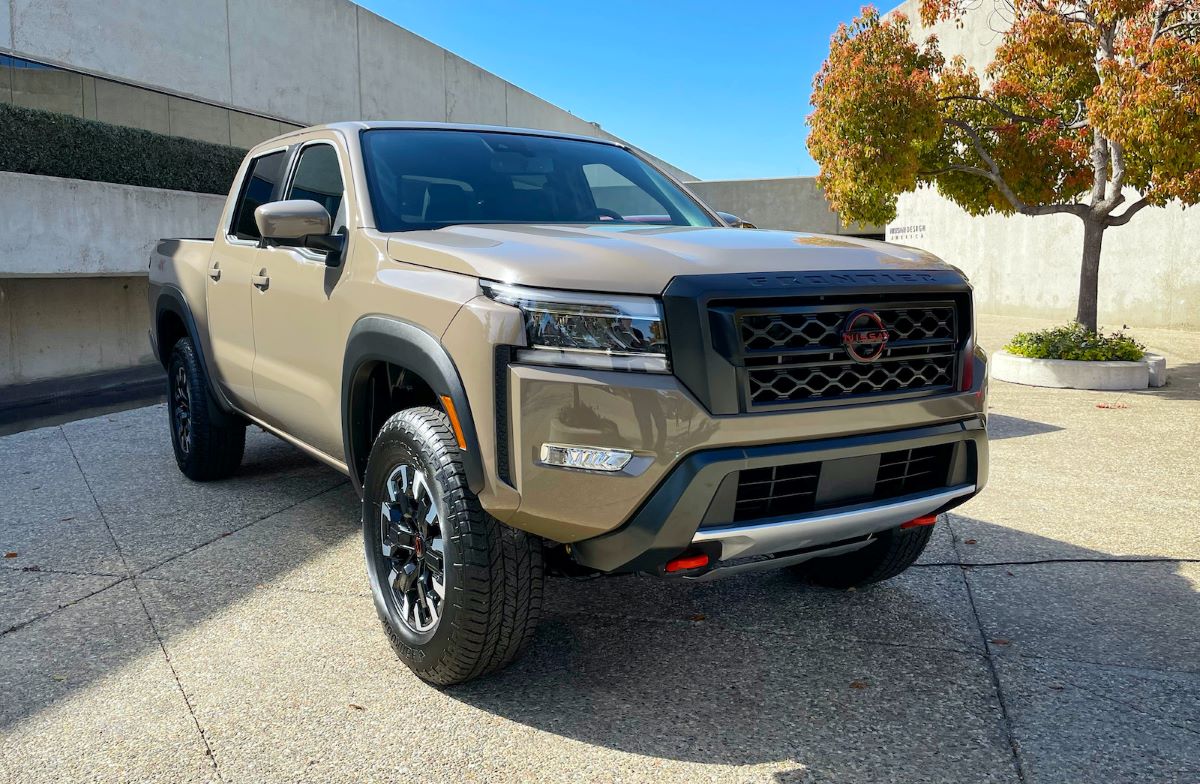
The recent Nissan Frontier has often been criticized for its awkward styling that seems stuck between old-school ruggedness and modern design trends. The front end, in particular, struggles with proportions. The grille is large and bulbous, with a thick chrome surround that feels out of place compared to the rest of the body.
It doesn’t flow naturally into the headlights, which are somewhat small and rounded for the size of the truck, giving the front fascia a disjointed look.
The bumper area adds to the confusion, featuring mismatched design cues that don’t complement the grille or headlights. This creates a front view that appears unbalanced and inconsistent, lacking the aggressive or confident stance expected from a midsize pickup.
Looking at the side profile, the Nissan Frontier attempts to maintain a muscular presence but falls short in execution. The body lines are somewhat awkward, with a boxy cabin and a bed that feels too short relative to the cab, disrupting the truck’s overall proportions.
The wheel arches are oddly shaped, neither fully rounded nor sharp, which contributes to a somewhat clumsy visual flow. The wheels themselves often look undersized or ill-fitted, further adding to the awkward appearance.
The side mirrors and door handles appear oversized, which does not help the truck’s balance. The combination of these elements leaves the Frontier feeling less like a cohesive design and more like a collection of mismatched parts.
At the rear, the Nissan Frontier continues its design struggles. The taillights are relatively small and set awkwardly against the tailgate, which features prominent creases that don’t seem to serve a clear aesthetic or functional purpose.
The bumper is bulky and somewhat disproportionate, making the rear end look heavier and less refined than the rest of the truck.
There is a lack of visual harmony between the rear and the rest of the body, making the truck feel less polished overall. The placement of badges and other trim elements also adds to the cluttered appearance, detracting from any sense of sleekness or confidence.
Inside, the Nissan Frontier’s awkward styling carries over to the cabin. The dashboard design is functional but lacks cohesion, with a mix of sharp angles and rounded elements that don’t quite blend. The materials feel dated and cheaper compared to competitors, which makes the interior seem less inviting.
The infotainment screen is small and awkwardly placed, making it hard to reach and operate comfortably. The overall interior layout doesn’t match the rugged exterior the truck tries to convey, which creates a disconnect for buyers looking for a pickup that feels tough both inside and out.
2. Mitsubishi L200 (Triton)
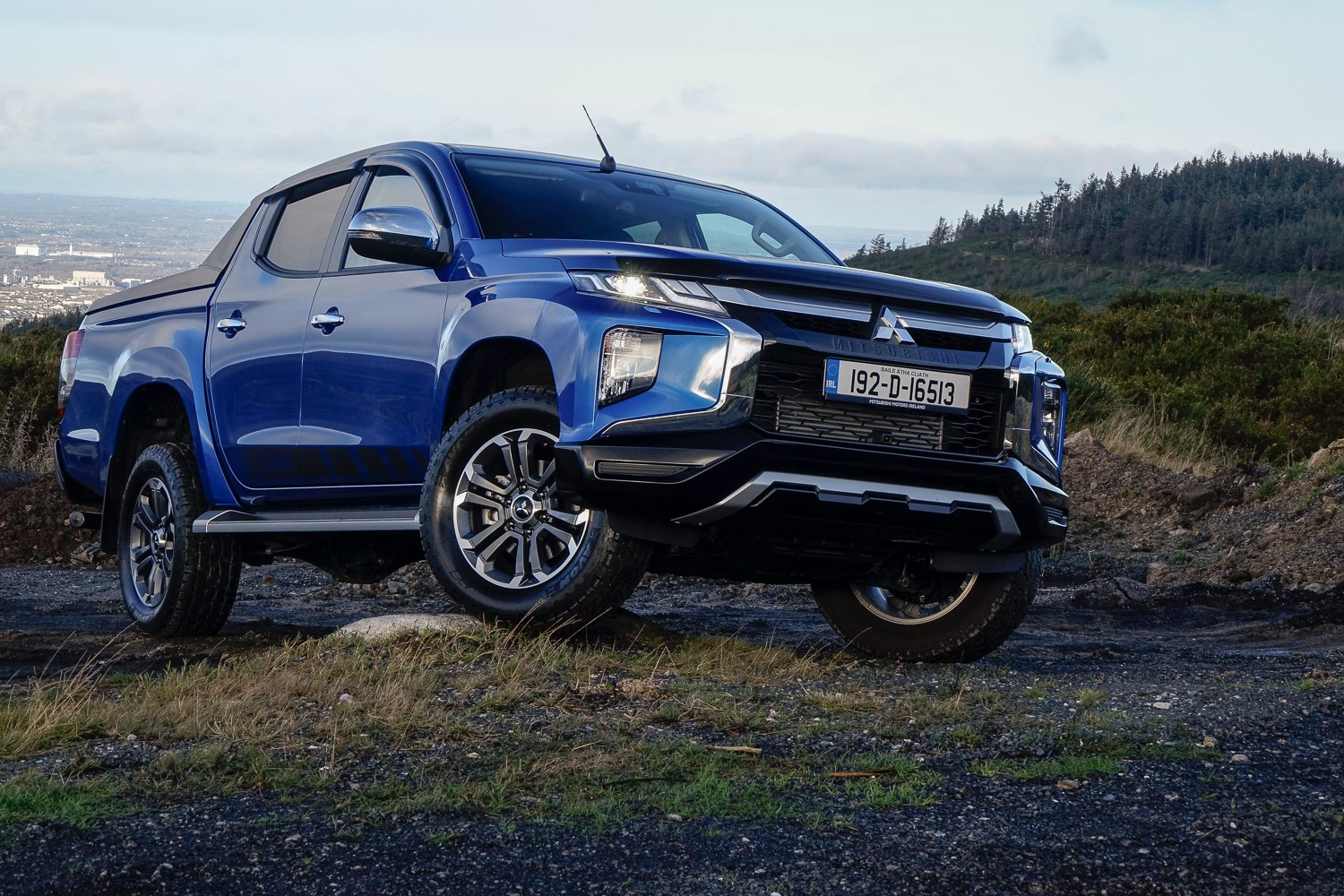
The Mitsubishi L200, known in some markets as the Triton, has a distinctive look that often divides opinions. Its front end attempts to be aggressive but ends up feeling somewhat awkward due to an overcomplicated grille design.
The grille features multiple chrome bars and thick plastic elements that don’t integrate smoothly with the headlights or bumper.
The headlights themselves are oddly shaped, tapering too sharply towards the edges and creating an unbalanced visual effect.
The front bumper is bulky, with large fog light housings that add to the cluttered appearance. Overall, the front of the L200 can come across as trying too hard to look tough but lacking a clear design language.
The truck’s side profile suffers from similarly awkward proportions. The L200’s cabin is somewhat squat, which makes the overall silhouette less imposing than other pickups. The wheel arches are squared off but don’t quite flow well into the body panels, creating a patchwork effect.
The side windows have a stepped design that disrupts the visual continuity, and the placement of the door handles and mirrors feels random rather than purposeful.
The wheels, often basic in design, do little to enhance the truck’s presence. This combination of elements results in a side view that looks less refined and more utilitarian, which may not appeal to buyers seeking a bold, confident pickup.
At the back, the Mitsubishi L200’s tailgate and rear lights also display a degree of awkwardness. The tailgate is relatively plain but includes some unnecessary lines and creases that don’t enhance the overall look. The rear lights are narrow and vertical, which can feel outdated in comparison to more modern horizontal light designs seen on competitors.
The rear bumper is simple but lacks styling to match the front’s aggressive attempt. This creates a rear view that feels uninspired and disconnected from the rest of the truck’s design elements. The overall effect is a pickup that looks somewhat disjointed rather than harmoniously tough.
The interior of the L200, while functional, mirrors the exterior’s awkwardness with an uninspired layout and outdated materials. The dashboard has a mix of soft-touch and hard plastics, but the overall design lacks fluidity or style. The center console is cluttered, with buttons and knobs that feel dated in their arrangement.
The seats offer decent comfort but do not feel particularly supportive or premium. While practical for work purposes, the interior fails to deliver the sense of toughness or modernity that some competitors achieve, making the L200 feel less appealing overall.
3. Honda Ridgeline (First Generation)
The first-generation Honda Ridgeline was an innovative approach to the pickup market but fell short when it came to the truck’s visual toughness. The front end features a grille that feels too small and soft compared to the size of the truck, with rounded headlights that lack aggression.
The overall design leans more toward a crossover than a traditional pickup, which undermines the tough image many buyers expect. The bumper is simple and lacks the rugged detailing seen on other trucks, contributing to a bland and awkward appearance that fails to inspire confidence on rough terrain or work sites.
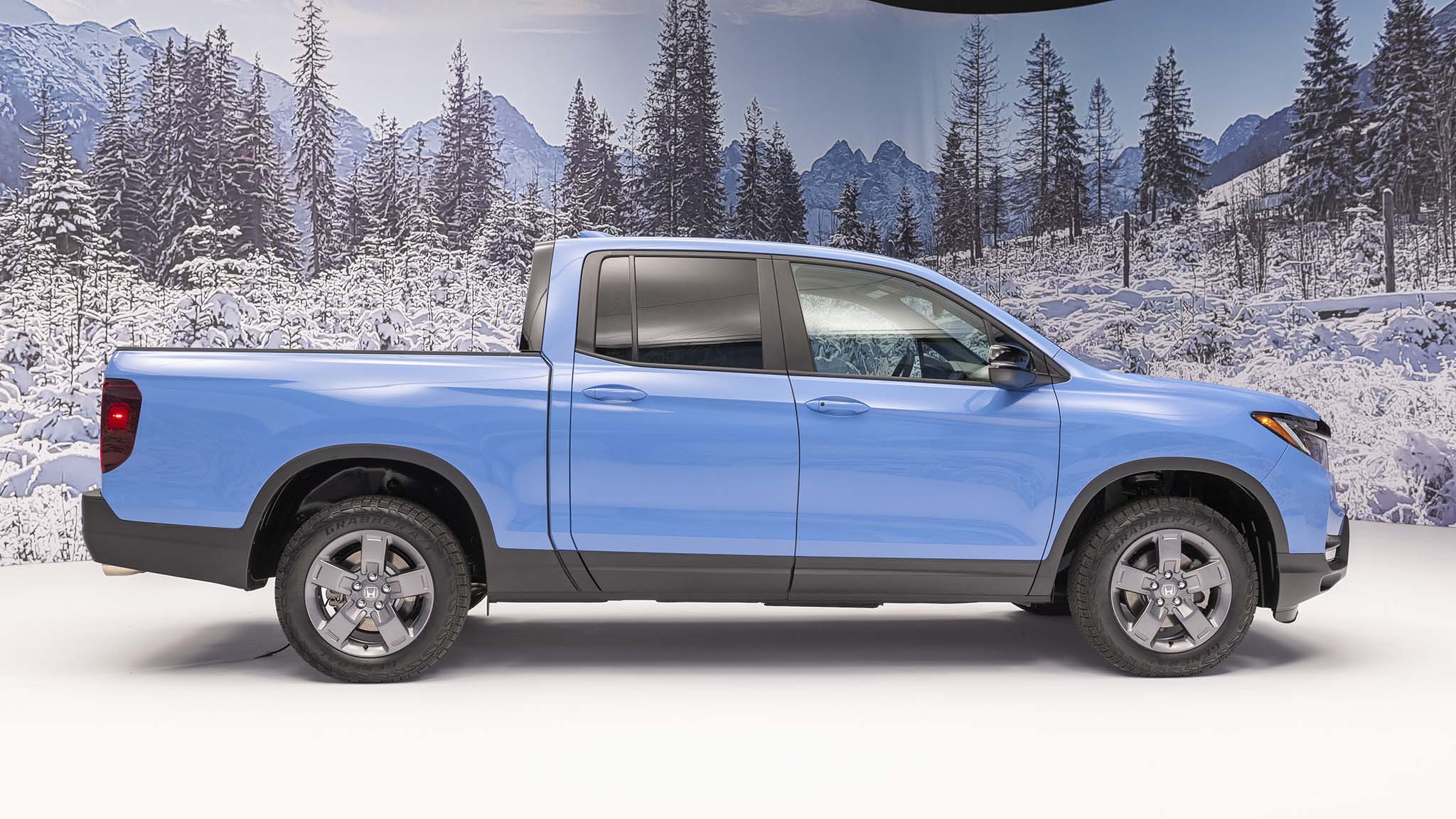
From the side, the Ridgeline looks awkward mainly because of its proportions and styling cues borrowed from SUVs. The wheel arches are subtle and do not convey the muscularity found in other pickups. The body lines are soft and curved rather than sharp or defined, which results in a less aggressive stance.
The cabin-to-bed ratio is unusual, with the bed appearing short and narrow compared to the spacious cabin. This contributes to a silhouette that feels unbalanced and out of place in a segment dominated by more traditionally tough-looking trucks. The wheels are often modest in design and size, further detracting from any sense of ruggedness.
At the rear, the Ridgeline’s design continues to challenge traditional pickup aesthetics. The tailgate is smooth and simple, lacking bold design elements or functional features like integrated steps or handles that contribute to toughness. The taillights are tall and thin, which can appear outdated or mismatched with the rest of the truck’s body.
The rear bumper is relatively low and lacks the robust styling that would complement a more rugged image. All these factors combine to make the Ridgeline’s rear view feel soft and awkward rather than tough and purposeful.
Inside, the first-generation Ridgeline was praised for comfort and innovation but did not convey toughness. The cabin had a car-like layout, with softer materials and a design that felt more at home in a family SUV.
While practical and user-friendly, the interior lacked the rugged textures, durable materials, and aggressive styling cues typical of tough pickups. The dashboard design and controls favored convenience over a tough aesthetic, creating a disconnect between the Ridgeline’s innovative design goals and the traditional expectations of pickup buyers.
4. Fiat Fullback
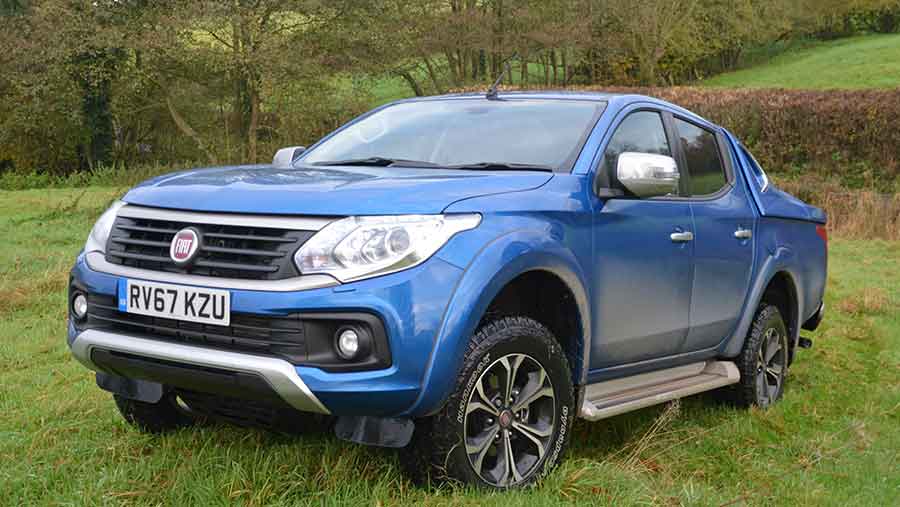
The Fiat Fullback, a rebadged Mitsubishi L200 for European markets, suffers from an awkward identity crisis in terms of styling.
The front end tries to blend Italian flair with rugged pickup cues but doesn’t quite succeed. The grille features a large chrome surround with horizontal slats that feel oversized and out of scale with the rest of the front fascia.
The headlights are somewhat generic and lack distinctive features, making the truck’s face look bland and unimpressive. The bumper design attempts to add toughness with integrated fog lights and plastic cladding but ends up cluttering the front view and detracting from any cohesive styling.
The side profile of the Fiat Fullback inherits the awkward proportions of its Mitsubishi counterpart. The cabin feels compact, while the bed looks short, upsetting the balance necessary for a confident stance. The wheel arches are squared but don’t flow well into the body lines, creating a boxy and awkward effect.
The door handles and mirrors feel oversized relative to the body, disrupting the truck’s proportions. The wheels are basic and fail to enhance the vehicle’s visual impact. These elements together create a side view that lacks the bold presence found in more confident pickup designs.
At the back, the Fiat Fullback again shows a lack of strong styling. The tailgate is plain, with minimal badging and little sculpting to give it personality. The taillights are small and vertical, contributing to an outdated and less aggressive look.
The rear bumper is simple and lacks the rugged details that would make the truck’s rear end feel more robust and purposeful. This creates a rear perspective that feels disconnected from the intended tough image, further contributing to the truck’s awkward overall appearance.
Inside, the Fiat Fullback’s interior is functional but uninspired. The dashboard design lacks flair, with a mix of cheap plastics and minimal styling elements.
The controls feel dated, and the infotainment system is less advanced than competitors, which detracts from the overall appeal.
The seats offer basic comfort but do not convey toughness or premium quality. The cabin feels more utilitarian than rugged, failing to match the expectations set by other tough-looking pickups in the market.
5. Jeep Gladiator (Early Models)
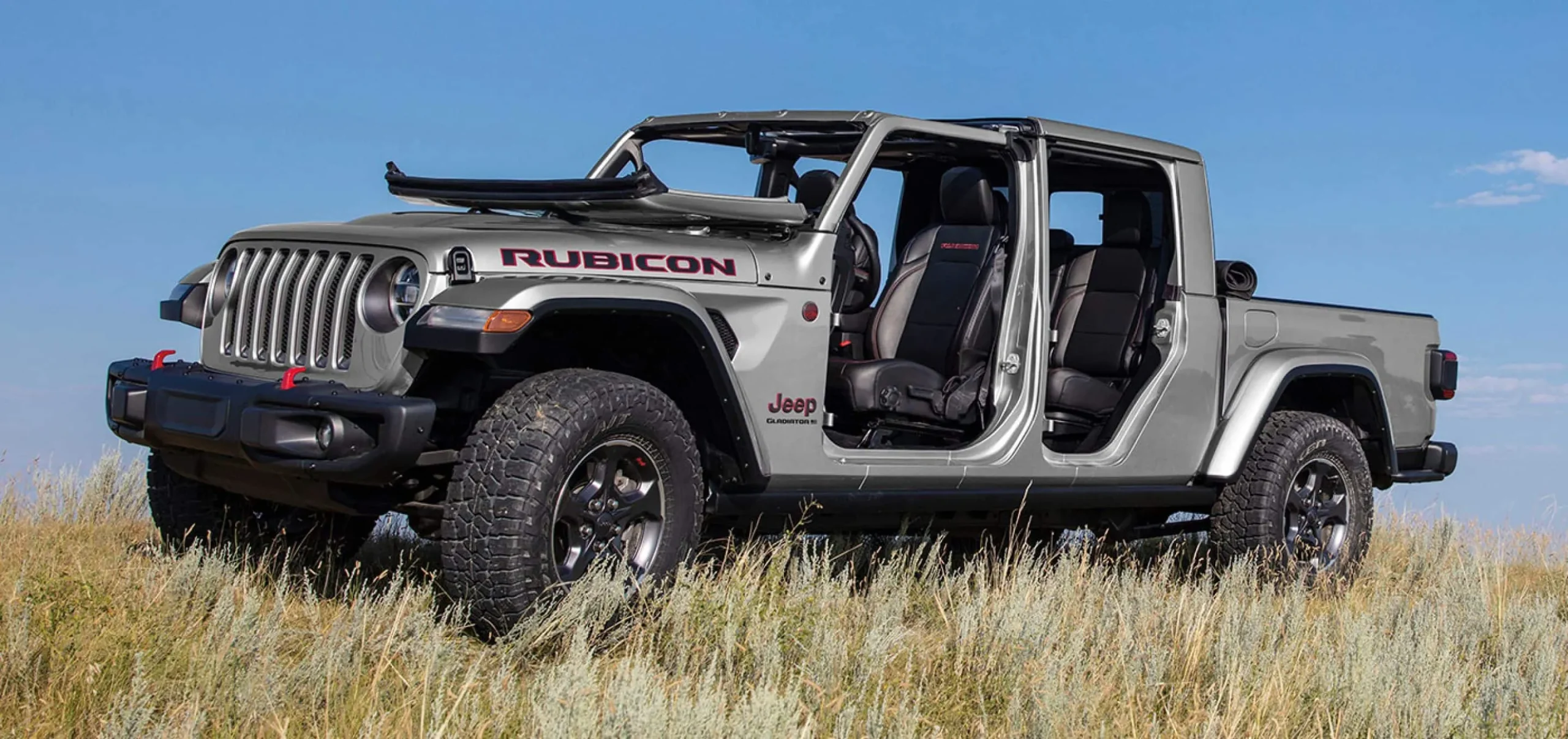
While the Jeep Gladiator has gained popularity for its unique blend of Jeep styling and pickup utility, early models received mixed feedback for their awkward design elements. The front end retains the classic Jeep grille with its seven slots, which is iconic but not necessarily aggressive or tough by pickup standards.
The round headlights are traditional Jeep elements but can feel out of place on a pickup meant to look powerful. The front bumper is large and bulky, but its integration with the rest of the design feels awkward, leading to a disjointed front view that struggles to balance Jeep heritage with pickup toughness.
The Gladiator’s side profile is a mix of ruggedness and awkward proportions. The truck is longer than most midsize pickups, which sometimes creates an odd visual flow between the extended bed and the cabin.
The wheel arches are rounded but not as pronounced as other pickups, leading to a stance that feels less planted and more tentative.
The flat sides lack sculpting or aggressive lines, which diminishes the visual impact. The door handles and mirrors are large and utilitarian but add to the overall boxy and somewhat awkward silhouette, which contrasts with the Jeep’s off-road reputation.
At the rear, the Gladiator offers a traditional pickup tailgate with Jeep branding, but the styling lacks boldness. The taillights are simple squares that look basic compared to the more aggressive lighting setups on rival trucks. The rear bumper is functional but lacks the rugged details that could tie the look together.
This makes the rear view feel somewhat bland and disconnected from the front’s heritage-driven styling. The combination of traditional Jeep cues and pickup elements doesn’t fully gel, resulting in an awkward overall appearance for some buyers.
Inside, early Gladiator models have a rugged but somewhat dated cabin design. The interior features durable materials suited for off-road use but lacks the modern styling or finishes found in newer trucks.
The dashboard retains Jeep’s classic circular air vents and rugged controls, which feel functional but not particularly refined. The infotainment system and technology suite lag behind competitors in terms of modernity and ease of use.
While the interior supports the truck’s off-road capabilities, it doesn’t convey the toughness or premium feel expected in the segment, leaving some buyers feeling the cabin is out of sync with the truck’s ambitious exterior design.
