
Automotive design has always balanced between fashion and function, and nowhere is that balance more visible than in the SUV market. These vehicles carry a sense of purpose, meant to blend everyday practicality with presence and identity.
Over the years, some SUVs have managed to maintain an ageless look, refusing to bow to passing trends or exaggerated design choices. Others, however, quickly reveal how fleeting modern styling can be.
What might look futuristic one year can seem dated just a few model cycles later. The line between classic and obsolete can be incredibly thin, and it often comes down to proportion, detailing, and the confidence of design execution.
Timeless design usually stems from simplicity and cohesion. SUVs that age gracefully often rely on clean lines, solid stance, and a clear identity that connects to the brand’s heritage.
When a vehicle looks good in any setting, from city streets to off-road trails, it carries a design language that outlasts short-lived styling trends.
These designs are built on principles that remain appealing no matter how the industry changes. Their creators understood restraint, and they built something that could carry through decades without requiring major redefinition.
On the other hand, some SUVs begin their lives with a burst of attention. They look bold, experimental, and exciting upon release, yet within a few short years, that same boldness becomes awkward.
Designers sometimes push the boundaries of fashion or rely too heavily on shapes that only feel modern for a moment. These vehicles often try to stand out through ornamentation or extreme detailing, but once trends shift, they are left looking dated and confused. The result is a design that doesn’t age with dignity.
This article compares five SUVs whose design language has proven timeless against five that have already begun to show their age. Each vehicle tells a story about how design philosophy, proportion, and restraint can determine whether a model remains admired years later or becomes a relic of its era.
5 SUVs With Timeless Design
1. Toyota Land Cruiser
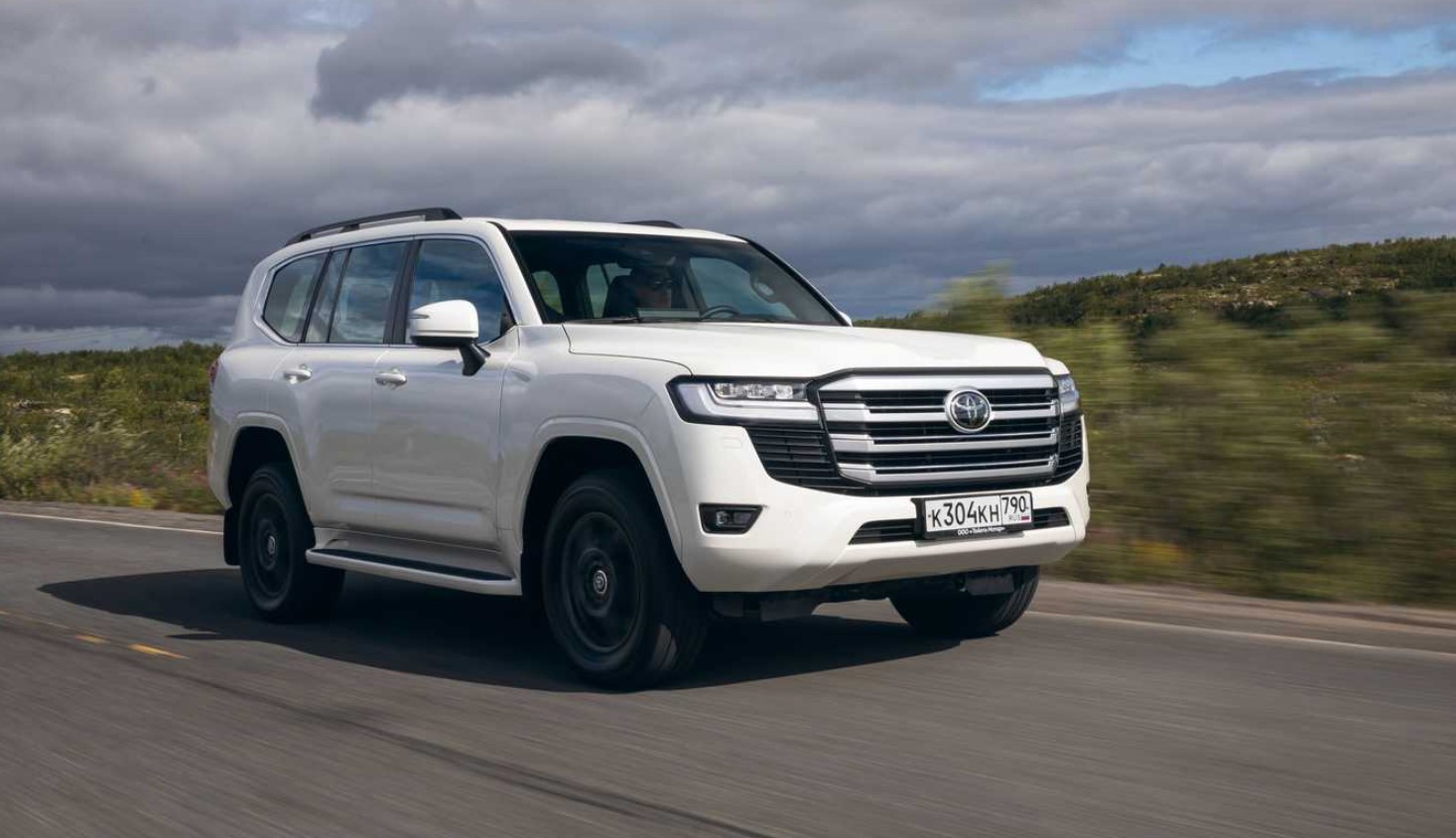
Few vehicles embody permanence like the Toyota Land Cruiser. Since its beginnings in the 1950s as a rugged, purpose-built off-roader, its form has remained grounded in strength and practicality. The visual stability of the Land Cruiser comes from its geometry.
Everything about its shape feels deliberate: the tall stance, the strong shoulder line, and the upright posture. Unlike many SUVs that follow contemporary fashion, the Land Cruiser has always been shaped by function first.
That connection between purpose and appearance has allowed it to maintain an unshakable visual identity through decades of evolution.
Part of the Land Cruiser’s timeless nature comes from Toyota’s restrained approach to redesigns. Every generation advances mechanically and technologically, yet the design language shifts only slightly. The front fascia modernizes through lighting and materials, but the basic symmetry remains.
The wheel arches retain a squared firmness, the body sides are free from unnecessary creases, and the entire vehicle communicates trustworthiness. There is something universally appealing about a design that prioritizes proportion over ornamentation. It speaks to drivers who value strength without exaggeration.
The Land Cruiser’s global reputation further reinforces its timelessness. It is not just an SUV; it is a cultural symbol of reliability. From deserts to mountain passes, its shape is recognized as a sign of endurance. People associate its appearance with dependability and authority.
Even in luxury-oriented versions, Toyota has never diluted this image. The body still carries an impression of capability rather than softness. The Land Cruiser’s look, therefore, transcends markets and eras, proving that function-driven design remains visually relevant.
Over time, the world has seen countless SUVs come and go, each chasing stylistic attention through curves, chrome, or drama. Yet, the Land Cruiser’s steady silhouette still feels right today. Its proportions have the kind of balance that never requires justification.
The vehicle’s designers understood that authenticity outlives fashion. That is why a decades-old Land Cruiser still commands respect beside brand-new models. It is the rare SUV that doesn’t just age gracefully; it seems immune to time altogether.
2. Range Rover
The Range Rover has been the benchmark of refined SUV design for over half a century. Since its introduction, it has balanced utilitarian purpose with elegance, creating a shape that instantly communicates sophistication.
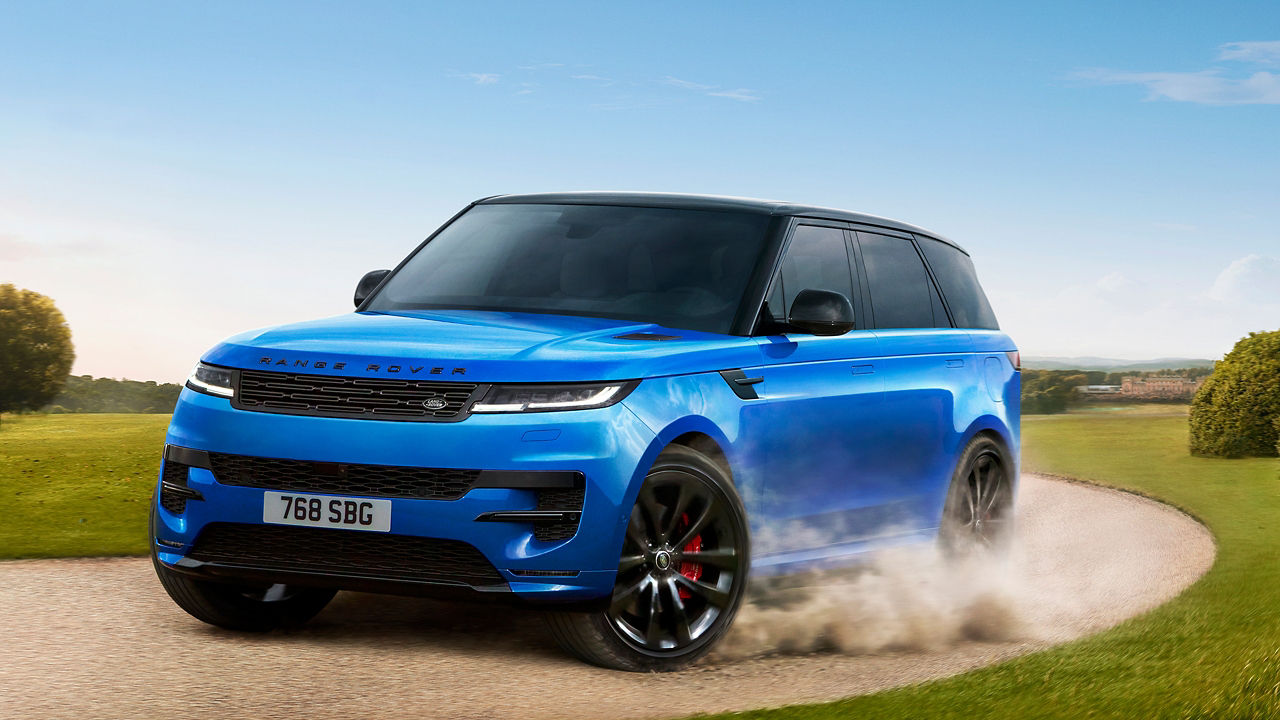
The defining traits, floating roof, strong shoulder line, and uncluttered panels, have remained constant through generations. That continuity is not a limitation but a strength, as it reinforces brand identity.
When a Range Rover appears, there is immediate recognition, and that familiarity breeds trust and admiration. The brilliance of the Range Rover’s design lies in its proportion.
The body maintains a commanding stance without aggression, and the relationship between the roof, glasshouse, and body panels feels meticulously balanced. This equilibrium prevents the vehicle from appearing dated.
Many SUVs grow bloated or overly sculpted with each redesign, yet the Range Rover’s designers rely on evolution rather than reinvention.
By refining details like lighting integration, trim minimalism, and subtle curvature, they keep the design fresh while preserving its essence.
Another reason the Range Rover continues to look timeless is its clarity of purpose. It communicates luxury not through embellishment but through refinement.
The surfaces are clean, the edges controlled, and the visual message deliberate. Even older models possess a quiet dignity that never feels obsolete.
This restraint ensures that each generation looks compatible with both its predecessor and successor. Such visual harmony is rare in automotive design, where change often comes at the expense of continuity.
Cultural perception also plays a role. The Range Rover has become synonymous with tasteful sophistication, admired by those who prefer understated confidence to flamboyance.
Whether driven through rural estates or modern city centers, its design fits naturally. It doesn’t scream for attention; it commands it effortlessly. That quality, the ability to remain relevant across environments and decades, is the true measure of timeless design.
3. Jeep Wrangler
The Jeep Wrangler stands as a testament to the power of consistency in design. Its DNA traces directly back to the World War II Willys Jeep, and even after decades, its appearance maintains a lineage that feels authentic.
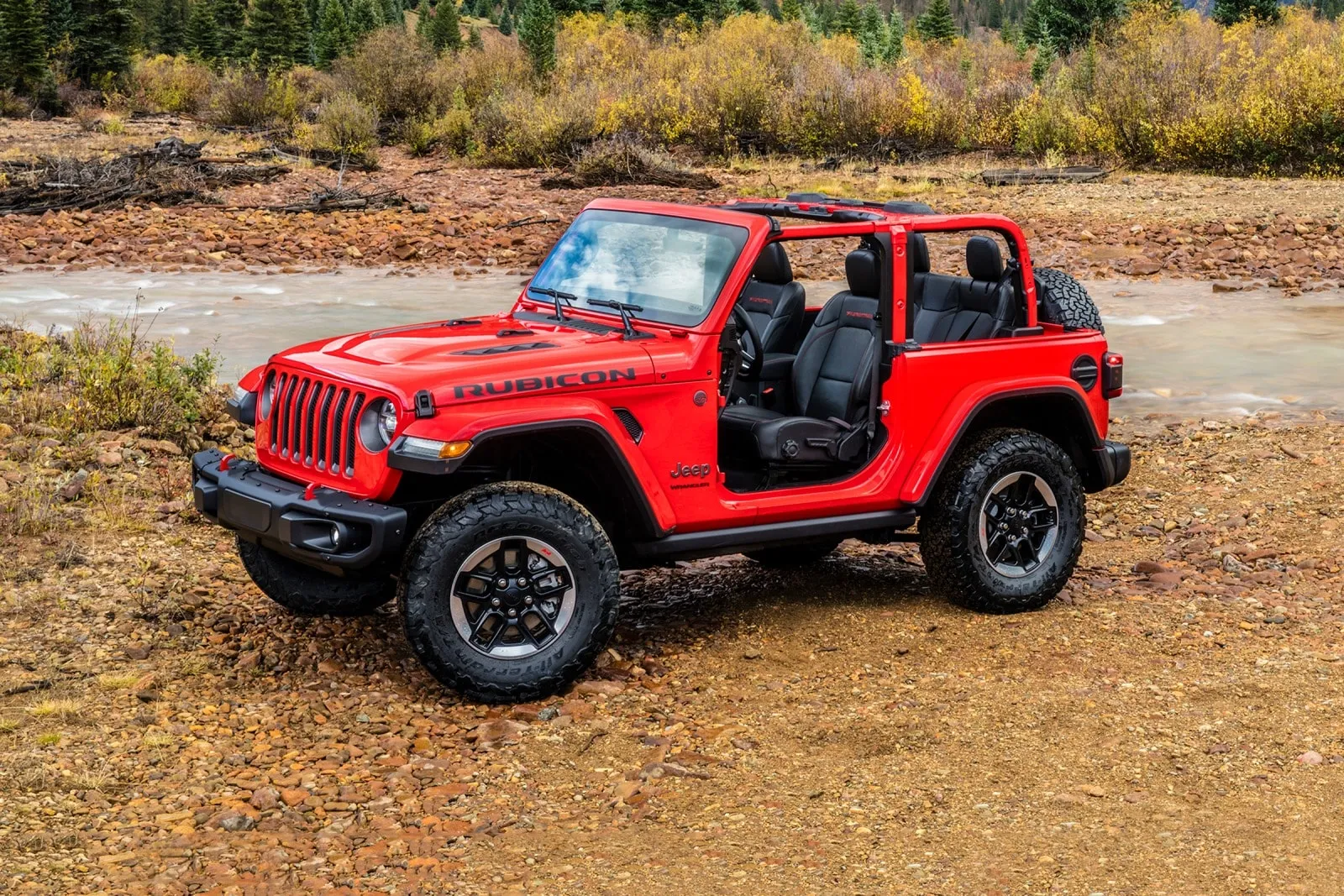
The squared body, circular headlights, and seven-slot grille are not nostalgic decorations but functional symbols. Every Jeep generation carries these traits forward because they define what the vehicle represents, freedom, resilience, and adventure. The Wrangler’s design endures because it refuses to become ornamental.
Each generation of the Wrangler makes small adjustments for aerodynamics, safety, and comfort, but the identity stays unaltered. The upright stance, visible hinges, and exposed wheel arches celebrate mechanical honesty. This refusal to smooth away character gives the Wrangler its timeless appeal.
It looks like what it is meant to be: a vehicle that can cross mud, rocks, or snow with ease. Many SUVs today borrow toughness through cosmetic gestures, yet few deliver the real capability behind it. The Wrangler’s form reflects its function, and that directness never gets old.
A key reason for its lasting charm is emotional resonance. The Wrangler doesn’t just represent mobility, it represents an idea of freedom.
Owners form strong connections with its character because its design invites participation. Removable doors and roof panels turn the vehicle into an experience rather than a product.
This interactivity has helped it maintain relevance across generations and demographics. It feels classic without being outdated, adventurous without being impractical.
Even as competitors introduce futuristic shapes, the Wrangler remains instantly recognizable. Its silhouette is part of American automotive heritage, yet it appeals globally because authenticity has universal appeal. It demonstrates that modern design does not always mean constant reinvention.
Sometimes, evolution within clear boundaries creates the most enduring results. The Jeep Wrangler proves that staying true to purpose can be the most forward-looking decision of all.
4. Mercedes-Benz G-Class
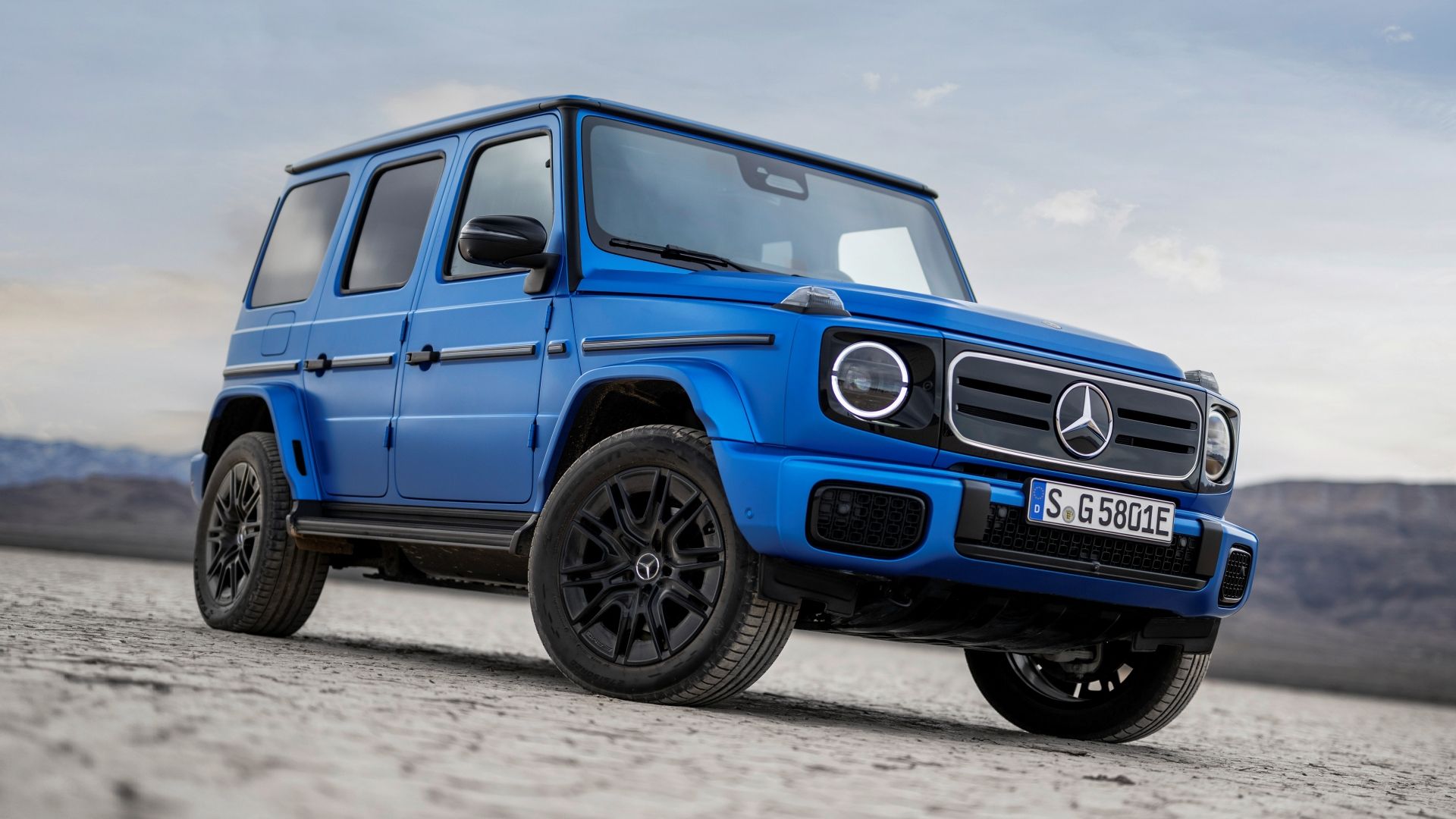
The Mercedes-Benz G-Class occupies a rare space in design history. Originally engineered as a military vehicle in the late 1970s, it evolved into a luxury icon without compromising its utilitarian form. Its shape, rectangular, upright, and purposeful, has barely changed in over four decades.
That persistence is what makes it timeless. Where most manufacturers overhaul their vehicles every few years, Mercedes treats the G-Class as a sculpture that only needs careful polishing.
The G-Class’s design success lies in geometry. Straight lines, flat glass, and a box-like cabin create visual order. The design feels pure and deliberate.
While competitors add flowing surfaces or exaggerated details, the G-Class resists temptation. It looks strong without effort.
The exposed door hinges, round headlights, and vertical sides emphasize honesty in engineering. Every feature seems to exist for a reason, and that functional clarity creates visual endurance.
Even as technology has modernized the vehicle, Mercedes has maintained respect for tradition. Designers refine only what must be refined, subtle lighting updates, smoother edges, and integrated sensors ,but the shape remains sacred.
This balance between modernization and preservation shows how timeless design can coexist with innovation. It’s not nostalgia that keeps the G-Class relevant; it’s coherence. Every part still relates to the original idea.
The G-Class also benefits from cultural symbolism. It represents power and stability in both rugged and urban environments. Whether crossing rough terrain or cruising city streets, it maintains the same confident identity.
That universality ensures it will always feel current. The G-Class’s appeal endures because it never follows design fads; it leads by example, showing that authenticity is the expression of luxury.
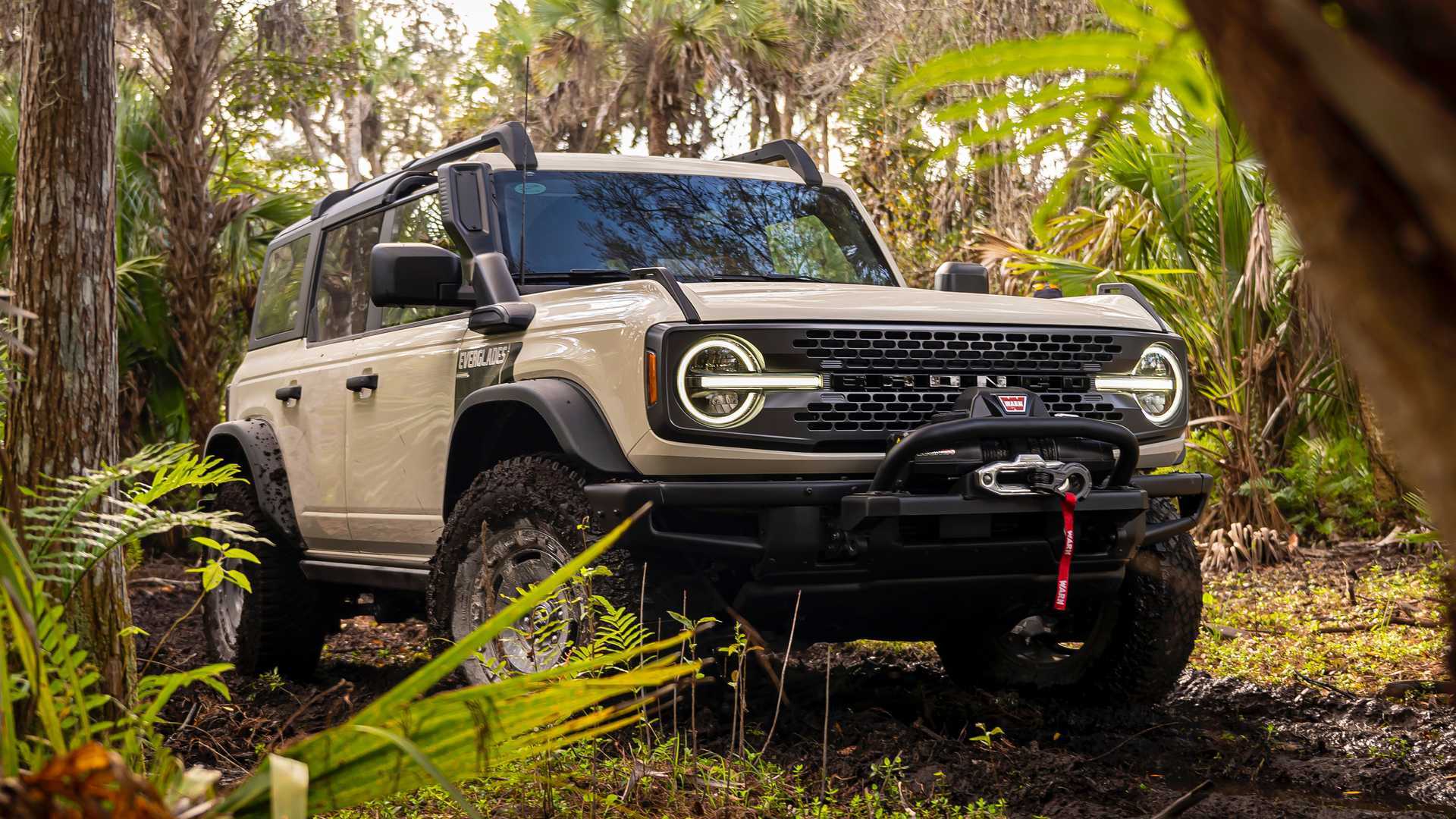
5. Ford Bronco
The Ford Bronco’s revival proved that classic design can be successfully reimagined for a new era. Instead of discarding its heritage, Ford embraced it.
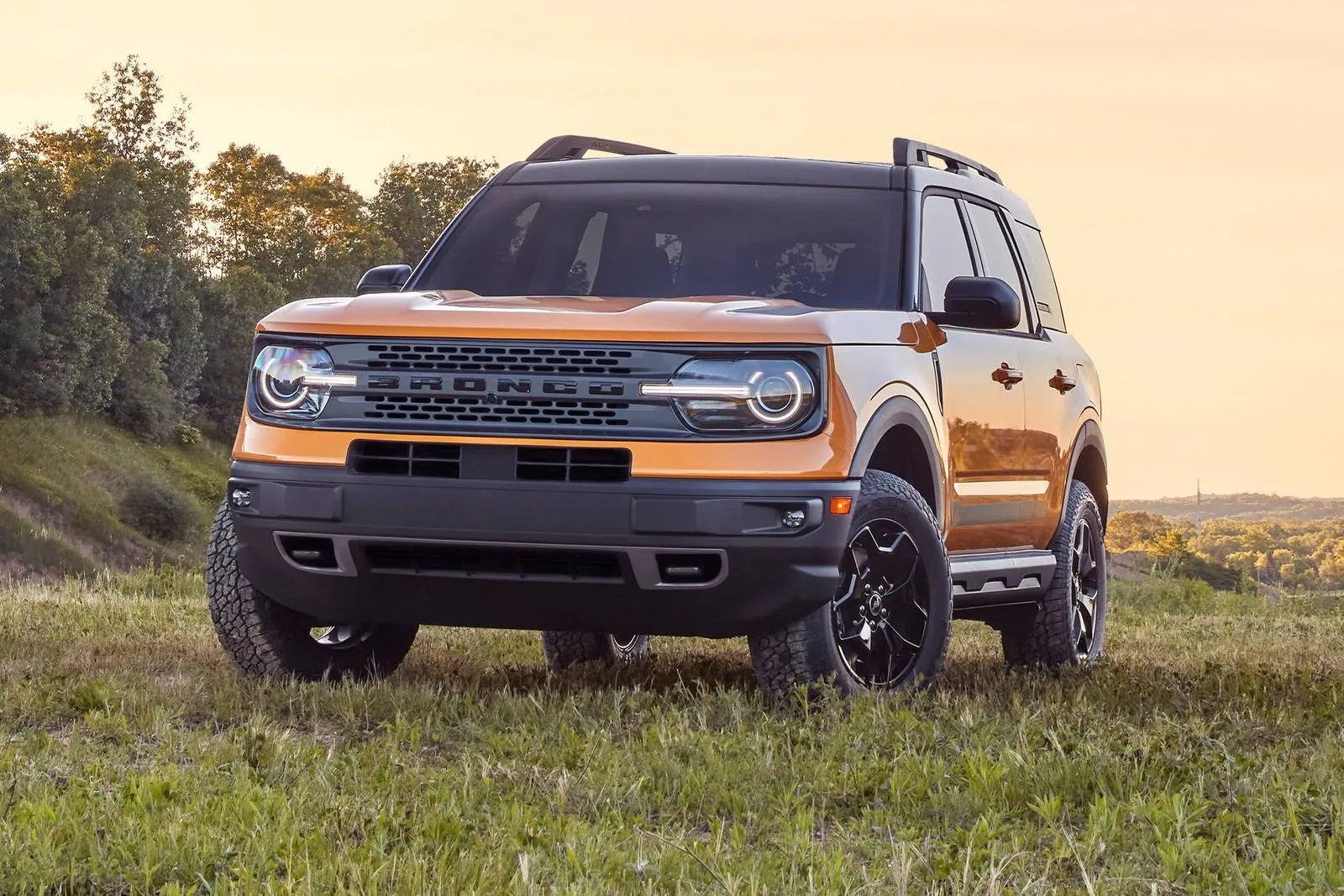
The modern Bronco retains the upright lines, round headlights, and short overhangs that made the original beloved, yet everything feels fresh and thoughtfully reinterpreted. Its designers achieved what many fail to do: create a vehicle that feels nostalgic and modern at the same time.
The Bronco’s proportions play a central role in its timelessness. The wide stance, tall cabin, and squared shoulders establish visual strength without exaggeration.
Each element appears purposeful. Even the detailing, such as the bold lettering across the grille, recalls vintage simplicity rather than trend-driven aggression.
The surfaces are clean, the geometry logical, and the balance pleasing to the eye. Such proportional discipline ensures that the Bronco’s design will remain appealing long after newer models appear.
Another factor contributing to its enduring look is modularity. The Bronco’s removable doors and roof make it adaptable, appealing to both adventurers and daily commuters. This sense of freedom, built into its design, keeps it from feeling tied to a single era.
A well-proportioned body combined with functional flexibility results in a design language that will age with character rather than obsolescence. The vehicle feels alive because it invites interaction rather than passive admiration.
Beyond aesthetics, the Bronco’s return carries emotional weight. It reminds people of an earlier automotive spirit, one that valued exploration and individuality. That emotional connection ensures it will retain its charm even as tastes evolve.
The Bronco stands as an example of how heritage, when respected and updated with skill, can create something timeless. It’s proof that great design isn’t about constant reinvention but about rediscovering what already worked and making it relevant again.
5 SUVs That Already Look Old
1. Nissan Murano
When the Nissan Murano first arrived, it was praised for its daring curves and futuristic personality. It introduced a softer, more emotional language into a market that was dominated by boxier, utilitarian SUVs.
At launch, this approach felt brave. Yet, the same exaggeration that made it distinctive eventually became the reason it aged poorly.
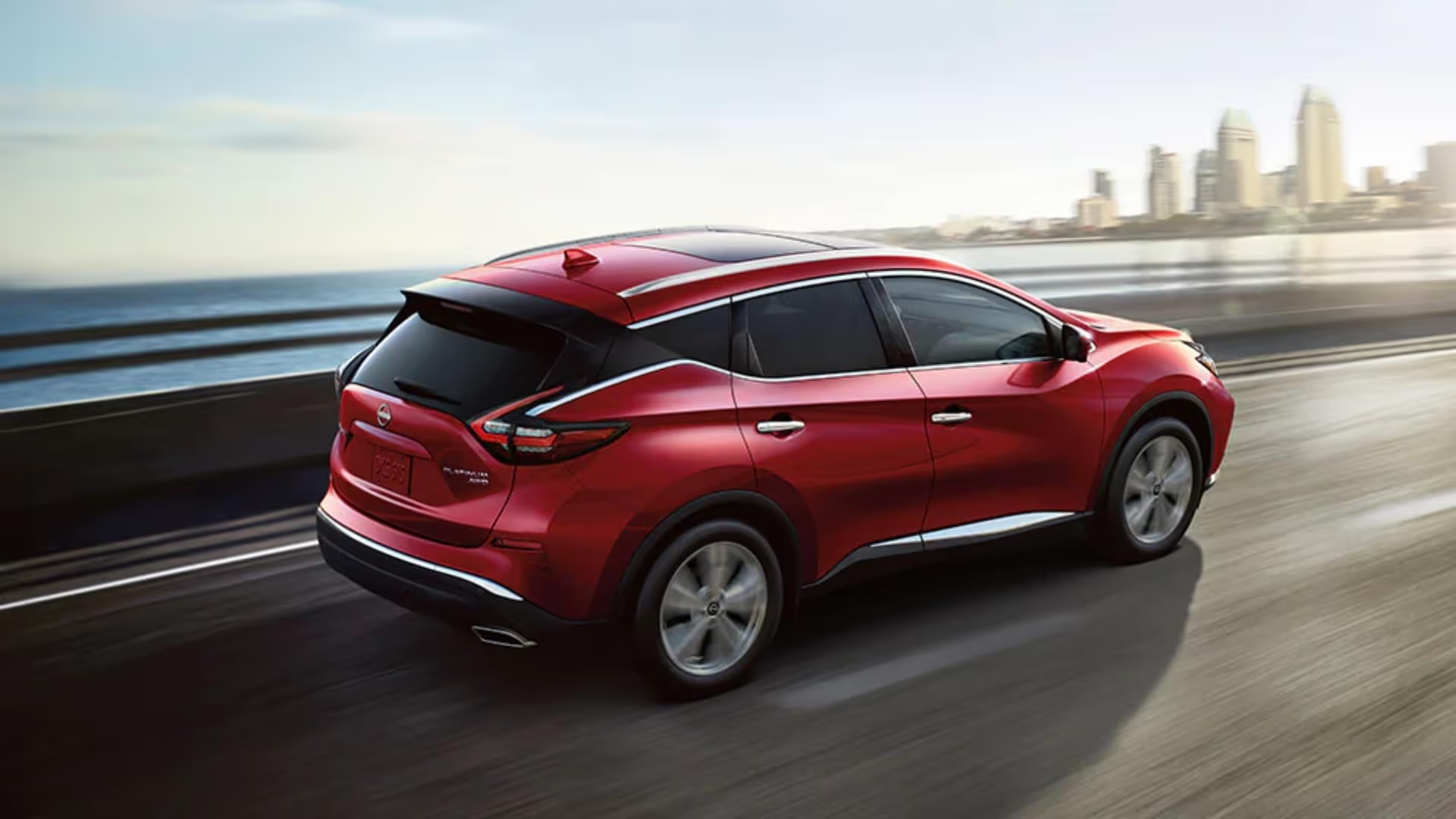
The rounded fenders, oversized grille, and swooping roofline once seemed imaginative but now appear heavy and unbalanced. The Murano’s shape reflects a period in automotive design when excess curvature was mistaken for progress. That style has not aged gracefully.
The Murano’s front end has always been a focal point, and unfortunately, it has not worn time well. The large headlights and layered grille attempt to project sophistication, but the composition lacks unity.
As other manufacturers moved toward cleaner, more geometric designs, the Murano’s complex face began to feel chaotic.
Each refresh added more texture, chrome, mesh, and angles, yet none of it restored visual harmony. The problem lies in how its design chases attention rather than balance. A timeless front end should convey simplicity and coherence, not confusion.
From the side, the Murano suffers from awkward proportions. The high beltline, thick rear pillar, and drooping roof combine to create a body that looks heavy at the back and thin at the top. This imbalance breaks visual stability, giving the impression of a vehicle trying too hard to appear dynamic.
It lacks the natural stance that timeless SUVs share. The wheel arches, which are overemphasized, further distort the design, making it appear bulbous rather than strong.
These exaggerated shapes worked in an era obsessed with futuristic expression, but they no longer align with the restrained modern aesthetic.
The Murano illustrates how overdesign can accelerate visual aging. Its styling choices might have looked bold in a showroom, but they lacked lasting structure. Design that depends on ornamentation fades quickly once trends shift.
Nissan could have evolved the Murano into something cleaner and more architectural, yet instead, it remained trapped in a style language that now feels outdated. It stands as a reminder that moderation and proportion age better than decoration and drama.

2. Honda HR-V
The Honda HR-V entered the compact SUV segment with an energetic image aimed at younger buyers, but its design has not stood the test of time. At launch, it offered a blend of coupe-inspired curves and utility-focused practicality, yet the combination never truly settled into harmony.
The HR-V’s body shape feels caught between a sporty hatchback and an SUV, leaving it with proportions that lack clarity. A timeless vehicle usually possesses a strong, singular identity, but the HR-V’s styling struggles to define what it wants to be.
The front design contributes heavily to this sense of confusion. The oversized headlights and busy grille create an impression of effort rather than elegance.
Honda’s designers attempted to inject character by layering shapes and chrome elements, but the result feels excessive.
The nose of the car appears inflated, which disrupts the otherwise compact frame. Over the years, as other automakers refined their small SUV designs toward minimalism, the HR-V’s complex front end began to look old-fashioned, as though it still belonged to a different design decade.
Moving along the side profile, the HR-V’s visual inconsistencies become even clearer. The upward-sweeping lines, high beltline, and narrow windows generate a sense of top-heaviness.
The hidden rear door handles were once considered innovative, yet they now read as gimmicky, a styling trick rather than a functional improvement.
The rear fender arches feel disconnected from the rest of the design, producing a sense of imbalance. Rather than appearing athletic, the HR-V gives off an awkward stance that undermines its original youthful intent.
The rear design completes the cycle of overcomplication. Sharp angles, multiple surface layers, and a split taillight design create unnecessary visual noise. As time has passed, these elements have not aged with dignity.
Newer SUVs with simpler, cleaner rears make the HR-V appear dated and indecisive. Honda’s newer models already show a shift toward smoother, more proportionate styling, which highlights how out of step this generation of HR-V has become. It is a clear example of how design that lacks cohesion can quickly lose relevance.

3. Chevrolet Trax (Earlier Generations)
The first-generation Chevrolet Trax represented an attempt to enter the small SUV market with a design that appeared rugged yet compact. However, that attempt resulted in a car that looked awkwardly proportioned from the very beginning.
Its tall cabin and narrow width gave it a stance that felt unsteady, and its abundance of surface detailing only emphasized its odd shape. From the start, it struggled to find the balance between tough and urban, and this confusion caused it to age almost instantly.
The front of the Trax embodies the kind of design that tries to look modern through excess. A large grille dominates the fascia, while the headlights and fog lights fight for attention rather than complementing each other.
The overlapping elements create a busy expression, lacking the calm and confidence that characterize timeless design.
The use of black plastic cladding around the lower body was meant to add ruggedness, but it instead highlights the vehicle’s narrow stance, making it appear taller and thinner than it is. This distortion of proportion prevents it from ever feeling settled.
On the side, the Trax reveals more of its visual struggle. Deep character lines cut across the body with little rhythm, and the small wheels relative to the body height further weaken its stance.
The result is a vehicle that looks like it was scaled up from a smaller car rather than designed from the ground up as an SUV.
Timeless vehicles usually express strength through balanced geometry; the Trax, on the other hand, conveys instability. Its attempt to blend city sophistication with off-road readiness leaves it stranded between two visual languages.
The interior updates and later facelifts couldn’t rescue its aging exterior. The styling simply lacked the foundational proportions necessary to evolve gracefully. Chevrolet’s redesign of the Trax in later years proves that the company recognized this flaw.
The newer design is cleaner and more mature, while the original version remains a relic of an era when surface complexity was mistaken for character. The first-generation Trax serves as a textbook case of how overcompensating with detail can shorten a vehicle’s visual lifespan.
4. Hyundai Tucson (Previous Generation)
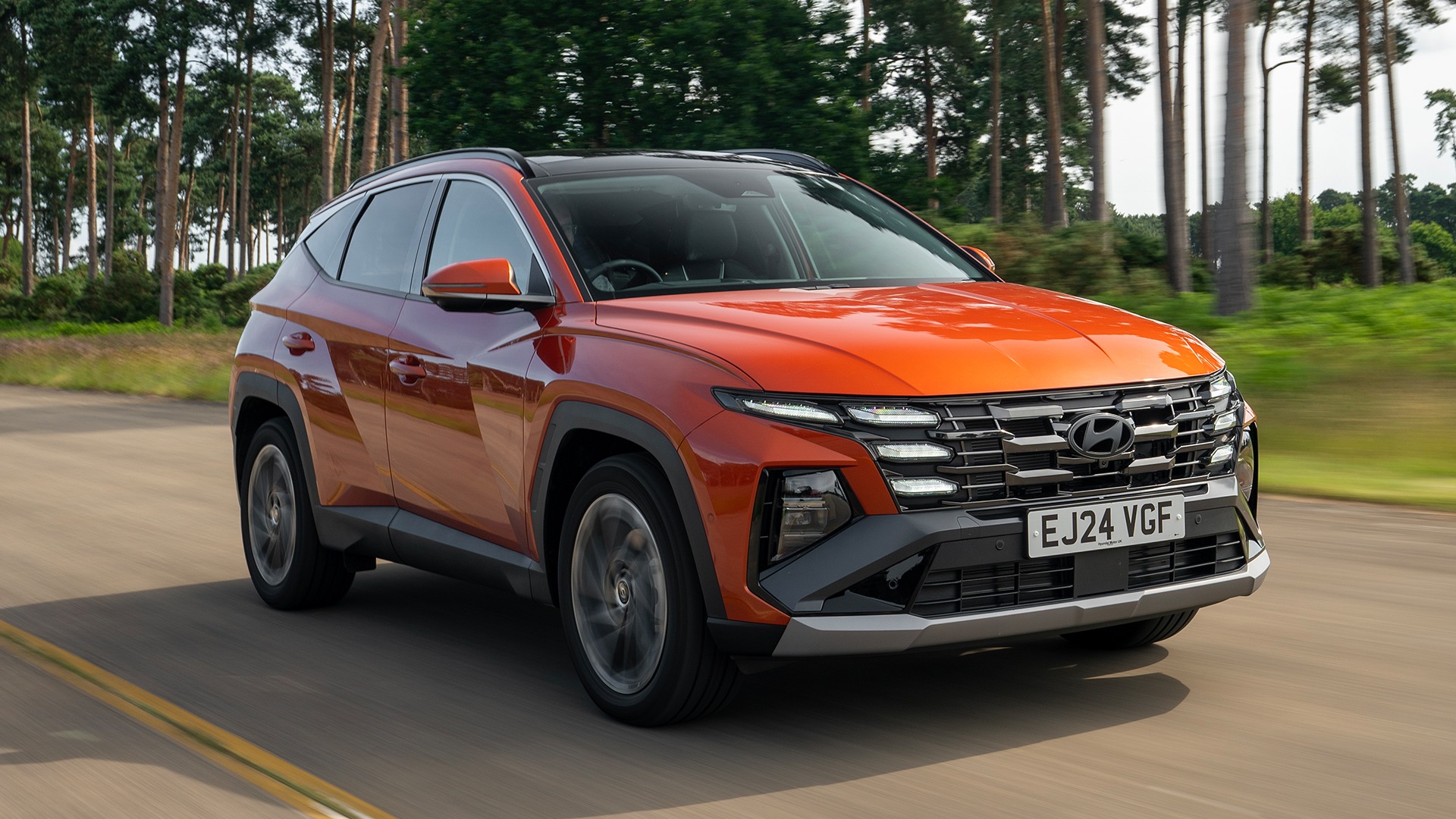
The previous generation of the Hyundai Tucson is an interesting study in how visual ambition can turn into excess. Hyundai sought to make a bold statement by introducing sharp creases, polygonal forms, and intricate front-end geometry. Initially, this approach drew attention for its freshness.
However, as the years passed, the aggressive surfaces began to feel forced rather than innovative. The car’s identity became tangled in its own complexity, and that complexity aged quickly once design tastes shifted toward cleaner, calmer aesthetics.
The Tucson’s front fascia is particularly telling. The multiple layers of grille texture and segmented lighting elements create a face that demands attention but lacks composure.
There is no single visual center, causing the viewer’s eye to dart around rather than rest comfortably. While some admired its futuristic edge at launch, the design lacked the quiet balance necessary to remain appealing over time. The abundance of visual information may have suggested technology, but it sacrificed elegance.
The sides of the Tucson continue this trend of excess. Angles intersect in unpredictable ways, creating tension rather than flow.
The body lines appear to be competing with each other, as if every section wants to be the focal point. Timeless designs rely on proportion and restraint, allowing each surface to support the next; Tucson’s earlier generation fails to do this.
The result is a shape that feels anxious. Instead of communicating stability, it feels restless, which undermines long-term appeal.
Interestingly, Hyundai’s more recent designs have shown that the brand learned from this. Later versions of the Tucson simplify the body surfaces and focus on cleaner forms.
That shift only makes the previous generation seem older by comparison. It now looks like a snapshot of a time when design experimentation lacked balance. The lesson is clear: visual calmness, not complexity, keeps an SUV looking current for years to come.
5. BMW X6
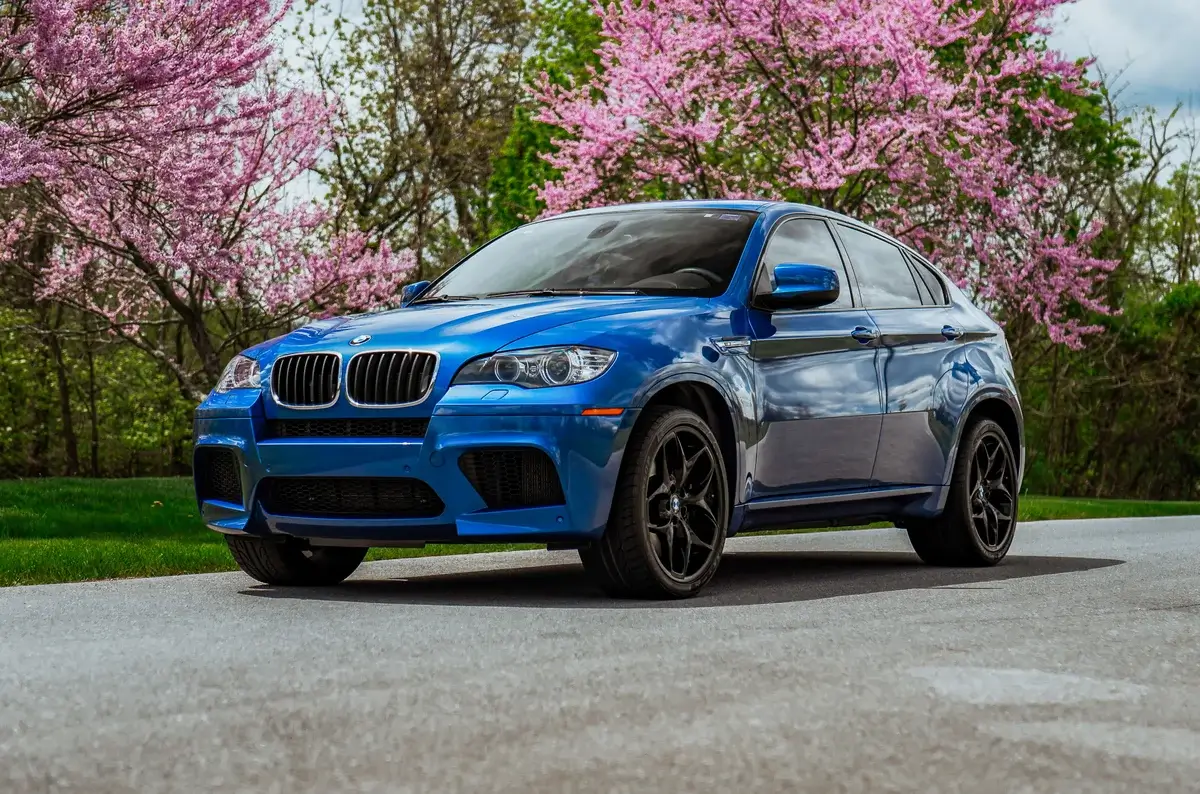
The BMW X6 was revolutionary when it first appeared, introducing the controversial “coupe-SUV” silhouette. At the time, it seemed daring and unconventional, a high-performance SUV that prioritized fashion over function. Yet that very concept is why it has not aged well.
The sloping roofline and bulky rear have always divided opinion, and over time, they have lost the novelty that once made them intriguing. What was once an experiment in blending two vehicle categories now looks like a styling compromise.
The X6’s most noticeable flaw lies in its proportions. The coupe-like roofline robs it of visual stability, while the heavy rear overhang creates a bulky appearance.
It lacks the elegance of a true coupe and the authority of a traditional SUV. The narrow windows and high beltline further exaggerate the top-heavy look, giving it an awkward stance. In an era where design trends favor proportion and simplicity, the X6’s silhouette feels outdated and overly self-conscious.
The front end amplifies the issue. BMW’s increasingly large kidney grille and aggressive headlight treatment push the X6 toward caricature. The design tries to communicate power but ends up appearing inflated. Aggression in design can look striking in its first few years, but it rarely ages well.
As newer models pursue cleaner, more cohesive expressions, the X6’s confrontational styling feels trapped in the past, a reflection of an era when shock value was prioritized over sophistication.
Inside and out, the X6 symbolizes the risk of designing for attention rather than longevity. Its shape is unique, but uniqueness alone does not guarantee timelessness.
The best designs balance innovation with proportion, purpose, and restraint, qualities that the X6’s exterior lacks. While it remains a technically impressive vehicle, its aesthetics are bound to a specific time and taste. It stands as proof that chasing trend-defining design can lead to trend-dependent aging.
These SUVs reveal how easily style can turn from fresh to fatigued. Vehicles like the Murano, HR-V, Trax, Tucson, and X6 were all introduced with strong visual intent, aiming to stand out through modernity or experimentation.
Yet, in design, excess and indecision are rarely rewarded with longevity. When lines multiply, when forms lose proportion, and when the goal becomes attention rather than balance, time exposes those weaknesses quickly.
Timeless design requires clarity of thought. It emerges when every element serves a purpose and when a designer respects the power of restraint.
The SUVs in this section demonstrate how ambition, when unbalanced, leads to premature aging. They teach that visual endurance is not about being futuristic but about being coherent.
As automotive design continues to evolve, manufacturers increasingly recognize that durability in aesthetics matters as much as mechanical reliability. The lesson from these five vehicles is simple yet vital: design confidence is not about doing more, but about knowing when to stop.
