
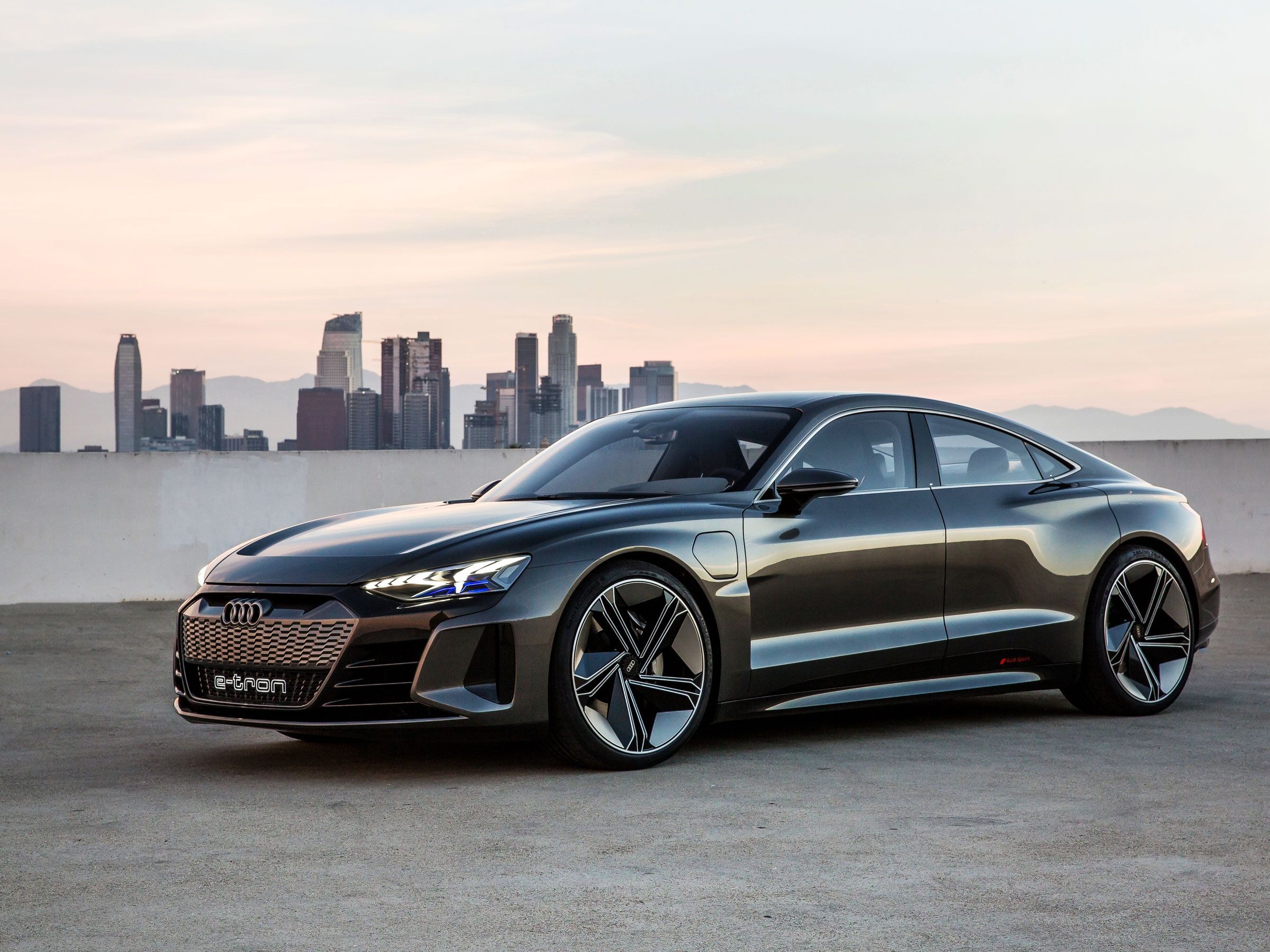
Electric vehicles have entered a new stage of maturity. What was once seen as a niche technology for early adopters has now become a mainstream automotive movement. Every major automaker has committed to electrification, bringing with it a flood of models that promise both sustainability and performance.
The driving feel is not about noise or vibration alone; it is about communication between the driver and machine, the balance of the chassis, and the responsiveness that inspires confidence and excitement.
While many electric vehicles excel in speed and refinement, not all manage to engage the senses satisfyingly. Some deliver astonishing acceleration but feel detached once the initial thrill fades.
Others are engineered with balance, weight distribution, and steering precision in mind, creating a connection that rivals or even surpasses many combustion-engine sports cars.
This difference is shaped by engineering philosophy, software tuning, and the depth of attention given to driver engagement rather than just numbers on a spec sheet.
The following analysis compares two distinct categories of electric vehicles. The first five are models that offer genuine driving feel, the kind that makes every corner and throttle input come alive. These are cars designed with enthusiasts in mind, blending power and poise in a way that honors the heritage of great driving machines.
The second group consists of five electric cars that, despite their strengths in comfort, technology, or range, fail to provide the kind of emotional connection that transforms a commute into an experience. Both lists represent how far electric cars have come and where they still fall short in recapturing the soul of driving.
As we look at these ten examples, it becomes clear that the best electric vehicles are not just defined by performance figures or range ratings. Instead, they are shaped by how naturally they respond to human input, how well they convey feedback through the steering wheel, and how predictable they feel at the limits.
This is what separates the cars that make you want to keep driving from those that merely move you from place to place.
5 EVs That Deliver Real Driving Feel
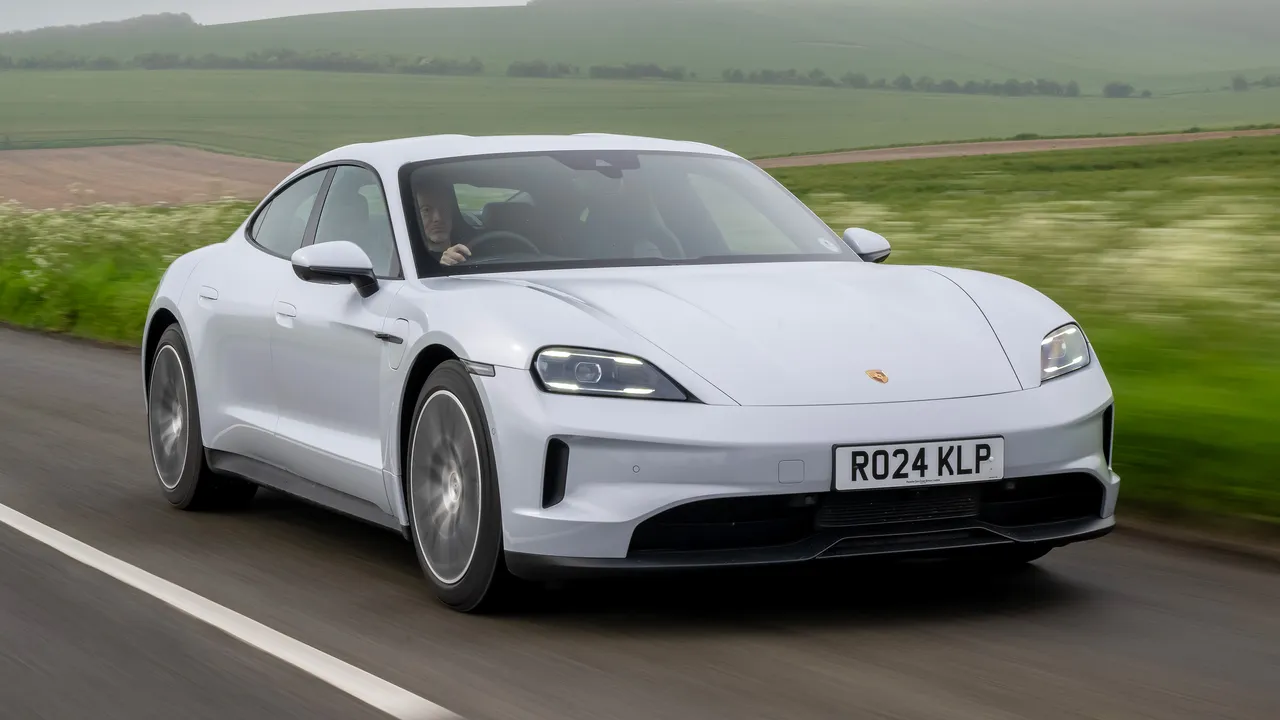
1. Porsche Taycan
The Porsche Taycan remains one of the most convincing arguments that electric vehicles can truly satisfy passionate drivers.
It was engineered with the same dedication to feel and feedback that made the 911 and Cayman benchmarks in their categories. From the moment you settle into the low-slung driving position, the Taycan communicates purpose.
The steering wheel feels substantial in your hands, and the view down the sculpted hood reminds you that this car is designed to be driven, not just admired.
What immediately stands out is the steering. Porsche’s tuning gives it remarkable accuracy and linearity, and unlike many electric systems that feel numb, this one actually communicates road texture and grip levels.
You can sense the front tires loading up in corners, and the steering’s weight builds naturally as you add lock. It is this precise communication that makes the Taycan feel alive in your hands.
When accelerating, the Taycan delivers its power in an almost perfectly measured way. Electric torque is instantaneous, yet Porsche’s software engineers refined the power delivery so that it feels progressive rather than abrupt. You can modulate the throttle delicately mid-corner without unsettling the chassis.
That balance gives the driver a sense of control rarely found in electric cars. Even the braking system is masterfully tuned. Many EVs suffer from inconsistent pedal feel due to regenerative braking, but Porsche created one of the best transitions between regenerative and mechanical braking in the industry.
The pedal remains firm and consistent, giving the driver confidence whether slowing gently or braking hard from high speed.
The Taycan’s suspension tuning is another highlight. The car sits on a sophisticated adaptive air suspension that adjusts seamlessly to changing conditions. In its sportier settings, it manages to remain composed and flat without becoming harsh.
The body control is exceptional, and the low center of gravity, thanks to the battery placement, gives it stability reminiscent of a mid-engine car.
Yet, despite its technical brilliance, the Taycan never feels sterile. There is a tangible connection between the driver and the car’s movements. Every turn-in, every weight transfer feels organic, reminding you that Porsche’s decades of motorsport experience continue to inform its engineering philosophy.
Porsche has succeeded in making the Taycan not just a great electric car, but a great driver’s car by any standard. It proves that engagement is not defined by noise or vibration but by precision, feedback, and the ability to inspire confidence.
The Taycan invites you to push harder, to trust its responses, and to enjoy the act of driving itself. It is proof that electric propulsion can be thrilling not just for its speed, but for its communication and control.
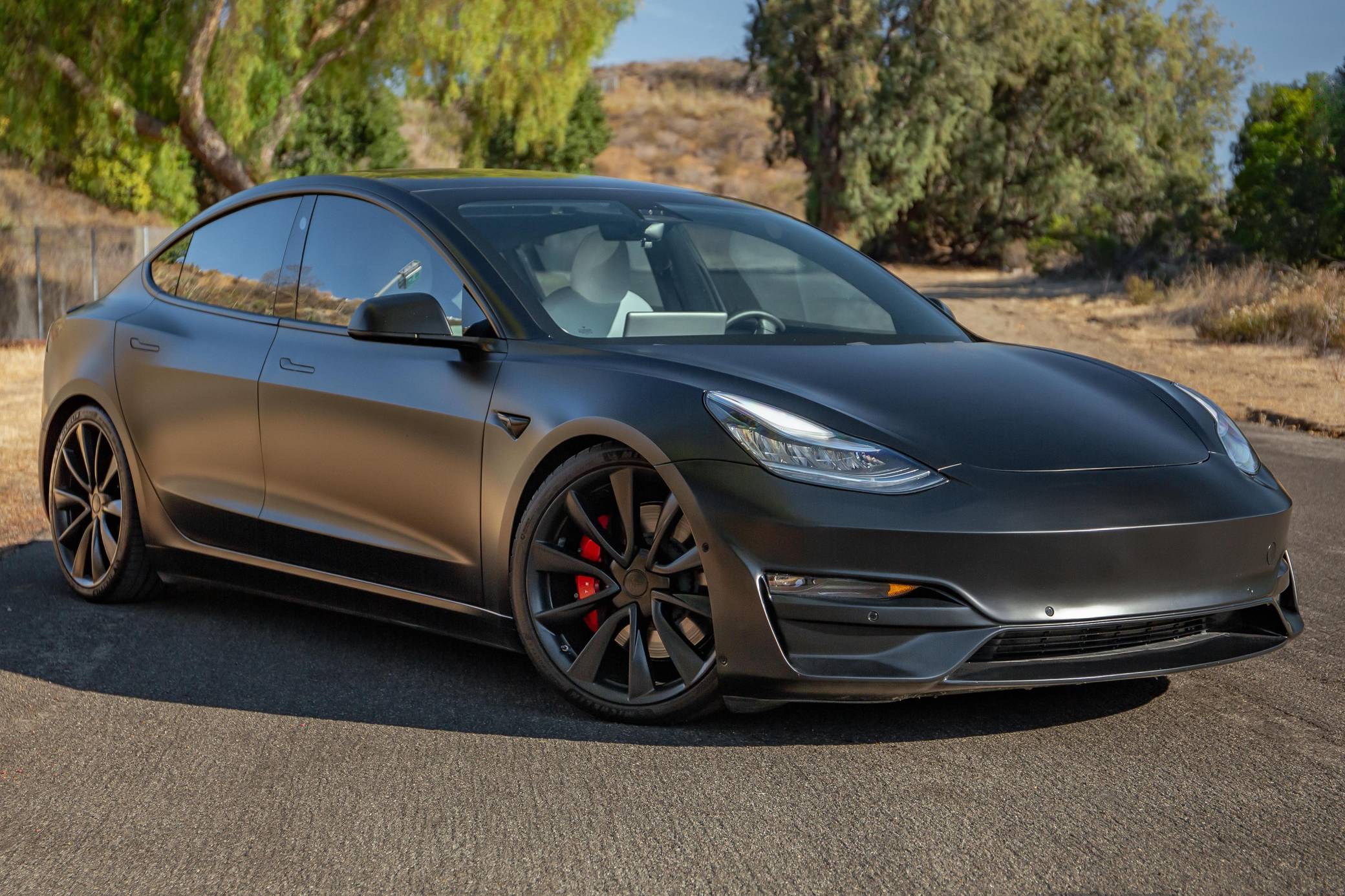
2. Tesla Model 3 Performance
The Tesla Model 3 Performance is often recognized for its raw speed, but what sets it apart is how balanced and engaging it can be when driven with intent. Tesla’s engineers managed to create an electric sedan that feels light on its feet despite the inherent weight of its battery pack.
The moment you set off, the car’s chassis feels tightly wound and ready to respond. The steering is crisp, and the instant torque makes it leap forward with impressive eagerness. Yet beyond the numbers and acceleration times lies a level of agility that few expected from a company more famous for software than driving dynamics.
The handling is one of the most pleasant surprises. The dual-motor all-wheel-drive system constantly adjusts torque between the front and rear axles, creating a sense of precision when cornering. The car feels neutral and balanced, able to rotate gently on throttle in a way that recalls classic rear-drive sedans.
The weight distribution is nearly perfect, and the low-mounted battery pack gives it a planted feel that enhances driver confidence.
Steering feedback, while not as textured as the best European sports sedans, remains predictable and accurate. You can guide the car through fast bends with confidence, knowing that it will respond exactly as you expect.
Tesla’s minimalist philosophy extends to the driving experience itself. No gimmicks or artificial sound enhancements are trying to simulate an engine.
Instead, the Model 3 Performance relies purely on its engineering to create engagement. The suspension, though firm, provides excellent control without punishing the driver.
The dampers are tuned to keep the car flat through quick transitions while maintaining enough compliance for everyday comfort. The braking performance is also impressive, with consistent pedal feel and excellent stopping power that encourages spirited driving.
Perhaps what makes the Model 3 Performance so satisfying is how easy it is to drive quickly. It rewards smooth inputs, and once you find your rhythm, it feels cohesive and intuitive. There is a sense of mechanical harmony that builds trust between the driver and the car.
It may not have the emotional soundscape of a traditional sports car, but it compensates with precision and immediacy. This combination of raw performance and refined control makes it one of the most enjoyable electric cars available, regardless of price point.
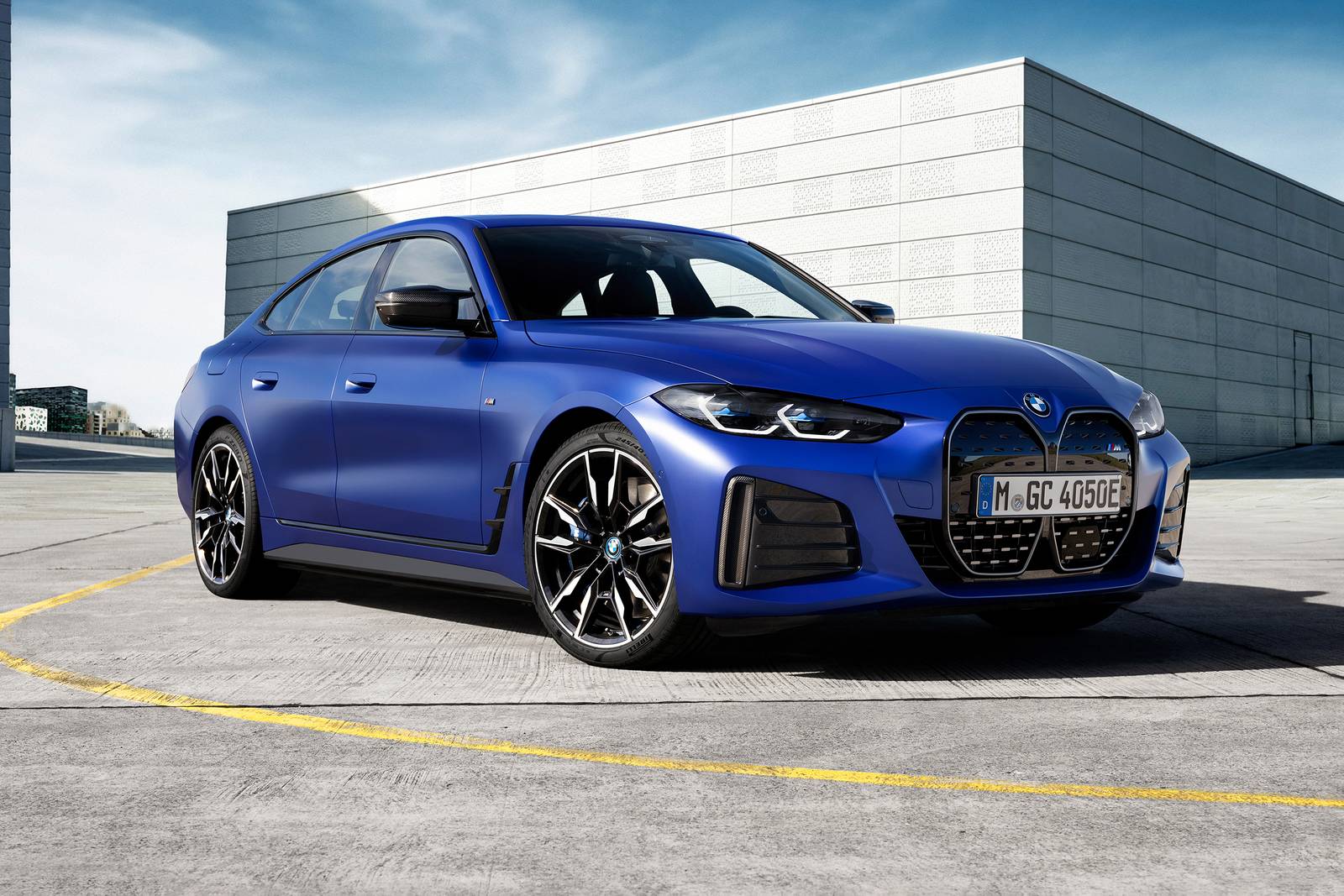
3. BMW i4 M50
BMW’s i4 M50 serves as a bridge between the brand’s storied past and its electrified future. For decades, BMW has been known for creating cars that speak directly to the driver, and the i4 M50 continues that tradition.
Its engineers approached electrification not as a novelty, but as an evolution of the same driving principles that defined the M3 and 3 Series.
The result is a car that feels unmistakably like a BMW the moment you start driving it. The seating position, the steering feel, and the way the car responds to inputs all contribute to that sense of familiarity and connection.
The power delivery is both smooth and potent. The dual-motor setup produces immense torque, yet it never feels unruly or abrupt. Instead, the throttle response is progressive, allowing the driver to meter out power with precision. This balance between control and strength is what makes the i4 M50 engaging.
It feels fast, but also manageable and composed. The car encourages you to push harder, rewarding finesse over aggression. The traction system works intelligently, intervening subtly to maintain balance without dulling the driving experience.
One of the most impressive aspects of the i4 M50 is its chassis tuning. The adaptive suspension continuously adjusts damping to suit conditions, delivering both comfort and control. In its sportiest setting, the car feels remarkably agile, turning in crisply and holding its line with composure.
The steering, a critical element of BMW’s identity, is well-weighted and accurate. It provides enough resistance to feel natural while offering a clear sense of direction. Unlike many electric cars that isolate the driver, the i4 M50 maintains a direct connection that keeps you informed and involved.
Inside, BMW has blended modern digital design with driver-focused ergonomics. The cockpit wraps around the driver, creating a sense of command. The materials feel premium, and the controls fall naturally to hand. Yet, beyond its comfort and technology, the true strength of the i4 M50 lies in its balance.
It feels like a car engineered for people who love to drive, not just for those seeking efficiency. It delivers performance without losing the tactile sensations that make driving meaningful. In doing so, it proves that the essence of BMW’s “Ultimate Driving Machine” philosophy can indeed survive the transition to electric power.
4. Hyundai Ioniq 5 N
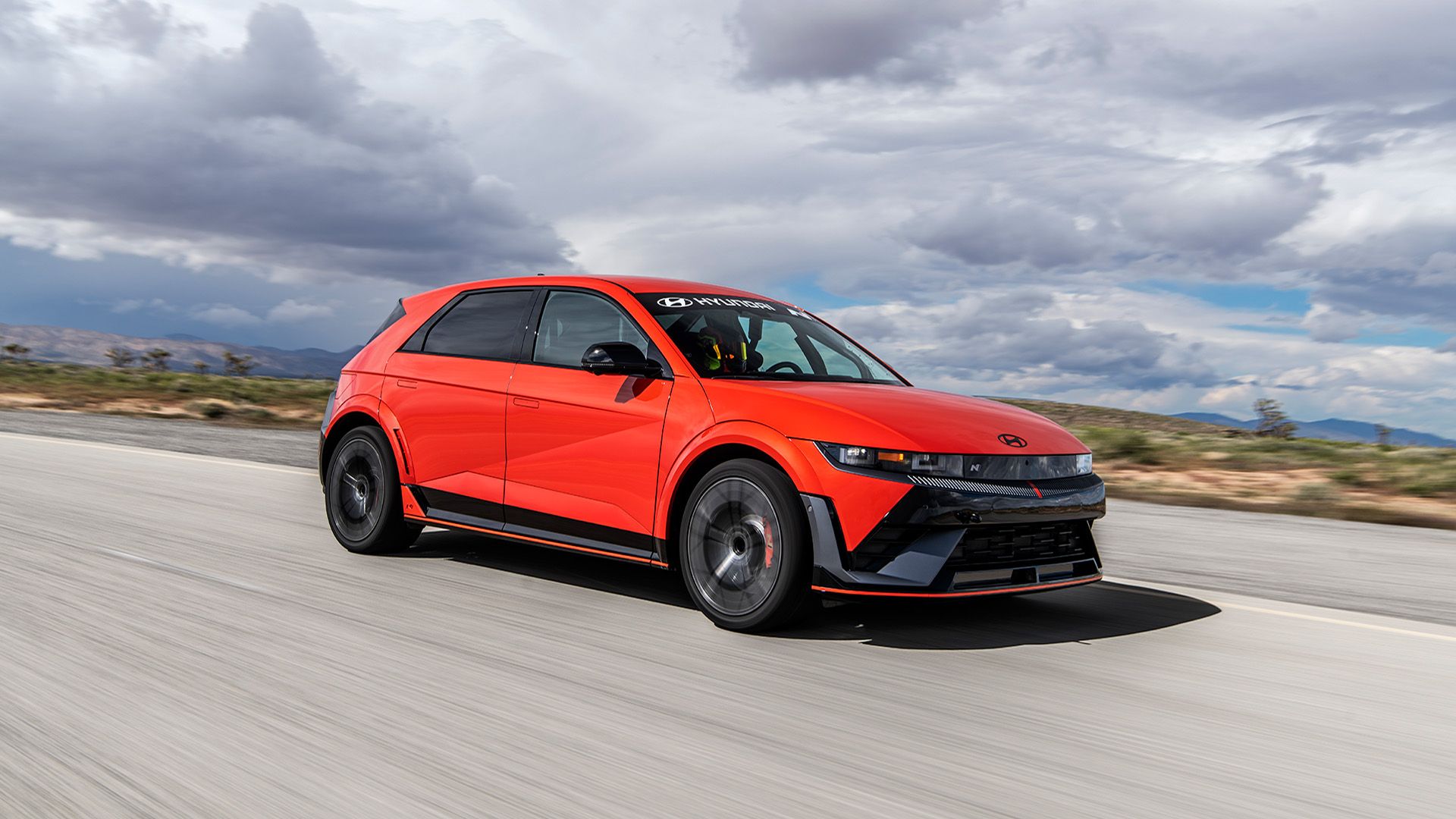
Hyundai’s Ioniq 5 N has become a benchmark for how a brand can inject excitement into electric performance. While the standard Ioniq 5 is known for practicality and futuristic design, the N version transforms it into something far more visceral.
Hyundai’s performance engineers focused not only on speed but on emotion, crafting an electric car that feels eager, responsive, and communicative. It is a car that surprises you from the first turn of the wheel, revealing layers of character that few EVs manage to express.
One of the standout features of the Ioniq 5 N is its ability to simulate the rhythm of traditional performance driving. Through intelligent software tuning, Hyundai has created a system that emulates gear shifts and even produces an artificial but convincing soundtrack to match throttle inputs.
While it may sound like a gimmick, it actually enhances the sense of timing and control, allowing the driver to anticipate acceleration and braking more naturally.
Beneath these theatrics lies serious engineering. The suspension and steering are tuned for sharp response, and the chassis balance allows for controlled oversteer in the right conditions. This gives the car an engaging personality that feels far removed from the sterile nature of many electric crossovers.
The braking system is another area where the Ioniq 5 N excels. Regenerative braking blends seamlessly with mechanical braking, delivering predictable and strong deceleration. The pedal feel is firm and confidence-inspiring, encouraging late braking without the vague sensations that plague lesser EVs.
The torque vectoring system works in the background, distributing power between the axles to improve cornering stability. This makes the car feel nimble and planted, even when driven aggressively. Hyundai’s attention to detail in chassis calibration ensures that the Ioniq 5 N feels balanced and alive under pressure.
Most importantly, the Ioniq 5 N proves that electric cars can still be fun. It captures the essence of performance driving by prioritizing driver engagement over raw speed. The engineers clearly understood that enjoyment comes from communication and control, not just numbers.
As a result, the Ioniq 5 N stands as a symbol of how electric cars can retain personality and joy. It is not just fast, but expressive, inviting you to interact with it rather than simply operate it.
5. Polestar 2 BST Edition 230
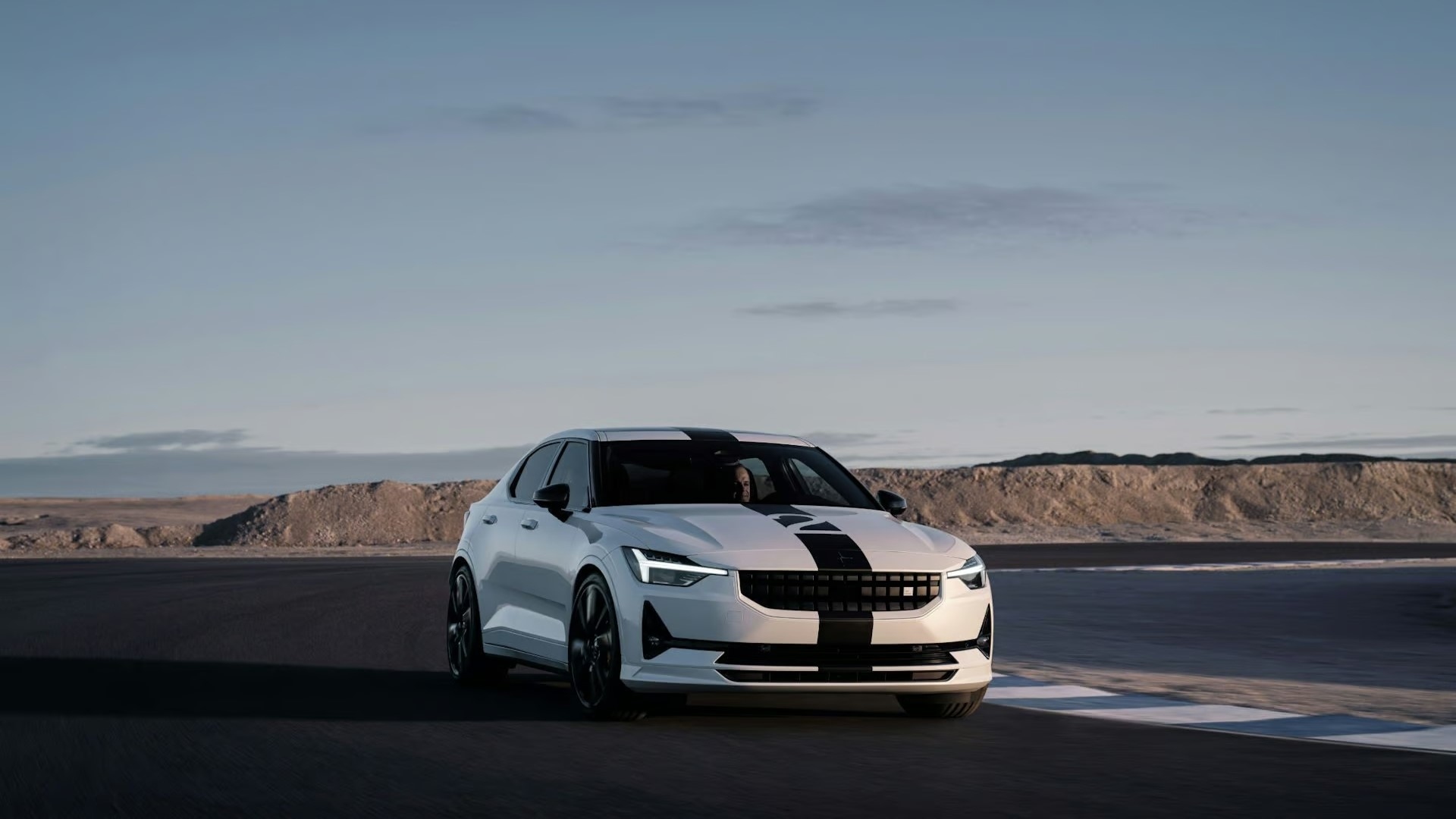
The Polestar 2 BST Edition 230 is a masterclass in refinement and precision. While Polestar as a brand emphasizes design and sustainability, the BST Edition shows that it also understands driving pleasure.
The car’s appearance gives clues to its intent: it sits lower, wears performance-oriented tires, and features suspension hardware developed in collaboration with specialists. Yet, beneath its minimalist exterior lies a deeply satisfying driving experience that focuses on balance, feedback, and composure.
Behind the wheel, the BST Edition feels focused and deliberate. The steering is tight and communicative, allowing the driver to sense what the front tires are doing at all times. Unlike many EVs that dull sensations through isolation, this car preserves the texture of the road.
Every small input yields a proportional response, giving the driver the confidence to explore its limits. The power delivery is smooth and linear, making it easy to manage traction even on slippery surfaces. It never feels twitchy or artificial, and the control systems work in harmony to maintain stability without interference.
The suspension setup is particularly impressive. The BST Edition’s adjustable dampers allow for a range of driving styles, from supple cruising to razor-sharp handling.
Body roll is minimal, and the car remains composed through quick direction changes. The result is a driving experience that feels athletic but not harsh.
The braking system complements this beautifully, offering a firm and predictable pedal that blends regenerative and mechanical braking almost imperceptibly. Every aspect of the car’s dynamics feels thoughtfully engineered, emphasizing natural responses rather than exaggerated sportiness.
Inside, the Polestar 2 BST Edition 230 maintains the brand’s clean, calming aesthetic, yet its design quietly supports the driving experience. The seating position is ideal, providing excellent visibility and support. The interface is intuitive, keeping distractions to a minimum.
All of this creates an atmosphere that encourages focus on driving. The BST Edition does not try to overwhelm you with technology; instead, it creates a sense of harmony between man and machine.
It represents a subtle but profound kind of performance, where satisfaction comes from precision and control rather than brute power.
5 EVs That Don’t Deliver Real Driving Feel
1. Nissan Leaf
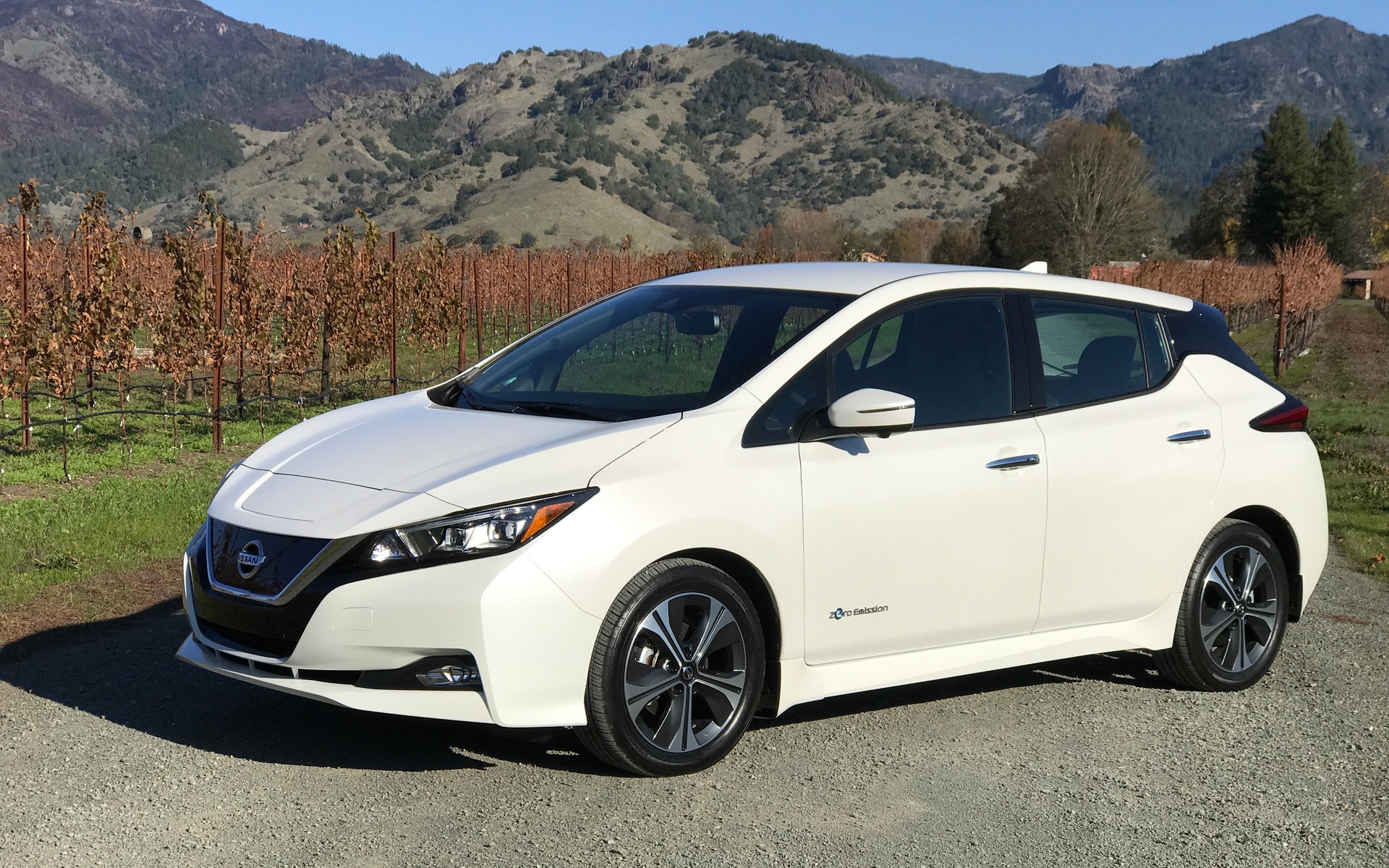
The Nissan Leaf was one of the first mass-market electric vehicles and played a significant role in introducing EVs to the general public. However, while it excels at providing a practical and affordable electric driving experience, it falls short when it comes to delivering an engaging driving feel.
The steering, for instance, is light and disconnected, lacking the precision and feedback necessary for a driver to truly feel connected to the road.
It has a vague quality that makes it difficult to sense exactly what the front tires are doing, which can reduce driver confidence during spirited driving or tight cornering. This is a stark contrast to the steering found in sportier EVs, where weight and communication are carefully balanced.
Acceleration in the Leaf is smooth but uninspiring. The electric motor predictably delivers power, but it lacks the instant torque punch and progressive throttle response that excite enthusiasts. The car tends to feel more like a commuter than a machine designed to reward driver input.
Additionally, regenerative braking in the Leaf can feel inconsistent, sometimes creating a jerky sensation when the car slows down.
This irregular pedal feel further disconnects the driver from the experience, making the car feel more like an appliance than a tool for enjoyment. The sensation is one of muted responsiveness, which is adequate for everyday driving but falls short of true engagement.
The suspension in the Leaf is tuned for comfort and efficiency rather than dynamic prowess. It offers a compliant ride over bumps but lacks the composure and control needed to inspire confidence on winding roads.
The body tends to lean excessively during cornering, which combined with the numb steering, makes it difficult to place the car precisely.
The chassis does not communicate weight transfer or grip levels effectively, leading to a vague sense of the car’s behavior at the limits. This makes the Leaf feel soft and uninvolving, especially for drivers who value feedback and control.
Despite its drawbacks in driving feel, the Leaf remains a practical and reliable EV, ideal for urban commuting and daily errands. It provides a smooth, quiet ride and excellent efficiency, which is what many buyers prioritize.
However, if the goal is to find an electric car that delivers excitement and engagement behind the wheel, the Nissan Leaf is not likely to satisfy. Its focus on ease of use and affordability comes at the expense of the tactile sensations that make driving fun.
2. Chevrolet Bolt EV
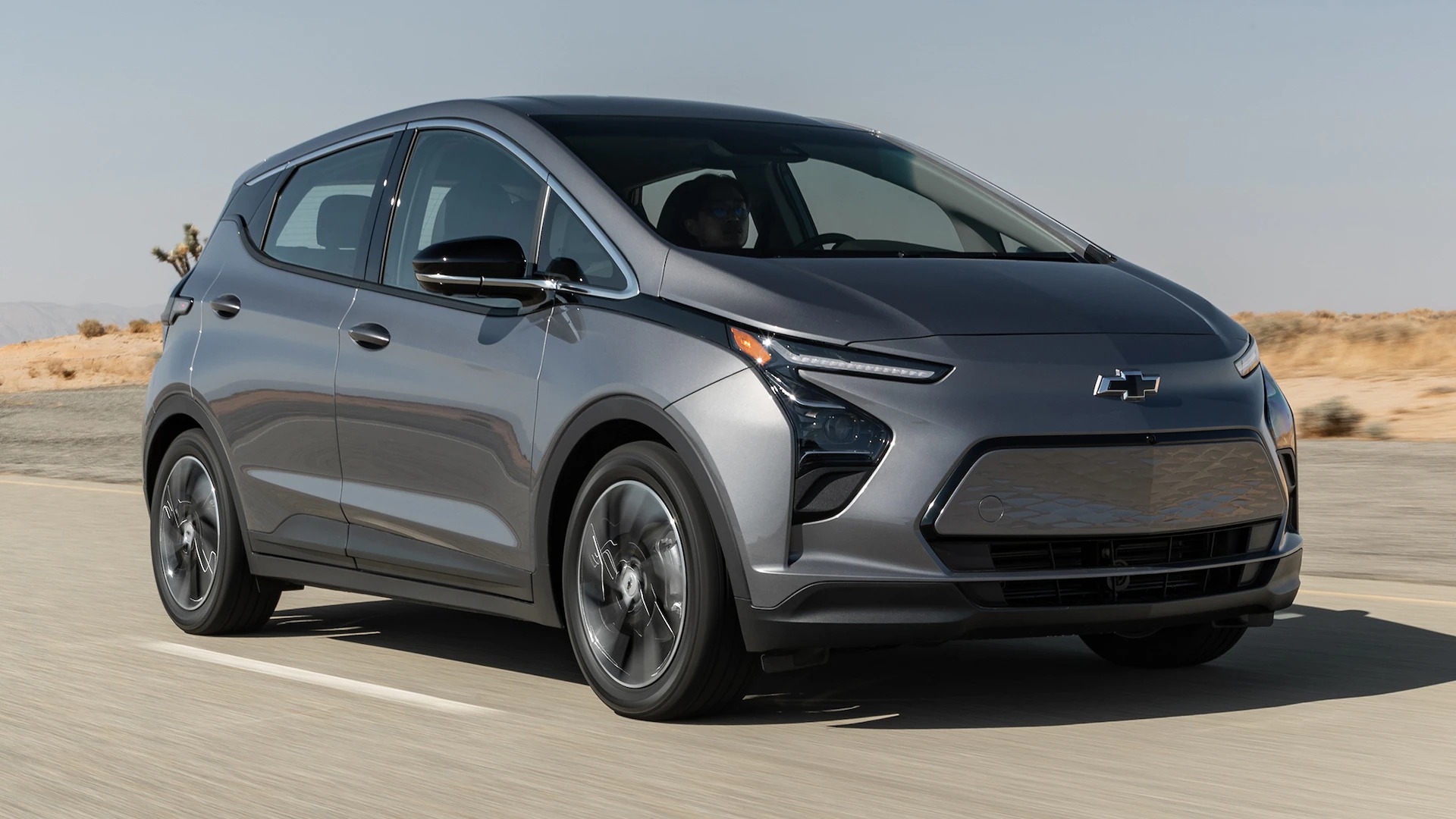
The Chevrolet Bolt EV offers an impressive range and value proposition but struggles to deliver an emotional connection to driving. One of the main criticisms lies in its steering, which feels overly light and somewhat artificial. It lacks the precision and weight needed for confidence when cornering or maneuvering at speed.
The steering feedback is minimal, which means the driver receives very little information about what the front wheels are experiencing. This results in a sense of detachment from the road, making it difficult to enjoy the nuances of driving dynamics.
The Bolt’s acceleration is brisk, but the power delivery does not have the kind of finesse that adds enjoyment to the experience. The throttle response is more on/off than progressive, and the initial burst of torque can feel overwhelming and hard to modulate at times.
Unlike some sportier EVs that allow for fine control, the Bolt tends to be blunt, which limits its appeal to driving enthusiasts.
The regenerative braking system is also a point of contention, as it can cause a somewhat abrupt transition between regeneration and friction braking. This results in a disjointed pedal feel that can be distracting and reduces driver confidence during braking maneuvers.
From a chassis perspective, the Bolt offers a firm ride but does not inspire much confidence when pushed hard.
The suspension setup is more focused on comfort and ride quality than sharp handling, leading to body roll and a general lack of composure in corners. The car feels more like a practical hatchback than a driver’s tool.
Grip levels are adequate for everyday driving, but the chassis does not communicate limits well, which makes it challenging to explore the car’s performance capabilities. Combined with the vague steering and inconsistent braking, the Bolt EV lacks the feedback loop necessary to keep the driver engaged.
While the Chevrolet Bolt is a solid electric car for daily use, offering good range and affordability, it does not deliver a thrilling or involving driving experience. Those who prioritize comfort and practicality will find it suitable, but it is unlikely to satisfy those who seek the joy of driving in their EV.
3. Volkswagen ID.4
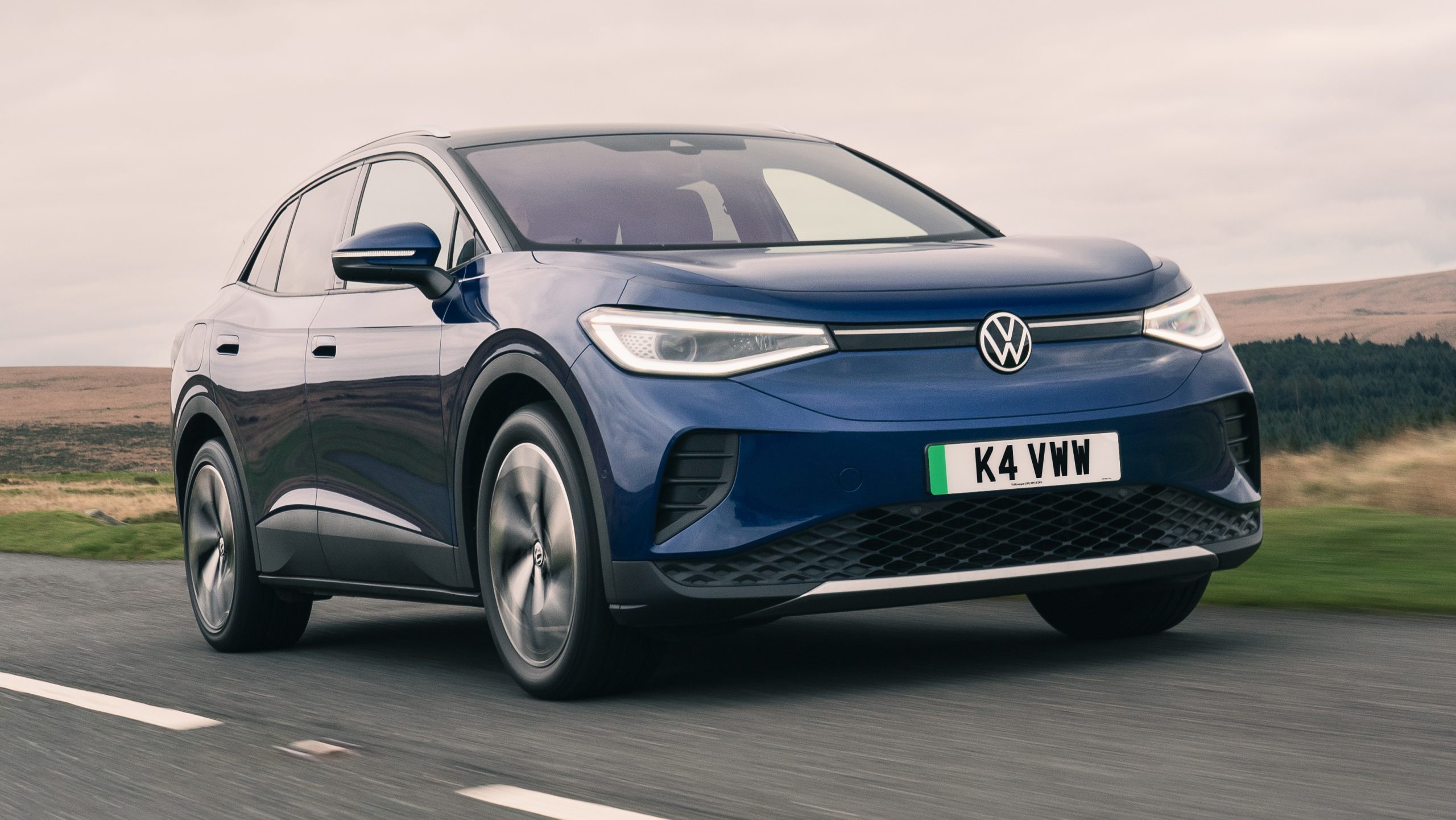
Volkswagen’s ID.4 has been praised for its spacious interior and smooth ride, but it struggles to offer a driving experience that excites the senses. One of the key issues lies in the steering feel, which is numb and disconnected.
The steering effort is very light, which makes the car easy to maneuver in city traffic but robs the driver of any meaningful feedback on road conditions or tire grip.
This lack of communication reduces driver confidence, especially when pushing the car through curves or making quick directional changes. The steering lacks the nuanced responses that help create a bond between car and driver.
Power delivery in the ID.4 is generally smooth but uninspired. The electric motor produces sufficient torque for everyday needs, yet it does not offer the kind of immediate or nuanced throttle response that would make driving engaging. The acceleration curve feels flat and lacks the progression seen in more driver-focused EVs.
Additionally, regenerative braking can feel inconsistent, with some drivers reporting a lurching sensation during deceleration. This not only detracts from the smoothness of the drive but also affects pedal feel, which is a critical component of driver confidence.
The ID.4’s suspension is tuned for comfort, prioritizing a plush ride over handling sharpness. While this makes the car comfortable for long journeys or rough roads, it comes at the cost of body control and cornering precision.
The car leans noticeably in turns, and the chassis does not provide clear feedback on grip levels or weight transfer.
This combination of vague steering and soft suspension leads to a driving experience that feels passive and uninvolved. The car remains stable but lacks the lively responses that keep a driver engaged on twisty roads.
Despite its shortcomings in driving feel, the Volkswagen ID.4 appeals to a broad range of buyers with its practicality, technology, and refinement.
It is a comfortable, easy-to-drive vehicle well suited for everyday use, but for those seeking a rewarding or spirited driving experience, it may leave something to be desired. Its strengths lie in convenience and usability rather than excitement behind the wheel.
4. Ford Mustang Mach-E (Base Models)
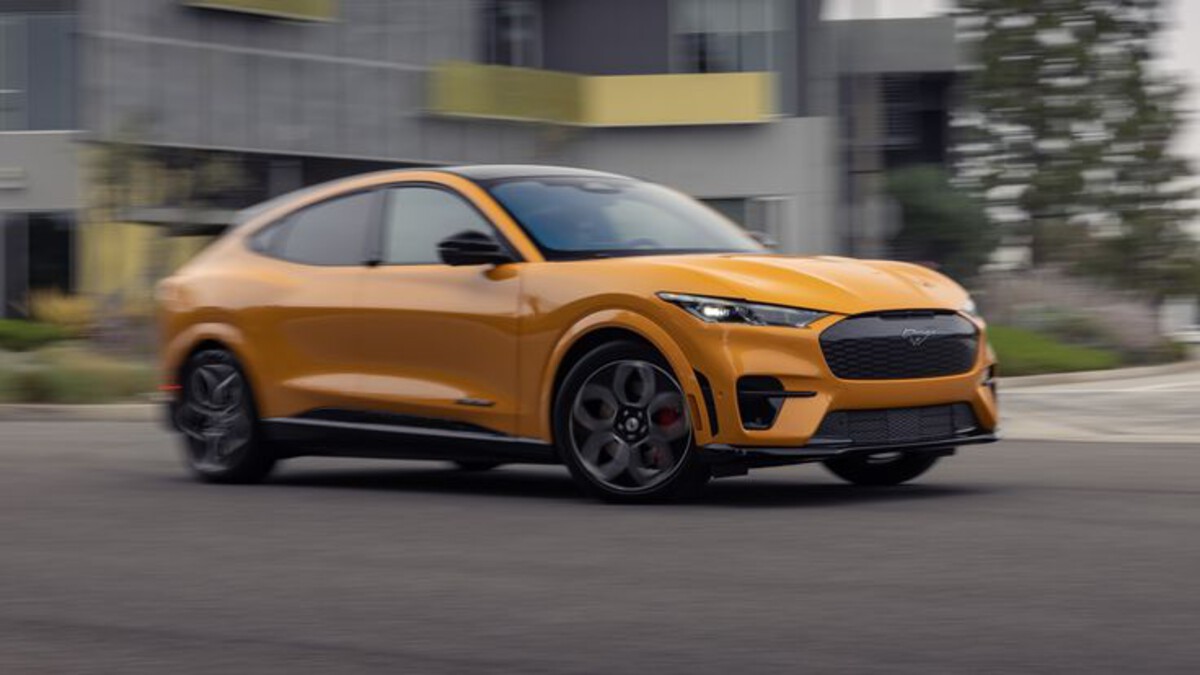
The Ford Mustang Mach-E has attracted attention for bringing Mustang styling and branding into the EV world, but its base models often fall short in delivering the driving engagement expected from the Mustang badge.
The steering in these variants is noticeably light and lacks the crispness found in sportier trims or traditional performance cars.
The effort feels artificial, and feedback is minimal, resulting in a disconnected experience that diminishes driver confidence, especially on winding roads or during quick maneuvers. This makes it difficult to place the car precisely or feel connected to its behavior.
Acceleration in the base Mach-E models is adequate but not thrilling. The throttle response is somewhat abrupt, lacking the smooth, progressive delivery that makes driving fun.
While the instant torque characteristic of electric motors is present, the sensation is more of a straight-line shove than a controlled surge.
Furthermore, regenerative braking in these models is inconsistent, with some drivers noting a jarring transition between regen and friction braking. This can lead to a braking feel that is jerky and unpredictable, further detracting from driver confidence.
Chassis dynamics in the base Mach-E tend to favor comfort over sportiness. The suspension is soft and compliant, which is great for absorbing bumps but leads to body roll and a vague sense of the car’s limits when cornering. The chassis does not communicate weight transfer clearly, and the feel is one of softness and detachment.
When pushed, the Mach-E base models can feel unsettled, lacking the composure necessary to inspire confidence or encourage spirited driving. Combined with the light steering and inconsistent braking, the driving experience becomes more about convenience than excitement.
Despite these limitations, the Mustang Mach-E base models offer good range, technology, and everyday usability.
They provide a comfortable and quiet ride suited for most drivers but do not deliver the dynamic thrills that Mustang enthusiasts or driving purists might expect. For those seeking more engagement, higher-performance Mach-E trims are a better option.
5. Audi e-tron (Standard Model)
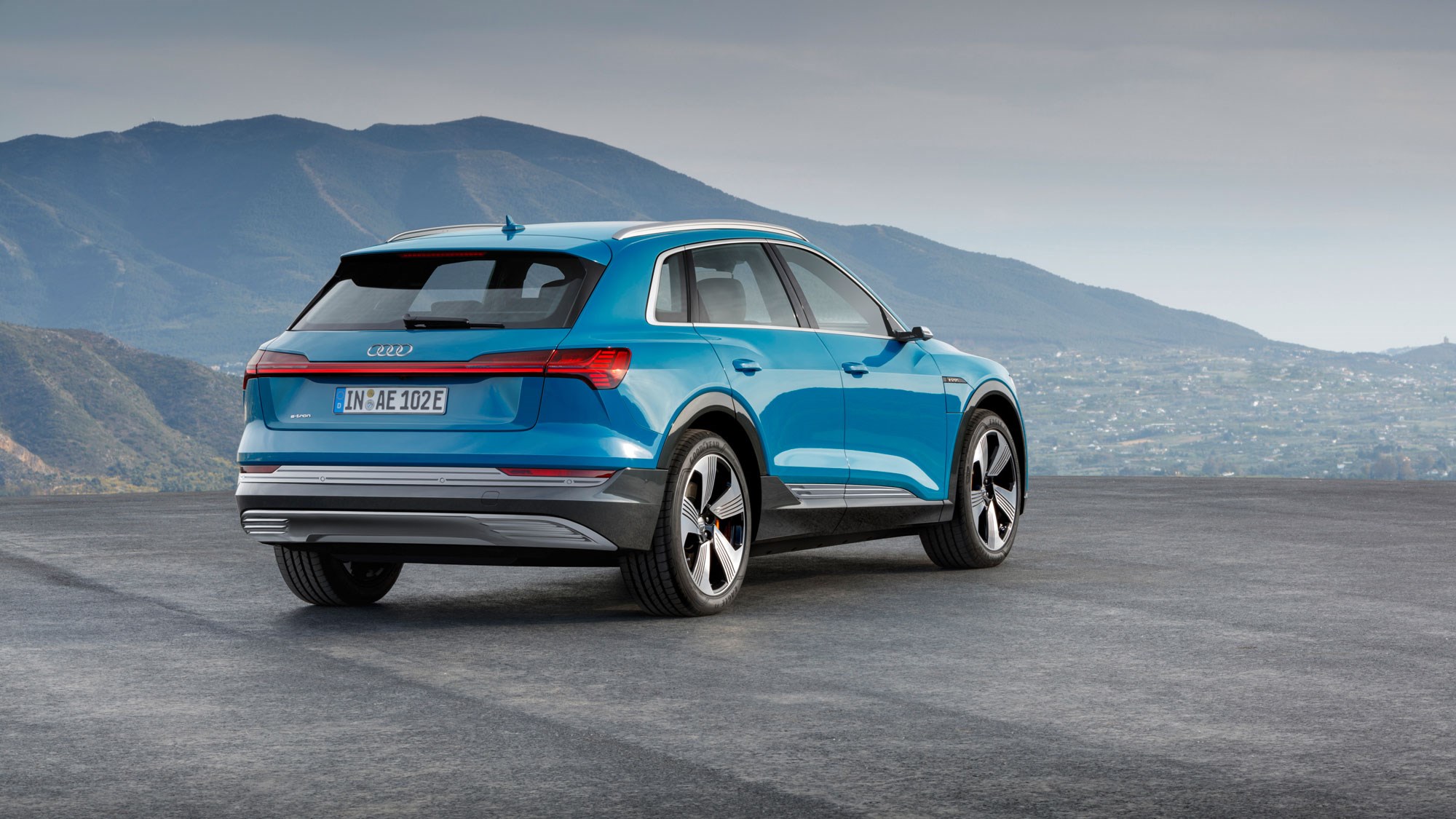
The standard Audi e-tron is a luxurious and well-appointed electric SUV but struggles to deliver a driving experience that feels connected or exciting. One of the main criticisms is its steering, which feels overly assisted and lacks the weight and precision necessary to convey meaningful information about the road.
This numbness creates a barrier between the driver and the car, reducing confidence when cornering or making quick directional changes. Unlike Audi’s sportier models, the e-tron does not offer a sharp or communicative steering feel, making it feel more like a comfortable cruiser than a driver’s car.
Acceleration is smooth but lacks punch. The power delivery is predictable, but it does not offer the kind of immediacy or engagement found in some competitor EVs. The throttle response feels muted, and the car accelerates in a way that is more linear and less dynamic.
Regenerative braking in the e-tron also tends to feel disconnected. The transition between regen and mechanical braking is not as seamless as it could be, leading to an inconsistent pedal feel that detracts from driver confidence during braking.
The e-tron’s suspension prioritizes comfort and ride quality over sharp handling. The large, heavy SUV feels stable but not particularly agile. Body roll is noticeable during cornering, and the chassis does not communicate grip limits clearly.
This results in a driving experience that feels safe but uninvolving, lacking the responsiveness or feedback that would engage a driver looking for excitement. The dynamics favor a relaxed, effortless ride rather than an interactive or spirited drive.
Audi’s e-tron appeals to buyers seeking luxury, quietness, and advanced technology in an electric package. However, for those who place a premium on driving feel and connection, it may come across as too insulated and distant.
Its strengths lie in refinement and comfort, but it does not capture the essence of dynamic driving that many enthusiasts crave.
