
For decades, the sedan has represented the balance between practicality and comfort. It is the car many families grew up with, the one that carried them to work, on road trips, and through countless errands. Sedans have changed dramatically through the years, yet the essence of owning one remains tied to reliability, value, and long-term satisfaction.
The differences between a vehicle that holds up after years of use and one that starts to crumble early often come down to engineering choices, attention to detail, and how well a brand understands its drivers.
Some sedans seem to shrug off time and mileage as if built from tougher material, while others start to show weakness long before they should. The difference becomes clear when a car hits its tenth birthday, when maintenance costs rise, and when the owner either feels confident in its next hundred thousand miles or starts browsing replacement options.
Sedans that endure are more than just machines; they represent consistency and trust. They often combine robust mechanical parts, predictable handling, and designs that resist the temptation to chase short-lived trends.
On the other hand, some models age faster than expected, not because they were bad from the start, but because their materials, electronics, or performance could not keep pace with time. Many buyers discover too late that what looked stylish and advanced at first becomes a headache of costly repairs and fading appeal.
This article compares ten well-known sedans, five that stay rock solid through decades of driving and five that tend to age poorly. The goal is not to attack or glorify any brand, but to highlight what makes certain vehicles reliable companions for the long run and what causes others to lose their charm too soon.
Understanding these differences helps buyers make smarter choices, whether they are looking for a dependable used car or planning their next new purchase.
5 Sedans That Stay Solid for Decades
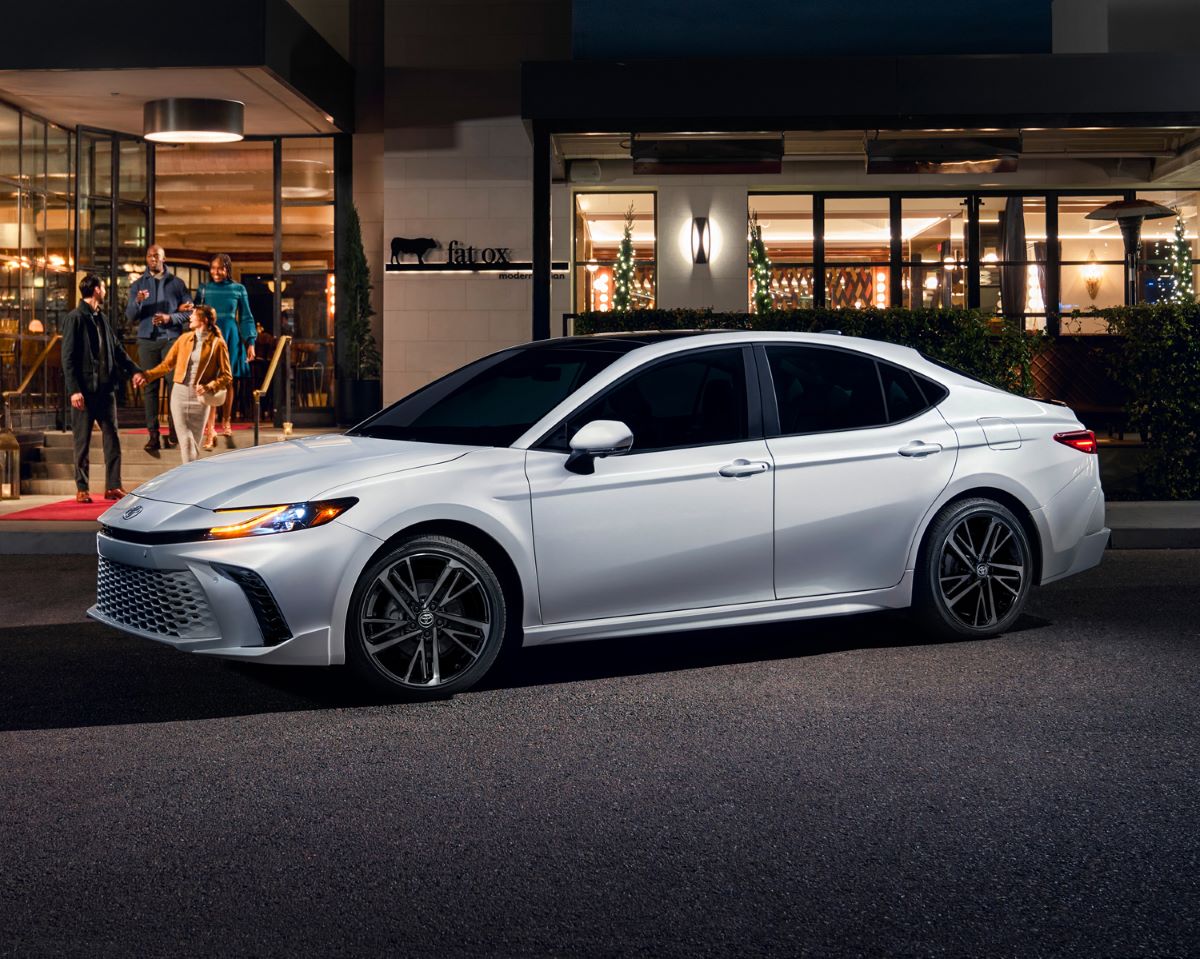
1. Toyota Camry
Few cars have earned the level of trust that the Toyota Camry enjoys. It represents dependability in its purest form, the kind of reliability that makes it a staple in families, rental fleets, and taxi services around the world. Toyota’s commitment to building something that simply lasts is evident in every generation.
The engines are smooth and consistent, the transmissions are strong, and the suspension system is designed to handle years of wear without losing composure. Even after hundreds of thousands of miles, the Camry tends to start right up and deliver the same quiet confidence it did when new.
Toyota’s ability to produce such mechanical endurance has made the Camry a benchmark for long-term ownership, a car that consistently outlives many of its rivals by wide margins.
What makes the Camry so enduring is Toyota’s refusal to compromise on proven engineering principles. Each generation might bring in new technology or styling, but the core components remain rooted in reliability. The four-cylinder and V6 engines are designed with conservative tuning, ensuring that they don’t overstress the drivetrain.
Maintenance is straightforward, with easily accessible parts and long intervals between major services. Even the smallest design choices, such as corrosion-resistant bolts and durable gasket materials, reflect Toyota’s attention to the long-term ownership experience.
This consistency builds a relationship of trust between car and driver, a feeling that the car won’t quit even after years of daily commuting, long road trips, and unpredictable weather.
The Camry’s durability isn’t limited to its mechanicals. Its interiors are made to withstand heavy use while still maintaining comfort. Seats resist sagging, the dashboard materials don’t crack easily under sun exposure, and switches keep functioning smoothly.
Many owners who bought Camrys decades ago still find the cabins quiet and free from rattles. The paint and body quality also stand out; Toyota uses strong rust prevention methods that help the car look decent even after years of outdoor parking.
This attention to both aesthetics and function reinforces the idea that the Camry is built for the long game, not for short-lived visual appeal.
Toyota also understands the value of affordability when it comes to maintaining a vehicle. Replacement parts are abundant, and most mechanics are familiar with the Camry’s layout. This keeps long-term repair costs surprisingly low.
Combined with impressive fuel economy and consistent resale value, it’s no wonder so many people buy the Camry again and again. It might not be the flashiest sedan on the road, but its legacy is one of trust, predictability, and incredible staying power, qualities that have made it a quiet hero in automotive history.
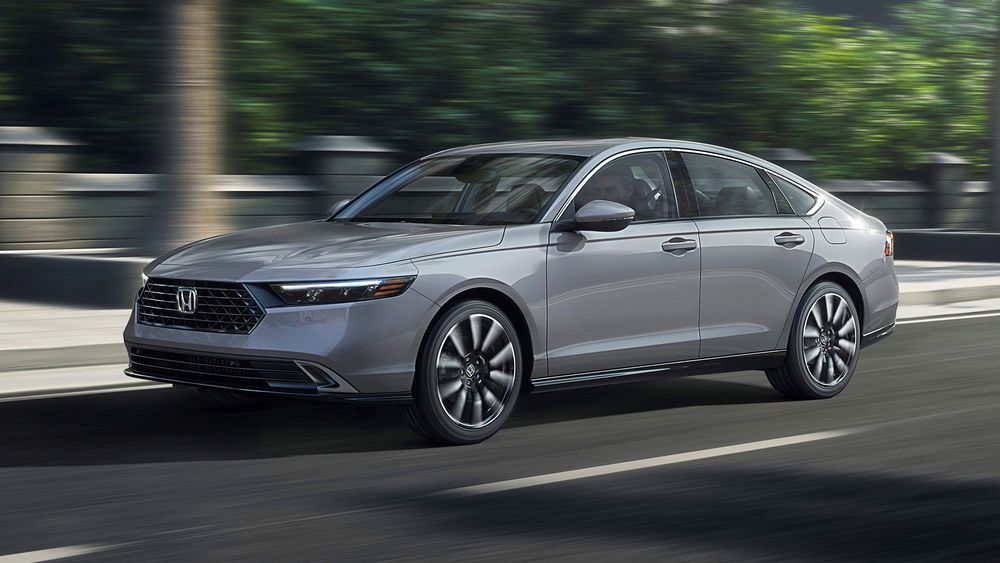
2. Honda Accord
The Honda Accord has long been a symbol of balance, blending refinement, reliability, and performance in a way that keeps it relevant decade after decade. From the earliest models in the 1980s to the advanced versions of today, the Accord has held a strong reputation for being a car that simply refuses to die when treated with basic care.
Its engines are known for lasting beyond 250,000 miles with little more than regular oil changes and routine maintenance. Honda’s manufacturing precision is legendary, and nowhere is it more apparent than in the Accord.
It’s the kind of car that can serve multiple generations of a family without losing its spirit, which explains why so many older Accords are still on the road today.
The transmissions are carefully calibrated for smooth operation, minimizing wear. The body structure also resists fatigue well, so the Accord retains its driving feel even after years of use. For many owners, that consistent “new car” feel deep into ownership is what defines the Accord experience.
The Accord’s cabin also holds up remarkably well. Honda focuses on ergonomics and durability, choosing materials that resist discoloration, cracking, and creaking. Controls and buttons still feel precise years after purchase. The sound insulation, though modest compared to luxury sedans, remains effective over time, maintaining a sense of calm inside the car.
Even older Accords often feel surprisingly tight and free of unwanted noise. Honda has mastered the art of making interiors that age gracefully, not by using luxury materials, but by using ones that can survive years of human contact and still look respectable.
Another factor that makes the Accord such a long-lasting investment is its reputation for straightforward maintenance. Mechanics appreciate the logical layout of its engine bay and the easy access to common service points. Replacement parts are plentiful, and aftermarket support is excellent.
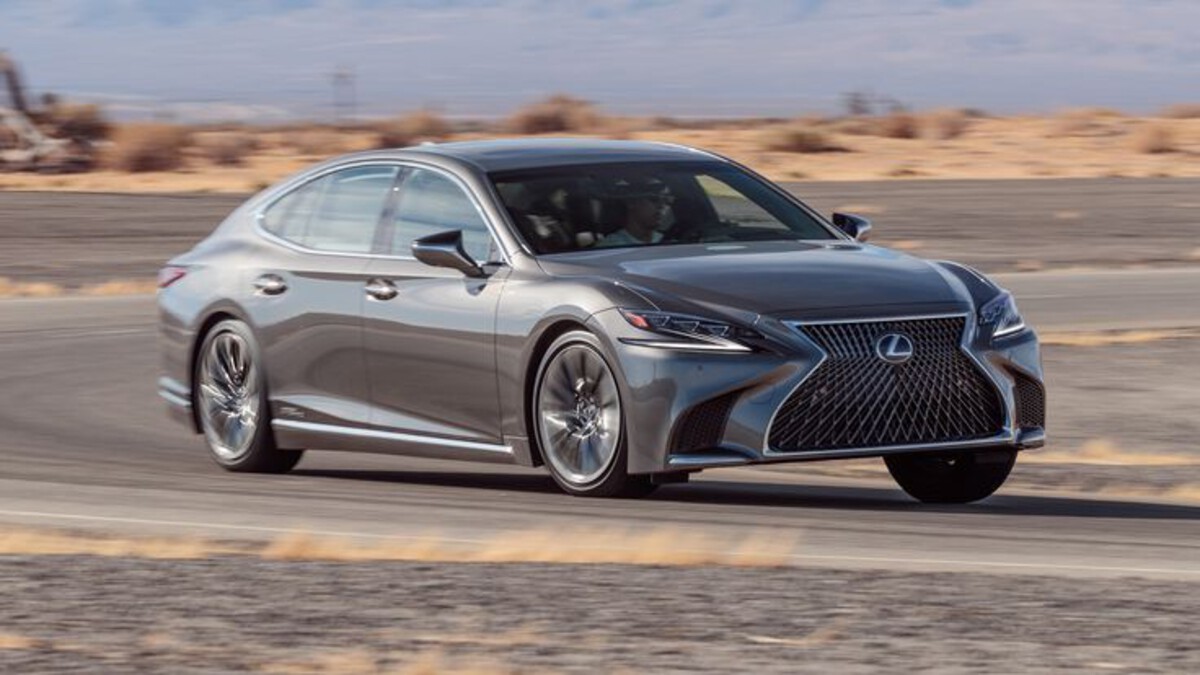
3. Lexus LS
When Toyota launched Lexus in the late 1980s, the LS was the flagship that announced the brand’s philosophy of perfection through discipline. The Lexus LS isn’t just a luxury sedan; it’s a masterclass in precision and craftsmanship.
Built to compete with the best from Europe, it succeeded by combining meticulous engineering with a level of reliability that luxury rivals could only envy.
Many early LS400 models from the 1990s are still running today with their original drivetrains intact, proof of how seriously Lexus approached long-term quality. The LS was overbuilt by design, every component tested to extremes to ensure the owner’s experience remained flawless for decades.
Part of what keeps the LS reliable for so long is its uncompromising manufacturing process. Lexus engineers focus on microscopic tolerances, ensuring that every part fits perfectly and moves smoothly. The V8 engines are both powerful and unbreakable when properly maintained, offering silky performance even after high mileage.
Transmission failures are rare, and the car’s ride quality remains supple and composed over the years. Many luxury cars degrade as they age, with their sophisticated systems turning into maintenance nightmares. The LS avoids that fate because Lexus uses simplicity and precision rather than excessive complexity to achieve refinement.
The interior of the LS tells the same story. Everything from the seat stitching to the switchgear feels built for longevity. The materials are chosen not just for luxury appeal but for durability. Leather surfaces resist cracking, wood trim maintains its shine, and electronics function reliably even as the car crosses decades of use.
Owners often remark that their LS feels newer than its age would suggest, a rare statement for a luxury vehicle. It’s a car designed to deliver comfort and confidence year after year without the nagging sense that something expensive is about to break.
Another advantage of the LS’s longevity is Lexus’s commitment to customer care. Service departments are trained to maintain these vehicles properly, and parts availability remains strong even for older models. This support system extends the lifespan of the LS beyond what most luxury cars achieve.
The car represents an intersection of engineering perfection and brand philosophy, a reminder that luxury can be dependable, and durability can be beautiful. For many, the LS isn’t just a car but an investment in quality that continues to reward owners decades later.
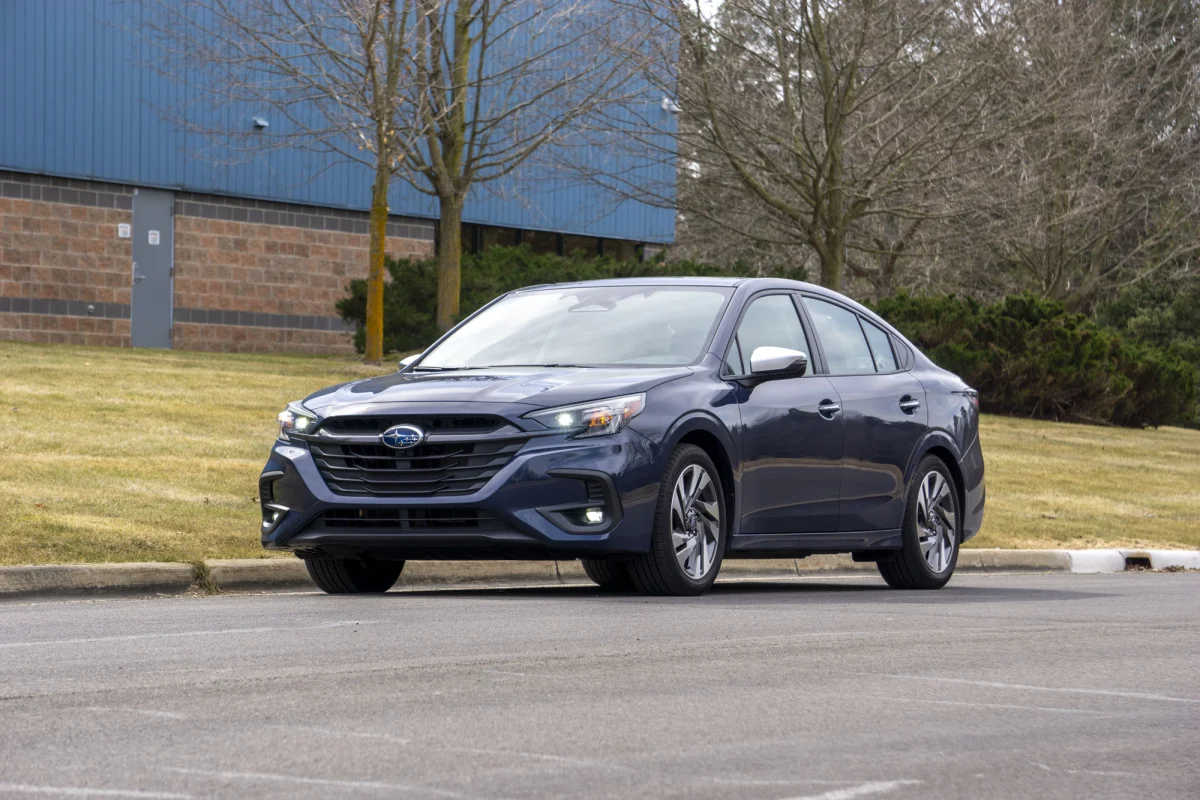
4. Subaru Legacy
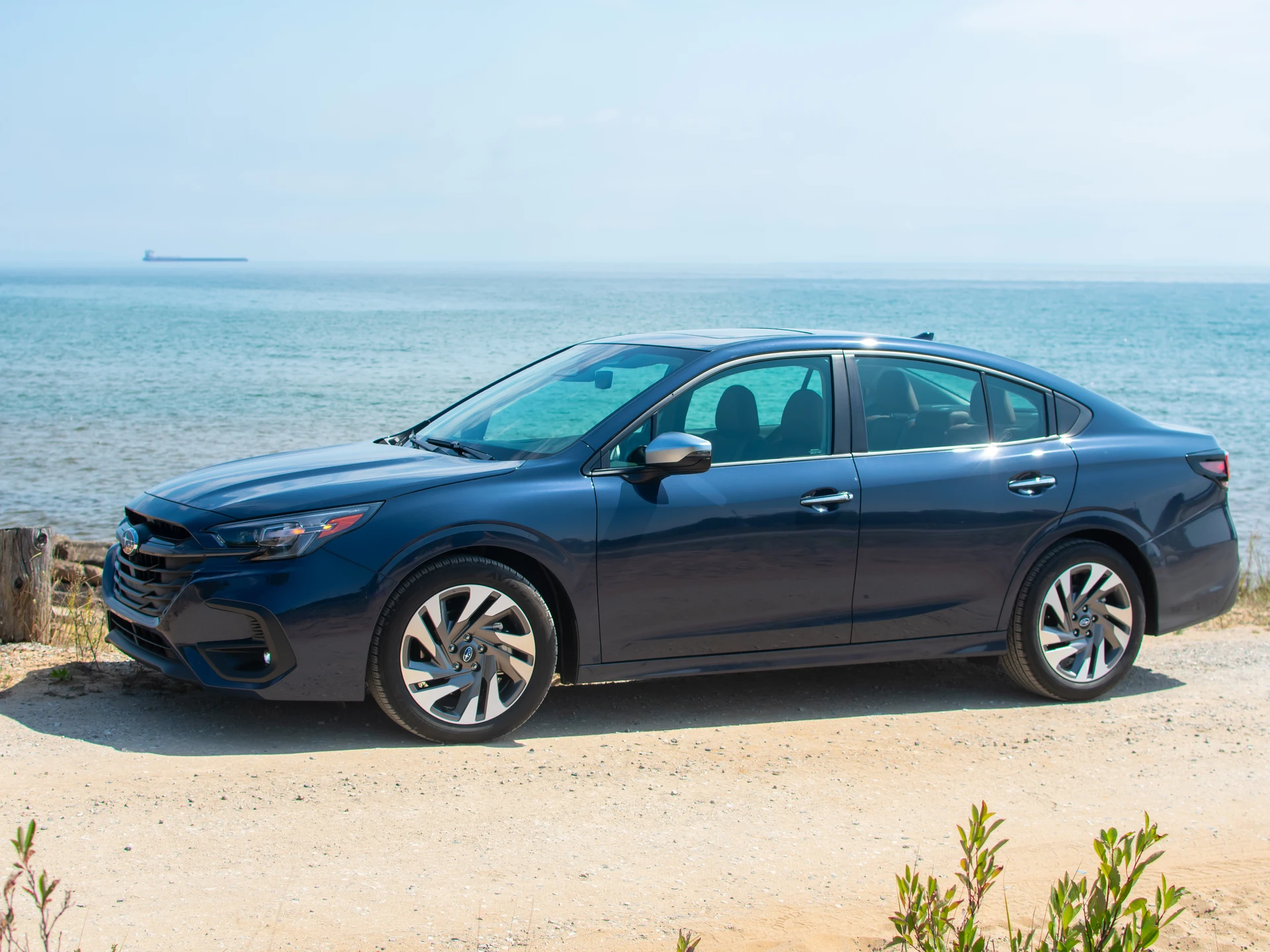
The Subaru Legacy occupies a special place among sedans that last. It may not have the prestige of a Lexus or the name recognition of a Camry, but it has earned its respect through quiet, consistent endurance. Subaru’s approach to car building emphasizes strength, simplicity, and all-weather resilience.
The Legacy embodies these traits with its symmetrical all-wheel-drive system and strong, horizontally opposed engines that provide stability and longevity. In snowy climates and rural areas where conditions are rougher, the Legacy has become a trusted companion because it endures the kind of punishment that makes other sedans give up early.
One of the reasons the Legacy stays strong is Subaru’s structural design philosophy. The chassis is engineered with reinforced steel and a low center of gravity, giving it excellent balance and crash safety while also resisting fatigue over time.
Subaru’s dedication to rust protection also pays off; while earlier models once had issues, modern Legacys are far better protected and can maintain solid body integrity for years.
Mechanically, the engine’s layout spreads heat evenly and keeps vibration low, helping reduce long-term stress on the drivetrain. These design choices combine to make the Legacy a sedan that feels stable even as the miles climb.
Interior quality has improved steadily through each generation. Subaru focuses on practical, functional cabins with durable fabrics, simple buttons, and logical layouts. Owners appreciate that the car feels consistent after years of use, with controls that keep working and upholstery that doesn’t fall apart.
It might not have the flash of luxury models, but it delivers a level of durability that builds trust. The all-wheel-drive system, a central feature of Subaru engineering, is also known for its toughness. Unlike many competitors’ systems that fail over time, Subaru’s symmetrical design remains reliable with proper maintenance, contributing to the Legacy’s long-lasting reputation.
Perhaps the most telling measure of the Legacy’s staying power is owner loyalty. Many drivers who buy one end up purchasing another, often passing older models down to family members. They know that even with age, a properly maintained Legacy will continue to perform.
It’s the kind of sedan that quietly proves itself year after year, surviving harsh winters, long commutes, and rough roads without complaint. The Legacy’s strength doesn’t shout; it simply endures, reminding us that thoughtful engineering and practical design often last longer than anything else.
5. Toyota Corolla
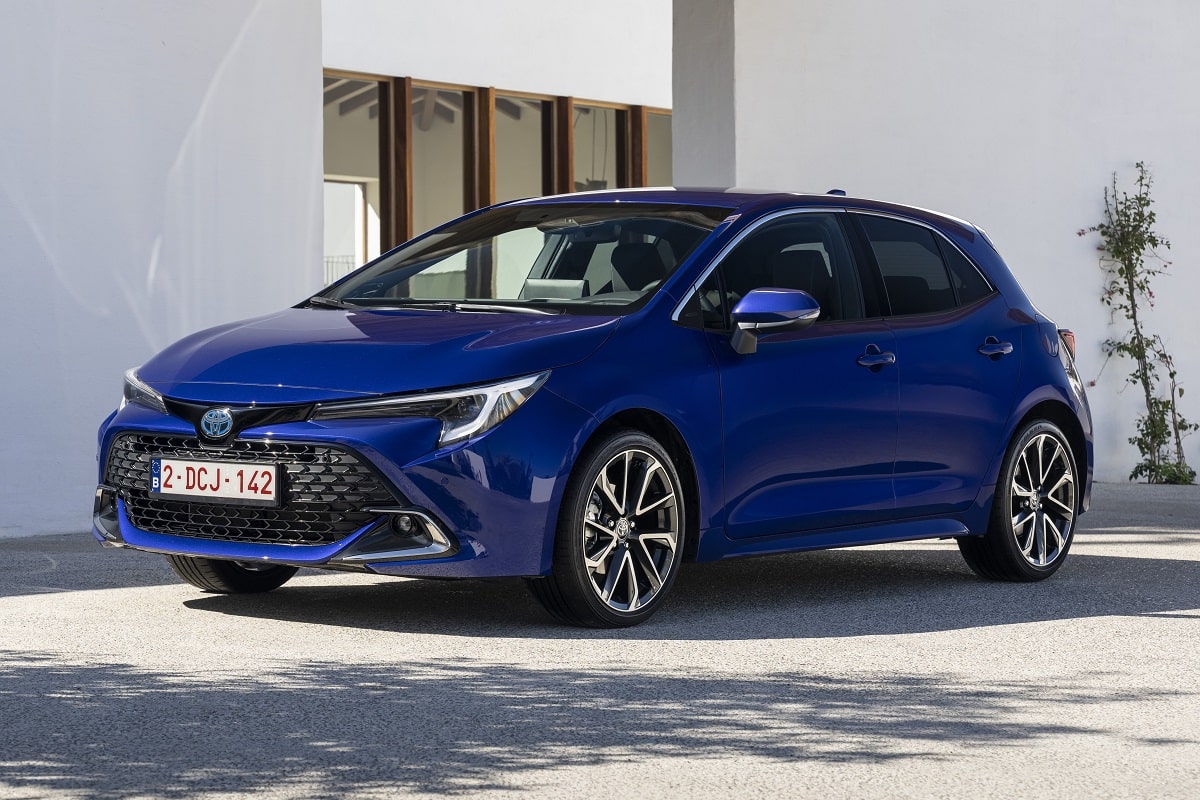
The Toyota Corolla is the gold standard for dependable transportation. For more than half a century, it has been the go-to choice for anyone who wants a car that will keep going long after the payments are done. Its simplicity is its greatest strength.
Toyota designed the Corolla to be efficient, affordable, and above all, reliable. Generations of drivers across the world have used it as their first car, family car, and sometimes even as a lifelong companion. Few vehicles have proven as consistently capable of surviving tough conditions, minimal maintenance, and sheer time as the Corolla has.
Mechanically, the Corolla’s durability stems from its uncomplicated design. Toyota avoids overengineering this car, focusing instead on tried-and-true mechanical systems that are easy to maintain and resistant to failure. The engines are known for modest output but incredible endurance, often running well beyond 300,000 miles with regular servicing.
Transmissions are equally robust, whether manual or automatic, and repair costs remain low thanks to the car’s widespread global support network. Every component is built with efficiency and simplicity in mind, allowing the car to perform steadily even when neglected, a rare quality in modern vehicles.
Inside, the Corolla’s story of reliability continues. The cabin doesn’t try to be luxurious, but it’s practical and comfortable in a way that holds up over years of daily use. Switches and controls have a solid feel, seats remain supportive, and materials resist fading or cracking.
Toyota’s use of conservative interior design means the car doesn’t age visually as quickly as trendier competitors. The layout stays functional, and the experience remains familiar and dependable. This sense of continuity adds emotional value, as drivers know exactly what to expect every time they start the car.
The Corolla’s long-term ownership experience is one of minimal drama. Maintenance costs are predictable, parts availability is unmatched, and mechanics around the world know the car inside and out. It’s an easy car to live with, one that rewards care with longevity and forgives neglect better than most.
5 Sedans That Age Poorly
1. Ford Taurus
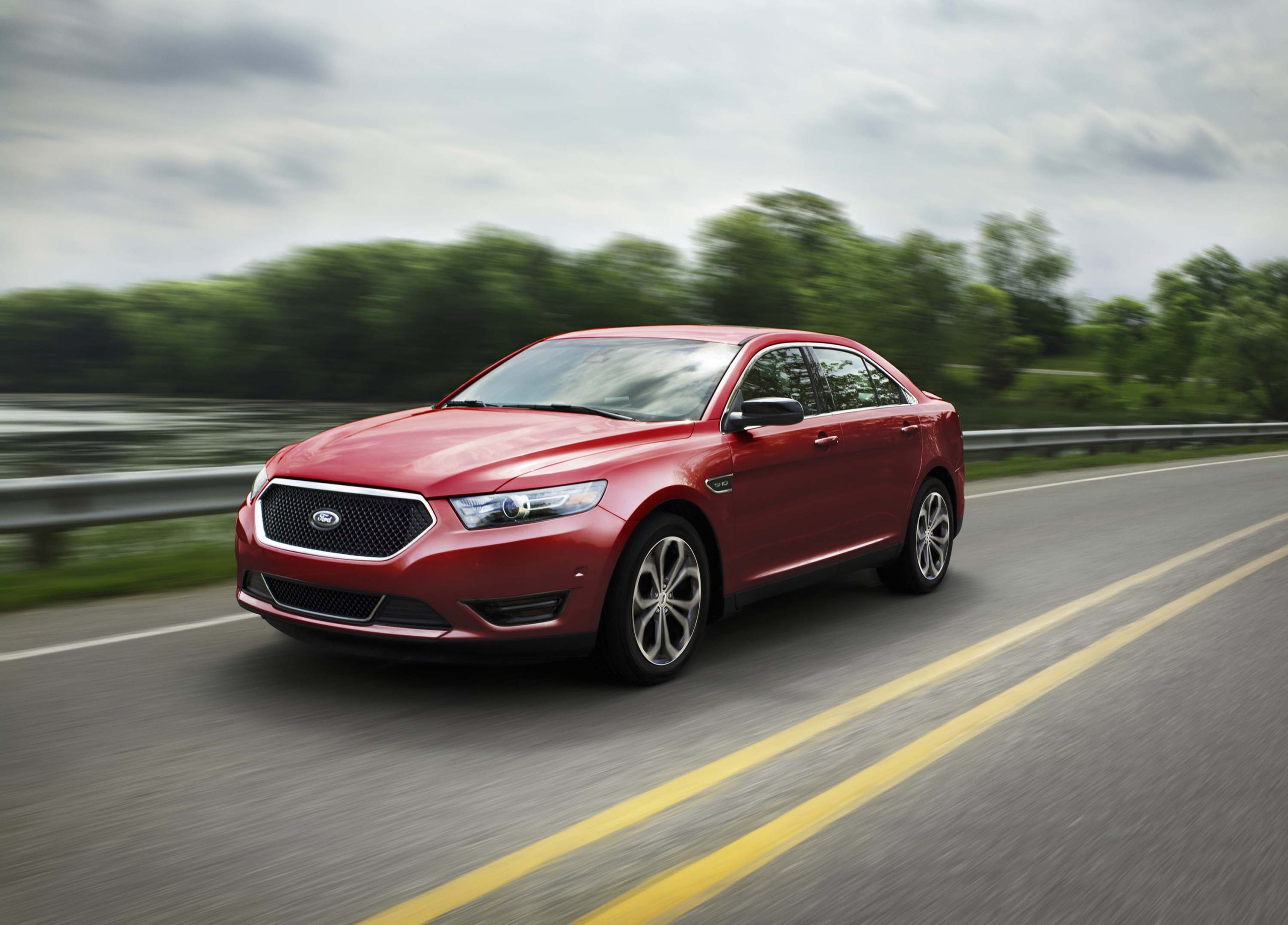
The Ford Taurus was once a dominant force in the American sedan market, praised for its bold styling and comfortable ride. However, as the years have passed, many models have shown troubling signs of aging poorly, especially those from the late 1990s and early 2000s.
One of the primary reasons the Taurus struggles over time is due to its complex electronics and mechanical systems that were ahead of their time but lacked the durability needed for long-term reliability. Owners frequently report issues with the transmission, particularly the 4-speed automatic, which tends to fail prematurely if not carefully maintained.
Additionally, the Taurus’s engine, while initially powerful, often develops oil leaks and other mechanical problems as the mileage climbs, making it expensive and frustrating to keep on the road after a decade.
Another challenge the Taurus faces is its interior quality. Unlike more conservative competitors that focused on durability, the Taurus used many plastics and trim pieces that degrade quickly under sun exposure and heavy use. Dashboards tend to crack, and upholstery wears out unevenly, leaving early owners with cabins that feel worn and tired after only a few years.
Electrical gremlins become common, with switches and control modules failing, sometimes leaving owners stranded or facing costly repairs. This decline in interior and electrical quality has led to a perception that the Taurus doesn’t hold up well visually or functionally as it ages, which can severely impact resale value and owner satisfaction.
The body and paint also present issues that contribute to poor aging. Rust-prone areas around the wheel wells and door sills often show deterioration if the vehicle isn’t meticulously cared for or driven in harsh climates. Paint tends to fade unevenly, and panels can warp or misalign with time, further eroding the car’s appearance.
Repairing these body issues can become costly and time-consuming, especially since many parts for older Tauruses are now less common in salvage yards. Combined with the mechanical and interior troubles, these problems push the Taurus into the category of cars that require significant investment just to keep running decently beyond 150,000 miles.
Lastly, maintenance and repair costs on aging Tauruses can become unpredictable. Ford’s engineering during that era sometimes prioritized innovation over proven durability, which means some components fail in unexpected ways. Electrical wiring harnesses and connectors are particular weak points that deteriorate with time, leading to intermittent faults and diagnostic challenges.
The relative scarcity of specialist knowledge for older Tauruses also means some mechanics may be less confident or charge more for repairs. While not impossible to keep on the road, a Taurus from that period often demands more attention and money as it ages, making it a less desirable option for those seeking a hassle-free sedan with lasting value.
2. Chevrolet Malibu (2008-2012)
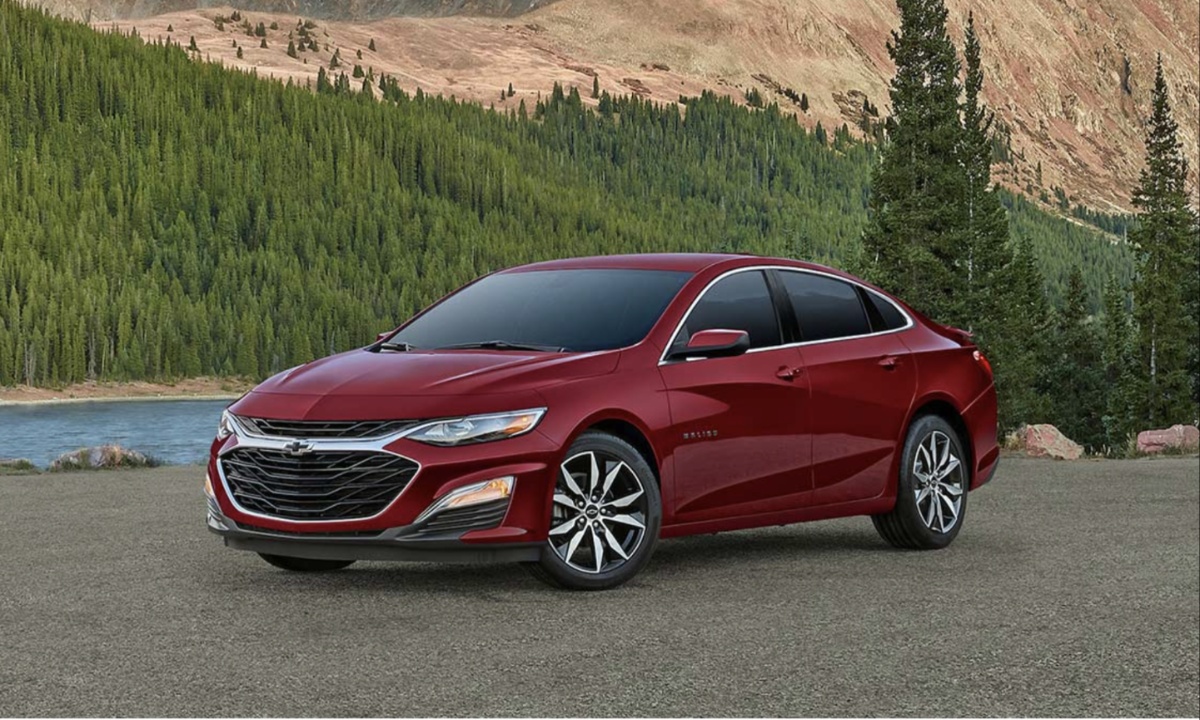
The Chevrolet Malibu from the 2008 to 2012 model years has become infamous for aging poorly, especially in terms of reliability and owner satisfaction. One of the biggest concerns comes from the powertrain, particularly the 2.4-liter four-cylinder and V6 engines, which have been prone to oil consumption, head gasket failures, and timing chain problems.
These issues often surface after moderate mileage, resulting in expensive repairs that many owners didn’t expect when purchasing the car new. The automatic transmissions in these models are also criticized for rough shifting and premature failure, which adds to the frustration and costs of ownership as the vehicle ages. This powertrain unreliability undermines the Malibu’s appeal and leads many owners to retire their vehicles earlier than they would prefer.
Interior materials and build quality also contribute to the Malibu’s decline over time. Many owners report early wear on seats, peeling of dashboard coatings, and cracking of plastic panels. The interior design prioritizes affordability over durability, which becomes clear as the vehicle accumulates miles and years.
Infotainment systems, buttons, and knobs sometimes malfunction or lose responsiveness, leaving a car that feels outdated and neglected even if it’s been well cared for. This wear and tear affects the user experience and detracts from the sense of value that owners expect when they first purchase the vehicle.
Body integrity and exterior finish are further weak points. Paint chipping and fading, especially on commonly exposed surfaces like the hood and roof, are frequent complaints. Rust issues, while not as widespread as some older vehicles, do occur in areas like wheel arches and door bottoms, especially in climates with heavy road salt usage.
The suspension and steering components also tend to wear out unevenly, leading to a less confident driving experience and higher repair bills. Combined, these issues give the Malibu a sense of accelerated aging that contrasts sharply with some more durable sedans in its class.
Finally, the cost and complexity of repairs escalate as the Malibu ages. Some owners find themselves facing expensive replacements for major components such as the engine control module or transmission valve body. Additionally, parts availability has decreased over time, forcing reliance on aftermarket or rebuilt units that vary in quality.
Because the Malibu was a mass-market sedan aimed at affordability, some aspects of its design were sacrificed in favor of cost savings, which only became apparent with age. These factors together mean that owning a Malibu from these model years can become a source of ongoing expense and frustration rather than dependable transportation over the long haul.
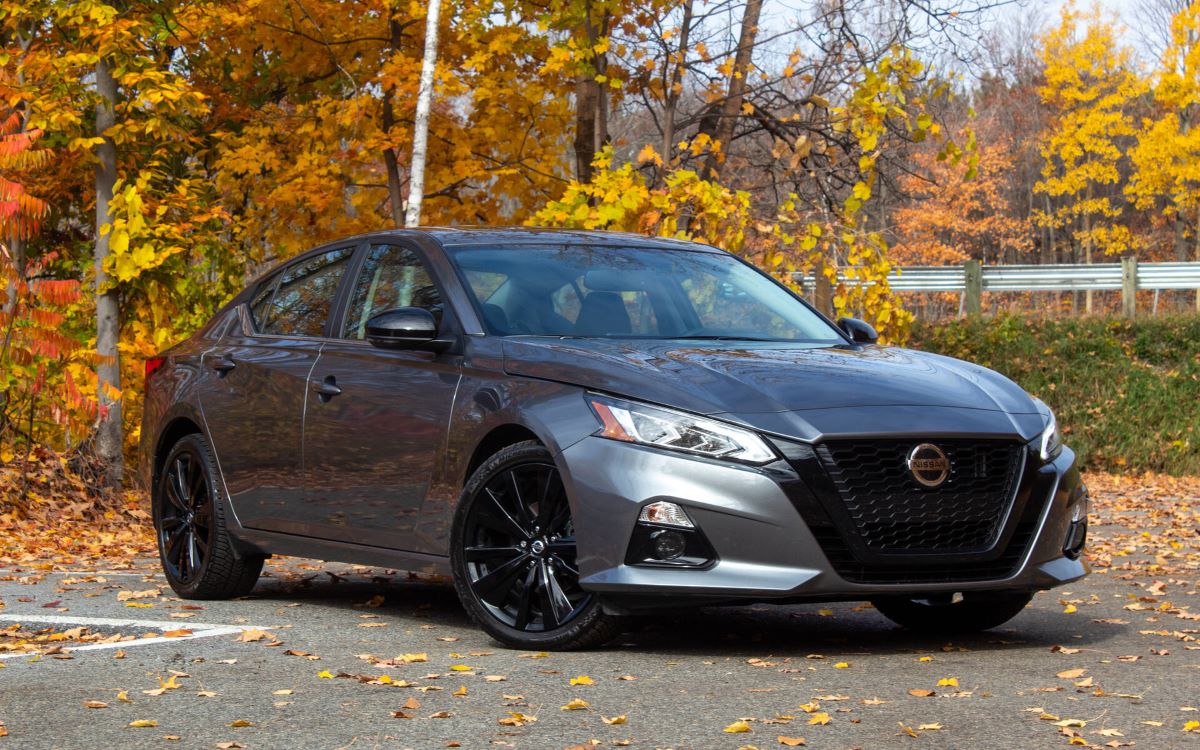
3. Nissan Altima (2007-2012)
The Nissan Altima, particularly models from 2007 to 2012, has struggled with a reputation for aging poorly due to a combination of mechanical and cosmetic issues. One of the most significant problems has been with the continuously variable transmission (CVT), which in many cases has suffered from premature failure.
While CVTs can offer smooth and efficient operation when functioning properly, the Altima’s units from this period often exhibit shuddering, slipping, and eventual breakdowns after relatively low mileage. Repair or replacement of the CVT is expensive, and this issue has led many owners to consider the Altima less reliable over time compared to vehicles with traditional automatic transmissions.
Mechanically, the Altima also suffers from engine oil consumption problems, especially in models equipped with the 2.5-liter four-cylinder. Owners report needing to add oil frequently, sometimes between oil changes, and some engines experience increased wear as a result.
Timing chain tensioners and valve cover gaskets have also been noted as failure points that become more common as the car ages. These issues combine to make maintenance more demanding and costly than what many expect from a midsize sedan, especially when paired with the high cost of transmission repairs.
The interior materials and build quality of these Altimas don’t stand up well over time either. Seats often show excessive wear, and upholstery can tear or stain easily. Dashboard materials tend to fade or crack when exposed to sunlight, and buttons and knobs sometimes lose their responsiveness.
While the Altima aimed to provide a comfortable and stylish interior at launch, the reality is that owners often find their cabins looking and feeling worn far earlier than comparable models from other manufacturers. This decline in interior quality affects the ownership experience and resale value.
Exterior durability is another concern for aging Altimas. Paint deterioration and minor rust spots frequently appear on older models, especially in regions with harsh winters and salted roads. Suspension components also wear unevenly, leading to less stable handling and increased noise over time.
These factors contribute to a general impression that the Altima’s build quality deteriorates noticeably with age, creating additional maintenance challenges and lowering the car’s appeal for long-term ownership.
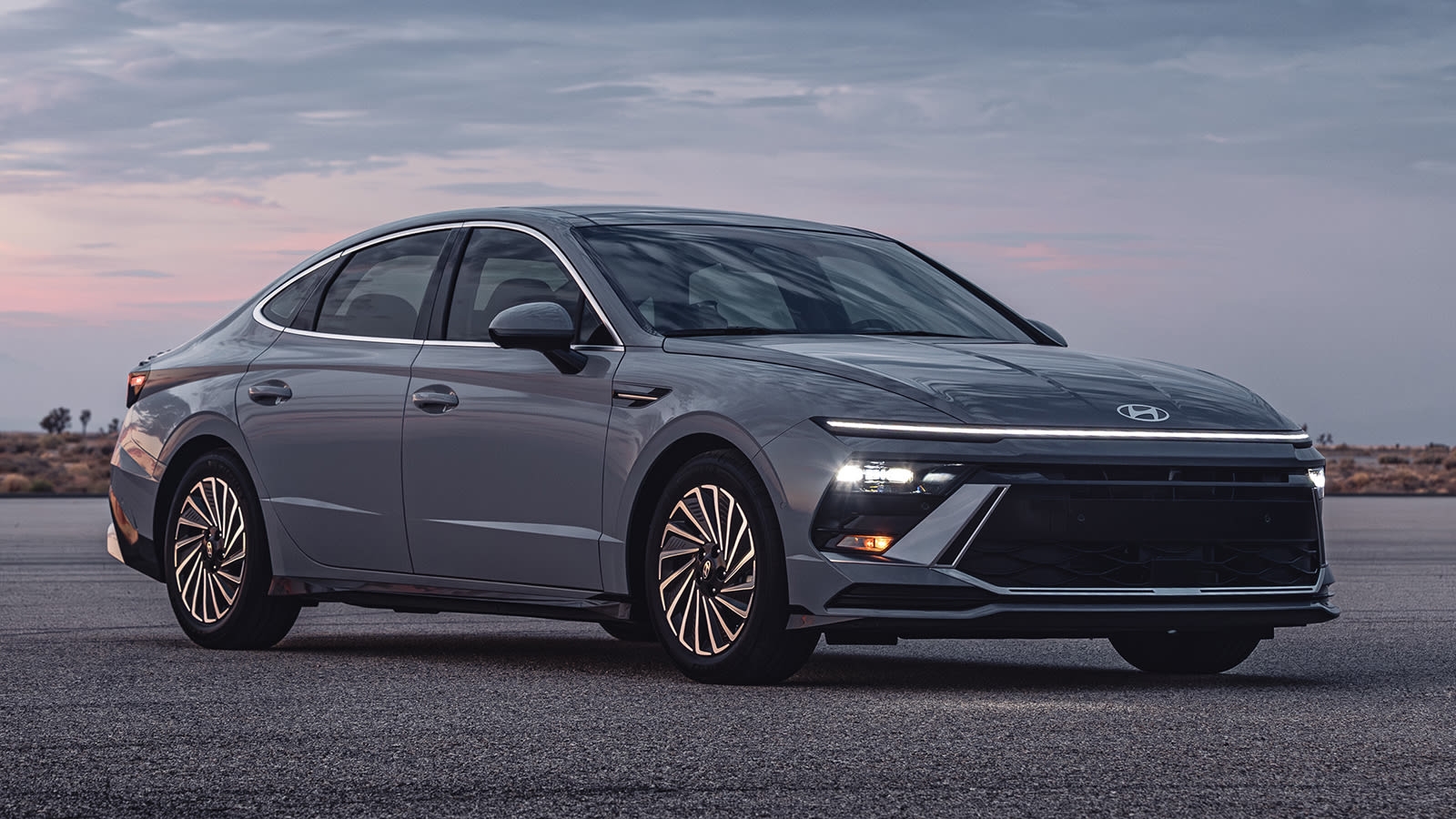
4. Hyundai Sonata (2011-2014)
The Hyundai Sonata from the early 2010s has garnered a reputation for aging poorly, primarily due to issues with reliability and interior durability. Early model Sonatas feature engines prone to timing chain failures and overheating, which can lead to costly repairs.
These mechanical problems often emerge after moderate mileage, surprising owners who expected a longer-lasting powertrain. Transmission problems, while less common, do occur, with some automatic units exhibiting rough shifts and slipping that worsen over time. The combination of these drivetrain issues has tarnished the Sonata’s reputation as a long-term contender in the midsize sedan segment.
Inside, the Sonata’s cabin suffers from rapid wear and tear. Seat fabrics tend to stain easily and show wear marks, while plastics used on the dashboard and door panels often crack or warp under sunlight exposure.
The interior trim, which was initially modern and attractive, can lose its luster, leaving a faded and worn feeling even on relatively low-mileage examples. Infotainment and electronic controls are also reported to malfunction or lose responsiveness, contributing to a decline in the perceived quality of the car’s interior environment as it ages.
From an exterior standpoint, the Sonata shows signs of accelerated aging. Paint peeling and fading are common complaints among owners, especially on darker colors. Rust tends to form prematurely around wheel wells and undercarriage areas, particularly in regions with significant road salt exposure.
Suspension components and steering parts have been noted to wear unevenly, affecting ride quality and handling as the car grows older. These issues can make the Sonata feel less refined and less solid compared to its competition, which often better retains its composure over time.
Repair and maintenance costs tend to increase as the Sonata ages due to the complexity of some of its components and the relative scarcity of parts for early 2010s models. While Hyundai’s warranty initially provided reassurance, once expired, owners often find themselves dealing with expensive repairs on engines, transmissions, and electronics.
The combination of these mechanical, cosmetic, and reliability problems contributes to the Sonata’s reputation as a car that doesn’t age gracefully, requiring a significant investment of time and money to keep it running and looking respectable over the long term.
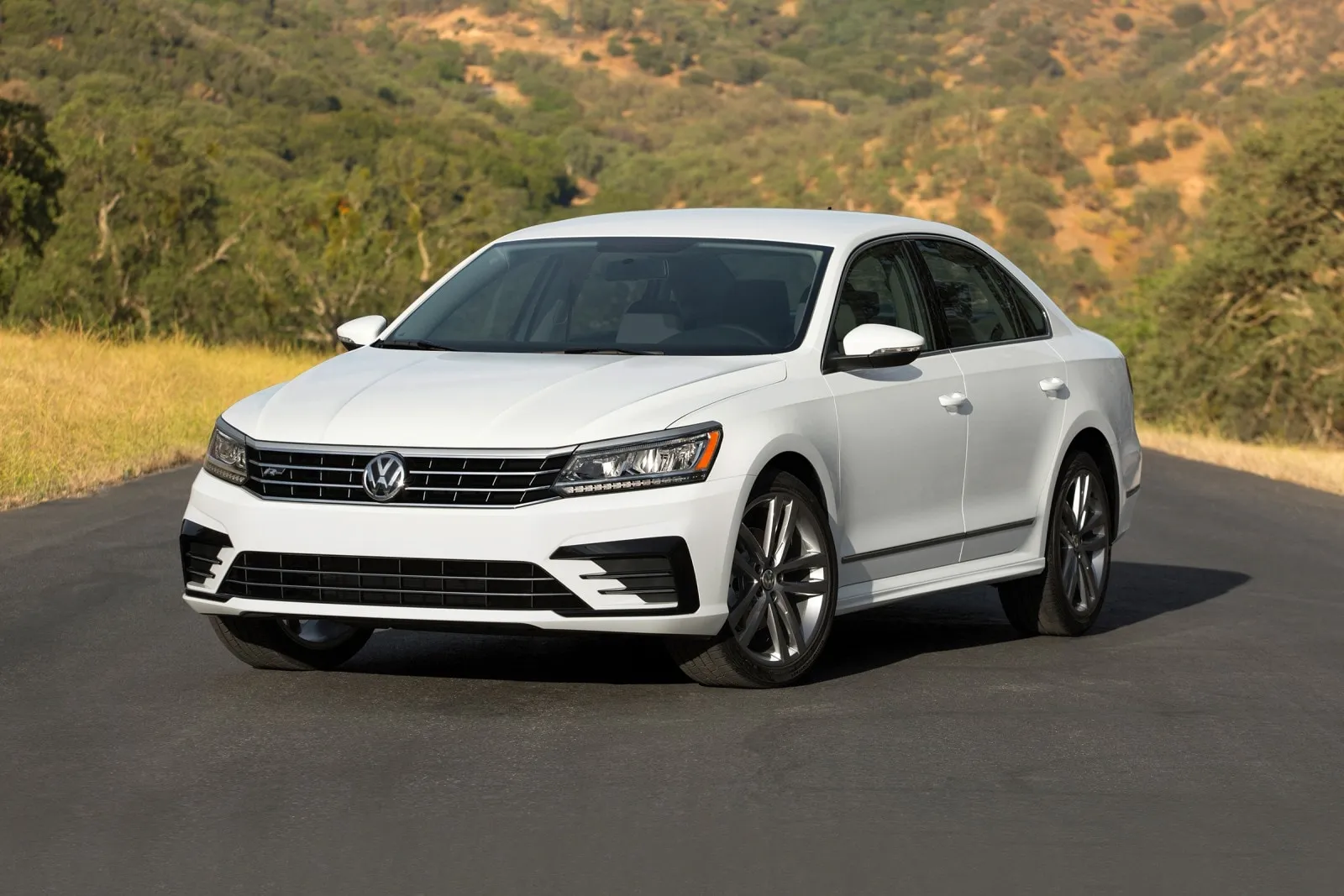
5. Volkswagen Passat (2006-2010)
The Volkswagen Passat, especially from the mid-2000s to early 2010s, is often cited as a sedan that ages poorly due to its complex engineering and costly maintenance requirements. One of the key issues affecting longevity is the TSI turbocharged engines used in many of these models.
While offering impressive performance and efficiency at launch, these engines tend to develop oil consumption problems, carbon buildup, and timing chain issues as they accumulate miles. Repairs can be intricate and expensive due to the engine’s tight packaging and high-tech components, deterring many owners from maintaining these cars beyond a certain point.
The Passat’s transmission, particularly the DSG dual-clutch units, is another weak spot that tends to require major service or replacement prematurely. Many owners experience jerky shifts, hesitation, and eventual failure of the clutch packs or mechatronics module.
These problems often surface well before 150,000 miles, making long-term ownership costly and unpredictable. Additionally, electrical issues are common, with various sensors, switches, and control units failing and complicating diagnostics.
Interior quality in aging Passats also leaves much to be desired. Although the car’s design is modern and upscale at launch, many owners report that materials deteriorate rapidly. Leather seats can crack, plastics fade or warp, and dashboard components develop rattles or failures over time.
Electronics, such as the infotainment system and climate controls, tend to lose functionality, which reduces the driving experience. These interior issues, combined with the high cost of repairs, make the Passat less appealing as it ages.
Externally, the Passat faces rust issues and paint degradation, especially in regions with cold winters and salted roads. Suspension parts also wear prematurely, leading to handling problems and increased repair bills. Given the car’s initial positioning as a premium midsize sedan, these problems feel especially disappointing.
The combination of complex mechanical issues, costly repairs, and declining interior and exterior quality has led many to view the Passat as a vehicle better suited for short-term ownership rather than a long-lasting investment.
