
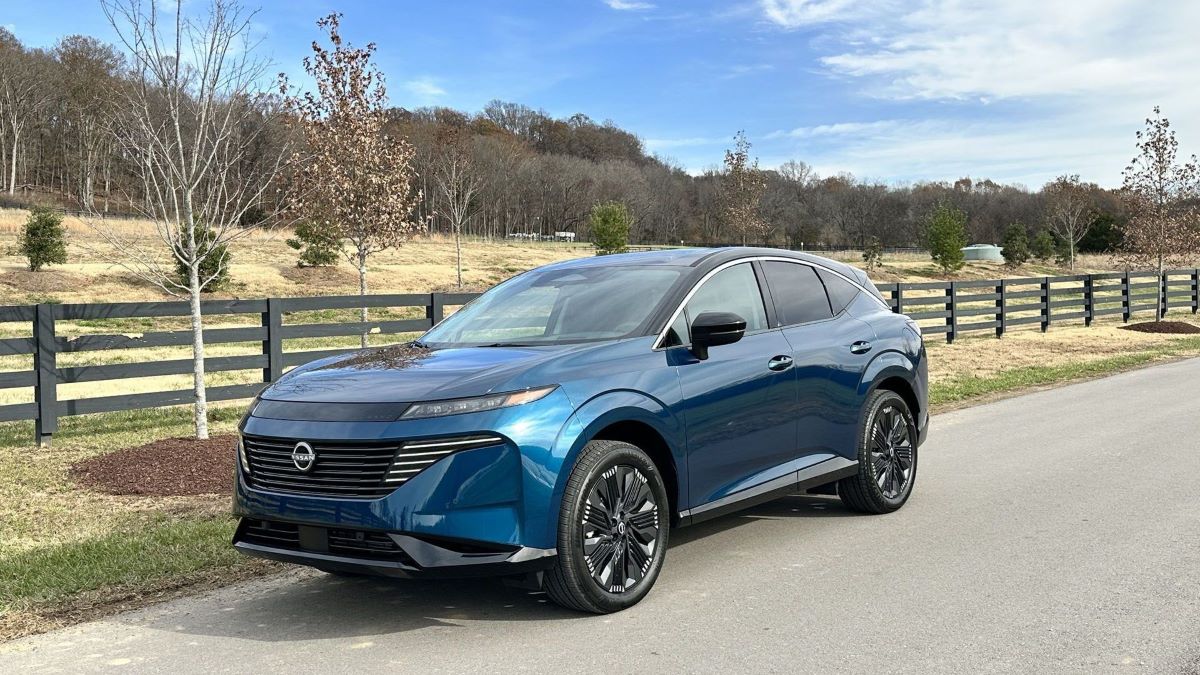
SUVs have been a dominant force in the automotive market for quite some time. Their appeal comes from a blend of practicality, style, and the ability to handle a variety of driving conditions. Over the years, consumer preferences have shifted, influenced by factors such as fuel efficiency, technology, safety, and even cultural trends.
Some SUVs continue to rise in popularity, capturing the hearts of buyers with their versatility and modern features. Others, meanwhile, have struggled to maintain their market share, often due to outdated designs, poor fuel economy, or simply losing relevance in a rapidly evolving segment.
The increase in demand for certain SUVs reflects a broader trend in the automotive industry where buyers seek vehicles that combine performance with comfort and technological innovation.
This has led manufacturers to focus heavily on improving interiors, offering advanced driver assistance systems, and enhancing fuel efficiency, sometimes through hybrid or electric powertrains.
Meanwhile, shifting regulations on emissions and the rising cost of fuel in many regions have also contributed to consumers favoring more efficient models, pushing some traditionally popular SUVs out of the limelight.
Another important factor shaping SUV popularity is the rise of urban and suburban lifestyles that demand vehicles able to navigate tight city streets as well as family road trips. Compact and midsize SUVs with smart storage solutions, good maneuverability, and adaptable interiors have seen demand.
In contrast, larger SUVs, especially those with poor fuel economy or outdated technology, often see sales decline. The perception of an SUV’s brand and its connection with lifestyle aspirations also plays a crucial role. Buyers gravitate toward models that represent reliability, status, and forward-thinking design, while models that fail to keep up with these expectations can quickly fall out of favor.
This article will examine five SUVs that are currently growing in demand and five that are losing traction in the market. The discussion will focus on what makes the popular models appealing to buyers today, as well as the challenges faced by those losing their edge.
5 SUVs With Growing Demand
1. Toyota RAV4
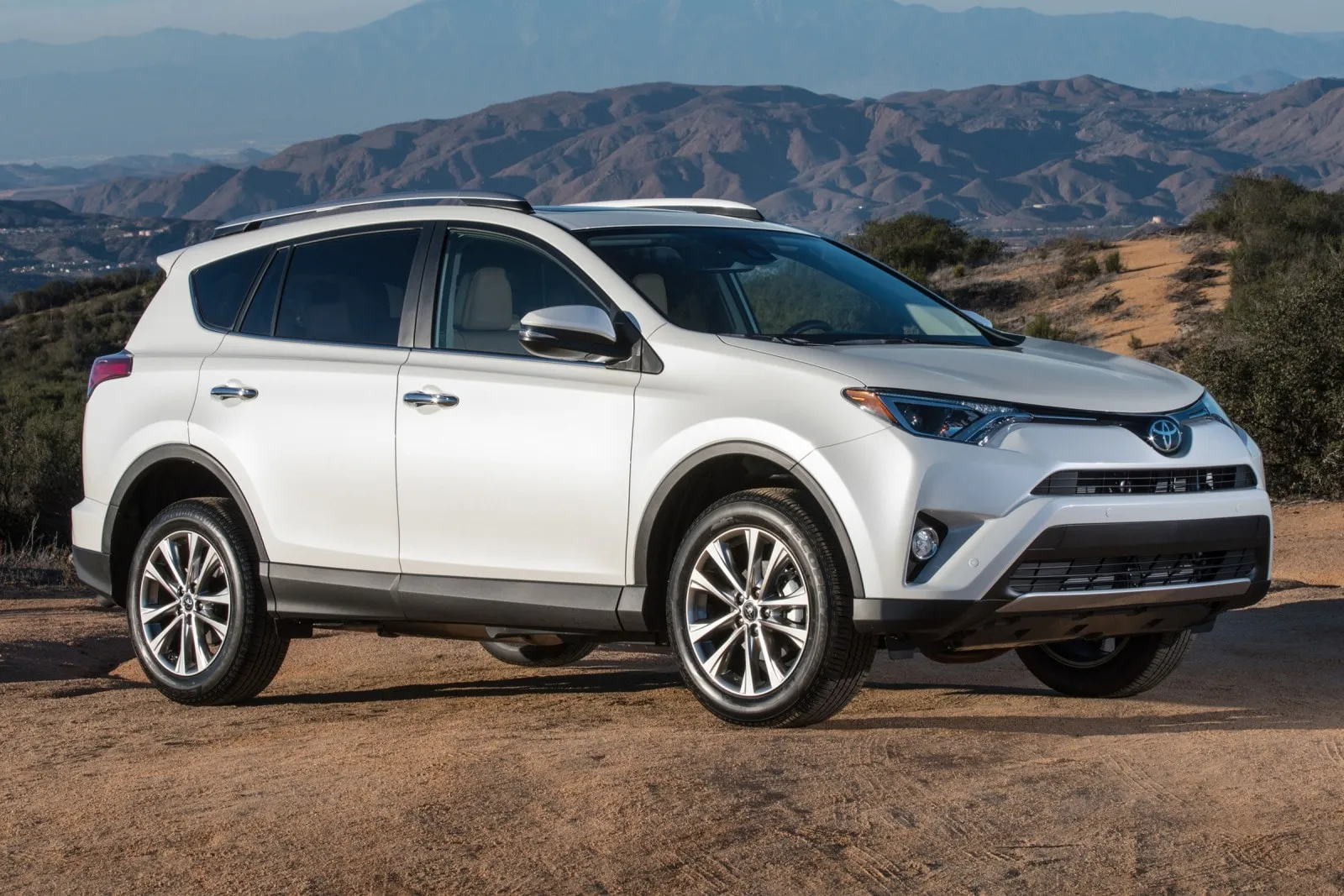
The Toyota RAV4 has firmly established itself as one of the most popular SUVs across various markets, and its demand continues to climb steadily. A major reason for its enduring success is its consistent reputation for reliability, something Toyota has become synonymous with over the decades.
This SUV fits a broad range of consumer needs, offering a balance between performance, comfort, and practicality that few competitors manage to match. Buyers appreciate the smooth ride and the refined driving experience, but it is the combination of fuel efficiency and spaciousness that truly makes the RAV4 stand out.
Toyota’s push into hybrid technology with the RAV4 Hybrid has particularly captured the attention of environmentally conscious consumers who do not want to compromise on power or versatility. This hybrid model delivers some of the best fuel economy numbers in the compact SUV segment, helping owners save significantly on fuel costs while reducing emissions.
Toyota has also paid close attention to safety, integrating an extensive suite of standard driver assistance features in the RAV4, including adaptive cruise control, lane departure warning, and automatic emergency braking. These technologies have helped it earn top safety ratings, which appeal strongly to families and safety-minded buyers.
The RAV4’s reputation for longevity and strong resale value reinforces the perception of it being a smart long-term investment. From a design standpoint, Toyota has kept the RAV4 fresh with modern, aggressive styling that combines sharp lines with a rugged look, catering to a wide audience that wants an SUV suitable for both urban and outdoor adventures.
Inside, the cabin is thoughtfully laid out with durable, high-quality materials and a user-friendly infotainment system that supports wireless connectivity options.
The RAV4 also offers a range of trims and options, allowing buyers to choose from a more affordable base model up to a well-equipped off-road-oriented version like the TRD Off-Road, which enhances its appeal to different lifestyles. Its ability to serve as both a family hauler and a weekend getaway vehicle makes it a versatile choice for a diverse group of buyers.
Additionally, Toyota’s extensive dealership network and excellent after-sales service provide added peace of mind, making ownership more convenient and enjoyable. The RAV4’s continued growth in demand can be attributed to its well-rounded approach to meeting modern SUV buyers’ expectations for efficiency, safety, comfort, and reliability.
2. Honda CR-V
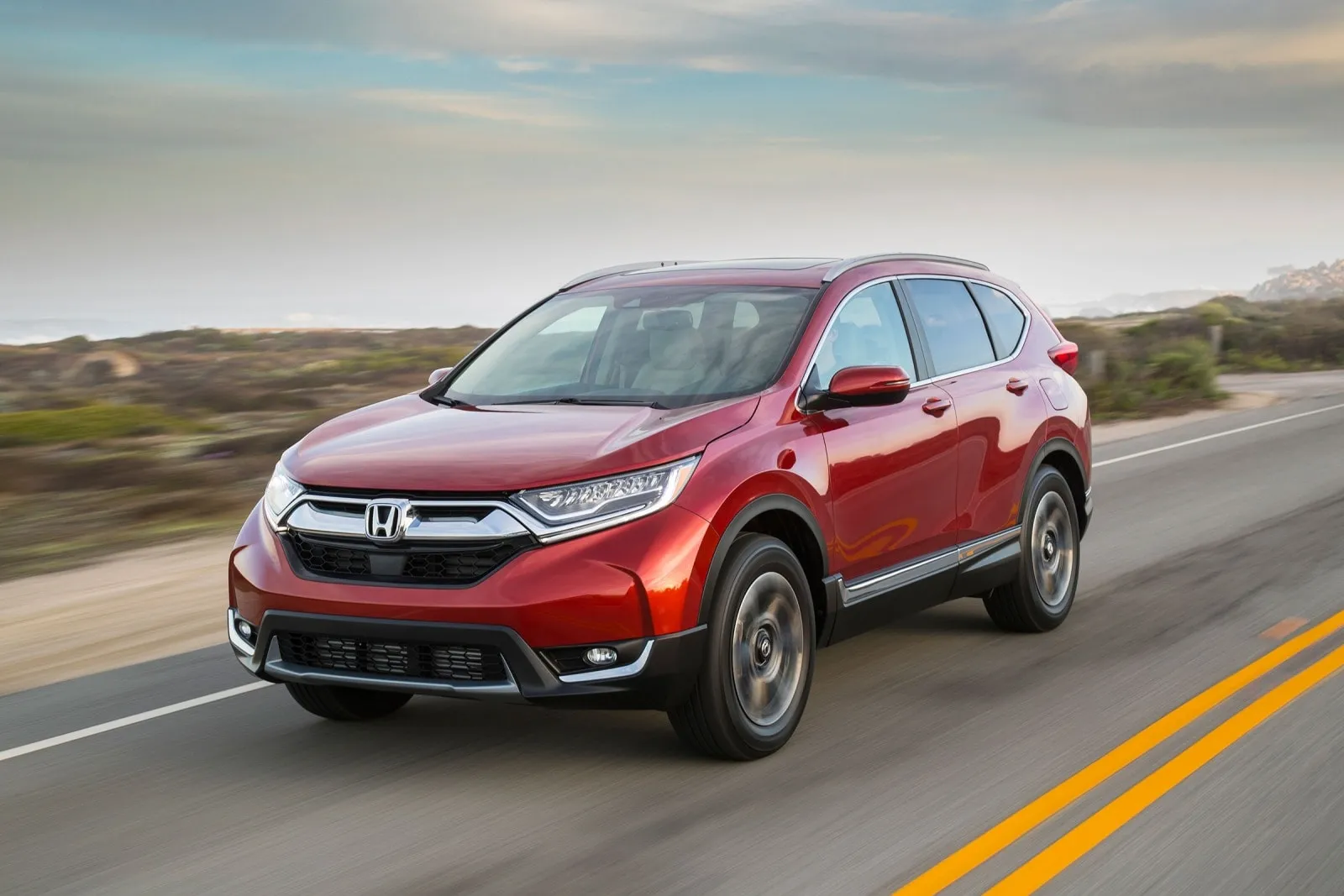
The Honda CR-V remains a top contender in the compact SUV market because it offers a combination of space, efficiency, and comfort that few competitors can rival. Its reputation for reliability and longevity has been built through years of consistent performance and strong customer satisfaction.
What makes the CR-V particularly attractive is the roomy interior, which provides one of the most spacious cabins in its class. Passengers enjoy generous legroom and headroom in both the front and rear seats, making it an excellent choice for families or those who often drive with multiple passengers.
Cargo capacity is another strong point, as the CR-V offers flexible storage solutions including a wide rear hatch, flat folding seats, and clever compartments that help maximize usability for daily errands or long trips.
Fuel economy is a significant driver of the CR-V’s appeal, especially with the introduction of hybrid powertrains that combine a gasoline engine with electric motors to improve mileage without sacrificing performance. These hybrid versions have made the CR-V particularly appealing in urban areas and regions with stringent emissions regulations.
The hybrid also enhances acceleration smoothness and reduces noise, contributing to a more refined driving experience. Honda has equipped the CR-V with a comprehensive set of standard safety features, including collision mitigation braking, road departure mitigation, and adaptive cruise control, which appeals to families concerned with protecting their loved ones on the road.
Design-wise, the CR-V blends practicality with a modern aesthetic, featuring aerodynamic lines and a bold front grille that give it a confident stance. Inside, Honda has used higher-quality materials compared to older models, and the intuitive infotainment system supports seamless smartphone integration, including Apple CarPlay and Android Auto.
The layout prioritizes ease of use to minimize driver distraction, and the quiet cabin enhances comfort during long drives. Honda’s attention to detail and constant improvements have helped the CR-V remain relevant as competitors attempt to catch up.
The CR-V’s reputation for reliability, combined with competitive pricing and good fuel economy, continues to attract new buyers while maintaining loyalty among existing owners. This well-rounded approach ensures that it meets the diverse needs of consumers, from small families to singles who want a versatile and efficient vehicle.
The ability to balance performance, comfort, and utility without breaking the bank is a key reason why the CR-V’s demand keeps rising steadily.
3. Mazda CX-5
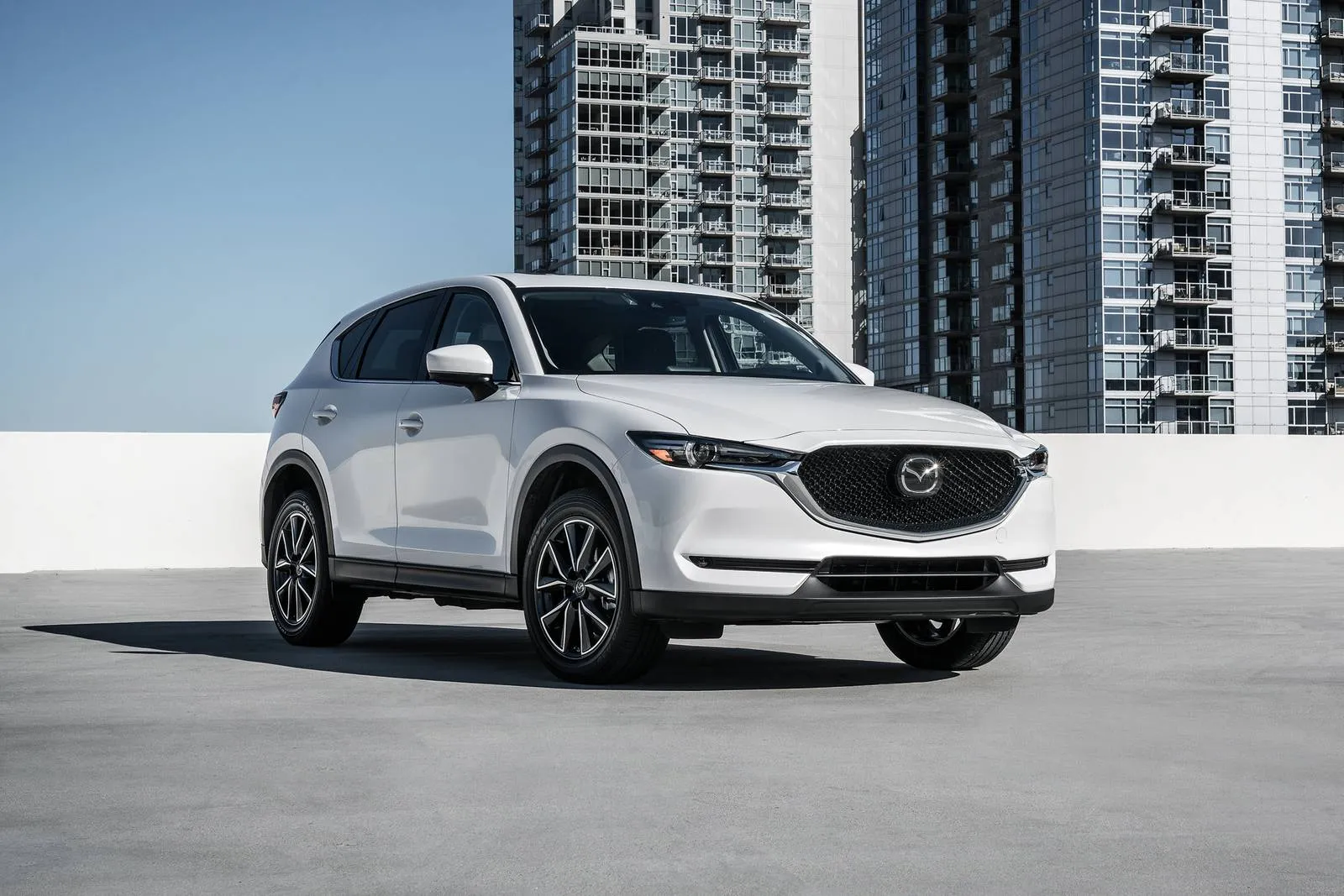
The Mazda CX-5 has become a standout in the compact SUV segment, thanks to its strong emphasis on driving enjoyment and a premium feel that is rare in this price range.
Unlike many other SUVs that prioritize practicality above all, the CX-5 offers a driving experience that is engaging and dynamic, with precise steering and responsive handling that appeals to buyers who value a sportier ride.
This focus on driving dynamics sets the CX-5 apart, especially among younger buyers or those who simply want an SUV that is fun to drive without sacrificing everyday usability. Mazda has worked hard to make the CX-5 feel refined, with a suspension tuned to provide a smooth ride while maintaining agility around corners.
One of the CX-5’s strongest selling points is its interior design, which often receives praise for feeling more luxurious than expected for its class. The cabin features soft-touch materials, elegant trim, and a minimalist design that emphasizes quality over quantity.
Comfort is prioritized, with supportive seats and a well-thought-out layout that reduces clutter and enhances driver focus. The infotainment system has evolved significantly, now offering improved responsiveness and ease of use, as well as compatibility with modern smartphone interfaces. These improvements have helped the CX-5 appeal to tech-conscious consumers.
Performance options include a naturally aspirated engine and a turbocharged variant, the latter delivering impressive power for the class while still maintaining respectable fuel efficiency.
This gives buyers the choice between a more economical daily driver and a more spirited vehicle for those who want extra performance. Safety features such as adaptive cruise control, blind-spot monitoring, and lane-keeping assist are standard or available, making the CX-5 competitive in terms of security and peace of mind.
Mazda’s reputation for building reliable vehicles complements the CX-5’s appeal, and its combination of style, performance, and comfort has resulted in a growing base of loyal customers. Buyers are drawn to the SUV’s ability to blend the best of a sporty car and a practical SUV, making it a compelling option for those seeking something a little different in a crowded market.
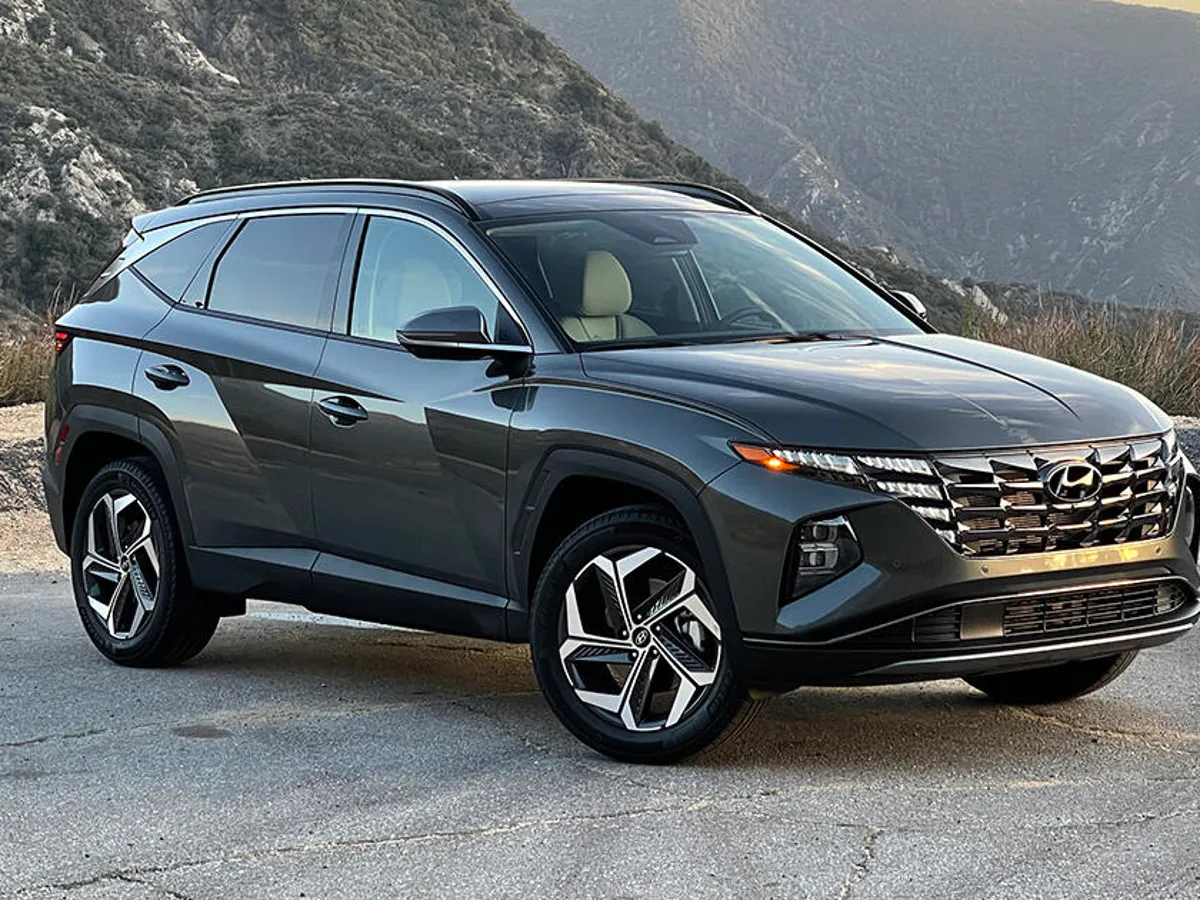
4. Hyundai Tucson
The Hyundai Tucson has rapidly grown in popularity due to its well-rounded nature and strong value proposition. Hyundai has invested heavily in improving the Tucson’s design, technology, and performance, transforming it from a budget-friendly option into a serious competitor in the compact SUV segment.
The latest Tucson features sharp, futuristic styling that commands attention with bold lines, distinctive lighting signatures, and a modern profile. This styling refresh has helped Hyundai reposition the Tucson as a more premium offering, appealing to buyers who want a vehicle that looks contemporary and sophisticated.
Inside, Tucson’s interior has also seen significant upgrades, with higher-quality materials, better fit and finish, and a spacious layout that accommodates passengers comfortably.
The cabin is equipped with user-friendly technology, including a large touchscreen infotainment system with wireless Apple CarPlay and Android Auto support, which meets the expectations of today’s connected drivers.
Hyundai’s focus on driver and passenger comfort is evident through thoughtful touches like adjustable seating, dual-zone climate control, and plenty of storage compartments that add to the SUV’s practicality.
One of the Tucson’s most attractive features is its powertrain options, which now include traditional gasoline engines, hybrid, and plug-in hybrid variants. These electrified versions offer excellent fuel economy and reduced emissions, making the Tucson an appealing choice for environmentally conscious buyers without sacrificing performance or utility.
The availability of all-wheel drive on many trims also enhances its versatility, allowing it to handle different weather conditions and light off-road use.
Hyundai’s industry-leading warranty coverage adds another layer of appeal, providing buyers with confidence in their investment and lower ownership costs over time. The Tucson’s combination of sharp styling, advanced technology, diverse powertrain choices, and affordability has contributed to its increasing demand, making it one of the fastest-growing models in its segment.
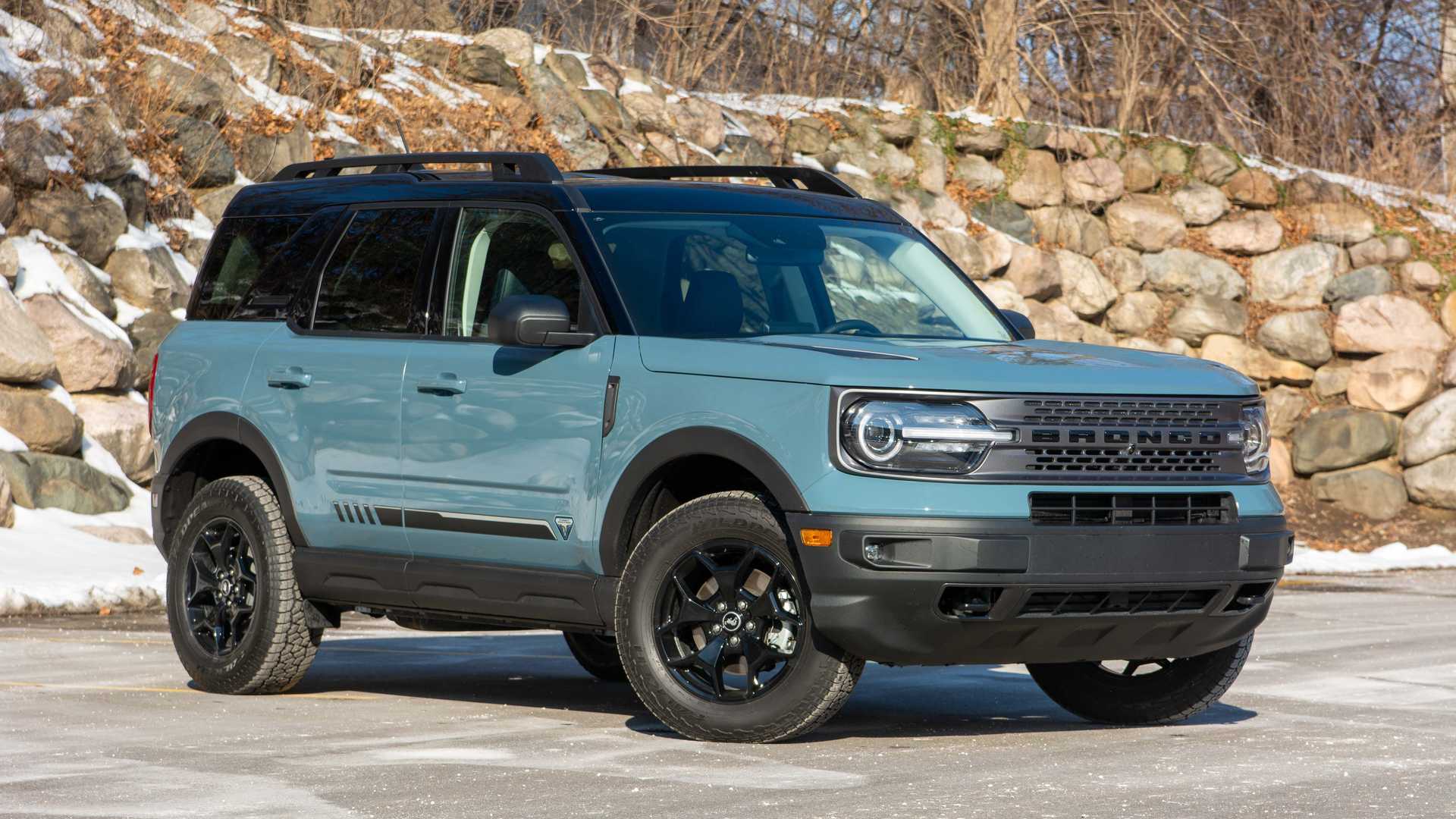
5. Ford Bronco Sport
The Ford Bronco Sport has generated significant buzz since its introduction, capturing the interest of buyers who want an SUV with genuine off-road capability combined with everyday usability.
Unlike some larger off-roaders that are difficult to handle in city settings, the Bronco Sport is compact and nimble, making it a practical choice for those who live in urban or suburban areas but enjoy outdoor activities such as hiking, camping, or trail riding.
The vehicle’s rugged styling, with bold lines, functional exterior features like tow hooks and roof rails, and a boxy, muscular shape, appeals to buyers looking for an adventurous image.
The interior of the Bronco Sport is designed with an emphasis on durability and practicality. Surfaces are easy to clean and resistant to wear, which suits buyers with active lifestyles. Storage is thoughtfully laid out, with compartments designed to hold outdoor gear securely.
While the materials may not be as upscale as luxury SUVs, the focus on functional design resonates with the target audience. Modern technology is well integrated, with a responsive infotainment system, smartphone integration, and a comprehensive set of driver assistance features that provide safety and convenience.
Under the hood, the Bronco Sport offers engines that provide adequate power for both on-road driving and off-road excursions. Available all-wheel drive and terrain management systems allow it to tackle a variety of challenging conditions, from muddy trails to snowy roads.
This versatility makes it an attractive choice for buyers who want a vehicle that can transition easily from daily commutes to weekend adventures. The Bronco Sport’s size also means it fits comfortably in tighter parking spots and urban environments, giving it an edge over larger, less maneuverable off-road vehicles.
Ford’s revival of the Bronco name has created a strong emotional connection with consumers, and the Bronco Sport capitalizes on this by offering a more accessible and practical take on the off-road lifestyle.
Its growing popularity is fueled by its unique combination of rugged capability, everyday usability, and modern technology, making it one of the most talked-about SUVs in recent years.
5 SUVs Falling Out of Favor
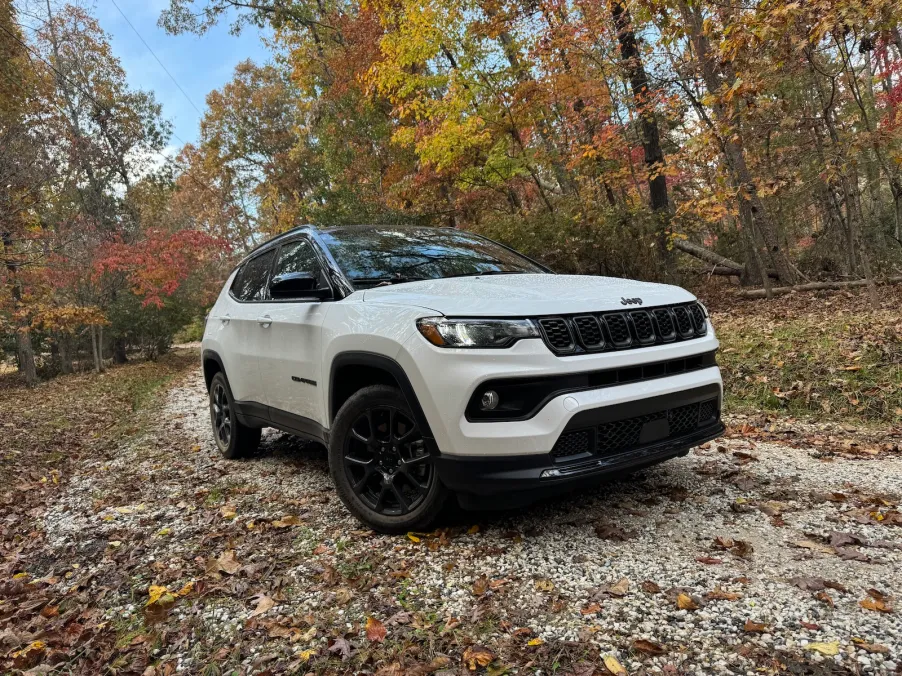
1. Jeep Compass
The Jeep Compass once enjoyed a solid place in the compact SUV market, capitalizing on the Jeep brand’s rugged image and reputation for off-road capability. However, over time, it has lost momentum, partly due to its inability to keep up with the evolving expectations of consumers.
The Compass has often been criticized for its underwhelming performance, especially when compared to more dynamic and fuel-efficient competitors in the segment. Buyers seeking an adventurous and capable SUV are frequently disappointed by the Compass’s middling off-road abilities, which do not live up to the Jeep name.
While Jeep’s larger SUVs like the Wrangler and Grand Cherokee boast strong off-road credentials, the Compass struggles to offer that same level of capability in a smaller, more affordable package, creating a disconnect between brand promise and product reality.
Inside, the Compass’s interior falls behind many rivals in terms of quality and technology. The cabin uses materials that feel less premium, with hard plastics dominating surfaces where competitors often feature softer, more upscale finishes. The infotainment system, while functional, has been described as sluggish and unintuitive, lacking the polish and speed of newer offerings.
Passenger space, especially in the rear seats, is tight compared to other compact SUVs, which makes it less appealing to families or those who prioritize comfort on longer journeys. Cargo space is also somewhat limited, which reduces its practicality as a daily driver or family vehicle.
Another factor contributing to the decline in demand is reliability. The Compass has faced numerous reports of mechanical issues and recalls, which undermine consumer confidence. Reliability is a critical consideration in this segment, where buyers often prioritize vehicles with proven track records.
Safety ratings, while adequate, do not stand out, and the Compass lacks some of the advanced driver assistance features that have become standard in competitors. This has further pushed buyers to look elsewhere for vehicles that feel more modern and trustworthy.
In an increasingly crowded and competitive compact SUV market, the Jeep Compass’s failure to evolve and offer a compelling value proposition has led to its falling out of favor.
The growing demand for fuel efficiency, advanced technology, and interior refinement has left the Compass trailing behind, even though it carries a well-known and respected brand name. Without significant updates to performance, comfort, and technology, its market share is likely to continue shrinking.
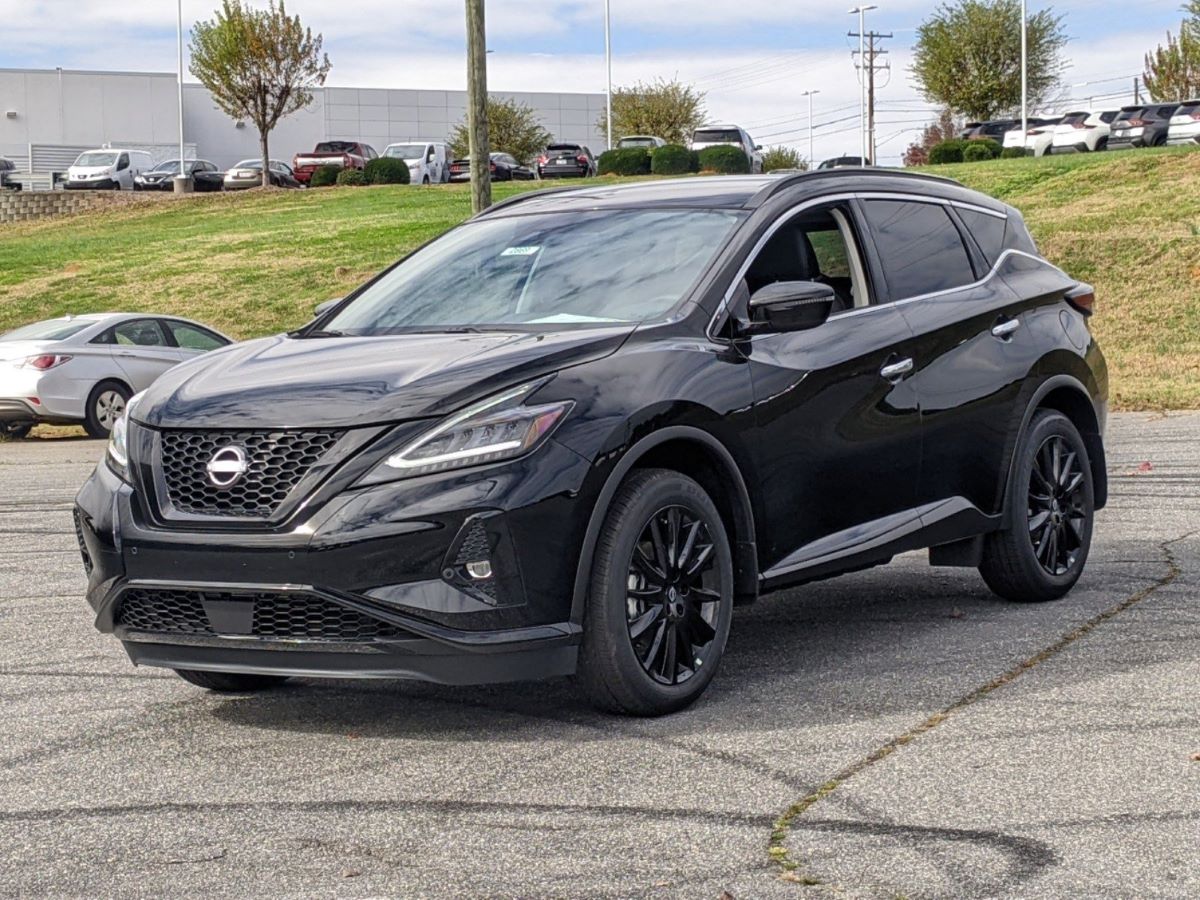
2. Nissan Murano
The Nissan Murano once stood out in the midsize SUV market for its smooth ride and spacious cabin, which offered a comfortable environment for passengers. However, in recent years, the Murano has struggled to maintain its foothold as newer competitors introduce more modern features and updated designs.
The Murano’s exterior styling, once praised for its bold and sleek appearance, now feels outdated when compared to the sharper and more aggressive lines of current rivals. This has made it harder for the Murano to attract younger buyers or those seeking a more contemporary look. The styling no longer reflects the cutting-edge trends that drive sales in the midsize SUV segment.
Inside, the Murano still delivers a comfortable ride and roomy seats, but its technology offering falls short of customer expectations. Infotainment systems in many competing SUVs are faster, more intuitive, and packed with features like wireless smartphone connectivity and larger touchscreens.
The Murano’s system can feel slow and less responsive, creating frustration for tech-savvy drivers who want seamless integration and ease of use. Additionally, the lack of advanced driver assistance systems on some trims makes it less competitive in a segment where safety technology is a significant selling point.
Under the hood, the Murano’s performance is considered adequate but unremarkable. It is powered by a V6 engine that delivers smooth acceleration but does not stand out in terms of power or fuel economy.
This is especially problematic as many competitors now offer turbocharged four-cylinder engines, hybrids, or plug-in hybrid options that balance performance with better efficiency. The absence of any electrified powertrain options in the Murano lineup puts it at a distinct disadvantage in a market increasingly focused on reducing emissions and fuel costs.
Nissan’s broader reliability concerns and the Murano’s aging design and technology package have contributed to its decline in popularity.
Buyers seeking more advanced safety features, better fuel economy, and a modern driving experience are gravitating toward other midsize SUVs. Unless Nissan revamps the Murano with significant updates in performance, design, and technology, its demand is likely to continue to fall.
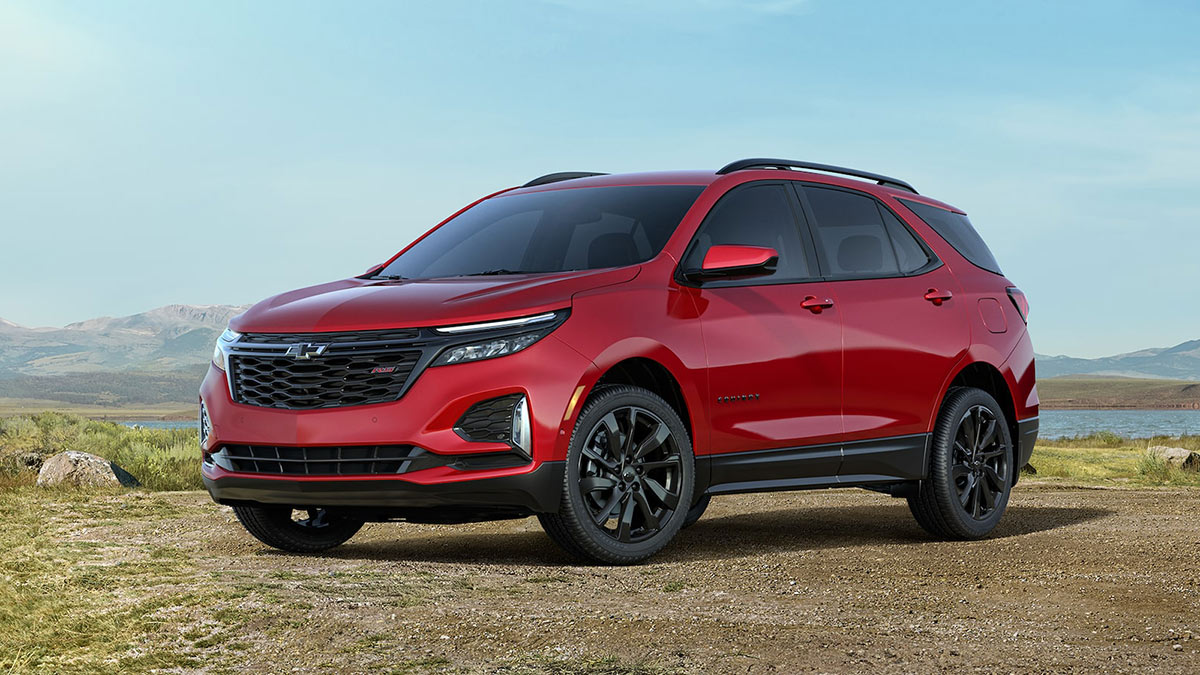
3. Chevrolet Equinox
The Chevrolet Equinox has been a familiar name in the compact SUV category for years, but it has recently lost ground to more innovative and feature-rich competitors. While it offers a range of engine options and configurations, the Equinox struggles to differentiate itself in a crowded market.
Buyers have noted that its driving experience is largely uninspired, with engines that provide average power and fuel efficiency but lack the refinement found in rivals. The ride quality can be uneven, and the handling lacks the confidence and agility that many modern SUVs provide. This has made the Equinox less appealing for those who value driving enjoyment alongside utility.
The interior of the Equinox is functional but often criticized for its lackluster materials and design. While spacious enough for passengers, it does not provide the premium feel or advanced technology interfaces that buyers expect at its price point.
The infotainment system, though equipped with essential features, sometimes feels dated and less intuitive compared to newer systems offered by competitors. The cabin also has a somewhat generic design, lacking distinctive styling elements or thoughtful ergonomics that could elevate the ownership experience.
Fuel economy is another area where the Equinox falls short of the latest competitors. Unlike many rivals that offer hybrid or plug-in hybrid powertrains, Chevrolet has been slower to introduce electrified variants of the Equinox, making it less attractive to eco-conscious consumers.
This has become an important factor in a segment where many buyers are increasingly focused on reducing fuel consumption and environmental impact.
Safety ratings for the Equinox are generally decent but not industry-leading. Advanced safety and driver assistance features are available but often require opting for higher trims, which raises the vehicle’s cost.
Given the Equinox’s shortcomings in performance, technology, and fuel efficiency, many buyers now prefer other compact SUVs that offer a more compelling package. This has contributed to declining sales and a diminished position in the market.
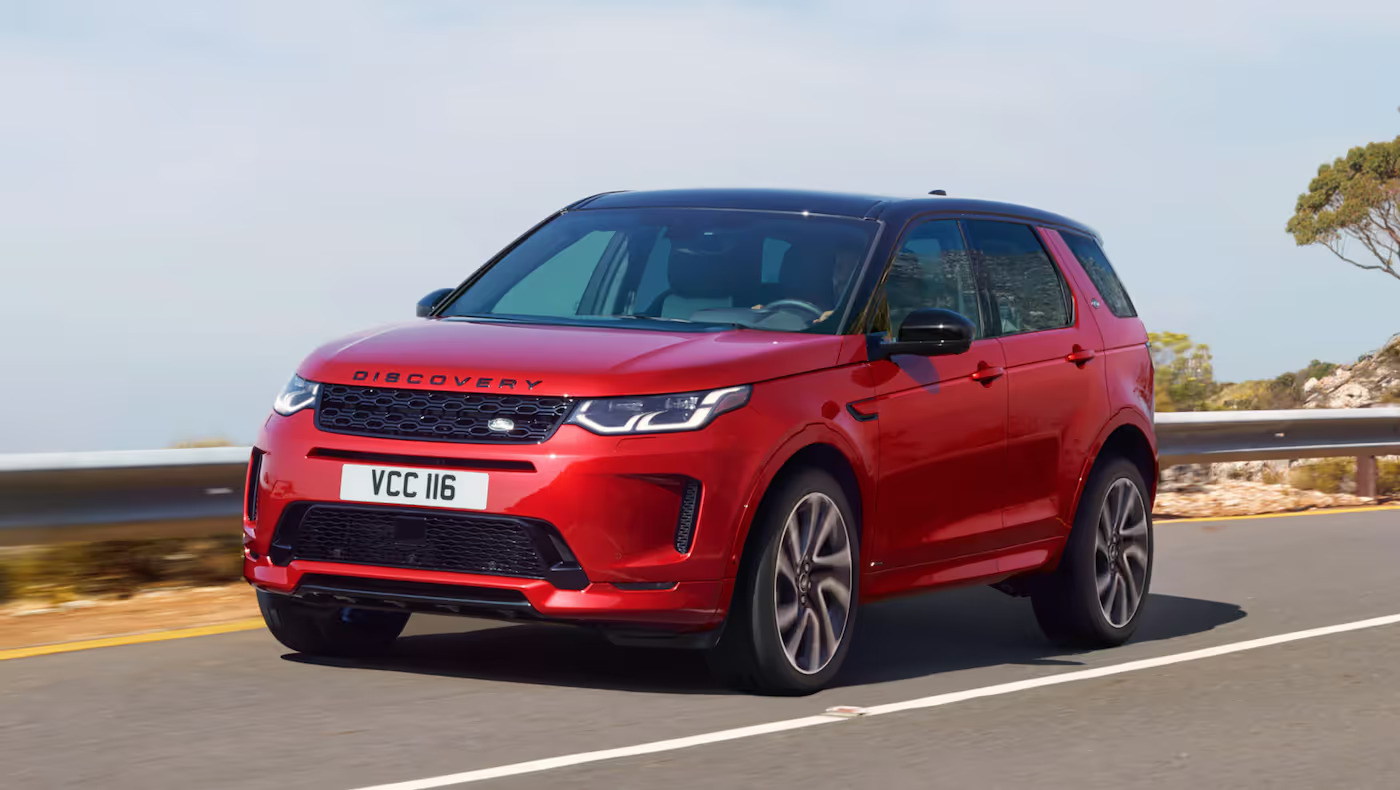
4. Land Rover Discovery Sport
The Land Rover Discovery Sport carries the prestige of the Land Rover brand, known for luxury and off-road prowess. However, despite its attractive styling and capable performance in certain conditions, it has faced significant challenges in maintaining strong demand.
One of the primary issues has been reliability. The Discovery Sport has developed a reputation for frequent mechanical problems and electronic glitches, which have made ownership costly and stressful for many customers. This reputation has significantly damaged consumer confidence, especially among buyers who expect reliability to match the vehicle’s luxury positioning.
The interior of the Discovery Sport is one of its strong suits, offering a comfortable and luxurious environment with high-quality materials, refined finishes, and a modern infotainment system. However, these positives are often overshadowed by concerns about the vehicle’s complex electronics and mechanical systems.
Repairs and maintenance tend to be expensive, which deters buyers looking for a more hassle-free ownership experience. In a luxury segment where reliability is increasingly valued alongside style and performance, this can be a decisive disadvantage.
Fuel economy is another area where the Discovery Sport struggles. Its engines tend to consume more fuel than many competing luxury compact SUVs, many of which now offer hybrid or mild-hybrid systems to improve efficiency. This inefficiency adds to the vehicle’s running costs, making it less appealing in markets where fuel prices are high or environmental regulations are strict.
While the Discovery Sport still appeals to buyers seeking genuine off-road capability combined with luxury, its package is weighed down by reliability and cost issues. This has caused it to lose market share to more dependable and fuel-efficient luxury SUVs, and without substantial improvements in these areas, its demand is expected to continue to decline.
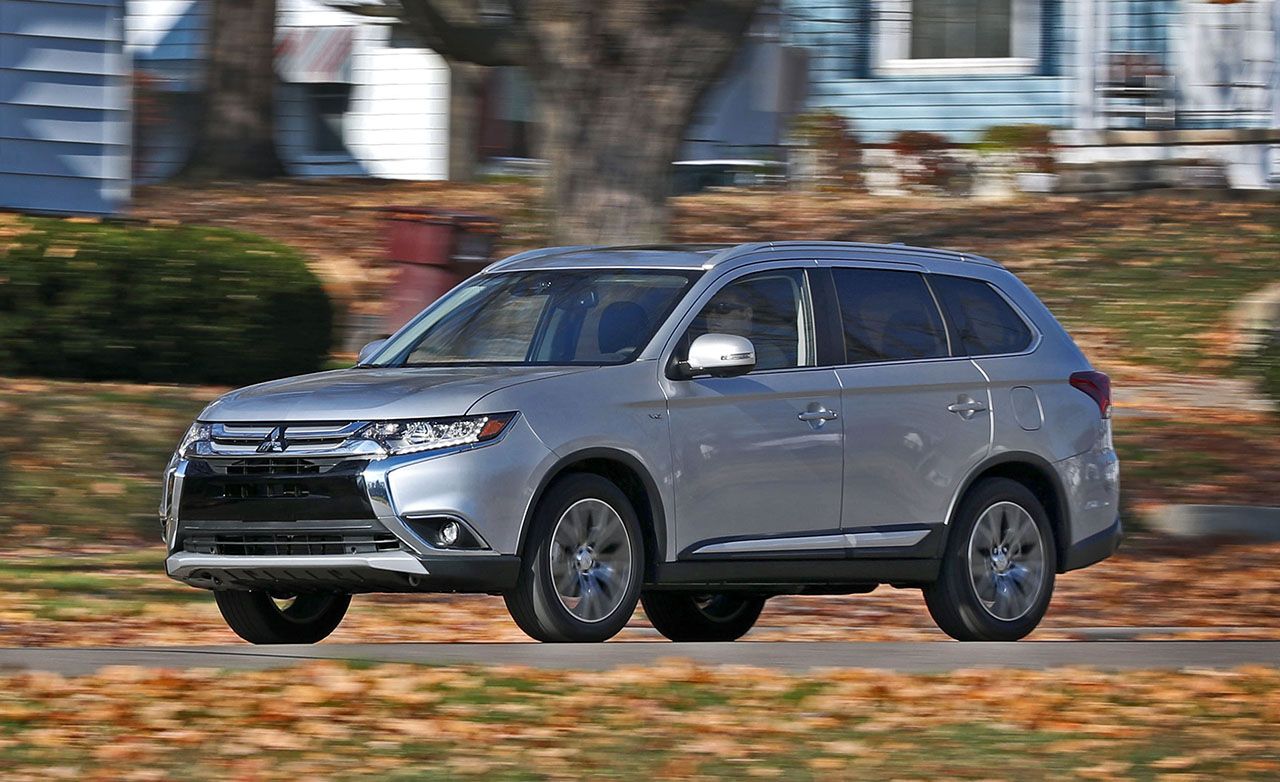
5. Mitsubishi Outlander
The Mitsubishi Outlander has traditionally been known as a budget-friendly SUV with a focus on practicality and value, but it has fallen behind in a segment that has become increasingly competitive and sophisticated.
The Outlander’s exterior design is functional but lacks the modern styling cues and bold aesthetics that attract today’s buyers. In a market where image and curb appeal play a significant role in purchase decisions, the Outlander struggles to stand out among more aggressively styled rivals.
Inside, the Outlander offers reasonable space and a straightforward layout, but its interior materials and fit and finish do not match the quality found in newer competitors.
The infotainment system is basic and sometimes frustrating to use, lacking the responsiveness and seamless integration offered by rival SUVs. This detracts from the ownership experience, especially for buyers who expect more modern conveniences and technology.
Performance from the Outlander’s engines is sufficient for daily driving but is often described as uninspiring and lacking in refinement. Fuel economy is average, and although Mitsubishi offers a plug-in hybrid version of the Outlander, it has not gained significant market traction.
This is partly due to limited availability in some regions and stronger competition from plug-in hybrid SUVs that offer more polished driving dynamics and higher efficiency.
Mitsubishi’s weaker brand recognition and smaller dealership network compared to other automakers also work against the Outlander. This makes it harder for the model to attract new buyers, particularly when consumers have many alternatives with stronger reputations and more advanced features.
These challenges have resulted in a steady decline in demand for the Outlander, and unless Mitsubishi invests heavily in updating the model’s design, technology, and powertrains, it is unlikely to regain lost ground.
