
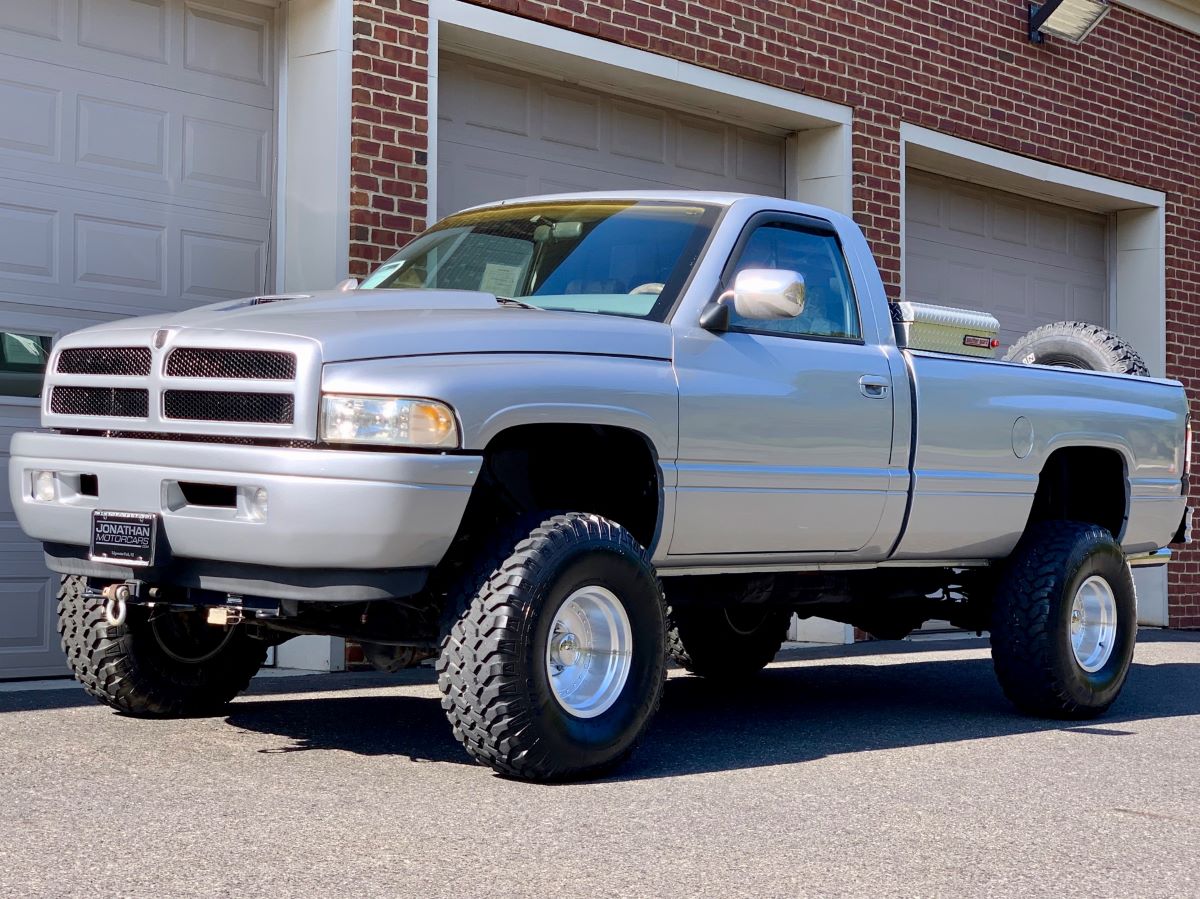
The pickup truck market has long been one of the most competitive segments in the automotive industry. While trucks have traditionally been valued for their utility, towing capability, and durability, certain models stand out for their resale appeal and dealer demand.
Some trucks maintain strong value, reliability, and versatility, making them highly desirable for dealerships looking to restock inventory or capitalize on used vehicle sales.
Dealers often compete aggressively to acquire these models, recognizing their consistent demand among buyers seeking dependable and capable trucks.
On the other hand, some trucks struggle to maintain appeal in the resale market. Factors such as poor reliability, costly maintenance, limited versatility, or unpopular design can cause dealers to avoid acquiring them.
These vehicles may depreciate quickly or face a limited buyer pool, making them less attractive for inventory investments. Even trucks that initially generate interest can fall out of favor if they fail to meet long-term durability or performance expectations.
This article examines both sides of the truck market. The first section highlights five trucks that dealers actively compete to buy back, focusing on models with strong resale value, reliable performance, and consistent buyer demand.
These vehicles demonstrate why certain pickups are highly sought after and offer insight into what makes a truck desirable for both dealerships and consumers.
The second section identifies five trucks that dealers tend to avoid, analyzing why these models fail to attract interest despite being available in the market.
Factors such as high maintenance costs, reliability concerns, or poor market perception play a significant role in their reduced demand.
By understanding the characteristics that drive dealer preference and avoidance, readers can gain insight into which trucks hold long-term value and which are more likely to depreciate quickly.
Understanding these trends is crucial for both buyers and sellers. Trucks that maintain strong dealer demand often provide reassurance in reliability, resale value, and practical usability, while those avoided may present challenges in ownership and marketability.
Also Read: 5 Cars With the Best Safety Tech vs 5 That’s Just Marketing
5 Trucks That Dealers Fight to Buy Back
Certain trucks consistently attract dealer attention due to their strong resale value, reliability, and market demand. These pickups are more than just transportation; they are tools that maintain utility over time, making them desirable for both private buyers and dealerships.
When a truck demonstrates durability, performance, and versatility, dealers often compete to acquire it, recognizing the confidence it inspires in future buyers.
Trucks that command dealer interest typically combine several factors. Reliability and mechanical soundness are paramount, as vehicles with a proven track record of low maintenance issues and long-lasting performance are more attractive.
Practicality and functionality also contribute, with trucks capable of towing, hauling, or handling off-road conditions appealing to a wide spectrum of buyers.
Brand reputation, model popularity, and consistent demand in the used market further enhance their desirability, ensuring these trucks retain value longer than less dependable alternatives.
Dealer demand also reflects the perception of long-term ownership satisfaction. Vehicles that balance capability, comfort, and efficiency are more likely to be acquired quickly, as buyers appreciate a truck that can meet work, recreational, and daily driving needs.
Fuel efficiency, interior comfort, and available features can influence overall desirability, particularly for models that appeal to both traditional truck buyers and casual users.
This section highlights five trucks that dealers actively seek to buy back. Each model has earned a reputation for reliability, utility, and sustained market demand.
By examining these trucks, readers can understand what makes certain pickups valuable and why dealerships prioritize them when restocking inventory.
These examples provide insight into the characteristics that make a truck stand out in the used market, offering lessons for prospective buyers and current owners who want to maintain value and appeal.
1. Toyota Tacoma (2016–2023)
The Toyota Tacoma has earned a reputation as one of the most desirable compact/midsize trucks in the market, consistently attracting dealer attention. Its combination of reliability, durability, and practicality makes it a standout for both private buyers and dealerships looking for strong resale value.
Known for its robust construction, the Tacoma can endure years of heavy use while maintaining mechanical integrity, reducing long-term maintenance concerns and enhancing dealer confidence in its worth.
The Tacoma offers versatile capabilities, including towing, off-road performance, and efficient payload management. Models equipped with the TRD Off-Road package provide additional appeal, combining rugged features with comfort and drivability.
This versatility ensures that the truck is not only functional for work tasks but also desirable for recreational use, expanding its appeal to a broader audience.
Dealer demand is further driven by the Tacoma’s strong brand reputation. Toyota has a history of producing vehicles with exceptional longevity, which increases buyer confidence and ensures that Tacomas retain value over time.
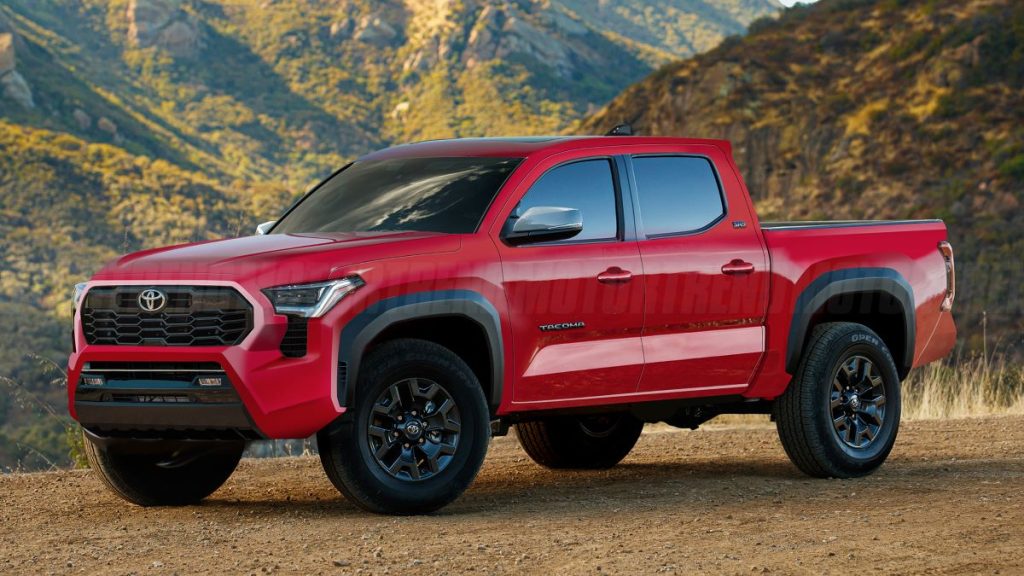
Even older models with higher mileage often sell quickly, reflecting their durable design and dependable performance.
Interior comfort and technology options enhance daily usability, with modern Tacomas offering infotainment, safety features, and ergonomic layouts. These elements make it an attractive option for both urban and rural buyers, further boosting its resale appeal.
Overall, the Toyota Tacoma exemplifies why dealers actively seek certain trucks. Its combination of reliability, versatility, and consistent market demand ensures that it remains one of the most valued pickups, illustrating how strong engineering and brand reputation translate into sustained desirability.
2. Ford F-150 (2015–2023)
The Ford F-150 is one of the most recognizable and sought-after full-size trucks in the market, frequently pursued by dealers due to its enduring value and widespread popularity.
Its reputation for reliability, strong towing capacity, and versatile performance makes it a highly attractive option for both commercial and personal use.
The F-150 excels in capability. With multiple engine options, including efficient turbocharged variants and powerful V8s, it can accommodate diverse needs ranging from heavy-duty towing to daily commuting.
Advanced features like Pro Trailer Backup Assist, integrated bed steps, and adaptive cruise control enhance usability, making the truck practical for both work and recreational purposes.
Dealer demand is reinforced by its consistent resale value. The F-150’s combination of performance, comfort, and brand loyalty ensures rapid turnover in the used market. Buyers seeking trucks with proven longevity, ease of maintenance, and dependable performance contribute to high dealer interest.
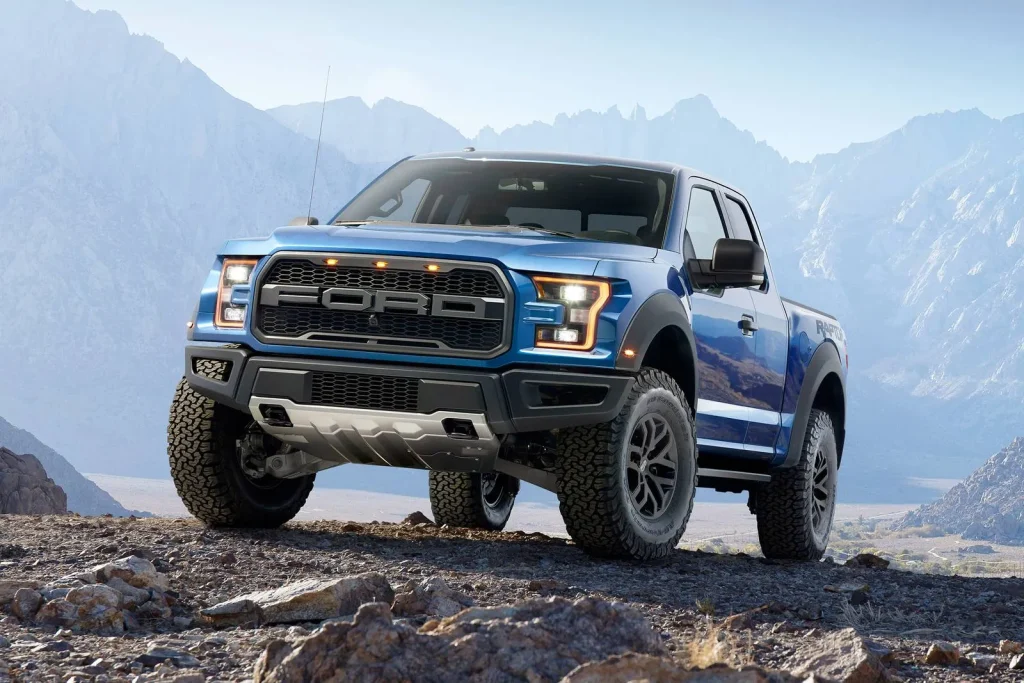
Interior quality and technology also play a role. Modern F-150s offer spacious cabins, intuitive infotainment systems, and premium seating options that appeal to a wide range of buyers. Even older models remain functional and capable, supporting the truck’s reputation for long-term reliability.
The Ford F-150 demonstrates how a well-engineered truck with versatile capabilities and brand recognition can maintain high demand among dealers.
Its combination of utility, comfort, and strong market perception ensures that dealerships actively compete to acquire this pickup, reflecting its sustained value and appeal in the truck segment.
3. Chevrolet Silverado 1500 (2016–2023)
The Chevrolet Silverado 1500 is a full-size pickup known for its strength, versatility, and strong resale value, making it highly sought after by dealerships.
Its combination of powerful engine options, capable towing, and dependable performance ensures it meets the demands of both commercial and personal users. Dealers recognize the Silverado’s reputation for durability and consistent market demand, which drives competition to acquire these trucks.
The Silverado 1500 offers a variety of engine choices, from fuel-efficient V6s to powerful V8s, allowing buyers to select the balance between performance and economy.
Advanced towing features, including integrated trailer brake controllers and high towing capacities, enhance its practicality for work and recreation alike. Its bed options and payload capabilities provide additional flexibility for hauling materials, tools, or recreational gear.
Interior comfort and usability also contribute to the truck’s appeal. Spacious cabins, user-friendly infotainment systems, and modern safety features make the Silverado suitable for daily driving while retaining its utility for heavier tasks.
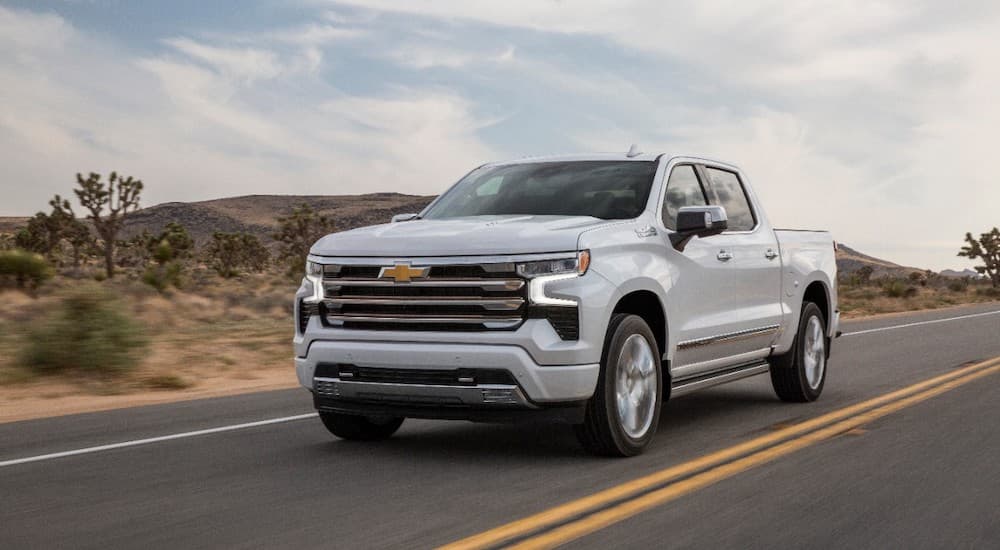
The combination of functionality and comfort ensures it attracts a wide range of buyers, increasing dealer confidence in its resale value.
Chevrolet’s strong brand reputation and the Silverado’s proven reliability further elevate its market appeal. Even high-mileage or older models tend to retain value due to their durable construction and trusted performance.
These factors make dealerships more willing to invest in acquiring Silverados for resale, knowing they are likely to sell quickly.
Overall, the Silverado 1500 exemplifies how capability, reliability, and versatility contribute to dealer demand. Its ability to serve multiple roles commuting, hauling, towing, and recreational use, ensures it remains one of the most sought-after full-size trucks in the market.
4. Ram 1500 (2015–2023)
The Ram 1500 is a full-size pickup that stands out for its combination of comfort, capability, and resale appeal. Dealers actively pursue Ram 1500s because they maintain strong market demand, provide versatile performance, and offer a premium driving experience without compromising utility.
One of the truck’s strongest features is its ride quality. With an available coil-spring rear suspension and air suspension on higher trims, the Ram 1500 delivers a smooth, car-like driving experience that appeals to both work-oriented buyers and daily drivers.
Its towing and payload capacities remain competitive, supporting heavy-duty tasks, while modern engines provide efficiency and performance balance.
Interior comfort and technology elevate the Ram 1500’s usability. Spacious cabins, intuitive infotainment systems, and premium materials make longer trips more enjoyable. Features like configurable storage compartments, fold-flat rear seats, and a versatile bed add practical utility, making the truck attractive for a wide spectrum of buyers.
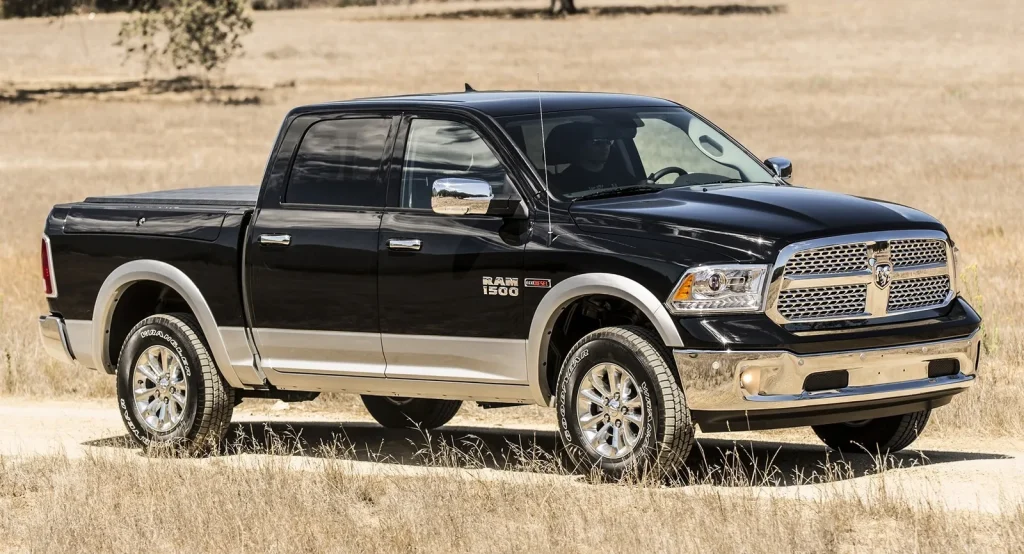
The Ram 1500 also benefits from strong brand perception and durability. Even older models retain value due to their reliability and capability, ensuring dealer confidence when purchasing them for resale. This consistency in market demand drives competition among dealerships to acquire Ram 1500s quickly.
Overall, the Ram 1500 demonstrates that full-size trucks with a balance of comfort, capability, and market desirability can maintain high resale value. Its combination of ride quality, versatility, and proven reliability ensures that dealers consider it a prime option for acquisition and resale in the used truck market.
5. Toyota Tundra (2016–2023)
The Toyota Tundra is a full-size truck celebrated for its legendary reliability, strong resale value, and consistent dealer demand. Dealers actively seek Tundras because they know these trucks maintain performance, durability, and market desirability, ensuring quick turnover in the used vehicle market.
The Tundra’s reputation for longevity is unmatched among many full-size pickups. Its robust engines and durable construction allow it to endure heavy use and high mileage without frequent major repairs. This mechanical reliability makes it a safe investment for dealers and appealing to buyers seeking trucks that will last for years.
The truck offers excellent towing and hauling capabilities, with strong V8 engines providing ample power for trailers, boats, or construction equipment. Bed configurations and payload capacities add further practicality, ensuring the Tundra is highly versatile for work and recreational use.
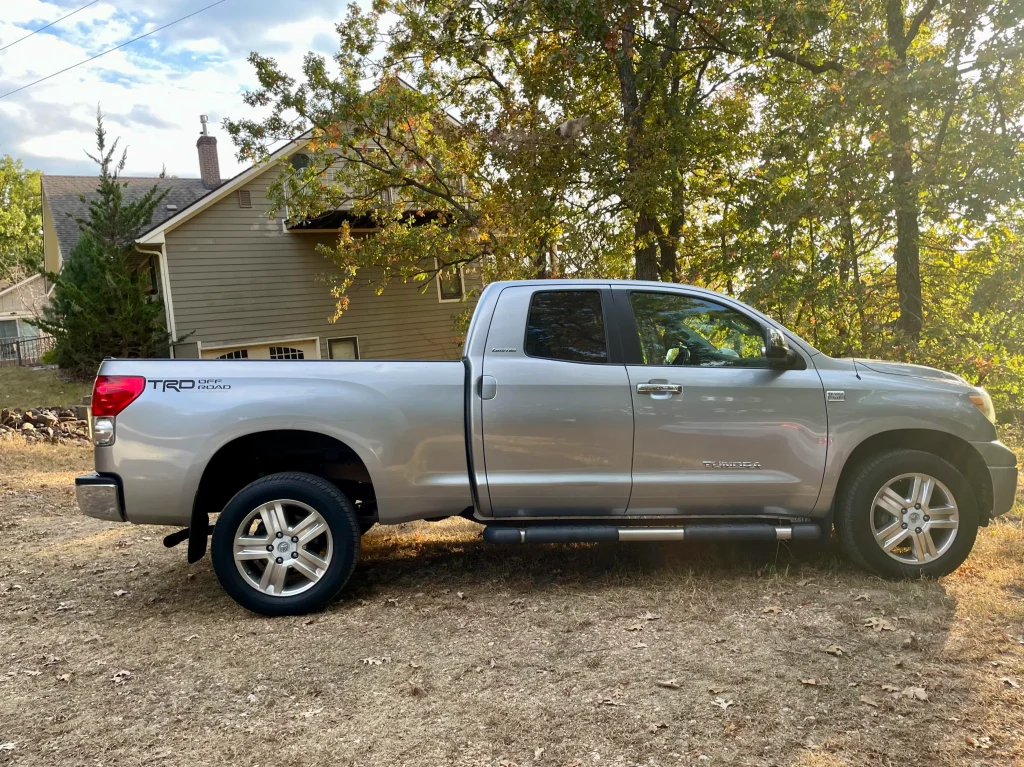
Interior usability also contributes to its appeal. While not as refined as some competitors, the Tundra provides a spacious cabin, supportive seats, and functional storage options. Modern technology features, including infotainment systems and safety tools, enhance its practicality and comfort for daily use.
Strong resale value, brand loyalty, and proven performance make the Tundra one of the most sought-after trucks among dealers.
Its combination of durability, capability, and reliability ensures that dealerships actively compete to acquire these pickups, highlighting why some trucks consistently outperform others in the used market.
5 Trucks That Dealers Avoid
While some trucks retain strong market demand and attract dealer attention, others struggle to maintain resale value and usability, causing dealerships to avoid them.
Factors such as reliability concerns, high maintenance costs, limited versatility, or poor market perception can make certain trucks less appealing for resale. Dealers prefer vehicles that sell quickly and maintain their value, and trucks that fall short in these areas often face reduced interest and slower turnover.
Trucks that dealers avoid often have a combination of mechanical issues, low durability, or unpopular design choices. High repair costs, frequent part replacements, or a reputation for unreliability can significantly reduce resale appeal.
Even if a truck offers strong performance or styling, shortcomings in practical usability, interior quality, or long-term maintenance can outweigh these benefits.
Market perception also plays a critical role. Trucks that are perceived as outdated, inefficient, or uncomfortable may struggle to attract buyers in the used market.
Limited cargo or towing capacity, cramped interiors, and poor handling can further reduce desirability. When these factors converge, dealerships may bypass acquiring these models, focusing instead on vehicles with stronger market appeal.
This section highlights five trucks that dealers tend to avoid, analyzing the reasons behind their reduced desirability. Each model is evaluated based on reliability, usability, market perception, and overall ownership experience.
Understanding these trucks can help buyers make informed decisions and avoid vehicles that may present challenges in maintenance, resale value, or practicality.
By examining the characteristics that lead to low dealer demand, prospective owners gain insight into potential pitfalls in truck ownership.
This comparison emphasizes that while all pickups may appear capable on paper, only certain models combine performance, reliability, and practicality in ways that truly retain value and attract dealer interest.
1. Nissan Titan (2016–2023)
The Nissan Titan, while offering full-size truck capabilities, often falls short in dealer desirability due to its lower resale value and limited market demand. Compared to competitors, the Titan struggles with reputation and brand recognition, which affects its appeal in the used truck market.
Reliability concerns contribute significantly to its reduced desirability. Certain model years have experienced issues with engine components, electrical systems, and drivetrain reliability, increasing maintenance costs for owners and reducing confidence among dealers. Frequent repairs or expensive parts can deter dealerships from acquiring used Titans for resale.
Practical usability is another factor. While capable in towing and payload, the Titan often lacks the refined features, interior comfort, and technology found in competing full-size pickups.
Cramped rear seats, limited storage solutions, and lower-quality materials diminish overall ownership satisfaction, making it less attractive to buyers seeking comfort and versatility.
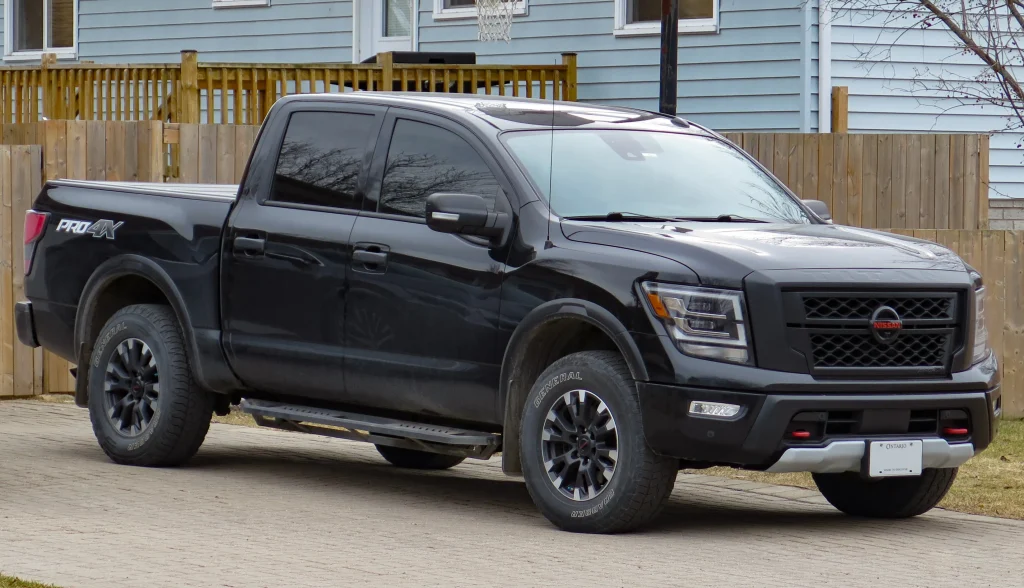
Market perception also plays a role. Buyers often favor Ford, Chevrolet, or Toyota trucks due to established reputations and higher resale value. The Titan’s limited popularity reduces its demand, further discouraging dealers from investing in acquiring these trucks.
Although the Titan is a capable truck on paper, its combination of reliability concerns, limited features, and weaker brand perception explains why dealerships tend to avoid it.
Prospective owners should carefully consider potential maintenance costs and resale challenges before purchasing, recognizing that the Titan may not retain value as strongly as more sought-after competitors.
2. GMC Canyon (2015–2022)
The GMC Canyon is a midsize pickup that, despite offering decent performance and handling, is often avoided by dealers due to limited resale appeal and market demand. Its smaller size and niche positioning restrict its audience compared to full-size competitors.
Reliability concerns affect its desirability. Certain model years have been prone to transmission issues, electrical problems, and fuel system recalls, increasing maintenance costs and reducing dealer confidence in quick resale. Even with moderate mileage, the perception of potential repairs can make the Canyon less appealing.
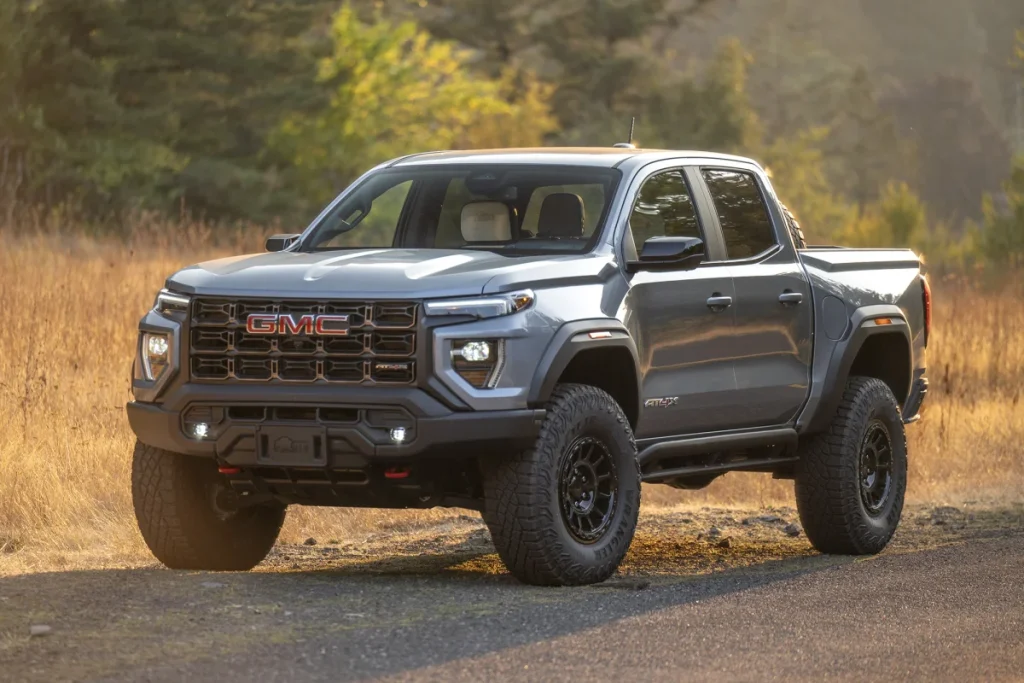
Cargo and towing capabilities are adequate but not class-leading, and interior space is limited for rear passengers. The cabin design prioritizes style over functionality, with minimal storage compartments and a less versatile layout compared to more practical trucks.
Market perception also reduces its attractiveness. Buyers often prefer larger pickups with higher towing capacity and stronger brand recognition. The Canyon’s smaller footprint and moderate capabilities make it less competitive in a market dominated by trucks that combine utility, durability, and prestige.
Overall, the GMC Canyon illustrates how midsize pickups with limited versatility, reliability concerns, or lower brand appeal can struggle in the resale market.
Dealers often avoid these trucks to minimize inventory risk, focusing instead on models that provide stronger demand, consistent value retention, and broad buyer interest.
3. Honda Ridgeline (2017–2023)
The Honda Ridgeline is a midsize pickup known for its car-like ride and reliability, but dealers often avoid it due to limited market demand and niche appeal.
While it excels in comfort and everyday usability, it does not meet traditional pickup buyers’ expectations for rugged utility and towing performance, which reduces its resale value.
Towing and payload capacity are modest compared to competitors, making it less attractive for work-related buyers.
The Ridgeline’s unibody construction, while providing a smoother ride, limits its ability to handle heavy-duty loads or rough off-road conditions, which is a key consideration for many truck buyers. Dealers recognize that this reduces the pool of interested buyers in the used market.
Although the Ridgeline offers a well-designed interior, ample storage solutions, and innovative features like the in-bed trunk, these advantages appeal more to lifestyle-oriented buyers rather than traditional truck users. Its softer image as a “crossover-like” pickup can make it harder to sell quickly, further discouraging dealerships from acquiring them for resale.
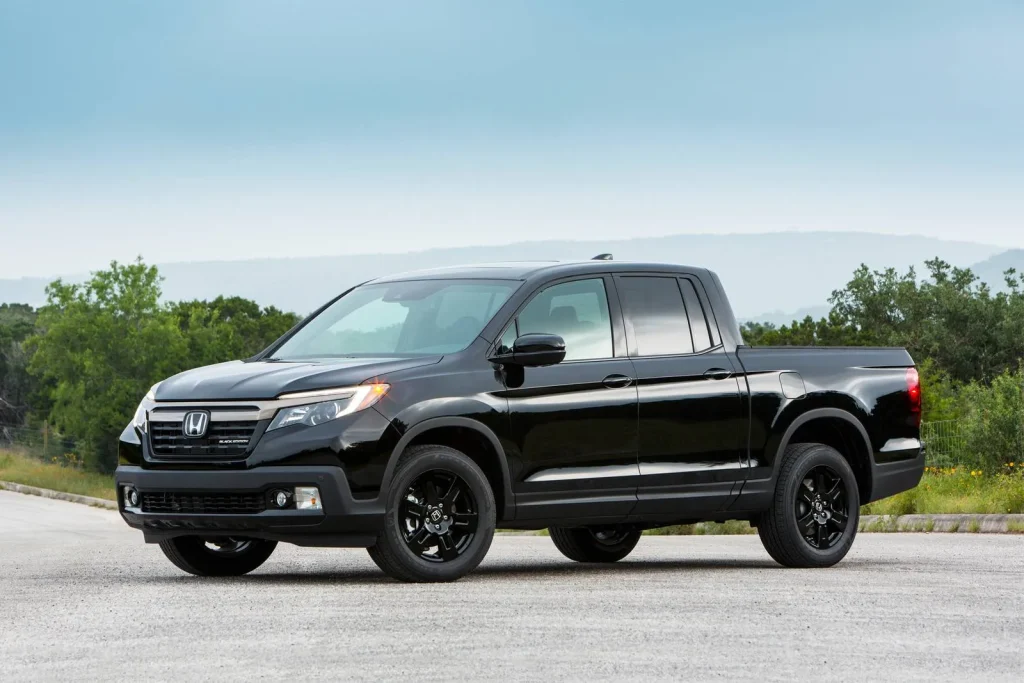
Reliability is generally strong, but the lower demand and unconventional positioning outweigh these positives. Dealers often prefer midsize trucks that combine rugged capabilities, brand recognition, and higher resale potential.
The Ridgeline’s unique combination of comfort, versatility, and unconventional design, while appealing to certain buyers, limits its attractiveness in the broader market.
Overall, the Honda Ridgeline demonstrates that even a reliable and comfortable truck may struggle in resale value if it does not meet traditional expectations for capability and ruggedness.
Its niche appeal makes dealerships cautious about acquiring it, highlighting how market perception and versatility influence dealer demand.
4. Jeep Gladiator (2020–2023)
The Jeep Gladiator, although offering off-road capability and distinctive styling, faces dealer avoidance due to its higher price point, niche appeal, and limited mainstream market demand. Its combination of pickup utility and Wrangler-like characteristics makes it unique, but this uniqueness can restrict resale potential.
While the Gladiator excels in off-road performance, its towing and payload capacities are not class-leading, limiting its appeal to buyers who prioritize work-related tasks.
The ride quality is firm, and daily driving may be less comfortable compared to more traditional full-size or midsize pickups. Dealers recognize that this can slow resale and reduce inventory turnover.
Interior space is adequate, but the focus on rugged styling over comfort can deter buyers seeking versatile, practical pickups. Additionally, higher maintenance costs and specialized components for off-road features may increase long-term ownership expenses, which further discourages dealer acquisition.
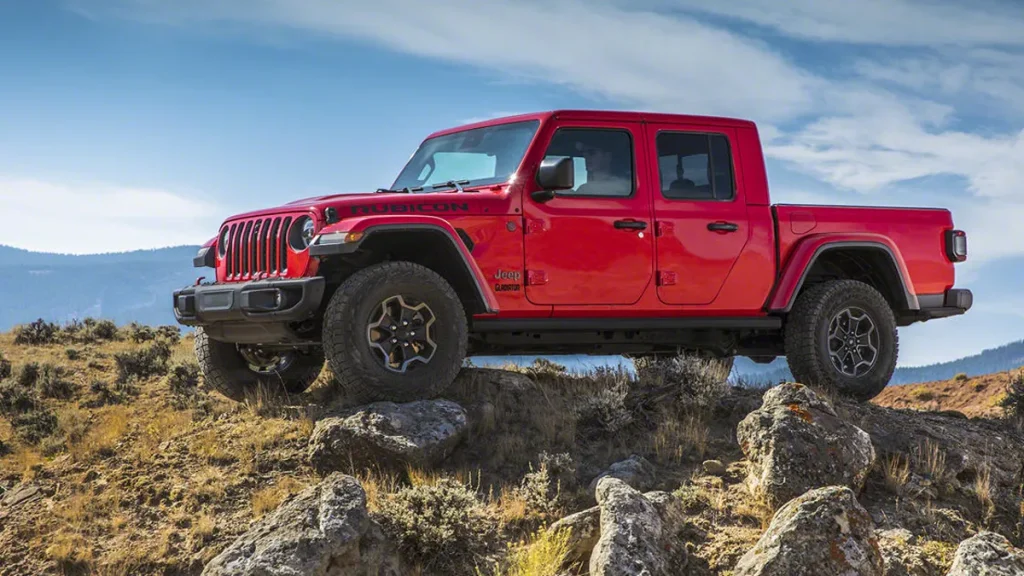
Market perception plays a critical role in limiting the Gladiator’s attractiveness. Its high cost relative to other midsize pickups and its niche “adventure” branding mean fewer potential buyers in the general used market. Dealers often prefer trucks with broader appeal, dependable resale value, and more versatile daily usability.
Overall, the Jeep Gladiator demonstrates that specialty trucks, while unique and capable, may face limited dealer interest if their market appeal is narrow, ride quality is less refined, or resale value is uncertain.
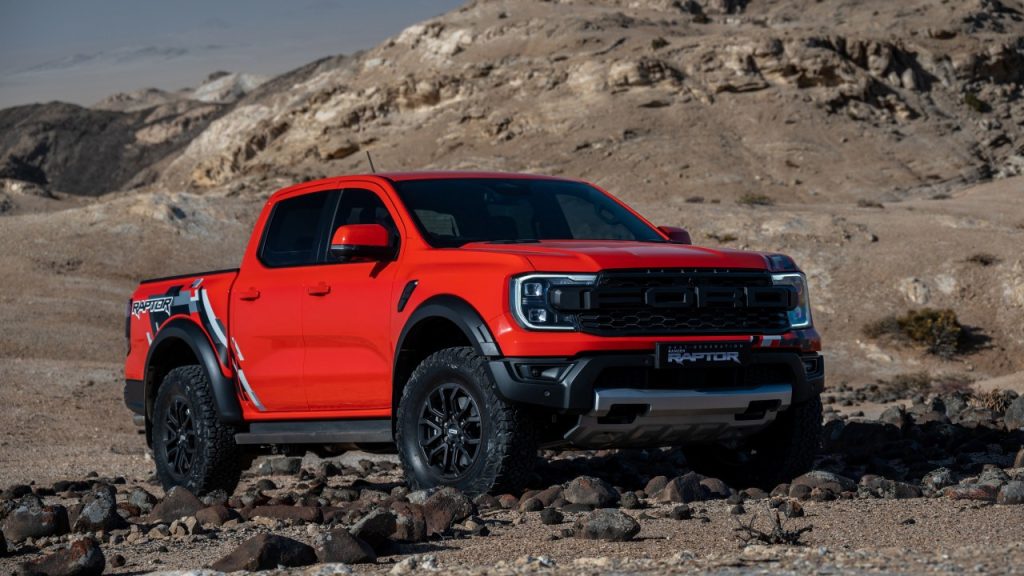
5. Ford Ranger (2019–2023)
The Ford Ranger, a midsize pickup reintroduced in recent years, often sees lower dealer demand compared to competitors. While offering capable performance and efficient engines, its smaller size and limited brand presence in the full-size segment reduce resale appeal.
Towing and payload are adequate for a midsize, but they do not match full-size trucks, limiting its utility for buyers needing serious hauling capabilities. Interior space is also more restrictive, with smaller rear seating and limited storage compartments compared to competitors.
Reliability is generally acceptable, but the Ranger has faced early model transmission and electronic issues, which can deter dealers wary of potential maintenance costs. These factors, combined with a narrower target audience, reduce the speed and volume of resale compared to more popular trucks.
Market perception also affects dealer interest. Many buyers in the pickup segment prioritize larger, more capable trucks from Ford’s F-Series, Chevrolet Silverado, or Toyota Tacoma lines.
This preference for full-size or higher-demand midsize trucks means the Ranger often moves more slowly in the used market, making dealers cautious about acquiring it.
Overall, the Ford Ranger illustrates how midsize pickups, even with competent performance, can struggle in dealer desirability when reliability concerns, market perception, and limited utility intersect. Dealers prioritize vehicles with broader appeal and stronger resale value, leaving the Ranger less sought after in the used market.
The pickup truck market highlights a stark contrast between trucks that maintain high dealer demand and those that struggle in the resale market.
Trucks such as the Toyota Tacoma, Ford F-150, Chevrolet Silverado 1500, Ram 1500, and Toyota Tundra consistently attract dealer attention due to their reliability, versatility, and strong brand reputation.
These trucks combine practical towing and payload capabilities, durable construction, and comfortable interiors, ensuring broad appeal among buyers.
Dealers recognize that these pickups retain value over time, making them prime candidates for resale, and often compete aggressively to acquire them.
Conversely, trucks like the Nissan Titan, GMC Canyon, Honda Ridgeline, Jeep Gladiator, and Ford Ranger face limited dealer interest.
Factors such as reliability concerns, niche appeal, limited cargo or towing capabilities, and higher maintenance costs reduce their market desirability.
Even when offering unique features or off-road performance, these trucks often do not meet the broader expectations of the pickup-buying audience. Dealers avoid acquiring them to minimize risk and inventory stagnation.
Understanding the differences between high-demand and low-demand trucks helps buyers make informed decisions.
Trucks that maintain dealer appeal tend to provide long-term reliability, practical versatility, and consistent resale value, whereas trucks avoided by dealers may present challenges in ownership costs, functionality, and marketability.
Also Read: 5 Cars That Feel Underpriced vs 5 That Feel Overpriced
