Buying your first SUV is a big milestone. It is not just about getting from point A to B, but about finding a vehicle that matches your lifestyle, budget, and driving needs. For first-time buyers, the perfect SUV offers the right mix of affordability, comfort, performance, and safety.
Whether you are a young professional looking for something stylish and efficient, a new family in need of space and reliability, or someone ready to move up from a smaller car, there is an SUV that fits your needs. In this guide, we highlight 10 SUVs that are perfect for first-time buyers, combining value, practicality, and peace of mind.
From compact crossovers to versatile mid-size options, these vehicles offer smart technology, dependable performance, and excellent resale value. Let us take a closer look at the models that make owning your first SUV both exciting and rewarding.
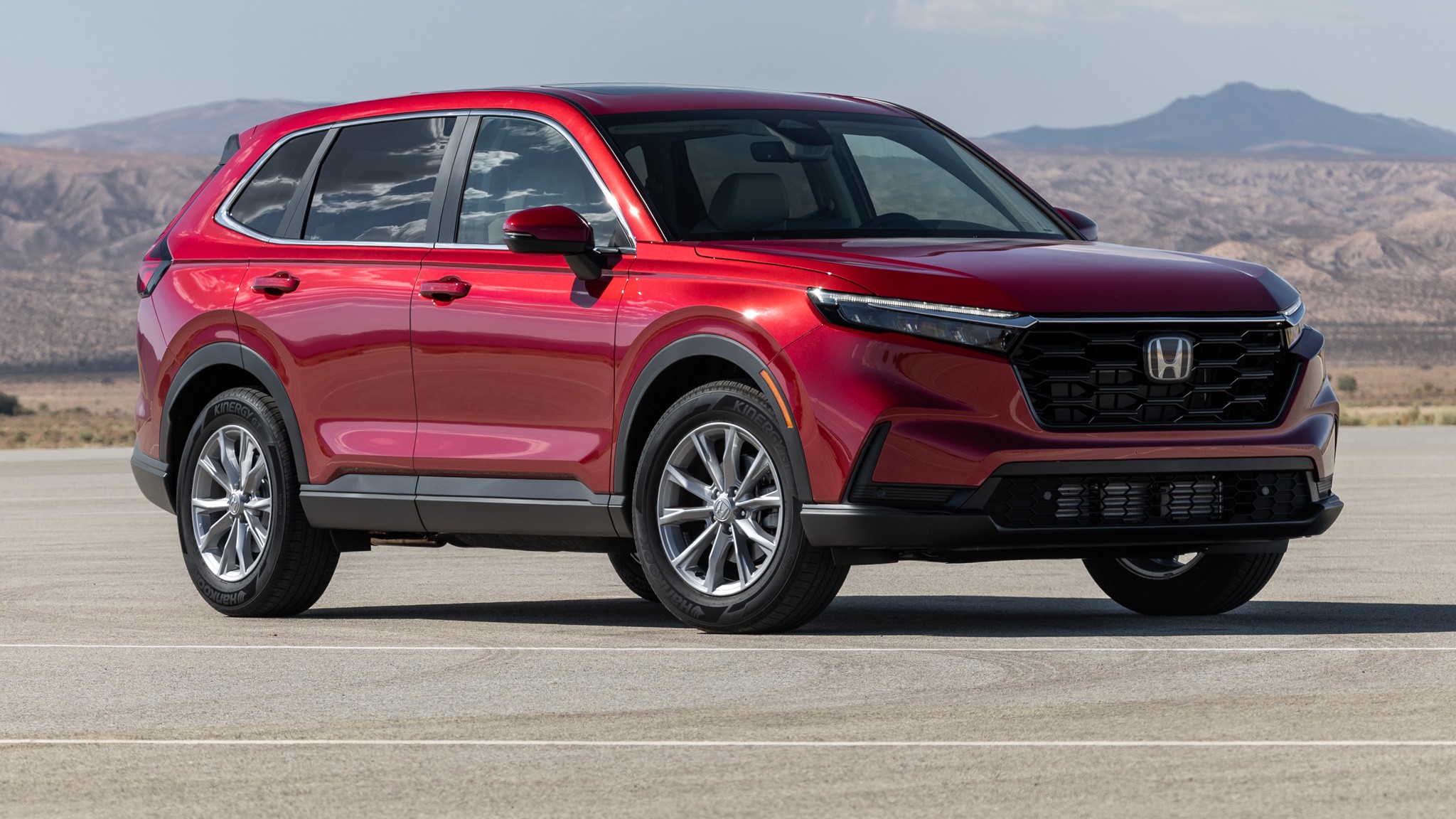
1. 2025 Honda CR-V: A Balanced Blend of Reliability, Comfort, and Practicality
The 2025 Honda CR-V continues to uphold its reputation as one of the most dependable and versatile compact SUVs on the market. With a starting price of around $30,100, it remains an affordable yet refined choice for families and commuters alike. Offering both gasoline and hybrid powertrains, the CR-V caters to a wide range of drivers who value efficiency, comfort, and longevity.
The base model features a 1.5-liter turbocharged inline-four engine paired with a continuously variable transmission (CVT) that delivers 190 horsepower and 179 lb-ft of torque. The front-wheel-drive setup ensures good fuel economy while maintaining confident handling.
The CR-V may not deliver thrilling acceleration, but it offers smooth power delivery and balanced performance. The hybrid version, particularly the Sport Touring trim, accelerates from 0 to 60 mph in about 8.0 seconds, which is typical for its class.
The braking system is effective in emergency situations, and the ride quality stands out for its smoothness and control. The steering is responsive, providing drivers with a clear sense of connection to the road.
Around corners, the SUV feels composed and stable, supported by a well-tuned suspension. Visibility is strong up front but more limited in the rear. Fortunately, parking cameras and driver-assistance features help offset this drawback.
Inside, the CR-V offers excellent comfort and practicality. The cabin layout is logical and user-friendly, providing ample legroom and headroom in both rows. Large windows create a bright and open atmosphere, while the seats are supportive and easily adjustable.
The rear seats provide generous legroom and are convenient for installing child seats. Wide door openings and ideal seat height make entry and exit easy for passengers of all ages.
The interior controls are clearly arranged and within reach. The use of physical climate knobs allows for quick adjustments without distraction. Noise insulation is also impressive, helping the CR-V deliver a refined and peaceful driving experience.
The CR-V’s technology package is solid, though not class-leading. The standard 7-inch touchscreen and optional 9-inch display feature wireless Apple CarPlay and Android Auto connectivity.
The interface is straightforward and easy to use. Higher trims, such as the Sport Touring model, include built-in navigation and multiple USB ports, while the base trim offers fewer amenities. Although the screen size is smaller than some competitors, the system’s responsiveness and simplicity make it suitable for everyday use.
The CR-V maintains a strong reputation for storage and cargo space. The rear cargo area is roomy and flexible, offering above-average capacity for a small SUV. The hybrid version has slightly less space and no spare tire, but it still provides enough room for everyday hauling. Inside the cabin, thoughtful storage solutions include deep door pockets, a large center console bin, and well-sized cupholders.
Build quality is another highlight. The CR-V feels solidly constructed, with minimal cabin noise and a smooth driving character. While the interior uses some hard plastics, Honda balances them with soft-touch materials and appealing design details. The CR-V is priced slightly higher than some competitors, but its reliability, safety, and long-term durability justify the cost.
Gas-only versions of the CR-V achieve an EPA-estimated 30 mpg combined, while the hybrid variant reaches up to 40 mpg combined or 37 mpg with all-wheel drive. In real-world testing, the hybrid returned about 33 mpg, which is competitive within its class. Although some rivals perform slightly better, the CR-V remains an efficient choice for both city and highway driving.
The 2025 CR-V continues to earn top safety ratings from the IIHS and NHTSA. Standard equipment includes forward collision warning, automatic emergency braking, and pedestrian detection. Honda’s longstanding reputation for reliability and safety adds to the CR-V’s appeal.
The 2025 Honda CR-V delivers a combination of comfort, practicality, safety, and efficiency that makes it one of the most well-rounded options in the compact SUV segment. Its strong build quality, easy-to-use technology, and smooth ride make it a smart choice for buyers who want a dependable vehicle that fits a variety of lifestyles.
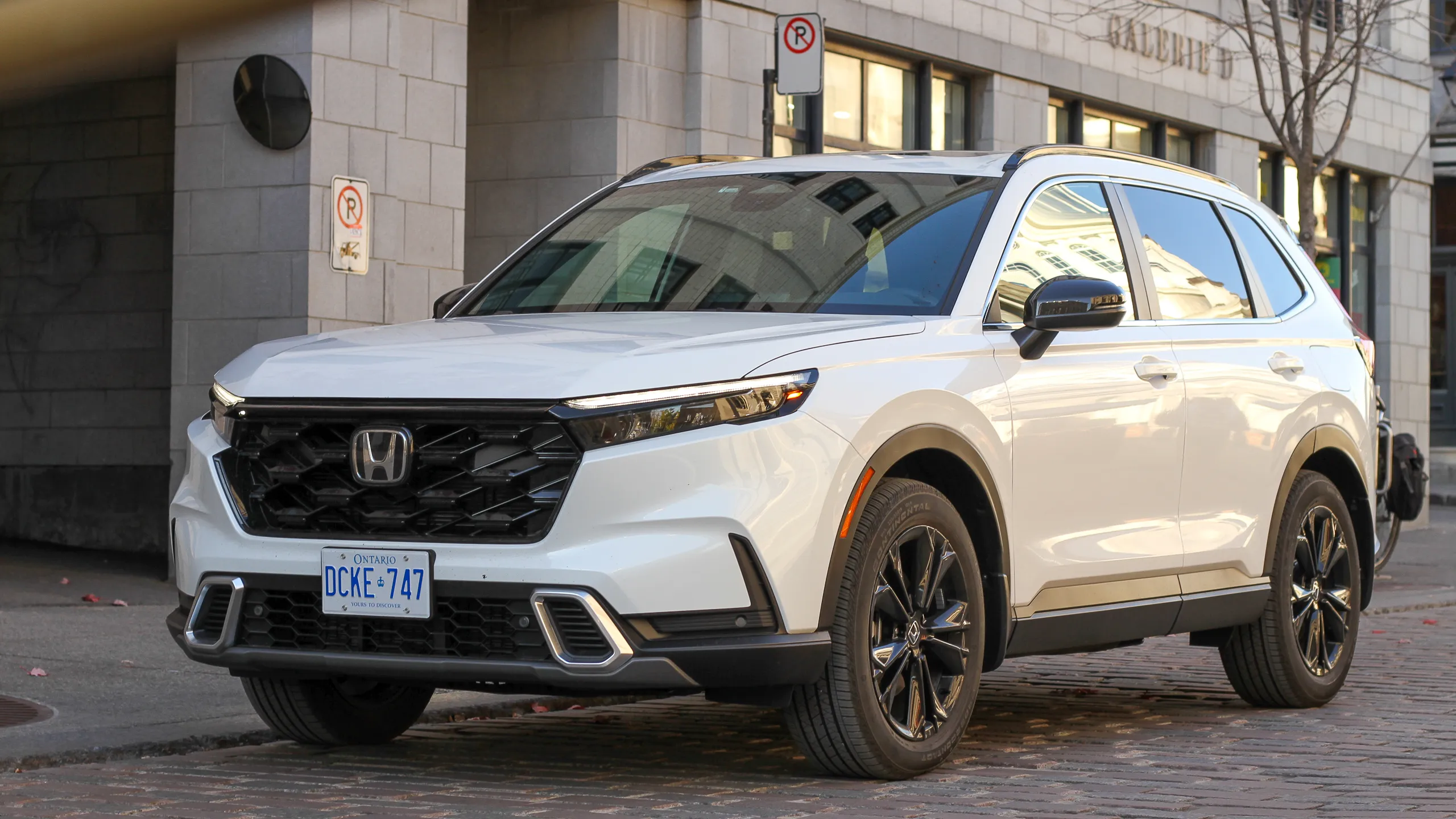
2. 2025 Mazda CX-5: A Stylish, Driver-Focused SUV with Premium Feel
The 2025 Mazda CX-5 continues to be one of the most refined and engaging compact SUVs available. Starting at $28,770, it delivers a balance of sophistication, performance, and craftsmanship that appeals to drivers who value both comfort and control.
Competing with models like the Honda CR-V and Toyota RAV4, the CX-5 distinguishes itself through its premium design, strong handling, and standard all-wheel drive, though it trails slightly in technology and cargo space.
The CX-5 offers two engine options: a 2.5-liter four-cylinder producing 187 horsepower and 186 lb-ft of torque, and a turbocharged version with up to 256 horsepower. Both are paired with a smooth six-speed automatic transmission. The turbocharged variant provides brisk acceleration, reaching 60 mph in 6.6 seconds, while the base engine delivers steady, predictable power suited for everyday use.
Mazda’s signature driving dynamics set the CX-5 apart from competitors. Its precise steering and well-balanced suspension create a responsive, connected feel that appeals to enthusiasts. The ride is slightly firm on uneven roads, but most drivers will appreciate the confident handling and stability. Visibility is excellent thanks to large windows and optional surround-view cameras on higher trims.
Driver-assistance systems such as adaptive cruise control and lane-keeping assist are standard across all trims. While these features enhance safety, their performance can feel dated, particularly the slow-reacting lane assist and cautious cruise control in heavy traffic.
Inside, the CX-5 showcases one of the most upscale interiors in its class. The front seats are exceptionally supportive, with available power adjustments and memory settings on higher trims. The layout is clean, intuitive, and distinctly driver-focused. Noise insulation is impressive, giving the cabin a serene atmosphere during highway driving.
Rear-seat space is adequate but tighter than some rivals. Taller passengers may find legroom and headroom slightly limited, and smaller rear doors make installing child seats more challenging. Still, materials throughout the cabin are soft-touch and high quality, reinforcing the SUV’s premium character.
Mazda’s infotainment system features a 10.25-inch display controlled by a rotary dial rather than a touchscreen while driving. The interface is sharp and responsive, but using Apple CarPlay or Android Auto through the dial can be cumbersome. Wireless connectivity and charging are limited to higher trims, and the wireless charger’s placement can cause devices to slip during motion.
Cargo capacity measures 29.1 cubic feet behind the rear seats, less than many competitors. The higher load floor and narrower tailgate opening make it less convenient for bulky items, but interior storage options such as door bins and cupholders are practical for everyday needs.
Every CX-5 includes all-wheel drive, adding traction and confidence in various driving conditions. The base engine achieves an estimated 25 mpg combined, while the turbocharged model delivers 24 mpg. Real-world results are close to these ratings, though spirited driving reduces efficiency in the turbo version.
Mazda’s build quality remains excellent, with precise assembly and upscale materials across trims. The model’s warranty is typical for the segment, covering three years or 36,000 miles for basic protection and five years or 60,000 miles for the powertrain.
The 2025 Mazda CX-5 stands out for its engaging performance, premium cabin, and meticulous craftsmanship. While its technology and cargo space are not class-leading, the CX-5 continues to appeal to drivers seeking a compact SUV that prioritizes driving enjoyment, comfort, and refinement over sheer practicality.
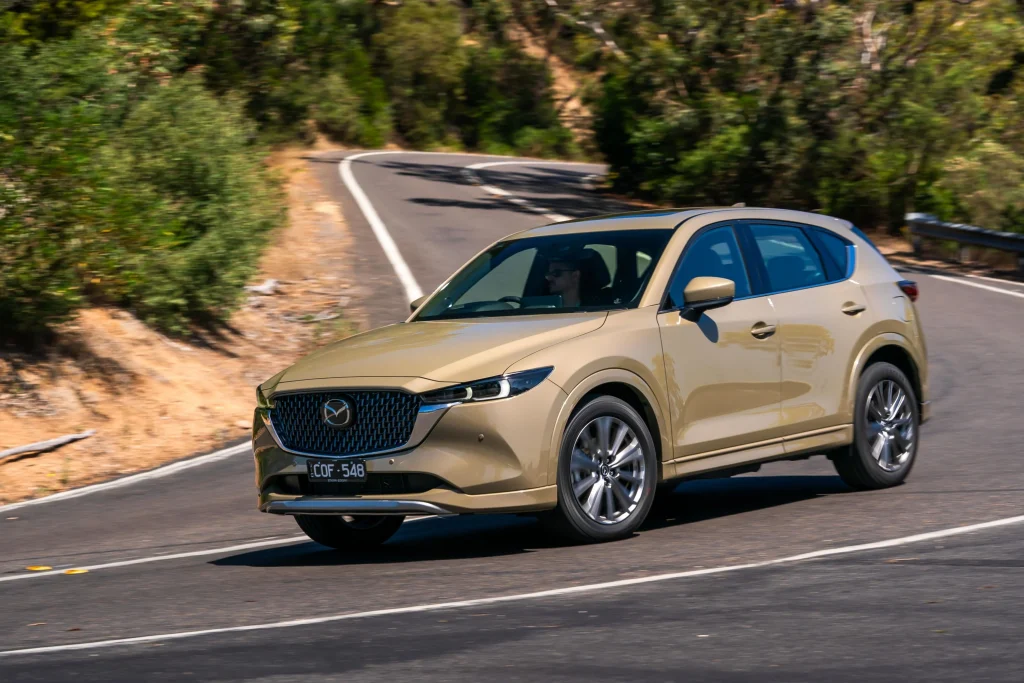
3. 2025 Hyundai Tucson: A Stylish, Comfortable, and Feature-Rich Compact SUV
The 2025 Hyundai Tucson receives a notable update this year, featuring refreshed styling, a redesigned cabin, and enhanced technology. Starting at $28,605, it delivers strong value in the compact SUV segment with its spacious interior, refined ride quality, and long list of standard features.
While its engine performance lags behind some competitors, the Tucson’s comfort, practicality, and warranty coverage make it an appealing option for those prioritizing everyday usability and reliability.
Under the hood, the Tucson features a 2.5-liter Smartstream inline-four engine producing 187 horsepower and 178 lb-ft of torque, paired with an eight-speed automatic transmission.
Front-wheel drive is standard, with all-wheel drive available for added confidence on slippery roads. Although its 0–60 mph time of 10.2 seconds is slower than most rivals, the Tucson provides smooth and predictable performance for daily driving.
Ride quality is one of Tucson’s greatest strengths. Its suspension absorbs bumps and road imperfections with ease, resulting in one of the most comfortable rides in its class.
The steering feels light and accurate, helping the SUV stay composed through corners while maintaining a relaxed, easy-to-drive character. Visibility is excellent thanks to large windows and slim roof pillars, which enhance driver confidence in traffic and tight parking spots.
The Tucson also includes a wide range of standard driver-assistance features such as adaptive cruise control, blind-spot monitoring, and parking sensors. These systems perform effectively, though the sensors can sometimes trigger frequent alerts in narrow spaces.
The redesigned interior gives the Tucson a near-luxury atmosphere. The front seats are supportive and well-cushioned, offering excellent comfort during long drives. Higher trims include power lumbar adjustments and high-quality upholstery that enhance the premium feel.
Both rows provide generous legroom and headroom, ensuring comfort for adults and families alike. Rear seats recline, and the wide door openings make entry and exit effortless.
While the cabin design looks modern, Hyundai’s decision to replace physical buttons with touchscreen controls for climate and audio settings can be distracting while driving. However, the materials, fit, and finish are impressive, rivaling more expensive vehicles.
Technology plays a key role in Tucson’s appeal. A 12.3-inch digital display combines both the instrument cluster and infotainment functions, giving the dashboard a clean and futuristic look.
Wireless Apple CarPlay and Android Auto come standard, along with a responsive voice recognition system and clear navigation interface. The touchscreen is crisp and responsive, though the lack of tactile controls may take some getting used to.
Practicality remains a highlight, with 38.7 cubic feet of cargo space behind the rear seats and 74.8 cubic feet when they’re folded flat. The low lift-over height and flat cargo floor make loading easy, and multiple storage bins and cupholders provide convenience throughout the cabin.
Fuel economy is competitive, with an estimated 25 mpg city, 33 highway, and 28 combined for front-wheel-drive models. The all-wheel-drive variant achieves 26 mpg combined. Hyundai’s industry-leading warranty adds strong ownership value, offering five years or 60,000 miles of basic coverage and ten years or 100,000 miles for the powertrain.
The 2025 Hyundai Tucson combines comfort, technology, and thoughtful design to create a well-rounded compact SUV. Its smooth ride, upscale interior, and generous warranty make it an excellent option for families and commuters seeking a stylish and dependable vehicle.
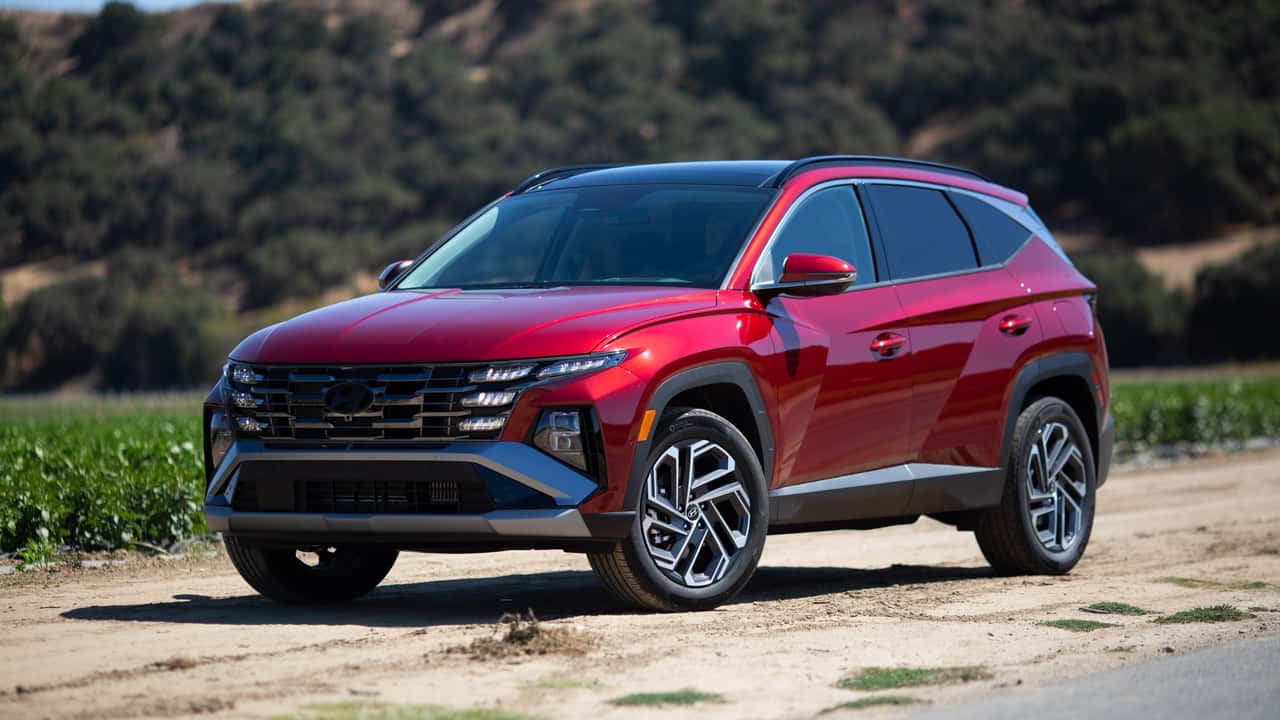
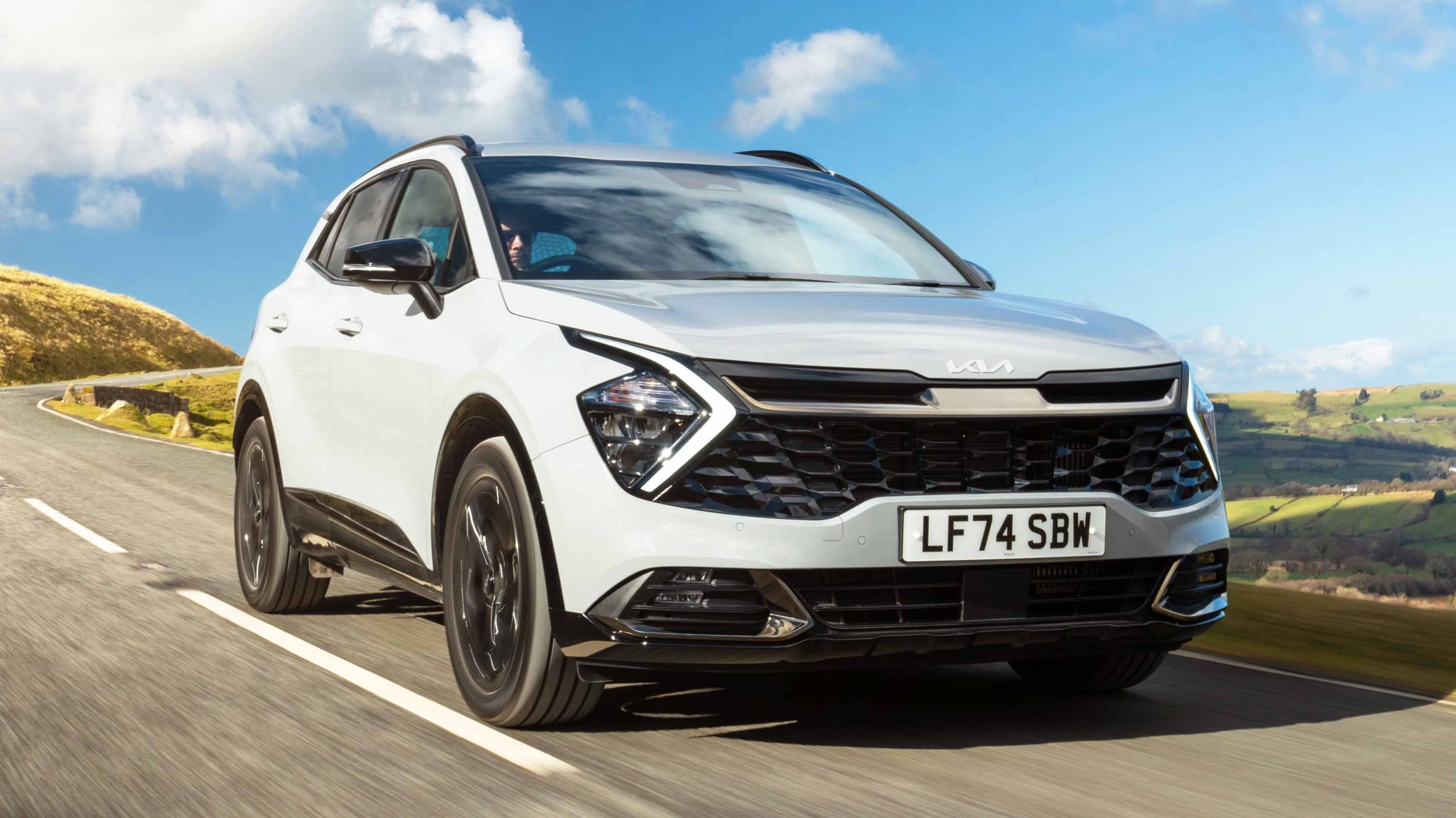
4. 2025 Kia Sportage: A Stylish and Practical Compact SUV
The 2025 Kia Sportage continues to stand out as one of the most balanced and thoughtfully designed compact SUVs on the market. Starting at $27,390, it combines comfort, technology, and safety in a stylish package.
Closely related to the Hyundai Tucson, the Sportage focuses on refinement and practicality, making it an excellent choice for families and commuters seeking strong value without compromising features or design.
The Sportage is powered by a 2.5-liter inline-four engine that delivers 187 horsepower and 178 lb-ft of torque, paired with an eight-speed automatic transmission. Front-wheel drive is standard, while all-wheel drive is optional.
This setup provides smooth performance for everyday use, though acceleration is on the slower side, with a 0–60 mph time of about 9.5 seconds. Those wanting more power and efficiency may prefer the Sportage Hybrid.
Steering is light and precise, making the Sportage easy to handle in city traffic and parking situations. The suspension is tuned for comfort, soaking up bumps and rough roads effectively, though it can feel a bit soft on uneven pavement.
The brakes respond predictably, and visibility is excellent thanks to large windows and an optional surround-view camera. Kia includes an extensive suite of driver-assistance features such as Forward Collision-Avoidance Assist, Blind-Spot Collision Avoidance, Smart Cruise Control, and Parking Assist, all of which perform reliably to enhance safety and convenience.
Inside, the 2025 Sportage impresses with its spacious and upscale cabin. The front seats provide excellent cushioning and lateral support, while available heated and ventilated options add to comfort. Rear passengers enjoy generous legroom and reclining seatbacks, making the SUV a pleasant choice for longer drives. Road and wind noise are minimal, contributing to a calm atmosphere inside the cabin.
Interior materials feel premium for the price, and the layout combines sophistication with everyday practicality. The dual-function touch panel that controls climate and media functions looks modern, though it can be slightly confusing at first. Wide door openings simplify entry and exit, and car seat anchors in the rear are easy to access.
Technology plays a major role in the Sportage’s appeal. It features dual 12.3-inch displays, one for the digital instrument cluster and one for infotainment. Wireless Apple CarPlay and Android Auto are standard, along with a wireless charging pad and USB-C ports in both rows. The system is responsive and intuitive, although navigation inputs are restricted while driving, which may be inconvenient for some users.
Cargo space is generous, offering 39.6 cubic feet behind the rear seats and 74.1 cubic feet when they are folded flat. A two-tier load floor allows for either a flat surface or deeper storage, and rear seatbacks can be folded from the cargo area for added convenience. Interior storage is well planned, with a large center console, retractable cupholders, and a small front bin for devices.
When properly equipped, the Sportage can tow up to 2,500 pounds. Fuel economy is rated at 25 mpg city, 33 highway, and 28 combined. Backed by Kia’s class-leading warranty of five years or 60,000 miles basic and ten years or 100,000 miles powertrain coverage, the 2025 Kia Sportage delivers strong value, a comfortable interior, and impressive versatility that make it a standout in the compact SUV segment.
Also Read: 5 Cars That Balance Tech and Reliability vs 5 That Fail at Both
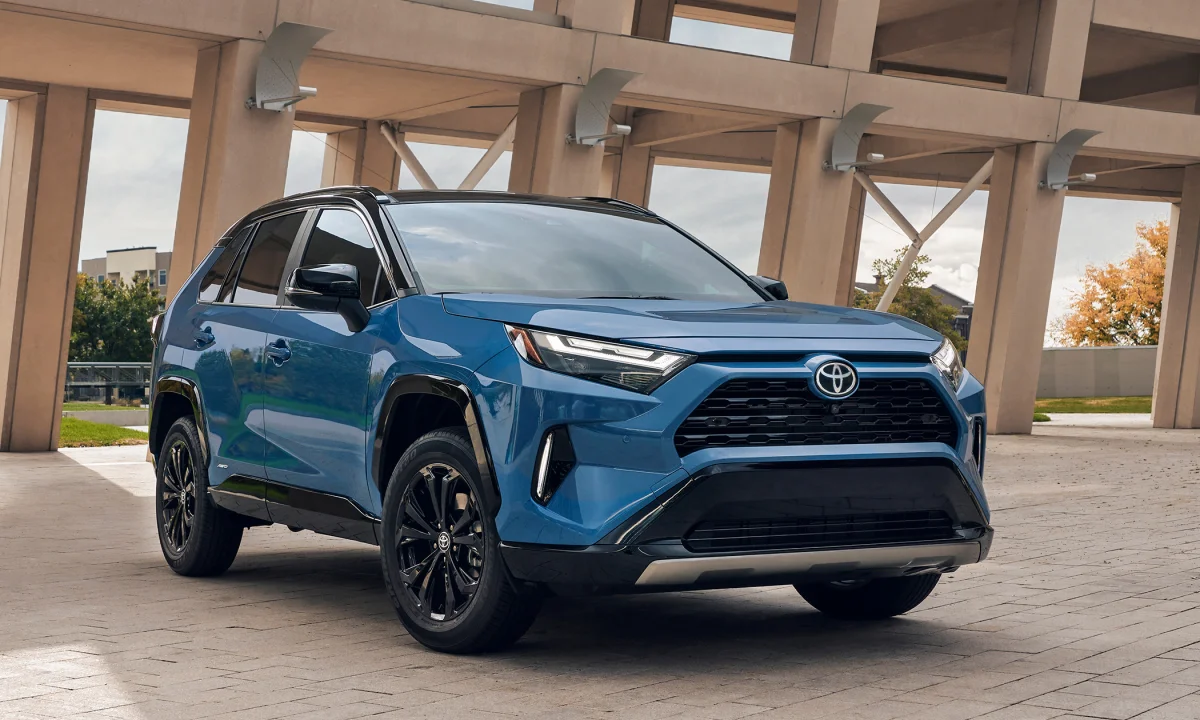
5. 2025 Toyota RAV4: A Dependable and Efficient Everyday SUV
The 2025 Toyota RAV4 continues to set the standard for reliability and everyday practicality in the compact SUV market. Starting at $29,250, it offers a strong combination of comfort, fuel efficiency, and usability.
Although the Adventure and TRD Off-Road trims are no longer available, the RAV4 remains one of Toyota’s most well-rounded and dependable vehicles. Its reputation for low maintenance costs and long-term durability makes it a favorite among families and commuters alike.
The RAV4 is powered by a 2.5-liter Dynamic Force four-cylinder engine that produces 203 horsepower and 184 lb-ft of torque, paired with an eight-speed automatic transmission. This setup delivers smooth, predictable power for daily driving, reaching 60 mph in 9.1 seconds. While not as quick as some turbocharged competitors, the RAV4 provides consistent performance and impressive efficiency.
Ride comfort is one of its strengths. The suspension absorbs bumps and uneven roads well, and the SUV remains composed during cornering. Steering is light and easy to manage, though it can feel slightly vague around the center.
All-wheel-drive models include rear-axle torque vectoring and hill descent control, which improve traction on slippery or uneven terrain. Ground clearance is adequate for mild off-road use, supporting Toyota’s reputation for versatility.
Inside, the RAV4 prioritizes function over flash. The driving position is natural, visibility is excellent, and the controls are logically placed. Front seats are supportive and comfortable, though the front passenger seat may sit higher than some prefer. Rear passengers enjoy generous legroom and a relaxed seating position, making long drives comfortable.
The climate control system is user-friendly, featuring large, rubberized knobs that are easy to operate while driving. Cabin materials are durable and refined, particularly in upper trims like the XLE Premium and Limited, which include synthetic leather upholstery and detailed stitching. The cabin stays quiet at highway speeds, and Toyota’s attention to fit and finish is evident throughout.
The 2025 RAV4 includes Toyota’s latest infotainment system, available with either an 8-inch or 10.5-inch touchscreen depending on the trim. Wireless Apple CarPlay and Android Auto come standard, and higher trims add wireless charging and a larger display. The interface is quick and easy to navigate, and physical buttons for climate and volume make operation simple.
Cargo space is another highlight. With 37.5 cubic feet behind the rear seats and 69.8 cubic feet when folded, the RAV4 provides ample room for luggage, groceries, or outdoor gear. The low load floor and wide hatch opening make loading easy, and multiple small storage bins throughout the cabin add everyday convenience.
Fuel economy is a key advantage of the RAV4, with EPA estimates of 27 mpg city, 35 highway, and 30 combined. These numbers are competitive and easily achievable in real-world conditions. Towing capacity stands at 1,500 pounds, enough for small trailers or bikes.
Toyota’s standard warranty includes three years or 36,000 miles of basic coverage, plus two years or 25,000 miles of complimentary maintenance. Combined with Toyota’s long-standing reliability, the RAV4 delivers lasting value.
The 2025 Toyota RAV4 may not offer thrilling performance, but it remains a benchmark for practicality, efficiency, and dependability. For drivers seeking a reliable, comfortable, and easy-to-own SUV, it continues to be one of the most trusted choices in its class.
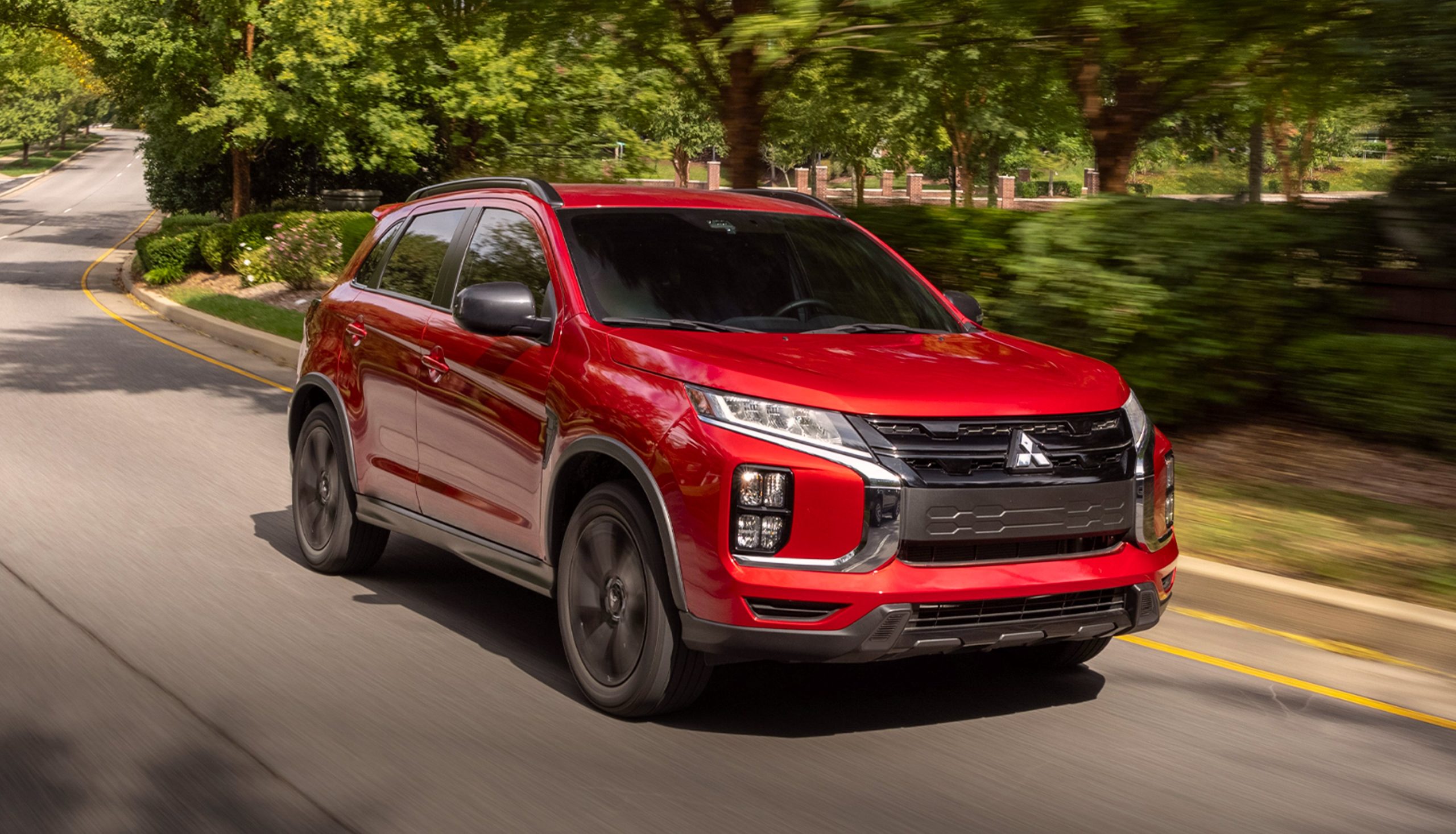
6. 2025 Mitsubishi Outlander: A Practical and Affordable Three-Row SUV
The 2025 Mitsubishi Outlander remains an appealing choice for buyers seeking a comfortable, affordable, and family-oriented compact SUV. Starting at $40,290, it emphasizes practicality, safety, and comfort over high performance.
With a roomy interior, refined ride quality, and one of the best warranties in the industry, the Outlander offers impressive value for families who need seating for up to seven passengers.
A 2.5-liter four-cylinder engine powers the Outlander, producing 148 horsepower and 145 lb-ft of torque. It is paired with a continuously variable transmission (CVT) that prioritizes efficiency and smoothness rather than speed.
The Outlander accelerates to 60 mph in 9.7 seconds, which trails competitors like the Honda CR-V and Mazda CX-5. While its power is limited during highway passing, the vehicle feels stable and predictable in city and suburban driving.
The steering provides light but accurate feedback, and the suspension system keeps the SUV composed on uneven roads and through turns. Although it is not designed for sporty handling, the Outlander remains balanced and avoids excessive body movement. The available four-wheel-drive system adds traction on slippery or snowy roads, enhancing driver confidence in various weather conditions.
Ride comfort is one of the Outlander’s best qualities. It absorbs bumps easily, keeping passengers comfortable even on longer trips. The front seats are well-cushioned and supportive, while the second row offers 39.9 inches of legroom. Heated seats are available in both rows, and higher trims include rear climate controls.
The Outlander is one of the few compact SUVs to offer a third-row seat. While space is tight, with 18.7 inches of legroom, it is suitable for children or short trips. Folding the third row expands cargo capacity to 30.6 cubic feet, making it practical for everyday needs such as groceries, luggage, or sports gear.
The cabin features a 12.3-inch touchscreen with clear graphics and an easy-to-use interface. Wireless Apple CarPlay is standard, though connections can occasionally drop. The optional Yamaha audio system delivers crisp, clear sound, and the navigation system works well, although its destination search could be smoother.
Mitsubishi equips the Outlander with a full suite of driver-assistance features that include adaptive cruise control, lane centering, and automatic emergency braking. These systems enhance safety, though adaptive cruise control can react slowly in heavy traffic, and lane centering may feel inconsistent on curvy roads.
Storage inside the Outlander is practical and well-planned, with large door pockets, a deep center console, and multiple cupholders. The cargo area behind the third row is limited, but folding both rear rows provides ample space for larger items. Fuel economy is rated at 23 mpg in the city and 29 mpg on the highway, for a combined 26 mpg.
Mitsubishi’s warranty coverage is among the best available, offering a five-year or 60,000-mile basic warranty and a 10-year or 100,000-mile powertrain warranty. Although the Outlander is not a performance standout, its comfort, efficiency, and practicality make it an excellent option for families looking for an affordable and dependable three-row SUV.
7. 2025 Chevrolet Equinox: Refined Design and Balanced Practicality
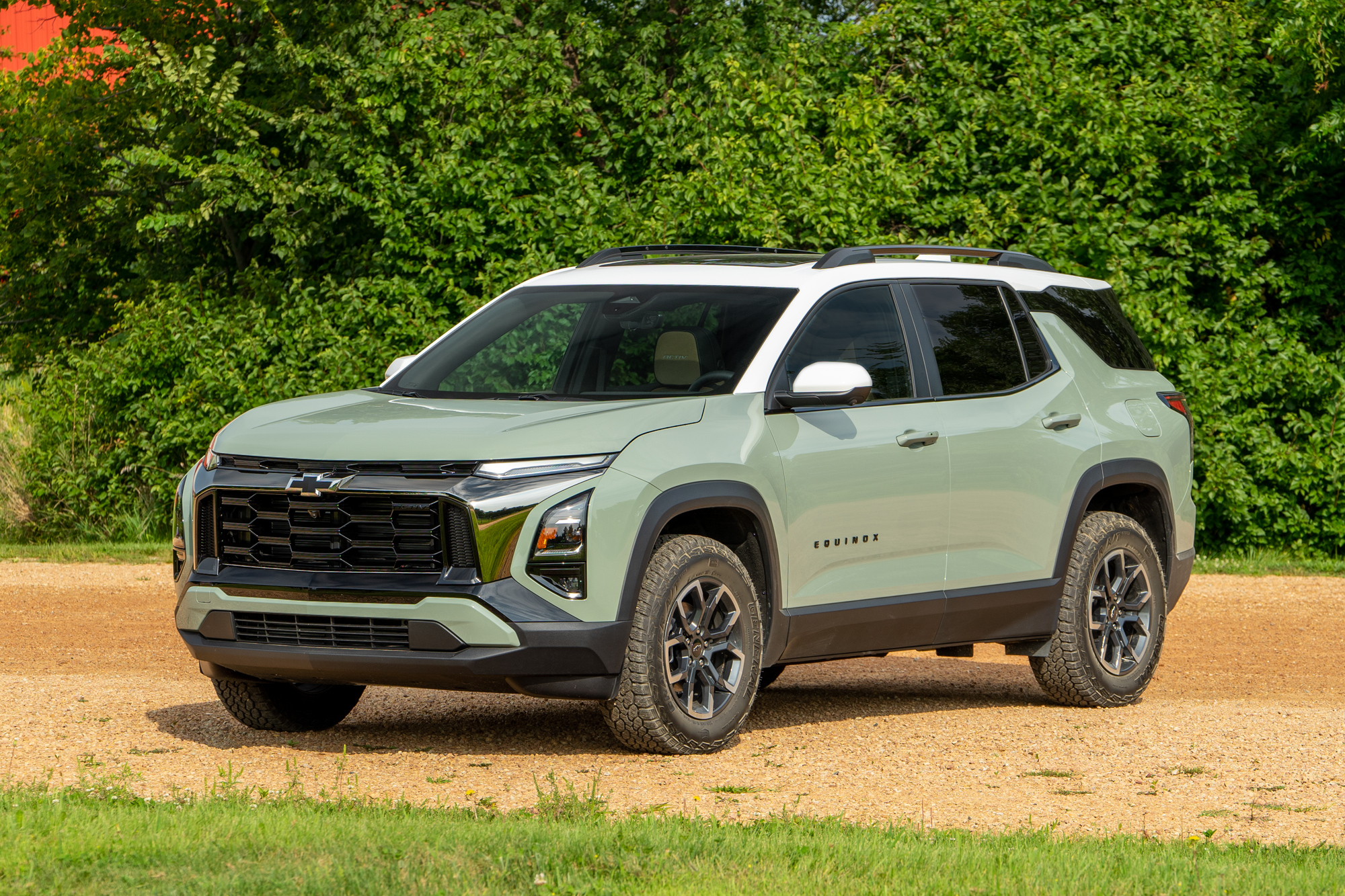
The 2025 Chevrolet Equinox introduces a refreshed design, upgraded technology, and impressive value across its three trims, all priced below $34,000. Starting at $28,600, it continues to be one of Chevrolet’s best-selling compact SUVs.
Its bold exterior design, featuring squared-off wheel arches, sculpted fender flares, and sleek LED lighting, gives it a modern and confident appearance. With improved interior comfort and updated tech, the new Equinox appeals to families and first-time SUV buyers who want a blend of style and everyday functionality.
The 2025 Equinox is powered by a 1.5-liter turbocharged inline-four engine producing 175 horsepower and 184 lb-ft of torque. Front-wheel-drive models use a continuously variable transmission (CVT), while all-wheel-drive versions receive an eight-speed automatic.
Acceleration to 60 mph takes 8.7 seconds, which is average for the compact SUV segment. The engine provides smooth power delivery for daily driving but can feel underpowered when carrying passengers or merging onto highways.
The transmission shifts cleanly, and the suspension delivers a quiet, cushioned ride through city streets. On highways, small dips can cause mild bouncing, though stability remains good. The steering is tuned for comfort rather than precision, and braking performance is steady, offering confidence in normal driving conditions.
Standard safety technology includes lane-keeping assist, forward collision warning, and automatic emergency braking. Buyers can add adaptive cruise control and a surround-view camera for greater convenience, though the adaptive cruise system can feel abrupt in heavy traffic.
Inside, the Equinox focuses on comfort and usability. The front seats are supportive and well-cushioned, with optional heating that warms up quickly. Rear passengers enjoy good legroom and soft seat materials, though the seats do not recline. Entry through the back doors can be tight, but once seated, passengers benefit from a quiet, well-insulated cabin.
Technology takes a noticeable step forward with a new 11.3-inch touchscreen featuring Google built in and a digital gauge cluster. Wireless Apple CarPlay and Android Auto come standard, along with multiple USB-C ports for charging. Google Maps integration within the cluster provides easy-to-follow navigation while keeping the main screen available for entertainment and settings.
Cargo capacity measures 29.8 cubic feet behind the rear seats and expands to 63.9 cubic feet when they are folded. The flat load floor and low lift height make loading cargo simple.
Storage options throughout the cabin include a large center console, deep door bins, and multiple cupholders. Towing capacity is 1,500 pounds for all-wheel-drive models and 800 pounds for front-wheel-drive, making it best suited for light-duty towing.
Fuel economy stands at 27 mpg combined for FWD and 26 mpg combined for AWD, matching class averages. With refined design, modern features, and strong comfort for the price, the 2025 Chevrolet Equinox offers a balanced mix of practicality, technology, and everyday drivability in a compact SUV package.
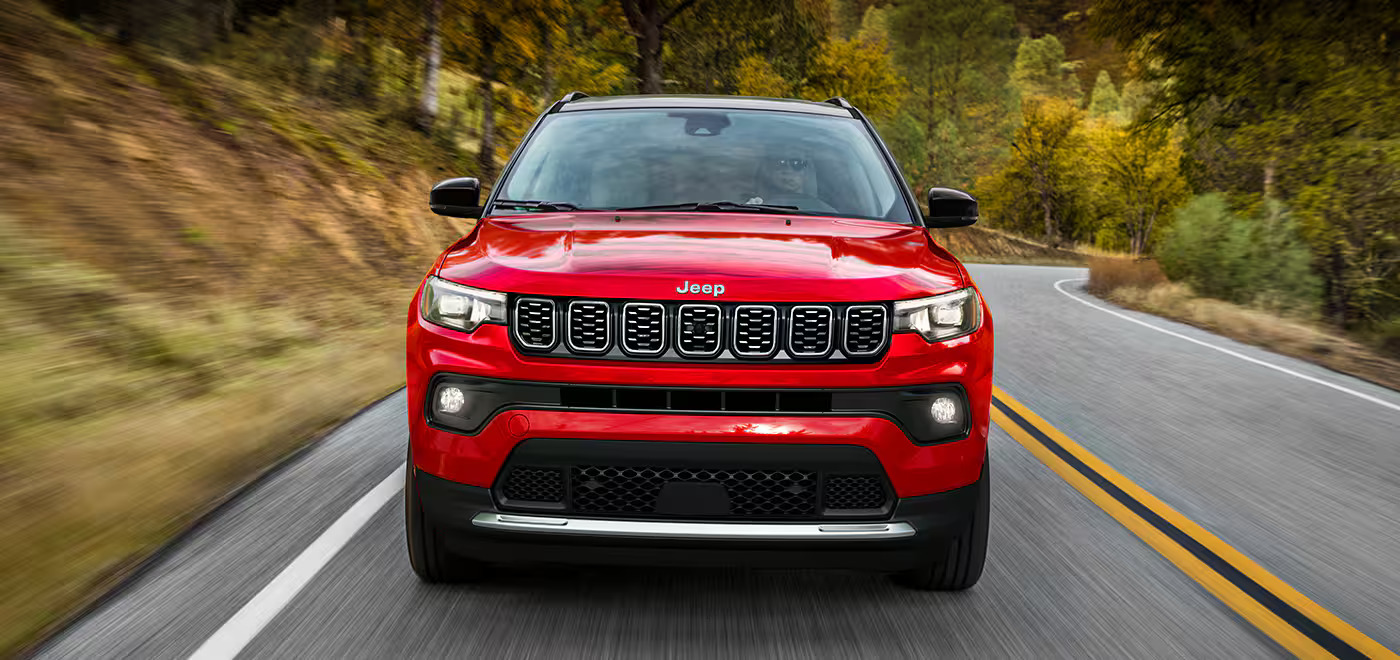
8. 2025 Jeep Compass: Turbocharged Power and Off-Road Capability
The 2025 Jeep Compass combines strong turbocharged performance with Jeep’s signature rugged character. Starting at $32,590, it delivers standard all-wheel drive, a powerful engine, and trail-ready features that make it appealing for adventurous drivers. Although it delivers more power than most small SUVs, it falls short in ride comfort, interior refinement, and value when compared to the top models in its class.
The Compass features a 2.0-liter turbocharged four-cylinder engine that produces 200 horsepower and 221 lb-ft of torque, paired with an eight-speed automatic transmission. This powertrain helps it reach 0 to 60 mph in 8.3 seconds, which is quicker than many subcompact SUVs. While the performance is lively on paper, the transmission tends to shift early and respond slowly during acceleration, making it feel less energetic in daily driving.
Ride quality is firm but controlled, and the Compass remains stable during normal driving. However, it feels less composed on winding roads, where noticeable body roll limits confidence. The brakes can be touchy at lower speeds, and stopping distances are slightly longer than expected.
The Trailhawk trim provides additional off-road features such as a “Rock” mode and increased ground clearance, giving it an advantage over nearly every rival except the Subaru Crosstrek.
Visibility is somewhat limited by thick roof pillars and a tall hood, but the available surround-view camera system improves maneuvering in tight spaces. Standard driver-assistance features include adaptive cruise control, lane-keeping assist, and forward collision warning. These systems are helpful but not perfectly tuned, with lane centering that can tug at the wheel and warning chimes that sound too often.
Inside, the Compass offers a roomy layout but lacks refinement. The front seats are soft yet provide limited support, and the headrests tilt forward in an awkward position. Front occupants enjoy ample legroom and headroom, while the rear seats provide generous legroom but limited headroom. Getting in and out can be a challenge because of narrow door openings.
The climate control system effectively manages temperature, but can be noisy at higher fan speeds. Cabin sound levels are high due to constant engine and wind noise at highway speeds.
The control layout is confusing, with many functions buried within the infotainment system and some buttons placed out of intuitive reach. Although the interior includes soft-touch surfaces, several plastic panels feel thin and flexible, reducing the sense of quality.
The Compass features a 10.1-inch touchscreen with sharp graphics and wireless Apple CarPlay and Android Auto. The interface is customizable and user-friendly once learned, but it can lag or freeze during use. The voice control system is limited, yet the configurable home screen helps make frequently used functions easier to access.
The Compass provides 27.2 cubic feet of cargo space behind the second row, which is above average for a subcompact SUV. The cargo floor is wide and easy to load, but small-item storage is limited. The center console is shallow, and the door pockets can only hold small bottles. Installing child seats requires patience since the lower anchors are deeply recessed, and the top tethers are awkwardly placed near the trunk floor.
The Compass achieves 24 mpg in the city, 32 mpg on the highway, and 27 mpg combined, which is slightly below average for the segment. Real-world fuel economy tends to be around 25 mpg, especially during spirited driving. Pricing positions it closer to compact SUVs, yet interior space and refinement remain closer to subcompact models.
Warranty coverage includes three years or 36,000 miles of basic protection and five years or 60,000 miles of powertrain and roadside assistance coverage, which is typical for this category.
The 2025 Jeep Compass delivers strong power, standard all-wheel drive, and authentic off-road ability. It is a smart option for drivers who want extra traction and rugged styling in a compact package.
However, its stiff ride, noisy cabin, and limited refinement make it less appealing for those seeking comfort and value. Buyers who prioritize efficiency and smooth road manners may find better options in rivals like the Honda CR-V or Mazda CX-5.
9. 2025 Ford Bronco Sport: Rugged Style Meets Everyday Practicality
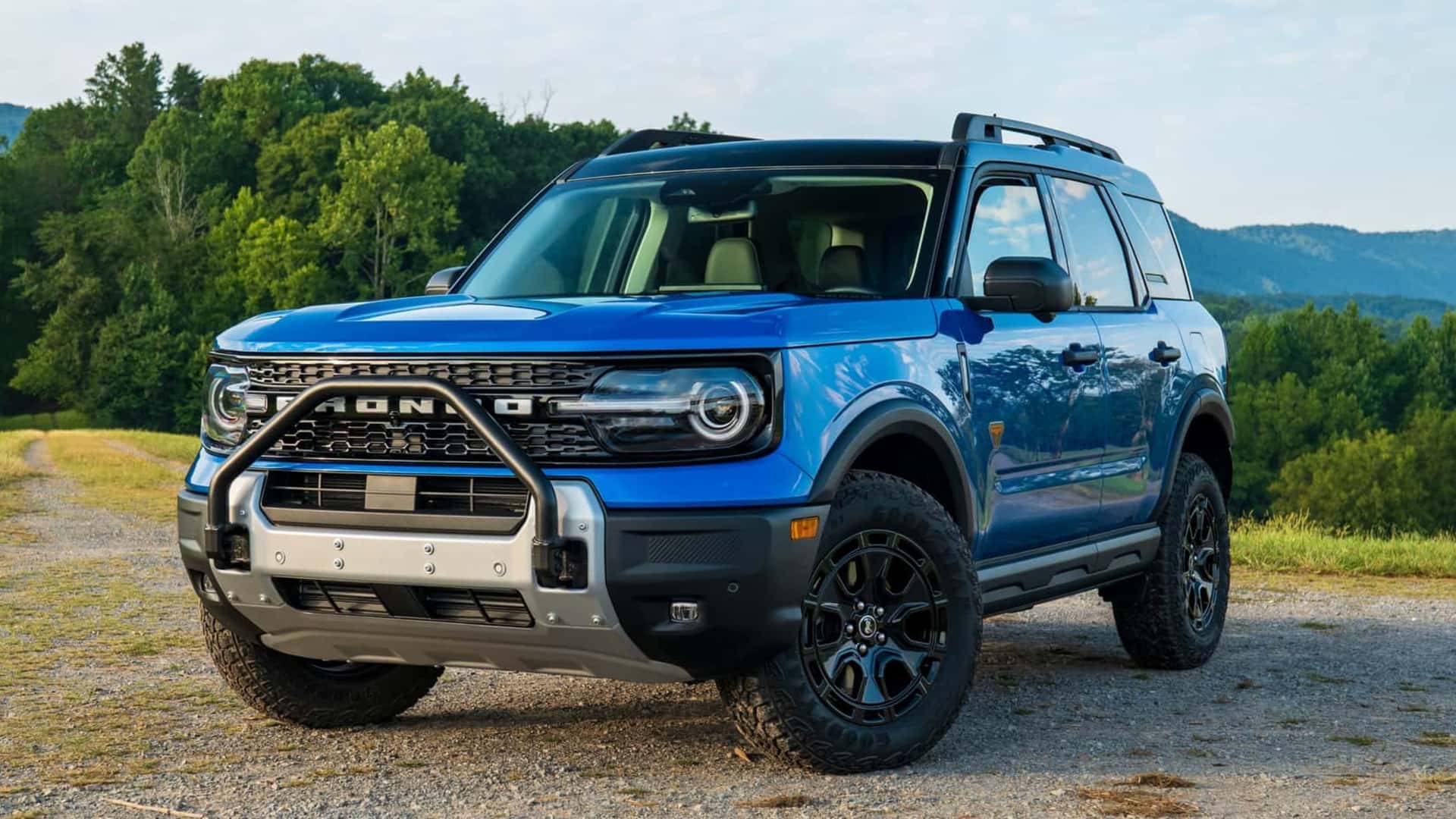
The 2025 Ford Bronco Sport strikes a strong balance between off-road adventure and everyday usability. Inspired by its larger sibling, this compact SUV delivers rugged styling, enhanced technology, and standard four-wheel drive in a manageable size. Starting at $31,710, it appeals to drivers who want a vehicle capable of weekend escapes while remaining practical for daily commutes.
The Bronco Sport’s standard 1.5-liter turbocharged three-cylinder EcoBoost engine produces 181 horsepower and 190 lb-ft of torque, paired with an eight-speed automatic transmission.
This combination provides adequate performance for most situations, though acceleration can feel limited when merging or passing. Those who want more power can choose the Badlands trim, which features a 2.0-liter turbocharged four-cylinder engine that improves acceleration and enhances off-road ability.
The ride quality leans firm, particularly on trims with off-road tires, but this setup ensures strong traction on rough terrain. The available Sasquatch package increases capability with heavy-duty skid plates, all-terrain tires, and a specialized rear differential, making the Bronco Sport one of the most trail-ready options in its class.
Steering feels responsive, and braking is smooth, though stopping distances are slightly longer because of the tire design. Ford’s Co-Pilot360 suite, which includes lane-keeping assist and adaptive cruise control, comes standard and operates effectively without being intrusive.
Inside, the Bronco Sport provides excellent headroom and a high driving position that gives a commanding view of the road. The front seats include lumbar support but could use more side bolstering.
Rear-seat space is comfortable for adults, though legroom is tighter than some competitors, and narrow door openings can make child seat installation challenging. Cabin noise is higher than average, but the durable materials, including rubberized and easy-to-clean surfaces, fit the vehicle’s adventurous character.
Ford has upgraded the interior with a new 13.2-inch SYNC 4 touchscreen and a 12.3-inch digital gauge cluster. Wireless Apple CarPlay and Android Auto come standard, along with multiple USB-C ports and an optional B&O sound system. The infotainment system is fast and user-friendly, though built-in navigation requires a subscription after the first year.
The Bronco Sport’s boxy design gives it impressive cargo flexibility. A low load floor, removable rubberized mat, and built-in hooks and power outlets make it ideal for road trips and outdoor gear. The optional two-tier cargo shelf can serve as both a divider and a small table. Towing capacity is limited to 2,200 pounds with the base engine and 2,700 pounds with the larger one.
Fuel economy is respectable at 26 mpg combined for the base engine, while the 2.0-liter version achieves 23 mpg combined. Although there is no hybrid option, the 2025 Ford Bronco Sport remains a capable and versatile SUV that combines adventure-ready performance with practical comfort for everyday driving.
10. 2025 Nissan Rogue: A Smart and Safe Pick for First-Time SUV Buyers
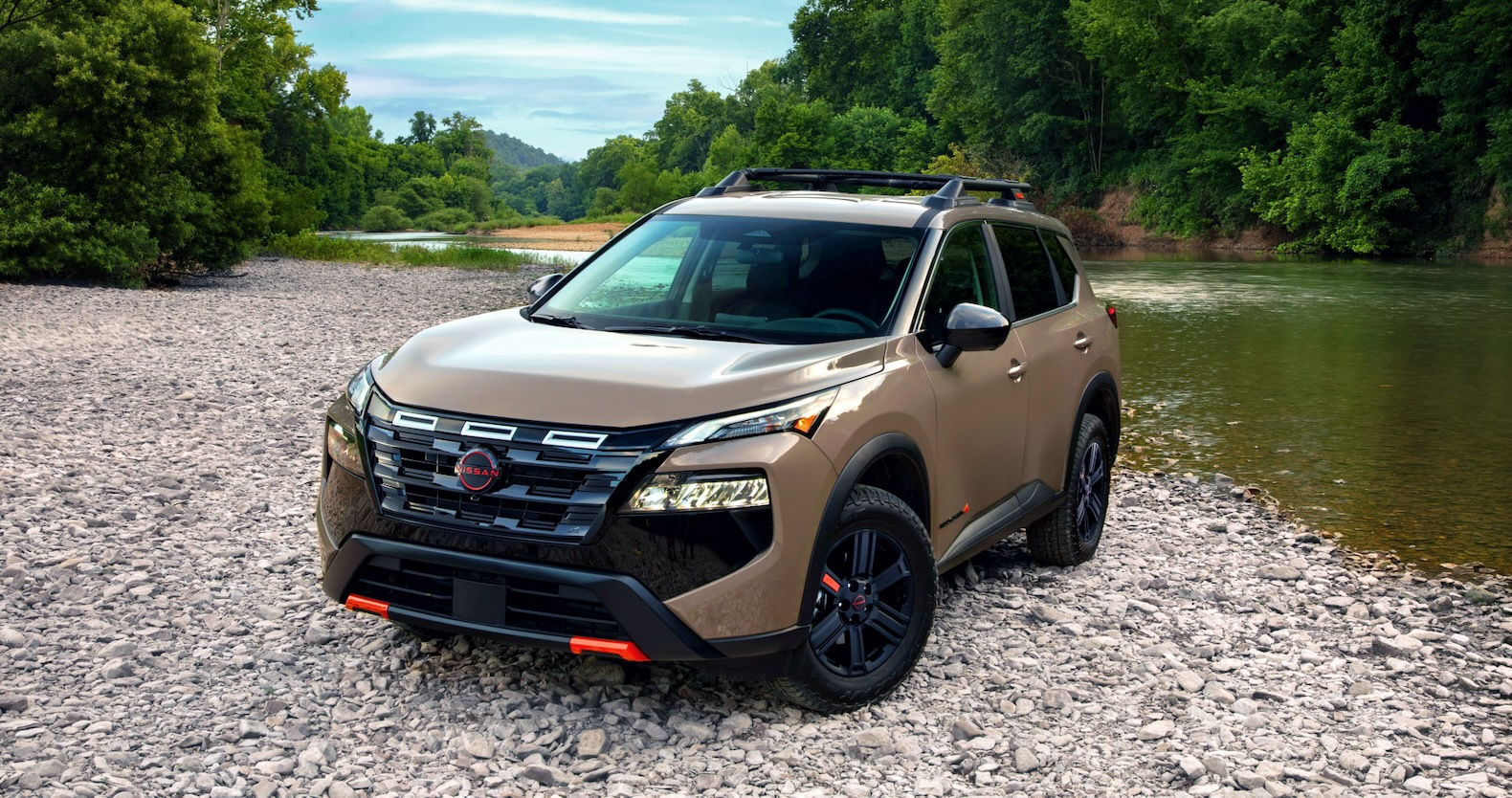
The 2025 Nissan Rogue continues to hold its place as Nissan’s best-selling vehicle, offering a strong balance of practicality, efficiency, and advanced safety.
Starting at $29,980, this compact SUV comes equipped with a 1.5-liter 3-cylinder turbo engine producing 201 horsepower and 225 lb-ft of torque, paired with a CVT and front-wheel drive. With an impressive 33 mpg combined, the Rogue delivers excellent fuel efficiency, making it an attractive choice for first-time SUV buyers looking to save at the pump.
The Rogue’s small turbocharged engine feels responsive, but the CVT transmission can be slow to react when extra power is needed. Ride comfort is average; it performs best on smooth roads but can feel unsettled on rough pavement.
Steering feels light, and while braking performance is adequate, the system can be noisy during hard stops. Still, the Rogue’s extensive suite of driver-assistance technologies, including optional ProPILOT Assist 2.1 for hands-free highway driving, adds confidence and convenience.
Inside, the Rogue impresses with soft, supportive seats and a user-friendly cabin layout. Entry and exit are easy, and the back seat offers good comfort though legroom trails some rivals. Cabin noise at highway speeds is noticeable, but the physical climate controls and simple interface keep things intuitive. The Rogue also earns high marks for family friendliness, offering easy access for child seats and wide-opening rear doors.
Higher trims feature a sharp digital gauge cluster, head-up display, and wireless Apple CarPlay, though the infotainment system can feel dated. Cargo capacity is another highlight, with versatile floor panels that allow multiple storage configurations and ample in-cabin compartments for small items. Towing capacity is modest at 1,500 pounds, suitable for light loads or small trailers.
The Rogue offers strong value in its lower trims thanks to its rich feature set, fuel economy, and safety systems. However, upper trims lack the refinement and performance of class leaders. Warranty coverage is standard, with 3 years/36,000 miles bumper-to-bumper and 5 years/60,000 miles for the powertrain.
The 2025 Nissan Rogue shines as a fuel-efficient, safety-focused compact SUV that caters well to first-time buyers. While it may not be the most refined or thrilling to drive, its reliability, technology, and practicality make it a smart and dependable choice.
Choosing your first SUV should be an exciting experience, not a stressful one. The right vehicle can bring convenience, comfort, and adventure to your everyday life without straining your budget.
The 12 SUVs featured here stand out for their reliability, affordability, and beginner-friendly features, making them excellent choices for anyone purchasing their first utility vehicle. Whether you prefer compact efficiency, rugged capability, or refined comfort, these models provide confidence on the road and easy maintenance.
Keep in mind that the best SUV for you is one that fits your lifestyle today and continues to meet your needs in the future. With so many great options to choose from, you are sure to find a model that feels just right for you. Your first SUV is more than just a vehicle; it is the start of new journeys and lasting memories.
Also Read: 5 Cars Increasing in Auction Value vs 5 Dropping Hard