
The classic car auction market can be a fascinating reflection of changing tastes, cultural influences, and economic factors. Over the years, some vehicles have seen their values skyrocket due to rarity, historical significance, or a surge in collector interest.
Conversely, other cars once prized by enthusiasts have experienced a decline in auction prices. Understanding the dynamics behind these shifts provides insight into how the collector car market evolves and what influences buyer demand at any given time.
When considering cars that have increased in auction value, rarity plays a key role. Limited production runs or vehicles with a strong motorsport heritage often attract collectors willing to pay a premium.
Moreover, cars that have been featured prominently in media, movies, or owned by famous personalities often gain an almost mythic status. Alongside these factors, trends toward nostalgia and an appreciation for craftsmanship contribute to higher bids, especially as these cars age gracefully and maintain a strong following.
On the other side of the spectrum, cars that fall out of favor tend to do so because of oversupply, changing tastes, or reliability concerns. Some models were produced in large numbers, which dilutes their rarity and desirability.
Others might be victims of shifting design preferences or have reputations for high maintenance costs, which deter collectors. Additionally, economic downturns or shifts in collector demographics can influence auction results, causing once-coveted cars to drop sharply in value.
By comparing five cars that are increasing in auction value with five that are declining, we can better understand how history, design, performance, and cultural relevance impact these trends.
The following sections explore specific examples on both sides of the spectrum, highlighting what is driving current market behavior and what collectors might consider when assessing future investment opportunities.
Cars Increasing in Auction Value
1. Ferrari 275 GTB/4
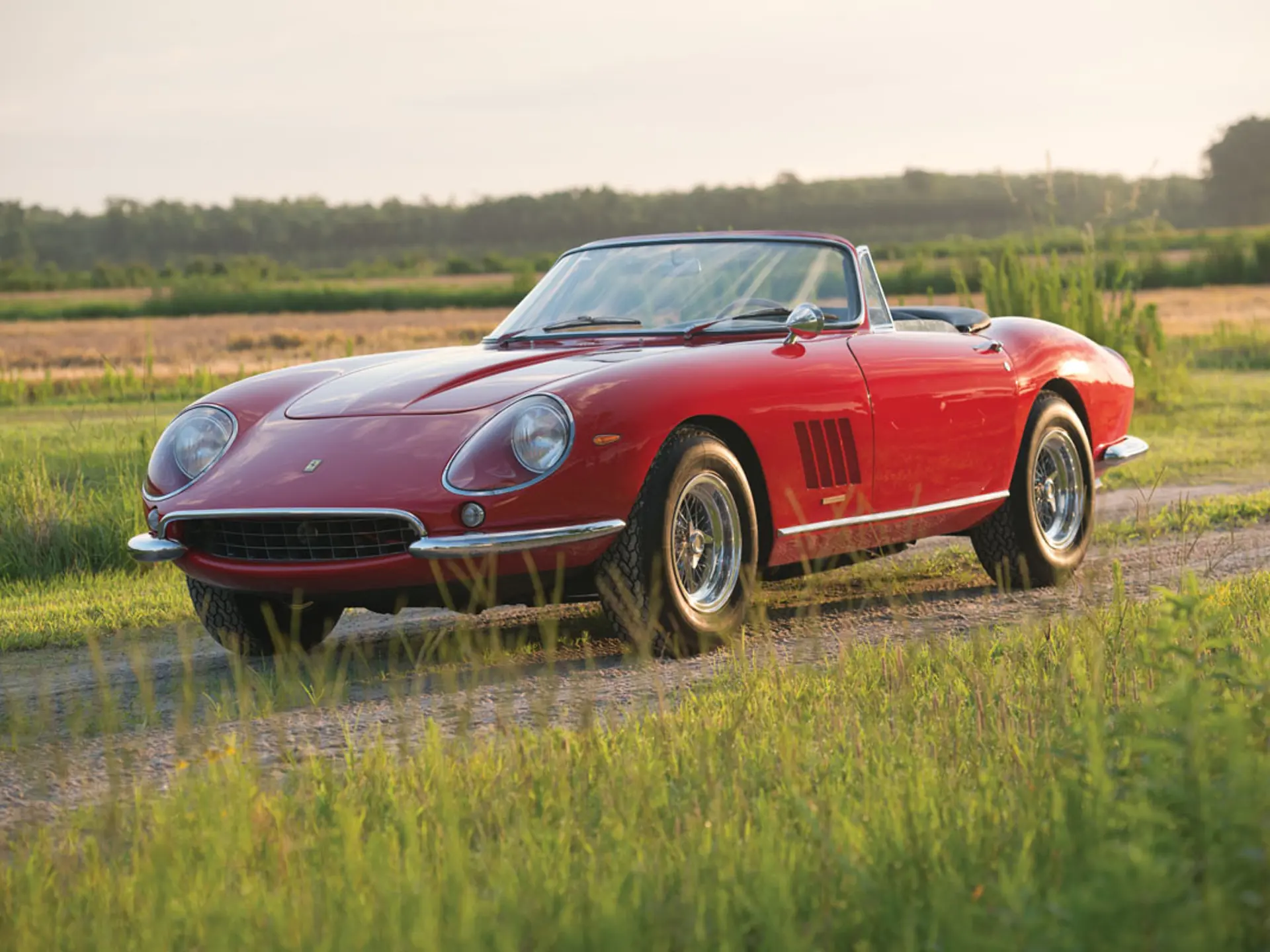
The Ferrari 275 GTB/4 is widely recognized as one of the most desirable classic Ferraris, admired not only for its stunning aesthetics but also for the advanced engineering it showcased during its production run in the mid-1960s.
This model represents the culmination of Ferrari’s expertise at the time, featuring a powerful 3.3-liter V12 engine equipped with four overhead camshafts, hence the “4” in its name, which allowed for improved performance and reliability compared to its predecessors.
The chassis was carefully designed to balance handling with comfort, offering a driving experience that was both thrilling and refined. Ferrari produced just over 300 examples of the 275 GTB/4, which contributes heavily to its rarity and collector appeal.
Over time, the allure of owning one of these limited-run machines has only grown, leading to steady and sometimes sharp increases in auction prices worldwide.
The design by Pininfarina remains timeless, embodying the graceful yet aggressive stance that defines Ferrari’s most revered models. The elongated bonnet, muscular fenders, and clean lines combine elegance with a sense of raw power. This design has aged beautifully, capturing the imaginations of car enthusiasts and collectors across generations.
Beyond its aesthetic appeal, the 275 GTB/4 has a rich motorsport history, with several examples competing in endurance races like the 24 Hours of Le Mans, which adds layers of provenance and mystique. Cars with documented racing pedigrees tend to command even higher prices, as collectors place great value on originality and historical significance.
When considering auction values, originality plays a crucial role in determining a car’s worth. Examples that maintain their factory specifications, complete with matching numbers engines, transmissions, and chassis, fetch top-dollar bids.
Well-preserved cars with original paint, interior trim, and documented service histories are rare and often take years to surface on the market.
This scarcity drives competition among collectors, fueling higher prices. Additionally, certain variants, such as the short-nose or long-nose versions, attract particular interest and can influence value based on desirability and rarity. The Ferrari brand’s enduring prestige ensures that the 275 GTB/4 remains a crown jewel among collectors, making it an increasingly valuable asset.
As the supply of well-maintained and authentic examples dwindles over time, prices are likely to continue their upward trajectory. Enthusiasts seeking a combination of beauty, performance, and historical significance are willing to invest heavily to secure these machines, viewing them as not just cars but pieces of automotive art and heritage.
The 275 GTB/4’s blend of craftsmanship, racing legacy, and iconic status firmly establishes it as one of the best-performing models in terms of auction value appreciation.
2. Porsche 911 Carrera RS 2.7
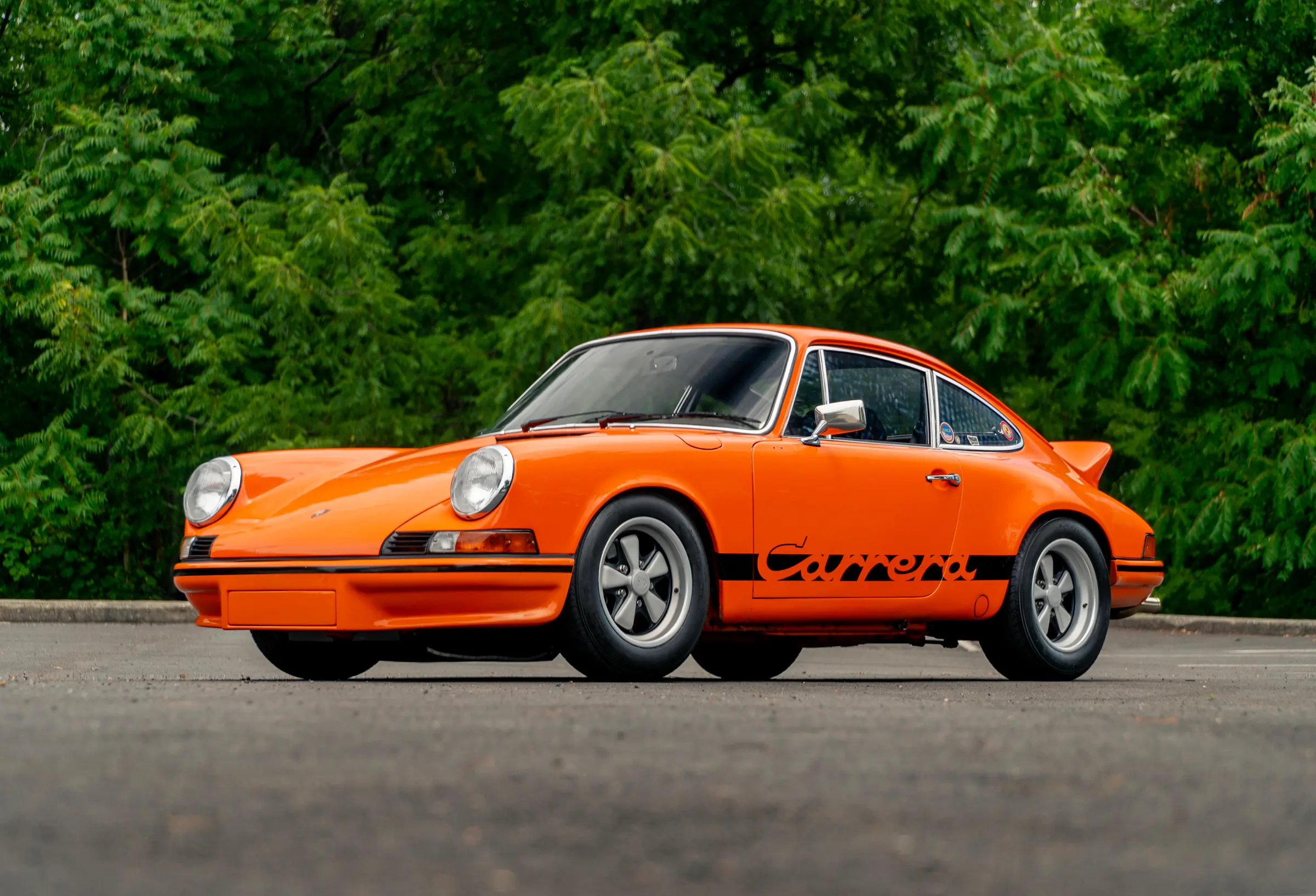
The Porsche 911 Carrera RS 2.7, launched in 1973, is often regarded as one of the most important and influential sports cars of the 20th century. It took the already successful 911 platform and refined it with a focus on lightweight construction, enhanced performance, and a direct connection to motorsport homologation.
The RS 2.7 featured an upgraded 2.7-liter flat-six engine, delivering more power and improved responsiveness, paired with weight-saving measures such as thinner steel body panels and reduced interior trim. Its signature “ducktail” rear spoiler was not only a striking design element but also a functional aerodynamic device that helped improve high-speed stability.
With just over 1,500 units built, this model was created specifically to satisfy racing requirements, which imbues it with a unique aura of authenticity and purpose that appeals strongly to collectors.
Its significance extends beyond performance numbers. The RS 2.7 embodies Porsche’s engineering philosophy during an era when the brand was beginning to establish itself as a leader in motorsport and precision driving dynamics. Unlike many contemporaries, the RS 2.7 was built for enthusiasts who appreciated the nuances of handling and driver engagement.
The lightweight construction combined with precise steering and suspension tuning made it a pure driver’s car, giving it a legendary reputation that continues to grow. The combination of rarity and genuine racing heritage ensures this model is highly prized at auctions, often achieving prices far beyond those of standard 911s.
The collector market has seen a substantial surge in value for the Carrera RS 2.7 over the past twenty years. As more enthusiasts recognize its importance as the archetype for future 911 performance models, the demand for clean, original examples with documented histories continues to rise.
Cars retaining factory specifications, particularly those with matching numbers and limited restoration, attract premium bids. This demand is further supported by a passionate and knowledgeable owner community that fosters a sense of exclusivity around the model.
Younger generations of collectors have begun to embrace the RS 2.7, attracted by its balance of historical significance and usability. The car is often considered one of the best investments within the classic Porsche market, combining heritage, performance, and rarity.
Auction results over recent years clearly reflect this trend, with values showing consistent appreciation and minimal signs of plateauing, confirming the RS 2.7’s status as a star performer in the collector car market.
3. Jaguar E-Type Series 1
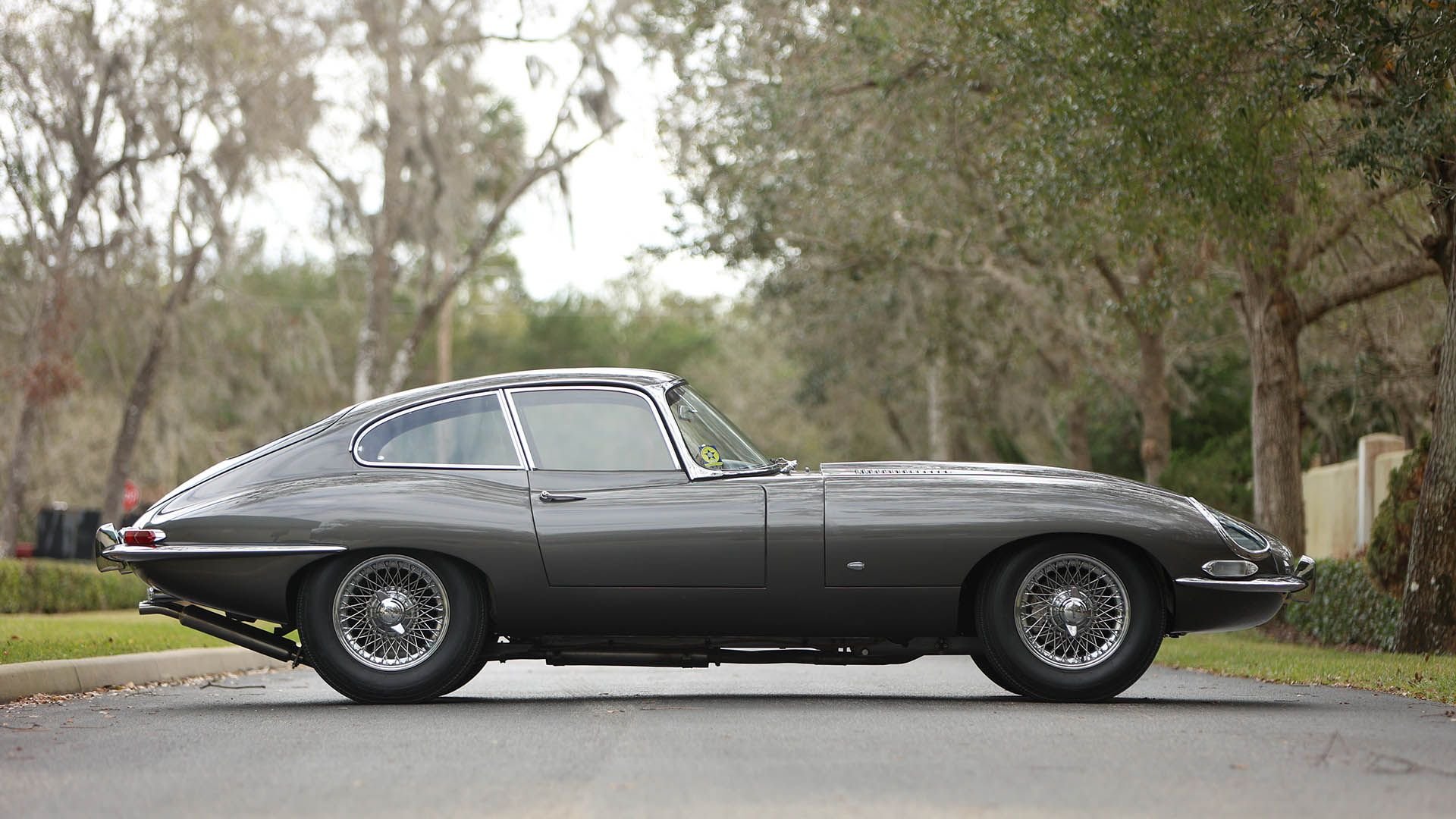
The Jaguar E-Type Series 1 is a legendary sports car that first appeared in 1961, instantly capturing the imagination of the automotive world with its revolutionary design and impressive performance credentials.
It was lauded for its breathtaking styling, marked by a long, sweeping bonnet, smooth curves, and distinctive covered headlights, and its advanced engineering, which included a powerful inline-six engine and independent rear suspension.
The car was affordable relative to its performance and design sophistication, making it accessible to a wider audience and earning it a reputation as a vehicle that combined beauty, speed, and handling like few others of its time. Its impact was so profound that it was even described by Enzo Ferrari as “the most beautiful car ever made,” a testament to its enduring appeal.
Beyond its looks, the Series 1 E-Type also boasts a rich history of innovation and engineering excellence. It featured advanced technologies for its era, including disc brakes and monocoque construction, which contributed to its superior driving dynamics.
Early Series 1 models with covered headlights and flat floors are particularly prized among collectors for their originality and aesthetic purity. The car’s racing pedigree, while not as extensive as some rivals, adds to its appeal and ensures it remains a key piece of Jaguar’s storied legacy.
Auction values for the E-Type Series 1 have steadily increased as original, unrestored examples have become scarce. Many cars suffered from corrosion or extensive modification over the decades, making well-preserved or properly restored models increasingly rare.
Collectors place a premium on cars with original panels, numbers-matching engines, and documented provenance, often willing to pay a premium for vehicles that represent the E-Type in its purest form.
This heightened demand has driven prices upward, particularly for early production models that capture the spirit of the original release.
The E-Type Series 1 benefits from a passionate and global collector community. Clubs and specialists dedicated to its preservation support the model’s value by providing resources, expertise, and social validation to owners.
This vibrant ecosystem helps ensure that the E-Type continues to attract buyers who appreciate its blend of style, performance, and historical significance. As a result, its auction value is likely to remain on the rise, reflecting a combination of nostalgia and enduring desirability.
4. Toyota 2000GT
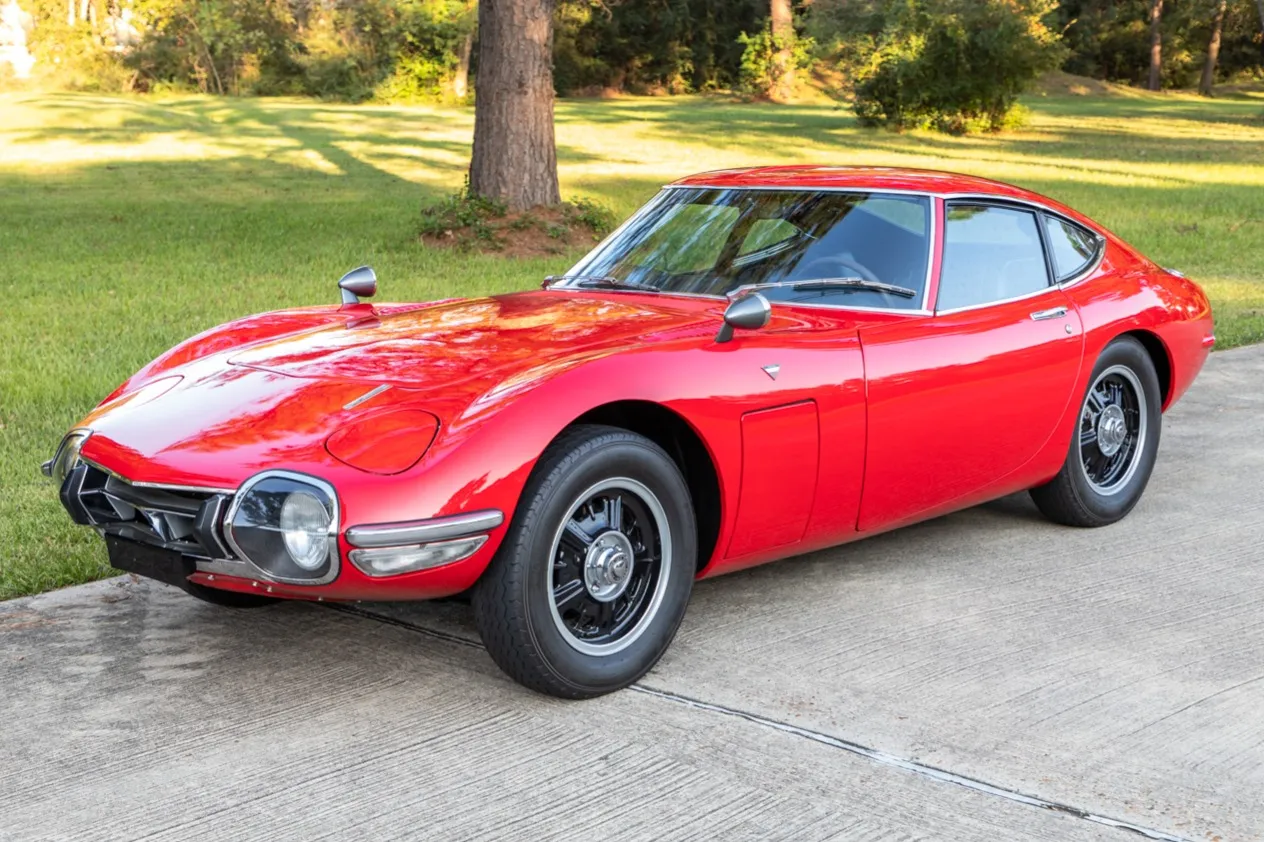
The Toyota 2000GT is often regarded as Japan’s first supercar, a rare and exquisite sports coupe produced during a period when the country was just beginning to establish its automotive reputation on the global stage. Manufactured between 1967 and 1970, only approximately 350 units were built, making it incredibly scarce and highly sought after today.
The car combined striking, almost European-level design sensibilities with sophisticated mechanical engineering, including a 2.0-liter inline-six engine, a five-speed manual transmission, and advanced suspension components that delivered an impressive driving experience for the era.
The 2000GT challenged perceptions about Japanese cars by showing that they could compete with established European marques in terms of performance and refinement.
Its rarity is compounded by its limited availability outside Japan, where only a handful of examples were exported. The car’s association with Japanese craftsmanship and innovation elevates its status among collectors, especially as appreciation for Japanese classics grows.
The Toyota 2000GT also gained international fame through its appearance in the James Bond film You Only Live Twice, where it was featured prominently, cementing its cultural significance and sparking further interest among enthusiasts worldwide.
Collectors highly prize the Toyota 2000GT not only for its rarity but also for its meticulous build quality and timeless design. Cars that retain their original mechanical components and paintwork command the highest prices, particularly those with complete documentation tracing their history.
Because so few exist, each sale tends to attract significant attention and competitive bidding at auction houses. The market for Japanese classic cars has been on an upward trajectory in recent years, and the 2000GT stands out as the most coveted model within this category.
As the world continues to recognize the importance of Japanese automotive heritage, the 2000GT’s value is expected to increase further. It represents a rare opportunity for collectors to own a historically significant vehicle that also offers a unique blend of design, engineering, and cultural resonance.
The scarcity of well-preserved examples ensures strong demand, making it one of the few Japanese cars that consistently appreciate at auctions.
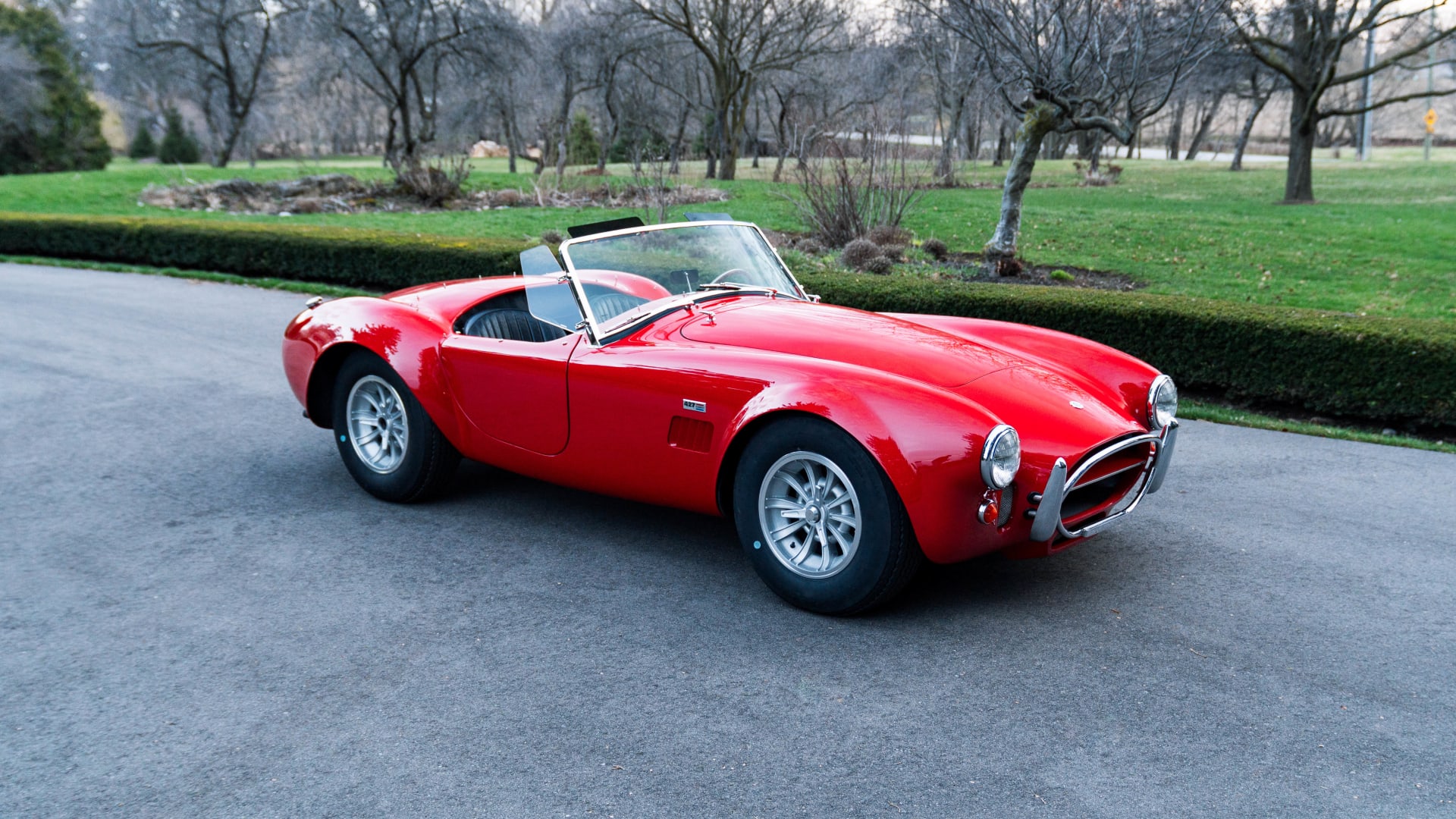
5. Shelby Cobra 427
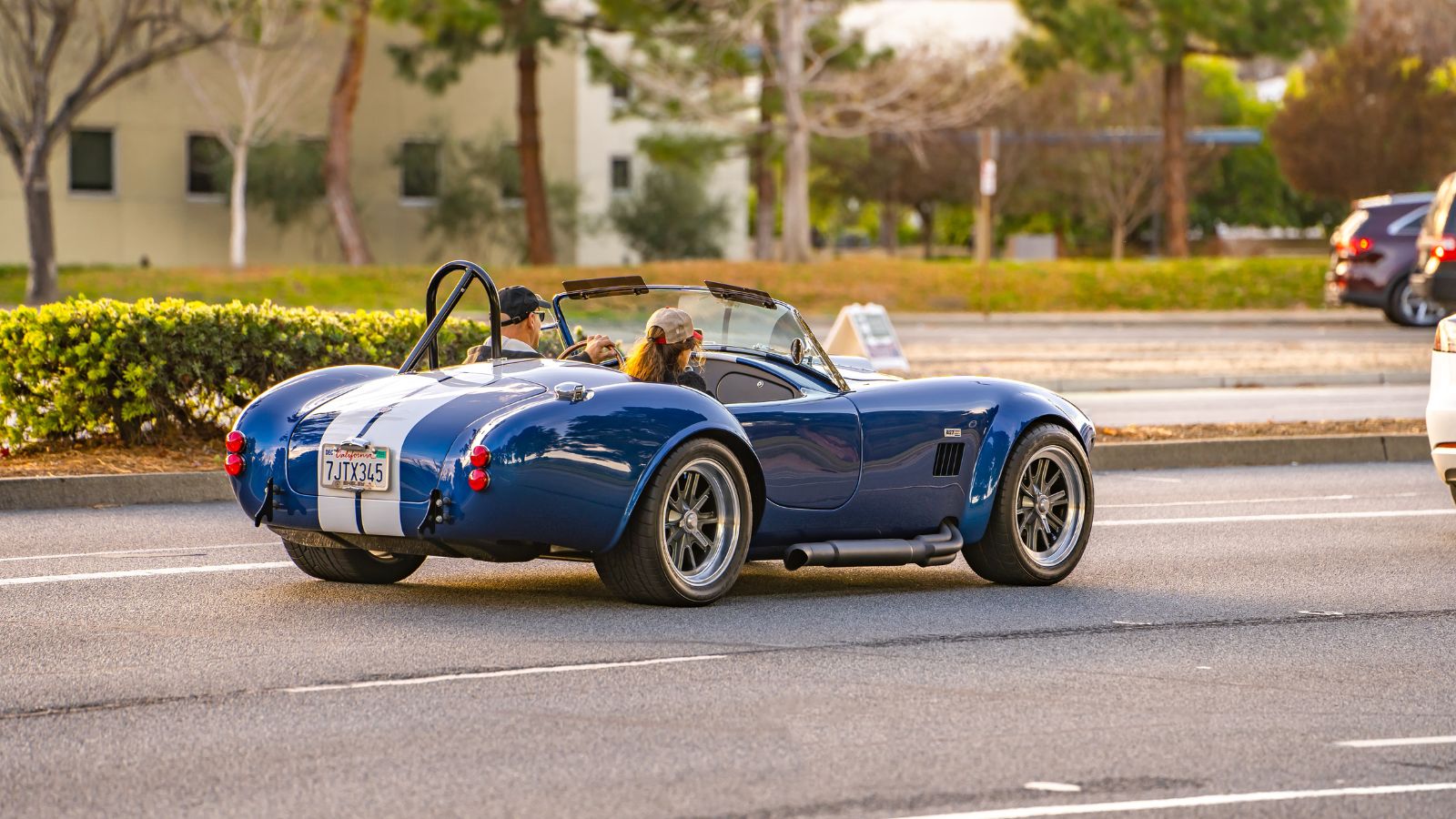
The Shelby Cobra 427 occupies a legendary place in American automotive history, symbolizing a perfect marriage of brute power and lightweight agility. Developed in the mid-1960s, this car was the brainchild of Carroll Shelby, who combined a sleek British AC Ace chassis with a monstrous 7.0-liter Ford V8 engine.
The result was a car with astonishing acceleration and handling for its time, making it one of the most thrilling vehicles ever produced. The 427 version, in particular, is renowned for its aggressive performance credentials, limited production numbers, only around 300 were built, and unmistakable styling, making it one of the most prized muscle cars on the collector market.
The Cobra’s appeal is deeply rooted in its racing history and raw, visceral driving experience. Unlike many muscle cars that prioritized straight-line speed, the Shelby Cobra 427 also excelled on the track, demonstrating impressive balance and cornering ability.
Its stripped-down interior and lightweight body emphasized performance above all else, creating a car that was both brutal and elegant. This racing pedigree adds an element of prestige and desirability that fuels its value at auctions, especially for examples with documented competition histories.
Authenticity and provenance are paramount when it comes to the Cobra’s auction value. Because of the car’s fame and desirability, numerous replicas exist, which actually increases demand for verified, original examples.
Cars with factory specifications, matching numbers, and documented histories fetch extraordinary prices, often in the seven-figure range. The rarity of these genuine examples and their status as a cultural icon make them prized trophies for collectors who want to own a piece of American motorsport legend.
The Shelby Cobra 427’s value continues to rise thanks to its timeless appeal and the emotional connection it evokes among enthusiasts. It represents the purest form of muscle car ethos, blending immense power with lightness and agility. As the supply of original Cobras diminishes and interest among collectors worldwide grows, auction values are expected to keep climbing, reflecting the model’s iconic status and enduring legacy.
Cars Dropping Hard in Auction Value
1. Cadillac CTS-V (First Generation)
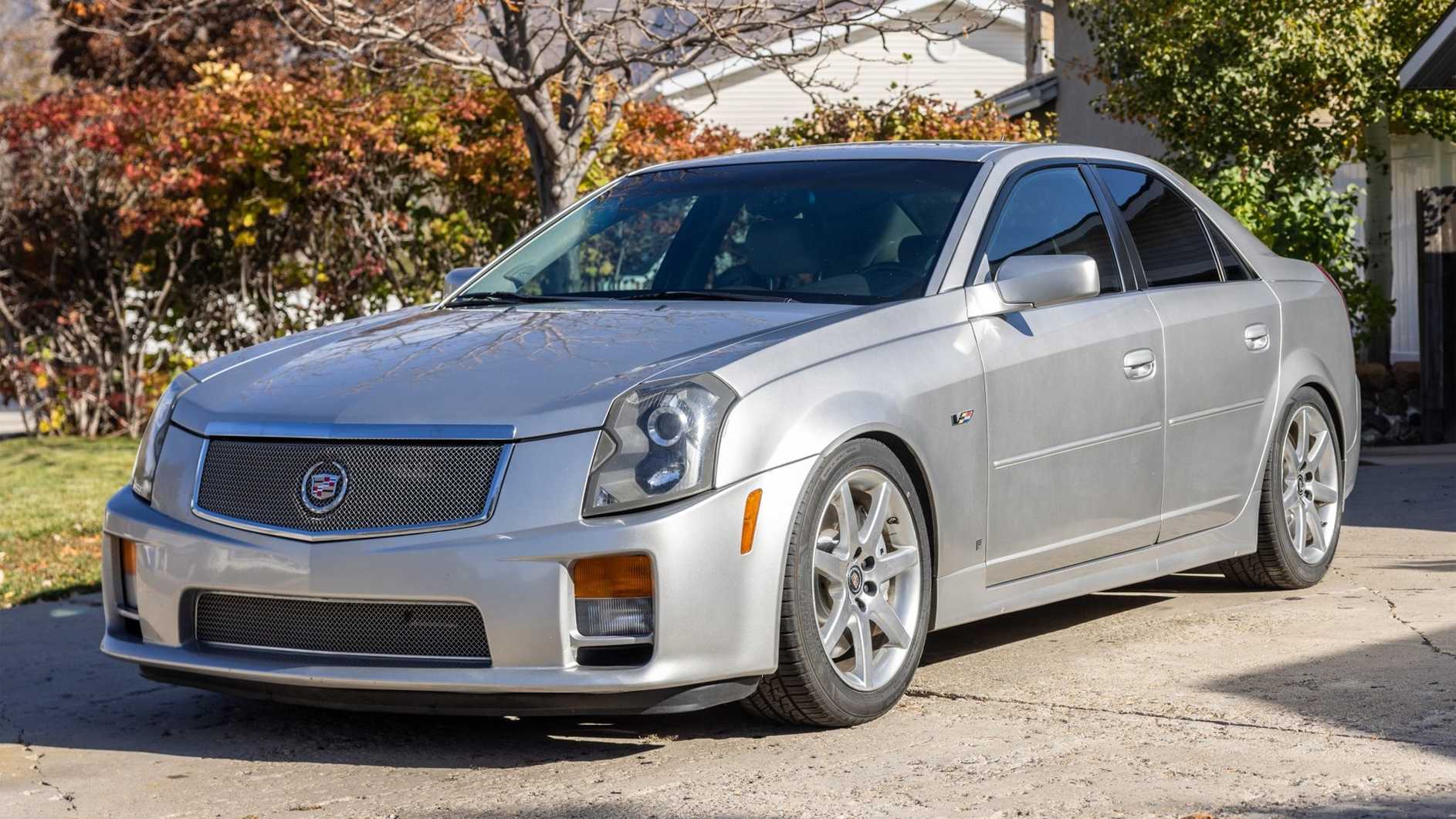
The first-generation Cadillac CTS-V was initially heralded as a bold step for the American luxury performance sedan segment. Launched in the early 2000s, Cadillac attempted to combine high-performance engineering with traditional luxury, using a supercharged V8 engine paired with a sport-tuned suspension.
At the time, it was seen as a strong competitor to German sports sedans like the BMW M5 and Mercedes-AMG E55. Despite this initial excitement, the CTS-V’s auction value has declined significantly over recent years due to several interconnected factors.
One major issue is the relatively high production numbers, which dilute the model’s rarity and exclusivity. Unlike limited-run performance cars that collectors prize, the CTS-V was produced in sufficient quantity to make it fairly common in the used car market, reducing the perception of scarcity that usually drives auction prices higher.
In addition to quantity, the car’s styling and technological features have not aged particularly well. The first-generation CTS-V had a boxy design that was modern for its time but now appears outdated and uninspired when compared to the sleeker, more aggressive designs of contemporary luxury performance vehicles.
Technological advancements have also left the CTS-V behind, with features and driving dynamics that feel less sophisticated to modern buyers. This aging of technology and design affects desirability and limits bidding enthusiasm at auctions.
Maintenance and ownership costs further complicate the picture for potential collectors. The CTS-V’s high-performance components, such as its supercharged engine and sport suspension, require expensive upkeep and are prone to wear if not meticulously maintained.
For many buyers, this translates into a less attractive investment compared to other classic cars known for reliability or lower maintenance costs. The perception of Cadillac as a brand focused more on luxury than performance also plays a role, limiting the CTS-V’s appeal to the hardcore performance car collector community.
Finally, broader market trends have shifted away from sedans and performance cars towards SUVs and electrified vehicles, impacting demand for models like the CTS-V. The shrinking market interest reduces auction participation and drives values lower.
Without strong collector enthusiasm or a solid reputation for lasting desirability, the first-generation CTS-V has seen a noticeable drop in auction prices, making it an example of a once-promising performance car losing ground in the collector market.
2. Ford Mustang SN95 (1994-2004)
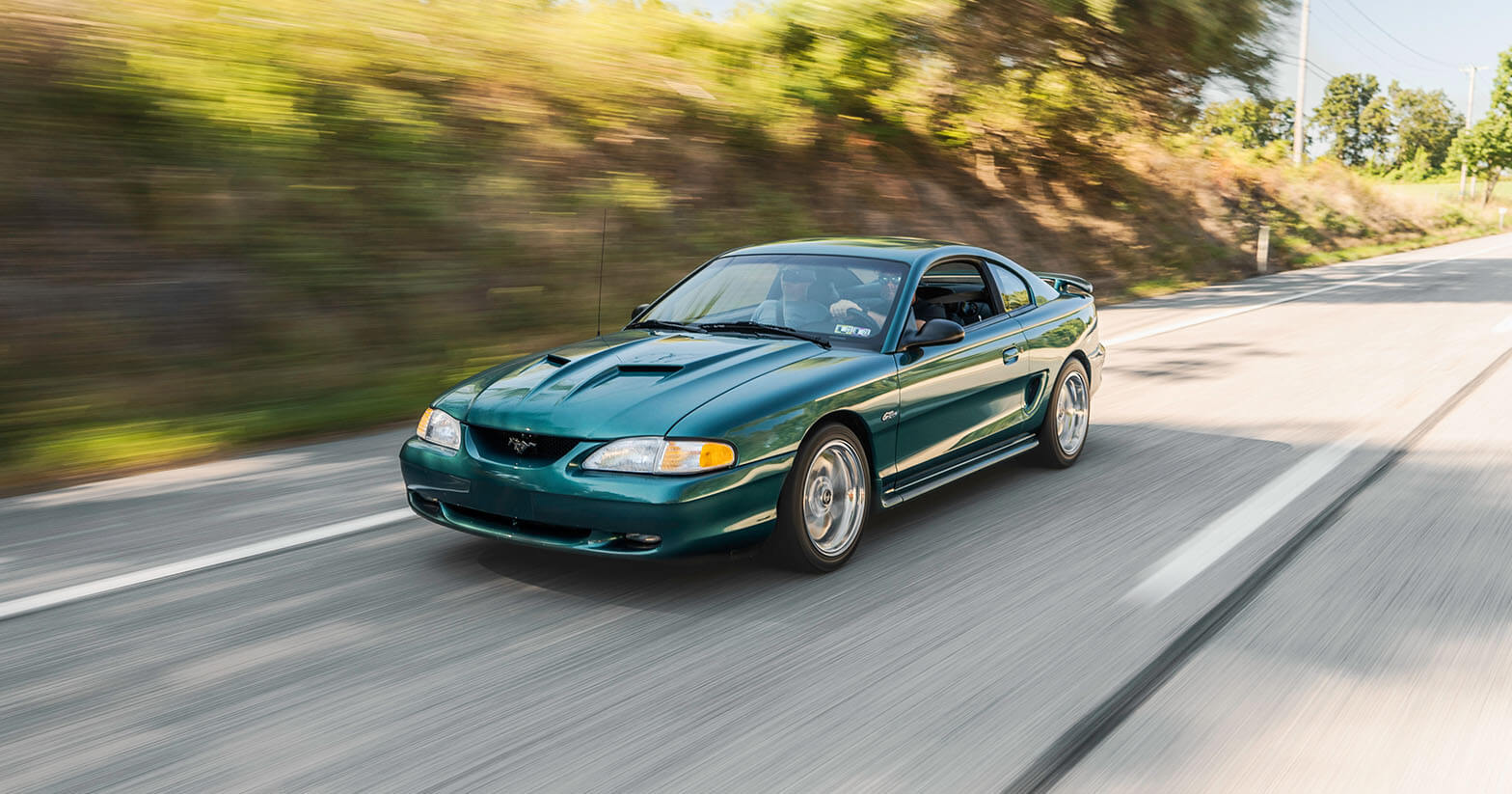
The SN95 generation Mustang, produced from the mid-1990s to the early 2000s, is often regarded as a transitional period in the Mustang’s long history. While the car made strides in updating the platform and improving performance compared to earlier models, it never quite captured the imagination of collectors the way some other Mustangs have.
This lack of enthusiasm has led to a decline in its auction value, despite the Mustang brand’s strong following. One of the main reasons for the SN95’s diminished appeal is the sheer number of units produced, which undermines any sense of rarity.
With millions manufactured over its decade-long production run, it remains a common sight on roads and in private garages, making it a less attractive candidate for investment or collecting.
The SN95 generation also suffers from a lack of significant historical or motorsport achievements, which often drive collector demand. While it marked improvements in technology and comfort, it did not establish a distinctive identity or achieve success in racing to elevate its status among enthusiasts.
Its styling, while modern for the era, lacks the iconic and timeless qualities that make earlier Mustangs so desirable. This perceived lack of character has caused many collectors to overlook it in favor of more celebrated generations.
Another factor impacting value is the prevalence of modified or poorly maintained examples. Many SN95 Mustangs have been customized by owners over the years, often without regard for originality or quality, which reduces the availability of well-preserved, stock vehicles.
Original, low-mileage examples with documentation are harder to find and tend to command better prices, but their scarcity is not enough to lift the generation’s auction values.
Finally, changing market dynamics have led to a growing preference for newer muscle cars with advanced technology and improved performance.
The SN95 is often seen as outdated compared to modern offerings, making it less relevant to collectors who prioritize innovation or rarity. These combined factors have resulted in a consistent downward trend in auction prices, highlighting the challenges faced by this generation of Mustang in maintaining its value.
3. Chrysler PT Cruiser
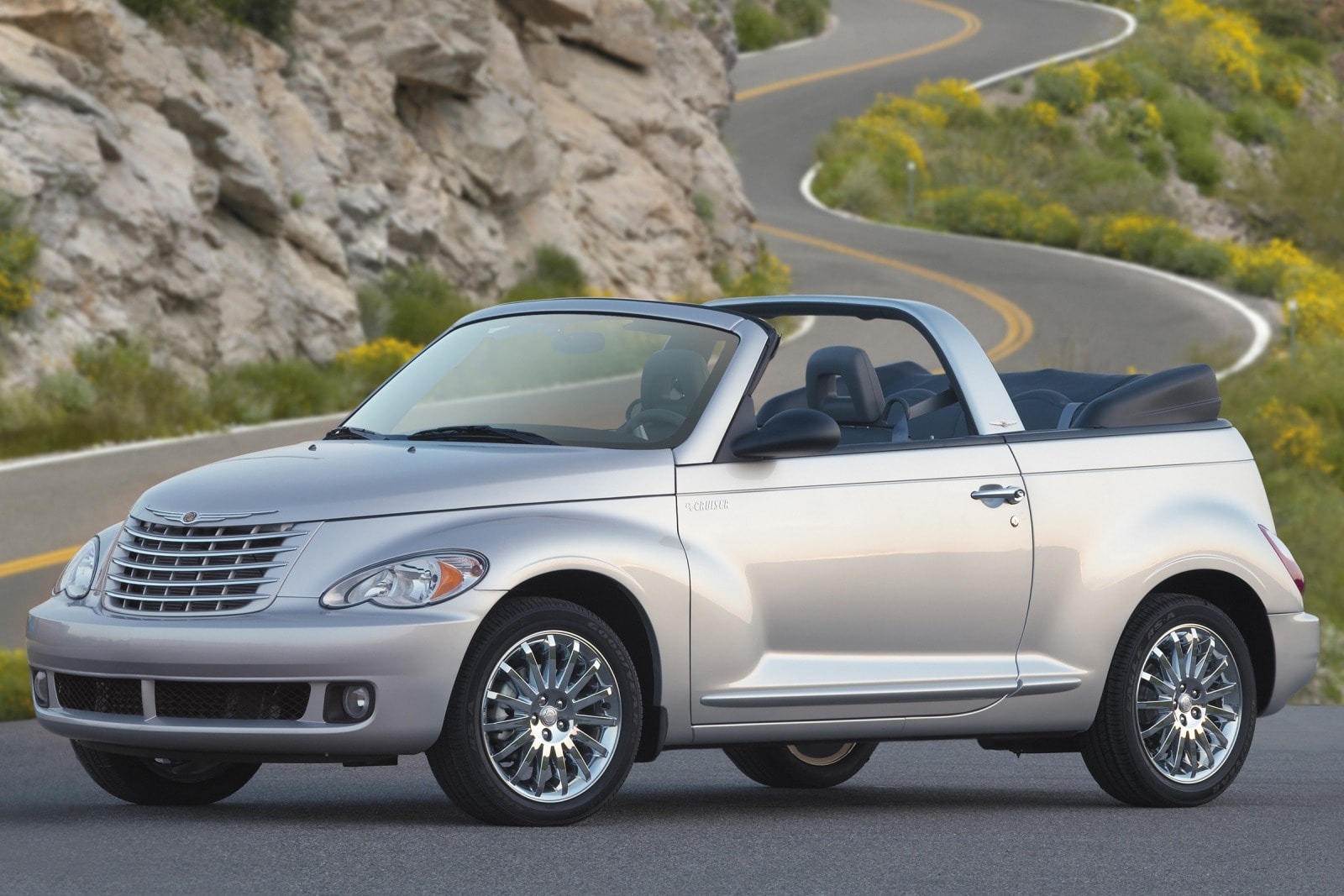
The Chrysler PT Cruiser was an instant hit when it was introduced in the early 2000s, thanks to its quirky retro styling and practical design that appealed to a wide range of buyers. It blended the convenience of a compact hatchback with distinctive looks inspired by classic American cars from the 1930s and ’40s.
Despite its initial popularity, the PT Cruiser has seen a steep decline in auction value, largely because it was not designed or marketed as a collectible vehicle. Its mass-market appeal resulted in very high production numbers, meaning it is a common vehicle on the roads and in private collections, which negatively impacts scarcity, a key driver of value appreciation.
The car’s utilitarian focus and design philosophy have not aged well in collector circles. While the PT Cruiser’s styling was fresh at launch, it now appears dated and somewhat polarizing, lacking the elegance or performance attributes that often define collectible cars.
Its interior materials and build quality were adequate for its price point but fall short of what enthusiasts look for in a future classic. As a result, it struggles to attract serious collectors or drive competitive bidding at auctions.
Reliability and maintenance are additional concerns. The PT Cruiser developed a reputation for mechanical and electrical issues over time, which lowers its desirability for buyers seeking cars that require minimal investment after purchase.
Its four-cylinder engines and relatively basic suspension setup do not inspire the confidence of collectors who often seek more engaging or robust machines.
Lastly, the market’s general disinterest in early 2000s compact hatchbacks and the lack of any significant motorsport or cultural cachet mean the PT Cruiser is unlikely to rebound in value anytime soon.
It serves as a cautionary tale about how initial popularity does not always translate into long-term collectibility or auction success, especially for cars that were mass-produced and designed primarily for everyday use.
4. Chevrolet HHR
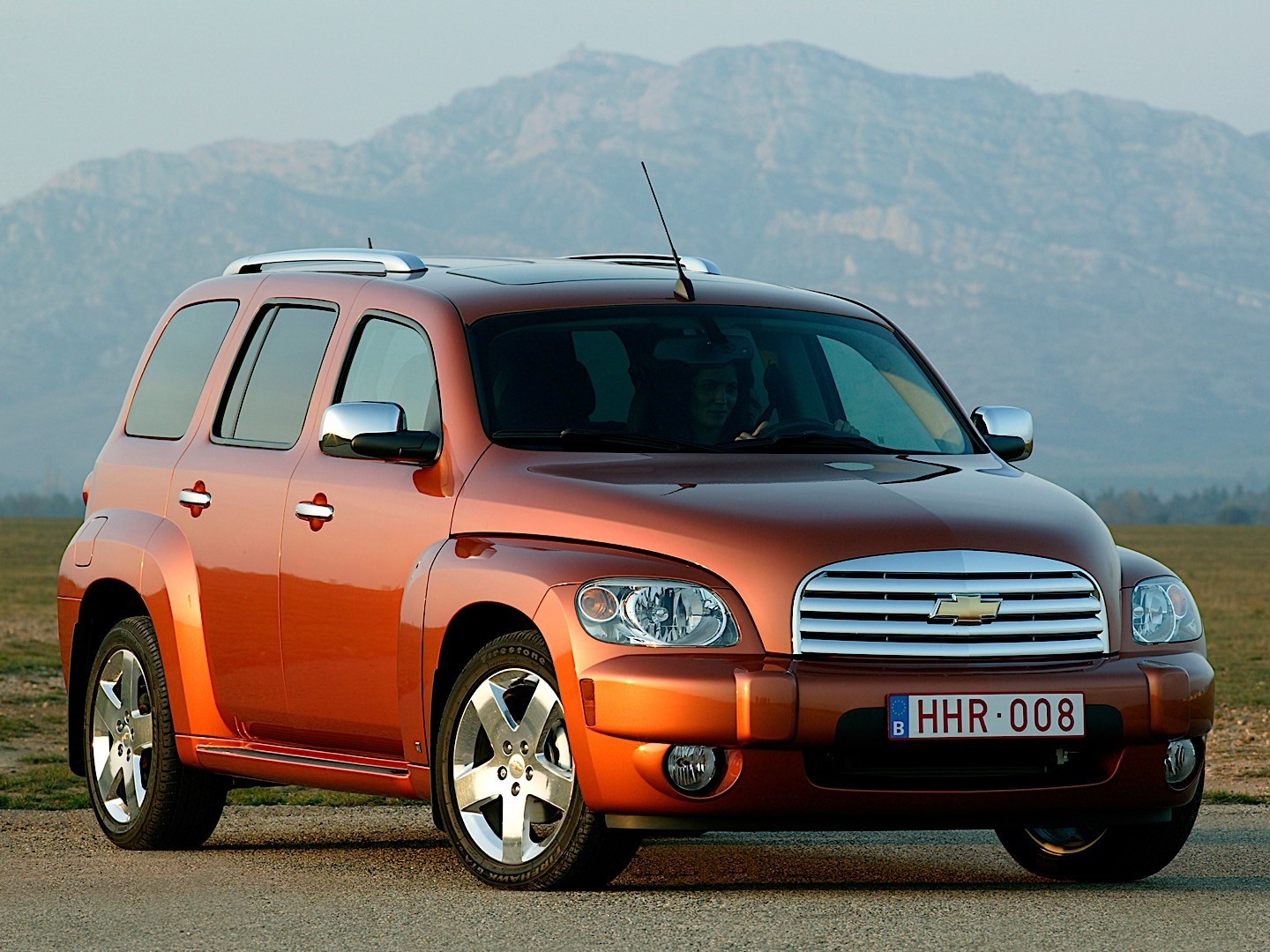
The Chevrolet HHR, introduced in the mid-2000s, shared many similarities with the Chrysler PT Cruiser in terms of its retro-inspired design and practical hatchback format. Marketed as a versatile and affordable family vehicle, it featured styling cues reminiscent of Chevrolet’s 1940s trucks but was built on a modern compact car platform.
Despite its niche appeal, the HHR has struggled to maintain its value in the auction market and is often overlooked by collectors. The primary reason for this decline lies in the car’s lack of rarity and historical significance. It was produced in high volumes, and its design never gained the kind of passionate following that drives collector interest.
The HHR’s driving dynamics and engine choices did not help its long-term desirability. Powered primarily by basic four-cylinder and V6 engines, the car was designed more for efficiency and comfort than for excitement or performance.
This lack of engaging driving experience reduces its appeal to enthusiasts who prioritize cars with a connection between driver and machine. Moreover, the HHR’s interior quality and materials were practical but uninspired, further limiting its allure as a potential classic.
Reliability and maintenance concerns have also played a role in suppressing demand. While generally regarded as dependable, the HHR has not escaped issues common to compact vehicles of its era, such as transmission or suspension wear. This makes it less attractive to collectors or investors who want trouble-free ownership and preservation potential. Without a strong enthusiast base or motorsport pedigree, the HHR faces an uphill battle in gaining traction at auctions.
Cultural relevance is another factor. Unlike cars that tap into nostalgia or iconic status, the HHR failed to make a lasting impression on automotive culture.
Its association with practical, everyday transportation rather than excitement or innovation means it lacks the emotional connection needed to fuel collector demand. These combined factors have contributed to a steady erosion of its auction value, making it one of the less desirable modern vehicles in classic car markets.
5. Audi TT Mk1
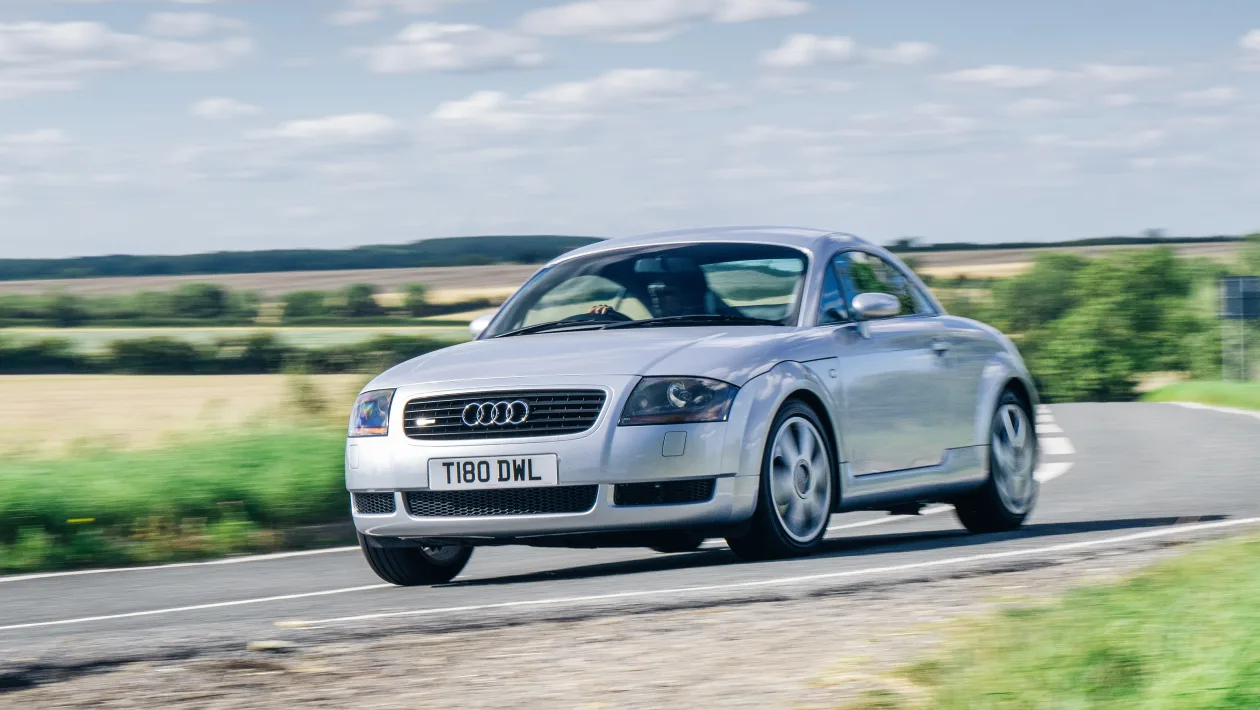
The first-generation Audi TT, which debuted in the late 1990s, was initially praised for its striking and minimalist design, which broke away from traditional sports car styling. Its clean, geometric lines and unique interior attracted attention, and the car was seen as a fresh, modern take on compact performance vehicles.
Despite this initial acclaim, the Mk1 TT has experienced declining auction values in recent years. One reason for this is the relatively high production numbers, which have made the car common and less exclusive than other classic sports cars. This abundance undermines scarcity, a key element that typically boosts auction values.
While the TT was for its design and use of Audi’s quattro all-wheel-drive system, its performance did not quite match that of its competitors or generate a passionate following among driving enthusiasts. Its engines, though adequate for everyday driving, lacked the excitement or character that collectors seek.
Additionally, the TT’s handling, while competent, was sometimes criticized as less engaging compared to rear-wheel-drive sports cars, further limiting its appeal in enthusiast circles.
Another challenge facing the Mk1 TT is the perception of its emotional connection, or lack thereof. Sports cars that become highly collectible usually evoke strong feelings due to their design, performance, or racing history.
The TT, despite its innovative looks, was often seen as a niche vehicle without a significant motorsport heritage or a strong personality. This has reduced its appeal for buyers looking for investment-grade classic sports cars.
Maintenance and parts availability are additional considerations. As the car ages, concerns over electronic components and specialized Audi parts can deter potential buyers who fear costly repairs or limited support. This hesitancy further suppresses demand, impacting auction prices negatively.
With newer, more advanced models available, the Mk1 TT faces stiff competition, and without a strong collector base, its value at auction continues to decline.
