
The used car market has always been a reflection of real-world priorities. Buyers who once flocked to sedans now lean toward crossovers that promise versatility, space, and comfort without the bulk of a full-size SUV. Yet even in this popular segment, resale value tells a story about long-term confidence, quality, and perception.
Some crossovers manage to keep their worth years after leaving the showroom floor, while others lose their shine faster than owners expect. The difference often comes down to reliability, brand image, long-term demand, and the ability of a vehicle to meet practical needs over time.
Resale value isn’t just a number on a depreciation chart; it’s a trust statement. When shoppers choose a used vehicle, they’re indirectly voting for the models that have stood the test of time. Crossovers that maintain strong resale value tend to have reputations for low maintenance costs, sturdy build quality, and consistent performance.
They also benefit from consumer loyalty and a history of positive ownership experiences. These vehicles not only provide peace of mind for original owners but also act as smart investments that hold more of their original price down the road.
On the other hand, some crossovers struggle to keep their worth. Some might have appealing designs and impressive features when new, but reliability issues, high upkeep costs, or poor market perception send their resale numbers plummeting.
A vehicle might depreciate sharply even if it performs well because brand confidence plays a powerful role in determining value retention. It’s not just about how a vehicle drives; it’s about how it’s seen in the used market once warranties fade and new models take over.
This article highlights ten crossovers that tell both sides of the resale story. The first six have proven to maintain solid resale values due to their strong reputations and long-term dependability.
The following six have struggled, losing a significant portion of their worth within a few years of ownership. Together, these examples show how perception, engineering, and market behavior shape what a crossover is worth after the new-car smell fades.
Crossovers That Keep Resale Strong
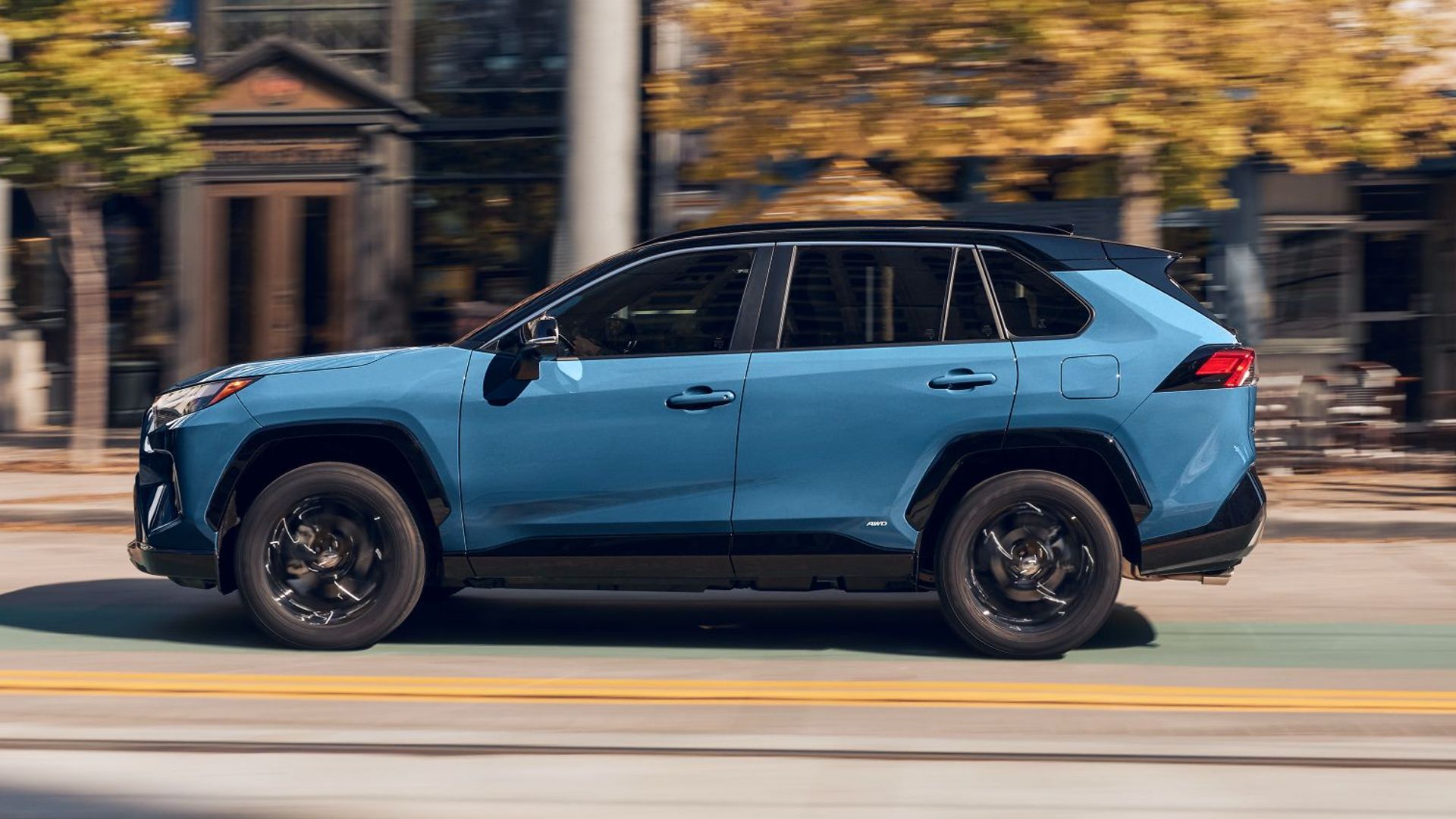
Toyota RAV4
Few crossovers symbolize consistency like the Toyota RAV4. Over the years, it has built a reputation for reliability, efficiency, and practical design, and these traits have translated directly into resale strength.
Toyota’s engineering philosophy favors long-term dependability, and buyers recognize that a RAV4 can handle daily driving with minimal issues. Its value retention is reinforced by its strong market demand; used models are frequently sought after by those who want a dependable crossover without paying new-vehicle prices.
Another major factor behind the RAV4’s steady resale performance is Toyota’s conservative approach to design changes. Each generation feels like a natural evolution rather than a risky reinvention, which builds confidence among repeat buyers.
The hybrid versions have only strengthened its appeal, as fuel-efficient options have become more desirable in a market affected by fluctuating fuel costs. Buyers know that a RAV4, especially a hybrid, won’t sit unsold for long, which keeps depreciation lower.
Beyond reliability, the RAV4 benefits from Toyota’s reputation for strong build quality. The interior materials, though not luxurious, hold up well over time, and the drivetrain options have a proven track record for durability.
Used buyers often prefer a slightly older RAV4 to a newer model from another brand because they know maintenance will be predictable and parts are affordable. This confidence keeps resale values at the top of the segment.
Finally, Toyota’s brand equity is unmatched in the crossover space. It is rare for a RAV4 to fall out of demand even as competition grows. The nameplate has become synonymous with balance, reliable enough for families, efficient enough for commuters, and rugged enough for light adventure. This balanced identity cements its resale strength and ensures it remains a go-to model in the used market.
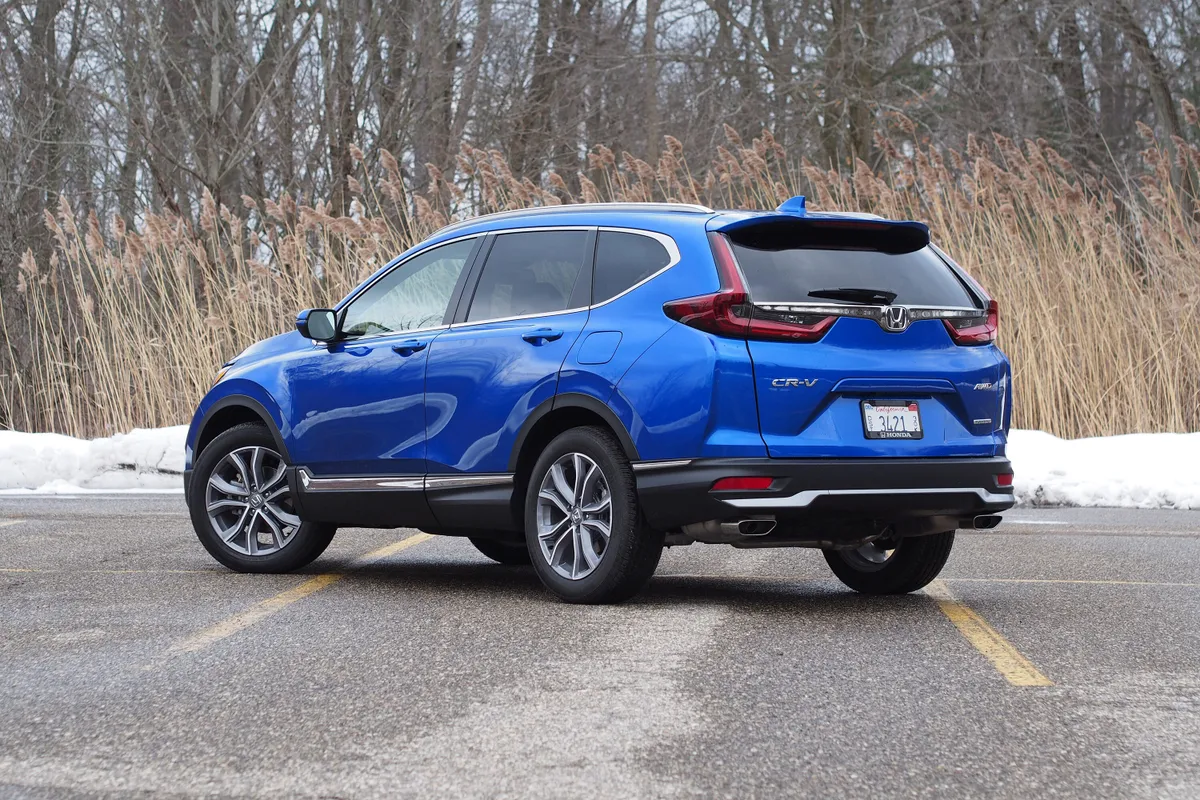
Honda CR-V
The Honda CR-V has been a staple of reliability for decades, often competing neck-and-neck with the RAV4 in terms of resale strength. Its combination of interior space, fuel economy, and comfort makes it one of the most practical choices for families and daily drivers. Buyers value its reputation for long-term dependability, which translates directly into strong resale performance even after several years of ownership.
Honda’s attention to engineering consistency has made the CR-V one of the least risky vehicles to buy used. The engines are known to last well beyond 150,000 miles with minimal mechanical issues, and the transmission systems are generally smooth and predictable.
Owners who maintain their vehicles well often find that their CR-Vs retain resale percentages rivaling many premium brands. Its popularity in both new and used markets reinforces that value, as demand consistently outpaces supply.
Another major advantage for the CR-V is its balance between refinement and utility. While not overly sporty, it provides a comfortable driving experience and a layout that appeals to a wide range of buyers.
This flexibility means that used models remain relevant to both urban commuters and small families. A crossover that appeals to multiple audiences tends to depreciate more slowly because more people are willing to buy it at various stages of its life cycle.
Honda’s reputation for creating vehicles that require little drama in ownership has played a big role in shaping CR-V resale value. When combined with high safety ratings and practical features, the CR-V continues to command impressive prices on the used market. Buyers see it as a “safe bet”, a term that directly translates into monetary worth.
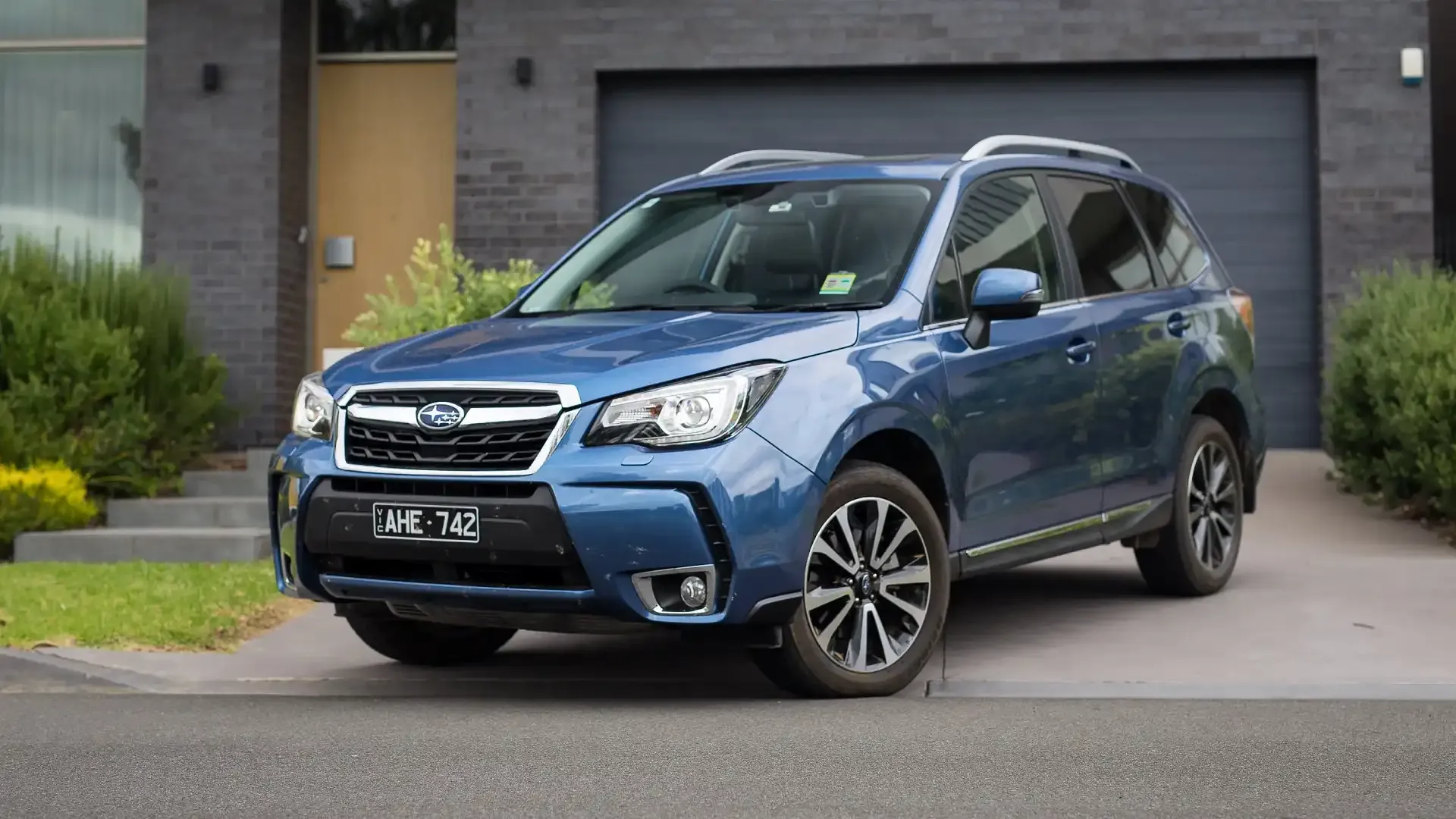
Subaru Forester
Subaru’s Forester has carved out a unique identity as a crossover that blends car-like comfort with light off-road ability. Its symmetrical all-wheel-drive system, a standard feature, gives it a distinct advantage in markets where winter conditions and rough roads are part of daily life. This dependable capability has allowed the Forester to maintain a loyal following, which directly supports its resale value.
The Forester’s appeal is rooted in practicality. Its tall cabin, large windows, and strong safety reputation create a sense of trustworthiness that buyers remember even years later.
Owners often report keeping their Foresters far longer than typical crossovers, and that level of satisfaction sustains resale prices by creating steady used-market demand. A well-kept Forester from five or six years ago can often command surprising prices because of its reputation for endurance.
Subaru’s image as a brand that prioritizes safety and engineering over flashy design has also helped keep resale strong. While its styling may not attract everyone, buyers who value function over form continue to pay a premium for models that perform consistently well. The automaker’s focus on standard all-wheel drive and long-lasting engines reinforces that sense of reliability.
Used Foresters are rarely seen as risky purchases, and that perception keeps depreciation low. Even as newer competitors flood the market, the Subaru Forester remains one of the best crossovers for those who want lasting value with the added benefit of all-weather capability. That formula has worked for years and continues to define its strength in resale value.
Lexus RX
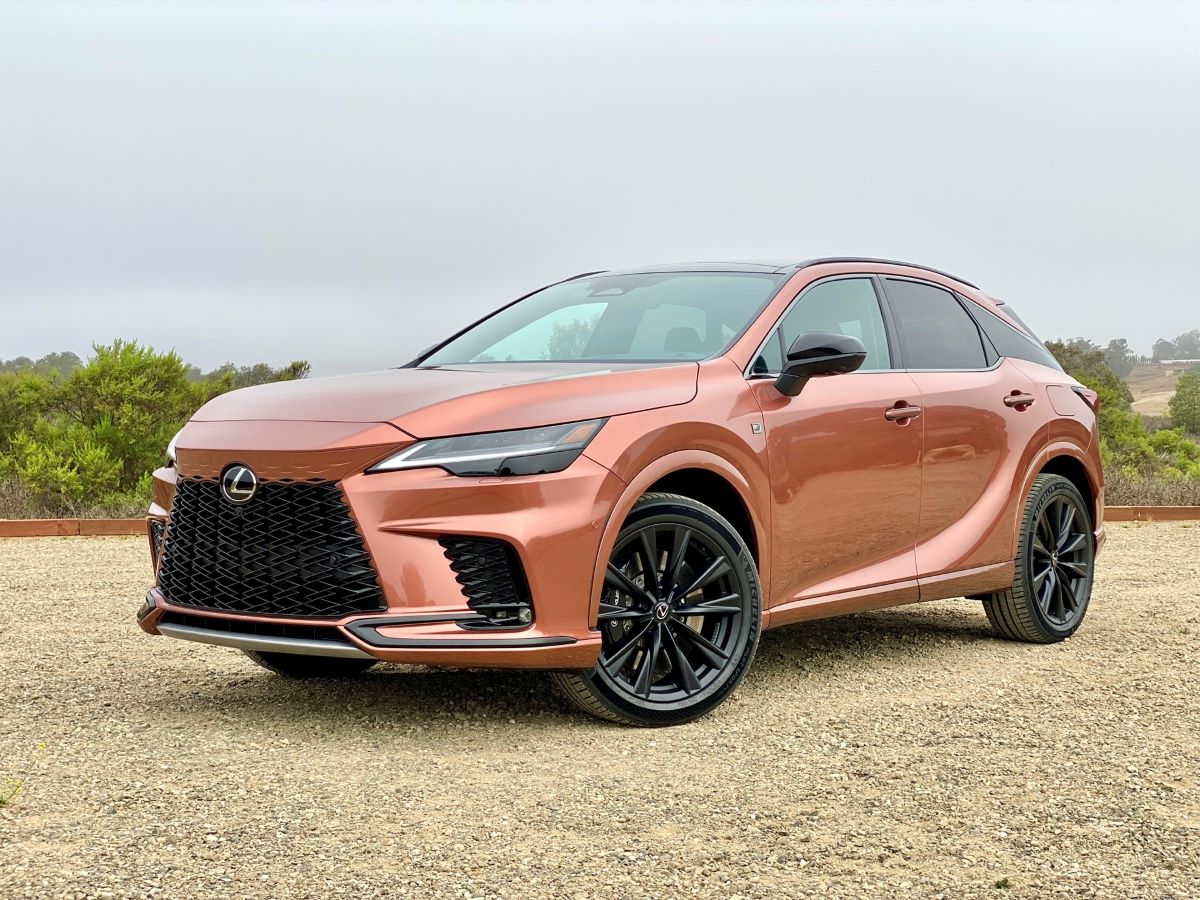
Luxury vehicles often lose value quickly, but the Lexus RX stands as a clear exception. Known for exceptional reliability, smooth performance, and understated design, it retains a large percentage of its original value compared to most luxury crossovers.
The RX benefits from Toyota’s quality foundation combined with Lexus craftsmanship, giving it long-term credibility in the eyes of used buyers.
One reason the RX holds value so well is its reputation for trouble-free ownership. Unlike some luxury brands that prioritize performance over reliability, Lexus focuses on refinement that lasts.
Owners appreciate that they can enjoy comfort and quiet without worrying about expensive repairs. As a result, used RX models command premium prices, and buyers are often willing to pay more for a vehicle with a strong track record.
The RX’s hybrid versions have further boosted resale values. As fuel economy becomes an increasing priority for luxury buyers, the RX Hybrid appeals to those who want both efficiency and status.
The hybrid system is known for durability, which gives used buyers even more confidence. The combination of technology, longevity, and comfort makes it one of the most resilient luxury vehicles on the market.
Another advantage is Lexus’s conservative styling and interior design philosophy. The RX does not age as quickly as flashier competitors, meaning even older models look refined. That timelessness, paired with low operating costs and high reliability, ensures that the RX stays valuable long after it leaves the dealership lot.
Mazda CX-5
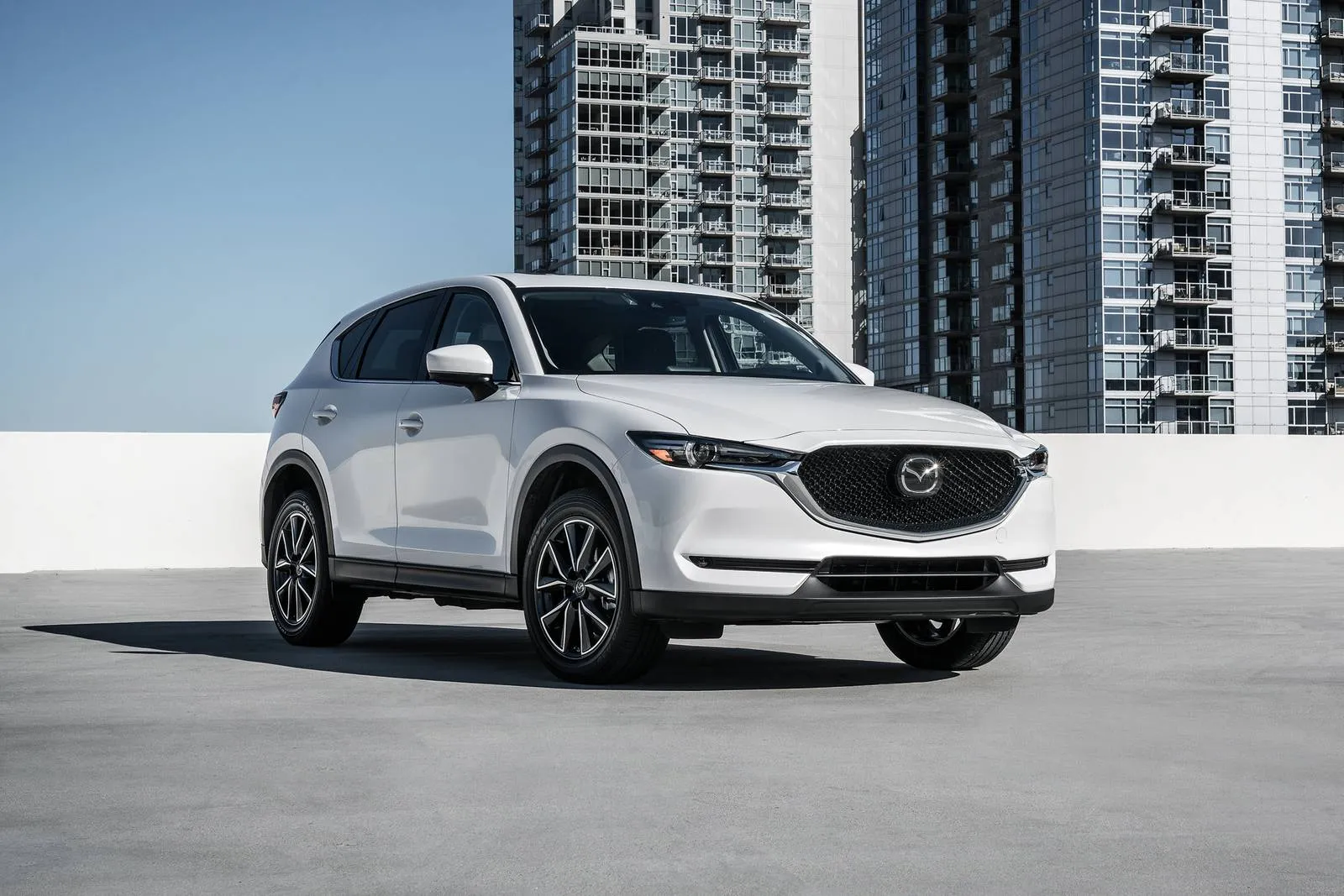
Mazda has built a reputation for crafting crossovers that look upscale and drive better than expected, and the CX-5 is its strongest example.
Despite being more affordable than some rivals, it manages to hold resale value impressively well. Its mix of engaging driving dynamics, strong build quality, and refined styling appeals to a wide range of buyers who prioritize both practicality and enjoyment.
The CX-5’s strong resale numbers stem from Mazda’s attention to detail. The interior design feels more premium than its price suggests, and materials tend to age gracefully.
This means that even after several years, a well-maintained CX-5 continues to attract used buyers who see it as a budget-friendly alternative to more expensive luxury models. Its sleek design gives it a timeless look, which keeps depreciation steady.
Performance also plays a role. The CX-5 provides a satisfying driving experience with responsive steering and efficient engines, setting it apart from many competitors that focus purely on comfort. That blend of athleticism and efficiency helps preserve value, especially among drivers who want a crossover that feels more connected to the road.
Finally, Mazda’s growing reputation for reliability has begun to pay dividends in resale performance. The brand has earned increased trust for producing vehicles that last and deliver consistent quality. As used buyers continue to recognize this shift, the CX-5 maintains a strong position in the resale hierarchy, rewarding owners who choose it new.
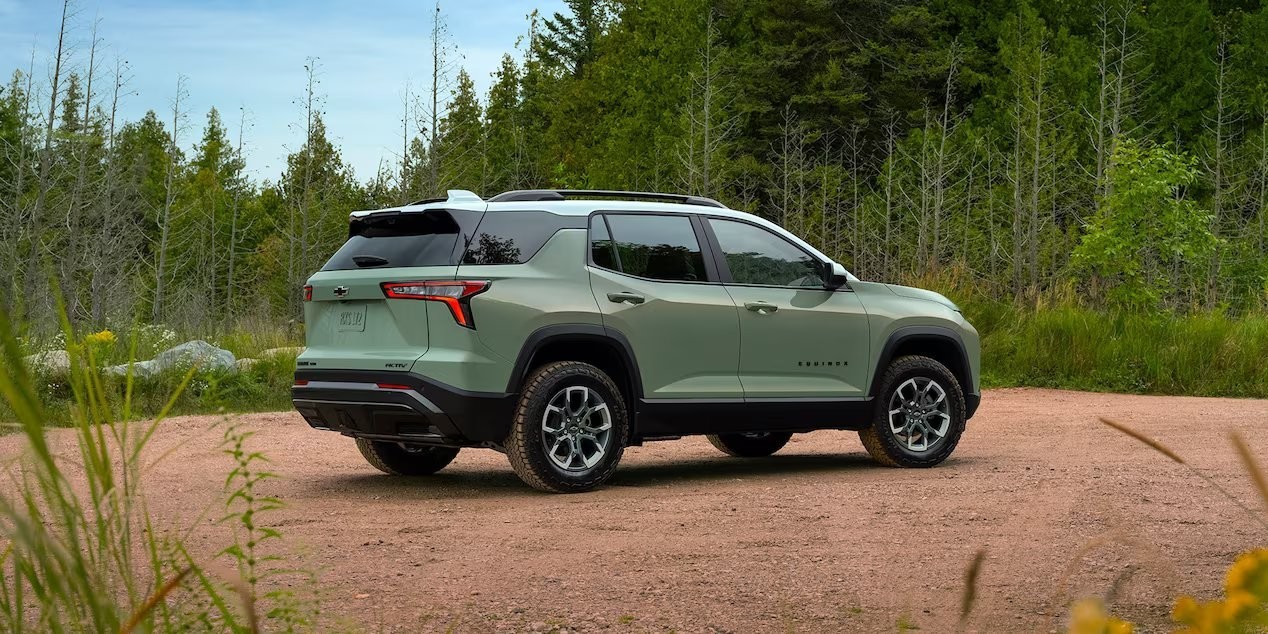
Chevrolet Equinox
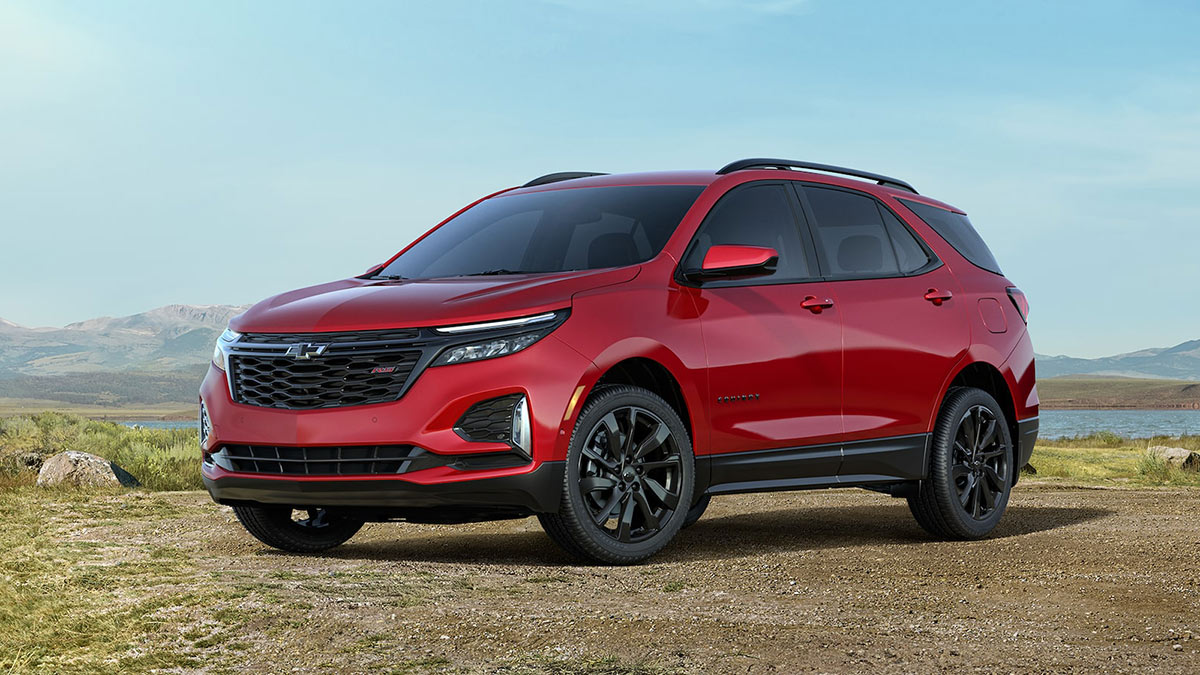
While the Chevrolet Equinox continues to rank among the most visible crossovers on American roads, it struggles to maintain value once it leaves the dealership lot. Many drivers are drawn to it initially because of its roomy cabin, competitive pricing, and familiar nameplate.
However, when it comes to long-term ownership, depreciation sets in faster than most competitors. Buyers in the used market tend to perceive the Equinox as a higher-risk choice, largely because of inconsistencies in quality and performance across different model years. That perception makes it harder for owners to get strong trade-in values or resale prices.
One of the biggest challenges for the Equinox is its uneven build quality. Earlier generations were known for interiors that showed wear quickly, with materials that didn’t hold up well under everyday use. While Chevrolet improved the design and comfort in later models, the damage to perception was already done.
Many used buyers walk into dealerships expecting that a Chevrolet crossover will feel older than it is, which undermines confidence. Even when the current generation offers a more refined cabin, the brand’s long history of fluctuating quality keeps resale performance below expectations.
Mechanical reliability has also been a weak spot. Some model years suffered from engine and transmission concerns that made maintenance more expensive than buyers anticipated. Word of mouth and online reviews have magnified these problems over time, creating a long-lasting impression that the Equinox can be unpredictable in the long run.
The crossover market is extremely competitive, and when shoppers have options from Toyota, Honda, or Subaru that promise fewer mechanical issues, they tend to pass over the Equinox unless it’s heavily discounted. That discounting pressure accelerates depreciation, creating a cycle that’s difficult for Chevrolet to break.
Finally, brand perception and market dynamics further hurt resale. Chevrolet has a strong history with trucks and performance cars, but the crossover segment hasn’t been its strongest suit. Because of that, buyers associate the brand with vehicles that require more maintenance and lose value quickly.
Even when the Equinox offers features like modern infotainment, safety technology, and turbocharged engines, those positives rarely outweigh lingering doubts about reliability. As a result, the Equinox continues to depreciate faster than many competitors, leaving owners with less financial return at the end of ownership.
Cars That Would Fall Off a Cliff
Ford Escape
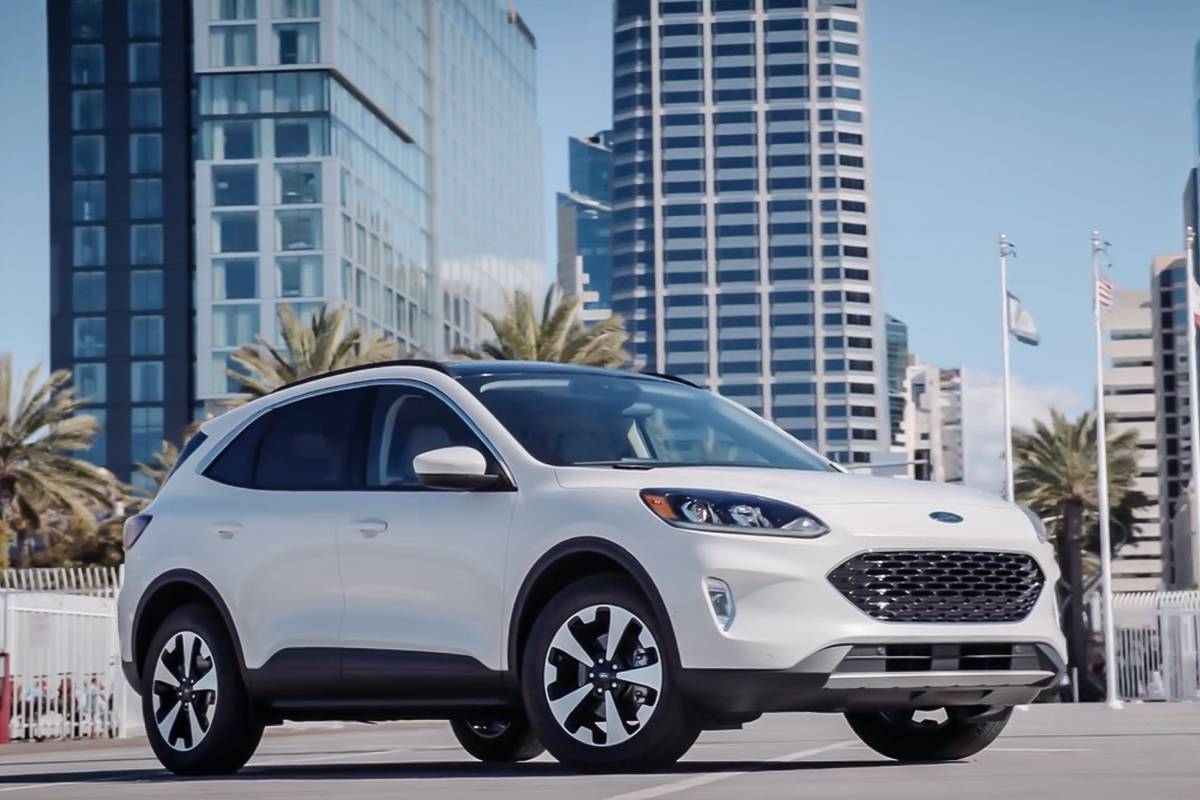
The Ford Escape remains a well-known name in the compact crossover segment, but its resale story has been far less impressive. Over the years, Ford has reworked the Escape several times, trying to balance design updates with technological improvements.
Unfortunately, this frequent reinvention has come at a cost. The model’s resale value has suffered because used buyers often struggle to understand what they’re getting from one year to the next. That inconsistency has created hesitation, which directly affects the prices these vehicles command on the used market.
A major factor contributing to the Escape’s depreciation is reliability variation across generations. Certain versions performed quite well, with solid engines and comfortable interiors, while others faced issues ranging from transmission quirks to interior rattles and electronic failures.
The unpredictability makes it difficult for buyers to feel confident about long-term ownership. This pattern has caused many shoppers to view the Escape as a short-term option rather than a lasting investment, which directly drives down its resale numbers. Consistency is key in retaining value, and the Escape’s fluctuating reputation undermines that stability.
Another aspect that hurts the Escape’s resale performance is its intense competition. The compact crossover category is filled with strong performers that offer better durability and resale potential. Buyers who compare an Escape to a RAV4, CR-V, or CX-5 often find the Ford’s resale projections to be noticeably weaker.
While Ford has invested heavily in making the Escape more efficient and more comfortable, those improvements have not fully overcome its earlier reliability concerns. The result is that used Escapes sell for significantly less than rivals, forcing new owners to absorb sharper depreciation.
Lastly, Ford’s strategy of regular redesigns has had unintended consequences. Each new version brings a fresh look and improved features, but it also makes older models feel outdated very quickly. That fast obsolescence means that even a four- or five-year-old Escape can appear behind the curve compared to newer rivals.
Combined with a brand reputation that leans heavily on trucks rather than small crossovers, this has kept the Escape’s resale value on the lower end of the market. Owners enjoy its practicality and technology when new, but resale performance often leaves them disappointed.
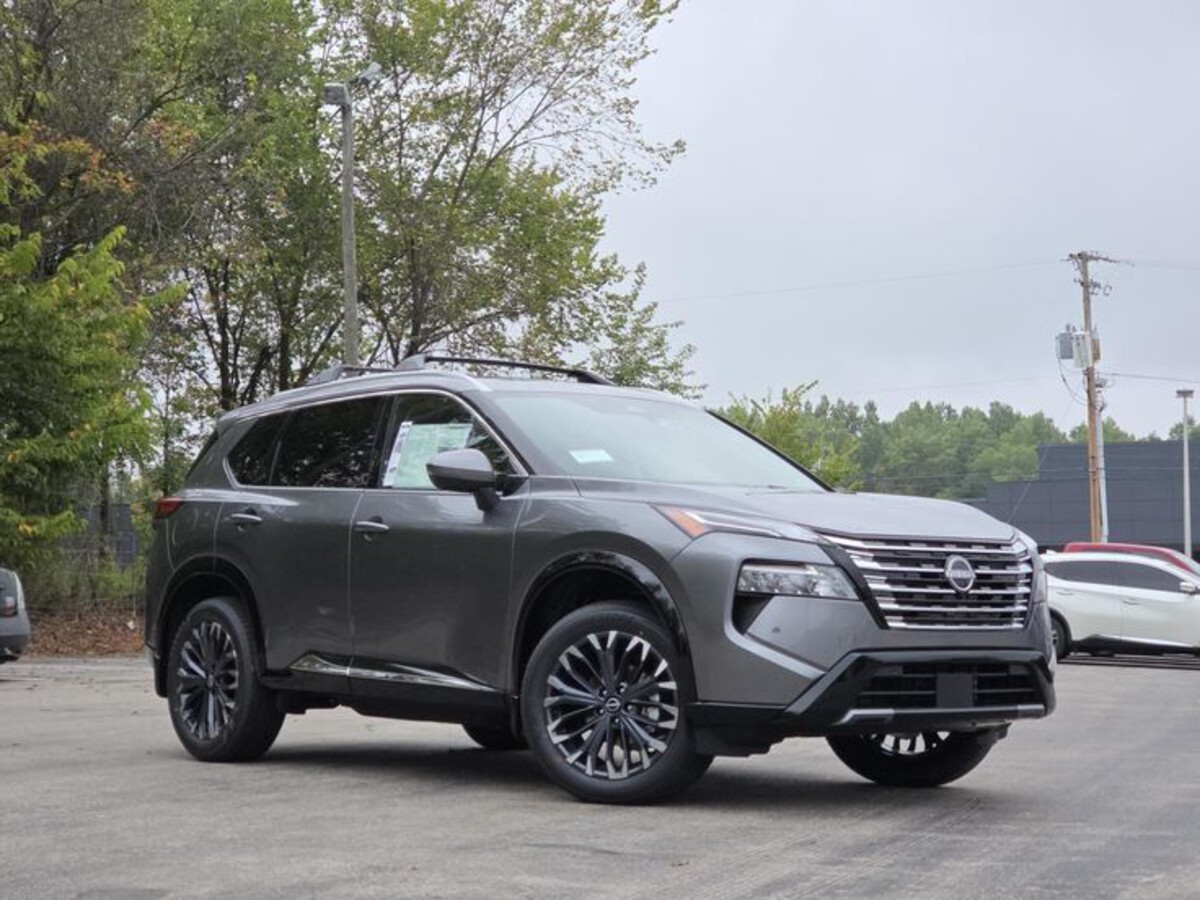
Nissan Rogue
The Nissan Rogue represents a fascinating case in automotive economics. It consistently ranks among the best-selling crossovers when new, yet it loses value faster than nearly all of its direct competitors.
This paradox stems from the difference between short-term appeal and long-term dependability. The Rogue’s attractive design, comfortable cabin, and accessible pricing make it an easy purchase initially, but when owners look to resell, they quickly realize that market perception has not kept pace with its popularity.
One of the main culprits behind the Rogue’s resale weakness is its continuously variable transmission, or CVT. Nissan adopted this transmission technology early, promoting smoother acceleration and better fuel economy.
However, earlier models developed a reputation for reliability issues that were expensive to fix, and those stories spread quickly among used car buyers. Even though the company has made improvements in more recent years, the stigma attached to the CVT continues to haunt the Rogue’s resale numbers. Buyers fear costly repairs, and that fear is reflected in trade-in values.
Interior quality has also contributed to depreciation. While the Rogue provides comfort and decent space, some model years used materials that didn’t hold up well over time. Buttons, fabrics, and trim pieces often showed early signs of wear, which lowered perceived quality.
When used buyers walk into a dealership and see visible aging in a relatively young vehicle, their willingness to pay a higher price disappears. Competing brands have managed to design cabins that maintain their appearance longer, which gives them a resale advantage.
Finally, Nissan’s brand image plays a powerful role. For many years, the company has relied heavily on incentives to move new vehicles off lots. While that boosts short-term sales, it weakens long-term resale performance.
When new Rogues can be bought at deep discounts, used ones must be priced even lower to attract interest. This strategy has kept the Rogue visible but has damaged its residual values. The end result is a crossover that satisfies first owners initially but punishes them financially when it’s time to sell.
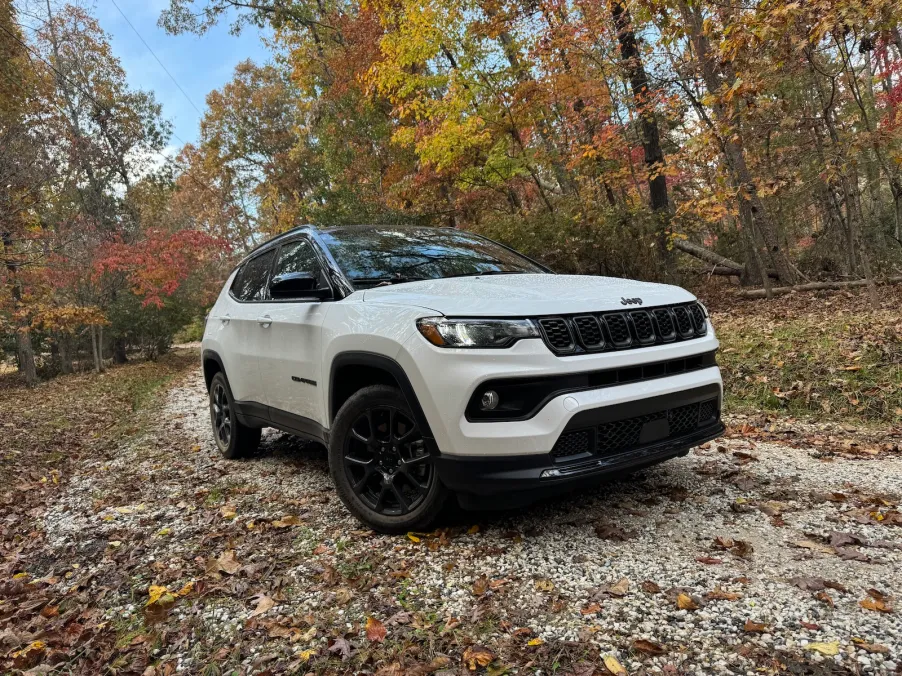
Jeep Compass
The Jeep Compass draws attention wherever it goes because of its bold styling and the iconic badge it wears. Many buyers are drawn to the promise of ruggedness and adventure that the Jeep brand evokes, expecting that the Compass will provide that same durable charm in a smaller package.
Unfortunately, while it succeeds in design and branding, it falls short in execution. The result is a crossover that loses value faster than most others in its category, often surprising owners who expected stronger resale based on Jeep’s reputation.
One of the key issues is the mismatch between image and capability. The Compass looks like a smaller sibling to the Cherokee or Wrangler, but it doesn’t share their mechanical toughness. For everyday use, it performs adequately, but those who expect off-road durability find it lacking.
When owners realize this, satisfaction drops, and that dissatisfaction spreads in the used market. Buyers then become hesitant to pay premium prices for a model that doesn’t live up to its adventurous image, driving depreciation further.
Interior quality has also hurt the Compass’s resale potential. Early versions in particular were criticized for low-quality materials and uneven assembly, leading to cabins that aged quickly. Even though Jeep improved interior fit and finish in later models, the reputation lingers.
Used car shoppers tend to rely on brand memories rather than the latest updates, and that perception makes resale recovery difficult. When buyers think of Jeep, they often associate strength and endurance, but the Compass has not fully earned that trust.
Another factor is the heavy use of incentives and fleet sales. The Compass is often sold at significant discounts when new, which erodes resale value almost immediately. Rental fleets and corporate sales saturate the used market with low-priced examples, making it impossible for private owners to ask competitive prices later.
Even though the Compass provides decent comfort and fuel efficiency, these strengths can’t overcome the economic pressure of oversupply. This combination of image mismatch, early quality concerns, and pricing strategy keeps its resale performance among the weakest in the segment.
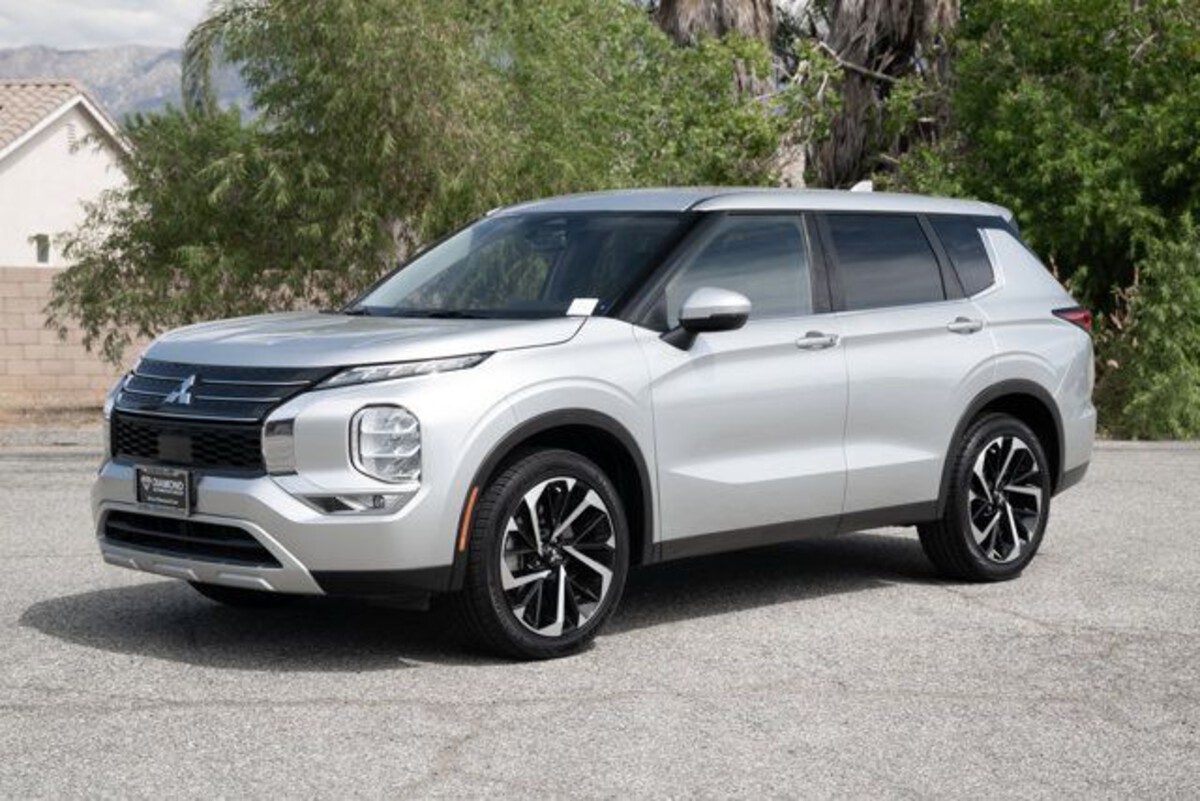
Mitsubishi Outlander
The Mitsubishi Outlander stands as one of the most overlooked crossovers in the market, and its resale numbers reflect that reality. While it offers a functional cabin, decent ride quality, and even innovative plug-in hybrid technology in some versions, its value drops quickly after purchase.
A lack of strong brand recognition, limited dealer presence, and uncertain reliability have all contributed to steep depreciation. Many consumers simply forget that Mitsubishi still sells crossovers, and that lack of visibility directly affects resale value.
Brand perception is a major obstacle for the Outlander. Mitsubishi once had a strong foothold with sporty and reliable vehicles, but over the years, its presence has diminished.
The company has reduced its model lineup, and marketing has been less aggressive than competitors. Because of that, buyers often perceive Mitsubishi vehicles as dated or less desirable. Even when the Outlander delivers solid performance and comfort, this perception overshadows its strengths, keeping resale prices lower than they should be.
The driving experience and refinement also play a role. Some Outlander models, especially earlier generations, suffered from rough power delivery, outdated technology, and cabin noise levels that fell short of rivals. These traits made them less appealing as long-term vehicles.
When new, aggressive pricing made the Outlander tempting, but that same discounting weakened its used value. Buyers prefer vehicles that feel modern and confident after years of ownership, and the Outlander struggles to project that sense of lasting quality.
Service availability and dealership reach further complicate matters. Mitsubishi has far fewer dealerships than major competitors, which can make maintenance or warranty repairs inconvenient. For used buyers, that limited support system can be a deal-breaker.
Even if the vehicle performs adequately, the perception of potential difficulty in finding service or parts lowers willingness to pay. The Outlander, though practical and comfortable, ends up with a resale profile defined more by its brand’s struggles than by its own capabilities. For owners, that means sharp depreciation even if the vehicle itself proves reliable.
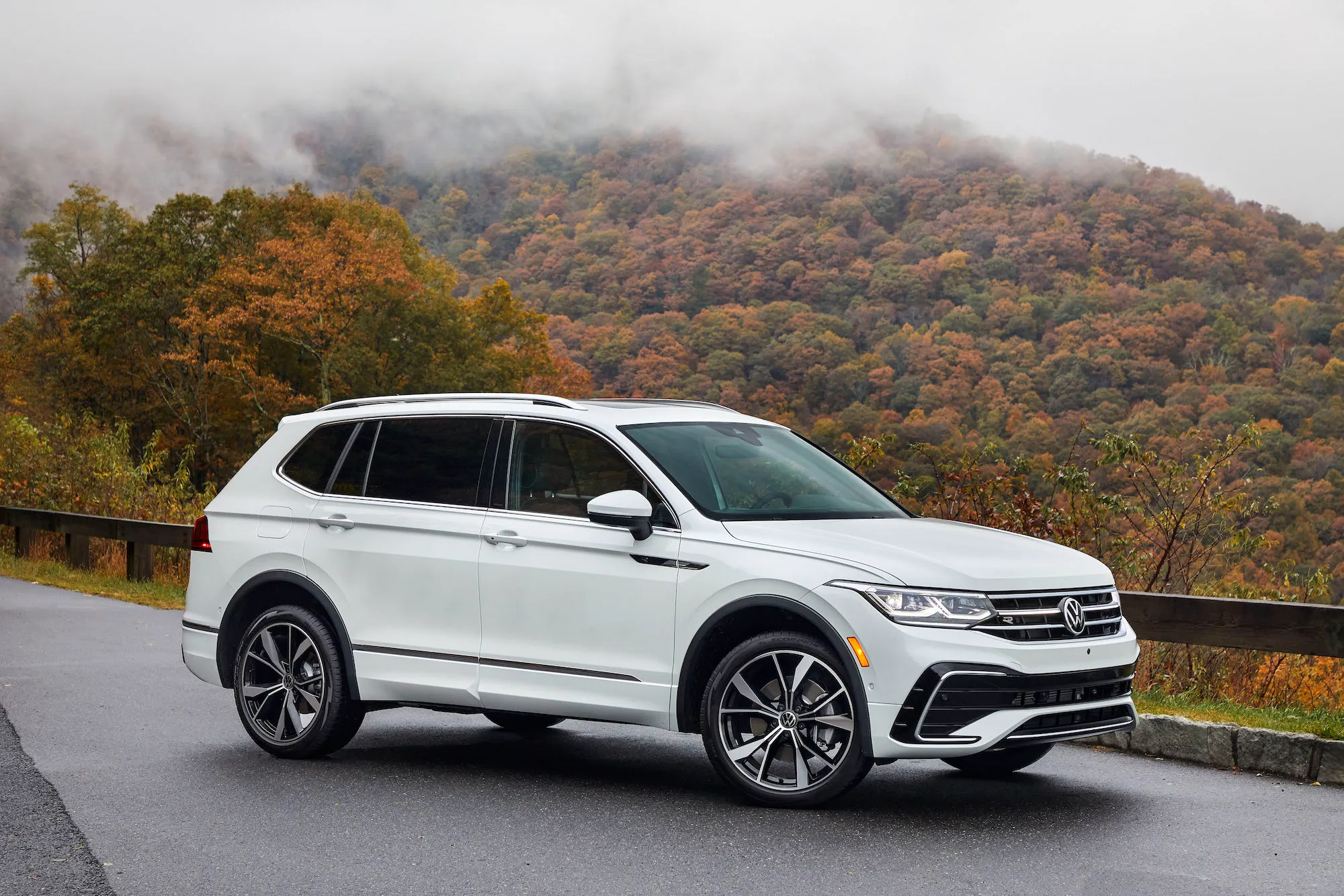
Volkswagen Tiguan
The Volkswagen Tiguan arrives with the appeal of European refinement and precise engineering, but its resale story tells a different tale. Despite strong design and solid road manners, the Tiguan struggles to hold value in the used market.
Buyers admire its upscale feel and confident ride when new, but several factors combine to hurt its long-term worth. The result is a crossover that looks and feels premium at first glance but loses value faster than many competitors once it leaves the dealership.
One of the main issues lies in Volkswagen’s reputation for maintenance costs. While the Tiguan is pleasant to drive, owners often face higher-than-average service expenses, particularly once warranties expire. European vehicles generally have more complex systems, and that translates into pricier upkeep.
Used buyers who have heard about expensive repairs for older Volkswagens tend to shy away from the brand unless the price is heavily discounted. This perception of higher ownership cost plays a major role in pushing resale values lower.
Another challenge is reliability consistency. While some Tiguans have proven dependable, others have suffered from electronic issues, minor drivetrain glitches, and interior wear that doesn’t match expectations for a premium-leaning crossover.
Reliability surveys have often placed Volkswagen mid-pack, and that middle-ground performance does not inspire strong resale confidence. Buyers want to know that their used crossover will perform without expensive surprises, and uncertainty always leads to steeper depreciation.
Finally, competition has intensified in the Tiguan’s price range. Vehicles like the Mazda CX-5, Honda CR-V, and Subaru Forester offer similar space and technology but with stronger reputations for reliability. Even if the Tiguan drives better or feels more refined, many buyers are unwilling to risk higher long-term costs.
Volkswagen’s brand image remains respected but not trusted enough to sustain resale strength. As a result, the Tiguan, despite its attractive design and solid craftsmanship, continues to fall behind in value retention.
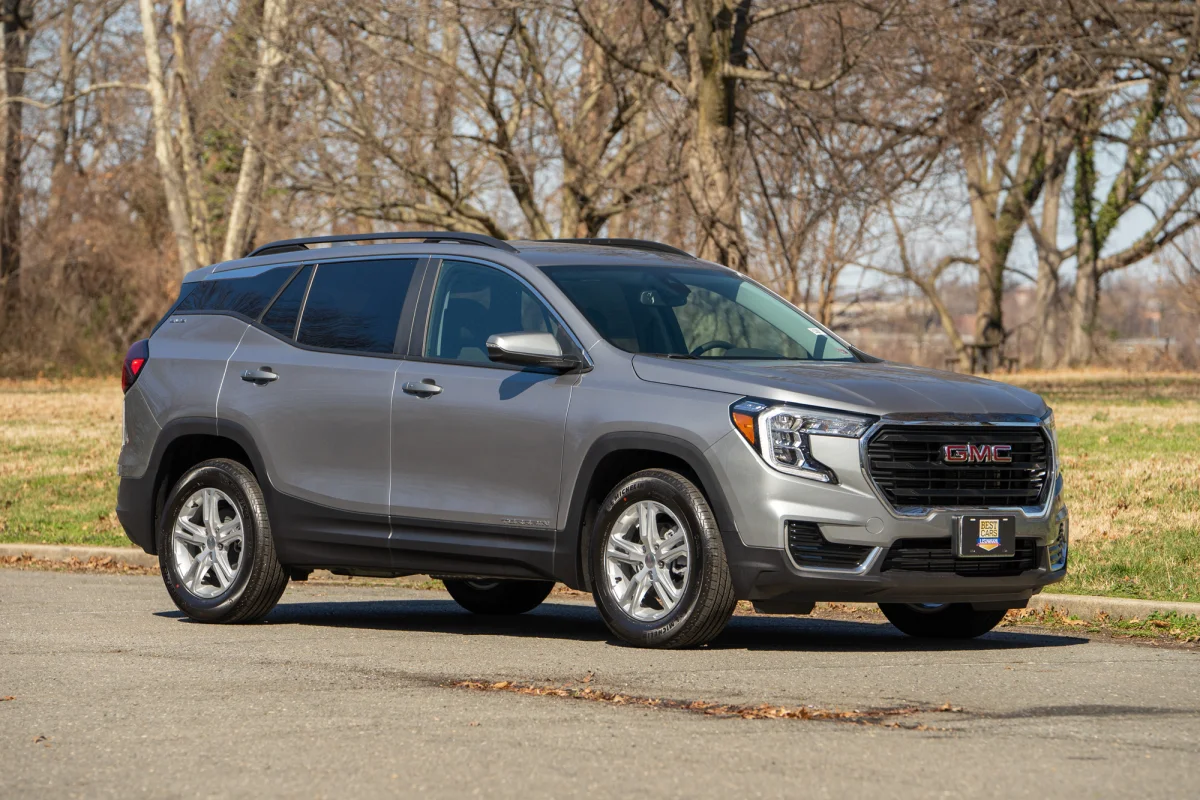
GMC Terrain
The GMC Terrain positions itself as a more upscale cousin to the Chevrolet Equinox, with bold styling and refined touches that appeal to buyers who want a taste of luxury without moving to a full premium brand.
Yet despite its strong initial impression, the Terrain’s resale value has consistently lagged. Owners often discover that while the Terrain feels refined on the surface, the underlying mechanical and market realities mirror its Chevrolet sibling, resulting in similar depreciation patterns.
One of the biggest reasons for the Terrain’s steep resale decline is that buyers in the used market are not easily persuaded by surface-level luxury. The interior may have nicer materials and a more polished design, but it still shares its core components with vehicles that have average reliability records.
When buyers realize that they are essentially getting a more expensive version of the Equinox, demand for used Terrains weakens. That drop in demand translates directly into lower resale figures, as market perception values substance over styling.
Mechanical reliability has also been a concern for certain model years. Some versions of the Terrain experienced issues with small turbocharged engines that aged poorly or consumed more oil than expected. Even minor reliability concerns can affect resale, especially in a crowded market filled with dependable alternatives.
Buyers considering a used Terrain often research ownership reports and find enough cautionary feedback to justify negotiating prices down or walking away entirely. This erosion of confidence keeps resale values depressed even for newer models.
Finally, GMC’s position in the market complicates things. The brand markets itself as more premium than Chevrolet but less exclusive than true luxury marques like Lexus or Acura. This middle ground often makes resale unpredictable.
Used buyers who want an upscale experience tend to move toward established luxury brands, while those seeking value stick with mainstream models.
That leaves the Terrain in an awkward space where demand softens faster than expected. Its handsome looks and comfortable ride cannot offset the depreciation curve created by reputation, overlap with its sibling, and inconsistent reliability.
